
The Erotic Art of the Moche: Deciphering Sensuality in Ceramics

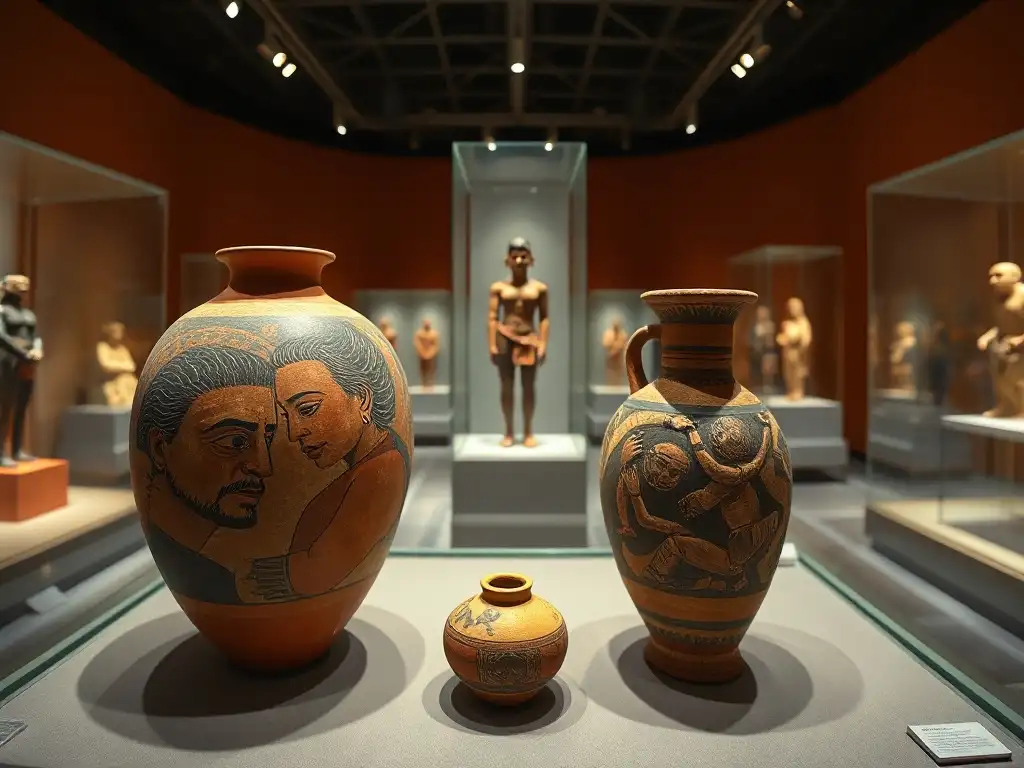
Dive into the enigmatic world of the Andean civilizations! Prepare to be captivated by their breathtaking artistry and complex societies. But first, a mystery awaits: What secrets do the sensual forms of Moche erotic pottery hold? Uncover the hidden meanings behind this provocative art and unlock the fascinating story of a civilization that dared to defy convention. Explore the depths of their culture and unravel the enigma now.
The Moche civilization, flourishing along the northern coast of Peru from approximately 100 CE to 800 CE, left behind a remarkable legacy of artistic expression. Their mastery of ceramics is particularly striking, producing intricately detailed vessels that offer invaluable insights into their daily lives, religious beliefs, and social structures. While depictions of warfare, agriculture, and ritual practices are common, the Moche's explicit portrayal of sexuality in their pottery stands out as uniquely revealing.
This article delves into the world of Moche erotic pottery, exploring its meaning and significance within the broader context of Moche culture. We will examine the diverse representations of sexual acts and figures, considering the potential interpretations of these images and their role in understanding the complex social dynamics of this ancient Andean society.
Understanding the meaning behind this art helps us unravel the nuances of Moche society, moving beyond simplistic interpretations and towards a more nuanced appreciation of their cultural complexity. This exploration seeks to answer the compelling question: what does Moche erotic pottery really mean?
Introduction to Moche Ceramics and Iconography
Moche pottery is renowned for its technical sophistication and vibrant artistry. Potters employed a variety of techniques, including modeling, molding, and slip painting, to create highly realistic and detailed representations. The iconography found on these vessels is incredibly diverse, ranging from depictions of everyday life—such as fishing, hunting, and feasting—to scenes of ritual sacrifice and mythical beings.
Many vessels showcase intricate portrayals of flora and fauna, reflecting the importance of the natural world in Moche society. The use of color was highly significant, with specific hues often associated with particular deities or events. For example, red often symbolized blood and sacrifice, while yellow might represent the sun or maize.
The meticulous detail and realistic style of Moche ceramics make them invaluable sources of information about the society's beliefs, values, and social structures. Understanding this broader artistic context is crucial to interpreting the more explicit and challenging aspects of their artistic output. The sheer volume and variety of their ceramic production underscores the importance of this art form in their society.
The Significance of Moche Erotic Pottery
The most striking aspect of Moche ceramic art is undoubtedly its explicit portrayal of sexuality. Numerous vessels depict sexual acts, often with remarkable detail and anatomical accuracy. These depictions are not limited to simple representations; rather, they showcase a range of sexual positions and interactions, suggesting a complex understanding of human sexuality within Moche culture. Some scholars interpret these depictions as reflecting fertility rites and the importance of procreation within their society.
Others suggest they represent aspects of power dynamics or social status, with certain sexual acts or figures potentially symbolizing dominance or submission. The presence of these images on a variety of vessels, from simple drinking cups to elaborate ceremonial objects, indicates that sexuality was not a taboo subject but rather an integral part of Moche life and worldview. Further research is needed to fully understand the multifaceted meanings embedded within these explicit representations, but their sheer existence challenges simplistic interpretations of ancient Andean societies.
The diversity of depictions, ranging from consensual acts to potentially coercive ones, suggests a nuanced perspective on sexuality that merits careful and sensitive analysis. The ongoing study of Moche erotic pottery continues to shed light on the complexities of their societal structures and beliefs. The careful examination of these artifacts, alongside other archaeological findings, offers a unique window into the lives and perspectives of the Moche people.
Exploring the Themes of Moche Erotic Art
The Moche civilization, flourishing along the northern coast of Peru between 100 and 800 CE, left behind a remarkable legacy in the form of intricately detailed ceramics. A significant portion of this artistic output depicts explicit sexual acts and imagery, challenging contemporary sensibilities and sparking intense scholarly debate regarding their meaning and purpose. These depictions are not gratuitous; rather, they are integral to understanding the complex social, religious, and cosmological beliefs of the Moche people.
The themes explored in Moche erotic art are multifaceted, ranging from straightforward representations of sexual acts to more nuanced portrayals of fertility, power, and the interconnectedness of life and death. The sheer variety of depicted positions and scenarios suggests a deliberate exploration of human sexuality, transcending mere pornography and entering the realm of symbolic representation.
The artistic skill involved—the meticulous detail, the vibrant colors, and the expressive faces of the figures—further underscores the importance of these images within Moche culture. The consistent presence of these themes across different pottery styles and time periods indicates their enduring significance within the Moche worldview.
Moche Pottery Depictions of Copulation
Moche pottery frequently showcases explicit depictions of sexual intercourse, often involving multiple individuals or incorporating elements of ritual or ceremony. These scenes are not merely anatomical representations; the expressions on the figures' faces, their postures, and the surrounding imagery all contribute to a narrative that goes beyond simple sexual acts. Many depictions feature couples engaged in coitus, sometimes in elaborate settings with additional figures or symbolic elements.
The positions depicted are diverse, suggesting a range of sexual practices and an understanding of human anatomy far beyond what might be expected. The meticulous detail in these depictions, including the rendering of musculature and facial expressions, highlights the skilled craftsmanship and the deliberate intentionality behind these artistic choices.
The frequency and variety of these depictions suggest that sexual activity was not a taboo subject within Moche society, but rather an important aspect of their cultural and religious practices. Further research into these representations is crucial for a complete understanding of Moche social structures and beliefs.
The Role of Ancestral Veneration and Procreation in Moche Imagery
The Moche deeply revered their ancestors, and the act of procreation was intrinsically linked to this ancestral veneration. The continuation of the lineage, the perpetuation of the community, and the honoring of past generations were all crucial aspects of Moche ideology. Many scholars suggest that the explicit depictions of sexual acts served as a symbolic representation of this connection between the living and the ancestors.
The act of procreation, therefore, was not merely a biological process but a ritual act that ensured the continuity of life and the connection to the spiritual world. The inclusion of ancestral figures or symbols in some erotic scenes reinforces this interpretation.
The pottery, therefore, becomes a medium for communicating and reinforcing these vital beliefs about lineage, continuity, and the sacred nature of procreation within the Moche worldview. This connection between sexuality and ancestral veneration is a crucial key to understanding the complexity of Moche erotic art.
Representations of Moche Rituals and Symbolic Fertility
Beyond depictions of straightforward sexual acts, Moche pottery also presents scenes that appear to depict ritualized sexual practices. These rituals may have been intended to enhance fertility, both human and agricultural. The association of sexual imagery with agricultural themes, such as the depiction of plants and animals, further supports this interpretation.
Specific symbols and motifs recurrently found in conjunction with erotic scenes may hold symbolic meanings related to fertility and regeneration. The inclusion of deities or other supernatural beings in these scenes suggests that these rituals were believed to have spiritual significance, potentially acting as a conduit between the human and divine realms.
The careful arrangement of figures and symbols in these representations suggests a complex system of beliefs and practices centered around fertility and the power of procreation. Analyzing these ritual scenes requires a careful consideration of the entire context, including the surrounding iconography and the overall narrative conveyed by the piece.
Decoding the Moche Erotic Pottery Meaning
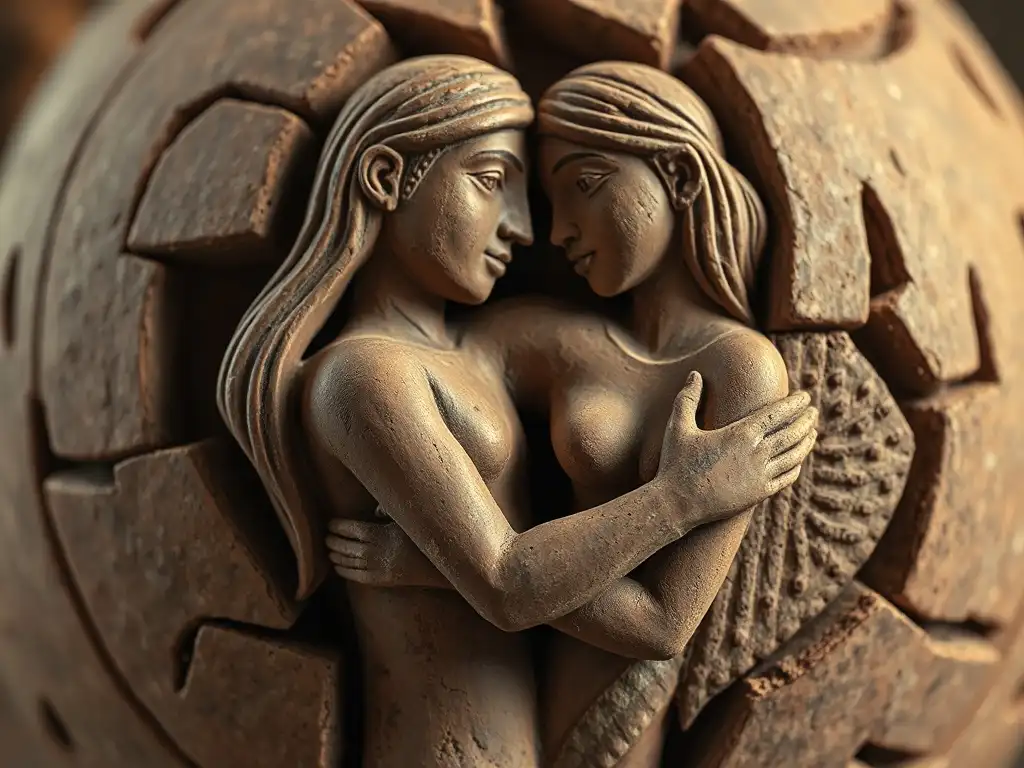
Understanding the meaning behind Moche erotic pottery requires a multidisciplinary approach, drawing upon archaeology, anthropology, and art history. The seemingly explicit nature of these depictions should not be taken at face value; instead, they must be interpreted within the broader context of Moche culture and belief systems. The absence of a single, universally accepted interpretation highlights the complexity and richness of these artistic expressions.
Understanding the Context of Moche Society and Rituals
To decipher the meaning of Moche erotic pottery, it's crucial to understand the social structure and ritual practices of the Moche civilization. The role of the elite, the nature of religious beliefs, and the importance of agriculture all play a significant role in interpreting the erotic imagery. Evidence from other artifacts, such as tombs and temples, can shed light on the social context in which these pots were created and used.
The analysis of these contexts allows for a more nuanced understanding of the symbolic meaning embedded within the erotic scenes. The pottery itself is not simply a representation of sexuality, but rather a reflection of the intricate interplay between social structures, religious beliefs, and daily life in Moche society.
Interpretations of Moche Erotic Scenes by Anthropologists
Anthropologists have offered various interpretations of Moche erotic scenes, ranging from the purely sexual to the profoundly symbolic. Some scholars emphasize the role of these depictions in social control and the reinforcement of power structures. Others focus on their connection to fertility rituals and the celebration of life's generative forces.
Still others suggest that these scenes may have served as a form of visual communication, conveying complex social messages to a wider audience. The diversity of these interpretations highlights the richness and complexity of the Moche artistic legacy and the ongoing debate surrounding the meaning of their erotic pottery. A comprehensive understanding requires careful consideration of all proposed interpretations within their respective theoretical frameworks.
The Social and Religious Significance of Moche Erotica
The social and religious significance of Moche erotica is undeniable. These depictions were not created in isolation but were integrated into the broader fabric of Moche society and religion. The careful craftsmanship and the prominent display of these pieces in tombs and other significant locations underscore their importance.
Scholars suggest that the erotic scenes served multiple purposes, ranging from the celebration of fertility and procreation to the reinforcement of social hierarchies and the communication of religious beliefs. The interplay between the sexual and the sacred is a recurring theme in Moche art, highlighting the interconnectedness of these aspects of their culture.
Further research is needed to fully understand the complex web of meanings embedded within these potent images. The Moche erotic pottery provides a unique window into the beliefs, values, and social structures of this fascinating ancient civilization, and its study continues to enrich our understanding of human culture and history.
Moche Erotic Pottery: A Window into Moche Society
The Moche civilization, flourishing along the northern coast of Peru from approximately 100 CE to 800 CE, left behind a remarkable legacy of artistic expression. Their pottery, particularly their erotic ceramics, provides invaluable insights into their social structures, religious beliefs, and daily life. These artifacts, far from being mere depictions of sexual acts, serve as complex visual narratives reflecting the multifaceted nature of Moche society.
The explicit nature of the imagery challenges modern sensibilities, yet its careful study reveals a wealth of information about the Moche worldview and their understanding of the human experience. The frequency and diversity of erotic themes in Moche pottery suggest that sexuality was not a taboo subject, but rather an integral part of their cultural landscape. Further research continues to uncover new interpretations, refining our understanding of this fascinating aspect of Moche culture.
The careful examination of the context in which these pieces were found, alongside the analysis of the pottery itself, is crucial to avoid misinterpretations and appreciate the nuanced complexity of the Moche message. The enduring power of Moche erotic pottery lies in its ability to connect us directly to the lives and beliefs of a civilization long gone.
The Portrayal of Gender Roles and Social Status in Moche Ceramics
Moche erotic pottery often depicts scenes involving individuals of varying social statuses and gender roles. The representation of these roles isn't always straightforward and sometimes subverts expected norms. For example, some depictions show women in positions of power or dominance, challenging the traditional interpretations of gender dynamics in ancient societies.
The clothing, jewelry, and other adornments depicted on the figures often provide clues to their social standing. Elaborate headdresses, fine textiles, and gold ornaments are frequently associated with elite individuals, while simpler attire may indicate lower social classes. The careful study of these details allows researchers to analyze the social hierarchy within Moche society and the potential interplay between social status and sexual expression.
Furthermore, the interaction between different classes in erotic scenes offers crucial insights into the complexities of Moche social relationships. While more research is needed to fully understand the subtle nuances of these portrayals, the evidence suggests a more fluid and complex understanding of gender and power than previously assumed. The careful observation of postures, expressions, and accompanying iconography further enriches our understanding of these intricate social dynamics.
Moche Erotic Art as a Reflection of Societal Norms
The prevalence of erotic imagery in Moche pottery suggests that sexuality was not a taboo subject, but rather an openly acknowledged aspect of their culture. Unlike many other ancient civilizations where such imagery was hidden or restricted to specific contexts, the Moche integrated erotic themes into their everyday artistic production. This openness might reflect a societal acceptance of sexuality, or perhaps even a ritualistic or religious significance attributed to sexual acts.
The diversity of scenes depicted – ranging from consensual encounters to potentially violent or coercive ones – hints at a complex understanding of human relationships and the spectrum of sexual experiences. However, it's crucial to avoid imposing modern interpretations onto these ancient depictions; careful consideration of the historical and cultural context is essential for accurate analysis.
Further research focusing on the relationship between Moche erotic art and their social structures, religious practices, and agricultural cycles is crucial to developing a more complete understanding of the meaning and significance of this pervasive artistic theme. The ambiguity in some depictions also necessitates cautious interpretation to avoid imposing modern biases on the data.
Insights into Moche Beliefs about Life and Death through Erotic Depictions
Some scholars suggest that the Moche's erotic pottery reflects their beliefs about life, death, and the cyclical nature of existence. The juxtaposition of sexual acts with imagery related to death or the underworld could symbolize the interconnectedness of these concepts within their cosmology. The inclusion of fertility symbols alongside erotic scenes might suggest a connection between sexual activity and the renewal of life, reflecting the importance of agriculture in Moche society.
The frequent depiction of both life and death in close proximity within a single ceramic piece suggests a holistic view of the human experience, where the boundaries between life and death were perhaps less rigid than in many other cultures. However, further research is needed to fully understand the symbolic meaning of these combined themes.
The interpretation of these symbolic elements requires careful consideration of the broader context of Moche mythology and religious beliefs, and a deeper understanding of the relationship between their artistic expressions and their spiritual worldview. The study of related iconography and the comparative analysis of similar themes in other Moche artistic mediums would also contribute significantly to this field of study.
The Artistic Techniques Used in Moche Erotic Ceramics
The Moche were master ceramicists, employing a range of sophisticated techniques to create their intricate and lifelike pottery. Their skill is particularly evident in their erotic pieces, where the level of detail and realism is remarkable. The artistry involved in producing these pieces showcases the high level of technical skill and artistic sophistication within Moche society. The methods they used not only allowed for the creation of visually stunning pieces but also contributed to the preservation of these artifacts over centuries.
Understanding these techniques is crucial for appreciating the full extent of Moche artistic achievement. The enduring quality of their work is a testament to their mastery of materials and techniques. The preservation of these artifacts allows us to study and appreciate the artistry and skill of these ancient artisans.
Moche Pottery Styles and Forms: Stirrup Spouts and Figurines
Moche pottery is easily recognizable by its distinctive stirrup spouts, a unique feature found in many of their vessels. These spouts, shaped like a stirrup, are often intricately decorated and integrated into the overall design of the piece. The stirrup spouts were not merely functional; they also served as important artistic elements, often featuring detailed scenes or figures.
In addition to vessels, the Moche also created a wide variety of figurines, often depicting individuals engaged in various activities, including sexual acts. These figurines, sometimes highly realistic and detailed, offer further insights into Moche society and its customs. The diversity of styles and forms reflects the sophistication and versatility of Moche ceramic production.
The range of sizes, shapes, and decorative elements further highlights the artistic creativity and technical skills of the Moche artisans. The evolution of these styles over time also provides valuable information about the development of Moche culture and artistic traditions.
The Use of Slip Painting and Molded Relief in Erotic Moche Ceramics
Slip painting, a technique involving applying a liquid clay mixture to the surface of the pottery, was extensively used by the Moche to create vibrant colors and intricate designs. This technique allowed for precise details and a high level of artistic expression. In combination with molded relief, where clay is added to the surface to create three-dimensional forms, the Moche achieved exceptional realism in their depictions of human figures and sexual acts.
The interplay of color and form created depth and dynamism in their erotic ceramics. The precision and skill involved in these techniques are remarkable, especially considering the tools and materials available to the Moche artisans.
The mastery of these techniques allowed the Moche to create strikingly realistic and emotionally evocative depictions. The careful application of slip painting and molded relief is evident in the fine details of facial features, bodily proportions, and the subtle expressions of the figures depicted.
Materials and Firing Techniques of Moche Pottery
The Moche utilized readily available local materials in their pottery production. Clay, sourced from the surrounding environment, formed the base of their ceramics. The specific type of clay varied depending on the location and its properties influenced the final characteristics of the pottery.
The firing techniques employed by the Moche were crucial to the durability and aesthetic qualities of their work. Kilns, specifically designed for pottery firing, were used to achieve the desired hardness and color. The control of temperature and atmosphere within the kilns was crucial for achieving consistent results and high-quality pottery.
The firing process was a complex and skilled undertaking, requiring knowledge and experience to produce consistently high-quality results. The variations in firing techniques could also produce a range of colors and textures, contributing to the aesthetic diversity of Moche pottery. The careful selection of materials and mastery of firing techniques are essential aspects of understanding the artistry and craftsmanship of Moche ceramics.
Moche Erotic Pottery in the Archaeological Record
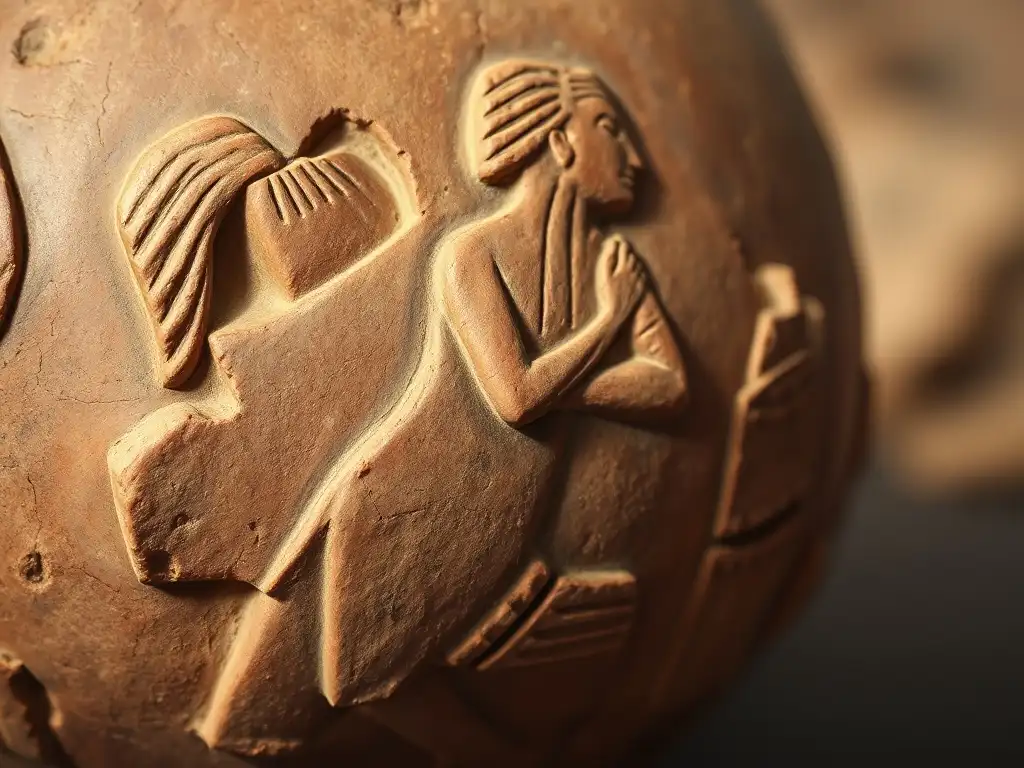
The discovery of Moche erotic pottery has significantly enriched our understanding of this ancient Andean civilization. These artifacts, unearthed primarily from burial contexts and elite residential areas, offer a unique window into their social structures, religious beliefs, and daily life. The sheer volume of erotic imagery found – from explicit depictions of sexual acts to representations of fertility and procreation – highlights its central role in Moche culture.
Unlike many other ancient societies where such imagery might be hidden or subtly represented, the Moche embraced it openly, integrating it into their artistic production with remarkable realism and detail. This open portrayal challenges Western biases about the representation of sexuality in ancient cultures and compels us to reconsider our assumptions about the relationship between art, religion, and societal norms in pre-Columbian societies.
The prevalence of these ceramics in different contexts suggests their significance extended beyond mere decoration; they likely held ritualistic, symbolic, or even social functions. Further research is needed to fully understand the nuances of their varied uses and meanings.
Discovering Moche Erotic Ceramics at Huaca de la Luna
Huaca de la Luna, a significant Moche archaeological site located in the Moche Valley, has yielded a substantial number of erotic ceramics. The site's complex of pyramids and platforms, once home to elite Moche individuals, served as a rich source of these artifacts. Excavations have revealed numerous burial chambers containing elaborate grave goods, including intricately decorated pottery depicting a wide range of sexual acts and positions.
The careful placement of these vessels within the burials suggests their deliberate inclusion as meaningful offerings, possibly reflecting the deceased's status or beliefs. Furthermore, the discovery of such artifacts within the context of other ritual paraphernalia underscores the intertwining of sexuality and religious practice in Moche society.
The meticulous preservation of these fragile artifacts at Huaca de la Luna has allowed researchers to closely study the techniques used by Moche artisans and the details of their artistic representations. Ongoing research continues to shed light on the context of these discoveries and their significance within the wider Moche culture.
The Preservation and Conservation of Moche Erotic Artifacts
The preservation of Moche erotic pottery presents unique challenges due to the fragility of the materials and the often delicate nature of the artwork itself. The ceramics, typically made from clay and painted with pigments derived from natural sources, are susceptible to damage from environmental factors such as humidity and temperature fluctuations.
The conservation process involves careful cleaning, stabilization of cracked or damaged areas, and the application of protective coatings to prevent further deterioration. Modern techniques such as digital imaging and 3D scanning are also employed to create detailed records of the artifacts, allowing for detailed study without handling the originals and reducing the risk of further damage.
Furthermore, ethical considerations are paramount, ensuring respectful treatment of these culturally significant artifacts and their integration into public displays that accurately represent their historical and cultural context. These efforts are crucial not only for preserving this unique aspect of Moche culture but also for ensuring its accessibility to future generations of researchers and the public.
The Impact of Moche Art on Our Understanding of Andean Ritual Practices
The erotic nature of Moche pottery significantly impacts our comprehension of Andean ritual practices. The explicit depictions of sexual acts, fertility rituals, and the human body challenge simplistic interpretations of ancient Andean religion. It suggests a more complex and nuanced understanding of the relationship between sexuality, spirituality, and the cosmos within Moche society. Unlike many other ancient cultures where religious representations might be more symbolic or abstract, the Moche's direct and uncensored approach provides a rare glimpse into their beliefs.
The presence of erotic imagery in funerary contexts suggests its connection with the afterlife and ancestor veneration. Further analysis of the iconography and associated artifacts is necessary to fully understand the integration of sexuality within their wider religious cosmology. The realistic portrayal of the human form and its various states suggests a deep understanding of the body and its life cycle, further enriching our understanding of Moche worldview.
Contrasting Moche Erotic Art with Other Andean Cultures
While Moche erotic pottery is striking in its explicitness and frequency, it is important to compare it with the artistic expressions of other Andean cultures to understand its uniqueness and broader significance within the region's artistic landscape.
Comparisons with Chavin and other Pre-Inca Civilizations
Comparing Moche erotic art with that of preceding Andean cultures like the Chavín reveals significant differences. Chavín art, for instance, is characterized by its more abstract and stylized representations, often focusing on mythological creatures and shamanistic themes. While some interpretations suggest underlying sexual symbolism in Chavín iconography, it is far less explicit than the Moche's. This contrast highlights the evolving artistic expressions and changing cultural values across different Andean societies.
The Moche's naturalistic and direct approach to portraying sexuality stands in stark contrast to the often more symbolic and less overtly sexual representations found in other pre-Inca cultures. This difference points to unique cultural values and beliefs specific to the Moche civilization. Further comparative studies are needed to fully understand the broader evolution of artistic representation of sexuality in the Andean region.
Unique Characteristics of Moche Erotic Depictions: Realism and Detail
One of the most striking aspects of Moche erotic pottery is its realism and level of detail. Unlike many other ancient cultures that might utilize symbolic representations or abstraction, the Moche artisans created remarkably lifelike depictions of the human body and sexual acts. This attention to detail extends to the anatomical accuracy of the figures, the depiction of musculature, and even the rendering of facial expressions.
This realism suggests a profound understanding of the human form and a willingness to portray it openly and honestly. The technical skill involved in achieving this level of detail is also noteworthy, reflecting the advanced artistic capabilities of Moche potters. The use of diverse techniques, including the application of multiple layers of paint and the incorporation of various modeling techniques, contributed to the creation of these striking and expressive works.
The Evolution of Erotic Imagery in Andean Art: From Myth to Reality
Tracing the evolution of erotic imagery in Andean art from earlier cultures to the Moche reveals a gradual shift from more symbolic and mythological representations to the explicit and naturalistic depictions characteristic of Moche pottery. While earlier cultures may have incorporated subtle sexual symbolism within their art, the Moche represent a significant departure, embracing a direct and uncensored portrayal of sexuality. This shift might reflect changes in religious beliefs, societal structures, or artistic conventions.
Further research, including the study of ceramic styles and iconography from different periods, is needed to fully understand this transition. This evolution highlights the dynamic nature of artistic expression and its relationship to broader cultural transformations within the Andean region. Understanding this evolution provides crucial context for interpreting the meaning and significance of Moche erotic pottery within the wider historical and cultural landscape of the Andes.
Conclusions: The Enduring Legacy of Moche Erotic Pottery
The Moche's explicit depiction of sexuality in their pottery offers a unique window into their worldview, challenging conventional interpretations of ancient Andean societies. Their art wasn't merely decorative; it was a powerful tool for communicating complex social, religious, and political messages. The enduring legacy of this erotic pottery lies not just in its artistic merit, but in its ability to provoke discussion and re-evaluation of our understanding of the past.
The frankness with which the Moche portrayed sexual acts, fertility, and human anatomy stands in stark contrast to many other ancient cultures, underscoring the unique characteristics of their civilization. Further research, particularly interdisciplinary studies combining archaeological findings with anthropological and sociological perspectives, will continue to enrich our understanding of this fascinating aspect of Moche culture.
The continued study of Moche erotic pottery forces us to confront our own biases and preconceptions about sexuality in ancient societies, encouraging a more nuanced and holistic approach to historical interpretation. The legacy of the Moche endures not only in their impressive architectural feats and sophisticated irrigation systems but also in the provocative questions posed by their daringly explicit art.
The Importance of Moche Art for Understanding Andean Worldview
Moche art, particularly their erotic pottery, is crucial for understanding the Andean worldview because it reveals aspects of their society often overlooked in other archaeological evidence. The emphasis on fertility and reproduction, clearly depicted in many vessels, speaks volumes about their agricultural-based economy and the importance of ensuring bountiful harvests. The inclusion of both male and female figures in various sexual positions suggests a complex understanding of gender roles and the interconnectedness of life and death, possibly reflecting their beliefs about the cyclical nature of existence.
Unlike many cultures that shy away from explicit representations of sexuality, the Moche's embrace of it offers a direct and powerful insight into their beliefs and values. The detailed depictions of human anatomy and sexual acts, far from being gratuitous, seem to be integral to their religious rituals and social practices.
This aspect of their art provides a valuable counterpoint to the often-sterile interpretations of ancient societies based solely on architecture and material culture. By studying Moche art, we gain a more complete and nuanced picture of their worldview, moving beyond simple economic and political structures to encompass their spiritual and cosmological beliefs.
The Continuing Relevance of Moche Erotic Symbolism: Cultural Heritage
The continuing relevance of Moche erotic symbolism lies in its ability to challenge our preconceived notions about ancient cultures and the representation of sexuality. The frankness of the Moche's depictions forces a critical examination of our own cultural biases and interpretations of the past. The preservation and study of this art are crucial for fostering cultural heritage and promoting a deeper understanding of human history.
The Moche’s art serves as a powerful reminder of the diversity of human experience and the complexities of ancient societies. The ongoing research and scholarly discussions surrounding Moche erotic pottery highlight its significance as a vital component of Peru's cultural heritage, contributing to a richer and more complete understanding of the country’s ancient past.
Furthermore, the study and preservation of these artifacts contribute to the broader academic discourse on the representation of sexuality in ancient cultures across the globe. Their legacy encourages us to approach historical interpretation with greater sensitivity and a willingness to engage with potentially uncomfortable or challenging aspects of the past.
The Interplay of Sexuality and Spirituality in Moche Art
The Moche didn't separate sexuality from spirituality; rather, they viewed them as deeply intertwined aspects of life. Their erotic pottery often depicts scenes that appear to be ritualistic, suggesting that sexual acts held a significant religious or spiritual meaning. The intricate details and symbolic elements incorporated into these vessels support this interpretation.
For example, the presence of specific deities or mythical creatures in conjunction with sexual imagery might indicate a connection between fertility, procreation, and the supernatural realm. The Moche's worldview seemingly integrated sexuality into their cosmology, viewing it not simply as a biological function but as a powerful force connected to the cycles of nature and the divine. The recurring motifs and iconography found within their erotic pottery further support this understanding, revealing a complex and nuanced relationship between the physical and spiritual worlds.
The study of this interplay allows for a more profound understanding of the Moche worldview and their unique integration of sexuality into their religious and spiritual practices. Further research is necessary to fully unravel the intricate symbolism and meaning embedded within these artifacts.
- Introduction to Moche Ceramics and Iconography
- The Significance of Moche Erotic Pottery
- Exploring the Themes of Moche Erotic Art
- Decoding the Moche Erotic Pottery Meaning
- Moche Erotic Pottery: A Window into Moche Society
- The Artistic Techniques Used in Moche Erotic Ceramics
- Moche Erotic Pottery in the Archaeological Record
- Contrasting Moche Erotic Art with Other Andean Cultures
- Conclusions: The Enduring Legacy of Moche Erotic Pottery
Frequently Asked Questions
What is the significance of erotic imagery in Moche pottery?
The presence of explicit sexual imagery in Moche pottery is a subject of ongoing debate. Some scholars suggest it reflects a complex worldview embracing fertility, ritual practices, and social structures. Others believe it may represent power dynamics or artistic expression.
Why did the Moche create erotic pottery?
The exact reasons remain unclear, but it likely served multiple purposes. It may have been used in religious ceremonies, as representations of deities, or simply as artistic displays reflecting their culture's values. Further research is needed.
What are the common themes depicted in Moche erotic pottery?
Common themes include sexual intercourse, fertility, and birth. These depictions often involve both male and female figures in a variety of positions, highlighting the importance of procreation within their society.
How does the Moche erotic pottery differ from other Andean pottery styles?
Unlike other Andean cultures, the Moche's explicit eroticism is exceptionally prominent. While other cultures may have incorporated suggestive imagery, the Moche's direct and detailed representations are unique, making it a distinctive characteristic of their artistic tradition.
Where can I see examples of Moche erotic pottery?
Examples can be found in various museums worldwide, including the Larco Museum in Lima, Peru (which has a significant collection). Many academic publications and online resources also feature images and detailed analyses of these artifacts.
Final Reflection: Unveiling the Enduring Power of Moche Sexuality
The vibrant sensuality depicted in Moche pottery isn't merely a historical curiosity; it's a powerful testament to the complex relationship between sexuality, spirituality, and societal structures, a relationship that continues to resonate in our own time. The frankness with which the Moche portrayed sexual acts and the human form challenges our modern sensibilities and forces a reconsideration of how we view the body and its representation in art. This unflinching portrayal offers a valuable counterpoint to the often-sanitized depictions of sexuality prevalent in contemporary society.
The enduring impact of Moche erotic art lies not just in its aesthetic beauty but in its ability to spark dialogue about the fluidity of sexual expression and the diverse ways cultures have understood and celebrated the human body. Art washes away from the soul the dust of everyday life.
– Pablo Picasso. This quote, while not directly about Moche pottery, perfectly captures the power of art, including Moche art, to transcend time and offer a glimpse into the human experience, forcing us to confront our own preconceptions and biases. The Moche, through their bold artistic choices, invite us to engage in a similar process of self-reflection.
Consider the implications of the Moche's uninhibited approach to depicting sexuality. How does their perspective challenge our own cultural norms? What can we learn from a civilization that so openly embraced the erotic as a part of their spiritual and social fabric?
I urge you to continue this exploration, to delve deeper into the meaning behind these ancient artifacts, and to consider how their message of uninhibited self-expression can inform and enrich your own understanding of sexuality and the human condition. Let the legacy of the Moche inspire you to embrace a more open and accepting perspective on the diverse expressions of human experience.
Unveil the Sensuality of Moche Art Today!
Thank you for exploring the rich and captivating world of Moche ceramics! Your interest in their erotic art demonstrates a keen understanding of the complex interplay between culture, sexuality, and artistic expression. Let's build on this!
Here's how you can deepen your understanding of Moche art and share your insights:
- Explore further: Visit museums or online galleries showcasing Moche artifacts. This provides a powerful way to appreciate the beauty of these ceramics and their cultural significance firsthand.
- Join the conversation: Connect with fellow art enthusiasts online or in person to exchange perspectives on the erotic themes in Moche art. Consider starting a blog or social media discussion to share your interpretations and spark further dialogue.
- Create your own art: Inspired by the Moche's artistic vision, create a piece reflecting your understanding of sensuality and culture—perhaps through sculpting, painting, or digital art.
How do you believe the sensual themes in Moche ceramics relate to contemporary perspectives on art and culture? We'd love to hear your thoughts!