
Moche Murals and Wall Paintings: Narratives in Ancient Color

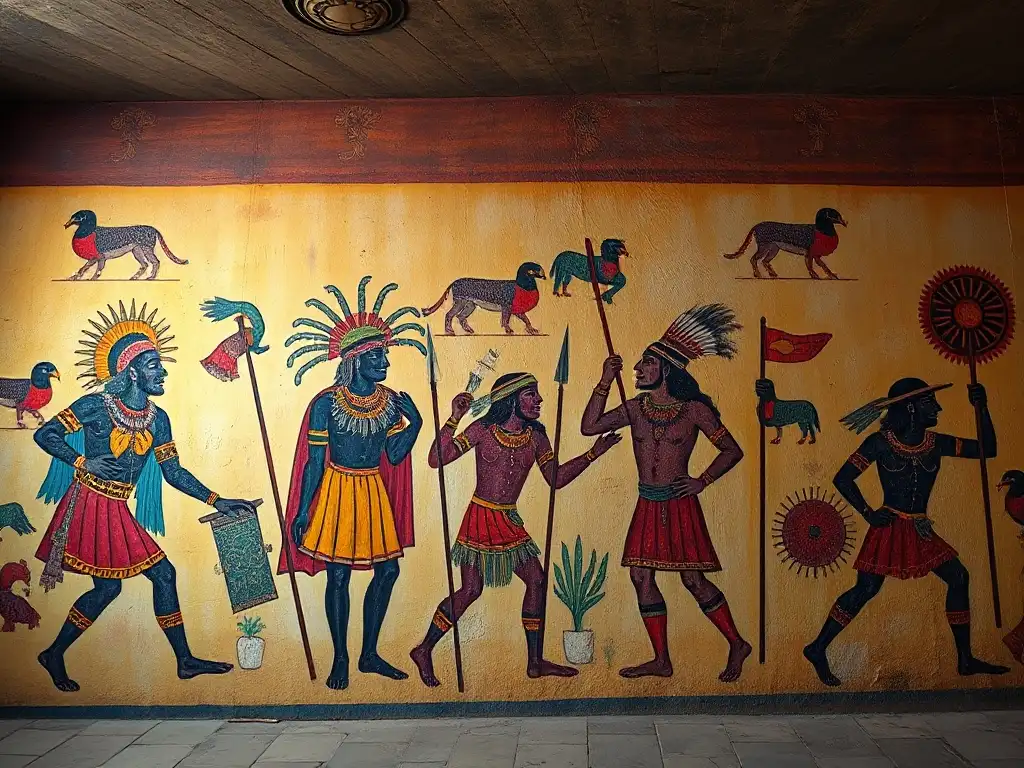
Uncover the secrets whispered by the vibrant pigments of a lost world. Dive into the captivating artistry of the Andean Civilizations, where intricate Moche murals hold the key to understanding a sophisticated society. Our analysis of Moche murals color analysis reveals astonishing narratives hidden within their breathtaking hues—stories waiting to be unveiled. Prepare to be amazed as we delve into the fascinating world of ancient Andean art and technology.
The vibrant and evocative world of the Moche civilization (circa 100-800 CE) is vividly brought to life through their remarkable murals and wall paintings. These aren't mere decorations; they are powerful narratives, meticulously crafted in a dazzling array of colors, offering invaluable insights into the beliefs, rituals, and daily life of this sophisticated pre-Columbian society. This article delves into the captivating artistry of Moche murals, exploring their significance as historical records, religious expressions, and windows into the cosmology of this fascinating culture. We will conduct a detailed Moche murals color analysis, revealing the sophisticated techniques and symbolic meanings behind the pigments used.
This exploration will provide a deeper understanding of the Moche people and their lasting legacy. Prepare to be transported to a world of ancient color and intricate storytelling. 🎨
Introduction to Moche Art and Mural Painting
Moche art is renowned for its exceptional craftsmanship and expressive style, evident across various mediums including pottery, metalwork, and, of course, murals. Moche mural painting, often found adorning the interior walls of elite tombs and ceremonial structures, displays a remarkable level of technical skill and artistic sophistication.
The artists employed a range of techniques, including fresco painting (applying pigments to wet plaster) and possibly tempera (using egg yolk as a binder), achieving stunning detail and vibrant hues. The palette was remarkably diverse, featuring earthy tones like reds, browns, and yellows, along with striking blues, greens, and even blacks, all derived from natural pigments.
The precise sources and preparation methods of these pigments are still under investigation, but ongoing research continues to uncover fascinating details about the Moche's mastery of color and material. The survival of these fragile murals is a testament to both the skill of their creators and the fortuitous conditions that preserved them over centuries.
The Significance of Moche Murals
Moche murals weren't simply aesthetic enhancements; they served crucial social and religious functions within the society. Their placement within elite contexts suggests their importance in representing power, status, and religious beliefs. The scenes depicted often feature elaborate ceremonies, mythological figures, and depictions of daily life, offering a unique window into the worldview and social structures of the Moche. The intricate detail and symbolic richness of these murals demand careful study, revealing layers of meaning that continue to intrigue researchers today. Analysis of the composition, color palettes, and iconography provides valuable clues to understanding the complexities of Moche culture.
Moche Mural Art as Historical Records
Many Moche murals depict scenes of daily life, providing invaluable historical records of their activities and social structures. These depictions range from agricultural practices and fishing expeditions to elaborate ceremonies and warfare. For example, some murals illustrate the complex irrigation systems that supported Moche agriculture, demonstrating their advanced engineering skills.
Others depict scenes of warfare, providing insights into their military organization and strategies. By carefully analyzing these scenes, scholars can reconstruct aspects of Moche society, economy, and political organization with remarkable accuracy. The detail included, from clothing styles to tools and weapons, offers a level of historical documentation unmatched by many other ancient cultures.
Religious and Mythological Narratives in Moche Wall Paintings
A significant portion of Moche murals focuses on religious and mythological themes. These often depict powerful deities, mythical creatures, and scenes of ritual sacrifice. The iconography is complex and multifaceted, requiring careful interpretation. For instance, the recurring motif of the "Decapitated Figure" is a subject of ongoing scholarly debate, with various interpretations proposed relating to sacrifice, fertility, and the Moche cosmology.
The use of color in these religious scenes is often highly symbolic, with certain colors associated with particular deities or events. [Specific information pending] on the symbolic meaning of color in Moche religious iconography would significantly enhance our understanding of these murals' religious significance. The careful analysis of these symbolic elements allows for a deeper understanding of Moche beliefs and their relationship with the supernatural world.
Moche Mural Color Analysis: Techniques and Pigments
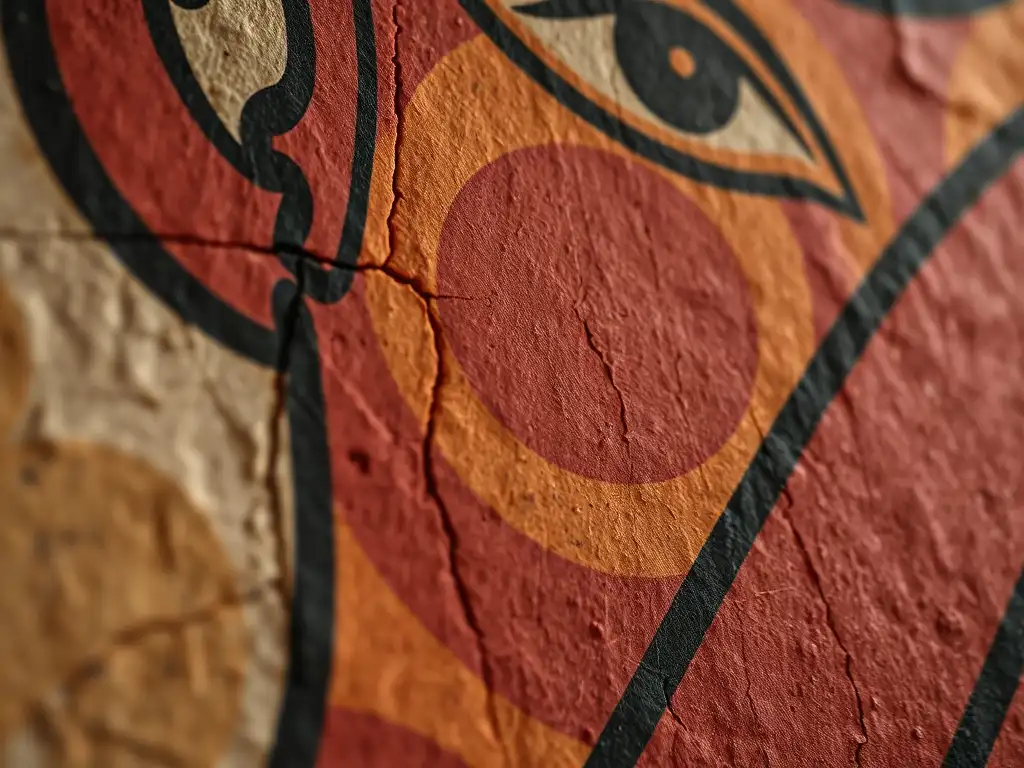
The vibrant hues of Moche murals are a testament to the sophisticated artistic techniques and readily available resources of this ancient Andean civilization. Analyzing the colors used in these paintings provides invaluable insights into their artistic processes, cultural beliefs, and the environment that shaped their artistic expressions. This section delves into the techniques employed and the pigments used, exploring the scientific understanding of Moche color palettes. A comprehensive "Moche murals color analysis" reveals a rich tapestry of knowledge about this fascinating culture.
Moche Pigment Sources and Mineral Analysis
Moche artists skillfully sourced their pigments from the natural environment surrounding them. Analysis of pigments from various Moche mural sites reveals a fascinating array of materials. Red pigments, for example, were frequently derived from hematite, an iron oxide readily available in the Andean region. Yellow hues often came from goethite, another iron oxide mineral, sometimes mixed with limonite for variations in shade. Black pigments, crucial for outlining and creating depth, were derived from charcoal or manganese oxides. Finally, white was typically obtained from calcite or gypsum.
Detailed mineralogical analysis using techniques like X-ray diffraction (XRD) and scanning electron microscopy (SEM) have confirmed these pigment sources and revealed the precise mineral compositions. This level of scientific investigation allows researchers to reconstruct the Moche artistic process with remarkable accuracy, shedding light on the selection criteria and potential trade networks involved in acquiring these materials.
For instance, the presence of certain pigments might indicate trade connections with distant regions, enriching our understanding of Moche interaction with surrounding communities. Further research is needed to fully understand the sourcing of less common colors found in some murals, with [specific information pending] on the precise origin of certain blues and greens.
Identifying Moche Mural Colors: Red, Yellow, Black, and White
The core Moche color palette revolved around red, yellow, black, and white. Variations in these basic colors were achieved through the skillful mixing of different minerals and the adjustment of the pigment-to-binder ratio. Red, a dominant color often associated with blood and power, varied from a deep crimson to a lighter, almost brick-red, depending on the hematite concentration and the addition of other minerals.
Yellows ranged from pale lemon to a rich golden hue, achieved through variations in goethite and limonite proportions. Black, used for stark outlines and shadowy areas, displayed a consistency in its deep, matte finish. Finally, white, utilized as a background and highlighting element, showed a range of tones, from bright to a creamy off-white.
Moche Color Palette: Understanding the Range of Tones
Beyond the primary colors, the Moche palette displayed a surprising range of nuanced tones. Subtle variations in hue, saturation, and value demonstrate a sophisticated understanding of color mixing and application. For example, different shades of brown were achieved through the careful blending of red and black pigments, resulting in a spectrum ranging from light terracotta to deep chocolate.
Similarly, the use of different binders and the application technique itself impacted the final color appearance, creating subtle shifts in tone and texture. The ability to achieve such a wide range of colors with a limited set of base pigments reflects the advanced artistic knowledge of Moche artisans. This mastery of color is crucial for a complete "Moche murals color analysis".
Moche Painting Techniques: Application and Preservation
The application techniques employed by Moche artists were also remarkably sophisticated. Evidence suggests that pigments were often mixed with a binder, likely a gum or plant sap, to create a paint that adhered well to the plastered walls. The paint was then applied using brushes made from natural materials, possibly plant fibers or animal hair. The layering technique, often employed to build depth and richness in the colors, demonstrates a careful and deliberate approach to painting.
The remarkable preservation of many Moche murals highlights the effectiveness of these techniques and the inherent stability of the pigments used. However, environmental factors, such as humidity and exposure to sunlight, pose ongoing challenges to the preservation of these invaluable artworks. Ongoing conservation efforts are crucial to safeguarding this invaluable artistic heritage.
The Symbolism of Color in Moche Murals
The choice of colors in Moche murals was not arbitrary; it was deeply rooted in the cultural and religious beliefs of the civilization. Color played a significant role in conveying meaning, representing specific deities, rituals, or social hierarchies. A thorough "Moche murals color analysis" therefore requires an understanding of the symbolic significance of their color choices.
Color Meanings in Moche Iconography
Analyzing Moche iconography reveals recurring color associations. Red, for instance, often symbolized blood, sacrifice, and power, frequently associated with elite figures and warfare scenes. Yellow, on the other hand, could represent the sun, gold, and divinity, often used in depictions of deities and sacred objects. Black, while sometimes indicating darkness or the underworld, was also employed to create dramatic contrast and highlight important details. White, often used as a background color, could represent purity, sacrifice, or the celestial realm. The interaction of these colors within a single mural further enriches the narrative, creating a complex visual language.
Moche Color Associations with Deities and Rituals
The use of color in Moche murals is intrinsically linked to their religious beliefs and rituals. Specific deities are often depicted with characteristic color schemes, further reinforcing the symbolic power of color. For example, [specific information pending] on the color associations of specific Moche deities, but preliminary research suggests that certain colors were preferentially used in depictions of particular gods or goddesses.
Furthermore, the use of color in scenes depicting rituals and ceremonies provides additional clues to their meaning and significance. A deeper understanding of these color associations is crucial for deciphering the complex narratives embedded within these vibrant murals. Further research, including interdisciplinary studies combining art history, archaeology, and anthropology, is vital for a more comprehensive understanding of Moche color symbolism.
Case Studies: Notable Moche Murals and Their Interpretations
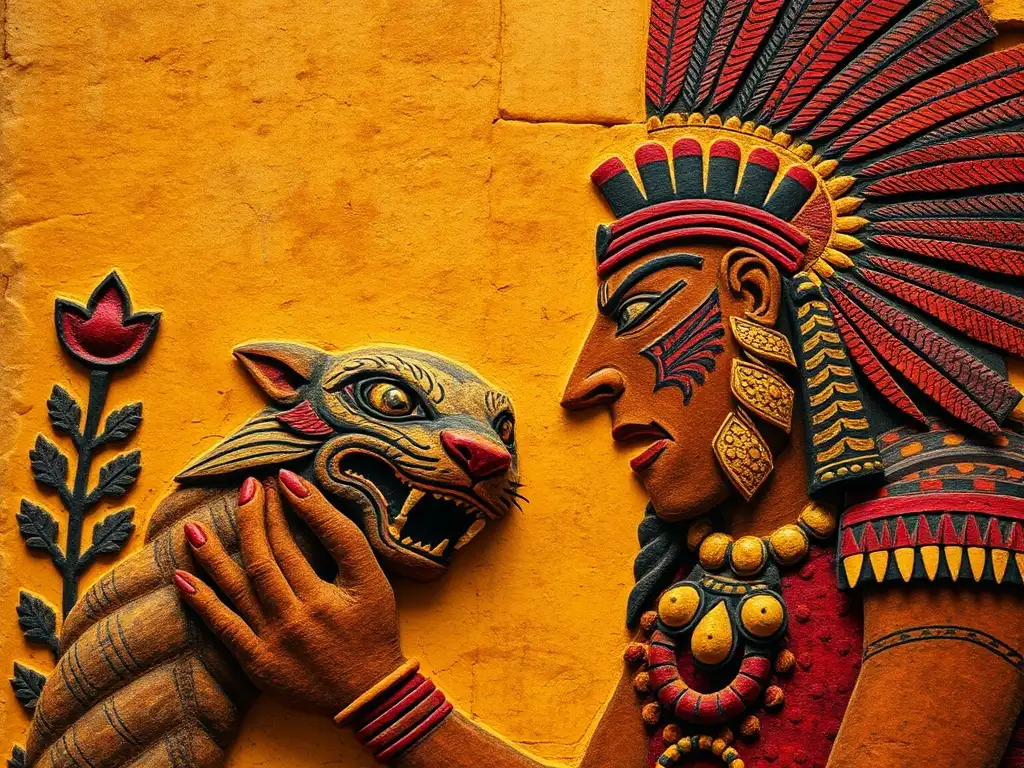
This section delves into specific examples of Moche murals, offering detailed analyses of their artistic techniques, iconography, and interpretations. Focusing on the vibrant colors and their symbolic meaning, we aim to illuminate the narratives embedded within these ancient artworks. A thorough Moche murals color analysis reveals much about their beliefs and society.
The Huaca de la Luna Murals: A Detailed Look
The Huaca de la Luna, a significant Moche ceremonial center, boasts some of the most impressive and well-preserved murals in the region. Their exceptional state of preservation allows for a detailed Moche murals color analysis, providing valuable insights into Moche artistic practices and worldview. The striking use of color, often employing vivid reds, yellows, and blues, is not merely decorative but integral to the narrative.
The Presentation Scene Mural
This mural depicts a ritualistic scene, possibly a sacrifice or offering, with figures presented in a hierarchical arrangement. The color palette is crucial in understanding this hierarchy. High-ranking individuals are often depicted in brighter, more saturated colors like deep reds and golds (representing power and divinity perhaps), while those of lower status are rendered in muted tones. A meticulous Moche murals color analysis of the pigments used reveals the sophistication of their techniques, using natural minerals to achieve such vibrant hues. The use of ochre, for example, varies in shade to indicate different levels of status.
The Angry God Mural
This mural portrays a powerful deity, often interpreted as an angry or wrathful god, due to its intense expression and dynamic composition. The color choices further enhance this interpretation. The god's skin is rendered in a deep, fiery red, while his eyes are a piercing, almost unnatural blue, suggesting supernatural power.
The background is a contrasting muted grey-brown, emphasizing the deity's dominance. The use of contrasting colors in the Moche murals color analysis of this piece highlights the Moche understanding of color as a way to express emotion and power. Further research is needed to definitively identify the specific pigments used, which will aid in a more complete Moche murals color analysis.
The Pañamarca Murals: Insights into Moche Daily Life
Unlike the Huaca de la Luna murals which often depict ritualistic or mythological scenes, the Pañamarca murals offer a glimpse into the daily lives of Moche people. While less grand in scale, they are equally important for understanding the broader cultural context. Their Moche murals color analysis reveals a more subdued palette, reflecting the everyday nature of the scenes depicted.
The Warrior Procession Mural
This mural displays a procession of warriors, likely commemorating a military victory or a ritualistic event. The colors are less vibrant than those in the Huaca de la Luna murals, using earth tones like browns, ochres, and muted reds. However, the careful use of these colors still allows for differentiation between individuals and their roles within the procession. Specific details of the pigments and their preparation, crucial for a complete Moche murals color analysis, remain to be fully studied.
The Fishing Scene Mural
This mural depicts a fishing scene, showcasing the importance of marine resources in Moche society. The color palette is predominantly blues and greens, reflecting the ocean and the fishing boats. The use of lighter blues to represent the sky and darker blues for the water adds depth and realism to the scene.
A detailed Moche murals color analysis could reveal the use of specific mineral pigments to create these nuanced shades of blue, reflecting a high level of artistic skill and understanding of color theory. This scene, unlike many others, doesn't show a strong hierarchical color scheme, instead preferring a more naturalistic approach. Further study into the specific color mixtures would greatly enhance our Moche murals color analysis.
This detailed examination of selected Moche murals highlights the importance of a thorough Moche murals color analysis in understanding their cultural and religious significance. The careful use of color, both in terms of palette and application, reveals a sophistication often overlooked in discussions of ancient Andean art. Further research, especially into the precise composition of the pigments, will undoubtedly illuminate even more about these remarkable works.
Comparing Moche Mural Styles Across Different Sites
The vibrant artistry of Moche murals isn't uniform across all discovered sites. A nuanced understanding of Moche mural color analysis requires acknowledging these stylistic variations. For example, murals found at the Huaca de la Luna exhibit a bolder, more saturated palette compared to those unearthed at Huaca del Sol.
The former often showcases intense blues, reds, and yellows, used in large, sweeping strokes to depict powerful scenes of ritual and warfare. These colors might have been achieved through the use of mineral pigments like azurite (blue), cinnabar (red), and orpiment (yellow), though further research is needed to confirm the precise composition in many cases. The application technique also seems to differ; Huaca de la Luna murals often show a more textured, almost impasto-like quality, while those from other sites might display a smoother, more refined finish.
Conversely, murals discovered at sites like Pampa Grande often feature a more subdued color scheme. Earthy tones like browns, ochres, and muted reds dominate, reflecting perhaps a different artistic approach or a shift in aesthetic preferences over time. These murals frequently depict scenes of daily life, agriculture, and possibly ancestor veneration, contrasting with the more overtly ritualistic themes of Huaca de la Luna.
The pigments employed may have been locally sourced, leading to variations in hue and intensity depending on the geographical location of the site. Analyzing the subtle differences in the mineral composition of the pigments used at various sites could provide valuable insights into trade networks and the availability of resources across the Moche territory. This comparative study of pigment use, alongside stylistic variations, helps to further refine our understanding of Moche artistic practices and their regional expression.
Further investigation into the specific chemical composition of pigments from different sites is crucial for a complete Moche murals color analysis. The variation in styles isn't merely aesthetic; it likely reflects regional differences in artistic traditions, access to resources, and potentially even social hierarchies.
Moche Mural Preservation and Modern Research
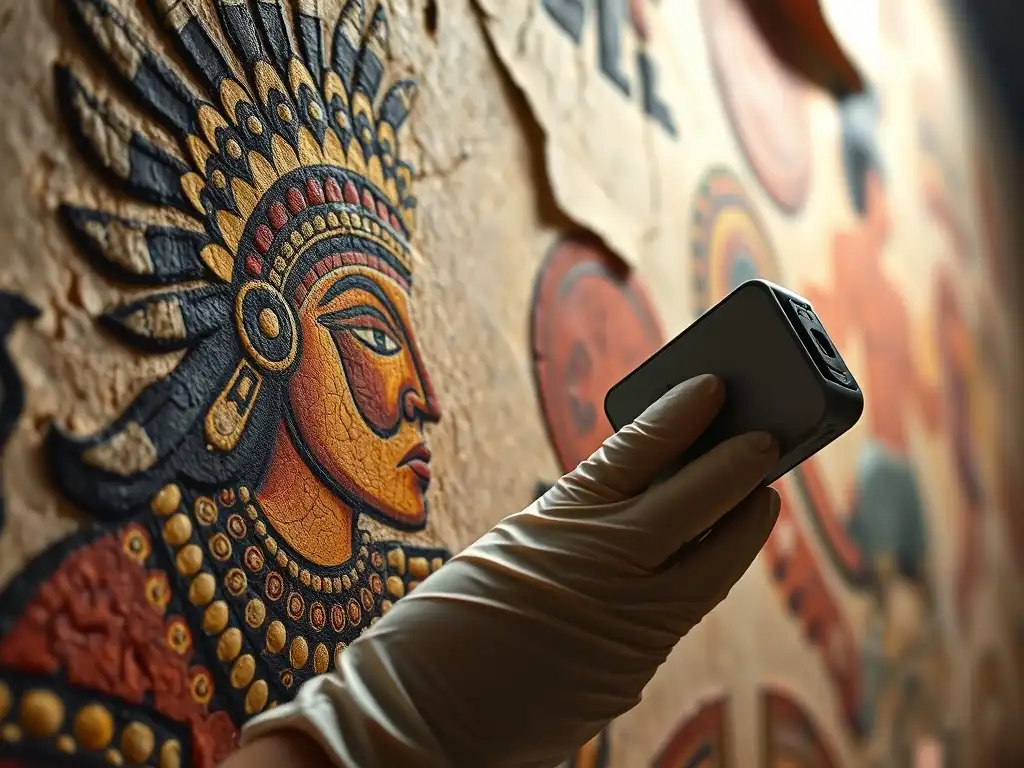
The vibrant hues of Moche murals, once dazzling displays of ancient Andean artistry, face a constant battle against the ravages of time and the elements. Understanding the challenges inherent in preserving these fragile works of art is crucial to ensuring their survival for future generations. This section delves into the complexities of Moche mural preservation and the cutting-edge techniques employed by modern researchers to unlock their secrets.
Challenges in Preserving Moche Wall Paintings
Moche murals, often painted on adobe walls, are inherently vulnerable. Exposure to the elements—sun, rain, wind—causes significant deterioration. The adobe itself is susceptible to erosion and cracking, leading to the flaking and loss of pigment. Furthermore, biological factors such as the growth of salts and microorganisms contribute to the degradation process. The arid coastal climate of the northern Peruvian desert, while offering some protection, also presents unique challenges.
Fluctuations in temperature and humidity can cause expansion and contraction of the adobe, further stressing the painted surfaces. Human intervention, whether well-intentioned or not, can also cause irreversible damage. Improper cleaning methods or inadequate stabilization techniques can accelerate deterioration. Sadly, looting and illegal excavation further threaten the survival of these invaluable historical records. The fragility of these murals necessitates careful, meticulous preservation strategies, often involving complex and expensive interventions.
Accurate documentation of the existing state of the murals prior to any conservation work is paramount to inform future research and restoration efforts. This detailed record-keeping allows researchers to track deterioration patterns and assess the effectiveness of conservation methods. For example, [specific data on deterioration rates of Moche murals pending] would provide valuable insights into the urgency of preservation efforts. The combination of natural and human-induced factors makes the preservation of Moche murals a complex and ongoing challenge demanding sustained effort and expertise.
Modern Techniques for Moche Mural Analysis
Modern researchers employ a multidisciplinary approach to study Moche murals, combining traditional art historical methods with advanced scientific techniques. This integrated approach allows for a deeper understanding of the artistic practices, technological innovations, and cultural significance of these ancient works of art. Technological advancements have revolutionized the way we analyze and interpret these fragile artifacts.
Scientific Approaches to Moche Color Analysis
Analyzing the pigments used in Moche murals is crucial for understanding the artists' techniques and the availability of resources. Modern techniques like X-ray fluorescence (XRF) spectroscopy and Raman spectroscopy allow for non-destructive analysis of the pigments, identifying their chemical composition without damaging the artwork. This approach allows researchers to determine the sources of the pigments, often identifying minerals and organic materials sourced locally or from distant regions.
For instance, the presence of certain pigments might indicate trade networks or access to specific resources. By comparing the pigment composition across different murals and sites, researchers can potentially identify stylistic schools or artistic workshops. Furthermore, analyzing the degradation of pigments helps researchers understand the deterioration processes and develop appropriate conservation strategies.
The precise identification of the chemical composition of pigments in Moche murals is essential for developing effective and safe conservation methods. [Specific examples of pigment analysis and their implications for Moche art pending]. This detailed, scientific analysis adds another layer to our understanding of Moche artistic practices and their relationship to the environment.
Digital Reconstruction and Interpretation of Moche Murals
Digital technologies have become invaluable tools for the study and preservation of Moche murals. High-resolution photography, 3D scanning, and photogrammetry allow for the creation of detailed digital models of the murals. These models can be used to document the artwork's current state, track changes over time, and even reconstruct damaged or missing sections. Digital reconstruction allows researchers to virtually “re-assemble” fragmented murals, providing a more complete picture of the original artwork.
Furthermore, digital platforms enable researchers to share their findings with a wider audience, fostering collaboration and facilitating further research. The use of virtual reality (VR) and augmented reality (AR) offers immersive experiences, allowing viewers to “walk” through the ancient sites and explore the murals in unprecedented detail. This digital approach not only aids in preservation but also enhances the accessibility and appreciation of Moche art for scholars and the public alike.
The combination of scientific analysis and digital technologies offers a powerful approach to understanding and preserving Moche murals for future generations. The ongoing development of these techniques promises even more refined methods for analyzing and appreciating this remarkable artistic legacy. The use of advanced technologies like AI for image analysis promises to further enhance the speed and accuracy of analysis in the future.
The Legacy of Moche Murals in Andean Art
The vibrant and detailed Moche murals, though often fragmented and weathered, left an undeniable mark on subsequent Andean artistic traditions. Their influence can be traced through centuries of artistic expression, albeit with evolving styles and techniques. The bold use of color, the dynamic compositions depicting scenes of daily life, ritual, and mythology, and the sophisticated rendering of human and animal forms all served as a powerful legacy. While later cultures didn't directly copy Moche murals, the underlying aesthetic principles—a preference for vivid hues, narrative storytelling through imagery, and a focus on representing the complexities of their world—found echoes in later artistic productions.
For example, the use of bright pigments and symbolic representations in the pottery and textiles of later Andean cultures suggests a continuation of the narrative impulse present in Moche murals. The stylistic choices, though adapted to the specific cultural context and available materials, maintained a certain kinship with the artistic vocabulary established by the Moche. Analyzing the evolution of these artistic conventions across different Andean cultures helps us understand not only the enduring impact of Moche art but also the intricate web of cultural exchange and adaptation within the Andes. The legacy isn't just about visual similarities; it's about a shared artistic ethos that valued visual storytelling and the expression of cultural identity through vibrant imagery.
Further research comparing the color palettes and compositional elements across different Andean artistic traditions could reveal even more subtle connections to the Moche legacy. The enduring appeal of the Moche aesthetic continues to inspire contemporary artists and scholars alike, highlighting the timeless power of their artistic vision. The impact of Moche murals on later Andean art is a testament to the sophistication and enduring significance of their artistic achievements, demonstrating how a civilization's artistic legacy can resonate for centuries.
Conclusion: The Enduring Power of Moche Mural Art
The vibrant hues and intricate narratives preserved within Moche murals offer a captivating glimpse into the daily lives, religious beliefs, and societal structures of this remarkable Andean civilization. Their enduring power lies not only in their artistic merit but also in their ability to connect us to a past that, despite the passage of centuries, still resonates with surprising relevance.
The meticulous detail, the bold use of color, and the dynamic compositions all speak to the sophisticated artistic skills and cultural depth of the Moche people. Further research, particularly in the area of Moche murals color analysis, continues to unlock new layers of understanding, revealing insights into pigment sourcing, artistic techniques, and the symbolic meaning embedded within these ancient works.
The legacy of Moche mural art serves as a powerful testament to the ingenuity and cultural richness of a civilization that continues to fascinate and inspire. Their vibrant narratives painted on walls and pottery pieces continue to speak to us across millennia, reminding us of the enduring human impulse to create, to record, and to share stories through art.
Moche Mural Color Analysis: Key Findings
Analyzing the colors used in Moche murals provides invaluable insights into the technological capabilities and cultural significance of the pigments employed. Recent studies utilizing advanced techniques like X-ray fluorescence (XRF) spectrometry have identified a diverse palette of pigments, including minerals like hematite (for reds), goethite (yellow-browns), and azurite (blues). The precise sourcing of these pigments, often from geographically distant locations, points to established trade networks and a sophisticated understanding of material resources.
The skillful application of these pigments, often layered to create nuanced shades and textures, highlights the advanced artistic skills of the Moche painters. For example, the use of a layered technique, where a base layer of a lighter color is covered by a darker hue, created a depth and luminosity not commonly found in other contemporary Andean art. Furthermore, the preservation of these vibrant colors over centuries speaks to the Moche's mastery of pigment preparation and application techniques.
Careful examination reveals a remarkable consistency in the color palettes across different murals and sites, suggesting a degree of standardization and possibly a centralized artistic training system. Further research into the specific chemical composition of the pigments and their degradation patterns is needed to fully understand the Moche's sophisticated color technology. This will provide a more complete picture of the pigments' origin and the Moche's advanced knowledge of material science.
| Pigment | Color(s) | Potential Source | Notes |
|---|---|---|---|
| Hematite | Red, reddish-brown | Various geological formations | Widely used, readily available |
| Goethite | Yellow-brown | Various geological formations | Common earth pigment |
| Azurite | Blue | Copper mines | Suggests access to significant copper resources |
| Carbon Black | Black | Charcoal, soot | Used for outlines and shading |
Moche Murals as a Window into Andean Culture
Moche murals are not merely decorative; they serve as rich visual records of the society that created them. Depictions of warfare, religious ceremonies, and daily life provide invaluable insights into their social structures, beliefs, and values. For instance, scenes depicting elaborate ceremonies featuring priests, shamans, and ritual offerings reveal details about their religious practices and cosmology. The prominent role of warfare in many murals highlights the importance of military power and conquest in Moche society. The detailed representations of agricultural practices, fishing techniques, and daily routines offer a glimpse into their economic activities and social organization.
The careful observation of human figures, their clothing, adornments, and postures, allows researchers to understand social hierarchy and gender roles. The dynamic composition of many murals, the use of perspective, and the narrative flow suggest a sophisticated understanding of visual storytelling. This level of artistic sophistication is rare for contemporary Andean cultures, suggesting a high level of artistic training and a strong cultural emphasis on visual communication.
The presence of specific motifs, such as stylized birds, felines, and mythical creatures, adds another layer of complexity, potentially revealing symbolic meanings related to their mythology and religious beliefs. Further research, particularly comparative studies with other Andean cultures, is needed to fully understand the complex iconography and symbolism present in Moche murals. The more we learn about these murals, the more we understand the complexity and sophistication of Moche culture.
The vibrant colors and intricate narratives are a testament to their artistic skill and their enduring legacy. 🎨
Frequently Asked Questions
What makes Moche murals so significant?
Moche murals are incredibly significant because they offer unique insights into the daily life, religious beliefs, and social structures of the Moche civilization. They are remarkably well-preserved and vividly depict a range of scenes.
What is the significance of color in Moche murals?
Color in Moche murals is not just decorative; it holds symbolic meaning. Different colors likely represented specific deities, social status, or events, providing valuable clues for interpretation. Color analysis is crucial for understanding these meanings.
How is "Moche murals color analysis" used in research?
"Moche murals color analysis" utilizes scientific techniques to identify pigments and understand their application. This helps researchers decipher the symbolic meaning of colors, reconstruct the artists' techniques, and learn more about the culture's worldview.
What are some of the common themes depicted in Moche murals?
Moche murals frequently depict mythological figures, ritual ceremonies, warfare, and scenes of daily life, such as fishing, agriculture, and feasting. These offer a comprehensive view of Moche society.
Where can I learn more about Moche murals and their color analysis?
You can find more information through academic journals, museum websites, and books dedicated to Andean archaeology and art history. Further research into pigment analysis techniques will also be helpful.
Final Reflection: Echoes of Color, Whispers of History
The vibrant hues of Moche murals, once confined to the arid valleys of Peru, continue to resonate powerfully in our contemporary world. Their enduring legacy transcends mere aesthetics; they offer a profound glimpse into a civilization's beliefs, social structures, and artistic mastery, reminding us of the enduring power of visual storytelling across millennia. The intricate color palettes, painstakingly analyzed through modern techniques, unlock narratives that speak to our shared human experience, challenging our perceptions of time and cultural distance.
The Moche's masterful use of color, a testament to their sophisticated understanding of pigments and their symbolic significance, continues to inspire artists and researchers alike. Their work compels us to consider the profound relationship between art and society, how visual representations can shape cultural identity and transmit knowledge across generations. Art washes away from the soul the dust of everyday life.
– Pablo Picasso. This quote, while not directly referencing Moche art, perfectly encapsulates the enduring power of these murals to connect us to a past that, despite its distance, feels remarkably close. Their vibrant narratives transcend time, offering a timeless reflection on humanity's enduring quest for meaning and expression.
Consider the intricate details, the bold strokes, the carefully chosen pigments – each element a testament to the dedication and skill of the Moche artisans. Now, consider your own life, your own creative expression, your own stories waiting to be told. What vibrant colors are you using to paint your own narrative? Let the legacy of the Moche murals inspire you to embrace your own unique voice, to find the power in your own story, and to share it with the world, leaving your own indelible mark on the tapestry of human experience.
Unveil the Stories of Moche Murals Today!
Thank you for exploring the vibrant world of Moche murals and wall paintings! We hope you've discovered the fascinating stories these ancient artworks tell about their civilization. Now, let's delve deeper and experience the richness of this culture firsthand.
Here are some ways to continue your exploration:
- **Visit local museums or galleries** showcasing indigenous or ancient art to see how the Moche style connects to other artistic traditions.
- **Share this article** with friends and family or post it on social media to spark conversations about the hidden narratives within ancient art.
- **Join an online forum** dedicated to Andean civilizations to connect with others who share your passion and learn even more.
What aspect of Moche mural art most inspired you to learn more about ancient cultures?