
Moche Art as Religious Expression: Depictions of Gods and Rituals

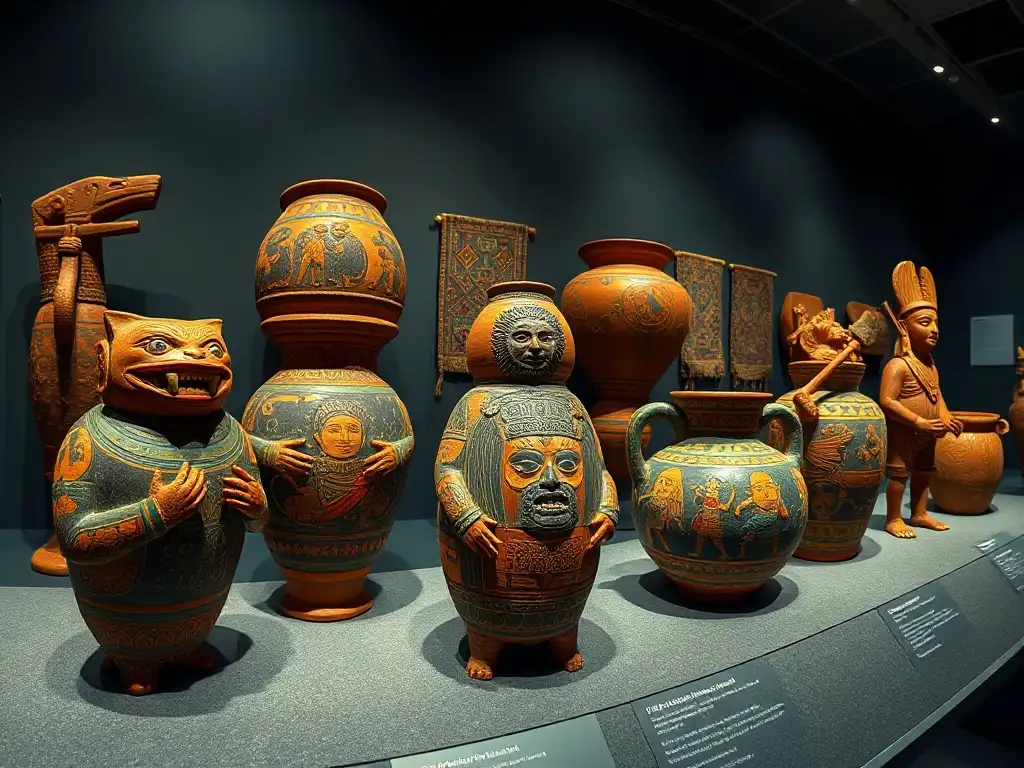
Uncover the secrets whispered by the sands of time! Journey with us into the captivating world of the Andean civilizations, where vibrant cultures thrived and left behind a legacy of breathtaking artistry. Prepare to be amazed by the intricate religious symbolism hidden within the mesmerizing world of Moche pottery. Discover how these ancient artisans used their skills to depict powerful gods and elaborate rituals, revealing a spiritual world far richer and more complex than you ever imagined. Dive in and unravel the mysteries of the Moche—their beliefs, their rituals, and their astonishing artistic achievements await.
The Moche civilization (circa 100-800 CE) of ancient Peru left behind a remarkable legacy, most notably expressed through their intricate and evocative pottery. Far from mere decorative objects, Moche ceramics serve as invaluable windows into their complex religious beliefs, societal structures, and daily life. This article delves into the profound religious symbolism embedded within Moche pottery, exploring how these artifacts depict their pantheon of gods and the rituals that defined their spiritual world.
We will examine specific examples of Moche pottery, analyzing the iconography and stylistic choices to understand their deeper meaning and significance within the context of Moche Moche pottery religious symbolism. Understanding this artistic expression provides crucial insight into the heart of Moche religious practices and their worldview.
The Moche Pantheon: Gods and Goddesses in Ceramic Form
Moche pottery vividly portrays a diverse pantheon of deities, each with unique attributes and symbolic representations. These depictions aren't simply aesthetic choices; they reflect a hierarchical structure within the Moche religion, with certain gods holding more prominent positions than others. For instance, representations of the Ai Apaec, a powerful deity often depicted with fanged jaws and monstrous features, frequently appear on large, elaborate vessels, suggesting his importance in Moche cosmology.
Other frequently depicted deities include the Decapitated God, associated with sacrifice and possibly rebirth, and various anthropomorphic figures representing possibly agricultural deities or ancestral spirits. The detailed rendering of these figures, including their costumes, adornments, and expressions, reveals a sophisticated understanding of religious iconography.
Many scholars believe the specific details and variations in these depictions may reflect different aspects of the deity or even localized variations in belief systems across the Moche territory. Further research is needed to fully understand the nuances of each representation.
Ritual Scenes: Portrayals of Sacrifice and Ceremony
Beyond individual deities, Moche pottery also depicts scenes of elaborate rituals, providing invaluable insights into Moche religious practices. Many pots illustrate sacrificial scenes, often involving human sacrifice, a practice believed to be central to Moche religious life. These depictions frequently feature detailed representations of the sacrifices themselves, showing the victims' attire, the instruments used, and the overall context of the ceremony. The level of detail in these scenes is striking, often including multiple figures and complex narratives unfolding across the surface of the vessel.
Some scholars suggest that these depictions served as a form of record-keeping, preserving memories of important religious events for future generations. Others propose that they were used in ritual contexts themselves, potentially serving as offerings or focal points during ceremonies. The exact function of these ritual scenes remains a subject of ongoing debate among researchers, but their importance in understanding Moche religion is undeniable.
Iconographic Analysis: Deciphering the Symbols
The interpretation of Moche pottery requires a careful analysis of its iconography. Symbols such as stylized animals, plants, and geometric patterns are frequently incorporated into the depictions of deities and rituals, adding layers of meaning to the overall narrative. For example, the presence of specific birds or felines might indicate a connection to specific deities or natural forces. Similarly, geometric patterns could represent astronomical events or abstract concepts.
Understanding the significance of these symbols requires a multidisciplinary approach, combining art historical analysis with archaeological findings and anthropological insights. The work is ongoing and new interpretations continually emerge as researchers uncover more Moche artifacts and delve deeper into the cultural context of their creation. A comprehensive catalog of these symbols and their possible meanings remains a significant goal for future research in the field of Moche studies.
The Significance of Color and Material
Beyond the imagery itself, the choice of colors and materials used in Moche pottery also contributes to its religious symbolism. The vibrant hues and polished surfaces of many vessels suggest a deliberate effort to create aesthetically pleasing objects worthy of their sacred function. The use of specific pigments, such as red or black, may also hold symbolic meaning, potentially representing blood, earth, or other important elements in Moche cosmology.
Further research into the sourcing and production of these pigments would illuminate their significance within the religious context. The careful craftsmanship displayed in Moche pottery emphasizes the importance and reverence placed upon these artifacts within their culture. The effort invested in their creation underscores their crucial role in Moche religious practices and beliefs.
The study of Moche pottery offers a unique and invaluable perspective on the religious beliefs and practices of this fascinating ancient civilization. The detailed depictions of gods, rituals, and symbolic elements provide a rich tapestry of information that continues to inspire and challenge scholars today. Further research into *Moche pottery religious symbolism* promises to uncover even more about this vibrant and complex culture.
- The Moche Pantheon: Gods and Goddesses in Ceramic Form
- Ritual Scenes: Portrayals of Sacrifice and Ceremony
- Iconographic Analysis: Deciphering the Symbols
- The Significance of Color and Material
- What is the significance of Moche pottery?
- How did Moche artists depict religious symbolism in their pottery?
- What are some common religious themes found in Moche pottery?
- What role did religion play in Moche society, as shown through their pottery?
- Where can I learn more about Moche pottery and its religious symbolism?
Understanding Moche Religious Beliefs Through Art
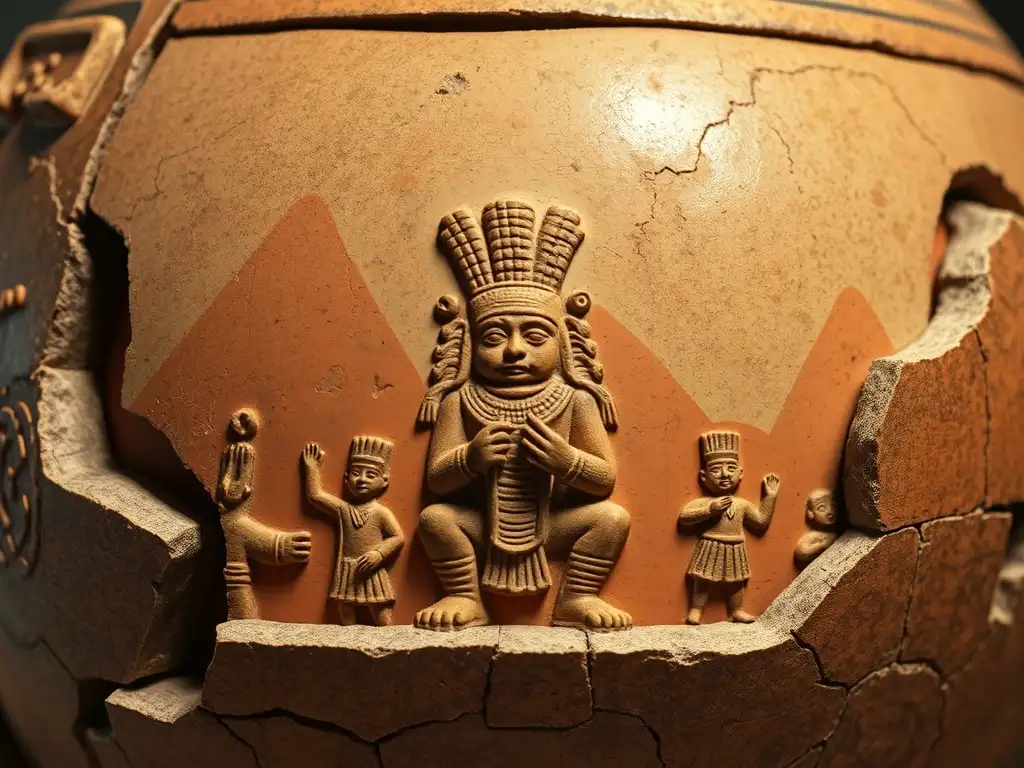
The Moche civilization, flourishing along the northern coast of Peru from approximately 100 to 800 CE, left behind a remarkable legacy of art, particularly in the form of intricately crafted pottery. This pottery isn't merely decorative; it serves as a crucial primary source for understanding their complex religious beliefs and practices. The Moche didn't possess a written language, so their artistic expressions, especially their ceramic work, offer invaluable insights into their worldview, mythology, and rituals.
Analyzing the Moche pottery religious symbolism depicted on these vessels allows us to reconstruct aspects of their spiritual life that would otherwise remain hidden. The level of detail and the consistent themes across numerous pieces suggest a highly structured and formalized religious system.
The sheer volume of surviving pottery also indicates the central role that religious practices played in daily Moche life. Many scholars believe that the creation and use of this pottery was itself a ritualistic act, imbued with spiritual significance.
The Significance of Moche Pottery in Religious Contexts
Moche pottery wasn't just used for everyday purposes; it played a vital role in religious ceremonies and rituals. Many vessels were specifically crafted for ritual use, often featuring depictions of deities, sacrifices, and ceremonial events. The meticulous detail in these depictions suggests a deep reverence for the religious figures and practices portrayed.
For example, some vessels depict elaborate scenes of human sacrifice, providing evidence of this practice's importance within Moche religion. Other pieces show priests performing rituals, offering insights into the hierarchy and organization of their religious system. The vibrant colors and the use of various techniques, such as modeling and painting, enhanced the visual impact of these religious narratives, reinforcing their sacred importance.
The creation of these pieces was likely a carefully controlled process, overseen by specialized artisans with deep knowledge of religious iconography and ritual. The use of specific materials and techniques could further emphasize the sacred nature of the object. Analyzing the Moche pottery religious symbolism within these contexts allows us to understand the significance of specific motifs and their role in religious ceremonies.
Moche Ceramic Art: A Window into Their Spiritual World
The imagery found on Moche pottery provides a rich tapestry of their spiritual beliefs. Recurring motifs, such as anthropomorphic deities, supernatural beings, and stylized representations of nature, reveal a complex pantheon and cosmology. For example, the depiction of a powerful deity often associated with warfare and fertility, frequently seen wielding a staff or accompanied by feline imagery, provides evidence of their belief in powerful supernatural forces that influenced both the human and natural worlds. Further, the frequent representation of shamanistic figures interacting with the supernatural world suggests a belief in intermediary figures facilitating communication between the human and divine realms.
The detailed portrayal of these figures, their attire, and the symbols they carry, offers researchers valuable clues to understanding their roles and the beliefs associated with them. Consider the intricate detail often lavished on the depiction of specific animals, such as jaguars, birds of prey, and snakes, which likely held symbolic meaning within their religious system. The careful observation of such details allows scholars to decipher the nuances of Moche pottery religious symbolism and to understand the complex interplay of the natural and supernatural worlds in Moche cosmology. Analysis of the iconography reveals a sophisticated understanding of the relationship between humans and the divine, between the earthly and spiritual realms.
The consistent appearance of certain symbols and imagery across numerous vessels supports the hypothesis of a well-defined religious system with established beliefs and practices. Further research and detailed analysis of the existing collection continue to enrich our understanding of this fascinating civilization. The Moche's artistic legacy serves as an invaluable testament to their rich and complex spiritual life.
Iconography of Moche Deities and Supernatural Beings
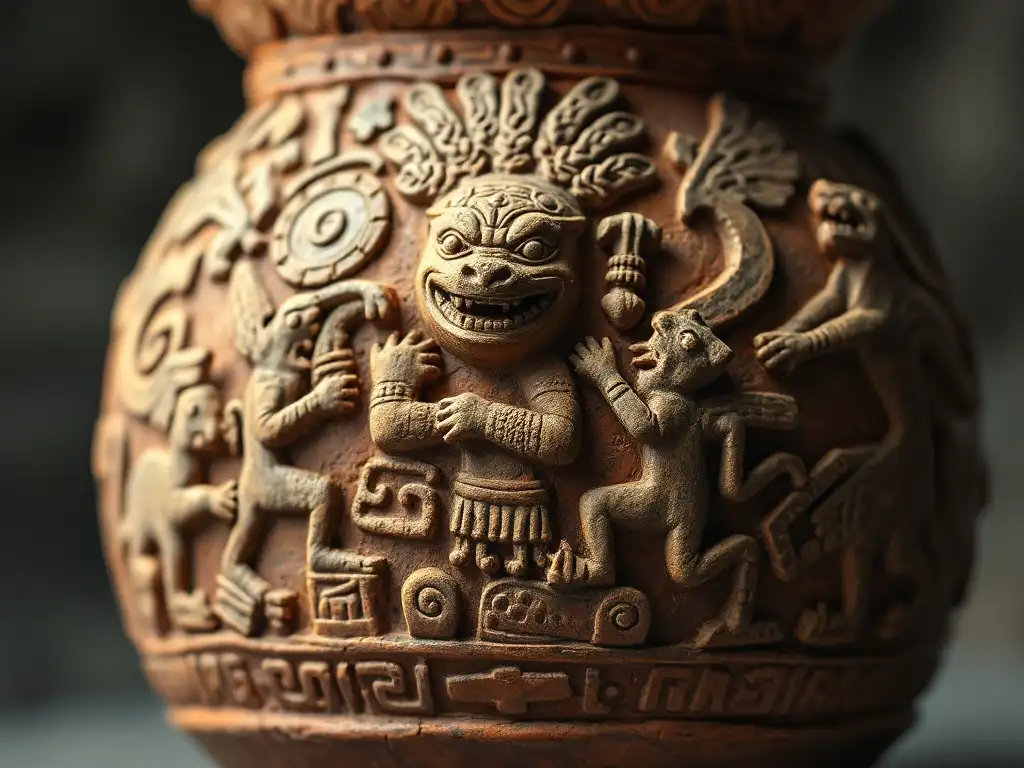
The Moche civilization, flourishing along the northern coast of Peru from approximately 100 to 800 CE, left behind a remarkable artistic legacy, profoundly intertwined with their religious beliefs. Moche pottery, in particular, serves as a primary source for understanding their complex pantheon and ritual practices. Analysis of Moche pottery religious symbolism reveals a sophisticated system of iconography, where specific motifs, colors, and poses convey powerful religious meanings.
Understanding this visual language provides crucial insights into the Moche worldview and their relationship with the supernatural. The recurring themes of fertility, warfare, and sacrifice are consistently depicted, highlighting the central role of religion in shaping Moche society. This section will explore the iconography of several key Moche deities and supernatural beings, focusing on their representations in pottery and other surviving artifacts.
Ai Apaec: The Moche Creator God and His Representations
Ai Apaec, often interpreted as the Moche creator god, is a prominent figure in Moche iconography. His representations are highly stylized, often featuring a fanged mouth, clawed hands, and a headdress adorned with various symbolic elements. He is frequently depicted in a seated position, emphasizing his power and authority.
The colors used in portraying Ai Apaec are also significant; vibrant reds and yellows often suggest his connection to the sun and life-giving energy. Interestingly, some depictions show Ai Apaec holding a staff or scepter, possibly symbolizing his control over the natural world and the fate of the Moche people. The variations in his portrayal across different Moche pottery pieces suggest a complex and evolving understanding of this central deity.
Further research into the specific attributes associated with Ai Apaec in different contexts could reveal deeper nuances in his symbolic role within the Moche religion. For example, the presence of specific animals or objects alongside Ai Apaec in certain depictions might indicate specific aspects of his power or domain.
The Decapitator God and Ritualistic Sacrifice in Moche Art
The "Decapitator God," a recurring figure in Moche art, is intimately linked to the practice of ritual sacrifice. Depictions of this deity typically show him wielding a ceremonial knife, often in the act of decapitating a captive. These scenes, while graphic, provide valuable evidence of the importance of human sacrifice in Moche religious practices.
The artistic style used to portray these scenes varies; sometimes, the depiction is highly realistic, emphasizing the brutality of the act. In other cases, the scene is more stylized, suggesting a ritualistic or ceremonial context. The significance of this god's role within the Moche pantheon remains a topic of ongoing debate.
Some scholars argue that he represents a deity associated with death and the underworld, while others suggest he might embody a more complex concept related to power, sacrifice, and the cyclical nature of life and death. The presence of this figure in Moche pottery, alongside other deities and symbolic elements, offers a glimpse into the complex interplay of religious beliefs and ritual practices within Moche society. Further analysis is needed to fully understand the Decapitator God's function and its role in the broader Moche cosmology.
Other Key Moche Deities and Their Symbolic Roles
Beyond Ai Apaec and the Decapitator God, the Moche pantheon included a diverse array of deities and supernatural beings. These figures, often depicted in elaborate costumes and headdresses, represent various aspects of the natural world and human experience. For example, feline deities, often associated with hunting and warfare, are frequently depicted with sharp claws and fangs.
Bird deities, on the other hand, might symbolize messages from the spirit world or the power of flight. The symbolism associated with these deities is often intricate and requires careful analysis of the specific contexts in which they appear. Detailed studies of Moche pottery, complemented by archaeological evidence, are crucial to unraveling the complexities of their religious system.
The meanings attributed to specific colors, patterns, and objects found alongside these deities in artistic representations continue to be explored by researchers. The Moche's sophisticated understanding of symbolism, as evident in their art, highlights the richness and depth of their religious beliefs.
| Deity Type | Associated Attributes | Symbolic Role |
|---|---|---|
| Feline Deities | Claws, fangs, predatory postures | Hunting, warfare, power, protection |
| Bird Deities | Wings, feathers, flight | Messengers, communication with the spirit world, ascension |
| Water Deities | Aquatic motifs, waves, rain | Fertility, abundance, life-giving force |
| Agricultural Deities | Plants, animals, agricultural tools | Harvest, fertility, prosperity |
The study of Moche pottery religious symbolism offers a unique window into the beliefs and rituals of this fascinating ancient civilization. The detailed iconography, carefully crafted on the surface of these vessels, provides invaluable evidence of their complex worldview. Further research and interdisciplinary collaboration are essential to continue unraveling the mysteries of the Moche pantheon and their deeply spiritual relationship with the world around them.
Moche Rituals and Ceremonies Depicted in Art
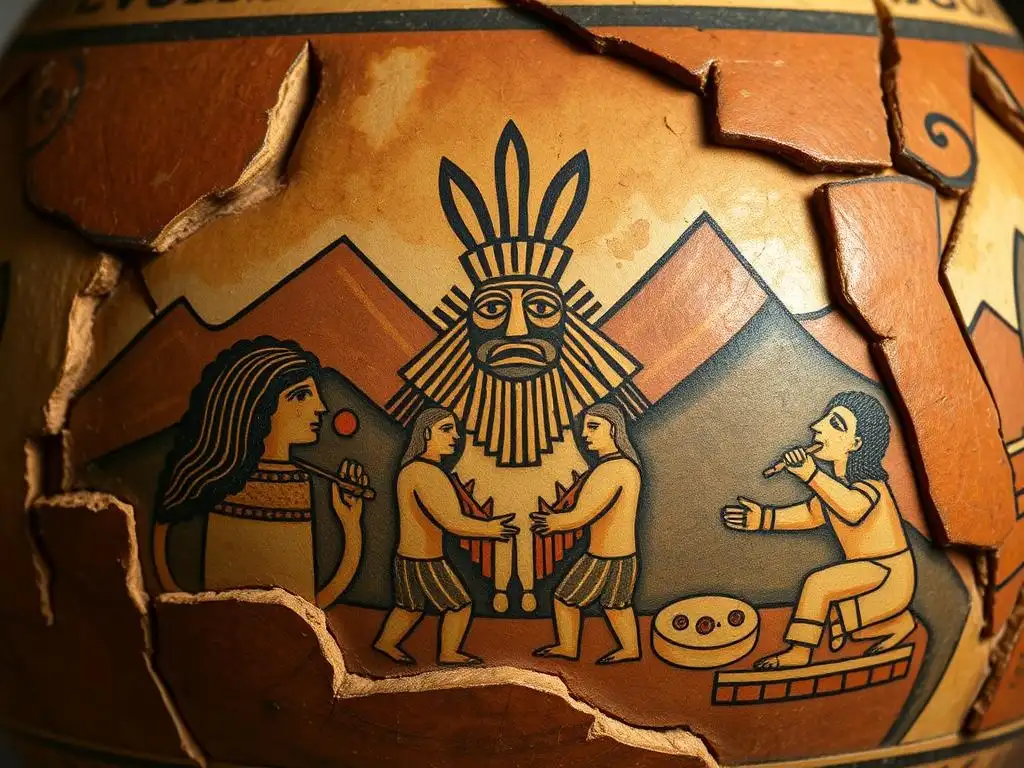
The Moche civilization, renowned for its sophisticated artistry, left behind a rich visual record of its religious beliefs and practices. Moche pottery, in particular, serves as a crucial source for understanding their complex rituals and ceremonies. The vibrant colors, intricate details, and dynamic compositions of these vessels offer unparalleled insight into the worldview of this ancient Andean culture.
The analysis of Moche pottery, focusing on the Moche pottery religious symbolism, reveals a society deeply invested in elaborate rituals, often involving sacrifice, warfare, and shamanistic practices. These weren't merely decorative pieces; they were active participants in the religious life of the Moche people, reflecting and reinforcing their spiritual beliefs. The recurring motifs and stylistic choices employed by Moche artisans provide a window into the deeply held religious values of the civilization.
The Moche Sacrifice Ceremony: Detailed Iconographic Analysis
Many Moche ceramics depict scenes of human sacrifice, often featuring elaborate ceremonies with multiple participants. These depictions aren't simply violent acts; they're presented as ritualistic events imbued with religious significance. The careful arrangement of figures, the use of specific colors and symbols, and the overall composition of the scenes indicate a structured and highly formalized process. For example, a common motif shows a captive bound and presented to a deity or a high-ranking priest.
The expressions on the faces of the participants, even the captive, are often surprisingly calm or even serene, suggesting a degree of acceptance or even willing participation in the ritual. This contrasts sharply with the violent imagery often associated with human sacrifice in other cultures, highlighting the particular religious context within Moche society. The detailed rendering of clothing, ornaments, and weapons further enriches our understanding of the social hierarchy and the roles of different individuals involved in these ceremonies.
Analysis of multiple pottery pieces reveals variations in the sacrificial rituals, suggesting different types of sacrifices or perhaps regional variations in practices. The consistent portrayal of these sacrifices in Moche art underscores their central importance in their religious system. Further research into the specific iconography, including the identification of specific deities and the interpretation of symbolic elements, is crucial to a more complete understanding of the Moche pottery religious symbolism surrounding sacrifice.
Moche Warfare and Its Religious Undertones
Moche pottery also frequently depicts scenes of warfare, but these aren't simply portrayals of conflict; they're often intertwined with religious themes. The warriors are frequently depicted with elaborate headdresses, costumes, and weaponry, suggesting a connection between military prowess and religious authority. Some scenes show warriors engaged in combat alongside supernatural beings or deities, emphasizing the divine sanction of warfare and its role in the Moche religious framework.
The depiction of captured enemies, often shown bound and humiliated, can be interpreted as a ritualistic act linked to the appeasement of deities or the reinforcement of social order. The careful attention to detail in the depiction of weaponry, battle tactics, and the emotional states of the warriors suggests that warfare was not just a practical activity, but a ritualized practice deeply integrated into the Moche religious beliefs.
The stylistic choices employed, such as the use of specific colors or the exaggerated portrayal of certain aspects of battle, further reinforces the religious symbolism embedded within these depictions. The combination of military and religious elements in Moche art illustrates the deep connection between the physical and spiritual realms in their worldview, enriching our understanding of Moche pottery religious symbolism.
Depictions of Moche Shamanic Practices and Transformations
Moche art frequently depicts individuals undergoing transformations or displaying characteristics associated with shamanic practices. These depictions often feature figures with unusual physical attributes, such as elongated limbs, distorted features, or animalistic characteristics, indicating a shift in state or a connection to the supernatural. These figures are often shown interacting with supernatural beings or participating in ritualistic ceremonies.
The imagery suggests the presence of a sophisticated shamanic tradition within Moche society, where individuals acted as intermediaries between the human and spiritual realms. The intricate details of the costumes and paraphernalia used by these figures provide further insight into the tools and practices employed in shamanic rituals. The analysis of multiple pottery pieces reveals different types of shamanic practices and transformations, ranging from healing rituals to ecstatic experiences.
The consistent portrayal of these shamanic practices in Moche art underscores their importance in their religious system and adds another layer to the complex tapestry of Moche pottery religious symbolism. Further research is needed to fully understand the specific meaning and significance of the various depictions of shamanic practices and transformations found in Moche pottery. The careful study of these representations will continue to unveil the subtle nuances and diverse expressions of Moche religious beliefs.
Moche Pottery Religious Symbolism: Decoding the Messages
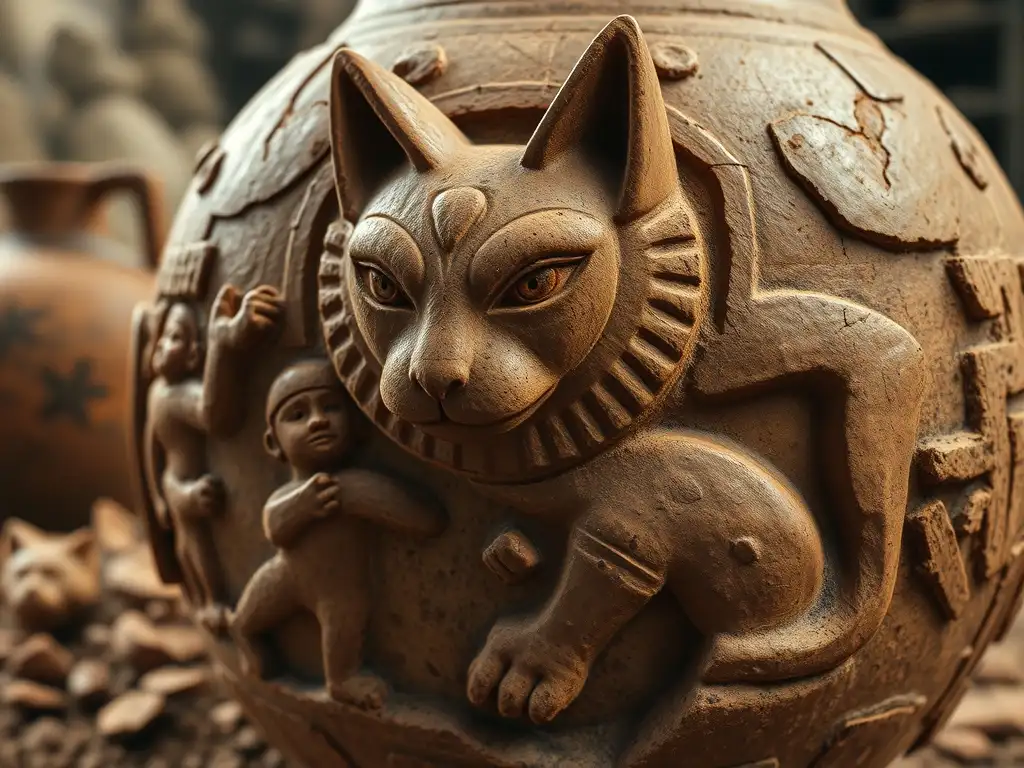
The Moche civilization (c. 100–800 CE) left behind a remarkable legacy, particularly in their intricate and expressive pottery. Far from mere vessels, Moche ceramics serve as invaluable primary sources for understanding their complex religious beliefs and practices. The vibrant colors, detailed iconography, and carefully composed scenes etched onto these pieces offer a window into a world of powerful deities, elaborate rituals, and beliefs about the afterlife. Analyzing Moche pottery for religious symbolism allows us to reconstruct a rich tapestry of spiritual life within this fascinating Andean culture.
This section delves into the specific ways Moche artists used their craft to communicate religious narratives and beliefs, focusing on the potent link between artistic expression and spiritual devotion. Understanding this connection is key to deciphering the messages embedded within these captivating artifacts. The study of "Moche pottery religious symbolism" is therefore crucial to a complete understanding of Moche culture.
Analyzing Moche Ceramics for Religious Narrative
Moche potters weren't simply creating functional objects; they were actively constructing narratives. Many vessels depict scenes of ritual ceremonies, featuring priests, shamans, and often, supernatural beings. The narratives are not always straightforward.
Scholars often debate the precise meaning of depicted actions, but the sheer detail and repetition of certain motifs across numerous pieces suggest a consistent and deeply ingrained religious worldview. For example, scenes of decapitation and sacrifice are frequently shown, indicating the importance of such practices in their religious system. These depictions, often gruesome in detail, are not meant to be gratuitous but rather to highlight the power dynamics and the significance of these acts within the Moche cosmology.
Other common themes include depictions of supernatural beings interacting with humans, highlighting a close relationship between the earthly and spiritual realms. The level of detail, from the intricate headdresses of priests to the expressions on the faces of the figures, underscores the significance of these narratives and the meticulous care taken in their creation. This attention to detail is not accidental but rather a testament to the profound religious significance attached to these ceramic artworks.
The Use of Color and Composition in Moche Religious Art
The vibrant palette of Moche pottery is not arbitrary; color played a crucial role in conveying religious meaning. Specific pigments, sourced from minerals and plants, were associated with particular deities or ritual contexts. For instance, red often symbolized blood and sacrifice, while yellow might represent the sun or a particular deity.
The careful composition of scenes within the pottery—the placement of figures, the use of negative space, and the emphasis on certain details—further enhances the narrative and underscores its symbolic weight. For example, the hierarchical arrangement of figures often reflects the social and religious hierarchy within Moche society. Larger, more prominently depicted figures might represent powerful deities or rulers, while smaller figures could represent lesser deities or individuals participating in the ritual.
The use of contrasting colors and textures also contributes to the overall impact and meaning of the artwork. Further research is needed to fully understand the nuances of Moche color symbolism, but the existing evidence clearly points to a sophisticated system of visual communication embedded within their artistic choices. Analyzing the interplay of color, composition, and iconography helps unravel the layers of meaning encoded within these remarkable pieces.
Moche Iconography and Its Connection to the Afterlife
Moche iconography frequently depicts representations of the afterlife, suggesting a complex belief system surrounding death and the journey beyond. Specific motifs, such as the "Decapitated Figure" or depictions of supernatural beings, appear repeatedly in contexts suggesting a connection to the realm of the dead. These images are not simply representations of death but rather symbolic interpretations of the transition to the afterlife and the power of the supernatural world. The careful arrangement of these figures within the scenes suggests a structured understanding of the afterlife, with specific roles and hierarchies even in the realm of the dead.
The inclusion of specific objects or symbols alongside these figures further reinforces the connection to the afterlife. For example, certain types of plants or animals might represent specific aspects of the afterlife or the journey undertaken by the deceased. This rich iconography provides valuable insights into Moche beliefs about death, the afterlife, and the relationship between the living and the dead.
Further study is needed to fully interpret the full range of symbolism present in this fascinating aspect of Moche religious expression. The continued study of "Moche pottery religious symbolism" promises to reveal further intricacies of their beliefs. 💻
The Role of Moche Art in Religious Practices
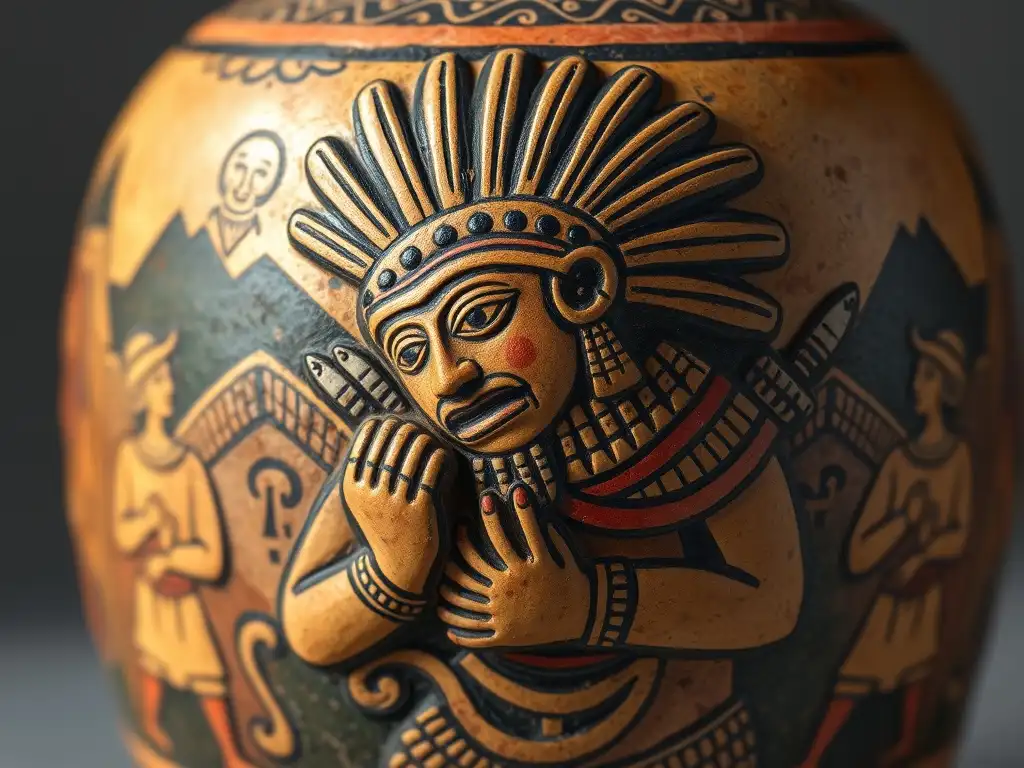
The Moche civilization (circa 100-800 CE) in present-day Peru is renowned for its sophisticated artistic achievements, particularly its exquisite pottery. Far from being mere decorative objects, Moche ceramics served a crucial role in their religious practices, acting as powerful tools for communication, ritual performance, and social control. The intricate detail and vibrant colors found in Moche pottery weren't accidental; they were meticulously crafted to convey complex religious narratives, beliefs, and ideologies.
Analyzing Moche pottery religious symbolism reveals a deeply spiritual society where art and religion were inextricably intertwined. The prevalence of depictions of deities, rituals, and mythical creatures in their artwork underscores the profound impact of religious beliefs on daily life. Understanding this intricate relationship is key to unlocking a deeper understanding of Moche society and its worldview.
Moche Art as a Tool for Religious Education and Transmission
Moche pottery acted as a visual textbook, transmitting religious knowledge and beliefs across generations. Elaborate scenes depicting deities, rituals, and mythological events served as powerful educational tools, instructing the populace about their religious cosmology. For example, depictions of the Ai Apaec, a fearsome deity often portrayed with fangs and flayed skin, served as a powerful reminder of the consequences of defying religious norms.
The repetitive nature of certain motifs and iconography in different ceramic pieces suggests a structured system of religious instruction, ensuring the continuity of beliefs across time and social strata. The detailed representations allowed for a visual understanding of complex religious narratives, making them accessible to a wide range of people regardless of literacy levels. This visual literacy was crucial in a society where oral traditions played a significant role in the transmission of knowledge.
The vibrant colors and dynamic compositions further enhanced the memorability and impact of these religious lessons. Consider, for instance, the intricate depictions of sacrificial rituals; these scenes provided a clear visual representation of the importance of these acts within the Moche religious framework.
The Function of Moche Ceramics in Burial Rituals
Moche burial practices provide compelling evidence of the central role of pottery in their religious beliefs. Elaborate tombs often contained a rich array of ceramic vessels, many of which depicted scenes related to the afterlife and the journey of the deceased. These vessels weren't simply grave goods; they were essential components of the funerary rituals, believed to aid the deceased in their transition to the next world.
The types of vessels included, their placement within the tomb, and the imagery depicted all held symbolic meaning, reflecting the social status and beliefs of the deceased. For instance, the inclusion of vessels depicting feasting scenes might suggest a belief in a continued existence characterized by abundance and celebration. Similarly, the presence of vessels depicting warriors or deities could indicate a belief in a continued existence characterized by power and protection.
The careful arrangement and selection of these ceramics highlight their ritual significance and their connection to the Moche understanding of death and the afterlife. Further research into specific burial sites and their ceramic contents would shed more light on the specific religious symbolism associated with different burial rituals.
The creation and distribution of Moche pottery also played a role in reinforcing social hierarchies. High-quality ceramics, often featuring elaborate scenes and intricate details, were likely reserved for the elite, showcasing their power and status. The production of these pieces required specialized skills and access to resources, thus further emphasizing the social stratification within Moche society.
The imagery depicted on these elite ceramics often included scenes of rulers, priests, and warriors, reinforcing their authority and legitimacy. In contrast, simpler, less elaborate pottery was likely used by the commoners, reflecting their lower social standing. This difference in quality and imagery served as a visual reminder of the existing social order.
The control over the production and distribution of these artifacts was likely a key mechanism for maintaining power and social control within the Moche state. Further investigation is needed to fully understand the nuances of this relationship between artistic production and social hierarchies within the Moche civilization. A more comprehensive analysis of the stylistic variations and the distribution of different types of ceramics across different social contexts is crucial to fully understand the intricate interplay between Moche art and social structure.
Moche Art: A Legacy of Religious Expression
The Moche civilization (c. 100 – 800 CE) left behind a remarkable artistic legacy, profoundly intertwined with their complex religious beliefs. Their mastery of pottery, metalwork, and textile production wasn't merely decorative; it served as a powerful medium for expressing their spiritual world, documenting rituals, and honoring their deities. This section delves into the specific ways Moche art, particularly their renowned pottery, functions as a window into their religious practices and cosmology.
Understanding this relationship is crucial to comprehending the nuances of Moche religious symbolism and its lasting impact. The intricate details found in Moche pottery, specifically the depictions of gods and rituals, offer invaluable insights into their spiritual world, making the study of Moche pottery religious symbolism a vital area of Andean archaeology.
The Enduring Influence of Moche Religious Iconography
Moche iconography, especially as seen in their meticulously crafted ceramics, continues to fascinate and inspire researchers today. The stylistic consistency across different Moche periods reveals a deeply rooted and evolving religious system. Certain motifs, such as the Decapitated Warrior and the Ai Apaec deity, appear repeatedly, suggesting their central importance within the Moche pantheon.
The prevalence of these images in various artistic mediums, from large-scale murals to small, intricately detailed figurines, underscores their significance in Moche society. Analyzing the recurring imagery allows us to trace the development and evolution of Moche religious beliefs over time, providing a deeper understanding of the continuity and change within their spiritual landscape. Furthermore, the stylistic choices—the use of vibrant colors, dynamic compositions, and expressive facial features—demonstrate the artists' profound understanding and reverence for the depicted figures.
This artistic skill, coupled with the consistent thematic elements, allows for a nuanced interpretation of Moche religious symbolism. The enduring power of these images is a testament to the enduring strength of Moche cultural practices and the power of art to transmit beliefs across generations.
Moche Art as a Primary Source for Understanding Their Beliefs
Moche religious texts are scarce, leaving their art as a primary source for deciphering their beliefs. The detailed depictions on pottery vessels, often portraying elaborate rituals, sacrifices, and interactions with deities, provide invaluable insights into their religious practices. These weren't simply decorative pieces; they were active participants in religious ceremonies, potentially used in rituals or serving as offerings to the gods.
For example, scenes depicting human sacrifice, often involving elaborate costumes and ceremonial paraphernalia, offer glimpses into the potentially violent yet deeply symbolic nature of their religious observances. Similarly, depictions of deities, often characterized by specific attributes and iconography, help us understand the Moche pantheon and the roles of individual gods within their cosmological system.
By carefully studying the iconography and context of these artistic representations, we can piece together a more comprehensive understanding of their beliefs, rituals, and worldview. The lack of written records makes Moche pottery religious symbolism all the more crucial in reconstructing their rich spiritual past.
The Preservation and Study of Moche Religious Art
The preservation of Moche religious art is crucial for continuing research and understanding. Many artifacts are housed in museums around the world, requiring careful conservation efforts to prevent deterioration and damage. Scholars employ various techniques, including advanced imaging technologies, to analyze the artifacts without causing further harm.
These studies often involve interdisciplinary collaborations, bringing together archaeologists, art historians, anthropologists, and chemists to gain a more comprehensive understanding of the materials used, the techniques employed, and the cultural significance of each piece. The ongoing research into Moche pottery religious symbolism continually refines our understanding of their civilization, challenging previous interpretations and adding new layers of complexity to our knowledge. The meticulous documentation and preservation of these artifacts are essential for ensuring that future generations can continue to learn from and appreciate the artistic and religious achievements of the Moche civilization.
Careful study and preservation of these invaluable artifacts are vital to continue unlocking the secrets encoded within Moche pottery religious symbolism. The ongoing efforts to preserve and study these artifacts are essential to ensure that this rich cultural heritage continues to be appreciated and understood.
Frequently Asked Questions
What is the significance of Moche pottery?
Moche pottery is incredibly significant because it provides invaluable insights into their religious beliefs, social structures, and daily life. The intricate detail offers a window into their world, far beyond written records.
How did Moche artists depict religious symbolism in their pottery?
Moche artists used vivid colors, complex iconography, and realistic depictions of gods, rituals, and mythical creatures to express religious symbolism. These portrayals are often highly stylized and symbolic.
What are some common religious themes found in Moche pottery?
Common themes include depictions of fertility deities, sacrificial rituals, and mythological beings. These themes reflect the importance of agriculture, ancestor veneration, and the supernatural in Moche culture.
What role did religion play in Moche society, as shown through their pottery?
Religion seems to have played a central role in Moche society, influencing all aspects of life from agriculture to warfare. Pottery depicts powerful priests, elaborate ceremonies, and the close relationship between the divine and the earthly.
Where can I learn more about Moche pottery and its religious symbolism?
To delve deeper, explore museums with Moche collections and academic publications on Andean archaeology and Moche culture. Many online resources also offer detailed information and high-quality images.
Final Reflection: The Enduring Power of Moche Faith
The vibrant artistry of the Moche civilization continues to resonate today, offering a powerful window into a complex religious worldview that shaped their society and left an indelible mark on Peruvian history. Their intricate pottery, far from mere decorative objects, serves as tangible evidence of a deeply spiritual culture, revealing the profound influence of their beliefs on daily life and societal structures. Understanding this connection allows us to appreciate not only the aesthetic beauty of Moche art but also the enduring human need for spiritual expression and meaning-making.
The Moche's dedication to their deities, as depicted in their pottery, highlights the central role religion played in structuring their society. Their artistic representations, brimming with symbolic detail, weren't simply aesthetic choices; they were active participants in their religious rituals and beliefs. Art is not what you see, but what you make others see.
– Edgar Degas. This quote, while not directly about Moche art, perfectly encapsulates the power of their pottery to transmit their beliefs and values across millennia, prompting us to reconsider our own interpretations and understandings of their world.
Consider the intricate details, the vibrant colors, the sheer emotional intensity conveyed in these ancient vessels. What can you learn from the Moche's unwavering faith and their ability to express it so powerfully through art? Let their legacy inspire you to explore your own spiritual journey, to find creative ways to express your beliefs, and to appreciate the enduring power of human creativity in the face of life's mysteries. The Moche's story is not just a historical account; it's a timeless testament to the human spirit's enduring quest for meaning and connection.
**Unveil the Sacred Wonders of Moche Art! **
Thank you for exploring the fascinating world of Moche art and its profound religious significance. We've journeyed through rich depictions of deities and rituals, revealing how this ancient civilization expressed its spirituality. Now, let's delve even deeper!
Here's how you can further immerse yourself in the magic of Moche artistry and connect with a vibrant community of enthusiasts:
- **Explore Moche Artworks:** Visit an online museum or gallery featuring Moche artifacts. Take time to appreciate the exquisite craftsmanship and intricate symbolism in each piece.
- **Share Your Insights:** Join the conversation in our comments section! We'd love to hear your thoughts on these ancient expressions of faith and how they resonate with you.
- **Engage with Your Community:** Organize a local art viewing or discussion group focused on Andean civilizations. Connect with fellow enthusiasts for inspiring conversations and shared discoveries.
What aspect of Moche art captivates you most, and how do you see these ancient expressions of faith reflected in, or contrasted by, modern artistic interpretations?