
The Influence of Moche Religion on Later Andean Civilizations

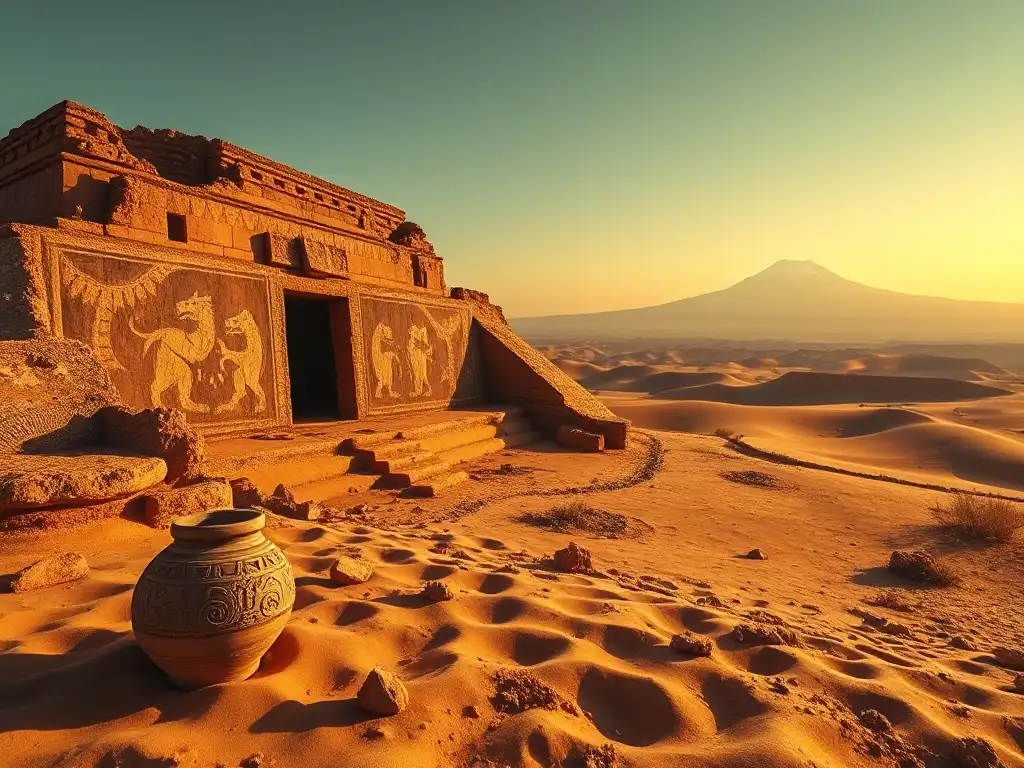
Dive into the enigmatic world of the Andes! Uncover the hidden threads connecting the vibrant cultures that shaped this extraordinary region, from the breathtaking artistry of the Nazca to the sophisticated engineering of the Inca. But what secrets lie buried beneath the surface? This journey begins with the Moche religious influence on Inca, a fascinating exploration of how one civilization's beliefs profoundly impacted the rise of its successors. Prepare to be amazed by the enduring legacy of the Andean world – your exploration starts now.
- The Lasting Legacy: Moche Religious Influence on Later Andean Civilizations
- The Transmission of Moche Religious Ideas
- Key Elements of Moche Religion and Their Impact
- The Moche Religious Influence on Inca Religion
- Specific Moche Religious Elements Adopted by the Inca
- The Moche Religious Influence on Other Andean Cultures
- Conclusion: The Enduring Impact of Moche Religious Influence on Andean Societies
- Frequently Asked Questions
- Final Reflection: Echoes of the Moche: A Legacy in Stone and Spirit
- Unveil the Legacy of Moche Spirituality Today!
The Lasting Legacy: Moche Religious Influence on Later Andean Civilizations
The Moche civilization, flourishing along the northern coast of Peru from approximately 100 to 800 CE, left an indelible mark on the cultural landscape of the Andes. Their sophisticated artistry, impressive engineering feats, and complex social structures are well-documented. However, the profound influence of Moche religious beliefs and practices on subsequent Andean cultures, particularly the Inca, remains a compelling area of study.
This article delves into the intricacies of Moche religion, exploring its cosmology, rituals, and iconography to understand its lasting impact on later Andean civilizations. We will examine how specific Moche religious concepts and practices were adapted, transformed, and ultimately integrated into the beliefs and traditions of their successors, demonstrating the enduring legacy of this fascinating pre-Columbian society and its significant contribution to the development of Andean religious thought.
The exploration of the Moche religious influence on Inca beliefs will highlight the continuity and change in Andean religious expression across centuries. We will analyze evidence from archaeological findings, iconographic studies, and anthropological interpretations to paint a comprehensive picture of this fascinating cultural transmission.
Introduction to Moche Religious Practices and Their Significance
Moche religion was deeply intertwined with their daily lives, shaping their social structures, agricultural practices, and artistic expressions. Evidence suggests a complex pantheon of deities, with a strong emphasis on ancestor veneration and the forces of nature. The Moche revered the sea, the sun, and agricultural fertility, reflecting their dependence on these elements for survival. Their religious practices involved elaborate rituals, often depicted in stunning detail on their intricately crafted ceramics.
These ceramics, far from being mere vessels, serve as invaluable windows into Moche religious beliefs, showcasing deities, rituals, and cosmological concepts. For example, the frequent depiction of sacrificial scenes, including human sacrifice, underscores the importance of appeasing the gods and ensuring the continuation of their prosperity. The Moche also constructed impressive monumental architecture, such as pyramids and temples, which were likely used for religious ceremonies and ritualistic activities. These structures, combined with the elaborate iconography on their pottery, suggest a highly organized and sophisticated religious system.
Furthermore, the Moche’s mastery of metalworking, particularly gold and silver, was also intimately connected to their religious beliefs, with precious metals often used in the creation of ritual objects and adornments for elite members of society. The widespread presence of these objects in Moche tombs further highlights their significance within their religious context. Understanding these practices is crucial to comprehending the influence they exerted on later Andean cultures.
Understanding Moche Cosmology and Belief Systems
Moche cosmology, while not fully understood, appears to have been based on a hierarchical structure of deities, with a supreme creator god at the apex. This supreme being was often represented in anthropomorphic form, sometimes depicted alongside other powerful deities associated with specific natural forces or phenomena. The Moche worldview also emphasized the cyclical nature of life, death, and rebirth, a theme consistently reflected in their art and religious practices. This cyclical understanding of the cosmos is mirrored in their agricultural practices, which were heavily dependent on the seasonal rhythms of the Andes.
Analysis of Moche iconography reveals a strong emphasis on duality, with opposing forces such as the sun and moon, life and death, playing significant roles in their religious beliefs. This duality is also reflected in their artistic representations, where contrasting elements are often juxtaposed to symbolize this fundamental aspect of their worldview. The Moche’s sophisticated understanding of astronomy further suggests a deep connection between their religious beliefs and the celestial world.
The precision with which they observed and recorded celestial events indicates a level of astronomical knowledge far beyond simple observation, implying the integration of astronomical cycles into their religious calendar and rituals. The interplay between these cosmological beliefs and their religious practices provides a rich context for understanding the enduring impact of Moche religion on later Andean civilizations, particularly the Inca, who inherited and adapted many of these core beliefs and practices within their own complex religious system. Further research into the specific iconographic details and the archaeological context of Moche religious sites will continue to unravel the complexities of their beliefs and their lasting influence on the Andean world.
The Transmission of Moche Religious Ideas
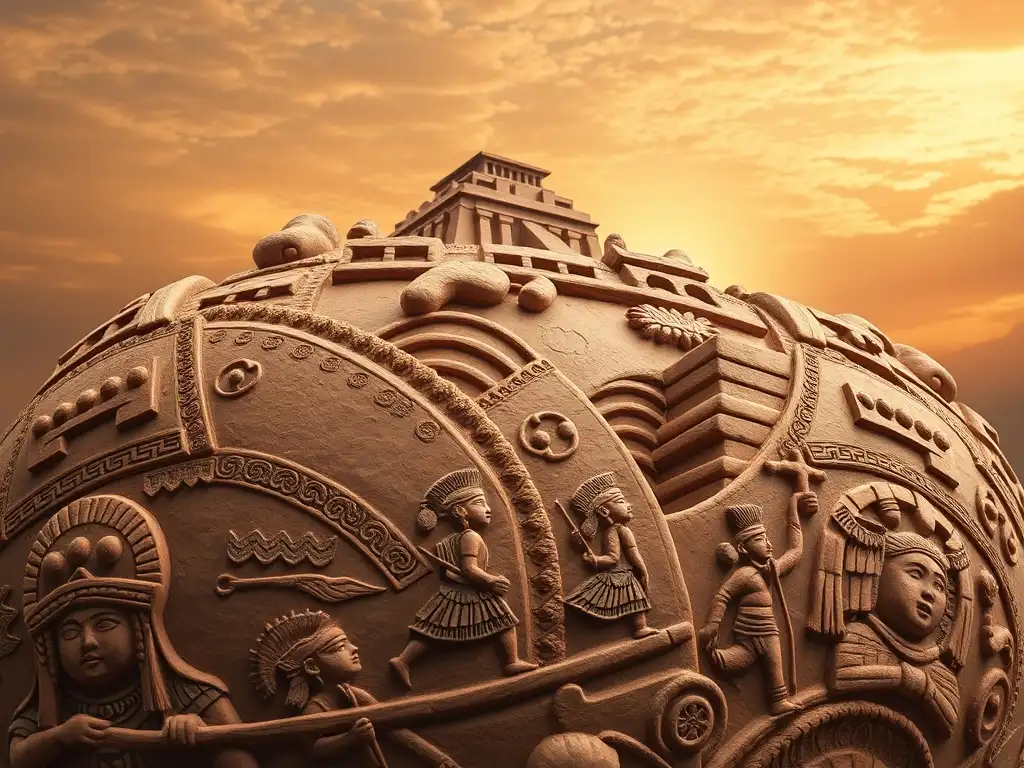
The Moche civilization, flourishing on the northern coast of Peru from approximately 100 to 800 CE, left an indelible mark on subsequent Andean cultures. While the extent of direct Moche influence on later civilizations like the Inca is a subject of ongoing scholarly debate, evidence suggests a significant transmission of religious ideas and practices. This transmission wasn't necessarily a linear, top-down process; instead, it likely involved a complex interplay of cultural exchange, adaptation, and syncretism.
Understanding this transmission requires analyzing the routes of cultural diffusion and the persistence of Moche iconography in later Andean art. The Moche religious influence on Inca, for example, is not always immediately apparent, requiring careful examination of artistic motifs, ritual practices, and even geographical distribution of artifacts.
Routes of Cultural and Religious Diffusion in the Andes
Several factors facilitated the spread of Moche religious concepts across the Andes. The vast and complex Andean road network, though primarily developed later by the Inca, had its precursors in earlier systems. Trade routes, connecting coastal regions with highland settlements, played a crucial role. The exchange of goods also involved the exchange of ideas, beliefs, and artistic styles. Furthermore, migration patterns, whether due to conquest, population pressure, or voluntary movement, contributed to the dissemination of cultural practices, including religious ones. The movement of craftspeople and religious specialists would have been particularly important in transmitting specialized knowledge and artistic techniques.
Consider, for example, the distribution of Moche pottery depicting specific deities or rituals. These artifacts have been found far beyond the traditional Moche heartland, indicating a wider circulation of their religious imagery and narratives. The stylistic similarities between Moche pottery and later ceramic traditions, especially in the north, highlight a potential continuity in artistic expression, potentially reflecting the persistence of religious beliefs.
Moreover, archaeological evidence suggests that some Moche religious sites may have been reused or adapted by later cultures, signifying a symbolic continuity and the adoption of sacred spaces. The exact mechanisms and extent of this diffusion require further investigation, but the evidence strongly suggests that Moche religious ideas travelled extensively through various channels.
Moche Iconography in Later Andean Art
The enduring presence of Moche iconography in the art of later Andean civilizations offers compelling evidence of their religious influence. Certain Moche motifs, particularly those associated with key deities and rituals, appear repeatedly in the art of subsequent cultures, demonstrating a clear stylistic lineage.
For instance, depictions of the Moche Ai Apaec, a powerful deity often associated with warfare and sacrifice, bear striking similarities to later representations of warrior gods in other Andean traditions. The continuity of specific iconographic elements, such as the use of specific headdresses, clothing styles, and symbolic objects, suggests the transmission of religious beliefs and associated visual representations.
Analyzing the evolution of these motifs across different cultures provides crucial insights into the processes of cultural adaptation and syncretism. Sometimes, Moche iconography was adopted almost directly, while in other instances, it was integrated into existing belief systems, resulting in hybrid representations.
This process of adaptation and transformation highlights the dynamic nature of cultural exchange and the fluidity of religious beliefs in the Andean region. The extent to which later Andean cultures understood the original meaning of Moche iconography remains a matter of interpretation, but the presence of these motifs undoubtedly indicates a significant level of cultural interaction and the enduring impact of Moche religious traditions.
Further research, particularly a comparative analysis of Moche and Inca art, is needed to fully understand the nuances of this cultural exchange and the extent of the Moche religious influence on Inca beliefs and practices. This ongoing research promises to reveal a more complete picture of the complex tapestry of Andean religious history.
Key Elements of Moche Religion and Their Impact
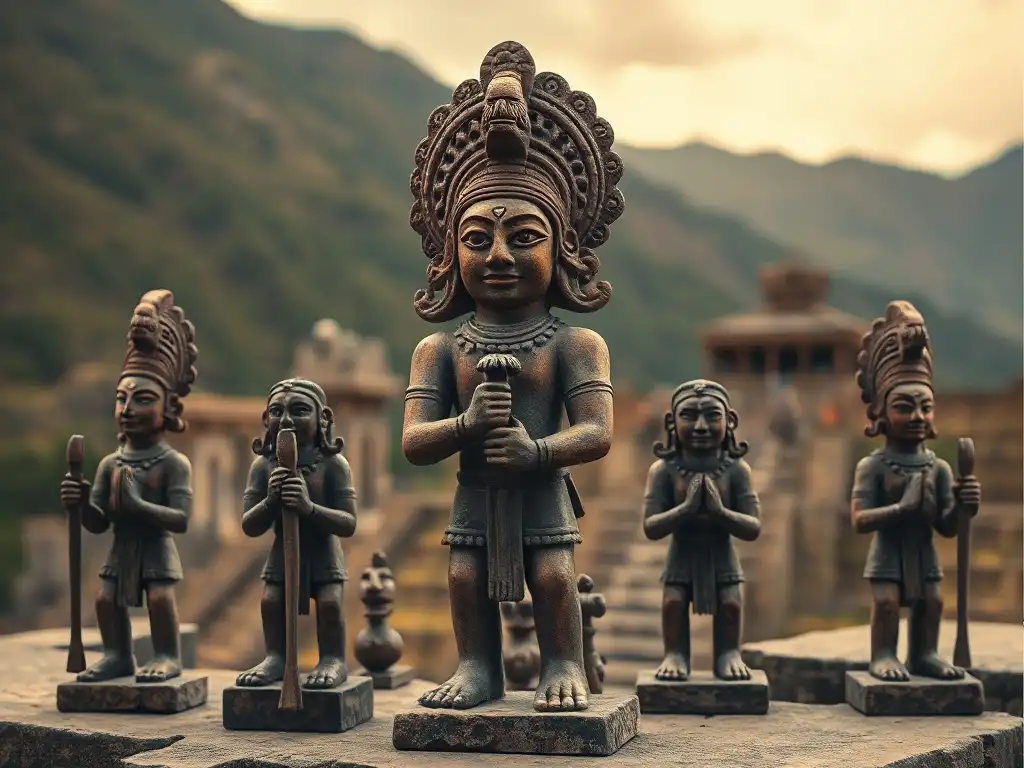
The Moche civilization (circa 100-800 CE), flourishing along the northern coast of Peru, developed a complex religious system that significantly impacted subsequent Andean cultures, particularly the Inca. Understanding the core tenets of Moche religion is crucial to tracing the threads of influence that wove their way into later Andean belief systems. This section will examine key elements of Moche religious practices and analyze their lasting legacy.
The Moche's sophisticated understanding of the natural world, manifested in their art and rituals, left an indelible mark on the spiritual landscape of the Andes. The pervasive influence of Moche religious practices on Inca beliefs and traditions is a testament to the enduring power of their spiritual world. The Moche religious influence on Inca culture is a topic of ongoing scholarly debate, with new discoveries constantly adding layers to our understanding.
The Moche Deity Ai Apaec and its Representations
Ai Apaec, the principal deity of the Moche pantheon, stands as a powerful symbol of their religious worldview. Depicted often as a terrifying, anthropomorphic figure with fangs, claws, and a fanged mouth, Ai Apaec's image conveys both power and fear. This deity, frequently shown in scenes of sacrifice and ritual, embodies the cyclical nature of life and death, fertility and destruction, vital elements reflecting the harsh realities of the coastal desert environment.
Analysis of Moche iconography reveals Ai Apaec's multifaceted nature; sometimes benevolent, providing sustenance, at other times wrathful, demanding appeasement through sacrifice. The Moche's sophisticated artistic skill is evident in the detailed representations of Ai Apaec across various media, including pottery, metalwork, and textiles. These depictions often include intricate details of his attire, adornments, and the accompanying ceremonial objects, offering valuable insights into the ritual practices associated with his worship.
The continuity of themes related to Ai Apaec, albeit transformed, can be seen in certain Inca iconography, suggesting a potential, albeit indirect, influence. Further research is needed to fully understand the extent of this potential connection. The Moche religious influence on Inca iconography is a fascinating area of ongoing research, with scholars meticulously comparing and contrasting representations of deities across both cultures.
Moche Sacrifice Rituals: Their Meaning and Continuation
Moche religious practices were deeply intertwined with elaborate rituals, many of which involved human sacrifice. These sacrifices, documented extensively in their art, were not simply acts of brutality but rather complex ceremonies believed to ensure fertility, appease the gods, and maintain cosmic balance. The victims, often adorned with elaborate jewelry and finery, were depicted in various states of ritual preparation and sacrifice, providing crucial insights into the Moche worldview.
The Moche religious influence on Inca sacrifice practices requires further research. While the Inca also practiced human sacrifice, the scale and context differed significantly. However, certain symbolic elements and the overall concept of sacrifice as a means of maintaining cosmic order may reflect a shared Andean tradition, possibly influenced by the Moche's earlier practices.
The evidence suggests that the Moche's elaborate and deeply symbolic sacrifice rituals, while not directly replicated, may have informed the broader Andean understanding of ritual sacrifice and its cosmological significance. The careful study of Moche sacrificial practices and their artistic representations offers a unique window into their religious beliefs and their enduring impact.
Moche Shamanism and its Influence on Andean Spirituality
Shamanism played a significant role in Moche religious life. Evidence suggests the existence of powerful shamanistic figures who acted as intermediaries between the human and supernatural worlds. These shamans, often depicted in Moche art wielding ritual paraphernalia and engaging in trance-like states, were believed to possess the ability to communicate with deities and influence the course of events.
The Moche's expertise in hallucinogenic plants, like San Pedro cactus, further supports the prevalence of shamanistic practices within their society. The Moche religious influence on Inca shamanism is evident in the continuity of certain shamanistic practices and beliefs throughout the Andean region. Though the specific rituals and iconography differed, the fundamental concept of a shaman's ability to interact with the spirit world and heal the sick persisted.
The legacy of Moche shamanism is found in later Andean cultures, where similar beliefs and practices continued to shape religious and spiritual life. The deep-rooted connection between the Moche and their spiritual world, as expressed through shamanism, extended its influence far beyond their own civilization, contributing to the complex tapestry of Andean spirituality. Further research comparing specific shamanistic practices and beliefs across the Moche and Inca cultures would strengthen our understanding of this crucial aspect of Andean religious history.
The Moche Religious Influence on Inca Religion
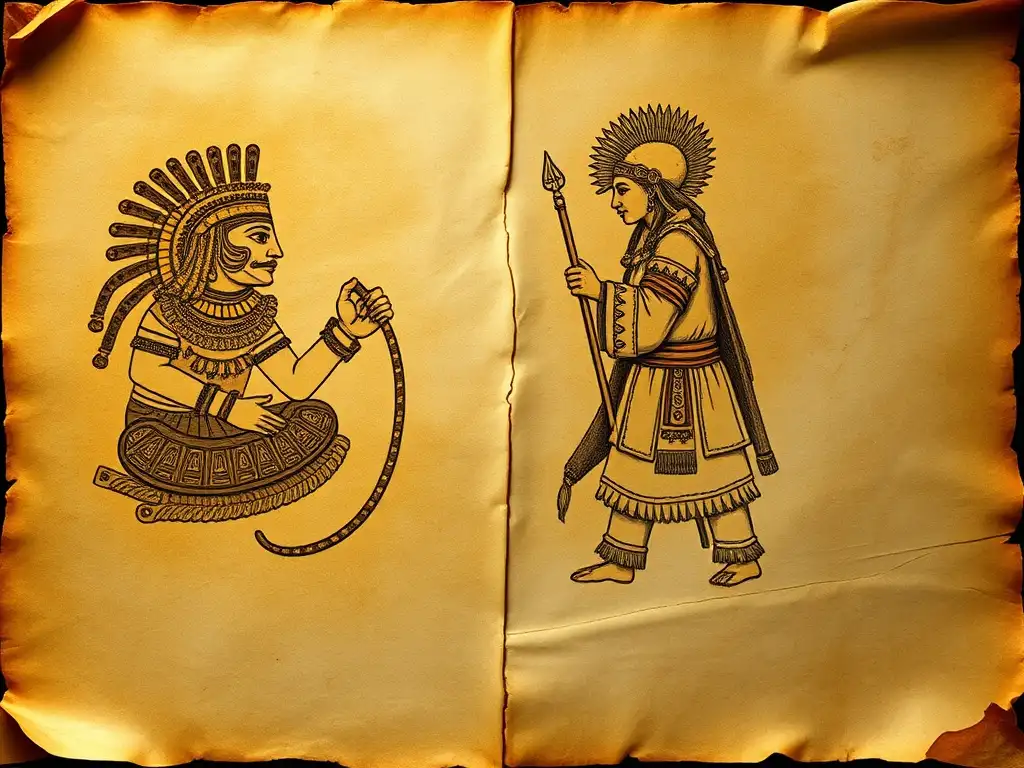
The Moche civilization, flourishing on the northern coast of Peru from approximately 100 CE to 800 CE, left an indelible mark on subsequent Andean cultures, including the Inca Empire. While the Inca developed their own distinct religious system, evidence suggests a significant continuity and influence stemming from earlier Andean traditions, particularly those of the Moche.
Understanding the Moche's religious impact on the Inca requires examining specific aspects of their beliefs and practices to identify points of convergence and adaptation. The Moche religious influence on Inca, while not always direct or easily traceable, is undeniable when analyzing their shared iconography, ritualistic practices, and artistic styles.
Traces of Moche Deities in Inca Pantheon
The Inca pantheon, while vast and complex, exhibits potential echoes of Moche deities. Although direct correspondences are difficult to establish definitively due to the limitations of archaeological evidence and the distinct mythological narratives of each civilization, certain similarities suggest a possible evolution or syncretism. For example, the Moche's prominent emphasis on a powerful, often anthropomorphic deity associated with the sea and fertility may have influenced the Inca's veneration of the sea god, Mamacocha.
Similarly, the Moche's veneration of feline deities, frequently depicted in their art, might have contributed to the Inca's incorporation of puma and jaguar symbolism within their own religious iconography. Further research, particularly comparative analysis of iconographic details and contextual archaeological findings, is needed to solidify these potential connections.
The subtle yet persistent presence of these shared motifs hints at a possible underlying continuity in Andean religious thought, with the Moche providing a foundational layer upon which later Inca beliefs were built. The complex interplay between continuity and innovation in Andean religious landscapes remains a fascinating area of ongoing scholarly debate.
The Role of Sacrifice and Rituals: A Moche-Inca Comparison
Both the Moche and the Inca civilizations practiced elaborate sacrificial rituals, though the specifics and scale differed significantly. The Moche are renowned for their human sacrifices, often depicted in their ceramic art, which frequently involved individuals of high social standing. These sacrifices, seemingly linked to maintaining cosmic balance and ensuring agricultural fertility, involved elaborate preparations and were likely significant communal events.
The Inca also practiced human sacrifice, but their rituals often involved selected individuals, sometimes captives of war, and were integrated into larger state ceremonies and festivals. While the Inca's rituals were arguably more formalized and centralized within their empire's hierarchical structure, the underlying concept of sacrifice as a means to appease deities and maintain cosmic order shows a clear continuity with Moche practices.
The sheer volume of Moche sacrificial evidence, coupled with the Inca's adoption of similar practices, albeit on a potentially different scale, suggests a legacy of ritualistic behavior that transcended centuries and cultural transformations. A comprehensive comparison of the specific rituals, their contexts, and their social implications would illuminate the extent of Moche influence on Inca sacrificial practices.
Moche Art and its Influence on Inca Artistic Expression
Moche artistic expression, particularly in ceramics and metalwork, is characterized by its realism, detailed representations of human figures and deities, and vibrant depictions of daily life and ritualistic events. This artistic style, which reflects their religious beliefs and worldview, exerted considerable influence on subsequent Andean artistic traditions. While the Inca developed their own distinct artistic conventions, particularly in stonework and textiles, certain stylistic echoes of Moche art are discernible.
For instance, the Inca's use of realistic portrayals in some of their ceramics, particularly in depicting human figures and deities, bears a resemblance to the Moche's highly detailed ceramic work. Moreover, the Inca's adoption of certain motifs and iconographic elements, such as specific depictions of animals and deities, hints at a possible artistic inheritance from the Moche. However, the level of direct influence is a complex question, requiring a detailed comparative study of Moche and Inca art across different media and regions to fully understand the extent of this cultural exchange.
The continuity and evolution of artistic styles throughout the Andean region underscores the enduring legacy of the Moche's artistic achievements and their impact on later Andean civilizations, including the Inca. Further investigation into the stylistic similarities and differences between Moche and Inca art is essential to fully appreciate the intricate transmission of artistic traditions within the Andean world.
Moche Architectural Concepts and Inca Adoption
The Moche, renowned for their sophisticated urban planning and impressive architectural feats, left a legacy that subtly, yet significantly, influenced subsequent Andean civilizations, particularly the Inca. While the Inca developed their own unique architectural style, certain underlying principles and techniques reveal a possible Moche influence. For instance, the Moche's mastery of adobe brick construction, characterized by their precisely sized and meticulously placed bricks, demonstrates an advanced understanding of structural engineering.
This expertise in creating stable and durable structures, even on challenging terrain, likely informed the Inca's own impressive building projects. The Inca's use of adobe, though often combined with stone, suggests a continuation of this Moche building tradition. The precision and scale of Inca constructions, such as Machu Picchu, echo the Moche's attention to detail and their ability to create monumental structures.
Further evidence of Moche influence can be seen in the layout and organization of Moche urban centers and their subsequent reflection in Inca urban planning. While the scale and complexity differ vastly, both cultures prioritized strategic placement of structures, often incorporating terraces and elevated platforms to maximize space and adapt to the challenging Andean landscape.
The Moche's use of plazas as central hubs for social and religious activities finds a parallel in the Inca's meticulously planned urban centers, such as Cusco, where plazas served as vital focal points for the community. While the specific iconography and ornamentation differed drastically, the underlying principle of a centralized, organized urban space seems to have been passed down.
However, it is crucial to acknowledge the limitations in definitively proving direct Moche influence on Inca architecture. The Inca Empire arose centuries after the Moche civilization's decline, and the intervening periods saw the rise and fall of numerous other Andean cultures, each contributing to the evolution of architectural styles. Therefore, while similarities exist, attributing them solely to Moche influence requires cautious interpretation and further research.
It is more accurate to suggest a broader continuum of Andean architectural traditions, with the Moche contributing significantly to the foundation upon which later civilizations, including the Inca, built their impressive architectural achievements. The Inca likely adapted and refined existing techniques, incorporating their own innovations and aesthetic preferences, resulting in a unique yet undeniably connected architectural lineage across Andean cultures. Careful comparative studies of specific Moche and Inca structures are needed to further elucidate the nature and extent of this influence.
Specific Moche Religious Elements Adopted by the Inca
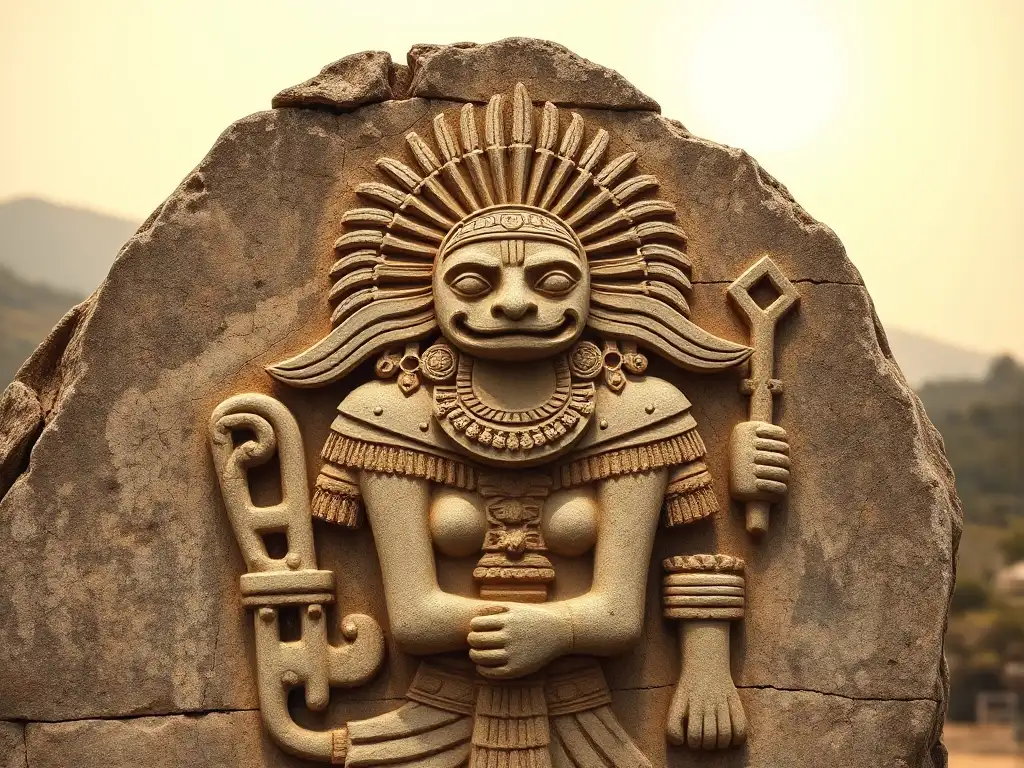
The Moche civilization, flourishing along the northern coast of Peru from approximately 100 to 800 CE, left an indelible mark on subsequent Andean cultures. While the Inca Empire, emerging centuries later, developed its own unique religious system, evidence strongly suggests a significant adoption and adaptation of specific Moche religious elements. This influence is particularly evident in ancestor veneration, iconography, and beliefs surrounding the afterlife.
Understanding this continuity helps illuminate the complex tapestry of Andean religious beliefs and practices, demonstrating the enduring legacy of the Moche on the Inca worldview. The Moche religious influence on Inca culture is a fascinating area of study showcasing the dynamic interplay between different Andean societies.
Moche Ancestor Veneration and its Inca Equivalent
Moche society placed immense importance on ancestor veneration. Evidence from Moche tombs, replete with elaborate offerings and meticulously preserved remains, points to a deeply ingrained belief in the continued spiritual presence and power of ancestors. These ancestors were not merely remembered; they were actively engaged with through rituals and offerings, ensuring their continued support and protection of the living. This practice is mirrored, albeit in a modified form, in Inca religious practices.
While Inca ancestor veneration wasn't a direct copy of Moche traditions, it shared similar underlying principles. The Inca ayllu system, emphasizing kinship and lineage, reinforced the importance of ancestral figures. The Inca also practiced capacocha, a ritual sacrifice of children and young adults, often interpreted as an offering to appease powerful ancestors and ensure the prosperity of the empire.
Although the scale and specific rituals differed, the fundamental concept of maintaining a relationship with deceased ancestors for continued well-being remained a common thread between the two cultures. The similarities suggest a potential evolutionary trajectory, with the Inca possibly adapting and refining pre-existing Andean traditions, including those inherited from the Moche. Further research into specific Moche burial practices and their Inca counterparts could reveal more nuanced connections.
Moche Iconography on Inca Textiles and Pottery
The distinctive Moche iconography, characterized by its vibrant depictions of deities, mythical creatures, and scenes of ritualistic activities, is another area where Inca influence is apparent. While Inca art developed its own unique stylistic conventions, certain motifs and symbolic elements clearly echo Moche artistic traditions. This is particularly evident in Inca textiles and pottery.
For instance, certain representations of feline deities, a prominent feature in Moche art, reappear, albeit stylistically adapted, in Inca textiles. The use of specific color palettes and patterns also shows striking similarities. Furthermore, the depiction of certain ritualistic scenes, such as those involving shamanistic practices or sacrifices, also bear resemblance to Moche artistic representations, suggesting the continuation of certain religious beliefs and practices. A detailed comparative analysis of Moche and Inca iconography, focusing on specific motifs and their symbolic interpretations, would provide a richer understanding of this cultural exchange. [Specific examples of comparable Moche and Inca artifacts pending].
Moche Beliefs about the Afterlife and its Impact on Inca Funeral Practices
Moche beliefs about the afterlife are vividly portrayed in their elaborate tomb complexes. These tombs often contained rich grave goods, indicating a belief in a continued existence beyond death where material possessions remained relevant. The presence of food, drink, and other offerings suggests a concern for the well-being of the deceased in the afterlife.
Inca funeral practices, while more complex and varied than those of the Moche, also show evidence of similar beliefs. The elaborate tombs of Inca royalty, filled with exquisite artifacts and provisions for the afterlife, reveal a similar concern for the deceased's continued existence. Furthermore, the mummification practices of the Inca, although differing in technique from Moche practices, likely share a common root in the belief in the importance of preserving the physical body for the afterlife. The Inca capacocha sacrifices, discussed earlier, can also be interpreted within this framework, as a way to ensure a favorable transition for the sacrificed individuals into the spiritual realm. A more comprehensive study comparing the specific burial rituals and beliefs surrounding death in both cultures would reveal further insights into the continuity and evolution of Andean religious thought. The similarities strongly suggest a continued influence of the Moche religious worldview on Inca funerary practices.
The Moche Religious Influence on Other Andean Cultures
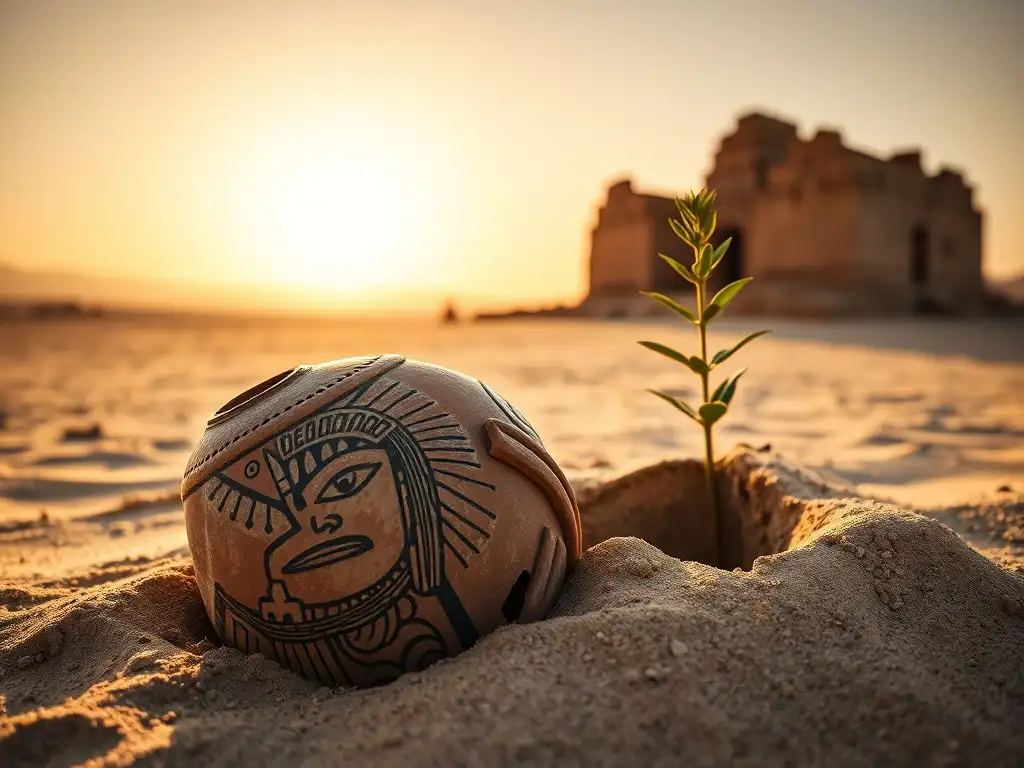
The Moche civilization, flourishing along the northern coast of Peru from roughly 100 CE to 800 CE, left an indelible mark on subsequent Andean cultures. Their sophisticated religious beliefs and practices, evident in their elaborate iconography, monumental architecture, and intricate gold and silver work, significantly influenced the religious landscape of later societies. While the extent of direct influence varies among different successor cultures, the Moche's legacy is undeniable, particularly in the Chimú and Lambayeque cultures.
Understanding this influence requires examining specific religious motifs, artistic styles, and ritual practices that persisted and evolved across generations. The pervasive nature of Moche religious influence on Inca culture is a testament to the lasting power of their spiritual beliefs and practices.
The persistence of certain deities and rituals provides compelling evidence of a strong cultural continuity. Analyzing the shared characteristics between Moche and later Andean religions unveils a complex tapestry of cultural exchange and adaptation.
Moche Religious Influence on the Chimú Empire
The Chimú, who succeeded the Moche in the northern coastal region, inherited a rich religious tradition heavily influenced by their predecessors. The Chimú Empire (1300-1470 CE) demonstrates clear continuity with Moche religious practices, particularly in their veneration of certain deities and the use of specific ritual objects.
For example, the Chimú's elaborate irrigation systems, vital to their agricultural success, could be interpreted as a continuation of the Moche's reverence for water and fertility. The Moche's highly developed understanding of water management, reflected in their sophisticated canal systems, likely provided a model for later Andean societies, including the Chimú. The Moche's emphasis on the power of water is seen in their iconography, depicting powerful deities associated with rain and abundance. This reverence for water clearly influenced the Chimú's own construction of extensive irrigation networks and their religious ceremonies associated with water.
Furthermore, Chimú iconography often displays stylistic similarities to Moche art. While Chimú art developed its own unique characteristics, the influence of Moche artistic conventions in the depiction of deities and mythological scenes is readily apparent. The use of similar motifs, such as stylized feline imagery and depictions of supernatural beings, suggests a direct transmission of religious ideas and artistic styles.
This suggests a direct line of religious influence, with the Chimú adapting and reinterpreting Moche religious beliefs to fit their own cultural context. The continuity in artistic representation suggests a shared understanding of the spiritual world and a sustained respect for the ancestral deities.
Moche Religious Legacy in the Lambayeque Culture
The Lambayeque culture (750-1375 CE), contemporary with the late Moche and geographically proximate, also exhibits significant evidence of Moche religious influence. While the Lambayeque developed their own distinct religious system, certain key elements clearly trace back to Moche traditions.
One striking example is the Lambayeque's veneration of the deity Naylamp, a powerful figure often depicted with attributes reminiscent of Moche deities. While the specifics of Naylamp's mythology differ from Moche narratives, the general concept of a powerful, often anthropomorphic, deity associated with both earthly and celestial realms resonates with Moche religious beliefs. The similarities in attributes and associated powers suggest a clear link and a possible evolution of the Moche divine pantheon. This is further supported by the presence of similar ritual practices and the use of analogous objects in Lambayeque religious ceremonies.
Moreover, the Lambayeque's elaborate burial practices, characterized by elaborate grave goods and the inclusion of human sacrifices in certain cases, echo aspects of Moche funerary rituals. The importance placed on the afterlife and the provision of offerings for the deceased suggest a shared belief in the continuity of life beyond death, a fundamental tenet of Moche religion.
This shared focus on funerary rituals underscores the importance of the afterlife in both cultures, highlighting a clear line of religious continuity. The nature of these rituals and the types of grave goods strongly suggest a direct connection and adaptation of Moche religious practices.
The Lambayeque’s adoption and adaptation of Moche religious elements demonstrate a complex process of cultural exchange and syncretism. They selectively incorporated aspects of Moche religion, integrating them into their own developing worldview. This process created a unique religious system that, while distinct from the Moche, retained a clear imprint of its predecessor. The presence of Moche-inspired motifs and rituals within the Lambayeque culture provides compelling evidence of the enduring influence of Moche religious beliefs and practices.
Conclusion: The Enduring Impact of Moche Religious Influence on Andean Societies
The Moche civilization, despite its relatively short lifespan compared to other Andean cultures, left an indelible mark on the religious landscape of the region. Their sophisticated artistic representations, intricate rituals, and complex cosmology profoundly influenced subsequent Andean societies, including the powerful Inca Empire. Understanding the nuances of Moche religious beliefs provides crucial insight into the broader trajectory of Andean spirituality and the enduring power of cultural transmission.
The echoes of Moche religious practices resonate through centuries, demonstrating the remarkable continuity and adaptation of religious themes within the Andean world. This influence wasn't merely a superficial adoption; rather, it represents a complex interplay of assimilation, adaptation, and innovation.
The Moche Contribution to the Andean Religious Landscape
The Moche's unique contribution to Andean religion lies primarily in their highly developed iconography and ritual practices. Their pottery, renowned for its intricate detail and realistic depictions of deities, rituals, and daily life, provides invaluable insights into their beliefs. These artistic representations, often showcasing powerful deities like the Decapitated God or the Ai Apaec, served as powerful visual tools for religious instruction and the reinforcement of social hierarchy.
The Moche's emphasis on ancestor veneration, evidenced by their elaborate burial practices and the prominent role of ancestors in their iconography, also significantly impacted later cultures. This ancestor veneration, woven into the fabric of their society, continued to shape religious practices in subsequent Andean civilizations. Moreover, the Moche's sophisticated understanding of astronomy and its incorporation into their religious calendar likely influenced later Andean societies' astronomical observations and their integration into religious rituals.
The precision and detail evident in their astronomical alignments suggest a deep understanding of celestial cycles and their significance in their worldview. This astronomical knowledge was not merely scientific observation; it was intrinsically linked to their religious beliefs and practices, a connection that persisted in later Andean societies.
Furthermore, the Moche's highly developed metalworking techniques, used to create elaborate ornaments and ritual objects, further contributed to the richness of Andean religious expression. The intricate craftsmanship and symbolic meanings embedded in these objects underscore the importance of material culture in expressing and reinforcing religious ideas.
The use of gold, silver, and copper in their religious artifacts reflects not only their technological prowess but also the high value placed on these materials within their religious system, a pattern that continued in later Andean cultures. The enduring legacy of Moche metalworking techniques and their association with religious practice demonstrates the strong link between technology and religious expression in the Andes.
The Importance of Understanding Moche Religion for Andean Studies
A thorough understanding of Moche religion is paramount for a comprehensive interpretation of later Andean civilizations. The Moche religious system wasn't simply replaced; instead, its elements were absorbed, adapted, and reinterpreted by subsequent cultures. By studying Moche iconography, ritual practices, and cosmology, scholars can trace the evolution of Andean religious beliefs and identify continuities and changes over time.
For example, the recurring motifs and symbolic representations found in Moche art reappear, albeit in modified forms, in the art and religious practices of later cultures, highlighting the enduring influence of Moche religious ideas. Ignoring the Moche context risks misinterpreting the religious beliefs and practices of later Andean societies. Their religious legacy provided a foundation upon which subsequent cultures built their own belief systems, creating a rich tapestry of Andean spirituality.
The study of Moche religious influence on the Inca, for instance, reveals a complex process of cultural exchange and adaptation. While the Inca developed their own distinct religious system, they incorporated certain elements of Moche religious iconography and ritual practices into their own beliefs and rituals. This process of syncretism, where different religious traditions blend and interact, is a key feature of Andean religious history.
Therefore, a nuanced understanding of Moche religious beliefs is crucial for deciphering the complexities of Inca religion and the broader Andean religious landscape. Analyzing the Moche's influence allows us to better understand the dynamic nature of religious change and continuity in the Andes and how religious ideas traveled and transformed across time and space.
Further research, particularly focusing on [specific information pending: comparative analysis of Moche and Inca iconography and ritual practices], is needed to fully appreciate the extent and nature of this complex interaction. The Moche religious influence on Inca, therefore, serves as a compelling case study for understanding the dynamics of cultural transmission and religious syncretism in the Andean region.
Frequently Asked Questions
What is the main focus of this article?
This article explores the influence of Moche religious beliefs and practices on subsequent Andean civilizations, particularly the Inca Empire. It examines how Moche traditions might have impacted Inca religious systems and iconography.
How did Moche religion differ from Inca religion?
While both civilizations revered powerful deities and practiced ancestor veneration, their specific gods and rituals varied significantly. The Moche emphasized fertility and warfare, while the Inca focused more on cosmic order and imperial power. The article explores points of convergence and divergence.
What specific Moche religious aspects influenced the Inca?
The article investigates potential influences such as Moche iconography, particularly depictions of deities and rituals that may have inspired similar Inca art and practices. It also examines potential links in ceremonial architecture and agricultural practices.
What evidence supports the claim of Moche influence on Inca religion?
The evidence presented includes comparative analysis of art and artifacts, identifying similar motifs and themes. The article also draws on archaeological findings from sites occupied by both cultures, and examines the potential for cultural exchange and adaptation.
Why is the Moche religious influence on the Inca important to study?
Understanding this influence provides crucial insights into the continuity and change in Andean religious traditions. It helps us better understand the complex development of Andean cultures and the ways in which ideas and practices were transmitted and transformed across time.
Final Reflection: Echoes of the Moche: A Legacy in Stone and Spirit
The vibrant religious practices of the Moche civilization didn't simply vanish with their decline; they reverberated through the centuries, leaving an indelible mark on subsequent Andean cultures, most notably the Inca. The intricate iconography, sophisticated rituals, and powerful symbolism of the Moche continue to fascinate and inform our understanding of the complex tapestry of Andean religious history, offering crucial insights into the enduring power of cultural transmission.
The Moche's reverence for nature, their elaborate ceremonies centered around fertility and ancestor veneration, and their awe-inspiring artistic representations of deities and mythical beings all contributed to a rich spiritual landscape that profoundly shaped the beliefs and practices of later Andean societies. The past is never dead. It's not even past.
– William Faulkner. This quote perfectly encapsulates the enduring influence of the Moche, whose legacy continues to resonate in the archaeological record and the cultural memory of the Andes. Their artistic motifs, for example, can be traced through various stylistic evolutions, demonstrating a clear line of influence that ultimately contributed to the unique religious landscape of the Inca Empire.
Consider the echoes of the Moche in your own life. How do the beliefs and practices of past cultures shape our present understanding of the world? What enduring legacies, both visible and invisible, surround us, influencing our thoughts, actions, and perspectives? Take a moment to reflect on the power of cultural transmission and the enduring impact of civilizations that came before us. Let the story of the Moche inspire you to explore the rich tapestry of human history and appreciate the intricate connections that bind us across time and space.
Unveil the Legacy of Moche Spirituality Today!
Thank you for exploring the fascinating world of Moche religion and its enduring influence on subsequent Andean cultures. Your interest in this rich history opens up a world of discovery and deeper understanding.
To further your exploration of Andean spirituality and its lasting impact, consider these suggestions:
- Learn More: Delve deeper into the rituals and beliefs of the Moche by reading our related articles.
- Connect with Others: Share your thoughts and insights on social media or in the comments below, and engage with fellow enthusiasts of Andean history.
- Experience it Firsthand: Visit museums and exhibitions showcasing Moche artifacts to witness their legacy up close.
As you reflect on this incredible journey through time, consider this: What aspect of the Moche belief system resonates most with you, and how do you perceive its influence on our understanding of Andean cultures today?