
Moche Daily Life: A Glimpse into the Homes, Habits, and Traditions


Uncover the mysteries of a lost world! Journey with us into the heart of the Andes and delve into the captivating Moche Civilization. Prepare to be amazed as we unveil the intricate details of Moche daily life traditions, revealing a society far more complex and sophisticated than you ever imagined. Their homes, habits, and rituals hold secrets waiting to be discovered – are you ready to unravel them?
The Moche civilization, flourishing along the northern coast of Peru from approximately 100 CE to 800 CE, left behind a remarkable legacy of artistry, engineering, and societal organization. This article delves into the fascinating world of Moche daily life, exploring their homes, habits, and traditions to paint a vivid picture of their everyday existence.
Understanding their daily routines offers invaluable insight into the complexities of this sophisticated pre-Columbian culture and provides a richer understanding of the factors that contributed to their societal success and eventual decline. We will examine evidence from archaeological digs, analyzing artifacts and architectural remains to reconstruct a comprehensive view of Moche daily life, focusing specifically on aspects that reveal their unique cultural practices and beliefs.
This exploration will illuminate how their daily routines reflected their worldview and shaped their vibrant society. Prepare to journey back in time and experience the world of the Moche through the lens of their daily lives.
Moche settlements varied depending on their location and the social standing of their inhabitants. Evidence suggests a clear social hierarchy reflected in the size and complexity of dwellings. Larger, more elaborate structures, often featuring intricate murals and sophisticated water management systems, likely belonged to the elite, while simpler dwellings housed the commoners.
Many homes were built from adobe bricks, a material readily available in the region. Archaeological findings show evidence of carefully planned urban layouts, indicating a sophisticated understanding of urban planning and community organization. The construction techniques employed, demonstrating a remarkable understanding of engineering principles for their time, reveal a high level of skill and cooperation within Moche society.
For example, the intricate irrigation systems that supported their agriculture required advanced knowledge of hydraulics and collective effort. These systems were not only essential for their survival but also contributed to the stability and prosperity of the civilization. The organization of their settlements also speaks to their social structure, with distinct areas dedicated to different functions, such as residential zones, religious centers, and agricultural lands.
Agriculture and Food Production: The Foundation of Moche Society
Agriculture formed the backbone of the Moche economy, with their survival heavily dependent on the cultivation of crops such as maize, beans, squash, and cotton. The arid coastal climate necessitated sophisticated irrigation systems, a testament to their engineering prowess. These systems, often comprising canals and reservoirs, allowed them to harness water from rivers and streams, making agriculture possible in an otherwise challenging environment.
Archaeological evidence, including the remains of irrigation canals and agricultural tools, provides compelling insight into the scale and sophistication of their agricultural practices. The abundance of food produced supported a sizable population and contributed to the development of a complex social structure. Beyond staple crops, the Moche also cultivated other plants for various purposes, including medicinal herbs and materials for textile production.
Their agricultural knowledge and practices were crucial to their societal well-being and their cultural identity. The extensive effort dedicated to irrigation demonstrates the importance of collective work and resource management in their society.
While detailed records of Moche daily life are absent, archaeological findings and artistic representations provide clues into their daily routines. We can infer that their days likely revolved around agricultural activities, craft production, and religious observances. The presence of numerous workshops and specialized tools indicates a degree of craft specialization.
Pottery, textiles, and metalwork were important aspects of their daily lives, not only for practical use but also for ritual and ceremonial purposes. Social interactions likely occurred within the community, with religious festivals and ceremonies playing a central role in bringing people together. Artistic depictions, such as those found on Moche pottery, offer glimpses into social gatherings, suggesting that music, dance, and feasting were integral parts of their social life.
The intricate details in their artwork also suggest a high level of social complexity and a rich cultural heritage. Further research is needed to fully understand the nuances of their social interactions, but existing evidence points to a society with a vibrant social life and strong community bonds.
Religious Beliefs and Practices: Their Influence on Daily Life
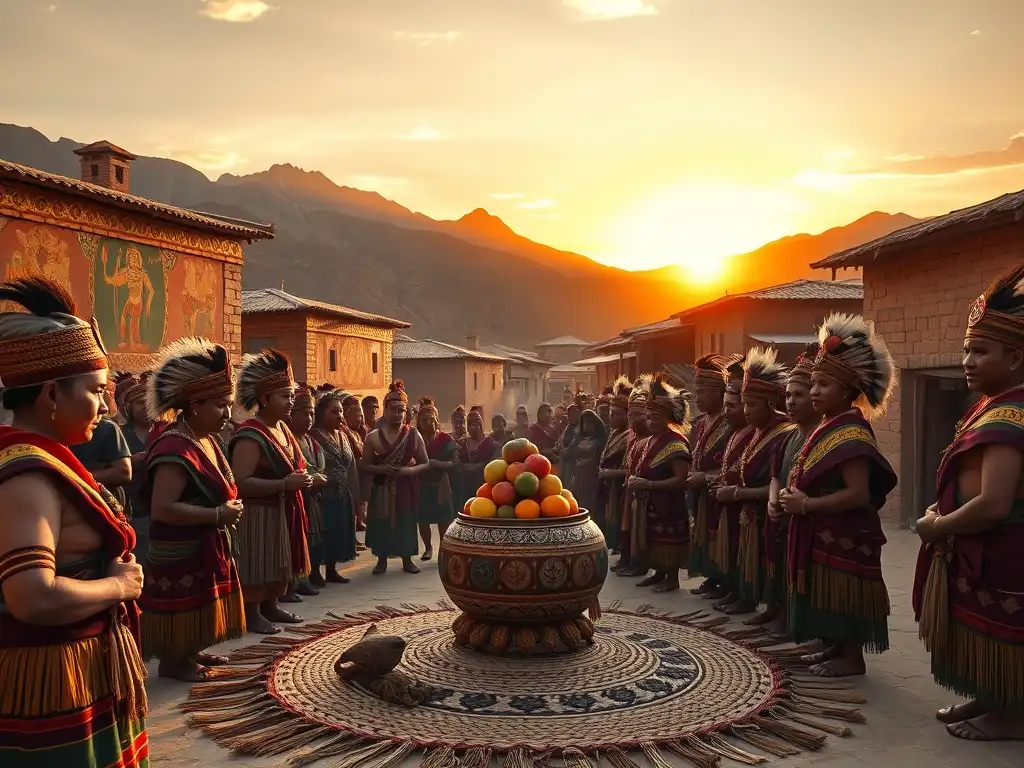
Religion played a significant role in shaping Moche daily life. Evidence suggests a complex pantheon of deities, with prominent figures often depicted in their elaborate artwork. Religious rituals likely involved offerings, sacrifices, and elaborate ceremonies. The construction of monumental structures, such as pyramids and temples, reflects the importance of religious practices in their society.
Religious beliefs likely influenced many aspects of their daily lives, from agricultural practices to social interactions. The prominence of religious figures in their art suggests that religious leaders held significant power and influence within the community. Further research into the iconography and symbolism present in Moche art is crucial to fully understand the depth and complexity of their religious beliefs and their impact on their daily lives. The interplay between religious beliefs and daily practices is a key area of ongoing research.
Moche Legacy and Modern Understanding: The Enduring Impact of Their Traditions
The Moche civilization, despite its eventual decline, left an enduring legacy that continues to fascinate and inspire scholars and the public alike. Their sophisticated irrigation systems, advanced artistic techniques, and complex social structures stand as a testament to their ingenuity and cultural achievements. Modern understanding of Moche daily life is constantly evolving as new archaeological discoveries are made and existing data are reinterpreted.
Continued research, including interdisciplinary approaches involving archaeology, anthropology, and other fields, is vital to enhance our understanding of this remarkable civilization. The study of Moche daily life traditions provides valuable insights into the complexities of human societies and the factors that contribute to cultural development and change. The enduring fascination with the Moche underscores the importance of preserving and interpreting their heritage for future generations.
- Moche Homes and Settlements: Architecture and Social Structure
- Agriculture and Food Production: The Foundation of Moche Society
- Daily Routines and Social Interactions: A Day in the Life of a Moche Citizen
- Religious Beliefs and Practices: Their Influence on Daily Life
- Moche Legacy and Modern Understanding: The Enduring Impact of Their Traditions
Understanding Moche Society Through Daily Life
This section delves into the intricacies of daily life within Moche society, offering a glimpse into the homes, habits, and traditions that shaped their world. Understanding their routines provides invaluable insight into their social structures, religious beliefs, and overall cultural landscape. By examining the archaeological evidence, we can reconstruct a vivid picture of Moche daily life, revealing a complex and fascinating civilization.
The meticulous craftsmanship evident in their pottery, textiles, and architecture reflects a dedication to detail and a sophisticated understanding of their environment. This attention to detail extends to all aspects of their lives, from the construction of their homes to the rituals they performed.
Analyzing these aspects allows us to appreciate the vibrancy and complexity of Moche culture, going beyond simple descriptions to uncover the underlying values and beliefs that guided their daily actions. The study of "Moche daily life traditions" offers a unique window into the heart of this remarkable civilization.
Moche communities were intricately woven together, with social structures impacting every aspect of daily life. Evidence suggests a largely agrarian society, with agriculture forming the backbone of their economy. The intricate irrigation systems they developed are a testament to their engineering prowess and their understanding of water management. Daily routines revolved around the agricultural cycle, with planting, harvesting, and processing of crops being central activities. This agricultural focus shaped their social organization, with skilled artisans and specialists playing crucial roles alongside farmers.
The Moche people lived in diverse settlements, ranging from small villages to larger urban centers. Archaeological excavations have uncovered evidence of residential areas, indicating varying levels of wealth and social standing within these communities. House structures varied in size and complexity, reflecting the social hierarchy. Larger, more elaborate homes likely belonged to elite members of society, while smaller, simpler dwellings housed the majority of the population.
The arrangement of houses within settlements also suggests a degree of social organization, possibly reflecting kinship ties or occupational groupings. Further research is needed to fully understand the spatial organization of Moche settlements and its correlation with social structures. [Specific information pending on detailed analysis of settlement layouts from various Moche sites].
Furthermore, the presence of elaborate tombs and burial practices points towards a strong belief in an afterlife and the importance of ancestors. Daily rituals and ceremonies may have been closely tied to agricultural cycles and ancestor veneration, shaping the rhythm of community life. The vibrant iconography found on Moche pottery frequently depicts scenes of daily life, offering glimpses into their social interactions and beliefs. These visual representations provide invaluable insights into the social fabric of Moche communities, supplementing the archaeological evidence.
The Moche social hierarchy was a significant factor influencing daily activities. While the exact nature of the hierarchy remains a subject of ongoing research, evidence suggests a stratified society with distinct social classes. At the apex were the elite, likely comprising rulers, priests, and high-ranking officials. These individuals enjoyed privileged access to resources, finer goods, and specialized services. Their daily lives likely involved religious ceremonies, political administration, and oversight of economic activities.
The lower classes consisted of farmers, artisans, and laborers who formed the majority of the population. Their daily routines were centered around agricultural production, crafting goods, and maintaining infrastructure. The division of labor was likely highly specialized, with individuals developing expertise in specific crafts or agricultural tasks. This specialization contributed to the efficiency and productivity of the Moche economy. The stark contrast between the lifestyles of the elite and the commoners is reflected in the archaeological record, with evidence of elaborate palaces and tombs for the elite, contrasting sharply with the simpler dwellings of the common population.
The impact of this social hierarchy extended to aspects such as diet, clothing, and access to healthcare. The elite likely enjoyed a more varied and abundant diet, access to finer textiles, and possibly more advanced medical care than the commoners. This disparity in access to resources highlights the inequalities that existed within Moche society. Further research is needed to fully understand the dynamics of social mobility and the extent of social stratification within Moche communities.
[Specific information pending on detailed analysis of dietary remains and textile analysis from different social strata]. The study of Moche grave goods also provides crucial information about social status and the distribution of wealth within the society. The presence of elaborate grave goods in elite tombs, while commoner graves contain simpler offerings, starkly illustrates the social hierarchy and its influence on even the afterlife. 🪦
Moche Homes: Architecture and Domestic Spaces
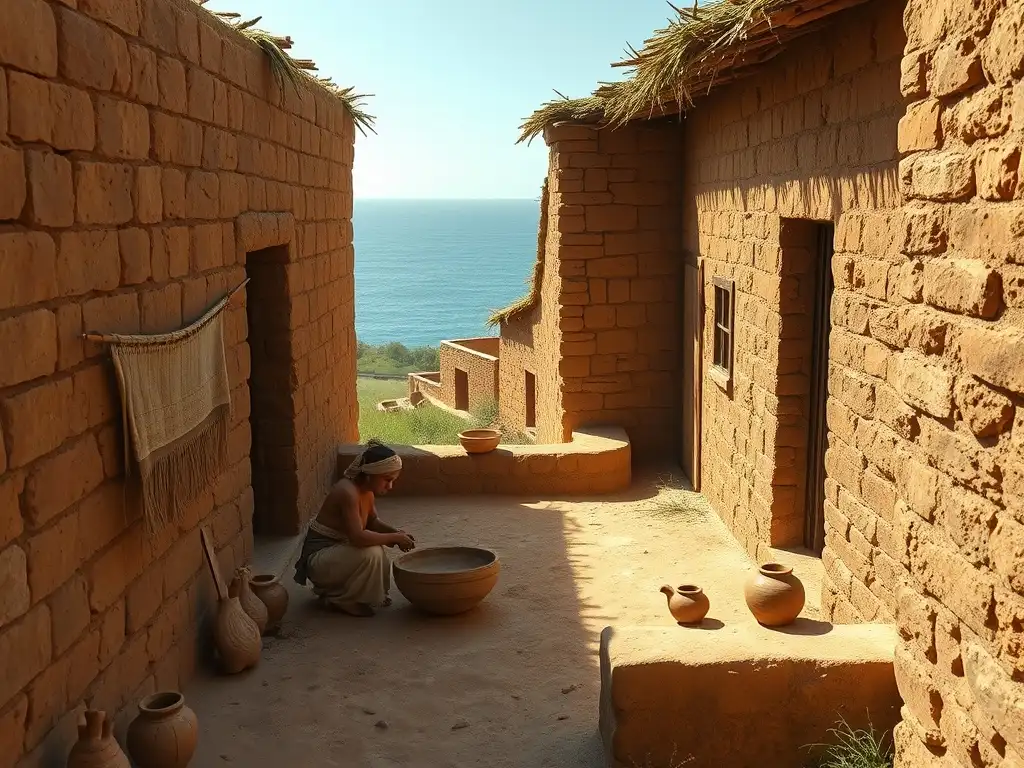
The Moche, a pre-Columbian civilization flourishing along the northern coast of Peru (roughly 200-800 CE), demonstrated remarkable architectural skill in their urban planning and domestic structures. Understanding Moche homes provides crucial insight into their social organization, economic activities, and daily life traditions. While grand temples and monumental pyramids often overshadow residential areas in archaeological narratives, careful excavation reveals a sophisticated understanding of construction and a nuanced approach to domestic space.
The Moche weren't simply building shelters; they were crafting living environments reflecting their worldview and social hierarchy. The variation in home sizes and complexity strongly suggests a stratified society, with differences in wealth and status reflected in the quality and scale of Moche dwellings.
Moche Housing Materials and Construction Techniques
Moche homes were predominantly constructed using readily available local materials. Adobe, sun-dried bricks made from clay and organic matter, formed the primary building material. This material, readily available and easily shaped, allowed for flexibility in construction and design. The quality of adobe varied depending on the availability of specific clays and the techniques used in its preparation.
Evidence suggests that some Moche homes incorporated more refined adobe bricks, potentially indicating higher social standing. Beyond adobe, the Moche also utilized wattle and daub—a framework of interwoven sticks plastered with mud—in some constructions, particularly for less substantial structures or partitions. Remains of reed mats and thatch have also been found, suggesting these materials were employed for roofing and interior walls, offering insulation and protection from the elements.
The construction techniques varied as well; some structures involved carefully laid courses of adobe bricks, while others displayed simpler, less-precise construction. This variation likely reflects both the skill of the builders and the intended function and longevity of the structure. The meticulous nature of some adobe brickwork showcases advanced knowledge of construction and material science, a testament to the Moche's mastery of their environment.
Layout and Functionality of Moche Homes
Moche homes were not simply single-room structures. Archaeological evidence reveals a variety of layouts, ranging from small, single-room dwellings to larger compounds with multiple rooms. These layouts reflected family size, social status, and possibly specialized functions within the household. Larger, more complex homes often featured courtyards, providing a central space for daily activities and social interaction.
Rooms were typically rectangular or square, with variations in size and arrangement. The presence of storage areas, cooking hearths, and sleeping platforms within these homes provides insight into the daily routines and activities of the Moche people. The arrangement of rooms within a compound also suggests a degree of spatial organization, with specific areas dedicated to different functions, mirroring a structured and organized daily life.
The absence of elaborate plumbing systems indicates a reliance on simple sanitation practices, though the presence of drainage channels in some areas suggests an attempt to manage wastewater. Further research is needed to fully understand the intricacies of Moche domestic space planning. [Specific information pending on the average number of rooms per dwelling and common room arrangements]
Household Items and Everyday Tools in Moche Life
The contents of Moche homes offer a fascinating glimpse into their daily life traditions. Archaeological finds reveal a range of household items and everyday tools reflecting their craftsmanship and resourcefulness. Pottery played a central role, with a diverse array of vessels used for cooking, storing food, and serving drinks. The intricate decoration on many of these vessels suggests that even everyday objects held aesthetic value.
Tools for food preparation, such as mortars and pestles, were common finds, indicating the importance of food processing in Moche daily life. Spindles and whorls, used for spinning and weaving, demonstrate the prevalence of textile production within the home. The discovery of weaving tools and fragments of textiles suggests that clothing production was a significant household activity, contributing to the creation of the distinctive Moche attire.
Additionally, the presence of various types of stone tools, such as knives and scrapers, indicates a continued reliance on stone technology in everyday tasks, alongside the advanced pottery-making techniques. The variety of items found in Moche homes emphasizes the complexity and sophistication of their daily life traditions and their skilled craftsmanship. The careful preservation of these artifacts provides invaluable insights into the culture and daily routines of this remarkable civilization.
Daily Routines and Activities in Moche Society
The Moche civilization, flourishing along the northern coast of Peru from approximately 100 to 800 CE, developed a complex social structure supported by sophisticated agricultural techniques and specialized crafts. Understanding their daily routines reveals a society deeply intertwined with its environment and rich in cultural practices. Their day, likely dictated by the sun's cycle and seasonal changes, was a tapestry woven with work, social interaction, and religious observances.
Analyzing the archaeological evidence, including settlements, burial sites, and artifacts, provides glimpses into the rhythm of Moche daily life. This intricate pattern of activities highlights the Moche people's ingenuity and resilience in a challenging yet fertile landscape. The keyword "Moche daily life traditions" is central to understanding this vibrant culture.
Moche Daily Work and Labor Practices
Moche society was highly organized, with labor divided according to social standing and skill. While the exact division of labor remains subject to ongoing research, archaeological findings suggest a structured system. Evidence indicates specialized labor forces dedicated to agriculture, fishing, pottery making, weaving, and metalworking.
For example, the intricate detail in their pottery suggests skilled artisans dedicated to their craft, possibly working in specialized workshops. The large-scale irrigation systems point to coordinated labor efforts for agricultural production, likely involving community participation and possibly specialized engineers or overseers. Further studies are needed to fully understand the organization and management of this labor force, including the role of social hierarchies and potential forms of compensation beyond simple subsistence.
The sheer scale of their achievements in construction, agriculture, and art points to a well-organized and efficient system of labor allocation. This efficient labor system was crucial to the development of their advanced culture, a key element of Moche daily life traditions.
Agricultural Practices and Food Production in Moche Culture
Agriculture formed the backbone of Moche society. Their ability to thrive in a desert environment hinged on their mastery of irrigation techniques. They constructed extensive canal systems, diverting water from rivers and streams to irrigate their fields.
These canals, some remarkably long and complex, show evidence of sophisticated engineering and collaborative effort. The primary crops included maize, beans, squash, cotton, and various fruits. Archaeological evidence from Moche sites, such as the presence of specialized agricultural tools and storage facilities, points to efficient farming practices.
The abundance of food, illustrated in their art depicting bountiful harvests and feasts, was essential to supporting their population and maintaining social stability. However, the exact methods of crop rotation, pest control, and soil management remain subjects for further investigation. Understanding their agricultural practices is key to understanding the broader context of their "Moche daily life traditions," revealing their deep connection to the land and their ability to harness its resources.
Moche Craftsmanship: Pottery, Weaving, and Metalwork
The Moche were renowned for their exceptional craftsmanship. Their pottery is particularly striking, often featuring realistic depictions of people, animals, and scenes from daily life. This artistry wasn't merely decorative; it also served ritual and social purposes. The intricate detail and realistic portrayal suggest a high level of skill and a deep understanding of human anatomy and the natural world.
Weaving was another crucial craft, providing clothing, textiles for ceremonial use, and possibly even sails for fishing boats. The use of cotton and other fibers showcases their understanding of plant cultivation and textile production. Furthermore, the Moche were skilled metalworkers, crafting intricate objects from gold, silver, and copper. These objects, often found in elite burials, highlight the importance of metalwork in their social hierarchy.
The production of these artifacts, from the sourcing of raw materials to the final product, represents a significant aspect of their daily life and forms a vital part of their Moche daily life traditions. The dedication to these crafts underscores their creativity and the importance of artistic expression within their society. The level of skill displayed in their artifacts continues to inspire awe and represents a significant aspect of their cultural legacy.
Moche Diet and Culinary Habits
The Moche diet, a reflection of their agricultural prowess and coastal location, was surprisingly diverse and sophisticated. Their agricultural practices, including sophisticated irrigation systems, allowed them to cultivate a wide variety of crops. Maize, or corn, formed the cornerstone of their diet, used in various forms—from simple boiled grains to more complex dishes.
Evidence from archaeological sites suggests the use of specialized tools for preparing maize, indicating a high level of culinary skill. Beyond maize, beans, squash, and other vegetables provided essential nutrients. The Moche also cultivated cotton, not just for textiles but also for its seeds, which were likely consumed.
The proximity to the Pacific Ocean significantly enriched their diet. Fish, shellfish, and other marine life were staples, providing a vital source of protein. Archaeological excavations have unearthed numerous fish bones and shellfish remains in Moche settlements, illustrating the importance of marine resources in their daily sustenance.
The Moche were skilled fishermen, employing various techniques to harvest the abundant marine life along the coast. They likely utilized nets, hooks, and possibly even traps, depending on the type of fish they were targeting. The preparation methods for seafood likely varied, ranging from simple grilling or boiling to more elaborate cooking techniques, depending on the available resources and the occasion.
Furthermore, the Moche diet included a variety of fruits, including avocados, lúcuma, and chirimoyas, all of which are still cultivated in the region today. These fruits provided not only flavor and sweetness but also essential vitamins and minerals. Their consumption likely varied seasonally, reflecting the natural cycles of fruit production. The presence of these fruits in Moche burials suggests their importance, not just as sustenance, but also as offerings to the gods or symbols of wealth and status.
Archaeological findings also indicate the use of spices and other flavorings, hinting at a developed culinary culture that extended beyond mere survival. The Moche’s culinary habits, a harmonious blend of agricultural and marine resources, paint a picture of a people who valued both sustenance and culinary sophistication in their daily lives. Understanding their diet provides crucial insights into their agricultural practices, resource management, and overall societal structure.
Moche Clothing, Adornment, and Personal Appearance
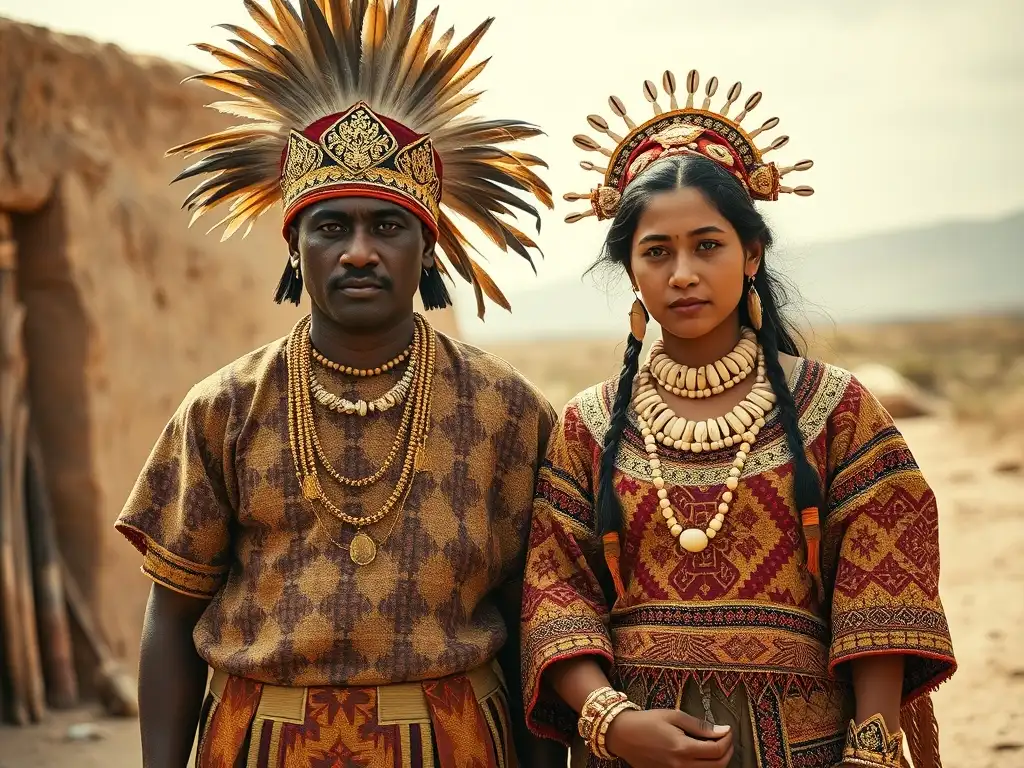
The Moche people, renowned for their sophisticated artistry and complex social structures, expressed their identity and social standing through intricate clothing, elaborate adornment, and distinct body modifications. Understanding these aspects offers a fascinating glimpse into their daily lives and hierarchical society. Analysis of textile fragments, ceramic depictions, and even mummified remains provides valuable insight into the nuances of Moche personal appearance. The meticulous detail preserved in their art reveals a society deeply invested in symbolic representation through attire and ornamentation. This section will delve into the fascinating world of Moche dress, jewelry, and body modification practices.
Moche clothing varied significantly based on social status. Elite members of society, as depicted in their funerary contexts and ceramic art, wore finely woven textiles, often incorporating vibrant colors and intricate patterns. These garments frequently included tunics, mantles, and headdresses, which were often adorned with elaborate embroidery and precious materials like feathers and gold. The common people, conversely, likely wore simpler clothing made from coarser materials such as cotton or wool.
Archaeological evidence suggests a clear correlation between the quality of textiles and social rank. For example, the discovery of richly decorated textiles in elite tombs contrasts sharply with the simpler clothing found in commoner burials. The use of specific colors and patterns might have further indicated social status or affiliation with particular groups or clans. Detailed analysis of textile fibers and dyeing techniques also reveals the sophisticated knowledge and craftsmanship of Moche textile production. Unfortunately, many of the details regarding specific dress codes remain subject to ongoing research and interpretation. Further study is needed to fully elucidate the complex relationship between clothing and social hierarchy within Moche society.
Jewelry and Personal Ornamentation in Moche Society
Jewelry played a significant role in Moche society, serving both as adornment and a powerful symbol of status and spiritual significance. Gold, silver, copper, and precious stones were frequently used to create elaborate necklaces, earrings, bracelets, and headdresses. The craftsmanship displayed in these artifacts is remarkable, showcasing the advanced metalworking techniques of the Moche artisans. Spindle whorls, found in many contexts, indicate the production of textiles which likely were also adorned with jewelry.
The types and quantities of jewelry varied dramatically depending on social standing. Elite individuals were often buried with copious amounts of gold and silver jewelry, including intricate pieces depicting mythological creatures and deities. These pieces weren't merely decorative; they likely held symbolic meaning, representing power, prestige, and connection to the spiritual realm. The use of specific motifs in jewelry might have indicated membership in particular social groups or held religious significance, providing valuable insight into their complex belief systems. Commoners, on the other hand, likely wore simpler jewelry made from less precious materials.
Body Modifications and Their Cultural Significance
Body modification was another significant aspect of Moche personal appearance, reflecting both aesthetic preferences and social and spiritual beliefs. Evidence suggests that cranial deformation, tooth filing, and tattooing were common practices. Cranial deformation, achieved through the use of headbinding during infancy, resulted in elongated or flattened skulls, considered a marker of beauty and elite status. The practice was not universal, however, suggesting its selective application within Moche society.
Tooth filing and inlays were also widespread, with teeth often filed into points or decorated with inlaid stones and shells. These modifications possibly served both aesthetic and ritual purposes, potentially indicating social standing or affiliation with specific religious groups. While direct evidence of tattooing is limited, depictions in Moche pottery strongly suggest its prevalence.
The specific designs and their meanings remain largely speculative, but likely held significant cultural or spiritual significance. Further research, including advanced imaging techniques on mummified remains, promises to shed further light on the prevalence and meaning of Moche body modifications. The combination of these practices offers a compelling window into the complex interplay between body, identity, and social structures in Moche culture.
Moche Rituals, Ceremonies, and Religious Practices
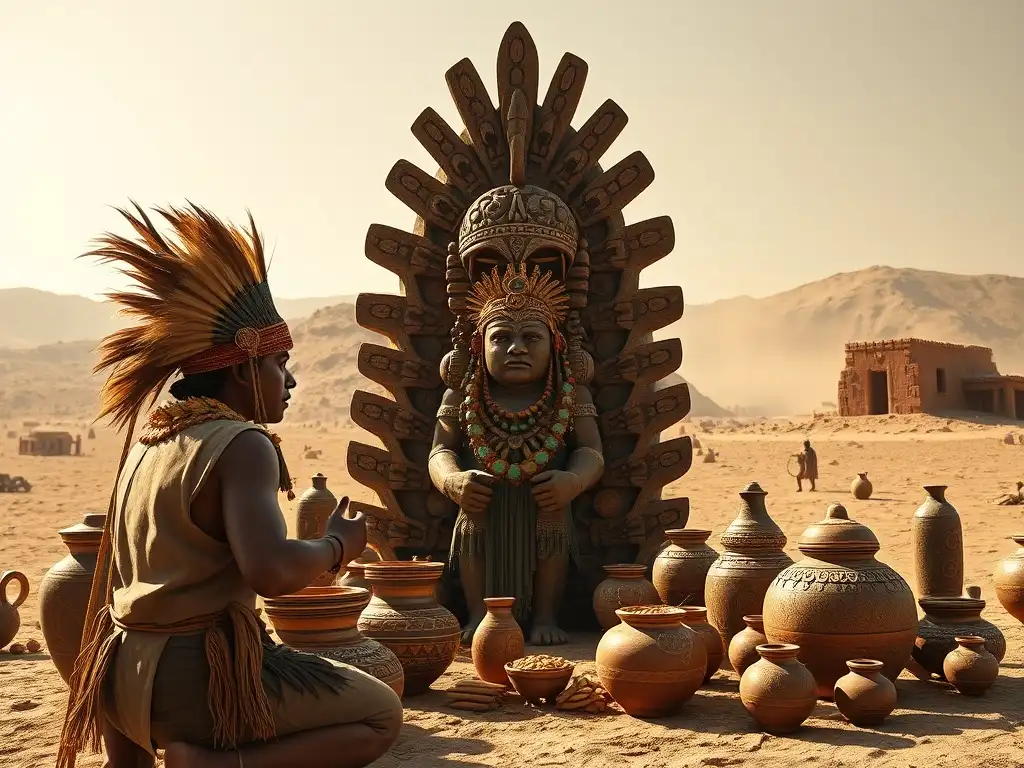
The Moche civilization, flourishing along the northern coast of Peru from approximately 100 CE to 800 CE, was deeply intertwined with its religious beliefs. These beliefs significantly shaped their daily lives, influencing everything from agriculture and warfare to artistic expression and social structures. Understanding Moche religious practices provides crucial insight into their "Moche daily life traditions."
Religious Beliefs and Their Influence on Moche Daily Life
The Moche pantheon was rich and complex, featuring powerful deities often depicted in elaborate ceramics and monumental architecture. The most prominent deities included the Decapitated God, Ai Apaec, and various representations of nature spirits associated with fertility, water, and the sea. These deities weren't simply abstract concepts; they were actively involved in the daily lives of the Moche people. For example, the successful harvest of maize, a staple crop, was directly attributed to the favor of specific deities. Rituals and offerings were performed regularly to ensure continued agricultural prosperity.
Agricultural cycles dictated much of the Moche calendar, with ceremonies and festivals timed to coincide with planting and harvesting. This close relationship between religious practice and agricultural productivity highlights the central role of religion in their daily routines. The Moche believed that their actions and behavior directly impacted the favor of the gods, leading to a society deeply embedded in ritualistic practices.
Even seemingly mundane tasks were likely imbued with a sense of religious significance, reflecting a worldview where the sacred and the secular were inextricably linked. Evidence suggests that certain crafts, like pottery making, held a ritualistic component, with specific techniques and designs carrying symbolic meaning related to their religious beliefs.
Moche Funerary Practices and Burial Customs
Moche funerary practices offer compelling evidence of their complex religious beliefs and social structures. Elaborate tombs, often containing a wealth of grave goods, reveal much about their mortuary rituals and beliefs about the afterlife. The most striking aspect of Moche burials is the inclusion of numerous offerings, ranging from finely crafted pottery and textiles to elaborate gold ornaments and even sacrificed individuals.
These offerings were not merely decorative; they were intended to provide the deceased with necessities and comforts in the afterlife. The types and quantities of grave goods varied based on social status, reflecting a hierarchical society with distinct burial rituals for different classes.
The careful arrangement of bodies and grave goods within the tombs suggests a structured process, likely overseen by priests or specialized individuals. Some burials feature elaborate mummification techniques, indicating a belief in the preservation of the body for the afterlife. The presence of sacrificed individuals, often positioned in specific ways, suggests a belief in human sacrifice as a means of appeasing the gods or ensuring the well-being of the deceased.
The sheer scale and complexity of Moche funerary practices point to the significant role of death and the afterlife in their worldview and daily life. Understanding these practices provides invaluable insights into their social organization and religious beliefs. The meticulous nature of these "Moche daily life traditions" surrounding death speaks volumes about their societal values.
Celebrations and Festivals in Moche Culture
Beyond daily rituals, the Moche calendar incorporated larger-scale celebrations and festivals. While precise details remain elusive due to the limited written records, archaeological evidence suggests vibrant and elaborate public events. The construction of monumental architecture, such as the Huaca del Sol and Huaca de la Luna, likely served as venues for these large-scale gatherings. These events probably involved music, dance, feasting, and possibly even public sacrifices. The creation of intricate pottery depicting scenes of feasts and ceremonies further supports the existence of such celebrations.
These festivals likely served multiple purposes, reinforcing social bonds, celebrating agricultural abundance, and honoring their deities. The scale and complexity of the events point to a highly organized society capable of mobilizing significant resources for public celebrations. The frequency and timing of these festivals likely coincided with important agricultural cycles or significant religious events, further underscoring the profound influence of religion on their daily lives and societal structure.
These celebrations, a vital part of their "Moche daily life traditions," offered a glimpse into their rich cultural life and the importance of community cohesion. Further research is needed to fully understand the specific nature and frequency of these events, but the available evidence paints a picture of a vibrant and ritually rich society.
The Role of Family and Community in Moche Life
The Moche civilization, flourishing along the northern coast of Peru from approximately 100 CE to 800 CE, was characterized by a complex social structure deeply intertwined with family and community life. Understanding the intricacies of Moche daily life traditions necessitates a close examination of their familial and societal bonds, which profoundly influenced their daily routines, religious practices, and overall worldview.
The Moche valued strong family units and cohesive communities, elements crucial to their societal stability and prosperity. Evidence suggests a strong emphasis on lineage and ancestor veneration, which played a significant role in shaping their social interactions and daily lives.
Family Structures and Kinship Ties
Moche family structures, while not fully understood due to the limited surviving textual records, are partially revealed through archaeological findings and iconography. Depictions in Moche pottery often show extended families living together, suggesting a multigenerational household structure. Kinship ties appear to have been exceptionally strong, with evidence suggesting inheritance patterns and social standing being determined largely by familial connections.
The concept of ayllu, a kinship-based community group prevalent in later Andean societies, likely had its roots in earlier Moche social organization, emphasizing collective responsibility and mutual support within the family unit. Further research into burial sites and the analysis of associated grave goods could provide more detailed information on the precise nature of Moche family structures and kinship networks. For example, the discovery of multiple individuals buried together in elaborate tombs, accompanied by similar grave goods, suggests strong familial bonds and possibly shared social status.
Beyond the family unit, community life formed the bedrock of Moche society. Archaeological evidence points towards regular community gatherings, likely centered around religious festivals, agricultural cycles, and social events. The construction of large public plazas and monumental architecture suggests a high degree of social organization and coordination.
These gatherings would have provided opportunities for social interaction, reinforcing community bonds and facilitating the exchange of goods and information. The intricate and highly stylized pottery often depicts scenes of communal celebrations, dances, and feasts, showcasing the importance of these social interactions in Moche daily life. These depictions, coupled with the evidence of large-scale public works, paint a picture of a society that prioritized collective action and social cohesion.
The precise nature of these gatherings and the rituals associated with them remain areas of ongoing research and interpretation. However, the surviving artifacts clearly indicate their significance in the broader context of Moche culture and traditions.
Education and Child Rearing in Moche Society
While direct evidence for formal educational systems in Moche society is scarce, it's reasonable to assume that children received some form of training and education within their families and communities. The complex craftsmanship evident in Moche pottery and metalwork suggests a degree of specialized skill transmission, likely passed down through generations within families or through apprenticeships within specific craft guilds.
Children would have been involved in various aspects of daily life, learning essential skills such as farming, fishing, pottery making, and textile production from a young age. The emphasis on social hierarchy and the importance of maintaining societal order likely influenced child-rearing practices, instilling values of respect for elders and adherence to established social norms.
Iconographic representations of children in Moche art offer glimpses into their daily lives, showing them engaged in activities alongside adults, indicating their active participation in the community. Further research into the social dynamics depicted in Moche art, coupled with the study of skeletal remains, could provide valuable insights into the health, nutrition, and overall development of Moche children, contributing to a more comprehensive understanding of Moche child-rearing practices and their role in shaping Moche daily life traditions.
Moche Art as a Reflection of Daily Life
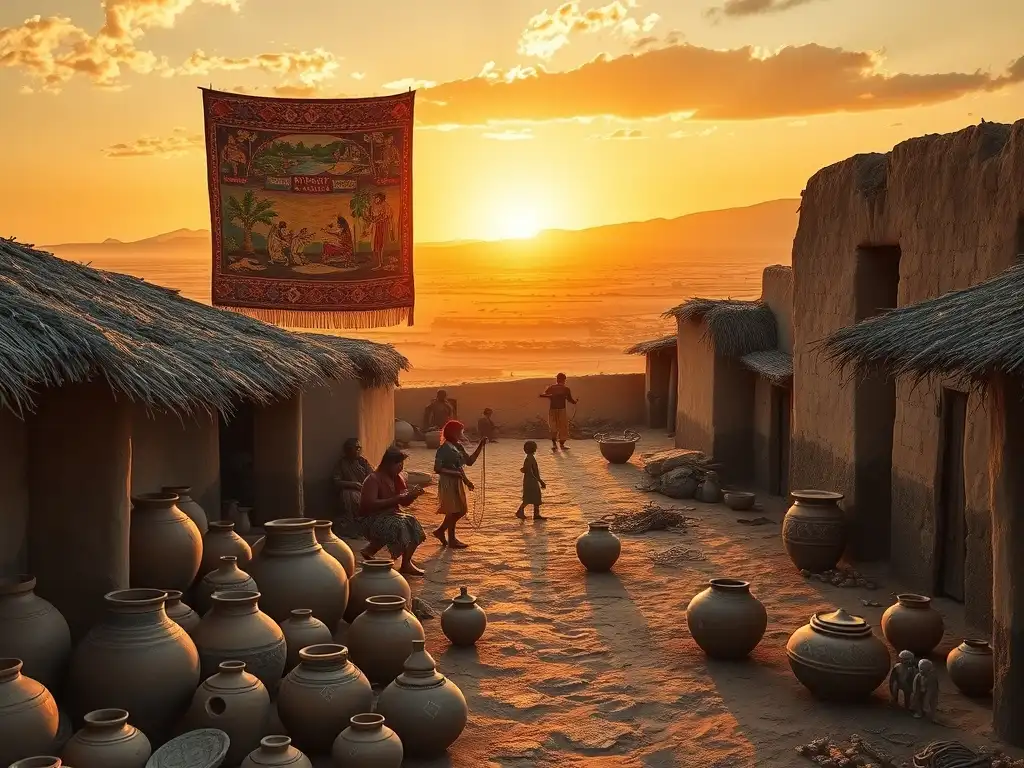
The Moche civilization, flourishing along the northern coast of Peru between 100 and 800 CE, left behind a remarkable artistic legacy that provides invaluable insights into their daily life. Their pottery, in particular, serves as a vibrant window into their world, offering detailed depictions of activities, social structures, and beliefs. By analyzing Moche art, we can reconstruct a more complete picture of their daily routines, social interactions, and spiritual practices, revealing a complex and fascinating society.
Understanding Moche art is key to understanding Moche daily life traditions. The intricate details and realistic portrayals in their artwork surpass mere decoration; they are visual narratives of their existence.
Depictions of Everyday Activities in Moche Pottery
Moche pottery frequently showcases scenes of everyday life with remarkable realism. From the preparation of food and the cultivation of crops to fishing, hunting, and even childbirth, the artisans meticulously documented the various aspects of their daily existence. For example, many vessels depict scenes of women grinding maize, a staple crop, using metates and manos, illustrating the labor-intensive process of food preparation.
Other pottery pieces show men engaged in fishing, using sophisticated techniques and tools, highlighting the importance of marine resources to their diet. The detail is astonishing; you can almost hear the rhythmic grinding of the maize or the splash of the waves. These depictions are not simply decorative; they're snapshots of daily routines, offering a glimpse into the division of labor and the economic activities that sustained the Moche people.
The frequency with which these scenes appear emphasizes their significance within Moche society and their daily life traditions. Even mundane tasks, like weaving or making pottery itself, are frequently depicted, demonstrating the value placed on craftsmanship and the integration of artistry into daily life.
Moche Iconography and Its Relevance to Daily Practices
Beyond the depictions of everyday activities, Moche iconography plays a crucial role in understanding their daily life traditions. Specific motifs and symbols recur throughout their artwork, often carrying symbolic meaning related to their beliefs, social structures, and daily practices. For example, the recurring image of the "decapitated man" in some pottery pieces, while unsettling, might reflect aspects of ritual sacrifice or warfare, potentially linked to their social organization and power dynamics.
The prevalence of certain animals, such as jaguars, birds of prey, and various marine creatures, in Moche art points to their significance in Moche cosmology and their possible role in daily life, perhaps as totems or symbols of power and fertility. Analyzing these recurring symbols provides clues to understanding the underlying beliefs and values that shaped their daily routines and social interactions.
Further research into the specific meanings of these symbols is needed to fully grasp their significance in Moche daily life traditions. The study of Moche iconography is an ongoing process, with new discoveries constantly enriching our understanding.
The Artistic Representation of Moche Rituals and Beliefs
Moche rituals and beliefs are prominently featured in their art, revealing the deep integration of religion into their daily lives. Elaborate scenes depicting rituals, sacrifices, and ceremonies are frequently found on pottery and other artifacts. These depictions often involve priests, shamans, and supernatural beings, highlighting the importance of religious figures and their influence on Moche society.
The representation of these rituals, sometimes involving human sacrifice, provides evidence of the profound religious beliefs that shaped Moche daily life traditions. The careful detail in these artistic representations suggests that these events held significant social and spiritual importance, influencing the structure and rhythm of everyday life. The frequency with which these ritualistic scenes appear alongside depictions of everyday activities underscores the pervasive nature of religious beliefs within Moche culture and their impact on daily routines.
While the precise meanings of some rituals remain debated, the artistic evidence provides valuable clues to unraveling the complexities of Moche religious practices and their impact on their daily lives. The study of Moche art, therefore, offers a powerful lens through which to examine the intricate interplay between religious belief and the daily realities of this fascinating ancient civilization.
The Legacy of Moche Daily Life Traditions
The Moche civilization, flourishing along the northern coast of Peru from approximately 100 to 800 CE, left behind a remarkable legacy. Their sophisticated irrigation systems, impressive architecture, and intricate artistry are well-documented. However, understanding their daily lives, their routines, and the traditions that shaped their society offers a richer, more nuanced perspective on this fascinating culture.
The study of Moche daily life traditions reveals not just a powerful empire but a complex society with intricate social structures, religious beliefs, and daily practices that continue to resonate in the Andean region today. This section delves into the enduring influence of Moche culture, examining what archaeological evidence reveals about their daily routines and how these traditions have shaped subsequent Andean societies.
The meticulous nature of Moche artistry, evident in their ceramics and metalwork, provides invaluable insights into their everyday existence, offering glimpses into their homes, their food, and their social interactions. By studying these details, we can reconstruct a more complete picture of Moche society and appreciate the depth and complexity of their cultural heritage.
What We Can Learn from Moche Daily Life
Moche daily life, as depicted in their art and uncovered through archaeological digs, was a vibrant tapestry woven from diverse threads. Their elaborate burial practices, for instance, reveal much about their social hierarchy and beliefs in the afterlife. The elaborate grave goods accompanying the deceased, ranging from finely crafted pottery to intricate gold ornaments, reflect the status and wealth of the individual. This practice, along with the discovery of varied housing structures, points to a stratified society with significant economic and social disparities.
Furthermore, the detailed depictions on Moche pottery—showing scenes of daily activities such as fishing, farming, warfare, and religious ceremonies—provide a unique window into their daily routines and cultural values. These visual records often depict scenes of intense emotion, offering clues to their belief systems and social interactions. For example, depictions of ritual sacrifices and ceremonies highlight the importance of religion in their daily lives.
Analyzing these scenes provides invaluable insights into their worldview and the significance of their religious practices in shaping their social order. The careful study of Moche art, therefore, reveals not only their artistic skills but also their daily realities, beliefs, and social structures. The intricate details in their pottery and metalwork offer a glimpse into the daily lives of a complex and fascinating civilization, enriching our understanding of Moche culture significantly.
The Enduring Influence of Moche Culture on Andean Traditions
The impact of Moche culture extends far beyond the confines of their geographical location and timeframe. Many aspects of their daily life traditions, particularly in agriculture and religious practices, have left an enduring mark on subsequent Andean cultures. Their mastery of irrigation techniques, for example, profoundly influenced agricultural practices in the region for centuries. The sophisticated canal systems they developed allowed for efficient water management, enabling the cultivation of crops even in arid coastal areas.
This innovation significantly impacted the sustainability and prosperity of later Andean civilizations. Moreover, certain religious beliefs and practices prevalent in Moche society, particularly those related to ancestor veneration and the worship of nature deities, continue to resonate in contemporary Andean traditions. The reverence for nature, the importance of community, and the belief in interconnectedness are themes that persist in the cultural practices of many Andean communities today.
While the specific rituals and ceremonies may have evolved, the underlying principles and values remain deeply embedded in Andean culture. The enduring influence of Moche culture is a testament to the resilience and adaptability of their traditions, demonstrating the powerful legacy of this remarkable civilization. The study of Moche daily life traditions provides a crucial link to understanding the evolution and continuity of Andean culture.
Archaeological Evidence and the Study of Moche Daily Routines
The study of Moche daily routines relies heavily on archaeological evidence. Excavations of Moche settlements, such as the Huaca del Sol and Huaca de la Luna, have yielded significant insights into their domestic life, social organization, and economic activities. The layout of houses, the types of tools and artifacts discovered, and the arrangement of burial sites all contribute to our understanding of their daily lives. For instance, the discovery of specialized tools and workshops suggests a high degree of craft specialization within Moche society.
This points to a complex division of labor and a sophisticated economic system. Furthermore, the analysis of plant and animal remains found in Moche settlements provides clues about their diet and agricultural practices. The presence of certain crops and domesticated animals indicates their farming techniques and their relationship with their environment.
Archaeologists also use isotopic analysis of human remains to gain insights into their diet and migration patterns, providing further details about their daily lives. By combining various archaeological techniques and analyzing different types of evidence, researchers can piece together a more comprehensive picture of Moche daily routines and their socio-economic structures. The ongoing research and analysis of archaeological findings continue to refine our understanding of Moche daily life traditions, constantly adding new layers to our knowledge of this fascinating civilization.
Frequently Asked Questions
What were some common features of Moche homes?
Moche homes were typically made of adobe bricks and were often quite simple in design. Many were built in close proximity to each other, reflecting a community-focused lifestyle. Larger structures likely belonged to elites.
What were the main sources of food for the Moche people?
The Moche diet consisted primarily of agriculture products, such as maize, beans, and squash, supplemented by fish and seafood from the coast. They also cultivated cotton and other plants.
What kind of religious practices did the Moche engage in?
The Moche were deeply religious, with elaborate rituals and ceremonial practices. They worshipped various deities, including those related to fertility and warfare, as evidenced by their impressive art and architecture.
Moche burial practices were complex and often involved elaborate grave goods, reflecting the social status of the deceased. Mummification was also practiced, and some tombs were filled with offerings like food, clothing and tools.
How did the Moche develop advanced irrigation systems?
The Moche were ingenious engineers, developing extensive irrigation canals and terracing to maximize agricultural production in the arid coastal region. This sophisticated water management was crucial to their survival and prosperity.
Final Reflection: Echoes of the Moche: A Legacy in Clay and Culture
The vibrant tapestry of Moche daily life, woven from intricate rituals, sophisticated craftsmanship, and a deep connection to the land, continues to resonate with us today. Their legacy isn't just a dusty relic of the past; it's a powerful testament to human ingenuity and the enduring power of cultural expression. Understanding their world offers a profound insight into the complexities of human civilization and the cyclical nature of societal development.
The Moche's artistic achievements, particularly their pottery, offer a window into their beliefs, social structures, and daily routines, far surpassing the limitations of simple archaeological finds. Their depictions of everyday life, from agricultural practices to elaborate ceremonies, provide a level of detail rarely seen in other ancient cultures. The past is never dead. It's not even past.
– William Faulkner. This quote perfectly encapsulates the enduring relevance of the Moche; their past continues to inform our understanding of the present, challenging our assumptions and enriching our perspectives.
Consider the intricate details revealed in Moche pottery – the meticulous depictions of clothing, hairstyles, and social interactions. These aren't just decorative elements; they are snapshots of a society brimming with life, belief, and a profound connection to their environment. Take a moment to reflect on the parallels between their ingenuity and our own.
How do we, in our modern world, connect with our environment and express our cultural identity? What enduring legacies will we leave behind? Let the echoes of the Moche inspire you to appreciate the richness of human experience across time and to consider the lasting impact of your own actions and creations.
Unveil the Richness of Moche Daily Life!
Thank you for exploring the fascinating world of the Moche civilization! We hope you've gained valuable insights into their homes, daily routines, and traditions. To further deepen your understanding of this incredible culture, consider these next steps:
- Join our community: Connect with fellow enthusiasts on our social media platforms and share your favorite aspects of Moche life.
- Explore further: Delve into our archives to uncover more about Andean societies and their unique customs.
- Create your own Moche-inspired artwork: Let your creativity flourish! Use traditional Moche motifs and techniques to create a piece that celebrates their rich heritage.
How will you integrate the captivating elements of Moche daily life into your own creative projects or personal experiences? We'd love to hear your ideas!