
The Moche Priest Class: Guardians of Religious Knowledge and Rituals

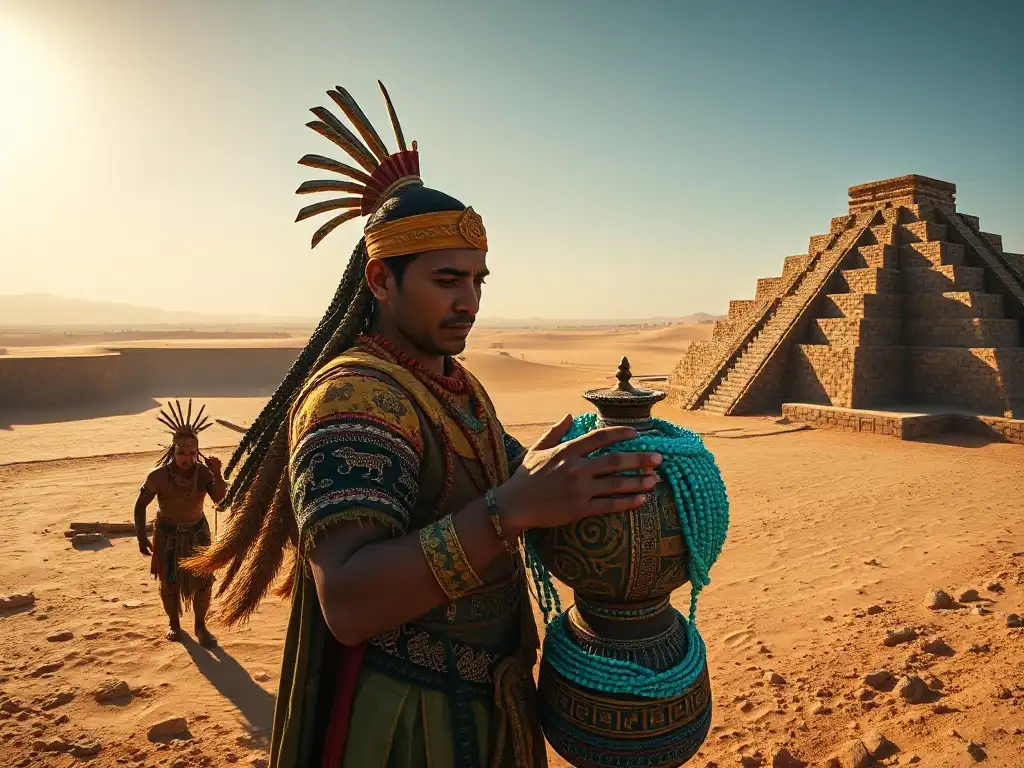
Step into a world lost to time, yet echoing with the power of ancient Andean empires. Prepare to uncover the secrets of a civilization that thrived amidst towering mountains and arid landscapes. Intrigued by the intricate rituals and profound influence of the Moche? This journey will unveil the crucial role of the Moche priest class, revealing their impact on society and their profound connection to the divine. Dive in and explore the mysteries that await!
The Moche civilization, flourishing along the northern coast of Peru from approximately 100 CE to 800 CE, left behind a remarkable legacy of art, architecture, and complex societal structures. Understanding their religious beliefs and practices requires a deep dive into the role of the Moche priest class, the individuals who held immense power and influence within this sophisticated society.
This article explores the multifaceted role of the Moche priesthood, examining their influence on religious knowledge, ritualistic practices, and their overall impact on Moche society. We will explore evidence from archaeological discoveries, analyzing artifacts and iconography to shed light on the enigmatic world of the Moche priests and their crucial contribution to the civilization's enduring legacy.
The significance of understanding the Moche priest class role lies in gaining a more complete picture of the social, political, and religious dynamics that shaped this fascinating ancient culture. We will delve into specific examples to illustrate their power and influence, revealing how their actions shaped the course of Moche history.
The Hierarchical Structure of the Moche Priesthood
The Moche priesthood wasn't a monolithic entity; rather, it likely comprised a hierarchical structure with varying levels of authority and responsibility. Evidence suggests the existence of high priests, potentially acting as advisors to the elite, and lower-ranking priests responsible for day-to-day religious activities. The precise structure remains debated amongst archaeologists, with ongoing research continually refining our understanding. Unfortunately, written records are lacking, forcing scholars to rely heavily on interpreting iconography found on ceramics and other artifacts.
These depict individuals adorned in elaborate headdresses and ceremonial clothing, suggesting a clear distinction in rank and status within the priesthood. Further research is needed to definitively determine the number of levels within the hierarchy and the specific duties associated with each rank. We can, however, confidently assert a complex and stratified system reflecting the sophisticated social organization of the Moche.
Ritualistic Practices and the Role of the Priest
Moche priests played a central role in a wide array of rituals, many of which revolved around agricultural cycles, ancestor veneration, and ensuring the well-being of the community. Archaeological evidence points to elaborate ceremonies involving sacrifices, both human and animal, often depicted vividly in Moche pottery. These ceremonies, presided over by the priests, were not simply religious events; they were integral to the social and political fabric of Moche society.
The priests acted as intermediaries between the divine and the mortal world, interpreting omens and ensuring the continuation of the Moche way of life. The detailed depictions on Moche ceramics provide invaluable insights into these rituals, showing priests performing complex ceremonies, sometimes involving elaborate costumes and symbolic objects. Analysis of these artifacts helps us understand the significance of these rituals within the context of Moche religious beliefs.
The Priest's Influence on Moche Society and Political Power
The Moche priest class wielded significant influence, extending beyond religious matters into the political sphere. Their authority stemmed from their perceived connection to the supernatural, granting them considerable power within the community. This influence is evident in the depiction of priests in powerful positions alongside Moche rulers in various artistic representations.
While the exact nature of the relationship between the priestly class and the ruling elite remains a subject of ongoing scholarly discussion, the evidence clearly suggests a close collaboration and shared power. The priests' ability to interpret omens and predict events likely gave them considerable political leverage, allowing them to advise rulers on important decisions and influence the course of Moche society. The intricate interplay between religious and secular power is a key aspect of understanding the Moche civilization's complexity.
The Legacy of the Moche Priest Class
The Moche priest class left an indelible mark on the civilization, shaping its religious beliefs, rituals, and social structures. Their influence is evident in the rich artistic legacy left behind, with numerous artifacts depicting their activities and roles. Understanding their contribution is crucial to fully appreciating the complexity and sophistication of Moche culture. Their legacy continues to fascinate and inspire researchers today, reminding us of the enduring power of religious belief and its profound impact on shaping human societies.
Further research into the Moche priest class role promises to unlock even more insights into this fascinating ancient society. The study of the Moche priest class continues to be a vibrant area of research, with new discoveries continually adding to our understanding of their pivotal role in the Moche civilization. The ongoing investigation of their influence ensures the continued fascination and study of this significant aspect of Andean history.
- The Hierarchical Structure of the Moche Priesthood
- Ritualistic Practices and the Role of the Priest
- The Priest's Influence on Moche Society and Political Power
- The Legacy of the Moche Priest Class
Understanding the Role of Moche Priests in Ancient Andean Society
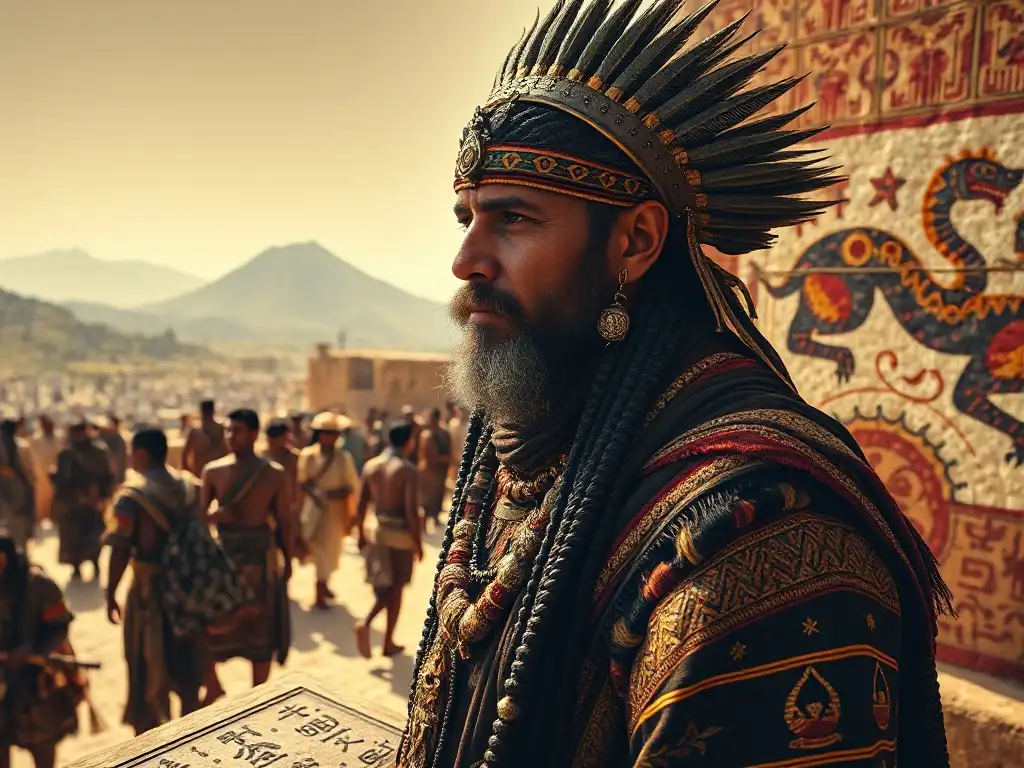
The Moche priest class held a position of immense power and influence within their sophisticated society. Their role extended far beyond simple religious ceremonies; they were key players in the political, economic, and social fabric of Moche life. Understanding their function requires examining their religious authority, their involvement in daily life, and their representation in the surviving Moche artistic record.
The Moche priest class role wasn't solely defined by ritual; it was deeply intertwined with the very structure of their civilization. This intricate relationship between religious authority and societal structure is a crucial aspect of understanding the Moche civilization's success and eventual decline. Further research into specific burial sites and their associated grave goods could shed additional light on the nuances of this complex social hierarchy and its impact on the Moche worldview.
Analyzing the iconography depicted on Moche pottery, textiles, and metalwork offers valuable insights into the daily lives and rituals performed by these influential figures. Detailed studies of these artifacts continue to reveal new information about the Moche priest class role and its significance within the broader context of Andean society.
The Religious Hierarchy of the Moche Culture
The Moche religious system wasn't a monolithic structure. Evidence suggests a hierarchical organization within the priesthood, with priests of varying ranks and responsibilities. While the exact structure remains debated among scholars, depictions on Moche ceramics suggest a clear distinction between high priests, lesser priests, and possibly even specialized priestesses. High priests, often depicted wearing elaborate headdresses and ceremonial garments, likely presided over major temple rituals and held considerable political authority.
Their influence extended beyond the purely spiritual realm, potentially impacting decisions related to agriculture, warfare, and trade. Lesser priests may have been responsible for daily temple maintenance, smaller-scale rituals, and community religious instruction. The existence of specialized priestesses, dedicated to specific deities or rituals, is suggested by certain ceramic representations, though further evidence is needed to definitively confirm their roles and status within the hierarchy. The complexity of this hierarchy reflects the sophistication of Moche religious beliefs and the central role religion played in their society.
Understanding the nuances of this hierarchy is key to deciphering the complete Moche priest class role. Further research focusing on the analysis of Moche iconography and the excavation of elite burials could help clarify the details of this fascinating religious structure. The possibility of specialized priestesses, for instance, warrants further investigation.
Moche Priest Class as Intermediaries Between Gods and People
The Moche priests acted as vital intermediaries between the supernatural world and the everyday lives of their people. They interpreted omens, conducted rituals to ensure successful harvests and military victories, and offered sacrifices to appease the gods. Their role was crucial in maintaining social order and ensuring the well-being of the community. The priests’ ability to communicate with the divine provided them with considerable influence.
Depictions on Moche pottery frequently show priests performing rituals involving sacrifices, often of humans or animals. These sacrifices were not simply acts of violence, but rather, complex rituals aimed at maintaining cosmic balance and ensuring the favor of the gods. The intensity and frequency of these sacrifices suggest the immense importance the Moche placed on maintaining a positive relationship with the supernatural realm. Furthermore, the priests' expertise in interpreting celestial events and natural phenomena likely played a significant role in shaping Moche agricultural practices and military strategies.
The Moche priest class's ability to predict weather patterns and interpret signs from the cosmos would have been invaluable in a society heavily reliant on agriculture and vulnerable to natural disasters. The intertwining of religious and secular power in the hands of the Moche priest class is a testament to the profound influence religion held over all aspects of Moche life. The study of Moche iconography and ritual practices continues to illuminate the multifaceted role of the Moche priest class in mediating between the human and divine realms. Further research into the astronomical knowledge possessed by these priests could provide a more complete picture of their influence on Moche society.
Key Functions and Responsibilities of Moche Priests
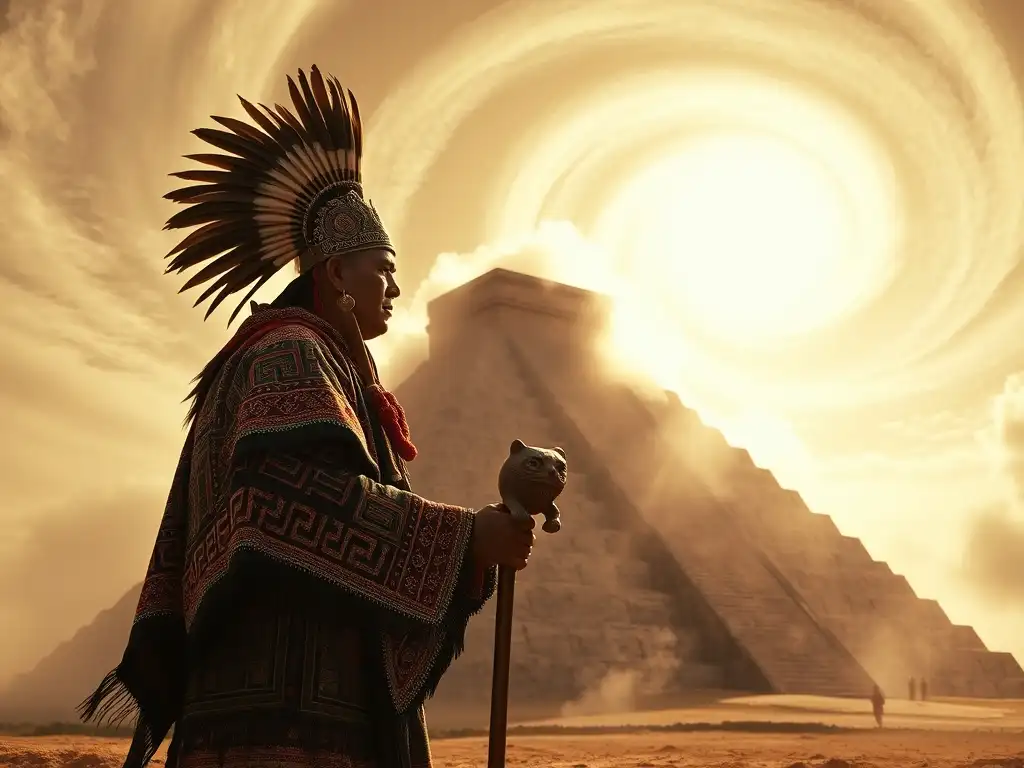
The Moche priest class held a pivotal role within Moche society, acting as intermediaries between the human and divine realms. Their responsibilities extended far beyond simple religious ceremonies; they were deeply involved in the political, economic, and social fabric of Moche life. Evidence suggests a hierarchical structure within the priesthood, with varying levels of authority and specialization. While precise details remain elusive due to the limitations of the archaeological record, we can glean insights into their multifaceted functions through iconography found on Moche pottery, monumental architecture, and burial sites.
The Moche priest class's influence permeated all aspects of Moche existence, shaping their beliefs, practices, and societal organization. Understanding their role is crucial to comprehending the complexities of Moche civilization and its unique worldview. The term "Moche priest class role" itself encompasses a wide range of activities, highlighting the priests' centrality to Moche culture.
Moche Priests and the Performance of Sacred Rituals
Moche priests were the primary performers and orchestrators of elaborate religious rituals. These rituals, often depicted on Moche pottery, involved offerings, sacrifices, and complex ceremonies designed to appease the gods and ensure the prosperity of the community. The priests' knowledge of ritual procedures, prayers, and symbolic actions was vital for maintaining the cosmic balance and securing divine favor.
Evidence suggests the use of hallucinogenic substances, such as San Pedro cactus, during certain rituals, possibly to induce altered states of consciousness and facilitate communication with the spirit world. The priests' mastery of these practices underscored their authority and their critical role in the community's spiritual well-being. Many artifacts, including intricately decorated vessels and ceremonial objects, were specifically crafted for use in these rituals, further emphasizing their importance.
The sheer scale and complexity of some Moche rituals, as evidenced by archaeological findings, point to a highly organized and specialized priestly structure capable of mobilizing significant resources and manpower. Detailed depictions on pottery show priests in elaborate costumes, performing specific actions, suggesting a codified set of rituals passed down through generations.
The Priest Class as Interpreters of Divine Will
Beyond performing rituals, Moche priests acted as interpreters of divine will, mediating between the gods and the populace. They were believed to possess the ability to understand and communicate the desires and intentions of the supernatural beings. This role involved analyzing omens, interpreting dreams, and offering guidance on matters of crucial importance to the community, such as agricultural cycles, warfare, and political decisions.
Their pronouncements carried significant weight, shaping the course of Moche society. The priests' ability to interpret divine messages contributed to their high social status and influence. We can speculate that this interpretative function fostered a sense of stability and order within Moche society, providing explanations for natural events and offering a framework for understanding the world.
The interplay between priestly interpretation and societal action demonstrates the deep integration of religion and politics within Moche civilization. Further research into Moche iconography and textual evidence (if any exists) may shed more light on the specific methods employed by priests to interpret divine will.
Moche Priests' Role in Maintaining Cosmic Order
The Moche worldview emphasized the importance of maintaining cosmic order and balance. The priest class played a crucial role in this endeavor, ensuring the harmonious interaction between the human and supernatural realms. Through their rituals, interpretations, and control over sacred spaces and objects, the priests actively worked to prevent disruptions to this cosmic equilibrium.
The priests' actions were considered essential for the continued prosperity and well-being of the Moche people. Their role extended beyond the immediate needs of the community; they were responsible for upholding the fundamental principles of Moche cosmology and ensuring the continuity of their religious traditions. This responsibility involved safeguarding sacred knowledge, training new priests, and preserving the integrity of religious practices.
The preservation of this cosmic order was seen as a collective responsibility, with the priest class acting as the primary guardians and enforcers of this crucial societal function. The intricate iconography found on Moche artifacts reflects this deep-seated concern with cosmic balance and the priest class's pivotal role in maintaining it. The "Moche priest class role" in maintaining cosmic order was arguably their most significant contribution to the stability and longevity of the civilization.
The Moche Priest Class: Power and Influence
The Moche priest class held a position of immense power and influence within their society, acting as intermediaries between the mortal realm and the supernatural world. Their role extended far beyond simple religious ceremonies; they were deeply entwined with the political, economic, and social fabric of Moche life. Understanding the Moche priest class role requires examining their multifaceted influence across these domains.
The extent of their power is evident in the elaborate iconography depicting priests in Moche art, often portrayed as powerful figures adorned with elaborate regalia, and in the monumental scale of their religious architecture. This section will delve into the specific ways in which Moche priests wielded their influence.
Moche Priests' Influence on Political Decisions
While the exact nature of Moche political organization remains debated, archaeological evidence strongly suggests a significant role for the priest class in political decision-making. The priests weren't necessarily the de facto rulers, but their influence on the ruling elite was undeniable. Their control over religious knowledge and rituals gave them considerable leverage.
For instance, decisions regarding warfare, agricultural practices, and public works projects likely involved consultation with, or even direction from, the priestly class. The successful outcome of a military campaign, a bountiful harvest, or the completion of a large-scale irrigation system could be attributed to the priests' favor with the gods. Consequently, their opinions carried significant weight.
This influence is reflected in the depiction of priests in Moche art alongside rulers, suggesting a collaborative, yet unequal, relationship. The priests' ability to interpret omens and predict the future – vital in a society heavily reliant on agriculture – further solidified their political clout. [Specific examples of priestly involvement in political decisions pending further research on Moche administrative records].
The Economic Power of the Moche Religious Elite
The Moche priest class also controlled significant economic resources. Their temples served as central repositories for agricultural surpluses, crafted goods, and valuable artifacts. The priests oversaw the distribution of these resources, effectively controlling the flow of wealth within the society.
Evidence suggests that the priests received a significant portion of the agricultural produce as tribute, securing their economic independence and allowing them to support a large number of specialists and artisans who worked within the temple complexes. This economic control allowed them to fund lavish ceremonies, construct impressive temples, and commission elaborate works of art, all of which served to reinforce their social standing and power. The impressive scale of Moche religious architecture, such as the Huaca del Sol and Huaca de la Luna, stands as a testament to their considerable economic might.
We can infer that the economic power of the Moche priest class was directly proportional to their religious authority and influence. The more powerful the priest, the greater their access to resources.
Moche Priests and Control over Resources
The Moche priests' control extended beyond simple economic wealth. They also maintained authority over access to vital resources, including water and land. In a society heavily dependent on agriculture, control over irrigation systems and fertile land was critical.
Archaeological investigations reveal that many Moche temples were strategically located near major water sources, underscoring the priests' control over this crucial resource. This control allowed them to influence agricultural production and, consequently, the overall prosperity of the community. Moreover, access to specific raw materials, such as obsidian, used for crafting ritual objects, was likely also controlled by the priestly elite.
This control over resources further solidified their position of power and influence within Moche society, allowing them to maintain their privileged status and leverage their authority over the populace. The intricate network of canals and irrigation systems, often depicted in Moche pottery, suggests a sophisticated system of water management, likely overseen by the priestly class, highlighting their crucial role in resource allocation and societal stability. The distribution of resources, whether agricultural produce or raw materials, was a key element in the maintenance of social order and the priest class played a central role in this process.
Identifying Moche Priests: Iconography and Archaeological Evidence
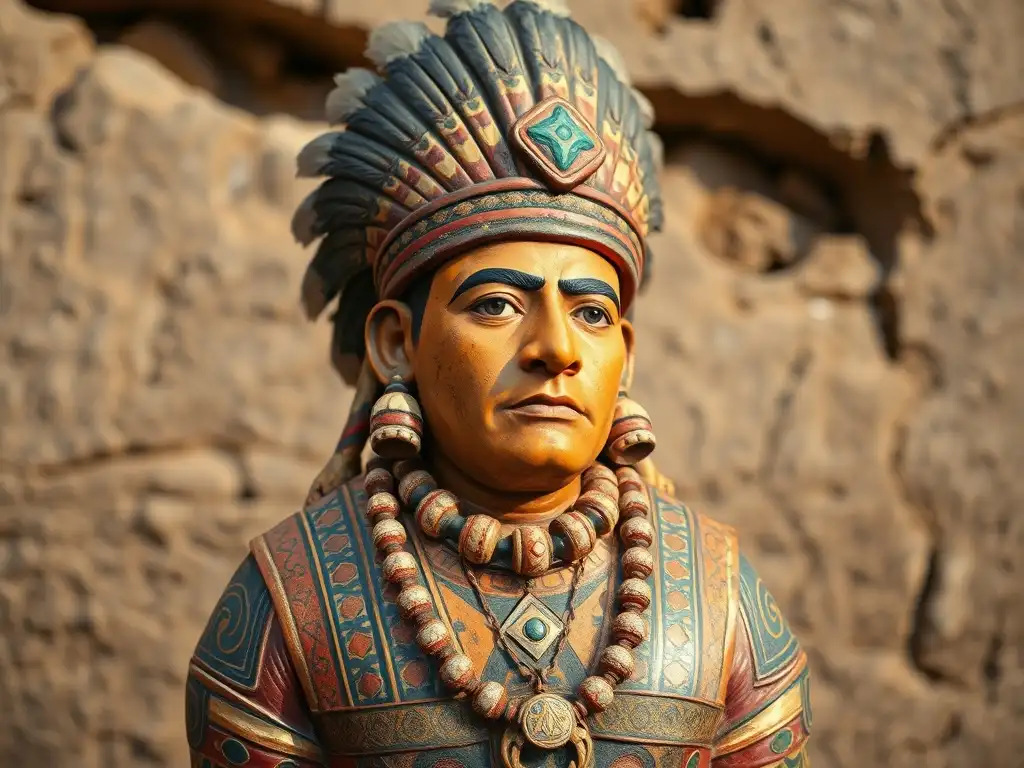
The identification of Moche priests relies heavily on a combination of careful analysis of iconography found in their art and ceramics, coupled with archaeological discoveries that shed light on their rituals and burial practices. Pinpointing the exact role and status of individuals within the Moche priestly hierarchy remains a challenge, but specific visual clues and contextual findings offer valuable insights into their unique position within Moche society.
Understanding the Moche priest class role requires a multifaceted approach, combining art historical analysis with archaeological investigation. The Moche priest class were not simply religious figures; they were integral to the social and political fabric of Moche civilization.
Depictions of Moche Priests in Art and Ceramics
Moche pottery provides an unparalleled window into their religious beliefs and practices. Representations of priests are often depicted in elaborate ceremonies, frequently featuring distinctive attire and regalia that set them apart from other members of society. These depictions aren't simply decorative; they are carefully crafted narratives, conveying significant social and religious information. For example, priests are often shown holding ritual objects, such as staffs topped with stylized animals or figures, or participating in processions and sacrifices.
The meticulous detail in the ceramics, including facial features, body adornments, and the objects they hold, allows researchers to identify recurring motifs and symbols associated with the priestly class. Frequently, priests are shown with exaggerated features, such as large, expressive eyes, indicating a connection to the supernatural realm. The use of vibrant colors and intricate designs further emphasizes their importance and sacred status within Moche society.
The iconography of Moche priests is not static; it evolves over time, reflecting changes in religious beliefs and practices. This evolution provides valuable insights into the dynamic nature of Moche religion and the role of its priestly class. The consistent portrayal of certain attributes, however, underscores the enduring significance of the priestly role across different periods of the Moche culture.
Analyzing Moche Priest Attire and Regalia
The distinctive attire of Moche priests is a crucial element in their identification. Analysis of ceramic depictions reveals a complex system of clothing, jewelry, and headdresses that denote status and function within the priestly hierarchy. Elaborate headdresses, often featuring feathers, metal ornaments, and symbolic figures, were prominent markers of priestly authority. These headdresses weren't merely decorative; they conveyed the priest's connection to the spiritual world and their role as intermediaries between the gods and the people.
Similarly, the textiles and jewelry worn by Moche priests were richly adorned and highly symbolic. Specific materials, such as gold, silver, and precious stones, further emphasized their elevated status. The use of intricate weaving techniques and the inclusion of symbolic motifs in their garments suggest a complex system of social stratification within the priestly class itself.
For example, certain types of headdresses or jewelry may have been reserved for high-ranking priests, while others were worn by priests with less authority. Careful examination of the details of these adornments provides valuable clues to understanding the complexities of the Moche social structure and the hierarchy within their religious system. Further research is needed to fully understand the meaning and significance of each element of the priestly attire, but existing evidence indicates a sophisticated system of visual communication.
Archaeological excavations at Moche sites have unearthed significant evidence related to priestly practices. The discovery of elaborate tombs containing richly adorned individuals, accompanied by ritual objects and offerings, strongly suggests the existence of a powerful and influential priestly class. These burials often include intricate grave goods, such as gold and silver ornaments, fine ceramics, and textiles, indicating the wealth and status of the deceased. The presence of these items within the burials strongly suggests that these individuals held high positions within Moche society, likely as priests or leaders.
Furthermore, the careful arrangement of the grave goods and the inclusion of specific ritual objects provide insights into their religious beliefs and funerary practices. The discovery of sacrificial remains, both human and animal, at Moche sites also points to the role of priests in conducting these rituals. Analysis of these remains can provide insights into the nature and purpose of the sacrifices, as well as the social and political context in which they were performed.
Understanding these practices is crucial to understanding the Moche priest class role in maintaining social order and religious harmony. Further research, particularly the application of advanced analytical techniques to excavated artifacts, could significantly enhance our understanding of Moche priestly practices and their significance within the wider context of Moche society. The ongoing excavation and study of Moche sites continues to yield new data, refining our understanding of the Moche priest class role within their complex and fascinating civilization.
The Training and Initiation of Moche Priests
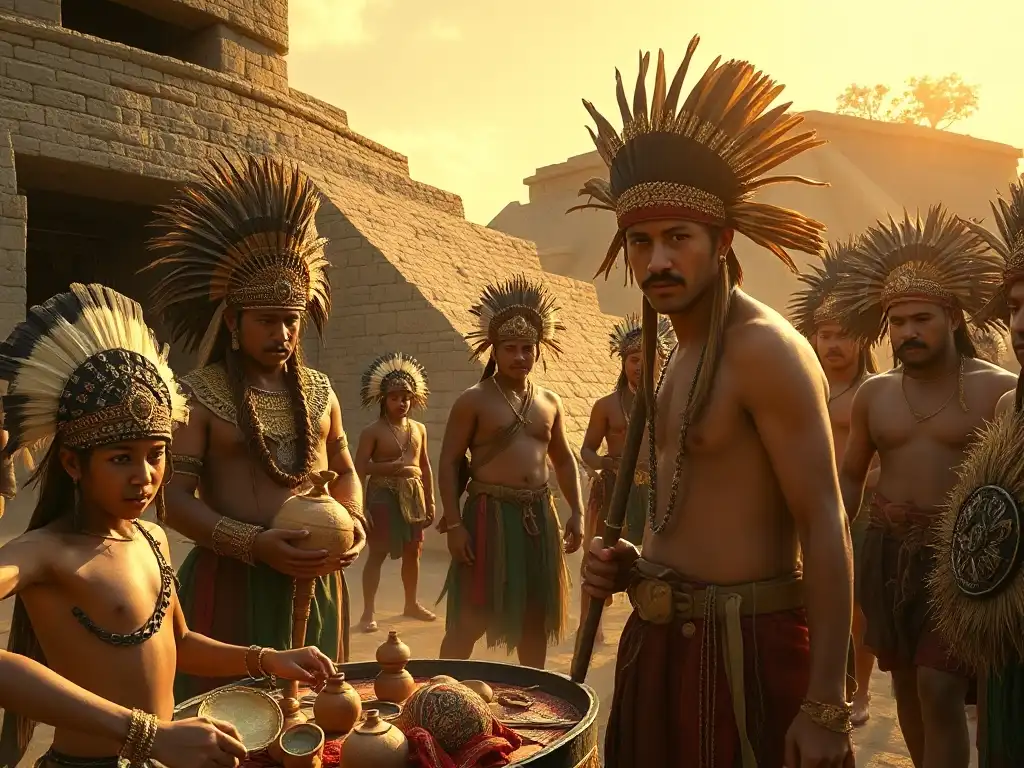
The Moche priest class role wasn't simply inherited; it involved rigorous training and initiation rites, shaping individuals into powerful intermediaries between the earthly and spiritual realms. While precise details remain elusive due to the limitations of the archaeological record, careful analysis of iconography, burial practices, and the arrangement of Moche settlements suggests a multifaceted process. The selection of potential priests likely involved careful observation from a young age, identifying individuals exhibiting specific traits deemed auspicious by the Moche worldview. These traits might have included physical attributes, perceived spiritual sensitivity, or aptitude for ritual performance.
The Process of Becoming a Moche Religious Leader
The process of becoming a Moche religious leader likely began in childhood, with intense instruction in religious doctrines, rituals, and the interpretation of omens. This education wouldn't have been limited to rote memorization; it would have encompassed practical experience, participating in minor ceremonies under the supervision of senior priests. Young aspirants likely spent years mastering complex rituals, learning intricate iconography, and developing a deep understanding of the Moche pantheon and cosmology.
This training likely involved both formal instruction and apprenticeships, mirroring similar patterns observed in other ancient societies. Consider the meticulous detail in Moche pottery depicting elaborate rituals; these weren't simply decorative; they served as teaching tools and visual aids, reinforcing the religious knowledge being imparted.
The final stage of initiation likely involved a series of trials or ordeals, designed to test the aspirant's commitment, resilience, and spiritual fortitude. These could have included periods of isolation, fasting, or participation in physically demanding ceremonies. Successful completion would mark the transition from initiate to fully fledged priest, granting access to higher levels of religious authority and responsibility within the Moche priest class. The exact nature of these rites remains a subject of ongoing research and scholarly debate, but evidence suggests a significant emphasis on demonstrating unwavering devotion and a profound understanding of Moche religious practices.
Moche Priest Class's Transmission of Sacred Knowledge
The transmission of sacred knowledge within the Moche priest class was a critical aspect of maintaining religious authority and continuity. This wasn't merely a matter of passing down information; it was a carefully orchestrated process designed to preserve and interpret Moche religious beliefs across generations. The system relied heavily on oral traditions, supplemented by visual aids such as elaborate ceramics, textiles, and murals depicting key religious narratives and rituals.
These visual representations served as powerful mnemonic devices, aiding memorization and reinforcing religious concepts. The Moche priest class role, therefore, encompassed not just the performance of rituals, but also the vital role of preserving and transmitting religious lore.
The role of the Moche priest class in interpreting omens and prophecies was also crucial. The ability to decipher signs and portents was considered an essential skill, enabling priests to advise rulers on matters of state, predict agricultural yields, and interpret events of significance. This ability likely involved meticulous observation of natural phenomena, knowledge of astronomy, and a deep understanding of Moche cosmology. The interpretation of omens likely played a significant role in shaping Moche society, influencing decision-making at all levels, from individual choices to policies affecting the entire community.
The Moche priest class also played a key role in disseminating religious knowledge to the wider population. While only a select few achieved the rank of high priest, the religious beliefs and practices of the Moche permeated all aspects of their society. Public ceremonies, festivals, and rituals provided opportunities for the broader population to engage with the religious system, reinforcing social cohesion and maintaining religious authority.
The Importance of Lineage in Moche Priesthood
While rigorous training was essential, lineage played a significant role in determining access to the Moche priest class. Archaeological evidence suggests that priestly roles were often hereditary, with positions passed down through families. This isn't to say that individuals outside of established priestly lineages were completely excluded; however, belonging to a priestly family likely provided significant advantages in terms of access to training and opportunities for advancement.
This system, while reinforcing existing power structures, also ensured a degree of continuity in the transmission of religious knowledge and practices. The intricate details of Moche rituals, their cosmological beliefs, and the interpretation of sacred texts would have been passed down through generations within these families, preserving the religious traditions of the Moche civilization. This hereditary aspect of the Moche priest class role contributed significantly to the stability and longevity of their religious system.
However, it's crucial to note that this hereditary aspect didn't preclude individual merit or the possibility of social mobility within the religious hierarchy. Exceptional individuals might have risen through the ranks despite not originating from established priestly lineages, demonstrating a degree of flexibility within the system. The complex interplay between hereditary privilege and individual achievement within the Moche priest class continues to be a subject of ongoing research and debate amongst scholars.
Moche Priests and Their Connection to Moche Mythology
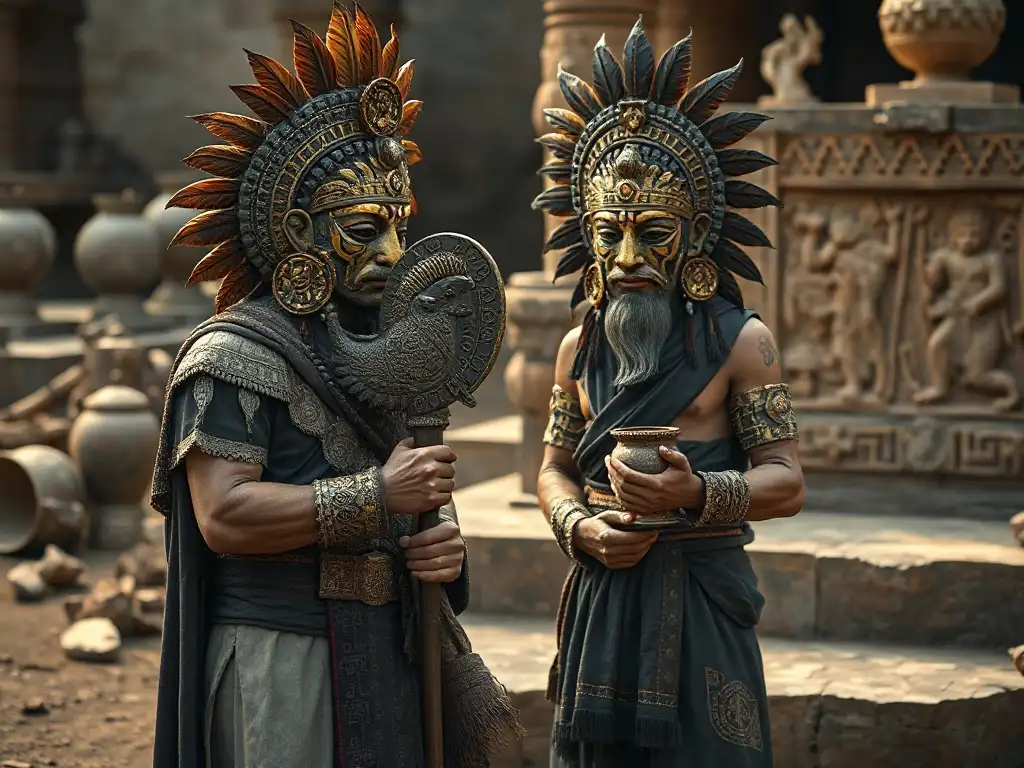
The Moche priest class held a pivotal role in interpreting and disseminating Moche mythology, acting as intermediaries between the divine and the mortal realms. Their understanding of the complex narratives, involving powerful deities, mythical creatures, and cosmological events, shaped the religious life of the Moche people. This deep connection to mythology wasn't merely a matter of rote memorization; it was a living, breathing relationship, influencing every aspect of their societal structure and daily rituals.
The intricate iconography found on Moche pottery and other artifacts provides invaluable insights into these narratives, depicting scenes from myths and legends, often featuring priests actively participating in or witnessing these events. For example, depictions of the Ai Apaec deity, a fearsome figure often associated with sacrifice and fertility, frequently show priests performing rituals in his presence.
These images serve as powerful visual representations of the priest's central role in maintaining the balance between the earthly and spiritual worlds, a balance believed crucial for the prosperity and well-being of the Moche civilization. The priests' understanding and interpretation of these narratives directly influenced the Moche social order, with their authority derived, in part, from their privileged access to and explanation of these sacred stories.
Moche Priests as Guardians of Mythological Narratives
Moche priests were not simply storytellers; they were active guardians of their culture's mythological narratives. They possessed specialized knowledge, passed down through generations, ensuring the continuity and accurate transmission of these vital stories. This wasn't a passive process; priests actively interpreted and reinterpreted the myths, adapting them to changing social contexts and incorporating new experiences into the existing narratives.
This dynamic relationship between myth and reality is evident in the evolving iconography found on Moche artifacts. For instance, the representation of certain deities or mythical events changes subtly over time, reflecting shifts in Moche society and perhaps even their understanding of the surrounding environment. The priests' role in managing this evolution was crucial, ensuring that the mythology remained relevant and meaningful to the Moche people.
Their mastery of these narratives gave them significant social power and influence, further solidifying their position within the hierarchical structure of Moche society. Evidence suggests that specific priests might have been responsible for certain aspects of the mythology, specializing in particular deities or narratives. This specialization may have contributed to the richness and complexity of the Moche mythological corpus.
Moche Religious Figures and Their Priestly Representation
The Moche pantheon was rich and diverse, featuring a variety of deities and supernatural beings, each with their own unique attributes and roles. Moche priests played a vital role in representing these figures in ritual contexts, often acting as their earthly intermediaries. The priests' attire, headdresses, and other paraphernalia meticulously mimicked the iconography associated with specific deities, allowing them to embody the divine presence during ceremonies.
Archaeological findings reveal elaborate costumes and masks that clearly reflect the stylistic representations of different gods and spirits. This visual representation was crucial for the effectiveness of the rituals, allowing the Moche people to connect with the divine through the priests' actions. Furthermore, the priests' specialized knowledge of the deities' preferences and requirements was essential for ensuring the success of the rituals and maintaining the favor of the gods.
The representation of these figures went beyond mere imitation; it was a profound act of religious performance, requiring both skill and a deep understanding of Moche religious beliefs and practices. The careful attention to detail in the depiction of these religious figures on pottery and other artifacts underscores their significance in Moche religious life.
The Interplay Between Moche Mythology and Ritual Practices
Moche mythology and ritual practices were inextricably linked; the myths provided the framework for the rituals, while the rituals served to reinforce and reaffirm the myths. The priests, as custodians of both, played a central role in this dynamic interplay. Rituals, often elaborate and complex, involved offerings, sacrifices, and symbolic actions designed to appease the gods, ensure successful harvests, and maintain cosmic balance.
These rituals were not arbitrary; they were carefully constructed based on the specific narratives and beliefs outlined in Moche mythology. For example, certain rituals might have reenacted pivotal events from the myths, or they might have involved offerings specifically requested by particular deities within the mythological framework. The priests' knowledge of the myths was essential for correctly performing these rituals, ensuring their efficacy and maintaining the continuity of Moche religious traditions.
The close relationship between mythology and ritual is clearly demonstrated through the iconography found on Moche artifacts, which frequently depict priests performing rituals related to specific mythological figures and events. This visual record provides invaluable insights into the intricate relationship between the two and the central role played by the Moche priest class. The Moche priest class role in maintaining this complex interaction was fundamental to the stability and continuity of their society.
The Legacy of the Moche Priest Class
The Moche priest class, a powerful and influential group within Moche society, left an indelible mark on the religious and cultural landscape of the Andean region. Their role extended far beyond simple ritualistic practices; they were key figures in shaping societal structures, interpreting the natural world, and maintaining the delicate balance between the human and divine realms.
Understanding their influence is crucial to comprehending the complexities of Moche civilization and its lasting impact on subsequent Andean cultures. The Moche priest class role was multifaceted, encompassing both spiritual leadership and significant political power, a dynamic that shaped the very fabric of Moche life.
Their legacy continues to resonate in the archaeological record, providing invaluable insights into the beliefs and practices of this remarkable civilization. Analysis of their elaborate tombs, ornate artifacts, and iconography reveals a deeply complex religious system, one that placed immense importance on ancestor veneration, fertility rituals, and the cyclical nature of life and death.
The Impact of Moche Priests on Later Andean Societies
The influence of the Moche priest class extended beyond the confines of their own civilization. Many scholars believe that certain ritualistic practices and religious iconography found in later Andean societies, such as the Chimú and Inca, reveal a direct lineage to Moche traditions. The emphasis on ancestor veneration, for example, a cornerstone of Moche religion, continued to be a central theme in subsequent Andean cultures.
The sophisticated irrigation systems developed by the Moche, often overseen by priestly figures who interpreted celestial events to optimize agricultural practices, also served as a model for later civilizations. Furthermore, the elaborate artistic styles and craftsmanship associated with Moche religious objects served as inspiration for later Andean artisans, demonstrating a continuity of artistic traditions across centuries.
The detailed depictions of rituals and deities in Moche ceramics, for instance, provide invaluable insights into the evolution of Andean religious iconography and the enduring influence of the Moche priest class. Analyzing these continuities offers a deeper understanding of the complex interplay of cultural transmission and adaptation in the Andes.
Moche Religious Practices and Their Enduring Influence
The Moche priest class was central to a complex web of religious practices. These practices, meticulously documented through archaeological findings, reveal a profound understanding of the natural world and its interconnectedness with the spiritual realm. Human sacrifice, a controversial yet significant aspect of Moche religion, is believed to have been overseen by the priests, reflecting a complex cosmology that involved appeasing deities and ensuring the prosperity of the community.
The detailed iconography found on Moche pottery often depicts these rituals, providing valuable, albeit sometimes disturbing, glimpses into their religious beliefs. Beyond sacrifice, the Moche priests presided over elaborate ceremonies involving offerings, processions, and the veneration of ancestors. These ceremonies, often linked to agricultural cycles and the abundance of natural resources, demonstrated the crucial role of the priest class in maintaining social order and ensuring the survival of the community.
The lasting influence of these practices can be seen in the continued importance of ritual and ceremony in Andean cultures, even today. The Moche legacy, therefore, extends beyond the realm of archaeology; it provides a deeper understanding of the enduring power of religious belief and its influence on Andean societies.
The Importance of Studying the Moche Priest Class for Understanding Andean Religion
The study of the Moche priest class is paramount to a comprehensive understanding of Andean religion. Their role as intermediaries between the human and divine realms provides a unique lens through which to interpret the complex belief systems of the Moche and their successors. By examining the artifacts associated with their activities—from elaborate headdresses and ceremonial attire to the intricate designs on their pottery and the architecture of their temples—researchers gain valuable insights into the beliefs, practices, and social structures of the Moche civilization.
Furthermore, the study of the Moche priest class allows for a comparative analysis of religious practices across different Andean cultures, highlighting continuities and discontinuities in religious thought and practice over time. The Moche priest class, therefore, represents a critical piece in the larger puzzle of Andean religious history, offering essential clues to understanding the evolution and enduring influence of religious beliefs in this fascinating region.
Further research, particularly focusing on [specific information pending: analysis of newly discovered Moche sites and advanced dating techniques], is needed to fully unravel the intricacies of their role and their lasting contribution to Andean religious traditions. The "Moche priest class role" was not merely a spiritual one; it was deeply intertwined with political power, shaping the social and economic fabric of Moche society in profound ways.
Frequently Asked Questions
What was the primary role of the Moche priest class?
The Moche priest class held significant power, acting as intermediaries between the gods and the people. They oversaw religious rituals, ceremonies, and maintained knowledge of the cosmos.
How did the Moche priest class influence daily life?
The priests significantly influenced daily life by interpreting omens, advising on agricultural practices, and legitimizing the power of the Moche elite. Their pronouncements impacted everything from planting to warfare.
What evidence reveals the importance of the Moche priest class?
Elaborate burial sites containing rich grave goods, such as gold ornaments and ceramics, indicate their high status. Iconography depicted on Moche pottery also shows priests performing rituals and interacting with deities.
Did the Moche priest class have any political power?
While not always directly ruling, the Moche priest class held considerable indirect political power through their influence on the rulers and their control over religious beliefs. They likely advised the elite and shaped societal norms.
How did the Moche priest class differ from other Andean religious figures?
While specifics vary across Andean cultures, Moche priests seem to have held a more centralized and powerful role compared to some other groups. Their influence on daily life and the elaborate nature of their rituals were distinctive.
Final Reflection: Echoes of the Moche Priest Class in Modern Society
The intricate rituals and profound religious knowledge held by the Moche priest class resonate deeply with our contemporary understanding of power, spirituality, and social organization. Their legacy, far from being a relic of the past, continues to shape our perceptions of leadership, societal structures, and the enduring human need for spiritual connection. The meticulous detail preserved in Moche art and archaeology offers a powerful window into a civilization that prioritized religious authority, highlighting the enduring influence of faith on human societies.
The Moche priest class's influence extends beyond the realm of ancient Peru; their role as intermediaries between the divine and the mortal world mirrors similar figures throughout history and across cultures. Their power, derived from their perceived connection to the supernatural, underscores the enduring human need for meaning and purpose. Religion is essentially the belief in a supernatural power that affects human destiny.
- Albert Einstein. This quote, while not directly referencing the Moche, speaks to the core of the priest class's influence and the lasting impact of faith on shaping societies. Their sophisticated understanding of astronomy, agriculture, and medicine also highlights the intertwining of spiritual and practical knowledge, a dynamic still relevant in today's world.
Consider the role of spiritual leaders in your own life and community. How do their beliefs and practices shape societal norms and individual choices? Reflect on the power dynamics inherent in any system that claims access to the divine, and examine how these dynamics manifest in your own experiences.
The Moche priest class, though separated from us by centuries, offers a compelling case study for understanding the enduring relationship between religion, power, and society – a relationship that continues to shape our world today. Let their story inspire you to critically examine the role of spiritual authority in your own time and place.
Unveil the Mysteries of the Moche: Take Action Today!
Thank you for exploring the captivating world of the Moche priest class and their vital role in preserving religious traditions. You've uncovered exclusive insights into their impactful rituals and the vast knowledge they safeguarded. Now, it's time to build on that newfound knowledge!
- Delve deeper into Moche culture by visiting a local museum or exploring online resources showcasing their artifacts and art. Many museums offer virtual tours and online exhibits.
- Connect with other enthusiasts by joining a community or online forum dedicated to Andean civilizations. Sharing your discoveries and engaging in discussions with fellow history buffs is a rewarding experience.
- Share this article with friends and family, or post it on social media to spread awareness of the incredible legacy of the Moche civilization.
What aspects of the Moche priesthood most fascinate you, and how do you believe their rituals inform our understanding of ancient societies?