
Moche Resilience: Overcoming Adversity and Thriving

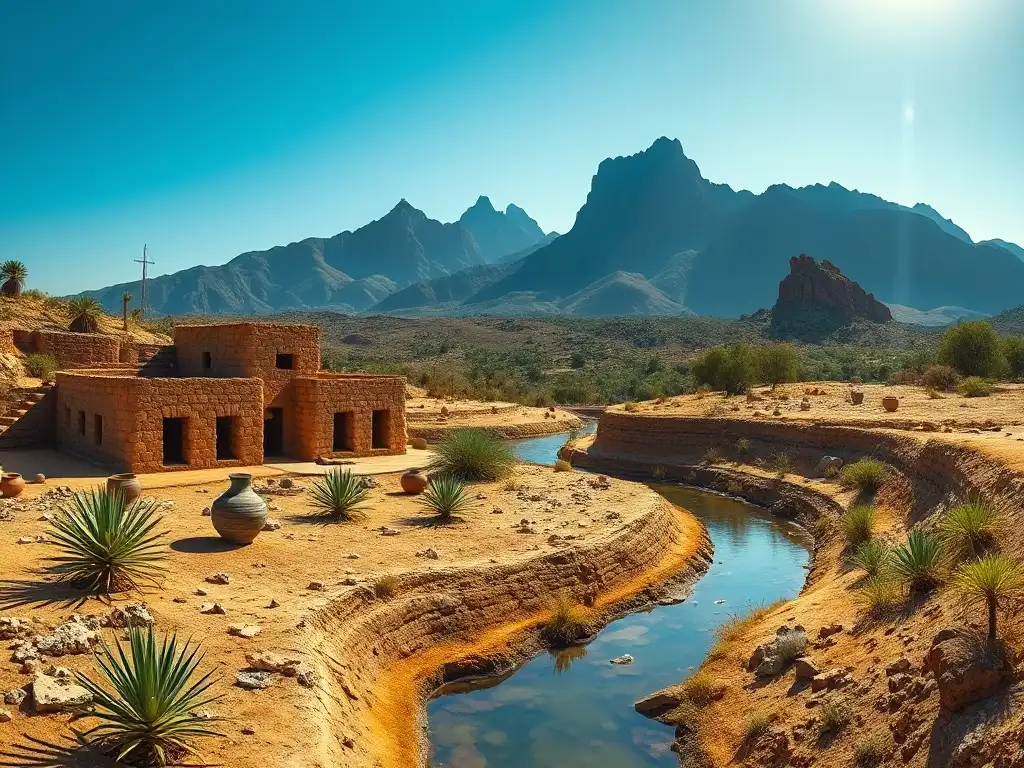
Step into a world lost to time, yet echoing with the strength and ingenuity of the Andean civilizations. Imagine a society thriving against the odds, a culture defying the harsh realities of the Andes Mountains. Uncover the secrets of the Moche civilization's resilience strategies, a testament to human adaptation and innovation in the face of adversity. Their story is far more compelling than you might imagine—dare to delve deeper and witness their remarkable legacy.
The Moche civilization, flourishing along the arid northern coast of Peru from approximately 100 CE to 800 CE, stands as a testament to human ingenuity and adaptability. This article delves into the remarkable resilience strategies employed by the Moche, enabling them to not only survive but thrive in a challenging environment characterized by unpredictable weather patterns, resource scarcity, and potential societal conflicts. Understanding their success offers valuable insights into the complexities of ancient Andean societies and provides a fascinating case study in effective resource management and societal adaptation.
We will explore the environmental pressures they faced, their innovative responses, and the lasting legacy of their resilience, all while examining the keyword "Moche civilization resilience strategies" in the context of their societal achievements. The Moche's ability to overcome adversity offers a compelling narrative of human perseverance and ingenuity in the face of significant environmental and social challenges.
Understanding the Challenges Faced by the Moche Civilization
The Moche people weren't simply blessed with a fertile land; their prosperity was built upon a foundation of constant adaptation and innovative solutions to persistent problems. Their coastal location, while offering access to marine resources, also exposed them to the unpredictable forces of nature. The desert climate, characterized by extreme aridity, demanded sophisticated irrigation systems to support agriculture. Additionally, the societal structure, with its hierarchical system and potential for internal conflicts, presented further challenges to their long-term stability.
Successfully navigating these obstacles required a multifaceted approach encompassing technological advancements, effective resource management, and robust social structures. The Moche were not immune to internal strife; evidence suggests periods of conflict and upheaval, highlighting the need for strong leadership and effective conflict resolution mechanisms. Their success, therefore, wasn't simply a matter of luck, but a testament to their ability to overcome these multifaceted challenges.
Environmental Pressures on Moche Society
The Moche civilization was profoundly impacted by the harsh environmental conditions of the Peruvian desert coast. The scarcity of freshwater was a constant concern, demanding the development of sophisticated irrigation systems. These systems, often involving extensive canal networks and reservoirs, required significant engineering skill and coordinated labor. Furthermore, the unpredictable nature of rainfall, coupled with the periodic occurrence of El Niño events, posed significant threats to agricultural production. These events could bring devastating floods or prolonged droughts, impacting crop yields and potentially leading to food shortages and societal disruption. The Moche's response to these challenges involved not only the construction of sophisticated water management systems but also the development of diverse agricultural practices and strategies to mitigate the risks associated with climate variability. Their ingenuity in adapting to these environmental pressures is a key factor in understanding their remarkable longevity. Failure to adapt would have undoubtedly led to societal collapse.
Moche Civilization's Adaptation to El Niño Events
El Niño events, characterized by unusually warm ocean temperatures and altered weather patterns, presented a significant threat to the Moche. These events could lead to devastating floods, destroying crops and infrastructure, or prolonged droughts, causing widespread famine. However, archaeological evidence suggests that the Moche developed effective strategies to mitigate the impact of these events. These strategies likely included:
- Diversified agriculture: Cultivating a variety of crops to reduce reliance on any single species vulnerable to El Niño's impact.
- Improved irrigation systems: Constructing resilient canals and reservoirs capable of withstanding both floods and droughts.
- Storage facilities: Building granaries and other storage structures to stockpile food surpluses during good years, providing a buffer against lean times.
- Social safety nets: Implementing social mechanisms to distribute resources equitably during periods of scarcity, ensuring the survival of the entire population.
The effectiveness of these strategies contributed significantly to the Moche civilization's resilience and its ability to endure for several centuries despite the recurring threat of El Niño. Their ability to learn from past events and adapt their strategies accordingly demonstrates a sophisticated understanding of their environment and the importance of preparedness in the face of natural disasters. This proactive approach to risk management is a crucial aspect of their overall resilience strategy.
Moche Water Management Systems: A Key to Survival
The Moche civilization, flourishing along the arid northern coast of Peru, faced the constant challenge of scarce water resources. Their remarkable survival and prosperity hinged significantly on sophisticated water management systems. These weren't simply rudimentary canals; they were complex networks designed to capture, store, and distribute water efficiently, even during periods of drought. The Moche constructed intricate canal systems that channeled water from rivers and streams, often diverting it over considerable distances to irrigate their agricultural lands.
These canals were meticulously engineered, incorporating features like check dams and reservoirs to regulate water flow and prevent erosion. Evidence suggests the Moche also utilized underground aqueducts, cleverly tapping into groundwater sources. The scale and complexity of these systems are testament to their advanced engineering capabilities and their deep understanding of hydrology. Furthermore, the Moche's ability to maintain and repair these vital infrastructure projects over generations speaks volumes about their social organization and collaborative spirit, crucial elements in their resilience against environmental hardships.
Their success in water management secured their food supply, bolstering their overall capacity to withstand periods of drought and other environmental challenges. The ingenuity displayed in their water systems is a cornerstone of understanding their remarkable resilience. This wasn't just about survival; it was about thriving in a challenging environment.
Agricultural Innovations of the Moche Culture
Beyond their impressive water management, the Moche developed innovative agricultural techniques that maximized food production in a harsh environment. They employed a variety of strategies, including terracing, which allowed them to cultivate steep slopes, increasing arable land. This wasn't just about expanding their farmland; terracing also helped to conserve water and soil, contributing to long-term agricultural sustainability. They also developed sophisticated irrigation systems, as previously discussed, ensuring a reliable water supply to their crops.
The Moche's understanding of different soil types and their ability to adapt their farming practices accordingly demonstrate their agricultural expertise. Archaeological evidence reveals the cultivation of a diverse range of crops, including maize, beans, squash, cotton, and various fruits. This diversification was crucial for food security, ensuring that even if one crop failed, others could compensate.
Moreover, evidence suggests the Moche practiced crop rotation and other sustainable agricultural methods, contributing to the long-term productivity of their land. Their agricultural innovations were not merely technological advancements but also reflected a deep understanding of ecological principles, a key factor in their resilience. This ability to adapt and innovate in agriculture guaranteed food security, a fundamental aspect of their survival and prosperity.
The Moche civilization's resilience wasn't solely based on technological achievements; it was deeply intertwined with their social and political structures. A hierarchical society, ruled by powerful priests and warriors, facilitated efficient resource management and mobilization. This centralized authority allowed for coordinated efforts in infrastructure projects like canal construction and maintenance. The Moche's highly organized society also enabled effective responses to crises, such as droughts or natural disasters.
Furthermore, the Moche's religious beliefs played a crucial role in reinforcing social cohesion and resilience. Their elaborate rituals and ceremonies, often focused on ensuring bountiful harvests and appeasing the gods, fostered a sense of community and shared purpose. This strong social fabric, cemented by religious beliefs and a centralized authority, provided the stability necessary to withstand external pressures and internal conflicts. The Moche's ability to adapt their social and political systems to environmental challenges and internal stresses is a testament to their resilience.
This wasn't a static system; it evolved and adapted over time, contributing to the sustained success of the civilization. The interplay between their social structure, religious beliefs, and political organization provided the social glue that held their society together during times of hardship, a crucial factor in their long-term survival. The strong social bonds within the Moche society formed a critical part of their successful resilience strategies.
The Role of Moche Leadership in Crisis Management
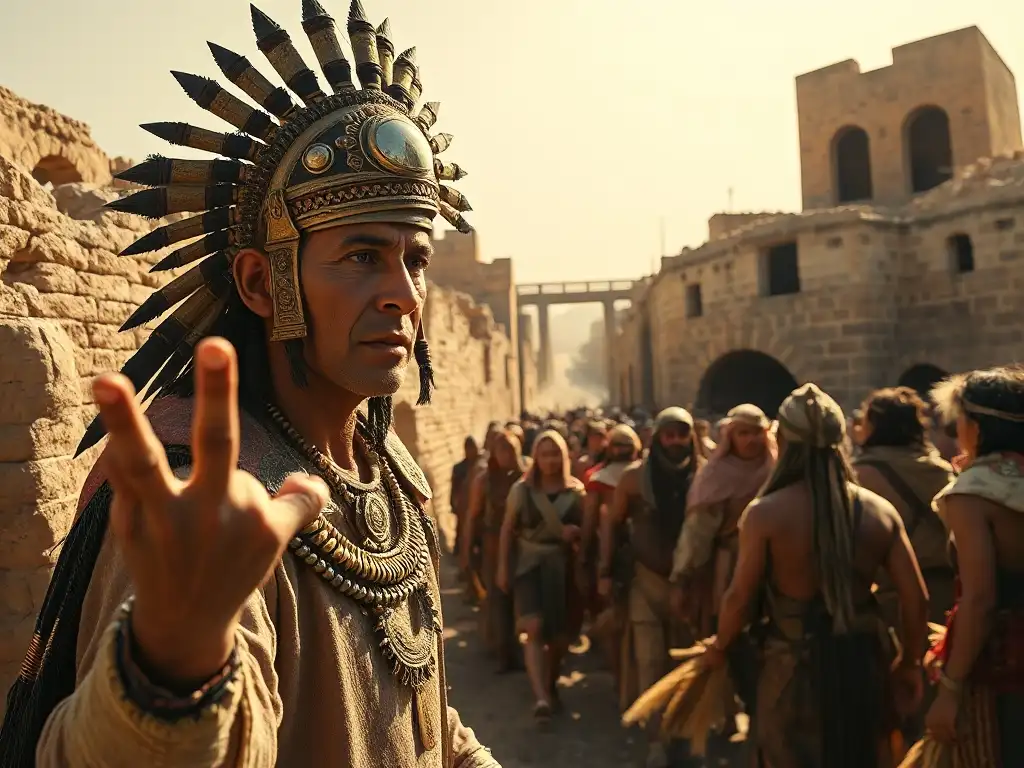
The Moche civilization, flourishing along the arid northern coast of Peru from roughly 100 to 800 CE, faced numerous environmental challenges, including periodic droughts, floods, and El Niño events. Effective leadership was crucial for navigating these crises and ensuring the survival of their complex society. Archaeological evidence suggests a hierarchical structure, with powerful rulers at the apex, wielding considerable influence over resource allocation and public works projects.
During times of scarcity, these leaders likely played a vital role in organizing community responses, rationing food supplies, and directing labor towards essential infrastructure repairs or the construction of new irrigation systems. For example, the meticulous planning and execution of large-scale irrigation canals, evident in the extensive Moche canal networks, point to a centralized authority capable of coordinating massive labor forces and managing complex water resources. This demonstrates a sophisticated understanding of hydraulic engineering and a proactive approach to mitigating the risks of drought.
While the precise mechanisms of Moche crisis management remain debated, the scale and sophistication of their infrastructure suggest that strong leadership played a pivotal role in their ability to weather environmental hardships. Furthermore, the continuity of Moche artistic production even during periods of apparent environmental stress indicates that the leadership maintained social order and fostered a sense of collective identity crucial for communal resilience.
Moche Religious Beliefs and Their Impact on Community Strength
The Moche deeply intertwined their religious beliefs with their daily lives, and this spiritual framework played a significant role in fostering community resilience. Their pantheon of gods, often depicted in elaborate ceramics and monumental architecture, included deities associated with fertility, water, and warfare—all crucial factors for survival in their harsh environment. The prominence of these deities in Moche iconography underscores their importance in maintaining social cohesion and providing a sense of hope during challenging times.
Ritual practices, including sacrifices and offerings, likely served to appease the gods and ensure a bountiful harvest or successful warfare, bolstering community morale and reinforcing social bonds. For instance, the discovery of sacrificial offerings in Moche tombs suggests a belief in the power of appeasement to ensure the continued prosperity of the community.
This religious system provided a shared framework for understanding and coping with adversity, fostering a sense of collective purpose and strengthening social ties that proved essential in times of crisis. The enduring nature of Moche religious practices, as evidenced by the consistent stylistic features in their art across centuries, highlights the stability and resilience offered by their shared belief system.
Moche Artistic Expressions Reflecting Resilience
Moche art, particularly their renowned ceramics, provides invaluable insights into their worldview and their capacity for resilience. The intricate detail and vibrant colors of their pottery portray a society that, despite facing environmental and social challenges, retained a remarkable capacity for creative expression. The depiction of both lavish feasts and scenes of warfare on their vessels suggests a nuanced understanding of their own history and a capacity to reflect both prosperity and adversity.
The continuity of their artistic styles over several centuries, despite periods of probable hardship, underscores the enduring strength of their cultural identity. The sophisticated craftsmanship evident in their goldwork and metalwork, requiring advanced metallurgical techniques, further illustrates the resilience of their technological expertise.
Even during periods of potential environmental stress, the Moche continued to produce high-quality art, indicating a steadfast commitment to their cultural values and a belief in their capacity to overcome hardship. This continued artistic production, therefore, serves as a powerful testament to the Moche civilization's enduring resilience in the face of adversity, demonstrating their ability to maintain their cultural identity and express their experiences through artistic mediums.
Moche Pottery as a Record of Adaptation and Change
Moche pottery offers a fascinating glimpse into the civilization's resilience strategies. The intricate detail and stylistic shifts evident in their ceramics reflect not only artistic prowess but also adaptive responses to environmental and societal changes. For example, the depiction of changing agricultural practices, such as irrigation techniques and the cultivation of different crops, is clearly visible in their artwork. Early Moche pottery frequently showcases scenes of abundant harvests, indicating periods of prosperity and stable food production.
However, as environmental conditions shifted—perhaps due to El Niño events or prolonged droughts—changes in the pottery's iconography become apparent. Later pieces may depict more arid landscapes, or show a greater emphasis on resource management, suggesting adjustments to agricultural techniques or dietary habits. The diversity of pottery styles across different Moche phases also points to regional variations in adaptation strategies. Coastal communities, for instance, might have developed different coping mechanisms compared to those in the highlands, reflecting the unique challenges posed by their respective environments.
Furthermore, the evolution of pottery forms themselves—from simpler styles to more elaborate and complex designs—can be interpreted as a reflection of the Moche's ability to innovate and adapt their artistic traditions in response to changing circumstances. The persistence of pottery-making throughout Moche history underscores its importance not just as an art form but as a crucial element of their cultural identity and a testament to their adaptability. The careful study of Moche pottery provides invaluable insights into the civilization's ability to navigate periods of both abundance and scarcity, demonstrating remarkable resilience in the face of adversity.
Moche Iconography Symbolizing Overcoming Challenges
The Moche's artistic representations consistently reveal their capacity for resilience. Their iconography, rich in symbolism, often depicts themes of overcoming adversity, highlighting their ability to find strength in the face of challenges. A recurring motif is the depiction of powerful deities and mythical beings conquering monstrous creatures or overcoming natural obstacles. These images can be interpreted as symbolic representations of the Moche people's own struggles against environmental hazards, such as floods, droughts, or earthquakes.
The recurring image of the "Decapitator" priest, a prominent figure in Moche iconography, while often interpreted as a reflection of ritual sacrifice, can also be seen as a symbol of overcoming obstacles and asserting control over the forces of nature. The intricate detail and emotional intensity of these depictions suggest a deeply held belief in the ability to triumph over adversity. Furthermore, the Moche's mastery of metalworking, as evidenced by their exquisite gold and silver artifacts, illustrates their ability to harness resources and transform them into symbols of power and resilience.
These elaborate ornaments, often depicting scenes of conquest or prosperity, served as tangible reminders of the Moche's capacity to overcome challenges and create a thriving society. The persistence of these symbolic representations across various Moche artistic mediums—pottery, textiles, metalwork—emphasizes their profound significance in shaping the Moche worldview and reinforcing their collective identity as a resilient people. Their art serves not only as a chronicle of their achievements but also as a testament to their unwavering spirit in the face of hardship.
Moche Architectural Adaptations to Environmental Stress
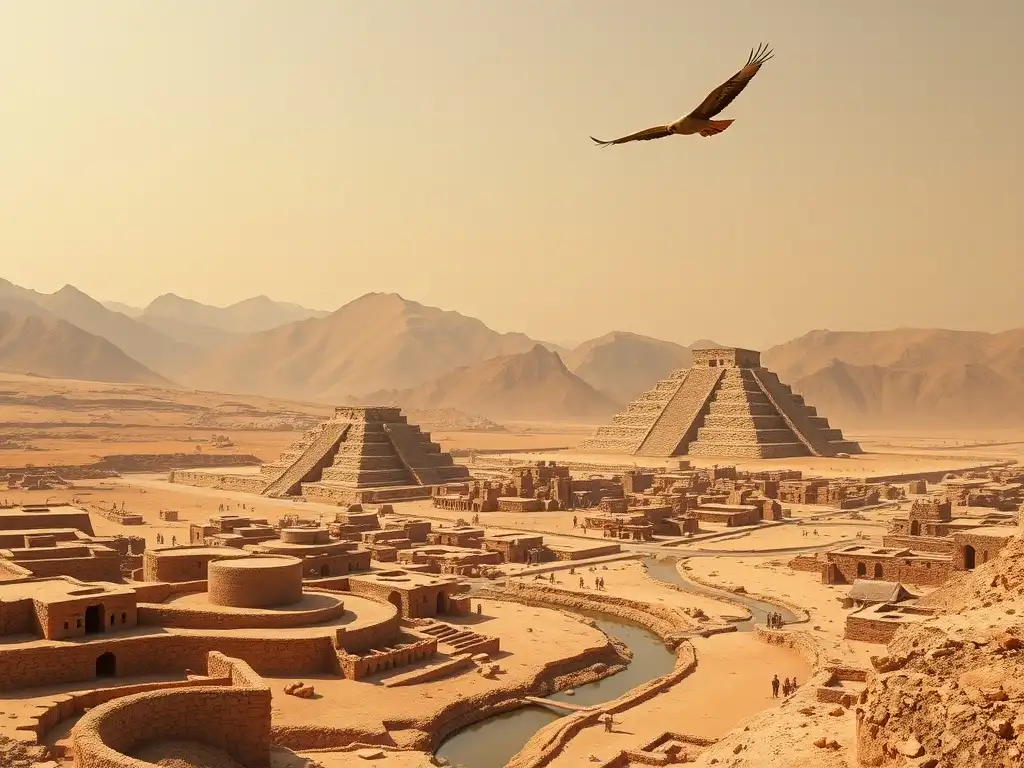
The Moche civilization's architectural achievements demonstrate a remarkable capacity to adapt to environmental challenges. Their settlements, strategically located along the arid northern coast of Peru, reflect ingenious solutions to the limitations imposed by the harsh desert climate. The development of sophisticated irrigation systems, such as canals and reservoirs, allowed the Moche to cultivate crops in the otherwise infertile land, ensuring food security even during periods of drought. The construction of monumental adobe structures, such as the Huaca del Sol and Huaca de la Luna, showcases their mastery of engineering and their ability to harness local resources to build impressive structures that withstood the test of time.
These structures, while serving religious and administrative purposes, also served practical functions, providing shade and protection from the intense sun and wind. Moreover, the Moche's choice of building materials—adobe bricks made from locally sourced clay—reflects their adaptability and resourcefulness. This sustainable building practice minimized their environmental impact and allowed them to utilize readily available materials.
Furthermore, the design of Moche settlements, often incorporating features such as courtyards and walled compounds, suggests strategies for managing water resources and creating microclimates to mitigate the harsh environmental conditions. The meticulous planning and execution of these architectural projects demonstrate the Moche's ability to overcome logistical and environmental obstacles, highlighting their organizational prowess and resilience in the face of environmental stress. Their sophisticated architectural adaptations underscore their remarkable capacity to not only survive but also thrive in a challenging environment.
Moche Construction Techniques for Earthquake Resistance
The Moche civilization, flourishing along the arid northern coast of Peru from approximately 100 CE to 800 CE, faced significant environmental challenges, including frequent and powerful earthquakes. Their remarkable resilience is evident in their sophisticated construction techniques, specifically designed to withstand seismic activity. Archaeological evidence reveals a deep understanding of engineering principles, far surpassing the capabilities attributed to them by earlier scholars. For example, the use of adobe bricks, while seemingly simple, was refined to a high degree.
The Moche carefully selected and prepared the clay, often incorporating organic materials to enhance its strength and flexibility. The bricks themselves were not uniformly shaped; slight variations in size and form allowed for a more flexible structure, reducing the likelihood of catastrophic collapse during an earthquake. Furthermore, the Moche employed techniques like interlocking brick patterns and the incorporation of strategically placed wooden beams within the adobe walls. These wooden elements acted as shock absorbers, distributing seismic energy and preventing widespread cracking.
The construction of monumental structures like pyramids and platforms further illustrates their expertise. These structures, though massive, were built with an understanding of weight distribution and foundation stability, crucial factors in earthquake-resistant design. The integration of ramps and carefully planned drainage systems also helped to reduce stress on the structures, demonstrating a holistic approach to construction that prioritized both functionality and seismic resilience. The longevity of many Moche structures, even those subjected to numerous earthquakes over centuries, stands as a testament to their ingenuity and advanced understanding of engineering principles.
Moche Urban Planning and Disaster Preparedness
Beyond their impressive construction techniques, the Moche also demonstrated remarkable foresight in their urban planning, incorporating strategies that mitigated the impact of natural disasters, particularly floods and earthquakes. Their city layouts, while often sprawling and seemingly organic, were not haphazard. Evidence suggests a careful consideration of topography and drainage patterns. Cities were frequently built on elevated ground or terraces, minimizing the risk of flooding from seasonal rains or tsunamis, a real and ever-present threat along the coastline.
The strategic placement of canals and irrigation systems not only facilitated agriculture but also served as a crucial flood control mechanism, diverting excess water away from residential areas. Furthermore, the layout of streets and buildings within the cities seems to have been designed to allow for easy evacuation in the event of an emergency. Wide avenues and open spaces likely facilitated the rapid movement of people, limiting congestion and panic during earthquakes or other disasters.
The presence of public structures, such as plazas and temples, strategically located within the urban fabric, may have served as designated assembly points or shelters during emergencies. While detailed evacuation plans are not explicitly documented, the careful planning of their urban environments strongly suggests a degree of preparedness for natural disasters. This understanding of risk assessment and mitigation is a critical aspect of the Moche civilization's resilience, demonstrating their ability to anticipate and respond to environmental challenges.
Moche Economic Strategies for Sustaining the Population
The Moche civilization's economic strategies were critical to their survival and resilience in a challenging environment. Their economy was largely based on agriculture, supported by sophisticated irrigation systems that channeled water from rivers and streams to arid coastal valleys. This intricate network of canals and reservoirs allowed them to cultivate crops like maize, beans, and squash, providing a staple food source for the population. However, their economic success wasn't solely reliant on agriculture.
The Moche were skilled artisans, producing exquisite textiles, ceramics, and metalwork. These crafts were not only used for domestic purposes but also played a significant role in trade networks extending across the Andes region. The exchange of goods and resources generated wealth and strengthened their social and political structures. Furthermore, the Moche's mastery of fishing techniques provided another essential source of food, supplementing their agricultural production.
The use of diverse fishing methods, coupled with their understanding of marine resources, ensured a reliable food supply even during periods of agricultural scarcity. The diversification of their economic activities—agriculture, fishing, and craft production—provided a buffer against environmental fluctuations and ensured the resilience of their population. This economic flexibility was a key factor in their ability to withstand droughts, floods, and other challenges, ensuring the long-term sustainability of their civilization. The economic resilience of the Moche demonstrates a nuanced and adaptive approach to resource management and trade, contributing significantly to their overall success and longevity.
Moche Trade Networks and Resource Management
The Moche civilization's remarkable resilience was significantly underpinned by sophisticated trade networks and astute resource management. Their coastal location provided access to abundant marine resources, including fish, shellfish, and seabirds, forming the backbone of their diet. However, the Moche didn't rely solely on the ocean. They developed intricate irrigation systems, channeling water from rivers and streams to cultivate fertile valleys, enabling them to grow crops like maize, beans, squash, and cotton. These agricultural surpluses were crucial, not only for sustaining their population but also for facilitating trade.
The Moche established extensive trade routes, connecting their coastal settlements with highland communities. This interconnectedness allowed them to exchange essential goods and resources. Coastal communities traded fish and shellfish for highland agricultural products like potatoes and coca leaves. Precious metals, such as gold and silver, mined from the Andes, were also significant trade items, often used in elaborate religious ceremonies and adornments.
The management of these trade networks required a complex organizational structure, likely involving specialized officials and intermediaries who facilitated the exchange of goods and ensured the smooth functioning of the system. Effective resource management, coupled with a diversified trade network, provided a buffer against environmental fluctuations and ensured the continuity of the Moche civilization. This strategy is a key element in understanding the Moche civilization resilience strategies.
Moche Craft Specialization and Economic Diversification
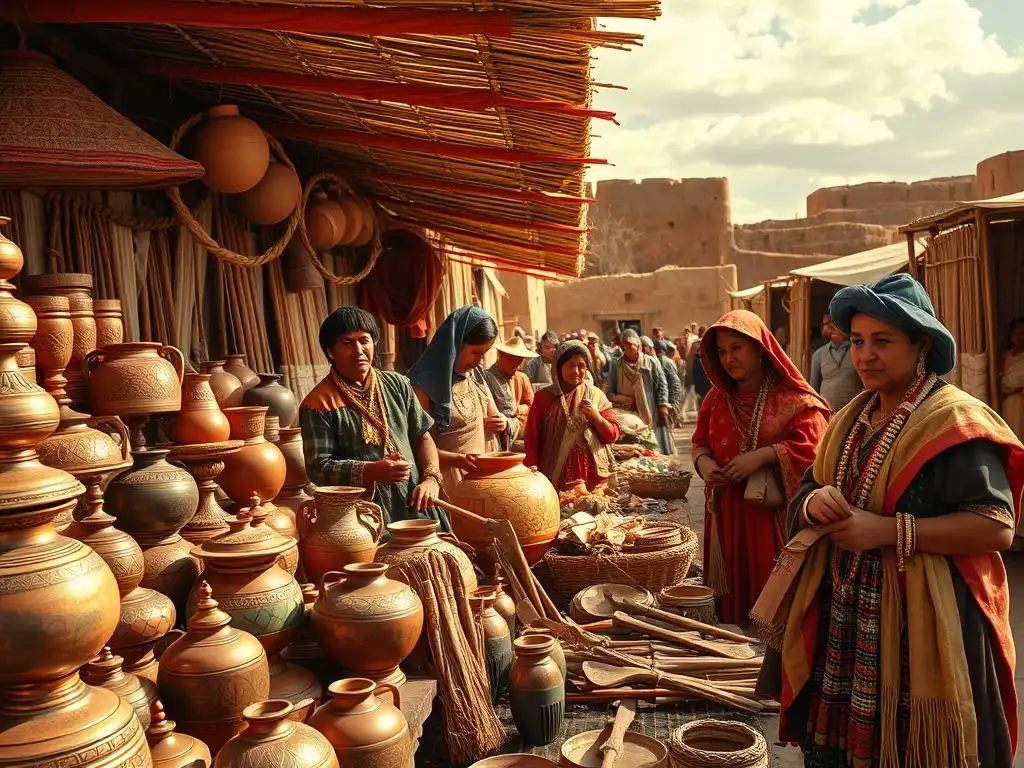
The Moche economy wasn't solely reliant on agriculture and trade; it also thrived on a high degree of craft specialization. Moche artisans were renowned for their exceptional skills in various crafts, including pottery, metalworking, textile production, and stone carving. This specialization led to economic diversification, reducing the civilization's vulnerability to shocks affecting a single sector. The creation of intricate and highly valued ceramics, often depicting scenes of daily life, religious rituals, and warfare, generated significant wealth and prestige. Similarly, their mastery of metalworking resulted in stunning gold and silver artifacts, reflecting their advanced metallurgical techniques.
The production of these high-quality goods not only met local demands but also fueled their extensive trade networks. The demand for Moche crafts extended far beyond their immediate region, generating significant economic benefits and strengthening their social and political structures. This economic diversification, coupled with their mastery of various crafts, acted as a crucial resilience strategy. By not putting all their eggs in one basket, the Moche were able to weather economic downturns and environmental challenges more effectively than civilizations relying on a single economic activity. This economic diversification is a crucial component of the Moche civilization resilience strategies.
Moche Civilization Resilience Strategies in Action
The Moche civilization's success wasn't simply a matter of luck; it was a testament to their proactive and adaptable approach to challenges. Their resilience is vividly illustrated by their response to the El Niño Southern Oscillation (ENSO) events, which brought periods of intense rainfall and flooding, followed by droughts. Evidence suggests the Moche implemented sophisticated water management techniques, building elaborate irrigation canals and reservoirs to cope with these climatic fluctuations. These infrastructure projects not only ensured a reliable water supply for agriculture but also helped mitigate the impact of floods and droughts.
Furthermore, their ability to adapt to changing environmental conditions is reflected in their diversification of food sources. While agriculture played a crucial role, their reliance on marine resources provided a critical safety net during periods of agricultural hardship. The combination of effective resource management, sophisticated infrastructure, and a diversified economy allowed the Moche to overcome numerous environmental and social challenges, showcasing their remarkable ability to adapt and thrive.
The Moche's success serves as a powerful example of how proactive planning, diversification, and efficient resource management are crucial elements in building resilience, a testament to the effectiveness of their Moche civilization resilience strategies. Their approach provides valuable lessons for understanding societal resilience in the face of adversity.
The Moche Response to Drought and Famine
The Moche civilization, flourishing along the arid northern coast of Peru from approximately 100 CE to 800 CE, faced recurring challenges from El Niño events and prolonged droughts. These climatic shifts drastically impacted agricultural yields, leading to periods of severe famine. Archaeological evidence suggests the Moche developed sophisticated strategies to mitigate these crises.
One key element was their intricate irrigation systems, which, while impressive in their scale, were also incredibly vulnerable to unpredictable rainfall patterns. Evidence of canal repairs and modifications indicates a constant adaptation to changing hydrological conditions. Furthermore, the Moche likely employed diverse agricultural techniques, including terracing and the cultivation of drought-resistant crops, to diversify their food sources and reduce their dependence on a single crop.
The discovery of storage facilities in various Moche sites suggests a deliberate effort to stockpile food during periods of abundance to cushion against lean times. While the exact methods of famine relief remain partially unknown, the sheer scale of their infrastructure and agricultural practices indicates a proactive approach to food security that significantly boosted their resilience against drought and famine. Analysis of skeletal remains from Moche cemeteries reveals fluctuating nutritional levels, reflecting periods of both plenty and scarcity, underscoring the cyclical nature of their struggle against environmental adversity.
Moche Strategies for Maintaining Stability
Beyond their agricultural adaptations, the Moche employed various strategies to maintain social and political stability during times of crisis. Their centralized political structure, headed by powerful rulers, likely played a crucial role in resource management and conflict resolution. The iconic Moche imagery, portraying powerful rulers and elaborate ceremonies, might have served to reinforce social cohesion and legitimacy during difficult times.
The development of sophisticated craft production, particularly in pottery and metalwork, indicates a complex economic system capable of adapting to changing circumstances. The production of high-value goods may have served as a means of exchange and redistribution of resources, helping to mitigate inequalities and maintain social order. The construction of monumental architecture, such as pyramids and temples, likely served not only religious purposes but also as public works projects that provided employment and social stability.
This combined approach – combining agricultural and infrastructural resilience with centralized governance and economic diversification – allowed the Moche to weather many crises, ensuring the continuation of their civilization for centuries. Further research into their administrative practices could reveal even more nuanced details of their resilience strategies.
Lessons from Moche Culture for Modern Resilience
The Moche civilization’s remarkable ability to overcome adversity offers valuable lessons for modern societies facing similar challenges. Their emphasis on sustainable agriculture, particularly through irrigation and diversification, demonstrates the importance of proactive resource management. In a world grappling with climate change and increasing resource scarcity, understanding and emulating their approaches to water management and drought resilience is crucial.
Their centralized governance system, while potentially authoritarian, highlights the role of effective leadership in coordinating responses to crises. Today, effective crisis management and communication are essential to ensuring public safety and maintaining social cohesion during emergencies. Finally, the Moche's commitment to developing a diversified economy, even during challenging periods, underscores the importance of economic resilience.
Modern societies can learn from the Moche by promoting economic diversification and reducing dependence on single industries or resources. By studying the Moche’s innovative strategies, we can gain valuable insights into building more resilient and sustainable societies, capable of adapting to the challenges of the 21st century and beyond. The Moche civilization's legacy serves as a powerful reminder of the importance of planning for the future and adapting to changing circumstances.
Moche Legacy and the Importance of Adaptation
The Moche civilization, flourishing along the arid northern coast of Peru from approximately 100 CE to 800 CE, stands as a testament to human adaptability. Their success wasn't solely a result of fertile river valleys; it was a product of ingenious strategies developed to overcome the harsh environmental challenges of their homeland. The desert landscape, prone to unpredictable flooding and severe droughts, demanded a sophisticated understanding of water management and resource allocation.
The Moche, through meticulous observation and innovative engineering, developed intricate irrigation systems that channeled water from rivers and streams to their agricultural fields, ensuring a relatively stable food supply even in the face of climatic fluctuations. This wasn't a passive adaptation; it was an active, continuous process of refinement and improvement, reflecting a deep understanding of their environment and a commitment to long-term sustainability. Their legacy isn't just about impressive monumental architecture; it's about the resilience embedded in their practical solutions to the challenges of survival in a demanding environment.
The Moche's ability to adapt and thrive showcases the importance of proactive, environmentally conscious strategies for long-term societal success, a lesson that remains relevant today. Their sophisticated understanding of hydrology and their ability to harness scarce resources provide valuable insights into sustainable practices, even in the face of modern environmental concerns.
Exploring the Lasting Impact of Moche Ingenuity
The Moche's ingenuity extended beyond their impressive irrigation systems. Their mastery of metallurgy, particularly in the crafting of gold and copper artifacts, showcases advanced technological skills. These weren't simply decorative pieces; many served practical purposes, reflecting a deep understanding of material properties and their application in daily life.
The precise craftsmanship evident in their metalwork, pottery, and textiles demonstrates a level of skill and organization rarely seen in contemporaneous societies. This technological prowess wasn't limited to luxury goods; it also contributed to the development of tools and technologies essential for agriculture, fishing, and construction. Their advanced understanding of ceramics allowed them to create durable containers for storage and transport, crucial for managing food surpluses and facilitating trade.
The lasting impact of their ingenuity is evident in the remarkable preservation of their artifacts, many of which remain remarkably intact, showcasing the quality of their materials and craftsmanship. The Moche's legacy is not simply a collection of beautiful objects; it's a testament to the power of innovation and its crucial role in enabling a civilization to thrive in the face of adversity. Their technological advancements underpinned their societal resilience and continue to inspire awe and admiration today.
Moche Case Study: A Testament to Human Endurance
The Moche civilization's story is not one of uninterrupted prosperity. Evidence suggests periods of drought and social upheaval, yet they persisted for centuries. Their ability to overcome these challenges highlights the importance of social cohesion and effective governance in ensuring societal resilience.
Archaeological findings indicate a well-organized society with a complex social hierarchy, likely contributing to efficient resource management and conflict resolution. The construction of monumental structures, such as the Huaca del Sol and Huaca de la Luna, required significant coordinated effort, demonstrating a capacity for collective action and large-scale project management – vital for responding to crises. The Moche's resilience wasn't simply a matter of luck; it was a result of a combination of technological innovation, effective governance, and a strong social fabric.
Their story serves as a powerful case study in human endurance, illustrating how societies can adapt and overcome even the most significant challenges. Analyzing their successes and failures provides invaluable insights into the factors that contribute to the long-term sustainability and resilience of human civilizations, offering valuable lessons for contemporary societies facing similar environmental and societal pressures. The Moche experience underscores the interconnectedness of technological advancement, social organization, and environmental adaptation in ensuring the survival and prosperity of a civilization.
The Huaca de la Luna: A Case Study of Moche Resilience
The Huaca de la Luna, a massive adobe pyramid complex, stands as a testament to Moche ingenuity and resilience. Its construction, spanning centuries, reflects the civilization's ability to overcome significant challenges. The sheer scale of the project, involving the mobilization of vast human resources and sophisticated engineering techniques, highlights their organizational prowess. Evidence suggests that the construction wasn't a continuous process but rather adapted to periods of both prosperity and hardship.
Periods of drought or social unrest likely caused temporary halts, yet the project persisted, demonstrating the Moche's long-term commitment and their capacity to bounce back from setbacks. The intricate murals and elaborate architecture within the complex also reveal a society that prioritized cultural expression even amidst adversity, reinforcing their resilience through the preservation and celebration of their identity. The meticulous planning and execution of the Huaca de la Luna's construction, adapting to changing circumstances, is a prime example of the Moche civilization's effective resilience strategies in the face of environmental and social pressures.
Archaeological findings indicate a sophisticated understanding of water management techniques, crucial for survival in the arid coastal environment. This suggests a proactive approach to mitigating the effects of environmental stress, a key aspect of their overall resilience. The continued expansion and embellishment of the Huaca de la Luna over generations further emphasizes the enduring nature of their societal resilience.
Analysis of the Moche Response to the Late Moche Period Disintegration
The disintegration of the Moche civilization in the late Moche period (approximately 600-800 CE) wasn't a sudden collapse but rather a gradual process marked by internal strife and environmental changes. Evidence suggests a decline in agricultural productivity, possibly due to prolonged droughts or changes in the El Niño Southern Oscillation (ENSO) patterns. This resulted in food shortages and potentially increased social unrest, weakening the central authority. However, the archaeological record reveals that the Moche weren't passively swept away. While the grand scale of their earlier projects diminished, smaller-scale settlements and adaptation strategies emerged.
There is evidence of a shift in agricultural practices, possibly indicating a response to changing environmental conditions. Furthermore, the persistence of certain artistic motifs and religious beliefs suggests a continued cultural identity, albeit in a modified form. The late Moche period wasn't simply a period of decline; it was a period of adaptation and transformation. While the centralized power structure crumbled, the Moche people demonstrated remarkable adaptability in their response to these challenges, showcasing a different facet of their resilience.
The emergence of new regional power structures and the ongoing development of artistic and religious practices highlight a capacity for innovation and survival, even during a period of significant societal upheaval. Analyzing this period reveals not only the limitations of the Moche state but also the tenacity and adaptability of the Moche people themselves, highlighting the multifaceted nature of their resilience strategies. The story of the late Moche period is a complex one, but it ultimately underlines the remarkable capacity of the Moche to adapt and persevere even in the face of significant societal and environmental challenges. Their response underscores the nuanced understanding of "resilience" as a dynamic and multifaceted process rather than a static state.
- Understanding the Challenges Faced by the Moche Civilization
- Environmental Pressures on Moche Society
- Moche Civilization's Adaptation to El Niño Events
- Moche Water Management Systems: A Key to Survival
- Agricultural Innovations of the Moche Culture
- Moche Social and Political Structures Supporting Resilience
- The Role of Moche Leadership in Crisis Management
- Moche Religious Beliefs and Their Impact on Community Strength
- Moche Artistic Expressions Reflecting Resilience
- Moche Pottery as a Record of Adaptation and Change
- Moche Iconography Symbolizing Overcoming Challenges
- Moche Architectural Adaptations to Environmental Stress
- Moche Construction Techniques for Earthquake Resistance
- Moche Urban Planning and Disaster Preparedness
- Moche Economic Strategies for Sustaining the Population
- Moche Trade Networks and Resource Management
- Moche Craft Specialization and Economic Diversification
- Moche Civilization Resilience Strategies in Action
- The Moche Response to Drought and Famine
- Moche Strategies for Maintaining Stability
- Lessons from Moche Culture for Modern Resilience
- Moche Legacy and the Importance of Adaptation
- Exploring the Lasting Impact of Moche Ingenuity
- Moche Case Study: A Testament to Human Endurance
- The Huaca de la Luna: A Case Study of Moche Resilience
- Analysis of the Moche Response to the Late Moche Period Disintegration
- What were the major challenges faced by the Moche civilization?
- How did the Moche adapt their agriculture to survive harsh conditions?
- What role did warfare play in Moche resilience?
- What evidence demonstrates the Moche's technological advancements in overcoming adversity?
- How did the Moche's social structure contribute to their resilience?
Frequently Asked Questions
What were the major challenges faced by the Moche civilization?
The Moche faced numerous challenges, including frequent El Niño events causing devastating floods and droughts, inter-societal conflicts, and the constant need to adapt to a harsh desert environment. These factors significantly impacted their agricultural practices and overall stability.
How did the Moche adapt their agriculture to survive harsh conditions?
The Moche employed sophisticated irrigation systems like canals and reservoirs to manage water resources effectively. They also developed terracing techniques on hillsides to maximize arable land and practiced intensive agriculture, cultivating diverse crops.
What role did warfare play in Moche resilience?
While warfare was prevalent, it wasn't solely destructive. Military expansion and conquest provided access to new resources and land, bolstering their resilience against environmental challenges and enhancing their economic power.
What evidence demonstrates the Moche's technological advancements in overcoming adversity?
The sophisticated irrigation systems, the precise ceramic artistry reflecting their social organization, and the monumental architecture, like the Huaca del Sol and Huaca de la Luna, demonstrate their advanced technology and engineering skills crucial for their survival.
The hierarchical social organization, with a powerful elite, allowed for centralized planning and resource management. This structure facilitated effective responses to crises like droughts or floods, ensuring the survival of the population.
Final Reflection: Echoes of Resilience in the Moche Legacy
The ingenuity and adaptability of the Moche civilization remain strikingly relevant today. Their ability to not only survive but thrive in the face of harsh environmental conditions and societal challenges serves as a powerful testament to human resilience, a lesson particularly poignant in our era of climate change and global instability. Their story reminds us that even amidst seemingly insurmountable odds, innovation and community can pave the way to prosperity.
The Moche's legacy extends far beyond their impressive architecture and artistry; it's a living example of the enduring power of human spirit. Their sophisticated water management systems, intricate social structures, and artistic expressions all speak to a deep understanding of their environment and a remarkable capacity to adapt. As the anthropologist, Junius Bird, once noted, The Moche were masters of their environment, not its slaves.
This statement encapsulates their remarkable ability to not only survive but to flourish in a demanding landscape, a testament to their proactive approach to problem-solving and their commitment to community.
Consider the challenges you face, both personally and collectively. What Moche strategies resonate with you? How can you apply their principles of resourcefulness, community building, and innovative problem-solving to navigate your own obstacles? Let the echoes of Moche resilience inspire you to cultivate your own capacity for adaptation and growth, to build a future as vibrant and enduring as their legacy.
Embrace Resilience: Take Charge of Your Journey!
Thank you for exploring the inspiring story of the Moche people and their remarkable resilience in overcoming adversity. You've uncovered valuable insights that can empower you to navigate your own challenges. Now, let's put that knowledge into action!
Here are a few ways you can make a difference today:
- Reflect and Journal: Reflect on a past challenge and how you overcame it. Writing about your experience can reinforce your strength and inspire those around you.
- Share Your Story: Connect with friends, family, or your community and share your experiences with resilience. Open conversations can foster deeper connections and encourage others to embrace their own strength.
- Explore Further: Learn more about the fascinating history and ingenuity of the Moche civilization. Explore curated online resources or join a local history group to discover more about their remarkable resilience.
Consider the challenges you've faced that have strengthened your resilience. How can you share your story to inspire others?