
Moche Metalworking: The Craft of Gold, Silver, and Copper

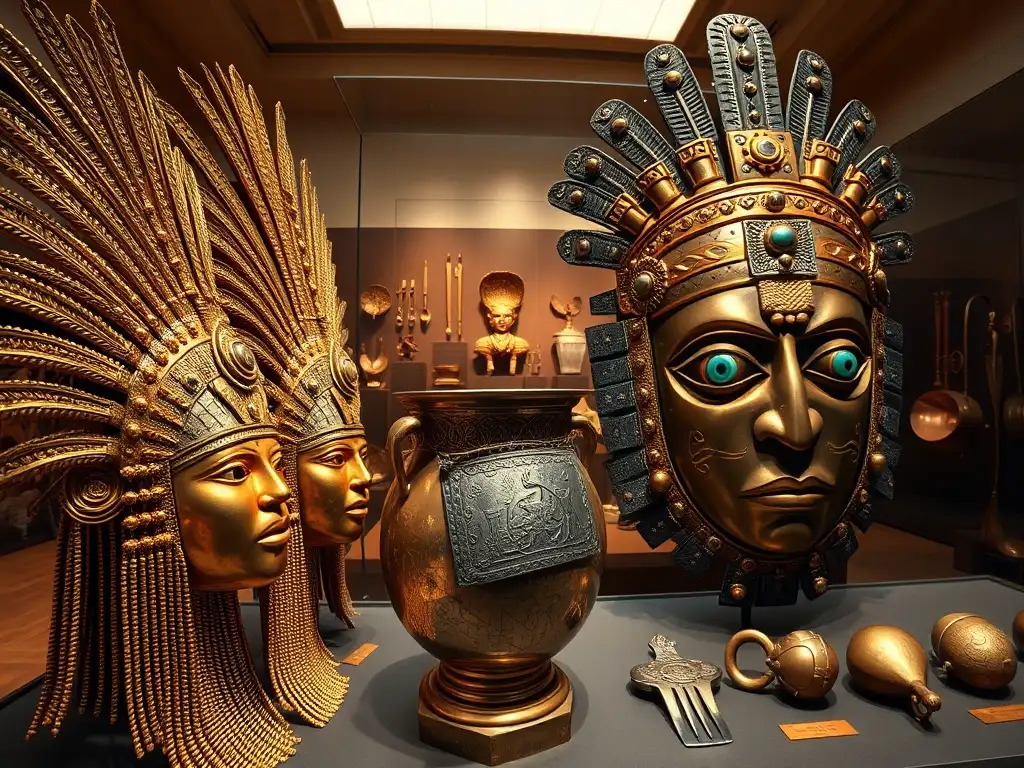
Dive into the mesmerizing world of Andean Civilizations, where lost empires whisper secrets of unparalleled artistry and ingenuity. Prepare to be captivated by the breathtaking craftsmanship of the ancient Andean peoples, a legacy etched in gold, silver, and copper. What mysteries do the Moche gold silver copper artifacts hold? Uncover the secrets of their advanced metalworking techniques and the stories they tell—explore the remarkable world of the Moche now!
The Moche civilization (circa 100-800 CE), flourishing along the northern coast of Peru, left behind a remarkable legacy of artistry and technological innovation, particularly in metalworking. Their mastery of gold, silver, and copper resulted in stunning artifacts that offer invaluable insights into their social structures, religious beliefs, and sophisticated craftsmanship.
This article delves into the fascinating world of Moche metalworking, exploring the significance of these precious metals within their society and the intricate processes employed by their skilled artisans. We will examine the techniques used, the types of artifacts produced, and the enduring impact of Moche metalworking on our understanding of this vibrant ancient culture, focusing on how the use of gold, silver, and copper reflects their social hierarchy and spiritual practices.
Understanding the Moche's skill in crafting gold, silver, and copper artifacts provides a crucial window into their complex and fascinating world, revealing much about their social organization, religious beliefs, and artistic achievements. The sheer artistry and technical proficiency displayed in these objects continue to inspire awe and wonder today, highlighting the Moche's exceptional contribution to pre-Columbian art and technology.
The Significance of Metal in Moche Society
The Moche people held a deep reverence for metals, particularly gold, silver, and copper. These materials were not merely decorative; they held profound symbolic meaning, reflecting social status, religious beliefs, and power dynamics within their society. The scarcity and inherent beauty of these metals elevated them to positions of great value, reserved for the elite and used in rituals and ceremonies. The careful craftsmanship and detailed artistry further emphasized their importance.
Metal as a Symbol of Power and Status
Access to and control over metal resources, along with the skill to work them, were closely tied to power and status within Moche society. Elaborate gold and silver ornaments, such as crowns, necklaces, and ear spools, were primarily worn by the ruling class and high-ranking officials, signifying their elevated position and divine connection. The more intricate and lavish the metalwork, the greater the individual’s prestige and authority. For example, the intricate detail found in depictions of warriors and deities on certain gold artifacts clearly demonstrates the high status of those depicted and those who commissioned the works.
The Role of Moche Artisans in Metal Production
The creation of Moche metal artifacts was a highly specialized craft, requiring immense skill and expertise. Moche artisans employed sophisticated techniques, including casting, hammering, repoussé (hammering from the back to create raised designs), and soldering, to shape and decorate their metal creations. These artisans likely held a respected position within their communities, their skills vital to the production of prestigious objects and religious items.
Evidence suggests a high degree of specialization, with some artisans focusing on specific techniques or types of metal. The organization and distribution of metal resources, along with the training and expertise of the artisans themselves, point to a complex and well-established system of metal production and distribution within the Moche society.
Further research is needed to fully understand the social structure of these artisan communities and the extent of their influence within Moche society. The precise methods of training and apprenticeship remain areas of ongoing scholarly investigation.
- What materials did the Moche primarily use for their metalwork?
- What techniques did the Moche use to create their metal artifacts?
- What kinds of artifacts did the Moche create from gold, silver, and copper?
- How did the Moche's metalworking reflect their society and beliefs?
- Where can I see examples of Moche gold, silver, and copper artifacts?
Moche Goldworking Techniques: Gilding and Beyond
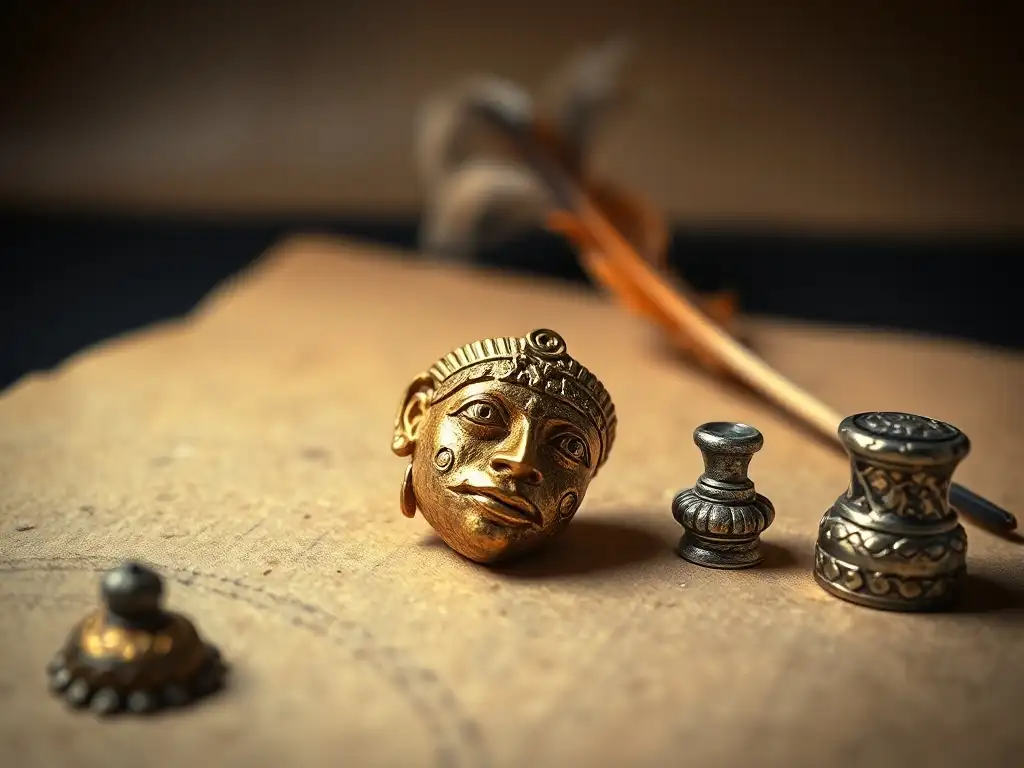
The Moche, a pre-Columbian civilization flourishing on the northern coast of Peru (circa 100-800 CE), were masterful metalworkers. Their expertise extended beyond simple hammering and casting to encompass sophisticated techniques like gilding, allowing them to create stunning artifacts from gold, silver, and copper. These techniques, combined with their artistic skill, resulted in the production of incredibly detailed and visually striking pieces that remain captivating today.
The Moche's mastery of metalworking is a testament to their advanced understanding of metallurgy and their artistic sensibilities. This section will delve into the specific techniques employed by the Moche in their goldworking, revealing the complexity and artistry behind their creations. The sheer artistry evident in these "Moche gold silver copper artifacts" continues to inspire awe and wonder in modern audiences.
Extraction and Preparation of Gold by the Moche
The Moche's access to gold, silver, and copper resources was crucial to their metalworking prowess. While the exact methods of extraction remain partially unclear, archaeological evidence suggests they likely utilized alluvial deposits, panning for gold in riverbeds and streams. This involved washing away lighter sediments to isolate heavier gold particles.
Further investigation into ancient mining practices is needed to fully understand their capabilities. Once extracted, the gold underwent a rigorous preparation process. This involved melting the gold, likely using crucibles made of ceramic or stone, and then refining it to remove impurities.
The refined gold was then shaped into ingots or smaller pieces, ready for the various techniques used in creating their elaborate artifacts. The quality of Moche goldwork suggests a high level of proficiency in refining gold to a high purity, allowing for greater malleability and durability in their finished products. This meticulous preparation was essential for achieving the quality and intricacy seen in their renowned gold artifacts.
Moche Gilding Techniques: Depletion Gilding and Leaf Application
The Moche employed several gilding techniques to embellish their metalwork, most notably depletion gilding and leaf application. Depletion gilding involved applying a layer of mercury amalgam (a mixture of mercury and gold) onto a base metal, such as copper or silver. The mercury would then be evaporated, leaving behind a thin layer of gold. This process, while effective, involved working with highly toxic mercury, highlighting the risks the Moche artisans undertook to achieve their artistic goals. The level of skill required to control the application and evaporation of mercury to achieve a consistent and even gold layer was remarkable.
Leaf application, a simpler technique, involved applying thin sheets of hammered gold directly onto the surface of the object. This technique, while less complex than depletion gilding, required considerable skill in manipulating the delicate gold leaf to ensure its adherence and prevent tearing. Both techniques allowed the Moche to create pieces where gold enhanced and embellished the base metal, creating visually stunning contrasts and textures.
The choice of technique likely depended on the desired effect and the size and complexity of the artifact being created. Further research into specific examples of Moche artifacts could reveal more about the chosen techniques in each case.
Notable Moche Gold Artifacts: Headdresses, Masks, and Jewelry
The Moche created a diverse range of gold, silver, and copper artifacts, showcasing their mastery of metalworking. Among the most striking examples are the intricate headdresses, often adorned with elaborate designs and featuring representations of deities or mythical creatures. These headdresses, frequently found in elite burials, highlight the importance of gold in Moche society and its association with power and status.
Equally impressive are the Moche gold masks, often depicting stylized faces, sometimes with features suggesting specific individuals or deities. These masks, carefully crafted and often featuring inlaid details, likely played a significant role in funerary rituals or religious ceremonies.
Finally, Moche gold jewelry, including necklaces, earrings, and nose rings, demonstrates a remarkable level of detail and artistry. These pieces, often featuring intricate designs and precious stones, were likely worn by members of the elite, signifying their wealth and social standing. The diversity and quality of these artifacts underscore the Moche's exceptional metalworking abilities and the significant role of gold and other metals in their culture.
Analysis of the chemical composition of these artifacts could offer further insights into the sources of their materials and the techniques employed in their creation. The study of Moche "gold silver copper artifacts" continues to provide invaluable insights into their rich culture and artistic achievements.
Moche Silverwork: Intricate Designs and Craftsmanship
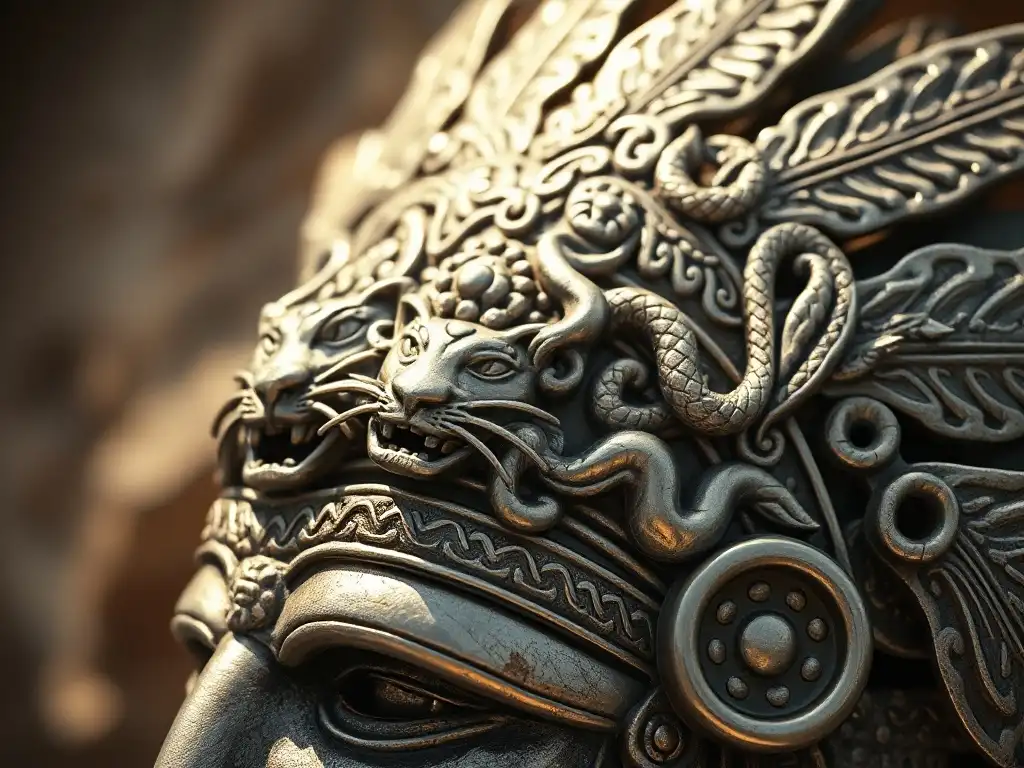
The Moche, a pre-Columbian civilization flourishing on Peru's northern coast from approximately 100 to 800 CE, were masterful metalworkers. While their goldwork is often celebrated, their skill with silver was equally impressive, resulting in exquisite artifacts that reflect their sophisticated artistry and technological prowess. Moche silver artifacts, often imbued with symbolic meaning, provide invaluable insights into their religious beliefs, social structures, and daily life. The sheer variety and complexity of their silverwork demonstrate a deep understanding of metallurgical techniques and a remarkable aesthetic sensibility. The term "Moche gold silver copper artifacts" accurately reflects the breadth of their metalworking achievements.
Sources of Silver for Moche Metallurgy
The Moche obtained silver from various sources, primarily through mining operations in the Andes Mountains. While precise locations of all their mines remain unknown, archaeological evidence suggests they exploited deposits located in the highlands near their coastal settlements. The extraction process likely involved techniques such as open-pit mining and shaft mining, though the specifics of their methods are still under investigation. Processing the ore to extract the pure silver involved complex procedures, probably including crushing, washing, and smelting.
The availability of silver, along with gold and copper, significantly influenced the development of their elaborate metalworking traditions. The geographic distribution of silver deposits and the Moche's ability to access and process them played a crucial role in their economic and social development. Further research is needed to fully understand the logistical challenges and organizational structures involved in Moche silver procurement.
Moche Techniques for Shaping Silver: Hammering, Repoussé, and Soldering
Moche silversmiths were adept at a range of techniques, including hammering, repoussé, and soldering. Hammering was a fundamental method used to shape the silver into the desired forms. The repoussé technique, which involves hammering from the back of a sheet of metal to create raised designs on the surface, allowed for the creation of incredibly detailed and three-dimensional imagery.
This technique required significant skill and precision. Soldering, the joining of metal pieces using a lower-melting-point alloy, was employed to assemble complex objects from smaller components. This allowed for the creation of intricate jewelry and vessels with multiple parts.
The Moche also employed casting, although this technique appears to have been used less frequently for silver than for copper and gold. The combination of these techniques, often used in conjunction with each other, allowed the Moche to produce remarkably sophisticated silver objects. The level of skill displayed in their work suggests a high degree of specialization within Moche society.
Examples of Moche Silver Art: Ear Spools, Vessels, and Ornaments
Moche silver artifacts encompass a diverse range of forms, including ear spools, vessels, and ornaments. Ear spools, often featuring intricate designs and symbolic motifs, were significant status markers. Silver vessels, though less common than those made of copper, demonstrate the Moche's ability to create functional and aesthetically pleasing objects.
Ornaments, such as necklaces, pendants, and headdresses, often incorporated silver alongside other materials like gold, copper, and precious stones, highlighting their mastery of diverse materials and techniques. The imagery found on these objects frequently depicts deities, mythical creatures, and scenes of daily life, offering valuable insights into their worldview and cultural practices. The discovery of these artifacts continues to enrich our understanding of Moche society and its artistic achievements.
The study of these "Moche gold silver copper artifacts" reveals a complex and highly skilled metalworking tradition. The precision and artistry evident in these pieces stand as a testament to the Moche's cultural sophistication.
Moche Copper Metallurgy: From Tools to Ornaments
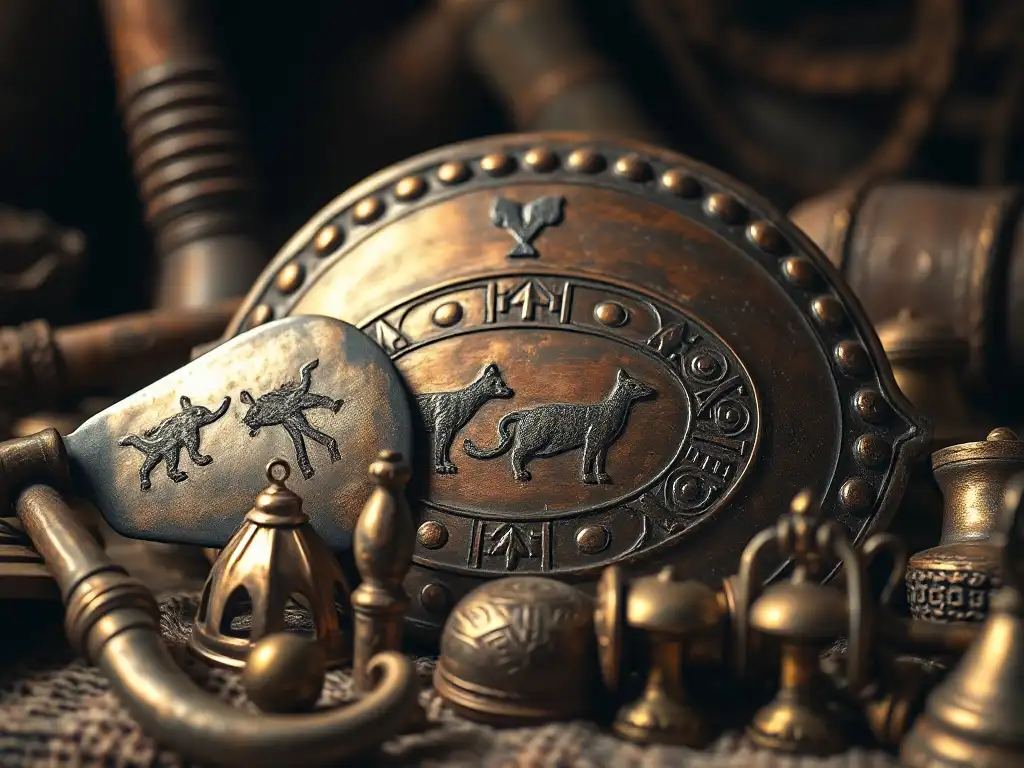
The Moche civilization, flourishing along the northern coast of Peru from approximately 100 CE to 800 CE, demonstrated remarkable skill in metalworking, particularly with copper. While renowned for their gold and silver artistry, their mastery of copper metallurgy deserves equal recognition, contributing significantly to their daily life and ritual practices. Their copperworking techniques, ranging from extraction and smelting to intricate shaping and ornamentation, reveal a sophisticated understanding of metallurgy and a dedication to craftsmanship that continues to fascinate archaeologists today.
The prevalence of copper artifacts in Moche contexts highlights its importance as a material for both utilitarian objects and prestigious ceremonial items. Analyzing Moche copper artifacts provides invaluable insights into their technological capabilities and social structures. The study of "Moche gold silver copper artifacts" reveals much about their society.
Moche Copper Extraction and Smelting Processes
The Moche obtained copper ore from various sources within their territory, likely through mining operations. Evidence suggests both open-pit and underground mining techniques were employed, adapted to the specific geological conditions. The extraction process was labor-intensive, involving the removal of overburden, the breaking of ore-bearing rock, and the transportation of the ore to smelting sites. [Specific details on mining locations and techniques pending further archaeological research].
The smelting of copper ore involved heating the ore in furnaces to high temperatures, causing the copper to melt and separate from impurities. Moche smelters likely used charcoal as fuel, achieving temperatures sufficient to reduce copper oxide to metallic copper. The resulting copper would then be cast into ingots or directly shaped using various techniques.
The construction of Moche furnaces and the efficiency of their smelting processes remain subjects of ongoing investigation, with ongoing analysis of furnace remnants offering potential insights into the temperatures achieved and the metallurgical techniques employed. The refinement of copper, crucial for achieving high-quality metal, was a key aspect of Moche metallurgical expertise.
Copper Alloys Used by the Moche: Copper-Arsenic and Copper-Tin
The Moche weren't limited to using pure copper; they skillfully employed alloys to enhance the properties of the metal. Two significant alloys stand out: copper-arsenic and copper-tin. The addition of arsenic to copper increased its hardness and durability, making it ideal for tools and weapons. Copper-arsenic alloys were commonly used in the production of implements such as chisels, knives, and spear points, reflecting the practical applications of this alloy in everyday life. The percentage of arsenic in these alloys varied, influencing the final properties of the resulting metal.
Copper-tin alloys, or bronzes, were less common in Moche metalworking compared to copper-arsenic alloys. While less prevalent than arsenic-copper alloys, the presence of copper-tin alloys indicates a sophisticated understanding of alloying techniques. These alloys likely provided increased strength and corrosion resistance, although the specific applications of bronze objects in the Moche context require further study. Analysis of the composition of Moche copper artifacts continues to reveal nuances in their metallurgical knowledge and their ability to manipulate the properties of metals to suit their needs.
Moche Copper Artifacts: Tools, Weapons, and Plaques
The range of Moche copper artifacts is impressive, reflecting both practical needs and artistic expression. Tools comprised a significant portion of their copper production, including chisels, adzes, knives, and awls. These tools were essential for various tasks in agriculture, woodworking, and construction, showcasing the integration of copper metallurgy into their daily lives. The quality of craftsmanship evident in these tools highlights the skill and precision of Moche metalworkers.
Weapons, such as spear points and knives, also feature prominently in the Moche copper artifact assemblage. The sharp edges and robust construction of these weapons point to their effectiveness in hunting and warfare. The careful shaping and sometimes elaborate decoration of these weapons suggest their symbolic and ritual significance beyond their purely utilitarian function. Further research is needed to fully understand the role of copper weapons in Moche warfare and social structures.
Beyond tools and weapons, the Moche produced elaborate copper plaques, often adorned with intricate designs. These plaques, sometimes incorporated into other objects or used as decorative elements, demonstrate the aesthetic sensibilities of Moche artisans. The designs on these plaques often feature stylized figures, animals, and geometric patterns, reflecting the broader artistic themes prevalent in Moche art. The creation of these plaques demonstrates the Moche's ability to manipulate copper into complex shapes and decorate them with fine detail. The study of Moche copper plaques contributes significantly to our understanding of their artistic traditions and symbolic language.
The Fusion of Metals: Moche Alloys and Techniques
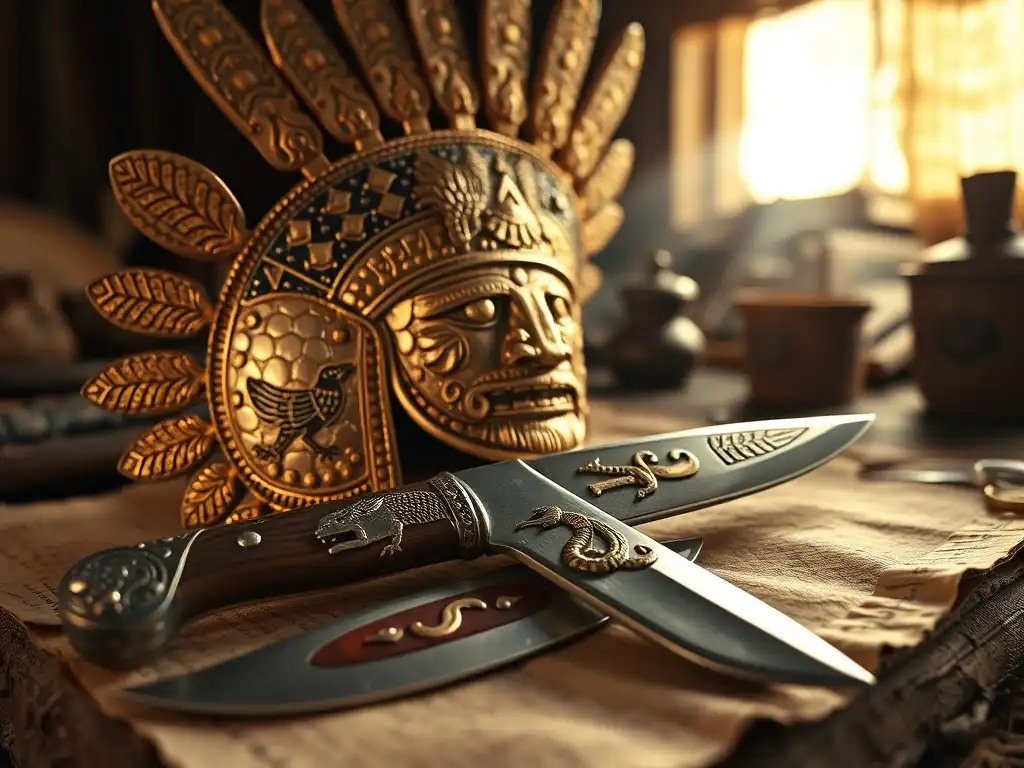
The Moche, renowned for their mastery of metalworking, didn't simply craft objects from single metals like gold, silver, or copper. Their sophisticated understanding of metallurgy allowed them to create stunning artifacts through the fusion of these materials, resulting in alloys with unique properties and aesthetic qualities. This advanced metallurgical knowledge reflects a high level of technological development and underscores the Moche's exceptional artistic skill.
The creation of these alloys was not merely a technical achievement; it was deeply intertwined with their religious beliefs and social structures, influencing the symbolic meaning and value of the resulting artifacts. Analyzing these alloys provides valuable insights into the Moche's economic capabilities, their access to raw materials, and their intricate social hierarchy. The precise methods employed remain partially shrouded in mystery, but ongoing archaeological research continues to shed light on their remarkable techniques.
Moche Techniques for Combining Gold, Silver, and Copper
Moche artisans employed several techniques to combine gold, silver, and copper. One common method involved the creation of tumbaga, a gold-copper alloy, which is discussed in more detail below. However, they also practiced techniques like inlay and overlay, where sheets of different metals were skillfully applied to a base metal to create intricate designs.
Imagine a copper object meticulously decorated with thin sheets of gold, forming detailed patterns of mythical creatures or geometric designs. This required immense precision and a deep understanding of the malleability and workability of each metal. Evidence suggests they also used techniques like casting and hammering to shape and refine their alloys.
The level of detail achieved in some pieces, particularly those found in elite tombs, suggests a highly specialized workforce, with distinct artisans specializing in different aspects of the metalworking process. Furthermore, the preservation of some tools and molds from Moche workshops offers further insight into their methods. These discoveries allow researchers to reconstruct the manufacturing process, gaining a deeper appreciation for the ingenuity and skill involved in Moche metalworking.
Tumbaga and Other Moche Alloys: Gold-Copper Alloys
Tumbaga, a copper-gold alloy, is arguably the most iconic achievement of Moche metallurgy. The proportion of gold and copper varied, resulting in a spectrum of colors ranging from a deep reddish hue to a brilliant golden yellow. This variability allowed Moche artisans to create a wide range of visual effects, enhancing the aesthetic appeal of their artifacts.
The creation of tumbaga involved a complex process, likely involving precise melting and mixing of the metals at controlled temperatures. The resulting alloy was remarkably durable and malleable, making it ideal for creating intricate shapes and delicate details. Beyond tumbaga, evidence suggests the Moche also experimented with other alloys, although their precise composition and manufacturing processes are still under investigation.
The analysis of surviving artifacts using techniques such as X-ray fluorescence spectroscopy continues to reveal the complexity and sophistication of their metallurgical knowledge. The prevalence of tumbaga in Moche artifacts, especially those associated with elite individuals, highlights its cultural significance and economic value within Moche society. The ability to create this alloy likely conferred prestige and power upon those who controlled its production.
The Significance of Alloyed Metalwork in Moche Culture
The Moche's mastery of metal alloying wasn't merely a technical feat; it held profound cultural and religious significance. The creation of alloys like tumbaga likely symbolized the Moche's connection to the supernatural world. The transformation of base metals into precious alloys could be interpreted as a metaphor for the power of their deities to transform the mundane into the extraordinary. Many tumbaga artifacts, such as ceremonial vessels and adornments for elite figures, are found in contexts suggesting ritualistic use.
The use of gold, silver, and copper in specific combinations may also have held symbolic meanings related to different deities or cosmological concepts. Furthermore, the control over metal production and the distribution of finished artifacts likely played a crucial role in reinforcing social hierarchies within Moche society. Access to precious metal objects was often restricted to the elite, highlighting their social status and reinforcing their power.
The study of Moche metalworking, therefore, offers a window into not only their technological prowess but also their complex religious beliefs and social structures. The intricate details and symbolic imagery found on these artifacts continue to captivate and inspire researchers, revealing more about the rich and sophisticated culture of the Moche civilization. Further research into the iconography and contextual finds associated with these artifacts is crucial to fully understand the significance of Moche metalwork within their society.
Moche Metal Artifacts: Analysis and Interpretation
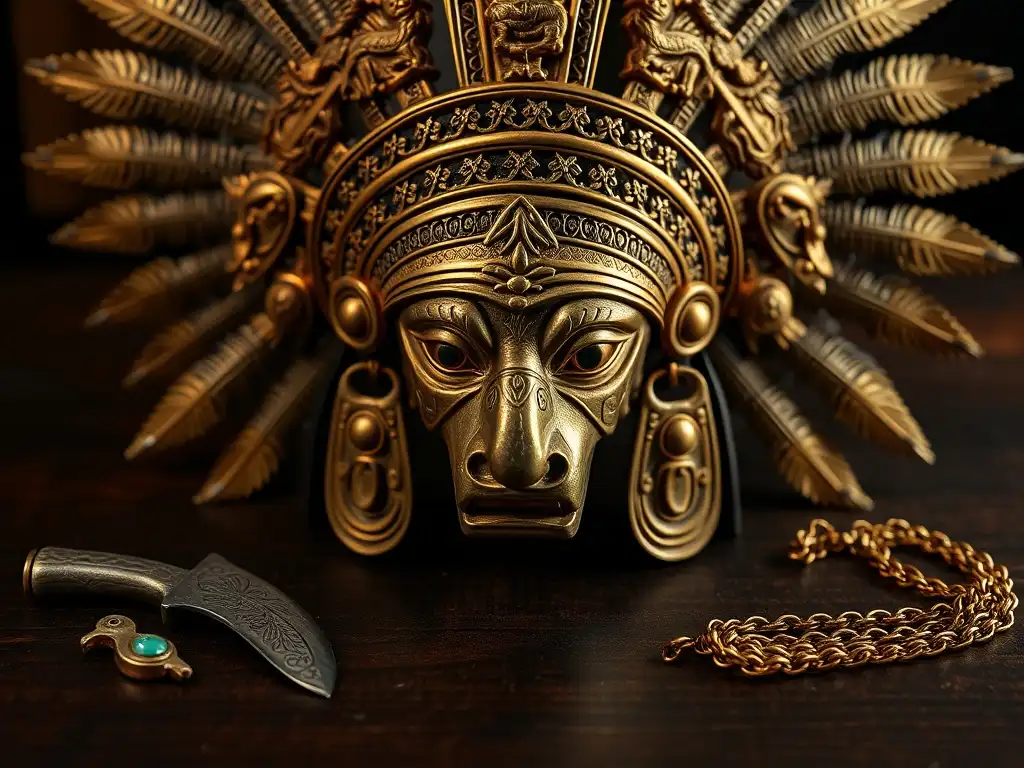
The Moche civilization (circa 100-800 CE) left behind a remarkable legacy of metalwork, showcasing their mastery of gold, silver, and copper. These artifacts, often intricately crafted and richly decorated, offer invaluable insights into their social structure, religious beliefs, and artistic achievements. Analyzing these Moche gold silver copper artifacts reveals a complex society with sophisticated metallurgical techniques and a deep connection to the supernatural.
The sheer variety of forms – from elaborate headdresses and ceremonial vessels to smaller, more personal adornments – highlights the pervasive role of metal in Moche life. The condition of many surviving pieces, despite the passage of centuries, speaks to the skill and durability of their manufacturing processes. Further research into the precise techniques employed, particularly in alloying and plating, is ongoing, promising to further illuminate their metallurgical expertise.
The distribution of these artifacts across different Moche sites also provides clues about regional variations in style and perhaps even social hierarchy. Studying the context of discovery – whether in tombs, ceremonial centers, or everyday settlements – is crucial for a complete understanding of their function and significance.
Iconography on Moche Metalwork: Warriors, Deities, and Animals
Moche metalwork is densely packed with iconography, providing a visual narrative of their world. Representations of warriors, often depicted in dynamic poses with elaborate weaponry, are frequently found. These warriors, possibly elite members of society or even representations of supernatural beings, are often adorned with intricate headdresses and jewelry, further emphasizing their status. The details are astonishing; individual facial features, muscle definition, and even the texture of clothing are meticulously rendered.
Alongside warriors, depictions of deities and mythical creatures abound. These figures, often stylized and symbolic, offer clues to Moche religious beliefs and cosmology. The presence of specific motifs, such as feline deities or supernatural serpents, recurring across various artifacts, suggests a standardized iconographic language, possibly related to specific rituals or beliefs. Animals, both real and fantastical, also play a significant role in Moche iconography.
Birds, felines, and marine life are frequently depicted, reflecting the importance of these creatures in their environment and possibly their mythology. The careful observation of nature evident in these representations highlights the Moche's keen artistic sensibility and understanding of their surroundings. Analysis of these iconographic elements, combined with archaeological context, allows for a richer interpretation of the symbolic meaning embedded within the metalwork.
Moche Metalworking as a Reflection of Ritual and Belief
The elaborate nature of much Moche metalwork strongly suggests its connection to ritual and religious practice. Many artifacts were found within tombs, often accompanying the deceased, indicating their importance in the afterlife. The sheer quantity of gold and silver used, particularly in elite burials, points to the high value placed on these metals and their association with power and prestige.
The intricate detail and craftsmanship involved also suggest that the creation of these objects was a sacred act, performed by skilled artisans who may have held a special status within society. Specific motifs found on the metalwork, such as depictions of deities or ritual scenes, further reinforce this link to religious practices. For example, the frequent presence of ceremonial vessels crafted from gold and silver suggests their use in rituals involving offerings or libations.
The symbolic meaning embedded in these objects—the choice of materials, the specific imagery, and the level of craftsmanship—all contribute to our understanding of Moche religious beliefs and practices. Further research, including analysis of residue found on certain artifacts, could potentially shed more light on the specific rituals in which they were used.
What Moche Metal Art Reveals About their Society
Moche metal art serves as a window into the social structure and technological capabilities of this ancient civilization. The sheer volume and variety of surviving artifacts demonstrate the scale of metalworking production and the existence of specialized craftspeople. The use of precious metals like gold and silver in certain artifacts indicates a hierarchical society with significant wealth disparity. The distribution of different types of metalwork across different sites also suggests regional variations in style and potentially social organization.
The level of craftsmanship evident in the artifacts demonstrates a high degree of skill and technological sophistication. This includes advanced metallurgical techniques like alloying, plating, and casting, which required specialized knowledge and expertise. Detailed analysis of the tools and techniques used in Moche metalworking is crucial to fully understand their technological achievements.
The presence of both mass-produced and highly individualized pieces suggests a sophisticated economy capable of supporting both large-scale production and specialized artistic endeavors. The meticulous detail and artistry displayed in Moche metalwork underscore the cultural and aesthetic values that shaped their society. Further investigation into the social and economic context of Moche metalworking promises to yield even greater insights into this fascinating civilization.
Preservation and Study of Moche Metal Artifacts
The remarkable artistry of Moche metalworkers is evident in the surviving artifacts, but their preservation presents significant challenges. The passage of centuries, exposure to the elements, and looting have all taken their toll. Understanding these challenges is crucial to appreciating the fragility of this cultural heritage and the ongoing efforts to protect it for future generations. The study of Moche gold, silver, and copper artifacts requires a multidisciplinary approach, combining archaeological excavation techniques with advanced scientific analysis.
Challenges in Preserving Moche Metal Objects
Moche metal objects, often crafted from gold, silver, and copper alloys, are susceptible to various forms of degradation. Corrosion is a major threat, particularly in humid climates. Copper alloys, for example, readily react with oxygen and moisture, forming green patinas (copper carbonates) which, while aesthetically pleasing in some cases, can eventually lead to the deterioration of the underlying metal. Similarly, silver can tarnish, forming a layer of silver sulfide that obscures the original surface. Gold, while more resistant, is not immune to degradation, especially when alloyed with other metals.
Furthermore, the effects of looting often exacerbate the problem. Improper excavation techniques can damage delicate objects, while the lack of controlled environmental conditions during storage can accelerate corrosion. Many artifacts have suffered from damage caused by attempts to clean or repair them using unsuitable methods in the past.
Finally, the sheer age of the artifacts contributes to their fragility. Over time, the metallic structure can weaken, making them susceptible to breakage or deformation. This is further complicated by the intricate designs and techniques employed by Moche artisans, which often result in thin, delicate forms. Careful handling and specialized storage conditions are therefore paramount. The ongoing research into conservation strategies for these delicate pieces is a crucial part of safeguarding Moche heritage.
Modern Research on Moche Metalworking Techniques
Modern research employs a range of scientific techniques to analyze Moche metalworking. Techniques such as X-ray fluorescence (XRF) spectroscopy allow researchers to determine the precise composition of the alloys used, revealing insights into the sophistication of Moche metallurgical knowledge. This helps us understand not only the materials used but also the methods of alloying and refining employed.
For example, studies have shown that Moche artisans had a remarkable understanding of the properties of different alloys, tailoring their compositions to specific applications. Some alloys were designed for strength, while others were chosen for their malleability or resistance to corrosion. The use of lost-wax casting, hammering, and soldering is clearly evidenced in the artifacts, but the precise details of these techniques are still being investigated.
Microscopic analysis provides further detail. By examining the microstructure of the metal, scientists can infer the manufacturing processes used. For example, the presence of specific grain structures can suggest particular heating and cooling cycles. Additionally, analysis of surface treatments, such as polishing and gilding, reveals insights into the finishing techniques employed. The combination of these analytical methods offers a detailed picture of Moche metalworking practices, allowing us to appreciate the technical skill and ingenuity of these ancient artisans. This ongoing research is continually revealing new aspects of their mastery of metals.
The Legacy of Moche Metal Craftsmanship
The legacy of Moche metalworking extends far beyond the artifacts themselves. Their mastery of metallurgy represents a significant technological achievement for its time, showcasing a deep understanding of materials science and sophisticated manufacturing techniques. The aesthetic qualities of their work, characterized by intricate designs and masterful craftsmanship, continue to inspire awe and admiration. The use of gold, silver, and copper not only demonstrated technological prowess but also held symbolic and ritualistic significance within Moche society. These objects were likely used in ceremonies, burials, and possibly as symbols of power and status.
The study and preservation of Moche metal artifacts are therefore not merely exercises in historical preservation; they are essential to understanding a complex and sophisticated society. The ongoing research into their techniques and the efforts to conserve these fragile objects ensure that future generations can appreciate the artistry, technology, and cultural significance of Moche gold, silver, and copper artifacts.
The detailed scientific analysis continues to reveal new information, enhancing our understanding of the Moche civilization and its enduring legacy. The enduring fascination with these artifacts underscores the importance of continued research and conservation efforts to protect this invaluable cultural heritage.
Frequently Asked Questions
What materials did the Moche primarily use for their metalwork?
The Moche were master metalworkers, primarily using gold, silver, and copper, sometimes in combination, to create their exquisite artifacts. They also employed alloys to achieve different colors and properties.
What techniques did the Moche use to create their metal artifacts?
Moche metalworkers employed a variety of advanced techniques, including hammering, casting, soldering, and gilding, demonstrating sophisticated metallurgical knowledge. Repoussé was also a frequently used technique.
What kinds of artifacts did the Moche create from gold, silver, and copper?
The Moche produced a wide range of artifacts, including jewelry, ceremonial objects, tools, and weapons, showcasing their artistry and technological prowess. Many items were intricately decorated with figurative motifs.
How did the Moche's metalworking reflect their society and beliefs?
Moche metalwork often depicted religious figures, mythological creatures, and scenes of daily life, offering valuable insights into their belief systems, social structures, and artistic styles. Elite status was often reflected in the use of precious metals.
Where can I see examples of Moche gold, silver, and copper artifacts?
Many museums around the world, including those in Peru and internationally, house impressive collections of Moche metalwork. Online databases and museum websites provide images and information about these remarkable artifacts.
Final Reflection: The Enduring Legacy of Moche Metalworking
The artistry of Moche metalworking continues to resonate today, a testament to the ingenuity and cultural depth of a civilization lost to time. These intricate gold, silver, and copper artifacts aren't merely historical relics; they are powerful expressions of a society's beliefs, social structures, and artistic prowess, offering invaluable insights into a fascinating pre-Columbian culture. Their enduring beauty and technical sophistication challenge our modern understanding of craftsmanship and inspire awe even centuries later.
The impact of Moche metalworking extends far beyond the archaeological record; it continues to shape our understanding of Andean art and its influence on subsequent cultures. The sheer skill involved in creating these pieces, often using techniques still not fully understood, is breathtaking. Their enduring presence in museums and private collections serves as a constant reminder of the rich tapestry of human history. The past is never dead. It's not even past.
– William Faulkner. This quote perfectly encapsulates the ongoing relevance of the Moche and their remarkable achievements in metalworking. Their legacy lives on, not only in the artifacts themselves, but in the ongoing research and appreciation they inspire.
Consider the intricate detail, the masterful control of material, the symbolic power embedded within each piece. You, the reader, are now part of this legacy. Take a moment to reflect on the human ingenuity and dedication required to create such wonders. Let the artistry of the Moche inspire you to appreciate the craftsmanship and cultural significance found in the objects around you, and to seek out the stories they hold. Let their legacy encourage you to explore the rich history of the world and to appreciate the enduring power of human creativity.
Unleash Your Inner Artisan: Dive into Moche Metalworking!
Thank you for exploring the intricate world of Moche metalworking! We hope you gained a deeper appreciation for the artistry and cultural significance of ancient Peruvian gold, silver, and copper craftsmanship. Now, let's translate that inspiration into something beautiful.
Here are some ways to further your journey into Andean artistry:
- Try your hand at metalworking: Experiment with basic jewelry-making techniques, drawing inspiration from Moche designs. You might surprise yourself!
- Connect with local artisans: Visit local art fairs or studios to meet metalworkers, learn about their techniques, and share your enthusiasm for ancient crafts.
- Share your passion: Inspire others by sharing this article on social media. Start a conversation with friends about what crafts inspire them and the connections between ancient and modern artistry.
How could you incorporate craftsmanship into your life, and how might that connect you to ancient cultures?