
Moche Architectural Marvels: Temples, Palaces, and Urban Design

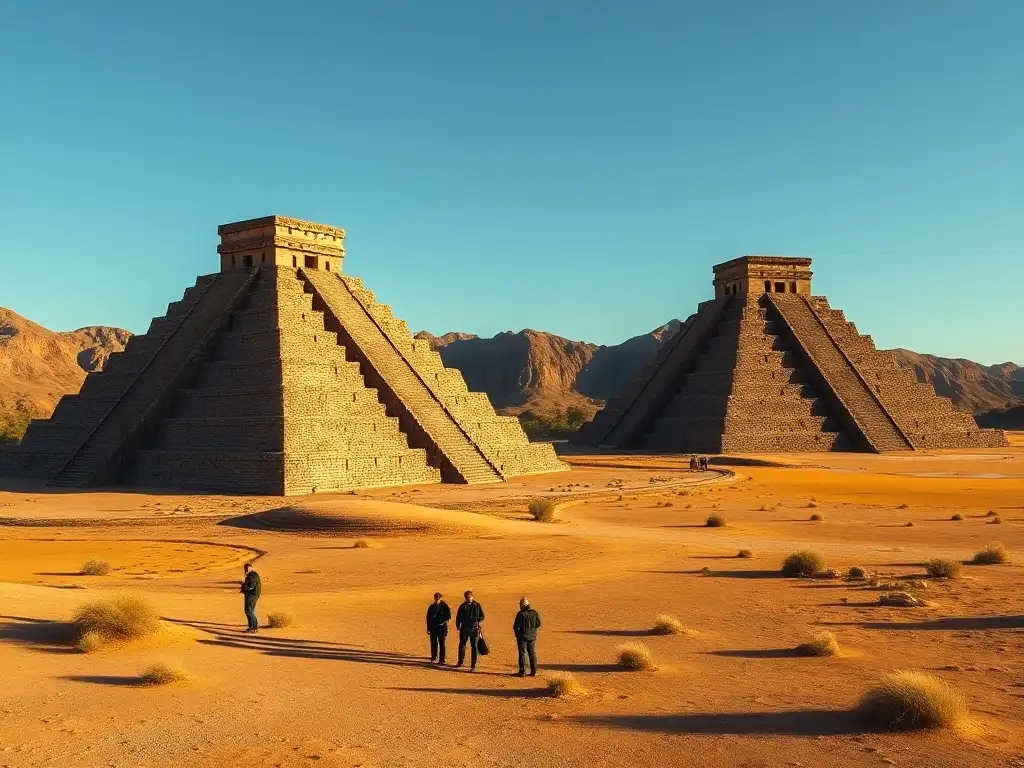
Step into a world lost to time, yet echoing with the ingenuity of a vanished empire. Prepare to be amazed by the Moche Civilization, a society whose architectural prowess continues to astound modern minds. From towering temples to meticulously planned urban centers, the legacy of the Moche lives on in stone. Discover breathtaking Moche architecture examples and unlock the secrets behind their remarkable achievements – a journey through history awaits.
The Moche civilization, flourishing along the northern coast of Peru from approximately 100 CE to 800 CE, left behind a remarkable legacy of architectural achievements. Their sophisticated urban planning, innovative construction techniques, and awe-inspiring structures stand as testaments to their advanced societal organization and artistic sensibilities. This exploration delves into the fascinating world of Moche architecture, examining prominent examples of their temples, palaces, and overall urban design, showcasing the ingenuity and skill that defined this remarkable culture.
Understanding Moche architecture provides crucial insights into their religious beliefs, social hierarchy, and mastery of engineering, offering a glimpse into the daily lives and worldview of this powerful pre-Columbian society. We'll analyze specific Moche architecture examples, revealing the intricate details and the cultural significance embedded within these stunning structures. This analysis will focus on "Moche architecture examples" to help understand the scope and complexity of their architectural prowess.
The Huaca del Sol and Huaca de la Luna: Monumental Temples of Power
The Huaca del Sol and Huaca de la Luna, located near the modern-day city of Trujillo, are arguably the most iconic examples of Moche architecture. These massive adobe structures represent the pinnacle of Moche engineering and architectural skill. The Huaca del Sol, a massive platform mound, is believed to have served as a ceremonial center or a symbol of royal power.
Its sheer size and scale, estimated to have originally been over 40 meters high, speaks volumes about the Moche's ability to mobilize vast resources and manpower. In contrast, the Huaca de la Luna, though smaller, is richly decorated with intricate murals depicting scenes of warfare, rituals, and daily life, providing invaluable insights into Moche society and beliefs. These murals, remarkably well-preserved despite the passage of centuries, showcase the Moche's mastery of color and composition.
The vibrant pigments used and the detail in the depictions offer a unique window into their worldview. The architectural complexity, including the use of ramps, platforms and internal chambers, highlights the sophisticated understanding of construction and design.
Moche Palaces: Centers of Administration and Elite Life
Beyond the monumental temples, the Moche also constructed impressive palaces, which served as centers of administration and residences for the elite. While less dramatically imposing than the Huacas, these structures showcase a different facet of Moche architectural skill—a focus on refined details and intricate ornamentation. Unfortunately, many Moche palaces have suffered significant damage over time, making their complete reconstruction and analysis challenging.
However, archaeological evidence reveals the use of high-quality materials, sophisticated construction techniques, and decorative elements indicative of the wealth and power of the ruling class. The layout and design of these palaces often incorporated courtyards, residential areas, and administrative spaces, reflecting the complex social organization of Moche society. Further research into remaining structures and associated artifacts are vital to fully understanding the scope and purpose of Moche palaces.
Urban Planning and the Moche Cityscape: A Look at Urban Design
The Moche were not simply builders of individual monuments; they were skilled urban planners. Their cities were carefully designed, incorporating residential areas, administrative centers, and ceremonial spaces into a cohesive whole. Archaeological excavations reveal a sophisticated understanding of water management, with irrigation systems and canals integrated into the urban fabric. This attention to infrastructure underscores the Moche's ability to manage resources and support a large population.
The arrangement of structures within Moche cities, often aligned with astronomical features, suggests a deep understanding of cosmology and a sophisticated approach to urban design. Further study is needed to fully appreciate the complexities of Moche urban planning, particularly in terms of social stratification and the spatial distribution of different social groups within their urban centers. The layout and organization of Moche cities represent a remarkable example of pre-Columbian urban design, reflecting a complex and well-organized society.
Construction Techniques: Adobe, Ramps, and Innovation
The Moche's impressive architectural achievements were made possible by their innovative construction techniques. Their primary building material was adobe—sun-dried bricks—which they used to create massive structures. However, the sheer scale of some structures like the Huaca del Sol suggests the use of advanced techniques for transporting and assembling these bricks. The use of ramps and scaffolding allowed them to construct towering structures with remarkable precision.
The intricate details found in many Moche structures, such as the finely carved stonework and the vibrant murals, demonstrate their mastery of various construction techniques and their exceptional artistic talents. Analyzing the construction techniques helps to understand the organizational skills and engineering know-how of the Moche civilization. These techniques, along with their unique artistic expression, are key to appreciating the full scope of Moche architectural marvels.
- The Huaca del Sol and Huaca de la Luna: Monumental Temples of Power
- Moche Palaces: Centers of Administration and Elite Life
- Urban Planning and the Moche Cityscape: A Look at Urban Design
- Construction Techniques: Adobe, Ramps, and Innovation
Introduction to Moche Architectural Achievements
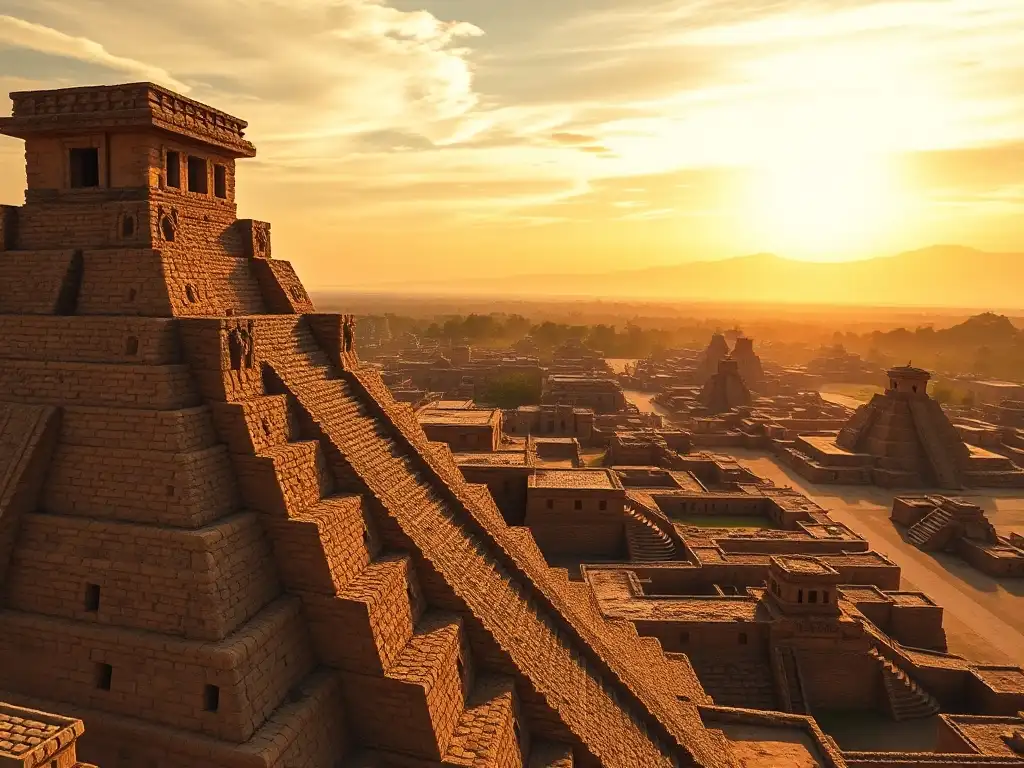
The Moche, a pre-Columbian civilization flourishing along the northern coast of Peru (circa 100-800 CE), left behind a remarkable legacy in architecture. Their structures, far from being mere shelters, were sophisticated expressions of their complex social, religious, and political systems. This section will explore key aspects of Moche architecture, focusing on the impressive examples that showcase their advanced engineering and artistic skills.
Understanding Moche architecture provides crucial insights into their societal organization, religious beliefs, and mastery of their environment. We will delve into specific examples to illustrate the unique characteristics of their building techniques and the symbolic meaning embedded within their designs. This examination of Moche architecture examples will reveal a civilization with an astonishing level of architectural sophistication.
Understanding the Significance of Moche Buildings
Moche architecture wasn't simply a practical endeavor; it was deeply intertwined with their worldview. Structures served multiple functions, often combining residential, ceremonial, and administrative purposes. The scale and complexity of certain buildings suggest a highly organized society with a centralized authority capable of mobilizing significant labor resources for large-scale construction projects.
The choice of materials, construction techniques, and the overall design of buildings all reflect the Moche's understanding of their environment and their relationship with the supernatural. For instance, the use of adobe bricks, a readily available material, demonstrates practicality, while the intricate murals and reliefs found on many structures highlight their artistic prowess and religious beliefs. The careful planning and execution of these projects reveal a sophisticated understanding of engineering principles, including drainage systems and foundations designed to withstand seismic activity.
Analysis of surviving structures suggests a level of standardization in building techniques, implying the existence of skilled architects and builders within the Moche society. Furthermore, the location of buildings – often strategically placed near water sources or on elevated ground for defensive purposes – underscores their practical considerations and planning. The strategic placement also reflects their understanding of the landscape and its importance in their daily lives and religious practices.
The Role of Architecture in Moche Society
Moche architecture played a critical role in structuring their society. Monumental structures, such as the Huaca del Sol and Huaca de la Luna, served as centers of power, religious rituals, and possibly administrative functions. These massive adobe pyramids, adorned with intricate stucco reliefs depicting scenes of warfare, ceremonies, and daily life, provided a visual representation of Moche power and ideology. The size and grandeur of these structures emphasize the importance of religious authority and the control exerted by the ruling elite.
Smaller structures, including residential compounds and burial sites, reveal insights into the social hierarchy and daily life of the Moche people. The variations in the size and complexity of these buildings suggest a stratified society with different levels of access to resources and power. The careful construction and decoration of even modest dwellings highlight the importance placed on craftsmanship and aesthetic appeal across different social strata. Evidence suggests that the construction of these buildings involved significant community participation, furthering the social cohesion and identity of the Moche people.
The intricate murals and detailed carvings found on many structures represent a significant visual record of their beliefs, customs, and social organization. By studying these architectural features, we can better understand the complexities of Moche society and the role of architecture in maintaining social order and expressing cultural identity. The integration of religious imagery and symbolic motifs in their architecture reinforces the close relationship between religion and the state in Moche society.
Moche Temples: Centers of Power and Religion
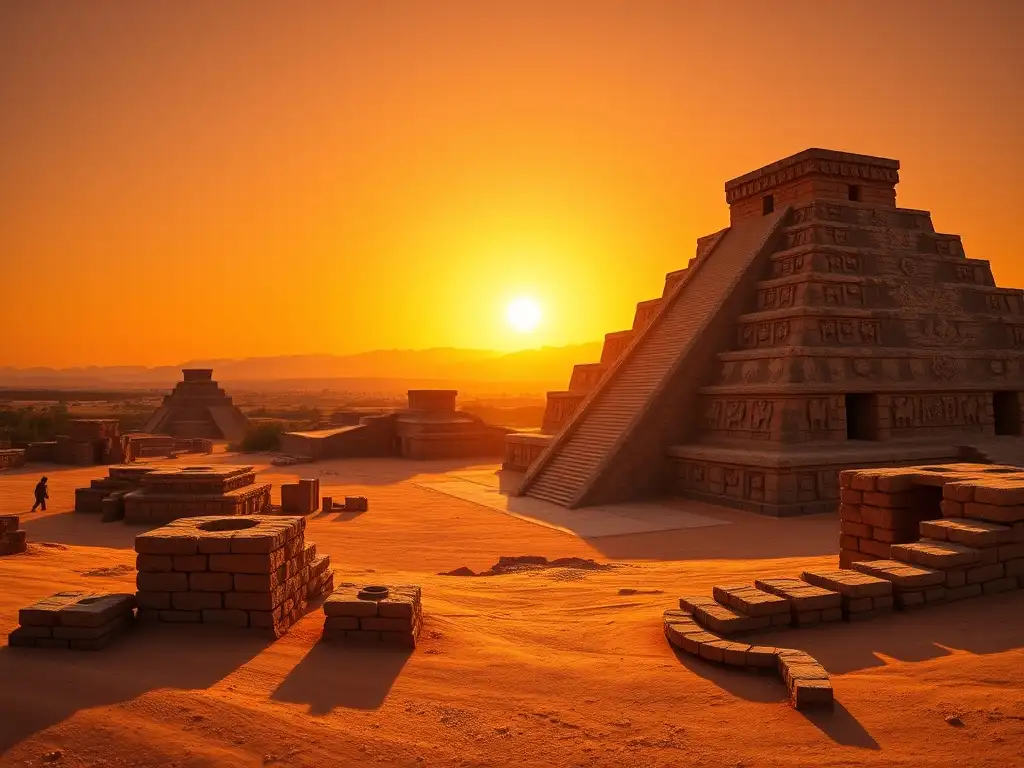
Moche architecture, a testament to their advanced engineering and sophisticated societal structure, is best exemplified by their impressive temples. These weren't merely places of worship; they served as crucial centers of power, religious ritual, and social control. The scale and complexity of these structures reflect the Moche's centralized political organization and their deep-seated reverence for their deities.
The construction techniques, utilizing adobe bricks and intricate designs, showcase a mastery of engineering that allowed them to create monumental structures capable of withstanding centuries of environmental wear and tear. Analyzing Moche temple architecture provides invaluable insights into their religious beliefs, social hierarchy, and technological capabilities, significantly contributing to our understanding of this fascinating civilization.
Understanding the Moche's architectural achievements is key to unlocking a deeper comprehension of their societal organization and worldview. The sheer scale of some of their projects, like the Huaca del Sol and the Huaca de la Luna, speaks volumes about their ability to mobilize resources and labor, indicative of a sophisticated and well-organized society.
Huacas: Sacred Moche Structures
The term "huaca" encompasses a broad range of sacred structures within Moche architecture. These weren't simply buildings; they were imbued with spiritual significance, often serving as focal points for religious ceremonies and rituals. Many huacas were monumental in scale, showcasing the Moche's ability to undertake large-scale construction projects.
Their design often incorporated intricate reliefs, murals, and sculptures, depicting scenes of religious importance, warfare, and daily life. The materials used, primarily adobe bricks, were carefully chosen and expertly crafted. The precise arrangement of these bricks, often forming elaborate patterns, further underscores the meticulous nature of Moche construction practices.
Studying the various huacas reveals a diversity of architectural styles and purposes within Moche society. Some were clearly dedicated to religious ceremonies, while others may have served as tombs for elite members of society or as centers for administrative functions. The complexity and variability found within the huaca typology highlights the sophistication of Moche religious and political systems.
The Huaca del Sol: A Monumental Moche Temple
The Huaca del Sol, meaning "Temple of the Sun," stands as a colossal testament to Moche architectural prowess. This massive adobe pyramid, one of the largest in the Americas, is believed to have been a major religious and administrative center. Its sheer size, estimated to have originally contained millions of adobe bricks, highlights the Moche's exceptional organizational skills and their capacity to mobilize vast quantities of labor.
While significantly damaged over time, archaeological excavations have revealed evidence of elaborate internal structures, suggesting a complex layout designed for specific ritualistic purposes. The scale of the Huaca del Sol, compared to other Moche structures, suggests it may have held a particularly significant role in their religious or political system, potentially serving as a symbol of the Moche ruler's power and divine authority.
Further research is needed to fully understand the Huaca del Sol's function and its role within the broader context of Moche society. The ongoing investigation of this monumental structure continues to yield new insights into Moche architecture and culture.
The Huaca de la Luna: Religious Center and Elite Residence
In contrast to the massive Huaca del Sol, the Huaca de la Luna, or "Temple of the Moon," exhibits a more intricate and decorated facade. This structure, although smaller than the Huaca del Sol, is renowned for its stunning murals and reliefs, which provide invaluable insights into Moche mythology, warfare, and daily life. Archaeological evidence suggests that the Huaca de la Luna served not only as a religious center but also as a residence for elite members of Moche society.
The discovery of richly decorated rooms and elaborate burial chambers indicates a close connection between religious authority and political power within the Moche state. The intricate murals depicting scenes of sacrifice, warfare, and elaborate ceremonies provide a unique visual record of Moche culture and beliefs. The combination of religious and residential functions within the Huaca de la Luna underscores the intertwined nature of religious and secular life in Moche society.
The preservation and study of the Huaca de la Luna’s murals are crucial for understanding the complexities of Moche iconography and its significance within their cultural context. Detailed analysis of these murals, combined with other archaeological findings, continues to deepen our understanding of Moche religious practices and social structures.
Architectural Features of Moche Temples: Pyramids and Platforms
Moche temples, powerful symbols of religious and political authority, weren't just simple structures; they were complex architectural feats reflecting sophisticated engineering and design principles. The most striking features are undoubtedly the massive pyramids and platforms that dominated the landscape. These weren't haphazard piles of earth and stone; rather, they were meticulously planned and constructed using advanced techniques for their time.
The scale of these structures is impressive, reflecting the significant labor investment and centralized power necessary for their construction. We know, for example, that the Huaca del Sol, one of the most prominent Moche structures, is a massive adobe pyramid, its sheer size testament to the Moche's organizational capabilities and engineering prowess. Its construction involved the precise placement of millions of sun-dried bricks, a testament to their mastery of adobe construction techniques.
The platforms, often integrated with the pyramids, served multiple purposes. Some acted as bases for temples or residential structures for elite members of society, while others appear to have been used for ceremonial purposes, potentially hosting public rituals or sacrifices. The precise function of certain platforms remains a subject of ongoing research and debate among archaeologists, highlighting the complexity of interpreting these ancient sites.
However, the sheer size and strategic placement of these platforms within the wider urban landscape strongly suggest their significance in the social and religious life of the Moche people. Their construction demonstrates a remarkable understanding of load-bearing capacity and structural integrity, ensuring the stability of these massive structures over centuries.
The precision with which these platforms were built, often incorporating intricate details and decorative elements, points to a highly skilled workforce and a deep understanding of architectural principles. Furthermore, the location of these platforms, often commanding panoramic views, suggests a conscious effort to integrate the temples into the surrounding environment and to reinforce their symbolic power.
The construction materials themselves also reveal much about Moche architectural ingenuity. While adobe bricks were prevalent, the use of other materials, such as stone and wood (where available), indicates adaptability and resourcefulness. The careful selection and preparation of these materials, along with the sophisticated techniques used in their assembly, all contribute to the impressive longevity and structural integrity of these Moche temples, even after centuries of exposure to the elements.
The integration of these varied materials demonstrates a nuanced understanding of material properties and their best applications in different parts of the structure, a testament to their advanced building techniques. The surviving remnants offer a fascinating glimpse into the materials and methods employed by the Moche, allowing researchers to piece together a more complete picture of their architectural practices.
Moche Palaces: Elite Residences and Administrative Centers
Moche palaces, unlike the monumental temples dedicated to religious practices, served as both elite residences and administrative centers. They represent a fascinating blend of residential comfort and political power, reflecting the sophisticated social organization of the Moche state. Understanding Moche palace architecture offers crucial insights into the lives of the ruling class and the mechanisms of governance within this advanced civilization.
Analyzing their construction, layout, and decorative elements reveals much about the Moche worldview and their capacity for large-scale, complex projects. The sheer scale of some of these structures underscores the significant resources and labor dedicated to their construction, highlighting the power and influence of the Moche elite. This section will delve into the key characteristics of Moche palaces, focusing on their identification, design, and the social implications of their architecture.
Identifying Moche Palatial Structures
Identifying Moche palatial structures can be challenging, as they don't always conform to a single, easily recognizable architectural typology. Unlike the more readily identifiable pyramidal temples, palaces often exhibit a more dispersed and less formally structured layout. However, several key features help archaeologists distinguish them:
- Location: Palaces are typically situated within larger urban centers, often in proximity to temples and other significant public buildings, suggesting a close relationship between religious and secular power. Proximity to irrigation canals and fertile land was also a significant factor.
- Size and Complexity: Moche palaces are generally larger and more complex than typical residential structures. They often comprise multiple interconnected buildings and courtyards, indicating a substantial investment of resources and labor.
- Construction Materials: While adobe was the primary building material, palaces often incorporated higher-quality materials and more elaborate decorative elements than common dwellings, such as finely painted stucco, intricate carvings, and the use of rarer stones.
- Architectural Features: Features like elevated platforms, large courtyards, and specialized rooms (potentially for storage, workshops, or ceremonial activities) are indicative of palatial architecture. The presence of internal drainage systems and sophisticated water management techniques also points towards a more elaborate and well-planned structure.
The Design and Layout of Moche Palaces
The design and layout of Moche palaces varied considerably depending on factors such as location, available resources, and the specific needs of the ruling elite. However, several common features emerge:
- Central Courtyard: Many Moche palaces centered around a large, open courtyard, often serving as a focal point for social and ceremonial activities. This space provided a central area for gatherings and potentially housed important ritual objects.
- Modular Construction: The palaces often employed a modular construction technique, with individual rooms or building units arranged around the courtyard or along a central axis. This design facilitated expansion and adaptation over time.
- Specialized Rooms: Evidence suggests the presence of specialized rooms within Moche palaces, possibly dedicated to specific functions, such as storage, workshops, or private quarters for the elite. The exact purpose of many rooms remains a subject of ongoing research.
- Defensive Features: Some larger palaces incorporated defensive features, such as high walls or strategically placed towers, indicating concerns about security and the potential for conflict. This suggests that palaces were not simply residential spaces, but also served as centers of power and control.
Moche palace architecture provides compelling evidence of the stratified social structure of Moche society. The quality of construction, the size and complexity of buildings, and the use of decorative elements clearly distinguish the elite residences from common dwellings.
- Materials and Decoration: The use of high-quality materials, such as finely painted stucco and intricate carvings, in palace construction stands in stark contrast to the simpler construction of common houses. This demonstrates the privilege and access to resources enjoyed by the ruling class.
- Spatial Organization: The layout of Moche palaces, with their large courtyards and specialized rooms, reflects the hierarchical organization of Moche society. Certain areas were clearly reserved for the elite, while others were likely used by servants or other members of the lower classes.
- Burial Practices: The discovery of elite burials within or near Moche palaces further underscores the association of these structures with the ruling class. The elaborate grave goods found in these burials reinforce the notion of significant social and economic inequality. Analysis of these burials, combined with architectural evidence, paints a clearer picture of the power dynamics within Moche society. The sheer opulence of these burials, in comparison to those found in other contexts, emphasizes the extreme social stratification present in Moche culture. Further research into the relationship between palace layout and burial sites is needed to fully comprehend this intricate social structure.
Moche Urban Design: Planning and Organization
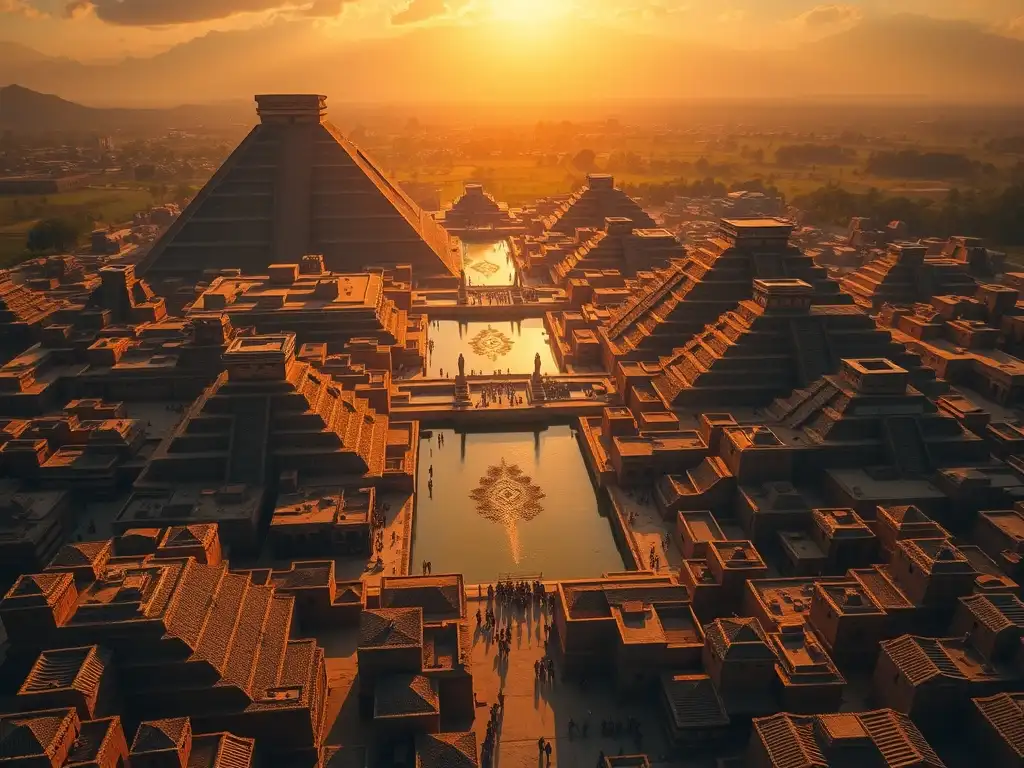
The Moche, renowned for their sophisticated artistry and agricultural prowess, also displayed remarkable urban planning skills. Unlike some contemporary cultures, Moche urban centers weren't haphazardly built. Instead, they reveal a conscious effort towards organized spatial arrangements, reflecting a complex social hierarchy and a deep understanding of their environment. Evidence suggests a strong central authority overseeing the construction and maintenance of these urban landscapes.
This centralized control is reflected in the consistent use of standardized building materials and techniques across various sites. The strategic placement of buildings, particularly religious structures like pyramids and temples, further highlights the deliberate nature of their urban design. Analyzing the layout of Moche cities offers valuable insights into their societal structure and power dynamics. The distribution of residential areas, public spaces, and ceremonial centers reflects a stratified society with distinct social classes.
Moche City Centers: Layout and Function
Moche city centers were not simply haphazard collections of buildings; they were carefully planned and organized spaces that served multiple functions. The layout often centered around a main plaza or several interconnected plazas, which served as focal points for religious ceremonies, political gatherings, and daily social interactions. These plazas were typically surrounded by monumental structures, such as pyramids and platform mounds, which likely held religious or administrative significance.
Smaller residential compounds clustered around the central plazas, indicating a strong sense of community and social cohesion. The positioning of these compounds may have reflected social status, with those closer to the center holding higher positions in society. For example, in the city of [Specific Moche city name pending], [specific details about the layout and function of the city center pending].
Further research is needed to fully understand the intricate relationships between different areas within Moche city centers, and how these relationships changed over time. The size and complexity of these urban centers varied depending on the region and the size of the population, reflecting the dynamic nature of Moche society.
The Use of Adobe in Moche Construction
Adobe, a mixture of sun-dried mud bricks and other organic materials, formed the backbone of Moche architecture. The widespread use of adobe bricks speaks to both the readily available resources and the Moche's mastery of construction techniques. The process involved carefully preparing the mud, mixing it with organic materials such as straw or dung for strength and stability, and then shaping the mixture into standardized bricks.
These bricks were then left to dry in the sun, a process requiring careful attention to weather conditions to ensure the bricks did not crack or crumble. The Moche's skillful use of adobe allowed them to create structures ranging from modest dwellings to imposing pyramids. The durability of adobe structures, even after centuries of exposure to the elements, testifies to the quality of their construction methods.
However, adobe's susceptibility to damage from water and earthquakes necessitated ongoing maintenance and repair, adding another layer to the complexity of Moche urban management. The size and quality of the adobe bricks varied depending on their intended use, with larger, more carefully crafted bricks used for monumental structures.
Moche Water Management Systems: Canals and Reservoirs
The Moche civilization's success was inextricably linked to its sophisticated water management systems. Their arid coastal environment necessitated innovative solutions to ensure a reliable supply of water for agriculture and domestic use. The Moche constructed extensive networks of canals and reservoirs to channel water from rivers and streams to agricultural fields and urban centers.
These sophisticated hydraulic systems were crucial for supporting their large population and intensive agricultural practices. The construction of these systems required a high degree of engineering skill and coordination, demonstrating the Moche's advanced understanding of hydrology and engineering principles. Examples of such systems include [Specific examples of Moche canals and reservoirs pending with details on their size, construction, and function].
These impressive feats of engineering not only facilitated agriculture but also played a vital role in shaping the layout and organization of Moche cities, influencing the location of settlements and the distribution of resources. The maintenance of these systems was a continuous process, requiring regular inspection, repair, and expansion to meet the evolving needs of the growing population. The Moche’s ingenuity in managing water resources is a testament to their adaptive capacity and organizational skills, crucial aspects of their architectural achievements.
Examples of Moche Urban Planning: Cerro Blanco
Cerro Blanco, located near the modern-day city of Trujillo, Peru, offers a fascinating glimpse into Moche urban planning. While not a city in the same scale as some other Moche settlements, Cerro Blanco showcases a sophisticated understanding of utilizing natural features for strategic urban development. The site's location on a hilltop provided inherent defensive advantages, a common characteristic of Moche settlements. Archaeological evidence suggests a planned layout, with residential areas likely organized around central plazas or ceremonial spaces.
The presence of irrigation channels indicates a carefully managed water system, crucial for supporting the population and agriculture in the arid coastal region. Unlike the more monumental structures found in other Moche sites, Cerro Blanco's architecture seems more focused on practical residential needs, revealing a more quotidian aspect of Moche urban life. The modest size of the structures, compared to the grand temples, suggests a hierarchical social structure where resources were allocated differently across various population segments. Analyzing the construction techniques at Cerro Blanco also provides insights into Moche building practices, revealing a preference for adobe bricks and rammed earth techniques, common throughout the Moche heartland.
Further research is needed to fully understand the social dynamics and organizational principles behind Cerro Blanco's layout, but its careful placement and water management systems clearly indicate a degree of advanced urban planning for its time. The site's relatively smaller scale compared to other Moche centers offers a valuable counterpoint to the larger, more elaborate ceremonial complexes, providing a more nuanced understanding of Moche urban diversity. The ongoing excavations at Cerro Blanco promise to further illuminate the complexity of Moche urban development and the variability of their settlement patterns across different geographical contexts. Careful study of Cerro Blanco’s layout is essential to refine our understanding of Moche architecture examples and their broader urban strategies.
Moche Building Techniques and Materials
The Moche, renowned for their sophisticated artistry and complex social structures, also displayed remarkable skill in architecture. Their impressive structures, ranging from grand temples to sprawling urban centers, stand as testaments to their advanced building techniques and resourcefulness. Understanding the materials and methods employed by the Moche is crucial to appreciating the ingenuity and scale of their architectural achievements.
This section will delve into the specifics of Moche construction, focusing on the prevalent use of adobe bricks and the impressive organizational feats required for such large-scale projects. Analyzing Moche architecture examples reveals a civilization adept at manipulating its environment to create enduring monuments.
The Use of Adobe Bricks in Moche Architecture
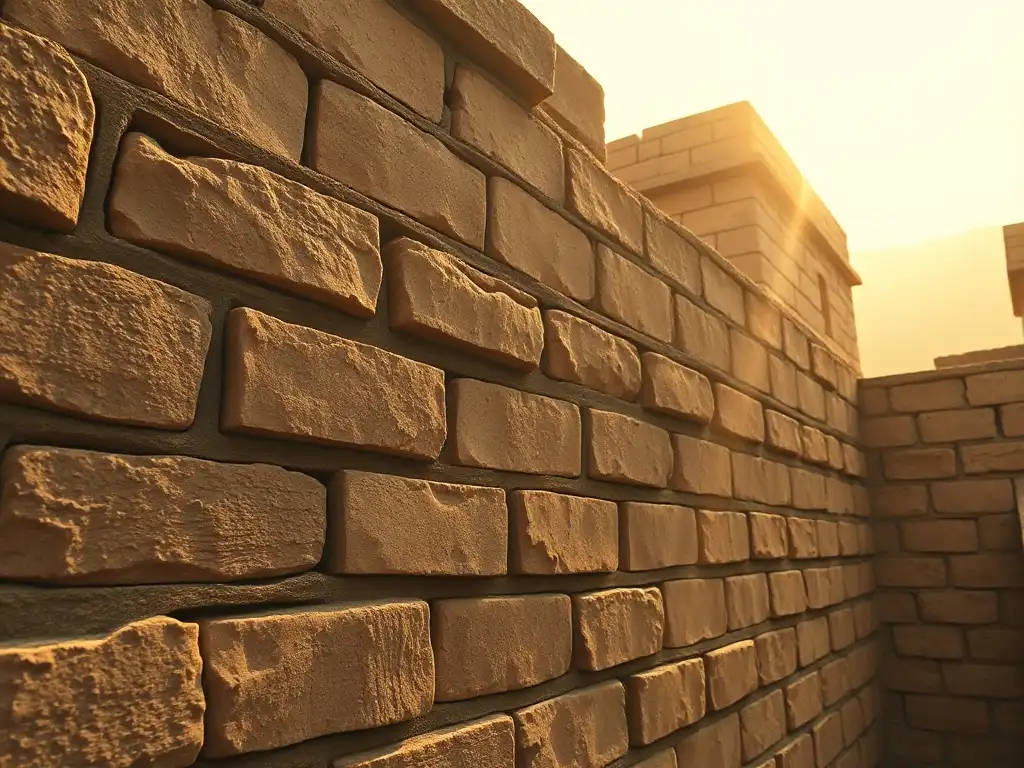
Adobe, a mixture of sun-dried mud and organic materials like straw or dung, formed the backbone of Moche architecture. The widespread use of adobe reflects the abundance of readily available materials in the arid coastal valleys of northern Peru. The process involved meticulous preparation: carefully selecting the soil, mixing it with the binding agents, and shaping the bricks into standardized sizes. This standardization, evident in many excavated Moche sites, points to a sophisticated level of planning and organization within the construction process.
The quality of Moche adobe bricks varied, with some examples showing a higher concentration of organic matter, resulting in greater durability. This variation likely reflects differences in soil quality and construction practices across different regions and time periods. Furthermore, the use of adobe wasn't simply a matter of practicality; the bricks themselves could be decorated, adding a layer of artistic expression to the structures themselves.
Evidence suggests that some bricks were intricately molded or painted before being incorporated into walls, demonstrating the Moche's ability to seamlessly integrate artistic techniques into their building practices. Analyzing these decorated bricks provides valuable insights into Moche aesthetics and artistic sensibilities, extending beyond the realm of ceramics and metalwork. The longevity of many Moche adobe structures, despite the challenges posed by seismic activity and environmental degradation, is a compelling testament to the effectiveness of their building techniques.
Construction Methods and Labor Organization
The construction of Moche structures, particularly the monumental temples and palaces, required substantial manpower and intricate organization. While the exact nature of labor organization remains partially debated, archaeological evidence suggests a hierarchical system. The scale of the projects implies a level of centralized planning and direction, likely overseen by specialized architects and engineers. Furthermore, the precision of the brickwork and the consistent dimensions of the adobe bricks indicate a degree of standardization and skilled labor.
It’s highly probable that specialized work crews were responsible for different aspects of construction, ranging from brick making and transportation to the actual laying of bricks and the creation of intricate decorative elements. The involvement of different social strata in the construction process is a topic of ongoing research, but it is clear that the construction of these monumental structures was a significant undertaking requiring the coordinated efforts of many individuals. The sheer volume of materials needed – vast quantities of adobe bricks, timber, and other resources – speaks to the immense logistical challenges overcome by the Moche.
Perhaps the use of ramps and scaffolding, although yet to be definitively proven through archaeological finds, allowed for the efficient construction of multi-story structures. The organization of such labor, including the provision of food and shelter for the workforce, would have been a complex logistical feat, reflecting advanced societal organization and planning. Further research is needed to fully understand the intricacies of Moche labor organization, but available evidence strongly suggests a well-structured and highly efficient system.
Moche Engineering and Architectural Innovations
Beyond the impressive scale of their construction projects, the Moche also demonstrated innovation in their architectural designs and engineering solutions. For example, the integration of drainage systems within some structures showcases an understanding of hydraulic engineering. These systems, often built into the foundations of buildings, prevented water damage and maintained a dry interior environment, particularly important in the arid coastal climate. The precise placement of doorways and windows, often oriented to capture prevailing breezes, further highlights the Moche's practical understanding of environmental factors.
Furthermore, the use of platforms and raised structures, common in Moche architecture, not only served practical purposes but also likely held symbolic significance, elevating certain buildings to positions of prominence within the urban landscape. The construction of these raised platforms required sophisticated earthworks and careful planning, showcasing the Moche's ability to manipulate the terrain to create imposing and visually striking structures. The development of techniques to mitigate seismic risks, though difficult to fully document, is also a potential area of innovation.
The longevity of some Moche structures despite the region’s seismic activity suggests a degree of understanding of earthquake-resistant construction techniques, though the precise methods remain a topic requiring further investigation. The Moche's architectural achievements, therefore, represent not just impressive feats of engineering but also a testament to their deep understanding of their environment and their ability to adapt their building techniques to the specific challenges of their landscape. This innovative approach is a key element in understanding the lasting impact of Moche architecture examples.
Moche Architecture Examples: A Closer Look
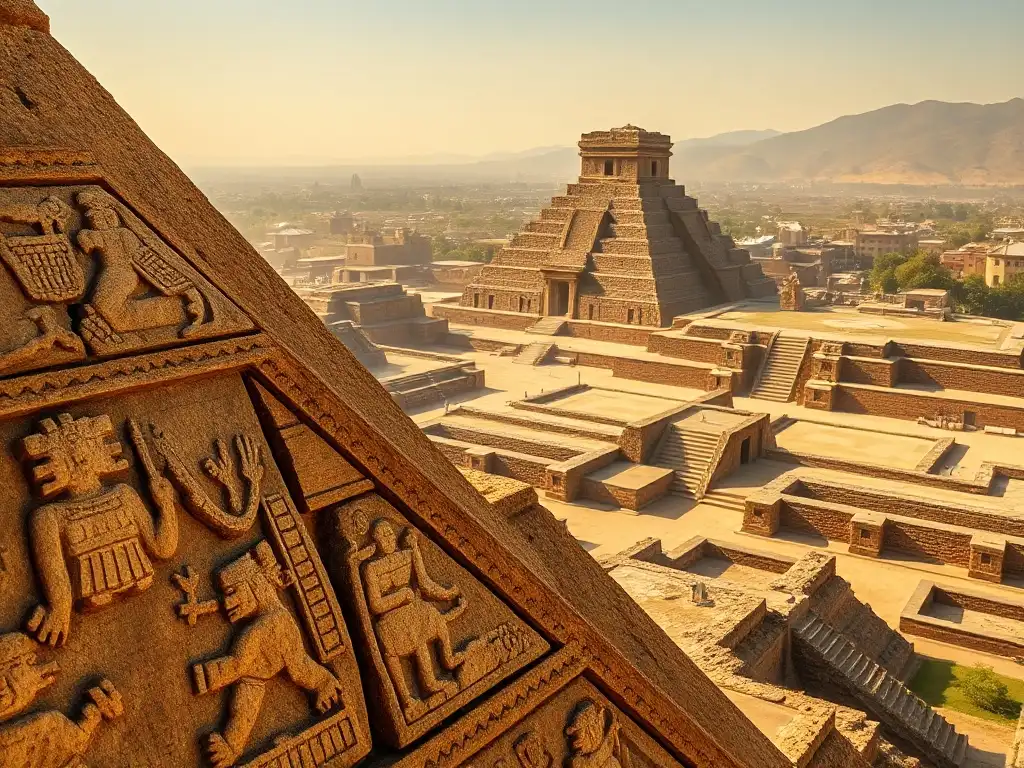
This section delves into specific examples of Moche architecture, showcasing the ingenuity and artistry of this remarkable civilization. We'll explore the diverse styles and techniques employed, highlighting the sophistication of their urban planning and construction methods. Understanding these examples provides crucial insights into the Moche worldview, social structure, and technological capabilities. The impressive scale and intricate details of their structures continue to amaze archaeologists and historians alike, offering a glimpse into a vibrant and complex society.
Detailed Analysis of Huaca Cao Viejo
Huaca Cao Viejo, a significant Moche architectural site, stands as a testament to the civilization's advanced building techniques and symbolic representations. This adobe pyramid, located in the Chicama Valley of Peru, is not merely a monumental structure; it's a complex layered site revealing much about Moche religious beliefs and social hierarchy. Archaeological excavations have unearthed richly decorated chambers, revealing intricate murals depicting scenes of ritual sacrifice, warfare, and daily life.
The use of adobe bricks, meticulously crafted and arranged, demonstrates a high level of architectural skill. The size and complexity of the site suggest a considerable investment of labor and resources, indicating the importance of this location within the Moche social and religious framework. The discovery of the tomb of the Lady Cao, a high-ranking Moche priestess, further emphasizes the significance of Huaca Cao Viejo as a center of power and ritual.
Analysis of the architecture, alongside the artifacts found within, reveals a sophisticated understanding of engineering, artistry, and symbolic representation, all key components of Moche architecture examples. The precise arrangement of the buildings, the intricate murals, and the elaborate burial chambers all contribute to a deeper understanding of Moche culture and beliefs.
Comparative Study of Different Moche Architectural Styles
Moche architecture wasn't monolithic; it exhibited regional variations and stylistic changes over time. While adobe brick construction was prevalent, the specific forms and embellishments varied across different sites. For instance, some structures featured stepped pyramids, reminiscent of other Andean cultures, but with distinct Moche decorative elements. Others incorporated platforms, plazas, and residential areas, suggesting a complex urban layout.
Furthermore, the level of ornamentation differed significantly. Some structures were adorned with intricate stucco reliefs and painted murals, while others were more austere. This diversity reflects the complexity of the Moche social structure and the varying functions of different buildings. A comparison of Huaca del Sol and Huaca de la Luna, for example, reveals different architectural styles and purposes.
Huaca del Sol, a massive platform mound, likely served as a ceremonial center, while Huaca de la Luna, with its elaborate murals and smaller structures, might have been a more residential or administrative complex. The variation in Moche architecture examples underscores the dynamic nature of the civilization and the adaptability of its building techniques to diverse contexts and needs. Further research is needed to fully understand the regional variations and the factors influencing these stylistic differences. [Specific information pending on detailed comparative analysis of different Moche architectural styles across various valleys]
The Legacy of Moche Architecture in Andean History
The influence of Moche architectural techniques and styles is clearly visible in subsequent Andean civilizations. The mastery of adobe brick construction, the use of stepped pyramids, and the emphasis on monumental architecture all served as a foundation for later cultures, including the Chimú and Inca. The sophisticated understanding of urban planning and water management, evident in Moche cities, also profoundly impacted later Andean societies.
The Moche's innovative use of materials and construction methods, particularly their ability to create large-scale structures using readily available resources, represents a significant contribution to Andean architectural history. The stylistic elements, such as the use of stepped platforms and the incorporation of decorative motifs, can be traced through centuries of Andean building traditions. Their legacy is not simply limited to architectural forms; it extends to the very principles of urban planning and the symbolic significance of monumental structures.
Understanding the Moche's architectural achievements provides a crucial foundation for appreciating the broader trajectory of Andean architectural development. The enduring impact of Moche architecture examples on subsequent cultures highlights their significant contribution to the rich tapestry of Andean civilization. The careful study of Moche architecture offers invaluable insights into the continuity and evolution of building traditions across the Andean region.
Conclusion: The Enduring Impact of Moche Architecture
The Moche civilization, despite its relatively short lifespan, left behind a remarkable architectural legacy. Their innovative techniques, sophisticated urban planning, and striking aesthetic sensibilities continue to fascinate and inspire researchers and the public alike. Understanding Moche architecture provides invaluable insights into their societal structures, religious beliefs, and technological capabilities.
The ingenuity displayed in their construction methods, especially considering the available resources and tools, stands as a testament to their advanced civilization. From the monumental adobe structures of the Huaca del Sol and Huaca de la Luna to the intricate details found in smaller residential buildings, the Moche left an indelible mark on the landscape and our understanding of ancient Andean cultures. Their architectural achievements serve as a powerful reminder of the complexity and richness of pre-Columbian societies.
The legacy of Moche architecture extends beyond its physical presence; it informs our appreciation for the artistic and engineering prowess of this remarkable civilization and encourages continued exploration and preservation of these invaluable historical sites. Further research into Moche architecture promises to unveil even more secrets about this fascinating culture.
The Importance of Studying Moche Architectural Remains
Studying Moche architectural remains is crucial for several reasons. Firstly, these structures offer unparalleled insights into the Moche worldview and societal organization. The scale and complexity of sites like the Huaca del Sol and Huaca de la Luna reflect the Moche's centralized power structure and their ability to mobilize significant labor forces for large-scale construction projects. The meticulous craftsmanship evident in the intricate friezes and murals provides valuable information about their religious beliefs, artistic styles, and daily life.
Analysis of building materials and construction techniques reveals their technological advancements and resource management strategies. Secondly, the study of Moche architecture contributes significantly to our understanding of ancient Andean urban planning. The layout of Moche settlements, the positioning of key structures, and the integration of infrastructure systems like irrigation canals provide valuable data on urban design principles and societal organization in the pre-Columbian Andes.
Finally, preservation and study of Moche architecture are essential for safeguarding cultural heritage and promoting public awareness of this remarkable civilization. Continued research and conservation efforts are vital to ensuring that future generations can appreciate and learn from the achievements of the Moche people. Detailed analysis of surviving structures, combined with advanced technologies like LiDAR and GIS, can further enhance our understanding of Moche urban landscapes and architectural techniques.
Moche Architecture as a Reflection of Moche Society and Culture
Moche architecture serves as a powerful mirror reflecting the societal structure and cultural values of the civilization. The monumental scale of certain structures, like the Huaca del Sol and Huaca de la Luna, points to a highly centralized and stratified society with a powerful elite capable of commanding vast resources and labor. The elaborate murals and decorative elements found on these structures provide glimpses into Moche religious beliefs, mythology, and social hierarchies.
For example, depictions of warfare, rituals, and ceremonies offer insights into their worldview and social practices. The presence of residential structures within the larger complex suggests a close relationship between the elite and the general population, possibly indicating a system of reciprocal obligations and social control. Furthermore, the sophisticated irrigation systems and agricultural techniques evident in Moche settlements underscore the importance of agriculture to their economy and social stability.
The careful planning and execution of these systems demonstrate a high level of organizational capacity and engineering expertise, reflecting a society capable of collective action and sustained development. The diversity in architectural styles observed across different Moche sites suggests regional variations in cultural practices and possibly even political organization. Careful examination of these variations can shed light on the dynamics of power and interaction within the Moche world.
Preservation Efforts and Future Research
Preservation of Moche architectural marvels requires a multi-faceted approach. Ongoing efforts by archaeologists and conservationists are crucial in protecting these sites from the ravages of time, natural disasters, and human activity. This includes meticulous documentation, stabilization of crumbling structures, and implementation of protective measures against erosion and looting. Furthermore, public education and awareness campaigns are essential to foster a sense of responsibility and stewardship towards these invaluable cultural assets.
Promoting responsible tourism and discouraging damaging activities are vital aspects of long-term preservation strategies. Future research should focus on a variety of areas. Advanced technologies, such as 3D modeling and remote sensing techniques, can provide detailed and non-invasive documentation of Moche architecture, enabling comprehensive analysis of structural features and decorative elements. Further investigation into the construction techniques and materials employed by the Moche can lead to a better understanding of their technological capabilities and resource management strategies.
Interdisciplinary approaches, combining archaeological research with historical and anthropological studies, can provide a more holistic understanding of Moche society and culture, enriching our interpretation of their architectural achievements. The ongoing study and preservation of Moche architecture are not merely academic exercises; they are vital for safeguarding a significant part of humanity's cultural heritage and ensuring that the legacy of the Moche civilization continues to inspire and inform future generations. The potential for new discoveries and insights remains immense, promising a deeper understanding of this fascinating and sophisticated ancient Andean civilization.
Frequently Asked Questions
What are some prominent examples of Moche architecture?
The Moche excelled at adobe brick construction, creating impressive pyramidal temples like the Huaca del Sol and Huaca de la Luna, showcasing sophisticated urban planning and monumental scale. They also built intricate residential structures and elaborate platforms.
How did the Moche build such large structures?
The Moche employed a highly organized workforce and advanced techniques in adobe brick production and laying. Their understanding of earthworks and drainage systems was also crucial for constructing stable, large-scale buildings. They likely used ramps and possibly simple machines to lift heavy materials.
What materials did the Moche primarily use in their architecture?
Adobe bricks were the staple material, made from sun-dried mud and often incorporating straw for strength. They also used wood, stone, and plaster for decorative elements and finishing touches in some structures. Wattle and daub techniques were likely also employed.
What was the purpose of the Moche's monumental architecture?
Moche architecture served religious, administrative, and residential purposes. Large temples likely held ceremonial functions and housed elite burials. Urban centers indicated sophisticated social organization and control.
How did Moche architecture reflect their culture and beliefs?
Moche architecture reflects their sophisticated engineering skills and beliefs in powerful deities. The ornate decoration and monumental scale underscore the importance of religious rituals and the power of the ruling class. The design often incorporated symbols and motifs related to their mythology.
Final Reflection: Echoes of the Moche: A Legacy in Stone and Spirit
The ingenuity of Moche architecture continues to resonate today, a testament to a civilization that mastered both artistry and engineering on a grand scale. Their sophisticated urban planning, intricate designs, and monumental structures stand as a powerful reminder of human potential and the enduring legacy of a vibrant culture. The meticulous detail and sheer ambition of their projects remain astonishing, even centuries later.
The impact of Moche architecture extends far beyond its physical presence; it speaks to a deeper understanding of societal organization, religious beliefs, and artistic expression. Their architectural achievements offer a window into a complex society, revealing intricate social hierarchies and a profound connection to the natural world. The past is never dead. It's not even past.
- William Faulkner. This quote perfectly encapsulates the enduring relevance of the Moche, whose legacy continues to shape our understanding of pre-Columbian America and inspire awe in all who encounter their magnificent works.
Consider the implications of this lost civilization's achievements. What can we learn from their dedication to craftsmanship, their innovative use of materials, and their ability to create such breathtaking structures? Take a moment to reflect on the enduring power of human creativity and the importance of preserving and understanding our shared history. Let the echoes of the Moche inspire you to appreciate the artistry and ingenuity that surrounds us, and to strive for excellence in your own endeavors.
**Unveil the Wonders of Moche Architecture! **
Thank you for exploring the architectural marvels of the Moche civilization with us. We hope you're inspired by the intricate designs and innovative urban planning of this extraordinary ancient culture. Now, let's deepen your appreciation for Moche heritage!
- **Dive deeper:** Visit a local museum to explore exhibits on ancient Andean cultures and look for Moche artifacts. Many museums feature fascinating displays of pre-Columbian art and architecture.
- **Engage your community:** Host a cultural evening with friends, sharing interesting facts about Moche architecture and enjoying traditional Peruvian cuisine. Consider preparing some authentic dishes together!
- **Spread the knowledge:** Share this article with friends and family on social media to inspire others to learn about Moche history and its remarkable architectural achievements.
What aspect of Moche architecture captivates you most, and how will you learn more about it?