
Moche Children: Upbringing, Education, and Socialization

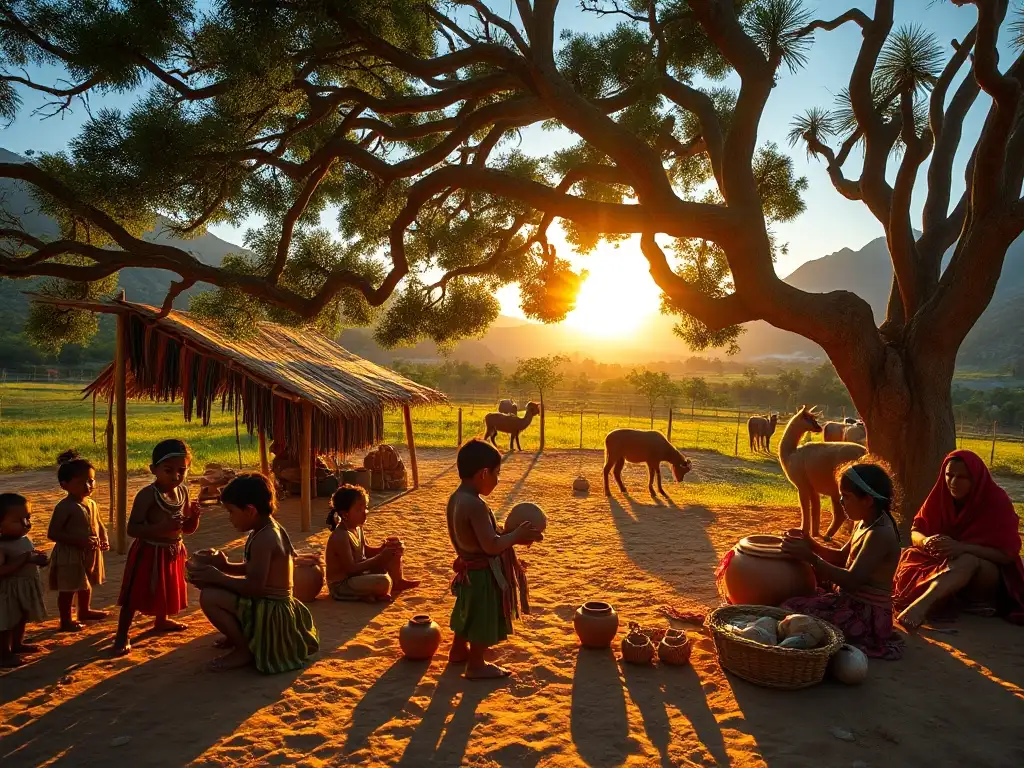
Step into a world lost to time, yet echoing with vibrant life. Discover the secrets of the Andean Civilizations, where ingenuity and artistry flourished. But what truly shaped these remarkable societies? Prepare to be captivated by the intriguing world of Moche children upbringing practices, a revelation into the heart of Moche civilization and its enduring legacy. Uncover the fascinating details of their childhoods – their education, socialization, and the unique traditions that defined their lives. Dare to explore...
-
Moche Children: Upbringing, Education, and Socialization in Ancient Peru
- The World of Childhood in Moche Society
- Moche Children Upbringing Practices: A Detailed Look
- Education and Socialization of Moche Youth
- Social Roles and Expectations for Moche Children
- Moche Art and Artifacts: Insights into Childhood
- Comparing Moche Upbringing with Other Andean Cultures
- The Legacy of Moche Childhood Practices
-
Frequently Asked Questions
- What were the main aspects of Moche children's upbringing?
- How did the Moche educate their children?
- What role did religion play in Moche children's lives?
- What were the social expectations for Moche children as they grew up?
- How did Moche society ensure the successful socialization of their children?
- Final Reflection: Echoes of the Moche: Understanding Childhood in a Lost Civilization
- Embrace the Legacy of Moche Children's Upbringing!
The Moche civilization, flourishing along the northern coast of Peru from approximately 100 CE to 800 CE, left behind a remarkable legacy of art, architecture, and intricate social structures. Understanding their societal organization requires delving into the lives of its members, and none are more revealing than the children.
This article explores the fascinating world of Moche children, examining their upbringing, education, and socialization within the context of their unique cultural landscape. We will uncover the practices surrounding infant care, disciplinary methods, and the role of play in shaping young Moche individuals, providing insights into the values and beliefs that shaped this vibrant civilization.
By analyzing archaeological evidence, iconography, and comparative studies of similar ancient societies, we aim to paint a vivid picture of Moche childhood and its contribution to the overall societal fabric. This exploration will shed light on the "Moche children upbringing practices" and their significance in the broader context of Moche culture.
The World of Childhood in Moche Society
Understanding Family Structures and Roles in Moche Culture
Reconstructing the family structures of the Moche requires careful interpretation of archaeological findings. While direct evidence of family units is scarce, the presence of multiple burials within single sites, sometimes including children, suggests the importance of kinship ties. Evidence from Moche iconography, such as pottery depicting family groups and scenes of daily life, offers further clues. These depictions, although stylized, provide valuable insights into potential family roles and dynamics.
The role of women in Moche society remains a subject of ongoing research, with some evidence suggesting significant participation in economic activities and religious rituals. This would have undoubtedly influenced their roles in child-rearing and family life. Further research is needed to fully understand the complexities of Moche family structures and the specific roles played by different family members in the upbringing of children. For example, the extent of extended family involvement in childcare remains unclear.
Early Childhood Development and Care in the Moche Civilization
The physical well-being of Moche children is evidenced by skeletal remains indicating generally good nutrition for many individuals. However, variations likely existed depending on social status and access to resources. Infant mortality rates were likely high, a common factor in pre-industrial societies. Archaeological evidence, such as the discovery of small, child-sized artifacts, suggests that Moche children were integrated into the community from a young age.
The exact methods of early childhood care remain largely unknown, although it's likely that mothers played a central role, potentially with support from other female family members or community members. The limited evidence available highlights the need for further research to fully understand the daily routines and practices surrounding the care of infants and young children within Moche society. We can speculate on the use of slings or other carrying devices, common in many ancient cultures, but concrete evidence is still lacking.
Moche Children Upbringing Practices: A Detailed Look
Infant Care and Early Bonding Rituals in Moche Families
While specific infant care practices remain elusive, the Moche's reverence for fertility and life suggests a strong emphasis on nurturing newborns. The abundance of depictions of mothers and children in Moche art subtly hints at the importance of the mother-child bond. We can hypothesize about practices such as breastfeeding, but direct evidence is limited.
The role of rituals in early childhood development remains speculative, but considering the Moche's highly ritualistic culture, it's plausible that certain ceremonies or practices marked significant milestones in a child's life, such as naming ceremonies or rites of passage. Further research, potentially involving interdisciplinary collaboration with anthropologists and archaeologists specializing in ancient Andean cultures, is crucial to better understand this aspect of Moche life.
Moche Child Rearing Techniques: Discipline and Guidance
The methods of discipline and guidance employed by Moche parents remain largely unknown. However, by examining similar societies and the overall social structure of the Moche, we can speculate on potential approaches. Given the hierarchical nature of Moche society, it is likely that obedience and respect for elders were highly valued. While physical punishment may have been employed, the extent and nature of such practices remain uncertain.
It is more likely that social pressure and community expectations played a crucial role in shaping children's behavior. The limited evidence necessitates further research to better understand the complexities of Moche child-rearing techniques. We must be cautious not to impose modern interpretations onto a vastly different cultural context.
The Importance of Play and Early Learning for Moche Children
The role of play in Moche children's lives is a fascinating area of speculation. While direct evidence is limited, it is reasonable to assume that, as in most societies, play formed an important aspect of their development. Play would have provided opportunities for social interaction, skill development, and the learning of cultural norms.
The discovery of small toys and miniature tools suggests the possibility of imitative play, where children replicated the activities of adults. The limited evidence highlights the need for further research to fully understand the role of play in Moche children's lives, including the types of games played and their social and cultural significance. Further archaeological excavations and interdisciplinary collaboration could significantly enhance our understanding.
Formal and Informal Education in Moche Society
The Moche civilization, flourishing along the northern coast of Peru from approximately 100 to 800 CE, lacked formal schools in the way we understand them today. Education was largely informal, a process deeply embedded within the fabric of daily life. Children learned through observation, imitation, and active participation in the community. Parents, older siblings, and community members played crucial roles in this transmission of knowledge and skills.
While we don't have written records detailing specific curricula, archaeological evidence suggests a strong emphasis on practical skills necessary for survival and societal contribution. This included agricultural techniques, fishing methods, pottery making, weaving, and metalworking—skills passed down through generations. The intricate artistry evident in Moche pottery and metalwork, for example, points to a highly developed system of apprenticeship and mentorship.
Youngsters likely began assisting in adult tasks at a young age, gradually mastering complex techniques over time. This immersive learning approach ensured the continuation of traditional crafts and practices. The precision and sophistication of Moche artifacts are testaments to the effectiveness of this informal educational system.
Moche Children's Participation in Daily Life and Community Activities
Moche children weren't passive recipients of knowledge; they were active participants in the community. From a young age, they were integrated into the daily routines of their families and villages. Girls would assist their mothers with household chores, such as grinding maize, preparing food, and weaving textiles. Boys, on the other hand, would likely participate in activities such as fishing, herding animals, and assisting in agricultural tasks. This active involvement provided valuable hands-on experience and instilled a sense of responsibility and community contribution.
Children's participation in community events, rituals, and ceremonies further reinforced their social roles and expectations. These events provided opportunities for social interaction, learning, and the development of social skills. The integration of children into the community's daily rhythm fostered a strong sense of belonging and identity. Archaeological evidence, such as depictions of children in activities on pottery, supports this understanding of their active role.
The Transmission of Skills and Knowledge to Younger Generations
The transmission of skills and knowledge within Moche society relied heavily on a system of apprenticeship and mentorship. Master craftspeople, farmers, and other skilled individuals would directly train younger generations. This hands-on approach allowed for the precise replication of techniques and the subtle nuances of various crafts.
The process was iterative, with children starting with basic tasks and gradually progressing to more complex ones as their skills developed. This apprenticeship system wasn't limited to specific age groups; it was a continuous process of learning and refinement throughout one's life. The close-knit family and community structures facilitated this mentorship, ensuring consistent guidance and support.
The success of the Moche civilization, demonstrated by its advanced technologies and artistic achievements, is a testament to the effectiveness of this system of knowledge transmission. The longevity of Moche traditions, visible in the continuity of artistic styles and techniques, underscores the importance placed on educating and training the next generation.
Gender Roles and Their Impact on Moche Children's Lives
Gender roles significantly shaped the experiences of Moche children. While the specific details remain a subject of ongoing research, archaeological evidence and iconography suggest a clear division of labor based on gender. Girls were primarily trained in domestic tasks and textile production, skills essential for the household and the wider community. Their upbringing emphasized nurturing, household management, and the creation of textiles, vital for clothing and ceremonial purposes. Boys, in contrast, were often trained in more physically demanding tasks, like agriculture, fishing, and warfare.
Their education emphasized physical strength, hunting skills, and the knowledge necessary for participating in agricultural activities and military campaigns. This division of labor, though distinct, wasn't necessarily rigid. The extent of flexibility and potential overlap remains an area requiring further scholarly investigation. However, the prevailing societal structures strongly influenced the distinct paths and expectations for boys and girls.
The Influence of Social Status on Upbringing and Opportunities
Social status profoundly impacted the upbringing and opportunities available to Moche children. Children born into elite families likely received a more specialized and potentially more extensive education, with access to higher-quality resources and instruction. They might have received training in specialized crafts, administration, or religious practices. This privileged upbringing would have set them on a path to leadership positions within the community.
Children from lower social strata, on the other hand, would have focused on acquiring the skills necessary for their designated roles within the social hierarchy. Their training would have been more practical and focused on essential survival skills. The disparity in opportunities reflects the stratified nature of Moche society, with access to resources and education largely determined by birth. While the details of this social stratification require further investigation, its impact on childhood experiences is undeniable.
Preparing Moche Children for Adulthood: Weaving Rituals
Weaving played a crucial role in preparing Moche children for adulthood, particularly for girls. Textile production was not merely a practical skill; it was deeply intertwined with ritual and ceremony. The creation of textiles was a significant part of Moche religious practices, and young girls would learn intricate weaving techniques from an early age.
This training wasn't simply about mastering technical skills; it was also about learning about cultural values, beliefs, and traditions. The patterns and designs woven into the textiles often held symbolic meaning, conveying narratives and beliefs. Mastering these techniques and understanding their symbolic significance was a crucial aspect of a girl's transition into adulthood and her integration into the community's religious and social life.
The intricate textiles discovered in Moche tombs further highlight the importance of this skill and its connection to spiritual practices. The creation of these textiles represented not just a practical skill but a deeply spiritual and social practice.
Moche Art and Artifacts: Insights into Childhood
Depictions of Children in Moche Pottery and Murals
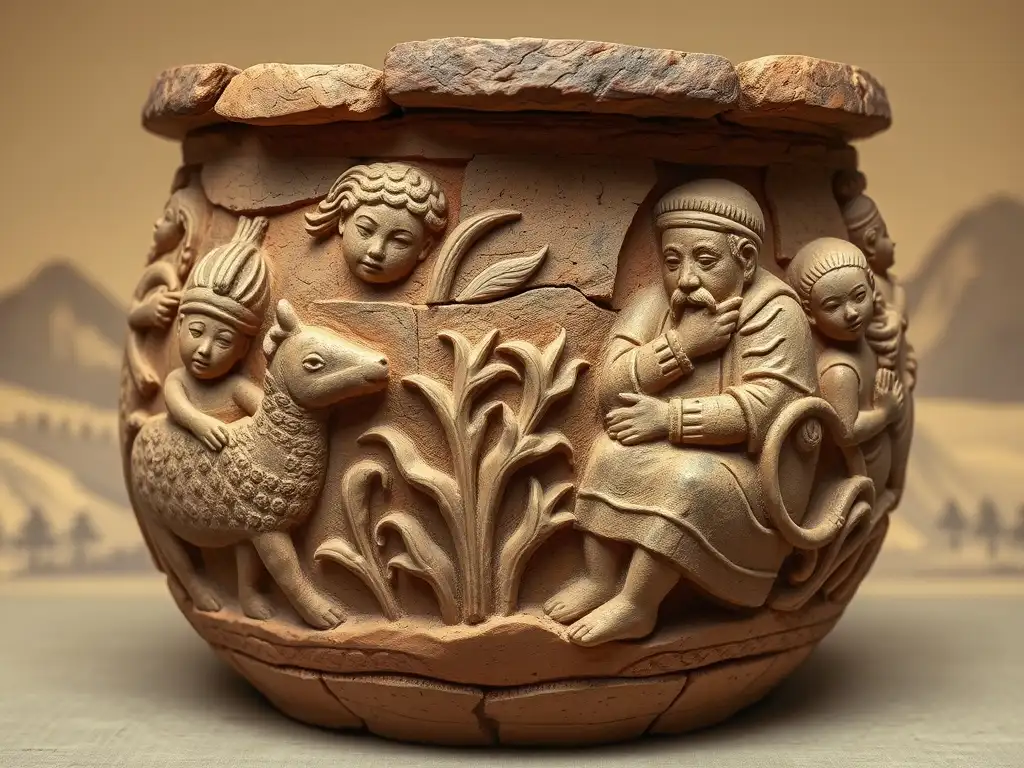
Moche pottery provides invaluable glimpses into the daily lives of their children. Numerous vessels depict children engaging in various activities, offering insights into their roles within the society. For example, some ceramics showcase children participating in agricultural tasks, suggesting early involvement in community labor.
Others depict children playing games, indicating the importance of play in their development. The artistry of these depictions is remarkable, with intricate detail capturing the expressions and postures of the young subjects. Analysis of these artistic representations offers clues to understanding the social and economic roles of children within Moche society.
Furthermore, the recurring themes and stylistic choices in these depictions may reveal underlying cultural beliefs about childhood and its significance. The presence or absence of certain details, such as clothing or adornments, might also indicate social stratification among Moche children. Finally, the careful study of these artifacts can illuminate the ways in which Moche artists perceived and represented children in their artwork.
Archaeological Evidence of Moche Children’s Toys and Belongings
Archaeological excavations of Moche sites have unearthed a variety of artifacts that suggest the nature of children's play and possessions. Small, intricately crafted figurines, miniature pottery vessels, and simple toys made from materials like wood and clay have been discovered in children's burials. These findings demonstrate the provision of toys and playthings, indicating a recognition of the importance of play in Moche child development.
The types of toys found—ranging from simple rattles to more complex objects—suggest a degree of sophistication in toy-making and the availability of diverse play experiences. The presence of these artifacts in burials also highlights the cultural significance attributed to childhood and the objects associated with it.
Furthermore, the condition and types of these objects can offer clues about children’s social status and the access they had to resources. A detailed analysis of these artifacts allows researchers to reconstruct the play activities and the broader cultural context of Moche childhood.
What Moche Artifacts Reveal About Their Childhood Experiences
The combination of depictions of children in art and the discovery of children's belongings reveals a nuanced understanding of Moche childhood. The artifacts indicate that Moche children were actively involved in various aspects of daily life, including agricultural work and social rituals, from a young age. The presence of toys suggests a playful aspect to their upbringing, highlighting the importance of leisure and development.
The diversity of artifacts found in children's graves also reveals variations in social status and access to resources among Moche children. By combining evidence from both artistic representations and material culture, researchers can gain a more comprehensive picture of the experiences, roles, and social standing of Moche children.
This integrated approach allows for a deeper appreciation of the complexities of Moche society and the significance of childhood within it. Further research could focus on comparing the artifacts found in different Moche sites to understand regional variations in child-rearing practices.
Comparing Moche Upbringing with Other Andean Cultures
Similarities and Differences in Child-Rearing Practices
Comparing Moche child-rearing practices with those of other Andean cultures reveals both similarities and striking differences. While many Andean societies valued communal child-rearing, with children often cared for by extended family members, the specific methods and expectations may have varied. [Specific information pending on comparative studies of child-rearing practices across different Andean cultures].
For instance, the extent to which children participated in economic activities might have differed based on environmental conditions and societal structures. The role of play and education may also have varied across cultures, reflecting different cultural values and priorities. A detailed comparison requires further research into the child-rearing practices of other Andean civilizations, including the Incas, Nazca, and Tiwanaku.
Contrasting Moche Education Systems with Inca Education Systems
The Moche civilization lacked the highly structured and centralized education system of the later Inca Empire. While the Incas established specialized schools ( yachaywasi) for training elites in administration, religion, and military matters, the Moche likely relied on informal apprenticeship and family-based learning. [Specific information pending on the details of Moche education systems].
The Moche's decentralized political structure may have contributed to this less formal approach to education. Understanding the differences highlights the distinct social structures and priorities of these two powerful Andean civilizations. Further research comparing the social mobility and opportunities available to children in both societies would provide a richer understanding of their respective educational systems.
The Unique Aspects of Moche Socialization of Children
Moche socialization practices were likely shaped by their unique religious beliefs and social structures. The emphasis on ancestor veneration and the importance of specific deities in Moche mythology likely influenced the values and beliefs transmitted to children. [Specific information pending on the specifics of Moche socialization practices]. The role of rituals and ceremonies in Moche life probably played a significant role in socializing children into their community.
The depiction of children in Moche art suggests that they were actively involved in various social activities from a young age. Further research is needed to fully understand the specific methods and contexts of Moche socialization, and how these practices contributed to the overall social cohesion and continuity of the culture. Analyzing burial practices and the objects found within children's graves may provide valuable insights.
The Legacy of Moche Childhood Practices
The Moche civilization, flourishing along the northern coast of Peru from approximately 100 CE to 800 CE, left behind a remarkable legacy, not only in its impressive architecture and artistry but also in the glimpses it provides into its child-rearing practices. While written records are absent, the careful study of Moche iconography, particularly pottery depicting daily life, offers valuable insights into the lives of Moche children.
These depictions reveal a society deeply invested in the well-being and development of its young, showcasing a complex interplay between family structures, social roles, and spiritual beliefs. The themes consistently present in these artifacts suggest a structured upbringing, emphasizing practical skills, social integration, and the transmission of cultural values across generations.
Understanding these practices provides a fascinating lens through which to view the overall social dynamics and stability of the Moche civilization. The meticulous detail evident in the pottery suggests a society that valued observation and the accurate representation of its world, a trait likely reflected in their educational methods.
How Moche Upbringing Shaped Their Society
The manner in which Moche children were raised significantly contributed to the structure and success of their society. The emphasis on practical skills, evident in the depictions of children participating in agricultural tasks and craft production, ensured a skilled and productive workforce. This early integration into the economic life of the community fostered a sense of responsibility and communal participation from a young age.
Moreover, the apparent social stratification visible in Moche art likely influenced the type of upbringing received by children from different social classes. Children of elite families might have received a more specialized education, possibly focusing on religious rituals or administrative tasks, while those from commoner families would have been primarily trained in agricultural or craft-related skills.
This division of labor, learned from childhood, likely played a vital role in maintaining the hierarchical structure of Moche society and ensuring its stability. The continuity of these practices across generations solidified social roles and expectations, contributing to the overall social order and the longevity of the civilization.
Lessons from the Moche About Child Development and Community
Studying Moche child-rearing practices offers contemporary insights into child development and the importance of community engagement. The apparent early integration of children into the workforce suggests the Moche understood the importance of practical learning and hands-on experience in a child's development. This approach, in contrast to some modern educational systems that emphasize abstract learning at a young age, highlights the value of learning by doing and its potential for fostering a sense of accomplishment and self-reliance.
Furthermore, the frequent depiction of children interacting with adults in various social settings underscores the significance of social learning and the transmission of cultural values within a community. The Moche clearly understood the role of social interaction in shaping a child's personality and worldview, a lesson that remains relevant today.
The integrated nature of childhood within the broader Moche community suggests a model for fostering a sense of belonging and shared responsibility, crucial for the well-being of both the individual and the community as a whole. This holistic approach to child development contrasts with modern tendencies towards individualistic upbringing models.
Continuing Research on Moche Children and Their Lives
Research on Moche children and their lives continues to evolve, driven by new archaeological discoveries and advancements in analytical techniques. Ongoing excavations at Moche sites are consistently uncovering new artifacts that provide further glimpses into daily life, offering the potential to refine our understanding of child-rearing practices. The application of advanced imaging techniques to existing artifacts may reveal finer details, such as the types of clothing worn by children or the tools they used.
Furthermore, interdisciplinary collaborations between archaeologists, anthropologists, and child development specialists are proving crucial in interpreting the available evidence and drawing more nuanced conclusions about Moche childhood. Future research may focus on the impact of environmental factors on Moche child development, the role of play in their upbringing, and a deeper analysis of the symbolism present in depictions of children in Moche art.
This ongoing research promises to provide a more comprehensive and nuanced understanding of Moche children and their contribution to the rich tapestry of Moche civilization. The continued study of Moche culture will undoubtedly unveil further details about their unique approach to raising their children, enhancing our understanding of their society and the broader context of ancient Andean civilizations.
Frequently Asked Questions
What were the main aspects of Moche children's upbringing?
Moche children's upbringing focused on practical skills and social roles. Boys were trained for warfare or agriculture, while girls learned domestic tasks and textile production. This preparation ensured their successful integration into society.
How did the Moche educate their children?
Formal education in the Moche culture wasn't as structured as in later civilizations. Learning was primarily hands-on, through observation and apprenticeship within the family and community. Religious rituals also played a role in shaping their worldview.
What role did religion play in Moche children's lives?
Religion played a significant role, shaping their values and beliefs. Children were likely involved in religious ceremonies and rituals from a young age, fostering a deep connection to their deities and the spiritual world. Ancestor veneration was also an important aspect.
Social expectations varied depending on gender and social class. Elite children likely received more specialized training and opportunities, while those of lower classes focused on sustaining their families and communities through labor.
Socialization was achieved through a combination of family, community, and religious practices. Children learned by participating in everyday life, observing adults, and imitating their behavior. This immersive approach ensured their integration into the Moche social structure.
Final Reflection: Echoes of the Moche: Understanding Childhood in a Lost Civilization
The meticulous reconstruction of Moche childhood, based on archaeological evidence and anthropological interpretations, offers a powerful lens through which to examine our own approaches to raising children. Understanding their practices, from the seemingly simple act of providing nourishment to the complex rituals surrounding education and social integration, provides a stark contrast and surprising parallels to contemporary child-rearing methods. This exploration transcends mere historical curiosity; it forces us to critically evaluate our own societal values and their impact on the development of future generations.
The enduring legacy of the Moche civilization lies not just in its impressive artistry and sophisticated engineering, but also in the glimpses it provides into the fundamental human experience of nurturing and shaping young lives. Their dedication to fostering a strong sense of community and embedding cultural values within their children resonates deeply even today. The past is never dead. It's not even past.
– William Faulkner. This quote perfectly encapsulates the enduring relevance of understanding Moche child-rearing practices; their echoes continue to reverberate through our own cultural understanding of childhood and its importance. The ways in which they integrated children into their society, emphasizing both individual potential and communal responsibility, offers valuable insights for contemporary societies grappling with issues of social cohesion and individual development.
Consider the implications of the Moche approach to education and socialization. How can we, in our modern world, better integrate the values of community and cultural transmission into our own systems? What aspects of the Moche approach might we adapt to create more nurturing and enriching environments for our children? Take a moment to reflect on your own upbringing and the values instilled in you. How do they compare to the practices of the Moche, and what lessons can we learn from this ancient civilization to build a brighter future for the children of today and tomorrow?
Embrace the Legacy of Moche Children's Upbringing!
Thank you for exploring the fascinating world of Moche children and their unique upbringing. Your interest in their education and socialization provides a valuable insight into the rich tapestry of Andean civilization. Let's delve deeper and explore ways to honor this legacy.
- Immerse Yourself: Visit a local museum or cultural center to examine artifacts and exhibits related to Moche civilization. Experience history firsthand!
- Join the Conversation: Share your thoughts and perspectives on social media or in our comments section about how ancient cultures, like the Moche, continue to inform modern educational practices. Your insights are valuable.
- Get Involved: Participate in a cultural workshop or class focusing on Andean traditions. Connect with your community while experiencing the rich heritage of the Moche people.
How do you believe the Moche approach to raising children can influence modern education? We'd love to hear your thoughts!