
The Moche Decapitator God: Unraveling the Mystery of Ai Apaec

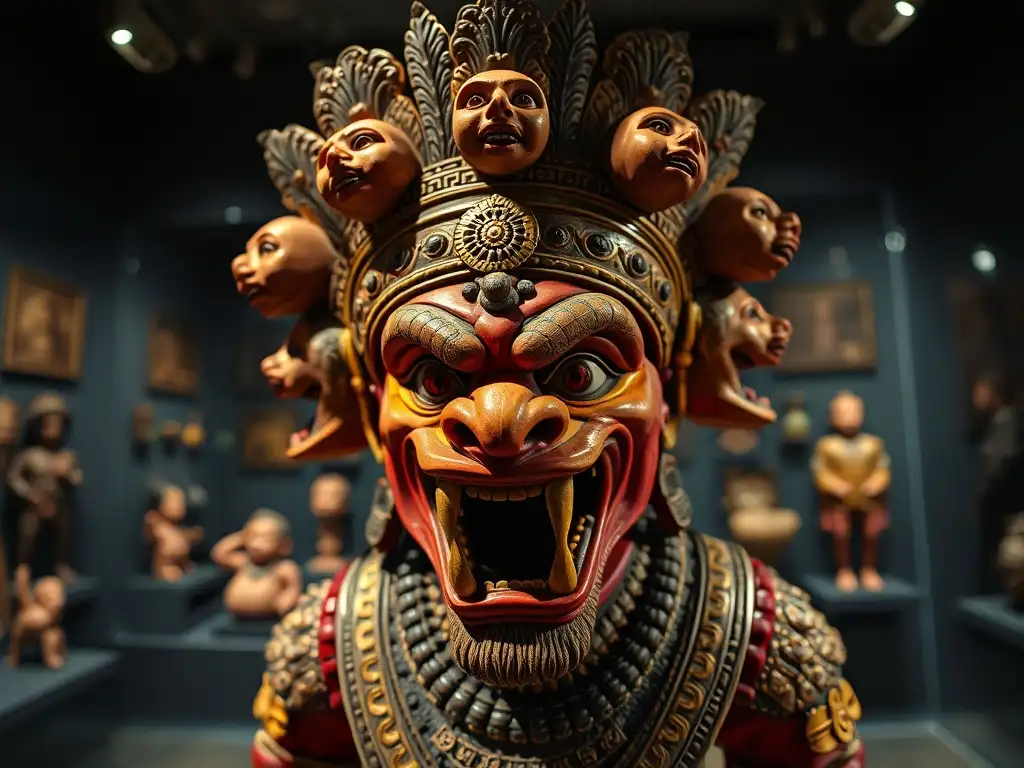
Step into a world lost to time, where the towering Andes held secrets whispered on the wind. Discover the enigma of the ancient Andean civilizations, their breathtaking artistry, and advanced technologies. But prepare to be captivated by the chilling mystery of the Moche god Ai Apaec. What does his terrifying visage truly mean? Uncover the answers and delve deeper into this fascinating culture – your journey into the heart of the Moche civilization begins now.
The Moche civilization, flourishing along the northern coast of Peru from approximately 100 CE to 800 CE, left behind a rich tapestry of artistic and cultural achievements. Their sophisticated irrigation systems, impressive architecture, and stunning metalwork are well-known. However, equally fascinating is their complex religious system, a vibrant world of gods, rituals, and beliefs that continues to captivate researchers and enthusiasts alike.
Central to this religious landscape is Ai Apaec, a deity whose terrifying visage and association with decapitation have sparked intense scholarly debate and enduring fascination. This article delves into the enigmatic figure of Ai Apaec, exploring his iconography, possible meanings, and the significance of his role within the Moche pantheon, aiming to shed light on the "Moche god Ai Apaec meaning."
Ai Apaec's Terrifying Iconography: A Study in Contrasts
Depictions of Ai Apaec are immediately striking. He is typically represented with a ferocious, often grotesque appearance. Common features include a fanged mouth, bulging eyes, and elaborate headdresses frequently adorned with fangs, claws, and other symbolic elements.
The god's most prominent attribute is his association with decapitation. Many ceramic vessels and other artifacts depict Ai Apaec either performing or overseeing the act of decapitation, often accompanied by scenes of ritual sacrifice and bloodshed. This violent imagery contrasts sharply with other aspects of Moche art, which also features scenes of fertility, abundance, and peaceful coexistence.
This juxtaposition adds to the complexity of interpreting his role within Moche society. The level of detail in these depictions, from the expressions on the victims' faces to the intricate designs on the ceremonial knives, suggests a deep-seated significance within Moche religious practices. The precise materials used – often high-quality ceramics and precious metals – further underscore the importance afforded to this deity.
Deciphering the Meaning: Theories and Interpretations of Ai Apaec
The meaning of Ai Apaec remains a subject of ongoing scholarly discussion. While no single interpretation is universally accepted, several prominent theories attempt to explain his significance within the Moche worldview. Some scholars suggest that Ai Apaec represents a deity associated with warfare and conquest, his decapitations symbolizing the subjugation of enemies and the assertion of Moche dominance. Others propose a more nuanced interpretation, suggesting that the ritual decapitations served a ritualistic purpose, perhaps connected to fertility rites or ensuring a bountiful harvest.
The act of decapitation, in this context, might not simply represent violence but a symbolic act with deeper, perhaps even life-affirming, connotations within the context of Moche beliefs. Further research is needed to fully understand the subtleties of these interpretations. The sheer number of Ai Apaec depictions, however, suggests his profound importance in Moche religious life.
The prominent representation of Ai Apaec in Moche art and artifacts suggests a powerful position within their religious and possibly social hierarchy. The scale and quality of the artwork dedicated to him imply a significant level of societal reverence and possibly fear. Did Ai Apaec represent a ruling elite’s power?
Or was he a deity that held sway over all aspects of Moche life, from warfare and agriculture to social order? The placement of Ai Apaec imagery on prestigious objects and in prominent locations within Moche settlements further supports the idea of a deity closely tied to the power structures of the society.
The fact that Ai Apaec is almost always depicted in scenes of control and dominance – even when those scenes are violent – hints at a complex relationship between the god and the social order. Further research into the social structures of the Moche civilization is crucial to fully understand Ai Apaec's influence.
The Enduring Legacy of Ai Apaec: A Continuing Mystery
Ai Apaec remains a potent symbol of the Moche civilization, a testament to their artistic skill and the complexity of their religious beliefs. Even today, the "Moche god Ai Apaec meaning" continues to spark debate and inspire further research. His terrifying iconography challenges us to re-evaluate simplistic notions of ancient Andean cultures and encourages a deeper appreciation for the nuances of their religious practices.
The ongoing study of Ai Apaec highlights the enduring power of art to transmit cultural values and the mysteries that still remain to be unraveled within the rich history of the Moche. The continued discovery and analysis of Moche artifacts promises to further illuminate this enigmatic deity and his place in the fascinating world of Moche religion.
- Ai Apaec's Terrifying Iconography: A Study in Contrasts
- Deciphering the Meaning: Theories and Interpretations of Ai Apaec
- Ai Apaec and the Moche Social Structure: A God of Power and Control?
- The Enduring Legacy of Ai Apaec: A Continuing Mystery
Understanding the Moche Pantheon: Introducing Ai Apaec
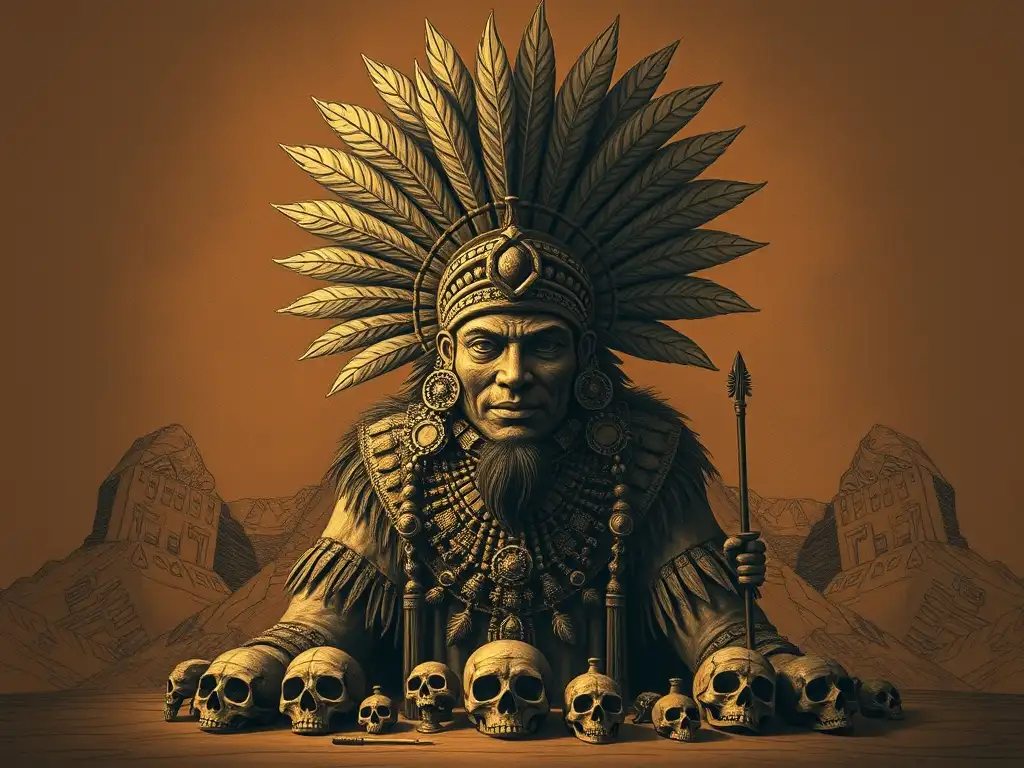
The Moche civilization, flourishing along the northern coast of Peru from approximately 100 to 800 CE, developed a complex religious system reflected in their intricate iconography and elaborate funerary practices. Understanding their pantheon is key to unlocking the secrets of their society and beliefs. The Moche weren't monotheistic; instead, they worshipped a diverse range of deities, each with specific roles and attributes.
These deities were often depicted in their art, particularly in ceramics and metalwork, offering invaluable insights into their religious practices and worldview. The Moche god Ai Apaec, a particularly intriguing figure, stands out due to his unique iconography and the apparent centrality of human sacrifice in his worship. This section focuses on Ai Apaec, exploring his role within the broader Moche pantheon and the significance of his representation in Moche art and culture.
The prevalence of Ai Apaec imagery in Moche artifacts highlights his importance, prompting ongoing scholarly debate about his exact nature and influence. Understanding the context of his worship within the wider Moche religious landscape is crucial to fully grasping his significance.
The Significance of Deities in Moche Culture
Moche religious beliefs were deeply intertwined with their daily lives. Deities weren't merely abstract concepts; they were forces influencing agriculture, warfare, and the overall well-being of the community. The Moche believed that appeasing their gods through rituals, offerings, and, in some cases, human sacrifice, ensured prosperity and protection.
This perspective is evidenced by the elaborate tombs and grave goods found in Moche sites, showcasing the lavish offerings presented to the deities. The intricate depictions of deities on ceramics and textiles further underscore their importance in Moche society. Analysis of these artifacts suggests a hierarchical pantheon, with some deities holding more prominent roles than others.
Furthermore, the Moche’s relationship with their gods appears to have been dynamic, with the power and influence of certain deities likely shifting over time, reflecting societal changes and priorities. The detailed nature of Moche iconography allows researchers to study the evolution of their religious beliefs and the changing importance of various deities throughout the civilization's history. The complexity of this system underscores the sophisticated nature of Moche religious thought.
Who Was Ai Apaec? Unveiling the Moche God of Power
Ai Apaec, often referred to as the "Decapitator God," is one of the most enigmatic figures in the Moche pantheon. His representation consistently features a terrifying visage: a fanged mouth, bulging eyes, and often, severed heads adorning his body. While the exact meaning of "Ai Apaec" remains debated, the name itself might be a later interpretation, potentially stemming from Quechua or a related language. The most common interpretations suggest a connection to power, possibly representing a god of death, war, or fertility, or a combination thereof.
Some scholars argue that Ai Apaec embodies the cyclical nature of life and death, emphasizing the importance of sacrifice to maintain cosmic balance. The presence of severed heads in his iconography strongly suggests a connection to human sacrifice, a practice prevalent in Moche society. However, the precise nature of his role and the details of his worship remain areas of ongoing research. The intense emotional response his image evokes suggests a profound significance within the Moche worldview.
Further research into the specific contexts in which Ai Apaec appears in Moche art may shed more light on the nuances of his meaning and his role in Moche society. The ongoing study of Moche artifacts and the application of new archaeological techniques continue to refine our understanding of this powerful and enigmatic Moche god and his meaning within their complex belief system. The mystery surrounding the "Moche god Ai Apaec meaning" continues to captivate researchers and enthusiasts alike, driving further exploration and investigation.
Ai Apaec: Exploring the Moche Decapitator God's Iconography
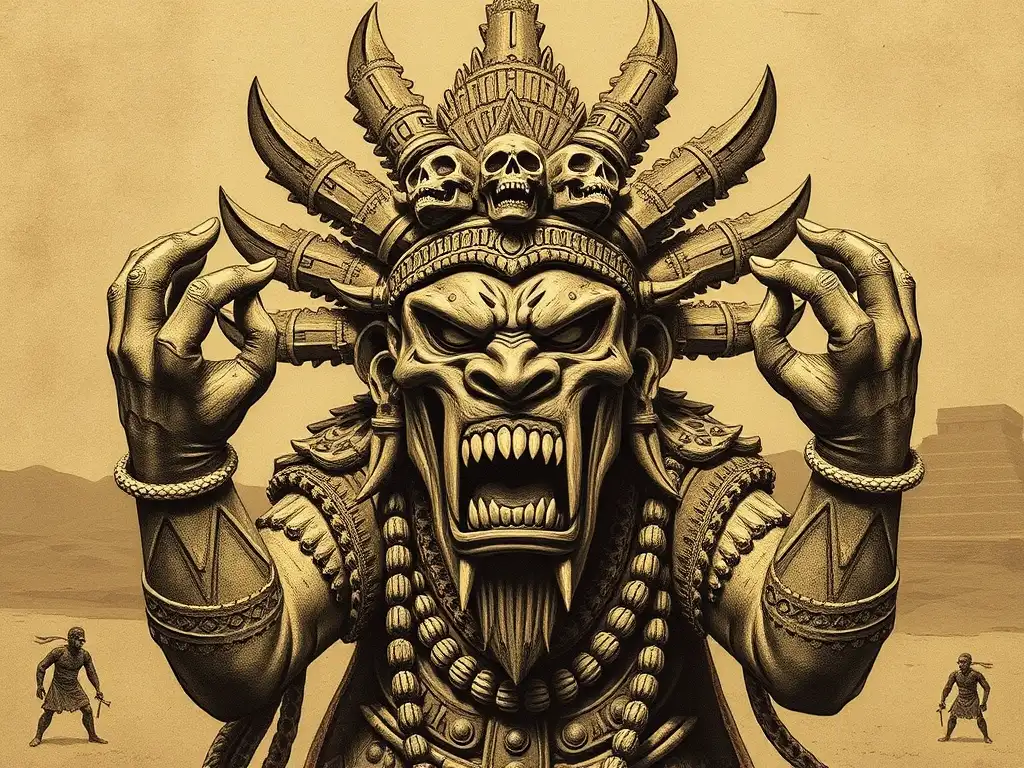
The Moche god Ai Apaec, a prominent figure in Moche religion, remains shrouded in mystery despite extensive archaeological discoveries. Understanding Ai Apaec requires careful examination of his iconography, the visual representations that convey his power and significance within Moche society. The "Moche god Ai Apaec meaning" is multifaceted and deeply embedded in the artistic depictions found on ceramics, textiles, and metalwork. Scholars continue to debate the precise interpretations, but several key elements consistently appear, offering valuable insights into this enigmatic deity.
The Distinctive Visual Representation of Ai Apaec
Ai Apaec's visual representation is strikingly unique and immediately recognizable within the Moche pantheon. He is typically depicted as a fanged, clawed figure, often with a grotesque and fearsome appearance. His features are exaggerated, emphasizing his power and potentially his association with death and sacrifice.
Many depictions show him emerging from a stylized mountain or volcanic landscape, suggesting a connection to the natural world and the powerful forces of nature that shaped the Moche worldview. His body is frequently adorned with elaborate headdresses and jewelry, reflecting the Moche's sophisticated metalworking skills and their reverence for precious materials. These adornments further emphasize his status as a powerful and important deity.
The variations in his depiction across different artifacts highlight the complexity of his role and the evolving understanding of his significance within the Moche culture. Some representations show him holding severed heads, reinforcing his association with decapitation and human sacrifice. The consistent presence of these elements helps us to better understand the Moche god Ai Apaec meaning.
Ai Apaec's Attributes: Decapitation, Fangs, and Claws
The most striking aspect of Ai Apaec's iconography is the recurring motif of decapitation. He is frequently depicted holding or surrounded by severed heads, a clear indication of his association with death and sacrifice. The prominence of this imagery suggests that human sacrifice played a crucial role in Moche religious practices and that Ai Apaec was a central figure in these rituals.
His fanged mouth and sharp claws further emphasize his ferocity and power. These features are not merely decorative; they actively contribute to his terrifying and awe-inspiring persona. The combination of these attributes – decapitation, fangs, and claws – creates a powerful visual representation of a deity associated with both death and the potent forces of nature.
The Moche god Ai Apaec meaning is inextricably linked to these powerful symbols. Detailed analysis of these features across numerous artifacts reveals subtle variations, suggesting a possible evolution of his symbolism over time or perhaps different aspects of his multifaceted nature. For example, the size and number of fangs might indicate varying degrees of power or different manifestations of the deity.
Symbolic Meaning Behind the Moche Decapitator's Imagery
The symbolic meaning behind Ai Apaec's imagery is complex and open to interpretation. While the association with death and sacrifice is undeniable, the deeper meaning remains a subject of ongoing scholarly debate. Some scholars suggest that Ai Apaec represents a deity associated with fertility and renewal, with decapitation symbolizing the cyclical nature of life and death.
The severed heads might represent the shedding of the old to make way for the new, mirroring the agricultural cycles essential to the Moche way of life. Others propose that Ai Apaec represents a deity of warfare and conquest, with decapitation symbolizing the subjugation of enemies. The location of Ai Apaec depictions on elite Moche ceramics and textiles suggests a connection to power and social hierarchy.
Further research is needed to fully understand the nuances of the Moche god Ai Apaec meaning, particularly regarding the significance of his connection to warfare, fertility, or both. The combination of his terrifying appearance and his possible association with regeneration highlights the complex and paradoxical nature of Moche religious beliefs, reflecting the challenges and complexities of life in their environment. Ultimately, unraveling the complete "Moche god Ai Apaec meaning" requires a multidisciplinary approach, combining art historical analysis with anthropological and archaeological evidence.
The Moche God Ai Apaec Meaning: Deciphering the Deity's Role
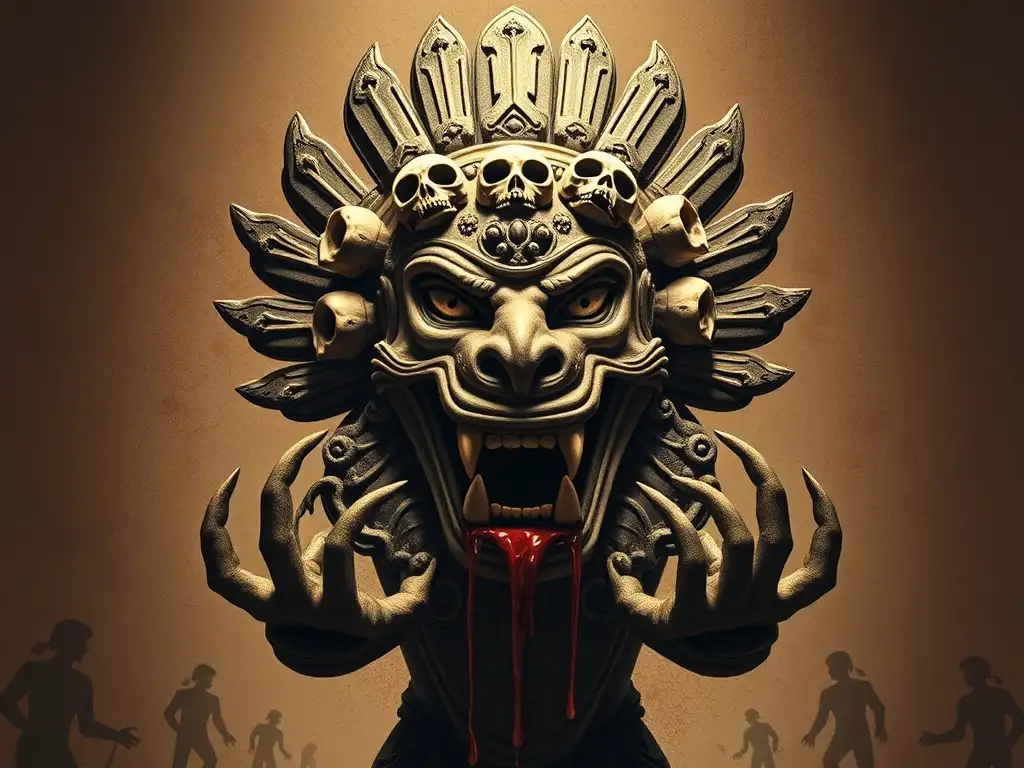
The Moche god Ai Apaec remains one of the most enigmatic and debated figures in Andean archaeology. The very name, "Ai Apaec," is not definitively translated, adding to the mystery surrounding this powerful deity. While some scholars suggest it might mean "He Who Is Born Again" or similar connotations of cyclical renewal, the true meaning remains elusive, fueling ongoing research and interpretation of the Moche worldview.
Understanding the "Moche god Ai Apaec meaning" requires examining his iconography and the context in which he appears in Moche art and artifacts. The depictions consistently show a terrifying and powerful figure, often associated with both creation and destruction, life and death. This duality is crucial to understanding Ai Apaec's complex role within the Moche pantheon.
Ai Apaec's Role in Moche Mythology and Beliefs
Ai Apaec's prominence in Moche mythology is undeniable. He is frequently depicted in ceramic vessels, murals, and other artifacts, often in scenes of ritual sacrifice and violent acts. This is not simply random violence; these scenes are carefully composed, suggesting a deeply ingrained religious significance. Ai Apaec's presence is not one of benevolent protection but rather of powerful, sometimes terrifying, control.
He represents the unpredictable forces of nature, the cycles of life and death, and the power that the Moche believed governed their world. The Moche, through their intricate artwork, attempted to understand and possibly appease these forces, as evidenced by the dedicated artistic rendering of Ai Apaec in various contexts. The frequency of his depiction suggests a central role in their cosmology.
The Moche likely believed Ai Apaec's actions, however brutal they might seem to modern eyes, were necessary for maintaining cosmic balance and ensuring fertility. Furthermore, the detailed nature of the depictions, showing not just the god but also the rituals and sacrifices associated with him, highlights the importance placed upon his worship and the significance of his role in the Moche worldview. The careful craftsmanship and symbolic details in each representation underscore the deeply held beliefs and the reverence, or perhaps fear, that the Moche held for this powerful deity.
Interpreting Ai Apaec's Actions: Sacrifice, Power, and Fertility
Ai Apaec's iconography frequently features scenes of human sacrifice, often depicted with brutal realism. These images, however disturbing, are not merely gratuitous displays of violence but rather symbolic representations of the Moche worldview. The sacrifices were likely seen as necessary offerings to maintain a cosmic balance, ensuring the continuation of life and fertility.
The Moche believed that Ai Apaec's power directly influenced the success of agriculture, rainfall, and the overall well-being of their society. Therefore, the sacrifices were not acts of cruelty but rather a means of securing the god's favor and ensuring the continuation of life. The detailed depictions of these sacrifices, found on numerous artifacts, give us valuable insights into the Moche religious practices and beliefs.
Analyzing the positioning of the victims, the implements used, and the surrounding imagery provides clues to the ritual's significance. For example, the offering of a specific type of animal or the positioning of the sacrifice relative to other elements in the scene might indicate a specific prayer or request being made to Ai Apaec. The study of these details offers a rich understanding of the Moche's religious practices and their relationship with this powerful god.
Ai Apaec: A Creator and Destroyer God?
The duality of Ai Apaec's nature—as both creator and destroyer—is a recurring theme in Moche iconography. He is often depicted with both benevolent and malevolent attributes simultaneously. This duality reflects the Moche understanding of the world as a place of both creation and destruction, growth and decay, life and death. Ai Apaec embodies this inherent tension, representing the cyclical nature of existence.
His role wasn't simply one of destruction; rather, it was a necessary part of a larger cosmic cycle of renewal. The destruction he wrought was ultimately intended to make way for new life and fertility. This understanding is crucial to comprehending the "Moche god Ai Apaec meaning." The apparent contradiction of his nature—a being capable of both immense creation and devastating destruction—is not a flaw in the Moche's theology but rather a reflection of their sophisticated understanding of the complex and often unpredictable forces of nature.
This duality is not unique to Ai Apaec; many ancient deities exhibit similar complexities, reflecting the multifaceted nature of the world they represent. Understanding this nuanced portrayal is key to unlocking a more profound understanding of the Moche's religious beliefs and their complex relationship with their environment and the cosmos. Further research into the specific contexts in which Ai Apaec is depicted may reveal even more subtle aspects of this fascinating and multifaceted deity.
Ai Apaec in Moche Art and Archaeology
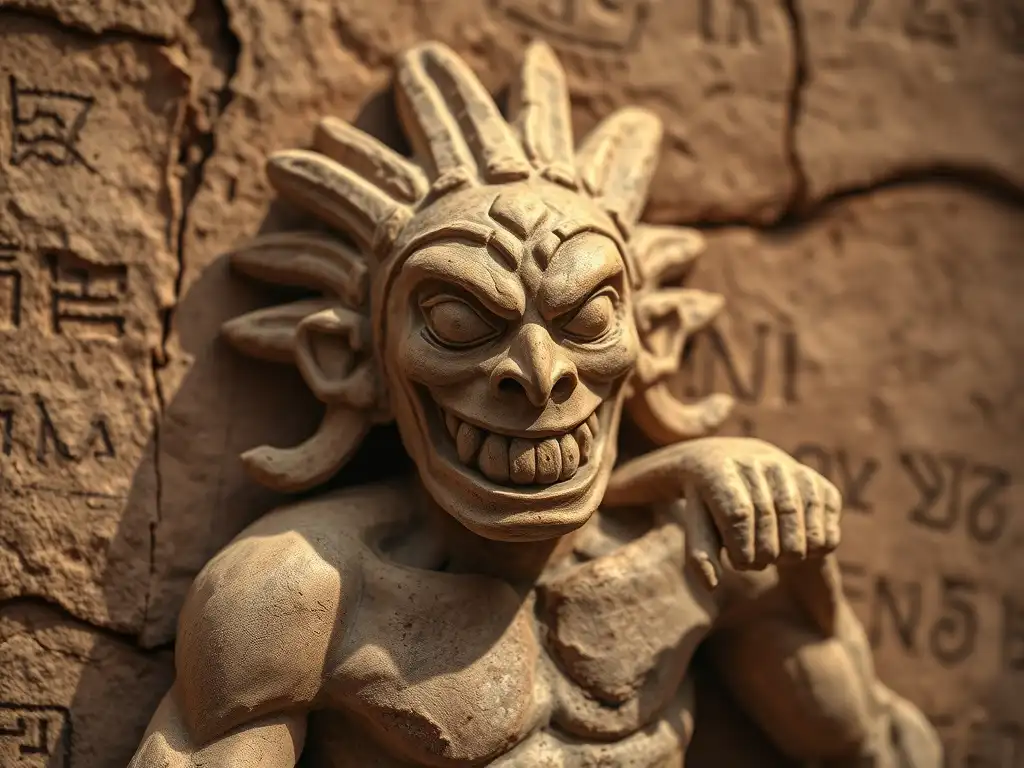
The Moche god Ai Apaec, whose name translates roughly to "He Who Was Born," or possibly "The One Who Came Before," remains one of the most enigmatic and visually striking figures in pre-Columbian Andean iconography. Understanding his meaning requires a close examination of his depiction across various Moche artistic mediums, primarily ceramics and murals. The consistent presence of specific iconographic elements across these diverse artifacts provides crucial insights into his role within the complex Moche pantheon and societal structure.
The sheer volume and consistency of Ai Apaec imagery strongly suggest a significant, possibly central, role in Moche religious life. Analyzing his representation helps us unravel the layers of meaning embedded within the Moche worldview, shedding light on their beliefs about death, sacrifice, and the supernatural. The prevalence of the "Moche god Ai Apaec meaning" searches underscores the enduring fascination with this mysterious deity.
Ai Apaec Depictions in Moche Ceramics and Murals
Ai Apaec's representations in Moche art are characterized by a distinctive and often terrifying visage. He is typically depicted as a fanged, demonic figure, sometimes with a grotesque, skull-like face. His body is often adorned with intricate details, including elaborate headdresses, necklaces, and other ornaments. These adornments vary in style and complexity depending on the specific artifact and the artistic style of the individual craftsman. However, certain consistent features help to identify him unequivocally. For instance, his association with severed heads is a recurring motif, highlighting his connection to death, sacrifice, and possibly even human sacrifice.
The size and prominence of the Ai Apaec depictions also vary. In some ceramics, he is a central figure, dominating the composition; in others, he appears as a smaller, yet still significant, element within a larger narrative scene. This variation suggests a nuanced understanding of his role within the Moche cosmological framework, perhaps reflecting his importance in different contexts or rituals. Further research into the stylistic variations of his depiction across different Moche phases could yield valuable insights into the evolution of his religious significance throughout the culture's history.
Ai Apaec's Presence at Huaca de la Luna and Huaca del Sol
The monumental adobe pyramids of Huaca de la Luna and Huaca del Sol, located in the Moche Valley, offer compelling evidence of Ai Apaec's importance within Moche society. The murals found within these structures depict a range of scenes, including ritual sacrifices, warfare, and mythological narratives. While the precise interpretation of these murals remains a subject of ongoing scholarly debate, the presence of Ai Apaec in some of these scenes is undeniable.
His imagery frequently appears alongside depictions of human sacrifice, suggesting a direct link between his power and the practice. The scale of these murals, significantly larger than many ceramic depictions, emphasizes his importance and the reverence accorded to him within the Moche elite. Analyzing the specific contexts in which he appears within these murals is crucial to understanding his multifaceted role within their religious system.
Additional research, including a thorough cataloging of all Ai Apaec representations within Huaca de la Luna and Huaca del Sol, is necessary to fully grasp his significance in these monumental sites. The presence of Ai Apaec in these major ceremonial centers further solidifies his status as a central figure in the Moche pantheon.
Ai Apaec Imagery on Fineline Painted Vessels
The fineline painted vessels of the Moche culture are renowned for their intricate detail and sophisticated artistry. These vessels often depict complex scenes with multiple characters and narratives. Ai Apaec's presence on these vessels is often subtle, but his iconographic features – the fanged mouth, skull-like face, and associated severed heads – allow for his clear identification. The fineline style allows for a level of detail that further elucidates his appearance, revealing subtle variations in his headdress, ornaments, and overall demeanor across different vessels.
These variations may represent different aspects of his personality or his involvement in various rituals or myths. A systematic study of Ai Apaec's representation on fineline painted vessels, paying close attention to the accompanying iconography and narrative context, could yield valuable insights into his role within specific Moche rituals or beliefs. For example, are there recurring themes or motifs associated with his appearance on these vessels?
Do these depictions suggest a specific narrative or myth involving Ai Apaec? These are crucial questions for future research that will aid in fully understanding the "Moche god Ai Apaec meaning." The level of detail in these depictions provides a rich source of information, offering a nuanced understanding of the Moche's perception of this powerful deity.
Ai Apaec and Moche Ritual Practices
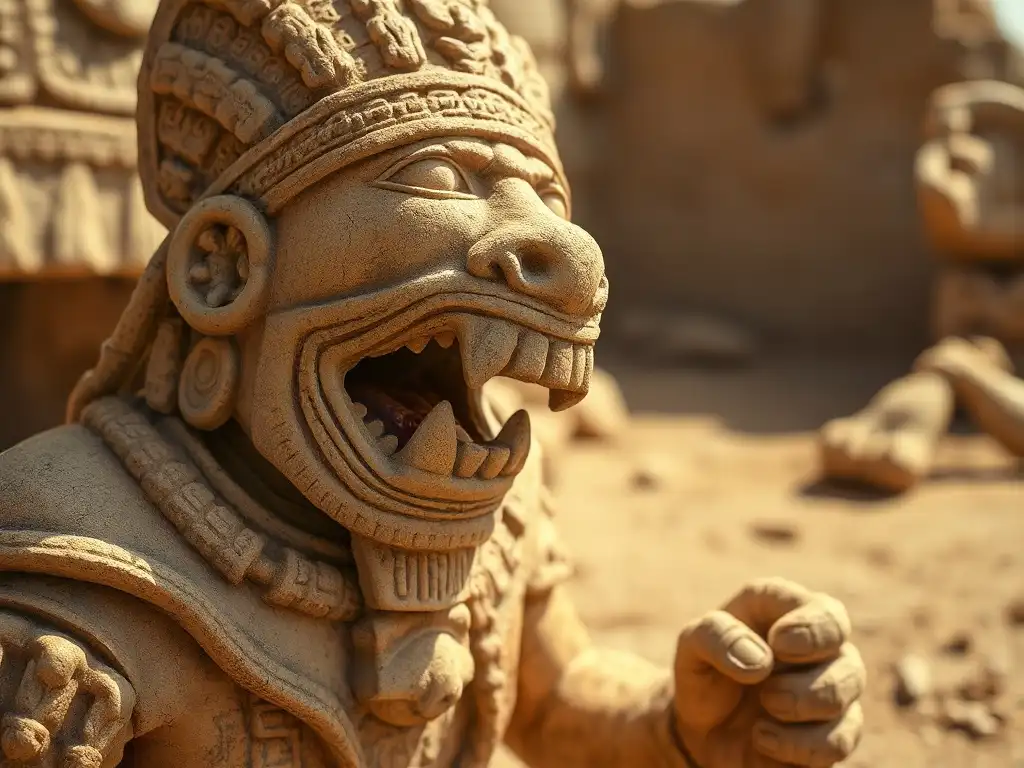
The Moche god Ai Apaec, a deity often depicted as a fanged, monstrous figure, played a central role in the complex ritual practices of the Moche civilization. Understanding Ai Apaec requires delving into the deeply intertwined nature of religion, warfare, and societal structure within Moche society. The Moche people, inhabiting the northern coast of Peru from roughly 100 CE to 800 CE, developed a sophisticated religious system reflected in their elaborate iconography, monumental architecture, and, most notably, their funerary practices.
The meaning of "Moche god Ai Apaec" is inextricably linked to these practices, particularly those involving sacrifice and death. The very essence of Ai Apaec seems to be wrapped up in the cyclical nature of life and death, fertility and destruction, as seen through the lens of their religious beliefs and practices.
The Role of Human Sacrifice in Moche Religious Life
Human sacrifice formed a significant component of Moche religious life, a stark contrast to the often romanticized depictions of the civilization. While the exact motivations behind these sacrifices remain debated, evidence strongly suggests that they weren't simply random acts of violence but rather meticulously planned rituals intended to appease or honor specific deities, including Ai Apaec. Numerous Moche graves contain the remains of individuals sacrificed in various ways, some with clear signs of ritualistic treatment.
These sacrifices weren't solely reserved for the elite; evidence points to sacrifices from various social strata, reflecting a widespread acceptance of the practice as a necessary element of their religious system. The frequency and scale of these sacrifices suggest their profound importance within the Moche worldview; understanding the "Moche god Ai Apaec meaning" necessitates recognizing this key aspect of their religious practices.
Analysis of skeletal remains reveals that many victims were relatively young, possibly indicating a belief in the purity or power of youthful sacrifice. Further research into isotopic analysis of skeletal remains could provide additional insights into the victims' origins and diets, potentially revealing more about the social context of these sacrifices.
Ai Apaec and the Ritual of Decapitation
The association between Ai Apaec and decapitation is particularly striking. Many depictions of the deity show him wielding a severed head, or surrounded by skulls, emphasizing his connection to death and the underworld. The ritual of decapitation itself was not unique to Ai Apaec's worship but was prevalent across Moche religious practices.
However, the prominence of decapitated heads in depictions of Ai Apaec suggests a particularly strong link between this deity and the act. The severed heads were not simply discarded but often treated with reverence, sometimes placed in elaborate grave offerings or displayed in public spaces. This suggests a deeper symbolic meaning beyond mere violence, possibly representing the subjugation of enemies, the triumph of life over death, or the cyclical renewal of the natural world.
The precise "Moche god Ai Apaec meaning" in the context of decapitation remains a subject of ongoing scholarly debate, requiring further analysis of archaeological findings and iconographic representations. The careful examination of the positioning and treatment of these severed heads within ritual contexts could shed further light on this practice and its significance within the Moche cosmology.
The Warrior Burial Rituals and Ai Apaec
The warrior burials of the Moche civilization provide another crucial piece of the puzzle in understanding the "Moche god Ai Apaec meaning". These elaborate graves often contain the remains of high-ranking warriors, adorned with weaponry, jewelry, and other grave goods. The presence of Ai Apaec iconography in these burials strengthens the connection between the deity and warfare.
It suggests that Ai Apaec was not only a god of death and the underworld but also a powerful protector and patron of warriors. These burials often contained multiple individuals, some showing signs of sacrifice, supporting the idea that the warriors' afterlife was somehow linked to ritual sacrifice and the deity's domain. The lavishness of these burials highlights the importance of warfare and military prowess within Moche society, and Ai Apaec's role as a powerful figure within this context.
Further research into the specific types of weapons and grave goods associated with Ai Apaec in these contexts could help reveal more about the deity's function as a protector of warriors and the nature of the afterlife believed to await them. The meticulous cataloging and analysis of these artifacts are essential to unlock a more complete understanding of the Moche god Ai Apaec's meaning and role within their culture.
Decoding Ai Apaec: Interpretations and Theories
The Moche god Ai Apaec, a deity frequently depicted in gruesome scenes of decapitation and sacrifice, remains one of the most enigmatic figures in Andean archaeology. His iconography, consistently featuring a fanged mouth, clawed hands, and a prominent headdress, has sparked numerous interpretations, ranging from a representation of fertility to a symbol of violent power. Understanding the true meaning of Ai Apaec requires a careful examination of the archaeological evidence and the cultural context in which he appeared.
The ambiguity surrounding his role highlights the complexities of Moche religion and its nuanced relationship between life, death, and the supernatural. The keyword "Moche god Ai Apaec meaning" is central to understanding the multifaceted nature of this deity.
Academic Perspectives on the Moche Decapitator Deity
Scholars have offered diverse perspectives on Ai Apaec's role within the Moche pantheon. Some argue that his association with decapitation reflects a ritualistic practice linked to ancestor veneration or the acquisition of power. The ritualistic nature of decapitation, as evidenced by the careful treatment of skulls found in Moche tombs, suggests a deeper symbolic meaning beyond mere violence.
Other interpretations focus on the deity's potential connection to fertility and renewal, suggesting that the act of decapitation might symbolize the cyclical nature of life and death in the Moche worldview. This interpretation draws parallels with other Andean cultures where death and rebirth are central themes in their religious beliefs. The debate continues, with ongoing research aiming to refine our understanding of this complex figure.
Further study of associated artifacts and contextual analysis of the sites where Ai Apaec iconography is found are crucial for clarifying these diverging interpretations. The ongoing research underscores the importance of interdisciplinary approaches in understanding the complex Moche god Ai Apaec meaning.
Ai Apaec as a Symbol of Elite Power and Warfare
The association of Ai Apaec with warfare and elite power is strongly supported by his frequent portrayal in contexts related to military victories and the display of power. Many depictions show him amidst scenes of battle, emphasizing his role as a patron deity of warriors and rulers. The elaborate headdresses and regalia often associated with his imagery suggest a connection to high-ranking individuals within Moche society.
The iconography itself, with its aggressive features, reinforces this interpretation, suggesting a deity who embodies both fear and respect within the Moche social structure. The careful craftsmanship of these depictions, using high-quality materials and intricate detail, further emphasizes their importance and the significance attributed to Ai Apaec within the Moche elite.
Analyzing the distribution of Ai Apaec iconography across different Moche sites might reveal geographic variations in his interpretation and the extent to which he symbolized different aspects of power in various regions. This analysis could reveal nuances in the Moche god Ai Apaec meaning across various social contexts.
The Enduring Mystery of Ai Apaec's Significance
Despite extensive research, many questions regarding Ai Apaec remain unanswered. The exact nature of his relationship with other Moche deities, his specific rituals, and the full extent of his influence on Moche society continue to be subjects of ongoing debate. The limited textual evidence available for the Moche culture further complicates the interpretation of Ai Apaec's symbolic meaning.
The lack of written records forces scholars to rely heavily on iconography and archaeological context, leading to diverse and sometimes conflicting interpretations. Future research, incorporating advanced techniques like 3D modeling and detailed stylistic analysis of Ai Apaec's representations, might offer new insights into this enigmatic deity.
The ongoing quest to uncover the Moche god Ai Apaec meaning highlights the enduring fascination with this powerful and mysterious figure from Peru's rich pre-Columbian past. The ambiguity surrounding Ai Apaec serves as a reminder of the limitations of our current understanding and the potential for future discoveries to reshape our knowledge of Moche religion and culture.
Frequently Asked Questions
What is the meaning of the Moche god Ai Apaec's name?
The exact meaning of "Ai Apaec" remains undetermined. Scholars suggest it might relate to fertility, death, or a combination of both, reflecting the complex duality inherent in the Moche worldview. Further research is needed to reach a definitive conclusion.
Why is Ai Apaec depicted as a decapitator?
Ai Apaec's depiction as a decapitator likely symbolizes the cyclical nature of life and death, crucial to the Moche understanding of agriculture and the cosmos. The act of decapitation may represent the renewal of life through sacrifice.
What role did Ai Apaec play in Moche society?
Ai Apaec was likely a powerful deity associated with warfare, sacrifice, and possibly fertility. His prominent role in Moche iconography suggests significant influence on Moche religious practices and social hierarchy.
How is Ai Apaec depicted in Moche art?
Ai Apaec is typically depicted as a ferocious figure with fanged jaws and claws, often holding severed heads or engaged in acts of sacrifice. These depictions are found on ceramics and other artifacts.
Where can I learn more about the Moche god Ai Apaec?
You can find more information through academic journals focusing on Andean archaeology and Moche studies, as well as museum exhibits showcasing Moche artifacts featuring Ai Apaec. Online resources and books on ancient Andean civilizations can also provide valuable insights.
Final Reflection: Ai Apaec: A Legacy of Power and Sacrifice
The chilling visage of Ai Apaec, the Moche decapitator god, remains a potent symbol of the complex interplay between power, sacrifice, and the human condition, a relevance that resonates deeply even in our modern world. Her image, etched in ceramic and stone, continues to challenge our understanding of ancient Andean societies and forces us to confront uncomfortable truths about the nature of authority and the cost of maintaining it. The enduring mystery surrounding her iconography compels us to question our own assumptions about the past and the narratives we construct to understand it.
Ai Apaec's influence transcends the dusty confines of archaeological sites; her image continues to haunt and inspire, a testament to the enduring power of ancient iconography. Her story speaks to the human tendency towards both violence and ritual, a duality that remains a central theme in our own cultural narratives. The past is never dead. It's not even past,
wrote William Faulkner, and Ai Apaec's enduring presence proves this point powerfully. Her legacy compels us to examine the ways in which power dynamics, both ancient and modern, shape our societies and the narratives we tell ourselves about them.
Consider, then, the implications of Ai Apaec's legacy. What can her story teach us about the cyclical nature of power and the importance of understanding the complexities of history? How can we use this knowledge to build a more just and equitable future? Take a moment to reflect on the enduring power of ancient symbols and their capacity to illuminate the human experience. Let Ai Apaec's enigmatic gaze inspire you to delve deeper into the mysteries of the past and to confront the uncomfortable truths that lie within.
Unveil the Mysteries of Ai Apaec Today!
Thank you for exploring the fascinating world of Ai Apaec, the Moche god often associated with decapitation. Your interest in this ancient deity deepens your understanding of Andean civilizations and their rich history. Let's continue this exciting journey.
- Explore further: Discover more articles on our site about Moche culture and other intriguing deities.
- Share your insights: Engage with other enthusiasts by sharing this article on social media and sparking conversations about Ai Apaec and his significance in Moche society.
- Join the conversation: Leave a comment below sharing your thoughts on Ai Apaec's role in Moche society, or discussing any other aspects of Andean civilization that captivate you.
As you continue your exploration, consider the influence of other ancient cultures on our understanding of power and spirituality. Let's unravel these mysteries together!