
Moche Games and Entertainment: Leisure and Social Interaction

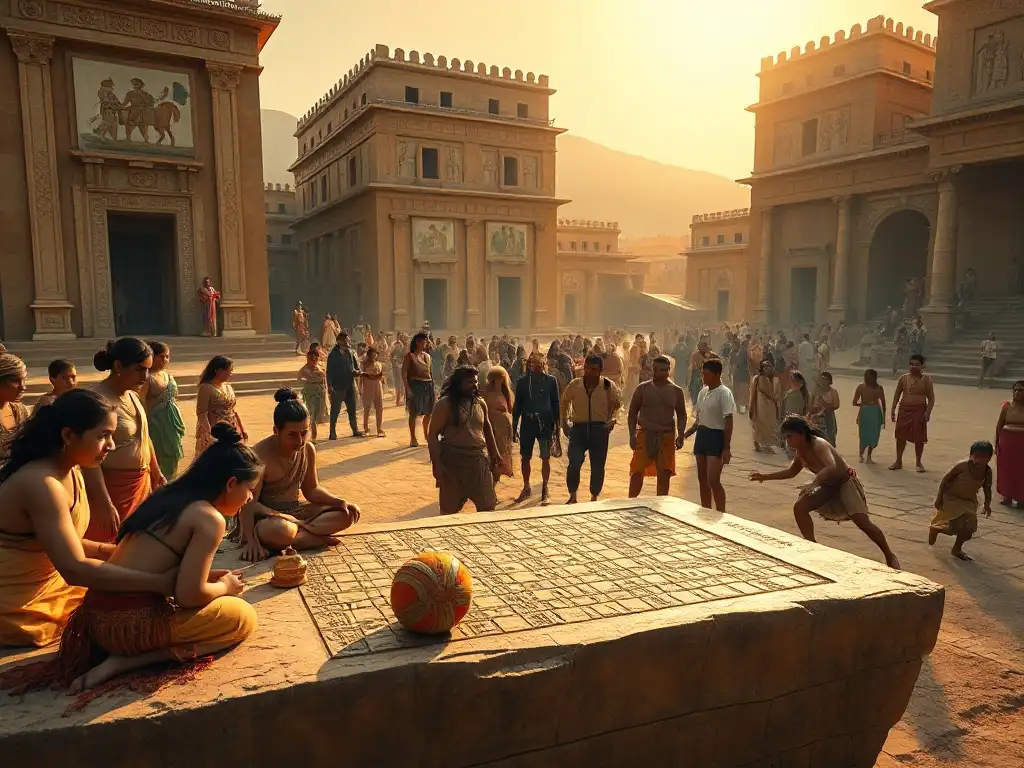
Uncover the secrets of a lost world! Step into the vibrant tapestry of Andean civilization, where towering empires rose and fell, leaving behind a legacy of breathtaking artistry and ingenious technology. But what did life look like beyond the grand monuments? Delve into the fascinating world of Moche games and social interaction, and discover how leisure activities shaped their society. Prepare to be amazed by the intricate details of their games and the vital role they played in daily life—a glimpse into a civilization far more complex than you ever imagined.
The Moche civilization, flourishing along the northern coast of Peru from approximately 100 CE to 800 CE, was far more than a society driven by conquest and agriculture. A vibrant culture, the Moche people dedicated significant time and resources to leisure activities, games, and entertainment. These pursuits weren't merely frivolous pastimes; they played a crucial role in strengthening social bonds, reinforcing social hierarchies, and reflecting the spiritual beliefs of the time.
This article delves into the world of Moche games and entertainment, exploring how these activities served as vital components of their social fabric and daily life, providing insights into their complex social structures and worldview. Understanding Moche games offers a unique perspective on their social interaction and provides a more complete picture of this fascinating civilization.
We will examine specific game types, analyze their representation in Moche art, and explore the social contexts in which they were played, ultimately illuminating the significance of leisure in shaping Moche society. The keyword "Moche games social interaction" will be explored throughout this article.
The Role of Recreation in Moche Society
Recreation in Moche society wasn't simply a break from work; it was deeply interwoven with their social and religious life. Evidence suggests that games and entertainment served several important functions:
- Social cohesion: Games likely provided opportunities for individuals from different social strata to interact, fostering a sense of community and shared identity. The collaborative nature of some games, inferred from artistic depictions, may have strengthened social bonds and facilitated cooperation.
- Religious ritual: Certain games may have held religious significance, potentially acting as a bridge between the human and spiritual realms. The presence of ritualistic elements in games is suggested by some archaeological findings, though further research is needed to fully understand this connection.
- Status display: Some games might have been associated with specific social classes, with access to certain games or equipment reflecting an individual's status or wealth within the Moche hierarchy. This is supported by the depiction of elaborate game sets in elite tombs.
- Skill development: Games likely developed physical and cognitive skills, benefiting individuals and the community as a whole. The dexterity required for some games, as evidenced in artistic representations, may have been valuable in various aspects of daily life.
The limited surviving evidence necessitates a cautious interpretation, but the available data suggests a complex relationship between recreation and the broader Moche social structure. Further archaeological discoveries and interdisciplinary research are crucial for a more comprehensive understanding.
Moche Games: A Glimpse into Daily Life
Depictions of Moche games are frequently found on pottery, textiles, and other artifacts. These artistic representations offer invaluable glimpses into the types of games played and the social contexts in which they took place. While the exact rules of many games remain unknown, the imagery reveals a diversity of activities:
- Ball games: Several artifacts depict individuals engaged in ball games, often involving teams and specialized equipment. The complexity of these games, as suggested by the intricate artwork, points to a level of organization and skill. The presence of spectators in some depictions hints at the social importance of these events.
- Board games: Evidence suggests the existence of board games, possibly involving strategy and chance. The precise rules and objectives remain a mystery, but the presence of intricately carved game boards indicates a significant investment of time and resources in their creation and use.
- Other games: Additional artifacts suggest a variety of other games and entertainment, including possibly forms of dice games and perhaps even simple forms of wrestling or other physical contests. The variety underscores the significance of leisure and recreational activities in daily Moche life.
The study of Moche games is an ongoing process, requiring further research to fully understand their significance within the context of Moche society and culture. The careful analysis of archaeological finds and artistic representations promises to further illuminate the rich tapestry of Moche life and social interaction.
Specific Moche Games and their Significance
The Moche civilization, renowned for its sophisticated artistry and engineering, also possessed a vibrant culture of games and entertainment. These activities weren't merely leisure pursuits; they played a crucial role in Moche social interaction, reinforcing community bonds and reflecting their worldview. Archaeological evidence, primarily from grave goods and iconography depicted on ceramics, provides valuable insights into the types of games played and their significance within Moche society.
The games weren't just about individual skill; they often involved elements of chance, strategy, and social interaction, mirroring the complexities of their society. The presence of game pieces in elite burials suggests that games held a significant status within the Moche hierarchy, possibly linked to ritual practices or demonstrating social standing.
Further research into the distribution and context of game artifacts is crucial for a complete understanding of their social function and cultural meaning within Moche society. The varying complexity of games found across different social strata suggests a nuanced relationship between games and social hierarchy, with simpler games potentially enjoyed by a wider population and more complex games reserved for the elite.
Moche Dice Games: Exploring Chance and Strategy
Moche dice games, evidenced by the discovery of numerous dice made from materials like bone, wood, and pottery, represent a significant aspect of their leisure activities. These dice, often elaborately carved or painted, weren't simply tools for gambling; they likely incorporated elements of strategy and skill alongside chance.
The number of sides on the dice varied, suggesting diverse rules and game variations. The presence of dice in both elite and commoner burials indicates that dice games were likely enjoyed across different social classes, serving as a common ground for social interaction.
The iconography depicting dice games on Moche pottery frequently shows individuals engaged in intense play, suggesting that these games were more than just simple games of chance; they likely involved social dynamics, wagering, and possibly even ritualistic significance. Further analysis of the dice themselves, including the markings and materials used, could reveal more about the specific rules and the social context of these games.
Moche Board Games: Unraveling Social Dynamics
The complexity of Moche society is further reflected in the existence of board games, although direct evidence remains somewhat limited. While complete game boards haven't been frequently unearthed, fragments of what appear to be game boards and game pieces have been found, hinting at more complex strategic games. The materials used, the craftsmanship, and the contexts in which these fragments are discovered could provide information about the social status of the players and the importance of the games in their lives.
These games likely involved a higher degree of skill and planning than dice games, adding another layer to social interaction. The possibility of these games serving as metaphors for social interactions or conflicts within Moche society is an intriguing area for further research. By carefully analyzing the limited material evidence combined with iconographic representations on pottery, researchers can potentially reconstruct the rules and social significance of these games.
Moche Ball Games and their Ritualistic Importance
Ball games held significant ritualistic importance in many ancient Andean cultures, and the Moche were no exception. While direct evidence of dedicated ball courts is scarce compared to other Andean cultures like the Inca, depictions on Moche pottery strongly suggest the existence of ball games, often featuring individuals engaged in intense athletic contests. These scenes frequently appear alongside other ritualistic imagery, suggesting a connection between ball games and religious or ceremonial practices.
The players' attire and the context of the depictions often suggest that these were not simply recreational activities, but rather events with deep symbolic meaning. The use of specialized balls, perhaps made from materials like rubber or other organic substances (further research needed to ascertain precise materials), and the potential use of different rules and variations across different social groups could further enhance our understanding of the social and ritualistic role of ball games in Moche society.
Entertainment Beyond Games: Moche Music and Dance
Beyond games, music and dance formed integral aspects of Moche social life, contributing significantly to community bonding and cultural expression. These art forms weren't merely forms of entertainment; they served as powerful mediums for storytelling, religious expression, and social cohesion. Archaeological finds and iconographic representations on pottery provide valuable glimpses into the musical instruments and dance traditions of the Moche.
Moche Musical Instruments and their Cultural Context
The Moche utilized a variety of musical instruments, as depicted on their pottery and occasionally discovered in archaeological contexts. These include instruments like panpipes, flutes, and possibly drums, although the precise nature of some instruments remains speculative due to limited physical remains. The materials used in creating these instruments—such as bone, wood, and possibly even certain metals—suggest varying levels of craftsmanship and potentially differing social status associated with different instruments. The iconography often depicts musicians playing in groups, suggesting the importance of ensemble performances in Moche society.
The types of music played and the social contexts in which music was performed (rituals, celebrations, etc.) remain areas requiring further investigation. The analysis of the materials and construction techniques of these instruments can potentially shed light on the musical capabilities and the cultural significance of music in Moche society.
Moche Dance Performances: Storytelling and Community Bonding
Moche dance performances, often depicted alongside musical instruments on their pottery, played a vital role in their social fabric. These dances were not merely recreational activities; they were powerful tools for storytelling, conveying narratives about their mythology, history, and social values. The costumes and movements of the dancers, as depicted on Moche ceramics, were often elaborate and symbolic, revealing aspects of their worldview and social structure.
The presence of dancers in both ceremonial and seemingly more casual contexts suggests that dance held a significant place across various aspects of Moche social life, fostering community spirit and social cohesion. The specific meanings of different dance styles and the roles of dancers within Moche society remain areas that need further research and analysis.
By studying the iconography in detail, we can gain a richer understanding of the social functions and cultural significance of dance within Moche society. The potential connections between dance and ritual practices also warrants further investigation.
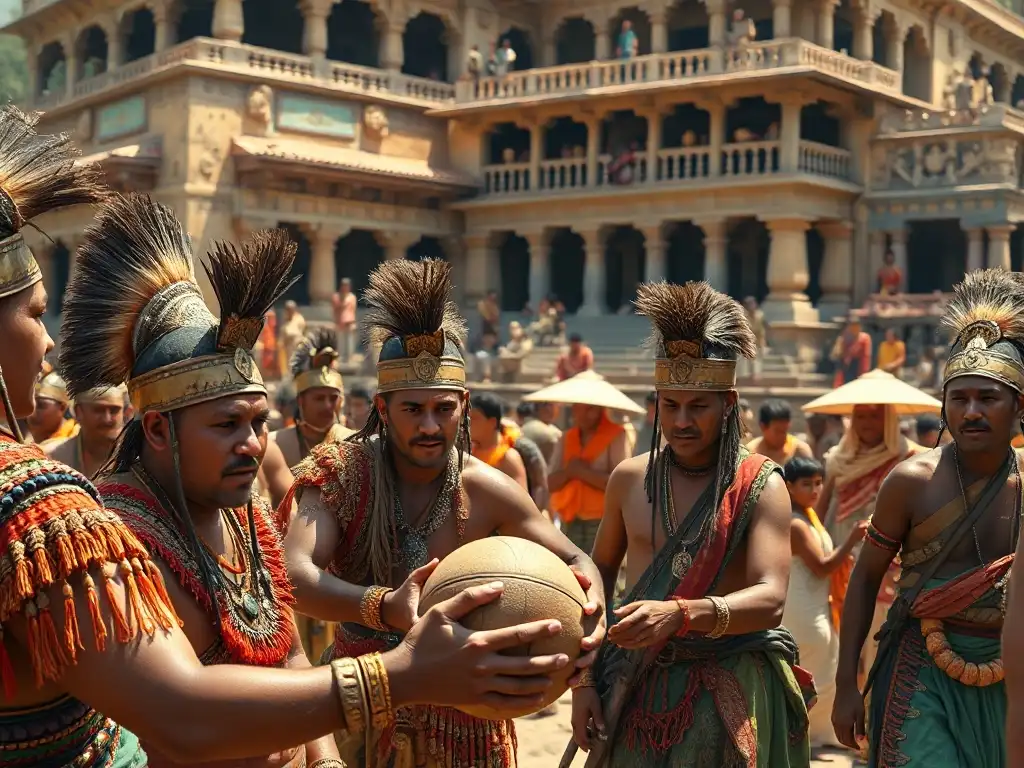
Moche leisure activities, as depicted in their art, weren't merely individual pursuits; they were significant avenues for social interaction. The vibrant scenes on their pottery and textiles often showcase groups of people participating in games and festivities, highlighting the communal aspect of their entertainment. These gatherings likely served as opportunities to strengthen social bonds within families, clans, and the wider community.
The shared experience of playing games, cheering on participants, and celebrating victories fostered a sense of unity and collective identity. Furthermore, the preparation and consumption of food and drink during these events likely played a crucial role in reinforcing social connections, mirroring similar practices observed in many other ancient cultures. The collaborative nature of preparing feasts, for instance, would have provided additional opportunities for interaction and shared experience, solidifying social relationships.
The act of sharing food and drink itself carries symbolic weight in many cultures, signifying trust, kinship, and belonging. Therefore, Moche games and entertainment weren't simply diversions; they were integral components of their social fabric, enhancing community cohesion and reinforcing social hierarchies.
Moche Games as a Reflection of Moche Values
The types of games played by the Moche people offer valuable insights into their societal values and beliefs. The prevalence of games involving physical skill, dexterity, and strategy, as depicted in their artwork, suggests a strong emphasis on these qualities within their culture. This is further supported by the Moche's dedication to warfare and agriculture, both activities requiring considerable physical prowess, coordination, and strategic thinking.
The representation of competitive games also hints at the importance of competition and striving for excellence within their society. However, it's crucial to avoid a simplistic interpretation. While competition was undoubtedly present, the depictions also frequently show communal participation and celebration, suggesting a balance between individual achievement and group harmony.
The intricate designs and craftsmanship evident in game-related artifacts also reflect the Moche's appreciation for artistry and meticulous work. In essence, Moche games served not only as entertainment but also as a microcosm of their broader cultural values, emphasizing physical skill, strategic thinking, and a complex interplay between individual achievement and community spirit. The careful consideration given to the creation of game-related objects reveals a deep societal investment in these activities, further underscoring their significance.
Competition and Skill in Moche Games
Many Moche games, as evidenced by archaeological findings and artistic representations, demanded a high degree of skill and precision. Consider the intricate ball games, for example, which required players to demonstrate exceptional hand-eye coordination, agility, and strategic thinking. The precise movements required to successfully manipulate the balls, often depicted as being relatively small and possibly made of materials like rubber or a similar substance, would have demanded extensive practice and training.
This suggests a structured approach to training and skill development, possibly with designated instructors or mentors guiding aspiring players. Furthermore, the competitive nature of these games, as indicated by the dynamic scenes on Moche pottery, likely led to the development of specialized skills and the emergence of skilled players who may have been recognized and admired within their communities.
This focus on skill and competition is not unique to the Moche, but it reveals a facet of their culture that valued individual prowess and the pursuit of excellence. The level of expertise required to excel in these games likely demanded significant dedication and practice, contributing to a system of skill-based recognition within their social structure.
The Social Status of Game Players
The social standing of individuals who excelled at Moche games remains a subject of ongoing scholarly debate, but existing evidence suggests a possible correlation between gaming proficiency and social status. While definitive proof is lacking, the prominent depiction of game players in Moche art, often in contexts suggesting prestige and power, hints at a potential link. For instance, some representations show game players adorned with elaborate headdresses, jewelry, and other symbols of high rank.
This visual association suggests that skillful players may have enjoyed a higher social standing within their communities, possibly gaining recognition and respect for their abilities. However, it is important to avoid oversimplifying this connection. Social status in Moche society was likely multi-faceted, influenced by factors beyond gaming prowess, including lineage, religious standing, and economic influence.
Further research and the discovery of new archaeological evidence are necessary to fully understand the relationship between gaming skill and social status within Moche society. Nevertheless, the visual cues provided by Moche art offer compelling clues suggesting that success in games may have played a role in shaping an individual's social standing.
The Archaeological Evidence of Moche Games
The study of Moche games relies heavily on archaeological evidence, primarily from the excavation of Moche sites along the northern coast of Peru. These excavations have unearthed a fascinating array of artifacts that shed light on the leisure activities and social interactions of this ancient civilization. While written records are absent, the meticulous craftsmanship and symbolic representation within these artifacts provide invaluable clues.
For example, the discovery of numerous ceramic figurines depicting individuals engaged in various activities, such as ball games and possibly other competitive sports, offers insights into the types of games played. These figurines often show stylized figures with exaggerated features, suggesting a ritualistic or ceremonial aspect to the games.
The detail in their postures and the objects they hold, like balls or specialized equipment, allows researchers to speculate on the rules and mechanics of these games, though much remains open to interpretation. Further analysis of the materials used in the figurines – the types of clay, the pigments used for decoration – can provide additional context, potentially linking specific games to particular regions or social strata within Moche society.
Beyond figurines, the discovery of game-related paraphernalia, such as specialized balls made from various materials (stone, wood, or even rubber if further research confirms the presence of this material in Moche society), adds to the evidence. The size, weight, and material of these balls would have influenced the nature of the games, suggesting variations in skill levels and perhaps different game types. The presence of these artifacts in tombs, alongside other grave goods, suggests that games and sporting prowess held a significant cultural value within Moche society, perhaps even influencing social standing.
The careful preservation of these items suggests their importance to the individuals buried with them, and by extension, to the wider Moche community. Further research into the distribution and context of these artifacts across different Moche sites is crucial in understanding the widespread prevalence and regional variations of these games.
Conclusion: Moche Games and their Enduring Legacy
Moche games, while not fully understood due to the lack of written documentation, reveal a vibrant social life filled with competition, ritual, and community engagement. The archaeological evidence, meticulously interpreted, paints a picture of a society that valued leisure activities and incorporated them into their cultural and possibly religious practices.
The careful craftsmanship evident in the surviving artifacts testifies to the importance of these games within Moche society, suggesting a deep-seated cultural significance that extended beyond mere entertainment. The discovery of game-related artifacts in tombs further highlights their connection to the spiritual world and their role in defining social status.
The enduring legacy of Moche games lies not only in the tangible artifacts that have survived but also in the insights they offer into the social fabric of this ancient civilization. Studying these games allows us to understand the complexities of Moche social structures, their beliefs, and their everyday lives. Further research, including interdisciplinary collaborations between archaeologists, anthropologists, and other specialists, will undoubtedly uncover more details about Moche games and their role in shaping Moche society and culture.
The careful preservation and continued study of these artifacts will ensure that the vibrant legacy of Moche games continues to inform our understanding of this fascinating civilization for generations to come. The study of "Moche games social interaction" continues to be a fruitful area of research, promising further insights into the rich tapestry of Moche life.
- The Role of Recreation in Moche Society
- Moche Games: A Glimpse into Daily Life
- Specific Moche Games and their Significance
- Entertainment Beyond Games: Moche Music and Dance
- Social Interaction Through Moche Leisure Activities
- Moche Games as a Reflection of Moche Values
- The Archaeological Evidence of Moche Games
- Conclusion: Moche Games and their Enduring Legacy
Frequently Asked Questions
What role did games play in Moche society?
Moche games were not merely leisure activities; they served crucial social functions. They fostered community bonds, strengthened social hierarchies, and even played a role in religious rituals.
What types of games did the Moche people play?
Evidence suggests a variety of games, including ball games similar to modern racquetball or squash, board games, and possibly dice games. Depictions on pottery offer clues to their complexity.
Certain games may have been reserved for elites, while others were enjoyed by all social classes. The materials used and the settings for the games likely indicated the players' social standing.
What is the significance of Moche game imagery in their art?
The frequent depiction of games in Moche pottery and textiles suggests their importance in daily life. These images provide invaluable insights into their rules, equipment, and social context.
Games provided opportunities for interaction and competition within the community. They likely strengthened social ties, facilitated communication, and helped maintain social order.
Final Reflection: The Enduring Legacy of Moche Play
The vibrant world of Moche games and entertainment wasn't merely leisure; it was a crucial cornerstone of their social fabric, a legacy that continues to resonate with our understanding of community building and cultural expression today. Understanding the intricate relationship between Moche games and their social structures offers invaluable insight into the complexities of human interaction across vastly different cultures and time periods. The echoes of their playful interactions still speak to us across millennia.
The Moche's dedication to organized games and spectacles reveals a society deeply invested in shared experiences and the reinforcement of social bonds. Their elaborate ball games, intricate board games, and ceremonial dances weren't simply diversions; they were powerful tools for establishing social hierarchies, celebrating communal identity, and fostering a sense of belonging. Play is often talked about as if it were a relief from seriousness, but for children at any rate it is perfectly serious.
- Johan Huizinga. This quote highlights the profound significance the Moche placed on their games, demonstrating their importance beyond mere entertainment. Their legacy reminds us that play is not frivolous, but a fundamental aspect of human civilization.
Consider the ways in which games and shared activities shape your own life and the lives of those around you. Think about the connections you forge through shared hobbies, the sense of community fostered by collaborative efforts, and the joy derived from playful interaction. Embrace the spirit of the Moche and actively seek opportunities to connect with others through shared experiences, fostering a sense of community and celebrating the power of play in your own life. Let their legacy inspire you to build stronger bonds and appreciate the enduring importance of social interaction.
Unleash Your Inner Explorer: Dive into Moche Culture!
Thank you for exploring the fascinating world of Moche games and entertainment! Your journey through their vibrant leisure activities and social interactions has revealed how these ancient people celebrated life and community. Now, let's bring that spirit into your own life!
Here are some ways to deepen your connection with Moche culture:
- Visit local museums and archaeological exhibits to see artifacts related to Moche games and experience their leisure activities firsthand.
- Host a Moche-themed game night with friends, incorporating games inspired by this remarkable culture—it's a fun and educational experience for everyone!
- Share your discoveries on social media and engage others in discussions about the role of leisure in ancient civilizations.
What aspect of Moche entertainment most captivates you, and how do you believe it reflects their societal values? Let's discuss!