
Moche Writing System: Exploring the Glyphs and Symbols

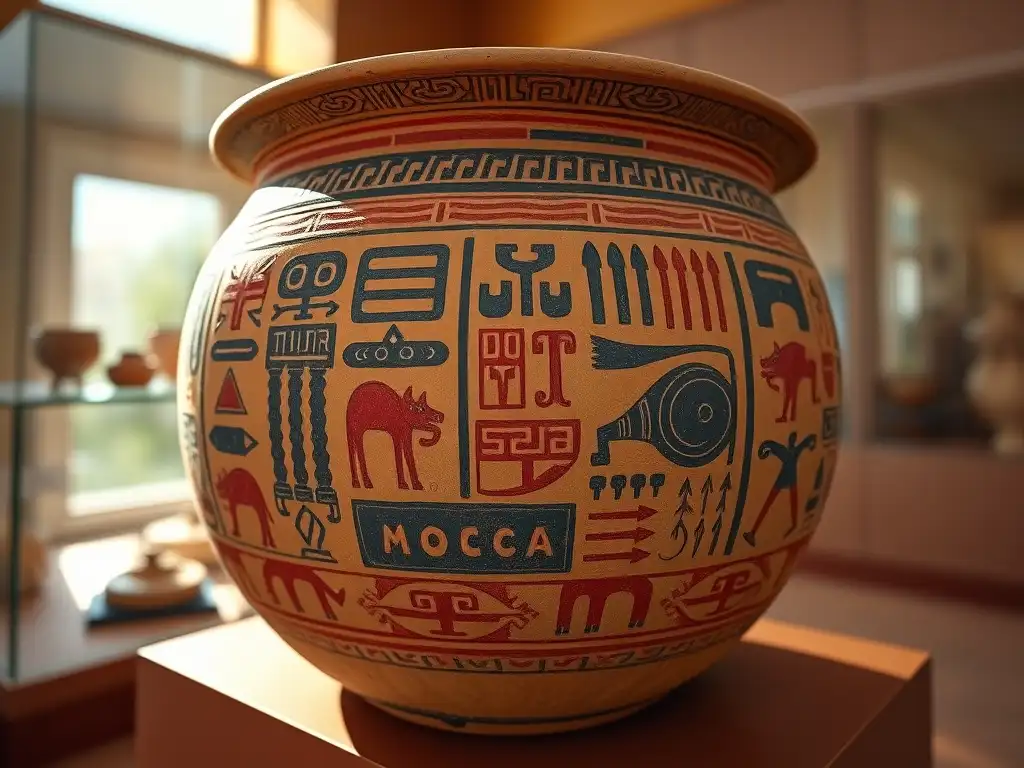
Unravel the mysteries of a lost world. For centuries, the Andean Civilizations have captivated imaginations, their advanced societies leaving behind a legacy of breathtaking artistry and enigmatic technologies. But what secrets lie hidden within the intricate Moche writing system symbols? Journey with us as we delve into the fascinating world of the Moche and attempt to decipher their cryptic glyphs – a journey that will challenge your assumptions and ignite your curiosity. Prepare to be amazed.
- Unveiling the Moche Writing System: Glyphs and Symbolic Communication
- Analyzing Moche Glyphs: Deciphering the Symbols
- Understanding the Context of Moche Symbolic Representation
- Exploring the Forms and Styles of Moche Symbols
- The Significance of Moche Writing System Symbols
- Conclusion: The Enigmatic Moche Writing System
- Frequently Asked Questions
- Final Reflection: Unraveling the Mysteries of the Moche Script
- Unveil the Mysteries of Moche Glyphs!
Unveiling the Moche Writing System: Glyphs and Symbolic Communication
The Moche civilization, flourishing along the northern coast of Peru from approximately 100 CE to 800 CE, left behind a remarkable legacy of art, architecture, and intricate artifacts. While renowned for their sophisticated metalworking, impressive irrigation systems, and stunning pottery depicting vibrant scenes of daily life and ritual ceremonies, the question of a formal Moche writing system remains a subject of ongoing scholarly debate.
This article delves into the fascinating world of Moche iconography, exploring the glyphs and symbols found on their pottery, textiles, and other artifacts, and examining the evidence for and against the existence of a fully developed Moche writing system. We will investigate the complexity of their visual language, considering the potential for symbolic communication beyond mere decoration, and assessing the current state of research in this captivating field of Andean archaeology.
Understanding the Moche "writing system" – or the sophisticated system of symbols they employed – is crucial to unlocking a deeper understanding of their complex social structures, religious beliefs, and worldview. This exploration will shed light on the fascinating attempts to decipher these enigmatic symbols and the ongoing effort to interpret their meaning.
Introduction to Moche Iconography and Communication
Moche iconography is characterized by its striking realism and detailed depictions of figures, animals, and scenes. Pottery, in particular, serves as a primary source for understanding their visual language. These ceramics frequently feature elaborate scenes depicting warfare, religious rituals, agricultural practices, and daily life. The imagery is often highly stylized but recognizable, with clear representations of individuals, deities, and mythical creatures.
Beyond the narrative scenes, however, are numerous symbols and glyphs—repeated motifs and seemingly abstract markings—that have captivated researchers for decades. These symbols are often found integrated within the larger narrative scenes, sometimes appearing as individual elements, other times integrated into complex compositions. The sheer variety and complexity of these symbols suggest a level of sophistication far beyond simple decoration. Understanding the context in which these symbols appear is key to deciphering their meaning.
For example, certain motifs consistently appear alongside representations of elites or deities, suggesting a possible connection to social hierarchy or religious symbolism. Further research into the distribution and frequency of these symbols is crucial to understanding their overall significance within the Moche worldview. The challenge lies in distinguishing between purely decorative elements and those that carry symbolic weight, a task that requires careful analysis of a vast corpus of artifacts and a deep understanding of the broader Moche culture.
The Debate: Is it a True Writing System?
The question of whether the Moche possessed a true writing system remains a key point of contention among scholars. Some argue that the recurring symbols and glyphs represent a proto-writing system, a precursor to fully developed writing, while others suggest that the iconography serves primarily decorative or symbolic purposes, lacking the grammatical structure and complex syntax characteristic of true writing systems. The lack of a Rosetta Stone-like artifact, a bilingual inscription that would allow for direct translation, significantly complicates the decipherment process.
The complexity of the Moche iconographic system, however, with its diverse range of symbols and their recurring patterns in different contexts, suggests a level of sophistication that warrants further investigation. Many scholars believe that further systematic analysis of the corpus of Moche artifacts, coupled with advanced statistical techniques, may help reveal underlying patterns and grammatical structures within the visual system.
The debate highlights the difficulty in defining “writing” itself, and the need for a nuanced understanding of the diverse forms of communication employed by ancient societies. The possibility of a complex system of symbolic communication, even if not strictly a "writing system" in the traditional sense, remains a compelling area of research.
Moche Iconography: Beyond Simple Decoration
While some symbols might simply be decorative elements, many scholars believe that Moche iconography served a far more complex function than mere ornamentation. The intricate detail, consistent repetition of specific motifs, and contextual placement within larger narrative scenes all point to a system of symbolic communication with potential for conveying information beyond visual narrative. The arrangement and combination of symbols might have encoded specific meanings, perhaps relating to social status, religious beliefs, historical events, or even astronomical observations.
The recurring use of certain motifs across different artifacts, and the apparent consistency in their depiction, suggest a degree of standardization, which is an important characteristic of symbolic systems. Furthermore, the highly stylized nature of the Moche artistic style, while aesthetically pleasing, could also reflect a deliberate attempt to standardize visual communication.
The ongoing research into the Moche iconography is slowly unveiling the potential for a deep and complex system of symbolic communication, pushing the boundaries of our understanding of this remarkable ancient civilization. The meticulous documentation and analysis of the Moche artifacts continue to provide valuable insights into their unique system of visual communication, gradually revealing the secrets hidden within their captivating imagery.
Analyzing Moche Glyphs: Deciphering the Symbols
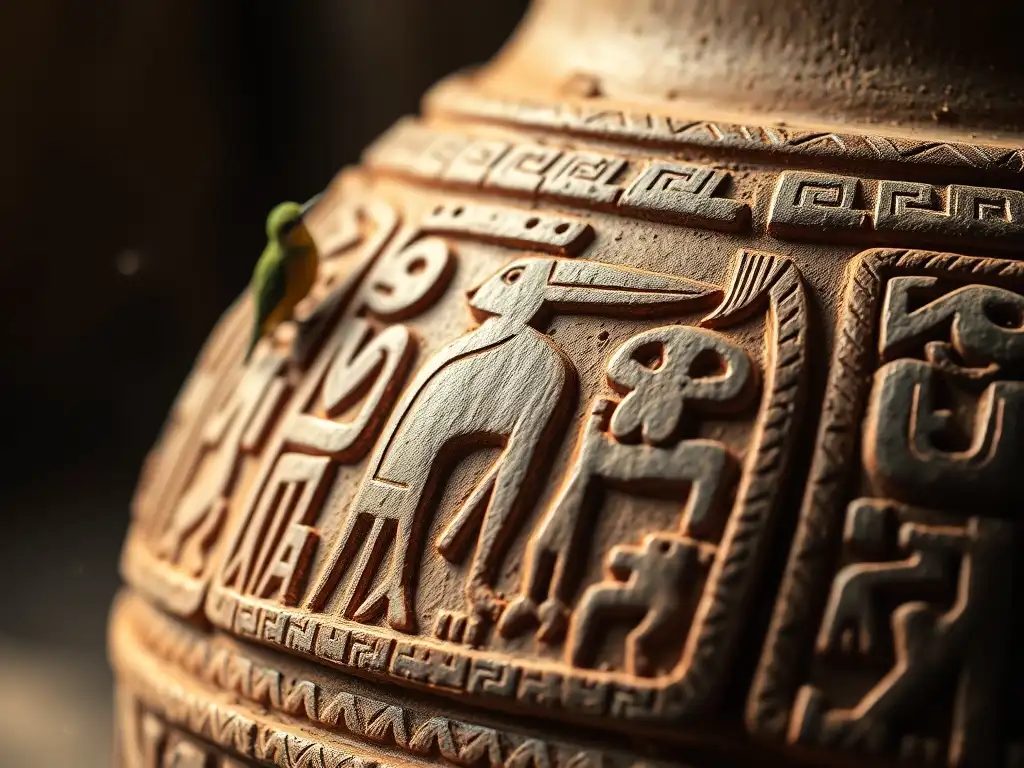
The Moche writing system, while not fully understood, presents a fascinating puzzle for archaeologists and historians. Unlike the sophisticated writing systems of Mesoamerica, the Moche system appears less developed, relying more on iconic representations and potentially lacking a true phonetic component. This doesn't diminish its importance; rather, it highlights the unique characteristics of Moche communication and artistic expression.
The discovery and analysis of Moche glyphs primarily come from ceramic artifacts, particularly decorated pottery. These glyphs, often intricately woven into the narrative scenes depicted on the vessels, offer glimpses into Moche mythology, rituals, and daily life. The challenge lies in the limited number of deciphered symbols and the lack of a Rosetta Stone-like artifact to provide a clear key to understanding their meaning.
The current research suggests a system of symbolic representation rather than a fully developed alphabet or syllabary. Further research, including comparative analysis with other Andean cultures and advanced imaging techniques, is crucial to unlocking the secrets held within these enigmatic symbols. The potential for uncovering a rich tapestry of Moche history and worldview is immense.
Recurring Moche Symbols and Their Meanings
Several symbols appear repeatedly across different Moche ceramic pieces, hinting at their significance within Moche society. One frequently observed symbol is a stylized depiction of a feline, often associated with power and divinity. The exact meaning remains debated, but some scholars suggest a link to a feline deity, perhaps a manifestation of a shamanistic figure or a representation of the natural world's power.
Another common symbol is a series of concentric circles, which could represent the sun, celestial bodies, or even cyclical processes in nature. The interpretation is often context-dependent, varying based on the surrounding imagery and the overall narrative of the ceramic piece. For example, concentric circles accompanied by depictions of agricultural scenes might symbolize the cyclical nature of harvests and the Moche's dependence on agriculture.
Additional recurring motifs include stylized human figures, often in ritualistic poses, and geometric patterns, possibly representing clan markings or territorial boundaries. The intricate details and variations within these repeated symbols further complicate the decipherment process, requiring careful consideration of context and stylistic nuances. The lack of extensive written records makes the process of interpretation even more challenging, relying heavily on careful observation and comparative analysis of the available artifacts.
Common Motifs in Moche Art and Their Potential Significance
The Moche were masterful artisans, and their art provides invaluable clues to their writing system and cultural beliefs. Beyond the glyphs themselves, common motifs in Moche art often accompany and contextualize the symbols, adding layers of meaning. For example, depictions of warriors, often highly stylized and clad in elaborate headdresses and weaponry, frequently appear alongside symbols that might represent military achievements or social status.
Similarly, scenes depicting ritual sacrifices, often involving human sacrifice, are often accompanied by specific glyphs, possibly signifying the religious significance of these events within Moche society. The use of specific colors also plays a role, with certain pigments likely holding symbolic weight. For instance, the use of red might signify blood, sacrifice, or power, while other colors, like yellow or blue, could represent different aspects of their worldview.
This complex interplay between symbols, motifs, and color adds another layer of complexity to the interpretation of the Moche writing system, highlighting the integrated nature of their artistic and symbolic language. Further research into the symbolic meaning of Moche art is crucial to understanding the full context of their glyphs.
The Role of Moche Glyphs in Ceramic Decoration
Moche glyphs are rarely found in isolation. They are almost always incorporated into the elaborate and narrative-rich decorations of their ceramics. These aren't simple markings; they are integral parts of complex scenes that depict mythological stories, historical events, or everyday life. The placement of glyphs within these scenes is crucial to interpreting their meaning.
For example, a glyph might be placed near a specific character in a narrative scene, suggesting the identity or role of that character. Or, it might be associated with a particular object or action, providing additional context to the scene. The relative size and prominence of the glyphs also offer clues to their importance within the narrative. Larger, more prominently displayed glyphs likely hold greater significance than smaller, less noticeable ones.
Analysis of the spatial relationships between glyphs and other artistic elements is essential for understanding the Moche writing system. The careful study of ceramic decoration, therefore, provides a vital pathway towards deciphering the meaning of the Moche symbols and understanding their culture more comprehensively. The intricate artistry of Moche pottery serves as a rich repository of information about their society, awaiting further investigation and interpretation.
Moche Iconography and Religious Beliefs
The Moche writing system, while not fully understood, is deeply intertwined with their complex religious beliefs and iconography. Many glyphs depict deities, mythical creatures, and scenes from their elaborate rituals. Understanding the Moche worldview is crucial to interpreting the meaning behind these symbols. The Moche pantheon included a variety of powerful figures, often associated with natural forces like the sea, the sun, and the moon.
These deities were frequently represented in their art, and these representations often find parallels in the glyphs used in their writing system. For example, the recurring motif of a feline deity, possibly linked to a moon god or a powerful shamanistic figure, appears both in ceramics and potentially in certain glyph combinations. The precise interpretation remains a subject of ongoing scholarly debate, however, highlighting the intricate nature of the Moche writing system and its connection to their spiritual world.
Further complicating the analysis is the stylistic variation found across different Moche sites and time periods. The iconography, and therefore potentially the glyphs representing them, evolved over time, reflecting changes in religious practices and beliefs. Researchers have identified distinct stylistic phases in Moche art, and these phases are likely reflected in the evolution of their writing system as well.
This temporal variability necessitates a careful chronological approach to decipher the symbols, ensuring that the context of their creation is considered. Without understanding the specific cultural and religious context, interpreting the glyphs accurately becomes exceedingly difficult. The Moche civilization's sophisticated understanding of their world, as reflected in their art and religious practices, is mirrored in the complexity of their writing system, making its complete decipherment a significant challenge for modern scholars.
The development of a comprehensive database cataloging the various glyphs and their contextual appearances is paramount to furthering the research into this fascinating aspect of Moche culture. This would involve combining stylistic analysis with archaeological findings to draw more robust conclusions.
The religious significance of certain symbols is often suggested by their prominent placement in important contexts. For example, glyphs appearing on elite tombs or ceremonial objects likely hold greater religious or political importance than those found on everyday pottery. This hierarchical distribution of symbols further emphasizes the connection between the writing system and the Moche social structure.
The religious elite likely played a key role in the creation and interpretation of the glyphs, further reinforcing the sacred nature of the writing system itself. The intricate detail and the careful execution of the glyphs in these contexts suggest a high level of skill and reverence for the written word within Moche society, reinforcing the idea that the system was far from merely decorative, but held profound religious and social significance.
The study of Moche religion and its connection to their writing system is therefore an essential component in fully understanding the Moche civilization and their sophisticated culture. The more we understand their beliefs, the closer we get to unlocking the secrets held within their glyphs.
Understanding the Context of Moche Symbolic Representation
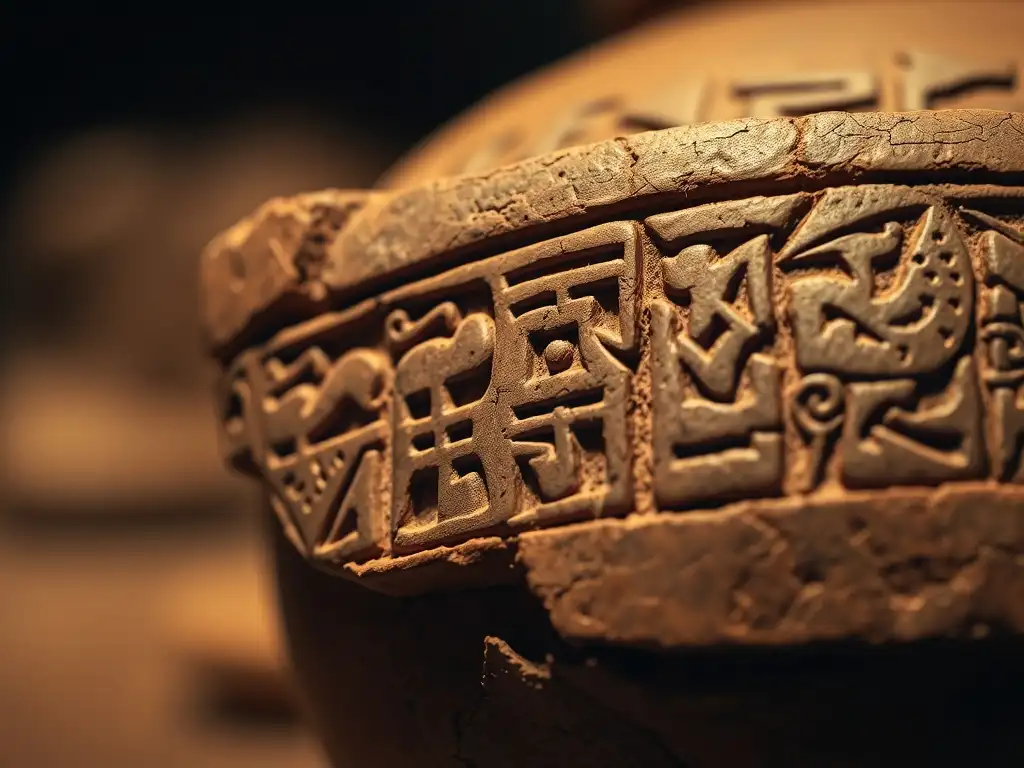
The Moche writing system, while not a fully developed alphabet in the same way as those of other ancient civilizations, utilized a complex system of symbols and glyphs to convey meaning. Understanding this system requires moving beyond a simple decipherment of individual symbols and delving into the broader socio-cultural context of Moche society.
Their symbolic language wasn't merely a means of recording events; it was deeply intertwined with their religious beliefs, social structures, and daily life. The Moche people, renowned for their sophisticated artistry, expressed their worldview through intricate ceramics, textiles, and metalwork, all richly adorned with symbolic imagery that reflects their unique cultural identity and provides valuable insights into their civilization.
The study of "Moche writing system symbols" therefore necessitates a holistic approach, considering the interplay between the visual representations and their societal significance. This section will explore how these symbols reflect the Moche's social structures, rituals, and overall understanding of the world.
Moche Society and the Use of Symbolic Language
Moche society was highly stratified, with a powerful elite controlling resources and religious authority. This social hierarchy is clearly reflected in their art, particularly in the depiction of rulers and priests. Specific symbols, often repeated across various artifacts, likely represented specific deities, clans, or concepts important to their cosmology.
For instance, certain motifs frequently appearing on elite ceramics might symbolize power, divinity, or ancestral lineage. Unfortunately, a complete understanding of the semantic value of each symbol remains elusive due to the limited number of deciphered glyphs. Further research and comparative analysis of existing artifacts are crucial for a more comprehensive understanding of Moche symbolic language and its application within their daily lives.
The challenge lies in distinguishing between purely decorative elements and those with specific symbolic meaning. Scholars continue to debate the function of certain recurring motifs, highlighting the complexity and subtlety of the Moche writing system. The lack of extensive textual records makes the process even more challenging, necessitating a multidisciplinary approach combining art history, archaeology, and anthropology.
The Moche's hierarchical social structure is vividly portrayed in their art. Elaborate headdresses, ornate clothing, and the presence of attendants in depictions of elite figures clearly delineate social status. The symbols associated with these figures, often including specific animals or supernatural beings, further emphasize their authority and power.
For example, depictions of a specific bird species might consistently appear alongside representations of rulers, suggesting a connection between the bird and royal lineage or divine authority. Such representations weren't simply decorative; they were potent statements of social order and legitimacy. Analyzing the distribution of specific symbols across different types of artifacts – from grand tombs to everyday pottery – reveals further details about social hierarchies and the ways in which Moche society maintained and reinforced its structure.
The frequency and prominence of certain symbols on elite artifacts compared to those found in commoner burials underscore the significance of symbolic representation in the Moche world. We can infer, through careful observation, that these symbols were not randomly applied, but rather carefully chosen to reflect and reinforce the social order.
Moche Rituals and Their Depiction in Moche Art
Many Moche artifacts depict scenes of ritual practices, providing valuable insight into their religious beliefs and ceremonies. Symbols found within these depictions are crucial for understanding the context and significance of these rituals. For instance, the recurring image of a specific deity might indicate a ritual dedicated to that particular god or goddess.
Furthermore, the combination of symbols within a single scene could suggest the sequence or nature of a specific rite. The use of specific colors, forms and compositions further contributes to the interpretation of the ritual context. While the exact meaning of each symbol remains largely speculative, their consistent appearance within ritualistic contexts suggests a direct correlation between the symbols and the religious practices of the Moche.
Analyzing the distribution and combination of these symbols in various artifacts provides valuable clues to the Moche’s complex religious beliefs and the social functions of their rituals. The study of "Moche writing system symbols" within ritualistic contexts remains a dynamic field of research, with new discoveries constantly reshaping our understanding of this fascinating civilization. The painstaking work of archaeologists and art historians continues to unveil the hidden meanings behind these captivating images, adding layers of complexity to our appreciation of the Moche culture.
Moche Glyphs and Narrative Storytelling
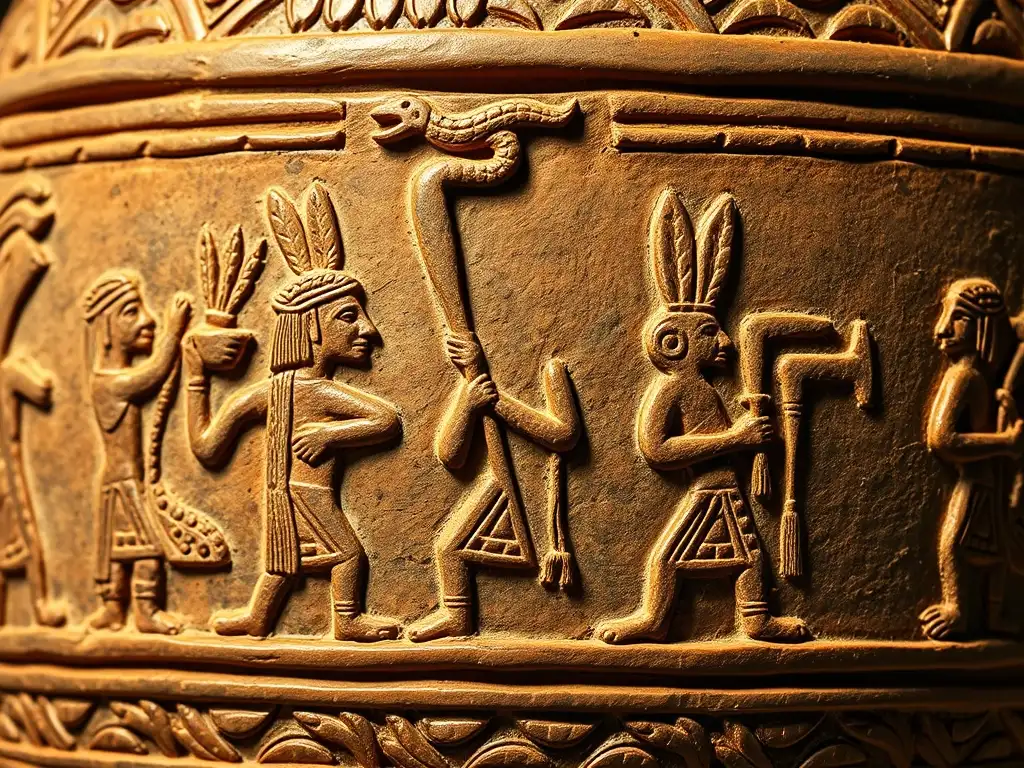
The Moche, renowned for their intricate pottery and metalwork, also developed a sophisticated system of glyphs, though not a fully developed writing system in the same vein as the Maya or Aztec. These glyphs, often found on their ceramics, served primarily as a visual narrative, conveying stories and possibly religious or ritualistic information. Unlike alphabetic scripts, the Moche glyphs don't represent individual sounds or words but rather complex ideas or scenes.
Scholars have identified hundreds of distinct glyphs, each potentially representing a different concept, object, or action. The complexity lies in deciphering their meaning and understanding the context in which they were used. Many glyphs depict recognizable elements of Moche life, such as deities, animals, plants, and human figures engaged in various activities.
However, the precise meanings and the relationships between the glyphs remain a subject of ongoing research and debate amongst archaeologists and epigraphers. The absence of a Rosetta Stone-like artifact further complicates the process of translation.
The narrative nature of Moche glyphs is evident in the way they are arranged on pottery surfaces. Often, a sequence of glyphs tells a story, unfolding across the vessel. This sequential arrangement suggests a deliberate attempt to communicate a message, albeit one that remains challenging to interpret fully.
Researchers have proposed various methodologies for understanding these narratives, including comparing similar glyph combinations across different pottery pieces, analyzing the context of the glyphs within the broader scene depicted on the vessel, and considering the iconography prevalent in other Moche art forms. For example, the recurring motif of a specific deity alongside certain symbols might suggest a particular myth or ritual associated with that deity. The study of Moche glyphs requires a multi-faceted approach, combining art history, anthropology, and archaeology to unravel the mysteries behind these fascinating symbolic representations.
The challenge lies not just in identifying individual glyphs but in understanding their interconnectedness and the overall narrative they convey. This is further complicated by the stylistic variations found across different Moche regions and time periods.
The Role of Context in Deciphering Moche Symbols
Understanding the context in which Moche symbols appear is crucial for deciphering their meaning. The location of the glyphs, the type of artifact they are found on (e.g., a ceremonial vessel versus a domestic object), and the accompanying imagery all contribute to the interpretation. A glyph might have one meaning when depicted on a large, elaborately decorated ceremonial vessel and a different meaning when found on a smaller, everyday object.
For example, a specific glyph representing a deity might signify a different aspect of that deity's power or role depending on the context. Similarly, the presence of other symbols around the glyph can provide clues to its meaning. The arrangement of glyphs and other artistic elements within a scene creates a visual narrative that needs to be interpreted holistically.
Researchers often use comparative analysis, comparing similar scenes and glyph combinations across different artifacts to identify recurring themes and patterns. This comparative approach helps to establish relationships between different glyphs and build a more comprehensive understanding of the Moche symbolic system.
Limitations in Current Understanding of Moche Glyphs
Despite significant progress in understanding Moche art and culture, the interpretation of their glyphs remains a significant challenge. Many glyphs are still unidentified, and the meanings of those that have been tentatively identified are often debated. The limited number of inscribed artifacts compared to the vast amount of Moche pottery and metalwork further hinders research. The lack of a large corpus of inscribed texts makes it difficult to establish consistent patterns and develop a reliable system for deciphering the glyphs.
Furthermore, the stylistic variations across different Moche regions and time periods complicate the process of comparing and contrasting glyphs. What might appear to be the same glyph in two different locations could, in fact, have different meanings depending on the specific artistic conventions of that region or time period. The perishable nature of many Moche materials also limits the available evidence. Organic materials like textiles and wood, which might have carried inscribed glyphs, have rarely survived the passage of time.
This scarcity of evidence necessitates a cautious and nuanced approach to interpretation. Future discoveries and the application of new technologies might offer further insights into this fascinating yet enigmatic aspect of Moche culture. The ongoing research continues to refine our understanding of these symbols and their role in the Moche world.
Exploring the Forms and Styles of Moche Symbols
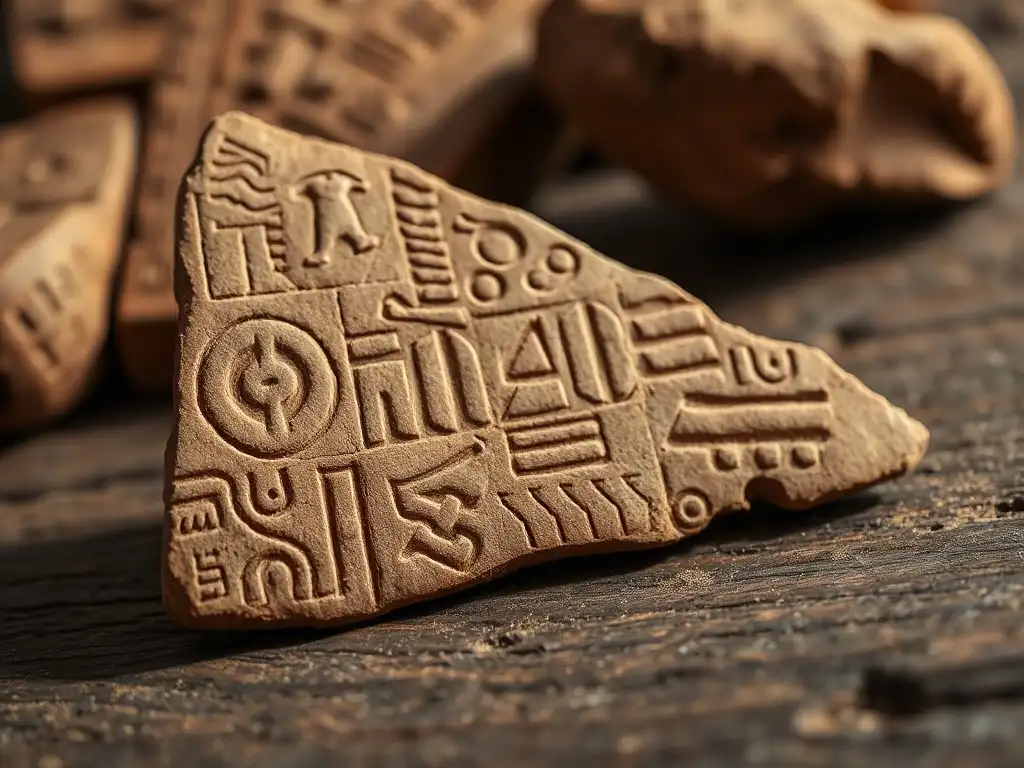
The Moche writing system, while not fully deciphered, presents a fascinating array of symbols and glyphs that offer glimpses into their complex society and worldview. Understanding the forms and styles of these symbols is crucial to unlocking the secrets of Moche communication and culture. The system's unique characteristics distinguish it from other contemporaneous writing systems in the Andes, highlighting its distinct artistic and intellectual traditions.
Researchers continue to debate the exact nature of the Moche writing system; some argue it was a fully developed script, while others suggest it was a form of proto-writing or mnemonic device. Regardless of its classification, the visual richness and symbolic complexity of the Moche symbols are undeniable, providing valuable insights into their beliefs, rituals, and daily life.
The enduring mystery surrounding this system fuels ongoing research and scholarly debate, making it a compelling area of study for anyone interested in Andean history and culture. Analyzing the stylistic variations within the Moche writing system is key to understanding its evolution and regional differences.
Moche Pictorial Style: Representing the World
The Moche writing system is predominantly pictorial, employing highly detailed and realistic representations of objects, animals, and figures. This pictorial style reflects the Moche's keen observation of the natural world and their sophisticated artistic abilities. The symbols are often rendered with remarkable precision, capturing minute details of the depicted subjects. For example, representations of birds frequently include accurate depictions of plumage and posture, while depictions of marine life showcase an intimate understanding of marine biology.
This attention to detail suggests a strong connection between the Moche and their environment, with the natural world serving as a primary source of inspiration and meaning. Many symbols depict scenes from daily life, such as farming, fishing, and warfare, showcasing the importance of these activities in Moche society. Other symbols focus on mythological and religious themes, providing insights into their belief system and cosmological views.
This rich iconography offers a visual narrative of Moche life, beliefs, and values. The vibrant colors and dynamic compositions of these symbols further enhance their expressive power, making them captivating examples of ancient Andean art. The use of vibrant pigments, often derived from natural minerals, contributed significantly to the visual impact of the Moche glyphs.
Geometric Forms and Their Symbolic Interpretations
Beyond the pictorial representations, the Moche writing system also incorporates a range of geometric forms. These abstract symbols, often appearing alongside or integrated within pictorial representations, add another layer of complexity to the system. Circles, squares, triangles, and spirals are common geometric motifs, and their placement and combination within a given inscription can significantly alter its meaning.
Researchers are still deciphering the symbolic significance of these geometric forms, but some interpretations suggest they may represent abstract concepts such as time, space, or cosmic forces. The precise meanings of these geometric forms likely varied depending on context, with their interpretations shaped by surrounding pictorial elements and the overall composition of the inscription. For instance, a spiral might represent a deity's power in one context, or the cyclical nature of life and death in another.
The careful study of these geometric forms, in conjunction with the pictorial elements, is vital for a comprehensive understanding of the Moche writing system. Further research is needed to fully understand the nuanced meanings of these geometric symbols and their relationship to the broader Moche cosmology. The precision with which these geometric forms were rendered, even on small ceramic fragments, testifies to the Moche's advanced artistic skills and their meticulous approach to record-keeping or symbolic representation.
Regional Variations in Moche Symbol Usage
While the Moche writing system exhibits stylistic coherence across its geographic range, subtle regional variations exist in symbol usage and stylistic conventions. These variations may reflect differences in local dialects, artistic traditions, or even distinct religious practices within different Moche communities. For example, certain symbols may appear more frequently in one region than another, or the same symbol might have slightly different representations depending on its location.
These variations highlight the dynamic nature of the Moche culture and suggest a level of regional autonomy within the larger Moche empire. Identifying and analyzing these regional differences is crucial for a comprehensive understanding of the Moche writing system's evolution and its adaptation to diverse local contexts. Further research, including detailed surveys of Moche artifacts from various regions, is needed to fully document and interpret these regional variations.
Careful documentation of the geographical provenance of artifacts bearing Moche symbols is paramount for this type of research. Understanding these regional nuances is key to a more complete picture of the complexity and sophistication of the Moche civilization. The study of regional variations provides valuable insights into the internal dynamics and cultural diversity within the Moche society.
The Significance of Moche Writing System Symbols
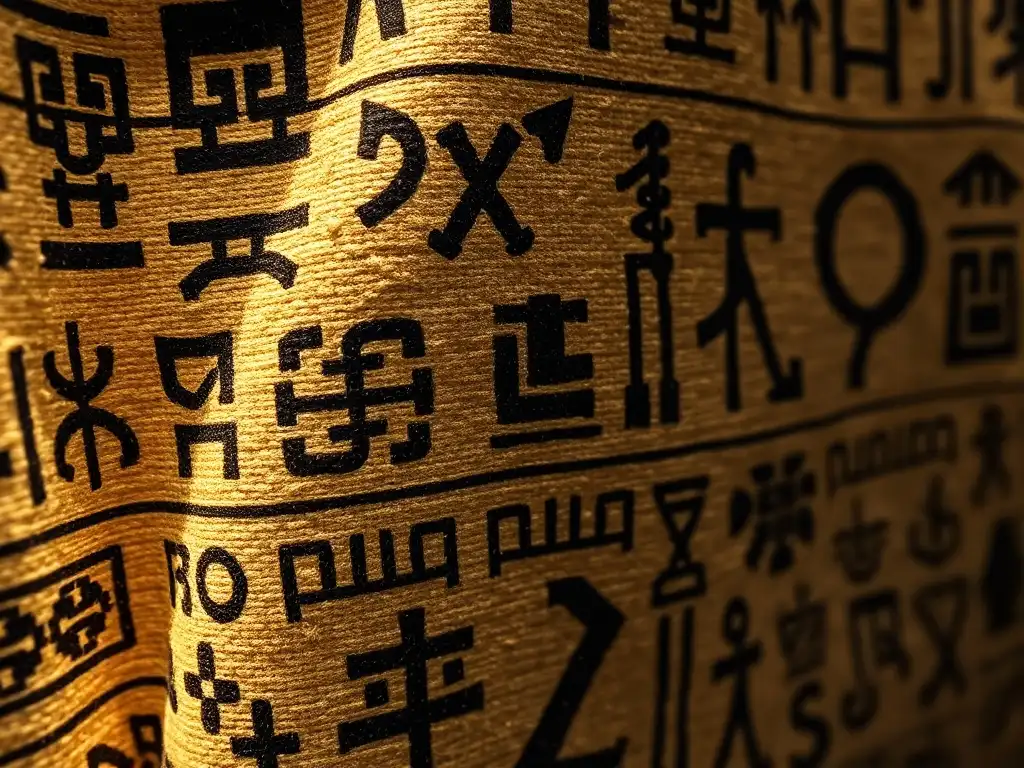
The Moche writing system, while not fully deciphered, holds immense significance for understanding this remarkable pre-Columbian civilization. Unlike the more widely known writing systems of Mesoamerica, the Moche system relied heavily on iconography, employing a complex array of symbols and glyphs to convey information. These symbols, etched onto pottery, textiles, and metalwork, offer invaluable insights into their social structures, religious beliefs, and daily life.
The study of these Moche writing system symbols remains a crucial area of ongoing research, constantly revealing new layers of meaning and complexity within this fascinating culture. The limited number of surviving examples and their often fragmentary nature present significant challenges, but the potential rewards in understanding their worldview are enormous. The ongoing effort to decipher these symbols is a testament to the enduring mystery and captivating nature of the Moche civilization.
The Importance of Moche Iconography in Understanding Their Culture
Moche iconography is not merely decorative; it's a powerful tool for understanding their social hierarchy and daily life. Representations of rulers, warriors, and priests, often depicted in elaborate headdresses and regalia, reveal details about their social structure. For example, the frequent depiction of elaborate feasts and ceremonies suggests the importance of ritual and communal gatherings in Moche society.
Detailed scenes of agricultural practices, fishing, and warfare provide insights into their economic activities and military strategies. The level of detail in these depictions is remarkable, showcasing the artists' skill and the importance placed on accurately representing their world. Analyzing the frequency and context of specific symbols within these scenes allows researchers to infer social status, power dynamics, and the significance of certain activities within the Moche worldview.
For instance, the recurring motif of certain animals might indicate their religious or totemic significance. Further research into the distribution and variation of these symbols across different Moche sites could provide additional clues about regional differences and cultural exchange.
Moche Symbols as a Window into Their Beliefs
The Moche writing system symbols provide a unique window into their religious beliefs and cosmology. The frequent depiction of supernatural beings, often anthropomorphic or zoomorphic figures, suggests a complex pantheon of gods and spirits. These figures are often depicted in dramatic scenes involving sacrifice, ritualistic combat, or interaction with the natural world.
The presence of specific symbolic elements, such as certain plants, animals, or celestial bodies, might indicate their religious significance or association with specific deities. For instance, the recurring imagery of the moon and stars could point to a celestial element in their religious practices. The analysis of these symbols requires careful consideration of their context, as their meaning could vary depending on the specific artifact and accompanying imagery.
The interpretation of these scenes is often debated among researchers, but the potential for revealing the core beliefs of the Moche people is immense. The presence of certain symbols in elite contexts, such as tombs or ceremonial objects, could further highlight their importance in Moche religious life.
The Legacy of Moche Symbolic Communication
The legacy of Moche symbolic communication continues to inspire awe and intrigue. While much remains unknown, the surviving examples of their writing system provide a fascinating glimpse into the complexity of their thought and culture. The detailed iconography demonstrates a sophisticated understanding of visual communication, conveying a wealth of information within seemingly simple symbols.
The efforts to decipher and understand these Moche writing system symbols are ongoing, but the progress made so far has already significantly advanced our understanding of this enigmatic civilization. Future research, incorporating advanced technologies and interdisciplinary approaches, holds the promise of further unraveling the mysteries of the Moche writing system and offering a more complete picture of their society, beliefs, and culture.
The enduring mystery and complexity of the Moche symbols serve as a reminder of the richness and diversity of pre-Columbian cultures and the ongoing importance of their study. The challenge of deciphering this system continues to attract researchers and enthusiasts, ensuring that the legacy of Moche symbolic communication will remain a vibrant area of study for years to come.
Moche Influence on Later Andean Cultures
The Moche writing system, while not as extensively developed as some later Andean scripts, undeniably left its mark on subsequent cultures. Its influence can be seen not only in direct stylistic similarities in glyphs and symbol representation but also in the broader conceptual framework of record-keeping and communication. While we lack a direct, linear progression of script evolution from Moche to, say, the Inca quipu system, the very idea of a formalized system for recording information, be it through writing or knotted strings, suggests a cultural inheritance. The Moche emphasis on visual representation, particularly in their elaborate pottery and textiles depicting narratives and rituals, likely paved the way for later cultures to develop more sophisticated systems for transmitting knowledge and history across generations.
The Moche's sophisticated understanding of astronomical cycles, reflected in their artwork and potentially in their writing system (though the exact meaning of many symbols remains debated), might have also influenced subsequent Andean calendars and cosmological beliefs. Further research comparing Moche iconography with that of later cultures, particularly in the north coast region, is needed to fully understand the extent of this influence. The absence of a readily deciphered Moche writing system makes tracing direct linguistic links challenging, but the overall impact on visual communication strategies is undeniable and warrants further investigation. The persistence of certain motifs and symbolic representations across different Andean cultures hints at a deeper cultural continuity, with the Moche playing a pivotal role in shaping the visual language of later civilizations.
For example, certain zoomorphic representations found in Moche art reappear in later styles, suggesting a shared symbolic vocabulary that transcended specific writing systems. This underscores the importance of considering the Moche's contribution not solely through their writing system but also through the broader visual culture they created. Analyzing the evolution of iconography across different Andean societies offers a crucial pathway to understanding the lasting legacy of Moche artistic and symbolic innovations. The intricate relationship between Moche art, its potential writing system, and the cultural heritage of subsequent Andean societies remains a rich area for ongoing scholarly exploration.
Conclusion: The Enigmatic Moche Writing System
The Moche writing system remains one of the most intriguing and challenging puzzles in Andean archaeology. While decipherment has proven elusive, the meticulous study of Moche glyphs and symbols continues to reveal fascinating insights into their complex society and culture. The sheer volume of artifacts bearing these markings – from pottery and textiles to metalwork and architecture – underscores the importance of this system, even if its full meaning remains hidden.
Understanding the Moche writing system is not merely an academic exercise; it's a key to unlocking a deeper understanding of their worldview, social structures, and daily life. The persistence of unanswered questions only serves to heighten the allure of this ancient script, driving ongoing research and inspiring future generations of scholars.
The Ongoing Research and the Future of Moche Glyphs
The study of Moche glyphs is a dynamic field. Researchers employ a variety of methods, including comparative analysis of different artifacts, statistical modeling of glyph frequency and distribution, and the application of advanced imaging techniques to reveal subtle details previously unseen. The ongoing effort to create a comprehensive corpus of Moche glyphs, meticulously documented and categorized, is crucial for future decipherment attempts. This involves not only cataloging existing examples but also actively searching for new artifacts that might shed light on the system's structure and meaning.
Furthermore, interdisciplinary collaborations are proving invaluable. Linguists, anthropologists, and computer scientists are working together to bring new perspectives and methodologies to the challenge. For example, computational linguistics techniques are being used to identify patterns and potential relationships between glyphs, while anthropological studies of contemporary Andean cultures might offer insights into potential symbolic meanings.
The use of AI and machine learning in analyzing the vast dataset of Moche glyphs holds significant promise for future breakthroughs. The potential for discovering new, previously unidentified glyphs in less explored areas or through the application of new technologies also represents a significant avenue for future research.
The puzzle of the Moche writing system is far from solved, but the ongoing dedication of researchers worldwide offers hope for a future where we can finally understand the message encoded in these fascinating symbols. The potential rewards are immense – a richer understanding of a remarkable civilization and a deeper appreciation for the enduring legacy of the Moche.
Frequently Asked Questions
Did the Moche civilization have a writing system?
While the Moche didn't have a writing system in the same way as the Egyptians or Mayans, they used a complex system of iconography and symbols on ceramics and textiles to potentially record information. The exact meaning and function remain largely a mystery.
What kind of symbols did the Moche use?
Moche symbols often depicted religious figures, animals, and objects of importance to their culture. These symbols are found on various artifacts, primarily pottery. Their precise meaning continues to be debated by scholars.
Where can I find examples of Moche symbols?
Many examples of Moche iconography are housed in museums around the world, including Peru. Online databases and academic publications also offer images and information about these fascinating symbols.
Are the Moche symbols fully deciphered?
No, the Moche symbolic system is not fully understood. Researchers are still working to interpret the meanings behind the various depictions and their potential narrative use. Further research is needed to unlock their secrets.
How do Moche symbols compare to other Andean writing systems?
Unlike the later Inca quipus (knotted strings), the Moche system is primarily visual. It differs significantly from other known Andean writing systems, making its decipherment even more challenging. The comparison highlights the diversity of communication methods in the Andes.
Final Reflection: Unraveling the Mysteries of the Moche Script
The Moche writing system, though still largely undeciphered, offers a powerful window into a sophisticated pre-Columbian civilization. Its enduring mystery continues to fuel scholarly debate and underscores the vast, often overlooked, complexities of ancient Andean cultures. Understanding this system is not merely an academic pursuit; it's a key to unlocking a deeper understanding of a people who thrived centuries ago, leaving behind a rich legacy of art, engineering, and social organization.
The enduring impact of the Moche on Peruvian culture is undeniable, their artistic achievements still inspiring awe and wonder. Their intricate pottery, metalwork, and monumental architecture are testaments to their advanced skills and societal structures. Yet, the inability to fully interpret their writing system leaves a significant gap in our understanding of their worldview, beliefs, and daily lives. The past is never dead. It's not even past.
– William Faulkner. This quote rings especially true when considering the Moche; their legacy continues to shape our understanding of pre-Columbian history, and the unraveling of their script holds the potential to rewrite significant portions of it.
Consider the implications of fully deciphering the Moche script. Imagine the wealth of knowledge that would be revealed – their social structures, religious beliefs, political systems, and even their daily lives. You, the reader, are now part of this ongoing quest. By engaging with this topic, you've taken a step towards appreciating the richness and complexity of the Moche civilization. Continue to explore, question, and seek out further information. Let the mystery of the Moche script inspire you to delve deeper into the fascinating world of ancient civilizations and the enduring power of human ingenuity and expression.
Unveil the Mysteries of Moche Glyphs!
Thank you for exploring the captivating world of the Moche writing system! You've journeyed through ancient glyphs and symbols revealing fascinating stories of this remarkable civilization. Now, let's delve even deeper into these intriguing treasures.
Here are some ways to further your exploration and share your discoveries:
- **Expand your knowledge** of Moche culture by visiting a local museum to examine their artifacts and writings firsthand.
- **Share your insights** with friends, family, or online communities—spark a conversation about the Moche civilization and its significant role in Andean history!
- **Connect with fellow enthusiasts** by joining online forums or groups dedicated to ancient writing systems. Engage with historians and other passionate individuals who share your interest in the past.
What aspect of the Moche writing system most captivated you, and how has this knowledge reshaped your understanding of ancient civilizations?