
The Erotic Art of the Moche: Exploring Themes of Fertility and Life

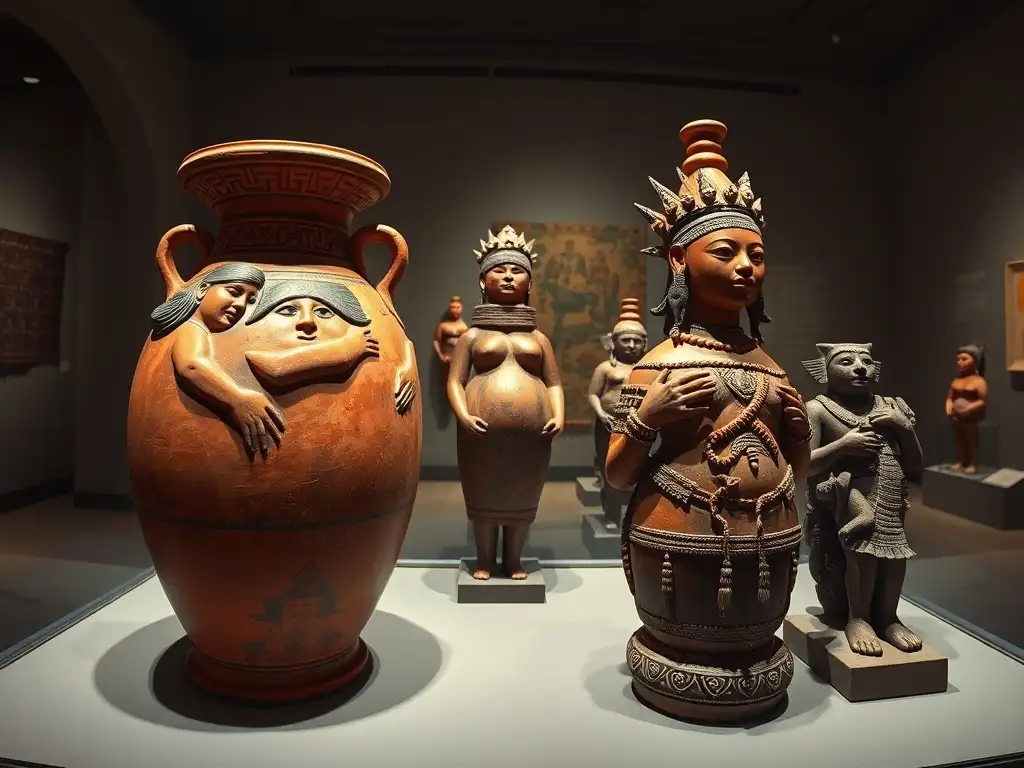
Dive into a world lost to time, yet vibrantly alive in its artistry. The Andean Civilizations website unveils the secrets of remarkable cultures, from the Incas to the Nazca. But prepare to be intrigued... What hidden stories do the breathtakingly explicit forms of Moche pottery erotic art reveal about their society's beliefs on fertility and life? Journey with us to uncover the answers and explore the fascinating complexities of this ancient civilization.
The Moche civilization, flourishing along the northern coast of Peru from approximately 100 CE to 800 CE, left behind a remarkable legacy of artistic expression. Beyond their sophisticated metalwork, intricate textiles, and impressive architectural feats, the Moche are perhaps best known for their strikingly realistic and often explicitly erotic pottery.
This article delves into the fascinating world of Moche erotic art, exploring its significance within the context of their culture and its profound connection to themes of fertility, life, and the cyclical nature of existence. We will unpack the symbolism embedded within these pieces, examining how they provide invaluable insights into the Moche worldview and their complex social structures.
Understanding the context surrounding this art form is crucial to appreciating its true meaning and avoiding misinterpretations based solely on modern sensibilities. This exploration of "Moche pottery erotic art" will reveal a nuanced understanding of a civilization that utilized art not merely for aesthetic pleasure, but as a powerful tool for religious expression, social commentary, and the celebration of life itself.
Introduction to Moche Erotic Pottery
Moche pottery is renowned for its exceptional craftsmanship and lifelike depictions. The artisans employed a variety of techniques, including modeling, molding, and slip painting, to achieve a remarkable level of detail. Erotic scenes are a prominent feature, often depicting explicit sexual acts involving both men and women, sometimes involving multiple individuals or incorporating supernatural elements.
These scenes are not simply gratuitous; they are integrated into broader narratives that frequently include themes of ritual, sacrifice, and the natural world. The materials used, primarily clay sourced locally, further underscore the connection between the art and the Moche's relationship with their environment. The prevalence of these erotic depictions within the broader context of Moche funerary practices suggests a strong association with fertility, ancestor veneration, and the continuation of life.
Many examples showcase intricate details such as body adornments, hairstyles, and even facial expressions, which allow for a deeper understanding of Moche aesthetics and social customs. The level of skill and artistry is breathtaking, highlighting the significant social standing of the potters themselves within Moche society.
The Significance of Erotic Imagery in Moche Culture
The explicit nature of Moche erotic pottery has led to various interpretations, but a prevailing view emphasizes its role in fertility rituals and the celebration of life's regenerative power. The Moche, heavily reliant on agriculture in a challenging desert environment, likely viewed sexual union as a symbolic representation of the life-giving forces of nature. The frequent depiction of sexual acts alongside agricultural scenes, such as planting and harvesting, reinforces this association.
Furthermore, the inclusion of deities and supernatural beings in some erotic scenes suggests a connection between sexuality, the divine, and the continuity of life beyond the physical realm. Some scholars also propose that these depictions served as a form of social commentary, reflecting the social hierarchy and power dynamics within Moche society. The detailed representations of different social classes engaged in sexual acts could offer clues to the complexities of Moche social structures and gender roles, although further research is needed to fully interpret these nuanced aspects.
The discovery of these artifacts within elite tombs further supports their importance in religious and social contexts, not merely as decorative items. The enduring fascination with Moche erotic pottery underscores its value as a powerful window into the beliefs, values, and worldview of this remarkable ancient civilization. The intense detail and visceral realism of these pieces continue to captivate and challenge our understanding of ancient Andean cultures.
Fertility and Reproduction in Moche Iconography
The Moche civilization, flourishing along the northern coast of Peru from approximately 100 to 800 CE, left behind a rich artistic legacy that vividly portrays their worldview. A significant aspect of this artistic expression centers on fertility and reproduction, themes deeply intertwined with their agricultural society and belief system. Moche iconography, particularly in their renowned pottery, doesn't shy away from explicit depictions of sexual acts and the human body, reflecting a societal acceptance of sexuality as integral to life and the continuation of their culture.
These aren't mere depictions of sex; they are powerful statements about the cyclical nature of life, death, and rebirth, mirroring the agricultural rhythms crucial to their survival. The abundance of imagery related to sexual acts emphasizes the importance of procreation and the perpetuation of the Moche lineage. The connection between fertility and the success of the harvest is clearly evident in many pieces, often depicting intertwining figures alongside bountiful crops or fertile lands.
This overt display contrasts sharply with the more subtle representations of fertility found in other ancient cultures, highlighting the Moche's unique approach to expressing their values and beliefs. The unashamed portrayal of sexuality in their art suggests a different understanding of the human body and its functions compared to the perspectives of many other ancient societies.
Depictions of Moche Sexual Practices
Moche pottery frequently depicts a range of sexual acts, from intercourse to fellatio and cunnilingus. These are not shy or veiled representations; they are often graphic and detailed, showcasing a level of explicitness rarely seen in other ancient art forms. The depictions are not solely focused on the act itself, but also on the emotional and physical expressions of the participants, suggesting a complex understanding of human sexuality beyond mere procreation.
Some scholars argue that these depictions represent a celebration of human sexuality and its life-giving potential, while others suggest a ritualistic context, possibly connected to fertility rites or shamanistic practices. The variety of positions and scenarios depicted indicates a diverse range of sexual experiences within Moche society, challenging the assumptions of a rigidly structured or repressed sexual culture.
Furthermore, the inclusion of these images alongside other motifs, like agricultural scenes or ritualistic events, suggests a deep integration of sexuality into the fabric of their daily life and religious beliefs. Specific examples include vessels depicting couples engaged in various sexual positions, highlighting the natural integration of sexuality within the Moche worldview.
The Role of Ritual and Ceremony in Moche Eroticism
The erotic imagery in Moche pottery isn't merely decorative; it's strongly suggested to have played a significant role in religious rituals and ceremonies. The meticulous detail and artistic skill involved in creating these vessels suggest more than a casual approach to their production. The context of their discovery, often within tombs or ceremonial sites, further supports this interpretation.
It is believed that these vessels were used in rituals aimed at ensuring fertility, abundance, and the continuation of the Moche lineage. The use of specific colors, symbols, and positions may have held symbolic meanings related to the ritualistic context. For example, the use of certain colors might represent specific deities or forces related to fertility and reproduction.
The presence of these vessels in elite tombs suggests that these ceremonies were not only common but also important within the Moche social hierarchy. Further research is needed to fully understand the specific roles these vessels played in Moche rituals, but the evidence strongly suggests their involvement in practices connected to fertility and the life cycle.
Analyzing Moche Pottery Erotic Art
The study of Moche erotic pottery provides a unique window into the beliefs, practices, and societal structures of this ancient civilization. By analyzing the artistic techniques, common motifs, and the context of discovery, scholars gain valuable insights into the Moche worldview. The sheer volume of erotic pottery discovered underscores its importance within Moche culture.
It is not a marginal or taboo subject; rather, it is deeply woven into their artistic expression and likely their religious beliefs. The analysis requires a multidisciplinary approach, drawing upon archaeology, anthropology, and art history to fully understand the complexity of these artifacts. The interpretation of the imagery needs to be sensitive to potential biases and avoid imposing modern interpretations onto an ancient culture.
Common Motifs and Symbols in Moche Erotic Ceramics
Several recurring motifs and symbols appear consistently in Moche erotic ceramics. These include specific sexual positions, representations of deities associated with fertility, and stylized depictions of the human body. The presence of specific animals, such as felines or birds, might also hold symbolic meaning related to fertility or power. The repeated use of these motifs suggests a standardized iconography related to sexuality and reproduction within the Moche culture.
Further research into the specific meaning of these symbols is ongoing, but their consistent appearance indicates their significance within the Moche worldview. Detailed analysis of individual pieces reveals subtle variations in the representation of these motifs, suggesting potential regional differences or changes in artistic style over time. This complexity requires a careful and nuanced approach to avoid oversimplification of the rich symbolic language present in these artifacts.
The Artistic Techniques Used in Erotic Moche Pottery
Moche potters demonstrated exceptional skill in their craftsmanship. The erotic pottery is not only remarkable for its subject matter but also for the high level of artistic skill involved in its creation. The pottery is typically made from fine clay, meticulously shaped and painted with vibrant colors.
The intricate details of the human figures, including facial expressions and body positions, demonstrate the potter's mastery of their craft. Different techniques, such as modeling, molding, and painting, were used to create these impressive pieces. The use of various colors and pigments allowed the potters to create realistic and dynamic representations of the human body.
The advanced techniques used in creating these vessels demonstrate the high level of artistic sophistication within Moche society and the importance placed on the production of these artistic pieces. The skill and precision involved in creating these detailed and lifelike depictions further highlight the significance of these vessels within Moche culture.
Interpreting the Meaning of Moche Erotic Art
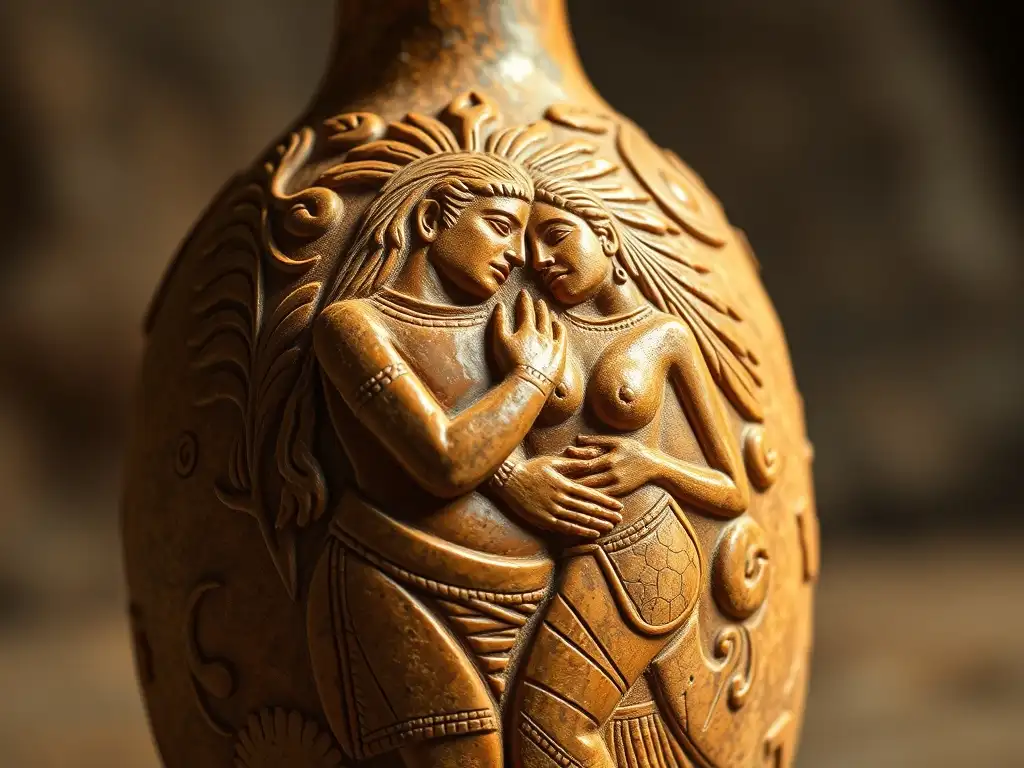
The explicit nature of Moche pottery depicting erotic scenes has long captivated and perplexed researchers. For decades, interpretations ranged from simple depictions of sexual acts to more nuanced understandings of fertility, power, and social structures. Understanding the meaning requires moving beyond a purely modern, Western lens and considering the cultural context of the Moche civilization.
Their worldview, deeply intertwined with agriculture and the cycles of nature, heavily influenced their artistic expressions. The vibrant colors, detailed craftsmanship, and dynamic compositions of these vessels suggest more than mere pornography; they represent a complex interplay of religious beliefs, social values, and artistic skill. The recurring motifs and symbolic elements within these depictions offer clues to unlock their deeper meaning.
Careful analysis of individual pieces, considering their context within larger assemblages and burial practices, is crucial for a comprehensive understanding. Furthermore, comparing the erotic imagery with other Moche artistic expressions, such as those found in metalwork or textiles (where available), can provide further insights into the broader cultural significance of these representations.
Erotic Art as a Reflection of Moche Society
The Moche's open and explicit representation of sexuality in their art suggests a society that viewed sex and fertility as integral aspects of life, not as taboo subjects. Unlike many other ancient cultures that relegated such themes to the private sphere, the Moche integrated erotic imagery into their public art, suggesting a societal acceptance, if not celebration, of sexuality. The frequency and variety of erotic scenes in Moche pottery indicate that this was not a marginal theme but a central element of their artistic expression and, by extension, their worldview.
The depictions often showcase a range of sexual acts and positions, reflecting potentially diverse sexual practices within Moche society. The inclusion of both male and female figures in active and passive roles challenges simplistic interpretations of patriarchal dominance.
Further research into the social organization and gender roles within Moche society is needed to fully understand the implications of these representations. Analyzing the social context of the pottery's creation and use could reveal more about the attitudes toward sexuality within different social groups.
Moche Sexuality and Its Connection to Agriculture
A crucial element in interpreting Moche erotic art lies in understanding its connection to the agricultural practices that underpinned their society. The Moche civilization flourished in a challenging desert environment, relying heavily on irrigation systems and agricultural innovation for survival. The act of sexual intercourse was likely viewed as a powerful symbol of fertility and the generative power of nature, directly mirroring the life-giving processes essential for their agricultural success.
The depictions of sexual union, therefore, could be interpreted as prayers or rituals aimed at ensuring bountiful harvests and the continued prosperity of the Moche people. Furthermore, the presence of agricultural motifs alongside erotic scenes in many pieces reinforces this connection.
The intertwining of human bodies and plant imagery symbolizes the vital relationship between human sexuality and the fertility of the land, highlighting the deep spiritual and practical significance of both. This understanding sheds light on why erotic imagery was not relegated to a private or marginal space but rather prominently featured in their art and possibly ritualistic practices.
Moche Erotic Art Beyond the Sexual Act
While the overt sexual nature of much Moche pottery is undeniable, reducing their artistic expression solely to depictions of sex is an oversimplification. Many pieces go beyond simple representations of sexual acts, incorporating complex narratives, symbolic elements, and ritualistic connotations. The scenes frequently include additional figures and objects, suggesting a broader narrative beyond the sexual encounter itself.
These additional elements, such as deities, animals, and ritual objects, can provide critical clues to the intended meaning and purpose of the artwork. For instance, the presence of specific deities might suggest a connection to fertility rituals or shamanistic practices. Similarly, the inclusion of certain animals could symbolize specific aspects of Moche cosmology or mythology.
A deeper understanding requires careful consideration of these ancillary elements and their relationship to the erotic scenes. The context of discovery, such as burial sites or temple complexes, also offers valuable insights into the artistic expression's intended audience and purpose.
The Representation of Life Cycles Through Erotic Imagery
The Moche's representation of life cycles through erotic imagery adds another layer of complexity to their artistic expression. The act of sexual union, birth, and even death are often interwoven within a single scene, highlighting the cyclical nature of life and the ongoing renewal of the natural world. These depictions are not simply about the physical act of sex but about the larger themes of creation, regeneration, and the continuity of life.
The use of specific symbolic elements, such as plants and animals, could represent stages within this cycle. The integration of death imagery, perhaps through the presence of skeletons or decaying bodies, serves to emphasize the interconnectedness of life and death within the Moche worldview.
This holistic perspective on life and death, expressed through erotic imagery, points to a sophisticated understanding of the natural world and the Moche people's place within it. Further research into Moche funerary practices could illuminate the significance of death within their erotic art.
The Relationship Between Moche Eroticism and Social Hierarchy
The distribution of Moche erotic pottery and its stylistic variations may reflect social hierarchies within the society. While more research is needed to definitively establish this correlation, some scholars suggest that certain types or styles of erotic pottery might have been associated with specific social classes or elite groups.
The quality of craftsmanship, the use of precious materials, and the complexity of the scenes depicted could all contribute to understanding the social standing of those who commissioned or possessed such artifacts. Further investigation into the archaeological context of the discoveries – where the pottery was found, with what other objects, and in what type of burial – could provide crucial data for analyzing this aspect.
Differences in the depiction of individuals within erotic scenes, their attire, or their postures, might also offer clues to social distinctions. However, this is a complex area requiring more in-depth analysis of existing data and potentially further archaeological excavations.
The Legacy of Moche Erotic Art
The Moche's explicit depiction of sexuality in their pottery wasn't merely titillation; it was deeply intertwined with their worldview. These ceramics weren't hidden away; they were part of everyday life, suggesting a societal acceptance, even celebration, of human sexuality. The frankness of the imagery stands in stark contrast to many other ancient cultures where such themes were treated with greater secrecy or symbolism.
This open approach to depicting sexual acts and fertility rituals speaks volumes about the Moche's understanding of the interconnectedness of life, death, and reproduction. Their art serves as a powerful testament to a culture that viewed sexuality not as taboo, but as a fundamental aspect of the natural world and a vital force in maintaining the cosmic balance. The legacy of this bold artistic expression continues to intrigue and challenge our modern perspectives on sexuality and the role of art in reflecting societal values.
The Moche's unflinching gaze at human sexuality offers a unique window into their complex society and enduring cultural beliefs. Their pottery, often unearthed in tombs and ceremonial contexts, suggests a connection between sexuality and the spiritual realm, further enriching the interpretations of these remarkable artifacts. The vibrant colors, detailed craftsmanship, and unapologetic subject matter combine to create a lasting artistic impact that continues to resonate today.
Influence of Moche Erotic Art on Later Andean Ceramics
While the Moche civilization's influence waned, the impact of their artistic style, particularly their depiction of erotic themes in pottery, is surprisingly traceable in later Andean ceramic traditions. Although not always as explicit as the Moche's work, subtle allusions to sexuality and fertility continued to appear in the art of subsequent cultures. For example, [specific examples of later Andean ceramics influenced by Moche erotic styles pending].
The enduring presence of such motifs suggests a continuity of cultural values and artistic inspiration, with later artists subtly echoing the Moche's celebration of life and fertility. The stylistic elements, such as specific body postures or decorative patterns, might have been adapted and transformed over time, yet the underlying themes of fertility and the acceptance of human sexuality seem to persist. This suggests a profound and lasting influence of Moche artistic conventions on the shaping of subsequent Andean artistic traditions.
Further research into the stylistic evolution of Andean ceramics across different periods could reveal more detailed connections and establish a clearer lineage of influence. The persistence of these themes points to a deep-seated cultural understanding of the importance of fertility and reproduction within Andean societies.
Preserving and Studying Moche Erotic Ceramics Today
The preservation and study of Moche erotic ceramics require a multi-faceted approach. Firstly, careful excavation techniques minimize damage to these fragile artifacts. Secondly, meticulous documentation, including high-resolution photography and 3D scanning, allows for detailed analysis and the creation of digital archives, ensuring access for researchers worldwide without risking damage to the original pieces.
Moreover, the ethical considerations surrounding the display and interpretation of such explicit material require careful handling. Museums and research institutions play a crucial role in educating the public about the cultural context of this art, avoiding sensationalism and fostering a respectful understanding of the Moche worldview. The ongoing research into Moche pottery, including its technological aspects and the materials used, contributes to a more comprehensive understanding of their artistic practices.
The application of scientific techniques, like material analysis and dating methods, provides valuable insights into the creation and use of these ceramics, enriching our knowledge of Moche society and culture. Furthermore, collaborative efforts between archaeologists, anthropologists, and art historians are crucial for interpreting these artifacts within their broader historical and cultural context. The preservation of these ceramics is not only about safeguarding physical objects, but also about protecting a vital part of human history and understanding a society's unique perspective on life and the human experience.
Conclusion: The Enduring Fascination with Moche Erotic Art
The Moche's fearless exploration of erotic themes in their pottery continues to captivate and challenge us today. Their art transcends mere representation; it offers a profound insight into a civilization that embraced sexuality as an integral part of life, fertility, and the cosmos. The legacy of this bold artistic expression is not only aesthetic but also anthropological, providing invaluable clues to understanding the Moche worldview and social structures.
Studying their "Moche pottery erotic art" allows us to confront our own cultural biases and appreciate the diversity of human expression across time and cultures. The enduring fascination with these ceramics stems from their unique combination of artistic skill, unflinching realism, and a profound connection to the very essence of life itself. The explicit nature of the imagery, while initially striking, should be viewed within the context of the Moche's cultural beliefs and practices, highlighting the importance of understanding art within its historical and societal framework.
The study of Moche erotic art is a testament to the enduring power of art to communicate complex ideas and beliefs across millennia, reminding us of the richness and complexity of human experience. The legacy of the Moche continues to inspire and provoke, ensuring their place as one of the most fascinating and enigmatic civilizations of the ancient world.
- Introduction to Moche Erotic Pottery
- The Significance of Erotic Imagery in Moche Culture
- Fertility and Reproduction in Moche Iconography
- Analyzing Moche Pottery Erotic Art
- Interpreting the Meaning of Moche Erotic Art
- Moche Erotic Art Beyond the Sexual Act
- The Legacy of Moche Erotic Art
- Conclusion: The Enduring Fascination with Moche Erotic Art
Frequently Asked Questions
What is the significance of erotic imagery in Moche pottery?
The erotic imagery in Moche pottery is not merely pornographic, but rather a complex reflection of their worldview. It was likely connected to fertility rituals, religious beliefs, and the celebration of life and reproduction. It highlights the importance of these themes within their society.
Why did the Moche create such explicit depictions?
Unlike many other ancient cultures, the Moche were remarkably open about sexuality. Their art likely served to sanctify and celebrate the act of procreation, essential to the continuation of their civilization. This was part of their spiritual and religious practices.
What are some common themes represented in Moche erotic pottery?
Common themes include sexual intercourse, pregnancy, and birth, often depicted with a high level of detail and realism. These scenes often involve both humans and animals, further emphasizing the connection between fertility and the natural world.
How did the Moche create their intricate pottery?
Moche potters were highly skilled artisans, using a variety of techniques including modeling, molding, and painting. They employed advanced firing techniques to create durable and visually stunning pieces. The detail of their work is breathtaking.
Where can I see examples of Moche erotic pottery?
Examples of Moche erotic pottery can be found in museums worldwide, including the Larco Museum in Lima, Peru, which houses a significant collection. Many academic institutions and online databases also provide images and information.
Final Reflection: A Legacy Etched in Clay: The Enduring Power of Moche Eroticism
The vibrant, unapologetically sensual art of the Moche continues to resonate today, challenging our modern sensibilities and forcing a reconsideration of our own relationship with sexuality and the natural world. Their unflinching portrayal of the human form, in all its fertile glory, serves as a powerful reminder that the exploration of life's fundamental forces – creation, procreation, and death – has always been a central theme in human artistic expression. This isn't merely ancient history; it's a conversation across millennia.
The Moche's fearless embrace of eroticism in their pottery, far from being a mere curiosity, speaks volumes about their worldview and their deep connection to the rhythms of life and the earth. Their art wasn't simply decorative; it was a ritualistic expression of their beliefs, a celebration of fertility and the cyclical nature of existence. Art washes away from the soul the dust of everyday life.
– Pablo Picasso. This quote, while not directly about Moche art, perfectly encapsulates the power of their work to transcend the mundane and connect us to something deeper, something primal. Their legacy compels us to examine how our own cultures approach these same fundamental themes.
Consider the implications of the Moche's artistic choices. How does their open portrayal of sexuality compare to our own often-repressed attitudes? What can we learn from their integration of the erotic with the spiritual? I urge you to reflect on the Moche's artistic legacy, not just as a historical artifact, but as a mirror reflecting our own relationship with the body, sexuality, and the mysteries of life itself. Let their bold creations inspire you to embrace a more holistic and accepting view of the human experience, one that acknowledges the beauty and power of our shared humanity.
Unveil the Secrets of Moche Artistry!
Thank you for exploring the fascinating world of Moche art and its profound themes of fertility and life. You've discovered not only the aesthetic beauty but also the rich cultural significance behind these captivating pieces. Now, let's delve even deeper!
Here are some ways to further enhance your understanding and appreciation of this unique art form:
- Visit a museum or explore online resources featuring artifacts from the Moche civilization to experience their artistry firsthand.
- Join a discussion group or online forum dedicated to Andean cultures to share your insights and learn from other enthusiasts.
- Create your own artwork inspired by the Moche themes of fertility and life—you might be surprised by the insights you gain through creative expression!
What aspect of Moche art most captivates you, and how does it influence your perspective on creativity and self-expression today?