
The Moche Calendar: Tracking Time and Seasons

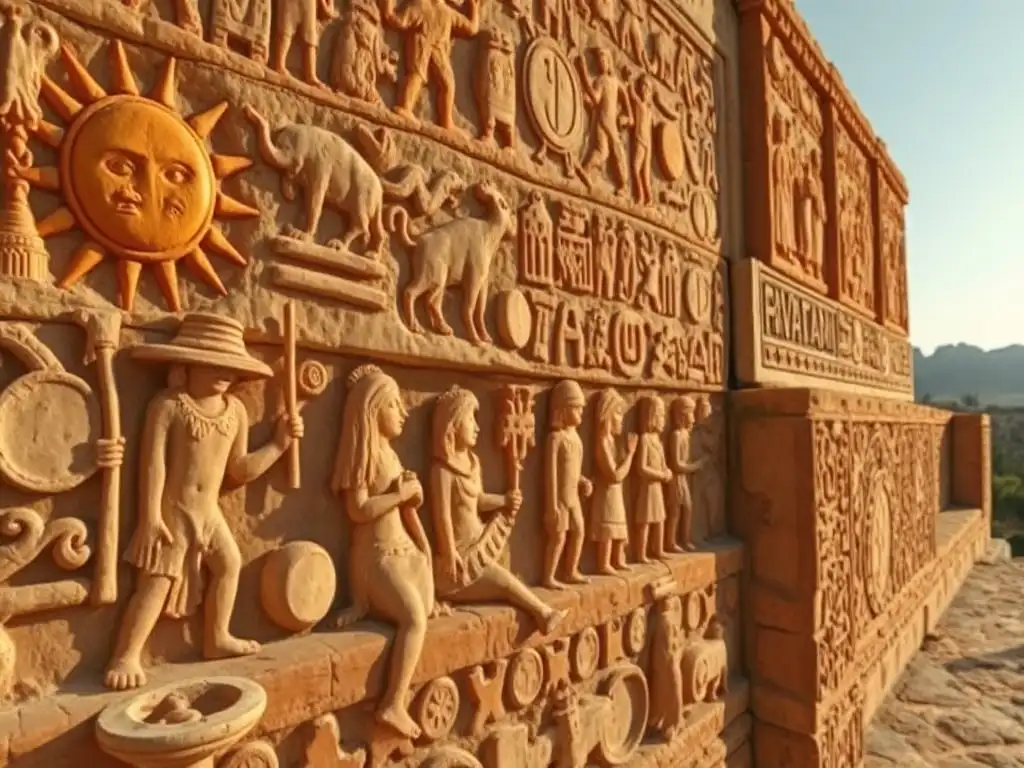
Unravel the mysteries of a lost world. Step into the captivating realm of the Andean civilizations, where towering empires rose and fell, leaving behind a legacy of breathtaking artistry and unparalleled ingenuity. But did you know the Moche, masters of metalwork and monumental architecture, possessed a sophisticated calendar system unlike any other? Journey with us to explore the secrets of the Moche calendar system—a celestial roadmap that reveals their deep understanding of time and the seasons. Prepare to be amazed.
- Understanding the Moche Calendar: Timekeeping in Ancient Peru
- Decoding the Moche Calendar System
- Features of the Moche Calendar: Cycles and Divisions
- Moche Calendar Symbols and Iconography
- The Moche Calendar in Daily Life
- Moche Calendar vs. Other Andean Calendar Systems
- Legacy of the Moche Calendar
- Conclusion: The Enduring Mystery of the Moche Time System
- Frequently Asked Questions
- Final Reflection: Decoding the Moche Legacy Through Time
- Embrace the Cycles of Time: Take Action Today!
Understanding the Moche Calendar: Timekeeping in Ancient Peru
The Moche civilization, flourishing along the northern coast of Peru from approximately 100 CE to 800 CE, developed a sophisticated understanding of their environment and a complex social structure. Central to their societal organization and agricultural practices was a precise system of timekeeping, a calendar that allowed them to accurately predict seasonal changes crucial for their survival and prosperity.
This article delves into the fascinating world of the Moche calendar system, exploring its significance within their culture and the ingenious methods they employed to track the passage of time. Understanding the Moche calendar provides crucial insights into their agricultural practices, religious beliefs, and overall societal organization, painting a vivid picture of this remarkable ancient civilization.
We will examine the evidence available, analyzing both the astronomical observations that likely informed their calendar and the societal impacts of this system. The Moche calendar system is a testament to their advanced understanding of astronomy and its practical application in daily life, making it a key element in understanding the complexities of Moche society.
The Significance of Time for the Moche Culture
Time held profound significance for the Moche. Their economy was heavily reliant on agriculture, particularly the cultivation of maize, beans, and cotton, all of which depended on the precise timing of planting and harvesting. The cyclical nature of the seasons, marked by the predictable patterns of rainfall and the changing length of daylight, directly impacted their agricultural yields and, consequently, their survival.
Beyond agriculture, time played a crucial role in their religious and ceremonial practices. Many Moche artistic representations, including ceramics and textiles, depict celestial events and figures, suggesting a strong connection between their calendar system and their cosmology. The Moche calendar, therefore, was not merely a tool for practical tasks; it was deeply interwoven into the fabric of their spiritual beliefs and social structure.
Evidence suggests that specific times of the year were associated with particular rituals and festivals, highlighting the importance of precise timekeeping in regulating their communal life. The precise nature of their religious calendar remains partially unknown, with ongoing research attempting to decipher the full meaning behind the iconography found on their artifacts.
Moche Society and the Need for Accurate Time Measurement
The Moche societal structure was hierarchical, with a powerful elite controlling resources and labor. Efficient agricultural production was paramount to maintaining this structure and ensuring the prosperity of the ruling class. Accurate timekeeping was therefore essential for organizing large-scale agricultural projects, such as irrigation systems and the cultivation of vast fields.
The need to coordinate the labor of many individuals across large geographical areas necessitated a reliable calendar system. The ability to predict seasonal changes allowed the Moche to optimize their planting and harvesting schedules, maximizing crop yields and ensuring sufficient food supplies for the entire population. This efficient management of resources was a key factor in the Moche civilization's longevity and its remarkable achievements in art, architecture, and engineering.
Further research into the organization of Moche society and its connection to their calendar system is needed to fully understand the intricate workings of their social and economic structures. The precise methods used for disseminating calendar information throughout the vast Moche territory remains a subject of ongoing scholarly debate. The evidence suggests a complex system of communication and social organization, reflecting the advanced nature of their civilization.
Decoding the Moche Calendar System
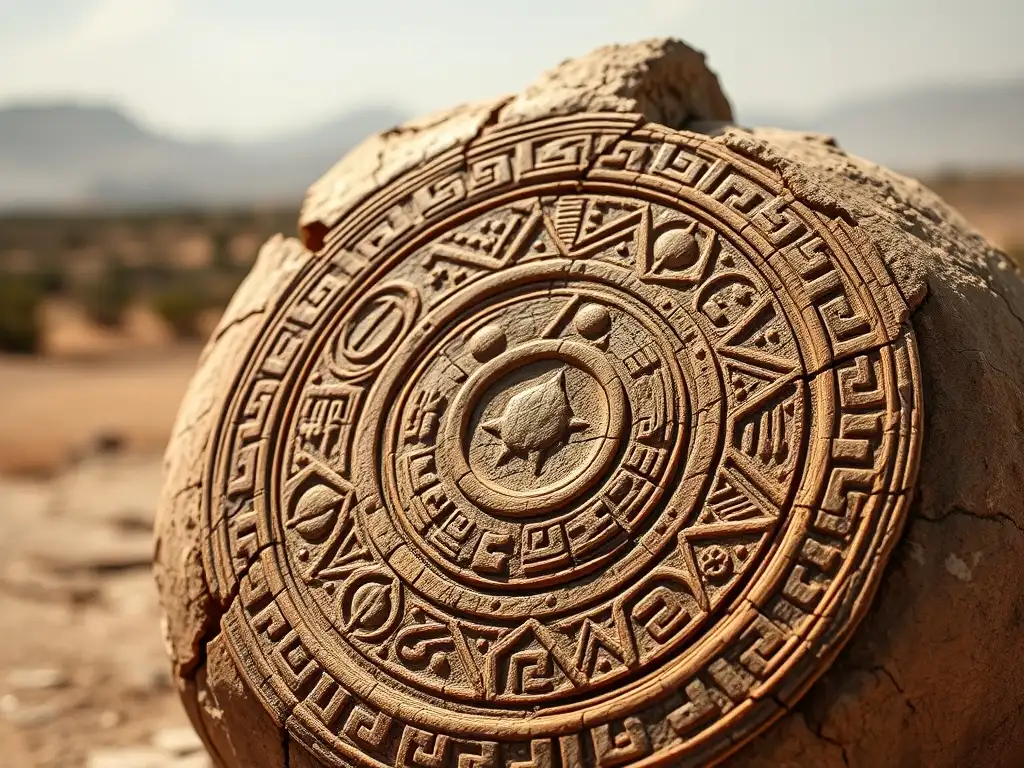
The Moche calendar system, a sophisticated method of tracking time and seasons crucial to their agricultural society, remains a fascinating area of study for archaeologists and historians. While no single, definitive Moche calendar has been unearthed, evidence suggests a complex system interwoven with astronomical observations, religious practices, and agricultural cycles. Understanding their timekeeping is key to unlocking a deeper understanding of their societal structure, religious beliefs, and sophisticated level of astronomical knowledge.
The Moche, unlike some other Andean cultures, didn't leave behind written records, making the reconstruction of their calendar system a challenging but rewarding endeavor. Instead, we rely on careful interpretation of archaeological finds to piece together this vital aspect of their civilization.
The study of the Moche calendar system contributes significantly to our broader understanding of their advanced civilization and its intricate relationship with the natural world. This intricate system highlights the Moche's remarkable ability to observe and interpret celestial events, showcasing their profound knowledge of astronomy and its practical applications in daily life.
Evidence of Moche Timekeeping Practices
Evidence for Moche timekeeping practices comes primarily from several sources. Ceramics, particularly the iconic Moche pottery, frequently depict scenes related to celestial events and agricultural activities. These depictions, though not explicitly calendrical, provide valuable clues about their awareness of seasonal changes and the importance of astronomical cycles.
For example, many vessels show representations of the sun, moon, and stars, alongside scenes of planting and harvesting. This suggests a close correlation between their astronomical observations and their agricultural practices. Furthermore, the precise construction of irrigation systems, a hallmark of Moche engineering prowess, indicates a sophisticated understanding of seasonal rainfall patterns and water management.
The intricate network of canals and reservoirs demonstrates careful planning and a deep knowledge of the timing and amount of water needed for successful agriculture throughout the year. This meticulous approach to water management implies an underlying system for tracking the passage of time, crucial for optimizing crop yields. Analysis of these irrigation systems, combined with the iconography on Moche pottery, gives us a glimpse into their nuanced understanding of the cyclical nature of time and its impact on their lives.
Astronomical Observations and the Moche Calendar
The Moche calendar system likely relied heavily on astronomical observations. Their sophisticated understanding of celestial movements is evident in the precise alignment of some structures, suggesting a purposeful connection to astronomical events. While the exact nature of their observations remains debated, evidence points towards a keen awareness of solstices and equinoxes, crucial markers in the agricultural calendar.
The positioning of certain ceremonial centers may have been strategically chosen to align with the rising or setting of specific stars or constellations on significant dates. Additionally, the presence of specific motifs on their pottery, such as representations of celestial bodies or constellations, further supports this theory. For instance, the frequent depiction of the Pleiades star cluster suggests its importance in their calendar system, possibly marking the beginning of the planting season.
Further research into the precise alignments of Moche structures and a more comprehensive cataloging of celestial motifs on their pottery is crucial for a more complete understanding of their astronomical observations and their relation to their calendar. This complex interplay between celestial events and agricultural practices underscores the advanced level of astronomical knowledge possessed by the Moche civilization.
The Role of Priests in Moche Calendar Management
The management of the Moche calendar system likely fell under the authority of their priestly class. Given the strong religious and spiritual connotations associated with timekeeping in many ancient cultures, it is highly probable that Moche priests played a central role in interpreting celestial events and coordinating agricultural activities based on their observations. The priests, as intermediaries between the divine and the earthly realm, would have been responsible for predicting seasonal changes, advising on planting and harvesting times, and conducting rituals to ensure a bountiful harvest.
Their influence extended beyond the purely practical aspects of agriculture; they likely also used their knowledge of the calendar to determine auspicious dates for ceremonies, festivals, and other important societal events. Depictions on Moche pottery sometimes show figures performing rituals, possibly related to the calendar or agricultural cycles, further suggesting the significant role of priests in managing this system.
Further research into the social structure of Moche society and the role of its priestly class is needed to better understand the exact mechanisms of calendar management and the level of authority vested in the priests. The Moche calendar system, therefore, serves as a testament to the intricate interplay between religious beliefs, astronomical knowledge, and societal organization within this fascinating ancient civilization.
Features of the Moche Calendar: Cycles and Divisions
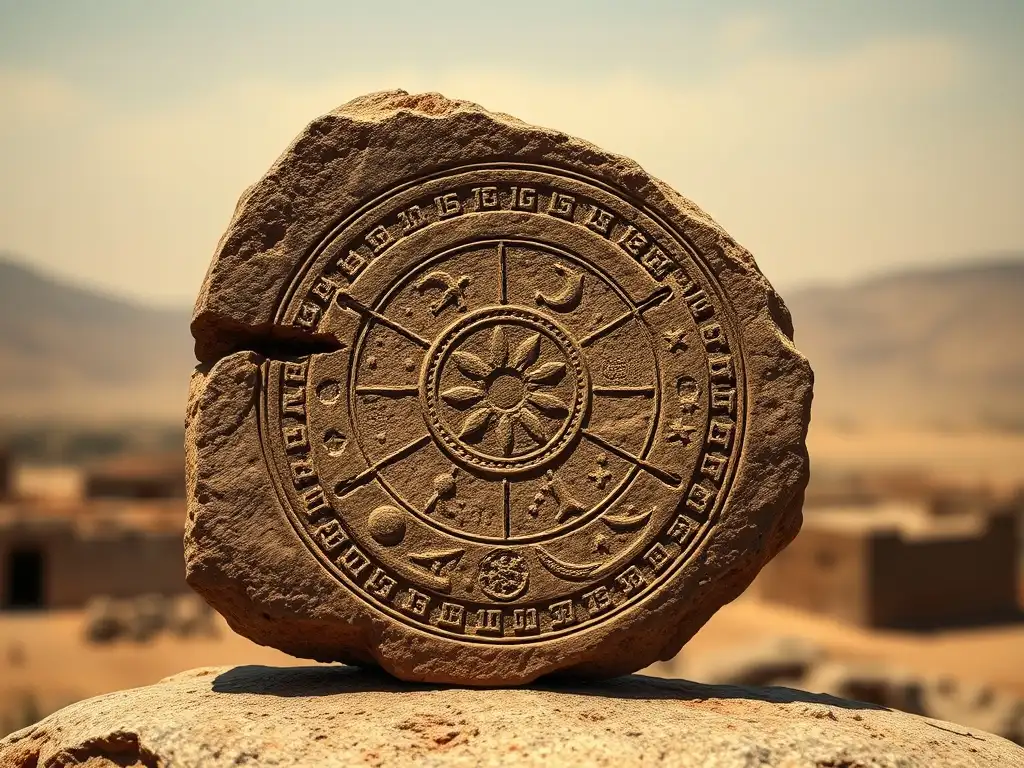
The Moche calendar system, a sophisticated method of tracking time and seasons, reveals a deep understanding of astronomy and its impact on their agricultural society. Unlike a rigidly structured calendar like the Gregorian calendar we use today, the Moche system appears to have been more fluid, adapting to observed celestial events and the demands of agriculture. Evidence suggests a complex interplay of solar and lunar observations, integrated with a keen awareness of seasonal changes crucial for their survival.
Understanding the Moche calendar requires appreciating its multifaceted nature, moving beyond a simple linear progression of days and months. Instead, we see a system interwoven with agricultural cycles, lunar phases, and significant solar events.
This intricate system reflects the Moche's advanced observational skills and their close relationship with the natural world. Further research continues to refine our understanding of this fascinating aspect of Moche culture, uncovering new details about their sophisticated time-keeping methods.
The Moche Agricultural Calendar and Seasons
The Moche agricultural calendar was intrinsically linked to the cyclical nature of the seasons. Their economy heavily relied on agriculture, particularly the cultivation of maize, beans, and squash. The timing of planting, tending, and harvesting these crops was critical for their survival. Archaeological evidence, such as the depiction of agricultural activities in their pottery and the layout of their irrigation systems, indicates a deep understanding of the seasonal variations and their impact on crop yields.
The Moche calendar likely incorporated a system of predicting the onset of the rainy season, crucial for successful planting. Similarly, the timing of the dry season was equally important, determining the harvest period. While the precise details of this agricultural calendar remain somewhat elusive, we can infer its importance from the prominent role of agriculture in Moche society.
The meticulous planning required for successful agriculture strongly suggests a sophisticated system for tracking the passage of time and anticipating seasonal changes. Further research into Moche agricultural practices could reveal more specific details about the structure and function of their agricultural calendar. For example, detailed analysis of pollen samples from Moche settlements might help pinpoint the timing of planting and harvesting cycles, providing concrete data to support our understanding.
Lunar Cycles and their Influence on the Moche Time System
The Moche calendar system also incorporated observations of lunar cycles. The phases of the moon, easily visible in the clear Andean skies, likely served as a shorter-term measure of time, complementing the longer-term tracking provided by solar observations. The moon's influence on tides and possibly even on agricultural practices could have further enhanced its importance in the Moche time-keeping system. Evidence for lunar observation might be found in patterns within Moche artwork, though this requires further study.
It is possible that certain lunar phases were associated with specific rituals or agricultural activities, reflecting a deep integration of celestial observations into their daily lives. The precise methods used by the Moche to track lunar cycles are still uncertain. Did they use simple observation, or did they employ more sophisticated techniques?
This remains an area for ongoing research and investigation. Further investigation into Moche iconography and textual evidence (if any exists) could help shed light on the role of the moon in their calendar system. The potential relationship between lunar cycles and the Moche's religious and ceremonial practices also warrants further investigation.
Solar Events and Moche Calendar Markers
Solar events, particularly solstices and equinoxes, likely played a significant role in the Moche calendar. These events, marking the longest and shortest days of the year and the transitions between seasons, would have been of paramount importance to an agricultural society. The precise methods used by the Moche to track these events remain a mystery. Did they use specific structures or alignments to mark these events?
Archaeological investigation of Moche settlements could reveal the existence of such markers. For example, the orientation of buildings or the placement of ceremonial sites might align with significant solar events. The discovery of such markers would provide compelling evidence for a more complex and sophisticated calendar system than we currently understand. Furthermore, the potential influence of these solar events on the Moche's religious and ceremonial practices requires further exploration.
The alignment of certain Moche structures with the rising or setting sun on specific days of the year could suggest a deliberate attempt to incorporate solar events into their religious calendar. Further research on Moche architecture and its astronomical alignment is crucial for a deeper understanding of their calendar system. The careful study of potential solar markers could significantly advance our understanding of the Moche calendar system and its intricate relationship with their environment and beliefs.
Moche Calendar Symbols and Iconography
The Moche calendar system, while not as extensively documented as some other ancient calendars, is revealed through careful analysis of their remarkable art and artifacts. Understanding the Moche calendar requires deciphering a complex system of symbols and iconography primarily found on their ceramics, textiles, and metalwork. Unlike a written calendar, the Moche system relied heavily on visual representations, making its interpretation a challenging but rewarding endeavor for archaeologists and historians.
The intricate detail and stylistic consistency within these representations, however, suggest a sophisticated understanding of time and its cyclical nature. Further research is needed to fully unlock the secrets of this fascinating system, but current scholarship provides valuable insights into the Moche understanding of the passage of time.
Iconographic Representations of Time in Moche Art
Moche artists frequently depicted celestial bodies, such as the sun, moon, and stars, in their artwork. These depictions weren't merely decorative; they were integral to their understanding of the calendar and the agricultural cycle. The sun, for example, was often portrayed in its various phases, possibly representing the different seasons or stages within the agricultural year.
Similarly, the moon's phases were likely meticulously observed and recorded, perhaps playing a role in predicting tides and influencing planting and harvesting schedules. The presence of specific constellations, while difficult to definitively identify from fragmented imagery, may have indicated particular times of the year or significant celestial events. The recurring motifs in Moche art suggest a standardized system of representing time, even if the precise meaning of each symbol remains debated.
For instance, a recurring motif of a stylized serpent might represent the cyclical nature of time or the renewal of life associated with the rainy season. Analyzing the frequency and context of these symbols within different artistic pieces provides clues to their meaning and function within the Moche calendar system.
The precision and detail in Moche iconography are striking. Consider, for instance, the subtle variations in the depiction of the sun's position across different ceramic vessels. These variations may reflect the sun's apparent movement across the sky throughout the year. Similarly, the careful observation and portrayal of lunar phases, shown in various stages of fullness and waning, showcase the Moche people's deep understanding of celestial mechanics and their ability to translate these observations into artistic form. Further research into the precise astronomical alignments of these depictions could provide even greater insight into the sophistication of the Moche calendar system.
The Interpretation of Moche Calendar Glyphs and Motifs
While the Moche didn't possess a fully developed writing system comparable to that of the Maya, their art incorporates glyph-like symbols that may represent specific dates, seasons, or agricultural events. The challenge lies in deciphering these symbols and understanding their relationships to one another. Many symbols appear repeatedly across various Moche artifacts, suggesting a standardized system. However, the lack of a Rosetta Stone-like artifact makes the interpretation extremely challenging. Scholars rely on comparative analysis of different artifacts and contextual clues to piece together a potential meaning for these glyphs.
One approach involves comparing the occurrence of specific glyphs with known agricultural practices in the Moche region. For example, if a particular glyph frequently appears on ceramics depicting agricultural scenes associated with the harvest season, it might represent a specific time within that season. Another approach involves looking for patterns and sequences in the arrangement of glyphs, which could suggest a chronological order or a calendar system based on cycles.
The frequency of certain symbols across various artifacts, particularly those associated with specific ritual activities, also provides valuable clues. However, the precise meaning of many of these glyphs remains elusive, and additional research is crucial for a complete understanding of the Moche calendar system.
Moche Ceramics and their Relation to Time Tracking
Moche ceramics serve as a vital source of information for understanding their calendar system. The intricate scenes and detailed motifs depicted on these vessels often include elements related to agriculture, celestial events, and ritual practices. These scenes are not randomly arranged; they frequently appear in specific sequences or combinations, suggesting a deliberate organization related to the passage of time. The presence of certain plants, animals, or human activities in a specific context on a ceramic vessel might indicate the time of year or a particular phase within the agricultural cycle.
For example, the depiction of specific crops at various stages of growth might indicate different months or seasons. Similarly, the presence of certain animals, birds, or insects that are associated with specific seasons could serve as temporal markers. The analysis of these scenes requires a comprehensive understanding of Moche ecology and agricultural practices.
The stylistic differences in the depiction of these elements across different time periods could also help to establish a relative chronology within the Moche calendar system. Furthermore, the use of different colors and patterns on the ceramics might also hold significance, possibly indicating different seasons or specific events within the Moche calendar.
The study of Moche ceramics, therefore, provides a rich and multifaceted approach to understanding their sophisticated system of timekeeping. Further research into the stylistic variations and iconographic details of these ceramics promises to reveal more about the Moche calendar and their understanding of the cyclical nature of time.
The Moche Calendar in Daily Life
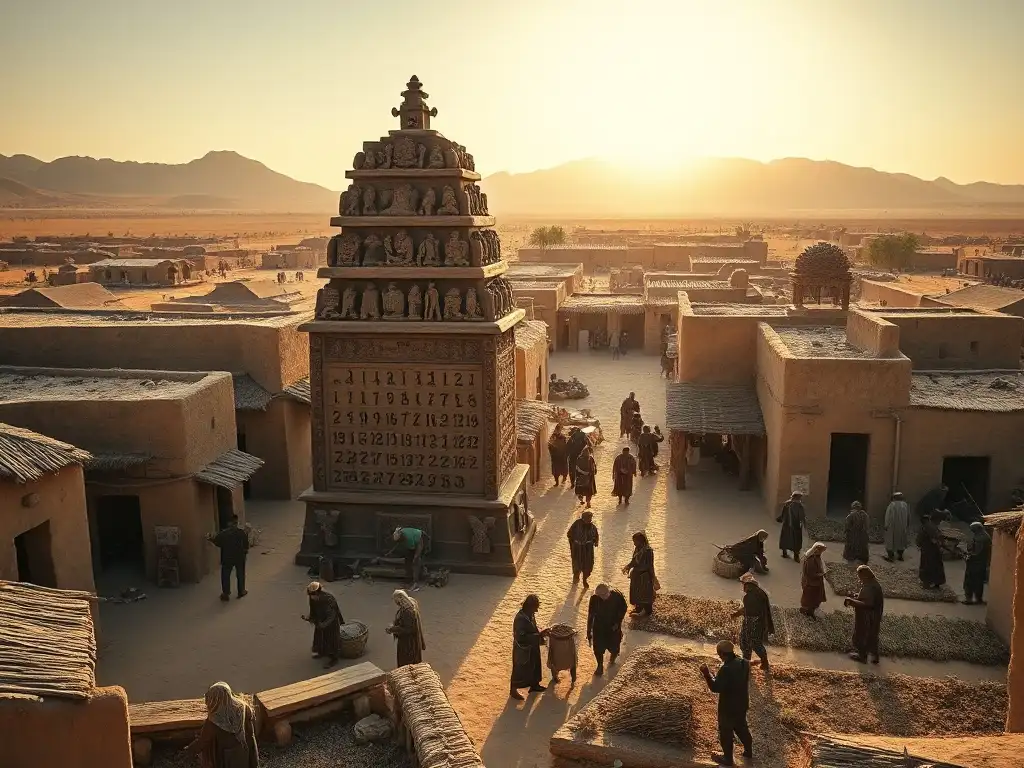
The Moche calendar system, a sophisticated method of tracking time and seasons, wasn't merely an abstract concept; it was deeply interwoven into the fabric of daily Moche life. Its influence permeated all aspects of their society, from agriculture and religious rituals to social structures and governance. Understanding the Moche calendar provides crucial insights into their worldview and the complexities of their civilization.
Unlike many later Andean calendar systems, the Moche system appears to have been less rigidly codified, with regional variations likely reflecting diverse environmental conditions and localized practices. Archaeological evidence suggests a strong reliance on astronomical observations and a keen understanding of the agricultural cycle, both fundamental to their survival. The precision with which they tracked the solstices and equinoxes, as evidenced by the alignment of some structures, demonstrates a remarkable level of astronomical knowledge for its time.
How the Moche Calendar Guided Agricultural Practices
The Moche calendar played a pivotal role in guiding agricultural practices. The Moche, renowned for their intensive agricultural techniques, depended on precise timing for planting, harvesting, and irrigation. The calendar likely dictated the planting of crucial crops like maize, beans, and squash, ensuring optimal yields.
Evidence suggests that they employed a combination of observational astronomy and practical experience to predict the rainy season and plan accordingly. The timing of festivals and rituals, many of which likely coincided with key agricultural milestones, further reinforces the calendar's practical application. For example, the beginning of the rainy season, a crucial moment for planting, might have been marked by a significant religious ceremony, ensuring community participation and reinforcing the importance of the agricultural cycle.
The intricate network of canals and irrigation systems, a testament to their engineering prowess, would have been managed in close accordance with the calendar's predictions of water availability and rainfall patterns. Variations in the calendar across different Moche regions possibly reflect the adaptability of the system to differing microclimates and agricultural needs.
The Moche Calendar and Religious Ceremonies
The Moche calendar was inextricably linked to their elaborate religious ceremonies. Many rituals were likely timed to coincide with key astronomical events or agricultural seasons. The precise nature of these ceremonies remains a subject of ongoing research, but archaeological discoveries, such as the richly decorated pottery depicting ritual scenes and celestial motifs, offer valuable clues. The calendar might have dictated the timing of sacrifices, processions, and other religious observances, reflecting a deeply ingrained belief in the cyclical nature of life and the cosmos. The calendar's influence on religious practices likely served to reinforce social cohesion and strengthen the authority of religious leaders. The elite's role in interpreting the calendar and conducting rituals could have further solidified their position within the social hierarchy. Furthermore, the calendar's rhythms may have been reflected in the artistic motifs found on Moche pottery and textiles, showcasing the calendar's pervasive influence on their culture and worldview.
The Moche calendar system profoundly influenced the social organization of Moche society. The precise timing of agricultural activities and religious ceremonies, dictated by the calendar, necessitated a degree of centralized planning and coordination. This suggests a complex social structure with specialized roles and responsibilities, including religious leaders, agricultural experts, and possibly astronomers.
The distribution of resources and labor, crucial for successful agriculture and the execution of large-scale ceremonies, would have been managed according to the calendar's dictates. This implies a level of social control and organization significantly advanced for its time. The calendar's role in regulating these aspects of Moche life likely contributed to the stability and prosperity of their civilization.
Further research into the social implications of the Moche calendar could reveal more details about their political structure, power dynamics, and the intricate ways in which their society functioned. The evidence points to a sophisticated system where knowledge of the calendar was not merely a matter of practicality, but also a key component in maintaining social order and stability. The Moche calendar system, therefore, serves as a powerful lens through which to examine the intricate interplay between astronomy, agriculture, religion, and social organization in this remarkable pre-Columbian civilization.
Moche Calendar vs. Other Andean Calendar Systems
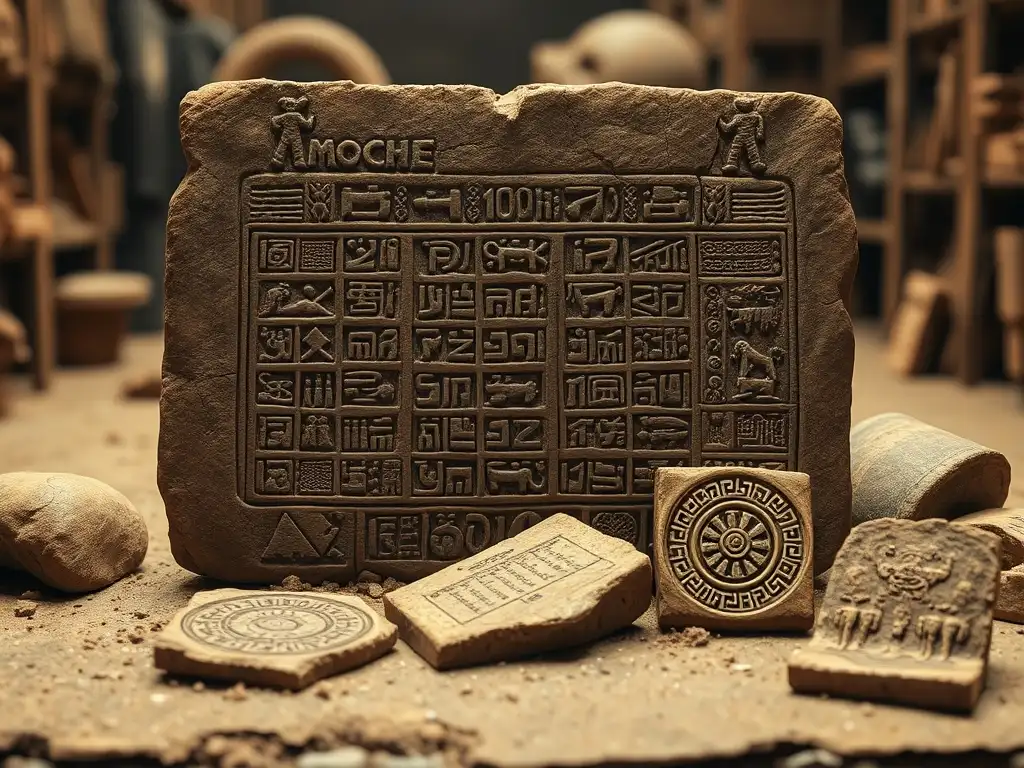
The Moche calendar system, while sharing some broad similarities with other Andean civilizations' approaches to timekeeping, possessed unique characteristics that distinguished it from its contemporaries. Understanding these differences offers crucial insights into the Moche worldview and their sophisticated societal organization. This section will compare and contrast the Moche system with those of the Inca and Nazca cultures.
Comparison with Inca Timekeeping Methods
The Inca, who rose to power centuries after the Moche, developed a remarkably intricate system of timekeeping. While both cultures relied on observations of celestial bodies – primarily the sun and moon – the methodologies differed significantly. The Inca quipus, knotted-cord devices, served as a complex record-keeping system, potentially including calendrical information.
However, evidence suggests a more centralized, state-controlled approach to timekeeping under the Inca, contrasted with the less centralized, potentially more regionally-varied system potentially employed by the Moche. The Inca calendar was closely tied to agricultural cycles and state administration, with precise dates marking important festivals and tributes. The Moche, while also undoubtedly influenced by agricultural needs, appear to have had a less rigidly structured calendrical system, potentially reflecting a less centralized political organization.
Further research is needed to fully understand the extent of regional variations within the Moche calendar system and how these relate to Inca practices. [Specific information pending: detailed comparative analysis of Inca quipu data related to timekeeping].
Differences from the Nazca Calendar System
The Nazca, known for their enigmatic geoglyphs, also possessed a sophisticated understanding of astronomy and the passage of time. Unlike the Moche, who may have utilized a combination of astronomical observations and agricultural cycles, the Nazca calendar system is less well understood, with some scholars suggesting a strong emphasis on water management, linked to the arid coastal environment. The Nazca lines themselves are theorized by some to have had a calendrical function, potentially marking solstices or equinoxes.
However, concrete evidence linking specific lines to precise calendar dates remains elusive. One key difference lies in the surviving evidence: while Moche calendar-related artifacts, such as pottery depicting celestial events, are relatively abundant, direct evidence for a formal Nazca calendar system remains scarce.
This disparity in the archaeological record makes direct comparison challenging, highlighting the need for continued investigation into Nazca astronomical practices and their relationship to their societal structure. The Moche calendar system, based on current evidence, seems to have been more readily integrated into their daily life and art, as depicted in their pottery and other artifacts.
The Unique Characteristics of the Moche Time System
The Moche calendar system, unlike those of other Andean cultures, is characterized by its apparent integration into their artistic and religious practices. Depictions of celestial events, such as eclipses and constellations, are frequently found on Moche pottery, suggesting a significant connection between their cosmology and their daily lives. This visual representation provides valuable insights into their understanding of the cosmos and how it impacted their societal organization. The Moche calendar likely incorporated both solar and lunar cycles, with potentially additional cycles linked to agricultural patterns and the annual flooding of rivers.
Unlike the highly formalized Inca system, the Moche system may have been more fluid and adaptable to regional variations in climate and agricultural practices. The lack of a centralized administrative structure, unlike the Inca Empire, might explain this decentralized approach to timekeeping. Further research is crucial to understand the precise mechanics of their calendar and how it influenced their rituals, agriculture, and social structure.
The discovery of new archaeological sites and the advanced analysis of existing artifacts could significantly contribute to a more complete understanding of this fascinating aspect of Moche society. The ongoing study of the Moche calendar system is key to a more complete understanding of the "Moche calendar system" and its importance within their culture. 🗓️
Legacy of the Moche Calendar
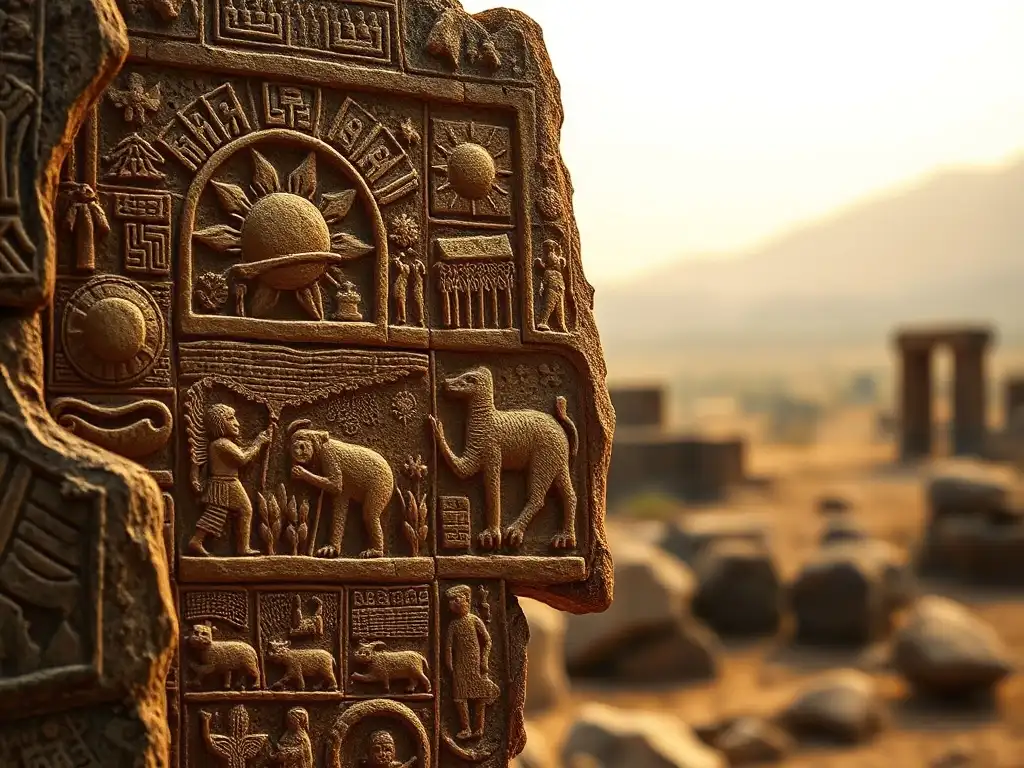
The Moche calendar system, a sophisticated method of tracking time and seasons, left a lasting impact on Andean societies. Its influence extends beyond simple agricultural planning; it reflects a deep understanding of astronomy and a complex societal organization capable of developing and maintaining such a system. Understanding the legacy of the Moche calendar requires examining its contributions to Andean astronomy, its influence on subsequent cultures, and the ongoing research that continues to uncover its intricacies.
The precision and complexity of the Moche calendar system arguably surpasses that of many contemporaneous civilizations, highlighting the advanced knowledge and societal structure of the Moche people. This sophisticated system was not merely a tool for survival; it was integral to their religious beliefs, social structures, and artistic expressions. The Moche calendar's enduring influence underscores its importance as a key element in understanding Moche civilization.
The Moche Calendar's Contribution to Andean Astronomy
The Moche calendar system's development demonstrates a remarkable understanding of celestial movements. Evidence suggests the Moche meticulously observed the sun, moon, and stars, using this knowledge to predict seasonal changes crucial for agriculture. Their astronomical observations weren't limited to practical applications; they were likely integrated into their religious beliefs, with celestial bodies possibly holding significant symbolic meaning.
For example, the detailed depictions of astronomical events on Moche pottery and textiles suggest a sophisticated understanding of the cosmos and its cyclical nature. These artistic representations are not mere decorations; they are valuable sources of information regarding Moche cosmology and their calendar system. The precise alignment of certain Moche structures with celestial events further strengthens the argument for an advanced understanding of astronomy.
Analyzing these alignments, along with iconography and other archaeological findings, allows researchers to piece together a clearer picture of the Moche calendar's astronomical basis. The accuracy of their predictions, evident in their agricultural practices, speaks volumes about their observational skills and their ability to translate astronomical knowledge into practical applications. Further research into specific Moche sites may reveal even more intricate details about their astronomical observations and their connection to their calendar system.
The Influence of Moche Timekeeping on Later Cultures
The Moche calendar system's influence extended beyond its own civilization. While the precise mechanisms of transmission are often debated, there is clear evidence suggesting that later Andean cultures, including the Inca, adopted and adapted aspects of Moche timekeeping. This cultural inheritance might have been achieved through direct contact, trade, or even the assimilation of conquered populations.
For example, [Specific examples of shared calendar elements between Moche and later cultures pending]. The similarities between Moche iconography and that of later Andean cultures, particularly in depictions of celestial events, hint at a potential continuity of astronomical knowledge and calendrical practices. However, it's crucial to understand that these later cultures likely adapted and modified the Moche system to suit their own needs and beliefs.
The Inca calendar, for instance, while showing some similarities to the Moche system, also incorporated unique elements reflective of their own imperial organization and worldview. Therefore, while acknowledging the influence of the Moche calendar, it is important to highlight the unique developments and adaptations of subsequent Andean cultures. Further research into the evolution of Andean calendrical systems is necessary to fully appreciate the complex interplay between cultural transmission and innovation.
Ongoing Research into Moche Timekeeping
Research into the Moche calendar system is an ongoing process, constantly refining our understanding of this sophisticated method of timekeeping. New archaeological discoveries, improved dating techniques, and advanced analytical methods continuously contribute to a more comprehensive picture. For instance, the application of [specific analytical techniques pending] to Moche artifacts is yielding new insights into the precision and complexity of their calendar. Furthermore, ongoing excavations at key Moche sites are uncovering additional evidence, such as [types of evidence pending], which provide valuable clues about their astronomical observations and calendrical practices.
Interdisciplinary approaches, combining archaeology, astronomy, anthropology, and art history, are proving crucial in deciphering the complexities of the Moche calendar. The collaborative efforts of researchers from various fields are essential to unlock the secrets of this fascinating and significant aspect of Moche civilization. The ongoing research not only helps us understand the Moche but also contributes to a broader understanding of the development of Andean astronomy and timekeeping.
The future promises further advancements in our knowledge of the Moche calendar system, potentially revealing even more intricate details about this remarkable achievement. This ongoing research highlights the enduring relevance of the Moche calendar system and its importance in the study of Andean civilizations. 📅
Conclusion: The Enduring Mystery of the Moche Time System
The Moche calendar system, while undeniably sophisticated for its time, remains shrouded in some mystery. Despite significant archaeological discoveries, many questions persist regarding its precise function and the extent of its influence on Moche society. While we can confidently assert its role in agricultural planning, based on the observed correlation between calendar markers and seasonal changes, the degree to which it impacted religious practices, political organization, or social structures remains a subject of ongoing debate among scholars.
The intricate iconography found on Moche pottery, textiles, and architecture offers tantalizing clues, but interpreting these symbols requires careful analysis and cross-referencing with other archaeological evidence. The lack of extensive written records from the Moche civilization presents a significant challenge, forcing researchers to rely heavily on indirect evidence and meticulous interpretation of material culture.
The puzzle of the Moche calendar, therefore, continues to fascinate and challenge researchers, promising further exciting discoveries in the years to come. Unraveling its secrets offers a deeper understanding not only of Moche timekeeping but also of their worldview and societal organization.
The Importance of Understanding the Moche Calendar
Understanding the Moche calendar system is crucial for a comprehensive grasp of Moche civilization. Its accurate reconstruction allows us to better comprehend the agricultural practices that sustained this complex society. By analyzing the relationship between calendar markers and the Moche agricultural cycle, we gain insights into their sophisticated understanding of the environment and their ability to adapt to the challenges of the arid coastal region.
This knowledge, in turn, informs our understanding of their economic strategies, resource management, and overall societal resilience. Furthermore, the calendar system's potential connection to religious rituals and political power structures highlights its significance beyond mere agricultural planning. Deciphering the symbolic language encoded within the calendar could unlock deeper insights into Moche beliefs, cosmology, and social hierarchies.
The Moche calendar system, therefore, serves as a key to unlocking a more complete understanding of this remarkable ancient civilization, providing a window into their sophisticated worldview and their mastery of their environment. The study of this system helps us appreciate the ingenuity and complexity of a society often overlooked in favor of later Andean empires.
Future research on the Moche calendar system should focus on several key areas. First, a more thorough analysis of existing archaeological data, particularly the iconography found on Moche artifacts, is needed. This requires a multidisciplinary approach, combining the expertise of archaeologists, art historians, and anthropologists. Advanced imaging techniques, such as high-resolution photography and 3D scanning, could reveal previously unnoticed details within the intricate designs.
Second, further excavations at Moche sites could uncover new evidence, such as additional calendar markers or inscriptions that provide more concrete information about the system's operation. Specific attention should be paid to sites associated with religious or administrative functions, where calendar-related artifacts might be more concentrated. Third, comparative studies with other contemporary Andean calendar systems could reveal shared features or unique characteristics of the Moche system, offering valuable insights into its development and evolution.
By combining these approaches, researchers can hope to unravel the remaining mysteries surrounding the Moche calendar, providing a more complete picture of this fascinating aspect of Moche culture and further solidifying our understanding of the "Moche calendar system". The potential for new discoveries and a deeper understanding of this sophisticated system remains high, promising a more complete picture of this fascinating ancient culture. Careful and comprehensive research will continue to shed light on this important aspect of Moche societal organization.
Frequently Asked Questions
What was the Moche calendar system used for?
The Moche calendar system was primarily used to track agricultural cycles and plan planting and harvesting. This was crucial for their survival, as their economy heavily relied on agriculture. It also likely played a role in religious ceremonies.
How did the Moche track time without a written language?
The Moche didn't have a written language in the same way as others, but they used observational astronomy and complex iconography on ceramics and textiles to record astronomical events and seasonal changes, effectively creating a visual calendar.
What astronomical events were important to the Moche calendar?
The Moche calendar likely tracked the solstices and equinoxes, as well as the movements of the moon and stars. These celestial events were important for predicting the best times for planting and harvesting.
Are there any surviving examples of the Moche calendar?
While no single, comprehensive Moche calendar survives, evidence of their system is found on Moche pottery and textiles. These artifacts depict celestial bodies and scenes related to agricultural cycles, providing clues to their calendar system.
How accurate was the Moche calendar system?
The accuracy of the Moche calendar system is still being researched, but evidence suggests it was remarkably precise for its time. Their meticulous observations of the sky allowed for accurate predictions of seasonal changes vital for their agricultural practices.
Final Reflection: Decoding the Moche Legacy Through Time
The intricate Moche calendar system, far from being a relic of a bygone era, offers a powerful lens through which to understand our own relationship with time and the environment. Its sophisticated understanding of astronomical cycles and agricultural needs remains remarkably relevant in a world grappling with climate change and the urgent need for sustainable practices. The precision and ingenuity displayed by the Moche people are a testament to human capacity for innovation and adaptation.
The Moche calendar's enduring influence extends beyond its practical applications; it speaks to a deeper human desire to understand and connect with the natural world. Its intricate carvings and monumental architecture serve as a powerful reminder of the profound spiritual significance attributed to the passage of time and the rhythms of nature. The past is never dead. It's not even past.
– William Faulkner. This quote resonates deeply with the Moche calendar, reminding us that understanding their system allows us to connect with a rich cultural heritage and learn from their deep understanding of the environment.
Consider, for a moment, the implications of this ancient knowledge. How can we, in our modern world, learn from the Moche's meticulous observation of celestial events and their integration of this knowledge into their daily lives? What sustainable practices can we adopt, inspired by their wisdom, to ensure a harmonious relationship with our planet? I urge you to reflect on the Moche calendar not merely as a historical artifact, but as a source of inspiration and a call to action for a more sustainable and mindful future.
Embrace the Cycles of Time: Take Action Today!
Thank you for exploring the fascinating world of the Moche calendar with us! We hope you now understand how this ancient system not only tracked time but also reflected the rhythm of life in Andean cultures. You've gained a valuable perspective on the deep connection between civilizations and the natural world.
Ready to continue your exploration? Here are some suggestions:
- **Dive Deeper:** Research different cultural calendars and timekeeping methods from around the globe. Compare and contrast them with the Moche calendar; what are the key similarities and differences?
- **Share Your Knowledge:** Discuss the role of time in your life with friends, family, or online. How has your understanding of time changed after learning about the Moche calendar?
- **Join Our Community:** Subscribe to our newsletter for more insights into Andean civilizations and information about upcoming events celebrating their rich history.
What new insights into your own relationship with time will you uncover now that you understand the intricacies of the Moche calendar?