
The Moche Calendar: Tracking Time and Religious Observances

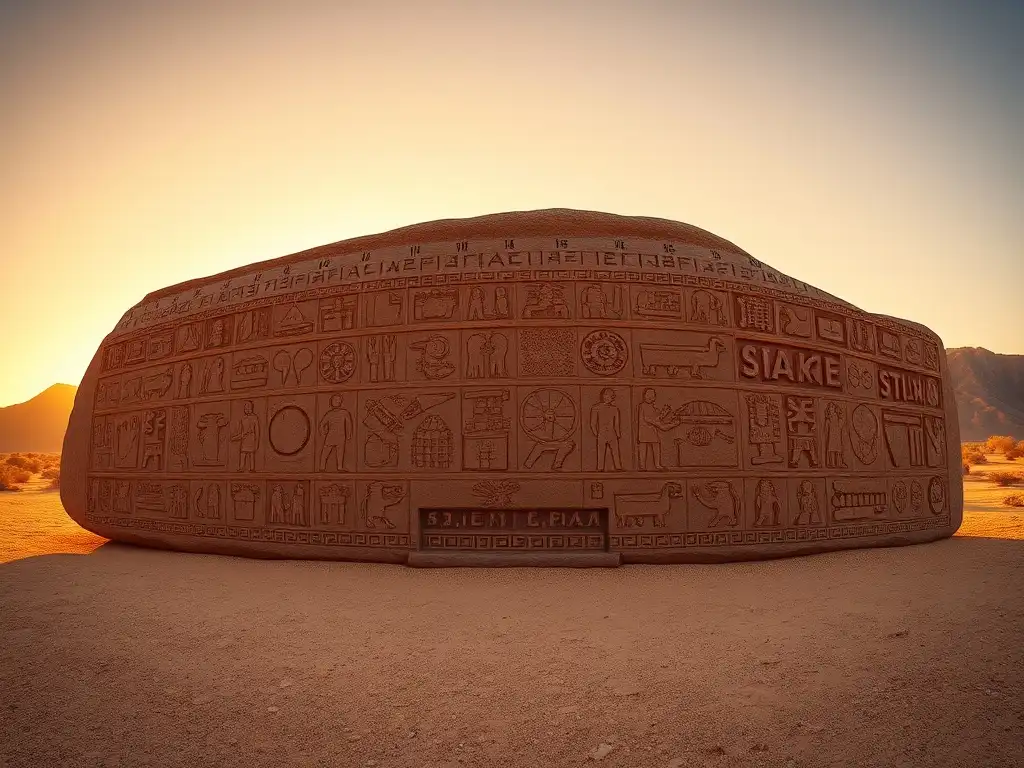
Step into a world lost to time, yet echoing with the whispers of a sophisticated civilization. Dive into the mysteries of the Andes, where empires rose and fell, leaving behind a legacy of breathtaking artistry and intricate societal structures. Uncover the secrets of the Moche calendar system, a celestial roadmap guiding religious practices and shaping the very fabric of Moche life. Prepare to be captivated by the ingenuity and spiritual depth of this remarkable culture – your journey begins now.
-
The Moche Calendar System: Tracking Time and Religious Observances
- Understanding Moche Timekeeping: An Introduction to their Calendar
- The Basis of the Moche Calendar: Agricultural Cycles and Observations
- Moche Astronomical Knowledge: Foundations of their Time Measurement
- The Moche Year: Division and Organization of Time
- Moche Calendar Markers: Identifying Dates and Periods
- Reconstructing the Moche Calendar: Challenges and Interpretations
- Significance of the Moche Calendar in their Society
- The Legacy of the Moche Calendar: What We Can Learn Today
- Conclusion: The Importance of the Moche Calendar for Andean Studies
- Frequently Asked Questions
- Final Reflection: Echoes of the Moche: A Legacy in Time
- **Unveil the Mysteries of the Moche Calendar! **
The Moche Calendar System: Tracking Time and Religious Observances
The Moche civilization, flourishing along the northern coast of Peru from approximately 100 CE to 800 CE, left behind a remarkable legacy of intricate artistry, sophisticated engineering, and a complex religious system. Understanding their calendar system is crucial to deciphering their societal structure, agricultural practices, and deeply ingrained religious beliefs.
This article delves into the fascinating world of the Moche calendar, exploring its foundations in astronomical observations, its connection to agricultural cycles, and its profound influence on their religious rituals and ceremonies. We will investigate the available evidence, including iconography found on their ceramics and other artifacts, to piece together a clearer picture of how the Moche people tracked time and how this understanding shaped their lives.
The Moche calendar system, while not as extensively documented as some other ancient calendars, reveals a sophisticated understanding of astronomy and its practical application within a theocratic society. This exploration will illuminate the intricate relationship between the Moche's perception of time, their agricultural success, and their vibrant religious practices.
Understanding Moche Timekeeping: An Introduction to their Calendar
Unlike civilizations that developed sophisticated written languages, the Moche did not leave behind textual records detailing their calendar system. Our understanding is primarily derived from interpreting artistic representations found on their meticulously crafted pottery. These ceramics often depict scenes of agricultural activities, celestial events, and religious ceremonies, offering clues to their temporal reckoning. The Moche calendar, it seems, was not a standardized, universally applied system like the Gregorian calendar we use today.
Instead, evidence suggests a more flexible and locally-adapted approach, likely influenced by micro-regional variations in climate and agricultural practices. The precise length of their year, the number of months, and the specific names of their months remain largely unknown. However, analysis of Moche iconography strongly suggests a deep understanding of the celestial cycles and their influence on agricultural productivity – the cornerstone of their society.
The meticulous detail in their artwork demonstrates a keen observation of the sun, moon, and stars, indicating a sophisticated awareness of seasonal changes. Furthermore, the frequent depiction of specific astronomical events and constellations on their pottery hints at the importance of these celestial bodies in their religious and agricultural calendars. The lack of written records presents a significant challenge to fully reconstructing their calendrical system, but the rich visual record provides valuable insights into their understanding of time and its importance in their culture.
The Basis of the Moche Calendar: Agricultural Cycles and Observations
The Moche economy was heavily reliant on agriculture, particularly the cultivation of maize, beans, and cotton. Their calendar, therefore, was intrinsically linked to the agricultural cycles dictated by the seasonal variations brought about by the El Niño Southern Oscillation (ENSO). The Moche skillfully adapted their farming techniques to the unpredictable nature of the coastal climate, and their calendar likely served as a crucial tool for predicting planting and harvesting seasons.
The precise methods they used to track these cycles are still debated, but the recurring imagery of specific plants and animals in different stages of growth on their pottery suggests a detailed understanding of the seasonal changes. For example, the depiction of specific types of maize at different stages of maturity could have served as a visual calendar, marking the progress of the growing season. Furthermore, the presence of certain constellations in the night sky likely indicated specific times for planting or harvesting.
The Moche's mastery of irrigation systems further supports the idea of a carefully observed and managed agricultural calendar. The complex network of canals and reservoirs they constructed enabled them to control water resources and optimize crop yields, demonstrating a sophisticated understanding of both the environment and the timing of agricultural operations. This intricate interplay between astronomical observations, agricultural practices, and their calendar suggests a society deeply intertwined with the natural world, where timekeeping was not merely a matter of recording dates, but a vital aspect of their survival and prosperity.
Moche Astronomical Knowledge: Foundations of their Time Measurement
The Moche people, renowned for their sophisticated artistry and engineering, possessed a surprisingly advanced understanding of astronomy. Their calendar system, while not as explicitly documented as that of later Andean civilizations like the Inca, is evident in their artwork, architecture, and the organization of their agricultural practices. Careful observation of celestial bodies, primarily the sun and moon, formed the bedrock of their timekeeping.
The precise methods they employed remain partially shrouded in mystery, but archaeological evidence points to a deep connection between their astronomical knowledge and their religious beliefs. Further research is needed to fully elucidate the intricacies of their astronomical observations and their impact on their societal structure.
The precision with which they constructed their monumental structures, often aligned with astronomical events, suggests a sophisticated understanding of celestial movements beyond simple observation. This knowledge wasn't merely theoretical; it was integral to their daily lives, influencing agricultural practices and religious rituals.
The Role of the Sun in the Moche Temporal System
The sun held paramount importance in the Moche worldview. It was not just a source of light and warmth but a powerful deity, central to their agricultural cycle and religious ceremonies. Evidence suggests the Moche meticulously tracked the sun's solstices and equinoxes, using these events as markers within their calendar.
The positioning of their buildings, particularly temples and ceremonial centers, often aligns with the sun's path at specific times of the year. This suggests a deliberate attempt to synchronize their religious activities with the sun's annual journey. The sun's influence is apparent in Moche iconography, where solar motifs frequently appear in pottery and metalwork, reinforcing its significance in their culture.
Further research could reveal more about specific solar observatories or instruments used by the Moche to track the sun's movements with such precision. The seasonal changes, dictated by the sun's position, were crucial for the timing of agricultural activities, demonstrating the practical application of their solar observations.
Lunar Cycles and their Significance in Moche Calendar
While the sun dominated the Moche worldview, the moon played a crucial supporting role in their calendar system. Lunar cycles, with their predictable rhythms, provided a shorter-term framework for tracking time, complementing the longer-term observations of the sun. The phases of the moon likely served as markers for shorter-term events, perhaps influencing the timing of certain rituals or agricultural activities. Unfortunately, direct evidence detailing the precise use of lunar cycles in their calendar is limited.
However, the presence of moon imagery in Moche art, often depicted alongside solar motifs, indicates its importance. The cyclical nature of the moon, mirroring the cyclical nature of life and death in their cosmology, likely held profound symbolic significance. Further investigation into the patterns of moon-related imagery in Moche art could potentially unlock more information about their lunar calendar and its influence on their society.
The Moche Year: Division and Organization of Time
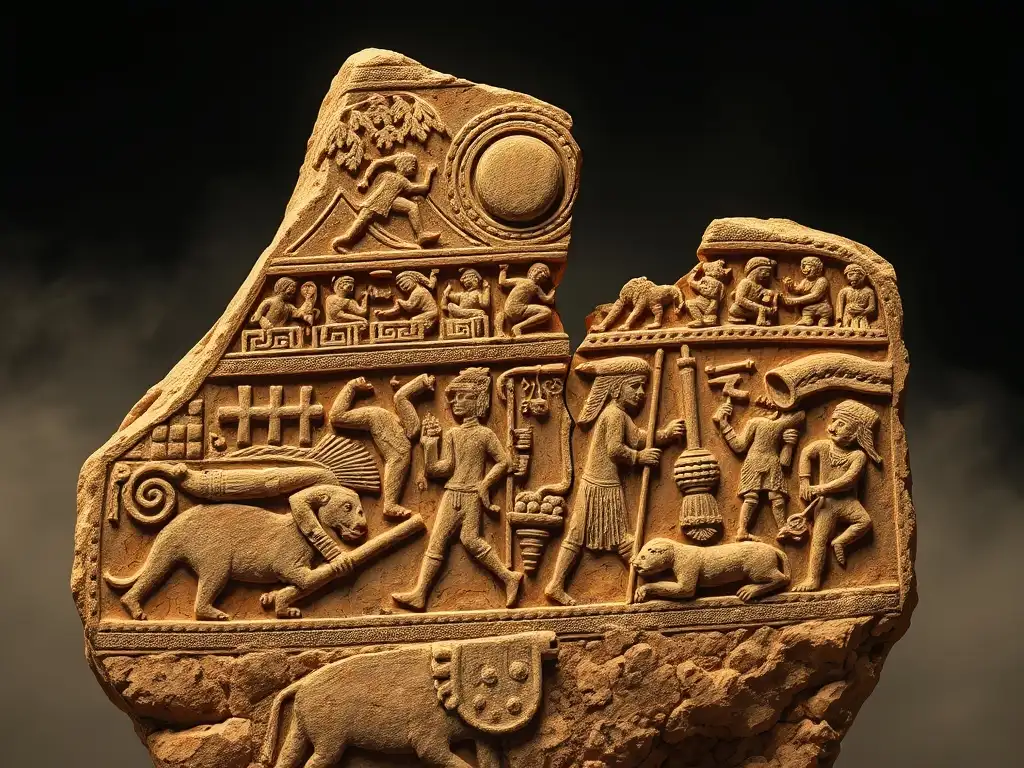
The Moche year, like many ancient calendars, was likely organized around agricultural cycles and astronomical observations. While the exact length of their year and the specific divisions within it are still debated among scholars, evidence suggests a system based on both solar and lunar cycles. The Moche likely divided their year into distinct seasons, each associated with specific agricultural activities and religious observances.
The precise number of months and the length of each month remain uncertain, but the evidence suggests a sophisticated system capable of tracking both the longer solar year and shorter lunar months. The alignment of certain structures with solstices and equinoxes strongly suggests a calendar system that integrated astronomical events into its framework. The Moche agricultural practices, dependent on the timing of rains and planting seasons, underscore the importance of a precise calendar to ensure successful harvests.
Moche Ritual Calendar: Religious Festivals and Observances
The Moche calendar wasn't solely for practical purposes; it was deeply intertwined with their religious beliefs. Specific dates within the year were likely dedicated to religious festivals and ceremonies, celebrating deities, ancestors, and the forces of nature. These observances were likely tied to astronomical events, with festivals held during solstices, equinoxes, or other significant celestial occurrences.
Unfortunately, detailed records of specific Moche festivals are lacking, but archaeological evidence, such as the discovery of elaborate burial sites and ceremonial objects, suggests the existence of significant religious rituals throughout the year. The intricate artwork found on Moche pottery often depicts scenes of religious ceremonies, providing valuable clues into their rituals and their connection to the calendar. Further research into the iconography and context of these depictions could shed more light on the Moche ritual calendar.
Moche Agricultural Calendar: Planting and Harvesting Seasons
The Moche civilization's survival hinged on successful agriculture. Their calendar system was therefore inextricably linked to the agricultural cycle, with specific times designated for planting, tending, and harvesting crops. The timing of these activities was crucial for maximizing yields and ensuring food security. The Moche, through careful observation of the sun and the seasons, were able to determine the optimal times for planting and harvesting, utilizing irrigation systems to maximize crop production.
The availability of water played a pivotal role in their agricultural calendar. The timing of rains and the management of irrigation canals directly influenced the planting and harvesting seasons. The organization of their agricultural efforts, as evidenced by their sophisticated irrigation systems, showcases their deep understanding of the agricultural cycle and its correlation with their calendar system. The success of their agricultural practices demonstrates a sophisticated level of calendar-based planning.
Moche Calendar Markers: Identifying Dates and Periods
The Moche calendar system, unlike the sophisticated, well-documented calendars of later Andean cultures like the Inca, remains a subject of ongoing research and interpretation. Identifying specific Moche calendar markers presents significant challenges due to the limited direct textual evidence. Instead, scholars rely heavily on indirect evidence, primarily gleaned from archaeological discoveries and the careful analysis of Moche iconography.
These markers often involve the depiction of celestial events, agricultural cycles, or symbolic representations within their art and architecture. For example, the repeated motif of certain constellations or the depiction of specific phases of the moon in pottery and metalwork may indicate the significance of these celestial bodies in their temporal reckoning. Furthermore, the arrangement of structures within Moche sites, particularly those related to religious ceremonies, might also offer clues to their understanding of time and the passage of seasons.
The precise correlation between these visual markers and specific dates or periods, however, remains elusive, requiring further investigation and cross-referencing with other archaeological data. Understanding the Moche's perception of time is crucial to interpreting their religious practices and societal organization.
Archaeological Evidence of Moche Calendar Practices
Archaeological excavations at various Moche sites have yielded crucial, albeit fragmented, evidence related to their calendar system. The discovery of specific artifacts arranged in patterns or sequences within tombs or ceremonial contexts suggests a possible attempt at chronological recording. For example, the presence of specific pottery types or tools associated with particular agricultural seasons within a burial could indicate an attempt to mark the deceased's life within a seasonal framework.
However, the absence of standardized inscriptions or numerical systems makes the interpretation of these patterns challenging and often open to multiple interpretations. Further research involving detailed stratigraphic analysis and cross-comparisons between different Moche sites is necessary to establish more definitive links between archaeological finds and the Moche calendar.
The careful study of the spatial arrangement of structures within Moche settlements might also reveal planned alignments with celestial bodies, hinting at astronomical observations that underpinned their calendar system. This kind of evidence, although not conclusive on its own, contributes to a more comprehensive understanding of their timekeeping practices.
Moche Iconography and the Representation of Time
Moche iconography is rich with symbolic representations that may relate to their understanding of time. The depiction of recurring motifs, such as the sun, moon, stars, and various celestial bodies, in their pottery, textiles, and metalwork, suggests a deep connection between their cosmology and their calendar system. These depictions are often integrated into narratives that may represent mythological events or seasonal cycles.
For instance, the frequent portrayal of certain animals or deities associated with specific agricultural seasons hints at a calendar linked to the agricultural year. However, the interpretation of these symbolic representations requires careful consideration of the broader Moche iconographic system and its contextual meaning. The positioning and relationship between various elements within a given artwork can provide further insights into their calendrical concepts.
Scholars are working to decipher these visual narratives and understand how they represent the cyclical nature of time and the cosmos in the Moche worldview. The nuances of Moche iconography are key to unlocking the secrets of their timekeeping methods.
Reconstructing the Moche Calendar: Challenges and Interpretations
Reconstructing the Moche calendar presents numerous challenges. The lack of a written language makes the interpretation of their temporal system heavily reliant on indirect evidence from art, architecture, and archaeological contexts. This reliance on visual and material culture makes the process complex and open to various interpretations.
Different scholars have proposed different models, often based on their own interpretations of the available evidence. Some focus on agricultural cycles, suggesting a calendar primarily oriented towards agricultural practices. Others emphasize astronomical observations, proposing a calendar based on solar and lunar cycles.
The lack of a uniform system and the fragmented nature of the evidence make it difficult to achieve a consensus on a single, definitive reconstruction. Further research, combining archaeological data, iconographic analysis, and comparative studies with other Andean cultures, is essential to refine our understanding of the Moche calendar and its complexities. The ongoing debate reflects the inherent challenges in interpreting the past when direct textual evidence is absent.
The Influence of Other Andean Calendars on the Moche
The Moche civilization was not isolated; it existed within a broader Andean cultural landscape. Therefore, the possibility of influence from other contemporary Andean calendars on the Moche system cannot be disregarded. While the extent of this influence remains a topic of ongoing research, it's plausible that the Moche calendar might have incorporated elements or principles from neighboring cultures. For instance, the use of certain astronomical markers or calendrical cycles might have been shared or adapted from other Andean groups. Comparative studies between Moche iconography and that of other contemporary cultures are crucial in investigating possible cultural exchanges and influences on their timekeeping practices. Identifying similarities and differences in calendrical systems across different Andean societies can shed light on the unique aspects of the Moche calendar and its place within the wider Andean cultural context. This comparative approach is essential to a fuller understanding of the Moche calendar’s evolution and development.
The Huaca de la Luna Mural and Calendar Interpretations
The Huaca de la Luna, a significant Moche ceremonial center, features murals that have been interpreted by some scholars as containing calendrical information. These murals depict various scenes, including celestial events and ritual activities, that might be linked to specific times of the year. However, the interpretation of these murals remains highly debated, with varying interpretations proposed by different researchers.
The complexity of the iconography and the lack of clear, unambiguous calendrical markers within the murals make definitive conclusions difficult. Further analysis is needed to understand the symbolic meaning of the different elements depicted in the murals and their possible connection to a broader Moche calendrical system.
The potential calendrical information encoded within the Huaca de la Luna murals is a key area of ongoing research, potentially providing vital clues to understanding the Moche's perception and organization of time. A deeper understanding of the iconography and its context is vital to unlock the secrets held within these remarkable artworks.
Significance of the Moche Calendar in their Society
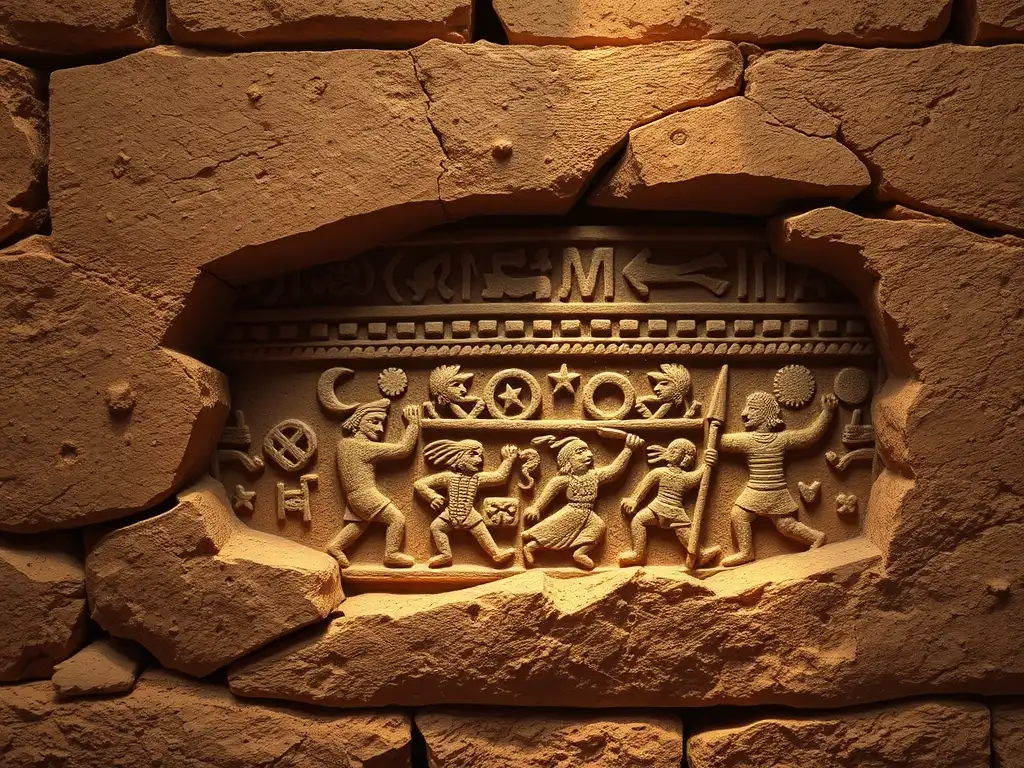
The Moche calendar system held immense significance within their society, acting as a crucial organizing principle for their lives. Unlike many other ancient civilizations that relied solely on lunar or solar cycles, the Moche calendar appears to have incorporated a sophisticated understanding of both, allowing for precise agricultural planning and the scheduling of elaborate religious ceremonies. This intricate system wasn't simply a tool for tracking time; it was deeply embedded in their worldview, reflecting their close relationship with the natural world and their profound belief in the cyclical nature of life, death, and rebirth.
The calendar's accuracy and complexity underscore the advanced level of astronomical knowledge possessed by the Moche, a knowledge intimately linked to their political and social structures. The ability to predict seasonal changes and celestial events likely conferred significant power and authority on those who understood and interpreted the calendar, solidifying their position within the Moche hierarchy.
Evidence suggests that the elite class played a central role in maintaining and utilizing the calendar, further highlighting its importance in the social and political fabric of Moche society. The calendar was not merely a practical tool, but a powerful symbol of their societal organization and spiritual beliefs.
The Calendar's Impact on Moche Agricultural Practices
The Moche economy was heavily reliant on agriculture, particularly the cultivation of maize, beans, and squash. Their mastery of irrigation techniques, coupled with a precise understanding of the seasonal cycles, allowed them to achieve remarkable agricultural productivity. The Moche calendar played a vital role in guiding these agricultural practices.
By accurately predicting the timing of planting and harvesting seasons, the Moche were able to maximize their crop yields and ensure food security for their population. This precise knowledge, derived from careful observation of celestial bodies and their relationship to the seasonal changes, was crucial for survival in a challenging desert environment. Evidence from archaeological findings, such as the remains of irrigation systems and the depiction of agricultural scenes on Moche pottery, supports the close connection between the calendar and agricultural practices.
The calendar's accuracy ensured optimal planting times, leading to increased harvests and the prosperity of the Moche civilization. The successful implementation of their agricultural strategies, guided by the calendar, allowed for population growth and the development of complex societal structures.
The Moche Calendar and the Timing of Religious Ceremonies
The Moche calendar was inextricably linked to their elaborate religious ceremonies. Many of these ceremonies were likely timed to coincide with specific celestial events or seasonal changes, reflecting the Moche belief in the interconnectedness of the cosmos and the human world. The precise timing of these ceremonies, as dictated by the calendar, was crucial for maintaining the cosmic balance and ensuring the continued prosperity of the Moche civilization.
Archaeological evidence, such as the discovery of ceremonial sites and the depiction of ritualistic scenes on pottery, suggests that the calendar played a central role in organizing and conducting these religious events. For instance, specific festivals might have been held during solstices or equinoxes, marking pivotal moments in the agricultural cycle and the broader cosmic order. These ceremonies weren't merely symbolic; they were practical measures intended to ensure the continuity of life and the favor of the gods.
The Moche's meticulous attention to the timing of these ceremonies underscores the profound significance of their calendar in their religious beliefs and practices. The calendar served as a guide for navigating the sacred, ensuring the proper conduct of rituals and the maintenance of cosmic harmony.
The Legacy of the Moche Calendar: What We Can Learn Today
Despite the passage of centuries, the Moche calendar system continues to fascinate and inspire researchers today. Studying this ancient calendar provides valuable insights into the sophisticated astronomical knowledge and the intricate societal organization of the Moche civilization. The precision and complexity of their calendar stand as a testament to their advanced understanding of the natural world and their ability to harness this knowledge for practical purposes.
Furthermore, the Moche calendar offers a valuable lens through which to examine the relationship between religion, agriculture, and societal structure in ancient Andean societies. By studying the Moche's meticulous approach to timekeeping, we can gain a deeper appreciation for the ingenuity and resilience of this remarkable civilization. The Moche calendar's legacy extends beyond its historical significance; it serves as a reminder of the importance of understanding and respecting the natural world, and the enduring power of human observation and ingenuity in shaping our understanding of the cosmos.
The study of the Moche calendar system offers continuing opportunities for researchers to refine our understanding of ancient Andean astronomy and its influence on their culture and society. The ongoing research helps to paint a more complete picture of the Moche worldview and their sophisticated approach to life.
Conclusion: The Importance of the Moche Calendar for Andean Studies
The Moche calendar system, while still partially enigmatic, offers invaluable insights into the complexities of Moche society and its relationship with the natural world. Understanding their methods of timekeeping is crucial for deciphering their intricate religious beliefs, agricultural practices, and social structures. The meticulous astronomical observations reflected in their artifacts demonstrate a sophisticated understanding of celestial cycles, far exceeding the capabilities attributed to them in the past. This sophisticated knowledge wasn't merely for practical purposes; it formed the very foundation of their worldview, influencing their rituals, artistic expressions, and societal organization.
Further research into the Moche calendar system promises to reveal even more about this fascinating civilization. The integration of advanced archaeological techniques with astronomical modeling offers exciting possibilities for future discoveries. By analyzing the remaining artifacts and comparing them with similar systems from other Andean cultures, researchers can potentially uncover further details about their calendar's function, accuracy, and evolution.
This deeper understanding will not only enrich our knowledge of the Moche but also contribute significantly to the broader understanding of Andean cosmology and the development of complex societies in the pre-Columbian Americas. The Moche calendar stands as a testament to their intellectual prowess and offers a valuable lens through which to examine their rich cultural heritage. Its continued study is essential for a complete and nuanced appreciation of the Moche civilization and its lasting impact on the Andean region.
The legacy of the Moche calendar system continues to resonate today, prompting scholars to reassess previous assumptions and broaden our comprehension of Andean civilizations' capabilities and accomplishments. Unraveling its secrets is key to unlocking a richer and more complete understanding of the Moche and their place within the broader tapestry of Andean history.
Frequently Asked Questions
What was the Moche calendar system used for?
The Moche calendar system wasn't a single, unified system like the Gregorian calendar. Instead, it likely served a primarily religious and agricultural purpose, helping to time rituals and planting/harvesting cycles. Evidence suggests it was closely tied to astronomical observations.
How did the Moche track time?
While a precise system isn't fully understood, evidence points to the Moche using astronomical observations, particularly of the sun, moon, and stars, to track seasonal changes and significant celestial events crucial to their calendar. Iconography on ceramics and textiles offers clues.
What evidence exists for a Moche calendar?
The main evidence comes from Moche iconography found on pottery and textiles depicting celestial bodies and scenes that appear to represent seasonal activities. Architectural features of some sites may also reflect astronomical alignments, though interpretations are debated.
How accurate was the Moche calendar system?
The accuracy of the Moche calendar remains uncertain. While it clearly tracked seasonal changes for agricultural purposes, the precision of their astronomical observations and the extent of their calendrical calculations are still areas of ongoing research and scholarly debate.
How does the Moche calendar compare to other Andean calendars?
The Moche calendar is distinct from later Inca systems, though it shares some parallels with other pre-Inca Andean cultures in its reliance on astronomical observation to guide agricultural practices and religious rituals. Further research is needed to fully understand its unique features and relationships to other calendars.
Final Reflection: Echoes of the Moche: A Legacy in Time
The intricate Moche calendar system, far from being a relic of a bygone era, offers a powerful lens through which to understand the sophisticated societal structures and spiritual beliefs of a civilization that thrived centuries ago. Its meticulous tracking of astronomical events and agricultural cycles speaks volumes about their advanced understanding of the natural world and their deep connection to the rhythms of life itself. This understanding wasn't merely practical; it was deeply interwoven with their religious practices, shaping their worldview and influencing their daily lives.
The enduring impact of the Moche calendar system extends beyond its historical significance. It serves as a potent reminder of the ingenuity and cultural richness of pre-Columbian societies, often overlooked in dominant narratives. Their ability to develop such a complex system, using only observational astronomy and practical knowledge, is truly remarkable. The past is never dead. It's not even past.
– William Faulkner. This quote resonates deeply, as the Moche calendar continues to speak to us across the millennia, challenging our assumptions and enriching our understanding of human civilization's capacity for innovation and spiritual expression.
Consider the meticulous observations and intricate calculations that went into creating this system. Imagine the generations of Moche priests and astronomers who dedicated their lives to understanding and interpreting the celestial movements. Now, consider your own relationship with time and the natural world.
How can we, in our modern, technologically advanced society, reconnect with the fundamental rhythms of nature and appreciate the profound interconnectedness of all things, as the Moche so clearly demonstrated? Let the legacy of the Moche calendar inspire you to find your own deeper connection to the world around you, to appreciate the cyclical nature of life, and to seek a more meaningful understanding of your place within the grand tapestry of time.
**Unveil the Mysteries of the Moche Calendar! **
Thank you for exploring the fascinating world of the Moche Calendar with us! You've gained valuable insights into how this ancient civilization intricately linked their understanding of time with their religious beliefs and practices. Now, let's put that knowledge to work with some engaging activities:
- **Dive deeper:** Research a specific Moche festival, such as the one celebrating the harvest or the rainy season, and explore its significance within their culture. Consider the rituals involved and the societal impact of the event.
- **Create your own calendar:** Design a personal calendar or planner inspired by the Moche's unique methods of timekeeping. Incorporate elements of their artistic style or symbolic imagery to create a truly personalized and meaningful tool.
- **Share the knowledge:** Discuss the intriguing aspects of the Moche calendar with friends, family, or online communities. Help spread awareness and appreciation for this remarkable Andean civilization and its sophisticated understanding of time.
How might studying ancient calendar systems like the Moche's enrich our understanding and appreciation of contemporary cultures and their diverse approaches to timekeeping?