
Moche Ancestor Worship: Honoring the Departed

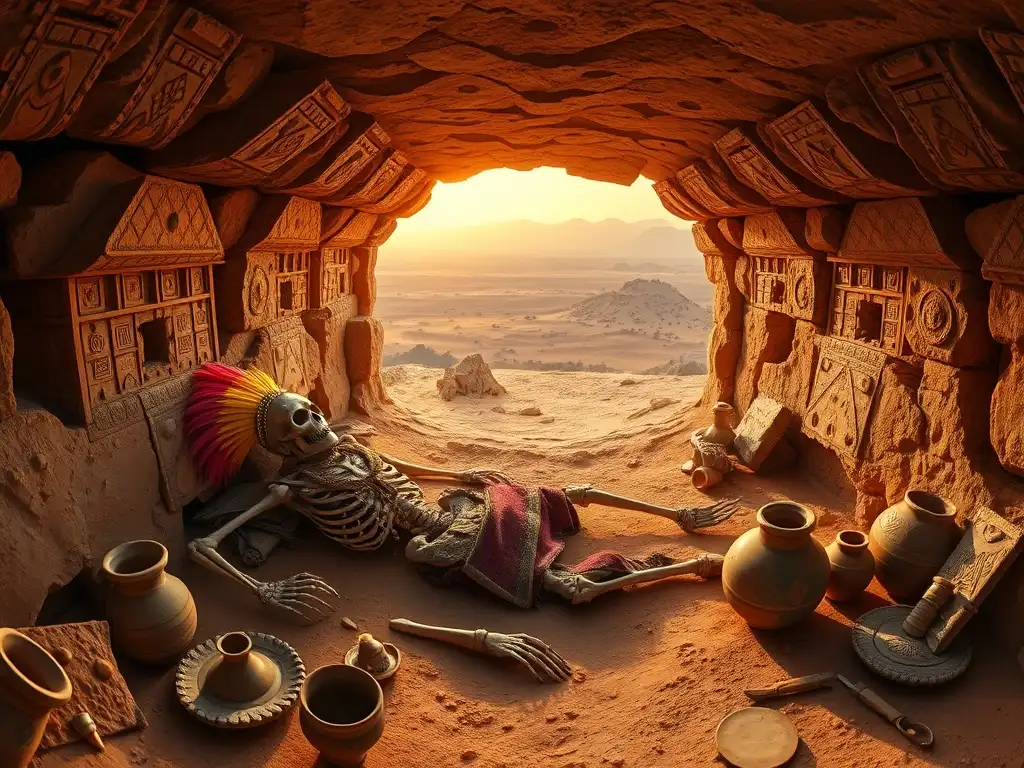
Step into a world lost to time, yet echoing with the whispers of a powerful civilization. The Andean Civilizations website unveils the mysteries and marvels of ancient cultures, from the towering achievements of the Incas to the enigmatic artistry of the Nazca. But prepare to be captivated by the Moche, whose intricate and surprisingly sophisticated burial rituals reveal a profound connection to the afterlife. Discover the secrets held within their tombs – what did the Moche burial rituals truly signify? Dive in and uncover the answers.
The Moche civilization, flourishing along the northern coast of Peru from approximately 100 CE to 800 CE, left behind a remarkable legacy of intricate artistry, sophisticated engineering, and a deeply ingrained system of beliefs. Central to their worldview was a profound reverence for their ancestors, manifested in elaborate burial rituals and practices that offer invaluable insights into their social structures, religious beliefs, and cosmology. This article delves into the fascinating world of Moche ancestor worship, exploring their burial customs, the significance of grave goods, and the broader implications of their funerary practices for understanding Moche society.
Understanding Moche burial rituals provides a crucial lens through which to interpret their complex relationship with the past, the living, and the supernatural. We will examine the evidence unearthed by archaeologists, revealing a culture deeply connected to its heritage and the spiritual realm.
Elaborate Moche Tombs and Burial Sites
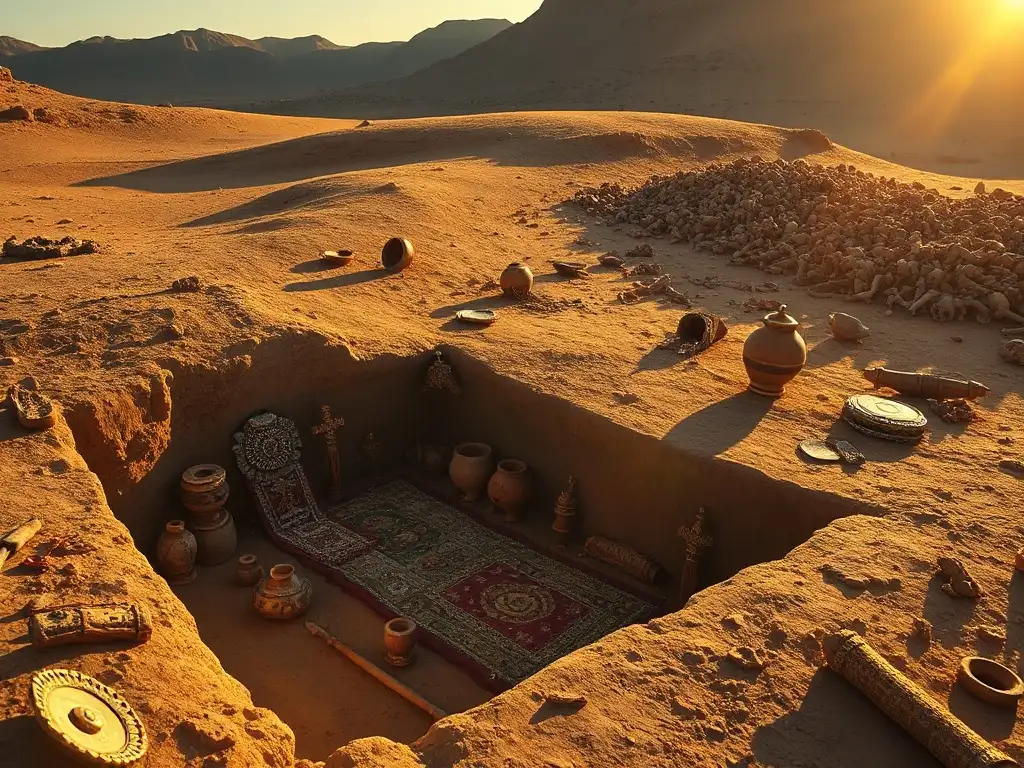
Moche burial practices weren't simple affairs; they were meticulously planned and executed ceremonies reflecting the social status of the deceased. Evidence suggests a wide range of burial types, from simple interments to incredibly complex tombs containing multiple individuals and a vast array of grave goods. Some tombs were constructed as subterranean chambers, intricately designed and often decorated with murals depicting scenes of daily life, mythological figures, and rituals.
Others were located within elaborate platform mounds, indicating a hierarchical system where burial location itself conveyed social standing. The sheer scale and complexity of some sites, like the Huaca de la Luna and Huaca del Sol, highlight the significant resources and manpower dedicated to these funerary rites. Archaeological excavations consistently uncover evidence of carefully arranged bodies, often accompanied by rich offerings and personal belongings.
Grave Goods: Reflections of Status and Beliefs
The objects interred with the deceased – the grave goods – are crucial for understanding Moche beliefs and social hierarchy. These varied enormously depending on the individual's status. Elites were frequently buried with elaborate gold and silver ornaments, finely crafted ceramics depicting deities and rituals, and textiles of exceptional quality. These items weren't merely possessions; they were symbolic representations of power, status, and access to the supernatural world.
Commoners, on the other hand, were often buried with simpler goods, reflecting their position in society. The presence of specific items, such as certain types of pottery or tools, provides clues about the deceased's occupation and role within the community. The careful selection and placement of grave goods underscore the Moche belief that material possessions and social standing extended beyond the earthly realm.
The Significance of Sacrifice and Offerings
Human sacrifice, while not ubiquitous, was a significant aspect of some Moche burial rituals. The purpose of these sacrifices remains a subject of ongoing scholarly debate, with theories ranging from appeasement of deities to the provision of servants for the deceased in the afterlife. The sacrificed individuals, often identified through skeletal analysis, were sometimes buried alongside elites, suggesting a connection between sacrifice and high social status.
In addition to human sacrifice, archaeologists have uncovered evidence of animal sacrifices and the offering of food and drink, further indicating the Moche belief in the continuity of life beyond death and the need to sustain the deceased in the afterlife. The presence of these offerings highlights the importance of maintaining a connection between the living and the dead.
Interpreting Moche Burial Rituals: A Window into Their World
The study of Moche burial rituals offers a unique perspective on their worldview, social structure, and religious beliefs. By analyzing the types of tombs, grave goods, and sacrificial practices, we gain a deeper appreciation for the complexity and richness of their culture. The meticulous nature of these rituals reveals a society deeply concerned with the transition between life and death, and the enduring significance of ancestors in the living world.
Further research and analysis of Moche burial sites continue to unveil new insights into this fascinating civilization, enriching our understanding of their beliefs and their place in the tapestry of Andean history. The meticulous attention to detail in these burials, evidenced by the preservation of organic materials and the careful arrangement of artifacts, stands as a testament to the profound respect the Moche held for their ancestors and the afterlife.
- Elaborate Moche Tombs and Burial Sites
- Grave Goods: Reflections of Status and Beliefs
- The Significance of Sacrifice and Offerings
- Interpreting Moche Burial Rituals: A Window into Their World
The Significance of Ancestor Veneration in Moche Culture
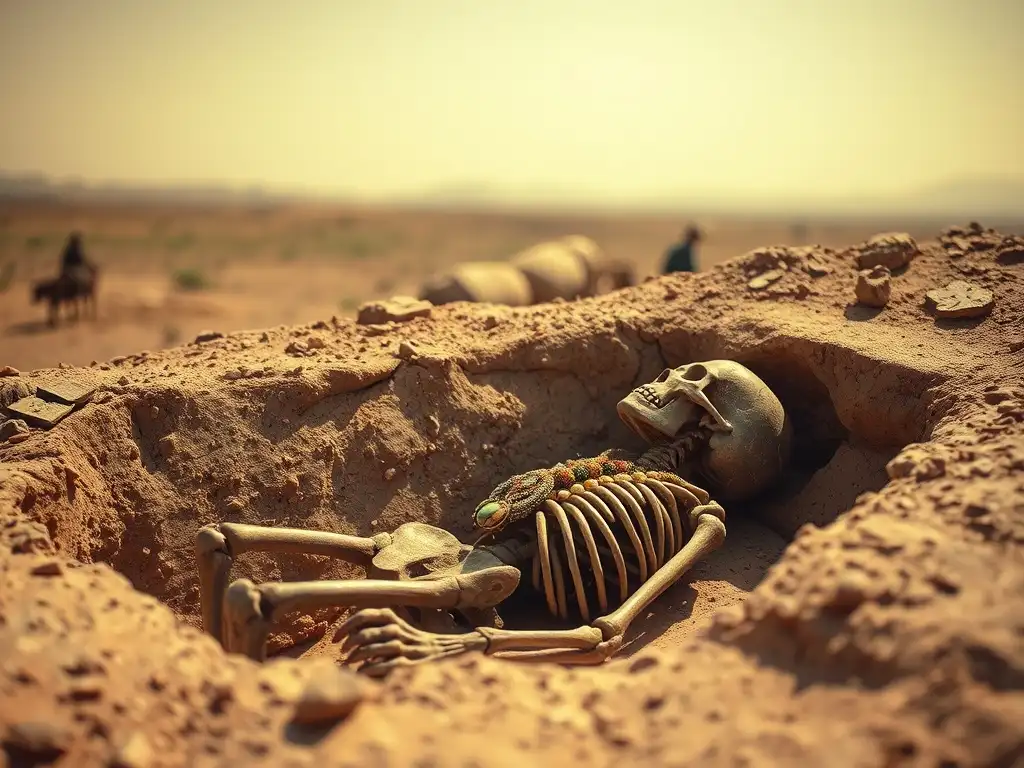
Ancestor veneration formed a cornerstone of Moche society, profoundly impacting their worldview, social structures, and daily lives. Unlike many other ancient cultures where ancestor worship might be relegated to specific rituals or lineages, the Moche integrated reverence for their ancestors into virtually every aspect of their existence. This deep-seated belief system is powerfully illustrated through their elaborate burial practices, artistic representations, and the overall organization of their settlements. The Moche believed that the spirits of their ancestors continued to exert influence on the living, providing guidance, protection, and even ensuring agricultural prosperity.
This wasn't a passive belief; it actively shaped their social hierarchies, political systems, and even their artistic expression. Evidence suggests that lineage and ancestral connections played a crucial role in determining social status and power within Moche communities. The more powerful a family's ancestral ties, the greater their influence and authority.
Understanding Moche Beliefs about the Afterlife
Moche beliefs about the afterlife were complex and multifaceted, significantly influencing their elaborate burial rituals. Archaeological evidence, particularly from the numerous well-preserved tombs discovered at Sipán and other sites, reveals a sophisticated understanding of the transition between life and death. The Moche didn't view death as an end but rather as a continuation of existence in a different realm.
The deceased were not simply buried; they were equipped for their journey into the afterlife with offerings of food, drink, textiles, and often, exquisite grave goods reflecting their status in life. These elaborate burials weren't merely symbolic gestures; they were practical provisions intended to sustain the deceased in their new existence.
The Moche believed that the spirit of the deceased required sustenance and continued to interact with the world of the living. This belief is clearly demonstrated by the presence of food, drink, and other perishable goods found in Moche tombs. The careful placement of these items suggests a deliberate attempt to provide for the needs of the departed, ensuring their comfort and well-being in the afterlife. The inclusion of jewelry, finely crafted pottery, and other luxury items further emphasizes the importance of maintaining the social status of the deceased even in death.
The more elaborate the burial, the more powerful and influential the individual was during their lifetime. This practice reinforced the social hierarchy and the importance of ancestry within Moche society. The meticulous preservation of bodies through mummification further highlights the Moche's reverence for their ancestors and their belief in the ongoing importance of the deceased.
The Role of Ancestors in Moche Society
The influence of ancestors extended far beyond the realm of the afterlife. In Moche society, ancestors were not merely revered; they were active participants in the lives of the living. Their spirits were believed to intervene in matters of importance, offering guidance, protection, and even influencing the outcome of events. This belief shaped social structures, political decisions, and even agricultural practices. Evidence suggests that ancestral lineages played a significant role in determining social standing and access to power. Families with strong ancestral ties often held prominent positions within the community.
Furthermore, the Moche frequently depicted ancestors in their art, emphasizing their continued presence and influence. Pottery, textiles, and metalwork often feature stylized representations of ancestors, highlighting their importance and demonstrating the ongoing connection between the living and the dead. These artistic representations serve as tangible manifestations of the Moche's profound reverence for their ancestors.
The vibrant colors, intricate details, and expressive imagery in these artworks reveal the depth of their spiritual beliefs and their commitment to honoring their deceased relatives. The Moche's meticulous attention to detail in their art reflects their profound belief in the continuing power and influence of their ancestors. The presence of ancestor figures in various contexts – from domestic settings to ceremonial contexts – underscores the pervasive influence of ancestral veneration in all facets of Moche life.
This comprehensive integration of ancestor worship into daily life distinguishes Moche culture and offers a unique perspective on the importance of lineage and heritage in shaping their society. Understanding this aspect is key to deciphering the complexities of Moche burial rituals and their profound impact on the civilization.
Moche Burial Rituals: A Detailed Examination
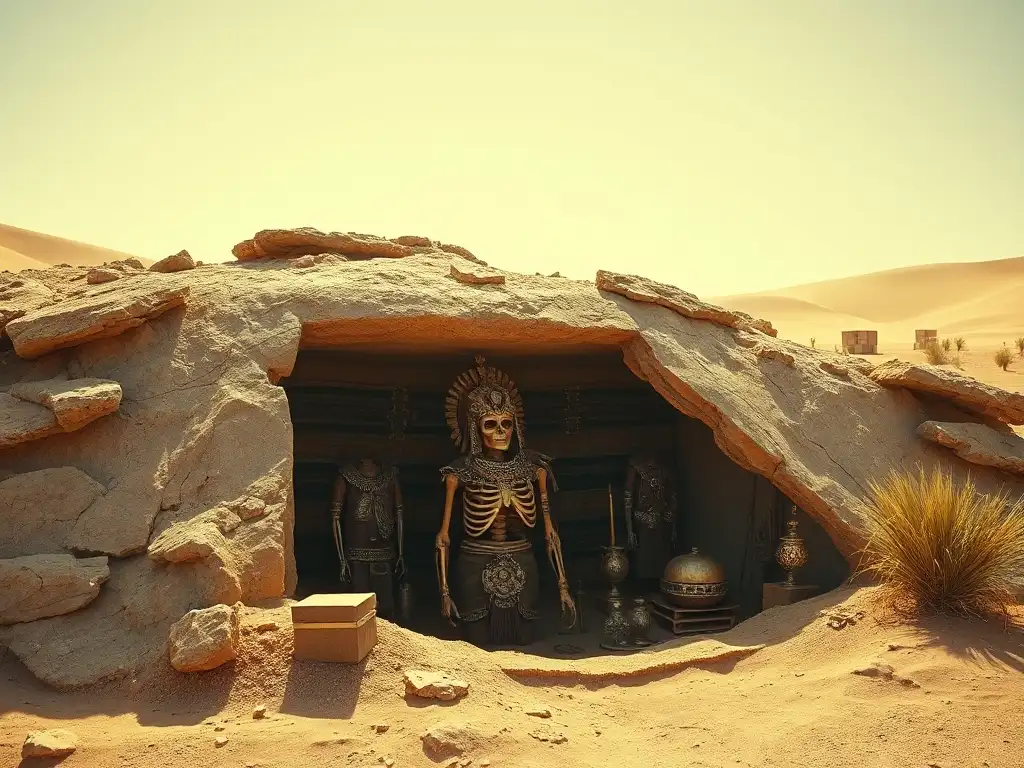
The Moche civilization, flourishing along the northern coast of Peru from approximately 100 CE to 800 CE, left behind a rich archaeological record that reveals fascinating insights into their complex beliefs and practices, particularly their elaborate burial rituals. Understanding these Moche burial rituals provides a crucial window into their worldview, social structure, and religious beliefs.
The meticulous care taken in preparing the deceased and the elaborate contents of their tombs highlight the profound importance the Moche placed on ancestor veneration and the afterlife. This section delves into the specific practices surrounding Moche death and burial, offering a glimpse into the intricate tapestry of their culture.
Preparing the Deceased for Burial: Moche Practices
Moche funerary practices weren't simply about disposing of the dead; they were elaborate ceremonies reflecting a deep-seated belief in the continuity between the living and the dead. The process of preparing a body for burial was intricate and involved several stages. Evidence suggests that the deceased were often carefully washed and adorned. The elite were frequently interred with elaborate headdresses, jewelry crafted from gold, silver, and precious stones, and finely woven textiles.
Some bodies show evidence of mummification techniques, although not as sophisticated as those employed by later Andean cultures. The aim wasn't necessarily to preserve the body perfectly, but rather to prepare it for its journey into the afterlife. The positioning of the body within the tomb also held significance; some were laid in a flexed position, while others were found in extended postures.
These variations may reflect social status or specific beliefs about the afterlife. The application of pigments and paints to the bodies and textiles further suggests a ritualistic preparation designed to honor and transform the deceased.
Detailed analysis of skeletal remains also provides clues about the health and diet of the individuals, offering further insights into their lives before death. The meticulous nature of these preparations underscores the profound respect the Moche held for their ancestors and the importance they placed on their continued presence in the spiritual realm.
Moche Tombs: Architecture and Purpose
Moche tombs varied significantly in size and complexity, reflecting the social standing of the deceased. Simple pit burials were common for the general population, while the elite were interred in more elaborate structures, ranging from subterranean chambers to above-ground pyramids. The construction of these tombs was a significant undertaking, showcasing the Moche's advanced engineering skills and their commitment to honoring their ancestors. The architecture often incorporated intricate designs and symbolic elements, further emphasizing the ritualistic nature of these burial sites.
Many Moche tombs were located in strategically chosen locations, often overlooking the fertile valleys or near significant water sources. This placement suggests a connection between the deceased, the land, and the vital resources that sustained the Moche civilization.
Some tombs were reused over generations, indicating a continuing link between the living and the deceased. The discovery of multiple burials within a single tomb suggests that family members or individuals with close social ties were interred together, further reinforcing the importance of kinship and community in Moche society.
The careful planning and construction of these tombs highlight the significant investment of time, labor, and resources dedicated to the proper interment of the deceased, providing further evidence of the deep-rooted importance of ancestor veneration within the Moche culture. Analyzing the architectural features of these tombs allows researchers to understand not only the engineering capabilities of the Moche but also the symbolic meaning they attributed to death and the afterlife.
Grave Goods and Their Symbolic Meaning in Moche Funerals
The grave goods accompanying Moche burials offer compelling insights into their beliefs and social structures. The items found in these tombs were not merely possessions; they were carefully selected objects with symbolic meaning, representing the deceased's status, role in society, and their journey into the afterlife. Elaborate ceramics, often depicting scenes of warfare, ritual sacrifice, or daily life, were frequently included. These vessels were not just functional; they were imbued with spiritual significance, acting as containers for food and drink offerings intended for the deceased in the afterlife.
Gold and silver ornaments, finely woven textiles, and intricately carved wooden objects were common grave goods for the elite, reflecting their high social standing and access to resources. The presence of tools, weapons, and other personal items suggests that the deceased were expected to continue their activities in the afterlife, equipped with the necessary tools and possessions.
The inclusion of human sacrifices, particularly in elite burials, highlights the belief in the importance of providing attendants and resources for the deceased in their journey into the next world. Studying the types and quantities of grave goods found in different tombs provides a detailed understanding of the social hierarchy within Moche society and the rituals associated with death and ancestor veneration.
The careful selection and placement of these objects emphasize the meticulous planning and ritualistic significance of Moche burial practices, showcasing a sophisticated understanding of the relationship between the living and the departed.
Moche Funerary Art: Expressing Grief and Respect
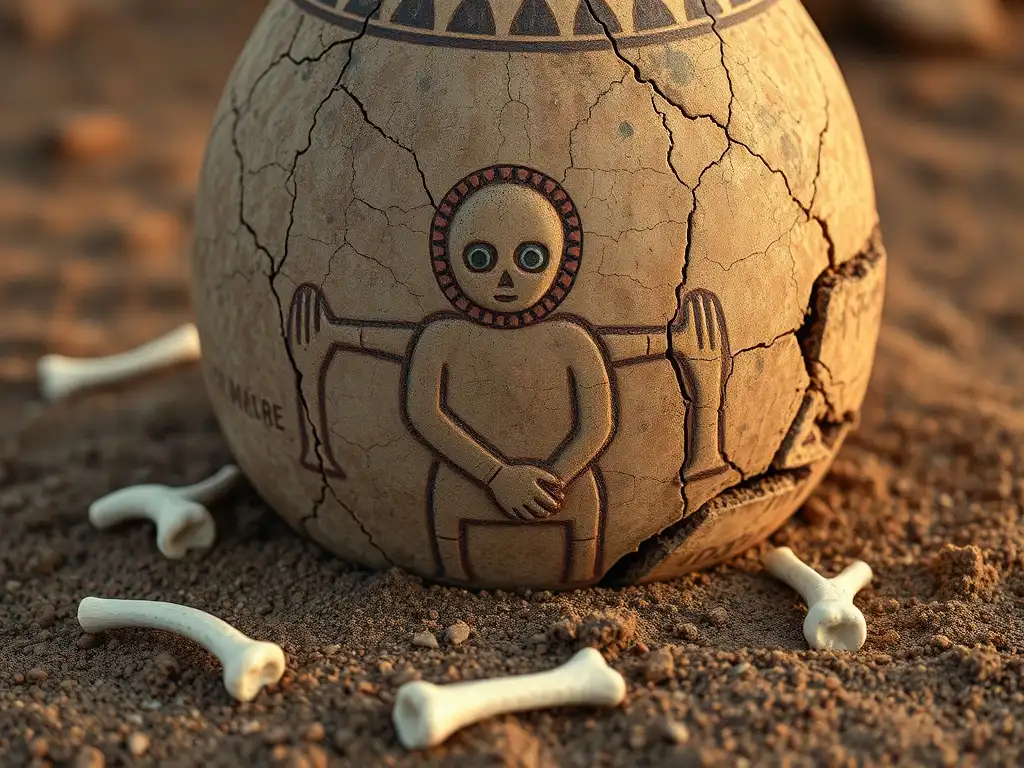
The Moche civilization, renowned for its sophisticated artistry, expressed its complex beliefs surrounding death and the afterlife through elaborate funerary practices and, most notably, its stunning funerary art. Moche burial rituals weren't simply about disposing of the deceased; they were elaborate ceremonies reflecting a deep-seated reverence for ancestors and a belief in the continuity of life beyond the physical realm.
The artifacts interred with the dead—from intricately painted pottery to meticulously crafted gold ornaments—offer invaluable insights into their worldview and social structures. Analysis of these grave goods reveals not only the Moche's artistic prowess but also the social status of the deceased and the nature of their relationships with the living.
The sheer diversity of funerary objects unearthed underscores the individualized nature of these rituals, suggesting a nuanced understanding of the afterlife and the importance of honoring individual lives. The meticulous care taken in preparing the bodies and their accompanying grave goods points towards a society that deeply valued its ancestors and their continued influence on the living.
Pottery as a Medium for Moche Burial Rites
Moche pottery serves as a primary source for understanding their burial rites. Unlike many other ancient cultures, the Moche didn't simply place utilitarian vessels in tombs. Instead, they created highly stylized and often narrative-rich ceramics specifically for funerary purposes.
These vessels frequently depict scenes of death, sacrifice, and the underworld, providing visual representations of their beliefs about the afterlife. For example, many burial urns depict figures in various stages of decomposition, highlighting the cyclical nature of life and death in Moche cosmology. The detail in these depictions is astonishing; artists captured the nuances of decaying flesh with a chilling realism, suggesting a profound engagement with mortality.
Furthermore, the presence of food and drink vessels suggests that the deceased were believed to continue to need sustenance in the afterlife, indicating a continued connection between the living and the dead. The sheer volume and artistic quality of these funerary vessels emphasize their importance within Moche burial rituals and their societal significance. Analysis of the chemical composition of the pigments used reveals the Moche's sophisticated understanding of materials science, further enhancing the artistry of these remarkable pieces.
The Iconography of Moche Death and the Underworld
Moche iconography associated with death and the underworld provides crucial insights into their religious beliefs. Recurring motifs include monstrous figures, often depicted with fangs and claws, symbolizing the power and dangers of the spirit world. These supernatural beings are often shown interacting with the deceased, suggesting a complex relationship between the living, the dead, and the supernatural realm.
Skeletal figures are also common, but instead of representing mere decay, they often appear as active participants in ritualistic scenes. The inclusion of such imagery within burial contexts suggests a belief in the continued agency of the deceased within the spirit world, influencing the lives of the living. Furthermore, depictions of shamanistic rituals and sacrifices further illuminate the Moche's belief in the power of ritual to mediate between the worlds of the living and the dead.
The symbolism is frequently layered and nuanced, requiring careful analysis to fully grasp its meaning. Ongoing research continues to uncover new interpretations of these complex images, offering a deeper understanding of Moche cosmology and their beliefs about the afterlife.
Moche Funerary Masks and Adornments
Beyond pottery, Moche burial rituals involved the use of elaborate masks and adornments. These objects, often crafted from gold, silver, copper, and precious stones, were used to decorate the deceased, reflecting their social status and importance within their community. The intricate craftsmanship of these artifacts is a testament to the skill of Moche artisans. Gold masks, for example, were frequently shaped to mimic the features of the deceased, highlighting the individual's unique identity even in death.
The use of precious metals and stones underscores the high value placed on the deceased and the significance of the funerary rites. These adornments often included symbolic imagery, further reinforcing the belief in the afterlife and the continued spiritual presence of the deceased. The combination of materials and imagery in these masks and adornments provides a rich tapestry of information about Moche beliefs and practices related to death and ancestor veneration.
Analyzing the techniques used to create these artifacts offers valuable insights into Moche metallurgical skills and their understanding of material properties. The careful placement of these items within the tombs demonstrates the meticulous planning and execution of the Moche burial rituals. The discovery of these artifacts continues to shed light on the complexity and richness of Moche funerary practices.
The Moche civilization, renowned for its intricate artistry and sophisticated social hierarchy, reflected these distinctions profoundly in their burial rituals. Moche burial practices weren't uniform; rather, they varied considerably depending on the deceased's social standing. Understanding these variations provides invaluable insight into the complex social structure and worldview of this fascinating ancient society.
The meticulous attention to detail in elite burials, contrasting sharply with the simpler practices for commoners, highlights the importance of ancestor veneration and the power dynamics within Moche society. Analyzing these differences allows us to reconstruct a more nuanced picture of Moche life and beliefs surrounding death and the afterlife. Careful study of grave goods, tomb architecture, and skeletal remains helps us piece together a comprehensive understanding of Moche funerary customs.
Moche Elite Burials: Elaborate Tombs and Offerings
Moche elites received elaborate burials, reflecting their high social status and power within the society. These burials often involved large, carefully constructed tombs, sometimes featuring multiple chambers and intricate architectural details. The tombs themselves served as a statement of wealth and power, showcasing the deceased's importance in life and their continued significance in the afterlife. Archaeological evidence reveals a stunning array of grave goods accompanying these elite burials.
These included finely crafted gold and silver ornaments, meticulously painted pottery depicting scenes of daily life and mythology, and elaborate textiles. The sheer quantity and quality of these offerings underscore the vast resources and specialized craftsmanship available to the Moche elite. Furthermore, the presence of human sacrifices in some elite burials further emphasizes the power and prestige associated with these individuals.
These sacrifices, though gruesome, were likely seen as necessary to ensure the elite's continued well-being in the afterlife, providing them with servants and companions. Such findings offer compelling evidence for the strong belief in an afterlife and the importance of maintaining social hierarchies even beyond death. Examples include the richly adorned tombs found at Sipán, showcasing the power and wealth of the Moche rulers.
Moche Commoner Burials: Simpler Rituals and Grave Goods
In stark contrast to the elaborate burials of the elite, Moche commoners received simpler funerary treatment. Their burials were typically less elaborate, often consisting of simple pits or shallow graves. Grave goods, if present, were far less elaborate and numerous than those found in elite burials.
Commoner burials might include basic pottery vessels, simple tools, and occasionally some textiles. The absence of precious metals and elaborate craftsmanship reflects the limited resources and social standing of these individuals. However, even these simpler burials often contained carefully placed offerings, suggesting that even the commoners participated in ancestor veneration rituals.
While less ostentatious, these practices still demonstrate the importance of honoring the departed, albeit on a more modest scale. The differences between elite and commoner burials highlight the significant social stratification within Moche society and the varied ways in which death and the afterlife were perceived and approached across different social classes. The careful study of these simpler burials helps us to understand the funerary practices of the majority of the Moche population, offering a more complete picture of their beliefs and customs.
Regional Differences in Moche Funerary Practices
While certain overarching themes characterized Moche burial rituals, regional variations also existed, reflecting local customs and beliefs. The specific types of grave goods, tomb construction techniques, and even the overall ritual practices could vary depending on the geographical location within the Moche territory. For example, certain regions might have favored specific types of pottery or textiles in their grave offerings, while others might have employed different methods of tomb construction.
These regional variations suggest a degree of cultural diversity within the larger Moche civilization, with local traditions influencing funerary practices. Further research is needed to fully document the extent of these regional differences and their significance in understanding the broader cultural landscape of the Moche. More detailed archaeological surveys and comparative studies of different Moche sites are crucial to fully understand the nuances of these regional variations in Moche burial rituals.
The careful analysis of these variations will help us paint a more complete and nuanced picture of the Moche civilization and its rich cultural heritage. This involves examining not only the material culture but also the environmental and ecological factors that might have influenced local customs and traditions surrounding death and burial. This careful contextualization is key to understanding the full picture of Moche burial rituals and their significance.
The Enduring Legacy of Moche Ancestor Worship
The Moche civilization (c. 100 – 800 CE), flourishing along the northern coast of Peru, developed a complex system of ancestor veneration deeply interwoven with their worldview and social structure. Their beliefs extended beyond mere remembrance; ancestors were considered active participants in the Moche world, influencing harvests, warfare, and the overall well-being of the community. This reverence is vividly depicted in their art, architecture, and, most strikingly, their elaborate burial rituals.
The enduring influence of Moche ancestor worship can be traced through subsequent Andean cultures, demonstrating its profound and lasting impact on the region's spiritual landscape. Understanding Moche burial practices provides a crucial window into their societal values and beliefs, illuminating the intricate relationship between the living and the dead.
The meticulous care taken in preparing the deceased and the richness of the grave goods offer compelling evidence of the high status afforded to ancestors within Moche society. This respect, manifested in their Moche burial rituals, wasn't simply a matter of tradition; it was fundamental to the very fabric of their culture.
Moche Burial Rituals and Their Influence on Later Andean Cultures
Moche burial rituals were far from uniform; they varied significantly based on social standing and individual circumstances. Elite burials, often located in elaborate tombs or within monumental structures, contained an astonishing array of grave goods reflecting the deceased's wealth and power. These could include intricately crafted gold and silver ornaments, finely woven textiles, ceramics depicting scenes of daily life and mythology, and even human sacrifices.
These sacrifices, often young women or warriors, are interpreted as offerings to ensure the continued prosperity and protection of the community in the afterlife. The sheer scale and complexity of these burials highlight the immense importance placed on ancestor veneration within Moche society. The influence of these practices is clearly visible in later Andean cultures, particularly in the practices of the Chimu and Inca civilizations, suggesting a continuous thread of ancestor worship throughout the history of the Andean region.
The Inca's capacocha sacrifices, for instance, share some thematic similarities with Moche sacrificial practices, although the specific rituals and interpretations undoubtedly evolved over time. The persistence of certain ritual elements across centuries underlines the deeply rooted nature of ancestor veneration in Andean culture.
Archaeological Insights into Moche Funeral Practices
Archaeological excavations have yielded invaluable insights into Moche funeral practices. The discovery of numerous tombs, ranging from simple pit burials to elaborate chamber tombs, has provided a wealth of information about Moche beliefs and social organization. Analysis of skeletal remains provides clues about diet, health, and social status, while the grave goods offer a glimpse into the material culture and artistic traditions of the time.
For example, the discovery of huacas (sacred sites) containing multiple burials, often accompanied by richly decorated pottery and elaborate offerings, reveals the importance of communal ancestor veneration. The meticulous placement of bodies, the arrangement of grave goods, and the presence of symbolic objects all contribute to our understanding of the elaborate rituals surrounding death and the afterlife. Furthermore, the use of specific pottery styles and iconography in burials allows archaeologists to establish chronological sequences and trace the evolution of Moche burial practices over time.
The careful study of these artifacts, alongside the skeletal remains, provides a holistic picture of Moche funerary rites and their significance within the broader social context. The detailed analysis of these Moche burial rituals continues to reveal new aspects of this fascinating culture.
Research into Moche ancestor veneration is an ongoing process, with new discoveries constantly adding to our understanding. Advances in scientific techniques, such as DNA analysis and isotopic studies, are providing new insights into the relationships between individuals buried in the same tombs and the origins of sacrificed individuals. These studies are helping to refine our interpretations of social structures and kinship patterns within Moche society.
Furthermore, the continued excavation of Moche sites, both known and newly discovered, is constantly revealing new evidence of funerary practices and the beliefs that underpinned them. The development of new technologies and methodologies in archaeology promises to illuminate even further the complexity and significance of Moche ancestor worship. The study of Moche iconography, particularly depictions of death and the afterlife on pottery and textiles, is also yielding valuable information, allowing researchers to interpret the symbolic meanings embedded within the funerary rituals.
The ongoing exploration of Moche burial rituals is a testament to the enduring fascination with this remarkable civilization and its rich cultural heritage. New discoveries continually reshape our understanding, highlighting the dynamic and evolving nature of archaeological research.
Frequently Asked Questions
What were the Moche people's beliefs about the afterlife?
The Moche believed in an afterlife where ancestors played a vital role. They performed elaborate rituals to honor and appease their deceased relatives, believing their continued favor was essential for the living. This belief heavily influenced their burial practices.
Why were Moche burial rituals so elaborate?
The complexity of Moche burials reflected the importance of ancestor veneration. Elaborate tombs and rich grave goods demonstrated the deceased's status and the family's devotion, ensuring continued support from the spirit world. It also reinforced social hierarchies.
What kind of grave goods were commonly found in Moche tombs?
Moche tombs contained a wide array of grave goods, reflecting the deceased's status and the beliefs of the time. These included textiles, ceramics (often depicting scenes of daily life or mythology), gold and silver ornaments, and even sacrificial offerings of food and animals.
Moche burial rituals directly reflected their social hierarchy. Elites received elaborate burials with numerous offerings, while commoners had simpler interments. The elaborate nature of the elite burials served to reinforce their power and status even in death.
What can Moche burial sites tell us about their society?
Moche burial sites offer invaluable insights into their social structures, religious beliefs, and daily life. The careful study of grave goods, tomb construction, and the arrangement of bodies helps archaeologists reconstruct their complex society and understand their worldview.
Final Reflection: The Enduring Legacy of Moche Ancestor Veneration
The intricate burial rituals of the Moche civilization continue to resonate today, offering a powerful testament to the enduring human need to connect with our ancestors and grapple with mortality. Their elaborate tombs, filled with exquisite artifacts and revealing a complex worldview, are not simply historical relics; they are windows into a society deeply invested in the continuity of life beyond death. The meticulous care taken in preparing the deceased and the lavish offerings placed within their graves speak volumes about the importance placed on honoring the departed and maintaining a vital connection with the past.
The Moche's profound respect for their ancestors, evident in their funerary practices, profoundly impacted their social structure and artistic expression. Their belief in the continued influence of the deceased shaped their worldview, influencing everything from their political systems to their artistic creations. The intricate goldwork, pottery, and textiles found in Moche tombs are not merely beautiful objects; they are tangible expressions of this deep-seated spiritual belief. The past is never dead. It's not even past.
- William Faulkner. This quote perfectly encapsulates the enduring relevance of the Moche's ancestor worship, reminding us that our understanding of the past continues to shape our present.
Consider, for a moment, the ways in which you honor your ancestors and connect with your heritage. How do these connections shape your identity and your understanding of the world? The Moche's legacy challenges us to reflect on our own relationship with death and the past, urging us to find meaningful ways to remember and honor those who came before us. Let the artistry and devotion of the Moche inspire you to explore your own family history, to cherish your cultural heritage, and to find your own unique ways of connecting with the enduring power of the past.
Embrace the Legacy: Honor and Connect with Moche Ancestor Worship
Thank you for exploring the fascinating world of Moche ancestor veneration with us! Your interest in this profound cultural practice demonstrates the importance of honoring our ancestors and understanding their lasting influence. Let's deepen our connection with this rich heritage.
- Learn about Moche rituals: Attend local events, visit museums showcasing Andean cultures, or explore online resources to witness and learn about ancestor veneration practices firsthand. Consider visiting archaeological sites associated with the Moche civilization.
- Share your discoveries: Discuss your insights with friends, family, and online communities. Use the hashtag #MocheLegacy to inspire others to appreciate these ancient traditions.
- Reflect on your own heritage: Create a family tree, record oral histories, or document family traditions to honor your ancestors and connect with your own roots. Consider writing down cherished family recipes or stories passed down through generations.
How does honoring the past resonate with you, and how will you integrate these practices into your life?