
Moche Political Structure: Governance and Administration

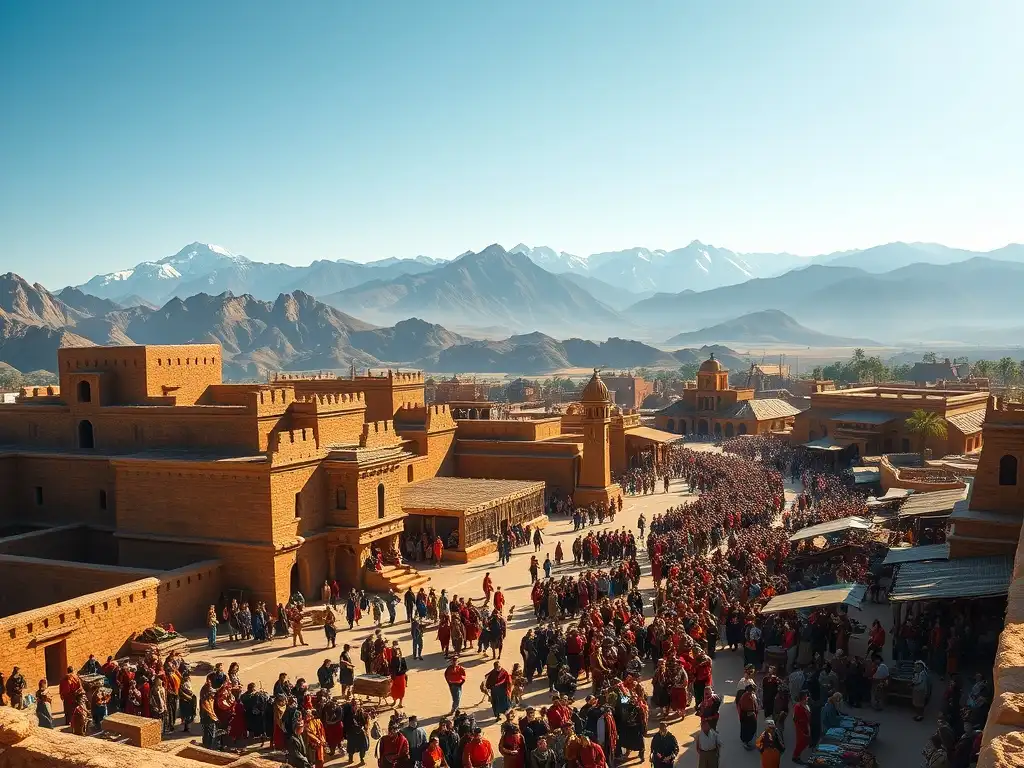
Unravel the mysteries of a lost world. For centuries, the Andes Mountains have guarded the secrets of remarkable civilizations. Here, within the vibrant tapestry of Andean history, we delve into the complexities of the Moche, a society that defied expectations. Prepare to be captivated as we explore the intricate workings of Moche political organization, revealing a governance system as sophisticated as it was unexpected. Dare to uncover the truth behind their power… continue reading to learn more.
- Moche Political Organization: An Overview of Governance and Administration
- The Moche Administrative System
- Moche Political Hierarchy and Social Stratification
- Evidence of Moche Political Structures in Art and Archaeology
- Comparing Moche Political Systems with Other Andean Cultures
- The Decline and Transformation of Moche Political Structures
-
Frequently Asked Questions
- What was the Moche political organization like?
- How did the Moche maintain control over their territory?
- What role did religion play in Moche political organization?
- What evidence supports our understanding of Moche political structure?
- How did the Moche political organization compare to other Andean civilizations?
- Final Reflection: Unraveling the Threads of Moche Power
- Unveil the Power of Ancient Moche Governance!
Moche Political Organization: An Overview of Governance and Administration
The Moche civilization, flourishing along the northern coast of Peru from approximately 100 CE to 800 CE, remains a captivating study in ancient Andean societies. Their remarkable achievements in irrigation, ceramics, and metalwork are well-documented, but understanding their political structure—the intricate web of power, governance, and administration that held this complex society together—requires a deeper dive. This article explores the Moche political organization, examining the power structures, the role of religious leadership, and the influence of the elite class in shaping their society.
We will delve into the evidence—primarily archaeological—to paint a picture of how the Moche managed their resources, maintained order, and projected their power across a geographically diverse and challenging landscape. The keyword "Moche political organization" will be explored through various aspects of their societal structure, revealing a sophisticated system far more nuanced than initially perceived.
Understanding Moche Political Power Structures
The Moche political system wasn't a unified empire in the same way as, for example, the Inca. Instead, evidence suggests a decentralized structure, possibly composed of several independent but interconnected chiefdoms or regional entities. Archaeological findings reveal a hierarchical society with distinct social strata.
Monumental architecture, such as the massive adobe pyramids at Huaca del Sol and Huaca de la Luna, points to a centralized accumulation of resources and labor, controlled by powerful individuals or groups. The distribution of elite goods, such as fine ceramics and metalwork, across various sites indicates a complex network of exchange and communication, suggesting coordinated efforts in resource management and potentially political alliances between different regions. However, the precise mechanisms of control and communication between these regions remain a subject of ongoing research.
Further research is needed to fully understand the extent of inter-regional interaction and the nature of political relationships between different Moche centers. The absence of a centralized written language complicates our understanding, forcing researchers to rely heavily on material culture and settlement patterns to reconstruct the political landscape.
The Role of Divine Rulers in Moche Society
A striking feature of Moche society was the apparent deification of their rulers. Elaborate depictions on pottery, often showing rulers participating in rituals or wielding symbolic power, strongly suggest a connection between political authority and religious legitimacy. These rulers were not merely political leaders; they were considered intermediaries between the human and divine realms. Their portrayal in ceremonial contexts, often engaging in ritual sacrifices or interacting with supernatural beings, highlights their sacred role in maintaining cosmic order and ensuring the prosperity of their people.
This blend of political and religious authority consolidated their power and fostered social cohesion. The iconic Moche portrait vessels, exquisitely crafted and detailed, provide invaluable insights into the appearance and attire of these divine rulers, further emphasizing their elevated status within the society. The intricate details of these vessels suggest a highly structured and ritualized court life, deeply intertwined with religious practices.
Moche Elite: Power and Control
The Moche elite, beyond the divine rulers, comprised a complex network of individuals who held significant power and influence. This elite class likely consisted of priests, warriors, and administrators who managed various aspects of Moche society. Their control over resources, particularly agricultural surpluses and craft production, allowed them to maintain their privileged position.
The construction of monumental architecture and the creation of elaborate grave goods—indicating vast wealth and social prestige—testify to their economic and political power. The distribution of these elite goods across different sites suggests a system of patronage and reciprocal relationships that helped solidify the elite's control over the broader population. Further research into the burial practices and grave goods of the Moche elite could provide additional insights into the intricacies of their power structures and the ways in which they maintained control over their respective regions.
The study of Moche iconography, particularly the depiction of warfare and ceremonial rituals, offers further clues to understanding the dynamics of power and control within this fascinating ancient civilization. Understanding the nuances of this elite class is crucial to comprehending the overall Moche political organization.
The Moche Administrative System
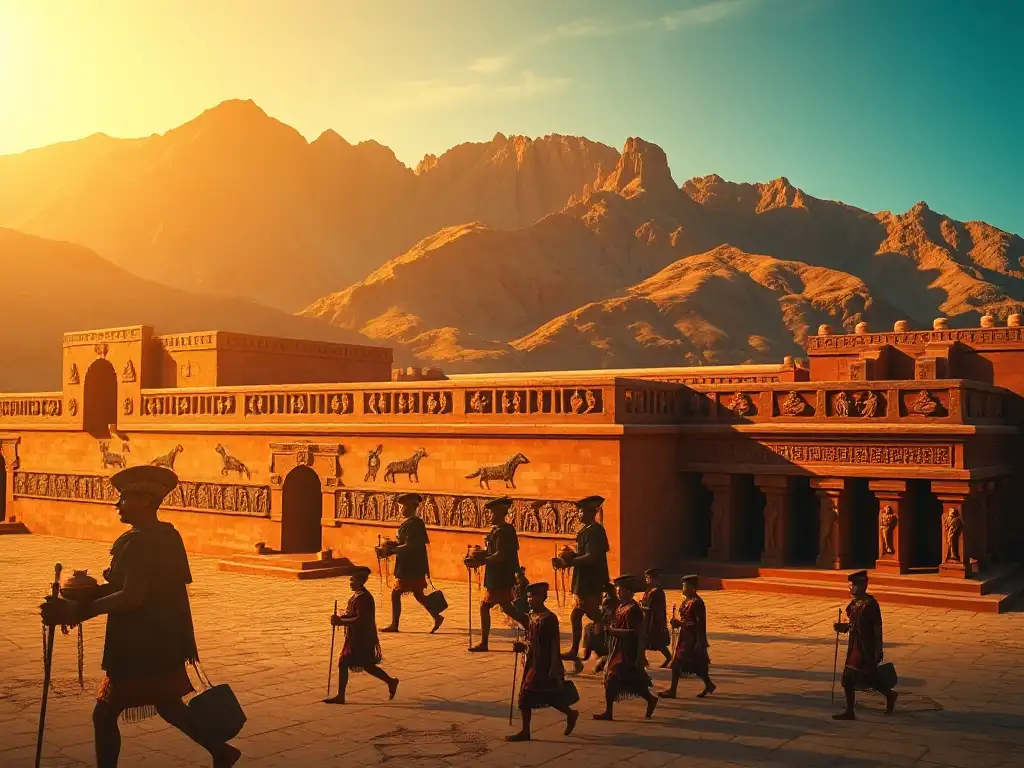
The Moche political organization, while lacking a centralized, empire-wide bureaucracy like the Inca, was sophisticated and effective in managing its resources and population across a geographically diverse territory. Evidence suggests a hierarchical structure, likely with a powerful elite at the apex controlling various levels of administration. Understanding the Moche's administrative system requires examining their methods of territorial control, the distribution of power across urban and rural areas, and their efficient resource management strategies.
The absence of written records necessitates relying heavily on archaeological findings to piece together this complex puzzle of Moche governance. The scale and complexity of their monumental architecture, irrigation systems, and craft production, however, strongly indicate a highly organized society with a robust administrative framework. Analyzing these aspects provides valuable insights into the Moche's remarkable achievements in political organization.
Moche Territorial Control and Governance
Moche territorial control wasn't based on a rigid, formalized system like later Andean empires. Instead, it appears to have been a more fluid process, involving a combination of military might, religious authority, and strategic alliances. Archaeological evidence points to a network of smaller, independent settlements, potentially governed by local elites who acknowledged the authority of a paramount leader or a ruling class residing in major ceremonial centers.
These centers, characterized by monumental architecture and elaborate religious complexes, likely served as focal points for political power and religious authority. The extent of Moche influence varied geographically; some regions show signs of greater integration and centralized control than others. The distribution of elite grave goods, for example, suggests a hierarchical structure where power and resources were concentrated in the hands of a select few, implying a system of tributary obligations or alliances between different settlements.
Further research is needed to fully clarify the dynamics of inter-regional relations and the precise mechanisms of Moche territorial control. The precise nature of the relationship between these local elites and the paramount power remains a subject of ongoing debate among scholars. Future research focusing on comparative analyses of different Moche sites could help to further illuminate this aspect of their political organization.
Moche Centers of Power: Urban and Rural Administration
The Moche political organization wasn't limited to grand ceremonial centers; it also encompassed a network of smaller administrative units operating at both urban and rural levels. Major urban centers, such as the Huaca del Sol and Huaca de la Luna, housed the elite and served as religious and administrative hubs. These sites showcase impressive architectural feats and evidence of specialized craft production, suggesting the presence of skilled artisans and administrators.
In contrast, rural areas likely featured smaller settlements organized around agricultural production and local leadership. Archaeological evidence indicates a degree of specialization in both urban and rural areas, with distinct roles and responsibilities assigned to different groups within the society. This suggests a sophisticated system of labor organization and resource allocation, vital for supporting a large and complex society.
The extent to which rural communities participated in the decision-making processes of the larger Moche political structure remains a subject of ongoing research. The balance of power between urban centers and rural settlements continues to be an area requiring further investigation. Analyzing the distribution of resources and the types of artifacts found in both urban and rural contexts is key to understanding the dynamics of Moche administration.
Moche Resource Management and Distribution
The Moche's success depended heavily on efficient resource management and distribution. Their advanced irrigation systems, meticulously planned and maintained, provided the foundation for agricultural productivity. The scale and sophistication of these systems, visible in numerous canals and reservoirs, testify to the Moche's ability to organize large-scale projects requiring substantial labor and coordination. Evidence suggests a system of centralized control over water resources, likely managed by a dedicated group of officials.
The distribution of agricultural produce was crucial for sustaining the large population and supporting the elite. Archaeological findings indicate a sophisticated system of storage facilities and possibly a system of redistribution of surplus food to different parts of the territory. The Moche also controlled access to other vital resources, including metals and marine resources, suggesting a centralized control over essential commodities.
The precise mechanisms of resource distribution and the role of religious institutions in this process remain largely unknown and are areas that require further study. Understanding the intricate relationship between resource control, social stratification, and political power is crucial for a complete picture of Moche political organization. Further research into the Moche economy and its connection to political structures is needed to fully understand the intricacies of their resource management strategies.
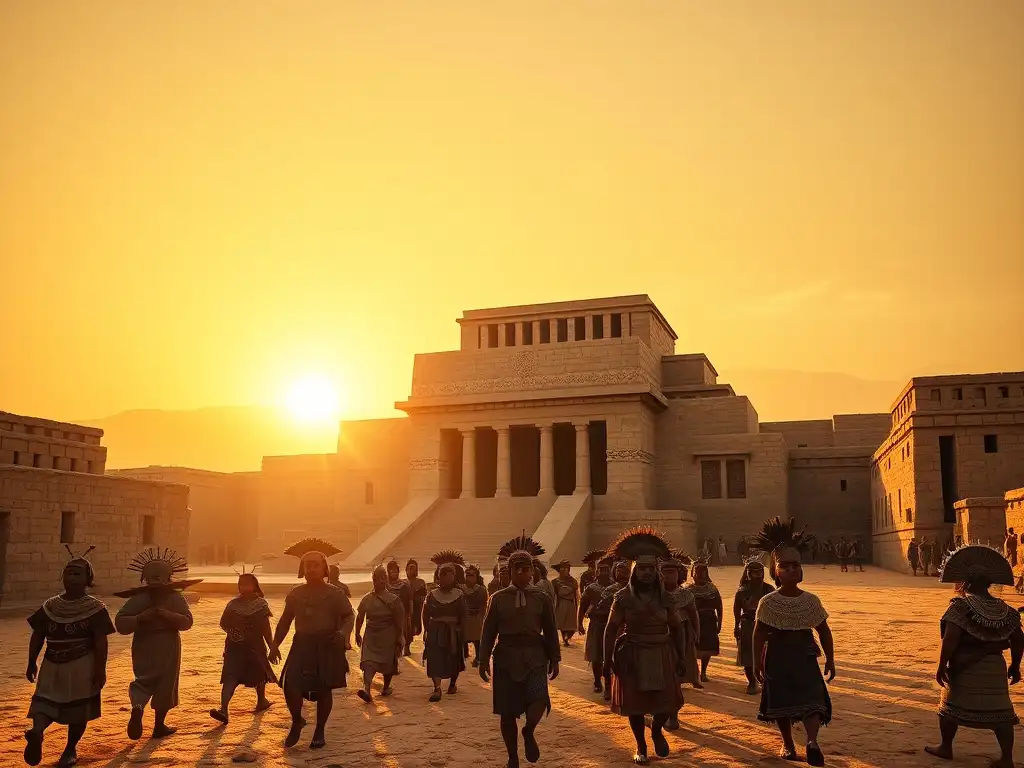
The Moche political organization was characterized by a hierarchical structure, reflecting a sophisticated system of governance and social stratification. Evidence suggests a highly centralized power structure, with the apex occupied by a powerful elite controlling both religious and secular aspects of life. This elite’s authority permeated all levels of society, influencing everything from agricultural practices to monumental construction projects.
The Moche’s success in maintaining this complex system for centuries points to a robust and effective administrative apparatus. Understanding the intricate layers of this hierarchy is crucial to grasping the complexities of Moche political power. The degree of control exerted by the ruling class suggests a system that was both authoritarian and highly organized, capable of mobilizing significant resources and manpower for large-scale undertakings.
At the pinnacle of the Moche social pyramid stood the ciqpa, or ruler. Depicted in grand scale in Moche iconography, the ciqpa is often shown wearing elaborate headdresses, ornate jewelry, and ceremonial attire, emphasizing his supreme authority and divine connection. He was not merely a political leader; archaeological evidence suggests a strong intertwining of religious and political power.
The ciqpa was likely considered a divine intermediary, a representative of the gods on Earth. This religious legitimacy significantly bolstered his political power, ensuring compliance and obedience throughout the kingdom. His authority was not solely based on force; it was also rooted in a deeply ingrained belief system that elevated him to a position of near-deity.
The construction of monumental architecture, such as the impressive pyramids and irrigation systems, required vast resources and labor – a testament to the ciqpa’s ability to command and control the Moche population. Further research into the burial practices of Moche rulers could shed more light on the rituals and beliefs surrounding their power. [Specific details on burial rituals and associated artifacts pending].
Moche Priests and Religious Influence on Politics
The Moche priesthood played a vital role in the political organization, wielding considerable influence alongside, and sometimes arguably above, the secular rulers. Their religious authority was deeply intertwined with the political structure. Priests controlled the complex religious rituals and ceremonies, which were integral to Moche society. They acted as intermediaries between the gods and the people, interpreting omens and offering guidance on matters of state.
Their influence is evident in the elaborate iconography found on Moche pottery, which often depicts priests performing rituals and interacting with the ruling elite. This visual representation underlines the priests' importance and highlights their participation in key political decisions. The control over religious knowledge and practices gave Moche priests a significant degree of power, allowing them to shape public opinion and influence political agendas.
The extent of their involvement in daily governance, however, remains a subject of ongoing scholarly debate, with some arguing for a more direct political role than others. Analyzing the distribution of elite burials and associated artifacts could provide further insights into the relative power dynamics between priests and rulers. [Data on the spatial distribution of elite burials and artifact analysis pending].
Moche Warrior Class: Military and Political Power
The Moche warrior class constituted a significant segment within the Moche political organization. Their military prowess and strategic importance granted them considerable power and influence. Unlike some societies where military might was solely a tool of the ruling elite, the Moche warriors seem to have enjoyed a level of autonomy and prestige, reflected in their distinct iconography and burial practices.
Depictions on pottery and other artifacts showcase warriors in battle, highlighting their role in maintaining order and expanding Moche territory. The sophisticated weaponry and military organization suggest a well-trained and disciplined fighting force capable of waging successful campaigns and defending against external threats. The warrior class's influence extended beyond military matters; their loyalty and strength provided a crucial pillar of support for the ruling elite.
Their presence in political decision-making processes is a subject that requires further investigation. [Further research into the role of warriors in administrative structures and political councils is needed]. The study of military architecture, such as fortifications and defensive structures, could also unveil more about their organizational capacity and political significance within the Moche state.
Evidence of Moche Political Structures in Art and Archaeology
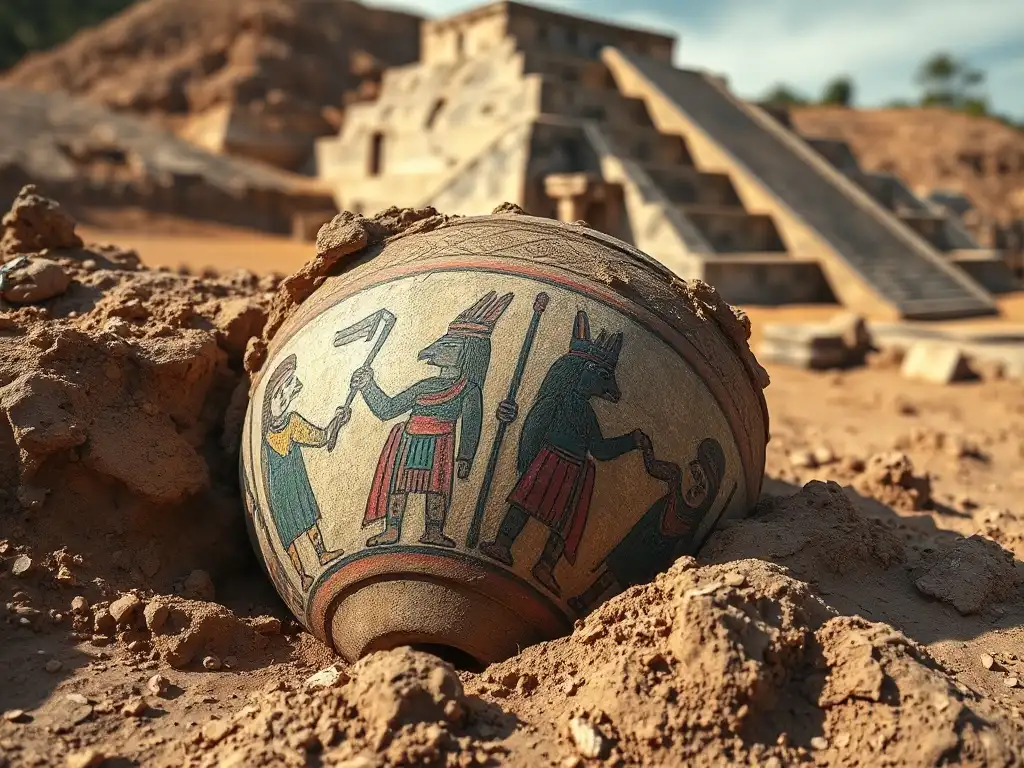
The Moche political organization, while lacking written records, is remarkably well-understood through a sophisticated analysis of their art and archaeological remains. These sources offer compelling evidence of a hierarchical society with a strong central authority, possibly ruled by a powerful elite class. The intricate details preserved in Moche artifacts and monumental architecture provide invaluable insights into the nature of their governance and administrative systems.
Analyzing these elements allows us to piece together a picture of the Moche political landscape, revealing a complex and sophisticated system of power. The meticulous craftsmanship and symbolic imagery evident in Moche art provide crucial clues to their social structure and the distribution of power within their society.
Moche Iconography: Depictions of Rulers and Power
Moche iconography, particularly in their pottery and metalwork, frequently depicts individuals adorned with elaborate regalia, suggesting high social status and possibly rulership. These figures are often shown in ceremonial contexts, surrounded by attendants and symbols of power. For instance, the recurring motif of a warrior-priest, often depicted with a distinct headdress and weaponry, strongly suggests a powerful, centralized authority controlling both religious and military affairs.
The consistent portrayal of these individuals in positions of dominance underscores the hierarchical nature of Moche society and the importance of a ruling elite. Furthermore, the stylistic consistency across different Moche regions suggests a degree of centralized control over artistic production, which might reflect a broader political control.
Detailed analysis of these depictions, including their attire, posture, and accompanying symbols, provides valuable insights into the Moche concept of leadership and the rituals associated with their power. The level of detail and artistic skill involved in these portrayals is striking, emphasizing the significance placed upon these individuals and their role in society.
Moche Architecture: Palaces, Temples, and Administrative Buildings
The impressive scale and complexity of Moche architecture further support the existence of a centralized political structure. Large-scale constructions, such as the Huaca del Sol and Huaca de la Luna, are not just monumental in size but also demonstrate sophisticated engineering and planning. These structures, interpreted as ceremonial centers or palaces, required significant labor and resources, indicating a highly organized and controlled society capable of mobilizing large workforces.
The layout and design of these buildings suggest a clear division of space, possibly reflecting different administrative functions. For example, certain areas may have been dedicated to religious ceremonies, while others served as residential quarters for the elite or administrative offices. The presence of storage facilities and other infrastructure within these complexes suggests a sophisticated system for managing resources and provisioning the population.
Further research into the construction techniques and materials used provides additional insights into Moche technology and organizational capabilities, solidifying the evidence for a highly structured political system. The sheer scale of these projects points to a centralized authority capable of coordinating extensive labor forces and managing complex logistics.
Moche burial practices provide a crucial lens through which to examine their social hierarchy and political organization. Elaborate tombs containing rich grave goods, including gold ornaments, finely crafted pottery, and other luxury items, indicate a significant disparity in wealth and status. These burials, often located in prominent locations or within monumental structures, belong to individuals of high social standing, possibly members of the ruling class or elite priests.
In contrast, simpler burials with fewer or less elaborate grave goods suggest a lower social status. The systematic variation in burial practices and grave goods reflects a hierarchical social structure, mirroring the power dynamics evident in their art and architecture. The careful placement and arrangement of grave goods within these tombs further suggests a structured belief system and possibly rituals connected to political authority and legitimacy.
A detailed study of Moche burial sites and their contents offers invaluable information about the social stratification of Moche society and the way in which political power was manifested and legitimized through death rituals. The patterns observed in these burial practices strongly support the hypothesis of a centralized political system with a clearly defined elite class.
Comparing Moche Political Systems with Other Andean Cultures
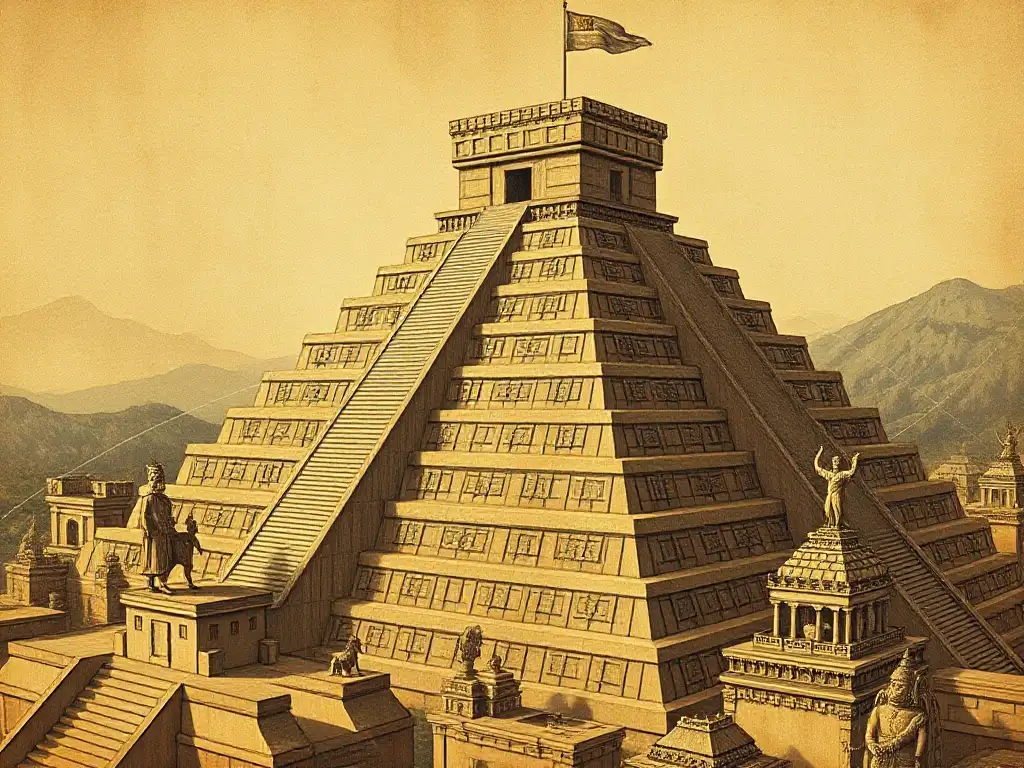
The Moche political organization, while exhibiting unique characteristics, shared some similarities and stark differences with other contemporaneous Andean cultures. Understanding these comparisons provides a richer perspective on the Moche's distinct societal structure and its place within the broader Andean context. Analyzing these parallels and contrasts helps us to appreciate the complexities of pre-Columbian Andean governance.
Moche Governance Compared to the Inca Empire
While separated by centuries, comparing the Moche and Inca political systems reveals intriguing parallels and significant divergences. The Inca Empire, renowned for its centralized administration and sophisticated bureaucracy, presents a stark contrast to the potentially less centralized nature of Moche governance. The Inca implemented a highly structured system with a clearly defined hierarchy, extending from the Sapa Inca at the apex to local authorities. This allowed for efficient resource management, standardized laws, and effective control over a vast territory.
The Moche, conversely, likely operated with a more decentralized system, potentially based on a network of powerful regional elites rather than a single, all-powerful ruler. Evidence suggests a system of competing chiefdoms or a loose confederation, rather than a unified empire. While the Inca employed a complex system of mita (labor tribute) and ayllu (community-based social organization), the exact nature of Moche labor organization and social structures remains a subject of ongoing research and debate.
Further archaeological investigation is needed to clarify the extent of centralized control within Moche society. However, the scale and complexity of Moche monumental architecture and irrigation systems hint at a degree of organized labor and resource management that, while perhaps less formalized than the Inca's, was still considerable.
Contrasting Moche Political Organization with Nazca Society
The Nazca, contemporaries of the Moche, offer a fascinating counterpoint in terms of political organization. While both cultures flourished on the arid coast of Peru, their approaches to governance appear to have differed significantly. The Nazca, known for their intricate geoglyphs and advanced ceramic technology, seem to have lacked the extensive monumental architecture characteristic of the Moche. This difference might reflect a less centralized, perhaps more fragmented, political landscape.
While evidence suggests a degree of social stratification within Nazca society, the lack of large-scale urban centers comparable to Moche sites like Sipán suggests a less hierarchical political structure. The exact nature of Nazca political organization remains uncertain, with some scholars suggesting a system of independent villages or chiefdoms, while others posit a more complex, albeit less centralized, system. Further research into Nazca settlement patterns and social structures is crucial to clarifying this aspect of their civilization.
The contrasting approaches of the Moche and Nazca highlight the diverse pathways to political and social development within the Andean region. The absence of widespread warfare-related imagery in Nazca art, unlike some Moche depictions, also suggests potentially different approaches to inter-group relations.
The Influence of Moche Political Structures on the Later Chimor Kingdom
The Chimor Kingdom, a powerful pre-Inca state that emerged centuries after the decline of the Moche, shows potential evidence of inheriting certain aspects of Moche political organization. While the Chimor developed a highly sophisticated and centralized state with impressive urban planning and sophisticated irrigation systems, some scholars suggest that certain administrative practices or social structures might have roots in earlier Moche traditions.
The Chimor's extensive network of curacazgos (regional administrative units) could be seen as a possible evolution of the potentially decentralized system of regional power observed in the Moche. However, it's crucial to note that the Chimor state was far more centralized and expansive than the Moche, suggesting significant adaptations and innovations in their governance.
The extent of Moche influence on Chimor political structures remains a topic of ongoing debate among scholars, requiring further research and a more nuanced understanding of both civilizations. The continuity and change in Andean political organization across different cultures underscores the dynamic and complex nature of societal development in the region.
The Decline and Transformation of Moche Political Structures
The Moche political organization, a sophisticated system characterized by its centralized power and extensive infrastructure, didn't simply vanish overnight. Its decline was a gradual process spanning several decades, potentially influenced by a confluence of factors. Understanding this decline requires moving beyond simplistic narratives of conquest or sudden collapse and embracing a more nuanced perspective that considers internal pressures and external shocks.
The transition from the Moche's powerful reign to subsequent Andean cultures was complex and left a lasting imprint on the region's political landscape. Analyzing this transformation offers crucial insights into the resilience and adaptability of Andean societies. This section will delve into the key elements contributing to the end of Moche rule and the enduring legacy of their political structures.
Factors Contributing to the End of Moche Rule
Several intertwined factors likely contributed to the weakening and eventual collapse of the Moche political system. These weren't isolated events, but rather a complex interplay of internal strife, environmental challenges, and potentially external pressures.
One significant factor was likely internal instability. While the Moche state maintained a powerful centralized authority for centuries, evidence suggests periods of internal conflict and power struggles. Archaeological findings, such as variations in architectural styles and the presence of defensive structures in some Moche sites, hint at potential regional rebellions or conflicts between different Moche factions.
The precise nature and extent of these conflicts remain unclear due to limited textual sources, but the presence of such evidence suggests a less unified and potentially more fragile political system than previously thought. Further research is needed to fully understand the internal dynamics that might have weakened the Moche state from within.
Another crucial factor was the impact of environmental changes. The Moche civilization heavily relied on the fertile valleys of the northern Peruvian coast for its agricultural production. Evidence suggests periods of drought and El Niño events that severely impacted crop yields and water availability.
These environmental stresses could have led to widespread famine, social unrest, and ultimately, weakened the ability of the Moche state to maintain its control and provide for its population. The severity and frequency of these climate shifts remain a subject of ongoing research, but their potential impact on the Moche's political stability is undeniable. Analysis of paleoclimatic data is crucial to fully understand the extent of this environmental pressure.
The possibility of external pressures, such as incursions from neighboring groups or interactions with other Andean societies, cannot be disregarded. While direct evidence of conquest is limited, the emergence of new power structures in the region after the Moche decline suggests a shift in the political landscape. It's plausible that external forces, combined with internal weaknesses, contributed to the Moche's downfall. The precise nature and impact of these external factors requires further investigation and comparative studies with contemporaneous Andean societies.
The Legacy of Moche Political Organization in Andean History
Despite its eventual decline, the Moche political organization left a significant mark on subsequent Andean societies. The Moche state's sophisticated administrative system, centralized authority, and impressive infrastructure served as a model and a precedent for later Andean empires. The legacy of Moche political structures is evident in the organizational strategies and administrative techniques adopted by later Andean civilizations, particularly the Chimú and Inca.
The Moche's ability to manage large-scale public works projects, such as irrigation systems and monumental architecture, demonstrated their sophisticated engineering and organizational skills. These skills were undoubtedly valuable assets for later Andean societies seeking to consolidate their power and control vast territories. The Moche's experience in resource management and the development of complex social hierarchies also provided a framework for future Andean empires.
Moreover, the Moche's centralized political system, though ultimately failing, provided a blueprint for subsequent Andean states. The Moche's success in consolidating power and controlling a significant territory paved the way for the emergence of more powerful and enduring empires. While the Moche state ultimately succumbed to a combination of internal and external pressures, its political innovations and organizational capabilities left an undeniable legacy on the political development of the Andean region.
Analyzing the Moche's rise and fall offers invaluable insights into the complex dynamics of power, adaptation, and resilience in ancient Andean societies. The study of the Moche political organization continues to be a dynamic field of research, with new discoveries and interpretations constantly enriching our understanding of this fascinating civilization.
The influence of Moche political organization can be seen in:
- Sophisticated irrigation systems: The Moche mastered large-scale water management, a skill adopted and expanded upon by later Andean cultures.
- Monumental architecture: The impressive scale of Moche architecture inspired subsequent Andean builders.
- Centralized administration: The Moche's centralized system served as a model for later Andean empires.
- Social stratification: The Moche's hierarchical social structure influenced the organization of later Andean societies.
The study of Moche political organization is crucial for understanding the broader context of Andean history and the development of complex societies in the region.
Frequently Asked Questions
What was the Moche political organization like?
The Moche lacked a centralized state like the Inca. Instead, their political system was likely a decentralized theocratic structure, with powerful priests and warrior elites controlling different regions. Evidence suggests a complex system of alliances and rivalries between these powerful groups.
How did the Moche maintain control over their territory?
The Moche likely maintained control through a combination of military might, religious authority, and economic influence. Their impressive irrigation systems and control over resources may have also played a crucial role in maintaining power.
What role did religion play in Moche political organization?
Religion was central to Moche society and politics. Priests held significant power, likely acting as intermediaries between the people and the supernatural world, thus bolstering their political influence. Elaborate rituals and monumental architecture reinforced this authority.
What evidence supports our understanding of Moche political structure?
Our understanding comes from a variety of sources, including archaeological findings such as monumental architecture (like pyramids and temples), elite burials with lavish grave goods, and iconography depicting rulers and rituals. These offer clues into their social hierarchy and power structures.
How did the Moche political organization compare to other Andean civilizations?
Unlike the highly centralized Inca Empire, the Moche were likely more decentralized, with power distributed among various regional elites. However, they shared with other Andean societies a strong emphasis on religious authority and the use of monumental architecture to display power.
Final Reflection: Unraveling the Threads of Moche Power
The intricate political organization of the Moche civilization remains a potent reminder of the sophisticated governance structures that can emerge even in seemingly disparate societies. Understanding their system offers invaluable insights into the complexities of pre-Columbian societies and challenges our assumptions about the development of centralized power. The Moche weren't simply a collection of isolated villages; they were a highly organized and stratified society with a complex system of administration that enabled impressive feats of engineering and artistic expression.
The enduring legacy of the Moche political structure is evident in the monumental architecture, intricate iconography, and sophisticated irrigation systems that still captivate us today. Their ability to mobilize resources and coordinate labor on such a grand scale speaks to the effectiveness of their governance. The Moche state was not simply a matter of brute force, but a complex interplay of ideology, power, and social control.
This quote highlights the nuanced nature of their power, a blend of coercion and consent that allowed for both impressive achievements and internal tensions. Their story serves as a powerful example of how political organization can shape a civilization's trajectory, leaving an indelible mark on the landscape and the collective memory.
Consider the implications of the Moche's achievements. How did their system of governance facilitate such remarkable feats of engineering and artistic production? What lessons can we glean from their successes and failures in managing power and resources?
You, the reader, are now equipped with a deeper understanding of the Moche political structure. Use this knowledge to reflect on the enduring power of effective governance and the lasting impact of societal organization on the course of history. Let the legacy of the Moche inspire you to consider the intricate systems that shape our own world and the potential for both progress and oppression inherent in the structures of power.
Unveil the Power of Ancient Moche Governance!
Thank you for exploring the fascinating world of Moche political structure with us! By delving into the intricacies of their governance and administration, you've gained invaluable insights into how this ancient civilization shaped its society. Now, let's deepen your understanding and share this knowledge!
- Explore Moche culture further by researching their art and architecture. Visit a local museum or explore online collections for visual inspiration.
- Share your discoveries! Discuss your thoughts on Moche governance with friends, colleagues, or online communities, exploring how these ancient systems might still resonate with contemporary issues.
- Organize a discussion group to explore topics related to Andean civilizations. Analyzing Moche politics can reveal surprising connections to modern governance and leadership styles.
How might the governance strategies of the Moche people inform today's leadership practices?