
Huaca del Sol: Exploring the Largest Adobe Structure in the Americas

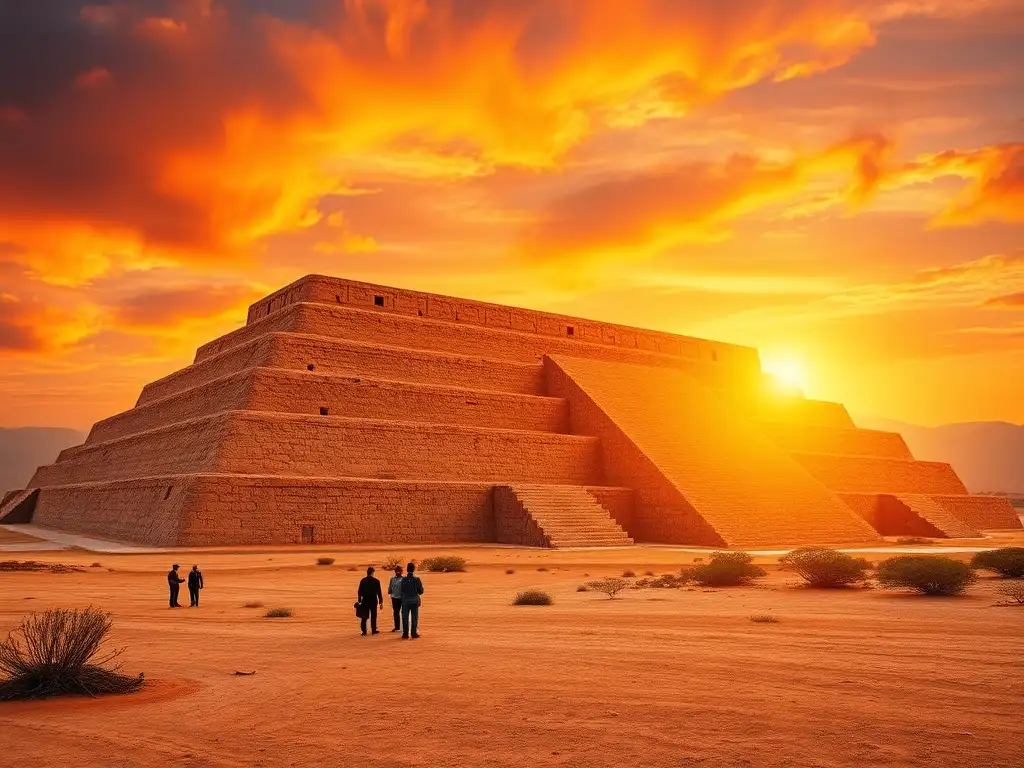
Step into a world lost to time, where colossal structures whispered secrets to the wind. Andean Civilizations unveils the breathtaking legacy of ancient empires, from the intricate artistry of the Nazca to the awe-inspiring engineering of the Incas. But have you ever wondered about the largest adobe structure in the Americas? Prepare to be amazed as we delve into the mysteries of Huaca del Sol, a Moche marvel that defies explanation and rewrites history. Uncover its secrets and embark on a journey through a civilization that continues to astound.
- Huaca del Sol: Unveiling the Largest Adobe Structure in the Americas
- The Enigmatic Huaca del Sol: An Introduction to Moche Architecture
-
Exploring the Structure of the Huaca del Sol: Architectural Features
- The Terraced Pyramid Design of the Huaca
- The Use of Adobe Bricks in the Huaca del Sol's Construction
- Platforms and Courtyards: Understanding the Huaca's Layout
- Evidence of Multiple Construction Phases at the Huaca del Sol
- The Use of Adobe Bricks: Size, Composition, and Layering Techniques
- Ramps and Internal Passageways: Facilitating Construction and Potential Ritual Use
- The Role of Huaca del Sol in Moche Society and Religion
- Huaca del Sol and its Relationship with Huaca de la Luna
- Discoveries and Archaeological Investigations at Huaca del Sol
- The Legacy of Huaca del Sol: Understanding Moche Engineering
- Conclusion: Appreciating the Grandeur of Huaca del Sol
- Frequently Asked Questions
- Final Reflection: Huaca del Sol – A Legacy of Earth and Ambition
- Unveil the Wonders of Huaca del Sol Today!
Huaca del Sol: Unveiling the Largest Adobe Structure in the Americas
The Moche civilization, flourishing along the northern coast of Peru from roughly 100 CE to 800 CE, left behind a remarkable legacy of monumental architecture, intricate artistry, and sophisticated societal structures. Among their most impressive achievements is the Huaca del Sol, a colossal adobe pyramid that stands as a testament to their engineering prowess and organizational capabilities. This article delves into the fascinating history, construction, and significance of the Huaca del Sol, exploring why it holds the title of the largest adobe structure in the Americas, and shedding light on the mysteries surrounding this awe-inspiring monument of the Moche culture.
We will examine its construction techniques, the possible purposes it served, and the insights it provides into the social and political organization of the Moche people. Understanding the Huaca del Sol is key to understanding the complexity and power of this remarkable Andean civilization.
The Imposing Scale of Huaca del Sol: Dimensions and Construction
The sheer size of Huaca del Sol is breathtaking. Estimates place its original height at approximately 41 meters (135 feet), with a base covering an area of approximately 150,000 square meters (1,615,000 square feet). 1 This monumental structure was constructed using millions of adobe bricks, sun-dried mud bricks meticulously shaped and laid. The bricks themselves are a testament to Moche engineering; they are remarkably uniform in size and shape, suggesting a highly organized and skilled workforce. Archaeological evidence reveals a complex system of ramps and scaffolding used during construction, indicative of sophisticated planning and project management. The precision and scale of the construction project underscore the advanced technological capabilities and social organization of the Moche. It is believed that construction may have been completed over several generations, requiring significant coordination and manpower.
Unraveling the Purpose: Theories and Interpretations
The exact purpose of Huaca del Sol remains a topic of ongoing scholarly debate. While definitive answers remain elusive, several compelling theories exist. One prominent hypothesis suggests that it served as a ceremonial center, perhaps a temple or palace for elite members of Moche society. The immense scale of the structure certainly suggests a significant ritual or political function. Another theory proposes that it may have been a symbolic representation of the Moche worldview, reflecting their cosmology and beliefs. The pyramid’s imposing presence, commanding the surrounding landscape, could have served as a powerful visual statement of Moche power and authority. Further research and analysis of artifacts discovered at the site are needed to provide a more complete understanding of its function.
Further Research Areas
Ongoing research focuses on:
- Analyzing the chemical composition of the adobe bricks to determine sourcing and construction methods.
- Investigating the intricate network of canals and water management systems associated with the Huaca del Sol.
- Studying the iconography and symbolism found on remaining fragments of murals and artifacts.
The Huaca del Sol and the Huaca de la Luna: A Complementary Complex
The Huaca del Sol is often studied in conjunction with its neighboring structure, the Huaca de la Luna. While the Huaca del Sol is larger and more massive, the Huaca de la Luna is richly decorated with vibrant murals and intricate carvings, providing valuable insights into Moche art, religion, and daily life. The two structures likely formed a complementary complex, reflecting different aspects of Moche society and belief.
The contrast between the imposing grandeur of the Huaca del Sol and the artistic richness of the Huaca de la Luna highlights the multifaceted nature of Moche culture. Together, they represent a significant cultural and historical landmark, showcasing the remarkable achievements of this ancient civilization.
The Ongoing Legacy of the Largest Adobe Structure in the Americas
The Huaca del Sol, despite centuries of weathering and looting, remains a powerful symbol of the Moche civilization's ingenuity and cultural significance. Its continued study offers invaluable insights into the social, political, and religious aspects of this fascinating Andean society. The ongoing archaeological work at the site continues to unveil new information, helping to piece together the puzzle of Moche history and culture.
The Huaca del Sol stands not only as the largest adobe structure in the Americas but also as a powerful reminder of the enduring legacy of the Moche people. Preserving and understanding this monumental achievement is crucial for appreciating the richness and complexity of Andean heritage.
1 Note: These figures are based on current estimations. Further research may refine these measurements.
The Enigmatic Huaca del Sol: An Introduction to Moche Architecture
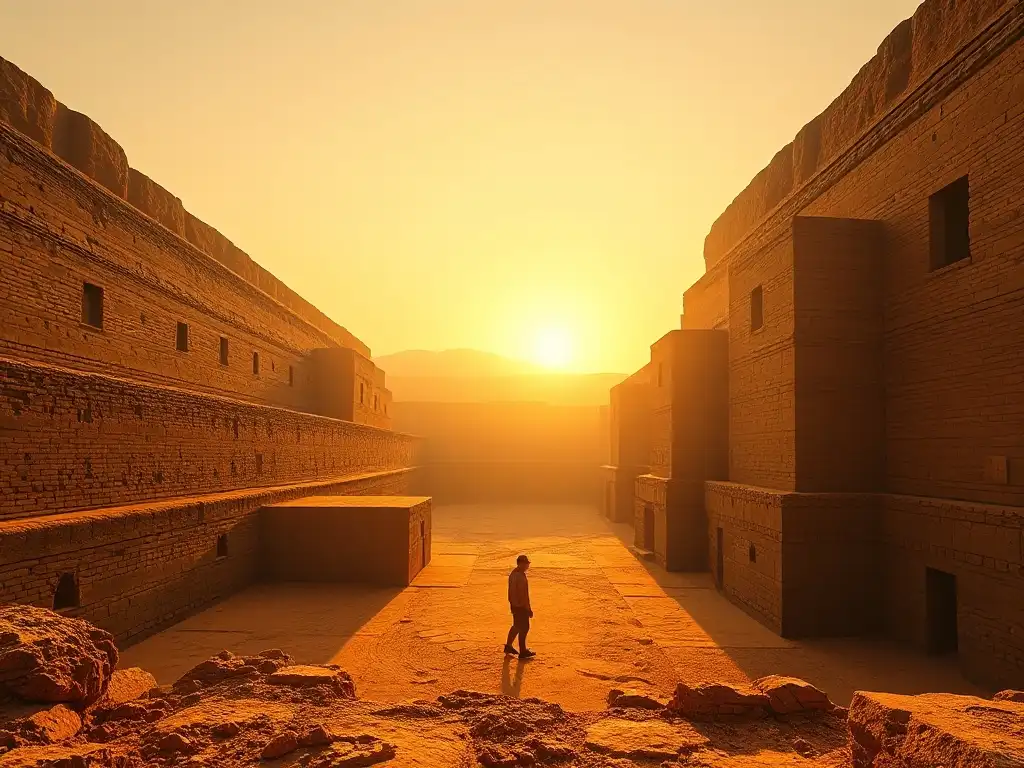
The Huaca del Sol, meaning "Temple of the Sun" in Spanish, stands as a testament to the architectural prowess and societal organization of the ancient Moche civilization. This impressive structure, the undisputed largest adobe structure in the Americas, dwarfs other significant Moche sites and offers invaluable insights into their religious beliefs, engineering capabilities, and social hierarchy.
Unlike many other pre-Columbian structures built from stone, the Huaca del Sol's construction primarily utilized adobe bricks, a material that speaks volumes about the Moche's resourcefulness and understanding of their environment. The sheer scale of the project suggests a highly centralized and organized society capable of mobilizing significant labor and resources over an extended period.
Studying the Huaca del Sol provides a unique lens through which to understand the complexity and sophistication of Moche society, far beyond the often-depicted imagery of their elaborate pottery. The mystery surrounding its exact purpose and construction methods continues to captivate archaeologists and historians alike, making it a truly enigmatic and fascinating site.
Locating the Huaca del Sol: A Moche Marvel in Peru
The Huaca del Sol is situated in the Moche Valley on the northern coast of Peru, a region known for its fertile lands and proximity to the Pacific Ocean. This strategic location provided the Moche with access to vital resources, including water for irrigation and materials for construction. The Huaca del Sol is part of a larger complex that includes its counterpart, the Huaca de la Luna ("Temple of the Moon"), both located near the modern-day city of Trujillo.
This proximity suggests a close relationship between the two structures, possibly indicating a complementary function within the Moche religious or administrative system. The precise geographical coordinates are readily available through various academic databases and geographical information systems, providing researchers with precise location data for further analysis and study.
Pinpointing the exact location within the valley aids in understanding the Moche's settlement patterns and their strategic choices regarding infrastructure development. The surrounding landscape also offers clues to the availability of raw materials used in the construction of the Huaca del Sol, further illuminating the Moche's resource management strategies.
Significance of Adobe Construction in the Moche World
The Moche's extensive use of adobe bricks in their monumental architecture, exemplified by the Huaca del Sol, is a key aspect of their technological achievements. Adobe, a mixture of sun-dried clay and other organic materials, was readily available in the Moche Valley. This readily accessible building material allowed for large-scale construction projects, reflecting the Moche's mastery of resource management and engineering.
The construction process itself involved sophisticated techniques, including the careful preparation of the clay mixture, the molding and drying of the bricks, and the precise placement of each brick during construction. The use of adobe also provided a degree of flexibility in design, allowing for complex shapes and intricate details.
Analyzing the composition of the adobe bricks used in the Huaca del Sol can reveal information about the Moche's understanding of materials science and their adaptation to the local environment. Moreover, the durability of adobe structures, when properly constructed, speaks to the Moche's long-term planning and commitment to their monumental projects.
Huaca del Sol: Dimensions and Scale of the Monumental Structure
The Huaca del Sol is truly monumental. Its impressive dimensions solidify its claim as the largest adobe structure in the Americas. While precise measurements might vary slightly depending on the methodology and the parts of the structure considered (some sections are severely eroded), it's estimated to have originally been a massive platform covering an area of several hectares. The height of the structure, before significant deterioration, was likely quite substantial, further emphasizing its scale and the engineering challenges involved in its construction.
Imagine the sheer volume of adobe bricks required for such a project! This colossal scale suggests a significant investment of labor and resources, reflecting the Moche's ability to organize and mobilize a large workforce. Furthermore, the sheer size of the structure indicates a powerful centralized authority capable of overseeing and managing such a large-scale undertaking.
The magnitude of the Huaca del Sol serves as a powerful symbol of Moche power, religious significance, and societal organization. Detailed architectural plans and 3D models, based on archaeological findings, are available to provide a better understanding of the structure's original form and dimensions. The ongoing research and analysis of this remarkable site continue to unveil new details about its construction and purpose.
Exploring the Structure of the Huaca del Sol: Architectural Features
The Huaca del Sol, meaning "Temple of the Sun" in Spanish, stands as a testament to the impressive engineering and architectural prowess of the Moche civilization. Its sheer scale—the largest adobe structure in the Americas—is immediately striking, but a closer examination reveals a sophisticated design reflecting both practical considerations and symbolic meaning. The immense size wasn't simply a matter of brute force; the Moche carefully planned and executed its construction, employing advanced techniques for its time.
Understanding these features allows us to better appreciate the dedication and skill involved in creating this monumental edifice. The construction techniques used in the Huaca del Sol highlight the sophisticated knowledge of the Moche people in terms of architecture, engineering, and resource management. The scale of the project itself suggests a highly organized society capable of mobilizing significant labor and resources.
The Terraced Pyramid Design of the Huaca
The Huaca del Sol is not a monolithic structure but a terraced pyramid, a design common in Andean architecture. This design is far from arbitrary; the terraces provided several crucial advantages. First, they increased the overall surface area, allowing for a larger structure without requiring an excessively steep incline, enhancing stability.
Second, the terraces likely served practical purposes, potentially providing platforms for various activities or ceremonies. The different levels could have housed distinct functions, perhaps relating to religious rituals, storage, or even residential spaces for priests or elites. The construction of these terraces involved precisely cut and placed adobe bricks, arranged in layers to create a stable and visually impressive pyramid.
The exact number of terraces is still under investigation, as portions of the Huaca have been eroded or destroyed over time, but archaeological evidence suggests a significantly tall structure, possibly reaching several dozen meters in height. Analysis of the remaining sections shows a high degree of precision in the alignment and construction of the terraces, indicating a clear understanding of geometry and engineering principles.
The Use of Adobe Bricks in the Huaca del Sol's Construction
The Huaca del Sol's construction relied heavily on adobe bricks, a building material common throughout the Andes. However, the sheer scale of the Huaca del Sol underscores the Moche's mastery of adobe brick production and construction. Millions of these sun-dried bricks were meticulously crafted, transported, and placed to create this colossal structure.
The bricks themselves varied slightly in size and shape, yet the overall consistency of the construction shows remarkable care and attention to detail. Archaeological studies reveal that the Moche employed sophisticated techniques for preparing the adobe, ensuring optimal strength and durability. The mix of clay, sand, and other materials was carefully controlled, and the bricks were likely allowed to dry for a considerable time before use.
This process ensured that the bricks would withstand the harsh Andean climate, including intense sun, rain, and wind. The impressive preservation of significant portions of the Huaca del Sol, despite centuries of exposure to the elements, is a testament to the quality of these adobe bricks and the construction techniques utilized. The precise techniques used in creating and placing these bricks, along with the overall scale of the project, showcases the advanced level of organization and engineering within the Moche society.
Platforms and Courtyards: Understanding the Huaca's Layout
The Huaca del Sol wasn't just a massive pyramid; it incorporated a complex internal layout featuring platforms and courtyards. These features, while less visible than the exterior terraces, played a crucial role in the Huaca's overall function. Archaeological excavations have revealed evidence of various internal structures, including rooms, ramps, and possibly even subterranean chambers. The courtyards may have served as ceremonial spaces, while the platforms could have supported buildings or served as elevated viewing areas.
The arrangement of these elements suggests a deliberate design, reflecting the social and religious organization of the Moche society. Some speculate that the layout may have mirrored cosmological beliefs or served as a representation of the Moche worldview. Unfortunately, significant portions of the interior remain unexplored due to the fragility of the structure and ongoing conservation efforts.
Further research is needed to fully understand the complex interplay of platforms and courtyards and their significance within the broader context of the Huaca del Sol and Moche culture. The ongoing excavation and analysis of the Huaca del Sol continue to reveal new information about the architectural complexity and cultural significance of this remarkable structure, further solidifying its status as the largest adobe structure in the Americas. The ongoing research promises to further illuminate the intricacies of Moche architecture and their impressive engineering capabilities.
Evidence of Multiple Construction Phases at the Huaca del Sol
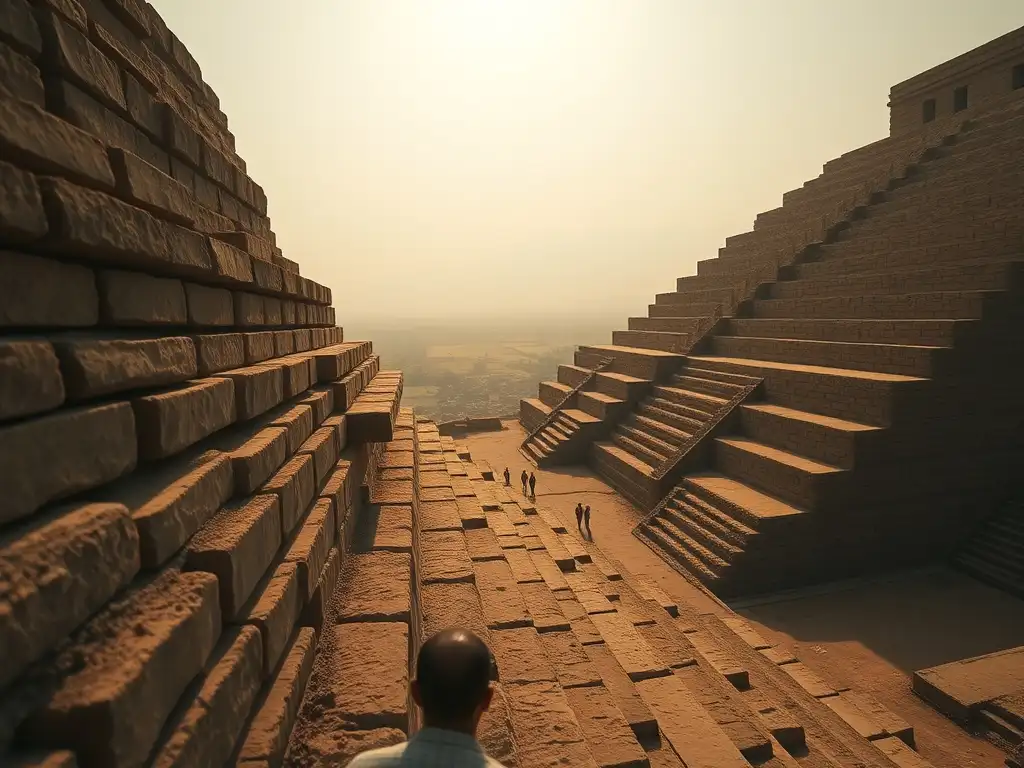
Archaeological investigations at the Huaca del Sol have revealed compelling evidence of multiple construction phases, suggesting a prolonged period of building and modification spanning centuries. This isn't simply a case of adding onto an existing structure; the evidence points to significant alterations in design and construction techniques over time. Excavations have unearthed different layers of adobe bricks, each with varying characteristics in terms of size, shape, and even the type of clay used. These variations strongly indicate distinct periods of construction, possibly reflecting changes in Moche societal organization, available resources, or even shifts in architectural styles.
Furthermore, the discovery of earlier structures buried beneath later additions provides concrete proof of phased construction. These underlying structures offer a glimpse into the earlier stages of Huaca del Sol's development, allowing researchers to trace the evolution of this monumental edifice. The careful layering, however, also indicates a level of planning and organization, suggesting that the changes weren't haphazard but rather reflected deliberate architectural choices. The meticulous nature of the construction, even across different phases, highlights the advanced engineering skills and sophisticated societal structure of the Moche civilization.
Analyzing these construction phases is crucial for understanding not only the architectural history of the Huaca del Sol but also the broader social and political dynamics of the Moche culture. Further research is needed to precisely date each phase and fully understand the motivations behind the significant modifications observed. The ongoing analysis of the recovered artifacts and architectural features promises to further illuminate the complex history of this remarkable structure, the largest adobe structure in the Americas.
The Use of Adobe Bricks: Size, Composition, and Layering Techniques
The Huaca del Sol stands as a testament to the Moche mastery of adobe brick construction. The sheer scale of the structure, the largest adobe structure in the Americas, is a remarkable feat of engineering and organization. But what makes the adobe bricks themselves so significant? Analysis reveals a sophisticated understanding of material science. The bricks themselves weren't uniformly sized; variations in dimensions are evident throughout the structure, suggesting potential changes in production techniques or deliberate design choices across different construction phases.
The composition of the adobe bricks also varies. Researchers have identified differences in the clay types used, the presence of organic materials like straw or reeds as binding agents, and even the firing techniques employed. These variations likely reflect the availability of local resources and the evolving knowledge of adobe construction techniques over time. The layering techniques are equally impressive. The bricks weren't simply stacked haphazardly; rather, they were carefully placed in intricate patterns, creating strong and stable walls capable of withstanding the test of time.
The meticulous layering, combined with the strategic use of different brick sizes and compositions, contributed to the incredible stability and longevity of the Huaca del Sol. Understanding the Moche's mastery of adobe brick construction is key to appreciating the architectural ingenuity behind this monumental structure. Further studies on the composition and properties of the adobe bricks will undoubtedly provide valuable insights into the Moche's technological prowess. This detailed analysis of the materials contributes significantly to our understanding of the "largest adobe structure in the Americas."
Ramps and Internal Passageways: Facilitating Construction and Potential Ritual Use
The sheer size of the Huaca del Sol, the largest adobe structure in the Americas, naturally raises questions about how such a massive edifice was constructed. Evidence suggests the Moche utilized a sophisticated system of ramps and internal passageways to facilitate the transport of materials and the movement of workers. These ramps, likely constructed of earth and possibly reinforced with wood or other materials, would have provided access to different levels of the structure, allowing for the efficient delivery of adobe bricks and other building materials. The internal passageways, discovered during excavations, may have served both practical and ritualistic purposes.
They could have provided access for maintenance and repairs, or even served as conduits for air circulation within the structure. However, their presence also hints at a potential symbolic or ritualistic significance. These passageways may have been used for ceremonial processions or as part of sacred rituals within the Huaca del Sol.
The precise function of these passageways remains a subject of ongoing research, but their existence provides valuable clues about the construction process and potential ritualistic aspects of this monumental structure, the largest adobe structure in the Americas. The complexity of the internal network speaks volumes about the Moche's advanced planning and engineering capabilities. Further investigation into the layout and design of these ramps and passageways is crucial for a complete understanding of the Huaca del Sol's construction and its role within Moche society.
The Role of Huaca del Sol in Moche Society and Religion
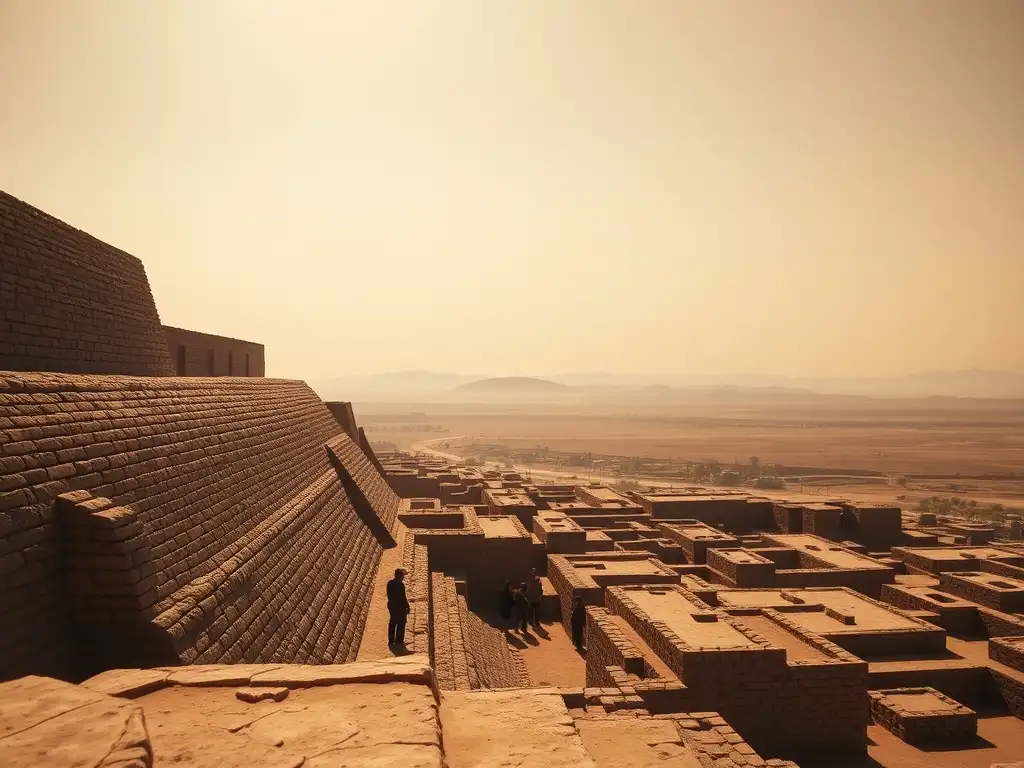
The Huaca del Sol, the largest adobe structure in the Americas, served as a crucial nexus of Moche society and religion. Its immense size, intricate architecture, and strategic location near the Moche Valley's fertile lands all point to its profound significance within the Moche worldview. Far from being a mere architectural marvel, Huaca del Sol was a living testament to Moche power, religious practices, and social organization.
Its construction required a massive mobilization of labor, resources, and expertise, reflecting the centralized authority and sophisticated engineering capabilities of the Moche state. The sheer scale of the project underscores the importance placed upon this site by the ruling elite. Understanding Huaca del Sol necessitates examining its multifaceted functions within the broader context of Moche life.
Huaca del Sol as a Center of Moche Power
The imposing presence of Huaca del Sol undoubtedly served as a powerful symbol of Moche political dominance. Its sheer size and commanding position within the landscape visually communicated the power and authority of the ruling class. Archaeological evidence suggests a complex system of social stratification within Moche society, with the elite controlling access to resources and holding significant religious authority.
Huaca del Sol likely functioned as the central administrative and ceremonial hub, reinforcing the power structure through its visual impact and symbolic significance. The meticulous planning and execution of its construction, involving the precise placement of millions of adobe bricks, demonstrate a high level of centralized organization and control, characteristic of a sophisticated state. The elite's residence within or near the complex further solidified their control and influence.
This concentration of power within a single monumental structure likely served to both impress and intimidate the wider populace. The strategic location also facilitated control over vital resources and trade routes.
Religious Ceremonies and Rituals at the Adobe Pyramid
Beyond its political function, Huaca del Sol was undoubtedly a crucial site for religious ceremonies and rituals. While much of the detail remains shrouded in mystery, archaeological finds, such as sacrificial offerings and evidence of elaborate murals, point to its importance as a sacred space. The scale of the structure itself suggests the grandeur and importance of these rituals.
The discovery of human remains within the complex provides insights into potential sacrificial practices, although the precise nature and frequency of such rituals are still subjects of ongoing research. It's likely that the pyramid hosted major religious festivals, attracting large crowds from across the Moche territory. These events would have further reinforced the authority of the Moche elite, who likely controlled and directed the religious ceremonies.
The murals, many of which depict powerful Moche deities and mythical creatures, likely played a significant role in these rituals, contributing to the overall sacred ambiance of the site. The careful construction and positioning of the pyramid itself may have also held symbolic meaning, aligning with astronomical events or reflecting Moche cosmology.
Elite Residences and Administrative Functions within the Huaca Complex
The Huaca del Sol complex likely housed not only ceremonial spaces but also residential areas for the Moche elite and administrative offices. Evidence suggests that the structure incorporated residential quarters for high-ranking officials and perhaps even the ruling Sapa Inca himself, though the exact layout and arrangement of these areas are not fully understood. The presence of such residences within the complex would have further solidified the elite's control and influence, allowing them to oversee both religious and administrative affairs directly.
The administrative functions of Huaca del Sol would have involved managing the vast resources required to sustain the Moche state, including the organization of labor, the distribution of goods, and the collection of tributes. This central location facilitated efficient governance and communication throughout the Moche territory. The discovery of storage areas within the complex supports the idea of its use as an administrative center, suggesting the management and distribution of goods and resources from this key location.
Further research is needed to fully understand the precise arrangement of administrative spaces and their interaction with the religious and residential zones within the Huaca del Sol complex. The interplay between these functions highlights the complex and integrated nature of Moche society, where religious beliefs, political power, and administrative efficiency were intricately intertwined.
The Huaca del Sol, by virtue of its sheer size and imposing presence, served as a potent symbol of Moche power and authority. Its construction, a monumental undertaking requiring immense resources and manpower, demonstrated the capacity of the Moche elite to mobilize and control significant portions of the population.
The scale of the project itself—the largest adobe structure in the Americas—projected an image of overwhelming strength and dominance, both internally within Moche society and externally to neighboring groups. This visual display of power likely served to reinforce the legitimacy of the ruling class and discourage any potential challenges to their authority.
The very act of building such a massive structure would have been a continuous demonstration of power, a constant reminder of the Moche state's capabilities. Furthermore, the strategic location of the Huaca del Sol, its commanding view over the surrounding landscape, further enhanced its symbolic role as a center of Moche power.
The intricate architecture and the likely presence of elite residences within the complex suggest a close connection between the Huaca del Sol and the ruling class. The complex probably housed the Moche elite, priests, and administrators, making it not just a symbolic center but also a practical one for the governance of the kingdom.
This concentration of power within the Huaca del Sol would have facilitated communication, coordination, and control over the vast Moche empire. Control over the construction and maintenance of the Huaca del Sol would have been an important instrument of power for the Moche rulers, allowing them to reward loyal followers with positions in the complex, and potentially punish those who fell out of favor.
The sheer scale of the project, along with its strategic placement and integration with the political structure, solidified the Huaca del Sol's position as a powerful symbol of Moche political authority. Evidence from other Moche sites, such as the use of similar monumental architecture and the presence of elite burials, supports this interpretation of the Huaca del Sol's role in consolidating and projecting Moche power.
Huaca del Sol and its Relationship with Huaca de la Luna
The Huaca del Sol, the largest adobe structure in the Americas, wasn't built in isolation. Its monumental scale and impressive architecture are intrinsically linked to its sister structure, the Huaca de la Luna. Understanding the Huaca del Sol requires acknowledging this crucial relationship, a testament to the sophisticated urban planning and complex social organization of the Moche civilization.
The two structures, though distinct in their function and appearance, formed a unified complex reflecting the Moche's power and religious beliefs. Their proximity suggests a deliberate design, possibly representing a complementary duality within the Moche worldview. Further research into the spatial arrangement and the potential interconnectedness of the two huacas could reveal more about the Moche's understanding of their world and their sophisticated city planning.
The Dual Huaca System of the Moche
The Moche's construction of paired huacas, like the Huaca del Sol and Huaca de la Luna, wasn't a unique occurrence. Evidence suggests a pattern of building dual structures across their territory, each pair possibly representing a specific cosmological or social duality. These dual systems likely served complementary roles, potentially reflecting the balance between opposing forces or the integration of distinct aspects of Moche society and belief.
While the exact meaning of these pairings remains a topic of ongoing research, the consistent presence of dual huacas across different Moche sites hints at a deeply ingrained cultural significance. This pattern underscores the complexity of the Moche worldview and their sophisticated understanding of urban planning and symbolic representation. Further investigation into other dual huaca complexes could provide valuable insights into the broader Moche cosmological and social framework.
Contrasting Huaca del Sol and Huaca de la Luna: Function and Purpose
While both huacas are impressive feats of adobe architecture, significant differences exist between the Huaca del Sol and the Huaca de la Luna, suggesting distinct functions. The Huaca del Sol, with its massive, imposing size and relatively plain exterior, is believed to have served primarily as a symbol of power and possibly a center for administrative functions or elite residences. In contrast, the Huaca de la Luna, though smaller, displays intricate murals and evidence of elaborate rituals, suggesting a primary role as a ceremonial center and possibly a site for elite burials.
This contrast highlights the multifaceted nature of Moche society, with distinct spaces dedicated to different aspects of their culture and governance. The juxtaposition of these distinct functions within a single complex highlights the sophistication of the Moche's urban planning and social structure.
The Huaca del Sol-Huaca de la Luna Complex: A Moche Urban Center
The Huaca del Sol and Huaca de la Luna complex represents far more than just two individual structures; it served as a significant urban center for the Moche civilization. The complex's size and strategic location likely attracted a substantial population, creating a bustling hub for social, political, and religious activities.
Archaeological evidence suggests the presence of residential areas, workshops, and other infrastructure surrounding the huacas, indicating a thriving community centered around these monumental structures. The complex's influence extended beyond its immediate surroundings, likely impacting the wider regional political and economic landscape of the Moche civilization.
The scale and complexity of the Huaca del Sol-Huaca de la Luna complex stand as a powerful testament to the advanced urban planning and social organization of the Moche people, showcasing their ability to construct and maintain large-scale urban centers. Further excavation and analysis could reveal even more about the daily life and social dynamics within this crucial Moche urban center.
Discoveries and Archaeological Investigations at Huaca del Sol
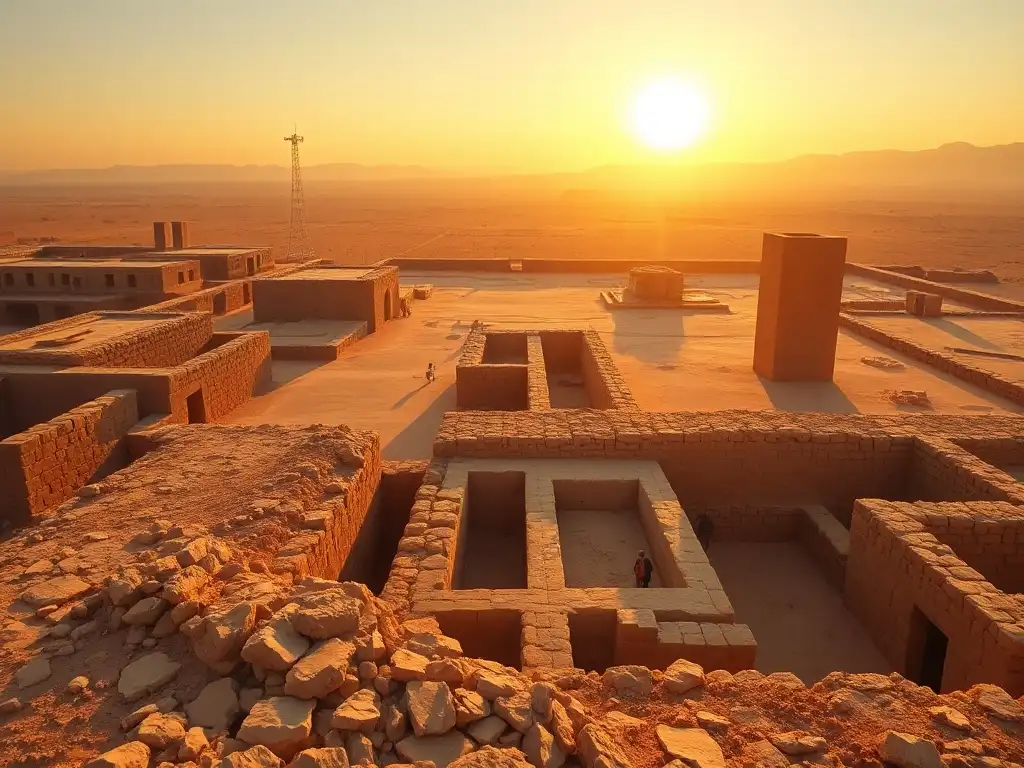
Huaca del Sol, the largest adobe structure in the Americas, stands as a testament to the impressive engineering and organizational capabilities of the Moche civilization. Decades of archaeological investigation have yielded a wealth of information about this monumental site, shedding light not only on its construction but also on the broader aspects of Moche society, religion, and daily life.
The sheer scale of the structure—a massive platform covering several hectares—immediately suggests a highly organized society capable of mobilizing significant labor resources and advanced planning. The ongoing discoveries continue to redefine our understanding of this remarkable civilization and its architectural prowess.
Early Excavations and Research at the Monumental Adobe Structure
Early explorations of Huaca del Sol, beginning in the early 20th century, were largely limited to surface surveys and limited excavations. These initial investigations primarily focused on documenting the structure's immense size and identifying its basic architectural features. Researchers painstakingly mapped the massive platform, revealing its complex internal layout, including courtyards, ramps, and what are believed to be residential areas.
Early findings, though limited by the technology available at the time, established Huaca del Sol's significance as a key site for understanding Moche urban planning and monumental architecture. The painstaking process of documenting the vastness of the structure, brick by brick, using rudimentary tools, highlights the dedication of early archaeologists. They laid the groundwork for the more sophisticated investigations that would follow.
The initial discoveries already suggested a complex social structure capable of undertaking such an ambitious project, hinting at the power and influence held by the Moche elite. Further analysis of the adobe bricks themselves revealed insights into the Moche's building techniques and the sourcing of raw materials.
Recent Findings: Unveiling New Insights into Moche Culture
More recent archaeological work at Huaca del Sol has employed advanced techniques, including ground-penetrating radar (GPR) and magnetometry, to explore areas previously inaccessible. These non-invasive methods have allowed researchers to create detailed three-dimensional models of the site's interior, revealing hidden chambers, tunnels, and other architectural features previously unknown. Analysis of pottery shards, bone fragments, and other artifacts unearthed in these previously unexplored areas has provided new insights into Moche daily life, religious practices, and social hierarchies.
The discovery of elaborate murals, depicting scenes of Moche warfare, religious rituals, and everyday activities, has been particularly significant. These vibrant images offer a unique window into the beliefs, values, and artistic expressions of this ancient civilization.
Furthermore, the use of advanced dating techniques has helped refine the chronology of Huaca del Sol's construction and use, providing a more nuanced understanding of its place within the broader trajectory of Moche history. The ongoing research promises to yield even more significant findings in the coming years, further enriching our understanding of this remarkable site and the civilization that created it.
Discoveries of Burials and Offerings at Huaca del Sol
The excavation of Huaca del Sol has also uncovered numerous burials and sacrificial offerings, providing invaluable information about Moche funerary practices and beliefs in the afterlife. These discoveries range from simple interments to elaborate tombs containing richly adorned individuals, suggesting a stratified society with significant social and economic inequalities. Analysis of grave goods, including intricately crafted pottery, metalwork, textiles, and ornaments, reveals details about the status and lifestyle of the deceased.
Some burials contain evidence of human sacrifice, a practice documented in other Moche sites, highlighting the importance of ritual and religious beliefs in their society. The careful study of these burials and associated offerings helps to understand the social and political organization of the Moche, shedding light on their complex religious beliefs and rituals. The discovery of specific artifacts, such as ceremonial objects and elite grave goods, further illuminates the power dynamics and social hierarchy within the Moche civilization.
The meticulous cataloging and analysis of these finds are crucial for piecing together a more complete picture of Moche life and beliefs. The ongoing research continues to uncover new and fascinating details about the individuals buried at Huaca del Sol, contributing to our understanding of Moche society as a whole.
Archaeological Challenges and Preservation Efforts
The sheer scale of Huaca del Sol presents significant archaeological challenges. The massive adobe structure, having withstood centuries of weathering and looting, requires meticulous and ongoing preservation efforts. One major challenge is the inherent fragility of adobe. Exposure to the elements, particularly heavy rains and seismic activity common in the region, causes erosion and structural instability.
This necessitates careful monitoring of the site and the implementation of preventative measures to mitigate further damage. Furthermore, the immense size of the structure makes excavation and analysis a slow and complex process, requiring careful planning and significant resources. Archaeologists must balance the need for thorough investigation with the preservation of the site's integrity. Improper techniques could lead to irreparable damage, potentially losing valuable information about the Moche civilization.
The ongoing preservation efforts involve a multi-pronged approach. This includes careful stabilization of existing structures through techniques like consolidation and reinforcement of the adobe bricks. Researchers are also employing advanced surveying and mapping technologies to create detailed three-dimensional models of the site, aiding in future analysis and conservation planning.
Furthermore, environmental monitoring plays a crucial role. Regular assessments of factors like soil moisture, temperature, and seismic activity allow archaeologists to anticipate and mitigate potential threats. Public awareness campaigns are equally important to prevent vandalism and looting, ensuring the long-term protection of this invaluable historical site.
The preservation of Huaca del Sol is a continuous process, requiring a collaborative effort between archaeologists, government agencies, and the local community to safeguard this remarkable testament to the Moche civilization and its impressive architectural capabilities. The ongoing work underscores the commitment to preserving the legacy of the largest adobe structure in the Americas for future generations. The challenges are immense, but the rewards of understanding and protecting this monumental structure are equally significant.
The Legacy of Huaca del Sol: Understanding Moche Engineering
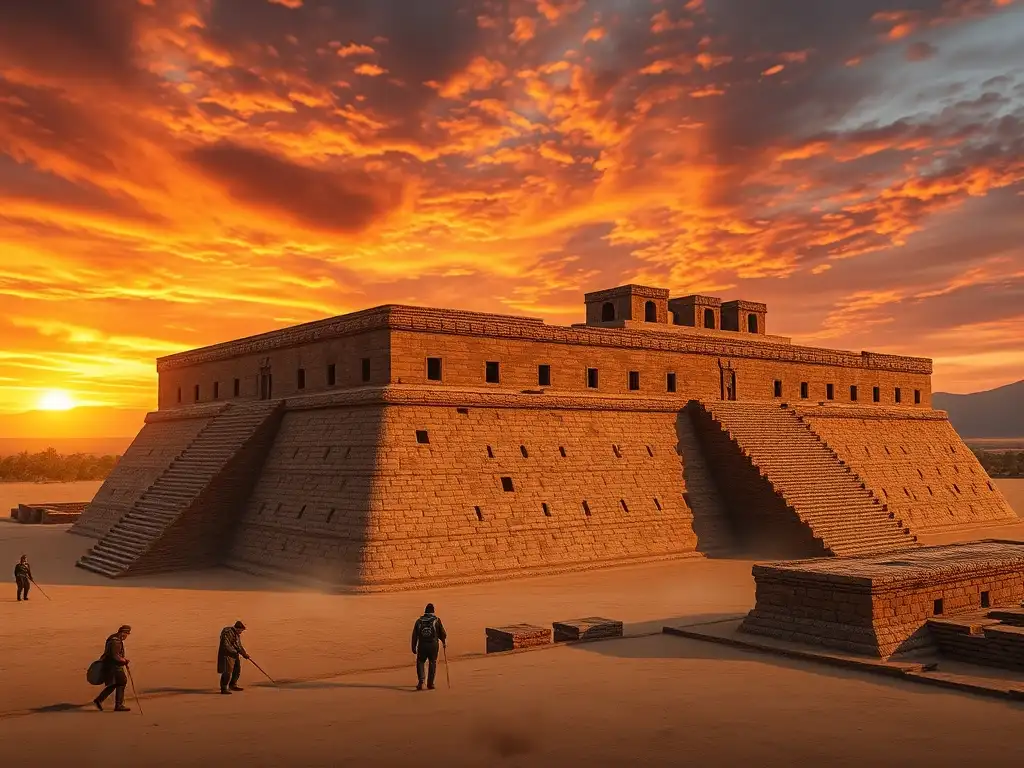
The Huaca del Sol, the largest adobe structure in the Americas, stands as a powerful testament to the ingenuity and organizational capabilities of the Moche civilization. Its sheer scale—estimated to have originally been over 40 meters tall and covering an area of approximately 400,000 square meters—suggests a level of societal complexity and centralized planning rarely seen in pre-Columbian societies. The construction itself presents a fascinating engineering challenge, requiring the precise placement and stabilization of millions of adobe bricks.
Understanding the techniques employed in its construction provides invaluable insights into Moche knowledge of materials science, logistics, and workforce management. The precise methods used for brick production, transportation, and placement, while still under investigation, reveal a sophisticated understanding of earthworks and construction techniques that are still impressive today. Further research into the structural design, including the internal layout and support systems, could reveal even more about their advanced engineering capabilities.
The scale of the project alone implies a highly organized society capable of mobilizing vast resources and coordinating the efforts of thousands of workers over an extended period. This organizational prowess is a key element in understanding the Moche's ability to build and sustain their complex society.
Impact of Huaca del Sol on Understanding Moche Society
Huaca del Sol's impact on our understanding of Moche society is profound. Its sheer size and complexity suggest a highly stratified society with a centralized authority capable of organizing massive labor projects. The construction would have required meticulous planning, sophisticated resource management, and a system for coordinating the efforts of a large workforce.
Archaeological evidence found within and around the structure, such as elite burials and ceremonial artifacts, provides further insight into the social hierarchy and religious beliefs of the Moche. The presence of extensive workshops and storage areas suggests a complex economic system capable of supporting the construction and maintenance of such a monumental structure. Analysis of the artifacts discovered at Huaca del Sol, including pottery, textiles, and metalwork, provides valuable information about Moche art, religion, and daily life, enriching our understanding of this fascinating civilization.
The scale of the project also hints at the Moche's capacity for mobilizing human resources, possibly through a system of tribute or conscripted labor, a topic that requires further investigation. The sheer volume of materials involved in the construction also speaks volumes about their sophisticated understanding of resource management and logistics.
Huaca del Sol: A Testament to Moche Architectural Prowess
The architectural achievements of the Moche, as embodied in Huaca del Sol, are remarkable. The construction of such a massive structure using only adobe bricks demonstrates a deep understanding of materials science and construction techniques. The precise placement of millions of bricks, the creation of internal chambers and passageways, and the overall structural integrity of the edifice point to advanced engineering skills and a high level of craftsmanship.
The use of adobe bricks, while seemingly simple, required a sophisticated understanding of soil composition, brick-making techniques, and drying processes. Evidence suggests the Moche employed different types of adobe bricks, possibly for specific structural purposes. Moreover, the structure's ability to withstand earthquakes for centuries—a testament to its resilience—highlights the Moche's understanding of seismic forces and their ability to design structures that could withstand them.
Further study of the Huaca del Sol's construction methods could offer valuable insights for modern engineering and construction techniques, particularly in earthquake-prone regions. The intricate details of the architecture, including the use of ramps, platforms, and internal structures, remain a significant area of ongoing research.
The Importance of Preserving the Largest Adobe Structure in the Americas
Preserving Huaca del Sol is of paramount importance for several reasons. First, it represents a unique and irreplaceable piece of the world's cultural heritage. As the largest adobe structure in the Americas, it offers invaluable insights into the Moche civilization, their engineering skills, and their societal organization. Secondly, its preservation ensures the continued study and understanding of this important archaeological site.
Ongoing research at Huaca del Sol continues to reveal new information about Moche society and culture. The preservation efforts also contribute to the protection of Peru's cultural heritage and its promotion as a significant tourist destination. Finally, preserving Huaca del Sol serves as an important reminder of the achievements of ancient civilizations and the importance of protecting our shared history for future generations. Preservation efforts must focus not only on structural stabilization but also on mitigating the effects of environmental factors such as erosion and weathering.
Careful documentation and ongoing monitoring are crucial to ensure the long-term survival of this significant monument. The preservation of the Huaca del Sol is a continuous process requiring sustained effort and collaboration between archaeologists, engineers, and government agencies. This collaborative effort is essential to safeguard the legacy of the largest adobe structure in the Americas for years to come.
Future Research and Exploration at the Huaca del Sol
The Huaca del Sol, despite extensive excavation and study, still holds numerous secrets waiting to be unearthed. Future research efforts should focus on several key areas to further our understanding of this monumental structure and the Moche civilization that built it. One crucial aspect is the application of advanced non-invasive techniques. Ground-penetrating radar (GPR) and other geophysical surveys could reveal hidden chambers, tunnels, or architectural features buried beneath the surface, minimizing further damage to the already fragile site. This technology offers a less intrusive way to map the internal structure and potentially locate areas for future targeted excavations.
Furthermore, detailed analysis of the adobe bricks themselves is crucial. Studying the composition of the bricks—the types of soil used, the binding agents employed, and any traces of organic matter—can provide invaluable insights into Moche construction techniques and the environmental context of their building practices.
Isotopic analysis could pinpoint the precise sources of the raw materials, potentially revealing the extent of the Moche's logistical capabilities and their control over resources across their vast territory. This level of detail can help us understand not only how they built the structure, but also the level of societal organization required for such a massive undertaking.
Another promising avenue for future research lies in the study of the artifacts recovered from the site. While many artifacts have been cataloged and studied, the sheer volume of material recovered demands further investigation. Advanced techniques in material analysis, such as X-ray fluorescence spectroscopy (XRF), can reveal the composition of pigments and other materials, shedding light on Moche artistic techniques and trade networks.
Similarly, detailed analysis of the human remains found within the complex could provide further insights into Moche social structure, diet, and health, potentially revealing clues about the labor force involved in the construction of the Huaca del Sol. The potential for DNA analysis to trace lineage and migration patterns also presents a compelling opportunity for future research.
Finally, a more comprehensive understanding of the Huaca del Sol’s role within the broader Moche urban landscape is needed. Comparative studies with other Moche sites, particularly the nearby Huaca de la Luna, are crucial to understanding the function and significance of the Huaca del Sol within the larger Moche social and political organization. By integrating findings from various research methodologies, future studies can paint a more complete and nuanced picture of this remarkable achievement of Moche engineering and its place within the history of the largest adobe structure in the Americas. 🌎
Conclusion: Appreciating the Grandeur of Huaca del Sol
The sheer scale of Huaca del Sol is breathtaking. Standing as the undisputed largest adobe structure in the Americas, it's a testament to the Moche civilization's advanced engineering prowess and organizational capabilities. The immense effort required to construct this colossal pyramid, using millions of sun-dried bricks, speaks volumes about their societal structure and the dedication of their workforce.
Beyond its impressive size, Huaca del Sol offers a window into the Moche worldview, reflecting their sophisticated understanding of architecture, urban planning, and potentially, their religious beliefs. Further research and ongoing excavations continue to unveil more secrets held within its massive walls, promising even greater insights into this fascinating civilization in the years to come.
The continued preservation and study of Huaca del Sol are crucial for understanding not only the Moche but also the broader context of Andean architectural achievements. Its legacy extends far beyond its physical presence; it serves as a potent symbol of human ingenuity and cultural resilience.
Reflecting on the Significance of the Moche Adobe Pyramid
The construction of Huaca del Sol represents a significant feat of engineering and logistics. Consider the sheer volume of adobe bricks needed – estimates suggest millions! The transportation of these bricks, the organization of labor, and the precision required to build such a massive structure demonstrate a high level of societal organization. This wasn't simply a construction project; it was a massive undertaking requiring sophisticated planning and resource management.
Historians and archaeologists continue to debate the exact purpose of Huaca del Sol, with theories ranging from a ceremonial center to a powerful symbol of Moche authority. The size itself suggests a significant societal function, potentially linked to religious practices, political power, or a combination of both. The absence of readily apparent internal structures complicates the interpretation, but ongoing excavations offer hope for a clearer understanding.
What is undeniable is the monumentality of the structure and its enduring importance as a testament to Moche ingenuity. The scale of the project alone speaks volumes about the Moche's capacity for collective action and their advanced understanding of architecture and engineering for its time. The ongoing research into the composition of the adobe bricks themselves also provides valuable insights into the Moche's resource management strategies and technological capabilities.
Huaca del Sol: A Must-See Site for Andean History Enthusiasts
Huaca del Sol is more than just a pile of bricks; it's a living testament to the Moche civilization and its remarkable achievements. For those interested in Andean history and archaeology, a visit to Huaca del Sol is an absolute must. Standing before this colossal structure, one can truly appreciate the scale of the Moche's ambition and their mastery of adobe architecture.
The site offers a tangible connection to the past, allowing visitors to imagine the bustling activity that once filled this space. While much remains unknown, the sheer size and grandeur of Huaca del Sol inspire awe and wonder. The ongoing archaeological work ensures that new discoveries will continue to enrich our understanding of this remarkable site and the civilization that created it.
The site offers a unique opportunity to witness firsthand the impressive scale of the largest adobe structure in the Americas, providing an unforgettable experience for anyone interested in exploring the rich history of the Andean region. The site's preservation efforts also highlight the importance of safeguarding these invaluable cultural heritage sites for future generations. 🗺️ Visiting Huaca del Sol is a journey through time, a powerful encounter with a lost civilization, and a testament to the enduring power of human ingenuity.
Frequently Asked Questions
What is Huaca del Sol?
Huaca del Sol is a massive pre-Columbian adobe pyramid located in the Moche Valley of Peru. It's considered the largest adobe structure in the Americas, a testament to the impressive engineering skills of the Moche civilization.
How big is Huaca del Sol?
Its dimensions are truly staggering. Estimates place it at approximately 40 meters tall and covering a vast area. It's a truly monumental structure.
Who built Huaca del Sol and why?
The Moche civilization constructed Huaca del Sol sometime between 100 and 800 AD. Its purpose remains debated, but theories suggest it served as a ceremonial center or possibly a temple-palace complex.
What is the significance of Huaca del Sol's size?
Its immense size demonstrates the Moche's advanced organizational skills and ability to mobilize a large workforce. It also reflects their power and sophistication as a civilization.
What is the current state of Huaca del Sol?
While significantly damaged by time and looting, Huaca del Sol is currently undergoing preservation and excavation efforts. Ongoing research continues to reveal more about this important site and the Moche culture.
Final Reflection: Huaca del Sol – A Legacy of Earth and Ambition
The colossal Huaca del Sol stands as a testament to the ingenuity and ambition of the pre-Columbian Wari civilization, a powerful reminder that even without modern technology, societies could achieve monumental feats of architecture. Its sheer scale continues to inspire awe and wonder, challenging our assumptions about the capabilities of ancient cultures and prompting ongoing research into their sophisticated engineering and societal structures. The mysteries surrounding its construction and purpose remain, fueling our desire to understand this remarkable site and its place in history.
The enduring legacy of Huaca del Sol extends beyond its impressive physical presence; it speaks volumes about the power of collective effort, the importance of cultural identity, and the enduring strength of human creativity. The past is never dead. It's not even past.
– William Faulkner. This quote rings true when considering Huaca del Sol; its silent story continues to resonate, shaping our understanding of Andean history and reminding us of the rich tapestry of civilizations that preceded our own. The ongoing archaeological investigations and preservation efforts highlight the importance of protecting and interpreting these invaluable historical treasures for future generations.
Consider the scale of this achievement – the sheer manpower, the meticulous planning, the unwavering dedication required to construct such a massive structure using only adobe bricks. This legacy challenges us to appreciate the ingenuity of past societies and to reflect on our own relationship with the environment and the monuments we create. What lasting legacy will we leave behind? Let the enduring presence of Huaca del Sol inspire you to consider your own contribution to the world, to strive for greatness, and to appreciate the remarkable achievements of those who came before us.
Unveil the Wonders of Huaca del Sol Today!
Thank you for exploring the fascinating world of Huaca del Sol with us! We hope you've discovered the rich history and stunning architecture of this incredible site. Now, let's consider how you can continue to learn about and appreciate this ancient marvel.
Here are a few suggestions to deepen your understanding:
- Visit a Local Museum: Many museums feature exhibits on Andean civilizations and related cultures. Exploring these exhibits can provide valuable insights into the rich history of this region.
- Connect with Fellow Enthusiasts: Join a local archaeology group or an online forum dedicated to indigenous cultures. Sharing your passion with others can be a rewarding experience.
- Share Your Knowledge: Tell your friends about Huaca del Sol, or share your insights on social media. Inspiring others to appreciate this magnificent site is a wonderful way to continue your journey of discovery.
What aspect of Huaca del Sol captivated you most, and how will you integrate this new knowledge into your life?