
The Moche Afterlife: Beliefs About Death and the Journey Beyond

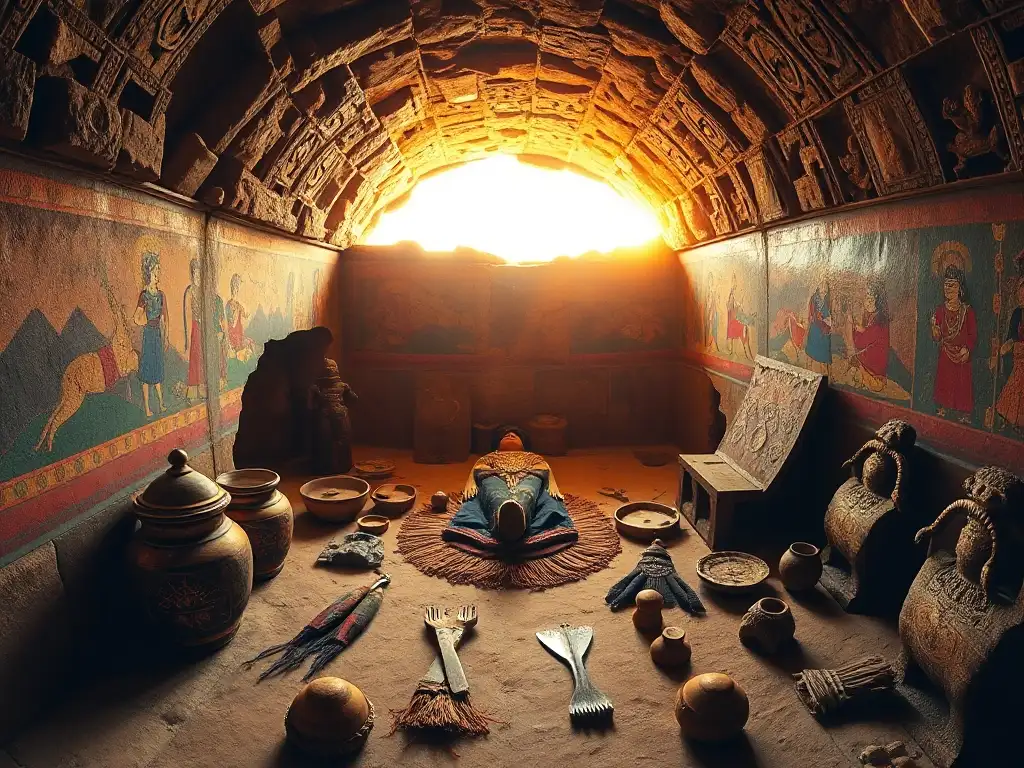
Dive into the enigmatic world of the Andean civilizations! Prepare to be captivated by their breathtaking artistry, sophisticated engineering, and deeply spiritual beliefs. But what secrets lie hidden within the elaborate Moche burial rituals? Uncover the fascinating truth behind their understanding of the afterlife and the journeys undertaken by their ancestors in our exploration of Moche burial rituals and the afterlife. Their beliefs will challenge your perceptions and leave you yearning to know more.
-
Moche Burial Rituals and the Afterlife: Exploring Death and the Journey Beyond
- Understanding Moche Cosmology and Beliefs About Death
- The Significance of Moche Burial Practices
- Moche Mortuary Rites: Preparing the Deceased for the Afterlife
- Moche Tombs and Grave Goods: Insights into the Spirit World
- The Moche Journey to the Afterlife: Navigating the Spirit Realm
- Moche Offerings and Rituals for the Deceased
- Analyzing Moche Art and Iconography Related to Death
- Moche Burial Rituals and Social Hierarchy
- Moche Perspectives on Rebirth and Transformation
- Legacy of Moche Burial Rituals: What We Can Learn Today
- Conclusion: The Moche Understanding of Death and the Afterlife
- Frequently Asked Questions
- Final Reflection: Echoes of the Moche Beyond the Grave
- Embrace the Journey: Engage with Moche Afterlife Beliefs
Moche Burial Rituals and the Afterlife: Exploring Death and the Journey Beyond
The Moche civilization, flourishing along the northern coast of Peru from approximately 100 CE to 800 CE, left behind a remarkable legacy of intricate artistry, sophisticated engineering, and a complex religious worldview. This article delves into the fascinating realm of Moche beliefs about death and the afterlife, exploring their burial rituals and the insights they offer into their understanding of the journey beyond the mortal realm.
Understanding Moche funerary practices provides a crucial window into their cosmology, societal structure, and the profound importance they placed on the continuity of life, even after death. We will examine the evidence uncovered through archaeological excavations, analyzing the elaborate grave goods, the careful preparation of the deceased, and the unique characteristics of various burial sites to paint a vivid picture of Moche beliefs surrounding death and their vision of the afterlife.
This exploration of "Moche burial rituals afterlife" will reveal a civilization deeply connected to the spiritual world, where death was not an end, but a transition to a different plane of existence.
Understanding Moche Cosmology and Beliefs About Death
Moche cosmology, while not fully understood, is revealed through their art, particularly their stunning ceramics. These painted vessels depict a vibrant pantheon of deities, often engaged in dramatic scenes that seem to illustrate mythological narratives. Many of these scenes feature depictions of death and rebirth, suggesting a cyclical understanding of life and the afterlife. For example, representations of decapitation and sacrifice frequently appear, possibly symbolizing a necessary transition or offering to the supernatural realm.
The Moche clearly believed in an afterlife, although the specifics remain a subject of ongoing scholarly debate. Evidence suggests a hierarchical afterlife, with the elite receiving far more elaborate burials and grave goods than commoners. This hierarchical structure reflects the societal organization of the Moche civilization itself, with power and status extending even beyond death. Furthermore, the inclusion of specific offerings within tombs—such as food, textiles, and elaborate jewelry—indicates a belief that the deceased would continue to need and utilize these items in their afterlife.
The detailed nature of these offerings underscores the importance the Moche placed on providing for their deceased, ensuring their continued well-being in the next world. The presence of human sacrifices alongside elite burials further complicates our understanding, hinting at the potential for a more complex and perhaps even violent afterlife. Further research and analysis of newly discovered sites are vital for continuing to unravel the mysteries of Moche beliefs about death.
The Significance of Moche Burial Practices
Moche burial practices were far from uniform, varying considerably depending on the social status of the deceased. Elite burials, often found in elaborate tombs, included a vast array of grave goods reflecting the deceased's wealth and social standing. These might include intricately crafted gold and silver ornaments, finely woven textiles, and numerous ceramic vessels depicting scenes from the Moche pantheon. In contrast, commoner burials were typically simpler, with fewer grave goods and often less elaborate preparation of the body.
The careful positioning of the bodies, sometimes accompanied by carefully arranged offerings, suggests a ritualistic process designed to ensure a smooth transition into the afterlife. The discovery of numerous Moche tombs, ranging from simple pits to complex subterranean chambers, provides a wealth of information about their burial rituals. Analysis of the skeletal remains themselves also offers valuable insights into the health and lifestyle of the Moche people, as well as the causes of death. The presence of certain artifacts, such as specific types of pottery or tools, could indicate the deceased's occupation or social role within the community.
Furthermore, the location of the burials—often associated with specific geographical features or ceremonial centers—suggests a connection between the physical world and the spiritual realm. The variation in burial practices reveals a complex social hierarchy that extended beyond the realm of the living, reflecting the importance of social status even in death. The detailed nature of these burials underscores the Moche's meticulous attention to detail and their deep-seated beliefs surrounding the afterlife.
Moche Mortuary Rites: Preparing the Deceased for the Afterlife
Moche mortuary rites were elaborate and complex, reflecting their sophisticated beliefs about the afterlife. The preparation of the deceased was a crucial aspect of these rituals, ensuring a successful transition to the spirit world. Evidence suggests a meticulous process involving washing and cleansing the body, often followed by the application of paints and adornments.
The deceased might be dressed in fine textiles, adorned with jewelry, and even provided with food and drink for the journey. The aim was not simply to bury the body, but to actively prepare the individual for their continued existence in the otherworld. The care taken in these preparations underscores the importance the Moche placed on the afterlife and the continuity of life beyond death.
Archaeological findings consistently reveal the significant effort invested in these preparations, suggesting a widespread belief in the importance of proper funerary rites for a successful transition. The complexity of these rituals varied depending on the social status of the deceased, with elite members receiving far more extensive preparation.
Moche Tombs and Grave Goods: Insights into the Spirit World
Moche tombs, ranging from simple pits to elaborate subterranean structures, offer invaluable insights into their beliefs about the afterlife. The types of tombs and the grave goods found within them reflect the social standing of the deceased and their perceived needs in the next world. The presence of elaborate grave goods, such as pottery vessels depicting deities and mythical scenes, gold ornaments, textiles, and tools, suggests a belief in a vibrant and active afterlife.
These objects were not merely possessions; they served as provisions, tools, and symbolic representations to aid the deceased in their journey and existence in the spirit world. The careful placement and arrangement of these items within the tombs further emphasizes the deliberate and ritualistic nature of the burial process.
The variety of grave goods found across numerous Moche sites provides a rich tapestry of information about their cosmology and beliefs about the afterlife. Analyzing the contents of these tombs allows researchers to piece together a more complete understanding of Moche religious practices.
Elaborate Moche Burials for Elite Members of Society
The burials of elite Moche individuals stand out for their scale and the richness of their grave goods. These individuals were often interred in elaborate tombs, sometimes containing multiple chambers and decorated with murals. Their bodies were adorned with exquisite jewelry crafted from gold, silver, and precious stones, reflecting their high social standing and access to resources. Such burials often include a wide array of pottery, including portrait vessels depicting the deceased, ceremonial objects, and food and drink offerings.
These elaborate burials highlight the Moche belief in a hierarchical afterlife, mirroring the social structures of their society. The presence of such opulent grave goods suggests that the elite were believed to maintain their privileged status in the next world, requiring provisions and symbols of power consistent with their earthly lives. The scale and intricacy of these burials underscore the importance of the elite in Moche society, even beyond death.
Commoner Graves and Moche Funeral Practices
While elite Moche burials are spectacular, the majority of Moche graves were simpler affairs, reflecting the social hierarchy of the society. Commoner graves typically consisted of simple pits containing the body, often accompanied by a few basic grave goods such as pottery vessels and simple tools. These simpler burials, while less ostentatious, still demonstrate a belief in the afterlife and the importance of proper burial practices.
The presence of even basic grave goods suggests that the Moche believed all members of society, regardless of their status, would continue their existence in the spirit world. These simpler burials provide valuable insights into the funerary practices of the broader Moche population and offer a more complete picture of their beliefs about death and the afterlife.
The careful study of these commoner graves allows researchers to understand the shared cultural beliefs and practices of the entire society, not just the elite. The consistent presence of grave goods, even in simpler burials, highlights the widespread importance of funerary rituals within Moche culture.
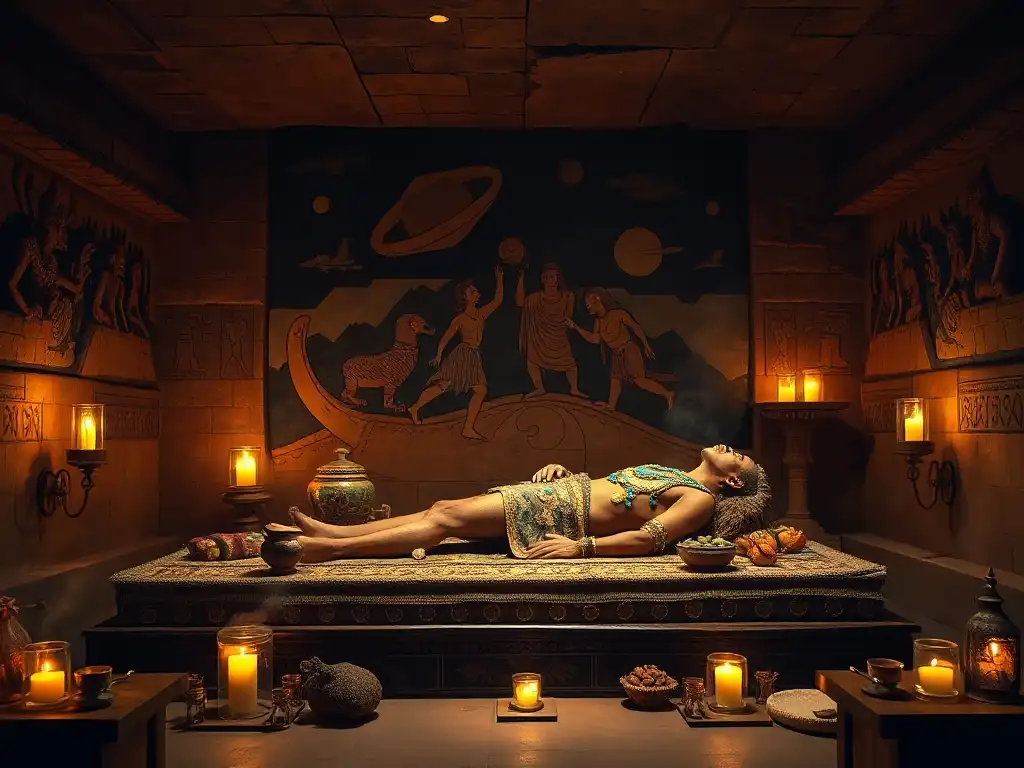
The Moche people, inhabiting the northern coast of Peru between 100 and 800 CE, held complex beliefs about the afterlife, envisioning a journey for the deceased that was far from straightforward. Their elaborate burial practices, meticulously documented through archaeological discoveries, offer invaluable insights into their understanding of death and the spirit world. Unlike simpler conceptions of a singular afterlife, the Moche worldview likely encompassed a more nuanced understanding of multiple realms and stages of transition.
Evidence suggests a belief in both a subterranean underworld and potentially a celestial realm, with the deceased's journey influenced by their social standing and the offerings provided. The path wasn't a simple transition but a complex process involving potential obstacles and trials, requiring the assistance of deities and perhaps even animal guides, as reflected in their funerary art.
The Moche afterlife wasn't a static destination but a dynamic experience, a continuation of life albeit in a transformed state. Further research into iconography and burial context is needed to fully understand the nuances of this complex spiritual journey.
Moche Conceptions of the Underworld
Moche depictions of the underworld often portray a dark and potentially dangerous realm. While not explicitly described in written texts (the Moche lacked a writing system comparable to those of other Andean civilizations), their art provides compelling clues. Ceramics often depict figures emerging from or descending into subterranean spaces, sometimes facing monstrous beings or navigating treacherous landscapes.
These depictions suggest a belief in a challenging transition into the underworld, a journey fraught with potential peril. The underworld wasn't necessarily a place of eternal torment, but it was certainly portrayed as a realm demanding respect and requiring proper preparation for the deceased to navigate successfully.
The presence of offerings in tombs further strengthens this interpretation, suggesting the deceased needed provisions for their journey and sustenance in this otherworldly realm. The specific nature of the underworld—its geography, inhabitants, and its relationship to the world of the living—remains a subject of ongoing scholarly debate and interpretation based on the available archaeological evidence.
The Role of Animals and Deities in the Moche Afterlife
Animals and deities played significant roles in the Moche conception of the afterlife. Many Moche burial sites include the remains of animals, sometimes sacrificed alongside the deceased, hinting at their importance in the transition to the next world. Specific animals, like felines, birds of prey, and marine creatures, frequently appear in Moche art associated with death and the underworld.
These animals may have symbolized specific aspects of the afterlife journey, acting as guides or protectors for the deceased. Similarly, various Moche deities, often depicted in powerful and awe-inspiring forms, are likely to have played crucial roles in guiding the soul's passage.
The precise roles of these deities and animals, however, remain open to interpretation, requiring a deeper understanding of Moche mythology and iconography through further analysis of archaeological finds. It is plausible that the types of animals and the presence of specific deities in burials reflected the social status and beliefs of the deceased.
Moche Offerings and Rituals for the Deceased
The Moche invested considerable effort in preparing the deceased for their journey to the afterlife. Elaborate burial rituals were central to their culture, reflecting a deep concern for the well-being of the deceased in the spirit world. Tombs often contained an array of grave goods, demonstrating the Moche's belief in providing the deceased with the necessities and luxuries for their continued existence. These offerings included food, drink, textiles, and tools, reflecting the deceased's social standing and earthly possessions.
The careful arrangement of these items within the tomb suggests a deliberate and ritualistic process. The sheer scale and complexity of some burials further emphasize the significance placed on ensuring a comfortable transition and existence in the afterlife. The placement and arrangement of these items within the tomb likely held symbolic meaning, reflecting the Moche understanding of the afterlife and the deceased’s journey.
Moche Sacrifices and Their Connection to the Afterlife
Human sacrifice formed a significant part of Moche burial rituals, though not in every instance. Evidence suggests that sacrifices, often involving young individuals, were performed to accompany high-status individuals to the afterlife. These sacrifices were not necessarily acts of violence, but rather ritualistic offerings intended to serve the deceased in the spirit world. The sacrificial victims may have been viewed as companions or servants, ensuring the deceased's continued well-being in the afterlife.
The practice of human sacrifice in Moche society remains a complex and debated topic, with interpretations varying among scholars. Further research is needed to fully understand the social and religious contexts of these sacrifices and their precise role in Moche beliefs about death and the afterlife. The nature of these sacrifices, however, undeniably highlights the importance the Moche placed on ensuring the deceased had proper provisions for their journey beyond.
The Importance of Food and Drink in Moche Burials
Food and drink constituted essential components of Moche burial offerings. Archaeological excavations have unearthed a wide variety of food and drink remains in Moche tombs, ranging from everyday staples to luxurious delicacies. The presence of these items indicates the belief that the deceased would require sustenance in the afterlife.
The types of food and drink varied depending on the social status of the deceased, reflecting the Moche's hierarchical social structure. High-status individuals often received elaborate feasts, including fine ceramics containing potent beverages and carefully prepared food. The inclusion of these food and drink offerings suggests the Moche viewed the afterlife as a continuation of earthly life, albeit in a transformed state.
The meticulous preparation and presentation of these items highlight the significance the Moche attributed to providing for the deceased in their journey beyond. The careful selection of specific foods and drinks might also hold symbolic meaning, reflecting particular beliefs or rituals associated with the afterlife.
The Moche people, renowned for their sophisticated artistic achievements, left behind a rich legacy of artifacts that offer invaluable insights into their beliefs about death and the afterlife. Their art, primarily found in ceramics and murals, vividly depicts scenes of funerary rituals, supernatural beings, and the journey to the underworld. By carefully studying these artistic expressions, we can piece together a more complete understanding of their complex cosmology and funerary practices.
The meticulous detail and expressive nature of Moche art provide a window into their spiritual world, allowing us to glimpse their conceptions of death, the afterlife, and the relationship between the living and the dead. The recurring motifs and symbolic imagery within their artwork reveal a deeply held belief in a complex afterlife, populated by deities, spirits, and ancestors.
These artistic representations are not simply decorative; they are powerful statements about the Moche worldview and their understanding of mortality. Analyzing these works allows us to move beyond simple descriptions and delve into the underlying cultural significance of their funerary rituals.
Representations of Death and the Afterlife in Moche Ceramics
Moche ceramics are particularly rich in depictions of death and the afterlife. Many vessels show scenes of elaborate funerary processions, individuals being sacrificed, and figures interacting with supernatural beings in what appears to be the realm of the dead. The imagery is often quite graphic, with depictions of skulls, skeletons, and other macabre elements, suggesting a relatively unflinching view of death.
However, the depictions are not simply morbid; they often integrate elements of ritual and ceremony, suggesting that death was a significant, yet structured, aspect of Moche life. For example, certain vessels depict shamans or priests performing rituals, indicating the importance of religious mediation in the transition to the afterlife. The vibrant colors and detailed artistry of these ceramics highlight the significance of these events in Moche society.
The careful execution of these works suggests that these were not merely everyday objects but rather held a special religious or ritualistic value. Further research into the specific iconography and symbolism used in these depictions is crucial to fully understanding Moche funerary beliefs.
Moche Murals and Their Depictions of Funerary Rites
While less common than ceramics, Moche murals also provide valuable information about their funerary practices. Unfortunately, the preservation of these murals is often problematic due to environmental factors, but those that remain offer glimpses into large-scale ritual events. These murals often depict scenes of mass burials, elaborate offerings, and the participation of numerous individuals in funerary ceremonies.
The scale of these depictions underscores the importance of death and the afterlife in Moche society. Furthermore, the murals' often provide a more dynamic and contextual representation of funerary rites compared to the static nature of some ceramic pieces. The murals' ability to depict multiple actors and simultaneous actions allows for a more holistic understanding of the ceremonial aspects surrounding death.
Further study of these murals, alongside comparative analysis with other Moche artistic media, is crucial to reconstruct the full picture of Moche funerary rituals. The limited number of surviving murals, however, creates a challenge for comprehensive analysis.
Moche burial practices reveal a complex relationship between death rituals and social stratification. The elaborate nature of some burials, contrasted with the simpler arrangements of others, strongly suggests a hierarchical society where the elite received significantly more elaborate funerary treatment. The presence of grave goods, such as fine ceramics, gold ornaments, and textiles, was not evenly distributed.
Wealthy individuals were frequently interred with an abundance of possessions, reflecting their status and power in life. These offerings were not merely symbolic; they were intended to provide the deceased with the necessities and comforts of the afterlife. The scale and complexity of the burial site also varied according to social status.
Some Moche elite were buried in grand tombs, while commoners may have received simpler interments. Analyzing these differences helps us understand the social structure and power dynamics of Moche society, revealing a stratified system where death rituals served to reinforce existing social hierarchies.
How Moche Funeral Practices Reflected Social Status
The differences in Moche burial practices directly reflect the social standing of the deceased. Elite burials frequently included elaborate grave goods, such as finely crafted gold jewelry, intricate textiles, and large quantities of food and drink. These offerings were meant to equip the deceased for a comfortable afterlife and also demonstrated the power and influence of their families. In contrast, commoner burials were typically simpler, with fewer grave goods and less elaborate preparation. The level of care taken in preparing the body for burial also varied. Elite individuals might have received elaborate mummification processes, while commoners might have been buried more simply. The location of the burial site also played a role, with elite individuals often buried in prominent locations or within elaborate tombs. This stark contrast in burial practices strongly supports the idea that Moche society was highly stratified, with death rituals serving to reinforce and perpetuate social inequalities.
The Importance of Ancestral Veneration in Moche Society
Ancestral veneration played a crucial role in Moche society, and this is evident in their funerary practices. The careful preservation of the remains of the dead, the inclusion of grave goods, and the construction of elaborate tombs all point to a belief that the ancestors continued to exert an influence on the living. This veneration may have been connected to their beliefs about the afterlife and the possibility of communication with the departed.
The ancestors' continued presence and influence are suggested by the offerings placed in tombs and the respect shown for burial sites. The importance of ancestor veneration in Moche society is also reflected in their artistic representations, with many ceramics and murals depicting figures that appear to be ancestral spirits or deities.
This reverence for ancestors likely played a significant role in maintaining social cohesion and reinforcing social hierarchies within the Moche community. The continuity between the living and the dead was a vital aspect of Moche belief systems, demonstrated by their elaborate and reverent burial rituals.
Moche Perspectives on Rebirth and Transformation
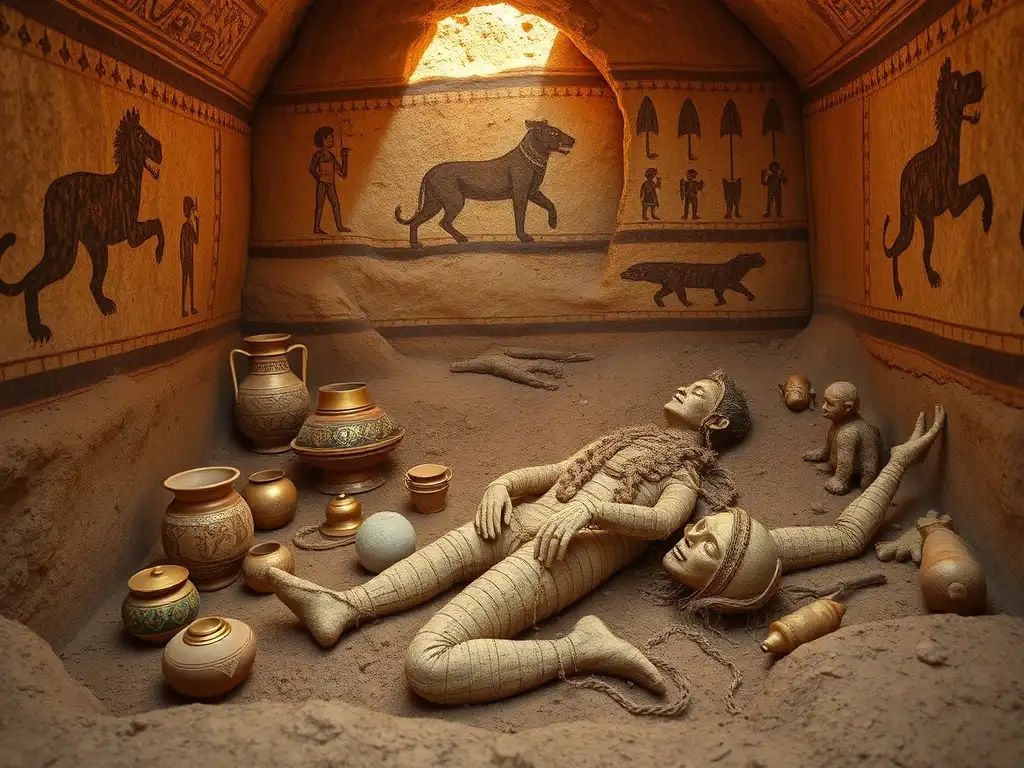
The Moche civilization, renowned for its intricate artistry and sophisticated societal structures, held complex beliefs about the afterlife deeply intertwined with concepts of rebirth and transformation. Death wasn't viewed as a final endpoint but rather a transition, a passage into a different realm of existence. This perspective is vividly illustrated through their elaborate burial practices, which weren't simply about disposing of the deceased but about facilitating this transition and ensuring a continued existence, albeit in an altered form.
The Moche didn't necessarily believe in a singular, linear afterlife, but rather a cyclical process, a continuous interplay between life and death. Their worldview emphasized the interconnectedness of all things, the constant flux and renewal inherent in the natural world, reflecting this in their understanding of the human life cycle. This cyclical view is reflected not only in their burial rituals but also in their art, which often depicts scenes of regeneration and renewal, reinforcing the idea of continuous transformation.
The Moche's understanding of the afterlife was therefore intricately woven into their daily lives, shaping their worldview and influencing their societal interactions. The emphasis on transformation suggests a belief that death was not an ending, but a beginning of a new phase, a continuation of the life force in a different form.
Cyclical Views of Life and Death in Moche Culture
The Moche worldview was profoundly shaped by the cyclical nature of the Andean environment. The annual agricultural cycle, with its periods of planting, growth, harvest, and fallow, profoundly influenced their understanding of life, death, and rebirth. The seasonal changes, the rhythms of the sun and moon, the predictable flooding of rivers – all these reinforced the idea of continuous renewal and cyclical processes.
This is reflected in their art, which often depicts scenes of agricultural activity alongside imagery associated with death and the afterlife. For example, [Specific examples of Moche art depicting these cycles pending]. The cyclical view of life and death wasn't merely a philosophical concept; it was deeply embedded in their daily practices, influencing their social structures, their agricultural methods, and their spiritual beliefs.
This perspective suggests that death was seen not as an abrupt ending, but as a natural part of the continuous cycle of life, a necessary transition leading to renewal and regeneration, much like the fallow period in agriculture precedes a new season of growth. The Moche's close observation of the natural world shaped their understanding of existence, leading to a worldview that embraced change and transformation as essential aspects of life.
Moche Beliefs on the Soul's Journey
While the precise details of Moche beliefs regarding the soul's journey remain a subject of ongoing scholarly investigation, evidence from their burial sites and artistic representations suggests a complex understanding of the afterlife. The Moche likely believed the soul, or a vital essence, continued to exist after death, embarking on a journey to a different realm. The elaborate preparations and offerings placed within tombs suggest an attempt to facilitate this journey, providing the deceased with the necessary provisions and protection for their transition.
The inclusion of food, drink, textiles, and other possessions indicates a belief that these material goods would be needed in the afterlife. Furthermore, the presence of sacrificed individuals, often positioned in specific ways within the tombs, suggests a belief in accompanying the deceased on their journey or serving them in the next world. [Specific examples of grave goods and their interpretation pending].
The overall picture points towards a belief in a continued existence after death, characterized by a transition to a different plane of reality where the deceased continued to exist, albeit in a transformed state. The journey itself may have been seen as a critical phase in the overall cyclical process of life and death, a transition requiring preparation and assistance.
Legacy of Moche Burial Rituals: What We Can Learn Today
The Moche burial rituals offer a fascinating glimpse into their worldview and societal values. Their elaborate practices, reflecting a profound understanding of death and the afterlife, provide invaluable insights into their religious beliefs, social structures, and artistic capabilities. Studying these rituals allows us to understand the importance they placed on continuity and the cyclical nature of life.
The careful preparation of the deceased, the lavish grave goods, and the evident ritualistic aspects highlight the significance of the afterlife in their culture. Their approach to death, unlike many modern perspectives, was not one of fear or finality but rather a transition and a continuation. Modern anthropological and archaeological studies continue to shed light on the complexity of Moche burial practices, offering new perspectives on the rich tapestry of their culture.
By studying their burial rituals, we gain a deeper appreciation for the Moche civilization and their unique understanding of the human experience, enriching our understanding of ancient Andean societies and their place in the larger human story. 🌍 The Moche's legacy extends beyond their impressive artistic achievements; it also lies in their complex and fascinating beliefs surrounding death and the afterlife, offering valuable lessons on the human experience across cultures and time. Understanding their beliefs helps us appreciate the diversity of human perspectives on mortality and the enduring power of cultural practices.
Conclusion: The Moche Understanding of Death and the Afterlife
The Moche worldview, as revealed through their elaborate burial practices and associated artifacts, presents a complex and nuanced understanding of death and the afterlife. It wasn't a simple transition to a singular, easily defined realm. Instead, the Moche seem to have envisioned a continuation of life, albeit transformed. The careful preparation of the deceased, the inclusion of grave goods reflecting earthly status and desires, and the evidence of both individual and mass burials all suggest a belief system that emphasized continuity and the importance of maintaining social structures even in death. 1
The sheer variety of burial practices—from simple interments to incredibly elaborate tombs containing numerous individuals and vast quantities of offerings—points to a sophisticated social hierarchy that extended beyond the living. The presence of sacrificed individuals, often adorned with elaborate headdresses and jewelry, alongside the elite, suggests a belief in the necessity of attendants or servants in the afterlife. This further reinforces the idea that the Moche believed the social order continued beyond the grave, mirroring the complex power structures evident in their society. 2
Furthermore, the iconography found on Moche pottery and textiles provides valuable insights into their beliefs. Depictions of supernatural beings, often interacting with the deceased, suggest a belief in intermediary figures or deities that played a role in guiding the deceased on their journey to the afterlife. These images, while sometimes enigmatic, offer glimpses into a rich cosmology that remains partially obscured by the passage of time.
Further research and analysis of these artifacts are crucial to a more complete understanding of Moche beliefs. The ongoing discovery of new burial sites and the continued study of existing artifacts promise to further illuminate this fascinating aspect of Moche culture. The careful study of Moche burial rituals offers a unique window into the minds of this ancient civilization, allowing us to gain a deeper appreciation for their complex religious beliefs and their enduring fascination with the mysteries of death and the afterlife.
1 Further research is needed to definitively establish the full range of Moche beliefs about the afterlife. [Specific data on the number of studied burial sites needed here]
2 The exact social implications of these mass burials require further investigation. [Specific details on social hierarchies and their reflection in burial practices needed here]
Frequently Asked Questions
What were the Moche people's beliefs about the afterlife?
The Moche believed in a complex afterlife, where the journey to the underworld was crucial. Their elaborate burial rituals reflect a belief in a continued existence, albeit a transformed one, after death. They prepared their elite with rich grave goods to assist them in this journey.
How did Moche burial rituals reflect their beliefs?
Moche burial rituals were incredibly elaborate, often involving sacrificial offerings, complex tombs, and mummification. The quantity and quality of grave goods indicated the deceased's social standing and reflected their hopes for a successful journey into the afterlife. Human sacrifice was also a significant part of some rituals.
What role did sacrifice play in Moche funerary practices?
Sacrifice played a vital role, with both human and animal sacrifices common in Moche burials. These sacrifices were believed to provide the deceased with companionship, resources, and protection in the afterlife. The status of the sacrificed individuals often mirrored the status of the deceased.
What kind of grave goods were commonly found in Moche tombs?
Moche tombs contained a wide array of grave goods, reflecting the deceased's status and the Moche's artistic skill. Common items included elaborate pottery, textiles, jewelry, food, and tools. The quality and quantity of these goods varied greatly depending on the social standing of the individual.
How did the Moche's understanding of death shape their society?
The Moche's beliefs about death and the afterlife profoundly influenced their society. Their elaborate burial rituals and artistic representations of death and the underworld permeated their culture and are a key aspect of our understanding of their worldviews and social structures. Religious leaders played a significant role in overseeing these practices.
Final Reflection: Echoes of the Moche Beyond the Grave
The intricate burial rituals of the Moche civilization, far from being mere historical artifacts, offer a powerful lens through which to understand our enduring fascination with death and the afterlife. Their elaborate tombs, filled with precious offerings and reflecting a complex cosmology, resonate deeply with contemporary anxieties and spiritual quests, reminding us of humanity's timeless grappling with mortality.
The Moche's profound belief in a vibrant afterlife, meticulously documented through their funerary practices, continues to shape our understanding of ancient Andean cultures and their sophisticated worldview. Their commitment to providing their deceased with the necessities for a comfortable transition into the next world speaks volumes about the importance they placed on community and continuity beyond the physical realm. Death is not an ending, but a transformation,
a sentiment echoed across cultures and millennia, finds a particularly vivid expression in the Moche worldview.
Consider the meticulous detail of their burial practices, the artistry poured into their ceramics and textiles, the sheer scale of their monumental tombs. These are not simply relics of a bygone era; they are powerful testaments to the enduring human need to make sense of death, to find solace in ritual, and to honor the memory of those who have passed. Let the legacy of the Moche inspire you to reflect on your own beliefs about life and death, to appreciate the richness of human experience, and to cherish the connections that transcend the boundaries of time and space.
Embrace the Journey: Engage with Moche Afterlife Beliefs
Thank you for exploring the fascinating world of Moche beliefs about death and the afterlife! You've gained valuable insights into their rich cultural heritage, and can now consider how these ancient perspectives inform contemporary discussions about life, death, and the hereafter.
Here are some suggestions for further exploration:
- Delve Deeper: Learn more about Moche funerary rituals and examine their art and artifacts, which vividly depict their beliefs about the afterlife. Consider visiting a museum with a significant Moche collection.
- Share Your Discoveries: Discuss your newfound knowledge with friends, family, or in online forums dedicated to Andean cultures and archaeology.
- Connect with Experts and Enthusiasts: Attend a local history event, lecture, or online seminar focusing on ancient civilizations and their views on life and death. Many universities and museums host such events.
What aspects of Moche afterlife beliefs resonated most with you, and how do you believe they contribute to our understanding of mortality today?