
Rituals and Ceremonies of the Moche: Decoding the Sacred Practices

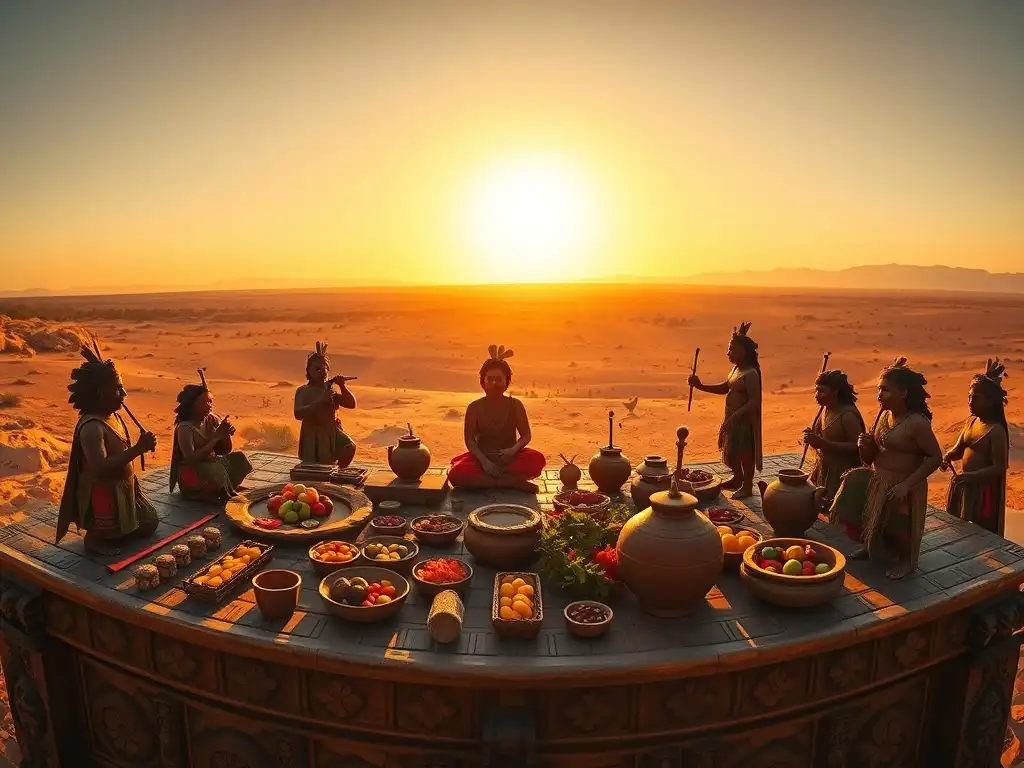
Step into a world lost to time, where the sun-drenched Andes held secrets whispered only to the gods. Dive into the captivating realm of the ancient Andean civilizations, uncovering their intricate artistry, advanced engineering, and profound spiritual beliefs. But what truly fuelled their vibrant society? Prepare to be enthralled as we unravel the mysteries surrounding Moche rituals and ceremonies, revealing practices as breathtaking as the landscapes they inhabited. Discover the hidden meanings behind their sacred rites—a journey that will leave you yearning to know more.
- Moche Rituals and Ceremonies: Decoding the Sacred Practices
- Understanding the Significance of Moche Religious Practices
- Key Moche Rituals and Their Meanings
- Moche Ceremonies and Their Social Impact
- Deciphering Moche Rituals Through Archaeological Evidence
- Moche Rituals: A Legacy of Andean Sacred Traditions
- Moche Rituals: A Window into Their Worldview
- Frequently Asked Questions
- Final Reflection: Echoes of the Moche: A Legacy of Ritual and Belief
- Unveil the Mysteries of Moche Rituals
Moche Rituals and Ceremonies: Decoding the Sacred Practices
The Moche civilization, flourishing along the northern coast of Peru from approximately 100 CE to 800 CE, left behind a remarkable legacy of intricate artwork, sophisticated engineering, and a deeply ingrained religious system. Understanding their rituals and ceremonies is crucial to unlocking the complexities of their society and worldview.
This article delves into the fascinating world of Moche sacred practices, exploring the evidence gleaned from their stunning pottery, monumental architecture, and the unique insights offered by archaeological discoveries. We will uncover the significance of their ceremonies, examining their purpose, participants, and the profound impact these rituals had on shaping Moche identity and social structure.
By exploring the available evidence, we aim to paint a vivid picture of the religious life that pulsed at the heart of this remarkable ancient civilization, offering a glimpse into the beliefs and practices that defined the Moche experience. The study of Moche rituals and ceremonies provides invaluable insight into the societal hierarchy, economic structures, and agricultural practices of the time, enriching our understanding of this captivating culture.
Evidence from Moche Pottery: A Window into Ritual Life
Moche pottery serves as an unparalleled source of information regarding their rituals and ceremonies. The artisans’ meticulous attention to detail provides a rich visual record of religious practices, depicting scenes of sacrifice, warfare, and elaborate ceremonies with astonishing accuracy. These ceramic vessels, often intricately decorated with vibrant colors and complex iconography, portray a wide range of rituals, from elaborate feasts and processions to scenes of human sacrifice and the veneration of deities.
The sheer volume and diversity of these depictions allow researchers to piece together a comprehensive, albeit still incomplete, understanding of Moche religious life. For example, the frequent depiction of specific ceremonies involving elite figures and elaborate offerings underscores the significance of these rituals in maintaining social order and reinforcing the power structure.
Many pots depict scenes of seemingly ritualistic drinking, suggesting the importance of fermented beverages (like chicha) in religious contexts. Detailed analysis of these scenes, combined with archaeological findings, continues to shed light on the nuances of Moche religious beliefs.
Human Sacrifice and its Role in Moche Society
The Moche are well-known for their practice of human sacrifice, a ritual frequently depicted in their pottery and confirmed by archaeological evidence. While the exact reasons for these sacrifices remain a subject of ongoing debate among scholars, the available evidence suggests that they were not random acts of violence, but rather carefully orchestrated ceremonies with profound social and religious significance. Some theories propose that human sacrifice served to appease deities, ensure successful harvests, or solidify the power of the ruling elite.
The victims, often depicted as adorned with elaborate clothing and jewelry, were frequently individuals of high status, suggesting that their sacrifice held special meaning. The discovery of carefully prepared burial sites containing sacrificed individuals provides further evidence of the ritualistic nature of these events.
The practice of human sacrifice, while undeniably violent, played a crucial role within the broader context of Moche religious and political life. Further research into the social status of the victims and the specific contexts of the sacrifices is needed to fully understand this complex aspect of Moche culture.
Moche Ceremonial Centers and Public Rituals
Beyond the intimate scenes depicted on pottery, archaeological excavations have revealed monumental ceremonial centers that hosted large-scale public rituals. These sites, characterized by impressive architecture and sophisticated engineering, served as focal points for community gatherings and religious observances. The scale and complexity of these structures suggest that Moche rituals involved significant community participation, reinforcing social cohesion and solidifying the power of the ruling class.
The layout and arrangement of these centers, along with the artifacts found within them, provide valuable insights into the organization and execution of these public ceremonies. Further research into the architectural features and the spatial organization of these sites is crucial to understanding the flow of rituals and the social dynamics that played out within these sacred spaces.
Evidence suggests that these large-scale rituals were closely tied to agricultural cycles and the overall well-being of the community. The construction and maintenance of these impressive structures represent a significant investment of resources and labor, highlighting the central role of religion in Moche society.
The Iconography of Moche Deities and Supernatural Beings
The iconography of Moche art is replete with depictions of deities and supernatural beings, offering clues to their religious beliefs and cosmology. These figures, often depicted with distinct features and attributes, represent a pantheon of powerful entities that played a pivotal role in Moche religious life.
The identification and interpretation of these figures remain a complex and ongoing process, with scholars relying on stylistic analysis, comparative studies, and contextual information gleaned from archaeological excavations. The recurring motifs and symbolic representations in Moche art provide a framework for understanding the relationships between different deities and the roles they played within the broader Moche worldview.
The study of Moche iconography offers valuable insights into the evolution of their religious beliefs and the ways in which these beliefs shaped their social and political structures. Further research into the symbolism and meaning of these iconographic elements is crucial for a more complete understanding of Moche religion.
Understanding the Significance of Moche Religious Practices
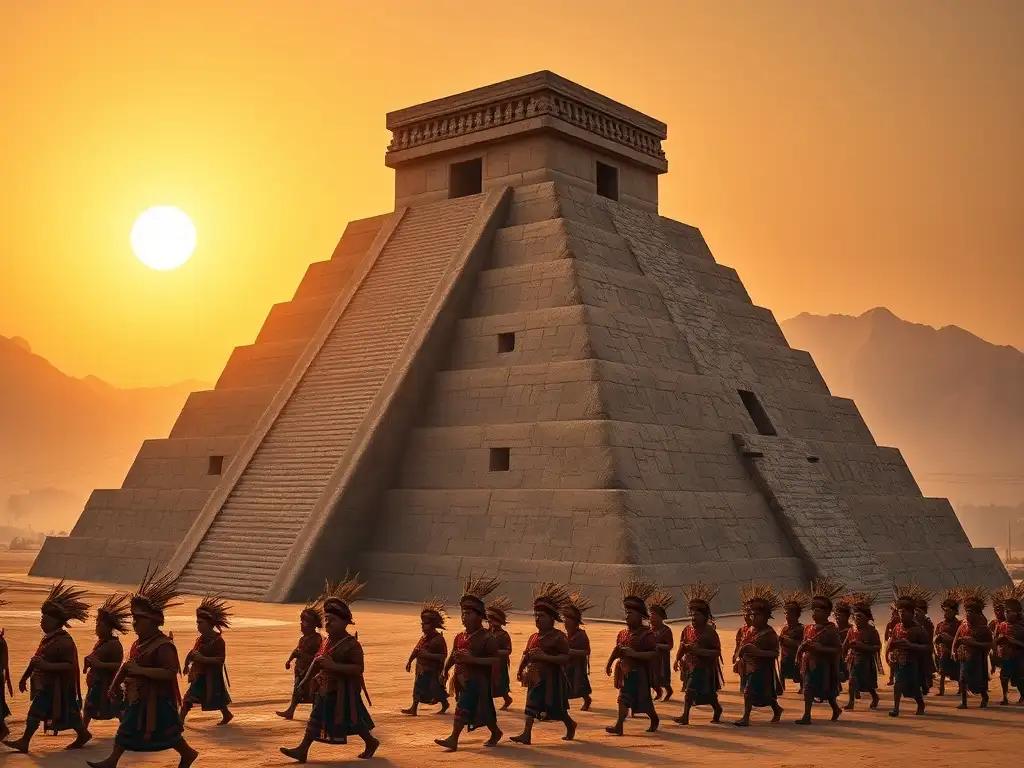
The Moche civilization (c. 100 – 800 CE), flourishing along the northern coast of Peru, left behind a rich tapestry of archaeological evidence that reveals a deeply religious society. Their religious beliefs, interwoven with their daily lives, profoundly impacted their social structures, agricultural practices, and artistic expressions. Understanding the significance of Moche religious practices requires examining their elaborate rituals and ceremonies, their intricate iconography, and the monumental architecture dedicated to their deities.
The Moche weren't simply performing rituals; they were actively engaging in a complex system of belief that shaped their world. Their worldview, as revealed through their artifacts and monumental constructions, emphasizes the importance of maintaining a harmonious relationship between the human and supernatural realms.
This connection was not passive; it demanded constant attention and participation through elaborate rituals and ceremonies designed to appease the gods, ensure successful harvests, and maintain social order. The frequency and complexity of these rituals suggest a deeply ingrained religious system that permeated all aspects of Moche life, from the mundane to the extraordinary.
The Role of Rituals in Moche Society
Moche rituals were not merely symbolic acts; they were integral to the functioning of Moche society. They served various crucial purposes, acting as mechanisms for social control, maintaining societal cohesion, and ensuring the prosperity of the community. The elite played a central role in these rituals, often depicted in stunning detail in Moche pottery. These depictions showcase the elaborate costumes, paraphernalia, and the often-violent sacrifices associated with these sacred events.
Consider the role of human sacrifice. While gruesome to modern sensibilities, it was likely a deeply significant act within Moche religious practice, potentially seen as a way to appease powerful deities or ensure bountiful harvests. The sacrificial victims, often adorned with elaborate jewelry and regalia, were not just casually dispatched; they were prepared with great care, suggesting a ritualized process imbued with profound religious meaning.
The careful burial of these individuals, sometimes accompanied by grave goods, further underscores their importance within the Moche worldview. The frequency and context of these sacrifices, as evidenced by the archaeological record, indicate that they were not isolated events but rather a recurring feature of Moche religious life.
Furthermore, rituals served to reinforce social hierarchy. The elite's participation in and control over these rituals solidified their power and authority. The elaborate costumes and paraphernalia used in ceremonies were likely symbols of status and power, further distinguishing the elite from the common populace. The careful depiction of these rituals in Moche art provides invaluable insights into the social dynamics and power structures of this ancient civilization.
Defining Moche Ceremonial Life
Moche ceremonial life encompassed a wide range of activities, from smaller-scale domestic rituals to large-scale public ceremonies. These events often involved elaborate preparations, including the creation of specialized objects, the construction of temporary structures, and the mobilization of large numbers of people. The evidence suggests a complex calendar system that dictated the timing of these events, possibly related to agricultural cycles or astronomical phenomena.
The Moche's mastery of ceramics played a pivotal role in their ceremonial life. Pottery served not only as functional vessels but also as powerful mediums for representing religious beliefs and narratives. The intricately detailed iconography found on Moche pottery often depicts scenes of ritual activity, providing invaluable insights into the practices and beliefs of this ancient civilization.
For instance, depictions of priests performing rituals, sacrificial scenes, and representations of deities, all contribute to a richer understanding of Moche religious life. The sheer volume and variety of these ceramic artifacts highlight the importance of pottery in transmitting and reinforcing religious narratives across the Moche society.
The scale and complexity of Moche ceremonial centers further underscore the importance of religious practices in their society. These sites, often located near sources of water or in strategically significant locations, served as focal points for large-scale public ceremonies, reinforcing community bonds and reinforcing social hierarchy. The monumental architecture of these centers, along with the evidence of elaborate rituals performed there, suggest a highly organized and centralized religious system that played a vital role in shaping Moche society.
The construction and maintenance of these sites required significant resources and manpower, demonstrating the high value placed on religious practices within the Moche civilization. Further research into these sites promises to further illuminate the intricacies of Moche rituals and ceremonies.
Key Moche Rituals and Their Meanings
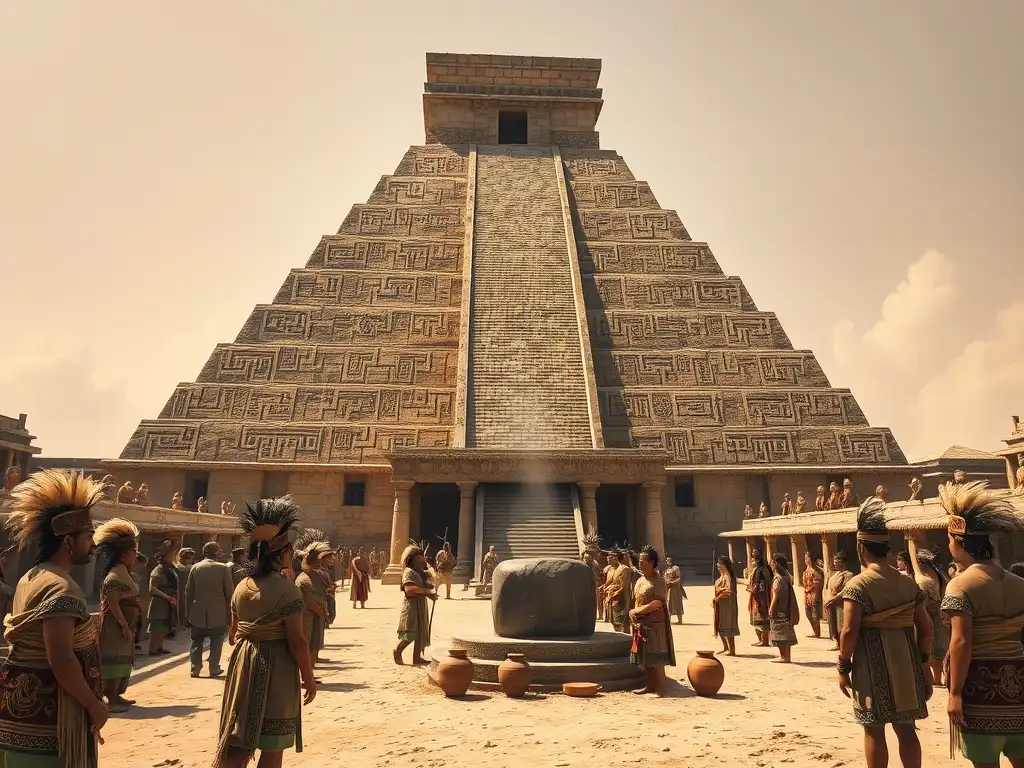
The Moche civilization, flourishing along the northern coast of Peru from approximately 100 to 800 CE, developed a complex system of rituals and ceremonies deeply intertwined with their worldview, social structure, and agricultural practices. Understanding these practices provides crucial insight into their beliefs about the cosmos, the supernatural, and their relationship with the environment. The Moche's religious beliefs were likely polytheistic, with a pantheon of gods and goddesses representing various natural forces and aspects of their society.
Their rituals, often depicted in vivid detail on their impressive pottery, served to honor these deities, ensure successful harvests, and maintain social order. The study of Moche rituals and ceremonies offers a window into the rich spiritual life of this fascinating ancient culture. Analysis of their art, architecture, and burial practices reveals a civilization with a sophisticated understanding of ritual performance and symbolic representation.
Moche Sacrifice Rituals: A Closer Look
Moche society, as evidenced by archaeological findings, practiced human sacrifice, a practice seemingly integral to their religious beliefs and social structure. While the exact reasons behind these sacrifices remain debated among scholars, several theories posit connections to ensuring successful harvests, appeasing powerful deities, or reinforcing the power of the elite. The complexity and scale of some sacrifices suggest carefully planned and highly ritualized events, involving significant community participation. The victims, sometimes identified through their attire and adornments, may have been chosen based on specific criteria, possibly including social status or religious significance.
The Purpose of Moche Human Sacrifice
The purpose of Moche human sacrifice is a complex issue with no single definitive answer. Some scholars suggest that sacrifices were performed to ensure the fertility of the land and bountiful harvests, vital for the Moche's agricultural-based economy. Other interpretations focus on the ritual's role in solidifying the power of the elite, with sacrifices serving as displays of authority and control.
The potential for both agricultural and political motivations simultaneously cannot be ruled out. Further research, including detailed analysis of sacrificial contexts and associated artifacts, is needed to fully understand the multifaceted nature of Moche sacrifice. The interplay of religious belief, agricultural needs, and political power likely shaped the practice.
Depictions of Sacrifice in Moche Art
Moche pottery provides invaluable visual evidence of their sacrificial practices. Many vessels depict scenes of sacrifice, often with remarkable detail. These depictions typically show individuals being offered to deities, sometimes involving elaborate ceremonies and ritualistic attire.
The graphic nature of these representations underscores the importance of sacrifice within Moche society. The artistry and precision of these depictions suggest that the creation of this pottery itself served a ritualistic purpose, perhaps acting as a vehicle for enacting or remembering the sacrifices. Furthermore, the variety of styles and depictions in Moche art suggests that the practice of sacrifice was not uniform but may have varied across regions and contexts.
Moche Burial Rituals and Afterlife Beliefs
Moche burial practices reveal much about their beliefs concerning death and the afterlife. The elaborate nature of some burials, particularly those of the elite, suggests a belief in a continued existence beyond death. The careful arrangement of grave goods and the construction of elaborate tombs indicate a significant investment of resources and labor into these funerary rituals. The sheer scale of some burial complexes further underscores the importance of death rituals within Moche society. The inclusion of various grave goods provides insight into their beliefs about the afterlife and the provision of necessities for the deceased.
Moche Royal Burials and Their Significance
Moche royal burials, often found in monumental tombs, were exceptionally elaborate, reflecting the significant status of the deceased and the importance placed on their passage into the afterlife. These burials frequently included a wealth of grave goods, such as ornate textiles, gold and silver artifacts, and elaborate ceramics, suggesting a belief in a luxurious afterlife for the elite. The presence of human sacrifices associated with royal burials further highlights the significance of these individuals within Moche society.
The scale and complexity of these royal burials serve as powerful testament to the power and prestige of the Moche elite. The meticulous preparation and arrangement of these burials showcase a deep-seated belief system surrounding death and the afterlife.
Grave Goods and Their Symbolic Meaning
The grave goods found in Moche burials offer invaluable insights into their beliefs and social structures. The types and quantities of objects interred with the deceased often reflect their status and social standing. For example, the presence of elaborate ceramics, gold ornaments, and finely woven textiles in elite burials contrasts sharply with the simpler grave goods found in commoner burials.
The symbolism inherent in these objects provides further clues to Moche cosmology and religious beliefs. The careful selection and placement of grave goods indicate a deliberate attempt to equip the deceased for their journey into the afterlife and provide them with the necessary provisions for their continued existence. Detailed analysis of the iconography and symbolism on these artifacts is essential for a comprehensive understanding of Moche beliefs about the afterlife.
Moche Fertility Rites and Agricultural Ceremonies
The Moche civilization, flourishing along the northern coast of Peru from approximately 100 CE to 800 CE, deeply revered fertility and the agricultural cycle. Their survival hinged on the successful cultivation of crops like maize, beans, and squash, making agricultural ceremonies central to their religious practices. These rituals weren't merely symbolic; they were deeply intertwined with the practicalities of their agrarian existence.
The Moche believed that ensuring bountiful harvests required appeasing the gods and spirits associated with fertility and the earth. Their understanding of agriculture was not just a matter of technique, but also a profoundly spiritual engagement with the natural world. This is vividly depicted in their art, particularly in ceramics, which often portray scenes of agricultural labor and ritual offerings.
The meticulous detail in these depictions suggests the importance of these ceremonies in Moche society. The success of their agricultural practices was critical to their survival and prosperity, and the rituals served as a way to manage the inherent risks and uncertainties associated with farming in a harsh desert environment.
Celebrating the Cycle of Life and Growth
Moche fertility rites extended beyond agricultural practices. They celebrated the cyclical nature of life, death, and rebirth, mirroring the seasonal rhythms of planting, growth, and harvest. Archaeological evidence suggests elaborate ceremonies marked significant stages in the agricultural calendar.
For example, the discovery of human remains interred with agricultural tools and offerings in certain Moche contexts indicates a possible ritualistic connection between human life and the life cycle of crops. These rituals served to reinforce the interconnectedness of human society and the natural world, emphasizing the importance of respecting and honoring the life-giving forces of nature. The Moche worldview likely saw the fertility of the land as directly linked to the fertility of humans, and their rituals aimed to maintain a harmonious balance between these two realms.
Furthermore, the use of specific colors and materials in ceremonies might have held symbolic significance, representing the vibrant energy of life and the cyclical nature of growth and decay. [Specific details about color symbolism and materials used in these ceremonies pending].
Moche Offerings to the Earth
A crucial element of Moche fertility rites involved making offerings to the earth. These offerings weren't simply discarded; they were carefully placed in specific locations, often in association with agricultural activities or burial sites. The nature of these offerings varied, ranging from food and drink to valuable artifacts and even human sacrifices.
The practice of human sacrifice, though disturbing from a modern perspective, was likely seen as a way to ensure the fertility and abundance of the land. These offerings were not merely gifts; they were a form of communication with the supernatural world, a means of securing divine favor and ensuring successful harvests. The placement of offerings in specific locations, often associated with water sources or fertile land, reflects a deep understanding of the environment and the importance of maintaining a harmonious relationship with the natural world.
Analysis of the contents of these offerings provides valuable insights into the Moche worldview and their understanding of the interconnectedness of the natural and supernatural realms. The careful selection and placement of these offerings underscore the importance of these rituals in the Moche social and religious life. [Further research is needed to fully understand the specific types of offerings and their symbolic meaning].
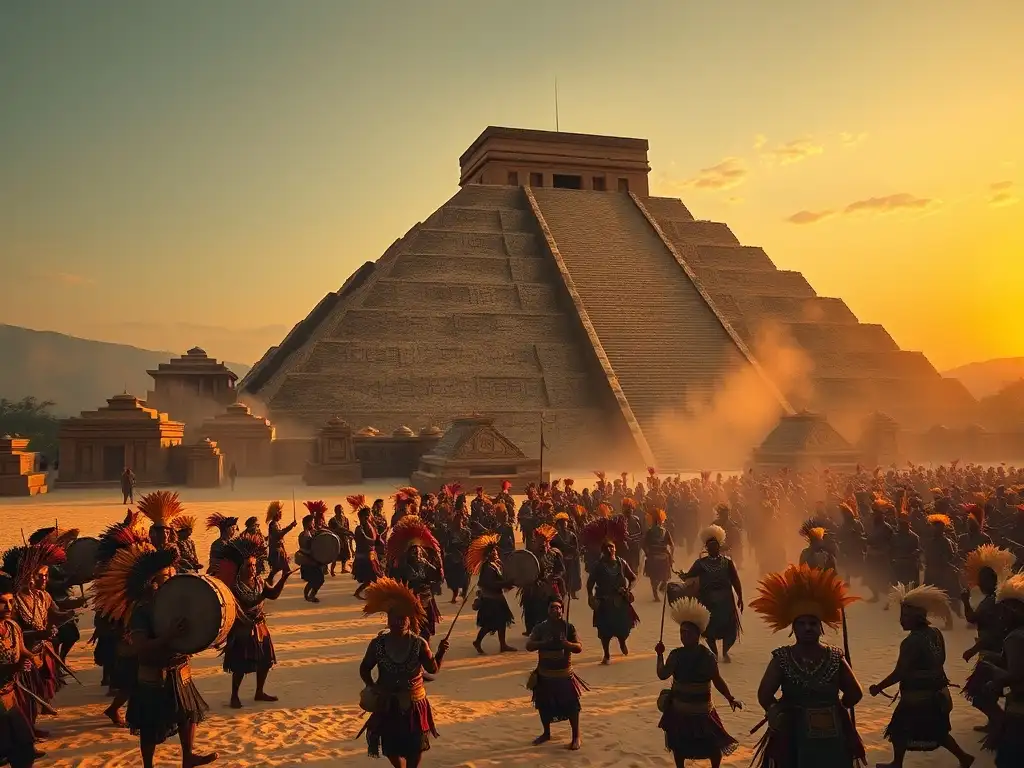
The Moche civilization, flourishing along the northern coast of Peru from approximately 100 to 800 CE, developed a complex system of rituals and ceremonies deeply interwoven with their social structure. These practices weren't merely religious observances; they were powerful tools used to reinforce social hierarchies, legitimize power, and maintain social order. Understanding Moche rituals provides crucial insight into their societal dynamics, revealing a society where religious belief and social control were inextricably linked.
The elaborate nature of these ceremonies, evidenced by archaeological finds like the Huaca de la Luna and Huaca del Sol, suggests a significant investment of resources and manpower, highlighting their importance within Moche society. The sheer scale of some of these events points to a highly organized and centralized system capable of mobilizing large segments of the population.
Analyzing these rituals reveals a fascinating interplay between religious belief and the practical mechanisms of social control in a pre-Columbian Andean society. The frequency and intensity of these rituals suggest a pervasive religious influence on daily life, permeating every aspect of Moche existence from birth to death.
Moche Warrior Ceremonies and Power Dynamics
Moche society placed significant emphasis on military prowess, and this is clearly reflected in their rituals. Warrior ceremonies served to both celebrate military successes and reinforce the power of the elite, particularly the ruling class.
Ritual Combat and Its Implications
Evidence suggests that ritual combat played a crucial role in Moche warrior ceremonies. While the exact nature of these combats remains debated, archaeological findings, such as depictions on pottery and metalwork, strongly suggest staged fights or symbolic battles, potentially serving as a test of strength and bravery. These weren't necessarily fights to the death, but rather displays of skill and valor intended to solidify social standing and military prestige.
The outcome of these ritual combats likely had significant social consequences, impacting an individual's status and influence within the community. Further research is needed to fully understand the rules and implications of these ritualistic contests, but existing evidence strongly suggests their importance in Moche warrior culture. The careful craftsmanship and detail evident in the depictions of these battles on Moche artifacts underscore their significance in the Moche worldview.
Moche Military Parades and Display
Beyond ritual combat, military parades and displays were likely integral components of Moche warrior ceremonies. These events provided opportunities to showcase military strength and power to the wider population, reinforcing the authority of the ruling class and promoting social cohesion. The impressive scale of Moche settlements and the evidence of sophisticated infrastructure suggest the capability to organize large-scale public events, including elaborate military parades.
The meticulous organization required to stage such events underlines the centralized nature of Moche power and the importance of maintaining a strong military presence. These parades would have been visually spectacular, involving soldiers in ornate regalia, weaponry, and possibly even captive sacrifices, all contributing to a powerful display of Moche military might. The impact of such displays on the Moche populace would have been profound, solidifying the image of power and authority held by the elite.
The Moche elite, including priests and rulers, held a privileged position in society, and their status was reinforced through elaborate ceremonies. These rituals served to distinguish them from the common populace, solidifying their power and authority.
Moche Feasts and Social Gatherings
Moche feasts and social gatherings were not simply occasions for eating and drinking; they served as important rituals reinforcing social hierarchies. Archaeological evidence reveals lavish feasts, with the elite consuming exotic foods and fine beverages unavailable to the common people. These feasts were likely accompanied by elaborate rituals, music, and possibly even human sacrifice, further emphasizing the power and status of the participants.
The distribution of food and drink at these events was carefully managed, with certain foods and drinks reserved exclusively for the elite, thereby highlighting the social stratification within Moche society. The remains of large quantities of food and drink found in elite tombs support the idea of feasting as a ritualistic practice associated with status and power. The disparity in access to resources is a clear indication of the rigid social hierarchy that characterized the Moche civilization.
The Significance of Moche Ritual Objects
The Moche created a wide array of ritual objects—from intricately crafted pottery depicting ceremonies and deities to elaborate gold and silver ornaments—that played a crucial role in their religious and social life. These objects weren't merely decorative; they held significant symbolic meaning and were used to reinforce social hierarchies and legitimize power. The elaborate craftsmanship and use of precious materials in many of these objects further emphasizes the status of those who possessed them and underscores the importance of these rituals.
The iconography on these objects provides valuable insights into Moche beliefs and practices, revealing complex religious narratives and social structures. Studying these objects allows us to decode the symbolic language of the Moche and understand the deeper meanings behind their ceremonies. Detailed analysis of these artifacts, including their materials, design, and context of discovery, is crucial for understanding the significance of Moche rituals and ceremonies.
Deciphering Moche Rituals Through Archaeological Evidence
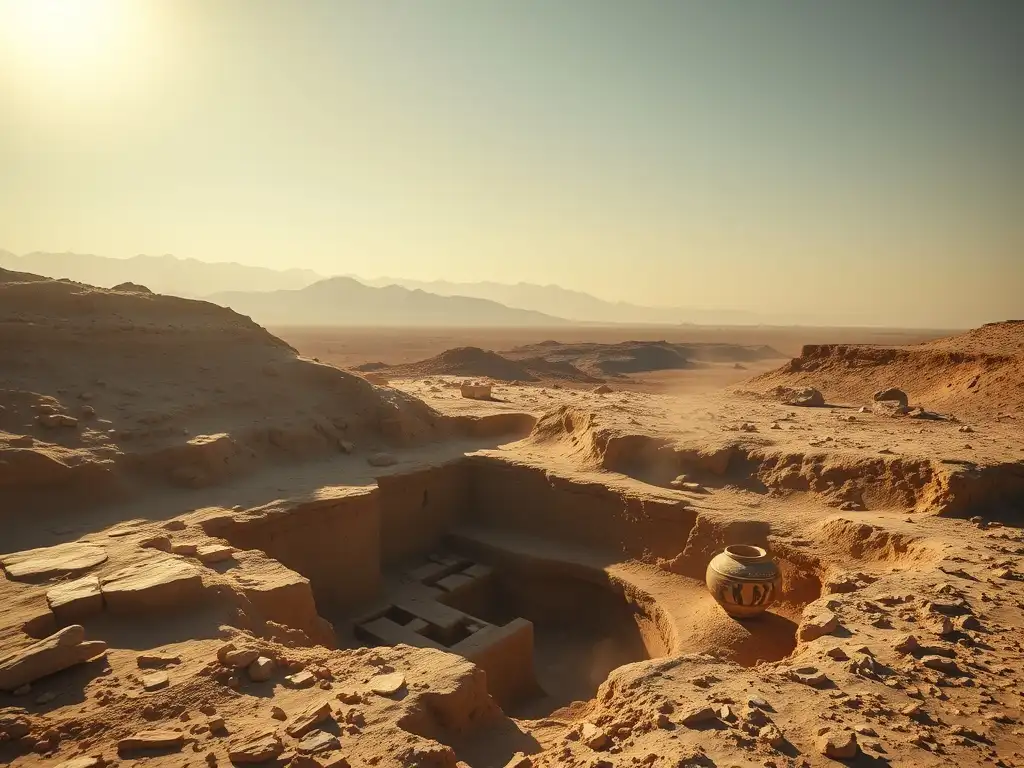
The Moche civilization, flourishing along the northern coast of Peru from approximately 100 CE to 800 CE, left behind a rich tapestry of archaeological evidence that allows us to partially reconstruct their complex religious and ceremonial practices. Understanding Moche rituals requires a multi-faceted approach, combining analysis of architectural remains, iconography in ceramics and murals, and the careful study of grave goods.
This section focuses on the insights gained from archaeological excavations, highlighting key sites and their significance in understanding Moche religious life. The sheer volume of discovered artifacts, from intricately decorated pottery to elaborate gold ornaments, speaks volumes about the importance of ritual in Moche society, confirming the significance of the keyword "Moche rituals and ceremonies" in understanding their culture.
Analyzing Moche Temple Sites and Ceremonial Centers
Moche ceremonial centers, often monumental structures built from adobe bricks, served as focal points for religious activities and community gatherings. Their imposing size and elaborate architecture underscore the central role of ritual in Moche life. These weren't merely places of worship; they were likely sites of political power consolidation, economic exchange, and social control. The scale and complexity of these sites reveal the significant investment of resources and labor dedicated to religious practices, reflecting a highly organized and centralized society deeply invested in its spiritual beliefs.
Huaca de la Luna as a Ceremonial Hub
Huaca de la Luna, one of the most extensively studied Moche sites, stands as a prime example of a ceremonial center. Excavations have unearthed evidence of repeated construction and modification over time, suggesting continuous use and adaptation of the site for various rituals. The discovery of numerous human remains, often associated with elaborate grave goods, points to sacrificial practices and possibly ritual killings.
The presence of sophisticated drainage systems within the structure demonstrates a high level of architectural planning and engineering, further highlighting the scale and importance of the ceremonies performed here. Analysis of the pigments used in the murals and the composition of the adobe bricks provide further information on the resources and technology employed in the construction and maintenance of this significant ceremonial center. The intricate details found within Huaca de la Luna significantly contribute to our understanding of "Moche rituals and ceremonies".
Moche Ritual Spaces and Their Layout
The layout of Moche ceremonial centers is not random; rather, it reflects a deliberate organization of space designed to facilitate specific rituals. Many sites feature plazas, platforms, and ramps, suggesting processions and public displays were integral components of their ceremonies. The arrangement of buildings and the presence of specific architectural features, such as niches and altars, provide clues about the different types of rituals performed at these locations.
Further research is needed to fully understand the spatial relationships between different areas within these complexes and how they relate to the broader social and political organization of Moche society. For example, [specific information pending] regarding the relationship between the placement of elite burials and the location of ritual spaces within these centers. This spatial analysis is crucial for understanding the overall context of "Moche rituals and ceremonies".
Interpreting Moche Iconography and Art
Moche art, particularly their ceramics and murals, offers unparalleled insight into their religious beliefs and practices. The imagery depicted provides a visual narrative of rituals, myths, and religious figures, revealing a complex cosmology and worldview. The careful study of these artistic representations is crucial for decoding the symbolic language embedded within them and for understanding the meaning and significance of Moche rituals.
Moche Ceramics and Ritual Narratives
Moche pottery is renowned for its exquisite craftsmanship and detailed depictions of ritual scenes. Many vessels portray scenes of human sacrifice, warfare, and religious ceremonies, providing valuable information about the nature and purpose of these events. The iconography often features deities, mythical creatures, and stylized representations of human figures engaged in specific ritual acts.
The careful analysis of these scenes, along with the context in which the pottery was found, allows researchers to reconstruct the sequence of events and understand the symbolic meaning embedded within the imagery. The recurring motifs and stylistic conventions in Moche ceramics provide valuable insights into their shared beliefs and practices, enriching our understanding of "Moche rituals and ceremonies".
Moche Murals and Their Symbolic Language
Moche murals, found on the walls of temples and palaces, offer a different perspective on their religious beliefs. These large-scale paintings depict scenes of ritual processions, sacrifices, and mythological narratives, providing a visual record of important ceremonies and events. The vibrant colors and detailed imagery used in these murals indicate a sophisticated understanding of art and its power to communicate religious ideas and beliefs.
The use of specific colors and symbols, such as the recurring motif of the [specific symbol pending], reveals a complex system of visual language that requires further decipherment. The murals act as visual records, offering a glimpse into the dynamic and multifaceted nature of "Moche rituals and ceremonies". Further research, including [specific information pending] on the chemical analysis of pigments used in the murals, is needed to fully understand their symbolic language and the techniques used in their creation.
Moche Rituals: A Legacy of Andean Sacred Traditions
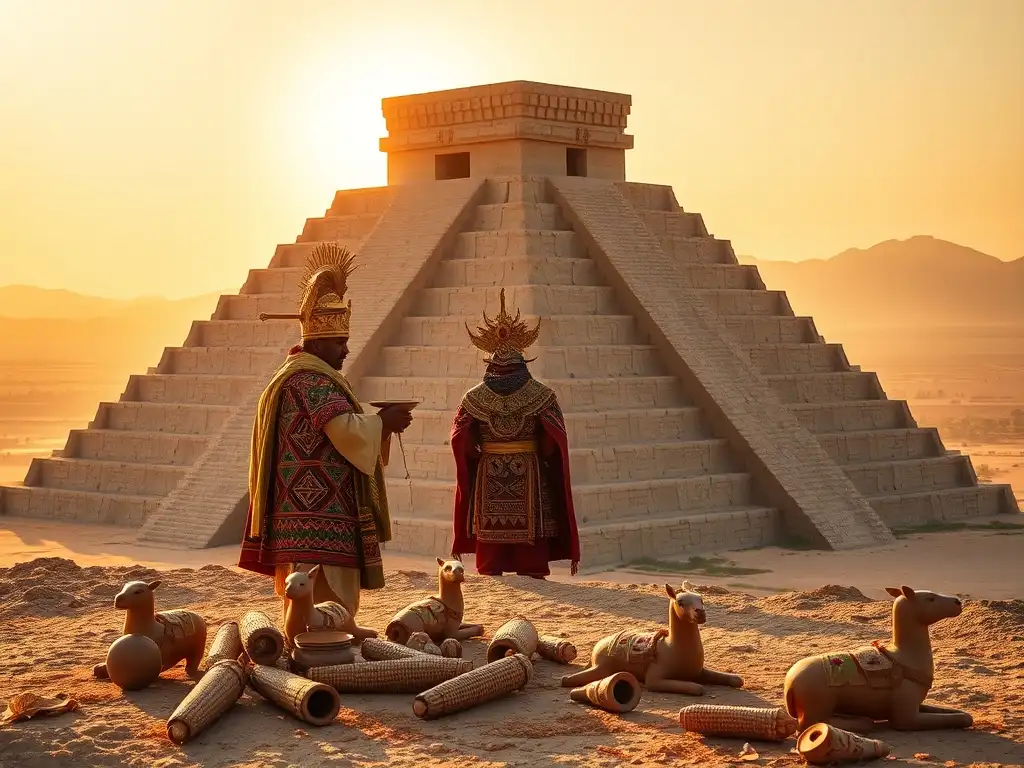
This section delves into the enduring impact of Moche rituals and ceremonies on subsequent Andean cultures. The Moche, flourishing between 100 and 800 CE, developed a complex system of religious practices that significantly shaped the spiritual landscape of later civilizations. While the specifics varied, the underlying themes of ancestor veneration, agricultural fertility, and cosmic order resonated through centuries. Understanding Moche rituals provides a crucial key to deciphering the evolution of Andean religious beliefs and practices.
The Influence of Moche Rituals on Later Andean Cultures
The Moche's sophisticated ritual practices, particularly their elaborate sacrifices and iconic pottery depictions, left an indelible mark on later Andean societies. Evidence suggests a continuity in certain ritualistic elements, albeit with variations in style and emphasis. For instance, the importance given to water and agricultural cycles, evident in Moche iconography and practices, is reflected in the subsequent Chimu and Inca civilizations.
Their reverence for ancestors, manifested in Moche burial practices and offerings, also finds echoes in later Andean traditions. The use of specific colours and motifs in Moche ceramics, often linked to specific deities or rituals, appears in altered forms in later artistic expressions. Specific examples are scarce due to the fragmented nature of archaeological records, but the common thread of reverence for nature, ancestor worship, and a structured cosmology points to a direct lineage.
Further research is needed to fully quantify the extent of this influence. However, by comparing the archaeological evidence from different Andean cultures – analyzing pottery styles, burial practices, and architectural features – we can build a clearer picture of how Moche religious traditions evolved and influenced their successors. The presence of similar iconographic motifs across different time periods and geographical regions suggests a degree of cultural exchange and continuity in religious beliefs.
This continuity highlights the deep-seated nature of Andean spiritual traditions and the lasting impact of Moche rituals and ceremonies on the development of Andean religious thought. Analyzing the evolution of these rituals allows us to better understand the processes of cultural transmission and adaptation across different Andean societies. The study of Moche rituals offers a valuable lens through which to examine the broader development of Andean religious systems over time.
Moche Rituals: A Window into Their Worldview
The Moche's religious practices weren't simply a set of prescribed actions; they were a profound reflection of their worldview. Their rituals offer invaluable insights into their beliefs about the cosmos, their relationship with nature, and their social structures. The intricate details of their ceremonies, as revealed through archaeological findings, help us reconstruct their cosmology and understand their societal values. Analyzing the iconography on their pottery, the contents of their tombs, and the layout of their ceremonial centers provides a rich tapestry of information about their beliefs.
Moche Rituals: A Window into Their Worldview
Moche rituals, as depicted in their art and archaeological remains, strongly suggest a complex cosmology centered around a hierarchical pantheon of deities. These deities, often represented anthropomorphically or zoomorphically, presided over various aspects of nature and human life. Evidence suggests the existence of powerful, possibly shamanistic, figures who mediated between the human and divine realms, conducting rituals and influencing the outcome of crucial events, such as harvests or warfare.
The Moche's worldview was inextricably linked to the natural world, particularly the coastal environment they inhabited. Their ceremonies often involved offerings of food, precious metals, and even human sacrifices, all aimed at appeasing the gods and ensuring the prosperity of their communities.
The elaborate nature of Moche burials suggests a strong belief in an afterlife and the importance of maintaining connections with ancestors. Tombs were often richly furnished with artifacts, reflecting the social status of the deceased and their importance to the community. The discovery of human sacrifices, often associated with elite burials, indicates the central role of human sacrifice in their religious system.
This practice may have served various purposes, including appeasing the gods, ensuring fertility, or demonstrating power and dominance. The Moche’s sophisticated irrigation systems and agricultural practices further underscore their deep connection to the environment and their reliance on the natural world for their survival. Their rituals reflect not only their spiritual beliefs but also their pragmatic understanding of the importance of agricultural productivity and the need for maintaining a harmonious relationship with their environment.
This intertwining of the sacred and the secular reveals the holistic nature of Moche culture and the deep integration of religious beliefs into their daily lives. The study of Moche rituals offers a unique opportunity to understand the worldview of a complex and fascinating ancient society.
Frequently Asked Questions
What were the most important Moche rituals and ceremonies?
The Moche performed a wide range of rituals, but those centered around fertility, warfare, and ancestor veneration were especially significant. These were often depicted in their elaborate pottery and monumental architecture.
How did the Moche depict their rituals in their art?
Moche pottery and metalwork provide invaluable insights into their rituals. Elaborate scenes of ceremonies, sacrifices, and processions are frequently depicted, offering a visual record of their sacred practices. Ceramic vessels often served as ritual objects themselves.
What role did sacrifice play in Moche rituals?
Sacrifice, including human sacrifice, played a vital role in Moche religious life. While the exact reasons remain debated, it's believed to have been connected to ensuring agricultural productivity and appeasing the gods.
What is known about Moche burial rituals?
Moche burial practices were complex and varied depending on social status. Elaborate tombs containing rich grave goods were constructed for elites, reflecting their belief in an afterlife. Mummification was also practiced.
How did the Moche's environment influence their rituals?
The arid coastal environment of the Moche heavily influenced their rituals. Their reliance on irrigation and agriculture is evident in ceremonies focused on ensuring plentiful harvests and water supply. Prayers for rain were likely common.
Final Reflection: Echoes of the Moche: A Legacy of Ritual and Belief
The intricate rituals and ceremonies of the Moche civilization, though separated from us by centuries, continue to resonate powerfully in our understanding of human spirituality and societal structure. Their elaborate sacrifices, stunning iconography, and complex social hierarchy offer a compelling glimpse into a world both alien and strangely familiar, reminding us of the enduring human need for meaning and connection. The echoes of their beliefs still reverberate today, challenging our assumptions about ancient cultures and enriching our understanding of the human experience.
The Moche's dedication to their rituals, evident in the meticulous craftsmanship of their artifacts and the scale of their public ceremonies, underscores the profound importance of these practices in their daily lives. Their belief system, though largely deciphered through archaeological evidence, speaks volumes about the power of shared belief and the human capacity for both awe-inspiring creativity and brutal sacrifice. The past is never dead. It's not even past.
- William Faulkner. This quote perfectly encapsulates the enduring relevance of the Moche's legacy; their rituals, though ancient, continue to shape our understanding of the past and inform our present.
Consider the enduring power of ritual in your own life. Whether it's a daily routine, a family tradition, or a spiritual practice, these acts of repetition and symbolic action provide structure, meaning, and a sense of belonging. Take a moment to reflect on the rituals that shape your own life, and consider the ways in which they connect you to something larger than yourself.
Just as the Moche found solace and strength in their ceremonies, so too can we find meaning and purpose in the rituals we create and participate in. Let the legacy of the Moche inspire you to explore the power of ritual in your own life and to appreciate the enduring human need for connection, meaning, and shared experience.
Unveil the Mysteries of Moche Rituals
Thank you for exploring the fascinating world of Moche rituals and ceremonies! You've gained valuable insights into the sacred practices that shaped their civilization and spirituality. Now, let's delve deeper and strengthen your connection to these incredible traditions.
Here are some ways to continue your exploration:
- Dive Deeper: Explore our collection of articles on other Andean cultures, such as the Nazca or Tiwanaku, to compare their ritual practices with those of the Moche. This comparative approach will offer a broader understanding of Andean religious beliefs and customs.
- Join the Conversation: Share your thoughts and insights in the comments below! How do you believe rituals illuminate our understanding of ancient civilizations and their values? We'd love to hear your perspectives.
- Participate in a Workshop: Consider attending a local event, online seminar, or museum lecture focused on Andean culture and rituals to further immerse yourself in this rich history. Many institutions offer engaging programs on this topic.
What aspect of Moche ceremonies most captivates you, and how do you think these ancient practices might subtly influence contemporary cultural expressions?