
The Enigmatic Moche Elite: Power, Ritual, and the Art of Rule

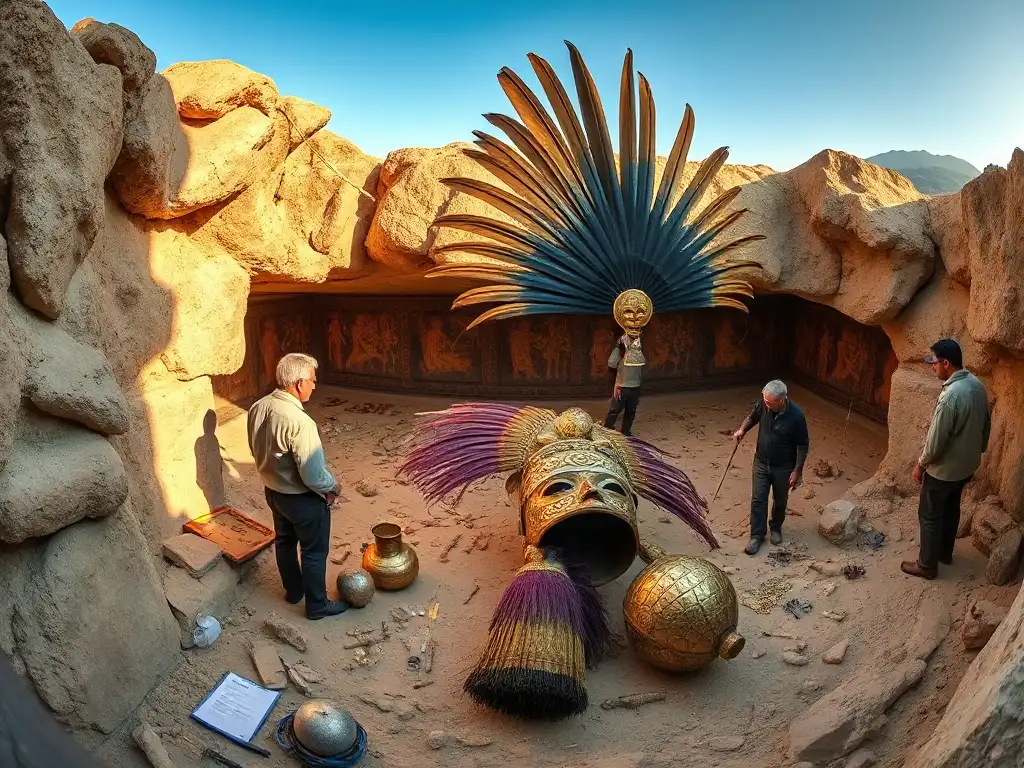
Step into a world lost to time, yet echoing with power and mystery. The Andean Civilizations website unveils the secrets of ancient empires, from the intricate artistry of the Nazca to the architectural marvels of Tiahuanaco. But our journey begins with the Moche, a civilization shrouded in enigma. Discover how Moche elite power and ritual shaped their society and left behind a legacy of breathtaking artistry and complex social structures. Dare to delve deeper and unravel the captivating story of their rise and fall.
The Moche civilization (circa 100-800 CE), flourishing along the arid north coast of Peru, remains a captivating enigma. Their sophisticated irrigation systems, impressive architecture, and breathtaking artistry speak to a highly organized society with a complex social hierarchy. This article delves into the fascinating world of the Moche elite, exploring the intricate interplay of power, ritual, and the symbolic language embedded within their remarkable art.
We will examine how the Moche elite maintained control, the role of religious practices in consolidating their authority, and the ways in which their artistic creations served as powerful tools of propaganda and social control. Understanding the Moche elite is key to unlocking a deeper comprehension of the entire civilization's social structure, religious beliefs, and enduring legacy.
This exploration will focus specifically on how their power and ritual practices are intertwined, revealing the intricate mechanisms that shaped their society and left behind a rich tapestry of archaeological evidence for us to decipher. The keyword "Moche elite power and ritual" will be examined through multiple lenses, providing a comprehensive overview of this captivating subject.
The Moche social structure was clearly stratified, with the elite occupying the apex of a pyramid-shaped hierarchy. Archaeological evidence from lavish tombs, filled with exquisite gold artifacts and elaborate grave goods, points to a concentration of wealth and power in the hands of a select few. These elite individuals, likely comprised of priests, rulers, and their families, enjoyed a privileged lifestyle vastly different from that of the commoners. Detailed analysis of burial sites reveals significant differences in grave goods and the treatment of the deceased, highlighting the distinct social statuses within Moche society. The sheer scale and opulence of elite burials contrast sharply with the simpler interments of ordinary individuals, further emphasizing the vast gap in social standing. Moreover, the presence of human sacrifices in some elite tombs suggests a system where power was not only maintained through economic control but also through ritualistic displays of dominance and religious authority.
Ritual and Religious Practices: Maintaining Divine Right
Religious practices played a pivotal role in legitimizing the Moche elite's power. The Moche pantheon, populated by powerful deities representing natural forces and agricultural abundance, was likely manipulated by the elite to reinforce their authority. Elaborate temples, such as the Huaca del Sol and Huaca de la Luna, served as centers of religious and political power, where rituals were performed to ensure the prosperity of the state and the continued reign of the elite.
The use of iconography, particularly depictions of powerful deities and scenes of ritual sacrifice, in elite contexts suggests the strong connection between religious authority and political power. We can infer that these rituals were not merely symbolic; they were crucial in reinforcing the elite's claim to divine legitimacy and their right to rule. The intricate details of these rituals, however, remain partially obscured, requiring further archaeological investigation.
Art as Propaganda: Visual Representations of Power
Moche artistry serves as a powerful window into the worldview and social dynamics of the civilization. The elite commissioned and controlled the production of elaborate ceramics, textiles, and metalwork, using these art forms to project their power and reinforce their ideological control. Depictions of warriors, powerful rulers, and scenes of ritual sacrifice were crafted to inspire awe and instill obedience among the populace.
The exquisite detail and craftsmanship of these artifacts are not just aesthetic achievements; they are deliberate statements of power, intended to communicate the elite's control over resources, artistic talent, and religious authority. The consistent repetition of certain motifs and iconography across different artistic mediums suggests a carefully orchestrated campaign of visual propaganda designed to maintain social order and reinforce the legitimacy of the ruling class. Indeed, the artistry itself reflects the sophistication and organization of the Moche elite’s power structure.
The Collapse of the Elite and the End of an Era
The reasons behind the eventual decline of the Moche elite remain a subject of ongoing debate among scholars. While various theories exist, including environmental factors, internal conflicts, and external pressures, the collapse of their sophisticated social structure and centralized power ultimately led to the end of the Classic Moche period. The disappearance of the elaborate burial practices and the decline in the quality and quantity of elite artifacts suggest a significant shift in power dynamics.
The investigation into the collapse of the Moche elite is crucial to understanding not only the end of their civilization but also the broader processes of societal change and the fragility of power structures throughout history. Further research and analysis are needed to fully understand this complex event and its long-term consequences.
- The Moche Social Hierarchy: A Pyramid of Power
- Ritual and Religious Practices: Maintaining Divine Right
- Art as Propaganda: Visual Representations of Power
- The Collapse of the Elite and the End of an Era
Understanding Moche Elite Society and Governance
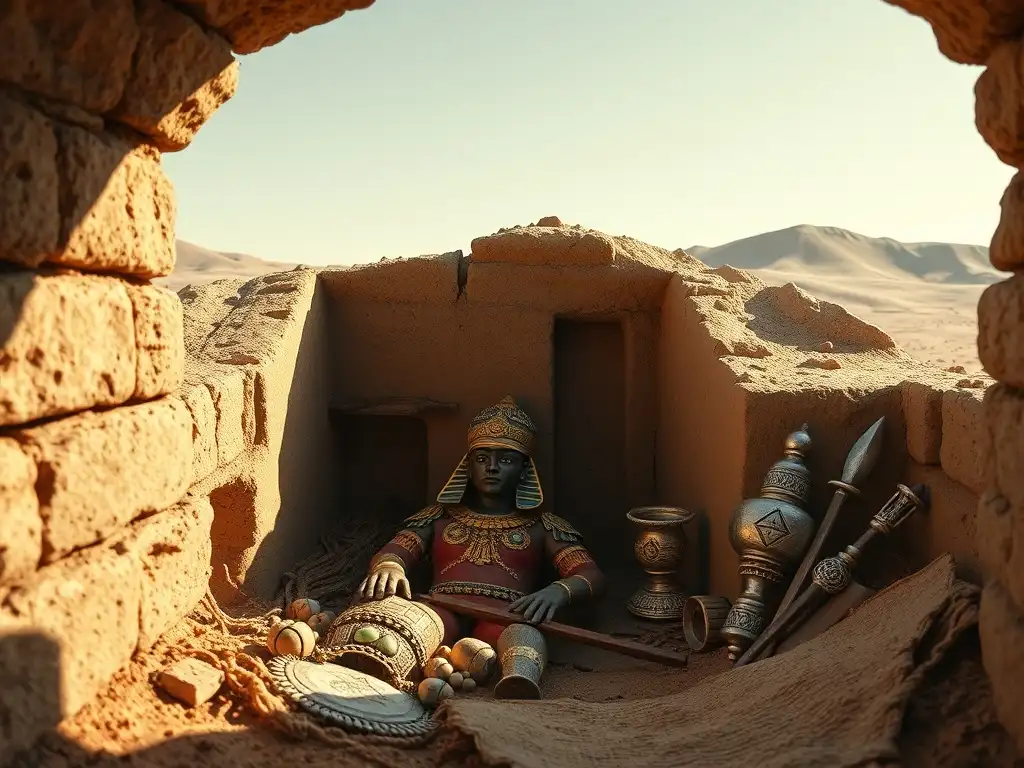
This section delves into the complex social structure and political dynamics of the Moche elite, exploring how power was wielded, rituals maintained, and alliances forged within this fascinating ancient civilization. The Moche elite weren't simply a monolithic group; their society was characterized by a stratified hierarchy, intricate religious practices, and a network of shifting alliances and rivalries. Understanding these facets is crucial to grasping the true nature of Moche power and ritual.
The Moche social structure was sharply hierarchical, with the elite occupying the apex. Evidence from monumental architecture, elaborate grave goods, and iconography clearly distinguishes the elite from the commoners. At the very top stood the curacas, powerful regional leaders who likely controlled significant resources and manpower. Below them were various levels of nobility, perhaps indicated by the size and richness of their burials.
For example, some tombs contained gold ornaments, finely crafted ceramics, and textiles, signifying high status, while others contained simpler goods. This stratification extended to the everyday lives of individuals, influencing access to resources, opportunities, and social mobility. The extent of social mobility within the Moche hierarchy remains a topic of ongoing research, with some scholars suggesting limited opportunities for upward movement, while others propose a more fluid system. Further investigation into lesser-known sites and a more comprehensive analysis of existing archaeological data could shed more light on this aspect of Moche social dynamics.
The differentiation in burial practices offers a compelling glimpse into this stratified system. The sheer scale of some elite tombs, like those found at Sipán, speaks volumes about the wealth and power concentrated in the hands of the Moche elite. These weren't merely graves; they were statements of power, meticulously constructed to reflect the status and influence of their occupants.
The Role of Priest-Kings in Moche Governance
The Moche elite's power was intrinsically linked to religion. Archaeological evidence strongly suggests a powerful priestly class, possibly intertwined with the ruling class, forming a system of priest-kings. Their influence extended far beyond spiritual matters; they likely played a crucial role in managing resources, organizing labor, and directing warfare.
The iconic Moche pottery depicts scenes of ritual sacrifices, elaborate ceremonies, and processions, all hinting at the significant power wielded by these priest-kings. The representation of these figures in art often showcases them adorned with elaborate headdresses, jewelry, and regalia, reinforcing their elevated social status and spiritual authority. The control over religious rituals and the manipulation of religious symbols were essential tools for maintaining social order and consolidating power.
Furthermore, the construction and maintenance of monumental structures, such as pyramids and temples, required vast resources and labor, demonstrating the elite's capacity for organization and control. The sheer scale of these projects underscores the degree of power and influence wielded by the priest-kings, who were able to mobilize and direct the efforts of thousands of individuals. Further research into Moche religious practices could reveal more details about the precise mechanisms through which this power was exercised.
Competition and Alliances within Moche Elite Circles
While the Moche elite shared a common class identity, internal competition and alliances were likely commonplace. The geographical dispersion of Moche settlements suggests that the elite comprised several powerful regional groups, each vying for influence and resources. Political maneuvering, strategic marriages, and even warfare might have been used to gain an advantage over rivals. Archaeological evidence, such as variations in pottery styles and architectural designs across different regions, might reflect these localized power struggles.
The absence of a centralized, unified empire suggests a more fragmented political landscape, characterized by a complex web of shifting alliances and rivalries among the Moche elite. The dynamic nature of these relationships highlights the fluid and ever-evolving nature of power within Moche society. Analysis of elite burial sites across different regions could offer valuable insights into the dynamics of these inter-elite relationships.
For example, the presence of similar artifacts in different tombs might indicate alliances, while significant differences could suggest rivalry or competition. More research is needed to fully understand the complex interactions and power dynamics within the Moche elite. The study of iconography and the careful analysis of archaeological contexts will continue to unveil the intricate political landscape of this fascinating civilization, further enriching our understanding of Moche elite power and ritual.
Manifestations of Moche Elite Power: Ritual and Ceremony
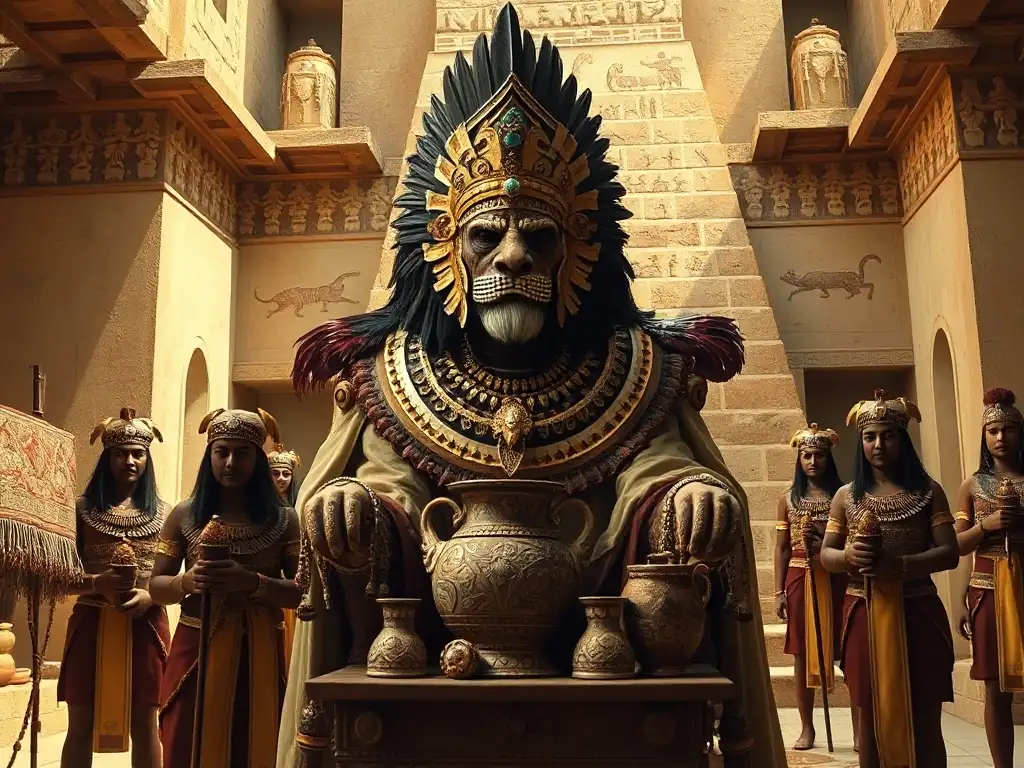
The Moche elite's power wasn't simply a matter of military might or economic control; it was deeply intertwined with elaborate rituals and ceremonies that reinforced their authority and legitimacy. These rituals, often involving human sacrifice and the construction of monumental architecture, served as powerful displays of control and access to the supernatural realm, shaping the beliefs and behaviors of the wider Moche population. Understanding these rituals is crucial to comprehending the complex dynamics of Moche power structures and the sophisticated ideology that underpinned them.
The Moche elite skillfully employed ritual to maintain social order and solidify their position at the apex of society. Their mastery of ritual performance and the symbolic language of sacrifice played a key role in their enduring influence.
The Significance of Moche Sacrifice Rituals
Moche sacrifice, a frequently depicted theme in their art, was far more than a simple act of violence. It was a meticulously orchestrated ritual performance, deeply embedded in Moche cosmology and beliefs. Evidence from archaeological excavations suggests that sacrifices weren't random events but rather carefully planned ceremonies involving specific individuals selected for their perceived importance or symbolic value.
The victims, often adorned in elaborate attire and jewelry, were frequently buried in elaborate tombs, sometimes alongside valuable artifacts, implying a connection between the sacrifice and the maintenance of the elite's power. Analysis of skeletal remains reveals that some victims might have been warriors or prisoners of war, suggesting that sacrifice could also function as a demonstration of military prowess and the subjugation of enemies. The sheer scale and complexity of certain sacrificial events indicate a significant investment of resources and manpower, further emphasizing the importance of these rituals in Moche society.
The systematic nature of these events underscores their ritualistic significance and their function in maintaining social hierarchies. The careful preparation and burial of the sacrificed individuals further highlights their importance in Moche beliefs and rituals.
Human Sacrifice as a Tool of Elite Legitimacy
The Moche elite’s use of human sacrifice wasn't merely a display of power; it actively contributed to the legitimization of their rule. By controlling access to the supernatural and mediating between the human and divine realms through sacrifice, the elite presented themselves as intermediaries with unique abilities and divine favor. This carefully cultivated image reinforced their authority and ensured the populace's compliance.
Depictions of sacrifice in Moche pottery and metalwork, often featuring individuals in positions of power overseeing the ritual, visually communicate this connection between the elite and the sacred. The elaborate nature of these sacrifices, requiring significant resources and social organization, further emphasized the elite's control and their ability to mobilize the community for ritual purposes.
The success of the ritual, interpreted through various signs and omens, directly impacted the elite's legitimacy and their continued control. This intricate relationship between ritual, sacrifice and the consolidation of elite power is a key aspect of understanding Moche society.
Huacas and Ceremonial Centers as Elite Control Points
The construction and control of huacas (sacred sites) and ceremonial centers served as another critical aspect of Moche elite power. These monumental structures, often located in strategically significant locations, served not only as religious focal points but also as powerful symbols of elite dominance. The elite's ability to marshal resources and labor for these massive construction projects demonstrated their control over the population and their access to the necessary resources.
The architecture itself, with its intricate designs and symbolic imagery, likely reinforced the elite's narrative of power and divine connection. The placement of huacas near agricultural areas or along trade routes suggests an intentional strategy to consolidate control over crucial economic resources. The size and complexity of these structures, compared to the dwellings of the common people, visually emphasized the social hierarchy and the elite’s privileged position.
Analysis of the materials used in construction, as well as the layout and design of the huacas, provides further insight into the intricate power dynamics at play within Moche society. The strategic placement and elaborate nature of these ceremonial centers served as a constant reminder of the elite's power and influence. The control over these spaces cemented their authority and allowed them to maintain their position at the top of the social hierarchy.
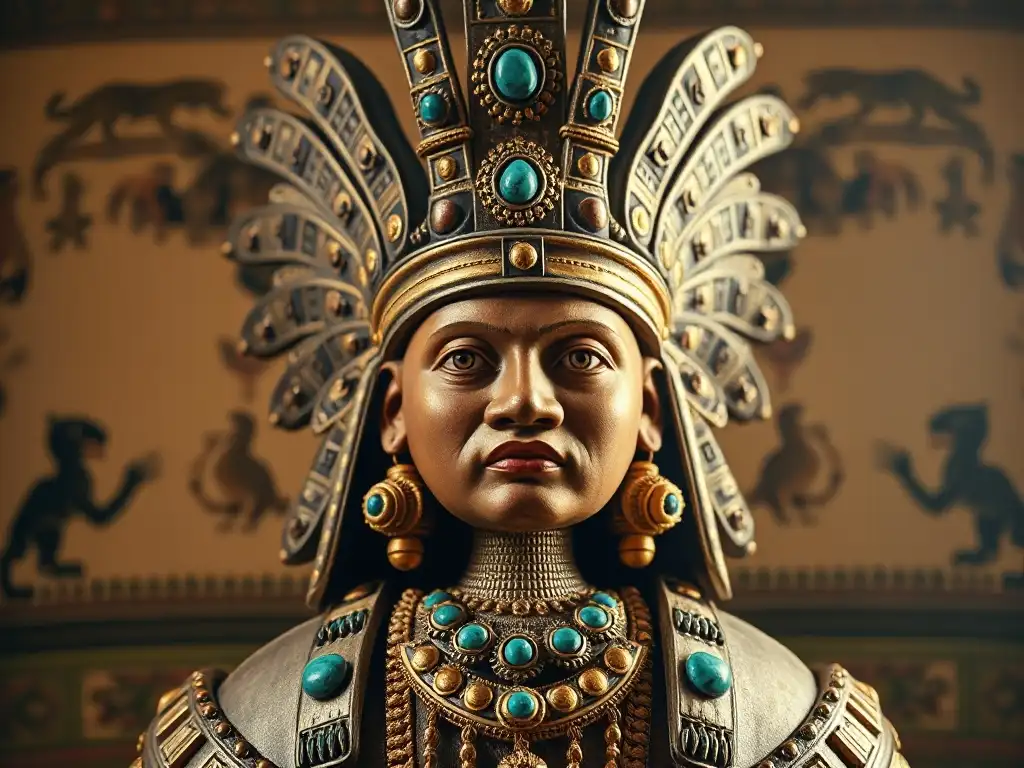
The Moche elite, a powerful and influential group within the ancient Moche civilization (circa 100-800 CE), wielded their authority not only through political and military might but also through a sophisticated system of visual communication manifested in their art. Moche art, particularly pottery and goldwork, served as a powerful tool to project their power, legitimize their rule, and reinforce their sacred status. By meticulously crafting and displaying these artifacts, the elite controlled the narrative of their society, influencing beliefs and shaping societal structures.
Analyzing this art reveals much about the complexities of Moche power dynamics and religious beliefs. The intricate detail and symbolic richness embedded within these creations provide invaluable insights into the worldview of the Moche elite and their relationship with their subjects. The sheer scale of production and the evident skill involved also point to a highly organized and centralized system of craft production, controlled and managed by the elite themselves.
This control over resources and skilled artisans further solidified their dominance. This section will delve deeper into specific examples of how this was achieved.
The Meaning of Moche Iconography and Symbolism
Moche iconography is rich with symbolic meaning, often depicting scenes of ritual, warfare, and elite figures engaged in various activities. The imagery wasn't arbitrary; instead, it conveyed specific messages regarding power, divinity, and social order. For example, depictions of powerful individuals often include elaborate headdresses, richly adorned clothing, and prominent weaponry, emphasizing their high social standing and military prowess.
These images, meticulously crafted on pottery vessels, served as visual affirmations of their authority. Furthermore, the use of specific colors and motifs, such as the recurring representation of felines and supernatural beings, reinforces the elite's connection to the spiritual realm. These elements weren't simply decorative; they functioned as powerful symbols, communicating the elite's divine right to rule and their control over both the material and spiritual worlds.
The consistent repetition of these symbols across different art forms further strengthens their significance as a tool of ideological control. Specific symbols, like the double-headed serpent or the decapitated warrior, require further research to fully decipher their nuanced meanings, but preliminary interpretations suggest they conveyed messages of power, sacrifice, and the cyclical nature of life and death. Understanding the specific symbolism within Moche art is crucial to comprehending the complex interplay between the elite's power and the religious beliefs of the society.
Moche Pottery and the Portrayal of Elite Life
Moche pottery provides an unparalleled window into the lives of the elite. From lavish banquets depicting feasting and ritualistic drinking to scenes of warfare and human sacrifice, these vessels offer a detailed visual record of elite activities and rituals. The scale and intricacy of the pottery, often featuring multiple figures and complex narratives, point to a high level of artistic skill and significant investment of resources.
The craftsmanship itself served as a demonstration of elite power—the ability to command the labor of skilled artisans and allocate significant resources to the production of such elaborate objects. For example, the "Portrait Vessels," depicting individuals with distinct features and attire, are believed to represent Moche rulers or high-ranking officials. The detail in these portraits, capturing even subtle facial expressions, suggests a level of personalization that underscores the importance of these individuals within the Moche social hierarchy.
Furthermore, the presence of such vessels in elite tombs reinforces their significance as markers of status and power. Analysis of the types of pottery found in different contexts—elite tombs versus commoner burials—reveals a clear distinction in quality and decoration, further emphasizing the hierarchical nature of Moche society and the elite's privileged access to luxury goods.
Moche Goldwork and the Display of Elite Status
Moche goldwork represents the pinnacle of elite artistry and displays of power. The mastery of goldsmithing techniques, the use of precious metals, and the intricate designs all point to the elite's exclusive access to resources and specialized labor. Gold objects were not merely decorative; they served as potent symbols of power and authority, often associated with religious ceremonies and rituals. The use of gold, a rare and highly valued material, further emphasized the elite's privileged status and their control over the region's resources.
The scarcity of gold and the specialized knowledge required to work with it ensured that only the elite could commission and possess such objects. For instance, the elaborate gold ornaments found in elite tombs, including masks, headdresses, and jewelry, were likely worn by high-ranking individuals during important ceremonies, reinforcing their sacred status and divine connection. The sheer weight and quantity of gold found in some burials underscore the immense wealth and power of the Moche elite.
This lavish display of wealth served not only to demonstrate their power but also to legitimize their rule, projecting an image of prosperity and divine favor. The meticulous craftsmanship of these objects, often incorporating intricate designs and symbolic motifs, further highlights the artistry and skill available to the elite. The study of Moche goldwork is crucial to understanding the symbolic meaning of precious metals within the Moche worldview and the elite's efforts to project their power and prestige.
The Moche Elite and Their Control Over Resources
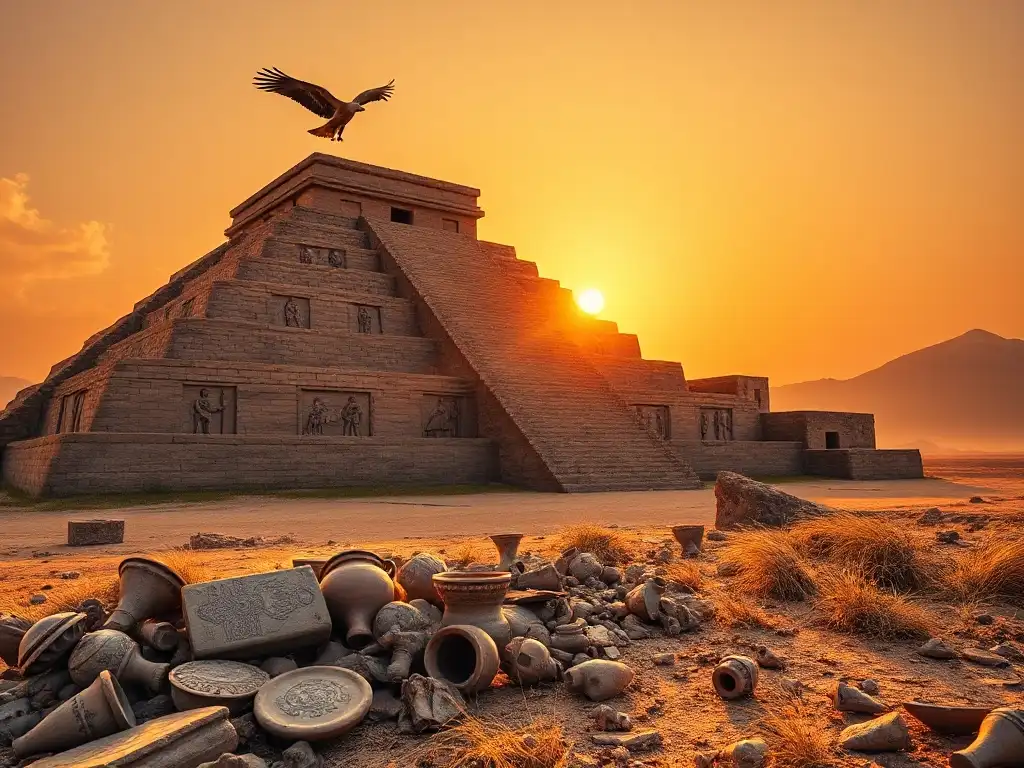
The Moche elite's power stemmed significantly from their control over vital resources, particularly water and trade goods. This control wasn't merely economic; it was deeply intertwined with their religious beliefs and solidified their political dominance. The intricate relationship between resource management and ritual underscores the sophisticated nature of Moche society and the strategic deployment of power by its ruling class. Understanding this dynamic is key to deciphering the enigmatic nature of Moche elite power and ritual.
Moche Irrigation Systems and Elite Control
The Moche civilization flourished in a geographically challenging environment, relying heavily on intricate irrigation systems to sustain agriculture. These weren't simply engineering marvels; they were instruments of political control wielded by the elite. Evidence suggests that the construction and maintenance of these canals, which often spanned vast distances across arid landscapes, required massive coordinated labor efforts.
The elite, through their religious authority and control over resources, likely directed and organized these projects. The allocation of water, a precious commodity, was undoubtedly a tool for rewarding loyal subjects and punishing dissenters, further reinforcing the elite's power. Analysis of canal distribution patterns may reveal a correlation between access to water and the location of elite residences or ceremonial centers, indicating a direct link between irrigation infrastructure and the concentration of power.
Further research into the specific engineering techniques employed and the organization of labor is needed to fully understand the extent of elite involvement in this crucial aspect of Moche life. The intricate network of canals wasn't just about survival; it was a powerful symbol of Moche elite power and ritual, a tangible manifestation of their control over the lifeblood of their society.
The Role of Trade in Elite Wealth and Power
Beyond agriculture, trade played a crucial role in accumulating wealth and reinforcing the power of the Moche elite. The Moche controlled access to valuable resources like obsidian, spondylus shells (imported from Ecuador), and various metals, which were used in the production of luxury goods and ceremonial objects. The elite likely monopolized the trade networks, controlling the flow of these prized commodities and using them to solidify their status and influence.
The elaborate tombs of Moche rulers often contain an abundance of such exotic items, highlighting the elite's control over trade and their ability to amass considerable wealth. The distribution of these traded goods may offer insights into alliances and political relationships between different Moche settlements. Further research into the specific trade routes and the organization of Moche trade is needed to fully comprehend the extent of the elite's involvement in this crucial aspect of the economy.
The control over trade was integral to the Moche elite's power, enriching them materially and symbolically. This control was a vital component of their power structure and undoubtedly played a significant role in their religious and political rituals.
Management of Labor and Political Control
The construction of monumental architecture, the creation of intricate irrigation systems, and the production of elaborate artifacts all required a substantial workforce. The Moche elite's control over labor was essential to their power. While the precise nature of Moche labor organization remains somewhat debated, evidence suggests a hierarchical system where the elite commanded the services of large numbers of artisans, farmers, and laborers. The elite likely maintained this control through a combination of religious authority, economic incentives (or coercion), and possibly a system of tribute or corvée labor.
The monumental pyramids and elaborate tombs found at sites such as Sipán are testament to the vast scale of organized labor under the elite's direction. The impressive artistry displayed in Moche ceramics and metalwork also points to a highly skilled and organized workforce, carefully managed by the ruling class. Further research focusing on archaeological evidence of labor organization and settlement patterns could provide a clearer picture of the Moche social structure and the mechanisms of elite control over labor.
The efficient management of this workforce, a key factor in the success of the Moche civilization, was intrinsically linked to the elite's power and ritualistic practices. The ability to mobilize and direct such large-scale labor projects was a powerful symbol of their authority. This control over labor is intrinsically linked to their overall power dynamic and the rituals that reinforced their control.
The Decline of Moche Elite Power: Theories and Evidence
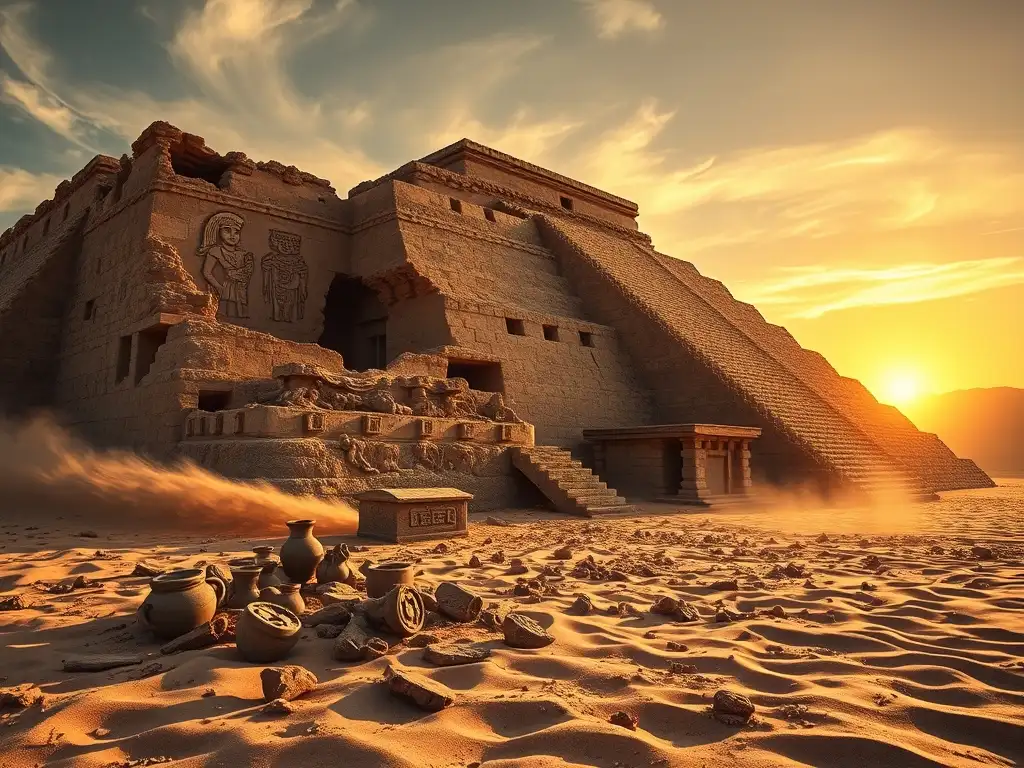
The collapse of the Moche elite's power, a pivotal moment in Andean history, remains a subject of ongoing scholarly debate. While a single, catastrophic event is unlikely, a confluence of factors likely contributed to the weakening and eventual demise of their sophisticated societal structure. Understanding this decline requires examining internal pressures, external forces, and the archaeological evidence that sheds light on this transformative period. Analyzing the interplay of these elements offers a more nuanced understanding of the "Moche elite power and ritual" and its eventual downfall.
Internal Power Struggles and Moche Fragmentation
Evidence suggests that internal strife played a significant role in the Moche's weakening. The highly centralized nature of Moche power, with its reliance on a powerful ruling class and elaborate religious rituals, may have created inherent vulnerabilities.
Competition for power within the elite, perhaps fueled by succession crises or challenges to the legitimacy of rulers, could have destabilized the empire from within. This internal fracturing may have manifested as regional rebellions or the emergence of competing power centers, leading to a gradual erosion of centralized authority.
The lack of uniformly consistent artistic styles in later Moche periods could be interpreted as a reflection of this fragmentation, suggesting a decline in centralized control over artistic production and, by extension, the ideological power associated with it. Further research into the distribution of elite grave goods and the analysis of iconography in late-period artifacts could provide more concrete evidence of this internal fracturing process.
Impact of El Niño Events on Moche Society
The impact of recurring El Niño events on the Moche civilization cannot be overstated. These climatic anomalies, characterized by intense rainfall and flooding followed by periods of drought, significantly impacted agricultural production, the cornerstone of Moche society. The Moche's sophisticated irrigation systems, while impressive, were not immune to the destructive power of extreme weather events.
The disruption of agricultural cycles likely led to widespread famine, social unrest, and the weakening of the state's ability to maintain its control over the population. The consequences of these environmental stresses were compounded by the Moche elite's dependence on maintaining a stable food supply to support their elaborate ritual practices and the vast workforce needed for monumental construction projects.
Analysis of sediment cores and paleoclimatic data, along with archaeological evidence of societal changes during periods of El Niño activity, helps piece together the devastating impact of these events on the Moche's power structure. The severity and frequency of El Niño events in the late Moche period might have exceeded the capacity of their societal resilience, ultimately contributing to their decline.
Archaeological investigations offer tangible evidence of the Moche elite's decline. A noticeable shift in the scale and grandeur of Moche monumental architecture and elite burials marks a clear departure from the earlier period. The construction of smaller, less elaborate structures and a reduction in the quantity and quality of grave goods found in elite contexts indicate a decrease in the resources and power available to the ruling class.
The abandonment of certain ceremonial centers and the relative lack of new monumental constructions in the later phases also suggest a decline in centralized authority and the capacity to organize large-scale public works. Furthermore, the appearance of new settlement patterns and the distribution of artifacts in later periods may reflect a shift towards less centralized forms of social organization. A systematic analysis of these changes, including precise dating of archaeological contexts and detailed study of artifact assemblages, is crucial for a more complete understanding of the processes leading to the end of Moche elite power.
The detailed mapping and analysis of settlements, coupled with the study of changes in material culture, provide invaluable insights into this critical transition in Andean history. This meticulous approach is essential to fully grasp the complexities of the "Moche elite power and ritual" and its ultimate conclusion.
Conclusion: The Legacy of Moche Elite Power and Ritual
The Moche elite's power and ritual practices weren't simply confined to their own era; their influence reverberated through subsequent Andean civilizations, leaving an indelible mark on art, architecture, and societal structures. Understanding their sophisticated system of governance, religious beliefs, and artistic expression provides crucial insights into the broader development of Andean societies. The meticulous detail in their artifacts, the grandeur of their architecture (where surviving examples exist), and the sheer scale of their societal organization speak to a level of complexity that continues to fascinate and challenge researchers today.
The enduring questions surrounding their societal dynamics and the ultimate reasons for their decline only serve to highlight the importance of continued study and investigation. The Moche elite's legacy is not just one of impressive achievements, but also a testament to the enduring power of human creativity and the complexities of power structures throughout history.
Their story continues to unfold as new discoveries are made and existing interpretations are refined. The enigmatic nature of the Moche elite ultimately enhances their historical significance.
Moche Artistic Influence on Later Andean Cultures
The Moche artistic style, characterized by its vibrant colors, intricate details, and often graphic depictions of ritual and daily life, profoundly impacted subsequent Andean cultures. Their mastery of pottery, metalwork, and textile production served as a model for later artisans. For example, the depiction of powerful rulers and deities in Moche ceramics is echoed in the iconography of later cultures, particularly the Chimú and Inca.
The highly stylized representation of human figures, animals, and mythical creatures, often found in Moche ceramics and metalwork, became a recurring motif in later Andean art. We can observe this influence in the refined metalwork of the Chimú, who inherited and adapted many Moche techniques. Furthermore, the use of specific colors and motifs, such as the recurring presence of certain feline imagery, suggests a continuity of religious beliefs and artistic conventions.
The sheer skill and artistry displayed in Moche artifacts demonstrate a level of technical proficiency and aesthetic sensibility that clearly influenced generations of Andean craftspeople. The impact of Moche artistic traditions underscores the interconnectedness of Andean cultures and the lasting power of cultural exchange and adaptation.
Current Research into Moche Elite Practices
Current research into Moche elite practices utilizes a multidisciplinary approach, combining archaeology, anthropology, and art history to gain a more holistic understanding. Advanced imaging techniques, such as 3D scanning and X-ray fluorescence spectroscopy, are providing new insights into the materials used in the creation of Moche artifacts and the construction of their monumental architecture. These technologies allow researchers to analyze the composition of pigments, metals, and ceramics with unprecedented precision, revealing details about production techniques and trade networks.
Furthermore, ongoing excavations at major Moche sites continue to unearth new evidence about elite burials, religious practices, and daily life. Researchers are also increasingly focusing on the social and political context of Moche power, examining the roles of different social strata and the mechanisms through which the elite maintained control. Studies exploring the relationship between the elite and the wider population through analyses of diet, health, and burial practices are yielding valuable data.
The integration of ancient DNA analysis into archaeological research promises to shed further light on the genetic relationships within the Moche elite and their broader population. This multi-faceted approach is enriching our understanding of the Moche elite's complex social, political, and religious systems.
The Enduring Fascination with the Moche Ruling Class
The enduring fascination with the Moche ruling class stems from a combination of factors. Their impressive artistic achievements, as exemplified by their intricate pottery depicting scenes of ritual sacrifice, warfare, and daily life, continue to captivate audiences worldwide. The sheer scale and sophistication of their societal organization, coupled with the mysteries surrounding their collapse, fuel ongoing scholarly debate and public interest.
The dramatic depictions of power, ritual, and violence in their art offer a unique window into the beliefs and practices of a complex ancient society. Moreover, the enigmatic nature of their religious beliefs and the relatively limited written records add to the allure of the Moche elite. The contrast between the often gruesome depictions of sacrifice and the exquisite artistry of the objects themselves creates a compelling narrative that resonates with contemporary audiences.
The ongoing discoveries of new Moche sites and artifacts continually renew interest in this remarkable civilization, ensuring that their story will continue to be told and reinterpreted for generations to come. The unique blend of artistry, power, and mystery surrounding the Moche elite secures their place as a captivating subject of study and fascination.
Frequently Asked Questions
What role did ritual play in Moche elite power?
Rituals were central to Moche elite power. They legitimized the rulers' authority, showcasing their connection to the supernatural and reinforcing social hierarchy through elaborate ceremonies and sacrifices. This ensured the stability and continuation of their rule.
How did Moche art reflect elite power and ritual?
Moche art, particularly pottery and metalwork, vividly depicted elite rituals and ceremonies. Images of sacrifices, feasts, and warfare emphasized the power and authority of the ruling class, showcasing their control over resources and people. This served as powerful propaganda.
What were the key symbols of Moche elite power?
Elaborate headdresses, ornate jewelry, and specific clothing symbolized Moche elite status. Depictions of these items in art, alongside ceremonial objects, further reinforced their authority and connection to the divine. These symbols were visually powerful and highly recognizable.
How did the Moche maintain control over their vast territories?
The Moche maintained control through a combination of military might, religious authority, and sophisticated administrative systems. Their centralized power, symbolized by elite rituals and art, allowed them to efficiently manage resources and suppress dissent across their expansive empire.
What evidence exists to support the relationship between Moche elite power and ritual?
Archaeological evidence, including elaborate tombs, monumental architecture, and intricate artwork, provides strong support for the interconnectedness of Moche elite power and ritual. These findings reveal the significant investment in these practices and their importance in maintaining social order and political control.
Final Reflection: Echoes of Power in the Moche Sands
The intricate artistry and elaborate rituals of the Moche elite remain profoundly relevant today, offering a stark reminder of the enduring human fascination with power and its symbolic representation. Their legacy isn't confined to dusty museum displays; it continues to resonate in our contemporary understanding of leadership, social structures, and the enduring human need to leave a lasting mark on the world. The Moche's sophisticated use of imagery to convey authority and their investment in elaborate funerary practices speak volumes about the human condition, transcending time and culture.
The Moche's masterful manipulation of symbols and their investment in monumental architecture continue to inspire awe and intrigue. Their influence can be seen in the ongoing scholarly debate surrounding the nature of their society and the very definition of power itself. The sheer scale of their achievements, from the intricate goldwork to the monumental pyramids, forces us to confront the complexities of human ambition and the lasting impact of centralized authority. The past is never dead. It's not even past.
– William Faulkner. This quote perfectly encapsulates the enduring relevance of the Moche elite and their continuing influence on our understanding of ancient societies and the enduring human quest for power.
Consider the ways in which power is expressed and legitimized in your own world. How do contemporary societies utilize symbols and rituals to consolidate authority? Take a moment to reflect on the parallels between the Moche's methods and the mechanisms of power at play today. By understanding the past, we gain a deeper appreciation for the present and a clearer vision for the future. Let the enigmatic legacy of the Moche elite inspire you to critically examine the structures of power that shape our lives and to strive for a more equitable and just world.
**Unveil the Mysteries of the Moche Elite! **
Thank you for exploring the fascinating world of the Moche elite with us! We hope this exploration has deepened your understanding of their remarkable power, rituals, and artistry. Now, let's consider how you can further engage with the legacy of this extraordinary civilization.
Here are some powerful ways to delve deeper and share your newfound knowledge:
- **Visit museums or online collections** showcasing Moche artifacts. Witnessing their artistry firsthand offers a profound connection to their craftsmanship and the culture that produced it.
- **Connect with online communities and forums** dedicated to Andean history and culture. Share your insights on the influence of Moche rituals on their society and engage in discussions with other enthusiasts.
- **Organize a discussion group** with friends or fellow history buffs to explore the role of power in ancient civilizations, using the Moche as a compelling case study.
Which aspects of Moche culture resonate most with you, and how do you believe their societal structures inform our understanding of leadership today?