
Moche Burial Practices: Unveiling the Afterlife and Ancestor Veneration

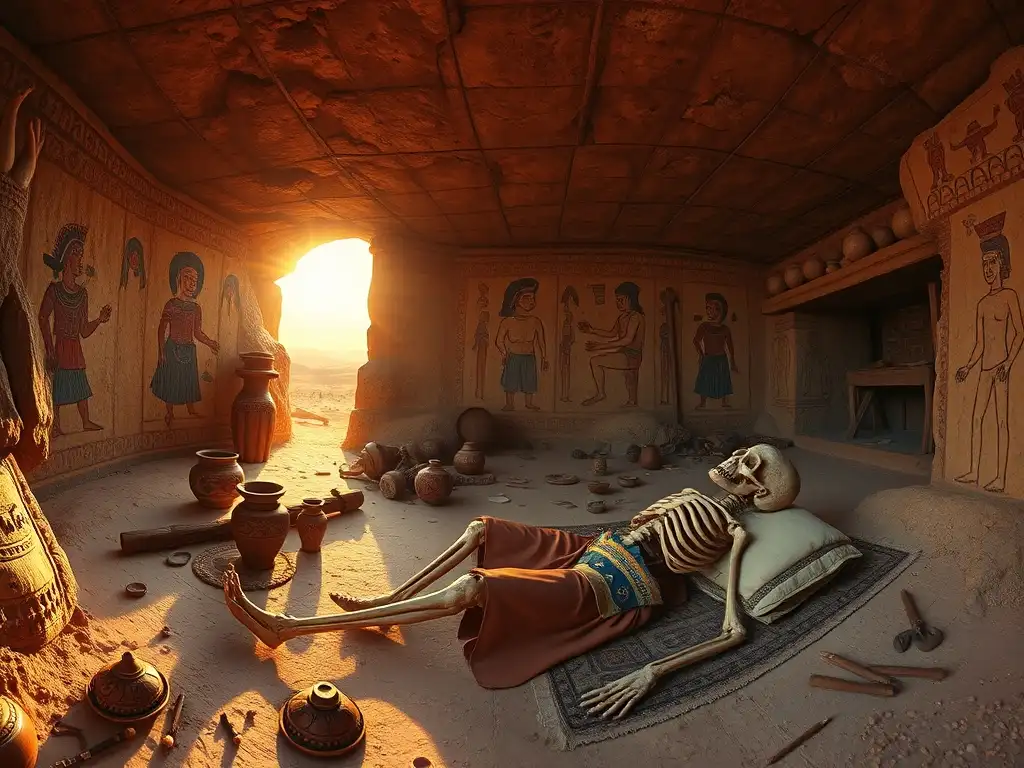
Step into a world lost to time, yet echoing with the whispers of a powerful civilization. Uncover the secrets of the Andes, where breathtaking artistry and complex societies thrived. Prepare to be captivated by the Moche, a culture whose intricate burial rituals and practices reveal a profound connection to the afterlife and their ancestors. Dare to delve into their enigmatic world—a journey awaits that will challenge your perceptions and ignite your imagination.
The Moche civilization, flourishing along the northern coast of Peru from approximately 100 CE to 800 CE, left behind a remarkable legacy of sophisticated artistry, intricate irrigation systems, and complex social structures. Understanding their burial practices offers a unique window into their worldview, revealing profound beliefs about the afterlife, ancestor veneration, and the intricate relationship between the living and the dead. This exploration delves into the fascinating world of Moche funerary rituals and practices, examining the diverse burial styles, grave goods, and the societal implications of their mortuary customs.
By analyzing the archaeological evidence, we can reconstruct a compelling picture of Moche beliefs and societal organization, shedding light on the significance of death and the continuity of life in their culture. This article will focus specifically on the various aspects of Moche burial rituals and practices, aiming to provide a comprehensive understanding of this captivating aspect of their culture.
Elaborate Grave Goods and Their Significance
Moche burials weren't simple interments; they were elaborate affairs reflecting the social status and potential role of the deceased in life. Graves ranged from simple pits to complex subterranean chambers, often containing a wealth of grave goods. These artifacts, meticulously crafted and richly decorated, provide invaluable insights into Moche beliefs and daily life.
Common grave goods included intricately woven textiles, finely crafted pottery depicting scenes of daily life, warfare, and mythology, elaborate gold and silver ornaments, and even food and drink offerings. The quantity and quality of these goods directly correlated with the social standing of the individual. For example, elite burials often featured ornate headdresses, finely worked metal objects, and numerous vessels filled with food and beverages, suggesting a belief in provisioning the deceased for their journey into the afterlife.
The presence of specific items, such as ceremonial knives or weaponry, may also indicate the deceased's occupation or social role. Further research into the specific chemical compositions of the food and drink remains could offer additional insights into the Moche diet and dietary preferences of different social classes.
Diverse Burial Styles and Their Interpretations
The Moche employed a variety of burial techniques, each potentially holding symbolic meaning. Some individuals were buried in simple pits, while others were interred in more elaborate tombs, sometimes even within specially constructed pyramids or platforms. The positioning of the body – whether extended, flexed, or seated – also varied, and may have held symbolic significance relating to the deceased's status or role in society.
Multiple burials within a single tomb are also common, suggesting the importance of family units or kinship ties in the afterlife. Analyzing the spatial arrangement of bodies and grave goods within these tombs can help us understand the social relationships and power dynamics within Moche society.
For instance, the presence of multiple individuals interred together, accompanied by lavish grave goods, might represent a family unit or a group of individuals with close social ties who were considered important enough to be buried together. This further highlights the complexity of Moche mortuary practices and the rich tapestry of beliefs and rituals that surrounded death and the afterlife.
Evidence of Ritual Sacrifice and its Purpose
Evidence suggests that ritual sacrifice played a significant role in Moche burial practices. Archaeological findings reveal the presence of human sacrifices in some tombs, often alongside elaborate grave goods and offerings. The sacrificed individuals were sometimes buried with the elite, suggesting that they may have played a crucial role in the afterlife or held a special status in the community.
The purpose of these sacrifices remains a subject of ongoing debate, with theories ranging from appeasement of the gods to ensuring the deceased's successful transition to the afterlife. The analysis of skeletal remains from sacrificed individuals can provide further clues about their age, gender, and social standing, helping to shed light on the selection process and the role of sacrifice in Moche society.
More research is needed to fully understand the context and significance of human sacrifice within Moche burial rituals and practices. Further analysis of isotopic ratios in bone samples could help determine the geographic origin of the sacrificed individuals, potentially providing insights into inter-regional relationships and social dynamics.
The Role of Ancestor Veneration in Moche Culture
Ancestor veneration was likely a crucial aspect of Moche culture, as evidenced by their elaborate burial practices. The careful preparation of bodies, the inclusion of rich grave goods, and the construction of elaborate tombs all suggest a belief in the continued existence and influence of ancestors in the afterlife. The Moche likely believed that their ancestors could intercede on their behalf, providing protection and ensuring prosperity.
This belief may have strengthened social bonds and reinforced the authority of ruling elites, who were often buried with the greatest fanfare and abundance of grave goods. Further research into the iconography depicted on Moche pottery and other artifacts could reveal additional insights into the specific beliefs and rituals surrounding ancestor veneration.
Detailed analysis of the iconography and symbolism associated with ancestor figures in Moche art could further illuminate the nature of their beliefs and practices. For example, the recurring motif of specific animals or symbols on funerary artifacts could indicate a belief in the spirit world or a connection to the supernatural.
- Elaborate Grave Goods and Their Significance
- Diverse Burial Styles and Their Interpretations
- Evidence of Ritual Sacrifice and its Purpose
- The Role of Ancestor Veneration in Moche Culture
Understanding Moche Funeral Rites and Their Significance
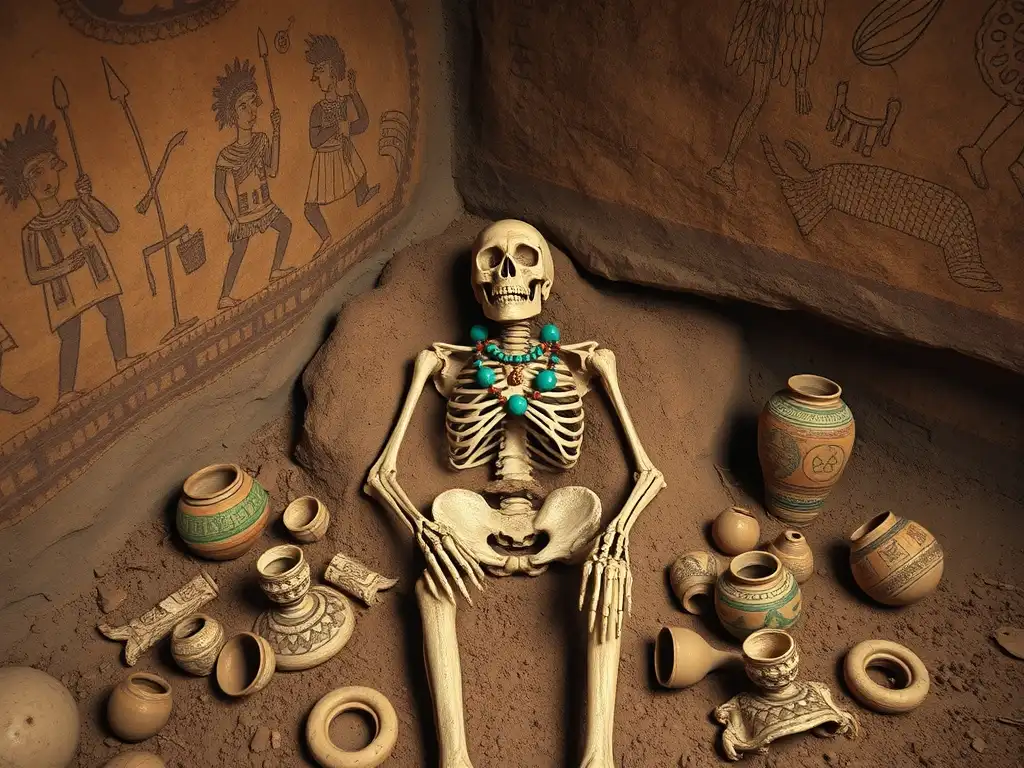
The Moche civilization (circa 100-800 CE), renowned for its sophisticated artistry and intricate social structures, held deeply complex beliefs surrounding death and the afterlife. Their burial practices, far from being simple interment rituals, represent a fascinating window into their worldview, social hierarchy, and ancestor veneration. Understanding these Moche burial rituals and practices is crucial to grasping the full tapestry of their culture.
The meticulous preparation of the deceased, the elaborate grave goods, and the careful selection of burial locations all speak volumes about the Moche perception of death and its profound impact on the living. Analysis of numerous excavated tombs reveals a nuanced system reflecting both individual status and societal values.
The sheer scale of some Moche burial sites, such as the Huaca de la Luna and Huaca del Sol, underscores the importance placed on funerary rites within their society. This section delves into the specifics of these rituals, examining the evidence to paint a picture of Moche beliefs and their expression through death.
The Importance of Death in Moche Society
Death, for the Moche, was not simply an end but a transition. It wasn't viewed as a cessation of existence but rather a continuation, albeit in a different realm. Evidence suggests a strong emphasis on ancestor veneration. The deceased were not forgotten; instead, they were believed to retain influence over the living, acting as intermediaries between the earthly and spiritual worlds.
This belief system is powerfully reflected in the lavish grave goods frequently found in Moche tombs. These offerings weren't mere symbolic gestures; they were vital provisions intended to sustain the deceased in their afterlife journey. The quality and quantity of these offerings directly correlated with the social standing of the deceased, highlighting the hierarchical nature of Moche society, even in death.
Furthermore, the meticulous preservation of bodies through mummification techniques points to a deep respect for the deceased and a desire to maintain their connection to the living. The process itself was likely a complex ritual, involving multiple individuals and specific procedures, demonstrating the societal importance placed upon it. Careful examination of skeletal remains also reveals insights into diet, health, and potential causes of death, offering further clues into the daily lives of these individuals and the overall societal context.
Moche Worldview and Beliefs About the Afterlife
The Moche worldview, as evidenced by their burial practices, encompassed a complex cosmology. Their beliefs about the afterlife are subtly revealed through the iconography present in tomb murals and the objects interred with the deceased. Common motifs include representations of supernatural beings, often depicted in dynamic and dramatic scenes, suggesting a vibrant and active afterlife. These figures, along with the abundant offerings of food, textiles, and finely crafted artifacts, strongly suggest a belief in a continued existence where the deceased would require sustenance and material possessions.
The presence of intricate gold and silver ornaments, along with elaborate pottery depicting scenes of feasting and sacrifice, further supports this interpretation. The careful placement of these items within the tombs indicates a deliberate and ritualistic process, emphasizing the importance of providing for the deceased's needs in the afterlife. Furthermore, the discovery of human sacrifices alongside elite burials suggests a belief in the necessity of accompanying the deceased with attendants or offerings to ensure a smooth transition to the next world.
This practice highlights the power dynamics within Moche society, with the sacrifices potentially representing a form of ultimate service to the elite. The interpretation of these symbolic elements requires careful consideration of various perspectives and ongoing scholarly debate. However, the totality of the evidence strongly indicates a sophisticated and deeply held belief in an afterlife that was intricately connected to the world of the living.
Moche Burial Rituals: A Detailed Examination
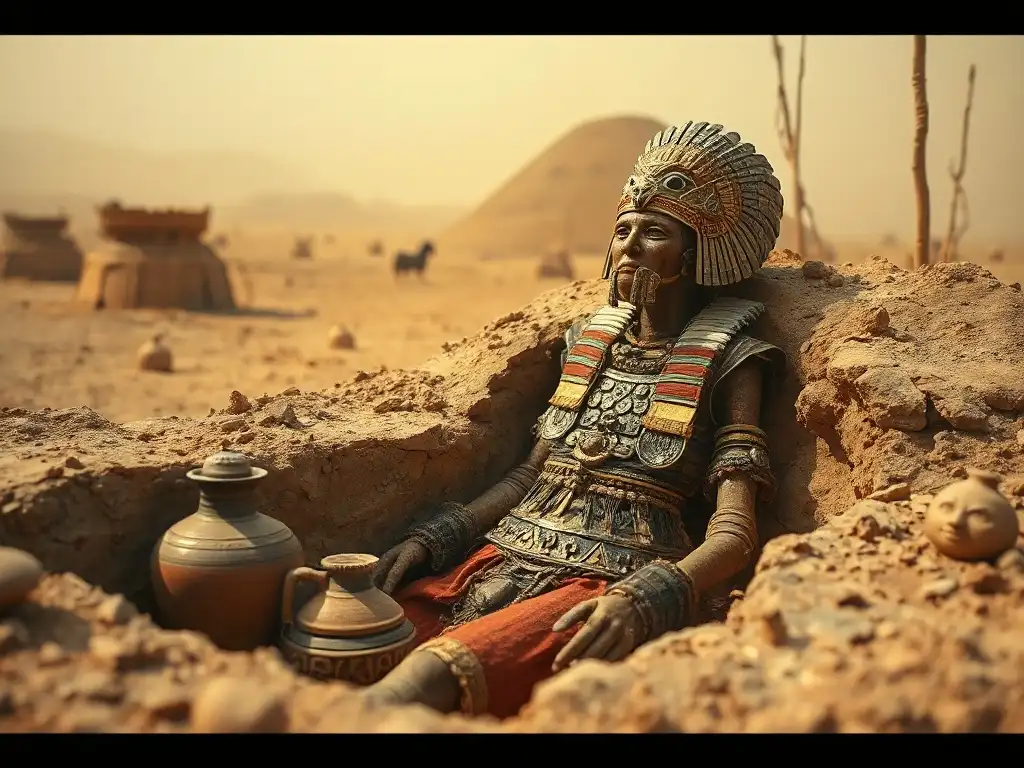
The Moche civilization, flourishing along the northern coast of Peru from approximately 100 CE to 800 CE, left behind a rich archaeological record that offers unparalleled insights into their complex belief system and elaborate funerary practices. Their meticulous burial rituals, reflecting a deep-seated reverence for ancestors and a sophisticated understanding of the afterlife, are a testament to the Moche's advanced societal organization and spiritual worldview.
Understanding these "Moche burial rituals and practices" provides a crucial window into the heart of their culture. The careful preparation of the deceased, the selection of grave goods, and the variations observed in burial practices across social strata all contribute to a nuanced picture of Moche society and its beliefs.
Preparation of the Deceased: Moche Embalming Techniques
Moche embalming techniques were remarkably advanced for their time, showcasing a deep knowledge of anatomy and preservation methods. The process likely involved a combination of techniques, beginning with the evisceration of the body. Archaeological evidence suggests the removal of internal organs, followed by meticulous cleaning and drying of the corpse. The use of desiccation, achieved through exposure to the arid coastal climate or the application of specific substances, was crucial in preserving the body. Further, the application of plant-based resins and other materials may have played a role in both preserving the body and imparting a certain aesthetic quality.
While the exact recipes and procedures remain partially elusive, the results speak for themselves: Many Moche mummies discovered today are remarkably well-preserved, allowing researchers to study their physical characteristics, health conditions, and even dietary habits. The level of care and expertise involved in the embalming process indicates the high status afforded to the deceased, suggesting a strong belief in the importance of preserving the body for its journey into the afterlife. The process itself was not only practical but also ritualistic, likely involving specific prayers, offerings, and ceremonies that further emphasized the spiritual significance of the event.
The meticulous nature of Moche embalming underscores the profound respect they held for their deceased and the afterlife. Further research may uncover more precise details of the materials and processes used, enriching our understanding of their advanced mortuary practices.
Moche Grave Goods: Objects for the Afterlife Journey
The Moche believed that the deceased would require provisions for their journey into the afterlife. Consequently, elaborate grave goods were frequently interred alongside the bodies, reflecting the social status and personal preferences of the deceased. These offerings encompassed a wide range of items, including intricately crafted pottery vessels depicting scenes from daily life, mythology, and ritual practices. The pottery often displays remarkable artistic skill and provides valuable insights into Moche iconography and beliefs.
Beyond pottery, grave goods could include textiles, tools, ornaments made of precious metals (gold, silver), and even food offerings. The presence of these items suggests that the afterlife was envisioned as a continuation, albeit a transformed one, of earthly life. The carefully selected objects were not merely symbolic; they were practical items intended to sustain the deceased in their new existence. The quality and quantity of grave goods varied significantly, providing strong evidence of social stratification within Moche society.
Elite burials often contained lavish displays of wealth and artistry, while those of commoners were more modest. This disparity highlights the social hierarchy and the unequal distribution of resources within the Moche civilization. Analysis of grave goods provides crucial data on Moche social structures, economic practices, and beliefs about the afterlife.
Moche burial practices varied considerably depending on the social standing of the deceased. Elite burials, often located in monumental tombs or elaborate structures, featured richly adorned individuals accompanied by a profusion of grave goods. These individuals were frequently buried in a seated or flexed position, sometimes wearing elaborate headdresses and jewelry. The meticulous preparation of their bodies and the opulence of their grave goods underscore their high social status and the power they held during their lifetime.
In contrast, burials of commoners were significantly simpler. These individuals were often interred in simpler contexts, with fewer grave goods and less elaborate preparation. Their bodies might be wrapped in simple textiles, with only basic necessities included for the afterlife. The stark contrast between elite and commoner burials highlights the significant social stratification within Moche society.
The differences in burial rituals reflect the unequal distribution of power, resources, and prestige. Further research into the variation in burial practices can yield deeper insights into the social organization and economic systems of the Moche civilization, including aspects of social mobility and the role of ritual in reinforcing social hierarchies. Understanding these variations is crucial for a comprehensive understanding of Moche social structures and the complex interplay between social status and religious beliefs.
Moche Tombs and Burial Sites: Archaeological Insights
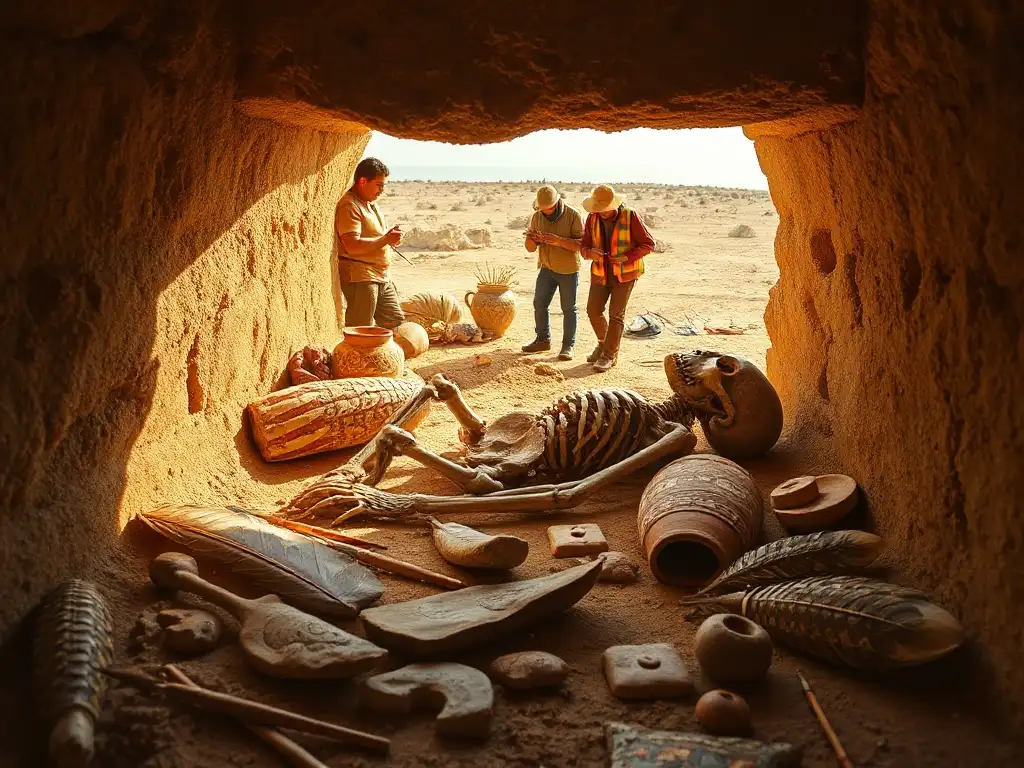
The study of Moche burial rituals and practices offers a captivating glimpse into their complex worldview, social hierarchy, and beliefs about the afterlife. Archaeological excavations across the Moche heartland—primarily in the valleys of the northern coast of Peru—have revealed a diverse range of burial sites, reflecting the social stratification inherent within Moche society. From elaborate royal tombs brimming with exquisite artifacts to simpler commoner graves, these sites provide invaluable data for understanding Moche funerary customs and their significance.
The meticulous preservation of these sites, often due to the arid desert climate, has allowed researchers to reconstruct a detailed picture of Moche mortuary practices, revealing a civilization deeply invested in ancestor veneration and the continuity of their lineage. Analyzing the location, construction, and contents of these sites is crucial to interpreting the nuanced beliefs and practices surrounding death and the afterlife in Moche culture.
The sheer number of discovered graves, ranging from individual interments to large-scale cemeteries, points to a society where death rituals were an integral and highly ritualized part of daily life. Further research continues to unearth new sites, providing exciting new avenues for exploring these fascinating burial customs.
Moche Royal Tombs: Discovering Elite Burial Chambers
Moche royal tombs represent the apex of Moche funerary architecture and artistry. These elaborate structures, often located in prominent positions within the landscape, are characterized by their size, complexity, and the abundance of grave goods. The most famous examples include the Sipán tombs, which yielded spectacular discoveries of richly adorned individuals buried with gold and silver ornaments, intricate textiles, and ceremonial paraphernalia. These discoveries highlight the power and prestige associated with the Moche elite.
The careful placement of bodies, often accompanied by human sacrifices and a wealth of offerings, underscores the belief in the continued existence and influence of the deceased in the afterlife. Analyzing the arrangement of grave goods provides insights into the social roles and status of the deceased, as well as the beliefs and values of the Moche elite. For example, the presence of specific items, such as elaborate headdresses or ceremonial vessels, can indicate a particular social status or religious function.
The sheer scale and opulence of these royal tombs emphasize the importance placed on ancestor veneration within the Moche social structure. The meticulous craftsmanship displayed in the artifacts further demonstrates the skill and dedication of the artisans who created them. The study of these tombs continues to reveal new information about the complexities of Moche social organization and religious beliefs.
Moche Commoner Graves: Exploring Everyday Burials
In contrast to the elaborate royal tombs, Moche commoner graves provide a valuable perspective on the funerary practices of the broader population. These graves are typically simpler in construction and contain fewer grave goods compared to elite burials. However, even these simpler burials often include carefully selected offerings, reflecting the importance placed on the afterlife, even for those of lower social standing. Common grave goods include pottery, textiles, and tools—items that were essential to daily life.
The presence of these everyday objects suggests a belief that the deceased would continue to need these items in the afterlife. The analysis of skeletal remains from commoner graves also provides valuable information about the health, diet, and lifestyle of the Moche population. Studying the age and sex distribution of the burials gives us a better understanding of the demographics of the Moche society.
Archaeological data suggests that even in simpler burials, the deceased were treated with respect, reflecting the Moche's overall reverence for their ancestors. The study of these less opulent burials provides a crucial counterpoint to the lavish royal tombs, offering a more complete picture of Moche burial practices across all social strata. The careful excavation and analysis of these graves is essential for understanding the broader cultural practices of the Moche civilization.
The Architecture and Layout of Moche Burial Grounds
The organization and layout of Moche burial grounds reveal further insights into their social structure and beliefs. Some sites are characterized by individual graves, while others feature large-scale cemeteries containing hundreds or even thousands of burials. The arrangement of graves within these cemeteries may reflect social groupings or family relationships. The presence of monumental structures within the burial grounds, such as platforms or pyramids, further underscores the importance of these sites and their role within the broader Moche landscape.
The architectural features of these sites, such as the orientation of graves or the inclusion of specific architectural elements, may reflect religious beliefs or cosmological ideas. For example, the alignment of graves with celestial bodies could suggest beliefs about the journey of the soul in the afterlife. Furthermore, the materials used in the construction of the tombs—ranging from simple pits to complex adobe structures—also reflect the social status of the deceased and the resources available to their families.
The careful study of the architecture and layout of Moche burial grounds is crucial for understanding the social, religious, and cosmological beliefs that shaped their mortuary practices. Further research into the spatial arrangement of these sites is essential for reconstructing a more comprehensive picture of Moche life and death. Detailed mapping and analysis of these locations are vital for a complete understanding of "Moche burial rituals and practices."
Ancestor Veneration in Moche Culture: Connecting with the Past
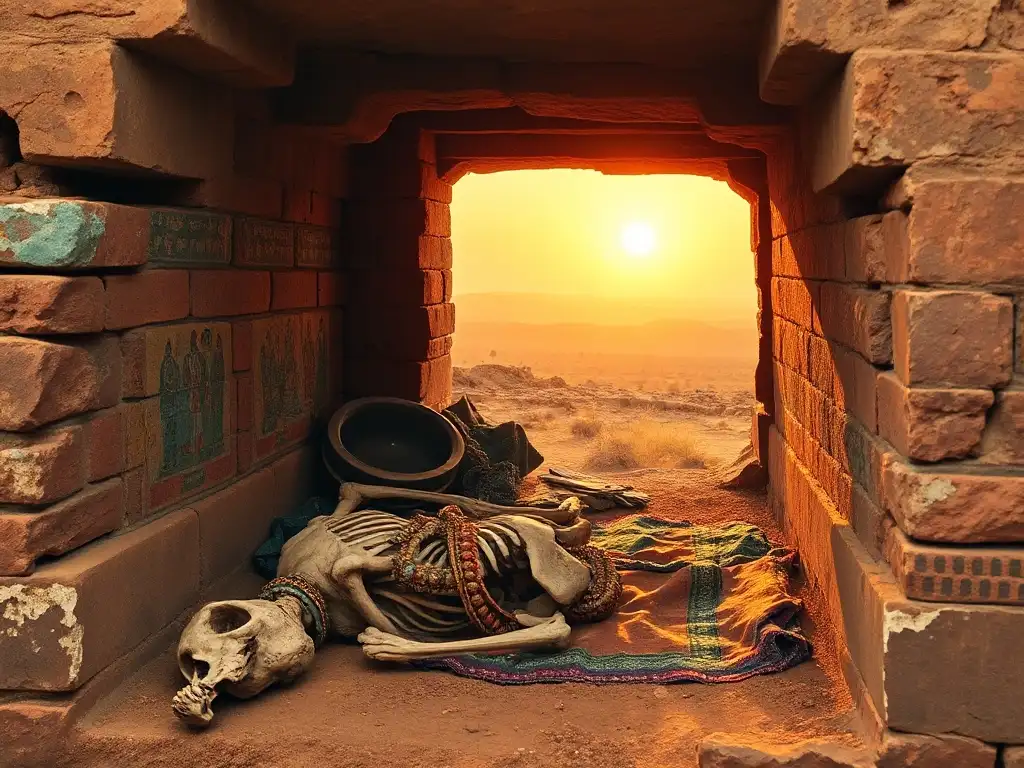
The Moche civilization, flourishing along the northern coast of Peru from approximately 100 CE to 800 CE, held a deeply ingrained belief in the power and influence of their ancestors. Ancestor veneration wasn't merely a pious custom; it was integral to their social structure, religious practices, and worldview. Understanding Moche burial rituals and practices reveals a complex system of beliefs centered around maintaining a vital connection between the living and the dead, ensuring continued prosperity and protection from the supernatural realm.
The meticulous care taken in preparing the deceased, the elaborate grave goods, and the recurring motifs in their art all point to a sophisticated and reverential approach to death and the afterlife. This deep respect for ancestors permeated every aspect of Moche life, influencing political organization, social hierarchies, and even agricultural practices.
The sheer scale and complexity of some Moche burial sites further underscore the profound significance of ancestor veneration within their culture. This section will explore the various ways in which the Moche honored and interacted with their ancestors, demonstrating the pervasive influence of this belief system on their society.
Moche Offerings and Rituals for Ancestor Honoring
Moche burial rituals and practices weren't simply about disposing of the dead; they were elaborate ceremonies designed to ensure the well-being of the deceased in the afterlife and to maintain a beneficial relationship with them in the world of the living. Offerings played a crucial role in these rituals. Tombs frequently contained a rich array of grave goods, reflecting the social status of the deceased and indicating the belief in providing the necessary provisions for a comfortable existence in the next world. These offerings included:
- Food and Drink: Evidence suggests the inclusion of maize, beans, squash, seafood, and chicha (a fermented corn beverage). The quantity and quality of the food items varied depending on the individual's social standing.
- Textiles and Clothing: Fine textiles, often intricately woven and adorned with vibrant colors and designs, were commonly included. These garments likely served both practical and symbolic purposes.
- Jewelry and Ornaments: Gold, silver, copper, and shell ornaments were placed within the tombs, signifying wealth and status. These objects often featured intricate craftsmanship, showcasing the advanced metalworking skills of the Moche.
- Ceramics: Elaborately decorated pottery vessels, often depicting scenes of daily life, rituals, or mythical figures, were frequent grave goods. Some vessels may have contained food or drink offerings.
- Human Sacrifices: While not present in all burials, evidence suggests that human sacrifice, particularly of young women and children, occurred in certain contexts, likely intended to accompany the deceased into the afterlife or to appease the supernatural forces.
The rituals surrounding these offerings likely involved elaborate ceremonies performed by priests or shamans, perhaps accompanied by music, dance, and incantations. The precise nature of these ceremonies remains a subject of ongoing research, but the careful placement of grave goods within the tombs speaks to a highly structured and ritualistic process. The sheer variety and quantity of offerings demonstrate the immense effort and resources dedicated to honoring the ancestors, highlighting their central role in the Moche worldview.
Ancestor veneration in Moche society wasn't confined to funerary practices; it profoundly impacted their daily lives and social structures. Ancestors were believed to hold significant power and influence, capable of intervening in the affairs of the living, bestowing blessings, or inflicting misfortune. This belief fostered a strong sense of continuity between generations, linking the living to a powerful lineage of predecessors.
The Moche social hierarchy likely reflected this ancestor veneration. Elite individuals, often depicted in elaborate tombs with extensive grave goods, may have claimed a special connection to powerful ancestors, legitimizing their authority and social standing. This connection to ancestral power likely played a crucial role in maintaining social order and political stability.
Furthermore, the Moche's agricultural practices might have been influenced by their beliefs about ancestors. Rituals and offerings may have been performed to ensure successful harvests, seeking the blessings of ancestral spirits who were believed to control the fertility of the land. The importance of ancestors in the Moche worldview extended beyond the realm of the individual; it played a central role in shaping their social structures, political systems, and economic activities.
Depictions of Ancestors in Moche Art and Iconography
Moche art provides invaluable insights into their beliefs about ancestors. Their pottery, textiles, and metalwork frequently depict figures that are interpreted as ancestors or supernatural beings linked to ancestral power. These depictions often showcase individuals adorned with elaborate headdresses, jewelry, and clothing, reflecting their social status and spiritual significance.
The iconic Moche portrait vessels, meticulously crafted ceramic portraits of individuals, are often considered representations of ancestors. These vessels, with their striking realism and detailed features, may have served as commemorative objects, preserving the memory of important figures and maintaining a connection with them. Furthermore, many Moche ceramic designs and textile motifs depict scenes relating to rituals and ceremonies associated with ancestor veneration.
These depictions often include symbolic imagery, such as supernatural beings, mythical creatures, and offerings, providing further insights into the complex beliefs and practices surrounding ancestor worship. The consistent presence of ancestral imagery in Moche art demonstrates the profound impact these beliefs had on their artistic expression, solidifying the central role of ancestors in their cultural identity. The study of Moche art, therefore, provides a crucial window into their understanding of the afterlife and the enduring influence of their ancestors.
The Legacy of Moche Burial Practices: What We Can Learn
The Moche civilization, flourishing along the northern coast of Peru from approximately 100 CE to 800 CE, left behind a rich tapestry of archaeological evidence, significantly illuminating their complex burial rituals and practices. Understanding these practices offers invaluable insights into their social structures, religious beliefs, and worldview.
The meticulous nature of Moche burials, often involving elaborate grave goods and intricate preparations of the deceased, provides a unique window into their societal values and the importance they placed on the afterlife. The sheer volume and variety of discovered tombs, ranging from simple interments to incredibly ornate chamber tombs, speaks to a sophisticated funerary system that reflected social hierarchies and spiritual beliefs.
Analyzing these variations allows us to piece together a more comprehensive understanding of Moche society and its unique cultural identity. The study of Moche burial practices is crucial for understanding not just the Moche themselves, but also the broader context of Andean funerary traditions.
Moche burial sites reveal a clear correlation between the richness of grave goods and the social standing of the deceased. Elaborate tombs, often containing gold and silver artifacts, finely crafted ceramics depicting scenes of daily life and ritual, and even human sacrifices, were reserved for the elite, suggesting a highly stratified society. These elite burials often included multiple individuals, possibly representing family units or retainers who accompanied the deceased into the afterlife.
In contrast, commoners' burials were significantly simpler, with fewer and less elaborate grave goods. This stark contrast highlights the significant social stratification within Moche society and the importance of maintaining this hierarchy even in death. The presence of sacrificial victims in elite burials further suggests the belief in a powerful afterlife and the need to appease supernatural forces or provide the elite with servants in the next world.
The iconography found on the ceramics and other artifacts provides further clues about their religious beliefs, often depicting deities, mythical creatures, and rituals, offering a glimpse into their cosmology and spiritual world. For example, the recurring motif of the decapitated warrior suggests a complex relationship with warfare and death. Careful analysis of these artifacts, combined with the context of their discovery within the tombs, allows researchers to piece together a more complete picture of Moche belief systems.
The Impact of Moche Funerary Customs on Later Andean Cultures
The sophisticated Moche burial practices had a lasting impact on subsequent Andean cultures. Many elements of Moche funerary traditions, such as the use of elaborate grave goods and the importance of ancestor veneration, were adopted and adapted by later civilizations, including the Chimú and Inca. The influence of Moche funerary customs can be observed in the elaborate tombs and burial practices of these later cultures, indicating a continuity of certain traditions and beliefs across centuries.
The specific ways in which these traditions were adapted and transformed by later cultures provide valuable insights into the processes of cultural transmission and change within the Andean region. For instance, while the Inca adopted some of the Moche practices, they also integrated their own unique beliefs and rituals into their funerary customs. This blending of traditions highlights the dynamic nature of Andean culture and the complex interplay between continuity and innovation.
Further research comparing Moche burial practices with those of later cultures is crucial for understanding the evolution of Andean funerary traditions and the long-term impact of Moche culture. The continuity of certain themes, such as the importance of ancestor veneration and the use of symbolic grave goods, emphasizes the enduring influence of the Moche on the broader Andean cultural landscape.
Preserving the Moche Heritage: Archaeological Conservation and Study
The preservation of Moche burial sites and artifacts is crucial for understanding this fascinating civilization. The delicate nature of many artifacts and the vulnerability of burial sites to looting and environmental damage necessitate careful conservation and study. Archaeological techniques, such as careful excavation and documentation, are essential for preserving the integrity of these sites and preventing the loss of valuable information. Furthermore, ongoing research and analysis of existing collections are essential for expanding our knowledge of Moche burial practices.
This includes the application of advanced scientific techniques, such as radiocarbon dating and chemical analysis, to provide more precise dating and insights into the materials used in the creation of artifacts. The ethical considerations surrounding the excavation and study of human remains are also paramount. Respectful treatment of the deceased and consultation with local communities are crucial aspects of responsible archaeological practice.
Furthermore, public education and outreach initiatives are important for raising awareness about the importance of preserving Moche heritage and fostering a sense of stewardship towards these invaluable archaeological treasures. The ongoing effort to preserve and study Moche burial sites and artifacts ensures that future generations can continue to learn from and appreciate this remarkable civilization. This careful approach is essential for safeguarding the rich legacy of the Moche people and for contributing to a deeper understanding of Andean history and culture.
Frequently Asked Questions
What were the Moche people's beliefs about the afterlife?
The Moche believed in an afterlife where ancestors continued to influence the living. Their elaborate burial rituals reflect this belief and the importance of maintaining connections with the deceased. Ancestor veneration was central to their worldview.
Moche burial practices directly reflected social status. Elite individuals received elaborate burials with rich grave goods, while commoners had simpler interments. This highlights the significant social stratification within Moche society.
What kind of grave goods were typically included in Moche burials?
Moche graves often contained a wide array of grave goods, reflecting the deceased's status and beliefs. These included textiles, pottery, jewelry, food offerings, and even sacrificed individuals. The variety and quality varied greatly depending on social standing.
What role did sacrifice play in Moche burial rituals?
Human sacrifice was a significant aspect of some Moche burial rituals, particularly for elite individuals. These sacrifices were believed to provide the deceased with servants or companions in the afterlife, showcasing the power and resources of the elite.
How do archaeologists learn about Moche burial practices?
Archaeologists learn about Moche burial practices through excavation of burial sites, analyzing the arrangement of bodies and grave goods, and studying iconography on pottery and textiles depicting funerary scenes. This provides invaluable insights into their beliefs and rituals.
Final Reflection: Echoes of the Moche: A Legacy of Death and Reverence
The intricate burial rituals of the Moche civilization, far from being relics of a distant past, offer a powerful lens through which to examine our own contemporary anxieties surrounding mortality and the enduring power of ancestor veneration. Their elaborate tombs, filled with exquisite artifacts and revealing poignant details of their lives, continue to resonate with us today, prompting questions about our own legacies and the ways we choose to remember those who came before.
The Moche's profound respect for their ancestors, evident in the meticulous care taken in their burial practices, speaks to a fundamental human need to connect with the past and find meaning in the face of death. Their belief in a vibrant afterlife, reflected in the rich offerings placed alongside the deceased, challenges our modern, often secular, perspectives. The dead are never truly gone as long as they are remembered.
This simple truth, though timeless, finds powerful expression in the enduring legacy of the Moche.
Consider the implications of the Moche's dedication to their ancestors. How do we, in our own lives, honor those who have shaped us? How do we create lasting legacies that will be remembered and celebrated by future generations? Take a moment to reflect on your own relationship with mortality and the importance of preserving memory. Let the echoes of the Moche inspire you to create a life worthy of remembrance, a life that leaves a positive mark on the world, just as their meticulous burial practices continue to leave a mark on ours.
Unlock the Secrets of Moche Ancestors!
Thank you for exploring the fascinating world of Moche burial practices with us! You've discovered not only the intricate rituals surrounding the afterlife but also the profound respect Moche culture held for its ancestors. Now, let's delve deeper and enrich your understanding.
Here are a few ways to continue your exploration:
- **Connect with fellow enthusiasts** by joining a local archaeology group or participating in online forums dedicated to Andean cultures. Share your discoveries and learn from others.
- **Expand your knowledge** by exploring documentaries and books that delve into the intricacies of Moche civilization and their beliefs about the afterlife. Numerous excellent resources are available.
- **Share your newfound knowledge** with friends and family, or spark discussions on social media to spread awareness and appreciation for these ancient civilizations.
What aspect of Moche ancestor veneration most captivates you, and how do you believe these ancient practices might influence contemporary perspectives on the afterlife?