
Moche Legal System: Justice and Conflict Resolution

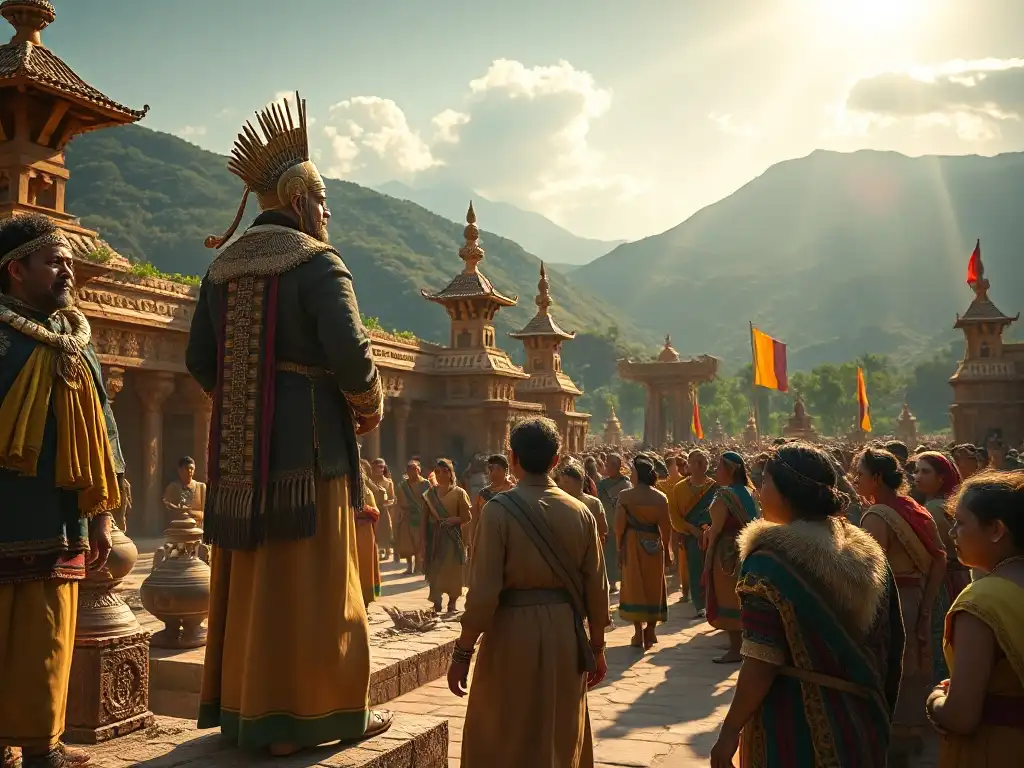
Unravel the mysteries of the Andes! Prepare to be captivated by the ingenuity and complexity of ancient Andean societies. While the majestic Incas often steal the spotlight, we delve into a lesser-known yet equally fascinating aspect: the Moche legal system. Discover surprising examples of justice and conflict resolution in this powerful pre-Columbian culture – their methods might just challenge your understanding of ancient law. Explore the intricacies of the Moche civilization and unlock the secrets of their sophisticated societal structures.
- Moche Legal System: Justice and Conflict Resolution in Ancient Peru
- Understanding Moche Society and the Need for a Legal Framework
- Evidence of Moche Legal Practices: Archaeological Insights
- Key Aspects of the Moche Legal System
- Moche Legal System Examples: Cases and Interpretations
- Comparing Moche Legal Practices with Other Andean Cultures
- The Legacy of the Moche Legal System
- Frequently Asked Questions
- Final Reflection: Echoes of Justice in the Moche World
- Unveil the Wisdom of Moche Justice!
Moche Legal System: Justice and Conflict Resolution in Ancient Peru
The Moche civilization, flourishing along the northern coast of Peru from approximately 100 CE to 800 CE, developed a complex social structure reflected in its sophisticated artistic achievements and surprisingly advanced infrastructure. However, understanding the intricacies of their daily lives, including how they managed conflict and dispensed justice, requires careful analysis of archaeological evidence and a nuanced interpretation of their artistic representations.
This article delves into the fascinating world of the Moche legal system, exploring the available evidence to shed light on their methods of conflict resolution and the mechanisms they employed to maintain social order. We will examine examples of potential legal practices, considering the limitations of the archaeological record and the ongoing scholarly debates surrounding this intriguing aspect of Moche culture.
Understanding the Moche legal system provides crucial insight into the social dynamics and power structures that shaped this remarkable ancient civilization, offering a compelling glimpse into their daily lives and how they governed themselves. This exploration will directly address the question of "Moche legal system examples," providing concrete illustrations based on current archaeological understanding.
Evidence from Moche Iconography: Depictions of Justice and Conflict
Moche art, particularly their ceramics and metalwork, offers invaluable glimpses into their daily lives. While there are no explicit written laws, the imagery on their pottery frequently depicts scenes of conflict, ritualistic behavior, and potential judicial processes. Many depict violent confrontations, suggesting a society that wasn't necessarily peaceful, but one that had mechanisms to manage disputes. Detailed analysis of these scenes, including the postures of the figures, the presence of weapons, and the surrounding context, can provide clues about the nature of conflict resolution.
For example, some scenes show individuals seemingly being punished or subjected to ritual sacrifice, potentially as a form of judicial retribution. However, the interpretation of these scenes remains a subject of ongoing debate among scholars, with different interpretations proposed based on the specific details of each artifact. Further research and comparative analysis of similar artistic representations are crucial for a more complete understanding.
The Role of Religion and Ritual in Moche Justice
The Moche religion played a significant role in all aspects of their society, and it's highly likely that it influenced their legal system as well. The presence of powerful priests and shamans suggests a system where religious authority might have been intertwined with judicial power. Many scenes on Moche pottery depict ritualistic practices, some potentially related to punishment or conflict resolution.
These rituals might have served as a means of appeasing the gods, restoring social harmony, or determining appropriate sanctions for wrongdoing. The precise nature of these ritualistic judicial processes remains largely unknown, but their presence highlights the deep connection between religion and the social order within Moche society. Further research is needed to understand the specific roles of different religious figures in conflict resolution and to clarify the relationship between religious rituals and legal practices.
Understanding the Moche legal system requires considering the broader social and political structures of the civilization. Archaeological evidence suggests a hierarchical society with powerful elites, likely controlling resources and influencing decision-making processes. The distribution of wealth and power likely influenced the administration of justice, with different outcomes potentially depending on the social status of the individuals involved in a conflict.
The existence of specialized officials or leaders responsible for maintaining order is a possibility, but direct evidence is scarce. Further investigation into Moche burial sites, settlement patterns, and the distribution of artifacts could provide crucial insights into the power dynamics that shaped their legal system. This understanding is essential to interpreting the available evidence and constructing a more complete picture of Moche justice.
Limitations of the Archaeological Record and Future Research
It's crucial to acknowledge the inherent limitations of the archaeological record when studying the Moche legal system. The absence of written laws means that our understanding is entirely based on indirect evidence, primarily from artistic representations and the arrangement of settlements. This presents significant challenges for interpretation, and many aspects remain speculative.
Furthermore, biases in the archaeological record itself—such as the preservation of certain types of artifacts over others—might influence our understanding of Moche justice. Future research, including more detailed analysis of existing artifacts, the exploration of new archaeological sites, and the application of interdisciplinary approaches, is essential for a more complete and nuanced understanding of this fascinating aspect of Moche culture. This continued research will hopefully provide clearer "Moche legal system examples" and a more robust understanding of their judicial practices.
Understanding Moche Society and the Need for a Legal Framework
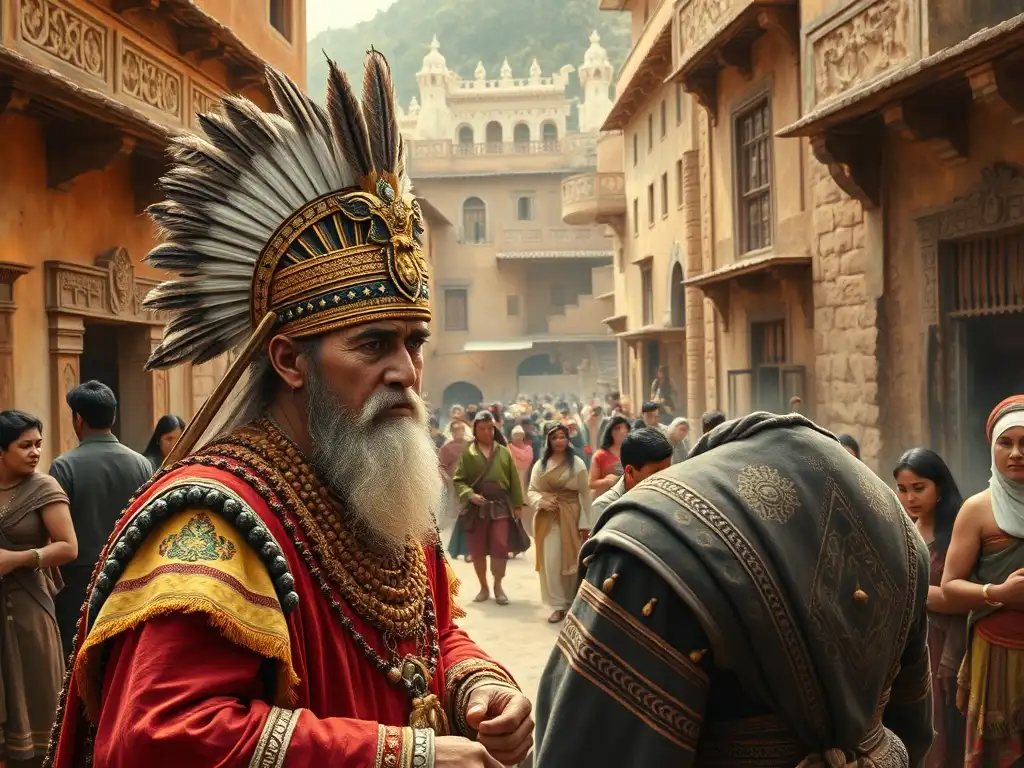
The Moche civilization, flourishing along the northern coast of Peru from approximately 100 to 800 CE, was a complex society requiring sophisticated mechanisms for conflict resolution and social order. Understanding their legal system necessitates examining the intricate social fabric of the Moche.
While written laws don't survive, archaeological evidence, iconography on ceramics, and analysis of societal structures provide valuable insights into their methods of maintaining order and resolving disputes. The absence of a codified legal system doesn't imply chaos; rather, it suggests a system likely based on customary law, enforced through a combination of religious authority and political power.
The Moche legal system examples we can glean from the archaeological record highlight a society grappling with issues of social hierarchy, resource allocation, and inter-community relations, all crucial aspects of maintaining stability within their densely populated urban centers and agricultural hinterlands. The very existence of elaborate burial practices and monumental architecture points to a need for a system that regulated resource distribution and potentially sanctioned violations of social norms.
The Moche social structure was hierarchical, with a powerful elite at the apex, likely comprising warrior-priests and their immediate families. This elite controlled access to resources, including fertile land and skilled labor. Their influence undoubtedly permeated the legal system.
Depictions on Moche pottery frequently show scenes of ritual sacrifice and warfare, suggesting that the elite wielded significant power, capable of enforcing their will and resolving conflicts in ways that benefited their position. Lower social strata, including artisans, farmers, and fishers, likely had less access to justice mechanisms, and their disputes may have been settled through community-based processes or by appeals to higher authorities. The extent to which these lower classes had recourse against the elite remains a topic of ongoing research.
Further study of Moche settlements and burial sites could reveal more about the degree of social mobility and the potential for redress of grievances against those in power. The unequal distribution of power undoubtedly shaped the nature of justice, potentially leading to differential application of legal norms depending on social standing.
Moche Governance and the Role of Warrior-Priests in Legal Matters
The Moche state was characterized by a powerful theocratic governance system, where warrior-priests held significant authority. These individuals were not merely religious leaders; they were also military commanders and likely played a key role in administering justice. Their control over religious rituals, including those involving human sacrifice, suggests a system where religious beliefs were intertwined with legal processes.
The iconography on Moche pottery often depicts scenes of conflict resolution involving individuals in positions of authority, possibly representing the warrior-priests adjudicating disputes. The nature of their judgements remains speculative, but it is likely that their decisions were influenced by a combination of religious beliefs, social customs, and political considerations.
Analyzing the iconography further, including the gestures, expressions, and the presence of specific symbols, could offer more clues about the procedures and outcomes of these judicial processes. The extent to which the warrior-priests acted as judges, mediators, or enforcers of customary law needs further investigation.
The Importance of Agricultural Stability in Moche Civilization
The Moche economy heavily relied on agriculture, particularly maize cultivation, which was essential for sustaining their large population. The successful irrigation systems they constructed demonstrate their mastery of water management and underscore the critical role of agriculture in their society. Disputes over water rights, land ownership, and crop yields were likely common occurrences, and their resolution was crucial for maintaining social stability.
The Moche legal system, therefore, must have included mechanisms for managing these agricultural conflicts. These mechanisms may have involved community-based dispute resolution processes, overseen by local leaders or representatives of the elite. Archaeological surveys of Moche agricultural areas, coupled with detailed analysis of their irrigation systems, can provide valuable insights into the legal frameworks governing water allocation and land use.
Furthermore, studies of the social organization of agricultural labor could reveal the extent to which collective responsibility played a role in ensuring the smooth functioning of their agricultural economy and the mechanisms for dealing with disputes related to agricultural production. The success of the Moche civilization was intrinsically linked to the stability of their agricultural system, and their legal mechanisms were undoubtedly designed to uphold that stability.
Evidence of Moche Legal Practices: Archaeological Insights
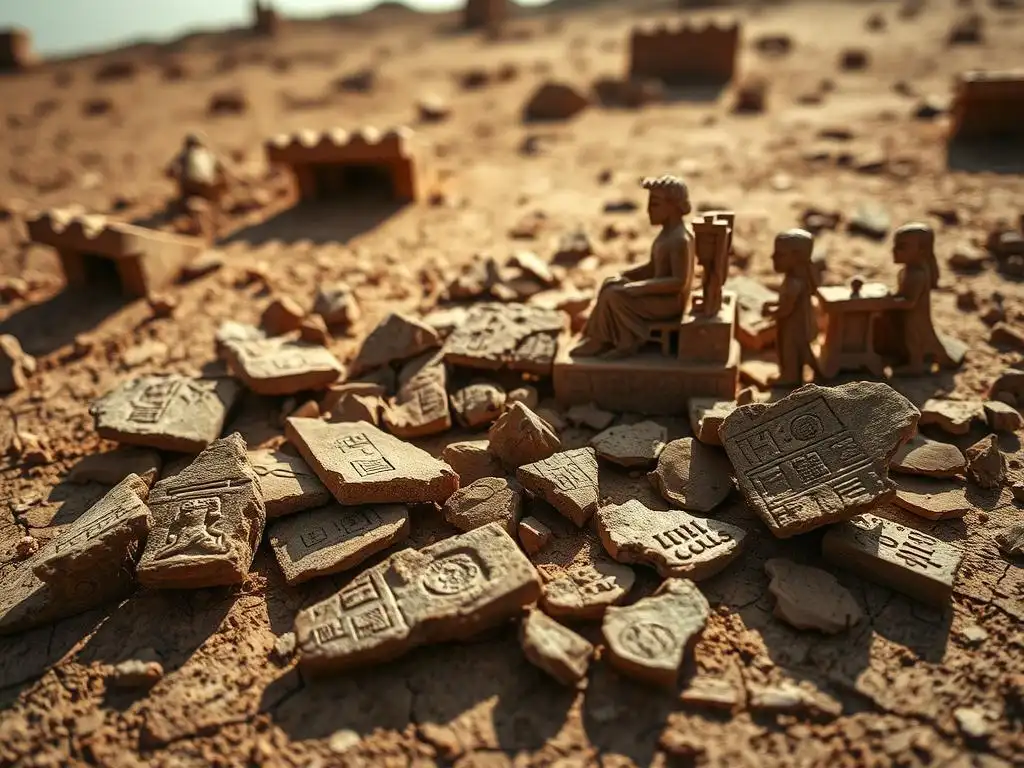
The Moche civilization, flourishing along the northern coast of Peru from approximately 100 to 800 CE, left behind a rich archaeological record that offers tantalizing glimpses into their complex social structures and legal practices. While no formal written legal codes have been discovered, archaeological evidence, particularly in the form of pottery and murals, provides compelling insights into how the Moche addressed justice and conflict resolution.
The absence of written law doesn't negate the existence of a sophisticated legal system; instead, it suggests a system likely communicated and enforced through oral traditions, ritual practices, and visual representations, all carefully preserved within the archaeological record. This section will delve into specific examples of how archaeologists interpret these visual clues to understand the Moche legal system, focusing on the keyword "Moche legal system examples".
Analyzing Moche Pottery Depictions for Clues About Justice
Moche pottery is renowned for its intricate detail and vivid depictions of daily life, warfare, and religious rituals. Many pieces showcase scenes that scholars interpret as representing legal or quasi-legal proceedings. For instance, certain vessels depict individuals being presented before an authority figure, often accompanied by symbols suggestive of punishment or judgment. These depictions, while not explicitly labeled as "court scenes," offer valuable clues about the processes involved in conflict resolution. The presence of specific iconography, such as certain types of staffs or headdresses worn by authority figures, allows researchers to potentially identify individuals with judicial power.
Analyzing the stylistic choices and the context within which these scenes are portrayed is crucial for understanding their meaning. For example, the depiction of a specific type of ritual sacrifice alongside a scene of judgment might suggest a system of retributive justice. Further research is needed to fully decipher the nuances of these representations, but the sheer number of pottery pieces depicting such scenes strongly suggests that formal or informal legal processes were integral to Moche society.
Further analysis using advanced imaging techniques and comparative studies with other contemporary Andean societies could illuminate the specifics of Moche legal practices. The careful study of these "Moche legal system examples" on pottery provides valuable insights into a culture that relied heavily on visual communication.
Examining Moche Murals and their Legal Implications
Moche murals, found adorning the walls of elite tombs and temples, offer another important window into their legal and social structures. These murals, often depicting elaborate ceremonies and processions, frequently include scenes that could be interpreted as representations of social order and its enforcement. For example, murals showing individuals being punished or subjected to ritualistic humiliation might represent the consequences of violating social norms or laws. The scale and prominence of these depictions in significant locations suggest their importance in conveying social messages and maintaining order.
The interpretation of these murals requires careful consideration of the overall context and the symbolic language employed by the artists. The specific clothing, adornments, and gestures of the figures depicted provide crucial clues for understanding their roles and the nature of the events being portrayed. Furthermore, the arrangement and composition of the mural itself can offer additional insights into the social hierarchy and the power dynamics at play.
For example, the placement of a figure in a prominent position might suggest their high social standing and potential judicial authority. More detailed analysis, incorporating anthropological and sociological perspectives, is necessary to fully interpret the legal implications of these artistic representations. The high concentration of such "Moche legal system examples" in Moche murals emphasizes their importance in societal governance.
Archaeological Sites and the Evidence of Ritualized Conflict
Archaeological excavations at various Moche sites have unearthed evidence suggesting ritualized conflict played a significant role in their social and legal systems. The discovery of mass graves containing individuals with signs of trauma and ritualistic treatment suggests the possibility of organized violence, perhaps as a form of punishment or a means of resolving disputes between groups. The careful study of skeletal remains, coupled with analysis of the artifacts found in association, provides valuable data for understanding the nature and extent of such conflicts.
Furthermore, the layout and organization of certain Moche sites themselves might reflect aspects of their legal system. The strategic placement of elite residences and public spaces could indicate a structured approach to social control and the administration of justice. More research is needed to fully explore the connection between the spatial organization of Moche settlements and their legal practices.
This research requires interdisciplinary collaboration, integrating archaeological findings with anthropological theories of conflict resolution and social control within ancient societies. The investigation of these "Moche legal system examples" through the lens of archaeology reveals a complex interplay between violence, ritual, and social order. The potential correlation between site layout and conflict resolution is a compelling area for future research.
Key Aspects of the Moche Legal System
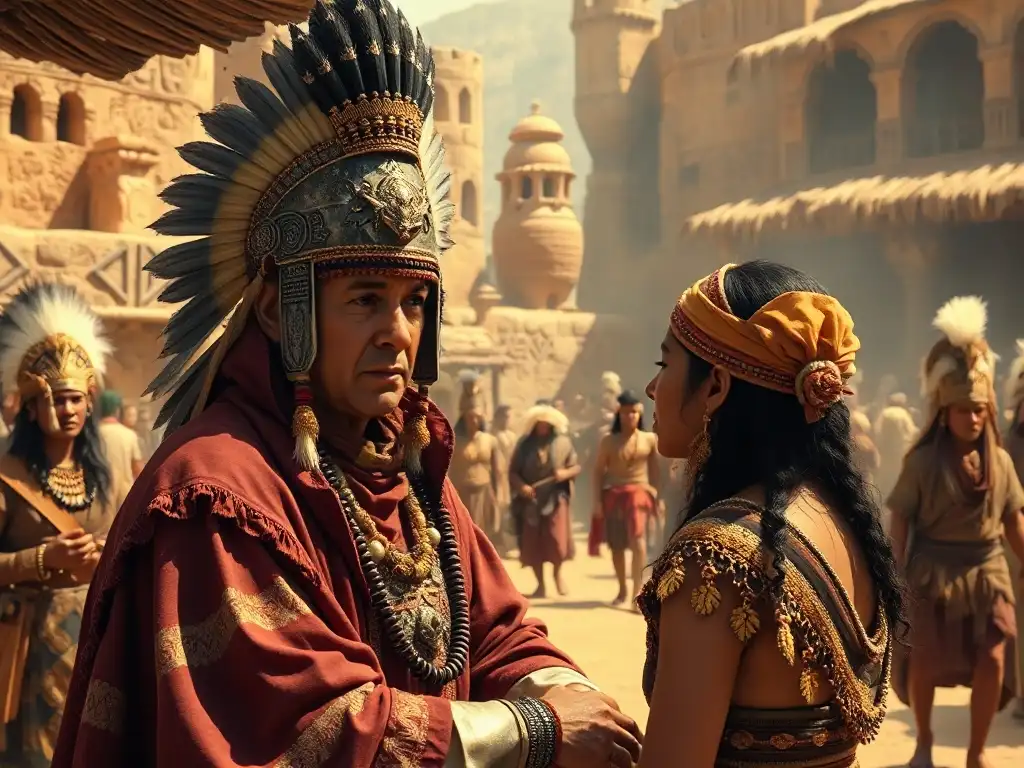
The Moche legal system, while not documented through written law codes like those of later civilizations, is revealed through archaeological evidence offering glimpses into their social order and conflict resolution. Unlike the highly centralized Inca system that followed, the Moche legal system appears to have been more decentralized, with local communities playing a significant role in managing disputes and enforcing norms. This decentralized structure, however, doesn't imply a lack of sophisticated mechanisms; instead, it suggests a legal framework deeply intertwined with their religious beliefs and social hierarchy.
Interpreting the evidence requires careful consideration of iconography, burial practices, and settlement patterns, highlighting the complexities of reconstructing a pre-literate society's legal framework. Understanding the Moche legal system provides crucial insight into their social structure, power dynamics, and overall worldview.
The limited evidence available nevertheless allows for some compelling interpretations of their approach to justice and conflict resolution, offering fascinating examples of how a complex society could function without a formal written legal code. The following sections will explore several key aspects of this fascinating system.
Types of Offenses and Corresponding Moche Punishments
Determining specific Moche laws and punishments requires careful interpretation of archaeological findings. Depictions on Moche pottery, for instance, frequently illustrate scenes of violence, ritual sacrifice, and social conflict. These visual narratives, while not explicitly defining legal codes, provide valuable insights into the types of behaviors considered unacceptable within Moche society.
Examples include depictions of warfare and captivity, suggesting that inter-group conflict was a significant concern. Pottery also shows scenes of individuals being punished, often through physical violence or ritual sacrifice. The severity of the punishment seems to correlate with the perceived gravity of the offense. For example, minor offenses might have resulted in public shaming or fines (perhaps in the form of goods or labor), while more serious transgressions, such as theft or assault, might have resulted in more severe punishments, including death, often depicted as ritual sacrifice.
| Offense Category | Possible Punishments | Archaeological Evidence |
|---|---|---|
| Warfare/Inter-group Conflict | Capture, enslavement, ritual sacrifice | Depictions on pottery and human remains in burials |
| Theft | Fines (goods or labor), public shaming, possibly death | Limited direct evidence; inferred from societal norms |
| Assault | Physical retribution, ritual sacrifice, possibly banishment | Depictions on pottery, skeletal trauma in burials |
| Ritual Violations | Ritual sacrifice, banishment | Iconography on pottery and ceremonial contexts |
It's important to note that the interpretation of these depictions is complex and open to debate. The absence of written records means that much of our understanding is based on inference and analogy with other Andean cultures. Further research, including more detailed analysis of Moche burial sites and iconography, is needed to refine our understanding of their legal system and the specific punishments meted out for various offenses.
Moche Dispute Resolution Mechanisms: Community-Based Solutions
The evidence suggests that Moche dispute resolution was largely community-based. Given the decentralized nature of their political organization, it's unlikely that a centralized judicial system existed. Instead, conflicts were likely resolved within local communities through mediation, negotiation, or other forms of community-based dispute resolution. The strong emphasis on kinship ties and reciprocal obligations within Moche society suggests that these mechanisms played a crucial role in maintaining social harmony.
The role of community leaders, perhaps elders or respected individuals, in mediating disputes is also plausible. These individuals may have possessed the authority to impose sanctions or facilitate reconciliation. However, the exact nature of these mechanisms remains largely speculative due to a lack of direct evidence.
The emphasis on ritual and ancestral veneration further suggests that community decisions and conflict resolution were often intertwined with religious beliefs and practices, adding a spiritual dimension to the process. This reliance on community-based solutions underscores the importance of social cohesion and the shared values within Moche society. Further research is needed to fully understand the structure and effectiveness of these community-based dispute resolution mechanisms.
The Role of Moche Priests and Ancestral Veneration in Justice
The Moche religion played a significant role in all aspects of life, and justice was no exception. Moche priests, who held considerable social and political power, likely played a key role in adjudicating disputes and enforcing social norms. Their connection to the supernatural world gave them authority and influence, allowing them to mediate conflicts and impose sanctions.
Ancestral veneration was also central to Moche society. The ancestors were believed to hold significant power and influence, and their approval was sought in many aspects of life, including justice. This suggests that decisions related to disputes and punishments might have been influenced by perceived ancestral will or approval. Rituals and offerings to the ancestors may have played a part in the process of conflict resolution, reinforcing the importance of maintaining social harmony and honoring ancestral traditions.
The intertwining of religious beliefs and legal practices highlights the integrated nature of Moche society, where the spiritual and the secular were deeply interconnected. Further research into Moche religious practices and the role of priests could shed more light on this fascinating aspect of their legal system. The exact mechanisms by which priests and ancestral veneration influenced the justice system remain unclear, but their significant role is undeniable.
Moche Legal Procedures and the Ritualization of Judgement
The Moche legal system, while not documented through written law like later civilizations, reveals itself through archaeological findings that suggest a complex interplay of ritual, social hierarchy, and practical dispute resolution. Evidence points towards a system where legal procedures were deeply intertwined with religious beliefs and practices, lending a ritualistic aspect to the process of judgment and punishment. This wasn't simply a matter of applying codified laws; rather, it seems the Moche viewed legal matters as interactions with the supernatural realm.
One crucial aspect was the role of the elite. Archaeological sites frequently showcase elaborate depictions of Moche rulers and priests presiding over ceremonies, often involving captive individuals or symbolic representations of conflict. These depictions, found on ceramics and metalwork, strongly suggest that the elite played a central role in adjudicating disputes and dispensing justice.
The very act of judgment, therefore, was not a purely secular process but a performance with significant religious implications. It’s likely that the legitimacy of the ruling class depended heavily on their perceived ability to maintain social order and mediate conflicts through these ritualistic means. Their authority was divinely sanctioned, and their decisions reflected a divinely ordained order.
The nature of Moche "courts" remains a subject of ongoing research. While there's no evidence of formal court buildings, the discovery of specific ceremonial contexts within larger sites suggests designated areas where important decisions were made. These locations may have been temples, plazas, or other significant public spaces where the elite could perform their judicial functions before the community.
The public nature of these proceedings likely served to reinforce the authority of the ruling class and to deter future wrongdoing. The theatricality of the ritual would have served to impress upon the community the gravity of the situation and the power of the judgment being rendered.
Furthermore, the punishments themselves often appear to have been ritualized. Depictions of sacrifices, mutilations, and other forms of punishment in Moche art suggest that these actions were not simply brutal acts of violence but rather carefully orchestrated performances with symbolic meanings. These punishments may have served not only to punish offenders but also to publicly reaffirm the social order and the power of the ruling class.
The symbolic nature of these acts is evident in the meticulous detail with which they are depicted in Moche art, suggesting a deliberate and ritualized approach to justice. More research is needed to fully understand the specific meanings and nuances of these ritualistic punishments within the Moche legal system. The available evidence indicates a sophisticated, albeit symbolically laden, system for addressing societal conflict and maintaining social order.
Moche Legal System Examples: Cases and Interpretations
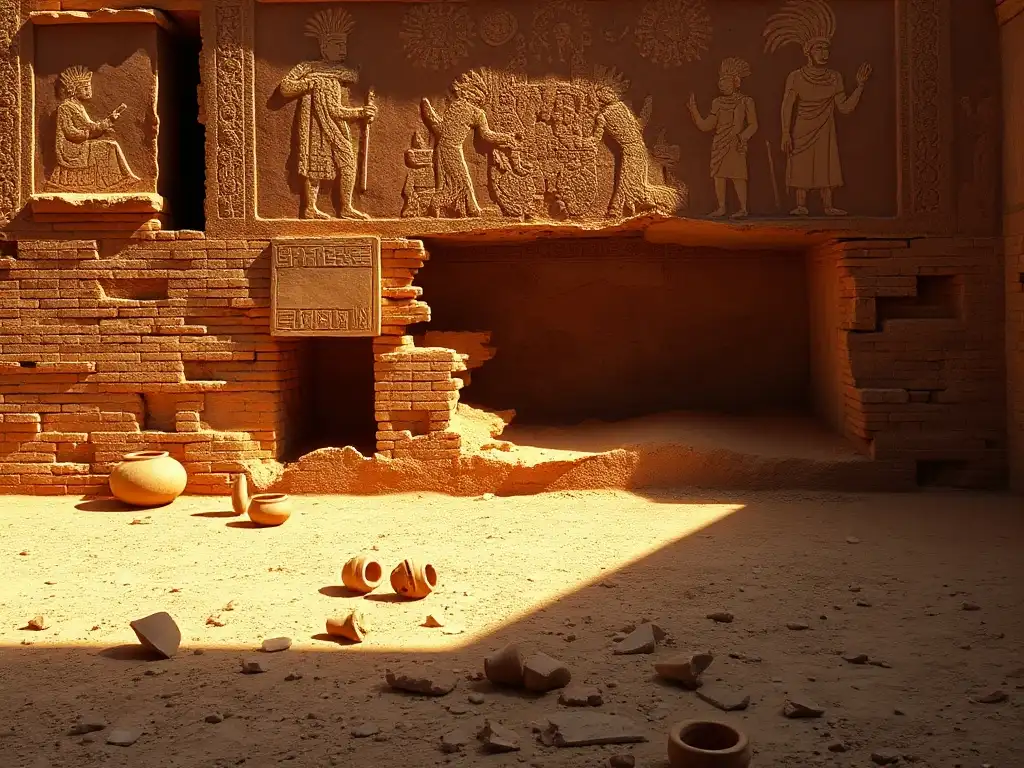
The Moche civilization, flourishing along the northern coast of Peru from approximately 100 CE to 800 CE, possessed a sophisticated social structure reflected in their art and archaeology. While a written legal code doesn't exist, interpretations of their iconography, particularly ceramics and murals, offer valuable insights into their methods of conflict resolution and the enforcement of social norms. Analyzing these visual representations allows us to reconstruct aspects of their legal system and understand their approach to justice. The term "Moche legal system examples" accurately reflects the nature of our understanding – derived from visual evidence rather than textual documentation.
Case Study 1: A Depiction of Combat as a Legal Process
Many Moche ceramic vessels depict scenes of ritualized combat. These aren't simply depictions of warfare; the context suggests a formalized process, potentially used for dispute resolution or the enforcement of social order. The careful staging and symbolic elements within the scenes point towards a structured, regulated system rather than chaotic violence. This interpretation challenges the simplistic view of the Moche as solely a militaristic society, revealing a more nuanced approach to conflict management.
The Specifics of the Contest
Depictions often show two individuals engaged in single combat, with spectators present. These spectators are not passive observers; their presence suggests an element of community involvement and validation of the process. The combatants are frequently adorned with elaborate headdresses and attire, indicating a ritualistic, rather than purely spontaneous, encounter. The weapons used, often specialized forms of clubs or spears, also suggest a controlled context. In some cases, we see individuals acting as referees or judges, overseeing the contest and ensuring fair play. This suggests a formalized system with established rules and procedures.
The Moche Ritualized Combat Process
The ritualistic nature of the combat is further emphasized by the presence of priests or shamans in some scenes. These religious figures may have played a role in sanctifying the process, imbuing it with legitimacy and ensuring adherence to established norms. The combatants may have been representing clans, families, or other social groups, with the outcome carrying significant implications for their respective standings within the community. The presence of offerings or sacrifices in some scenes strengthens the argument for ritualized combat as a legal or quasi-legal process, rather than simple violence.
The Result and its Implications for Social Order
The outcome of these depicted contests likely had significant consequences for the participants and their social groups. The victor might gain prestige, land, or other resources, while the loser could face penalties, including social ostracism or loss of status. These consequences reinforce the idea that these weren't simply random fights but carefully orchestrated events with significant legal and social implications.
The presence of spectators and the overall context of the artwork point towards a system where such combats served as a means of dispute resolution and the maintenance of social order within the Moche society. This system, while different from modern legal frameworks, provided a mechanism for addressing conflict and upholding social norms.
Case Study 2: A Depiction of Captive Taking
Another recurring theme in Moche art is the depiction of captive-taking during warfare. These scenes, however, often go beyond simple depictions of violence, providing insights into the Moche approach to handling prisoners of war and integrating them into their society. The context, again, suggests a structured process rather than random acts of aggression.
The Nature of the Conflict
Moche warfare wasn't necessarily about total annihilation. The scenes often depict prisoners being taken alive, suggesting that the objective wasn't always the complete destruction of the enemy. The prisoners are typically depicted bound and humiliated, but not always brutally treated. This suggests a system of subjugation rather than outright extermination. The careful depiction of these scenes suggests a ritualistic or ceremonial element to the act of capturing and handling prisoners.
The Moche Response to Warfare
The treatment of captives varied. Some were likely sacrificed, but others were integrated into Moche society as slaves or servants. The presence of captives in various Moche contexts, from domestic scenes to agricultural work, highlights their role within the broader Moche social system. The Moche clearly had mechanisms for managing and utilizing prisoners of war, reflecting a sophisticated understanding of power dynamics and resource management.
What this Case Reveals About Moche Power Dynamics
The Moche's handling of captives reveals important aspects of their power dynamics. Their ability to capture, control, and ultimately integrate prisoners into their society demonstrates their military strength and social organization. The presence of captives in various social contexts reflects the Moche's capacity to utilize captured resources, both human and material, to strengthen their own society.
This approach to warfare, which involved both conquest and integration, showcases the complexity and sophistication of their social and political system. The careful artistic representations of these events provide invaluable glimpses into their legal and social norms surrounding conflict and its aftermath. Further research, including more detailed analysis of Moche iconography and archaeological findings, is needed to further refine our understanding of these processes.
Case Study 3: A Depiction of Sacrificial Rituals
The Situation and the Parties Involved
This case, gleaned from ceramic artwork depicting a ritual sacrifice, presents a complex scenario. The artwork, likely commissioned by a high-ranking individual or a temple, portrays a scene involving several figures. While precise identities are impossible to ascertain definitively, we can infer a hierarchy. One figure, adorned in elaborate regalia, appears to be overseeing the ritual.
This individual could be a priest, a ruler, or a high-ranking official, representing the authority of the Moche state. The other figures, dressed more simply, seem to be participants, perhaps victims or witnesses. One figure is clearly being prepared for sacrifice, implying a transgression of Moche law. The nature of this transgression remains open to interpretation, however.
Was it a crime against the state, a religious offense, or something else entirely? The lack of explicit narrative within the artwork leaves room for speculation, highlighting the challenges in interpreting Moche visual sources. We are left to draw conclusions based on the context provided by similar archaeological finds and the wider understanding of Moche society.
The Method of Ritualistic Justice
The depiction of the ritual indicates a highly formalized process. The careful arrangement of the figures, the use of specific ceremonial objects, and the apparent formality of the event all point to a structured system for administering justice. The sacrifice itself, while brutal by modern standards, serves as a powerful symbol of divine authority and the potential consequences of violating Moche law.
The ceremonial aspects suggest that the punishment wasn't merely a violent act but a ritualistic enactment with deeper religious significance, possibly aimed at appeasing deities or maintaining cosmic balance. The Moche artwork offers a glimpse into the ritualistic aspects of their justice system, revealing a profound connection between the secular and the sacred in their legal practices. Scholars continue to debate the precise nature of the ritual and its implications for the Moche understanding of justice.
Further research, including comparative analysis of similar artifacts, is needed to further refine our understanding of this intricate practice. The level of detail in the ceramics, however, strongly suggests a standardized procedure, indicative of a codified, albeit unusual, system of legal enforcement.
Lessons Learned from this Case about Moche Beliefs
This case study underscores the deeply religious nature of the Moche legal system. The use of sacrificial rituals as a form of punishment highlights the profound importance of maintaining social order and religious harmony. The ritualistic aspects suggest a belief system where the transgression of laws had not only earthly but also cosmic consequences.
The involvement of high-ranking officials in the ritual further emphasizes the state's role in upholding religious and social norms. The apparent formality of the ritual implies a carefully structured and codified system, suggesting a sophisticated understanding of law and order, even if it differs significantly from modern legal systems. The case also demonstrates the challenges of interpreting Moche visual culture and the need for interdisciplinary approaches, combining archaeological evidence with anthropological and historical analysis, to build a comprehensive understanding of their complex society and legal practices.
The surviving Moche artwork provides valuable, albeit fragmented, glimpses into their beliefs and legal processes, reminding us of the limitations of our understanding and the ongoing need for further research to unlock the secrets of this enigmatic civilization. The careful study of these "Moche legal system examples" allows for a deeper appreciation of their worldview and the intricacies of their unique approach to justice.
Comparing Moche Legal Practices with Other Andean Cultures
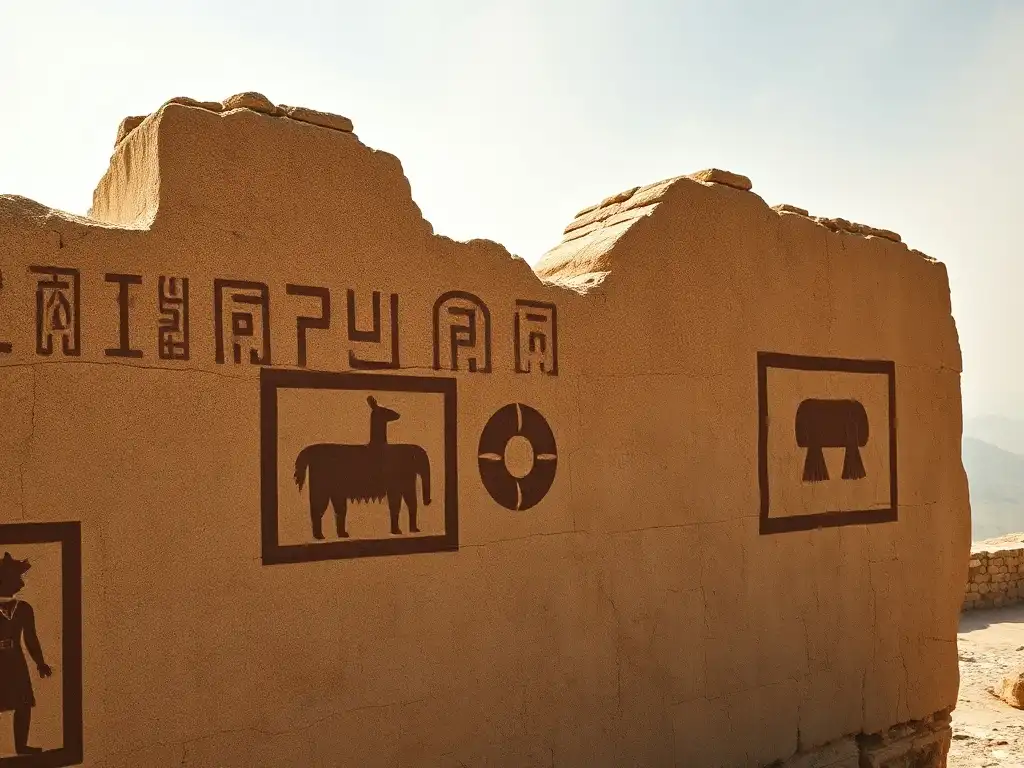
This section delves into the nuances of the Moche legal system by comparing and contrasting it with the legal frameworks of other Andean cultures. While detailed written records are scarce for many pre-Columbian Andean societies, archaeological evidence, iconography, and anthropological interpretations offer valuable insights into their legal practices. Understanding these similarities and differences helps us better appreciate the unique characteristics of the Moche approach to justice and conflict resolution. The Moche legal system examples we have are primarily visual, derived from their intricate pottery and other artifacts.
Contrasting Moche Law with Later Andean Legal Systems
The Incan Empire, which rose to prominence centuries after the Moche, possessed a far more centralized and codified legal system. While the Moche relied heavily on visual representations and possibly oral traditions to convey legal principles, the Incas developed a complex bureaucracy with officials responsible for enforcing laws throughout their vast territory.
The Incan system, characterized by a hierarchical structure and a strong emphasis on state control, contrasts sharply with the potentially more decentralized and community-based approach suggested by Moche evidence. For instance, while Incan law dictated punishments based on social standing and the severity of the crime, the Moche system might have been more flexible, potentially influenced by local customs and the specific circumstances of each conflict.
Further research is needed to determine the degree to which local autonomy existed within the Moche societal structure. The exact nature of Moche penalties remains a subject of ongoing scholarly debate, but it's clear the Incan system was more formalized and integrated into the state apparatus than anything we observe in the Moche.
Differences and Similarities with Legal Practices of the Chavin
The Chavin culture, predating the Moche, also presents interesting points of comparison. Both cultures exhibited sophisticated social organization, reflected in their monumental architecture and complex art. However, the evidence for a formalized legal system is even more limited for the Chavin than for the Moche.
While some scholars suggest the Chavin’s elaborate iconography may hint at a structured system of beliefs and social control, the interpretation of these symbols remains open to debate. The potential similarities might lie in the use of religious or spiritual authority to legitimize social order and resolve disputes, a feature potentially present in both cultures, although the specifics differ greatly.
A key difference, however, could be the scale and complexity of their respective societal structures. The Chavin’s influence was arguably more diffuse, whereas the Moche developed a more regionally concentrated and perhaps more densely populated power structure, suggesting a potentially more structured system of conflict resolution was necessary.
Unique Features of Moche Justice in the Andean Context
The Moche legal system, while not fully understood, appears to have possessed some unique features within the broader Andean context. The prominent role of visual representation in Moche pottery, depicting scenes of apparent conflict resolution and punishment, is a striking characteristic. This visual emphasis suggests a reliance on public displays of justice, potentially serving as both a deterrent and a means of reinforcing social norms.
Unlike later Andean cultures that developed written legal codes, the Moche relied on visual narratives to communicate legal principles and precedents. These visual depictions, though open to interpretation, provide valuable glimpses into Moche conceptions of justice, fairness, and the consequences of violating social norms. Further analysis of Moche iconography, particularly focusing on recurring motifs and symbolic representations, may help to illuminate the subtle complexities of their unique legal approach.
The potential reliance on community-based dispute resolution, as opposed to a centralized authority, is another aspect that distinguishes the Moche legal system, offering intriguing avenues for future research. Detailed analysis of settlement patterns and the distribution of power within Moche society is needed to fully understand the scope and operation of their legal practices. The lack of written records necessitates reliance on archaeological evidence and interpretations of visual data, a challenge that highlights the complexity and uniqueness of studying Moche law.
The Legacy of the Moche Legal System
The Moche legal system, while not documented in the same way as later Andean civilizations like the Inca, leaves behind a fascinating legacy deciphered through careful analysis of their art and archaeological finds. Understanding their approach to justice provides invaluable insights into their societal structure, values, and beliefs. The absence of written laws doesn't negate the presence of a sophisticated system; rather, it highlights the importance of visual communication and ritual in shaping Moche society.
We can infer the existence of a structured legal framework through the recurring motifs depicting conflict resolution, punishment, and social hierarchy found in their intricate pottery and metalwork. These visual narratives serve as primary sources for understanding the complexities of Moche justice.
The system likely involved a combination of community-based dispute resolution, religious authority, and potentially specialized individuals or groups responsible for enforcing norms. Further research and analysis of Moche iconography are crucial to further illuminate the nuances of their legal practices and their impact on subsequent Andean cultures.
The Influence of Moche Justice on Later Andean Iconography
Moche artistic representations of legal proceedings and punishments—often depicting scenes of violence, sacrifice, and displays of power—show a striking continuity with later Andean iconography. For example, the depiction of captives bound and presented before a ruler, a common theme in Moche pottery, reappears in various forms in the art of subsequent civilizations. This suggests a shared cultural understanding of justice and authority that transcended the Moche period.
While the specifics of legal procedures undoubtedly evolved, the underlying visual language of power, submission, and punishment remained consistent. This visual continuity highlights the enduring impact of Moche legal concepts on the broader Andean cultural imagination. Analyzing these shared visual motifs allows us to trace the evolution of Andean legal thought and practice across centuries.
The recurring themes found in both Moche and later Andean art provide compelling evidence of a shared cultural memory related to justice and conflict resolution. [Specific examples of comparative iconography pending further research].
The Significance of Moche Law for Understanding Ancient Andean Values
The Moche legal system, as interpreted through their artistic representations, offers crucial insights into their core societal values. The prominence of scenes depicting warfare and human sacrifice in their art suggests a hierarchical society where power and control were central. However, the intricate detail and artistry applied to these depictions also hint at a sophisticated understanding of social order and the importance of maintaining it.
The emphasis on visual representation of justice implies a strong belief in public accountability and the symbolic power of ritual to reinforce social norms. Furthermore, the focus on elite figures in many scenes suggests a strong centralized authority that played a key role in legal matters. Studying the Moche's visual representation of their legal system allows us to understand their values concerning power, social hierarchy, and the importance of maintaining order.
This understanding provides a key to interpreting other aspects of Moche society and culture. The system wasn't simply about punishment; it was integral to the expression and reinforcement of their worldview. Analyzing this visual system allows us to understand the values underlying their societal structure.
Concluding Thoughts on the Moche Legal Framework
The Moche legal system, though indirectly revealed through its artistic legacy, presents a compelling case study in ancient Andean justice. The absence of written codes doesn't diminish its significance; instead, it underscores the importance of visual communication and ritual in shaping Moche society and its legal framework. Further research, particularly interdisciplinary studies combining archaeology, art history, and anthropology, is crucial to fully understand the complexities of Moche justice.
By carefully analyzing their artistic representations, we gain valuable insights into their social structures, values, and the ways in which they dealt with conflict and maintained social order. The Moche’s approach to justice offers a unique perspective on the development of Andean legal thought and its lasting influence on subsequent civilizations.
The ongoing investigation into "Moche legal system examples" will continue to refine our understanding of this fascinating aspect of their culture. The legacy of the Moche legal system continues to inspire and challenge our understanding of ancient Andean societies.
Frequently Asked Questions
What kind of legal system did the Moche civilization have?
The Moche lacked a written legal code like many later civilizations. Their system was likely based on customary law, enforced by religious and political elites. Evidence suggests a strong emphasis on social order and hierarchy.
How did the Moche resolve conflicts?
Conflict resolution likely involved a combination of mediation by religious leaders and punishments determined by the ruling class. Retribution may have been common, especially for serious offenses. Precise mechanisms remain debated by scholars.
Are there any surviving Moche legal documents?
No formal, written legal documents survive from the Moche civilization. Our understanding comes from interpretations of archaeological evidence, such as depictions of punishments and social structures in their art. Iconography provides crucial insights.
What role did religion play in the Moche legal system?
Religion significantly influenced the Moche legal system. Religious leaders often acted as judges or mediators, and punishments might have involved religious rituals or sacrifices. The divine authority of rulers also underpinned their power to administer justice.
What are some examples of Moche punishments?
Archaeological evidence suggests punishments ranged from fines and public shaming to death penalties for serious crimes. Depictions in Moche art show individuals being subjected to various forms of physical punishment and sacrifice, often linked to religious beliefs.
Final Reflection: Echoes of Justice in the Moche World
The intricate Moche legal system, far from being a relic of the past, offers a compelling lens through which to examine contemporary challenges in justice and conflict resolution. Understanding their approaches to dispute settlement, social hierarchy, and the role of religious authority provides invaluable insights into the enduring human quest for fairness and order. The sophistication of their system, revealed through archaeological evidence and careful interpretation, continues to surprise and inspire.
The Moche's emphasis on visual representation of law, through intricate iconography on ceramics and textiles, highlights the importance of public communication and transparency in legal processes – a principle still relevant in our modern, increasingly complex legal landscapes. Justice delayed is justice denied,
a sentiment that transcends time and culture, resonates deeply when considering the Moche's apparent commitment to swift and (presumably) equitable resolution of disputes. Their system, while vastly different from our own, reminds us of the fundamental human need for mechanisms to address conflict and maintain social cohesion.
Consider the ways in which the Moche addressed conflict within their society. How can we apply their innovative approaches – perhaps their focus on community mediation or the symbolic power of their visual legal codes – to our own struggles with injustice and inequality? You, the reader, are now challenged to reflect on the enduring lessons of the Moche legal system and to consider how these ancient practices might inform a more just and equitable future. Let the echoes of their justice inspire your own pursuit of a better world.
Unveil the Wisdom of Moche Justice!
Thank you for exploring the fascinating Moche legal system with us! You've discovered the intricate ways this ancient civilization approached justice and conflict resolution. Let's use this knowledge to inspire positive change in your life and community.
Here are some ways you can apply what you've learned:
- **Engage with Your Community:** Participate in local initiatives focused on conflict resolution to put your newfound knowledge into practice. Consider attending a community meeting, workshop, or volunteering with a mediation organization.
- **Share Your Insights:** Discuss the innovative approaches to justice used by the Moche with friends, family, or online. Starting a conversation about how ancient wisdom can inform modern justice systems can be impactful.
- **Expand Your Knowledge:** Explore other Andean cultures to discover further parallels and contrasts in historical justice practices. This comparative approach will enrich your understanding of the complexities of justice across time and cultures.
How can we best resolve conflicts in our society today, and what valuable lessons can we learn from the Moche's approach to justice?