
Moche Social Control: Maintaining Order and Authority

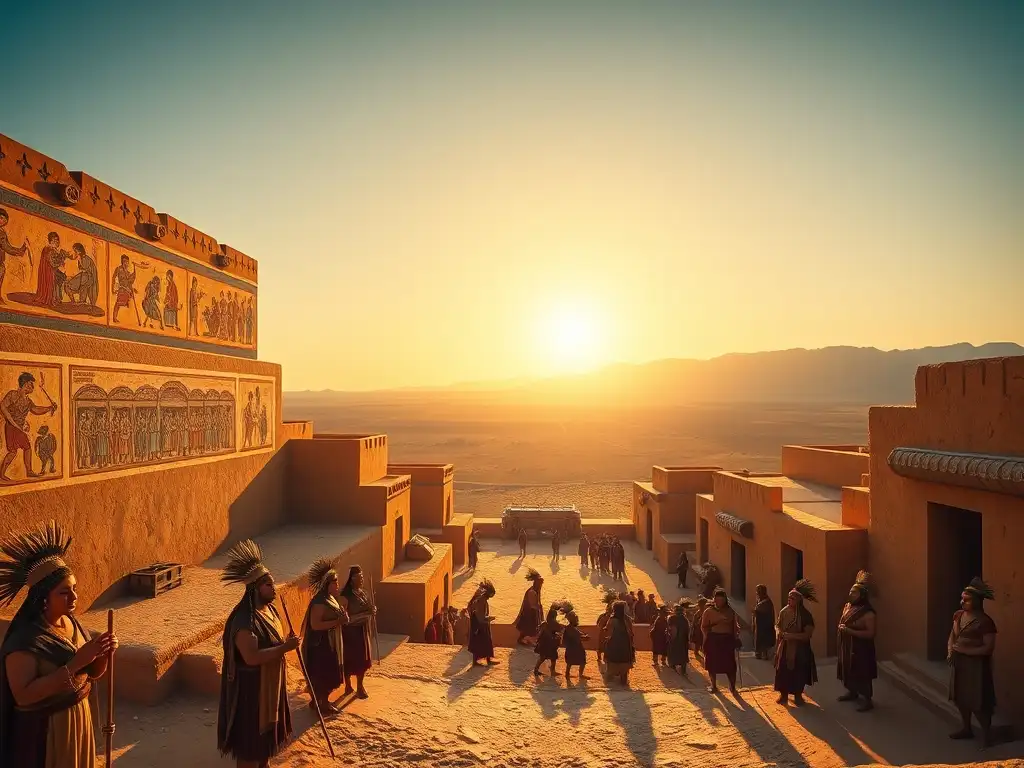
Dive into the enigmatic world of the Andean civilizations! Prepare to unravel the mysteries of a fascinating past, where towering empires like the Inca, Nazca, and Tiahuanaco left behind a legacy of breathtaking artistry and unparalleled innovation. But the secrets don't end there. What ingenious methods did the Moche employ to maintain order and authority across their vast territories? Discover the answers as we delve into the intricate mechanisms of Moche social control, a captivating story waiting to be unveiled.
-
Moche Social Control: Maintaining Order and Authority in Ancient Peru
- Understanding Moche Society and the Need for Control
- Moche Social Hierarchy: The Foundation of Power
- Key Elements of Moche Social Control Methods
- Religious Institutions and Moche Social Order
- Moche Art and Propaganda as Tools of Social Control
- Moche Military Power and the Enforcement of Authority
- Economic Control and Resource Management in Moche Society
- Moche Justice System: Punishments and Social Regulation
- The Effectiveness of Moche Social Control Strategies
- The Legacy of Moche Social Control: Lessons from the Past
- Frequently Asked Questions
- Final Reflection: The Enduring Legacy of Moche Social Control
- Unveil Your Role in Social Harmony!
The Moche civilization (c. 100-800 CE), flourishing along the arid north coast of Peru, developed a complex and sophisticated social structure that required robust mechanisms for maintaining order and authority. This article delves into the various methods employed by the Moche elite to control their vast population, exploring the interplay between social hierarchy, religious ideology, and practical governance.
Understanding Moche social control is crucial to grasping the remarkable achievements and enduring legacy of this fascinating pre-Columbian society. We will examine the intricate ways in which the Moche maintained stability and power, revealing a system far more nuanced than simple coercion.
The effectiveness of their methods is evident in the impressive scale of their monumental architecture, elaborate irrigation systems, and the rich artistic output that has survived to this day. This exploration of "Moche social control methods" will illuminate the sophisticated strategies used to govern a complex society in a challenging environment.
Understanding Moche Society and the Need for Control
The Moche were not a monolithic entity. Their society was stratified, with a clear hierarchy ranging from the ruling elite, likely composed of priests and warrior-chiefs, down to commoners and possibly enslaved individuals. This hierarchical structure, inherently prone to potential instability, necessitated effective mechanisms for social control. The sheer scale of Moche infrastructure projects, such as extensive irrigation canals and monumental architecture, points to a highly organized society capable of mobilizing large labor forces.
Maintaining this organization required a sophisticated system of control, encompassing both coercion and consent. Evidence suggests that religious beliefs played a significant role in legitimizing the authority of the ruling class and fostering social cohesion. The Moche elite, often depicted in elaborate iconography, likely used religious rituals and ceremonies to reinforce their power and maintain social order.
The construction of monumental tombs and the practice of human sacrifice, while seemingly brutal, might have been integral parts of the system, serving to reinforce the power structure and instill fear and awe in the populace. The need for control was further amplified by the challenges posed by the harsh desert environment, resource scarcity, and potential conflicts with neighboring groups. This complex interplay of social, religious, and environmental factors shaped the Moche's approach to social control.
The Moche social hierarchy formed the bedrock of their system of control. At the apex stood the elite, likely a hereditary ruling class with access to wealth, power, and religious authority. Their control was reinforced through various means. The visual representation of power, through monumental architecture, elaborate tombs, and intricate gold and silver artifacts, served to impress and intimidate the populace.
These displays of wealth and power visually communicated the elite's authority and divine connection. Below the elite, different social strata existed, likely based on occupation and access to resources. Farmers, artisans, and laborers constituted the majority of the population, with their roles and responsibilities clearly defined within the social structure. Evidence suggests that specialized labor groups existed, contributing to the construction of monumental projects and the production of sophisticated art.
The existence of a lower class, possibly consisting of enslaved individuals or those subjected to forced labor, is also suggested by archaeological findings. The precise nature of social mobility within the Moche hierarchy remains a subject of ongoing research, yet the overall structure clearly demonstrates a system designed to maintain the power and privilege of the elite. The control exerted by the ruling class over these different strata was essential for the maintenance of social order and the successful execution of large-scale projects. The intricate system of control, which combined religious ideology, visual displays of power, and potentially coercive measures, allowed the Moche to maintain stability and achieve remarkable levels of societal complexity.
The Moche civilization, flourishing along the northern coast of Peru from approximately 100 to 800 CE, developed sophisticated methods of social control to maintain order and consolidate the power of the elite. Their strategies weren't solely based on force; instead, they cleverly intertwined religious beliefs, elaborate rituals, and the careful management of resources to ensure social cohesion and obedience. A crucial element was the visible display of power and authority, often manifested through monumental architecture, impressive artwork depicting rulers and their victories, and the carefully orchestrated public ceremonies that reinforced the divine right to rule.
This wasn't simply about intimidation; it was about creating a deeply ingrained sense of awe and respect for the ruling class, making challenges to their authority seem unthinkable. The Moche elite skillfully used propaganda, disseminating their ideology through art and religious practices, to cultivate a shared identity and loyalty among the populace. This carefully cultivated image projected an aura of invincibility and divine mandate, making dissent far less likely.
Furthermore, the control over vital resources like water and land played a significant role. The Moche state’s ability to manage irrigation systems and allocate resources effectively provided them with considerable leverage over the population, ensuring compliance and loyalty through economic dependence.
Religion served as the bedrock of Moche social control. The intricate web of beliefs, rituals, and priestly authority permeated every aspect of Moche life, shaping social behavior and reinforcing the power structure. The Moche pantheon, populated by powerful deities associated with fertility, warfare, and the elements, provided a framework for understanding the world and their place within it.
The elite, closely tied to the religious establishment, presented themselves as intermediaries between the divine and the populace, wielding considerable spiritual and temporal authority. This close relationship between religious and political power ensured the unwavering support of the priestly class for the ruling elite, lending religious legitimacy to their rule. The elaborate temples and ceremonial centers served not only as places of worship but also as symbols of Moche power and sophistication, visually reinforcing the authority of the ruling class.
The sheer scale and grandeur of these structures would have been awe-inspiring, creating a powerful impression on the people and solidifying their belief in the power of the elite and the gods they represented. The construction of these monumental structures also served a practical purpose in terms of social control; the large-scale projects required significant labor, providing employment and reinforcing the state’s power and control over the population.
The Role of Moche Priests in Maintaining Social Control
Moche priests occupied a pivotal position within the social hierarchy, acting as crucial agents of social control. Their intimate knowledge of religious practices and their close relationship with the ruling elite gave them considerable influence over the populace. They were not merely religious figures; they were also interpreters of the divine will, capable of mediating between the gods and the people.
This role allowed them to influence social behavior, offering guidance on matters of morality, conduct, and even agricultural practices. Their interpretations of omens and prophecies could be used to justify the actions of the ruling class or to quell any potential dissent. Furthermore, the priests played a critical role in the performance of elaborate rituals and ceremonies, which served to reinforce social order and strengthen the bonds between the people and their rulers.
They controlled access to sacred knowledge and rituals, further enhancing their authority and influence. The priests’ power was visually reinforced through their elaborate attire, distinctive headdresses, and privileged access to resources, all of which served to distinguish them from the general population and emphasize their unique position within Moche society. The meticulous attention to detail in their depiction in Moche art underscores their critical role in maintaining social stability.
Moche Rituals and Their Impact on Social Compliance
Moche rituals were far more than mere religious observances; they were potent tools of social control, skillfully employed to reinforce social order and consolidate the power of the elite. These rituals, often elaborate and spectacular affairs, served to instill a sense of awe and reverence for the gods and the ruling class. Public ceremonies, featuring processions, sacrifices, and elaborate displays of wealth and power, were designed to demonstrate the might and legitimacy of the Moche state. The sacrifices, often including human sacrifices, served not only religious purposes but also as a stark reminder of the consequences of disobeying the authorities or challenging the established social order.
These acts of sacrifice, while gruesome, reinforced the power of the elite and their control over life and death. The depictions of these rituals in Moche art further served to propagate the ideology of the ruling class and reinforce social norms. Furthermore, agricultural rituals, closely tied to the Moche's reliance on irrigation for survival, played a vital role in maintaining social cohesion.
These rituals ensured the cooperation of the populace in maintaining the crucial irrigation systems, reinforcing the state's control over resources and its ability to provide for the community. The success of these rituals, interpreted as divine favor, further strengthened the legitimacy of the ruling elite and their control over the population. The intricate and symbolic nature of these rituals ensured their continued relevance and effectiveness in maintaining Moche social order.
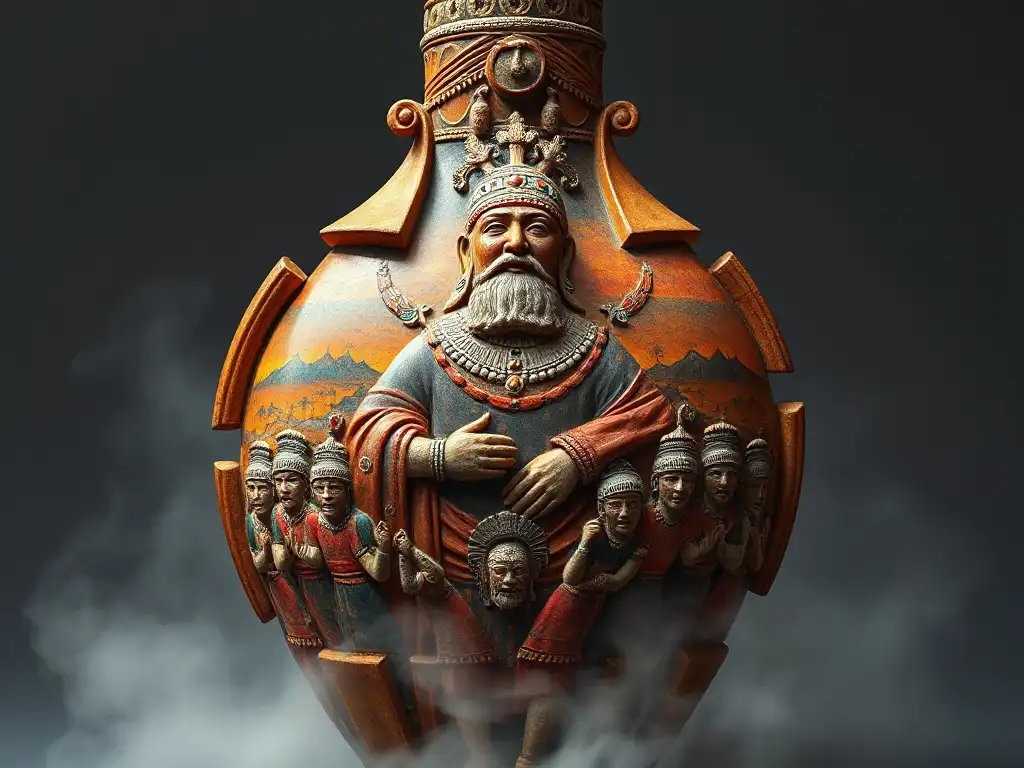
The Moche, masterful artisans, cleverly employed art as a potent tool for social control. Their elaborate ceramics, murals, and textiles weren't merely aesthetic creations; they served as powerful propaganda vehicles, disseminating ideologies and reinforcing social hierarchies. The sheer scale and artistry of these works impressed upon the populace the power and legitimacy of the ruling elite. By controlling the production and dissemination of these artistic expressions, the Moche state effectively controlled the narrative of their society.
This control extended to the very imagery used, subtly shaping the public's perception of the rulers, their authority, and the expected societal behaviors. The consistent portrayal of certain themes and symbols across various art forms ensured a unified and pervasive message, effectively shaping public opinion and reinforcing the existing social order. The Moche understood the power of visual communication and strategically utilized it to maintain their grip on power.
Depictions of Power and Authority in Moche Ceramics
Moche pottery, renowned for its exquisite detail and realistic depictions, frequently portrays scenes of power and authority. Rulers are often depicted in elaborate headdresses and regalia, participating in ritual ceremonies or overseeing grand events. These depictions weren't merely portraits; they were carefully crafted narratives that reinforced the divine right of rulers to govern. The size and prominence given to the ruling figures in these ceramic works further emphasized their superior status.
For instance, the depiction of a Moche ruler performing a ritual sacrifice, often portrayed on large, elaborate vessels, served as a powerful visual reminder of their control over both the earthly and spiritual realms. Such imagery instilled awe and reinforced the legitimacy of their rule, thereby contributing significantly to Moche social control. The use of high-quality materials and intricate techniques in creating these pieces further highlighted the power and prestige associated with the ruling class.
Moche Murals and the Reinforcement of Social Norms
Beyond ceramics, Moche murals played a crucial role in reinforcing social norms and expectations. These large-scale paintings, often found adorning the walls of elite structures, depicted scenes of daily life, religious rituals, and warfare. By presenting idealized versions of these activities, the murals served as powerful tools for promoting social conformity and obedience.
The depictions of rituals, for example, showcased the correct way to perform these important ceremonies, implicitly setting a standard for proper behavior. Similarly, scenes of warfare illustrated the power and effectiveness of the Moche military, reinforcing the importance of obedience to authority. The consistent messaging and the visual grandeur of the murals ensured that social norms were deeply ingrained within the Moche society.
The highly stylized nature of the murals, with their clear delineations of social hierarchy and expected behavior, further strengthened the message of social control. These murals served as a continuous, public reminder of the social order and the consequences of deviating from it.
The Moche military was a significant instrument of social control. Their well-organized army, equipped with advanced weaponry for the time, ensured the enforcement of laws and the suppression of dissent. The military's strength wasn't just a matter of numbers; it was a carefully cultivated image that projected power and instilled fear in the population. The Moche military's effectiveness is evident in their ability to maintain control over a relatively large territory and diverse population for an extended period.
Their capacity to quickly deploy forces to quell rebellions or enforce tax collection was crucial for maintaining social order. The threat of military intervention was a powerful deterrent against any challenges to the existing authority. The visibility of the military, through parades, displays of weaponry, and the construction of imposing fortifications, served as a constant reminder of the state's power and ability to enforce its will.
Moche Warfare and Its Role in Social Dominance
Moche warfare was not solely about territorial expansion; it was a critical component of their system of social control. Conquests and military victories demonstrated the power and might of the ruling elite, solidifying their position at the apex of the social hierarchy. The spoils of war, including captives and resources, were used to reward loyal supporters and further reinforce the power structure.
The constant threat of warfare, and the visible displays of military prowess, instilled obedience and discouraged rebellion. The Moche's military success was instrumental in maintaining their dominance and ensuring social stability. Depictions of warfare in Moche art served as a propaganda tool, glorifying military victories and reinforcing the image of the ruling class as powerful and invincible.
Moche Fortifications and Control of Territory
Extensive fortifications built by the Moche further demonstrate their commitment to maintaining social order and controlling their territory. These structures, strategically located across their domain, served as visible symbols of power and control. They not only protected against external threats but also acted as a deterrent against internal rebellion.
The very presence of these imposing structures served as a constant reminder of the state's power and its capacity to defend its interests. The construction and maintenance of these fortifications required significant resources and labor, demonstrating the state's power and its ability to mobilize its population for collective projects.
The strategic placement of these fortifications allowed for effective control over vital resources and trade routes, further consolidating the Moche's dominance and their ability to maintain social order. The sheer scale of these projects also served as a demonstration of the state's power and capacity, inspiring both awe and obedience in the population.
Economic Control and Resource Management in Moche Society
The Moche's sophisticated system of social control was deeply intertwined with their mastery of resource management. Their success as a civilization hinged on their ability to efficiently control the distribution of essential resources like water, food, and valuable materials. This control wasn't merely about practicality; it was a crucial element in maintaining social order and reinforcing the authority of the elite. The Moche state exerted its power through carefully planned and executed strategies, ensuring the flow of resources reinforced their hierarchical structure.
Control over these resources translated directly into political influence and social stability. The efficient management of resources wasn't just a means to an end; it was a powerful tool used to consolidate power and maintain the social order. Any disruption in this system could have had far-reaching consequences, affecting social cohesion and potentially leading to instability.
Moche Irrigation Systems and Labor Mobilization
The Moche's extensive irrigation systems are a prime example of their economic control. These weren't simply engineering marvels; they represented a powerful instrument of social control. Constructing and maintaining these complex networks required a massive mobilization of labor. This labor wasn't voluntary; it was likely organized and directed by the ruling elite, demonstrating their capacity to command significant human resources.
The control over water itself, a life-giving resource in the arid coastal regions, was a potent source of power. Access to irrigation canals, and therefore to arable land and sustenance, was tightly regulated, ensuring the state's influence permeated all aspects of Moche life. Evidence suggests that the construction of these systems was a highly organized undertaking, indicative of a centralized authority capable of coordinating large-scale projects. The scale of these projects speaks volumes about the Moche state's power and its ability to direct the labor of its populace.
Moche Trade and the Distribution of Goods
Beyond irrigation, the Moche controlled the flow of goods through extensive trade networks. Control over trade routes and the distribution of valuable resources like metals, textiles, and exotic goods further solidified their authority. This wasn't just about economic prosperity; it was about political power. The ability to control the distribution of desirable items allowed the elite to reward loyalty, punish dissent, and maintain their privileged position within society.
The Moche's mastery of metallurgy, for example, provided them with a unique advantage in trade, enabling them to produce high-quality tools and ornaments that were highly sought after. The strategic control of these valuable goods served as a vital component in their system of social control, underpinning their political authority and economic dominance. Their trade networks extended far and wide, connecting them to other cultures and providing them with access to a wide variety of resources.
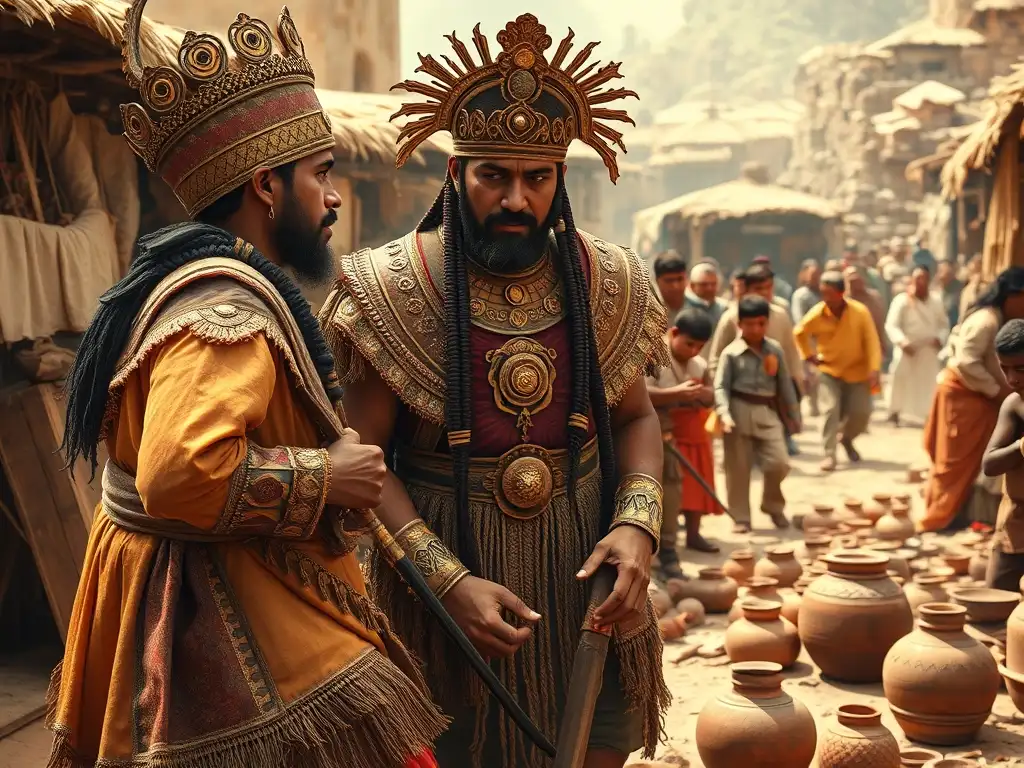
The Moche civilization, despite its impressive achievements, maintained order through a system of justice that involved both rewards and punishments. Their legal practices, though not documented in written form, are evident in archaeological findings. These findings reveal a society that valued order and stability, using both symbolic and practical means to enforce its rules and maintain its hierarchical structure. The evidence suggests a system that aimed to deter crime and maintain social harmony. This system, while harsh at times, played a vital role in shaping Moche society and ensuring the continued power of the ruling class.
Evidence of Moche Legal Practices
Evidence of Moche legal practices comes primarily from their iconography – the elaborate artwork found on pottery and other artifacts. These images depict scenes of punishments, often brutal, suggesting a system of justice that prioritized deterrence. Depictions of individuals being subjected to various forms of punishment, such as mutilation or sacrifice, vividly illustrate the consequences of violating social norms.
The detail and frequency of these depictions highlight the importance of maintaining order and upholding the authority of the ruling class. While these images are not exhaustive, they offer valuable insights into the Moche's approach to justice and social control. Further research is needed to fully understand the nuances of their legal system, but the existing evidence paints a picture of a society that took social order extremely seriously.
Moche Sanctions and Their Effectiveness
The effectiveness of Moche sanctions is a complex issue. While the severity of the punishments depicted in their art suggests a system designed to instill fear and obedience, the long-term success of this system is a matter of ongoing scholarly debate. The sheer scale and longevity of the Moche civilization suggest a degree of effectiveness.
However, the absence of written records makes it difficult to fully assess the long-term impact of their legal practices and the extent to which they contributed to social stability. Further research, potentially incorporating anthropological and sociological perspectives, could provide a richer understanding of the effectiveness of their system of social control. The enduring legacy of Moche art, however, suggests that their methods, however harsh, were effective enough to maintain their societal structure for centuries.
The effectiveness of Moche social control methods is a complex issue, debated by archaeologists and historians. While the Moche state undeniably possessed considerable power, evidenced by their monumental architecture, sophisticated irrigation systems, and impressive artistic achievements, the extent to which they maintained complete control over their vast population remains a subject of ongoing research. Their strategies, a blend of religious authority, economic incentives, and potential coercion, likely varied in their success across different regions and periods of Moche rule.
One indicator of effectiveness lies in the longevity of the Moche culture itself. Their civilization flourished for several centuries, suggesting a degree of stability and social order. The impressive scale of their public works projects, such as the intricate canal systems and monumental pyramids, points to a capacity to mobilize significant labor and resources, indicating a level of compliance and cooperation among the populace. This mobilization wouldn't have been possible without a certain degree of social control and acceptance of the ruling elite's authority.
However, evidence also suggests limitations in the Moche's control. The presence of warfare and internal conflict, depicted in Moche iconography, indicates that the system wasn't entirely seamless. Furthermore, the eventual collapse of the Moche state suggests that their control mechanisms, while effective for a considerable period, were ultimately not sufficient to prevent societal breakdown.
The reasons for this collapse are multiple and complex, but it's likely that internal tensions and external pressures played significant roles, highlighting the inherent limitations of even the most sophisticated systems of social control. Further research into Moche settlement patterns and social stratification could provide more detailed insights into the effectiveness of their governance. Analyzing the distribution of resources and the prevalence of social inequality could shed further light on the dynamics of power and control within Moche society.
The study of Moche social control offers valuable insights into the dynamics of power and governance in ancient societies. Understanding their methods—a combination of religious ideology, economic incentives, and potentially coercive measures—provides a case study for examining how ancient states maintained order and authority. The Moche’s sophisticated use of iconography and monumental architecture to project power and reinforce social hierarchies provides a compelling example of the impact of symbolic representation on social control. Their carefully constructed narratives, as seen in their elaborate ceramics and murals, served to legitimize their rule and maintain social cohesion.
The Moche legacy also highlights the challenges inherent in maintaining control over a large and diverse population. The eventual decline and collapse of their civilization serves as a cautionary tale, emphasizing the limitations of any system of social control that relies solely on coercive measures or fails to address underlying social and economic inequalities. The Moche experience underscores the importance of considering the complex interplay of factors—environmental changes, internal conflicts, and external pressures—that can contribute to the rise and fall of ancient states.
Studying the Moche offers valuable comparative insights for understanding social control in other ancient Andean civilizations, such as the Inca. By comparing and contrasting Moche and Inca methods, researchers can gain a deeper understanding of the diverse strategies employed by ancient Andean societies to maintain order and authority. Furthermore, the Moche case study contributes to broader theoretical discussions about the nature of power, governance, and social stability in ancient societies worldwide.
The lessons learned from the Moche can inform our understanding of social dynamics in both ancient and modern contexts. Their story serves as a reminder of the complexities involved in building and maintaining a stable and prosperous society, and the precarious balance between authority and social harmony.
Frequently Asked Questions
The Moche employed a complex system of social control mechanisms, including religious ideology, elite power structures, and potentially fear-based tactics associated with their powerful imagery and rituals. Their sophisticated irrigation systems also likely played a role in enforcing order.
Religious beliefs and rituals were central to Moche social control. The depiction of powerful deities and rituals in art and architecture likely reinforced the authority of the elite and instilled respect for the established order. These elements served to both inspire awe and fear.
Did the Moche have a formal legal system?
While no written legal code survives, evidence suggests the Moche relied on a system of social hierarchy and religious authority to maintain order. Punishments for transgressions were likely imposed through the elite, but the precise nature of their legal system remains debated.
Moche art, particularly its depiction of powerful rulers and deities, served as a potent tool of propaganda. These images reinforced the legitimacy of the ruling class and the importance of adhering to societal norms. The visual display of power instilled fear and respect.
How did the Moche control their large-scale irrigation systems?
The sophisticated irrigation systems were vital to Moche society, their management requiring centralized control. This control likely reinforced the power of the elite, who could allocate resources and punish those who interfered with the system’s function, creating a system of economic and social control.
The sophisticated mechanisms of Moche social control, far from being relics of a distant past, offer a compelling lens through which to examine the enduring challenges of maintaining order and authority in complex societies. Understanding their strategies—from intricate religious iconography to the strategic deployment of power—provides invaluable insights into the delicate balance between societal stability and individual freedom, a balance that continues to shape our world today.
The Moche's ability to create a highly stratified society, marked by both impressive artistic achievements and a seemingly ruthless enforcement of social hierarchy, leaves a lasting impression. Their methods, while starkly different from our own, raise fundamental questions about the nature of power, the role of religion in governance, and the inherent tensions within any social structure. Power is not a thing; it is a relationship.
This simple statement, though modern, resonates deeply with the complex interplay of power dynamics evident in Moche society. Their legacy compels us to consider the ethical implications of any system of control, regardless of its aesthetic appeal or technological sophistication.
Consider the Moche's legacy. Reflect on the ways in which societies today, despite their technological advancements, still grapple with similar issues of social control and the equitable distribution of power. You, the reader, are now equipped with a deeper understanding of the Moche's methods; use this knowledge to critically examine the systems of power that shape your own world. Engage in thoughtful discussions, challenge assumptions, and strive to build a future where order and authority are not achieved at the expense of justice and individual dignity.
Thank you for exploring the fascinating world of social control in the Moche civilization! We hope you've gained valuable insights into how societies maintain order and authority. Now, let's consider your role in fostering a stronger, more harmonious community.
- Participate in local initiatives that build community bonds and promote social harmony. Examples include volunteering at a local charity, joining a neighborhood watch program, or participating in community events.
- Share your perspectives on effective strategies for maintaining order in modern society. Join the conversation on social media using #AndeanHarmony.
- Learn from the past: Researching how other civilizations throughout history have addressed social control can inspire innovative approaches for our modern challenges.
What unique ideas do you have for building unity and understanding in your community? Share your thoughts below!