
Moche Ceramics and the Supernatural: Spirits and Deities

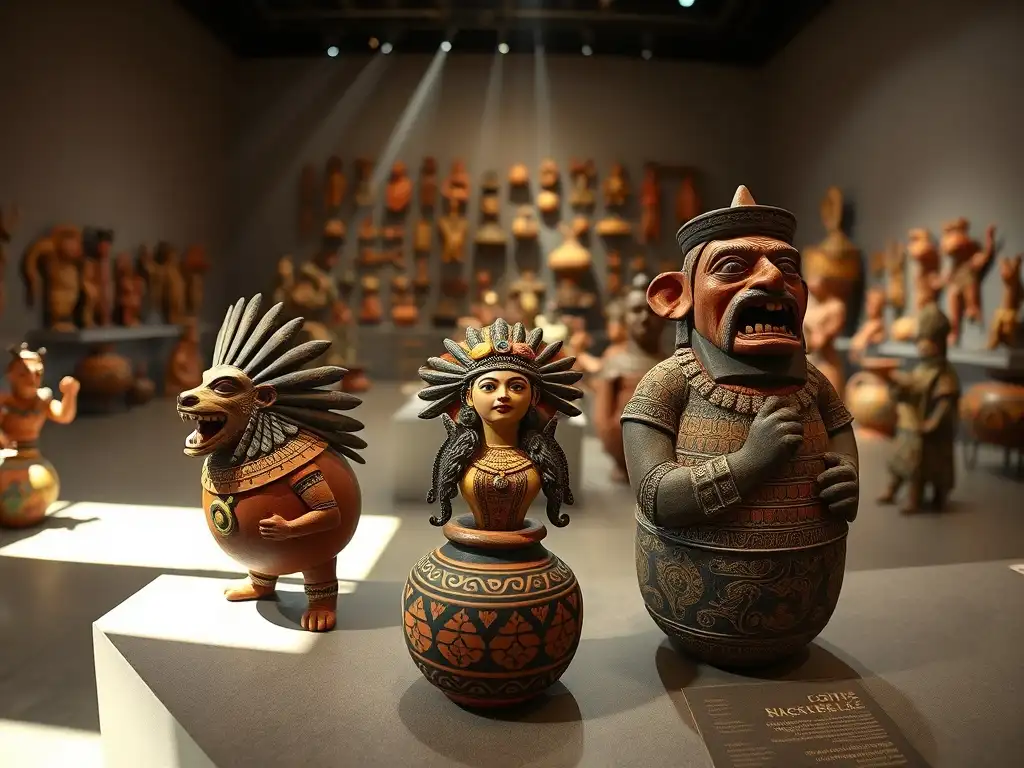
Dive into the enigmatic world of the Andes! Prepare to be captivated by the vibrant tapestry of ancient cultures, from the intricate artistry of the Incas to the awe-inspiring achievements of the Nazca. But first, let's unravel a particularly intriguing mystery: the supernatural symbolism hidden within the breathtaking Moche pottery. Discover how these ceramic masterpieces offer a glimpse into a world teeming with spirits and deities—a world waiting to be explored. Journey with us and uncover the secrets held within these remarkable artifacts.
The Moche civilization (circa 100-800 CE), flourishing along the arid northern coast of Peru, left behind a remarkable legacy: intricately crafted ceramics that offer a captivating window into their complex religious beliefs and worldview. This article delves into the fascinating world of Moche pottery, exploring the prominent role of supernatural symbolism and the rich iconography depicting spirits, deities, and mythical beings. We will examine how these ceramic representations illuminate the Moche understanding of the supernatural, its influence on their daily lives, and its profound impact on their societal structure.
Understanding Moche pottery's supernatural symbolism is key to unlocking a deeper appreciation for this remarkable pre-Columbian culture and its enduring artistic achievements. The vibrant colors, detailed artistry, and powerful imagery of Moche ceramics provide unparalleled insights into a society deeply connected to its spiritual world.
This exploration will uncover the narratives embedded within these vessels, revealing the Moche people's beliefs about life, death, and the forces that shaped their existence. Prepare to be captivated by the power and beauty of Moche art and the mysteries it holds.
Understanding Moche Culture Through Pottery
Moche pottery serves as a primary source for understanding their complex society. Unlike written records, which are largely absent, the ceramics act as visual narratives, meticulously portraying scenes of daily life, ritual practices, and the Moche's intricate relationship with the supernatural. The sheer volume of surviving pottery, remarkably well-preserved due to the arid climate, provides an unparalleled opportunity to study their culture.
These aren't simply functional vessels; they are carefully crafted objects, often depicting elaborate scenes and detailed figures. The precision and skill involved in their creation demonstrate a high level of artistic sophistication and a deep understanding of ceramic techniques. Analysis of the pottery's materials, styles, and iconography reveals significant information about social stratification, political organization, and religious practices within Moche society.
For example, the size and decoration of a vessel often correlated with the social status of its owner, highlighting the importance of pottery as a status symbol. Furthermore, the recurring motifs and themes depicted across numerous pieces suggest a shared belief system and cultural identity. The meticulous detail and vibrant colors employed further emphasize the significance of these ceramic objects within the Moche worldview.
The diversity of Moche pottery styles also reveals regional variations and potential interactions with other Andean cultures. While certain common themes and motifs persist across different regions, subtle differences in artistic techniques and iconography hint at distinct local traditions and cultural exchanges. This highlights the complexity of the Moche civilization and the need for nuanced interpretations of their artistic expressions. Further research into the specific clay sources and the pigments used in the pottery could provide additional insights into trade networks and the movement of people and ideas within the region. The study of Moche pottery, therefore, offers a multi-faceted approach to understanding this fascinating civilization.
The Role of Supernatural Imagery in Moche Art
Supernatural imagery is central to Moche ceramic art. Deities, spirits, and mythical creatures are frequently depicted in dynamic and often violent scenes. These representations are not merely decorative; they communicate core religious beliefs and cosmological understandings.
Common motifs include anthropomorphic figures with exaggerated features, often engaged in ritualistic actions or battles with supernatural forces. These figures often possess attributes suggesting superhuman powers or connections to the spirit world, such as elongated limbs, elaborate headdresses, and stylized weaponry. The depictions of these beings are remarkably consistent across different pottery styles and time periods, suggesting the importance of these figures within the Moche pantheon.
One particularly prominent motif is the depiction of a powerful deity often associated with warfare and sacrifice. This figure, frequently portrayed in a fierce and aggressive manner, is often accompanied by symbols of power and authority, such as elaborate regalia and weaponry. The recurring presence of this deity in Moche pottery suggests its central role in Moche society and its influence on political and military affairs. Further research could reveal the specific attributes and functions of this deity within the Moche religion. The careful study of the iconography surrounding this figure, such as accompanying symbols and associated rituals depicted in the pottery, could unlock further insights into the meaning and significance of this powerful being. The Moche’s sophisticated understanding of the supernatural is not only reflected in the iconography itself but also in the careful composition and narrative structure of the scenes depicted on their pottery, indicating a highly developed religious system. The careful attention to detail and the dynamic nature of these depictions suggest that these were not mere representations, but rather powerful tools for communicating religious beliefs and shaping social behavior.
- What is the significance of Moche pottery?
- How did the Moche depict supernatural beings in their pottery?
- What are some common supernatural symbols found in Moche pottery?
- What role did supernatural beliefs play in Moche society?
- Where can I learn more about Moche pottery and supernatural symbolism?
Moche Pottery Supernatural Symbolism: A Deep Dive
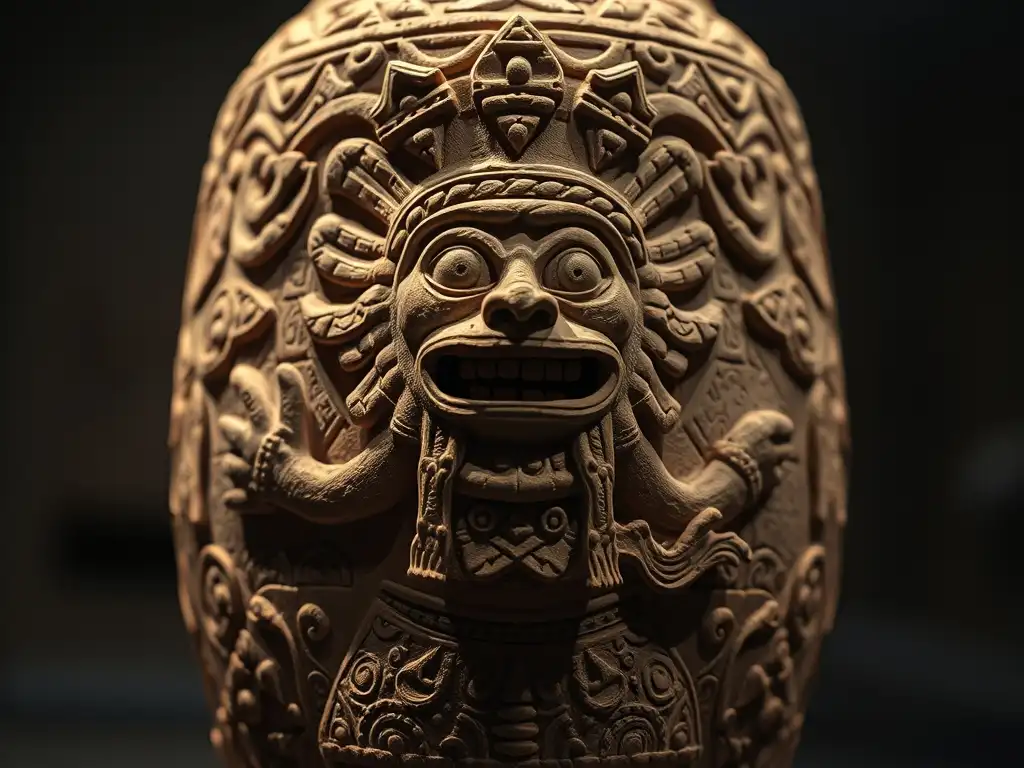
The Moche civilization (circa 100-800 CE) left behind a remarkable legacy, most notably their exquisite pottery. Far from mere functional objects, Moche ceramics serve as invaluable windows into their complex religious beliefs and worldview, showcasing a rich tapestry of supernatural symbolism. This section delves into the intricate iconography adorning these vessels, focusing on the deities, celestial bodies, and spiritual beings that populate the Moche artistic universe.
Understanding this symbolism provides crucial insight into the Moche understanding of the cosmos, power, and the afterlife. The vibrant colors, detailed figures, and evocative scenes etched onto these vessels offer a captivating glimpse into a civilization deeply connected to the supernatural. Analysis of Moche pottery supernatural symbolism reveals a sophisticated cosmology and a fascinating interplay between the earthly and spiritual realms.
Moche Deities Depicted on Ceramic Vessels
Moche pottery frequently depicts anthropomorphic deities, often engaged in dramatic scenes of ritual, sacrifice, or warfare. These figures, frequently adorned with elaborate headdresses, jewelry, and symbolic attire, are not simply representations but powerful evocations of spiritual forces. For example, a recurring motif involves a powerful deity, sometimes interpreted as a creator god, depicted with feline features and wielding a staff or scepter, symbolizing authority and control over the natural world.
The depiction of these deities varies across different ceramic styles and time periods, suggesting evolving religious beliefs or perhaps regional variations in iconography. Detailed studies of individual vessels reveal nuanced differences in the representation of these figures, indicating a complex hierarchy within the Moche pantheon. The consistent presence of these divine figures throughout Moche pottery highlights their central role in their society's religious life.
Further research is needed to fully understand the specific attributes and roles of each deity portrayed. The variation in their depiction across different vessels presents a rich field for future study. Careful analysis of posture, attire, and accompanying symbols holds the key to unlocking the full meaning of these captivating images.
The Ai Apaec: The Decapitator God in Moche Art
One of the most striking and controversial figures in Moche iconography is the Ai Apaec, often depicted as a fearsome deity with a flayed face, wielding a ceremonial knife or club. His presence on numerous ceramic vessels points to a significant role in Moche religious practices, likely associated with sacrifice, death, and possibly underworld deities. While the precise meaning of the Ai Apaec remains debated among scholars, several interpretations exist.
Some suggest he represents a deity associated with fertility and renewal, where decapitation symbolizes the cyclical nature of life and death. Others propose a connection to warfare and human sacrifice, reflecting a violent aspect of Moche society. The graphic depictions of decapitation on Moche pottery, featuring the Ai Apaec, are undeniably powerful and unsettling, highlighting the complexity and sometimes brutal nature of their religious beliefs.
The intensity of these images underscores the importance of understanding the context and potential multifaceted interpretations of the Ai Apaec within the broader framework of Moche religious belief. Further research into the contexts of discovery and associated artifacts is crucial to fully understand the symbolic meaning of this enigmatic figure.
The Significance of the Moon and Sun in Moche Iconography
The sun and moon hold prominent positions in Moche iconography, appearing frequently on ceramic vessels and other artifacts. These celestial bodies are not simply decorative elements but powerful symbols representing cosmic forces and possibly deities themselves. The sun, often depicted as a radiant disc or a anthropomorphic figure with sun rays emanating from its head, likely represented life-giving energy, power, and authority. The moon, often depicted as a crescent or a full disc, may have symbolized cycles of time, fertility, and possibly the feminine principle.
The intricate detail and artistic skill employed in depicting these celestial bodies point to their profound significance in Moche cosmology. The positioning of the sun and moon within narrative scenes on pottery suggests their involvement in significant events, such as creation myths or rituals. The recurring presence of these celestial bodies across various Moche artistic styles points to their enduring importance throughout the civilization's history.
Future research should focus on analyzing the specific contexts in which the sun and moon appear, to better understand their symbolic meaning within specific rituals and beliefs. The careful study of Moche pottery featuring these celestial bodies provides valuable insights into this civilization's cosmological understanding and its religious practices. The careful placement and depiction of these symbols on the vessels are indicators of their significance within the broader framework of Moche culture.
Mythological Creatures and Spirits in Moche Ceramics
Moche pottery frequently depicts a pantheon of supernatural beings, far removed from the everyday realities of their human creators. These figures, often grotesque yet compelling, represent a complex cosmology interwoven with agricultural cycles, warfare, and ancestor veneration. The artisans didn't simply illustrate these beings; they imbued them with a palpable presence, capturing their power and essence in vibrant colors and dynamic poses. The careful attention to detail, the almost lifelike rendering of features, suggests a deep-seated belief in the efficacy of these representations. These weren't merely decorative elements; they were active participants in the Moche worldview.
One common motif is the depiction of Aia Paec, a powerful feline deity often associated with the underworld and death. While sometimes portrayed as fearsome and predatory, other representations show a more benevolent aspect, suggesting a complex duality inherent in the deity's nature. The stylistic choices—the sharp angles of the feline's body, the piercing gaze, the meticulously rendered claws—all contribute to the deity's powerful aura. The variation in the depictions—some fierce, some serene—highlights the Moche understanding of the multifaceted nature of the supernatural.
Beyond Aia Paec, a wide array of fantastical creatures populate Moche ceramics. These include winged beings, serpentine figures, and hybrid creatures combining human and animal characteristics. These figures often appear in scenes of ritual sacrifice or shamanistic practices, reinforcing their connection to the supernatural realm.
Their presence isn't merely decorative; they're active agents within the narrative of the vessels, participating in the rituals and ceremonies depicted. The combination of realistic and fantastical elements creates a compelling visual language, one that speaks volumes about the Moche understanding of their world and the forces that shaped it. Analyzing these creatures, their interactions, and their context within the ceramic scenes provides crucial insights into the Moche belief system and their relationship with the supernatural.
Further research is needed to fully catalogue and analyze the diversity of these mythological creatures and their individual symbolic meanings. The sheer variety of these figures suggests a rich and complex mythological landscape.
The use of color further enhances the spiritual impact of these figures. Intense reds, vibrant blues, and earthy yellows are not randomly chosen but carefully applied to emphasize specific aspects of the deity or creature. The use of these vibrant colors, often contrasted against a neutral background, draws the viewer's eye and underscores the significance of the supernatural being.
The artisans' mastery of color and form worked together to create not simply images, but powerful evocations of the supernatural world. This careful use of color further strengthens the argument that Moche pottery was not merely decorative but served a crucial role in religious and ritual practices. The vibrancy and precision of the colors themselves speak to the importance and reverence these figures held within the Moche culture.
Interpreting Moche Ceramic Iconography: Decoding the Supernatural
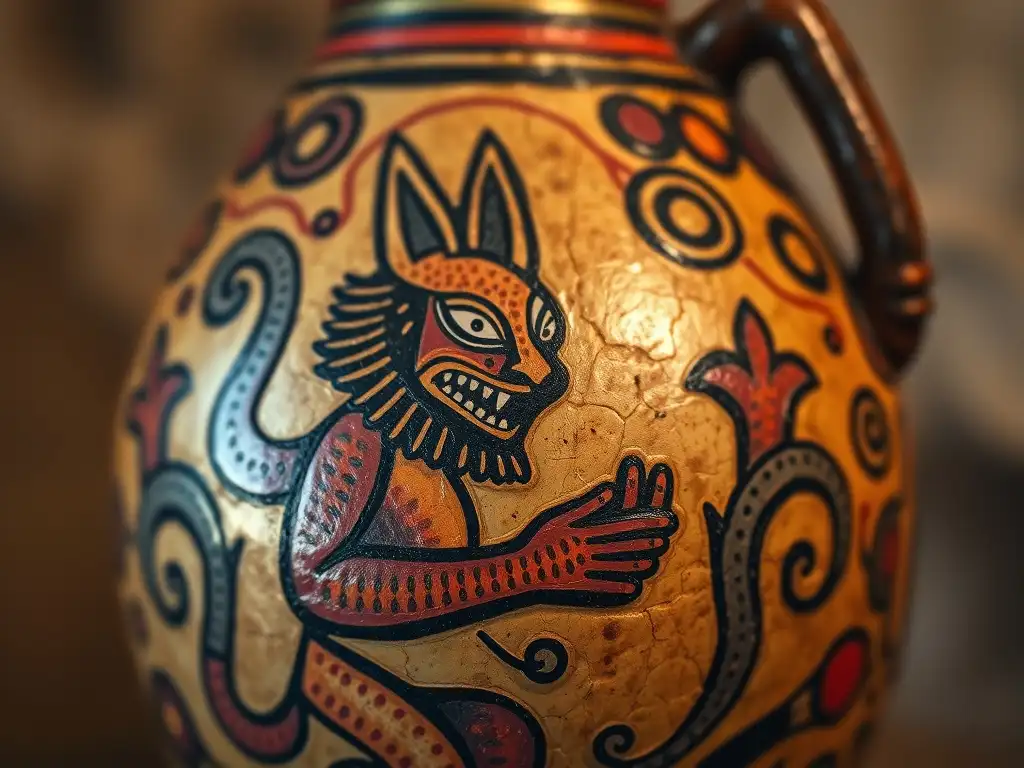
The Moche civilization, flourishing along the northern coast of Peru from approximately 100 to 800 CE, left behind a remarkable legacy of ceramic artistry. Their pottery, far from being mere vessels, serves as a powerful window into their complex spiritual beliefs and worldview. Moche pottery supernatural symbolism is intricately woven into the designs, revealing a pantheon of deities, spirits, and mythical creatures that shaped their daily lives and rituals.
Understanding this symbolism requires a careful examination of recurring motifs, color palettes, and the contexts in which these ceramics were found. This section delves into the sophisticated methods employed by Moche artisans to represent the supernatural within their ceramic art, providing a key to unlock the secrets embedded within these captivating pieces. The analysis will focus on identifying patterns and understanding the cultural significance of these representations, ultimately enriching our comprehension of Moche religious practices and cosmology.
Common Motifs in Moche Supernatural Representations
Moche ceramic depictions of supernatural beings exhibit a remarkable consistency in their iconographic elements. Certain motifs reappear frequently, allowing researchers to identify and categorize different spiritual entities. For example, anthropomorphic figures with exaggerated features—elongated limbs, fanged mouths, and elaborate headdresses—often represent powerful deities or shamanistic figures. These figures frequently hold ceremonial objects, like staffs or scepters, further emphasizing their spiritual authority.
Furthermore, zoomorphic representations, particularly those of predatory animals like jaguars, eagles, and snakes, are common. These animals often symbolize power, ferocity, and connection to the spirit world. The combination of anthropomorphic and zoomorphic traits is also frequent, creating hybrid creatures that embody complex supernatural attributes. For instance, a figure with a human body and the head of a jaguar might represent a powerful deity with both human and animalistic traits, signifying control over both the earthly and supernatural realms.
Analyzing the frequency and context of these motifs across numerous Moche ceramic pieces reveals a structured hierarchy within their supernatural belief system. Some figures appear more frequently and in more prominent positions than others, suggesting variations in power or importance within their pantheon.
This systematic approach to iconography allows for a more nuanced understanding of the Moche’s religious beliefs and the roles of different supernatural entities within their society. Further research, including detailed cataloging of existing Moche pottery and analysis of newly discovered pieces, is crucial for refining our understanding of the full range of supernatural motifs and their significance.
The Use of Color and Composition in Depicting Spiritual Beings
Color played a crucial role in the Moche's artistic representation of the supernatural. Specific colors were likely associated with particular deities or spiritual attributes. For example, red, a vibrant and powerful color, might have been associated with blood, sacrifice, or the sun god, while white might have represented purity or the moon. The use of contrasting colors, such as black and white, or red and yellow, created visual tension and emphasized the importance of the depicted entity.
The composition of the scenes on the pottery also contributes significantly to the interpretation of supernatural symbolism. The placement of figures, the size differences between them, and the inclusion of symbolic elements all contribute to the overall narrative. Figures depicted in larger sizes, positioned centrally, or surrounded by other significant symbols are often interpreted as the most powerful or important entities within the scene.
The dynamic interplay of figures and symbols creates complex visual narratives that convey deeper meanings beyond the mere representation of individual beings. For example, a scene depicting a deity surrounded by smaller figures offering gifts or participating in a ritual might illustrate the deity's power and the ritual's importance in the Moche worldview. Further research involving detailed stylistic analysis of color usage and compositional techniques across different Moche pottery styles could shed more light on the symbolic language employed by these artisans.
Ritual Contexts of Moche Supernatural Ceramics
Many Moche supernatural ceramics were found within specific ritual contexts, providing valuable clues about their function and significance. The discovery of pottery alongside human remains, offerings, and other ritual objects in tombs and burial sites reveals their use in funerary rituals. The depictions on these ceramics might represent deceased individuals’ journeys into the afterlife, or the supernatural beings guiding them.
Furthermore, the presence of Moche pottery in elite contexts, such as palaces and temples, suggests their role in elite rituals and ceremonies. These ceramics might have been used in religious ceremonies, or displayed as symbols of power and authority. The intricate detail and craftsmanship present in many of these pieces suggest that they were highly valued and possessed significant spiritual meaning.
Detailed archaeological investigations, including careful documentation of the contexts in which these ceramics were found and meticulous analysis of associated artifacts, are crucial for understanding the varied ritual applications of Moche supernatural pottery. Further analysis of the spatial distribution of these artifacts within archaeological sites could provide further insight into the organization and structure of Moche religious practices. The potential for future discoveries to illuminate these practices remains significant.
The Power of Moche Ceramics: Beyond Decoration
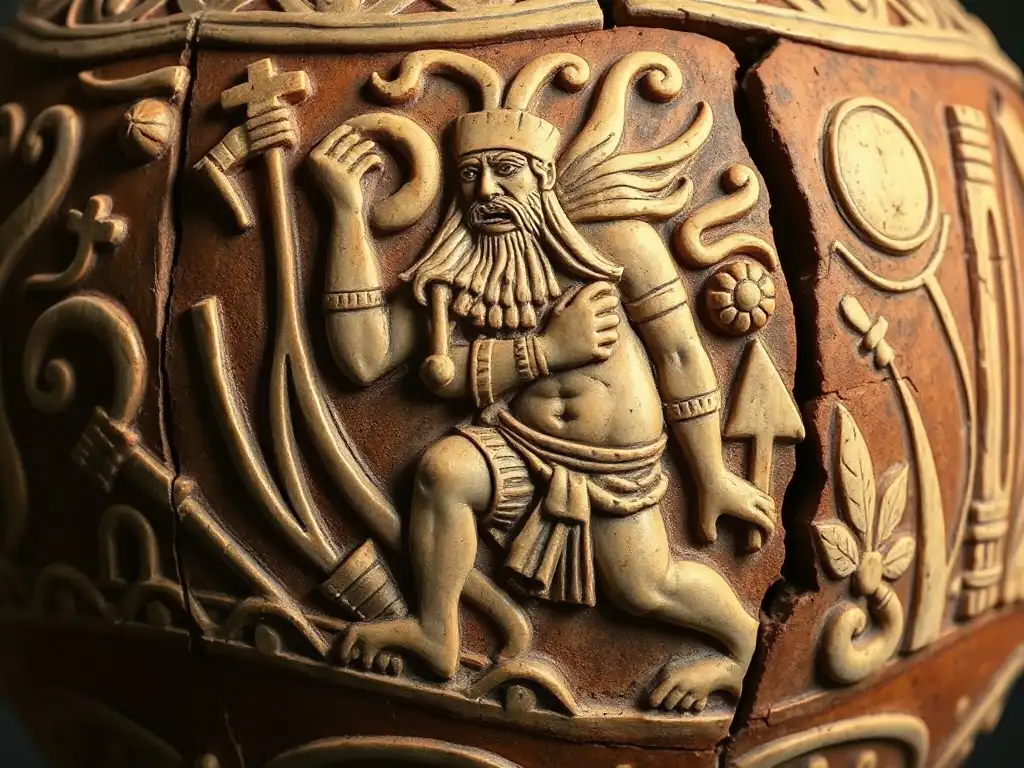
The Moche civilization (c. 100-800 CE) left behind a remarkable legacy, notably their exquisite pottery. While often admired for its aesthetic beauty and technical mastery, Moche ceramics offer a profound window into their spiritual world, revealing a complex system of beliefs surrounding supernatural entities, ancestor veneration, and the cyclical nature of life and death. This intricate artistry wasn't merely decorative; it served as a powerful tool for communicating religious narratives, societal structures, and cosmological understandings.
The vibrant colors, detailed iconography, and masterful modeling techniques all contributed to the potent symbolic language inherent in Moche pottery, making it a primary source for understanding their "supernatural symbolism". Analyzing these pieces allows us to reconstruct aspects of their religious practices and beliefs, otherwise lost to time.
The sheer volume of surviving ceramics, depicting a wide array of scenes and figures, provides an unparalleled opportunity to study the Moche worldview. Furthermore, the consistent stylistic elements across different pottery types suggest a highly organized and ritualized approach to ceramic production, reflecting the importance of these objects within their society.
Moche Pottery as a Narrative Medium for Religious Beliefs
Moche pottery frequently portrays scenes of ritual ceremonies, shamanistic practices, and interactions with supernatural beings. These depictions are not haphazard; they follow specific conventions and stylistic choices that communicate complex narratives. For instance, the portrayal of specific deities, often accompanied by symbolic objects and animals, reveals the hierarchical structure of their pantheon and the roles these figures played in their society.
The frequent depiction of sacrifices, both human and animal, underscores the importance of these rituals in maintaining cosmic balance and appeasing the gods. Consider the numerous examples of huacos retratos (portrait vessels), often showing individuals with elaborate headdresses and adornments, possibly representing priests, rulers, or individuals of high social standing. These figures, depicted in lifelike detail, suggest a complex system of beliefs surrounding ancestor veneration and the continuity between the living and the dead.
The narratives depicted on the pottery are not static; they often unfold across multiple vessels, suggesting a more comprehensive storytelling approach, possibly used within a ritual context. The careful arrangement of scenes and the use of specific colors and symbols further enhance the narrative depth of these ceramic pieces. The meticulous detail and expressive artistry demonstrate the significance placed on these narratives as vehicles for religious instruction and societal cohesion.
Supernatural Entities and the Cycle of Life and Death in Moche Art
Moche art vividly depicts a pantheon of supernatural beings, often intertwined with the cycle of life and death. These entities, ranging from benevolent deities to fearsome demons, are consistently portrayed with specific attributes, allowing researchers to categorize and understand their functions within the Moche cosmology. For example, the recurring motif of the feline deity, often associated with warfare and power, suggests its importance in the Moche worldview.
Similarly, the presence of other supernatural beings, like those associated with fertility and agriculture, highlights the importance of these aspects in their society. The depiction of death and sacrifice is not presented as merely morbid; it's integrated within the broader context of the life cycle. Many vessels show scenes of death and rebirth, emphasizing the cyclical nature of existence and the Moche belief in the afterlife.
The careful attention to detail in depicting these scenes, including the expressions on the faces of the figures and the use of symbolic imagery, suggests a profound understanding and acceptance of death as an integral part of life. Specific examples of Moche pottery showcasing these themes include vessels depicting ritual sacrifices to appease deities or those illustrating the journey to the underworld. The vividness and detail of these representations powerfully convey the Moche understanding of the supernatural and its influence on human existence.
Moche Ceramics as a Reflection of Their Cosmological View
Moche cosmology, as revealed through their ceramics, encompassed a complex interplay of terrestrial and celestial realms. The frequent depiction of celestial bodies, such as the sun and moon, alongside terrestrial elements like mountains and rivers, suggests a holistic view of the universe. Many vessels depict scenes integrating these elements into narratives showcasing the interaction between the human world and the supernatural.
The use of color and symbolism further enhances this cosmological representation; specific colors might be associated with particular deities or celestial bodies, while specific motifs might represent cosmic events or principles. The intricate detail and symbolic language employed in Moche pottery allow researchers to piece together their cosmological understanding, providing insights into their beliefs about the cosmos and their place within it. For example, the recurring presence of specific plants and animals in conjunction with supernatural beings suggests a close relationship between the natural world and the spiritual realm.
The Moche worldview, as depicted in their pottery, was not a static, unchanging system; it appears to have been dynamic and adaptable, reflecting the changing social and environmental contexts of the civilization. The evolution of stylistic elements and iconography across different periods of Moche pottery offers valuable evidence of this dynamic process, revealing how their cosmological beliefs evolved over time. Further research into the specific iconography and its variations across different Moche pottery styles is crucial for a more complete understanding of their cosmological views.
The Legacy of Moche Supernatural Art
The Moche civilization's masterful ceramic art wasn't merely decorative; it served as a powerful vehicle for expressing deeply held religious beliefs and societal structures. Their pottery, renowned for its vibrant colors, intricate detail, and lifelike representations, provides invaluable insight into their complex cosmology, populated by a pantheon of deities and spirits. This sophisticated system of supernatural symbolism, meticulously rendered on their vessels, continues to fascinate and inspire researchers today.
The Moche's artistic legacy extends far beyond their own era, influencing subsequent Andean cultures and leaving an indelible mark on the understanding of pre-Columbian art. Understanding their Moche pottery supernatural symbolism is crucial to comprehending the full scope of their civilization.
How Moche Iconography Influenced Later Andean Cultures
The impact of Moche iconography on subsequent Andean cultures is undeniable. While styles evolved, certain motifs and representations persisted, suggesting a continuous thread of cultural exchange and artistic inspiration. For example, depictions of specific deities or supernatural beings found in Moche pottery reappear, albeit often modified, in the art of later cultures like the Chimú and Inca.
This continuity speaks to the enduring power and influence of Moche artistic conventions. The consistent presence of certain symbolic elements, such as specific feline deities or stylized representations of landscapes, suggests a shared cultural understanding across different Andean societies. Analyzing the evolution of these motifs allows us to trace the transmission of religious beliefs and artistic practices across centuries, highlighting the ongoing relevance of Moche pottery supernatural symbolism in the broader context of Andean art history.
Further research is needed to fully quantify and categorize the specific instances of cross-cultural influence, particularly in the depiction of specific supernatural entities. [Specific examples of cross-cultural influences pending].
The Enduring Fascination with Moche Ceramic Art and its Deities
The enduring fascination with Moche ceramic art stems from its exceptional artistry and the profound insights it offers into a lost civilization. Museums worldwide showcase these stunning pieces, drawing crowds eager to witness the skill and creativity of the Moche artisans. The lifelike depictions of deities, rituals, and everyday life captured in these vessels provide a unique window into the Moche worldview.
The vibrant colors, intricate details, and expressive faces of the figures depicted continue to captivate viewers centuries later. The Moche's ability to convey complex narratives and emotions through their ceramic art is unparalleled. This fascination is fueled not only by aesthetic appreciation but also by the ongoing quest to decipher the meaning behind the intricate symbolism embedded within their Moche pottery supernatural symbolism.
This ongoing process of interpretation continues to reveal new layers of understanding about the Moche culture, their beliefs, and their unique artistic achievements. The detailed representations, often depicting scenes of sacrifice or ritualistic practices, continue to spark debate and research among scholars.
Future Research: Unveiling the Mysteries of Moche Ceramic Symbolism
Despite extensive research, many aspects of Moche ceramic symbolism remain enigmatic. Future research should focus on several key areas to deepen our understanding of Moche pottery supernatural symbolism. This includes:
- Advanced technological analysis: Employing techniques like X-ray fluorescence spectroscopy (XRF) to analyze pigment composition and identify potential sources of raw materials used in the creation of the pottery.
- Comparative iconography: A more systematic comparative study of Moche iconography with that of other contemporary and subsequent Andean cultures to better understand the evolution and transmission of artistic motifs and religious beliefs.
- Contextual analysis: Further investigation of the archaeological context of discovered ceramics, including the location of burial sites and associated artifacts, to shed light on the function and significance of specific vessels within the broader social and religious landscape.
- Ethnographic parallels: Exploring potential parallels between Moche beliefs and practices and those of more recent Andean communities to gain further insight into their worldview and the meanings behind their symbolic representations.
The potential for new discoveries and interpretations is immense, promising a rich and rewarding future for the study of Moche ceramic art and its enduring legacy. The meticulous and ongoing investigation of Moche pottery supernatural symbolism promises to further illuminate the complexities of this remarkable civilization. The careful analysis of these artifacts, combined with advances in scientific techniques and interdisciplinary approaches, will undoubtedly unveil further fascinating insights into the Moche worldview and their artistic mastery.
Frequently Asked Questions
What is the significance of Moche pottery?
Moche pottery is incredibly significant as it provides invaluable insights into their religious beliefs, social structures, and daily life. The ceramics depict a wide range of subjects, including deities, rituals, and mythical creatures, offering a unique window into their worldview.
How did the Moche depict supernatural beings in their pottery?
The Moche masterfully depicted supernatural beings through realistic and expressive portrayals. They used intricate details and vibrant colors to illustrate deities, spirits, and mythological creatures, often showcasing their power and influence.
What are some common supernatural symbols found in Moche pottery?
Common supernatural symbols include representations of fertility deities, fierce warriors, shamanistic figures, and mythical creatures like feline-like beings and supernatural birds. These symbols reveal much about their religious practices and beliefs.
What role did supernatural beliefs play in Moche society?
Supernatural beliefs were integral to Moche society. They were deeply religious, and their beliefs were reflected in their art, architecture, and daily practices. Religious rituals and ceremonies likely played a central role in their social life.
Where can I learn more about Moche pottery and supernatural symbolism?
You can explore museums with Moche collections, academic publications, and online resources dedicated to Andean archaeology. The website Andean Civilizations offers further information on this fascinating topic.
Final Reflection: Echoes of the Supernatural in Moche Clay
The vibrant artistry of Moche ceramics isn't merely decorative; it's a window into a complex cosmology, a tangible representation of a society deeply intertwined with the supernatural. These ancient vessels, imbued with powerful symbolism, continue to resonate with us today, offering a glimpse into a worldview that valued the spiritual realm as profoundly as the physical. Their enduring power lies not just in their aesthetic beauty, but in their ability to connect us across millennia to a culture grappling with the same fundamental questions we face.
The Moche's preoccupation with deities, spirits, and the afterlife profoundly shaped their society, influencing everything from their social structures to their agricultural practices. Their artistic expressions, far from being mere embellishments, served as powerful tools for communicating beliefs, reinforcing social hierarchies, and perhaps even mediating between the human and supernatural worlds. Art washes away from the soul the dust of everyday life.
– Pablo Picasso. This quote, while not directly about Moche pottery, perfectly encapsulates the enduring power of art to transcend time and connect us to the human experience, regardless of cultural context. The Moche understood this instinctively, leaving behind a legacy that continues to inspire awe and contemplation.
Consider the intricate details, the vivid colors, the sheer emotional intensity captured in these ancient artifacts. What stories do they whisper to you? What can we learn from the Moche's profound connection to the spiritual realm? Take a moment to reflect on your own relationship with the unseen, with the mysteries that lie beyond our immediate understanding. Let the legacy of Moche pottery inspire you to explore the depths of your own imagination and to appreciate the enduring power of art to illuminate the human spirit.
Unleash the Mysteries of Moche Ceramics!
Thank you for exploring the fascinating world of Moche ceramics and their supernatural significance! You've discovered the rich tapestry of spirits and deities that make this ancient culture so captivating. Let's delve deeper to enhance your understanding.
Here's how you can further connect with the magic of Moche art and culture:
- Deepen Your Knowledge: Explore additional resources on Andean civilizations to learn more about the rituals and beliefs surrounding Moche pottery. Consider visiting museums with significant Moche collections or researching scholarly articles on the subject.
- Share Your Discoveries: Engage with other enthusiasts by sharing this article on social media or in online forums dedicated to ancient civilizations and archaeology. Discussions with others can enrich your understanding and appreciation.
- Embrace Your Creativity: Try recreating Moche designs, infusing your work with personal meaning to bridge ancient traditions with modern expression. This hands-on approach can foster a deeper connection to the artistry and symbolism.
What aspect of Moche spirituality resonates most with you, and how might it influence your own creative pursuits?