
The Future of Moche Studies: New Discoveries and Insights

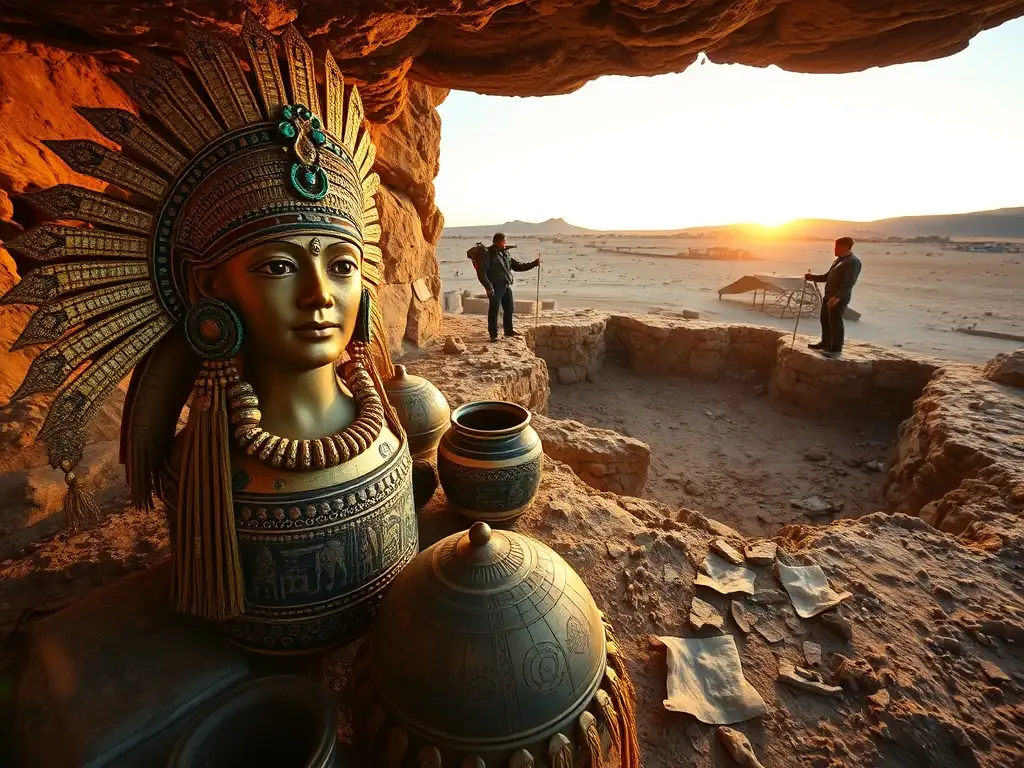
Uncover the mysteries hidden beneath the sands of Peru! Step into a world of breathtaking artistry, ingenious engineering, and captivating rituals—the world of the ancient Andean civilizations. But what secrets remain buried, waiting to be revealed? The future of Moche archaeology holds immense potential, promising groundbreaking discoveries that will rewrite our understanding of this remarkable culture. Dive in and explore what's next for Moche studies—the journey is far from over.
The Moche civilization, flourishing along the northern coast of Peru from approximately 100 CE to 800 CE, remains a captivating enigma for archaeologists and historians. Their sophisticated irrigation systems, remarkable artistry evident in their pottery and metalwork, and complex social structures continue to fascinate and inspire ongoing research.
This article explores the exciting frontiers of Moche archaeology, highlighting recent discoveries and outlining promising avenues for future research that promise to further illuminate this enigmatic culture. We will delve into the most pressing questions surrounding Moche society, technology, and beliefs, examining how new methodologies and technological advancements are shaping our understanding of this pivotal Andean civilization and its lasting legacy.
The potential for groundbreaking discoveries is immense, potentially rewriting aspects of our current understanding of the Moche and their place within the broader tapestry of Andean history. Understanding the future of Moche studies is crucial to appreciating the richness and complexity of this remarkable culture.
Unlocking the Secrets of Moche Ritual and Religion
The Moche's elaborate religious practices are a major focus of current research. Recent excavations have unearthed new evidence of ritual sites, including previously unknown temples and burial complexes. Detailed analysis of these sites, using advanced techniques like ground-penetrating radar and 3D modeling, is revealing previously unseen architectural features and offering clues to the complex rituals performed within these sacred spaces.
Furthermore, the study of Moche iconography, particularly on their exquisite ceramics, continues to yield insights into their pantheon of gods and goddesses and the nature of their beliefs. The intricate depictions of ceremonies, sacrifices, and mythical beings provide invaluable glimpses into their worldview and societal structure.
Further research focusing on the chemical analysis of artifacts found within these ritual contexts – such as residues on pottery and the composition of pigments used in murals – promises to reveal further details about their ritual practices. For example, the analysis of organic residues on ceremonial vessels could identify the offerings used in rituals, enriching our understanding of their religious practices.
Advancing Moche Technological Understanding Through Material Analysis
The Moche were masterful artisans, renowned for their sophisticated metalworking, pottery, and textile production. Future research will likely focus on advanced material analysis techniques to better understand their technological prowess. For instance, using techniques like X-ray fluorescence (XRF) and electron microscopy, researchers can analyze the composition of Moche metals and pigments, revealing the sources of raw materials and the techniques used in their production. This will not only enhance our understanding of their technological capabilities but also shed light on their trade networks and interactions with other Andean cultures.
The study of their irrigation systems also presents a fascinating area for future research. Advanced hydrological modeling, combined with archaeological data, can help us understand the efficiency and sustainability of their water management strategies, providing valuable insights into their adaptation to the harsh coastal environment. This research could have implications for modern water management practices in arid regions.
The Moche social hierarchy remains a subject of ongoing debate. Future research will likely employ a multidisciplinary approach, combining archaeological data with anthropological and sociological insights to better understand their social structures. New excavations and the re-examination of existing collections, using updated analytical methods, are crucial. For example, isotopic analysis of human remains can help determine dietary patterns and social mobility, revealing more about social stratification.
Furthermore, a deeper analysis of Moche iconography, paying close attention to the depiction of individuals and their attire, could help in identifying social hierarchies and roles within Moche society. By combining these different lines of evidence, researchers can create a more nuanced understanding of Moche social organization and its evolution over time. This interdisciplinary approach could reveal unexpected insights into the dynamics of power and social mobility within Moche society.
The Role of Climate Change in Moche Collapse: A Multifaceted Investigation
The reasons behind the decline and eventual collapse of the Moche civilization are complex and not fully understood. Future research will need to adopt a more holistic approach, considering the interplay of various factors, including climate change, social unrest, and environmental degradation.
Detailed paleoclimatic studies, using data from sediment cores and ice cores, can provide a clearer picture of the climatic conditions during the Moche period and their potential impact on agriculture and resource availability. Combining this data with archaeological evidence of societal changes and environmental stress will allow researchers to develop a more comprehensive understanding of the factors that contributed to the Moche collapse.
This research holds significant relevance for understanding the impact of climate change on past societies and informing strategies for mitigating the effects of climate change in the present day. The integration of advanced modeling techniques will be key in this research area to provide a more robust and nuanced understanding.
- Unlocking the Secrets of Moche Ritual and Religion
- Advancing Moche Technological Understanding Through Material Analysis
- New Approaches to Moche Social Organization and Hierarchy
- The Role of Climate Change in Moche Collapse: A Multifaceted Investigation
- What are some key areas of future research in Moche archaeology?
- What new technologies might impact Moche archaeological studies?
- How might future discoveries change our understanding of the Moche?
- What is the significance of studying the Moche today?
- Where can I find more information on current Moche archaeological research?
Understanding the Trajectory of Moche Archaeological Research
This section delves into the evolution of Moche archaeological research, highlighting key discoveries and current trends that shape our understanding of this fascinating civilization. We'll explore how past findings laid the groundwork for present-day investigations and how modern techniques are revolutionizing our knowledge of Moche society and culture. The future of Moche archaeology promises exciting new discoveries, fueled by innovative methodologies and a renewed focus on interdisciplinary collaboration.
This field is ripe for further exploration, promising a deeper understanding of the Moche people and their remarkable achievements. The keyword phrase "Moche archaeology future research" directly reflects the core theme of this section.
Past Discoveries Shaping Moche Archaeology
The foundations of Moche archaeology were laid through decades of painstaking excavation and meticulous cataloging. Early expeditions, often hampered by limited technology and resources, nevertheless unearthed crucial artifacts and sites that provided initial glimpses into Moche life. The discovery of the Huaca del Sol and Huaca de la Luna, massive adobe pyramids near Trujillo, Peru, stands as a landmark achievement.
These monumental structures revealed intricate murals depicting scenes of warfare, ritual sacrifice, and daily life, offering invaluable insights into Moche religious beliefs and social hierarchy. Further excavations at Sipán, showcasing the remarkably preserved tombs of Moche elites, brought to light stunning examples of gold and silver craftsmanship, elaborate textiles, and intricate ceramics. These early discoveries not only captivated the public imagination but also established a crucial baseline for subsequent research.
The meticulous documentation of these early findings, though sometimes lacking the sophistication of modern techniques, provides a solid foundation for current and future investigations. This early work laid the groundwork for understanding Moche art, architecture, and burial practices, offering a crucial framework for interpreting later discoveries. Analyzing these early finds with modern techniques provides opportunities to glean even more insights into the Moche world.
Current Trends in Moche Culture and Society Research
Modern Moche archaeology is characterized by a multidisciplinary approach, integrating diverse fields like anthropology, chemistry, and genetics to enhance our understanding of this sophisticated civilization. Current research focuses on several key areas: Firstly, advanced imaging techniques, such as ground-penetrating radar and LiDAR, are being used to map previously unexplored sites and identify potential areas for excavation, minimizing the disruption to fragile archaeological contexts. Secondly, isotopic analysis of human remains is providing new insights into Moche diet, health, and migration patterns.
This analysis goes beyond simple observations and allows researchers to reconstruct detailed narratives about the Moche population's lifestyle and interactions with their environment. Thirdly, the study of Moche ceramics is undergoing a renaissance, with researchers utilizing advanced analytical techniques to determine the origin of clay materials, pigments, and manufacturing processes. This provides more accurate information about trade networks and the distribution of goods across the Moche realm.
Finally, the application of digital technologies, such as 3D modeling and virtual reality, allows for the creation of immersive experiences that bring the Moche world to life for researchers and the public alike. These technologies also aid in preserving fragile artifacts and making them accessible to a wider audience. The integration of these techniques is vital for the future of "Moche archaeology future research", driving a more comprehensive and nuanced understanding of this remarkable civilization.
Emerging Technologies in Moche Archaeological Investigation
The future of Moche archaeology hinges significantly on the adoption and refinement of cutting-edge technologies. These tools offer unprecedented opportunities to uncover new insights into this fascinating civilization, pushing the boundaries of our understanding beyond what traditional methods could achieve. The integration of these technologies promises a more comprehensive and nuanced picture of Moche life, society, and culture. This section will explore some of the most promising advancements in this field, focusing on their application to Moche research.
Advanced Imaging Techniques for Moche Site Analysis
Advanced imaging techniques are revolutionizing Moche site analysis. Ground-penetrating radar (GPR) is proving invaluable in identifying subsurface features, such as buried structures, canals, and even potential tombs, which might otherwise remain undetected. For instance, recent GPR surveys at the Huaca del Sol and Huaca de la Luna complex have revealed previously unknown architectural features, suggesting a far more complex urban layout than previously imagined.
Furthermore, the use of multispectral and hyperspectral imaging allows archaeologists to analyze the chemical composition of pigments and materials used in Moche artifacts and architecture, providing valuable clues about their production methods, trade networks, and even the environment in which they were created. This non-invasive approach minimizes damage to delicate artifacts and allows for detailed analysis without compromising their integrity.
The analysis of these images, combined with 3D modeling techniques, provides incredibly detailed reconstructions of Moche sites, facilitating better understanding of their spatial organization and function. This detailed, visual approach significantly enhances the accuracy and scope of Moche archaeology's future research.
Application of DNA Analysis in Moche Population Studies
The application of ancient DNA (aDNA) analysis holds immense potential for advancing our understanding of Moche population dynamics. By extracting and analyzing DNA from Moche skeletal remains, researchers can gain insights into their genetic diversity, migration patterns, kinship relationships, and even disease prevalence. While the preservation of ancient DNA in arid climates like that of the Moche region is relatively favorable, challenges remain in terms of contamination and degradation.
However, recent advancements in aDNA extraction and sequencing techniques are overcoming these hurdles. Preliminary studies have already yielded intriguing results concerning the genetic relationships between different Moche populations, suggesting potential regional variations and complexities in social structures.
Further research using this technology could significantly contribute to a more complete picture of Moche societal organization and demographic patterns, enriching our understanding of their social dynamics and migration histories. This research area is crucial for future Moche archaeology research, especially when combined with isotopic analysis of skeletal remains.
Drones and Remote Sensing in Moche Archaeological Surveys
Unmanned aerial vehicles (UAVs), commonly known as drones, are transforming archaeological surveys in the Moche region. Equipped with high-resolution cameras and sensors, drones provide detailed aerial imagery of Moche sites, allowing archaeologists to map vast areas quickly and efficiently. This technology is particularly useful in surveying remote or difficult-to-access areas, such as steep slopes and dense vegetation, which were previously challenging to explore.
Furthermore, the use of multispectral and thermal sensors on drones allows for the detection of subtle variations in soil composition and vegetation patterns, which can indicate the presence of buried structures or other archaeological features. For example, drone surveys have already identified previously unknown irrigation canals and agricultural terraces, providing valuable insights into Moche agricultural practices and water management strategies. The integration of drone data with other sources of information, such as satellite imagery and ground-based surveys, creates a robust and comprehensive dataset for Moche archaeology's future research and analysis.
This technological advancement is proving incredibly cost-effective and efficient for large-scale Moche site mapping, paving the way for future discoveries. This non-invasive approach also minimizes environmental impact and respects the preservation of delicate archaeological sites.
New Perspectives on Moche Society and Culture
The study of Moche civilization is experiencing a renaissance, fueled by new archaeological discoveries and innovative analytical techniques. This section explores emerging perspectives on Moche society and culture, focusing on reinterpretations of iconography, social structures, and religious practices. These advancements are significantly impacting our understanding of this fascinating pre-Columbian society and offer exciting avenues for future research in Moche archaeology.
The future of Moche studies promises to be rich with new insights, challenging existing paradigms and providing a more nuanced picture of this complex civilization. This renewed focus on Moche archaeology future research is vital for a complete understanding of their legacy.
Reinterpreting Moche Iconography and Symbolism
Moche iconography, famously depicted on their elaborate ceramics and textiles, has long been a source of fascination and interpretation. Recent scholarship, however, is moving beyond simplistic readings of these images, utilizing interdisciplinary approaches to uncover deeper meanings. For example, the previously understood representations of warfare are now being analyzed through the lens of ritual combat or symbolic displays of power, rather than solely as depictions of literal conflict. This nuanced approach considers the context of the artifacts, including their location within tombs or ceremonial sites, to provide a more holistic understanding.
Furthermore, new techniques like advanced imaging and spectral analysis are revealing subtle details previously invisible to the naked eye. These technological advancements allow researchers to identify pigments and materials used in creating the artwork, potentially revealing clues about the artists' techniques and the social significance of specific colors or patterns. The study of Moche iconography is no longer limited to visual interpretation alone; it now incorporates chemical analysis, providing a multi-faceted approach to understanding the symbolism and cultural significance of these remarkable artifacts. This interdisciplinary approach is crucial for the future of Moche archaeology research.
Understanding Moche social organization remains a central challenge in Moche archaeology. While evidence suggests a hierarchical society, the precise nature of this hierarchy and the mechanisms of social mobility are still debated. Recent excavations of elite tombs have yielded significant insights, revealing elaborate burial goods and intricate mortuary rituals that point to a complex system of social stratification. Analysis of skeletal remains, combined with isotopic studies of diet, is starting to provide a clearer picture of the differences in lifestyles and access to resources across different social groups.
The discovery of previously unknown settlements and the application of Geographic Information Systems (GIS) are also contributing to a better understanding of Moche settlement patterns and the distribution of power. By mapping the location and size of different settlements, researchers are beginning to identify patterns that suggest a complex interplay between centralized authority and local autonomy. The ongoing research into Moche social dynamics is proving crucial for understanding the stability and resilience of their civilization, impacting Moche archaeology future research immensely. This detailed analysis is essential for a complete understanding of their social structures and hierarchies.
Unveiling Moche Religious Practices and Beliefs
The religious beliefs and practices of the Moche people are partially revealed through their iconography and the architecture of their ceremonial centers. However, much remains to be understood. Recent research focuses on the role of ritual sacrifice, a prominent theme in Moche art. While the purpose and meaning of these sacrifices continue to be debated, new interpretations suggest a complex relationship between human sacrifice, religious authority, and the maintenance of social order.
Moreover, the study of Moche religious practices is expanding beyond the analysis of human remains and artifacts. The investigation of environmental factors, such as climate change and resource availability, is starting to reveal how these factors may have influenced religious beliefs and practices. For example, the frequency of certain rituals might be correlated with periods of drought or other environmental stresses.
This ecological approach adds another layer of complexity to our understanding of Moche religion, enriching our knowledge of their relationship with the natural world. This broader perspective is vital for Moche archaeology future research. The integration of environmental data with archaeological findings promises to shed new light on the religious landscape of this intriguing civilization.
The Future of Moche Archaeology: Key Research Areas
The future of Moche archaeology promises exciting new discoveries and a deeper understanding of this fascinating pre-Columbian civilization. Current research focuses on several key areas, leveraging advanced technologies and interdisciplinary collaborations to unravel the mysteries of Moche society and culture. This section outlines some of the most promising avenues for future research, focusing on areas where significant progress is anticipated within the next decade.
The potential for groundbreaking discoveries in Moche archaeology is substantial, promising to reshape our understanding of their political structures, economic systems, and daily lives. This renewed focus on "Moche archaeology future research" will undoubtedly yield exciting results.
Investigating Moche Political Economy and Trade Networks
Understanding the Moche political economy and its extensive trade networks is crucial to comprehending their societal complexity. Future research should focus on several key aspects:
- Interregional Exchange: Detailed analysis of traded goods found at various Moche sites can reveal the extent and nature of their trading relationships. Isotopic analysis of artifacts, combined with advanced provenance studies, will help pinpoint the origins of materials and trace the flow of goods across the Moche landscape. This will shed light on the strength of their political and economic ties with neighboring cultures. For example, analyzing obsidian tools found in coastal sites compared to those found inland could illuminate trade routes and the level of control the Moche exerted over these resources.
- Craft Specialization and Production: Investigating the organization of Moche craft production is vital. The identification and analysis of specialized workshops, along with the study of tool marks and manufacturing techniques on artifacts, will provide insights into labor organization, social stratification, and the distribution of wealth. Further research into the standardization of ceramic production, for instance, could reveal crucial insights into economic control and social hierarchy.
- Monumental Architecture and Power: The construction of monumental architecture, such as the Huacas del Sol and de la Luna, required significant labor mobilization and resource management. Future research should examine the relationship between these monumental projects and the Moche political economy, assessing the role of labor taxation, tribute systems, and elite control over resources. Identifying the geographic sourcing of materials used in construction would be a major step in linking this to larger regional control and trade.
Analyzing Moche Environmental Adaptations and Challenges
The Moche civilization thrived in a challenging environment characterized by arid coastal deserts and unpredictable climate patterns. Future research must investigate how the Moche adapted to these conditions and the impact of environmental changes on their society:
- Water Management Systems: A thorough investigation of Moche irrigation systems, canals, and reservoirs is crucial. Combining archaeological surveys with hydrological modeling will allow for a better understanding of their water management strategies, their efficiency, and their impact on the environment. Analyzing sediment cores from canals could help to reconstruct past water flow and identify any environmental stresses.
- Agricultural Practices: The Moche developed sophisticated agricultural techniques to maximize food production in a harsh environment. Future studies should focus on reconstructing their agricultural practices, including crop selection, soil management, and pest control. The use of pollen analysis and phytolith studies will help to identify cultivated plants and understand their role in the Moche diet.
- Climate Change and Societal Impacts: Analyzing paleoclimatic data, such as ice core records and lake sediment cores, alongside archaeological evidence, is crucial for understanding the impact of climate variability on Moche society. Identifying periods of drought or flooding and their effects on agriculture, population dynamics, and social organization will provide key insights into their resilience and vulnerability. This also allows for a better understanding of the possible link between environmental stress and societal collapse.
Future Directions in Moche Ceramic Analysis
Moche ceramics are renowned for their exquisite artistry and detailed iconography. Future research in this area should build upon existing knowledge by employing advanced analytical techniques:
- Technological Analysis: Advanced techniques like X-ray fluorescence (XRF) and scanning electron microscopy (SEM) can provide detailed information on the clay sources, pigments, and firing techniques used in Moche ceramic production. This information can be used to identify workshops, trace trade routes, and understand technological innovation over time. The results can be compared to other Andean ceramic traditions to determine the degree of Moche innovation.
- Iconographic Interpretation: New approaches to iconographic analysis, incorporating interdisciplinary perspectives from anthropology, art history, and religious studies, are needed. This will allow for a more nuanced understanding of Moche mythology, beliefs, and social structures as depicted in their ceramics. The use of digital image processing and 3D modeling can also facilitate detailed analysis of complex scenes and motifs.
- Ceramic Chronology and Style Evolution: The development of a more refined ceramic chronology is essential for accurate dating of Moche sites and understanding the evolution of their artistic styles. This requires careful stratigraphic excavation and rigorous analysis of ceramic assemblages, combined with radiocarbon dating and other chronological techniques. The refinement of stylistic chronologies will help to better understand the internal changes and dynamics of the Moche civilization. This will also aid in understanding the relationship between stylistic changes and broader socio-political and environmental changes.
The future of Moche studies is bright, fueled by ongoing excavations, technological advancements, and a growing number of researchers dedicated to uncovering the secrets of this remarkable civilization. The integration of diverse methodologies and interdisciplinary collaboration will be key to achieving a more comprehensive and nuanced understanding of the Moche. The pursuit of "Moche archaeology future research" is not only a testament to our fascination with this ancient culture but also a critical step towards preserving and interpreting its rich legacy for future generations. 🎉
Challenges and Opportunities in Moche Research
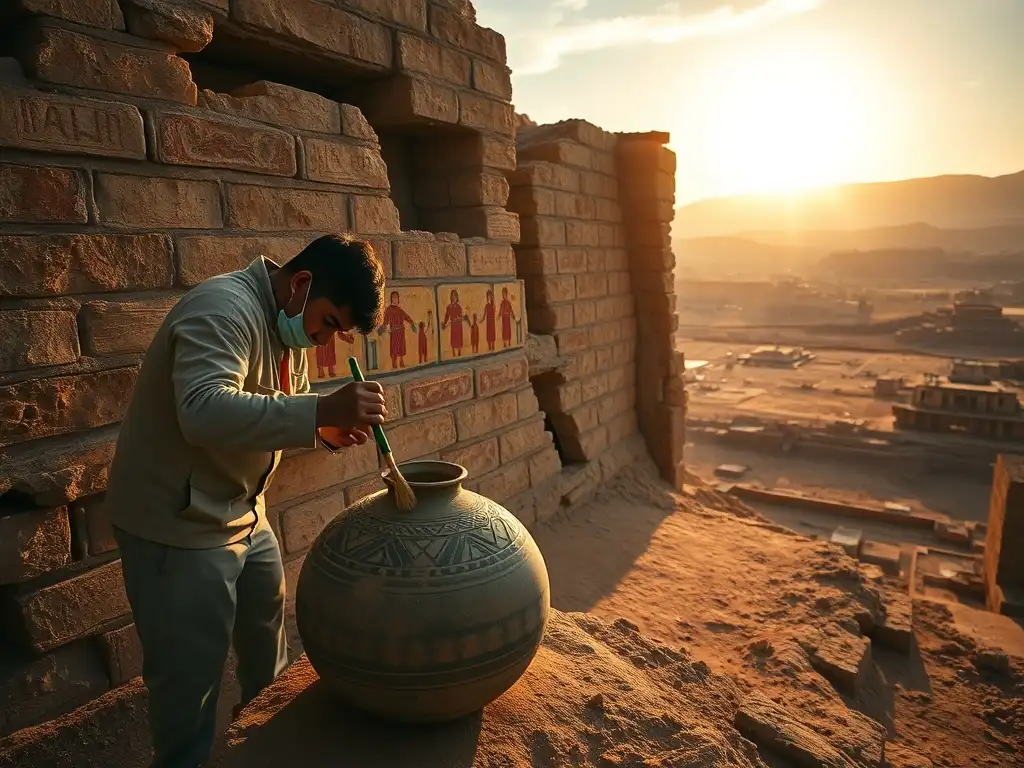
The future of Moche archaeology hinges on addressing persistent challenges while seizing emerging opportunities. Advancements in technology, coupled with a renewed focus on ethical practices and community engagement, promise to revolutionize our understanding of this fascinating civilization. However, significant hurdles remain, demanding innovative solutions and a collaborative approach from researchers, governments, and local communities. The overarching goal is to ensure the responsible and sustainable exploration of Moche heritage for the benefit of future generations. This requires a multifaceted strategy encompassing preservation, ethical considerations, and community participation.
Preservation and Conservation of Moche Archaeological Sites
The fragility of Moche sites presents a significant challenge. Years of exposure to the elements, looting, and even well-intentioned but poorly executed excavation techniques have resulted in considerable damage. Preservation efforts must be proactive and multi-pronged. This includes:
- Improved site monitoring: Implementing advanced surveillance technologies, including drone monitoring and remote sensing, to detect and deter looting and environmental damage. Real-time data analysis can help identify areas needing immediate attention.
- Advanced conservation techniques: Utilizing cutting-edge materials and methods for the preservation of artifacts and structures. This includes the development of bio-degradable and environmentally friendly consolidants to stabilize deteriorating materials. Research into the efficacy of different conservation techniques specific to the Moche context is crucial.
- Environmental mitigation: Developing strategies to mitigate the impact of climate change and natural disasters on Moche sites. This could involve creating protective barriers, implementing water management systems, and developing plans for emergency response. For example, the impact of El Niño events on coastal sites needs particular attention.
- Creating detailed site records: Implementing comprehensive digital documentation of sites through 3D modeling, photogrammetry, and other advanced technologies. This creates a valuable record that aids in future research and conservation efforts, even if physical access is limited.
Ethical Considerations in Moche Archaeological Excavation
Ethical considerations are paramount in Moche archaeology. The focus must shift from simply extracting artifacts to understanding the cultural context and respecting the descendants of the Moche people. This requires:
- Prioritizing non-invasive techniques: Employing geophysical survey methods (ground-penetrating radar, magnetometry) before undertaking any invasive excavation. Minimizing the disturbance of the site is crucial for its long-term preservation and integrity.
- Repatriation of artifacts: Working towards the responsible repatriation of Moche artifacts to their rightful place in Peru, ensuring their preservation and accessibility for the benefit of Peruvian communities and researchers. This demands a transparent and collaborative process with Peruvian authorities and communities.
- Engaging with Indigenous communities: Actively engaging with Indigenous communities who are descendants of the Moche people, ensuring their voices are heard and their perspectives are incorporated into all research and conservation efforts. Their traditional ecological knowledge is invaluable for understanding the Moche relationship with their environment.
- Open access to data: Promoting open access to research data and findings, ensuring transparency and collaboration within the academic community and with the wider public. This fosters a more inclusive and participatory approach to Moche archaeology.
Community Engagement in Moche Heritage Management
Community engagement is not merely an ethical imperative; it's essential for the long-term success of Moche archaeology. Local communities are the custodians of Moche heritage, and their involvement is crucial for its preservation and interpretation. This necessitates:
- Educational outreach programs: Developing educational programs for local communities, emphasizing the importance of Moche heritage and empowering them to participate actively in its protection. This may include workshops, school programs, and community events.
- Community-based tourism initiatives: Developing sustainable tourism initiatives that benefit local communities while ensuring the protection of Moche sites. This requires careful planning and management to prevent over-tourism and environmental damage.
- Joint management agreements: Establishing collaborative management agreements between researchers, government agencies, and local communities to ensure the shared stewardship of Moche heritage. This requires a transparent and equitable distribution of benefits and responsibilities.
- Economic empowerment: Creating economic opportunities for local communities through Moche-related tourism and other enterprises. This encourages community involvement in preservation efforts and ensures the long-term sustainability of heritage management initiatives. This could involve creating local craft businesses, museum guides, or other tourism-related jobs. The development of sustainable livelihoods directly linked to the preservation of Moche heritage is key to its long-term success. The future of Moche archaeology depends on a collaborative approach, combining scientific rigor with ethical sensitivity and community engagement. Only through such a multifaceted strategy can we unlock the full potential of Moche research and ensure the preservation of this remarkable cultural legacy for generations to come.
Moche Archaeology Future Research: A Look Ahead
The future of Moche archaeology promises exciting advancements fueled by innovative technologies and collaborative research strategies. Understanding the Moche civilization, its intricate social structures, and its remarkable artistic achievements, requires a multi-faceted approach. This section will explore key areas where future research will likely yield significant breakthroughs in our understanding of this fascinating Andean culture. The field of "Moche archaeology future research" is poised for significant growth.
Integrating Interdisciplinary Approaches in Moche Studies
Moche studies benefit immensely from a diverse range of perspectives. Simply excavating sites and analyzing artifacts is no longer sufficient. Integrating interdisciplinary approaches, such as bioarchaeology, archaeobotany, and geoarchaeology, provides a more holistic understanding of the Moche. For example, bioarchaeological analysis of skeletal remains can reveal crucial information about Moche health, diet, and social inequalities.
This data, combined with archaeobotanical studies of plant remains, can illuminate agricultural practices and their impact on society. Geoarchaeological studies of the landscape can further shed light on settlement patterns and resource management strategies. This interdisciplinary synergy is crucial for a comprehensive understanding of the Moche's remarkable achievements and their interaction with their environment. The integration of these approaches offers a more nuanced perspective on Moche societal complexities, moving beyond simple narratives to explore the intricate interplay of factors shaping their civilization.
The Role of Collaboration in Moche Research Progress
Effective collaboration is paramount for advancing Moche research. International collaborations between researchers from diverse backgrounds and institutions are vital to leverage expertise and resources. Sharing data and methodologies fosters a more comprehensive and accurate interpretation of the evidence. Furthermore, collaborations with local communities are crucial for respectful and ethical research practices.
Engaging local communities not only provides valuable insights into traditional knowledge and perspectives but also ensures the preservation of cultural heritage for future generations. This collaborative approach is not merely ethical; it's essential for the long-term success and sustainability of Moche archaeology. The future of Moche studies hinges on building strong partnerships and fostering a sense of shared responsibility in protecting and understanding this rich cultural legacy. The collaborative spirit, coupled with modern technologies, will undoubtedly accelerate the pace of discovery and refine our understanding of the Moche way of life.
Expected Breakthroughs in Moche Civilization Knowledge
Future research promises significant breakthroughs in several key areas. We can anticipate more precise chronological frameworks for Moche history, thanks to advanced dating techniques and detailed stratigraphic analyses. Improved understanding of Moche writing systems and iconography will lead to more accurate interpretations of their symbolic world.
Furthermore, advancements in 3D imaging and modeling technologies will enable more detailed reconstructions of Moche architecture and artifacts, providing a richer understanding of their artistic skills and technological capabilities. The application of advanced analytical techniques to artifacts will also reveal new information about Moche material culture, including the sources of raw materials and the processes involved in their manufacture. These developments will undoubtedly lead to a more nuanced and comprehensive picture of Moche society, culture, and technology, enriching our understanding of this remarkable civilization.
The potential for discovery in the realm of "Moche archaeology future research" is vast and incredibly exciting. We stand at the cusp of a new era of understanding this remarkable civilization.
Frequently Asked Questions
What are some key areas of future research in Moche archaeology?
Future research will likely focus on improving dating techniques to better understand Moche chronology, exploring Moche interaction with other cultures, and investigating the role of women in Moche society through further analysis of artifacts and burials.
What new technologies might impact Moche archaeological studies?
Advanced imaging techniques like LiDAR and ground-penetrating radar will help locate previously unknown sites and features. DNA analysis will provide insights into Moche genetics and population movements. 3D modeling will help to reconstruct Moche settlements and artifacts.
How might future discoveries change our understanding of the Moche?
New discoveries could reveal previously unknown aspects of Moche religion, social structure, and daily life. Further research may also shed light on the reasons for their decline. Unexpected finds could completely reshape our current understanding.
What is the significance of studying the Moche today?
Studying the Moche provides valuable insights into ancient Andean societies and their complex interactions with their environment. Understanding their achievements offers parallels for modern challenges. Their advanced technologies and artistic expressions continue to inspire and intrigue us.
Where can I find more information on current Moche archaeological research?
You can find updated information through academic journals, university research websites, and museum exhibitions focused on Andean archaeology. Many archaeological organizations also publish regular reports and news updates on their ongoing projects.
Final Reflection: Unearthing the Moche Legacy: A Future Rich in Discovery
The vibrant tapestry of Moche civilization, once shrouded in the sands of time, continues to reveal its secrets, demanding our attention and reshaping our understanding of ancient Andean societies. The sheer volume of recent discoveries, from intricate ceramics to monumental architecture, underscores the immense potential for future research and the ongoing relevance of Moche studies in the 21st century. This isn't simply about unearthing artifacts; it's about understanding a complex society and its enduring impact on the world.
The Moche's sophisticated artistry, innovative engineering, and complex social structures leave an indelible mark on our understanding of pre-Columbian America. Their legacy extends far beyond the physical remains; it challenges our preconceived notions of ancient civilizations and inspires us to appreciate the ingenuity and resilience of human societies. The past is never dead. It's not even past.
– William Faulkner. This quote perfectly encapsulates the enduring relevance of Moche studies, as each new discovery breathes life into their history and allows us to better understand not only their world, but our own.
Consider the implications of these discoveries. What new narratives will emerge? What innovative methodologies will be employed? You, the reader, are now part of this ongoing conversation. Engage with the ongoing research, support responsible archaeological practices, and encourage further exploration of this fascinating culture. Let the Moche inspire you to delve deeper into the past, to appreciate the richness of human history, and to contribute to the ongoing quest for knowledge. The future of Moche studies is not just in the hands of archaeologists, but in the minds and hearts of all who are curious enough to explore.
Unveil the Mysteries of the Moche—Take Action Today!
Thank you for exploring the fascinating world of Moche studies! Your interest in recent discoveries enriches your knowledge and contributes to a broader understanding of this ancient civilization. Let's turn your curiosity into action and delve deeper into the wonders of the Moche.
Here are some ways to engage more fully:
- Join our community: Subscribe to our newsletter for exclusive insights, updates on new research, and details about upcoming events related to Moche and other Andean cultures.
- Explore local sites: Visit a nearby museum or archaeological site showcasing Moche artifacts. Experience their artistry and ingenuity firsthand!
- Share your knowledge: Discuss your thoughts and questions about the Moche with friends or in online communities dedicated to Andean civilizations. Your perspective could spark stimulating conversations!
What will you do today to further your understanding of the Moche civilization?