
The Moche Visionary Experience: Altered States and Spiritual Insight

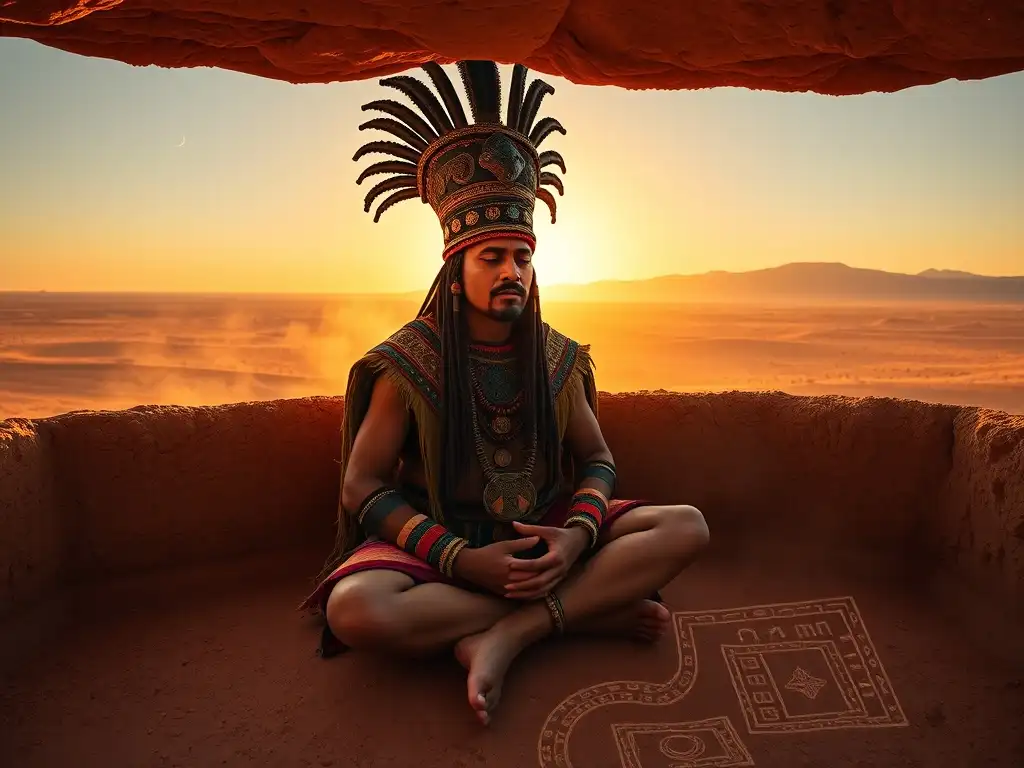
Unravel the mysteries of a lost world. Journey into the heart of the Andes and discover the vibrant tapestry of ancient civilizations—from the Incas' majestic empire to the enigmatic Nazca lines. But prepare to be captivated by something truly extraordinary: the Moche spiritual practices. Their visionary world, filled with breathtaking artistry and complex rituals, awaits. Dive into the depths of "The Moche Visionary Experience: Altered States and Spiritual Insight" and uncover the secrets of their otherworldly beliefs. Dare to explore…
-
Moche Visionary Experience: Altered States and Spiritual Insight
- Introduction to Moche Spirituality and Rituals
- The Role of Hallucinogens in Moche Religious Practices
- Identifying Moche Hallucinogenic Substances
- Moche Shamanic Practices and Trance States
- Depictions of Visionary Experiences in Moche Art
- The Connection Between Moche Rituals and Cosmology
- Moche Spiritual Practices and Social Hierarchy
- The Legacy of Moche Visionary Traditions
- Conclusion: The Enduring Mystery of Moche Spiritual Practices
-
Frequently Asked Questions
- What were the Moche people's primary spiritual beliefs?
- How did the Moche use altered states of consciousness in their spiritual practices?
- What role did sacrifice play in Moche spiritual life?
- What evidence supports our understanding of Moche spiritual practices?
- How did the Moche's environment influence their spiritual beliefs?
- Final Reflection: Echoes of the Moche: A Legacy of Vision and Insight
- Unleash Your Inner Visionary Today!
Moche Visionary Experience: Altered States and Spiritual Insight
The Moche civilization, flourishing along the northern coast of Peru from approximately 100 CE to 800 CE, left behind a remarkable legacy of art, architecture, and intricate social structures. Beyond the impressive feats of irrigation engineering and monumental constructions, however, lies a fascinating and complex spiritual world, one rich in ritual practices and a deep connection to the supernatural.
This article delves into the Moche understanding of spirituality, focusing specifically on the role of altered states of consciousness and visionary experiences in their religious beliefs and practices. We will explore the evidence suggesting the use of hallucinogenic substances in Moche rituals, examining how these practices may have shaped their worldview and artistic expressions.
Understanding the Moche's spiritual practices provides crucial insight into the very fabric of their society, revealing a civilization deeply connected to the forces of nature and the unseen world. This exploration of "Moche spiritual practices" will uncover a captivating narrative of a culture whose spiritual beliefs profoundly influenced their daily lives and artistic output.
Introduction to Moche Spirituality and Rituals
Moche religion was deeply intertwined with their environment and the forces of nature. Their sophisticated irrigation systems, a testament to their engineering prowess, were not merely practical; they were also symbolically linked to the life-giving waters, considered sacred and essential for maintaining the balance of the cosmos. Evidence from Moche iconography, including their stunning ceramics and elaborate metalwork, reveals a pantheon of deities, often depicted in dynamic scenes of ritual and sacrifice.
These depictions frequently showcase elaborate ceremonies involving priests, warriors, and shamans, suggesting a highly structured and hierarchical religious system. The Moche also engaged in elaborate burial rituals, often interring their elite members with an array of grave goods, reflecting their social status and the importance of the afterlife. These burial practices, coupled with the elaborate iconography found on their artifacts, provide invaluable clues to understanding their spiritual beliefs and worldview.
The Moche worldview appears to have been heavily influenced by their relationship with the sea, the desert, and the cyclical nature of life and death, all of which are vividly represented in their art. The frequent depiction of supernatural beings and ritualistic scenes highlights the prominent role of religion in shaping Moche society.
The Role of Hallucinogens in Moche Religious Practices
Archaeological evidence strongly suggests the use of hallucinogenic plants, such as brugmansia and datura, in Moche religious practices. The depiction of individuals in altered states, often characterized by dilated pupils, unusual postures, and intense emotional expressions, is frequently found in Moche pottery. These depictions are not mere artistic flourishes; they are likely representations of shamanic rituals and visionary experiences. The use of hallucinogens may have facilitated communication with the spirit world, providing shamans with access to divine knowledge and power.
Furthermore, the intricate and often surreal imagery found in Moche art may be a direct reflection of the altered perceptions experienced under the influence of these substances. The hallucinogenic experience may have been integral to the Moche understanding of the cosmos, facilitating a deeper connection with their deities and the spiritual realm. The presence of these plants in some Moche burials further supports this hypothesis, suggesting their importance in both life and death rituals.
The precise nature and extent of their use remain topics of ongoing research, but the available evidence strongly suggests that hallucinogens played a significant role in shaping the Moche visionary experience and their understanding of the spiritual world. Further research into Moche pharmacology and ritual practices is needed to fully understand the extent of this influence. Careful analysis of additional archaeological finds and comparative studies with other Andean cultures will offer more precise insights into this fascinating aspect of Moche culture.
Identifying Moche Hallucinogenic Substances
The Moche people, renowned for their intricate artistry and sophisticated societal structures, also possessed a rich spiritual life deeply intertwined with altered states of consciousness. Archaeological evidence strongly suggests the use of hallucinogenic substances played a crucial role in their religious practices and worldview. Pinpointing the exact substances used remains a challenge due to the limitations of preservation, but several strong candidates have emerged from research combining archaeological findings with ethnobotanical studies of surviving Andean traditions.
The most prominent among these are cacti, particularly the San Pedro cactus, and potentially other plants with psychoactive properties. The careful study of Moche iconography, including pottery and textiles, provides further clues, depicting scenes seemingly representative of altered states and interactions with the spirit world.
Researchers continue to analyze organic residues found on artifacts to better understand the precise chemical composition of the substances used, hoping to gain a more definitive understanding of the Moche pharmacopoeia. This ongoing research promises to further illuminate the complexities of Moche spirituality.
San Pedro Cactus Use in Moche Ceremonies
The San Pedro cactus ( Echinopsis pachanoi), containing mescaline, a potent hallucinogen, is a widely recognized and historically significant entheogen in the Andes. Its use in shamanic practices is well-documented in various Andean cultures, and evidence suggests its prominent role in Moche rituals. The cactus's iconic columnar shape is frequently depicted in Moche art, often in contexts clearly associated with religious ceremonies and supernatural beings. While direct chemical analysis of ancient San Pedro remains from Moche sites is still ongoing, the visual representations in Moche pottery, textiles, and metalwork strongly suggest its significance in inducing altered states of consciousness during religious ceremonies. This visual evidence, coupled with the known widespread use of San Pedro in neighboring cultures, provides compelling support for its role in Moche spiritual practices. Further research focusing on the analysis of organic residues found on artifacts associated with ritual contexts is crucial to confirm its presence definitively.
The Significance of Wilka in Moche Rituals
While San Pedro is a prominent candidate for a Moche hallucinogen, other plants might have also played a crucial role. Wilka, or Anadenanthera peregrina, is another strong contender. This plant contains psychoactive compounds, notably bufotenine, and its use in shamanic practices has been documented in several pre-Columbian cultures across South America. The presence of Wilka in Moche rituals is less directly evident than that of San Pedro, requiring further investigation.
However, some researchers propose that certain iconographic elements in Moche art, particularly those depicting specific plants or ritual paraphernalia, might allude to the use of Wilka. More detailed studies of Moche botanical remains and comparative analysis with other Andean cultures using Wilka are necessary to confirm its role in Moche spiritual practices. The absence of conclusive evidence does not rule out its use, however, highlighting a need for further research in this area.
Other Potential Psychoactive Plants in Moche Culture
Beyond San Pedro and Wilka, other plants with psychoactive properties may have been utilized by the Moche. The vast and complex biodiversity of the Andean region offered a wide range of potential substances. Researchers are currently exploring other possibilities, including various species of brugmansia (angel's trumpets), known for their potent hallucinogenic effects. The identification of these plants in Moche contexts, however, faces challenges due to the limitations of preservation and the lack of direct chemical analysis.
The interpretation of Moche art remains an important tool, with researchers carefully examining iconographic details to identify potential depictions of other plants with psychoactive properties. Further interdisciplinary research, combining archaeological, botanical, and chemical analyses, is essential to fully understand the breadth and depth of the Moche pharmacopoeia. The potential for undiscovered substances adds another layer of complexity to our understanding of Moche spiritual practices.
Moche Shamanic Practices and Trance States
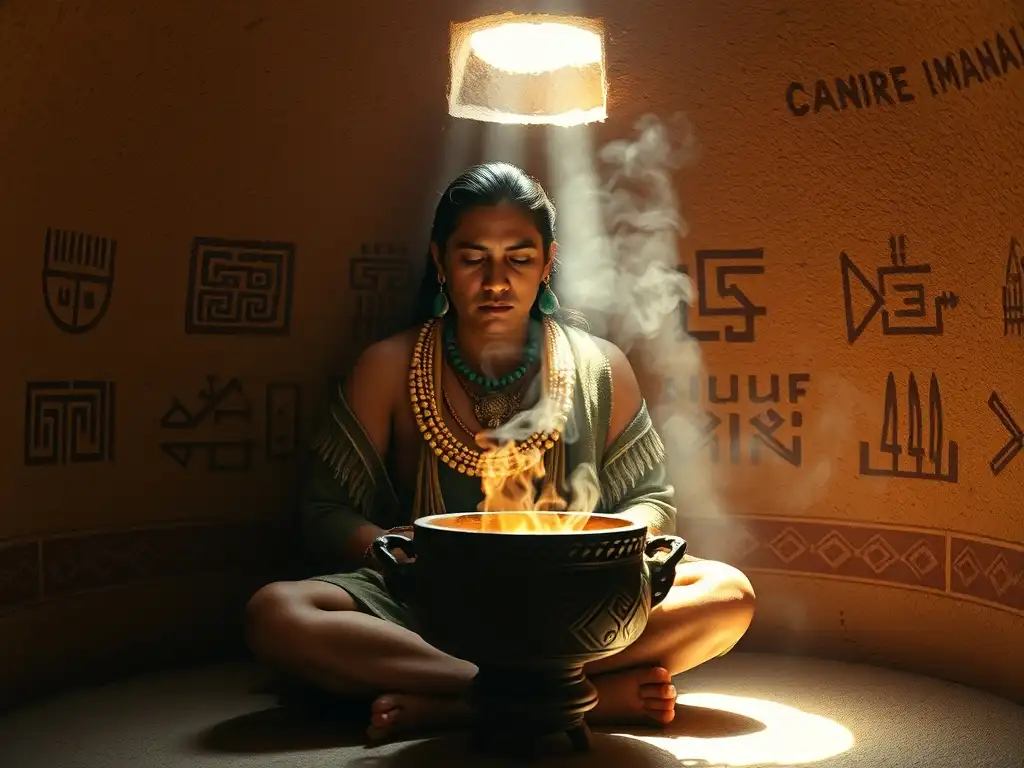
The Moche civilization's deep engagement with altered states of consciousness is powerfully illustrated through its art and archaeological findings, suggesting the presence of sophisticated shamanic practices. These practices likely involved the use of hallucinogenic substances, as discussed previously, to induce trance states and facilitate communication with the spirit world. The detailed and often surreal imagery found on Moche pottery depicts scenes that appear to represent visionary experiences, suggesting a deliberate attempt to visually record and interpret these altered states of consciousness.
The Moche shamans, as intermediaries between the human and spirit worlds, played a crucial role in societal life, offering guidance, healing, and interpreting divine messages. Their role extended beyond merely inducing altered states; they were responsible for interpreting the visions and translating their meaning into actions that impacted the community.
Shamans as Intermediaries to the Spirit World
Moche shamans acted as crucial intermediaries between the living and the spirit world. Their role was not merely to induce altered states of consciousness but also to interpret the visions and messages received during these experiences. This interpretation was vital for the community, providing guidance on matters ranging from agricultural practices and warfare to healing and social harmony. The prestige and influence of these shamans are evident in their depiction in Moche art, often portrayed with elaborate regalia and symbols of power.
They were not simply religious figures; they were essential components of the Moche social fabric, wielding significant influence over community affairs and decisions. The detailed depictions of shamanic rituals in Moche art offer invaluable insights into their practices and the significance of their role within society. Further research can shed more light on the social hierarchy and the specific roles shamans held within Moche communities.
Methods of Inducing Altered States of Consciousness
The Moche likely employed various methods to induce altered states of consciousness, beyond the ingestion of hallucinogenic plants. While the use of psychoactive substances is strongly suggested by the archaeological and iconographic evidence, other techniques, such as rhythmic chanting, drumming, fasting, and sensory deprivation, may have also been employed. The combination of these techniques could have created a synergistic effect, enhancing the intensity and depth of the altered states.
The artistic representations in Moche pottery often show individuals in postures and settings suggestive of ritual practices designed to alter consciousness. Further research, including a cross-cultural comparative analysis with other Andean cultures, is needed to fully understand the range of techniques the Moche used to achieve and manipulate altered states of consciousness. This would provide a more complete picture of their shamanic practices.
The Interpretation of Moche Visions and Symbolic Imagery
Interpreting Moche visions and symbolic imagery requires a multidisciplinary approach, combining art historical analysis, anthropological insights, and ethnobotanical knowledge. The imagery found on Moche pottery, textiles, and other artifacts frequently depicts scenes of supernatural beings, mythical creatures, and complex symbolic motifs. These representations are not merely decorative; they appear to be visual records of altered states of consciousness, reflecting the shamans' interpretations of their visionary experiences.
Researchers carefully analyze these images, looking for recurring patterns, symbolic associations, and potential connections to Moche mythology and cosmology. Deciphering the precise meaning of these visions remains a challenge, but ongoing research continuously sheds light on the Moche worldview and their understanding of the relationship between the human and spirit worlds. The intricate detail and complexity of Moche art make it a rich source of information about their spiritual beliefs and practices.
Depictions of Visionary Experiences in Moche Art
Moche art, particularly their exquisite pottery, provides unparalleled insight into their spiritual practices and visionary experiences. The vibrant colors, intricate details, and dynamic compositions often depict scenes that seem to transcend the mundane, suggesting altered states of consciousness. These aren't simply decorative pieces; they are visual narratives, offering glimpses into the Moche worldview and their understanding of the relationship between the earthly and spiritual realms.
The recurring motifs, symbolic figures, and unusual perspectives strongly suggest the importance of shamanistic practices and the pursuit of spiritual insight through altered states. Many scholars believe that the intense focus on specific details within these artworks, such as the exaggerated features of certain figures or the highly stylized depictions of plants and animals, reflects the altered perceptions experienced during ritual ceremonies. The level of detail and the consistent recurrence of specific motifs across different pieces further supports this interpretation.
Moche Iconography and Spiritual Transformation
The iconography used in Moche art is crucial for interpreting their visionary experiences. Specific figures, often depicted in dynamic poses and surrounded by symbolic elements, appear repeatedly in their pottery and other artifacts. These figures, often interpreted as shamans or deities, are frequently shown interacting with supernatural beings or engaging in ritualistic activities.
The transformation of these figures, often depicted in stages of metamorphosis or in conjunction with symbolic plants, is a recurring theme suggesting a journey of spiritual transformation. Analyzing the specific iconographic elements, their arrangement, and the context in which they appear allows researchers to piece together a more comprehensive understanding of the Moche's spiritual journey and their methods for achieving altered states.
For example, the recurring depiction of a specific deity with feline features alongside hallucinogenic plants suggests a connection between this deity and the altered states induced by those plants. The repeated use of these symbols underscores their importance in the Moche spiritual system.
Symbolic Representations of Hallucinogenic Plants
The presence of hallucinogenic plants in Moche art is a compelling piece of evidence supporting the theory of their use in visionary practices. These plants, often depicted with remarkable accuracy and detail, are not merely decorative elements. Their prominent placement in scenes depicting rituals and spiritual encounters suggests their central role in achieving altered states of consciousness. Scholars have identified various plants depicted in Moche art that are known for their psychoactive properties, including species of brugmansia and datura.
The precise identification of these plants is crucial for understanding the specific effects sought by the Moche during their rituals. The careful and realistic depiction of these plants indicates a deep understanding of their properties and their significance in Moche spiritual beliefs. The meticulous representation of these plants suggests more than simple botanical observation; it suggests a profound understanding of their ritualistic significance.
Analyzing Moche Pottery for Clues on Rituals
Moche pottery serves as a rich source of information about their rituals, providing visual records of ceremonies and visionary experiences. The scenes depicted on the pottery, frequently showing elaborate rituals involving shamans, deities, and hallucinogenic plants, offer a unique window into their spiritual practices. Analyzing the different contexts in which these scenes appear, along with the accompanying iconography, helps to understand the sequence of events during these rituals and their overall purpose.
The detailed depictions of offerings, costumes, and instruments provide valuable insights into the material culture associated with Moche spirituality. Furthermore, studying the variations in style and iconography across different pottery pieces can reveal regional differences in rituals and beliefs. The remarkable preservation of these artifacts allows for incredibly detailed analysis, providing a level of insight rarely found in other ancient cultures.
The Connection Between Moche Rituals and Cosmology
The Moche worldview was deeply intertwined with their understanding of the cosmos. Their rituals were not isolated events but rather integral aspects of their relationship with the natural world and the supernatural realm. The cyclical nature of many of their rituals mirrors the cyclical patterns observed in nature, such as the changing seasons and the celestial movements. The Moche cosmology, reflected in their art and architecture, indicates a belief in a complex interplay between the terrestrial and celestial realms.
Rituals were likely performed to maintain this balance and ensure the prosperity of their communities. The alignment of some Moche structures with astronomical events further underscores the importance of celestial phenomena in their worldview. The integration of astronomical observations into their religious practices highlights the holistic nature of their spiritual system.
Understanding the Moche Worldview
The Moche worldview was animistic, characterized by a belief that the natural world was imbued with spiritual power. Mountains, rivers, and the ocean were not simply geographical features but also powerful entities with agency and influence. The Moche revered their ancestors, believing that they continued to exert influence on the living. This belief is reflected in their funerary practices and the frequent depictions of ancestors in their art.
They saw the world as interconnected and dynamic, with a constant interaction between the human and supernatural realms. This worldview is deeply embedded in their art, architecture, and ritual practices, shaping their understanding of the cosmos and their place within it. This holistic perspective emphasizes the interconnectedness of all things, both visible and invisible.
The Importance of Ancestor Veneration
Ancestor veneration was a central aspect of Moche spirituality. They believed that their ancestors played a crucial role in their daily lives and in ensuring the prosperity of their communities. This belief is evident in their elaborate burial practices, which involved the creation of elaborate tombs and the inclusion of grave goods. The Moche frequently depicted ancestors in their art, often portraying them as powerful figures with supernatural abilities.
The respect given to ancestors is a testament to the Moche's understanding of the continuity between generations and the enduring power of their lineage. This deep-seated respect for their ancestors reflects a strong sense of community and a belief in the importance of maintaining a connection with the past. The elaborate rituals surrounding death and burial underscore the importance of ancestor veneration in their society.
The Role of the Natural World in Moche Spirituality
The natural world played a profound role in Moche spirituality. The Moche were deeply connected to their environment, recognizing its power and influence on their lives. Mountains, rivers, and the ocean were not simply geographical features but were revered as powerful spiritual entities. The cyclical patterns of nature, such as the changing seasons, were reflected in their rituals and ceremonies.
The Moche viewed themselves as part of a larger ecological system, recognizing their interdependence with the natural world. Their art frequently depicts scenes of interaction between humans and nature, reflecting a deep respect for the environment and its spiritual significance. This interconnectedness between humans and nature is a fundamental aspect of their spiritual beliefs and practices. The Moche's reverence for the natural world is evident in their art, architecture, and religious practices.
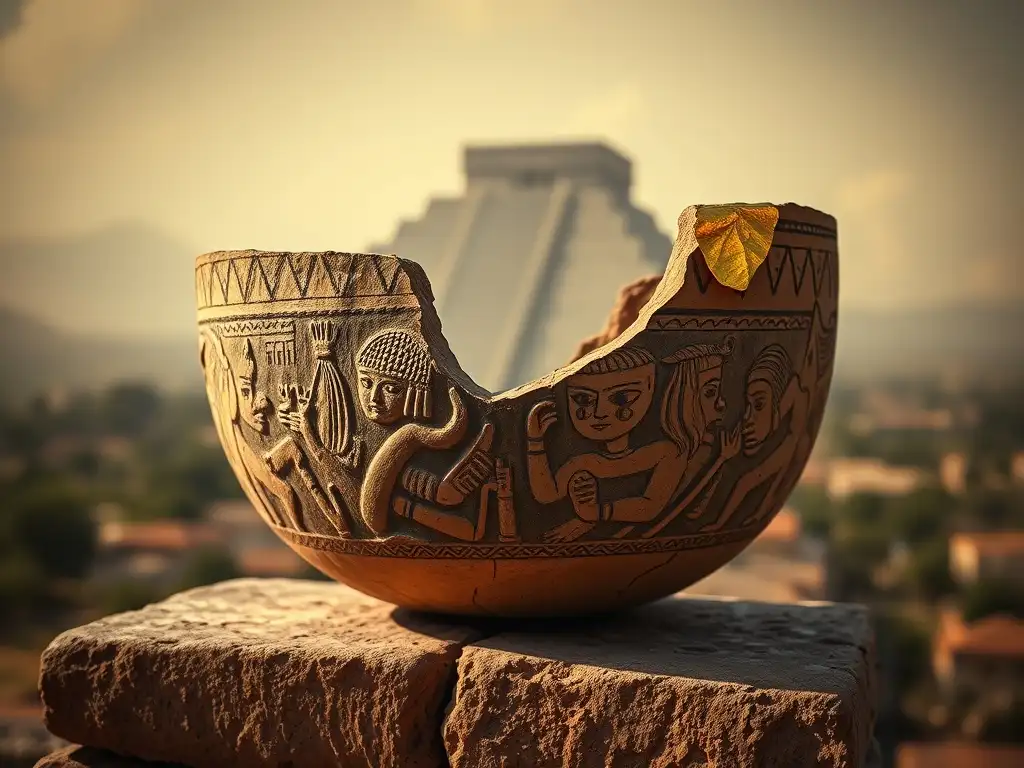
The intricate relationship between Moche spiritual practices and their social hierarchy is a key aspect of understanding their civilization. Religious rituals weren't simply spiritual exercises; they were deeply intertwined with maintaining and reinforcing the existing power structures. The elite, often depicted in elaborate tombs and ceremonial contexts, played a central role in these practices, solidifying their authority and legitimacy.
Access to certain rituals, specific types of offerings, and even the interpretation of omens were often privileges reserved for the upper echelons of society. The commoners, while participating in community-based rituals, had a less direct and influential role in the overarching spiritual framework. This hierarchical structure within their religious practices ensured the continuation of the existing social order, with religion acting as a powerful tool for social control and the reinforcement of elite power.
The visual representations found in Moche pottery and metalwork consistently show this disparity, with rulers and priests depicted in prominent positions during ceremonies, often receiving offerings and engaging in interactions that clearly distinguish them from the general populace. The very act of participating in these rituals, therefore, served to reinforce the social order and the legitimacy of those in power.
How Religious Practices Reinforced Social Structures
Moche religious practices weren't simply a matter of personal belief; they were integral to the maintenance of the social order. The elaborate ceremonies, often involving significant resources and manpower, required coordination and control, directly benefiting the ruling class. The control over resources necessary for these rituals, such as precious metals, textiles, and agricultural products, allowed the elite to consolidate their power.
Furthermore, the interpretation of religious omens and prophecies, often reserved for shamans and priests closely tied to the ruling elite, provided justification for the actions of those in power. For example, a successful harvest might be attributed to the favor of the gods, reinforcing the authority of the ruler who oversaw the agricultural system. Conversely, any societal upheaval could be interpreted as divine displeasure, necessitating further obedience and strengthening the ruling class's control.
This intricate system ensured that religious practices were not merely spiritual events but potent tools for maintaining the existing social hierarchy and preventing challenges to the established order. The construction and maintenance of monumental structures like pyramids and temples further cemented this connection, requiring vast labor forces managed and directed by the elite.
The Status of Shamans in Moche Society
Shamans occupied a unique and powerful position within Moche society. They were not simply religious figures; they served as intermediaries between the human and spiritual worlds, interpreting omens, conducting rituals, and potentially even influencing the outcome of events. Their expertise in herbalism, divination, and trance-inducing techniques granted them significant influence, particularly within the elite circles.
Archaeological evidence suggests that shamans held high social status, often depicted in elaborate attire and participating in important ceremonies alongside the rulers. Their role extended beyond simple spiritual guidance; they likely played a crucial role in political decision-making, offering counsel and interpreting divine will to inform leadership decisions.
The close relationship between shamans and the elite suggests a symbiotic relationship: the shamans provided spiritual legitimacy to the rulers' authority, while the rulers provided the resources and support necessary for the shamans to maintain their status and influence. The detailed depictions of shamans on Moche ceramics and the lavishness of their presumed burial goods further highlight their elevated position in the societal hierarchy.
Warrior Rituals and Elite Power
Warrior rituals played a significant role in reinforcing the power of the Moche elite. Depictions of warfare and ritual sacrifice in Moche art suggest a close connection between military prowess and religious legitimacy. Victories in battle were likely attributed to divine favor, further legitimizing the rule of the victorious leader.
The elite's control over the military and its associated rituals reinforced their dominance. The capture and sacrifice of prisoners of war, often depicted in Moche iconography, served not only as a display of military might but also as a ritualistic offering to the gods, reinforcing the rulers' connection to the supernatural realm.
These rituals, therefore, were not merely military events; they were carefully orchestrated performances that served to both demonstrate and reinforce the elite's power and their divinely sanctioned authority. The visual propaganda embedded in these rituals, disseminated through art and public displays, solidified the link between military success, religious piety, and the legitimacy of the ruling class.
The Legacy of Moche Visionary Traditions
The Moche's unique approach to spirituality and visionary experiences left a lasting impact on subsequent Andean cultures. Their sophisticated understanding of altered states of consciousness, reflected in their art and archaeological finds, likely influenced later religious practices and beliefs. The iconography and symbolism developed by the Moche, particularly their depictions of deities and supernatural beings, appear in modified forms in later Andean civilizations.
The use of hallucinogenic substances, documented in both archaeological and ethnohistorical sources, may have been a continuous practice across various Andean cultures, suggesting a transmission of knowledge and practices. Certain ritualistic practices, such as the use of specific objects or the performance of particular ceremonies, may also indicate a cultural continuity that links the Moche to later groups. However, the precise extent and nature of this influence require further research and a more thorough comparative analysis of different Andean cultures.
Influence on Later Andean Cultures
While the precise ways in which Moche spiritual practices influenced later Andean cultures remain a subject of ongoing research, several potential avenues of influence stand out. The stylistic elements found in Moche iconography, such as the depiction of specific deities or supernatural creatures, can be traced in modified forms in the art and religious practices of later cultures.
The use of specific materials or technologies associated with Moche ritual objects might also hint at cultural transmission. For instance, the use of certain types of pottery or metalwork in religious contexts might represent the continuation of established traditions.
The emphasis on shamanistic practices and the importance of altered states of consciousness, so prominent in Moche culture, likely continued to play a significant role in the spiritual lives of subsequent Andean communities. The integration of these elements into the religious frameworks of later cultures suggests a process of cultural adaptation and transformation, where Moche traditions were reinterpreted and incorporated into the evolving spiritual landscape of the Andes.
Modern Interpretations of Moche Spiritual Beliefs
Modern interpretations of Moche spiritual beliefs are diverse and often informed by contemporary understandings of shamanism, altered states of consciousness, and the use of psychoactive substances. Scholars utilize archaeological evidence, iconography, and ethnohistorical accounts to reconstruct their religious practices and beliefs. These interpretations range from focusing on the importance of ancestor veneration to emphasizing the role of shamanistic practices in accessing the spiritual world.
The use of hallucinogenic plants in Moche rituals is a significant area of focus, with researchers exploring their potential role in facilitating visionary experiences and shaping religious beliefs. However, it's crucial to acknowledge that interpretations are often tentative and subject to revision as new evidence emerges.
Modern scholars seek to avoid imposing contemporary frameworks onto the past and strive to interpret Moche spirituality within its own historical and cultural context. The ongoing research on Moche religion continues to offer new perspectives, enriching our understanding of their complex and fascinating spiritual world.
Conclusion: The Enduring Mystery of Moche Spiritual Practices
The Moche's sophisticated understanding of altered states of consciousness, as evidenced by their art and archaeological findings, leaves a lasting impression on our understanding of their spiritual practices. While we can interpret their iconography and analyze their rituals, the precise nature of their beliefs remains shrouded in the mists of time. The lack of written records forces us to rely on careful observation and interpretation of material culture, leading to ongoing scholarly debate and diverse interpretations of their worldview. This very ambiguity, however, underscores the richness and complexity of the Moche spiritual experience.
Their unique approach to shamanism, their intricate depictions of deities and mythical beings, and their apparent mastery of plant-based entheogens all point to a deeply spiritual culture that remains both fascinating and enigmatic. Future research, perhaps aided by advancements in scientific analysis of artifacts and improved understanding of related Andean cultures, may shed further light on the nuances of Moche spirituality. But for now, the Moche's spiritual practices continue to captivate our imaginations, challenging us to confront the enduring mystery of their visionary world. The enduring legacy of the Moche isn't just their impressive architecture or intricate pottery; it's the enduring questions they raise about the human relationship with the divine and the pursuit of spiritual insight.
Their art serves as a powerful reminder of the diverse ways humans have sought connection with the unseen, a testament to the enduring power of the human spirit's quest for meaning and transcendence. Understanding the Moche's spiritual practices requires a multidisciplinary approach, combining archaeological evidence with anthropological insights and a willingness to engage with the ambiguities inherent in interpreting ancient cultures. The journey of understanding Moche spirituality is a journey of ongoing discovery, a testament to the enduring power of their legacy. 🥂
Frequently Asked Questions
What were the Moche people's primary spiritual beliefs?
The Moche spiritual world was deeply intertwined with their agricultural practices and natural environment. They revered powerful deities associated with fertility, water, and the sea, often depicted in elaborate ceremonies and art.
How did the Moche use altered states of consciousness in their spiritual practices?
The Moche likely used hallucinogenic plants, such as San Pedro cactus, to induce altered states and facilitate communication with the spirit world. This is evidenced by iconography depicting shamanistic rituals and supernatural beings.
What role did sacrifice play in Moche spiritual life?
Human sacrifice, while controversial, appears to have been a significant aspect of Moche religious practices, possibly linked to ensuring agricultural fertility or appeasing powerful deities. Evidence suggests both voluntary and involuntary sacrifices.
What evidence supports our understanding of Moche spiritual practices?
Archaeological discoveries, including elaborate tombs, ceremonial artifacts, and complex iconography, provide crucial insights into Moche spirituality. Moche pottery often depicts scenes of rituals and supernatural interactions.
How did the Moche's environment influence their spiritual beliefs?
The arid coastal environment of the Moche heavily influenced their spiritual worldview. Their reliance on water and fertile land shaped their deities and rituals, emphasizing the importance of agricultural success and natural forces.
Final Reflection: Echoes of the Moche: A Legacy of Vision and Insight
The Moche's profound engagement with altered states of consciousness wasn't merely a historical curiosity; it's a powerful reminder of humanity's enduring quest for spiritual understanding. Their intricate iconography, meticulously crafted ceramics, and monumental architecture stand as testaments to a civilization that actively sought connection with the divine through visionary experiences. This resonates deeply today, as we continue to grapple with questions of meaning, purpose, and our place in the cosmos.
The Moche's legacy extends far beyond their impressive artistic achievements; it speaks to the fundamental human need for spiritual exploration and the diverse ways we have sought to connect with something larger than ourselves. Their practices, though vastly different from our own, offer a valuable perspective on the universality of spiritual seeking. The human spirit yearns for transcendence, and the Moche, in their own unique way, found a path to that transcendence.
This enduring truth transcends time and culture, reminding us that the search for meaning is a timeless human endeavor.
Consider the ways in which you seek connection with the divine, or with something greater than yourself. What rituals, practices, or experiences resonate with you? The Moche's journey, though distant in time and space, offers a powerful invitation to reflect on your own spiritual path. Embrace the opportunity to explore your own inner landscape, to seek your own visions, and to discover the unique ways in which you connect with the profound mysteries of existence. Let the echoes of the Moche inspire your own journey of self-discovery and spiritual growth.
Unleash Your Inner Visionary Today!
Thank you for joining us on this journey of self-discovery. You've gained valuable insights into how altered states of consciousness can foster deeper spiritual understanding. Now, it's time to build upon this knowledge and transform your life.
Here are some powerful steps you can take right now:
- Explore meditation or breathwork techniques to cultivate your own altered states of consciousness. Find practices that resonate with you and your personal style.
- Connect with a supportive community—either online or in person—focused on spiritual growth. Sharing experiences and learning from others can significantly enhance your journey.
- Engage with diverse spiritual traditions. Research and respectfully explore indigenous art and practices from cultures that inspire you to broaden your understanding of spiritual expression.
How will you cultivate your own visionary experiences? Share your thoughts and insights below!