
Moche Iconography: The Warrior's Role in Society

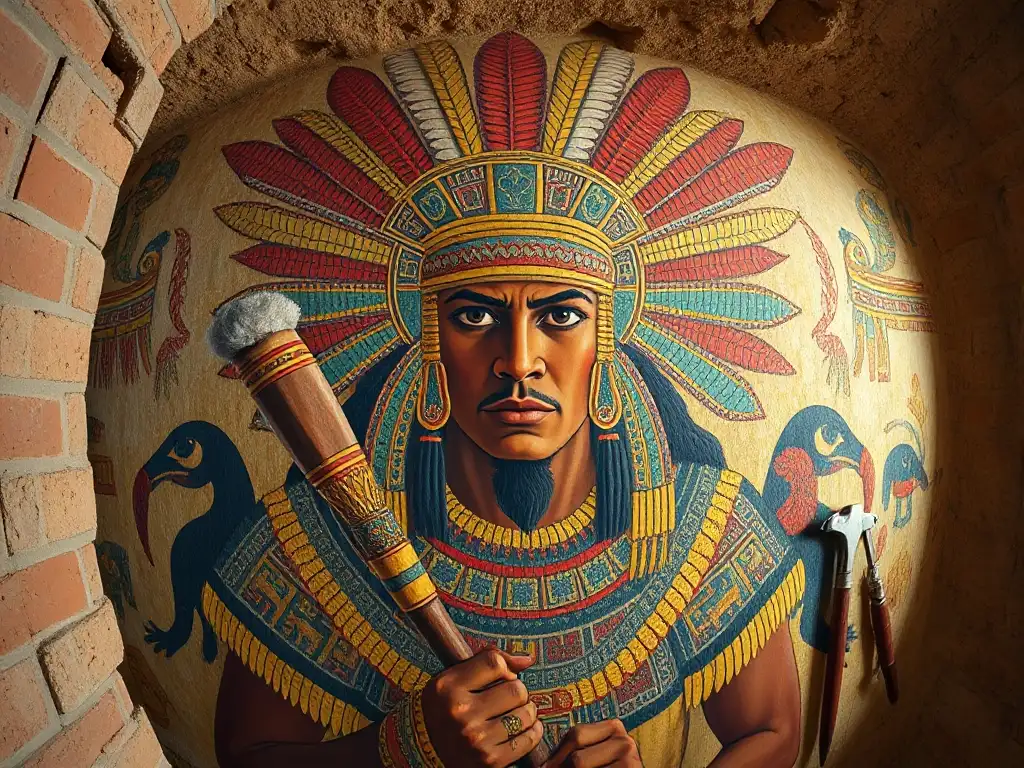
Step into a world lost to time, yet echoing with power and mystery. Journey with us through the breathtaking landscapes and captivating cultures of the Andes, where empires rose and fell, leaving behind a legacy of breathtaking artistry and intricate social structures. Prepare to be enthralled by the enigmatic Moche warrior iconography, a visual testament to the complex role of warriors in this ancient society. Discover the secrets hidden within their art – uncover the story behind the symbols and unlock the mysteries of the Moche civilization.
- Moche Warrior Iconography: A Glimpse into Society
- The Significance of the Moche Warrior
- Decoding Moche Warrior Imagery
- Moche Warrior Iconography and Social Hierarchy
- Moche Warrior Iconography in Different Art Forms
- The Legacy of Moche Warrior Iconography
- Frequently Asked Questions
- Final Reflection: Echoes of the Moche Warrior: Power, Ritual, and Legacy
- Unveil the Power of Moche Warriors Today!
Moche Warrior Iconography: A Glimpse into Society
The Moche civilization, flourishing along the northern coast of Peru from approximately 100 CE to 800 CE, left behind a remarkable legacy of art and architecture. Their sophisticated culture, characterized by impressive irrigation systems and advanced metalworking, is vividly depicted in their iconic ceramics. This article delves into the compelling world of Moche warrior iconography, examining how these powerful figures were portrayed in their art and the crucial role they played within Moche society.
By analyzing the stylistic choices, recurring motifs, and contextual clues present in Moche pottery, we aim to unravel the complexities of Moche warfare, social hierarchy, and the symbolic significance of the warrior within their cultural framework. Understanding Moche warrior iconography provides a unique window into the beliefs, values, and social structures of this fascinating ancient civilization, offering a deeper appreciation for their rich and complex history.
We will explore how the depiction of warriors varied across different ceramic styles and periods, highlighting the evolution of their representation and the messages conveyed through artistic choices. The analysis will be grounded in archaeological evidence and scholarly interpretations, providing a comprehensive overview of this significant aspect of Moche culture.
Introduction to Moche Art and Iconography
Moche art, particularly their ceramics, is renowned for its exceptional realism and detailed depictions of daily life, religious rituals, and warfare. Moche potters were master artisans, skillfully employing a variety of techniques including modeling, slip painting, and the application of intricate polychromes. Their iconography is rich in symbolism, often depicting scenes of human sacrifice, elaborate ceremonies, and powerful figures such as warriors, priests, and deities.
The vibrant colors and dynamic compositions of Moche ceramics make them highly sought-after artifacts, providing invaluable insights into the Moche worldview and societal organization. The high level of artistic skill demonstrated in their pottery suggests a specialized class of artisans who were highly valued within Moche society. The prevalence of specific motifs and the consistent representation of certain characters across numerous vessels indicate a deeply ingrained system of symbolic communication.
Studying these visual narratives is crucial for understanding the complexities of Moche culture and the significance of their artistic achievements. Many researchers believe that the depiction of warriors on Moche ceramics reflects not only their military prowess but also their social standing and religious importance.
Depictions of Moche Warriors in Ceramic Art
Moche depictions of warriors are strikingly realistic, often showcasing intricate details of their attire, weaponry, and body adornments. Common features include elaborate headdresses, ornate necklaces, and meticulously rendered weaponry such as spears, clubs, and atlatls. The warriors are frequently shown in dynamic poses, engaged in battle or ceremonial acts. The use of vibrant colors, often contrasting hues, enhances the dynamism of these scenes. Some ceramics depict warriors engaged in individual combat, while others portray large-scale battles involving numerous combatants. The level of detail in these depictions is remarkable, with individual facial features and musculature often clearly visible.
The stylistic variations in the depiction of warriors across different Moche pottery styles provide valuable information about the evolution of their artistic conventions and the changing social landscape. For example, early Moche pottery might feature warriors with simpler headdresses and weaponry, while later periods might display more elaborate and stylized representations. [Specific examples of stylistic variations pending analysis of a wider range of pottery]. Further research is needed to fully understand the chronological development of Moche warrior iconography and its relationship to broader social and political changes within the civilization.
The prominent role of warriors in Moche iconography suggests their significant social and political influence within the society. Their depiction in prominent positions on ceramics, often alongside elite figures or deities, indicates their high status. [Data on the frequency of warrior depictions in comparison to other figures pending].
It's hypothesized that warriors held positions of power and authority, possibly forming a warrior elite or a specialized military class. The recurring themes of warfare and conquest depicted in Moche art suggest that military success played a crucial role in maintaining social order and political stability. Further, the careful rendering of weaponry and battle scenes highlights the importance of military prowess and the skill required to wield these instruments of power.
The symbolic representation of warriors in Moche ceramics likely served multiple purposes, including the commemoration of military victories, the reinforcement of social hierarchies, and the propagation of ideological beliefs about warfare and power. The study of these images within their broader cultural context offers a more nuanced understanding of the role of warfare in shaping Moche society.
Interpreting Symbolic Elements in Moche Warrior Iconography
The analysis of symbolic elements within Moche warrior iconography unveils deeper layers of meaning beyond their mere depiction. For example, certain headdresses, ornaments, or weaponry might signify specific social ranks, military achievements, or religious affiliations. [Specific examples of symbolic elements and their interpretations pending further research].
The use of specific colors and patterns might also carry symbolic weight, perhaps conveying messages about power, status, or religious beliefs. The presence of specific animals or mythical creatures alongside warriors suggests their possible association with specific deities or supernatural forces. Detailed examination of these symbolic elements, combined with comparative analysis of other Moche art forms, is crucial for a comprehensive understanding of their cultural significance.
The careful study of these visual cues offers a deeper understanding of the complex interplay between the material culture and the ideological underpinnings of Moche society. The iconography of Moche warriors provides a fascinating glimpse into a world where art, religion, and military power were inextricably intertwined.
The Significance of the Moche Warrior
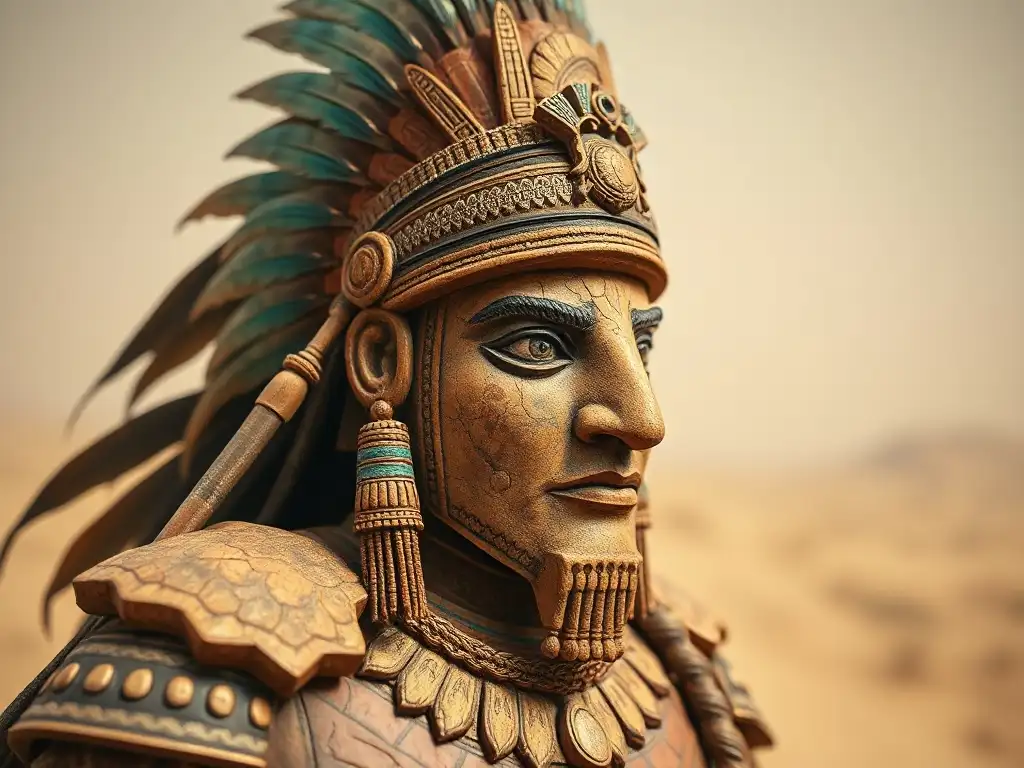
The Moche warrior, a prominent figure in Moche iconography, held a position of significant power and prestige within Moche society. Understanding their role requires analyzing their depictions in ceramics, their likely social standing, and the broader context of Moche warfare. The prevalence of warrior imagery in Moche art—from elaborate ceramic vessels to monumental architecture—suggests a deep societal reverence for military prowess and its contribution to Moche success.
This reverence wasn't simply aesthetic; it reflected a complex interplay of political power, religious belief, and economic stability, all intricately woven into the fabric of Moche civilization. The warrior wasn't just a soldier; they were a symbol of authority, a protector of the realm, and possibly even a conduit to the supernatural. Analyzing Moche warrior iconography allows us to glimpse the dynamics of power, the rituals of war, and the spiritual beliefs that shaped this fascinating ancient culture.
The meticulous detail in their portrayal speaks volumes about the importance attributed to their role. Further research into the specific weaponry, attire, and accompanying iconography depicted will help to refine our understanding of Moche warrior status and function.
Moche Warfare: Context and Purpose
Moche warfare wasn't solely about conquest and territorial expansion, although those aspects undoubtedly played a role. Evidence suggests a more nuanced reality, with warfare possibly serving multiple functions. Control over vital resources, such as water for irrigation, fertile land, and access to trade routes, likely fueled conflicts. Inter-elite rivalry and competition for prestige among different Moche groups might have also been a major catalyst.
The Moche were skilled engineers and agriculturalists, and their infrastructure was crucial to their survival. Protecting this infrastructure was paramount, meaning that the Moche warriors played a crucial role in maintaining social order and economic stability. The scale and sophistication of Moche warfare, as evidenced by their weaponry and fortifications, indicate a well-organized and powerful military force.
Furthermore, the presence of ceremonial objects within warrior burials hints at a possible connection between warfare and religious practice. Indeed, some scholars argue that military success was viewed as a divine mandate, strengthening the warrior's position within the socio-religious hierarchy. The warriors, therefore, weren't just fighters; they were guardians of the Moche way of life.
Depictions of Moche Warriors in Ceramics
Moche ceramic art provides invaluable insights into the appearance and activities of their warriors. The artistry is remarkable, capturing details such as elaborate headdresses, weaponry (including spears, clubs, and possibly atlatls), and body adornments. Warriors are frequently depicted in battle scenes, often engaging in ritualistic combat or confronting supernatural beings. The use of vivid colors and dynamic compositions emphasizes the power and ferocity of these figures.
These depictions aren't just snapshots of battle; they are carefully crafted narratives that reveal much about Moche beliefs and values. For example, the presence of specific symbols and motifs on warrior attire may indicate their rank or affiliation within the Moche military structure. Detailed analysis of these symbols is crucial for unlocking a deeper understanding of Moche social organization. The stylistic variations in the depiction of warriors across different Moche sites and periods also offer clues about regional differences and changes in military practices over time.
The study of Moche warrior iconography in ceramics is therefore essential for understanding the complexities of Moche society and the crucial role played by their warriors. Further study of individual ceramic pieces, cross-referencing with archaeological findings, will further illuminate the nuances of Moche warrior representation. The careful examination of specific details, such as the types of weapons used and the presence of any captive figures, provides crucial information about Moche military strategies and their relationship with neighboring communities.
Further Research Needs:
More research is needed to fully understand the complexities of Moche warrior iconography. Specifically, further analysis of the iconographic elements used to represent different warrior ranks and roles, and a more detailed study of the stylistic variations across different Moche sites and periods, is needed. Comparative studies with other contemporaneous cultures in the Andes would also provide valuable context.
Decoding Moche Warrior Imagery
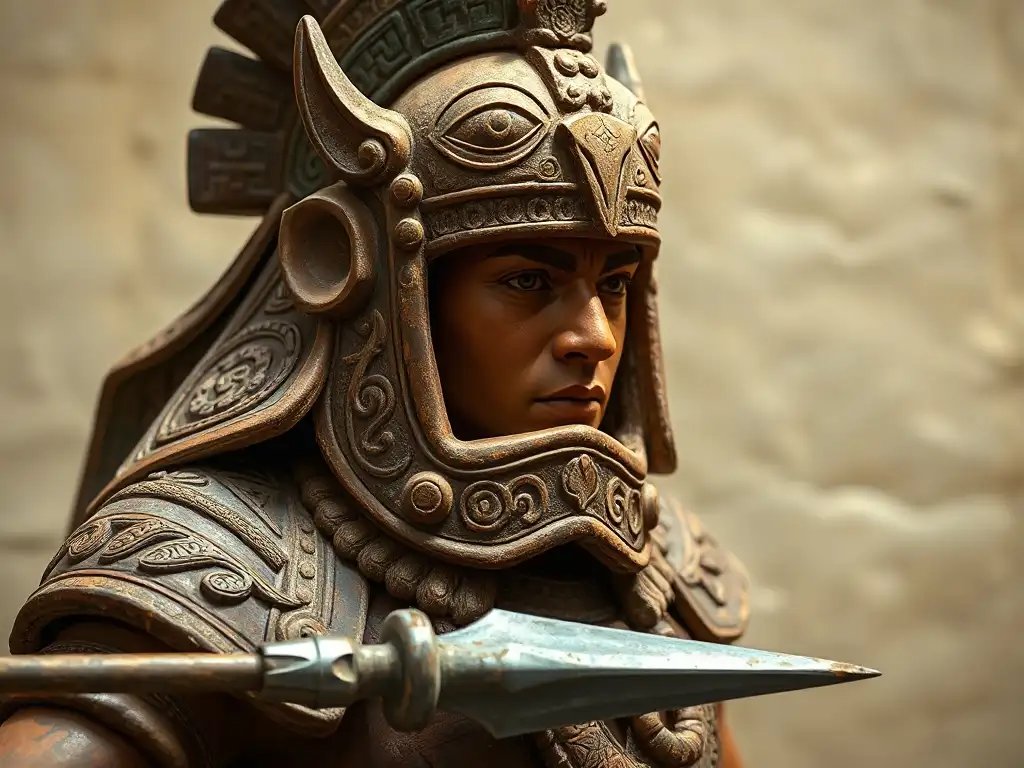
The Moche civilization, flourishing on the northern coast of Peru from approximately 100 to 800 CE, left behind a remarkable legacy of art, particularly in their intricate ceramics. These pottery vessels, often depicting scenes of daily life, ritual practices, and warfare, provide invaluable insights into Moche society. Analyzing Moche warrior iconography allows us to understand the significant role warriors played within their complex social structure.
The imagery isn't merely decorative; it's a powerful visual language conveying social status, religious beliefs, and the intense militaristic aspects of Moche culture. By closely examining the details of these depictions, we can begin to decipher the coded messages embedded within the art.
Understanding these visual narratives is key to unlocking a deeper appreciation of Moche culture and its sophisticated worldview. The frequency and prominence given to warrior figures in Moche pottery underscore their importance, suggesting a society deeply influenced by military prowess and the power of its warriors.
Iconographic Elements of Moche Warriors: Shields, Clubs, and Spears
Moche warrior iconography consistently features specific weaponry and defensive tools. The most common elements include shields, clubs, and spears. These aren't simply generic representations; the detail and variation suggest a nuanced understanding of different weapon types and their strategic application.
For example, shields are often depicted with intricate designs, sometimes incorporating animal motifs or geometric patterns. The size and shape of the shields, while not always perfectly consistent across different pottery pieces, suggest variations in style and perhaps even in their practical function. Were these shields primarily defensive, or did they also serve a symbolic purpose, potentially representing clan affiliation or social status?
Clubs, frequently depicted in the hands of Moche warriors, appear in various forms. Some are simple, while others are elaborately carved or adorned. The differences might indicate different ranks within the warrior class or specialized combat roles. Further research into the materials used to create these weapons (information currently pending) would offer deeper insight into their functionality and significance.
Spears, another recurring element, are often shown as being thrown or held ready for combat. The size and decoration of the spearheads may also reflect the warrior's status or the type of conflict they were involved in. The careful rendering of these weapons in Moche pottery demonstrates the importance of military technology and the warriors’ proficiency in using them. The precision of the artistic representation suggests a deep understanding of the weapons themselves and their significance within Moche society.
The Role of Clothing and Headdresses in Moche Warrior Representation
The clothing and headdresses worn by Moche warriors in ceramic depictions are not merely decorative; they are integral to understanding their social hierarchy and ritual practices. Elaborate headdresses, often featuring feathers, animal skins, and other symbolic elements, are frequently associated with high-ranking warriors or those participating in significant ceremonies. These headdresses, sometimes towering and intricate, would have been visually striking, serving to command attention and reinforce the warrior's authority.
Clothing, too, plays a significant role in Moche warrior iconography. While some warriors are depicted in simple garments, others are shown adorned in elaborate costumes, often featuring intricate weaving patterns and embellishments. The complexity and richness of the attire often correlate with the warrior's status within the social structure. The presence of certain motifs or colors might even indicate membership in specific warrior units or clans.
The careful attention to detail in the depiction of clothing and headdresses underscores their importance as indicators of social standing and ritual participation. Further study, particularly into the textile techniques used (specific information pending), would enrich our understanding of Moche craftsmanship and the social significance of these garments. The variability observed in the depictions suggests a complex system of visual communication, conveying subtle differences in rank, ritual roles, and possibly even personal achievements.
Moche Warrior Face Painting and Body Decoration: Symbolic Meanings
Face painting and body decoration are prominent features in Moche warrior iconography, offering another layer of complexity to our understanding of these figures. The patterns and colors used were not arbitrary; they carried symbolic meaning, likely related to religious beliefs, clan affiliations, or specific rituals.
Analysis of numerous pottery pieces reveals a wide array of designs, from simple stripes and dots to intricate geometric patterns and representations of animals or supernatural beings. Some designs might have been used to identify warriors belonging to specific groups or clans, while others might have represented a warrior's status or achievements. The use of specific colors may also have held symbolic significance, potentially linked to religious beliefs or shamanistic practices. The vibrant colors, often achieved through the use of mineral pigments, would have added to the visual impact of the warriors' appearance, further enhancing their presence and authority.
Unfortunately, the precise meanings of many of the Moche warrior’s body paintings and decorations remain a subject of ongoing research. However, the consistency and detail of these depictions in the surviving pottery strongly suggest a complex system of visual communication, far beyond mere ornamentation. Further research, including comparative studies with other Andean cultures and detailed analysis of pigment composition (specific information pending), is crucial to unlock the full meaning of this fascinating aspect of Moche warrior iconography. The careful study of these visual cues is key to deciphering the intricate social and religious landscape of the Moche civilization.
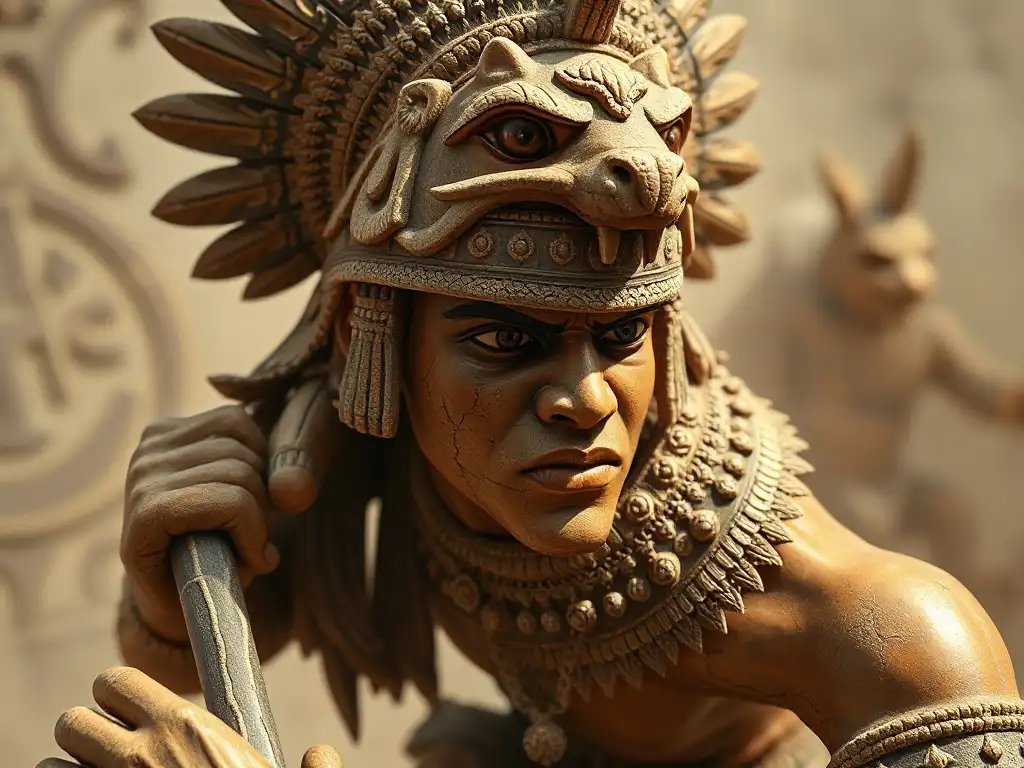
The vibrant and often violent imagery found in Moche ceramics provides invaluable insight into the social structure of this ancient Peruvian civilization. Moche warrior iconography, in particular, offers a window into the power dynamics and hierarchical organization of their society. By analyzing the depictions of warriors in various contexts—from battlefield scenes to ritualistic ceremonies—we can begin to understand their role and significance within the broader Moche social fabric.
The frequency and prominence given to warrior imagery in Moche art suggests a significant societal role, far beyond mere military function. This section will explore the nuanced ways in which Moche artisans used iconography to represent and perhaps even legitimize the power of the warrior class.
Analyzing the details of these depictions, including weaponry, attire, and accompanying symbols, allows us to uncover crucial information about Moche social organization and the importance of military prowess. The careful study of Moche warrior iconography allows us to move beyond simple descriptions and delve into the complex interplay between art, power, and social hierarchy.
The Warrior Class in Moche Society: Power and Status
Moche warriors weren't simply soldiers; they held a position of significant power and status within the society. Their depiction in elaborate headdresses, ornate jewelry, and distinctive weaponry showcases their elevated social standing. Unlike depictions of commoners, which are often less detailed, Moche warrior figures are frequently rendered with meticulous attention to detail, emphasizing their importance. For example, many ceramic vessels depict warriors adorned with elaborate feathered headdresses, intricately woven textiles, and gold ornaments – symbols of wealth and high social rank.
The size and prominence of these warrior figures within the overall composition of the artwork further reinforces their elevated status. The weaponry itself—often meticulously detailed spears, clubs, and macanas (a type of club)— also conveys a sense of power and authority. The presence of captives or defeated enemies in scenes alongside the warriors emphasizes their military dominance and the control they exerted over conquered populations.
Some scholars even posit a close relationship between the warrior class and the ruling elite, suggesting that warriors may have played a crucial role in maintaining political power. Further research into the burial practices of high-ranking individuals could shed more light on this possible correlation. The careful study of these artifacts requires a multidisciplinary approach, combining art historical analysis with anthropological and archaeological evidence.
Moche Warrior Iconography as a Reflection of Elite Control
The consistent portrayal of warriors in Moche art isn't simply a matter of documenting military activities. Instead, it serves as a powerful tool for reinforcing the power and authority of the ruling elite. The meticulous detail and prominent placement of warrior figures in ceramic vessels suggest a deliberate attempt to project an image of strength and control. This imagery likely served to legitimize the power of the ruling class and to instill a sense of awe and respect in the general population.
The depiction of warriors often includes symbolic elements associated with power and authority, such as specific types of weaponry, unique clothing, and distinctive body adornments. These symbols served as visual markers of social hierarchy and reinforced the social order. For instance, a specific type of headdress might only be worn by warriors of a particular rank, visually communicating their status within the military structure. The careful control and standardization of these visual symbols suggest a centralized system of governance and a deliberate attempt to shape the perception of power.
Further research into the iconographic symbolism within Moche art is needed to fully understand its role in reinforcing elite control. The consistent use of similar motifs across different ceramic pieces further strengthens the idea of a controlled and deliberate visual propaganda. This controlled visual narrative underscores the sophistication of Moche societal organization.
Moche Warrior Imagery and Ritualistic Practices
Moche warrior iconography extends beyond depictions of warfare; it also features prominently in scenes representing ritualistic practices. These scenes often depict warriors participating in ceremonies, sacrifices, or other ritualistic events. The inclusion of warriors in these contexts suggests their importance in religious and spiritual life, extending beyond their military roles. For instance, some vessels depict warriors performing ritualistic acts such as offering sacrifices or participating in shamanistic practices.
These rituals may have been designed to ensure military success, to appease deities, or to commemorate victories. The presence of warriors in ritual contexts highlights the intersection of military power and religious authority within Moche society. The detailed depictions of these rituals provide valuable insights into the beliefs and practices of the Moche people. The analysis of these scenes demands further study to fully understand the complexity of Moche religious beliefs and their connection to the warrior class.
The interweaving of the sacred and the secular in Moche iconography is a fascinating and complex aspect of their culture that warrants continued investigation. Detailed analysis of individual pieces, considering their context and associated artifacts, will provide a more complete understanding of the symbolic meaning of Moche warrior imagery in ritualistic contexts. Further research into the specific rituals depicted could reveal more about the social and political functions of these ceremonies.
Moche Warrior Iconography in Different Art Forms
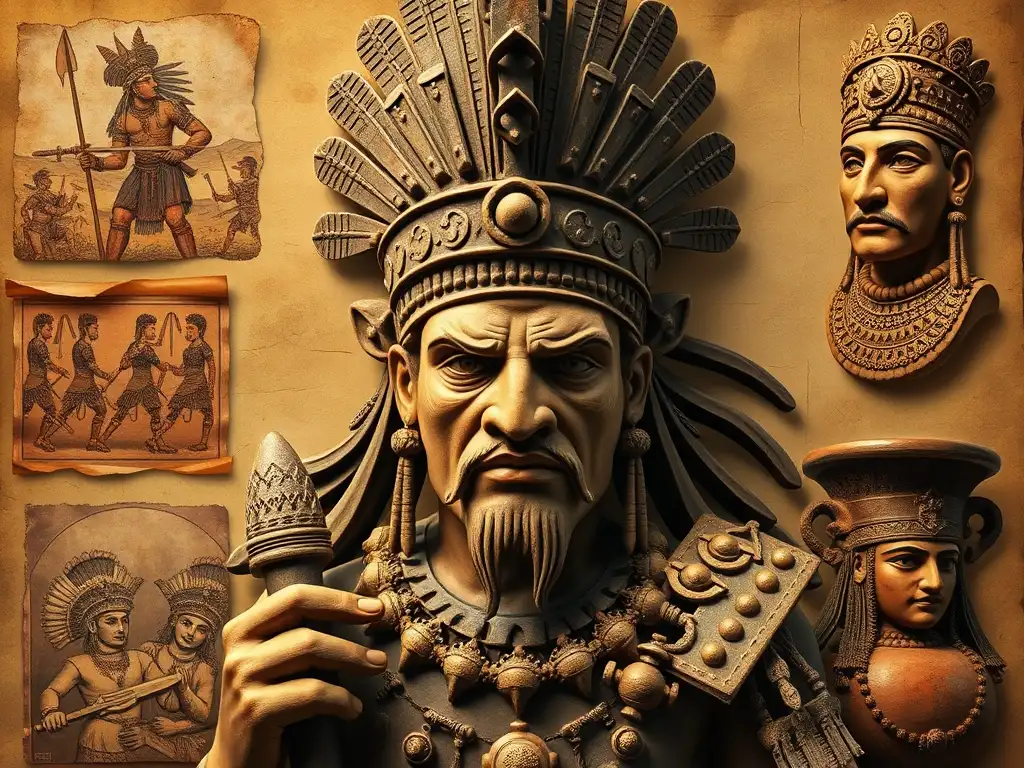
The Moche civilization (c. 100-800 CE) left behind a rich legacy of artistic expression, vividly portraying their social structures and beliefs. Nowhere is this more evident than in their depictions of warriors, a key element of Moche iconography. Understanding Moche warrior iconography provides crucial insights into the role and importance of warfare and military organization within this complex society. The warriors weren't merely soldiers; their representation reflects their status, power, and spiritual significance. This section explores the diverse artistic mediums – metalwork, murals and architecture, and textiles – through which Moche artisans immortalized these powerful figures.
Moche Warrior Depictions in Metalwork
Moche metalworking reached astonishing levels of skill, creating intricate and detailed objects. Gold, silver, copper, and alloys were skillfully shaped and decorated, often depicting warriors in dynamic poses. These depictions frequently showcase warriors adorned with elaborate headdresses, often featuring feline motifs associated with power and shamanistic practices. Their weaponry is meticulously rendered, from the sharp edges of their spears to the intricate details of their knives and macanas (clubs).
For example, several gold artifacts unearthed from Moche tombs depict warriors engaged in battle, their expressions fierce and determined. The detail in these pieces is remarkable; you can almost feel the weight of their armor and the tension of the conflict. The use of gold, a precious metal, further underscores the high status of these individuals within Moche society.
Analysis of the metal composition and the techniques employed reveals the sophisticated metallurgical knowledge of Moche artisans, highlighting their mastery of this art form and its importance in representing elite warriors. Detailed studies of these pieces continue to reveal new information about Moche weaponry, attire, and societal structures. The dynamism and realism of these depictions suggest a deep understanding of human anatomy and a keen eye for detail.
Moche Warrior Representation in Murals and Architecture
Beyond portable art, Moche warriors feature prominently in murals and architectural designs. While fewer intact murals survive than ceramic pieces, the surviving examples offer compelling insights. These murals, often found within elite contexts, frequently depict warriors in processions or ceremonial contexts, highlighting their importance in ritual life. The size and prominence of these figures in the murals emphasize their social standing.
The colors used in these murals are vibrant and striking, showcasing the Moche's mastery of pigments and painting techniques. Warriors are often depicted with symbolic attire and regalia, including elaborate headdresses, ceremonial clothing, and weaponry, reflecting their social status and military prowess. The style of representation often reflects a powerful and awe-inspiring image, reinforcing the authority and power associated with the military elite.
Further research into surviving architectural elements, such as temple platforms and palace walls, may reveal more evidence of Moche warrior iconography integrated into the built environment. Unfortunately, much of the architectural evidence is fragmented, requiring careful analysis and reconstruction to fully understand the extent of warrior imagery in Moche architecture.
Moche Warrior Iconography in Textiles
Textiles, while less durable than ceramics or metalwork, offer another window into Moche warrior iconography. Though fewer examples survive due to the perishable nature of the material, fragments and remnants reveal intricate designs and patterns that frequently include representations of warriors. These textile fragments often showcase geometric patterns interspersed with stylized depictions of warriors, suggesting a possible link between military organization and textile production.
The colors and techniques used in these textiles demonstrate a high level of skill and artistry. The limited surviving examples suggest that textile production was likely a specialized craft, possibly associated with elite patronage. The use of specific colors and motifs may have had symbolic meaning related to warfare or religious beliefs. Further analysis of textile fragments, combined with comparative studies of other Andean textile traditions, could reveal more about the significance of warrior imagery in Moche textiles.
The scarcity of surviving textiles, however, presents a significant challenge to fully understanding this aspect of Moche warrior iconography. More archaeological discoveries are needed to shed light on this area of study. The potential exists for significant breakthroughs in our understanding of Moche society through further investigation of this understudied artistic medium.
The Legacy of Moche Warrior Iconography
The Moche civilization (c. 100 – 800 CE) left behind a remarkable artistic legacy, particularly evident in their intricate ceramics. A significant portion of this iconography focuses on warriors, providing invaluable insights into their societal structure, military practices, and worldview. Moche warrior iconography isn't merely decorative; it's a complex visual language that reflects the importance of warfare and military prowess within the Moche social hierarchy.
The detailed depictions, often showing warriors in elaborate headdresses, weaponry, and ceremonial attire, are far more than simple illustrations; they are powerful statements about identity, power, and the role of the military in Moche society. The prevalence of warrior imagery across various Moche artistic mediums, from monumental architecture (where evidence suggests the existence of dedicated warrior spaces) to smaller, more personal artifacts, underscores its significance in shaping Moche cultural identity.
This enduring legacy continues to fascinate and inspire researchers today, constantly revealing new nuances and interpretations. The study of Moche warrior iconography provides a unique window into the complexities of a fascinating ancient society, enriching our understanding of pre-Columbian Andean cultures.
Understanding Moche Military Practices Through Iconography
Moche ceramic vessels frequently depict warriors engaged in various activities, offering clues about their military organization and tactics. Scenes of battle, often meticulously detailed, showcase weaponry such as spears, clubs, and slings. The depiction of different warrior types, identifiable through their attire and weaponry, suggests a degree of specialization within the Moche military. Some warriors are shown wearing elaborate headdresses and ornate armor, indicating higher rank or elite status.
Other depictions show warriors carrying standards or banners, suggesting a structured command system. For example, the depiction of a warrior atop a captured enemy, often shown bound and humiliated, speaks volumes about the Moche understanding of military victory and the subjugation of their enemies. The use of color and detail further enhances our understanding. Vibrant hues and intricate patterns aren't merely aesthetic choices; they likely held symbolic meaning, potentially representing different clans, units, or even specific deities associated with warfare.
Further research into the specific iconography of individual warriors and their associated paraphernalia could unlock even deeper understanding of Moche military organization and strategy. Analyzing the frequency and context of specific weapon types and battle scenes in Moche art provides crucial evidence for reconstructing their military practices. The iconography provides a compelling narrative of Moche warfare, far richer and more nuanced than what might be gleaned from archaeological excavations alone.
Moche Warrior Iconography and its Influence on Later Andean Art
The impact of Moche warrior iconography extended far beyond the Moche civilization itself, leaving a lasting imprint on subsequent Andean artistic traditions. The stylistic conventions, particularly the representation of warriors in dynamic poses and with distinctive attire, can be traced in the art of later cultures, suggesting a process of cultural transmission and adaptation. For instance, [Specific examples of stylistic similarities between Moche warrior iconography and later Andean art styles pending].
This continuity suggests that the Moche's powerful imagery resonated with later Andean societies, becoming a source of inspiration and a shared visual language. The stylistic elements, such as specific headdresses, weapons, and poses, were not simply copied; they were reinterpreted and adapted to reflect the unique cultural context of each succeeding civilization. This process of adaptation and innovation highlights the enduring influence of Moche artistic conventions and the importance of warrior imagery in shaping Andean visual culture for centuries.
The study of these continuities and variations provides a fascinating insight into the complex interplay of cultural exchange and artistic innovation across different Andean societies. The legacy of Moche warrior iconography continues to resonate in Andean art, demonstrating its profound and lasting impact.
Interpreting Moche Warrior Imagery: Ongoing Research and Debates
Despite the wealth of Moche warrior iconography, many aspects remain open to interpretation and debate among scholars. The precise meaning of specific symbols, attire, and poses is often unclear, leading to varying interpretations. For example, the recurring motif of decapitation in Moche art has been interpreted as representing both ritual sacrifice and military triumph, highlighting the complex interplay of religious and military practices in Moche society.
The debate continues regarding the precise role and status of the depicted warriors: were they elite soldiers, priests-warriors, or something else entirely? The lack of written records from the Moche civilization necessitates reliance on careful analysis of visual evidence and comparative studies with other Andean cultures. Moreover, new archaeological discoveries constantly add to the body of evidence, refining and challenging existing interpretations.
Ongoing research utilizes advanced imaging techniques and interdisciplinary approaches to unlock further insights into the meaning and significance of Moche warrior imagery. This ongoing scholarly engagement ensures that our understanding of Moche culture continues to evolve, revealing the remarkable complexity of this ancient Andean civilization. The study of Moche warrior iconography remains a dynamic field, promising further revelations about the intricacies of Moche society and the enduring legacy of their art.
Frequently Asked Questions
What is Moche warrior iconography?
Moche warrior iconography refers to the visual representations of warriors in Moche art, including pottery, textiles, and metalwork. These images provide insights into their social status, weaponry, and rituals. They are a crucial element of understanding Moche society.
What role did warriors play in Moche society?
While the exact extent of their power is debated, Moche warriors held a significant social role. They likely participated in both inter-tribal warfare and ceremonial activities, reflecting their importance in Moche culture. Their depiction shows them as both powerful and sacred.
What are some common features of Moche warrior depictions?
Common features include elaborate headdresses, weaponry like spears and clubs, and often fierce expressions. They are frequently shown in battle scenes or ritual contexts, showcasing their prowess and connection to the supernatural. Their attire also indicates their social rank.
How does Moche warrior iconography help us understand their culture?
The iconography provides valuable insights into the Moche worldview, their social structures, and their belief systems. By studying these depictions, we can better understand their values, beliefs, and daily life. It helps reveal the importance of warfare and ritual.
Where can I find examples of Moche warrior iconography?
Examples are found in many museums worldwide, showcasing pottery and metal artifacts. You can also find high-quality images and scholarly articles online, through academic databases and museum websites. Digital archives offer accessible resources for further research.
Final Reflection: Echoes of the Moche Warrior: Power, Ritual, and Legacy
The intricate iconography of the Moche warrior isn't just a relic of the past; it's a powerful reflection of enduring societal structures and the human fascination with power, both physical and spiritual. The detailed depictions found on ceramics and textiles continue to resonate today, reminding us of the complex interplay between warfare, religion, and social hierarchy within ancient civilizations. Understanding the Moche warrior's role allows us to better comprehend the dynamics of power and its representation across cultures and time.
The Moche warrior's image, imbued with both terrifying strength and ritualistic significance, continues to shape our understanding of pre-Columbian Andean societies. Their iconography transcends mere artistic expression; it offers a window into a complex belief system and social order. Art is not what you see, but what you make others see.
– Edgar Degas. This quote perfectly encapsulates the enduring power of Moche iconography; it's not just about the images themselves, but the interpretations and narratives they inspire, shaping our understanding of this fascinating culture even centuries later. The ongoing research and analysis of these artifacts continue to reveal new layers of meaning, constantly enriching our perspective.
Consider the implications of the Moche warrior's enduring presence. What aspects of their iconography resonate most strongly with you? How can we use the study of ancient cultures, like the Moche, to better understand the complexities of power and its representation in our own world? Take a moment to reflect on the themes explored in this article, and consider how the legacy of the Moche warrior might inspire a deeper understanding of human societies, past and present. Let the echoes of their power inspire your own journey of discovery and critical thinking.
Unveil the Power of Moche Warriors Today!
Thank you for exploring the fascinating world of Moche iconography! You've learned about the critical role warriors played in Moche society, and now it's time to build on that knowledge. Let's put your newfound understanding into action!
- Dive Deeper: Research a specific Moche warrior, such as a renowned general or a powerful leader, and discover their impact on Moche culture, mythology, or warfare. Consider exploring the life and achievements of a particular individual to gain a richer understanding of their time.
- Share the Knowledge: Engage with friends, family, or online communities by sharing intriguing facts or images of Moche artwork you've discovered. Help others appreciate the enduring legacy of this remarkable civilization.
- Visit an Exhibit: Explore local museums or virtual museum tours that feature Moche artifacts. Seeing these objects firsthand can truly ignite your passion for ancient civilizations.
What aspect of Moche warrior culture most surprised you, and how might this influence your understanding of modern societies and the role of military power?