
Moche Artistic Styles: Regional Variations and Influences

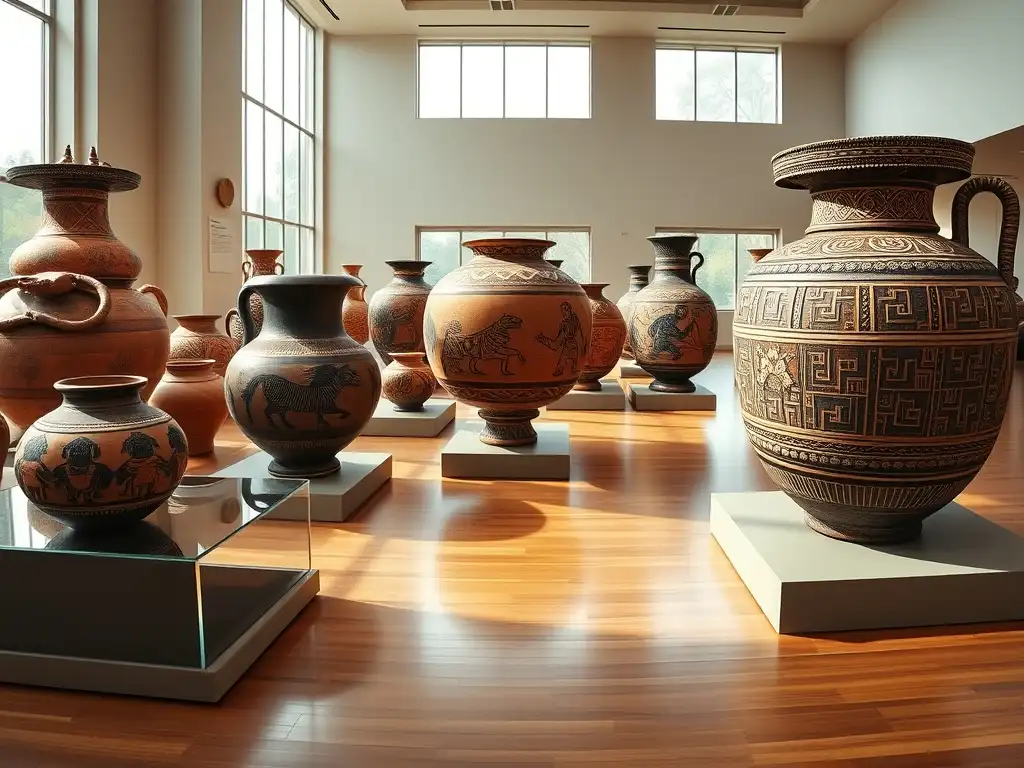
Unravel the mysteries of Peru's ancient past! Prepare to be captivated by the vibrant artistry and intricate craftsmanship of the Moche civilization. Their stunning pottery, with its unique regional styles and surprising influences, reveals a complex society far beyond what history books typically portray. Dive into the world of Moche pottery styles in Peru and discover secrets whispered across millennia. Are you ready to uncover their breathtaking legacy?
The Moche civilization, flourishing along the northern coast of Peru from approximately 100 CE to 800 CE, left behind a remarkable legacy of artistic expression. Their mastery of diverse media, particularly pottery, provides invaluable insight into their complex social structures, religious beliefs, and daily life. This article delves into the fascinating world of Moche artistic styles, exploring the regional variations and external influences that shaped their unique aesthetic.
We will examine the distinctive characteristics of Moche pottery, focusing on the stylistic differences across various regions and the potential impact of cultural exchange with neighboring societies. Understanding these nuances is crucial for appreciating the richness and complexity of Moche artistry and its enduring significance in the history of Peruvian art.
This exploration will illuminate how Moche pottery styles in Peru reflect not only artistic skill but also a vibrant and sophisticated culture. We will uncover the stories embedded within the clay, revealing the ingenuity and artistry of a civilization that continues to captivate and inspire.
Understanding Moche Art and Culture
Moche art wasn't merely decorative; it served crucial social and religious functions. Pottery, in particular, wasn't just for utilitarian purposes. Elaborate vessels depicted scenes of daily life, mythical creatures, and powerful rulers, offering glimpses into their worldview. The Moche were skilled artisans, employing various techniques like modeling, mold-making, and painting to create intricate designs.
The vibrant colors, detailed imagery, and high level of craftsmanship reflect the significant value placed on artistic expression within their society. Many pieces showcase highly realistic depictions of humans, animals, and plants, demonstrating a profound understanding of the natural world and a keen eye for detail. Furthermore, the stylistic differences observed across various Moche sites suggest a degree of regional autonomy and perhaps even specialized artistic workshops. The production of these pieces was not a casual affair, but rather a highly organized and specialized activity, likely involving skilled artisans working within defined social structures.
The Significance of Moche Pottery in Ancient Peru
Moche pottery is arguably the most iconic aspect of their artistic legacy. The sheer volume and diversity of surviving pieces provide an unparalleled window into their culture. From simple, functional vessels to elaborate portrait jars and ceremonial objects, Moche pottery exhibits a remarkable range of styles and techniques. The use of different clays, pigments, and firing methods resulted in a variety of textures and colors, adding to the aesthetic appeal of their creations.
For example, the use of red and white slip, a technique where a liquid clay is applied to the surface, is a hallmark of Moche pottery. The intricate detail in the painting, often depicting scenes of warfare, rituals, and daily life, showcases the artisans' exceptional skill and artistic vision. Furthermore, the discovery of numerous Moche tombs containing a wealth of pottery underscores the importance of these objects in funerary rituals and the belief system of the Moche.
Analyzing these artifacts provides crucial insights into the societal hierarchy, religious practices, and the overall worldview of this remarkable civilization. The sheer variety of forms and styles – from simple bowls to complex stirrup-spout vessels – indicates a sophisticated understanding of both functionality and artistic expression. 🎨 The enduring appeal of Moche pottery continues to fascinate archaeologists and art enthusiasts alike, cementing its place as a cornerstone of Peruvian cultural heritage.
Regional Variations in Moche Pottery Styles
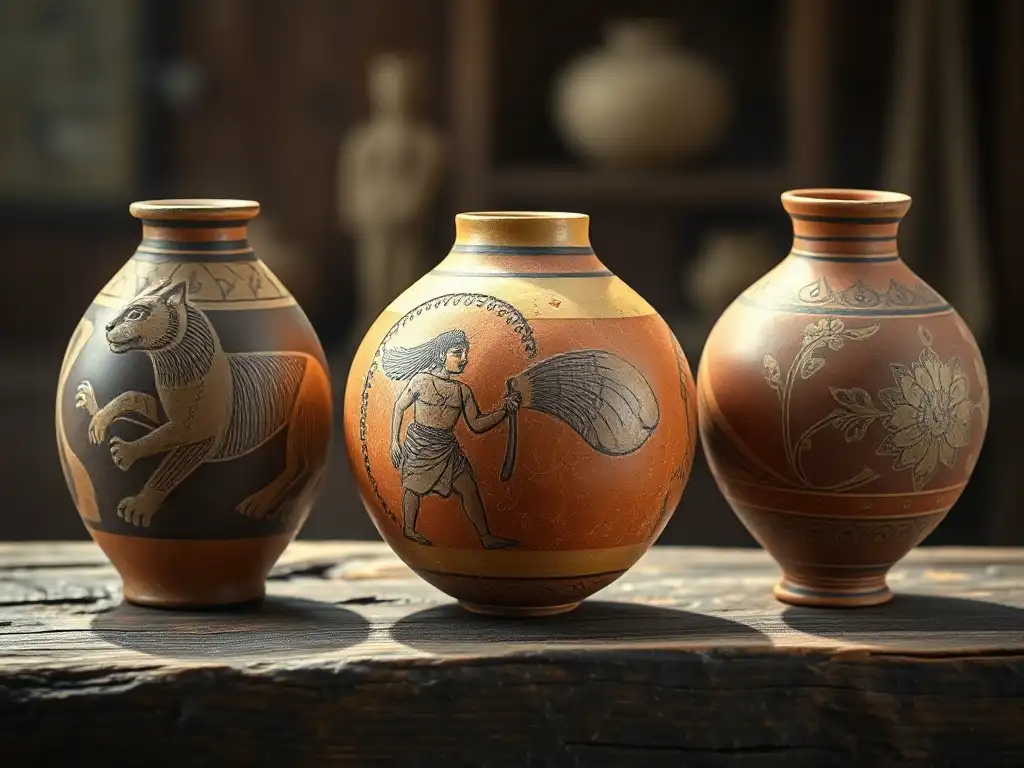
The Moche civilization, renowned for its sophisticated artistry, didn't produce a monolithic style of pottery. Instead, regional variations in Moche pottery styles Peru reveal fascinating insights into the diverse artistic expressions and potential localized traditions within this expansive empire. The stylistic differences aren't simply aesthetic choices; they reflect the nuances of local resources, artistic preferences, and potentially, even distinct socio-political entities within the larger Moche framework.
Analyzing these variations allows us to paint a more complex and nuanced picture of Moche society and its artistic landscape. The analysis of Moche pottery styles Peru provides crucial evidence for understanding the intricacies of their social structure and artistic development.
Northern Moche Ceramic Traditions: Sipán
The northern Moche region, particularly around the site of Sipán, is celebrated for its elaborate and often grandiose pottery. Sipán's royal tombs have yielded some of the most spectacular examples of Moche artistry, showcasing a mastery of modeling, painting, and the use of precious metals. The pottery from this area is characterized by:
- Larger-than-life figures: Representations of powerful rulers, warriors, and deities often dominate the pieces, reflecting a strong emphasis on authority and religious symbolism. These figures are meticulously detailed, showcasing intricate headdresses, elaborate jewelry, and dynamic poses. The scale of these pieces is impressive, suggesting a significant investment of resources and labor.
- Vibrant polychromy: Northern Moche pottery frequently employs a wide range of colors, creating visually stunning effects. The use of rich reds, yellows, oranges, and blacks contributes to a dynamic and expressive aesthetic. The precision of the painting is remarkable, with fine lines and subtle gradations of color.
- Use of mold-made pottery: While hand-modeled pottery exists, the use of molds allowed for the creation of larger-scale, more standardized forms, particularly for the production of portrait vessels. This suggests a level of organization and specialization in pottery production.
The pottery from Sipán offers a compelling window into the beliefs and values of the northern Moche elite. The themes depicted, the scale of the artifacts, and the sheer artistry involved all point to a society with a strong hierarchical structure and a highly developed artistic tradition. Further research into the specific clay types and pigment sources used in this region could provide even more detailed information about trade networks and resource management within the northern Moche sphere.
Southern Moche Pottery: Huaca de la Luna
In contrast to the grandeur of Sipán, the southern Moche pottery, exemplified by finds at Huaca de la Luna, exhibits a different style, though still unmistakably Moche. The aesthetic here seems to lean towards a more streamlined elegance, with a greater emphasis on narrative scenes and everyday life.
- Smaller scale and more intimate scenes: While large vessels exist, many pieces are more modest in size, often depicting everyday scenes of fishing, hunting, or agricultural activities. This suggests a broader representation of Moche society, beyond the elite, although the quality of craftsmanship remains high.
- Subtle color palettes: The color palettes are often more subdued than those found in the north, with a greater emphasis on muted tones and less vibrant hues. This doesn't diminish the artistic merit, but rather contributes to a different aesthetic feel.
- Emphasis on narrative: The pottery frequently depicts complex scenes, often unfolding across the entire surface of the vessel. These narrative scenes provide valuable insights into Moche mythology, social customs, and daily life.
The southern Moche pottery, while sharing clear connections with its northern counterparts, offers a distinct perspective on Moche artistic expression. The shift in emphasis from monumental figures to more intimate scenes suggests potential differences in social dynamics or artistic priorities between the northern and southern regions. Further investigation into the specific iconography and narrative themes presented in Huaca de la Luna pottery could offer crucial insights into the complexities of Moche culture.
Central Moche Art: Pañamarca
The central Moche region, encompassing sites like Pañamarca, presents a fascinating blend of stylistic elements from both the northern and southern regions. This suggests a degree of artistic exchange and interaction between different parts of the Moche territory. The pottery from Pañamarca often displays:
- A synthesis of styles: We observe a combination of large-scale figures, similar to those found in Sipán, alongside narrative scenes reminiscent of Huaca de la Luna pottery. This suggests that artistic traditions weren't rigidly defined by geographical boundaries.
- Regional variations in stylistic details: While sharing broader stylistic traits with both northern and southern Moche pottery, Pañamarca pieces often display unique stylistic features, such as particular forms of headdresses, clothing styles, or decorative motifs. This points to a localized artistic identity within the larger Moche context.
- Potential evidence of intercultural exchange: Some scholars suggest that the stylistic diversity in the central region could also reflect interactions with neighboring cultures, leading to the incorporation of new artistic influences into Moche pottery traditions. Further research is needed to confirm this hypothesis.
The central Moche region provides a valuable case study in understanding the dynamism and fluidity of Moche artistic traditions. The blending of styles and the presence of unique regional features highlight the complex interplay of artistic exchange, localized innovation, and potentially, external influences within the Moche empire. A detailed comparative analysis of pottery from Pañamarca with that of Sipán and Huaca de la Luna would contribute significantly to a more comprehensive understanding of the regional variations in Moche pottery styles Peru.
Key Features of Moche Pottery
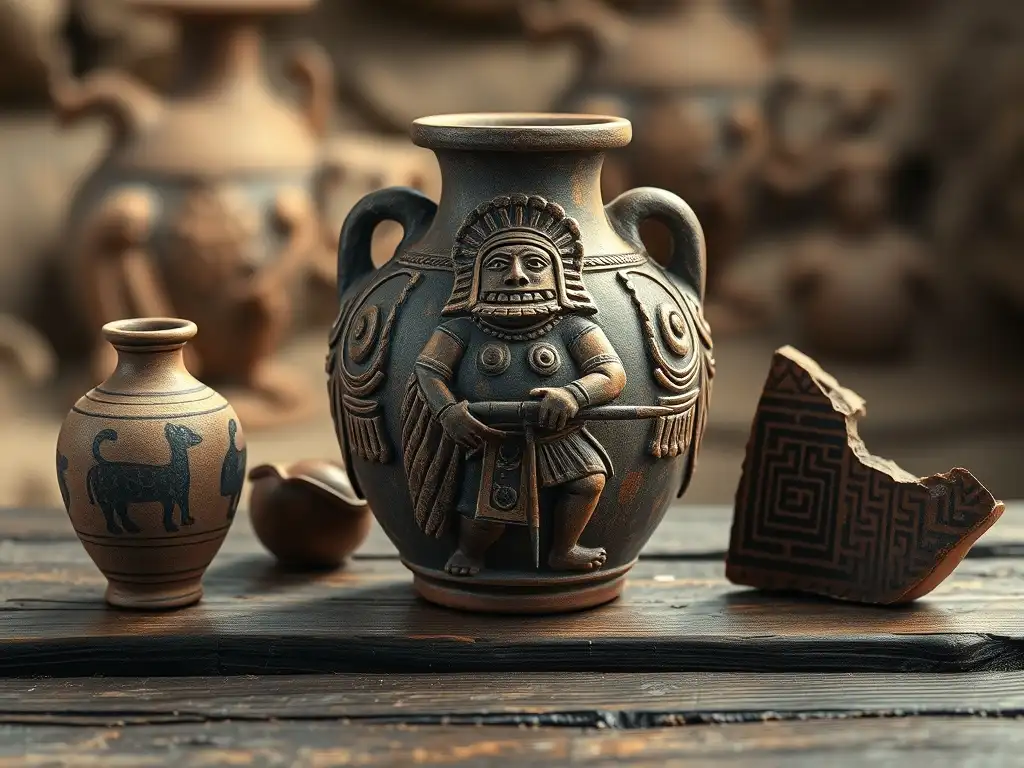
Moche pottery styles Peru are renowned for their exquisite craftsmanship, vibrant colors, and intricate details. These ceramic pieces offer invaluable insights into the Moche worldview, social structures, and daily life. The pottery isn't merely functional; it's a powerful medium for artistic expression and storytelling.
Its remarkable preservation, due to the arid coastal climate of Peru, allows us to analyze these artifacts with a high degree of accuracy, revealing sophisticated techniques and artistic conventions. The sheer diversity of forms, from the iconic stirrup-spout vessels to intricately modeled figurines, showcases the Moche's mastery of ceramic production and their profound artistic vision. The vibrant palette, often featuring deep reds, oranges, yellows, and blacks, further enhances the visual impact of these pieces, making them captivating even today.
Analyzing the stylistic variations across different Moche regions helps us understand the complexities of their social organization and trade networks. The stylistic consistency within certain regions, however, also suggests strong local traditions and artistic identities, highlighting the decentralized nature of Moche artistic production.
Moche Iconography: Decoding the Symbols
Moche iconography is incredibly rich and complex, employing a range of symbolic representations to convey narratives, beliefs, and social hierarchies. Common motifs include anthropomorphic and zoomorphic figures, often depicted in dynamic poses and intricate details. These figures frequently represent deities, rulers, warriors, and everyday people, providing valuable clues about Moche religion, social structures, and warfare. The use of specific colors and patterns also carries symbolic weight.
For example, the prevalence of red often signifies blood, sacrifice, or power, while yellow might represent the sun or maize. Deciphering these symbols requires careful analysis of multiple artifacts and their context of discovery. Scholars are still actively engaged in interpreting Moche iconography, with new discoveries and interpretations continuously refining our understanding.
One particularly intriguing aspect is the depiction of rituals and ceremonies, often involving elaborate costumes, offerings, and symbolic actions. These scenes offer a glimpse into the spiritual beliefs and practices of the Moche people, showcasing their sophisticated religious system. Furthermore, the representation of different social classes through clothing, adornments, and posture in ceramic art offers insights into the Moche social hierarchy.
Moche Pottery Techniques: Manufacturing Process
The production of Moche pottery was a sophisticated process involving several stages, from the selection of clay to the final firing. The Moche artisans carefully selected high-quality clay, often incorporating additives to improve its workability and durability. They then employed various techniques to shape the vessels, including coiling, modeling, and mold-making. The use of molds allowed for mass production of certain forms, while hand-modeling allowed for greater artistic freedom and detail.
Once the vessel was shaped, it was carefully decorated using a variety of techniques, including slip painting, incision, and negative painting. Slip painting involved applying a thin layer of colored clay to the surface of the vessel, while incision involved carving designs into the surface. Negative painting involved applying a resist to the surface before applying a slip, creating a pattern of contrasting colors. The final stage involved firing the pottery in kilns, achieving a high level of durability and a distinct visual appearance.
The Moche's mastery of these techniques is evident in the precision and artistry of their work. The remarkable preservation of many pieces is a testament to their advanced ceramic technology. Moreover, the consistency in quality and style across many vessels suggests a well-organized and highly skilled workforce.
Moche Stirrup Spout Vessels: Function and Design
The stirrup-spout vessel is arguably the most iconic form of Moche pottery. These vessels are characterized by their distinctive stirrup-shaped spout, which is connected to the body of the vessel by a narrow channel. The function of the stirrup spout is still debated, but the most common theory suggests it was used for ceremonial drinking of beverages, possibly chicha (a fermented corn drink). The distinctive shape of the spout likely aided in controlled pouring.
Beyond their functionality, stirrup-spout vessels are also highly valued for their artistic merit. They often feature elaborate scenes depicting mythological figures, rituals, and daily life. The designs are incredibly detailed and executed with remarkable precision, demonstrating the Moche's artistic mastery. The variety of styles and iconography found on these vessels suggests that they might have been used in different contexts and held different symbolic meanings.
Some depict scenes of warfare, others depict scenes of religious rituals, while others still depict scenes of everyday life. This diversity underscores the versatility of the stirrup-spout vessel as a medium for artistic expression and social communication. The intricate details on these vessels, including the use of multiple colors and techniques, showcases the high level of skill and artistry achieved by Moche potters. The continued discovery and study of these objects promise further revelations about the Moche civilization and their remarkable artistic achievements.
Influences on Moche Artistic Styles
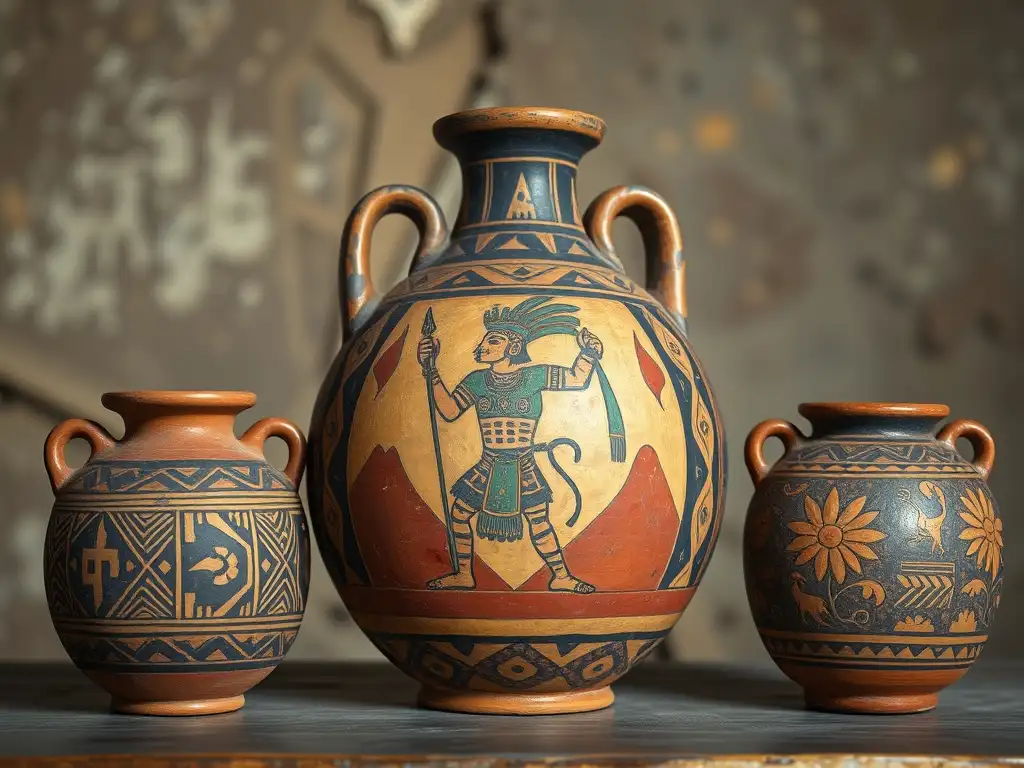
The vibrant and distinctive artistic styles of the Moche civilization weren't developed in a vacuum. A complex interplay of factors, including contact with earlier Andean cultures and neighboring societies, as well as internal evolution over time, shaped the unique aesthetic we see in their remarkable pottery, metalwork, and textiles. Understanding these influences is crucial to appreciating the depth and complexity of Moche artistic expression, a significant aspect of "Moche pottery styles Peru".
Earlier Andean Cultures' Impact on Moche Art
The Moche didn't emerge onto the Peruvian coast in isolation. They inherited a rich artistic legacy from preceding cultures, particularly those of the Norte Chico and the Chavín. The Norte Chico civilization, known for its sophisticated architecture and early use of metallurgy, likely provided a foundation for Moche metalworking techniques. We see echoes of their sophisticated craftsmanship in the intricate details of Moche gold and silver artifacts.
Evidence suggests a strong connection between Chavín artistic motifs and those of the Moche. The stylized feline imagery, frequently depicted in Chavín art, appears in modified forms in Moche pottery. While Moche artists developed their own unique style, the influence of Chavín's powerful artistic vocabulary is undeniable. For example, the recurring use of jaguars and other powerful animals, although rendered in a distinct Moche style, suggests a clear lineage. Further research is needed to fully quantify the extent of this influence, but preliminary analysis of stylistic elements strongly suggests a significant transmission of artistic ideas.
Interaction with Neighboring Societies and its Artistic Influence
The Moche's geographical location along the north coast of Peru fostered interaction with a range of neighboring societies. This contact resulted in a fascinating exchange of ideas and artistic styles. For example, the influence of the Nazca culture, known for their elaborate textiles and geoglyphs, is visible in certain Moche textile designs. These influences weren't simply imitative; Moche artists integrated external elements into their already existing style, creating a hybrid aesthetic uniquely their own. The "Moche pottery styles Peru" are not homogenous; regional differences are evident, likely reflecting these interactions with neighbors.
The nature and extent of this exchange is still being studied, with ongoing archaeological excavations uncovering more evidence. For instance, the discovery of [specific artifacts and their location pending] could potentially shed more light on the specific artistic exchanges between the Moche and their neighbors. Analyzing the chemical composition of pigments used in Moche and neighboring cultures' artwork could also contribute valuable insights into the exchange of materials and techniques.
The Evolution of Moche Art through Time
Moche art wasn't static; it evolved over the centuries, reflecting changes in societal structures, beliefs, and technologies. Early Moche pottery, for instance, often features simpler designs compared to the elaborate, highly detailed pieces created during the later phases of the civilization. This evolution is not just stylistic; it also reflects the increasing complexity of Moche society and its religious practices. The shift from simpler representations to more complex narratives on pottery showcases this dynamic process.
The development of new techniques, such as advancements in ceramic firing and metalworking, also contributed to the evolution of Moche art. The introduction of new pigments and the mastery of more intricate techniques allowed artists to create increasingly sophisticated and detailed works. The evolution of Moche art, therefore, is a story of both internal development and external influences, creating a rich tapestry of artistic styles that continues to captivate and inspire.
Careful chronological analysis of discovered artifacts provides a crucial roadmap for understanding this evolution, offering a more nuanced understanding of "Moche pottery styles Peru" and their development. Further research, particularly detailed stylistic analysis, is required to refine our understanding of the precise timeline of this artistic evolution.
Moche Pottery as a Reflection of Society
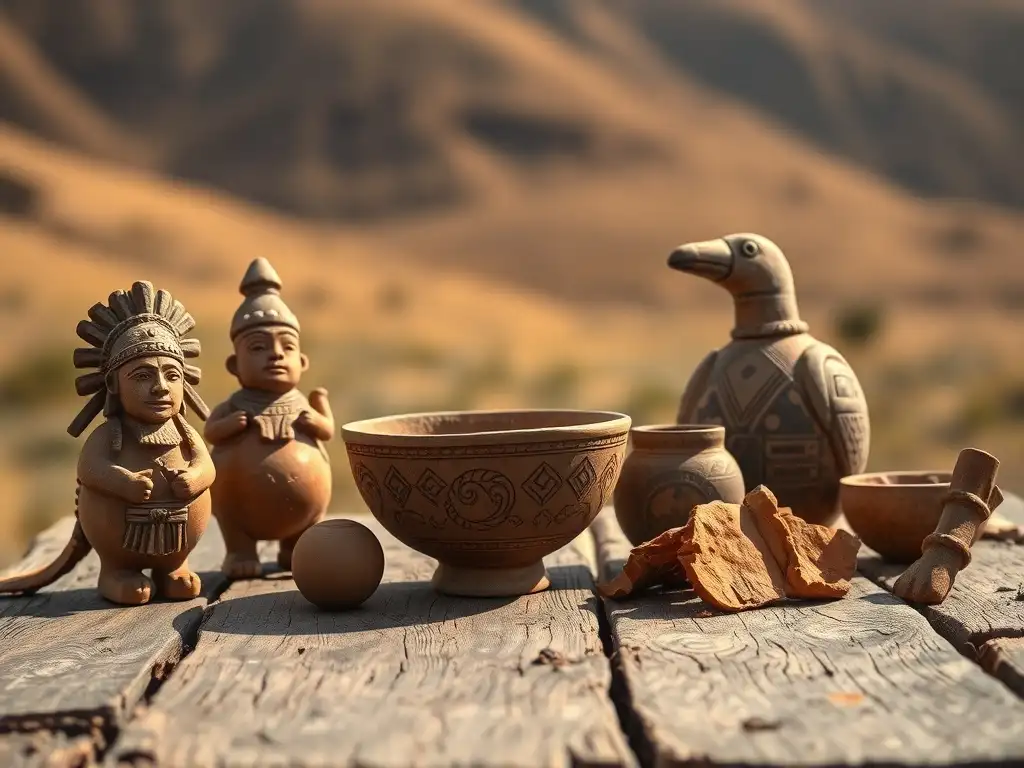
Moche pottery, a cornerstone of Peruvian pre-Columbian art, serves as a remarkable window into the social structures, religious beliefs, and daily lives of this sophisticated civilization. The intricate detail and vibrant colors of Moche ceramics aren't merely aesthetic achievements; they're powerful statements reflecting the complexities of Moche society. Analyzing these artistic expressions allows us to glean insights into their hierarchical systems, spiritual worldviews, and the rhythms of their everyday existence.
The sheer volume of surviving Moche pottery, found in numerous sites across the northern coast of Peru, provides an unparalleled dataset for such an investigation. The stylistic consistency within certain regions, alongside notable variations, further illuminates the organization and interactions within Moche communities. This section will delve into specific examples demonstrating how Moche pottery acts as a mirror to their culture.
The depiction of social hierarchy in Moche pottery is striking. While many pieces showcase scenes of daily life involving individuals of various social standings, a clear visual distinction often exists between the elite and commoners. Elites are frequently portrayed in elaborate attire, adorned with jewelry and regalia, often participating in ritualistic ceremonies or feasting. Their physical representation – larger stature, more detailed garments – distinguishes them from the commoners, who are frequently shown in simpler clothing, performing tasks like farming or fishing.
For example, numerous vessels depict high-ranking individuals, possibly priests or rulers, engaged in ritual sacrifices or interacting with supernatural beings. These figures are often depicted with exaggerated features, emphasizing their status and power. Conversely, representations of commoners tend to be more understated, focusing on their activities rather than their individual identities.
This careful visual distinction suggests a structured social order, with clear delineations of power and status. Detailed analysis of the size, ornamentation, and context of the pottery pieces further supports this interpretation. Further research into the specific burial contexts of these artifacts could strengthen this analysis and potentially reveal more nuanced aspects of Moche social stratification.
Religious and Mythological Scenes in Moche Ceramics
Moche religion and mythology are vividly portrayed in their ceramics. Many vessels depict scenes of ritual ceremonies, featuring shamans, priests, and supernatural beings. These representations often involve intricate details of mythical creatures, such as feline deities and monstrous figures. The vibrant colors and dynamic compositions of these scenes convey the importance of religious practices within Moche society. The recurring motifs and iconography suggest a complex pantheon of gods and spirits, with specific roles and attributes.
One common theme is the depiction of rituals involving sacrifice, often involving human sacrifice. These scenes, while graphic, provide invaluable insights into the religious beliefs and practices of the Moche. The level of detail in these depictions, from the expressions on the faces of the participants to the specific tools and implements used, speaks to the significance of these rituals in their worldview. Interestingly, the style of these depictions varies regionally, suggesting potential differences in religious practices across Moche territories. [Specific regional variations in religious iconography pending].
Daily Life and Activities Represented in Moche Pottery
Beyond the depictions of social hierarchy and religious practices, Moche pottery also provides a window into the daily lives and activities of the people. Many vessels depict scenes of agriculture, fishing, and other everyday tasks. These depictions are often naturalistic and detailed, providing valuable information about the Moche economy and lifestyle. The tools and techniques used in these activities are clearly represented, offering insights into their technological advancements and resource management strategies.
For instance, many vessels depict scenes of fishing, showcasing various fishing techniques and the types of fish caught. Similarly, scenes of agricultural activities, including planting, harvesting, and processing crops, are frequently found on Moche pottery. These detailed depictions allow researchers to reconstruct the Moche agricultural practices and their understanding of the environment. The diversity of scenes depicted suggests a vibrant and dynamic society, engaged in a range of activities. Detailed comparative studies of pottery from different Moche sites could further illuminate variations in daily life across the region. [Data on regional variations in depicted daily activities pending].
Moche Pottery Styles: A Legacy of Andean Art
The Enduring Influence of Moche Art on Later Cultures
The artistry of the Moche civilization, particularly their distinctive pottery styles, left an indelible mark on subsequent Andean cultures. Their sophisticated techniques and iconic imagery continued to inspire artisans for centuries. The vibrant colors, intricate details, and powerful narratives depicted in Moche ceramics served as a source of inspiration and emulation for later groups.
For example, the use of realistic portrayals of humans and animals, a hallmark of Moche pottery, can be seen in the ceramic traditions of the Chimú, a later culture that rose to prominence in northern Peru. The Chimú, while developing their own unique style, clearly drew upon the Moche legacy in their artistic choices, particularly in their depiction of powerful rulers and mythical creatures. Furthermore, the advanced techniques in slipware and modeling, perfected by the Moche, continued to be refined and adapted by later Andean societies, demonstrating the enduring influence of Moche artistic innovation.
This continuity highlights not only the aesthetic appeal of Moche pottery but also its significance as a conduit for cultural transmission across generations. The study of Moche pottery styles therefore provides valuable insights into the complex interplay of artistic influences and cultural exchange within the Andean region, showcasing the enduring legacy of this remarkable civilization. The impact of Moche artistic legacy is a testament to the skill and creativity of its artisans, whose work continues to resonate with viewers today.
Preserving Moche Pottery and Cultural Heritage
The preservation of Moche pottery and the broader cultural heritage associated with it is a crucial undertaking. Many pieces are incredibly fragile due to their age and the materials used. Environmental factors like humidity and temperature fluctuations can significantly damage these artifacts. Therefore, meticulous conservation efforts are vital.
These involve careful cleaning techniques to remove accumulated dirt and salts, stabilizing cracked or broken pieces with appropriate adhesives, and storing the pottery in climate-controlled environments to minimize deterioration. Furthermore, research into the original materials and techniques used by Moche artisans helps inform best practices for conservation. Detailed analysis of the clay composition, pigments, and firing processes provides valuable data for developing effective preservation strategies. Beyond the physical preservation of artifacts, efforts are also underway to protect the archaeological sites where Moche pottery is found.
This involves limiting access to sensitive areas, implementing sustainable tourism practices, and actively combating looting and illegal trafficking of artifacts. These multifaceted approaches aim to protect this irreplaceable cultural heritage for future generations, ensuring that the stories told through Moche pottery continue to be shared and appreciated. The ongoing commitment to preserving Moche pottery underscores its immense cultural significance. The work of archaeologists, conservators, and museum professionals is essential in safeguarding this remarkable legacy of Andean art.
Moche Ceramics: A Window into the Past
Moche ceramics offer an unparalleled glimpse into the daily life, religious beliefs, and social structures of this remarkable civilization. The pottery isn't merely decorative; it's a rich tapestry of information. Detailed depictions of individuals in various social roles, from rulers and priests to warriors and farmers, illuminate the social hierarchy and daily activities within Moche society. The portrayal of elaborate rituals and ceremonies, often involving sacrifices and supernatural beings, sheds light on their complex religious beliefs.
Furthermore, the meticulous representations of plants, animals, and landscapes provide insights into their environment and agricultural practices. The artistry extends beyond simple representation; many pieces feature narrative scenes, telling stories and conveying symbolic meanings. These narrative scenes often depict mythological figures, battles, and hunting expeditions, providing invaluable information about Moche mythology, warfare, and their understanding of the natural world. Consider, for example, the iconic stirrup-spout vessels, often depicting elaborate scenes of human sacrifice or ritualistic practices.
These vessels are not just aesthetically pleasing; they are powerful visual narratives that allow us to engage with the Moche worldview. Analyzing the iconography and styles of these ceramics allows researchers to reconstruct aspects of Moche culture and society that would otherwise remain unknown. The study of Moche pottery styles, therefore, is not simply an appreciation of art, but a crucial component of understanding the history and culture of this fascinating civilization. The detailed and often dramatic scenes depicted provide a unique and irreplaceable window into the past.
Frequently Asked Questions
What is the Moche culture known for?
The Moche culture (100-800 CE) is best known for its exceptional artistry, particularly its elaborate pottery. These ceramics depict scenes of daily life, mythology, and rituals, offering invaluable insights into their society.
What are some distinctive features of Moche pottery styles?
Moche pottery is characterized by its realistic depictions, vibrant colors, and highly detailed scenes. They used a wide variety of techniques, including modeling, painting, and slipware, to create stunning works of art.
How did regional variations affect Moche pottery?
Regional differences in resources and artistic traditions influenced Moche pottery styles. Coastal regions, for example, often featured marine life themes, while styles varied across different valleys.
What are some common themes depicted in Moche pottery?
Common themes include portraits of rulers and elites, depictions of warfare and ritual sacrifice, and scenes of daily life such as agriculture, fishing, and feasting. These provide rich insights into their social hierarchy and beliefs.
Where can I see examples of Moche pottery styles in Peru?
You can find excellent examples of Moche pottery in museums throughout Peru, including the Larco Museum in Lima and the Brüning National Museum in Lambayeque. Many archaeological sites also feature Moche pottery.
Final Reflection: Echoes of the Moche: A Legacy in Clay
The vibrant artistry of the Moche civilization continues to resonate today, a testament to their sophisticated culture and enduring legacy. Their mastery of pottery, expressed through diverse regional styles and innovative techniques, offers a captivating window into a complex society that thrived centuries ago. The meticulous detail and powerful imagery found in Moche ceramics remain a source of fascination for archaeologists, art historians, and the public alike, proving that their artistic achievements transcend time.
The influence of Moche pottery extends far beyond the dusty plains of ancient Peru. Their iconic imagery, from the powerful depictions of warriors and deities to the intricate representations of daily life, has profoundly impacted subsequent Andean art and continues to inspire contemporary artists. The past is never dead. It's not even past.
- William Faulkner. This quote perfectly encapsulates the enduring relevance of Moche artistry; their creations are not merely artifacts of a bygone era, but living echoes that speak to us across the millennia, shaping our understanding of Andean history and artistic expression.
Consider the intricate details, the bold colors, the sheer power conveyed in a single Moche vessel. Now, imagine the hands that shaped the clay, the minds that conceived the designs, the stories whispered into existence through these remarkable pieces. You, too, can become a part of this ongoing conversation. Take a moment to appreciate the artistry of the Moche, to delve deeper into their world through further research, and to consider how their creative spirit might inspire your own journey of discovery and self-expression. Let the echoes of their legacy resonate within you.
Unveil the Beauty of Moche Art!
Thank you for exploring the intricate world of Moche art with us! You've gained insights into the diverse regional styles and influences that make this ancient culture so captivating. Now, let's delve deeper into the vibrant legacy of the Moche.
Here are some ways you can continue your exploration:
- Visit a local museum or gallery featuring pre-Columbian artifacts to experience Moche art firsthand.
- Join our online community! Share your thoughts and photos of Moche-inspired art on social media using #MocheArtAppreciation.
- Expand your knowledge by reading books or watching documentaries about Andean civilizations.
What aspect of Moche art most captivated you, and how do you see its influence reflected in contemporary art and culture? Share your thoughts below!