
Decoding Moche Iconography: Symbols of Power, Belief, and Myth

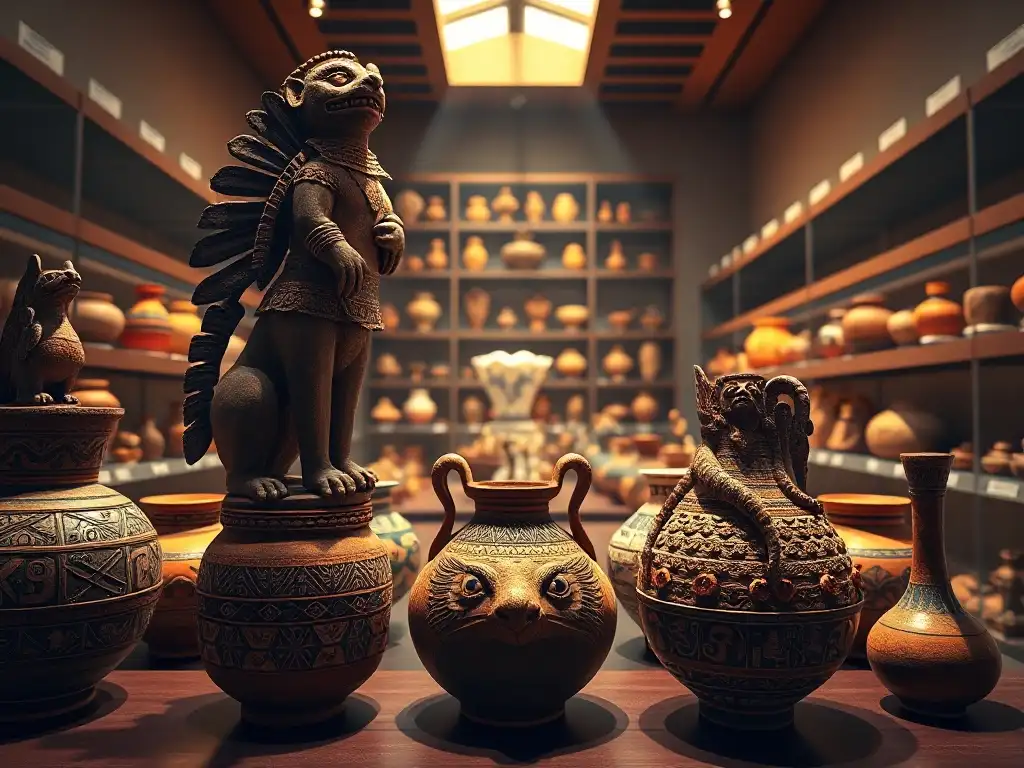
Dive into the enigmatic world of the Andes! Prepare to unravel the mysteries of ancient civilizations, from the towering achievements of the Incas to the breathtaking artistry of the Moche. But first, let's explore something truly captivating: the hidden meanings behind the iconic Moche pottery symbols. What secrets do these intricate designs hold? Journey with us to decipher their power, belief, and myth – and uncover the stories etched in clay.
The Moche civilization (circa 100-800 CE), flourishing along the northern coast of Peru, left behind a breathtaking legacy of artistry and craftsmanship, most notably their intricately decorated pottery. These ceramic vessels are not merely beautiful objects; they are invaluable windows into the Moche worldview, offering glimpses into their complex social structures, religious beliefs, and mythical narratives. This article delves into the fascinating world of Moche iconography, exploring the symbols frequently depicted on their pottery and deciphering their potential meanings, aiming to illuminate the power, belief systems, and myths that shaped this remarkable civilization.
Understanding these symbols allows us to connect with the Moche people on a deeper level, appreciating their sophisticated culture and understanding their unique perspective on the world. We will explore the recurring motifs, analyzing their potential interpretations based on current archaeological and anthropological research.
This exploration will be crucial in understanding the religious and societal aspects of Moche society, providing insights into their worldview and the role of art in their culture. The keyword "Moche pottery symbols meaning" will be explored throughout, with specific examples and interpretations provided.
The Significance of Moche Pottery: A Medium for Storytelling
Moche pottery wasn't simply functional; it served as a powerful medium for storytelling, transmitting cultural narratives, religious beliefs, and social hierarchies across generations. Unlike many other ancient cultures, the Moche didn't develop a writing system in the traditional sense. Instead, they relied heavily on visual representations – intricate designs and symbolic imagery – to convey complex meanings.
Their pottery, often depicting scenes of warfare, ritual ceremonies, and mythical beings, provides invaluable insights into their society. The meticulous detail and vibrant colors used in the creation of these pieces underscore their importance within Moche society. The sheer variety of subjects depicted—from everyday life scenes to elaborate mythological narratives—highlights the multifaceted nature of Moche culture.
Careful analysis of these scenes reveals a sophisticated understanding of narrative structure and visual communication, emphasizing the importance of art as a primary means of cultural transmission. The vibrant colors and lifelike depictions weren't mere aesthetic choices; they were integral to the communication of complex meanings and the preservation of Moche cultural identity.
Deciphering Key Symbols: Warriors, Priests, and Supernatural Beings
Many recurring symbols dominate Moche pottery. One prominent motif is the depiction of warriors, often portrayed in dynamic poses, clad in elaborate headdresses and armor. These images likely represent the elite warrior class, reflecting the importance of warfare and military power in Moche society. Analysis of these depictions reveals clues about their weaponry, attire, and social standing.
Alongside warriors, priests and shamanistic figures frequently appear, often engaged in ritual activities or interacting with supernatural beings. These figures, frequently depicted with distinctive attributes, such as elaborate headdresses or ceremonial paraphernalia, suggest a complex religious hierarchy. Detailed observations of their attire and actions provide insights into the nature of Moche religious practices and the role of religious leaders within the society. The presence of such figures strongly suggests a highly structured religious system with specialized roles and practices.
Mythological Creatures and Supernatural Forces: Interpreting the Beyond
The Moche worldview included a rich pantheon of mythological creatures and supernatural forces, many of which are vividly depicted on their pottery. These creatures, often depicted with hybrid features, combining human, animal, and plant characteristics, represent the complex interplay between the natural and supernatural worlds. For example, the frequent appearance of a specific type of feline deity, often associated with water and fertility, suggests its significant role in Moche cosmology.
Detailed analysis of these depictions, alongside contextual archaeological findings, provides a basis for interpreting their symbolic meanings and their roles within the broader Moche religious framework. Understanding these creatures is key to unlocking the mysteries of Moche mythology and their understanding of the cosmos. The symbolic language used in their representation offers profound insights into their beliefs about life, death, and the afterlife.
The Role of Context: Understanding the Narrative in its Entirety
It's crucial to remember that the meaning of Moche symbols isn't always straightforward. The interpretation of individual symbols often depends on the broader context in which they appear. A particular symbol might have different meanings depending on the scene it's part of or the other symbols surrounding it. Therefore, analyzing Moche pottery requires a holistic approach, considering the entire scene depicted, the arrangement of symbols, and the overall narrative conveyed.
By studying the relationships between different symbols and their placement within a given context, we can gain a more nuanced understanding of their intended meanings. This contextual approach is crucial for accurate interpretation and avoids simplistic readings of individual motifs. Further research and cross-referencing with other archaeological evidence is essential for a complete understanding.
- The Significance of Moche Pottery: A Medium for Storytelling
- Deciphering Key Symbols: Warriors, Priests, and Supernatural Beings
- Mythological Creatures and Supernatural Forces: Interpreting the Beyond
- The Role of Context: Understanding the Narrative in its Entirety
Understanding Moche Art and its Symbolic Language
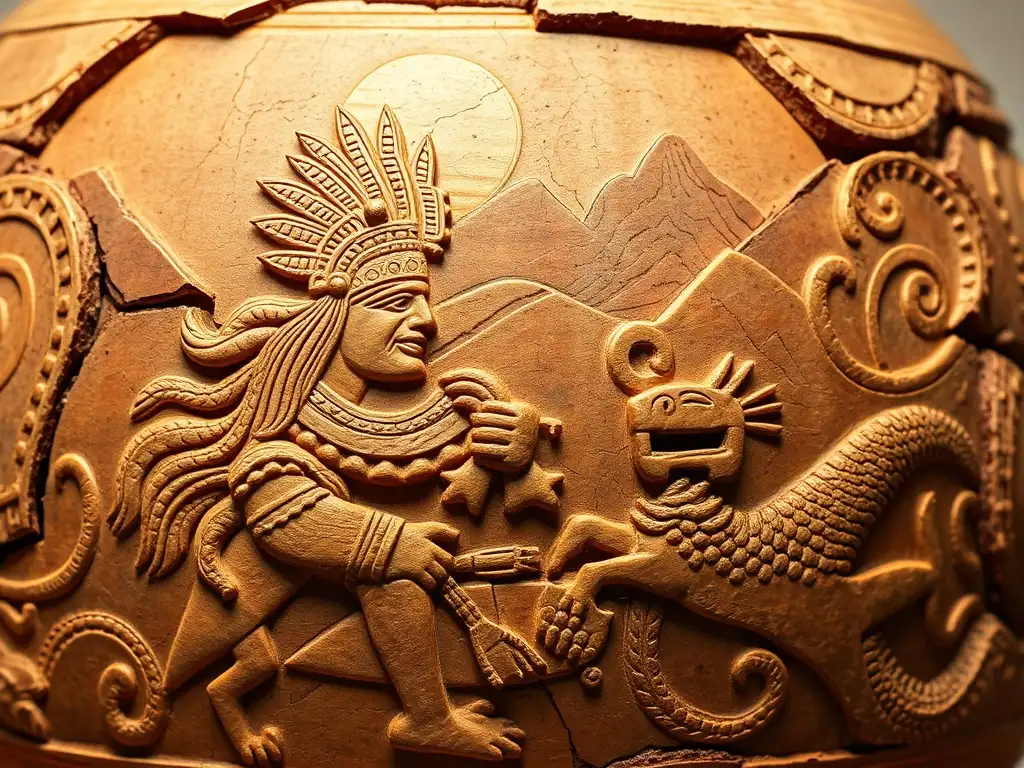
The Moche civilization (c. 100 – 800 CE), renowned for its sophisticated artistry and engineering prowess, left behind a rich legacy of artifacts that offer invaluable insights into their complex worldview. Their artistic expressions, particularly their pottery, weren't mere decorative pieces; they were powerful tools for communicating religious beliefs, social structures, and cosmological concepts. Understanding Moche iconography is crucial to deciphering the nuanced messages embedded within these stunning works.
The meaning of Moche pottery symbols is often layered and multifaceted, requiring careful analysis of individual elements within the broader context of the piece. This section will delve into the key aspects of Moche artistic symbolism, focusing on the recurring motifs and their potential interpretations, providing a deeper understanding of the "Moche pottery symbols meaning".
The Significance of Moche Iconography
Moche iconography is characterized by its vivid depictions of humans, animals, and supernatural beings, often engaged in dynamic interactions. These images are not randomly placed; they follow established conventions and patterns, suggesting a highly structured symbolic system. The careful observation of details, such as clothing, headdresses, and postures, provides crucial clues to the identity and roles of the figures portrayed.
For instance, the presence of specific ornaments might indicate a deity, a ruler, or a shaman, while particular gestures could signify rituals, offerings, or battles. The use of color also plays a significant role; vibrant hues, like red and yellow, are often associated with power and divinity, while muted tones might represent the mundane or the underworld. Analyzing the interplay of these visual elements is essential for interpreting the "Moche pottery symbols meaning".
The frequency of certain symbols within Moche pottery also suggests their importance. For example, the recurring motif of the feline deity, often depicted with fangs and claws, likely represented a powerful force in their cosmology, potentially associated with hunting, warfare, or the night.
Similarly, the frequent appearance of stylized plants and agricultural scenes underscores the significance of agriculture in their society and its connection to their spiritual beliefs. Further research and cross-referencing of different pieces are needed to fully understand the complex network of meanings embedded within their iconography and clarify the elusive "Moche pottery symbols meaning" for all motifs.
Moche Pottery: A Window into their Worldview
Moche pottery serves as a remarkable window into the worldview of this ancient civilization. Beyond the aesthetic appeal of these vessels, lies a complex tapestry of religious, political, and social narratives. The highly detailed and realistically rendered scenes on the pottery depict various aspects of Moche life, from daily activities to elaborate rituals and mythical events. These scenes, often complex and multi-layered, provide invaluable insights into their beliefs, values, and social structures.
The meticulous craftsmanship of Moche pottery is itself a testament to their artistic skill and the high value placed on these objects. The use of diverse techniques, including modeling, molding, and painting, allowed them to create intricate and lifelike representations, further enhancing the symbolic power of their creations. The different styles and types of pottery also reflect social stratification and possibly specialized workshops.
For example, some highly decorated pieces might have been reserved for elite use, while simpler vessels were used for everyday purposes. This variation adds another layer to the interpretation of "Moche pottery symbols meaning", suggesting that the meaning of a symbol could shift depending on the context of the vessel it adorned.
Analyzing the iconography of Moche pottery requires a multidisciplinary approach, drawing upon insights from archaeology, anthropology, and art history. By carefully studying the individual elements and their interplay within the larger context of Moche society, we can begin to unravel the rich tapestry of meanings embedded within these fascinating artifacts and better understand the "Moche pottery symbols meaning".
However, much work remains to be done, and further research is needed to fully decode the complex symbolic language of the Moche. The discovery of new artifacts and the application of advanced analytical techniques will undoubtedly contribute to a more comprehensive understanding of this compelling civilization and its artistic legacy.
Key Moche Symbols and Their Interpretations
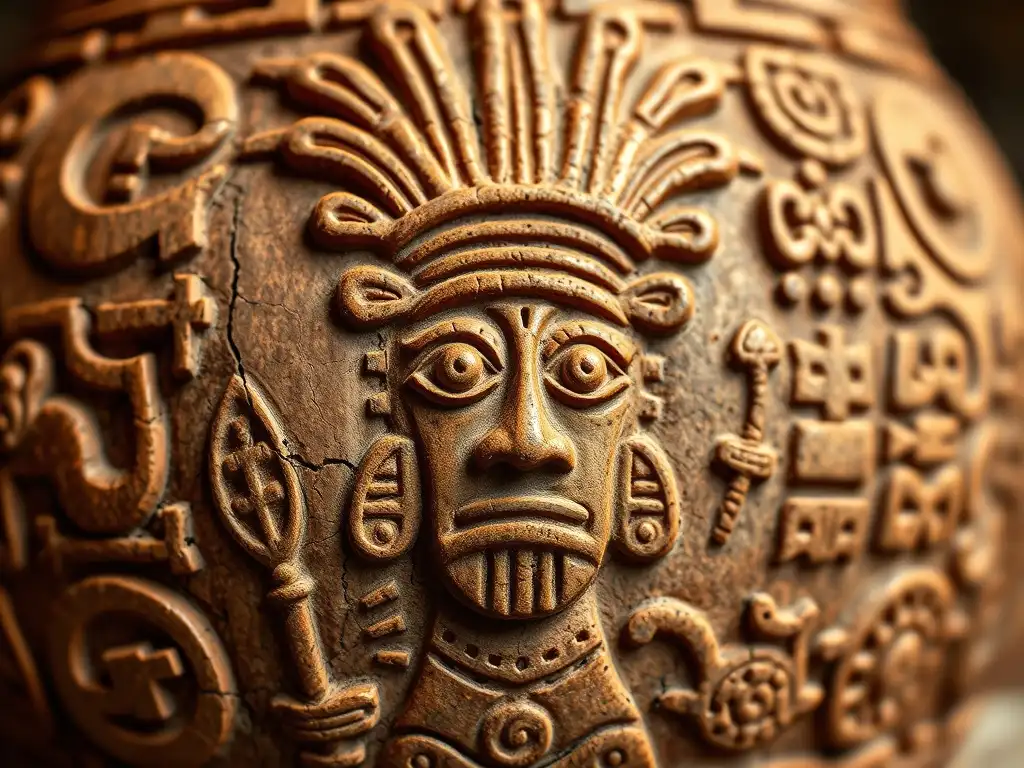
The Moche civilization, flourishing along the northern coast of Peru from approximately 100 to 800 CE, left behind a rich legacy of art, architecture, and intricate iconography. Their pottery, particularly, serves as a vital window into their complex religious beliefs, social structures, and worldview. Understanding the Moche pottery symbols meaning is crucial to deciphering this fascinating culture.
This section explores some key symbols frequently depicted in Moche art, focusing on their potential interpretations and the insights they offer into Moche society. The significance of these symbols is often debated among scholars, but consistent patterns and recurring themes emerge, allowing us to build a more comprehensive understanding of Moche symbolism. We will explore the use of these symbols across various Moche artistic mediums, highlighting the consistency and subtle variations in their representation.
The Moche Decapitator God: Ai Apaec
Ai Apaec, a terrifying deity often depicted as a flayed being with exposed viscera, holds a prominent place in Moche iconography. His representation is far from uniform; some portrayals show him as a monstrous figure wielding a knife, engaged in decapitation, while others present him in a more ritualistic context. The Ai Apaec figure is often associated with sacrifice, possibly reflecting the importance of ritual sacrifice in Moche religion.
The gruesome details of his depiction, far from being gratuitous, likely served to emphasize the power and awe-inspiring nature of this deity. The act of decapitation itself might symbolize the control over life and death, a power vested in this supreme being. The vivid imagery also suggests a possible connection to fertility and renewal, as the shedding of skin and viscera could be interpreted as a symbolic rebirth.
Further research is needed to fully understand the nuances of Ai Apaec's symbolism and its role within the broader Moche pantheon. The sheer variety in his depictions across different Moche pottery pieces suggests a complex and multi-faceted interpretation, evolving perhaps over time or across different Moche communities. The [specific information pending] on the geographical distribution of these different representations could shed valuable light on this aspect.
Animal Motifs in Moche Art: Power and Transformation
Animal imagery is pervasive throughout Moche art, with specific animals holding unique symbolic weight. These animals are not merely decorative; they represent powerful forces, embodying aspects of the Moche worldview and reflecting their beliefs about the natural world and its connection to the supernatural. The choice of animal and the manner of its depiction often convey specific meanings, reflecting the complex social and religious hierarchy of the Moche society.
Moche Depictions of the Feline: Symbol of Authority
Felines, particularly jaguars and pumas, are frequently depicted in Moche art, often associated with power, authority, and rulership. These powerful predators symbolize the strength and dominance of the elite class, perhaps representing the rulers themselves or their divine connection. The feline's predatory nature likely resonated with the Moche's understanding of power and control.
The meticulous detail in the depiction of felines in Moche pottery, from the sleek musculature to the intense gaze, underscores their importance and symbolic weight. The positioning of felines within scenes, often alongside human figures of high status, further reinforces their association with power and authority. The [specific examples pending] of feline depictions in ceremonial contexts would provide further evidence for this interpretation.
Moche Depictions of the Serpent: Connection with the Underworld
Serpents, frequently depicted in Moche art, are often associated with the underworld, fertility, and the cyclical nature of life and death. Their sinuous forms and ability to shed their skin likely resonated with Moche beliefs about transformation and renewal. The serpent's connection to water sources, crucial for survival in the arid coastal region, could also explain its prominence.
Some scholars suggest that specific types of serpents held different symbolic meanings, with certain species representing specific deities or aspects of the underworld. The intricate details in the portrayal of serpents, often intertwined with other motifs or figures, require careful study to fully understand their complex symbolic role. Further research is necessary to fully decipher the [specific information pending] regarding the different types of serpents depicted and their specific meanings within the Moche cosmology.
Moche Depictions of Birds: Messengers of the Gods
Birds, particularly raptors and other birds of prey, are frequently depicted as messengers of the gods or as intermediaries between the earthly and spiritual realms. Their ability to soar through the sky likely connected them to the heavens and the supernatural. The depiction of birds often involves detailed representations of their plumage and flight patterns, reflecting the Moche's keen observation of the natural world.
The [specific examples pending] showing birds carrying offerings or interacting with human figures suggest their role as intermediaries. Different bird species might have held distinct symbolic meanings within the Moche worldview, reflecting their diverse roles in the ecosystem and their association with specific deities or natural phenomena.
Analyzing the context in which these birds are depicted within the broader composition of the pottery is crucial for fully understanding their symbolic significance. The placement of the bird, its interaction with other elements, and the overall narrative of the scene all contribute to the interpretation of its symbolic meaning.
The Role of Moche Warriors in Iconography
Moche iconography frequently depicts warriors, highlighting their crucial role in Moche society. These representations aren't merely depictions of battles; they offer insights into the complex interplay of power, ritual, and belief within the Moche worldview. The prominence of warriors in Moche art suggests their elevated social status and their connection to the spiritual realm.
Warriors weren't simply soldiers; they were likely also involved in religious ceremonies and held positions of authority. The meticulous detail in the portrayal of their attire, weapons, and actions underscores their importance in Moche culture. Analyzing these depictions allows us to decipher the Moche understanding of warfare, its relationship to religion, and the societal values it reflected.
The frequency with which we see warriors depicted alongside elite figures or in scenes of ritual sacrifice further emphasizes their significant role in the Moche social and religious hierarchy. The warriors weren't simply instruments of power; they were integral to the very fabric of Moche society, their actions and symbolism deeply entwined with the beliefs and values of the culture. This complex relationship is revealed through careful study of the pottery and other artifacts.
Moche Combat Scenes and Ritual Significance
Moche pottery frequently displays scenes of intense combat, but these aren't always straightforward depictions of warfare. Many scholars believe these scenes hold a deeper, ritualistic significance. The stylized nature of the combat, often featuring exaggerated figures and weaponry, suggests a symbolic representation rather than a literal recounting of historical battles.
For example, some scenes depict warriors engaged in seemingly ritualistic combat, with elements that go beyond simple violence. These could represent symbolic struggles between opposing forces, perhaps representing cosmic battles or the struggle between life and death. The careful arrangement of figures and the use of specific iconographic elements within these combat scenes point towards a complex system of meaning beyond simple military prowess.
The positioning of the warriors, the types of weapons used, and even the facial expressions depicted may all contribute to the overall symbolic message. Further research into the specific contexts in which these pieces were found could shed more light on their ritual significance. Detailed analysis of individual pieces, considering their stylistic variations and associated grave goods, is crucial for a comprehensive understanding of their meaning.
The Symbolism of Moche Warrior Attire
The attire of Moche warriors, meticulously detailed in their ceramic representations, is rich in symbolism. Elaborate headdresses, often featuring feline features or other significant symbols, indicated status and possibly linked the warrior to specific deities or ancestral figures. The use of specific colors and materials also carried symbolic weight.
For instance, the use of certain feathers might have indicated a specific rank or connection to a particular deity. Similarly, the types of armor and weaponry depicted, such as clubs, spears, and shields, were not merely functional; they also held symbolic meaning within the Moche worldview. The intricate designs on their garments and weapons often incorporated motifs related to nature, supernatural beings, and other culturally significant symbols.
By carefully analyzing these details, we gain valuable insight into the Moche understanding of power, authority, and the relationship between the earthly and spiritual realms. Further research comparing different representations of warrior attire across various Moche sites and time periods could refine our understanding of the evolution and significance of these symbols. The level of detail in the depiction of Moche warrior attire underscores its importance within the broader context of Moche religious and social beliefs.
Moche Pottery Symbols Meaning: A Closer Look
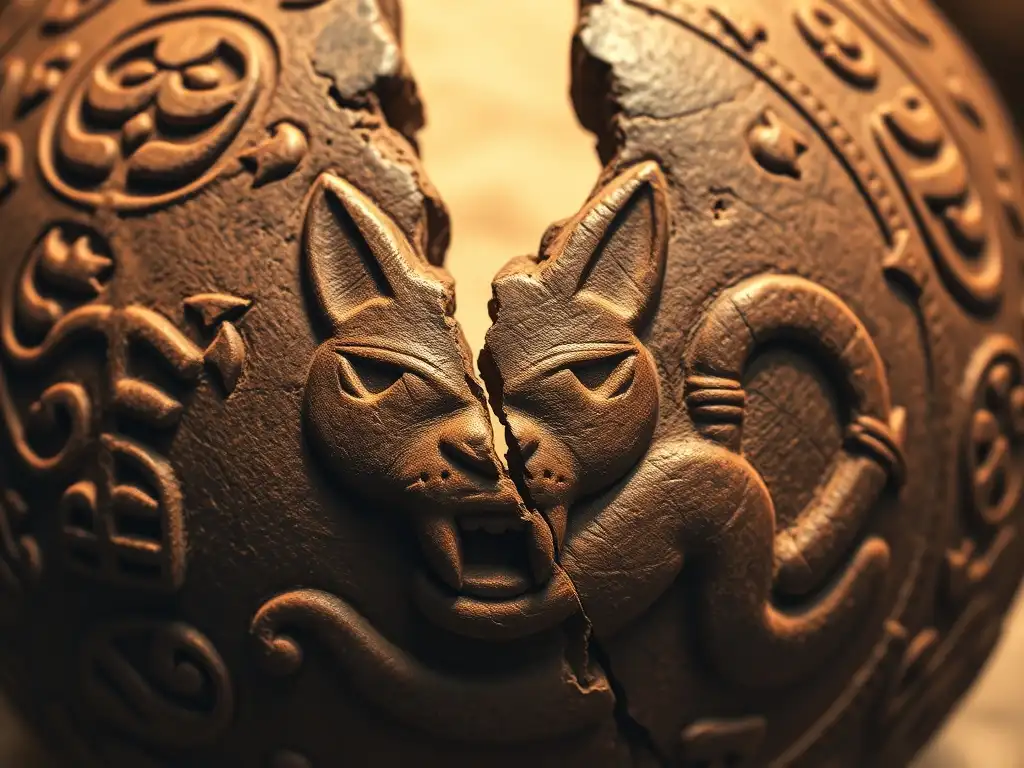
The Moche civilization, flourishing on the northern coast of Peru from approximately 100 to 800 CE, left behind a remarkable legacy of art and artifacts. Their mastery of ceramic production is particularly striking, with intricately decorated pottery offering invaluable insights into their religious beliefs, social structures, and daily lives. Understanding the meaning behind the symbols depicted on Moche pottery is key to unlocking a deeper comprehension of this fascinating culture.
This section will delve into the iconography present on Moche ceramics, exploring the potential meanings of recurring motifs and offering a glimpse into the rich tapestry of Moche symbolism. The study of "Moche pottery symbols meaning" is a complex and ongoing process, requiring careful analysis and interpretation of various sources.
Moche Ceramics as Narrative Vessels
Moche pottery wasn't simply decorative; it served as a powerful narrative tool. Unlike many other ancient cultures, Moche artisans didn't shy away from depicting complex scenes and detailed narratives on their vessels. These scenes often depict ritual ceremonies, battles, daily life, and mythological beings, providing a visual record of Moche society and beliefs.
The placement and arrangement of symbols within these scenes are crucial for interpretation, often hinting at hierarchical relationships or the sequence of events. For example, depictions of a powerful warrior figure positioned above a group of captives might suggest a narrative of conquest and dominance, reflecting the social structure of the Moche state. The vibrant colors and meticulous detail further enhance the narrative power of these ceramic masterpieces, making them invaluable sources for understanding Moche culture.
Consider the scenes depicting elaborate feasts – these aren't just casual gatherings; they are likely representations of ritualistic events, perhaps connected to ancestor veneration or ensuring a bountiful harvest. These carefully crafted narratives highlight the importance of visual communication in Moche society.
Decoding Moche Iconography through Ceramic Analysis
Decoding Moche iconography requires a multi-faceted approach. Scholars utilize several methods, including stylistic analysis, comparative studies with other Andean cultures, and contextual analysis based on the archaeological finds surrounding the pottery. Stylistic analysis focuses on identifying recurring motifs and patterns, tracing their evolution over time, and noting variations across different regions. Comparative studies help establish connections and potential influences from other Andean cultures, shedding light on the broader context of Moche symbolism.
Contextual analysis considers the location where the pottery was discovered, the associated artifacts, and the overall archaeological setting. For example, the discovery of a specific type of pottery alongside ritual objects in a burial site might suggest a connection between the symbols on the pottery and funerary practices. This interdisciplinary approach is crucial for achieving a comprehensive understanding of Moche pottery symbols meaning.
Recurring Moche Iconographic Elements in Pottery
Numerous recurring symbols appear throughout Moche pottery, each potentially carrying distinct meanings or representing specific concepts. These elements are often combined in complex compositions, making interpretation challenging yet rewarding. The complexity and variety of these symbols demonstrate the sophistication of Moche artistic expression and their detailed system of symbolic representation. The consistent recurrence of these symbols across a vast number of ceramic pieces highlights their significance within Moche society. Further research and analysis are needed to fully understand the nuances of these symbols and their potential variations in meaning.
Moche Geometric Patterns and Their Potential Meanings
Geometric patterns, such as triangles, zigzags, and stepped frets, frequently adorn Moche pottery. While their precise meanings remain a subject of ongoing debate, they are often interpreted as representing aspects of the natural world, such as mountains, rivers, or celestial bodies. These patterns could also symbolize abstract concepts, such as order, balance, or the cyclical nature of life and death. The use of different colors and combinations of geometric patterns might indicate specific meanings or levels of social status. The intricate precision of these geometric designs showcases the advanced skill of Moche artisans.
Moche Figurative Representations in Ceramics
Figurative representations, including depictions of humans, animals, and mythical beings, are prominent features of Moche pottery. These representations often depict scenes of ritual ceremonies, warfare, and daily life. The figures are often highly stylized, with exaggerated features and symbolic attributes that convey specific meanings.
For example, the depiction of a specific type of bird might symbolize a deity or a shamanic power, while the portrayal of a warrior in battle might represent themes of power, conquest, or social status. The detailed representations of these figures provide invaluable insights into the Moche worldview, their social hierarchy, and their understanding of the cosmos. The consistent depiction of certain figures across different vessels points to their significance within the Moche pantheon and their role in Moche society.
Analyzing the context in which these figures appear – alongside other symbols or in specific scenes – is crucial for understanding their symbolic meaning. The study of these figurative representations is key to unlocking the rich tapestry of Moche mythology and belief systems. Further research will undoubtedly unveil additional layers of meaning within these compelling visual narratives.
Moche Beliefs and Rituals as Reflected in Art
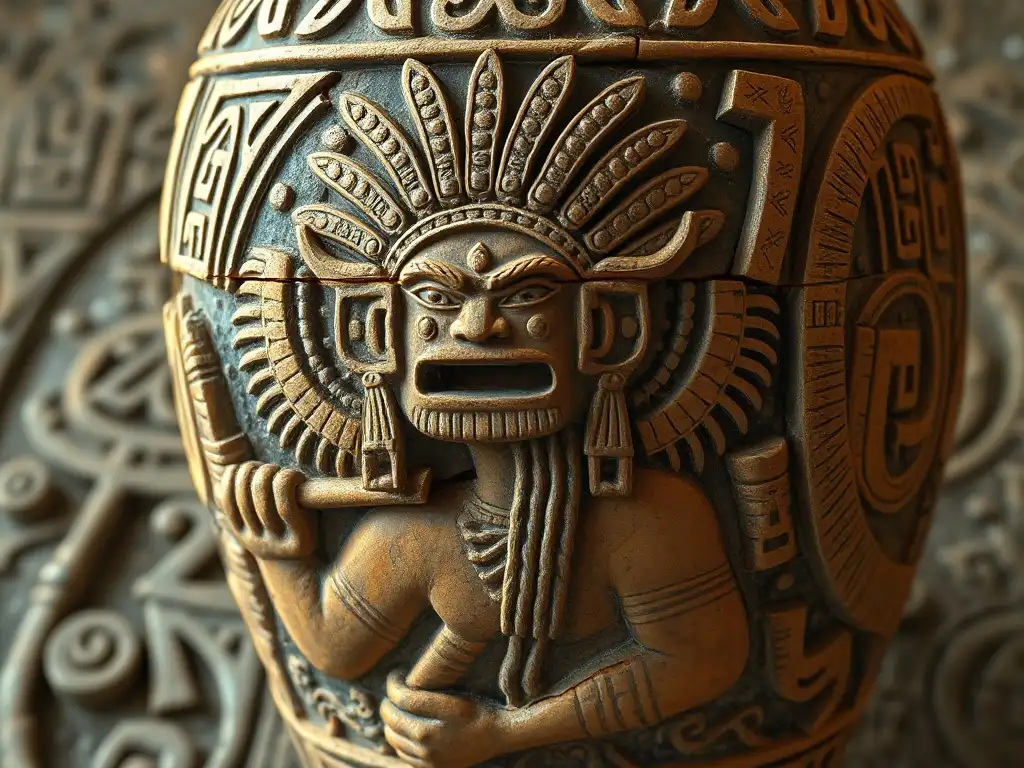
The Moche civilization, flourishing along the northern coast of Peru from approximately 100 CE to 800 CE, left behind a remarkable legacy of art, particularly in their exquisite pottery. These aren't simply decorative vessels; they are rich repositories of information about Moche religion, beliefs, and daily life. Analyzing Moche pottery symbols meaning is crucial to understanding their worldview.
Through detailed iconography, we gain insights into their complex religious practices, social hierarchy, and cosmological beliefs. The vibrant colors, intricate designs, and carefully chosen motifs all contribute to a deeper understanding of this fascinating culture. The sheer volume of surviving pottery, often depicting scenes of ritual and mythology, provides an unparalleled window into their spiritual life.
By studying these artifacts, we can piece together a picture of a society deeply connected to its environment and imbued with a rich spiritual dimension. The meticulous detail in the pottery suggests a deep reverence for the act of creation itself, reflecting the importance of craftsmanship and artistry within their society. This attention to detail extended to the iconography, ensuring that the meaning behind each symbol was carefully considered and conveyed.
Moche Religious Practices and Iconographic Representation
Moche religious practices were multifaceted and deeply intertwined with their agricultural practices and the natural world. Their iconography reflects this connection. Common motifs include depictions of deities, often anthropomorphic figures associated with fertility, water, and the harvest. For instance, the recurring image of a powerful feline deity, possibly representing a jaguar or a puma, emphasizes the importance of these powerful animals in their cosmology.
The Moche also frequently depicted scenes of ritual sacrifice, both human and animal, highlighting the perceived need to appease the gods and ensure a bountiful harvest. These sacrifices, often depicted in graphic detail on the pottery, underscore the importance of maintaining a balance between the human and supernatural worlds. The careful arrangement of symbols within the scenes provides further clues about the specific rituals being portrayed. For example, the presence of certain plants or tools alongside sacrificial scenes suggests the role of specific offerings or rituals in appeasing particular deities.
Analyzing the context in which these symbols appear is critical to understanding their full meaning. The frequency of certain symbols, such as maize or specific types of birds, indicates their importance within the Moche belief system. Understanding these visual cues allows us to reconstruct aspects of their religious practices with greater accuracy.
The Moche Shaman and his Role in Moche Imagery
The Moche shaman, a central figure in their religious practices, is frequently depicted in their pottery. These portrayals often showcase the shaman's role as an intermediary between the human and spirit worlds. He is often shown engaging in ritual activities, such as consuming hallucinogenic substances or interacting with supernatural beings. The imagery frequently highlights the shaman's power and authority, emphasizing his role in maintaining societal order and ensuring the well-being of the community.
The iconography associated with the shaman often includes symbolic objects, such as staffs, headdresses, or ritual paraphernalia, that further emphasize his spiritual power. Specific attributes, like elaborate headdresses with feathers or masks, visually distinguish the shaman from other figures. The depiction of the shaman's ritual practices provides insights into the methods used to connect with the supernatural.
The use of specific plants, animals, or objects in these rituals suggests their symbolic importance within the Moche worldview. The vibrant colors and intricate details used in these depictions reflect the Moche's reverence for the shaman and his crucial role in their society. The careful observation of these details helps researchers decode the complex rituals and beliefs of the Moche civilization.
Mythological Narratives in Moche Art
Moche pottery also presents compelling evidence of a rich mythological tradition. Many vessels depict scenes that appear to narrate complex stories, often involving interactions between deities, humans, and supernatural forces. These narratives, conveyed through carefully composed scenes and symbolic representation, offer glimpses into the Moche understanding of the cosmos and their place within it. The recurring motifs and characters in these narratives suggest the existence of established myths and legends that were passed down through generations.
The dynamic compositions and vivid depictions of these myths highlight the importance of storytelling in their culture. Some scholars suggest that these narratives served as didactic tools, transmitting cultural knowledge and moral values. The detailed depiction of battles, ceremonies, and interactions between different beings, all contribute to a compelling narrative, providing researchers with rich material for interpreting their belief system.
Analyzing the sequence of scenes on a single vessel or across multiple vessels is crucial to reconstructing these narratives accurately and understanding the deeper meaning embedded within them. The careful study of the "Moche pottery symbols meaning" is essential for deciphering these complex and fascinating stories. Further research and cross-referencing of various pieces of pottery are necessary to fully understand the scope and complexity of these mythological narratives.
The Influence of Moche Iconography on Andean Culture
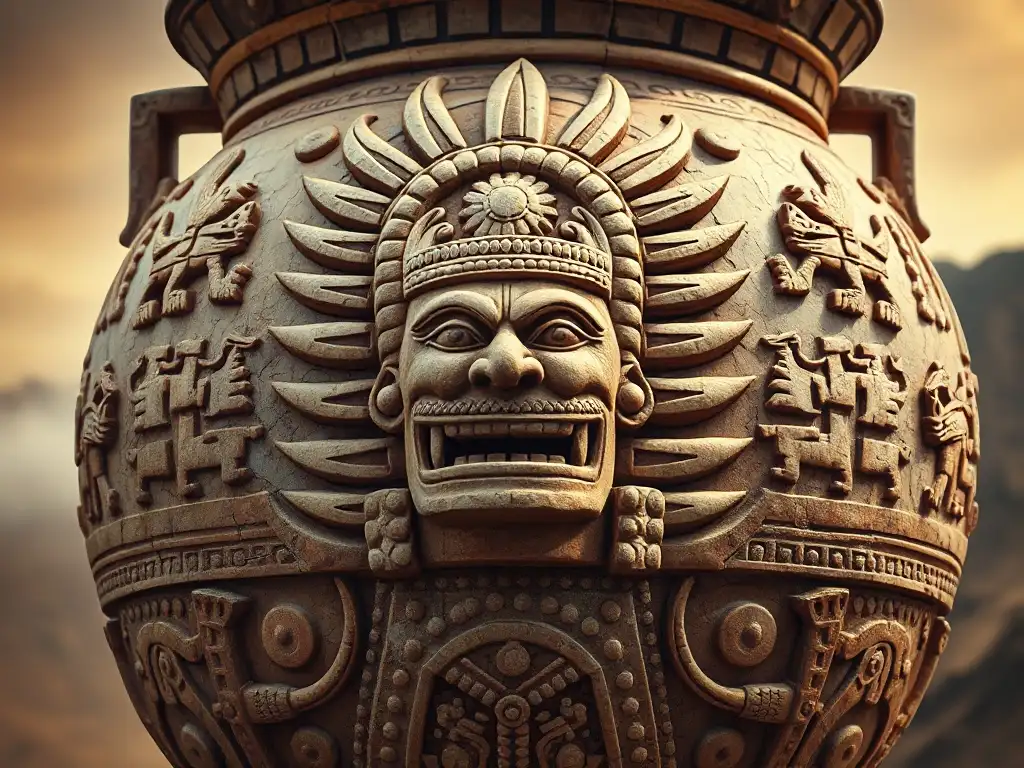
The Moche's sophisticated iconography wasn't confined to their own time and place. Its impact reverberated through subsequent Andean cultures, leaving an indelible mark on artistic styles, religious beliefs, and societal structures. Understanding the reach of Moche iconography provides crucial insight into the interconnectedness of Andean civilizations and the enduring legacy of this fascinating culture.
The intricate detail and symbolic richness of Moche pottery, textiles, and metalwork served as a powerful source of inspiration and emulation for generations of Andean artisans and rulers. This influence is particularly evident in the art and religious practices of later cultures like the Chimú and even, to a lesser extent, the Inca. Analyzing these connections reveals a complex tapestry of cultural exchange and adaptation, highlighting the enduring power of Moche artistic expression.
The persistence of certain motifs and stylistic elements across different Andean cultures underscores the Moche's significant contribution to the broader Andean artistic tradition. This section will explore this influence in detail, focusing on the specific ways Moche iconography shaped the artistic and religious landscape of the Andes.
Moche Artistic Legacy and Its Impact on Later Andean Societies
The Moche left behind a vast and impressive artistic legacy, heavily reliant on symbolic imagery. Their pottery, in particular, is renowned for its intricate depictions of deities, mythical creatures, and scenes of daily life. These images weren't merely decorative; they conveyed complex religious beliefs, social hierarchies, and cosmological understandings. The stylistic conventions employed by the Moche—their use of vibrant colors, dynamic compositions, and highly detailed representations—became a benchmark for subsequent Andean artists.
For example, the Moche's mastery of modeling human and animal forms, their ability to capture movement and emotion, and their innovative use of negative space significantly influenced the artistic styles of later cultures. The impact is not merely stylistic; it's also thematic. Certain Moche motifs, such as the depiction of specific deities or mythological scenes, reappeared in modified forms in the art of later societies, suggesting a continuity of religious beliefs and cultural memory.
The degree of this influence varied depending on the specific culture and time period, but the pervasive presence of Moche-inspired elements in Andean art is undeniable. Further research into specific stylistic comparisons between Moche and later Andean artwork is needed to fully quantify this influence, but initial observations are promising. Detailed studies comparing the use of specific pigments, modeling techniques, and compositional strategies could reveal even more nuanced connections.
The Chimú, who succeeded the Moche in the northern coastal region of Peru, provide a clear example of the enduring impact of Moche iconography. Chimú art, particularly their metalwork and pottery, shows a strong Moche influence, although with distinct stylistic variations. For instance, while both cultures depicted powerful rulers and deities in elaborate regalia, the Chimú often employed a more stylized and geometric approach compared to the Moche's more naturalistic representations. However, the underlying themes and symbolic meanings often remained consistent.
Specific Moche motifs, such as the depiction of the decapitated warrior, the feline deity, and the various avian figures, appear in modified forms in Chimú art. This suggests a conscious adoption or adaptation of Moche iconography, potentially reflecting a continuity of religious beliefs or a desire to legitimize Chimú rule by associating themselves with the powerful Moche legacy. The presence of shared iconographic elements highlights the complex relationship between the two cultures and the ongoing process of cultural transmission and transformation in the Andes.
Further comparative analysis of Moche and Chimú artifacts, focusing on specific motifs and their contextual usage, is needed to fully unravel the nature and extent of this cultural exchange. The study of "Moche pottery symbols meaning" within the context of Chimú art offers a compelling avenue for future research into Andean cultural dynamics. Analyzing the evolution and transformation of these symbols across different cultural contexts reveals much about the enduring power of visual language in shaping Andean identities and beliefs.
Conclusion: The Enduring Legacy of Moche Symbols
The vibrant and intricate iconography adorning Moche pottery offers a captivating window into the beliefs, social structures, and worldview of this remarkable pre-Columbian civilization. From depictions of powerful rulers and mythical beings to representations of everyday life and agricultural practices, the symbols meticulously crafted onto these vessels provide invaluable insights into Moche society. Understanding these symbols is not merely an academic exercise; it's a crucial step in appreciating the complexity and sophistication of a culture that thrived centuries ago.
The enduring legacy of Moche iconography lies not only in its aesthetic beauty but also in its capacity to illuminate a lost world and connect us to the rich tapestry of human history. The meticulous detail and symbolic richness present in the pottery continues to inspire awe and wonder, demonstrating the advanced artistic and technical skills of the Moche artisans.
The enduring nature of these artifacts allows for continued study and reinterpretation, ensuring that the Moche legacy remains relevant and engaging for generations to come. The study of Moche pottery symbols meaning continues to evolve as new discoveries are made and new interpretations emerge, reminding us of the dynamic and ever-evolving nature of historical understanding.
The Importance of Understanding Moche Iconography for Cultural Preservation
Understanding Moche iconography is paramount for effective cultural preservation. The careful study and interpretation of these symbols allow us to reconstruct aspects of Moche life that might otherwise remain lost to time. This understanding is vital for several reasons:
- Protecting Archaeological Sites: Accurate interpretation of Moche symbols helps in identifying and prioritizing the protection of significant archaeological sites containing further examples of this art. This includes proper excavation techniques and preservation strategies.
- Combating Looting and Illegal Trafficking: A deep understanding of the meaning and value of Moche artifacts can aid in combating the illegal trade of these precious pieces. Recognizing authentic pieces and understanding their cultural significance strengthens efforts to prevent their illicit removal from their context.
- Educating Future Generations: By accurately interpreting and disseminating knowledge about Moche iconography, we can educate future generations about the rich cultural heritage of the Andes and inspire a sense of responsibility for its preservation. This includes developing educational resources that are both accessible and engaging.
- Promoting Cultural Tourism: The study of Moche symbols can contribute to the development of responsible and sustainable cultural tourism initiatives, enabling communities to benefit economically while protecting their heritage. This fosters a sense of pride and ownership within the community.
- Reconnecting with Andean Heritage: For modern Andean communities, understanding Moche iconography can foster a deeper connection with their ancestral heritage, strengthening cultural identity and promoting a sense of continuity across time.
Further Research on Moche Art and its Meaning
Further research into Moche art and its meaning is crucial for a more complete understanding of this fascinating civilization. Several avenues of investigation are particularly promising:
- Advanced Imaging Techniques: Employing advanced imaging techniques, such as X-ray fluorescence spectroscopy, can reveal subtle details and pigments invisible to the naked eye, potentially unlocking new interpretations of existing artifacts. This could lead to a more nuanced understanding of the creation process and the symbolic choices of the artists.
- Comparative Studies: Cross-referencing Moche iconography with that of contemporary and neighboring cultures can provide valuable context and illuminate potential influences and exchanges. This comparative approach could reveal patterns and connections that were previously overlooked.
- Interdisciplinary Collaboration: Collaboration between archaeologists, art historians, anthropologists, and other specialists is essential for a comprehensive approach. This interdisciplinary perspective can lead to richer and more insightful interpretations.
- Community Engagement: Involving local communities in the research process is crucial for respecting and preserving cultural heritage. This participatory approach ensures that research is conducted ethically and that knowledge is shared responsibly.
- Digital Archiving and Databases: Creating comprehensive digital archives and databases of Moche artifacts and their iconography will allow for easier access and analysis of this vast body of information. This accessibility will facilitate further research and collaboration on a global scale. The development of user-friendly databases with detailed descriptions and high-resolution images is essential for this endeavor.
The continued exploration of Moche pottery symbols meaning promises to yield further fascinating insights into the beliefs, rituals, and social organization of this remarkable ancient civilization. The ongoing research and collaborative efforts will undoubtedly enrich our understanding of the Moche and their enduring legacy.
Frequently Asked Questions
What is Moche pottery?
Moche pottery is remarkable ceramics produced by the ancient Moche civilization of Peru (c. 100-800 CE). Known for its realistic depictions and vibrant colors, it provides invaluable insights into their culture. It's highly collectible today.
What do the symbols on Moche pottery represent?
The symbols on Moche pottery represent a wide range of subjects, including mythological figures, ritual practices, political power, and everyday life. Their meaning is often complex and multifaceted, requiring careful interpretation by specialists.
What are some common symbols found in Moche pottery?
Common symbols include deities, animals (like felines and birds), erotic imagery, and geometric patterns. Each symbol carries specific meaning within the context of the larger artwork. Detailed analysis is needed to fully understand the combined message.
How do scholars interpret the meaning of Moche pottery symbols?
Scholars use a variety of methods to interpret Moche pottery symbols, including comparative analysis with other artifacts, ethnographic studies of related cultures, and iconographic analysis focusing on recurring motifs and their placement. Context is extremely important.
Where can I learn more about the meaning of Moche pottery symbols?
To delve deeper into the meaning of Moche pottery symbols, explore academic journals, museum websites, and books focusing on Andean archaeology and iconography. Many online resources offer introductory information on the subject.
Final Reflection: Unraveling the Whispers of the Moche
The vibrant artistry of Moche pottery continues to resonate today, offering a powerful window into a civilization that thrived centuries ago. Their intricate iconography, far from being mere decoration, provides invaluable insight into their complex social structures, spiritual beliefs, and rich mythology. Understanding these symbols is not just an academic exercise; it's a key to unlocking a deeper appreciation for the ingenuity and cultural depth of a fascinating ancient society.
The enduring legacy of the Moche is evident in the continued fascination with their art and the ongoing efforts to decipher its meaning. Their imagery, often depicting powerful figures, mythical creatures, and ritualistic scenes, continues to inspire artists, archaeologists, and historians alike. The Moche's ability to convey such complex narratives through visual storytelling is truly remarkable. The past is never dead. It's not even past.
- William Faulkner. This quote perfectly encapsulates the enduring relevance of the Moche and their enduring cultural impact. Their stories, etched in clay, continue to speak to us across the millennia, challenging our understanding of the past and enriching our present.
Consider the intricate details, the bold colors, the powerful symbolism you've encountered in this exploration of Moche pottery. Now, I invite you to reflect on the ways in which their artistic expression mirrors our own human need to create, to communicate, and to leave a lasting mark on the world. What stories do you want to tell? What symbols resonate with you? Let the legacy of the Moche inspire you to find your own voice and leave your own indelible mark on the tapestry of human history.
**Unveil the Secrets of Moche Iconography! **
Thank you for exploring the fascinating world of Moche iconography with us! We hope you've gained valuable insights into how these symbols reflect their power, beliefs, and rich mythology. Now, let's delve even deeper!
Here are some engaging ways to continue your exploration:
- **Explore** a virtual museum exhibit featuring stunning Moche artifacts to see their intricate iconography firsthand.
- **Join** our online community forum dedicated to Andean Civilizations to share your thoughts and insights on these captivating symbols with fellow enthusiasts.
- **Create** your own artwork inspired by Moche designs and share it on social media using the hashtag #MocheInspiration! We'd love to see your interpretations.
Which aspect of Moche symbolism most resonates with your understanding of power and belief systems in ancient cultures? Share your thoughts in the comments below!