
Moche Resource Management: Sustainable Practices of the Past

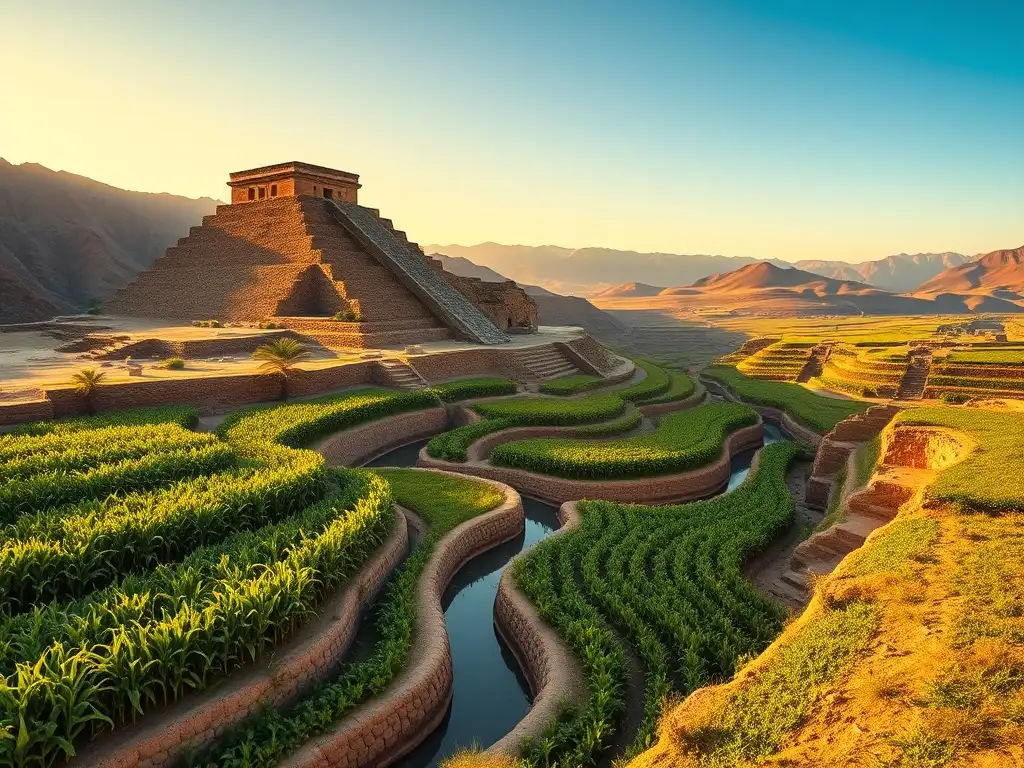
Uncover the secrets of a lost world. For centuries, the Andes Mountains have guarded the legacy of remarkable civilizations. Journey with us into the heart of the Andean world, where ingenuity thrived and empires rose. But what truly powered their success? Prepare to be amazed by the sophistication of Moche irrigation systems, a testament to sustainable practices that shaped an entire civilization. Dive in and discover how these ancient marvels continue to inspire us today.
The Moche civilization, flourishing along the arid northern coast of Peru from approximately 100 CE to 800 CE, stands as a testament to human ingenuity and adaptation. Their remarkable achievements in art, architecture, and social organization are equally matched by their sophisticated and surprisingly sustainable resource management strategies.
This article delves into the Moche's impressive ability to thrive in a challenging desert environment, focusing specifically on their innovative water management techniques, a key factor in their prosperity and longevity. We will explore the intricacies of their irrigation systems, their understanding of water cycles, and how these practices contributed to the overall success and resilience of their society, offering valuable insights into sustainable practices relevant even today.
Understanding the Moche's resource management is crucial to understanding the civilization itself, revealing a complex interplay between engineering, social organization, and a deep respect for their environment. The ingenuity of their water management, in particular, offers a compelling case study in sustainable living in harsh conditions and their mastery of "Moche irrigation systems."
Introduction to Moche Resource Management
The Moche weren't simply passive inhabitants of their environment; they were active shapers of it. Their resource management wasn't a haphazard process but a carefully planned and executed system reflecting a deep understanding of their surroundings. This involved far more than simply irrigation; it encompassed a holistic approach to managing all available resources, including:
- Water: The most critical resource, demanding sophisticated irrigation and water storage systems.
- Land: Careful cultivation techniques to maximize crop yields in the limited arable land.
- Labor: Efficient organization of labor for construction and agricultural activities.
- Materials: Strategic use of available raw materials for construction, tools, and crafts.
The Moche's success hinged on their ability to efficiently manage these resources, ensuring the survival and prosperity of their population. Their strategies, while developed centuries ago, offer valuable lessons for modern approaches to sustainable living in arid and semi-arid regions. The evidence shows a remarkable level of planning and foresight, indicating a strong centralized authority capable of coordinating large-scale projects and managing resources effectively. This sophisticated management, particularly of water, allowed them to create a highly productive agricultural system that supported a large population in a challenging environment.
The Importance of Water Management in Moche Society
Water was undoubtedly the lifeblood of the Moche civilization. Their ingenuity in harnessing and distributing this scarce resource is perhaps their most remarkable achievement. The development of extensive and intricate "Moche irrigation systems" was paramount to their success.
These weren't simple canals; they were complex networks of channels, reservoirs, and aqueducts, some stretching for kilometers along the steep slopes and valleys. The construction of these systems required significant engineering skill, a considerable workforce, and a clear understanding of hydrology. Their effectiveness allowed the cultivation of crops like maize, beans, and squash, forming the basis of their diet and sustaining their large population.
The Moche's understanding of water cycles was crucial. They built their irrigation systems to capture and store rainwater, utilizing the limited but crucial seasonal rainfall. They also developed techniques for managing groundwater, likely using wells and subterranean channels to access this vital resource. This sophisticated approach to water management allowed them to not only survive but thrive in an environment that would otherwise have been inhospitable.
The survival and prosperity of the Moche hinged on their ability to provide a reliable water supply for agriculture. Archaeological evidence continues to reveal the scale and complexity of their water management, highlighting their advanced understanding of hydrology and engineering. The sheer scale of some of their irrigation projects speaks to a high level of societal organization and cooperation, reflecting a deep understanding of the importance of collective effort in resource management.
Moche Irrigation Systems: Engineering for Abundance
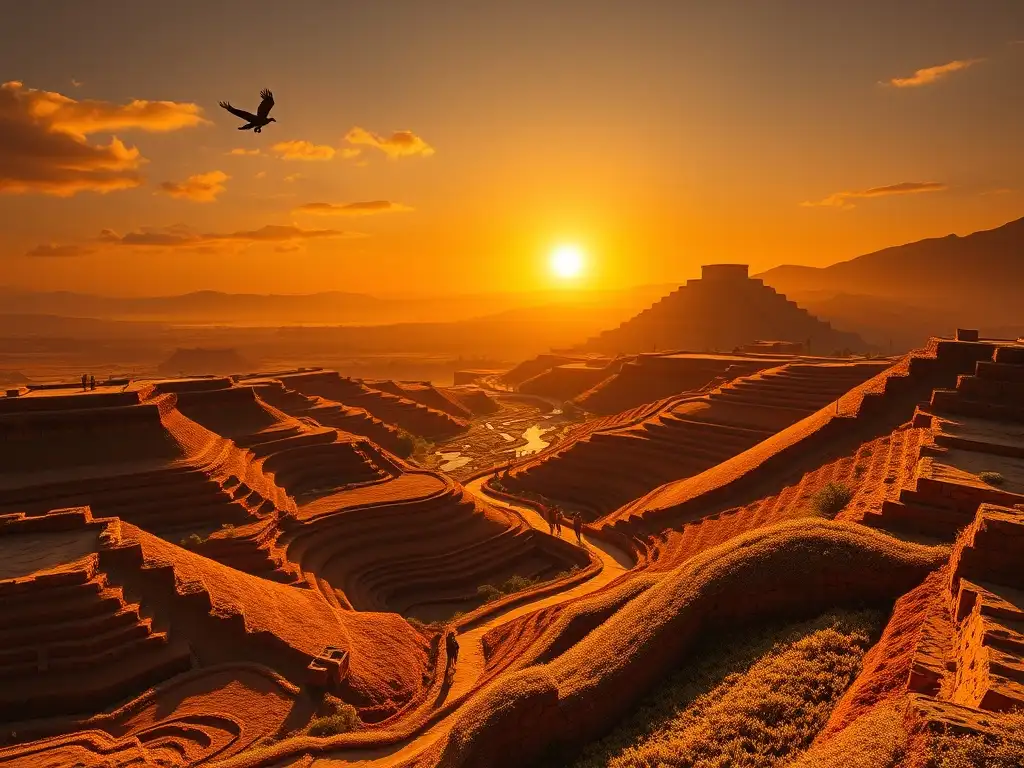
The Moche civilization (c. 100 – 800 CE), renowned for its sophisticated artistry and complex social structures, also possessed remarkable engineering prowess, particularly evident in their ingenious irrigation systems. These weren't merely channels for water; they were the lifeblood of their thriving agricultural economy, a testament to their understanding of water management and sustainable practices. The Moche's success in harnessing water resources from the arid northern coast of Peru allowed them to cultivate vast quantities of crops, supporting a dense population and fueling their societal advancements.
Understanding their irrigation systems is key to appreciating the ingenuity and resilience of this remarkable culture. The effectiveness of these "Moche irrigation systems" is a significant factor in understanding their societal success and longevity.
Moche Canal Construction Techniques
Moche canal construction was a feat of engineering, demanding meticulous planning and considerable labor. They didn't possess advanced tools like modern excavators, relying instead on simpler implements like stone chisels, digging sticks, and possibly rudimentary metal tools. The process involved carefully selecting routes that minimized elevation changes to facilitate gravity-fed water flow. Evidence suggests that they utilized a combination of techniques, including:
- Open-cut canals: These were dug directly into the earth, often following natural contours to minimize excavation. The size and depth varied depending on the water volume and terrain. Larger canals could be several meters wide and deep.
- Terracing: In steeper areas, they built terraces to create level platforms for agriculture, channeling water along the terraces using smaller canals and ditches. This technique maximized arable land in challenging topography.
- Stone lining: To prevent erosion and seepage, many canals were lined with stones, carefully fitted together to create a watertight channel. This was particularly important in areas with porous soil.
- Aqueducts: In some cases, they built aqueducts to carry water across ravines or valleys, showcasing their understanding of hydraulic principles. These often involved sophisticated stonework and careful grading.
The construction of these canals was a communal effort, likely involving organized labor overseen by specialized personnel. The scale of the projects implies a highly structured society capable of mobilizing significant resources for long-term infrastructure development. The precision and longevity of many of these canals stand as a testament to the Moche's engineering skills and their commitment to sustainable resource management. Their mastery of "Moche irrigation systems" was crucial to their agricultural success.
Diversion and Distribution of Water Resources
The Moche strategically diverted water from rivers and streams, using a network of canals to distribute it across their agricultural lands. They understood the importance of controlling water flow, utilizing various techniques to manage the volume and direction of the water. This involved:
- Check dams: Small dams built across canals to regulate water flow and prevent erosion.
- Spillways: Channels designed to divert excess water during periods of high rainfall, protecting crops from flooding.
- Sub-canals: Smaller canals branching off from main channels, distributing water to individual fields or plots.
- Water reservoirs: In some areas, they constructed reservoirs to store water for use during dry periods, ensuring a consistent water supply.
The intricate network of canals, reservoirs, and other water management structures demonstrates a sophisticated understanding of hydraulic principles and a commitment to efficient water distribution. This careful planning ensured that water reached even the most remote agricultural areas, maximizing crop yields and supporting a large population. The Moche's ability to effectively manage and distribute water was a cornerstone of their agricultural success and a key element of their sustainable practices. This complex system of "Moche irrigation systems" allowed for the optimal use of scarce water resources.
The Role of Irrigation in Moche Agriculture
The Moche irrigation systems were fundamental to their agricultural success, allowing them to cultivate a diverse range of crops in a challenging environment. The availability of water through their engineered systems allowed for the cultivation of:
- Maize: A staple crop, providing the foundation of their diet.
- Beans: A crucial source of protein.
- Squash: Another important dietary component.
- Cotton: Used for textiles and clothing.
- Chili peppers: Used for flavoring and medicinal purposes.
The abundance of food produced through these systems supported a large and densely populated society, enabling the development of complex social structures, monumental architecture, and sophisticated artistic traditions. The effective use of "Moche irrigation systems" is a testament to their ability to adapt to their environment and build a sustainable society. Without these systems, the Moche civilization's remarkable achievements would have been impossible.
Further research into the precise techniques and social organization behind these systems could reveal even more about the ingenuity and sustainability of this remarkable Andean culture. The long-term impact of these systems is still visible today, a lasting legacy of the Moche's understanding of water management and agricultural practices.
Agricultural Practices and Land Use
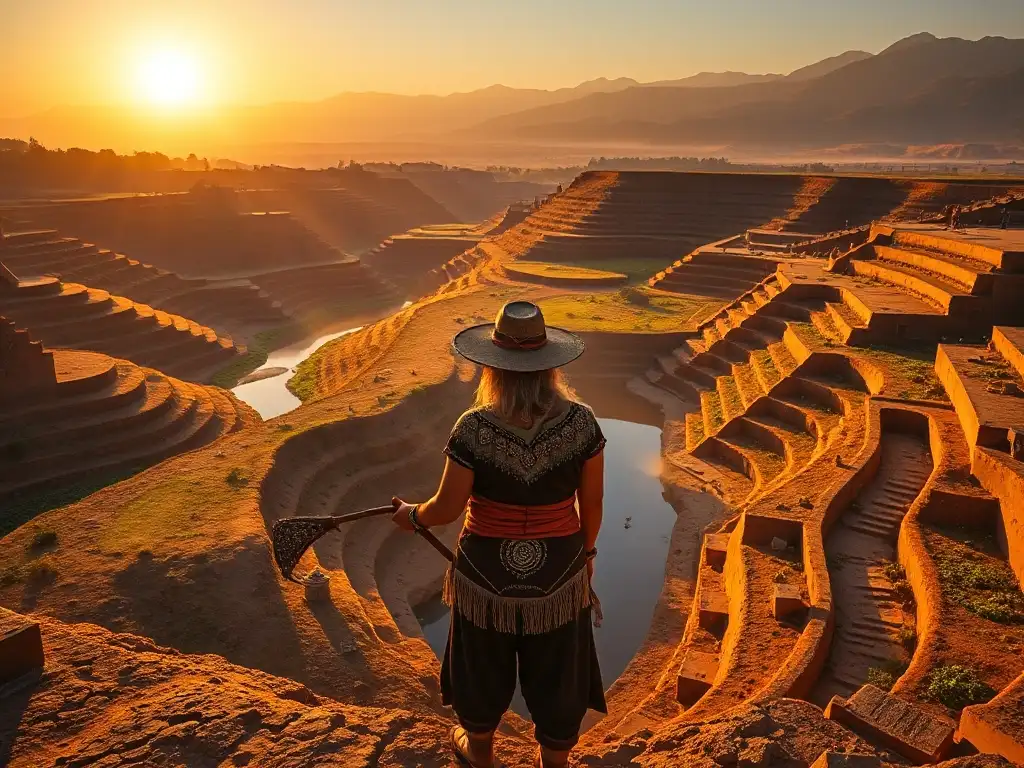
The Moche civilization, flourishing along the arid northern coast of Peru from approximately 100 to 800 CE, achieved remarkable agricultural success despite the challenging environmental conditions. Their mastery of water management and innovative farming techniques allowed them to cultivate a diverse range of crops, supporting a large and complex society. Understanding their agricultural practices provides valuable insights into their ingenuity and resourcefulness, showcasing sustainable practices that are relevant even today.
The effective implementation of Moche irrigation systems was central to their success, transforming a seemingly inhospitable landscape into a productive agricultural region. Their achievements in this area highlight the importance of integrated resource management and its impact on societal development.
Moche Farming Techniques
Moche farmers employed a variety of sophisticated techniques to maximize crop yields in their harsh environment. These techniques went beyond simple irrigation; they involved a deep understanding of local ecosystems and meticulous planning. They utilized canals, ditches, and reservoirs to channel water from rivers and streams to their fields, often constructing extensive networks that spanned considerable distances.
Evidence suggests they also implemented sophisticated water-harvesting techniques, collecting rainfall and fog through carefully designed structures. These techniques were not static; they adapted to the varying microclimates and soil conditions across the different valleys, demonstrating a remarkable level of adaptability. Careful observation of seasonal rainfall patterns and river flows played a crucial role in their agricultural planning.
The intricate network of canals and reservoirs, often integrated with terraces, required substantial community effort and organizational skills, reflecting a highly structured and cooperative society. Archaeological evidence reveals the use of tools such as digging sticks and plows, alongside specialized implements for planting and harvesting different crops.
Crop Diversification and Rotational Practices
The Moche diet was not limited to a single staple crop. Instead, they cultivated a diverse range of plants, ensuring food security and nutritional variety. Archaeobotanical studies have identified maize, beans, squash, cotton, and various fruits and vegetables amongst their crops. This diversification minimized the risk of crop failure due to pests, diseases, or adverse weather conditions.
Furthermore, evidence points towards the implementation of crop rotation, a sustainable practice that helped maintain soil fertility and prevent soil depletion. By alternating crops with different nutrient requirements, the Moche avoided the negative consequences of monoculture farming. This meticulous approach to land management showcases their understanding of ecological principles and their commitment to long-term sustainability. The careful selection of crops also reflected their knowledge of the local environment and the specific needs of different plants.
Terracing and Land Modification for Farming
To maximize arable land in the steep, hilly terrain, the Moche extensively used terracing. Terraces transformed steep slopes into a series of level platforms, preventing soil erosion and creating more usable land for cultivation. These terraces were not simply cut into hillsides; they were carefully constructed using stone retaining walls, often meticulously designed to optimize water retention and minimize runoff.
Some terraces were integrated with irrigation channels, creating a highly efficient system for water distribution. The construction of these terraces required significant labor, but the resulting increase in arable land and the reduced risk of erosion made it a worthwhile investment. The scale and sophistication of the Moche terracing highlight their advanced engineering skills and their understanding of the importance of land conservation.
The enduring legacy of these terraces is a testament to the Moche's ability to modify their environment in a way that was both productive and sustainable. Analysis of these terraces reveals careful consideration of factors such as slope angle, soil type, and water availability, demonstrating a sophisticated understanding of land management principles.
Management of Marine Resources
The Moche civilization, flourishing along the arid northern coast of Peru from approximately 100-800 CE, demonstrated remarkable resource management strategies, particularly concerning their marine resources. Their success wasn't solely due to their sophisticated agricultural techniques (often highlighted in discussions of "Moche irrigation systems"), but also their understanding and sustainable exploitation of the ocean's bounty. This section will delve into their fishing techniques, harvesting practices, and the crucial role seafood played in their daily lives. Understanding their approach offers valuable insights into sustainable resource management, even in contemporary contexts.
Moche Fishing Techniques
Moche fishermen employed a variety of ingenious techniques to harvest marine life from the often-treacherous Pacific Ocean. Evidence from archaeological sites reveals the use of several fishing methods:
- Reed Boats (Caballitos de Totora): These small, lightweight boats, woven from totora reeds, were highly maneuverable and well-suited to navigating the coastal waters. Their design allowed for efficient fishing in shallow waters and near the shore. The durability and ease of repair of these boats ensured their continued use for generations.
- Fishing Nets: Intricate fishing nets, crafted from natural fibers like cotton or agave, were used to capture various species of fish. The complexity and size of some nets recovered from Moche sites suggest a level of organization and communal effort in fishing activities. Different net types were likely employed depending on the targeted fish.
- Hooks and Lines: Simple yet effective hooks and lines, often made from bone or shell, were also used for fishing. This method allowed for targeted fishing of larger species. The use of these individual tools suggests a more personalized approach to fishing, potentially supplementing larger communal efforts.
- Traps and Weirs: Archaeological findings suggest the use of traps and weirs, especially in estuaries and river mouths. These structures would have channeled fish into designated areas, facilitating easier capture. This highlights a more passive, yet effective, approach to fishing.
The effectiveness of these techniques is evident in the abundance of fish remains found in Moche settlements. The diversity of fishing methods suggests an adaptable approach to harvesting fish, ensuring resilience in the face of fluctuating marine populations.
Sustainable Harvesting Practices
While the Moche relied heavily on the ocean for sustenance, evidence points towards a degree of sustainable harvesting practices. While precise quantification of their fishing intensity is difficult, several factors suggest a conscious effort to avoid overexploitation:
- Seasonal Fishing: The Moche likely employed seasonal fishing, targeting different species at different times of the year. This would have minimized pressure on any single population. Further research is needed to precisely determine the seasonal variations in their fishing practices.
- Targeted Fishing: The variety of fishing techniques suggests a targeted approach, focusing on specific species rather than indiscriminate harvesting. This allowed for the preservation of the overall marine ecosystem.
- Respect for the Ocean: While not directly evidenced, the prevalence of marine motifs in Moche art suggests a possible spiritual connection to the ocean, potentially influencing their fishing practices and promoting respect for its resources. Further anthropological studies could explore this possibility.
The absence of widespread evidence of overfishing in Moche sites suggests that their practices, while not explicitly documented, were generally sustainable for the time period and population density. This contrasts with some later civilizations that experienced significant depletion of marine resources.
The Significance of Seafood in the Moche Diet
Seafood formed a cornerstone of the Moche diet. Archaeological excavations of Moche middens (refuse heaps) consistently reveal large quantities of fish bones, shellfish, and other marine life. This underscores the crucial role of the ocean in providing protein and essential nutrients to the population.
| Food Source | Abundance in Moche Sites | Nutritional Significance |
|---|---|---|
| Fish | High | Excellent source of protein and omega-3 fatty acids |
| Shellfish (e.g., mussels, clams) | High | Rich in protein, vitamins, and minerals |
| Marine Mammals (e.g., seals) | Moderate | Significant source of protein and fat, though likely less frequent |
The diversity of seafood consumed indicates a varied and balanced diet, reducing reliance on any single marine species and promoting dietary resilience. This dietary diversity, combined with their sustainable fishing practices, contributed to the overall health and well-being of the Moche population. The abundance of seafood also played a vital role in supporting the growth and prosperity of their civilization.
Moche Resource Procurement: Beyond Agriculture
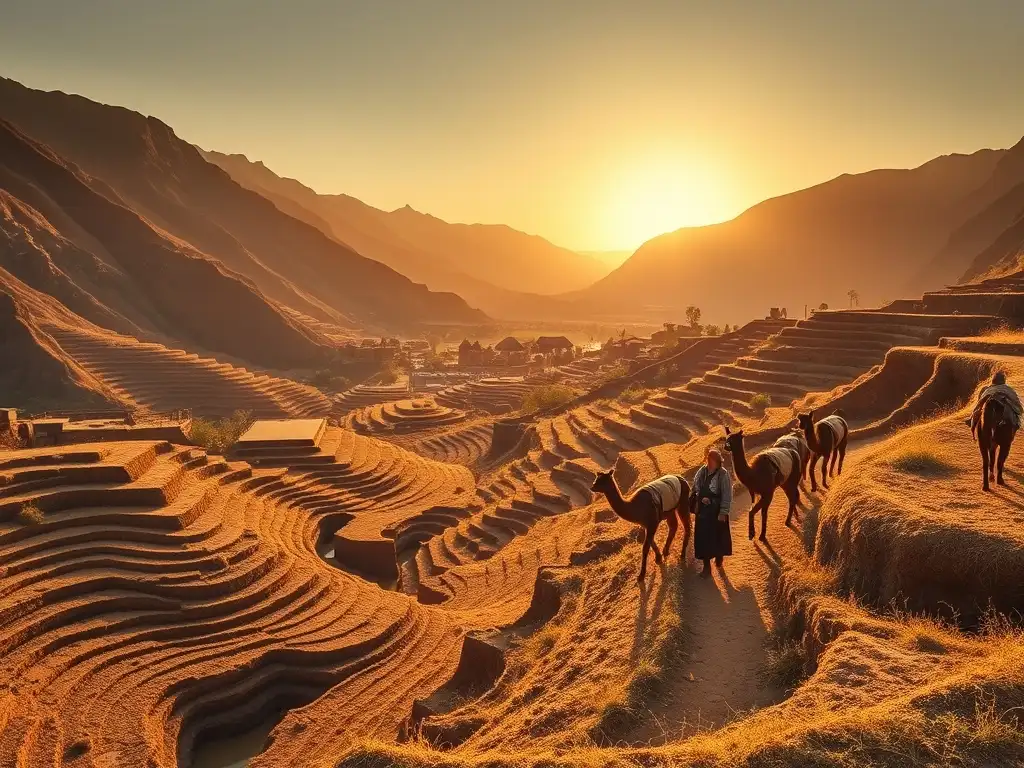
The Moche civilization, renowned for its sophisticated artistry and complex social structures, also demonstrated remarkable ingenuity in resource management. While their agricultural achievements, particularly their impressive irrigation systems, are well-documented, a complete understanding of Moche sustainability requires examining their procurement strategies beyond the cultivated fields. Their success hinged on a diversified approach, skillfully integrating diverse resources to support their population and elaborate societal needs. This section delves into the multifaceted nature of Moche resource procurement, highlighting their adeptness in exploiting mineral resources, managing forest products, and efficiently utilizing animal resources.
Exploitation of Mineral Resources
The Moche weren't solely focused on agriculture; access to mineral resources played a crucial role in their economic and societal development. Evidence suggests extensive mining operations, primarily for obtaining metals like copper, gold, and silver. These metals were not merely used for ornamentation – a hallmark of Moche artistry – but also for tools, weapons, and ceremonial objects.
The scale of these operations is still being uncovered, but archaeological findings reveal sophisticated techniques. For instance, the precise casting of metal artifacts indicates a high level of metallurgical skill, suggesting specialized labor and organized extraction processes. The location of mines relative to Moche settlements also suggests careful planning and possibly the development of infrastructure for transport of these valuable materials.
Further research is needed to fully quantify the extent of Moche mining and its impact on the environment, but preliminary findings point to a level of resource extraction far surpassing simple subsistence needs. This demonstrates a sophisticated understanding of geology and resource management, integral to the Moche's overall economic success.
Forest Management and Wood Usage
The Moche civilization, situated in a coastal desert environment, faced significant challenges in accessing sufficient timber resources. While not abundant, the availability of wood from nearby valleys and possibly through trade networks was essential for various purposes. Archaeological evidence suggests careful management of available wood resources.
The limited size of excavated structures and the prevalent use of adobe bricks instead of extensive timber construction indicate a conscious effort to conserve wood. Wood was primarily used for specialized purposes, such as crafting tools, creating ceremonial objects, and constructing certain parts of elite structures. The types of wood used, as determined by analysis of surviving artifacts, can offer insights into the extent of the Moche's trade networks and their understanding of the properties of different wood types.
This resource-conscious approach to wood usage reflects a nuanced understanding of environmental limitations and the importance of sustainable practices. Further research into pollen analysis and the study of ancient wood remains will help clarify the extent and nature of Moche forest management.
Animal Husbandry and Resource Utilization
Animal husbandry was another key component of Moche resource management. While evidence suggests the presence of domesticated camelids (llamas and alpacas), their role in the Moche economy was likely multifaceted. These animals provided wool for textiles, meat for food, and possibly served as pack animals for transporting goods.
Coastal resources, including fish and shellfish, also played a significant role in the Moche diet, as evidenced by extensive middens and fish remains found in archaeological sites. The Moche likely developed fishing techniques suited to the coastal environment, ensuring a reliable supply of protein. Furthermore, the presence of various bird species in Moche iconography suggests that birds and their eggs may have also been a dietary source.
The integration of these various animal resources into the Moche economy demonstrates a sophisticated understanding of biodiversity and the sustainable exploitation of available fauna. Further research into isotopic analysis of bone remains could provide more detailed insights into the Moche diet and the relative importance of different animal resources. The complexity of Moche animal resource management underscores the integrated and holistic nature of their approach to sustainability.
Evidence of Sustainable Practices
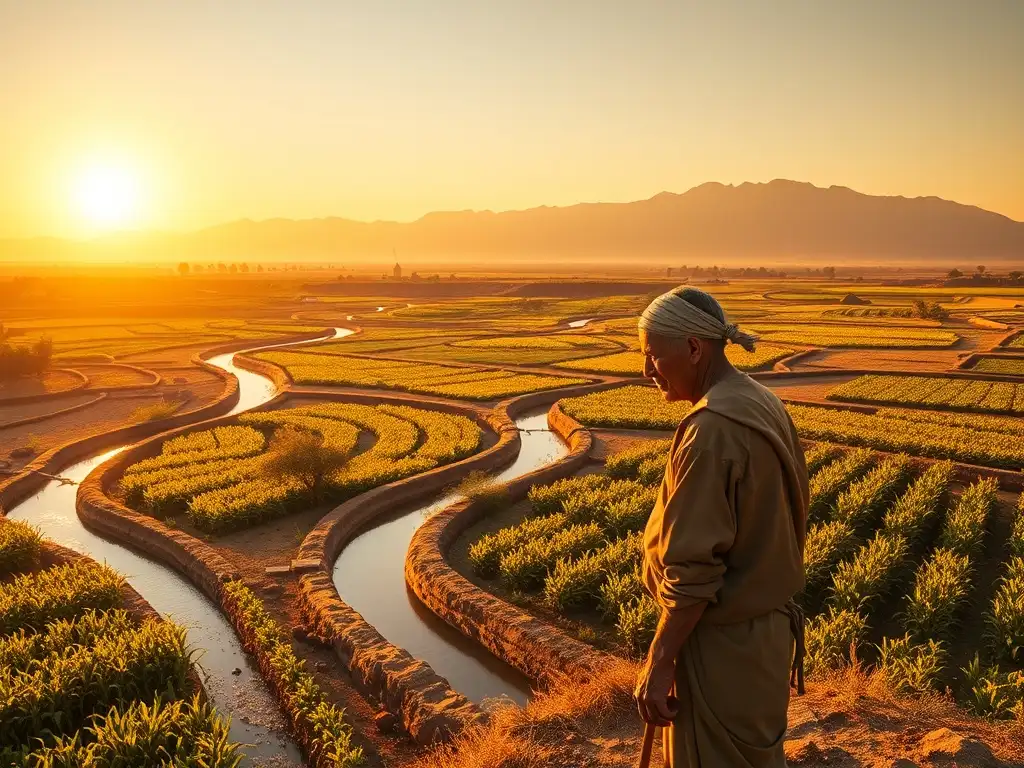
The Moche civilization, flourishing along the arid northern coast of Peru from approximately 100 to 800 CE, demonstrated remarkable ingenuity in managing scarce resources. Their success wasn't merely a matter of luck; it stemmed from a sophisticated understanding of their environment and the implementation of sustainable practices, particularly in water management. Understanding their approach offers valuable insights into effective resource management strategies, even in modern contexts facing similar challenges. This section will delve into the archaeological and environmental evidence supporting the claim of Moche sustainability, focusing particularly on their innovative Moche irrigation systems.
Archaeological Findings and Environmental Data
Archaeological excavations across the Moche heartland reveal a complex network of canals, reservoirs, and aqueducts, meticulously designed to capture and distribute water from rivers and streams. These Moche irrigation systems were not haphazard; they were carefully planned and engineered to optimize water use in a hyper-arid environment. Analysis of sediment cores from these canals reveals evidence of long-term use and maintenance, suggesting a commitment to the systems' longevity.
Furthermore, isotopic analysis of plant remains from Moche sites indicates that agriculture relied heavily on these irrigation networks, demonstrating their crucial role in supporting the population. The scale of these projects is impressive, showcasing the Moche's organizational capabilities and their dedication to sustainable resource management. For example, the extensive canal systems near the Chicama Valley testify to the Moche’s ability to harness water resources over considerable distances, ensuring agricultural productivity even in areas furthest from water sources.
This required significant labor and coordination, suggesting a highly structured society with a clear understanding of the importance of water conservation. Further research into pollen and sediment samples from the region could provide even more detailed information about the types of crops cultivated and the overall impact of Moche irrigation on the environment.
Beyond the grand infrastructure of Moche irrigation systems, smaller artifacts also shed light on their resource management strategies. Pottery depicting agricultural scenes, tools used for farming and irrigation, and even depictions of water deities in their art all point to a deep cultural connection to water and agriculture. The intricate detail in these artifacts suggests a profound understanding of the environment and the importance of sustainable practices.
For instance, the discovery of specialized tools for canal maintenance, such as small shovels and trowels, indicates a dedicated workforce responsible for the ongoing upkeep of their irrigation networks. This commitment to maintenance is a key element of sustainable resource management, ensuring the long-term viability of their agricultural systems.
Analysis of these artifacts, combined with ethnoarchaeological studies of contemporary Andean agricultural practices, can provide a more holistic understanding of Moche resource management techniques. Further investigation is needed to fully analyze the symbolic representations found in Moche art, which may provide deeper insights into their worldview and its impact on their resource management philosophy.
The Long-Term Impact of Moche Practices
While the Moche civilization ultimately declined, the lasting impact of their Moche irrigation systems and sustainable practices is undeniable. The ingenuity of their water management techniques is evident in the long-term productivity of the land, even after the Moche civilization had vanished. Some of their irrigation infrastructure remained in use for centuries after their collapse, demonstrating the resilience and effectiveness of their designs.
The knowledge and techniques developed by the Moche likely influenced subsequent Andean cultures, shaping their own approaches to resource management. The legacy of Moche sustainability serves as a powerful reminder of the importance of long-term planning and responsible resource use, offering valuable lessons for contemporary societies grappling with issues of water scarcity and environmental degradation. A comparative study of Moche irrigation systems with modern water management techniques could reveal further insights into their effectiveness and applicability in modern contexts.
Understanding the long-term ecological consequences of Moche practices, both positive and negative, is crucial for a comprehensive assessment of their sustainability. Further research into the soil composition and biodiversity in areas impacted by Moche agriculture could provide a more complete picture of their environmental legacy.
Lessons from the Moche: Applying Ancient Wisdom Today
The Moche civilization, flourishing along the arid northern coast of Peru from approximately 100 to 800 CE, demonstrated remarkable ingenuity in managing scarce resources. Their success wasn't merely a matter of luck; it stemmed from a sophisticated understanding of their environment and the development of sustainable practices that allowed them to thrive in a challenging desert landscape. Understanding their approach to resource management, particularly their innovative Moche irrigation systems, offers valuable lessons for modern societies grappling with similar environmental constraints and the growing urgency of climate change adaptation.
Their achievements serve as a powerful testament to the enduring wisdom of integrating human needs with ecological realities. This section will explore the specific techniques employed by the Moche, analyzing their impact and potential relevance for contemporary sustainable development strategies.
Moche Resource Management in the Context of Climate Change
The Moche faced a volatile climate characterized by unpredictable rainfall and prolonged periods of drought. Their sophisticated understanding of hydrology and their ability to effectively manage water resources were crucial to their survival and prosperity. This is particularly relevant today, as climate change intensifies the frequency and severity of droughts globally. The Moche's methods, while developed centuries ago, offer valuable insights into adapting to a world facing increasing water scarcity.
They relied heavily on Moche irrigation systems, which involved complex networks of canals, reservoirs, and aqueducts to capture and distribute water from rivers and streams. These systems weren't just simple ditches; they were carefully engineered to optimize water flow, minimize evaporation, and ensure equitable distribution amongst agricultural communities. Their success highlights the importance of integrated water resource management – a holistic approach that considers both the ecological and social dimensions of water use.
The resilience of their systems, even in the face of climatic variability, underlines the need for robust infrastructure and adaptable strategies in the face of climate change. Further research into the specific design features of these systems could inform the development of more resilient and sustainable irrigation practices in contemporary arid and semi-arid regions. For example, a deeper understanding of their canal lining techniques could help reduce water loss through seepage, a major problem in many modern irrigation systems.
The Relevance of Moche Sustainable Practices for Modern Societies
The ingenuity of the Moche in managing their resources extends beyond water management. Their agricultural practices, including terracing and the cultivation of drought-resistant crops, demonstrate a deep understanding of ecological principles and a commitment to sustainability. These practices, combined with their efficient irrigation systems, enabled them to support a large and complex society in a challenging environment.
The Moche's success stands in stark contrast to many modern agricultural practices that often prioritize short-term gains over long-term sustainability, leading to soil degradation, water depletion, and environmental damage. The Moche’s approach underscores the importance of integrating ecological considerations into development planning. This holistic approach, considering the interconnectedness of different elements within an ecosystem, provides a valuable model for modern sustainable development.
Their emphasis on long-term sustainability, rather than short-term exploitation, offers a critical lesson for contemporary societies facing the challenges of resource depletion and environmental degradation. By adopting a more Moche-inspired approach, prioritizing careful resource management and ecological balance, modern societies can strive towards a more sustainable future. The lessons learned from studying the Moche's meticulous resource management strategies can be applied to a wide range of contemporary challenges, from urban planning to waste management.
The Case Study of the San Jose de Moro Irrigation System
The San Jose de Moro irrigation system serves as a compelling example of Moche engineering prowess. This system, located in the Chicama Valley, is particularly well-documented and provides valuable insights into the complexity and sophistication of Moche water management. The system involved a complex network of canals extending for kilometers, diverting water from the river to irrigate extensive agricultural fields. Evidence suggests that the Moche employed sophisticated techniques to manage water flow, including the use of check dams and spillways to regulate water levels and prevent flooding.
The longevity and effectiveness of the San Jose de Moro system underscore the Moche's understanding of hydraulic engineering principles. Detailed analysis of the system’s design and construction techniques could reveal valuable information about their engineering expertise and provide insights for improving the efficiency and resilience of modern irrigation systems. The meticulous planning and construction of these systems, often involving substantial labor inputs, highlight the importance of community involvement and collaborative resource management.
Studying the social structures and organizational mechanisms that facilitated the construction and maintenance of these systems could offer valuable lessons for contemporary community-based resource management initiatives. The San Jose de Moro system serves as a powerful reminder of the potential for human ingenuity to overcome environmental challenges and create sustainable societies, even in the face of adversity. Further research into the San Jose de Moro system, including detailed archaeological surveys and hydrological modeling, could offer even more profound insights into Moche resource management and its implications for contemporary sustainability.
Conclusion: The Legacy of Moche Resourcefulness
The Moche civilization's sophisticated approach to resource management, particularly their mastery of irrigation systems, offers invaluable lessons for contemporary societies grappling with environmental challenges. Their ingenuity in harnessing scarce water resources, coupled with their agricultural innovations, allowed them to thrive in a challenging desert environment for centuries. This success wasn't simply a matter of luck; it was the result of careful planning, community cooperation, and a deep understanding of their environment. The intricate network of canals, reservoirs, and terraced fields wasn't just a feat of engineering; it represented a holistic approach to resource management that prioritized sustainability and resilience.
The Moche's legacy extends beyond their impressive infrastructure. Their understanding of water management principles, their ability to adapt to changing conditions, and their commitment to community-based solutions provide a powerful example for modern-day sustainable practices. In a world increasingly concerned with water scarcity, climate change, and the need for environmentally conscious development, studying the Moche's methods offers valuable insights and potential solutions.
Their story serves as a potent reminder that sustainable resource management isn't merely a modern concept; it's a principle that ancient civilizations understood and successfully implemented, leaving behind a legacy of ingenuity and environmental stewardship that continues to inspire and inform us today. Their achievements highlight the potential for human ingenuity to overcome environmental limitations and create thriving societies, even in the face of adversity.
The careful study and application of the Moche's approach to water management could be crucial in developing sustainable solutions for future generations, particularly in arid and semi-arid regions facing similar environmental constraints. Understanding their successes and failures provides a rich tapestry of knowledge from which we can learn and adapt, promoting a more sustainable future.
Frequently Asked Questions
How advanced were the Moche irrigation systems?
The Moche possessed incredibly sophisticated irrigation systems, far surpassing those of many contemporary civilizations. Their networks included canals, reservoirs, and aqueducts, showcasing remarkable engineering skills to manage water resources effectively.
What materials did the Moche use for their irrigation?
Moche irrigation systems utilized a variety of materials including carefully carved stone channels, earthen canals, and even reed pipes for smaller conduits. The choice of material depended on factors such as terrain and water flow.
How did Moche irrigation support their agriculture?
The extensive Moche irrigation networks allowed for the cultivation of crops in otherwise arid regions along the northern coast of Peru. This reliable water supply was crucial for supporting their large population and complex society.
What impact did Moche irrigation have on their society?
Successful water management through irrigation was fundamental to Moche societal stability. It allowed for food surpluses, supporting population growth, specialized labor, and the development of a complex social hierarchy.
Were the Moche irrigation systems sustainable?
While incredibly impressive, the long-term sustainability of some Moche irrigation projects is debated. Evidence suggests that overexploitation of resources in certain areas might have contributed to environmental challenges, highlighting the complex relationship between human activity and the environment.
Final Reflection: Echoes of the Moche: Lessons in Sustainable Water Management
The ingenious Moche irrigation systems, a testament to human ingenuity and adaptation, offer crucial lessons for our current struggle with water scarcity. Their sophisticated understanding of hydrology and their commitment to sustainable practices stand in stark contrast to many modern approaches, highlighting the urgent need for a paradigm shift in our relationship with this precious resource. The consequences of neglecting sustainable water management are becoming increasingly apparent globally, making the Moche example more relevant than ever.
The Moche's ability to thrive in a challenging desert environment, largely due to their innovative water management techniques, serves as a powerful reminder of the interconnectedness between human societies and their environment. Their success wasn't merely a matter of engineering prowess; it was a reflection of a deep understanding of their ecosystem and a commitment to long-term sustainability. The earth provides enough to satisfy every man's needs but not every man's greed.
– Mahatma Gandhi. This quote perfectly encapsulates the wisdom embedded within the Moche's approach, a wisdom we would do well to heed in our own time.
Consider the intricate network of canals, reservoirs, and aqueducts that the Moche constructed. Imagine the collective effort, the shared understanding, and the long-term vision that underpinned their creation. You too can contribute to a more sustainable future. By understanding the Moche's achievements and applying their principles of careful planning, resource conservation, and community collaboration, we can build more resilient and equitable water management systems for generations to come. Let the legacy of the Moche inspire you to act, to advocate, and to build a future where water is a source of life, not conflict.
**Embrace Sustainable Practices Inspired by the Moche! **
Thank you for exploring the sustainable resource management practices of the Moche civilization with us! You've discovered valuable insights into how this ancient community thrived in harmony with its environment. Now, let's apply their wisdom to create a more sustainable future, both individually and within our communities.
Here are some actionable steps to get you started:
- Cultivate a sustainable lifestyle: Start by evaluating your personal consumption habits and identifying areas where you can reduce waste. Even small changes can make a significant difference.
- Engage with your community: Connect with others who share your passion for environmental sustainability. Participate in local initiatives or consider forming a group to promote sustainable practices in your area.
- Spread the word: Share your newfound knowledge about the Moche's sustainable techniques with your friends, family, and online networks. Raising awareness is crucial for driving meaningful change.
How will you incorporate these ancient principles into your modern life? We'd love to hear your ideas!