
Moche Ceramic Technology: Innovations in Pottery Making

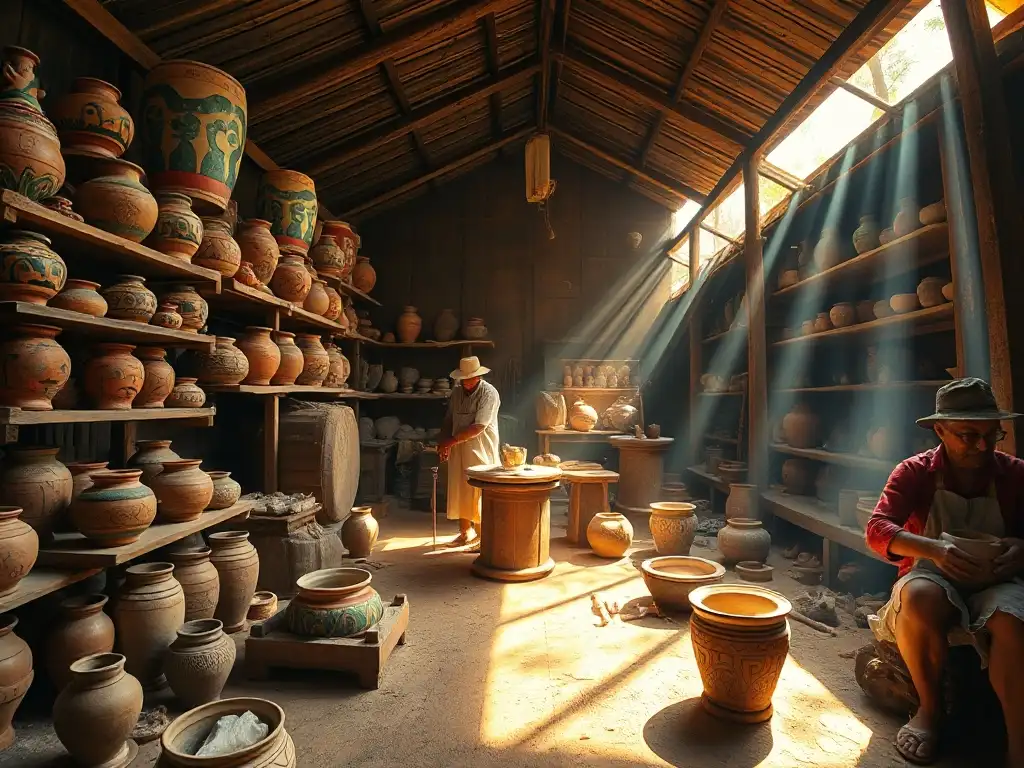
Dive into the mesmerizing world of the Andes! Prepare to be captivated by the ingenuity and artistry of ancient civilizations, from the towering heights of the Incas to the enigmatic Nazca lines. But first, let's unravel the secrets behind the astonishing craftsmanship of the Moche. Their mastery of Moche pottery making techniques remains a source of wonder to this day – discover the innovative processes that produced their breathtaking ceramics. Uncover the story behind these incredible works of art and prepare to be amazed.
The Moche civilization (circa 100-800 CE), flourishing along the northern coast of Peru, left behind a remarkable legacy: their intricate and vibrant pottery. More than mere vessels, Moche ceramics represent a sophisticated technological achievement and offer invaluable insights into their complex society, religious beliefs, and daily life. This article delves into the innovative pottery-making techniques employed by the Moche, exploring their mastery of materials, processes, and artistic expression.
Understanding their ceramic technology provides a deeper appreciation for the ingenuity and artistry of this remarkable ancient Andean culture, revealing how their pottery making techniques reflected their worldview and societal structure. We will explore the techniques used, the significance of the artwork, and how these artifacts contribute to our understanding of Moche "pottery making techniques".
Introduction to Moche Pottery
Moche pottery is renowned for its exceptional quality and stylistic diversity. Unlike many other ancient cultures, Moche potters didn't limit themselves to utilitarian vessels. Their creations ranged from simple bowls and jars used for everyday purposes to elaborate, intricately decorated portrait vessels depicting individuals, scenes of daily life, and powerful deities. The sheer scale of production, combined with the level of artistic skill involved, suggests a highly organized and specialized craft.
The process itself involved several key stages, beginning with the careful selection and preparation of clay. Moche potters utilized a variety of clays, often mixing different types to achieve the desired consistency and color. This meticulous attention to detail ensured the strength and durability of their finished products. They developed sophisticated techniques for shaping the clay, including the use of molds and hand-building methods.
The resulting vessels were then meticulously smoothed and polished before firing. The firing process itself was carefully controlled to ensure even heating and prevent cracking. Evidence suggests the use of different types of kilns, possibly reflecting regional variations in technique or access to resources.
The artistry of Moche pottery is equally impressive. Potters employed a wide range of decorative techniques, including modeling, painting, and incision. Their mastery of color is particularly noteworthy, with a vibrant palette of reds, yellows, blacks, and whites used to create stunning visual effects.
The intricate details and realistic portrayals found in their works demonstrate a high level of skill and artistic talent. The themes depicted in Moche pottery provide valuable insights into their culture and beliefs, showcasing scenes of warfare, ritual ceremonies, and everyday life. The realism of the portrayals, including the depiction of facial expressions and bodily features, suggests a deep understanding of human anatomy and a keen eye for detail.
Moche Pottery: A Window into Ancient Andean Life
The detailed imagery on Moche pottery offers a unique window into the lives of this ancient civilization. Portrait vessels, for example, often depict individuals with distinct features, clothing, and adornments, providing clues to social status and hierarchy. Scenes of daily life, such as fishing, agriculture, and warfare, offer insights into their economy and social organization. Religious themes are also prominent, with depictions of deities, mythical creatures, and ritual ceremonies reflecting their spiritual beliefs and practices.
The prevalence of certain motifs and iconographic elements suggests a complex system of symbolism and meaning, further enriching our understanding of their culture. For example, the frequent depiction of fertility symbols highlights the importance of agriculture in their society. Similarly, representations of warfare reveal aspects of their social structure and inter-group relations.
Analyzing the different types of vessels found in Moche contexts also provides information about their daily activities. The size and shape of vessels suggest their intended uses: large jars for storage, smaller bowls for food preparation, and intricately decorated vessels for ceremonial purposes.
The distribution of pottery across different sites and social contexts can also help us understand patterns of trade, exchange, and social interaction within the Moche society. The study of Moche "pottery making techniques" is therefore crucial not only for understanding their technological prowess but also for reconstructing their social, economic, and religious lives.
Further research, including chemical analysis of the clays and pigments used, and detailed studies of kiln structures, promises to reveal even more about the remarkable achievements of Moche potters and the rich cultural context in which they worked. The legacy of their artistry continues to fascinate and inspire, offering a compelling glimpse into a lost world.
- What materials did the Moche use for their pottery?
- How did the Moche create such intricate designs on their pottery?
- What were some innovative aspects of Moche pottery making techniques?
- What types of kilns did the Moche use to fire their pottery?
- What is the significance of Moche pottery in understanding their culture?
The Technical Aspects of Moche Ceramic Production
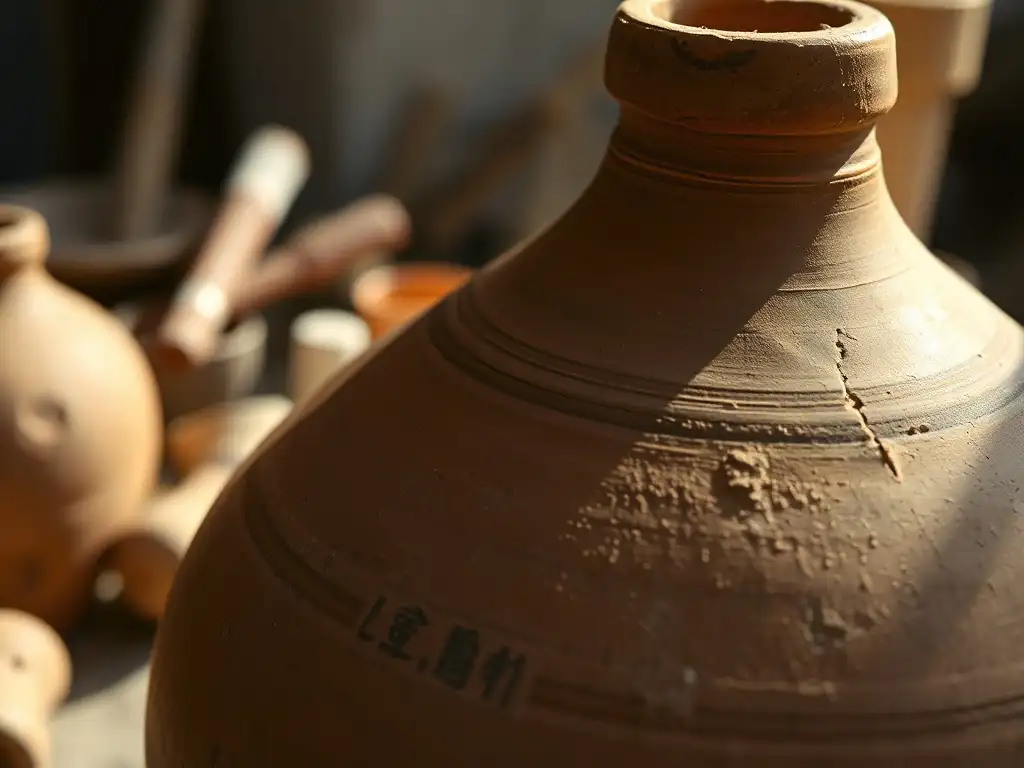
The Moche civilization (c. 100-800 CE) is renowned for its sophisticated ceramic artistry. Understanding their achievements requires examining the technical aspects of their pottery production, from clay acquisition to the firing process. The Moche's mastery of ceramic technology allowed them to create not only aesthetically stunning pieces but also functional vessels crucial to their daily lives and religious practices.
This section delves into the specific techniques employed, revealing the ingenuity and skill of the Moche artisans. The sheer volume and variety of Moche pottery unearthed indicates a well-organized and highly skilled production system, reflecting the importance of ceramics within their society. The detailed study of their pottery making techniques reveals a sophisticated understanding of materials science and manufacturing processes.
Clay Sourcing in the Moche Valley
The Moche potters relied heavily on the abundant clay resources available within the Moche Valley. Geological surveys reveal several clay deposits along the valley's rivers and coastal plains. The specific clay type used varied depending on the desired properties of the final product. For example, finer clays were selected for intricate, highly detailed work, while coarser clays might have been used for larger, less-decorated vessels.
The quality of the clay significantly impacted the final product’s strength, color, and ability to withstand the high temperatures of the firing process. Potters likely had a deep understanding of the different clay sources and their properties, selecting materials carefully based on the intended purpose of the vessel. Evidence suggests that clay preparation involved meticulous cleaning, sieving, and perhaps the addition of tempering materials, such as crushed rock or shell, to improve the clay’s workability and reduce shrinkage during firing. This careful selection and preparation were essential to the consistent quality of Moche pottery.
Further research is needed to pinpoint the exact locations of the principal clay sources used by Moche artisans. [Specific locations of clay sources pending]. The selection process itself represents a key element of their mastery of Moche pottery making techniques.
Moche Pottery Making Techniques: Coiling and Mold Use
Moche potters employed a combination of techniques to shape their vessels, primarily coiling and mold-making. The coiling method involved rolling out long, thin ropes of clay and carefully joining them together in a spiral fashion, building up the vessel layer by layer. This allowed for the creation of vessels of varying sizes and shapes. The skill lay in the precise control of the coil thickness and the evenness of the joining process, ensuring a seamless, strong final product. Intricate details and surface decorations were often added after the basic form was established.
The use of molds, however, represents a significant technological advancement. Molds allowed for the mass production of standardized forms, particularly for simpler vessels. These molds were often made from clay itself, creating a negative impression of the desired shape. Clay was pressed into the mold, and once dried sufficiently, the mold was removed, leaving a vessel ready for further refinement and decoration.
While coiling allowed for greater artistic freedom and customization, molds provided efficiency and consistency, critical for producing the vast quantities of pottery associated with the Moche culture. The combination of these techniques showcases the adaptability and resourcefulness of the Moche potters, demonstrating a flexible approach to production based on the needs of the specific project. The interplay between these techniques is a crucial aspect of understanding Moche pottery making techniques.
The Role of Molds in Mass Production of Moche Pottery
The use of molds in Moche pottery production wasn't merely a matter of convenience; it was a key element in facilitating mass production. The standardization achieved through molds allowed for efficient organization of labor and the creation of large quantities of pottery in a relatively short amount of time. This is evidenced by the sheer volume of Moche pottery discovered at various sites.
The molds themselves were not necessarily simple; some examples show evidence of multi-part molds used to create complex, three-dimensional forms. The development of these sophisticated mold-making techniques demonstrates a significant level of technological and organizational sophistication within Moche society. The ability to mass-produce pottery was crucial for fulfilling the demands of a growing population and satisfying the needs of religious and ceremonial practices.
The use of molds, therefore, wasn't just a technological innovation; it was a social and economic one, impacting the organization of labor and the distribution of resources within the Moche civilization. Furthermore, the consistent forms enabled by molds allowed for easier transportation and storage of large quantities of vessels. This aspect highlights the importance of considering the entire production chain, from clay sourcing to final distribution, when evaluating the significance of Moche pottery making techniques.
Open-Air Firing Techniques in Moche Ceramic Production
The Moche people, renowned for their intricate and vibrant pottery, employed sophisticated open-air firing techniques to achieve the remarkable quality and durability of their ceramics. Unlike later techniques involving enclosed kilns, the Moche utilized methods that leveraged natural resources and atmospheric conditions. Archaeological evidence suggests a meticulous process, beginning with the careful selection of a suitable firing location.
These sites were often chosen for their proximity to readily available fuel sources like wood and brush, as well as their exposure to consistent and controllable winds. The wind played a crucial role in regulating the temperature and airflow within the firing area, ensuring even heat distribution across the pottery pieces.
The arrangement of the pottery within the firing area was equally important. Potters likely employed various strategies, such as creating tiered structures or using supporting materials like stones and sand, to prevent the pieces from collapsing or sticking together during the firing process. The precise arrangement would have depended on the size and shape of the vessels being fired, reflecting a deep understanding of heat transfer and thermal dynamics. Evidence suggests that the Moche potters carefully monitored the firing process, adjusting the fuel supply and airflow as needed to maintain a consistent temperature throughout.
This level of control allowed them to achieve a high degree of firing consistency, minimizing variations in color, texture, and durability across their ceramic output. The skill involved in this open-air firing method was undoubtedly passed down through generations, contributing significantly to the consistent high quality of Moche pottery. The mastery of these techniques allowed the Moche to produce ceramics that were not only aesthetically pleasing but also incredibly functional and durable, capable of withstanding the rigors of daily use for extended periods.
This understanding of open-air firing is a testament to the ingenuity and advanced technological capabilities of the Moche civilization. Further research into the specific locations of these firing sites and the arrangement of pottery within them would provide even greater insight into these remarkable techniques. The careful observation of surviving pottery pieces also helps to illuminate the subtleties of their firing processes, revealing the remarkable skill and precision of the Moche artisans.
Moche Ceramic Decoration and Iconography
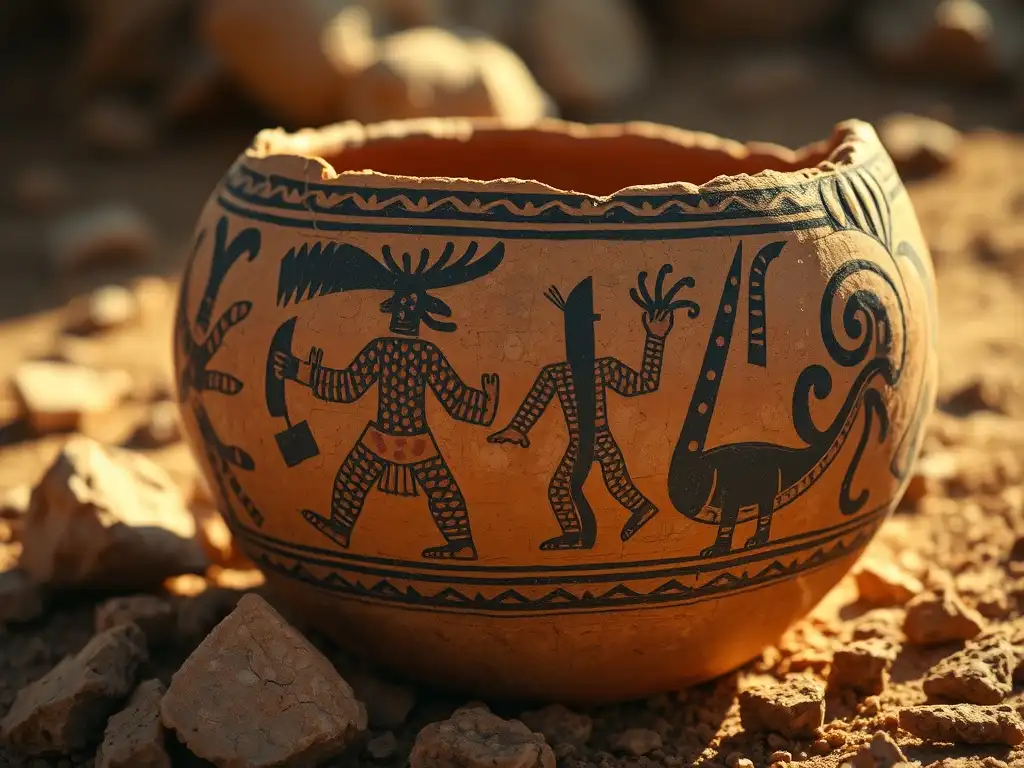
The Moche people were masters of ceramic artistry, renowned not only for their sophisticated pottery-making techniques but also for the intricate and evocative decoration adorning their vessels. Moche pottery transcends mere utility; it's a vibrant tapestry weaving together narrative, ritual, and belief systems. The decoration, often employing a combination of techniques, provides invaluable insights into their daily life, religious practices, and social structures.
Understanding Moche ceramic decoration is crucial to deciphering their complex worldview. The vibrant colors, detailed imagery, and symbolic representations contribute to the enduring fascination with Moche pottery. This section will delve into specific aspects of Moche decoration, focusing on the materials and their symbolic meaning.
Use of Hematite Slip in Moche Pottery Decoration
Hematite, an iron oxide mineral, played a crucial role in Moche pottery decoration. Its application as a slip – a liquid suspension of clay – allowed the artisans to achieve a range of rich, reddish-brown hues. The intensity of the color varied depending on the concentration of hematite in the slip and the firing process.
Moche potters were skilled in controlling the application of hematite slip, creating subtle gradations and intricate patterns. This wasn't simply a matter of aesthetics; the color itself likely held symbolic significance. Red, in many Andean cultures, is associated with blood, power, and fertility – all themes frequently depicted in Moche iconography.
For instance, many Moche vessels featuring depictions of warfare or ritual sacrifice utilize hematite slip extensively, possibly linking the color to the violence and power dynamics portrayed. Further research is needed to fully understand the nuanced use of hematite slip in different contexts, but its prevalence and careful application suggest a deliberate and meaningful choice by the Moche artisans.
The precise techniques employed in applying and firing the hematite slip are still being researched, but evidence suggests a high degree of control and mastery over the process. Analysis of surviving pottery shards reveals the consistency and quality of the Moche's mastery of this technique across different time periods and regions.
Moche Ceramic Art: Depictions of Warfare and Rituals
Moche pottery provides a compelling visual record of warfare and ritual practices. Scenes depicting battles, often featuring detailed depictions of weaponry, costumes, and human sacrifice, are common. These scenes are not simply depictions of violence; they are likely representations of specific events or beliefs concerning power, social hierarchy, and the relationship between the living and the supernatural. The level of detail in these depictions is remarkable, showcasing the artisans' skill in capturing human anatomy and movement. The warriors are often depicted with elaborate headdresses and adornments, reflecting their social status and military prowess.
The portrayal of human sacrifice is particularly striking. While the exact reasons for these practices remain a subject of ongoing scholarly debate, the ceramic representations provide invaluable clues. The victims are frequently depicted in specific postures and with certain symbolic elements, suggesting ritualistic significance.
These scenes, often accompanied by other symbolic imagery, offer a unique window into the Moche worldview and religious beliefs. The combination of detailed human figures with stylized representations of supernatural beings further emphasizes the importance of these rituals within the Moche society. Analyzing the frequency and context of these depictions helps researchers understand the role of warfare and sacrifice in shaping Moche social structures and religious practices.
The Meaning Behind Moche Deity and Animal Representations
Beyond warfare and ritual, Moche pottery extensively features depictions of deities and animals. These representations are not arbitrary; they are carefully crafted symbols loaded with meaning. The identification of specific deities is challenging due to the lack of written records, but recurring motifs and iconographic elements provide clues. Certain anthropomorphic figures, often adorned with elaborate headdresses and jewelry, are frequently interpreted as representations of powerful deities or ancestors. These figures often hold symbolic objects, such as staffs or ceremonial vessels, further reinforcing their religious significance.
Animals, such as felines, birds of prey, and snakes, also frequently appear. These creatures often hold symbolic importance in Andean cultures, and their representation in Moche pottery likely reflects similar beliefs. The specific meaning associated with each animal may have varied depending on the context and the surrounding imagery.
For example, a feline might represent power and prowess in a scene depicting warfare, while it might symbolize fertility or a connection to the underworld in a different context. Understanding the symbolism of Moche animal representations requires careful analysis of their stylistic features, their association with other symbolic elements, and their context within the broader narrative of the vessel.
The intricate details and the consistent use of specific motifs demonstrate the importance of these representations in the Moche belief system. Further research, including comparative studies with other Andean cultures, is needed to fully elucidate the rich symbolism embedded in Moche ceramic art.
Evolution and Regional Variations in Moche Ceramics
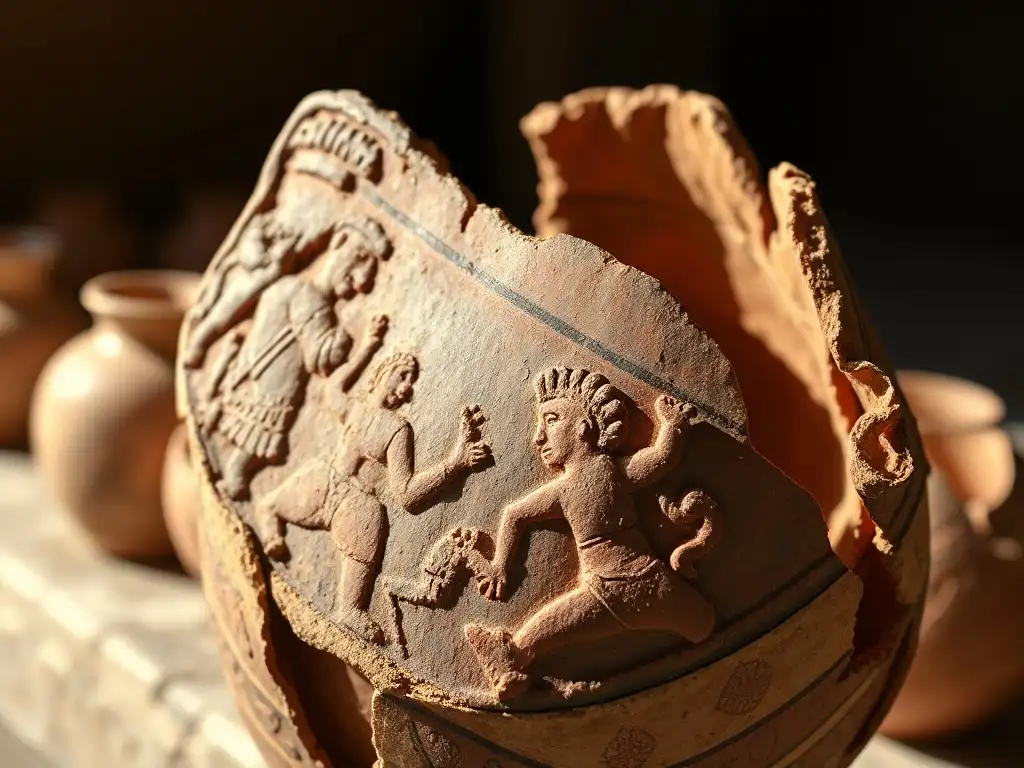
The Moche civilization (c. 100-800 CE) is renowned for its sophisticated ceramic technology, a testament to their artistic skill and technological prowess. Understanding the evolution of Moche pottery making techniques reveals much about their societal structures, artistic development, and interaction with their environment. Analyzing the changes in styles and techniques across different periods and regions allows us to appreciate the nuanced complexity of their ceramic production.
This section will explore the key developments and variations in Moche pottery, focusing on the evolution of styles and their geographical distribution. The mastery of Moche pottery making techniques is evident in the intricate details and innovative designs found across their ceramic repertoire, solidifying their place as masters of ancient Andean pottery.
Early Moche Pottery: Emphasis on Stirrup Spouts
Early Moche pottery (Moche I, c. 100-200 CE) is characterized by the prominent use of stirrup spouts. These distinctive spouts, shaped like a stirrup, are a defining feature of Moche ceramics. Their functionality remains a subject of ongoing discussion; some suggest they were used for ceremonial libations, while others propose a practical function related to drinking.
Regardless of their primary purpose, the stirrup spout became a powerful symbol, intricately decorated with scenes depicting daily life, mythical creatures, and elite figures. Early Moche potters demonstrated a remarkable skill in creating these complex forms, exhibiting precision and control in their shaping and firing techniques. The early development of the stirrup spout technology provided a base for more advanced techniques in later periods.
Analysis of early Moche pottery shards reveals a preference for using local clays and slips, suggesting a strong connection to the immediate environment. The consistent use of red and buff colors, often adorned with simple black-on-red designs, underscores the stylistic unity during this period.
Late Moche Pottery: Increased Use of Molded Forms
By the Late Moche period (Moche V, c. 500-800 CE), Moche pottery making techniques had evolved significantly. The use of molds became increasingly prevalent, enabling mass production of certain forms and designs. This development doesn't diminish the artistry; rather, it suggests a sophisticated understanding of industrial-scale production.
While stirrup spouts remained a common feature, the later Moche potters also experimented with new vessel shapes and decorative motifs. The increased complexity in designs, often featuring intricate polychromy and three-dimensional modeling, showcases a heightened level of skill and artistic sophistication. Examples include large, ornate vessels depicting elaborate scenes of warfare, religious rituals, and daily activities.
The use of molds allowed for greater consistency and detail in these complex designs, allowing for mass production of high quality pieces. This period also saw an increase in the use of different clays and pigments, resulting in a wider range of colors and textures. The shift towards molded forms in Late Moche pottery production represents a significant technological advancement, reflecting a growing complexity in Moche society and its artistic practices.
Regional Styles in Moche Pottery: Coastal and Inland Variations
Despite the overall stylistic coherence of Moche pottery, regional variations exist, reflecting the diverse environments and possibly different artistic traditions within the Moche realm. Coastal Moche pottery often displays a preference for certain motifs related to marine life and fishing, reflecting the importance of the sea in their economy and daily life. Inland Moche pottery, on the other hand, may feature more agricultural themes, reflecting the agricultural practices prevalent in the interior valleys.
The availability of different clay sources also impacted the color and texture of the pottery. For example, coastal areas may have provided access to different types of clay, leading to variations in the overall appearance of the finished product. While further research is needed to fully document these regional variations, preliminary analyses suggest that differences in clay sources, decorative styles, and the prevalence of certain motifs provide compelling evidence of regional variations within the broader Moche ceramic tradition.
A comparative study of clay composition from different Moche sites would provide more concrete data on these regional variations. This research would contribute to a more nuanced understanding of Moche ceramic production and its relationship to the environment and social organization. The study of these variations enhances our appreciation for the dynamic and adaptive nature of Moche pottery making techniques.
The Legacy of Moche Pottery Making
The Moche civilization (c. 100 – 800 CE), flourishing along the northern coast of Peru, left behind a remarkable legacy—its exquisite pottery. More than just vessels for everyday use, Moche ceramics represent a sophisticated technology reflecting artistic skill, social structures, and a deep understanding of materials science. The meticulous techniques employed in Moche pottery making, from the selection of clays to the intricate painting and firing processes, continue to fascinate archaeologists and inspire contemporary artisans.
Understanding these "Moche pottery making techniques" provides a crucial window into the worldview and societal complexities of this fascinating pre-Columbian culture. The enduring appeal of Moche pottery, evident in its continued study and appreciation, underscores its lasting significance. This section will delve into specific aspects of this legacy, exploring its social implications and its influence on subsequent ceramic traditions.
Moche pottery wasn't uniformly produced; variations in style, quality, and subject matter reveal a complex social hierarchy. Elaborately decorated vessels, often depicting scenes of warfare, ritual sacrifice, or elite figures, were likely reserved for the upper echelons of Moche society. These pieces, showcasing mastery of slip painting, modeling, and the use of diverse pigments, served as markers of status and power.
For example, the iconic portrait vessels, incredibly realistic depictions of individuals, are believed to represent rulers, priests, or other important members of the elite. These portraits, often with striking details like facial expressions and elaborate headdresses, are not merely artistic achievements but also significant sources of information about Moche social structures.
Conversely, simpler, undecorated vessels were likely used by the common population. The differences in craftsmanship and decorative elements clearly reflect a stratified society, with pottery acting as a tangible representation of social divisions. The careful study of these variations allows archaeologists to reconstruct aspects of the Moche social order, shedding light on the distribution of power and resources within the civilization.
Analysis of the clay types used, the firing techniques employed, and the distribution of pottery styles across different archaeological sites further strengthens the connection between pottery and social stratification. This detailed analysis, combined with other archaeological evidence, provides a comprehensive understanding of Moche social dynamics.
The Impact of Moche Pottery on Later Lambayeque Ceramics
The influence of Moche ceramic techniques extended beyond their own civilization. Later cultures, particularly the Lambayeque (900-1375 CE), drew inspiration from Moche artistic styles and technological innovations. While developing their own distinctive aesthetic, Lambayeque potters clearly built upon the foundations laid by their Moche predecessors. This is evident in the stylistic similarities between certain Lambayeque vessels and Moche prototypes, particularly in the use of stirrup-spout vessels and the depiction of mythological figures.
However, Lambayeque pottery also exhibits innovations, reflecting their own cultural context and artistic preferences. They refined existing techniques, incorporating new materials and developing unique decorative styles. The transition from Moche to Lambayeque ceramics reveals a fascinating process of cultural exchange and adaptation, showcasing the enduring influence of Moche artistry and technology on subsequent Andean societies.
This continuity, despite the chronological gap and stylistic variations, highlights the profound and lasting impact of Moche pottery on the development of ceramic traditions in northern Peru. Further research into the specific chemical composition of clays and pigments used in both Moche and Lambayeque pottery could reveal more precise connections and influences.
Archaeological Methods in Moche Pottery Analysis
Analyzing Moche pottery requires a multi-faceted approach involving diverse archaeological methods. The study begins with meticulous excavation, carefully documenting the context of discovery to understand the pottery's original location and potential associations with other artifacts. This contextual information is crucial for interpreting the pottery's function and significance within the broader Moche society.
Subsequently, detailed visual analysis examines the pottery's form, decoration, and stylistic elements. This includes identifying different types of vessels, analyzing the techniques used in their creation (e.g., modeling, molding, slip painting), and interpreting the iconography depicted. Technological analysis, using methods such as petrographic microscopy and X-ray fluorescence (XRF), helps determine the composition of the clay and pigments, providing insights into the sourcing of raw materials and the manufacturing processes.
This detailed analysis allows for the reconstruction of the Moche pottery production chain, from clay sourcing to finished product. Furthermore, the use of 3D scanning and digital modeling facilitates the creation of high-resolution images and virtual reconstructions of fragile or damaged vessels, enabling detailed study without risking further damage to the original artifacts. The integration of these various methods provides a comprehensive understanding of Moche pottery making techniques and their cultural significance.
Future Research: Chemical Analysis of Moche Ceramic Pigments
The vibrant colors and intricate designs of Moche pottery are a testament to their sophisticated understanding of pigments and their application techniques. However, much remains unknown about the precise chemical composition of these pigments and the methods used to produce them. Future research focusing on chemical analysis of Moche ceramic pigments holds the key to unlocking further secrets of their artistry and technological prowess.
This involves detailed analysis of pigment samples from various Moche sites and pottery pieces, utilizing advanced techniques such as X-ray fluorescence (XRF) spectroscopy, scanning electron microscopy (SEM), and energy-dispersive X-ray spectroscopy (EDS). These methods can identify the specific elements and compounds present in the pigments, revealing the sources of raw materials and the manufacturing processes employed.
By comparing the chemical compositions of pigments across different Moche periods and regions, researchers can trace the evolution of pigment technology and identify potential trade networks involved in the acquisition of raw materials. For example, the presence of specific minerals only found in distant regions could indicate long-distance trade routes established to obtain these crucial ingredients. This research could also shed light on the relationship between pigment composition and the durability of the colors over time.
Understanding the factors that contribute to the remarkable preservation of some Moche pigments, while others have faded, will be crucial for effective conservation efforts. Furthermore, comparing Moche pigment techniques with those of other contemporary Andean cultures can provide valuable insights into the technological exchange and cultural interactions that shaped the development of ceramic artistry in the region. This comparative approach will help contextualize Moche innovations within a broader Andean artistic landscape, highlighting both their unique contributions and the influences they received from other cultures.
The potential for groundbreaking discoveries through this detailed chemical analysis underscores the importance of continued research in this area. Unlocking the secrets held within these ancient pigments promises to significantly enhance our understanding of Moche society, their artistic practices, and their place within the wider context of Andean civilization.
Frequently Asked Questions
What materials did the Moche use for their pottery?
The Moche primarily used clay sourced locally, often incorporating sand and temper to improve the pottery's strength and workability. They also utilized various mineral pigments for decoration.
How did the Moche create such intricate designs on their pottery?
Moche artisans employed several techniques, including negative painting, slip, and incising. They were masters of modeling and sculpting three-dimensional forms, creating incredibly detailed and lifelike representations.
What were some innovative aspects of Moche pottery making techniques?
The Moche were pioneers in pre-Columbian ceramic technology, known for their mastery of mold-making, high-fired kilns, and advanced painting techniques. Their pottery's strength and durability were exceptional.
What types of kilns did the Moche use to fire their pottery?
The Moche utilized various kiln types, including updraft kilns, which allowed for efficient and consistent firing at high temperatures. This contributed significantly to the durability of their finished products.
What is the significance of Moche pottery in understanding their culture?
Moche pottery provides invaluable insights into their daily life, religious beliefs, and social structures. The intricate depictions on the vessels offer a rich visual record of their society and worldview.
Final Reflection: The Enduring Legacy of Moche Ceramic Mastery
The innovative pottery techniques of the Moche civilization continue to resonate today, not just as archaeological marvels, but as testaments to human ingenuity and artistic expression. Their mastery of slipware, modeling, and firing techniques produced ceramics of unparalleled beauty and sophistication, a legacy that continues to inspire artists and scientists alike. The precision and artistry displayed in these ancient artifacts remain a source of wonder and a powerful reminder of the advanced technological capabilities of pre-Columbian societies.
The Moche's dedication to their craft, evident in the sheer diversity and quality of their surviving pottery, profoundly impacted the cultural landscape of ancient Peru and continues to influence our understanding of pre-Columbian art and technology. Their work transcends mere functionality; it speaks to a deep-seated spiritual and social significance. The Moche potters were not simply artisans; they were storytellers, shaping clay into narratives that reveal the complexities of their world.
This statement highlights the powerful communicative aspect of their work, a legacy that continues to fascinate and inspire researchers and enthusiasts today.
Consider the intricate details, the vibrant colors, the sheer scale of some of the Moche's creations. You, the reader, are now equipped with a deeper understanding of their remarkable achievements. Reflect on the ingenuity and dedication required to master such complex techniques. Let the legacy of the Moche potters inspire you to appreciate the power of human creativity and the enduring beauty of handcrafted artistry. Embrace the spirit of innovation and strive for excellence in your own endeavors, remembering the lasting impact of those who came before.
Unveil the Magic of Moche Ceramics!
Thank you for exploring the fascinating world of Moche ceramic technology with us! We hope you've discovered the innovative techniques and artistry that make Moche pottery a remarkable part of history. Now, let's deepen your appreciation for this ancient culture.
Here are some ways to connect more meaningfully with these traditions:
- Explore Local Artisans: Visit a local pottery studio or artisan market to witness modern interpretations of ancient techniques. This could spark exciting new ideas for your own creative projects!
- Share Your Passion: Discuss Moche ceramics with friends or on social media. Let's celebrate this incredible heritage together!
- Join a Workshop: Enroll in a pottery-making workshop to experience the techniques used by Moche artisans firsthand. Feel the clay transform in your hands and forge a deeper connection with history.
What aspect of Moche ceramic technology has captivated you most, and how will you integrate it into your own artistic endeavors?