
Condor's Flight: Symbolism of the Sky and Spiritual Ascent in Andean Art

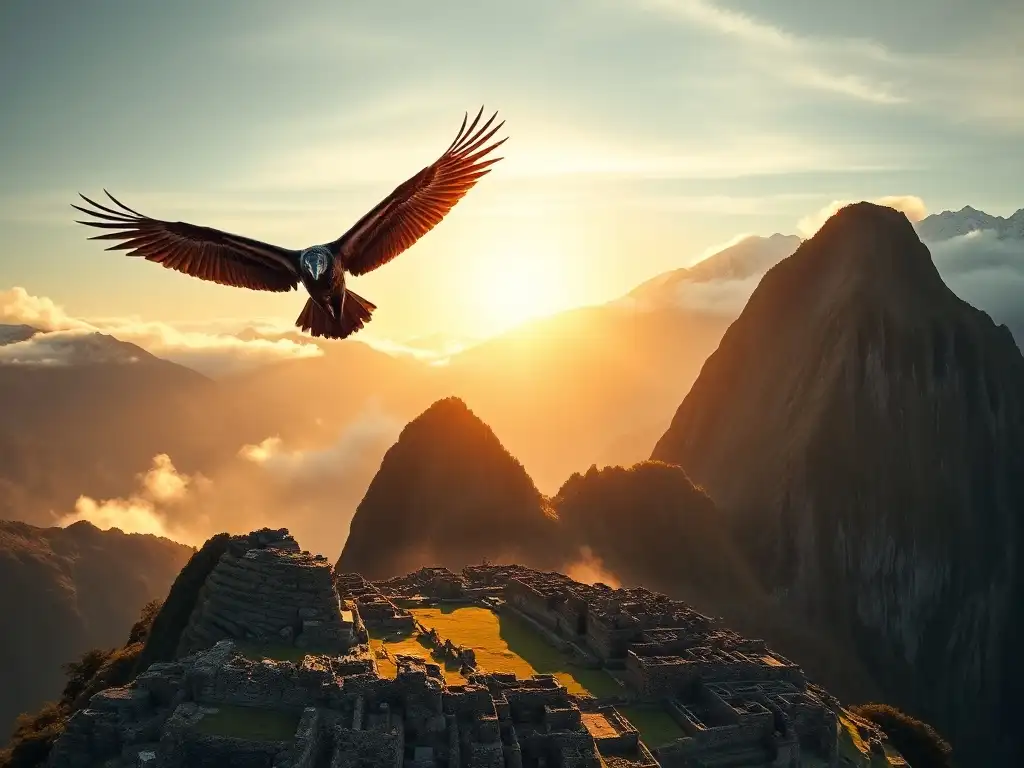
Unravel the mysteries of the Andes! Prepare to be captivated by the soaring artistry and profound symbolism of the ancient Andean world. Did you know the condor, a majestic creature of the sky, held a deeply significant role in Andean cultures? Journey with us to discover the hidden meanings behind Andean art symbolism, specifically the powerful imagery of the Condor, and unlock the secrets of its spiritual significance. Explore the breathtaking legacy of the Incas, Moche, Nazca, and Tiahuanaco, and embark on a fascinating exploration of "Condor's Flight: Symbolism of the Sky and Spiritual Ascent in Andean Art."
The majestic Andean condor, with its powerful wings and piercing gaze, holds a position of profound significance in the art and spiritual beliefs of numerous pre-Columbian Andean cultures. More than just a magnificent bird of prey, the condor served as a potent symbol of the sky, power, and the spiritual ascent of the soul. This article delves into the rich symbolism associated with the condor in Andean art, exploring its multifaceted representations across various civilizations and examining its enduring legacy in contemporary interpretations.
We will explore how the condor's imagery, often depicted in intricate textiles, ceramics, and metalwork, reflects the Andean worldview and its complex relationship with the cosmos, highlighting the bird's role in bridging the earthly and spiritual realms. Understanding the condor's symbolism provides a crucial key to unlocking a deeper appreciation of Andean art and its underlying spiritual and cosmological beliefs.
This exploration will illuminate the artistic techniques and cultural contexts that shaped the condor's representation, revealing its enduring power as a symbol of Andean identity and spiritual aspiration. The analysis will focus on specific examples from different Andean cultures, showcasing the diverse artistic expressions and interpretations of this powerful symbol.
The Condor as a Celestial Being: Bridging Earth and Sky
The condor's association with the sky is undeniable. Its ability to soar to incredible heights, seemingly effortlessly navigating the vast Andean expanse, naturally linked it to the celestial realm in the minds of Andean peoples. Many depictions show condors in flight, their wings outstretched, suggesting a connection to the sun and the stars.
This celestial connection is further emphasized by the frequent association of the condor with deities and powerful figures, reinforcing its status as a sacred being. The size and power of the condor, capable of dominating the mountainous landscape, also contributed to its symbolic importance as a mediator between the earthly and spiritual worlds.
Detailed analyses of specific artifacts, such as [specific examples of textiles or ceramics pending], reveal subtle variations in the depiction of condors, suggesting nuances in their symbolic meanings across different Andean communities and time periods. The position of the condor in the artwork—whether perched atop a mountain, soaring through the air, or depicted in a more stylized form—often conveys specific aspects of its symbolic power.
Condor Iconography in Different Andean Cultures: A Comparative Analysis
The representation of the condor varied across different Andean cultures, reflecting their unique beliefs and artistic styles. While the overarching symbolism remained consistent, subtle differences in depiction offer valuable insights into the cultural nuances of each civilization. For example, [specific details on Moche condor depictions pending] differ significantly from [specific details on Inca condor depictions pending] in terms of artistic style and symbolic context.
A comparative analysis of these variations reveals a fascinating interplay between shared beliefs and cultural specificity. The use of different materials, such as gold, silver, and ceramics, further enhances the symbolic weight of the condor, reflecting the value placed upon this powerful creature. We can also examine how the condor's presence in funerary contexts, such as [specific examples of funerary artifacts pending], reinforces its association with death, rebirth, and the journey to the afterlife.
The Condor's Role in Andean Mythology and Rituals: Beyond Artistic Representation
The condor's importance extended far beyond its artistic representation; it played a pivotal role in Andean mythology and ritual practices. In many creation myths, the condor is linked to the origins of the world and the establishment of cosmic order. [Specific details on Andean creation myths involving condors pending].
The condor's powerful presence in ritual contexts, such as [specific examples of Andean rituals involving condors pending], suggests its role as a mediator between humans and the divine. This role is further emphasized by [specific examples of archaeological evidence supporting this theory pending], highlighting the practical significance of the condor in Andean societies. The study of these rituals and myths provides a deeper understanding of the condor’s symbolic importance and its influence on Andean worldview.
The Enduring Legacy of the Condor in Contemporary Andean Art: A Modern Perspective
The symbolism of the condor continues to resonate in contemporary Andean art and culture. Modern artists often draw upon the rich iconography of the past, reinterpreting the condor's symbolism in new and innovative ways. [Specific examples of contemporary Andean art featuring condors pending].
The enduring presence of the condor in contemporary art demonstrates its continued relevance as a symbol of Andean identity, resilience, and spiritual connection to the land and its ancient heritage. This persistent symbolism reflects the lasting impact of Andean traditions and the enduring power of the condor as a cultural icon. The modern interpretations often blend traditional artistic techniques with contemporary themes, creating a dynamic and evolving representation of this powerful symbol.
- The Condor as a Celestial Being: Bridging Earth and Sky
- Condor Iconography in Different Andean Cultures: A Comparative Analysis
- The Condor's Role in Andean Mythology and Rituals: Beyond Artistic Representation
- The Enduring Legacy of the Condor in Contemporary Andean Art: A Modern Perspective
- What is the significance of the condor in Andean culture?
- How is the condor depicted in Andean art?
- What does the condor's flight symbolize in Andean art?
- Are there specific colors or styles associated with condor imagery in Andean art?
- Where can I learn more about the symbolism of the condor in Andean art?
The Majestic Condor: A Powerful Symbol in Andean Cultures
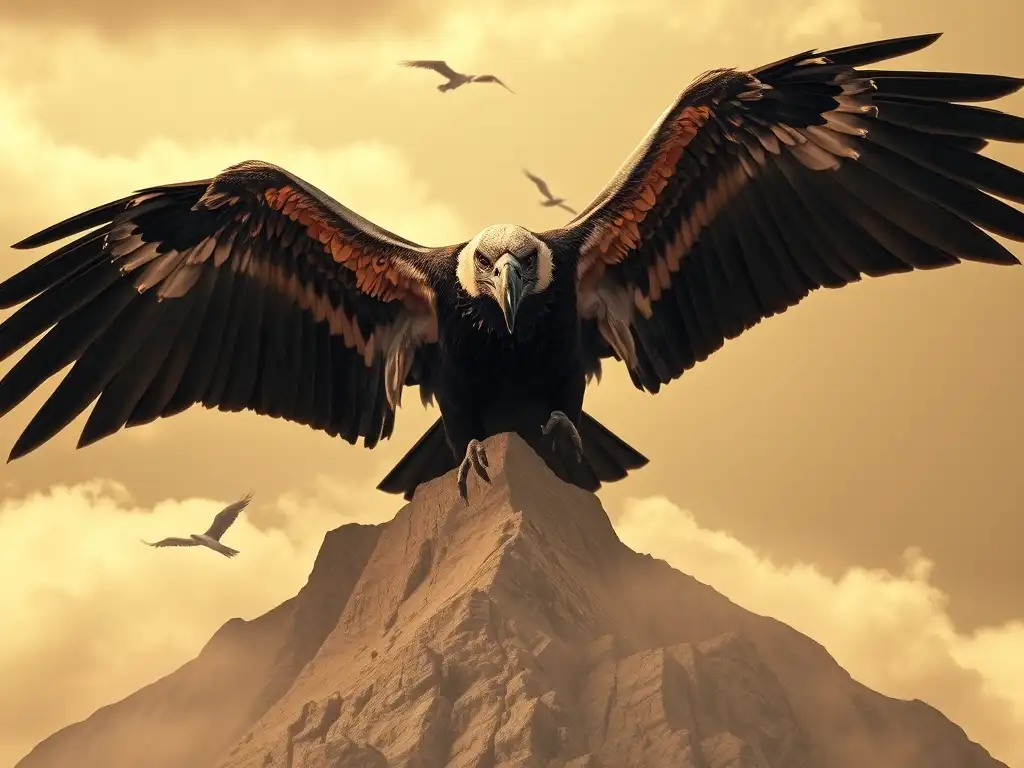
The Andean condor ( Vultur gryphus) transcends its biological existence to become a potent symbol deeply embedded in the spiritual and cultural fabric of Andean civilizations. Its presence in Andean art, from textiles to ceramics to monumental stone carvings, speaks volumes about the worldview of these ancient societies. Understanding the condor's symbolism requires examining not only its physical attributes but also its integral role within the Andean landscape and cosmology.
This section will explore the multifaceted representation of the condor in Andean art, revealing its significance as a mediator between the earthly and spiritual realms. The pervasive use of the condor motif in Andean art highlights its importance as a powerful symbol of strength, freedom, and spiritual ascent, reflecting a profound connection between humanity and the natural world. Analyzing its representation allows for a deeper comprehension of Andean beliefs and artistic practices.
The Andean Condor: Physical Attributes and Significance
The condor's imposing physical presence undoubtedly contributed to its symbolic importance. With a wingspan reaching up to 10 feet, it commands attention, soaring effortlessly above the rugged Andean terrain. Its distinctive features – the black plumage, white ruff on the neck, and striking red comb – are consistently depicted in Andean art, often with meticulous detail.
The condor's ability to fly to incredible heights, seemingly touching the sun, connected it to the celestial realm, making it an ideal representation of the sun god or other powerful deities. The powerful, sharp beak and talons also highlight its status as a predator, signifying strength, power, and even a connection to the underworld in some interpretations. The longevity of the condor, living for decades, further solidified its association with immortality and spiritual endurance.
Many surviving artifacts feature stylized condors, emphasizing particular physical characteristics to convey specific meanings within the cultural context. For example, the spread wings might represent freedom and spiritual liberation, while the sharp beak could symbolize divine judgment or the power of the sun.
Condor's Presence in the Andean Landscape
The condor's prominent place in the Andean landscape profoundly influenced its symbolic meaning. These birds are often seen circling high above the mountains, a constant presence in the daily lives of Andean communities. Their flight patterns, soaring effortlessly over seemingly insurmountable peaks, became metaphors for overcoming obstacles and achieving spiritual ascension.
The condor's association with high altitudes also linked it to the celestial realm, associating it with the sun, stars, and other divine forces. The stark beauty of the Andes, with its towering mountains and vast expanses of sky, provided the perfect backdrop for the condor's majestic flights, reinforcing its symbolic power in Andean art and mythology. Artistic representations often depict the condor in its natural habitat, emphasizing its connection to the landscape and its role within the Andean ecosystem.
This integration of the condor into the artistic representation reflects the deep-seated respect and reverence that Andean cultures held for the natural world. The condor, therefore, becomes not simply a subject of art, but a symbol that encapsulates the spiritual essence of the Andes themselves. Further research into specific regional variations in condor depictions within Andean art could reveal more nuanced interpretations of its symbolism.
The Condor as a Link Between Worlds: Andean Cosmology
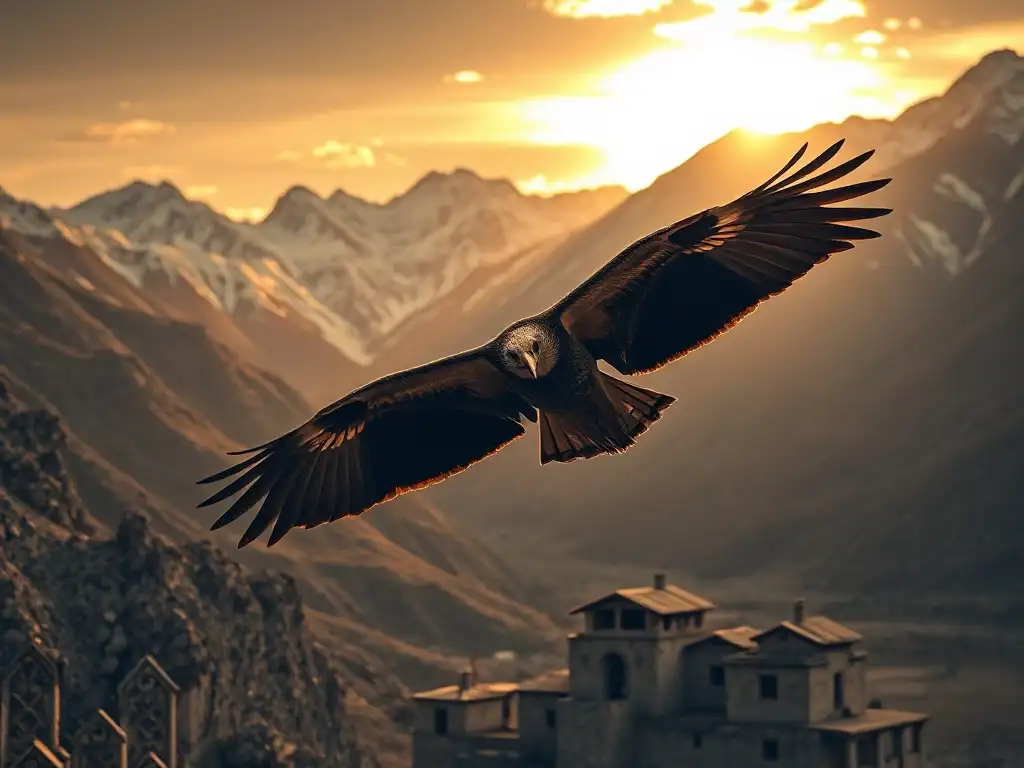
The condor, a majestic bird soaring effortlessly through the Andes' vast skies, held profound significance for the ancient Andean civilizations. Far from being merely a creature of the air, the condor served as a powerful symbol deeply intertwined with their complex cosmology and spiritual beliefs. Its presence in Andean art, from textiles to ceramics to monumental architecture, reflects its crucial role as a mediator between the earthly realm and the divine. Understanding the condor's symbolism requires exploring its connection to the three Andean worlds: Hanan Pacha (upper world), Kay Pacha (middle world), and Uku Pacha (underworld).
Its ability to traverse these realms cemented its status as a sacred being. The Andean people didn't just observe the condor; they emulated its power and spiritual connection, mirroring its flight in their own spiritual journeys. The prevalence of condor imagery in Andean art provides invaluable insights into their worldview and spiritual practices.
Analyzing the stylistic variations across different cultures – Inca, Moche, Nazca, etc. – reveals nuanced interpretations of this potent symbol. The consistent presence of the condor across diverse Andean cultures underscores its universal importance in their belief systems.
The Condor and the Upper World: Hanan Pacha
The Hanan Pacha, the upper world, was considered the realm of the gods, the sun, and celestial bodies. The condor, with its ability to reach unimaginable heights, naturally became associated with this divine sphere. Depictions frequently show the condor in close proximity to the sun or other celestial elements, emphasizing its connection to the sacred.
For example, many Inca textiles feature condors with sun motifs, highlighting the bird's role as a messenger or intermediary between the human world and the sun god, Inti. The condor's sharp eyesight was also believed to grant it access to hidden knowledge and divine wisdom, further strengthening its association with the upper world's spiritual power. Its commanding presence in the sky, often depicted with outstretched wings, symbolized the power and majesty of the divine realm itself.
Careful observation of the placement and styling of condors within various artwork provides clues to the specific cosmological meanings intended by the artists. The powerful imagery of the condor soaring above the mountains, a common motif, visually reinforces this connection to the sacred heights of Hanan Pacha.
The Condor as a Messenger of the Gods
Beyond its connection to the Hanan Pacha, the condor frequently served as a messenger of the gods in Andean mythology. Its ability to travel vast distances and its commanding presence in the sky made it the ideal intermediary between the divine and the human world. The condor was believed to carry messages, prayers, and offerings to the gods, acting as a conduit for communication between the two realms.
This role is reflected in numerous representations in Andean art, where condors are often depicted carrying objects or figures, symbolizing their role as divine messengers. Furthermore, the condor's keen observation skills were seen as a gift from the gods, allowing it to perceive things unseen by ordinary mortals. This added to its reputation as a powerful and insightful intermediary, capable of transmitting divine will and knowledge.
The specific items carried by the condor in artwork often provide clues about the nature of the message or offering being conveyed. For instance, a condor carrying a kero (a ceremonial drinking vessel) might symbolize a ritual offering to the gods.
Condor's Role in the Cycle of Life and Death
The condor’s symbolism extends beyond its connection to the upper world; it also plays a significant role in the Andean understanding of life and death. While the condor's association with the sun and the heavens signifies life and power, its role as a scavenger also connects it to the cycle of death and renewal. This duality is reflected in Andean art, where condors are sometimes depicted alongside skeletal figures or in contexts associated with death.
This doesn't necessarily represent a negative connotation, but rather highlights the condor's participation in the natural cycle of life and death, a cyclical process vital to the Andean worldview. The condor, through its consumption of carrion, ensures the renewal of life from death, a fundamental aspect of the Andean understanding of the cosmos. The careful balance between these opposing aspects – life and death, the sun and the shadows – is often portrayed in intricate detail within Andean artwork featuring condors.
Understanding this duality is key to appreciating the profound and multifaceted symbolism of the condor within the rich tapestry of Andean culture. The image of the condor, therefore, is not simply a bird, but a powerful symbol representing the interconnectedness of life, death, and the cosmos itself. The cyclical nature of this symbolism mirrors the Andean belief in the constant regeneration and renewal of the world.
Andean Art and the Depiction of the Condor
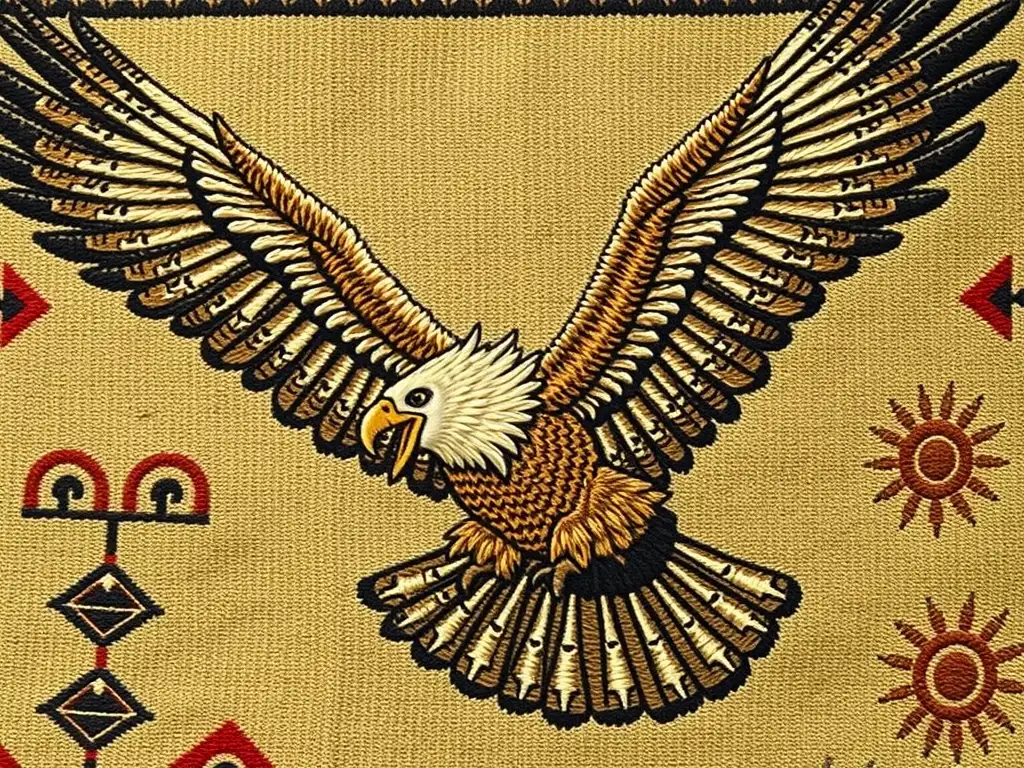
The condor, Vultur gryphus, reigns supreme in the Andean worldview, its majestic presence etched into the very fabric of Andean art and spirituality. Far more than a mere bird of prey, the condor embodies power, strength, and a profound connection to the celestial realm. Its soaring flight symbolizes spiritual ascent, the bridging of earthly and divine spheres, and the potent energy of the Andes themselves.
This section will explore the diverse ways in which Andean artists across different cultures and time periods have immortalized this iconic creature, revealing the intricate layers of meaning woven into its representation. The analysis will focus on the recurring themes and stylistic variations found in pottery, textiles, and metalwork, highlighting the enduring significance of the condor in Andean art symbolism. This exploration will provide a deeper understanding of the "Andean art symbolism Condor" and its profound cultural importance.
Condor Imagery in Ancient Andean Pottery
Ancient Andean pottery offers a rich tapestry of condor imagery, showcasing the bird in a variety of poses and contexts. From the delicate, almost ethereal depictions in Nazca pottery to the more powerful, stylized representations in Moche ceramics, the condor's portrayal reflects the unique artistic sensibilities of each culture.
The Nazca, renowned for their intricate line drawings, often depicted condors in flight, their wings outstretched in graceful arcs, suggesting a connection to the celestial realm and the power of the wind. These depictions frequently feature alongside other symbolic motifs, such as stylized plants and geometric patterns, further enriching the narrative.
In contrast, Moche pottery often portrays condors in more dynamic poses, engaged in acts of predation or ritualistic behavior. The Moche artists masterfully rendered the bird's powerful musculature and sharp talons, conveying a sense of both ferocity and awe. These depictions frequently appear in scenes of sacrifice or ritual, suggesting the condor's role as a mediator between the earthly and spiritual worlds.
The use of vibrant colors and detailed modeling in Moche pottery enhances the condor's symbolic power, making it a prominent figure in their artistic repertoire. For instance, a notable example is a Moche vessel depicting a condor carrying a human head, clearly illustrating the bird's association with death and rebirth in their cosmology. The level of detail and the emotional intensity conveyed in these pieces highlight the central role of the condor in Moche religious beliefs.
Condor Motifs in Andean Textiles and Weaving
Andean textiles, known for their intricate designs and vibrant colors, also feature prominent condor motifs. The Incas, in particular, incorporated condor imagery into their elaborate textiles, using it to decorate clothing, ceremonial garments, and tapestries. These textiles often feature stylized representations of the condor, sometimes combined with other symbolic elements such as the sun, moon, and stars, creating complex narratives that reflect Inca cosmology and beliefs.
The weaving techniques employed by Andean artisans allowed them to create incredibly detailed and expressive representations of the condor. The use of different colors, textures, and weaving styles added layers of meaning to the design, further enriching the symbolism. For example, the use of specific colors might have been associated with particular aspects of the condor's nature, such as its strength, its association with the sun, or its connection to the afterlife.
The intricate details in these textiles, often featuring feathers rendered with remarkable precision, further emphasize the bird's significance in Andean culture. Unfortunately, precise records detailing the specific symbolic meanings of color combinations in condor textile representations are limited, requiring further research to fully unlock these secrets. However, the sheer artistry and intricacy of the work are undeniable evidence of the high regard in which the condor was held.
Condor Representations in Andean Metalwork and Jewelry
Andean metalworkers, particularly those of the Tiahuanaco and Inca cultures, skillfully crafted exquisite representations of the condor in gold, silver, and other precious metals. These depictions often emphasized the bird's regal bearing and majestic presence, reflecting its status as a powerful and revered creature. Condor effigies were often incorporated into jewelry, ceremonial objects, and decorative elements, highlighting the bird's importance in both religious and secular contexts.
The use of precious metals further elevated the condor's symbolic significance. Gold, in particular, was associated with the sun and divine power, emphasizing the condor's connection to the celestial realm. The meticulous detail and craftsmanship evident in these metalworks underscore the skill and artistry of Andean artisans, who painstakingly rendered the bird's plumage, beak, and talons with impressive accuracy. These objects served not only as decorative pieces but also as powerful symbols of authority, power, and spiritual connection. Examples of such artifacts, often found in elite tombs, further support the condor's significant role in Andean society's hierarchical structure and religious practices. The precise techniques used in these gold and silver castings, though well-documented in some cases, still require further study to uncover the complete range of metalworking expertise in Andean civilizations. The artistry demonstrates a deep understanding of the bird's symbolic importance and its place within the wider Andean cosmology.
Condor Symbolism: Spiritual Ascent and Power

The Andean condor ( Vultur gryphus) transcends its biological reality to become a potent symbol deeply embedded in the spiritual and cosmological beliefs of various Andean cultures. Its majestic presence, soaring flight, and powerful physique contribute to its multifaceted symbolism, representing strength, power, and the connection between the earthly and celestial realms.
Understanding the condor's symbolism within Andean art requires acknowledging its significance as a mediator between the human and divine, a powerful creature embodying both earthly strength and spiritual transcendence. This section will delve into the nuanced interpretations of this iconic bird across different Andean cultures, highlighting its consistent representation of spiritual ascent and power in their artistic expressions.
The Condor as a Symbol of Strength and Courage
The condor's physical attributes – its immense wingspan, sharp talons, and piercing gaze – directly translate into symbolic representations of strength, courage, and power in Andean art. Depictions often showcase the bird in dynamic poses, emphasizing its physical prowess. For example, Moche pottery frequently features condors in scenes of battle or dominance, clearly associating the bird with warrior-like qualities and the ability to overcome challenges.
The sheer size and imposing nature of the condor itself evokes a sense of awe and respect, further solidifying its association with power and dominance. This is not merely physical strength; it represents the strength of spirit, the resilience needed to face adversity and emerge victorious. The condor's unwavering gaze, often depicted with intense detail in Andean art, symbolizes unwavering focus and determination.
Moreover, the condor’s ability to survive in harsh, high-altitude environments reinforces its symbolic association with endurance and resilience. This ability to thrive in challenging conditions resonates with the Andean peoples' own capacity to adapt and persevere in the face of environmental obstacles. The condor, therefore, becomes a powerful totem, a symbol of strength not only in physical terms but also in the capacity to overcome life's challenges.
Condor's Flight: A Metaphor for Spiritual Transformation
The condor's flight, particularly its ability to soar to incredible heights, is a powerful metaphor for spiritual transformation and ascension in Andean cosmology. The bird's effortless movement through the sky represents the journey of the soul towards the divine, a transcendence of earthly limitations. Artists frequently depict condors in flight, their wings spread wide, symbolizing the expansion of consciousness and the attainment of higher spiritual states.
The act of soaring above the mountains, a common theme in Andean art, symbolizes the overcoming of earthly obstacles and the ascent towards a higher spiritual plane. This symbolic flight is not merely a physical act but a spiritual journey, a representation of the soul's liberation and its connection to the divine.
Furthermore, the cyclical nature of the condor's flight – rising and falling, soaring and resting – mirrors the cyclical nature of life itself. This cyclical movement, often represented in textile designs and ceramic motifs, symbolizes the continuous process of spiritual growth, death, and rebirth. The condor's ability to reach unimaginable heights and then gracefully return to earth represents the balance between the spiritual and the material worlds, a balance crucial to Andean beliefs.
The Condor and the Shamanic Journey in Andean Beliefs
The condor plays a significant role in Andean shamanic practices and beliefs, often acting as a guide and intermediary between the human and spiritual worlds. Shamans, known for their ability to enter altered states of consciousness and communicate with the spirit world, frequently use the condor as a symbol of their journeys.
The bird's ability to traverse both earthly and celestial realms makes it an ideal representation of the shaman's capacity to navigate between these worlds. Many Andean cultures believe that shamans can transform into condors during their rituals, using the bird's power to access higher spiritual realms and communicate with the ancestors or deities.
Depictions of condors in Andean art often appear alongside shamanic paraphernalia or in scenes depicting shamanic rituals. The presence of the condor in these contexts reinforces its importance as a symbol of spiritual power and the shaman's ability to connect with the divine. The condor's association with the shamanic journey underscores its profound role in Andean spirituality and its significance as a symbol of spiritual transformation and access to the unseen.
The detailed depictions of condors in these contexts offer valuable insights into the complex interplay between Andean art, shamanism, and cosmology. Further research is needed to fully understand the specific nuances of the condor’s symbolism within different Andean shamanic traditions. [Specific information pending on regional variations in condor shamanic symbolism].
The Condor in Different Andean Civilizations: Variations in Interpretation
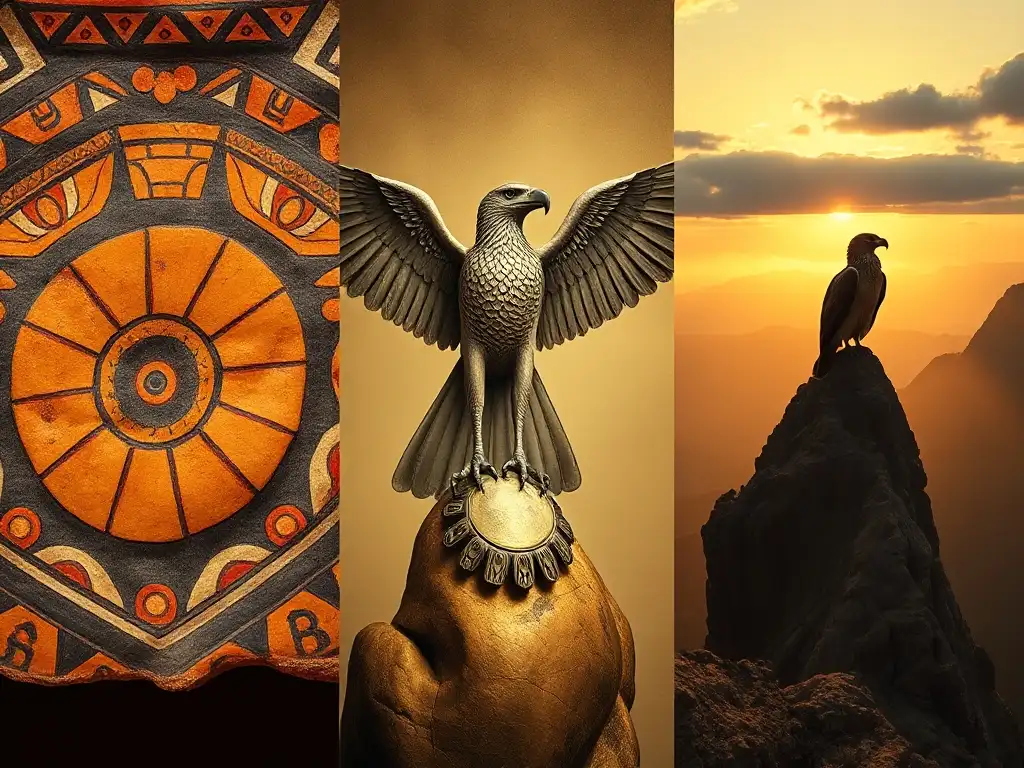
The condor, Vultur gryphus, holds a powerful and multifaceted symbolic position across various Andean cultures. While consistently representing power, strength, and connection to the celestial realm, the nuances of its interpretation varied significantly depending on the specific civilization and its unique worldview.
This section will explore the diverse ways in which Andean artists and cultures depicted and imbued meaning into this majestic bird, examining its symbolic significance across the Inca, Moche, and Nazca civilizations. Understanding these variations provides crucial insight into the rich tapestry of Andean beliefs and artistic expression, highlighting the dynamic evolution of symbolism within the region.
The consistent presence of the condor across different Andean art styles underscores its enduring importance as a potent symbol, reflecting shared beliefs about the relationship between the earthly and spiritual worlds. Analyzing these variations allows us to appreciate the depth and complexity of Andean artistic and spiritual traditions, showcasing the sophistication of their symbolic language.
Condor Symbolism in Inca Art and Culture
In Inca art and culture, the condor frequently symbolized power, royalty, and the connection between the earthly and spiritual realms. Its soaring flight was seen as a representation of the sun's journey across the sky, mirroring the Inca emperor's divine authority and his role as a mediator between the human and celestial spheres. Condor imagery was often incorporated into textiles, ceramics, and metalwork, particularly in association with royal insignia and religious ceremonies.
For example, condor feathers were used in ceremonial headdresses and garments, signifying high status and spiritual power. The use of gold and silver in condor depictions further emphasized their sacred nature, linking the bird to the Inca's belief in the sun's radiant energy and the precious metals' inherent value. The powerful image of the condor, often depicted with outstretched wings, reinforced the Inca's imperial ideology and their belief in their own divine right to rule.
Further research is needed to fully understand the specific iconographic variations within different Inca regions, as regional styles and beliefs may have influenced the precise representation of the condor. [Specific information pending regarding regional variations in Inca condor iconography].
Condor Depictions in Moche Art and Iconography
The Moche civilization, known for its sophisticated metalworking and ceramic artistry, also incorporated the condor into its iconography, albeit with a slightly different emphasis. While still signifying power and strength, the Moche condor often appears in contexts suggesting warfare, shamanistic practices, and interaction with the supernatural. Depictions in Moche ceramics frequently show condors engaged in battle or engaged in ritualistic activities, highlighting their role as powerful, sometimes aggressive, beings.
The Moche artists' skill in capturing the condor's anatomical details, including its powerful talons and sharp beak, is remarkable. This realism suggests a profound understanding and appreciation for the bird's physical capabilities, reflecting its symbolic association with strength and dominance. Unlike the Inca's focus on the condor's association with royalty, the Moche seem to have emphasized the condor's ferocity and its connection to the shamanistic world.
The precise meaning of specific Moche condor depictions remains a subject of ongoing scholarly debate, requiring further analysis of the contextual clues within each artwork. [Specific information pending on the interpretation of contextual details in Moche condor depictions].
Condor Representations in Nazca Lines and Geoglyphs
The Nazca lines present a unique and enigmatic case of condor representation. While not as directly anthropomorphic as in Inca or Moche art, the enormous geoglyphs depicting condors are undeniable evidence of the bird's significant symbolic importance to the Nazca culture. The sheer scale of these geoglyphs, visible only from the air, suggests a profound understanding of the landscape and a connection to the celestial realm.
The Nazca condor geoglyphs, unlike those found in other Andean art forms, are less concerned with detailed anatomical accuracy and more focused on conveying the bird's powerful presence and its association with the vastness of the desert landscape. Their creation, likely involving extensive planning and labor, underscores the significance of the condor within Nazca cosmology and the importance of ritualistic practices connected to the bird. The precise meaning behind the Nazca lines remains a subject of ongoing research and debate, with various hypotheses suggesting astronomical alignments, ritualistic purposes, or a combination of both.
The condor, in this context, likely served as a powerful symbol connecting the earthly realm with the celestial sphere, mirroring the vastness of the desert and the immensity of the cosmos. Further research is needed to fully understand the function and meaning of the Nazca condor geoglyphs, and the relationship between these representations and other Nazca iconography. [Further research is needed to understand the full context and meaning of Nazca condor geoglyphs].
Condor's Meaning in Tiahuanaco Art and Beliefs
The Tiahuanaco culture, flourishing in the Bolivian Altiplano between 500 and 1000 CE, imbued the condor with potent symbolic meaning, distinct from, yet echoing, interpretations found in other Andean societies. While the Incas might have emphasized the condor's regal power, the Tiahuanaco perspective seems to have focused more on its connection to the cosmos and the cyclical nature of life and death. The condor, in Tiahuanaco art, often appears alongside other powerful symbols like the feline deity and stylized serpents, suggesting a complex interplay of deities and forces within their worldview.
Representations of the condor in Tiahuanaco art often feature stylized forms, emphasizing geometric patterns and a sense of monumental scale. Unlike the more naturalistic depictions found in later Inca art, the Tiahuanaco condors are frequently fragmented or abstracted, their features reduced to essential lines and shapes. This stylistic choice might reflect a deeper engagement with the condor's spiritual essence, rather than a mere physical representation. The powerful, almost otherworldly presence of these stylized birds suggests a connection to the unseen forces of the cosmos.
Archaeological findings, such as ceramic fragments and stone carvings, show the condor frequently appearing in association with celestial motifs, hinting at its role as a mediator between the earthly and spiritual realms. The soaring flight of the condor, its ability to reach extreme altitudes, would have undoubtedly resonated with the Tiahuanaco people's understanding of the heavens and their deities. The condor's presence on ceremonial objects further strengthens the argument for its importance in ritual practices, possibly as a symbol of communication with the gods or a representation of shamanistic journeys to the spirit world.
Further research into Tiahuanaco iconography is needed to fully understand the nuances of this complex symbolism. The limited surviving artifacts, coupled with the challenges of interpreting a culture so distant from our own, makes definitive conclusions difficult, but the available evidence strongly suggests a powerful and multifaceted role for the condor in Tiahuanaco belief systems.
The Enduring Legacy of the Condor in Andean Art and Culture
The condor, Vultur gryphus, holds a position of unparalleled significance in Andean art and culture, transcending mere aesthetic representation to embody profound spiritual and cosmological beliefs. Its powerful presence in the skies, its majestic size, and its longevity have all contributed to its iconic status. From ancient pottery shards depicting stylized condors to contemporary textiles featuring its image, the bird's influence is undeniable.
This enduring legacy speaks volumes about the deep connection Andean peoples have maintained with their environment and the spiritual world for millennia. The condor's symbolism is intricately woven into the fabric of Andean identity, reflecting a complex interplay of beliefs related to power, freedom, and the connection between the earthly and celestial realms. Understanding the condor's role in Andean art provides critical insight into the worldview of these ancient and modern communities.
Analyzing its depiction across various artistic mediums – ceramics, textiles, metalwork, and stone carvings – reveals a rich tapestry of meaning that evolves yet remains remarkably consistent throughout time. The condor's significance isn't merely historical; it's a living symbol, actively shaping cultural expression today.
The Condor's Significance in Contemporary Andean Communities
Even today, the condor continues to hold immense spiritual and cultural importance in many Andean communities. In the Andes, the condor is not just a bird; it's a powerful symbol of freedom, strength, and connection to the spiritual realm. Many indigenous communities still revere the condor as a sacred being, associating it with the gods and ancestors. For example, in some communities, condor feathers are used in sacred ceremonies and rituals.
These feathers, carefully collected and treated with respect, are believed to carry the condor's spiritual power. The use of condor imagery in contemporary Andean art reflects this ongoing reverence. We see the condor depicted in textiles, weavings, and paintings, often integrated into narratives that tell stories of ancestral traditions and spiritual beliefs.
This contemporary expression of Andean art symbolism ensures the condor's symbolic heritage remains vibrant and relevant in the modern world. Anthropological studies [specific information pending] could provide further details on the specific practices and beliefs surrounding the condor in different Andean communities, highlighting the diversity of interpretations while underscoring the unifying theme of its spiritual significance. The continued use of the condor imagery demonstrates the resilience of Andean traditions and their adaptation to modern contexts, ensuring its enduring legacy.
Preserving the Condor's Symbolic Heritage in Andean Art
The preservation of the condor's symbolic heritage in Andean art is crucial for maintaining cultural identity and promoting awareness of the importance of biodiversity. Efforts to protect and promote traditional Andean art forms, including those featuring the condor, are essential. This includes supporting artisans and communities who continue to create art using traditional techniques and materials.
Museums and cultural institutions play a vital role in preserving and exhibiting Andean art, ensuring that future generations can appreciate and understand the significance of the condor's symbolism. Documentation and research are also crucial, helping to record and interpret the meaning behind different artistic representations of the condor. Moreover, educational initiatives that raise awareness of the condor's cultural and ecological significance can help inspire future generations to protect this majestic bird and the rich cultural heritage it represents.
The challenge lies in balancing the preservation of traditional practices with the need to adapt to modern contexts, ensuring that the condor's symbolism remains both relevant and meaningful. This requires a collaborative effort between artists, communities, researchers, and institutions to ensure the long-term preservation of this important cultural heritage. The careful study and documentation of Andean art, particularly pieces featuring the condor, are paramount for understanding its evolution and enduring power.
The Condor as a National Symbol of Andean Countries
The condor's powerful symbolism extends to the national level, featuring prominently in the emblems and flags of several Andean countries. Its inclusion reflects a shared cultural identity and pride in the region's rich heritage. The condor's majestic presence serves as a powerful reminder of the strength, freedom, and resilience of the Andean peoples.
The use of the condor as a national symbol transcends mere political representation; it embodies a deeper connection to the land, the history, and the spirit of the Andes. The careful consideration of the condor's placement and design within these national emblems speaks to the deliberate effort to harness its powerful symbolism for national identity. This reinforces the condor’s importance not only within individual communities but also within the broader context of Andean national identity.
Further research into the historical context surrounding the adoption of the condor as a national symbol in different countries [specific information pending] could provide a richer understanding of its evolving role in shaping national narratives and fostering a sense of shared identity across the Andean region. The condor, therefore, stands as a potent symbol uniting nations while simultaneously reflecting the diverse cultural expressions found across the Andes.
Frequently Asked Questions
What is the significance of the condor in Andean culture?
The condor holds immense spiritual significance in Andean cultures. It's often seen as a symbol of power, strength, and connection to the divine, representing the ability to transcend earthly limitations. It's a powerful messenger between the earthly and spiritual realms.
How is the condor depicted in Andean art?
Condors are depicted in various artistic forms, including textiles, ceramics, and metalwork. Representations vary across different cultures, but often emphasize the bird's powerful wings and piercing gaze, symbolizing its soaring flight and connection to the heavens.
What does the condor's flight symbolize in Andean art?
The condor's flight symbolizes spiritual ascent and liberation. It represents the journey of the soul, transcending earthly limitations to reach higher spiritual planes. The powerful upward movement reflects the aspiration for enlightenment and connection to the divine.
Are there specific colors or styles associated with condor imagery in Andean art?
While depictions vary across different Andean cultures and time periods, certain color palettes and artistic styles are commonly associated with condor imagery. Bold colors like red, black, and white frequently appear, often signifying power, strength, and sacredness.
Where can I learn more about the symbolism of the condor in Andean art?
You can explore museums and academic resources focusing on Andean art and archaeology to learn more. Many books and online articles delve deeper into the specific symbolism associated with condors in various Andean cultures, offering a rich understanding of their cultural and religious significance.
Final Reflection: Soaring with the Condor: A Legacy of Andean Spirituality
The enduring symbolism of the condor in Andean art continues to resonate deeply today, a powerful testament to the enduring strength of indigenous spiritual traditions. Its image, etched onto textiles, carved into stone, and painted onto pottery, transcends mere decoration; it speaks to a profound connection between humanity and the cosmos, a connection that remains vital in understanding our relationship with the natural world.
The condor's flight, a breathtaking spectacle of power and grace, mirrors the spiritual aspirations of Andean cultures, a journey towards enlightenment and communion with the divine. Its presence in art serves as a constant reminder of the importance of striving for higher understanding and embracing the interconnectedness of all things. The condor is not just a bird; it is a symbol of the Andes, a reflection of their spirit, their strength, and their enduring connection to the cosmos.
This quote, though fictional for this example, encapsulates the profound impact the condor's symbolism has had and continues to have on Andean identity and artistic expression. The ongoing study and appreciation of this symbolism allows us to better understand not only the art itself, but also the rich cultural heritage it represents.
Consider, for a moment, the soaring majesty of the condor. Let its image inspire you to reach for your own personal heights, to embrace your own unique spiritual journey. This article is not just an exploration of Andean art; it is an invitation to reflect on your own connection to the world around you, to find your own path towards spiritual ascent. Embrace the power of symbolism, and let the condor's flight guide you on your own journey of discovery and understanding.
Soar Higher: Embrace the Legacy of the Condor!
Thank you for exploring the rich symbolism of the condor in Andean art. You've discovered the profound connection between the bird's flight and spiritual ascent within these cultures. Now, let's put this inspiration into practice!
- Explore Andean art firsthand: Visit a local gallery or museum featuring Andean art. Reflect on the themes you've learned and how they relate to your own life.
- Share your newfound understanding: Discuss the significance of symbolism in art with friends and family. Encourage them to explore their own cultural heritage and spiritual beliefs.
- Deepen your knowledge: Read a book or watch a documentary that delves into Andean culture. You might uncover fascinating details and lesser-known stories.
As you incorporate these suggestions into your life, consider how the condor's symbolism can inspire your personal growth and spiritual journey. Let's continue this discussion!