
Textile Gifts: The Role of Woven Goods in Andean Ritual and Exchange

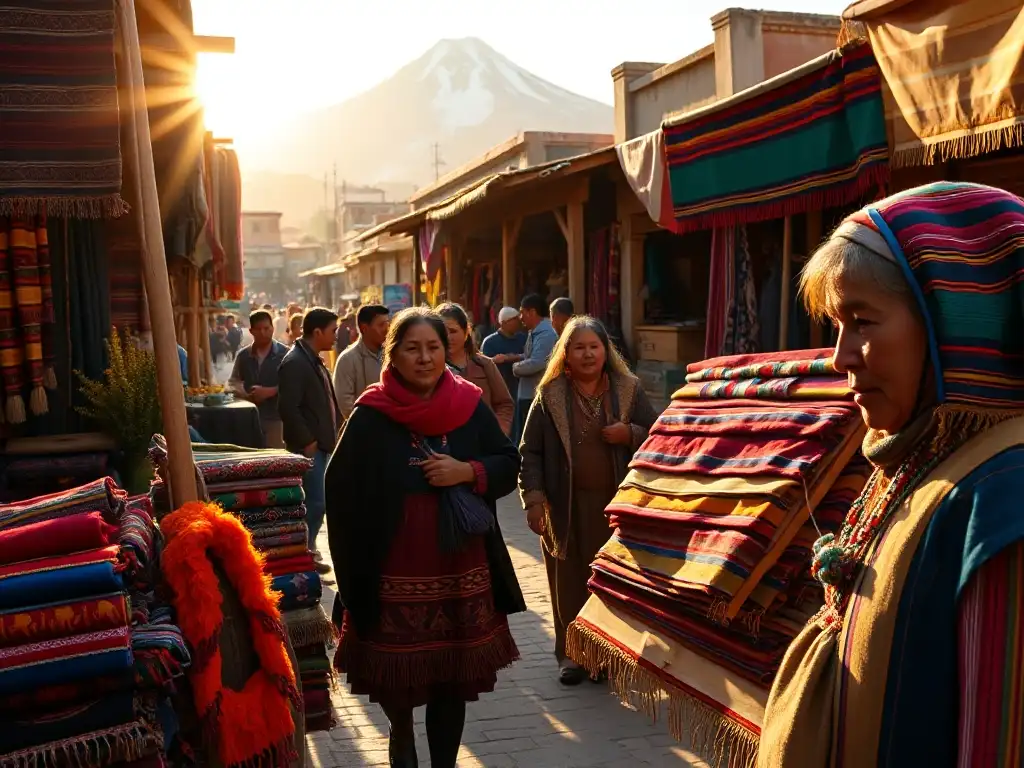
Unravel the mysteries woven into the very fabric of Andean history. For centuries, Andean textiles served as more than mere clothing; they were powerful symbols, intricate narratives, and vital components of complex ritual exchanges. Prepare to be captivated by the vibrant artistry and profound significance of these ancient creations as we delve into the fascinating world of Andean textiles ritual exchange. Discover how threads intertwined destinies, shaping the social and spiritual landscape of these remarkable civilizations. Journey with us to uncover the secrets held within these meticulously crafted masterpieces.
The vibrant tapestry of Andean civilization is richly interwoven with the significance of textiles. Far from mere clothing or decorative items, woven goods played a crucial, multifaceted role in the ritual practices and complex systems of exchange that shaped Andean societies.
This article delves into the profound symbolism embedded within Andean textiles, exploring how these meticulously crafted objects served as potent vehicles for religious expression, social status, and economic interaction across diverse cultures, including the Inca, Moche, Nazca, and Tiahuanaco. We will examine the intricate techniques, symbolic motifs, and ritual contexts surrounding Andean textiles to understand their central position within the broader framework of Andean life and belief systems.
The study of Andean textiles offers a unique window into the spiritual world and social fabric of these remarkable civilizations, revealing how the seemingly simple act of weaving held immense power and meaning. This exploration aims to illuminate the profound connection between Andean textiles, ritual, and exchange, highlighting their enduring legacy in the understanding of Andean culture.
Understanding Andean Textile Significance
Andean textiles were not simply utilitarian items; they were imbued with deep spiritual and social meaning. The act of weaving itself was considered a sacred practice, connecting the weaver to the cosmos and the ancestral spirits. The choice of fibers (alpaca, llama, vicuña, cotton), colors (derived from natural dyes with symbolic associations), and weaving techniques (e.g., tapestry, brocade, embroidery) all contributed to the overall meaning and value of the textile.
The quality and intricacy of the weaving often reflected the social status of both the weaver and the recipient. Elaborately woven textiles were highly prized possessions, exchanged as gifts during important ceremonies and used to adorn important figures in rituals and processions.
The durability and longevity of many Andean textiles also contributed to their enduring significance, with some pieces surviving for centuries, silently bearing witness to the richness of Andean history. This enduring quality added to their value as heirlooms and symbols of continuity across generations.
Woven Textiles as Ritual Objects in the Andes
The use of textiles in Andean rituals was widespread and varied, reflecting the diverse religious beliefs and practices across different Andean cultures. Textiles served as offerings to deities, adorning sacred spaces and objects. They were used to wrap mummies, signifying the importance of the deceased in the community and facilitating their journey to the afterlife. Textiles were also incorporated into ceremonies related to agriculture, fertility, and ancestor veneration.
The vibrant colors and intricate designs often depicted mythological figures, celestial bodies, and agricultural symbols, reinforcing the connection between the material world and the spiritual realm. The act of offering textiles, often accompanied by other precious goods, was a crucial aspect of maintaining a harmonious relationship with the supernatural world and ensuring the prosperity of the community. The significance of these ritual offerings was immense, acting as a material manifestation of spiritual beliefs and desires.
The Symbolic Language of Andean Weaving
The intricate designs woven into Andean textiles are far from random; they represent a complex symbolic language that communicated messages about social status, religious beliefs, and historical events. Specific colors held significant meanings: for example, red often symbolized blood and sacrifice, while yellow represented the sun and power. Geometric patterns, such as stepped frets and zigzags, frequently appeared, representing agricultural terraces, mountains, and celestial pathways.
The use of these motifs varied across different Andean cultures, reflecting regional variations in beliefs and artistic styles. Deciphering the full meaning of these intricate designs requires careful study and contextualization within the broader cultural framework of the specific Andean group in question. Further research is needed to fully understand the nuances of this complex visual language.
Andean Textile Motifs and their Ritual Meanings
Specific motifs frequently appear in Andean textiles, carrying profound ritual significance. For example, depictions of camelids (llamas, alpacas, vicuñas) frequently appear, symbolizing wealth, fertility, and the connection to the Andean landscape. Representations of mythical beings, such as the feline deity or the creator god, were woven into textiles used in religious ceremonies. Agricultural symbols, such as maize and coca leaves, highlighted the importance of agriculture in Andean life and the connection between humans and the earth.
The intricate weaving of these motifs often involved the use of multiple colors and techniques, further enhancing their symbolic power and aesthetic appeal. The detailed study of these motifs offers valuable insights into the beliefs, values, and worldview of the Andean people. [Specific examples of motifs and their meanings pending further research].
Andean Textile Exchange: Beyond Material Value
The vibrant textiles of the Andes were not merely commodities; they held immense social, ritualistic, and symbolic value. Understanding Andean textile exchange requires moving beyond a purely economic perspective and embracing the complex web of social relationships and cosmological beliefs that shaped their production and distribution. The act of giving and receiving textiles was deeply embedded in the social fabric of Andean societies, forging alliances, solidifying power structures, and maintaining cosmological balance.
These woven goods served as powerful mediums of communication, transmitting messages of status, identity, and spiritual significance across vast distances and diverse social groups. The intricate designs, the choice of fibers, and even the colors used all conveyed specific meanings, transforming a simple cloth into a potent symbol.
The value of an Andean textile was not solely determined by its material worth, but by the social capital and spiritual power it embodied. The more intricate and finely crafted the textile, the greater its symbolic power and the more significant its role in social and ritual contexts.
Reciprocity and Gift-Giving in Andean Cultures
Reciprocity formed the cornerstone of Andean social organization. Gift-giving, far from being a simple act of generosity, was a crucial mechanism for maintaining social harmony and solidifying alliances between individuals, families, and communities. Textiles played a central role in this system of reciprocal exchange. The giving of a finely woven cloth could seal a political alliance, cement a marriage, or express gratitude for a service rendered.
The act of receiving a gift, in turn, created an obligation to reciprocate, perpetuating a cycle of exchange that bound society together. This system wasn't merely about material gain; it was a powerful means of building and sustaining social relationships, reinforcing social hierarchies, and ensuring the smooth functioning of Andean communities. The quality and artistry of the textile directly reflected the strength and sincerity of the reciprocal bond being established.
The Social Implications of Textile Distribution
The distribution of textiles within Andean societies was not random. The flow of these valuable goods often mirrored and reinforced existing social hierarchies. Elite members of society, such as rulers and priests, controlled access to the finest materials and the most skilled weavers, allowing them to accumulate impressive quantities of high-quality textiles. These textiles were then used to consolidate their power and influence, through lavish displays of wealth and strategic gift-giving to maintain loyalty and control.
The distribution of textiles could also reflect kinship ties, with intricate textiles passed down through generations or exchanged between family members to strengthen familial bonds. The careful control and distribution of textiles served as a powerful tool for maintaining social order and reinforcing existing power structures within Andean communities. Analysis of textile distribution patterns reveals much about the social dynamics and power structures of these complex societies.
Specific Examples of Andean Textiles in Ritual Practices
Andean textiles were not merely decorative; they played a vital role in a wide range of ritual practices, reflecting the deep spiritual beliefs and cosmological worldview of these societies. The intricate designs often depicted deities, mythical creatures, and symbols relating to the agricultural cycle, highlighting the close connection between the material world and the spiritual realm.
The use of specific colours and fibres further enhanced the symbolic significance of the textiles used in rituals. The careful selection of materials and the execution of the designs was meant to enhance the effectiveness of the ritual and to communicate with the spiritual world.
Textiles in Funerary Rites of the Paracas Culture
The Paracas culture, known for its elaborate mummification practices, also produced incredibly intricate textiles used extensively in funerary rites. These textiles, often richly adorned with vibrant colors and complex designs, were used to wrap mummies, creating a protective layer between the deceased and the afterlife. The textiles themselves were often considered to possess magical properties, aiding the deceased on their journey to the next world.
The elaborate nature of the textiles, both in terms of their designs and the quality of the materials used, reflects the importance placed on the afterlife and the belief in the continued existence of the deceased. The presence of specific motifs and symbols on these funerary textiles provides valuable insight into Paracas beliefs about death, the afterlife, and the relationship between the living and the dead. The detailed craftsmanship clearly showcases the social significance of the deceased and the investment in their successful transition.
Textiles in Agricultural Ceremonies of the Quechua
For the Quechua, textiles played a crucial role in agricultural ceremonies, reflecting the profound dependence on agriculture and the deep spiritual connection to the land. Textiles were used in rituals related to planting, harvesting, and ensuring a successful crop yield. Specific designs and colors were associated with fertility, abundance, and the forces of nature.
These textiles were often presented as offerings to Pachamama, the earth goddess, to ensure her favor and a bountiful harvest. The use of textiles in these ceremonies highlights the intertwining of the spiritual and material worlds in Quechua culture, where the act of weaving itself was considered a sacred practice. The continued use of traditional textile designs in modern Quechua agricultural ceremonies demonstrates the enduring legacy of these practices.
Textiles as Offerings to Pachamama
Pachamama, the earth goddess, was a central figure in Andean cosmology, and textiles served as important offerings to appease and honor her. These offerings were not simply discarded; they were seen as a way to communicate with and nourish the earth, ensuring fertility and abundance. The textiles offered to Pachamama often featured specific designs and colors associated with fertility and the agricultural cycle, reflecting the deep connection between the earth and the people who depended on it.
The act of offering these precious textiles underscored the importance of maintaining a harmonious relationship with nature and the spiritual forces that governed it. The practice of offering textiles to Pachamama was a powerful expression of gratitude and a plea for continued prosperity. The quality and intricacy of the textiles offered often reflected the devotion and the importance of the offering to the individual or community making it.
The Enduring Legacy of Andean Textile Art
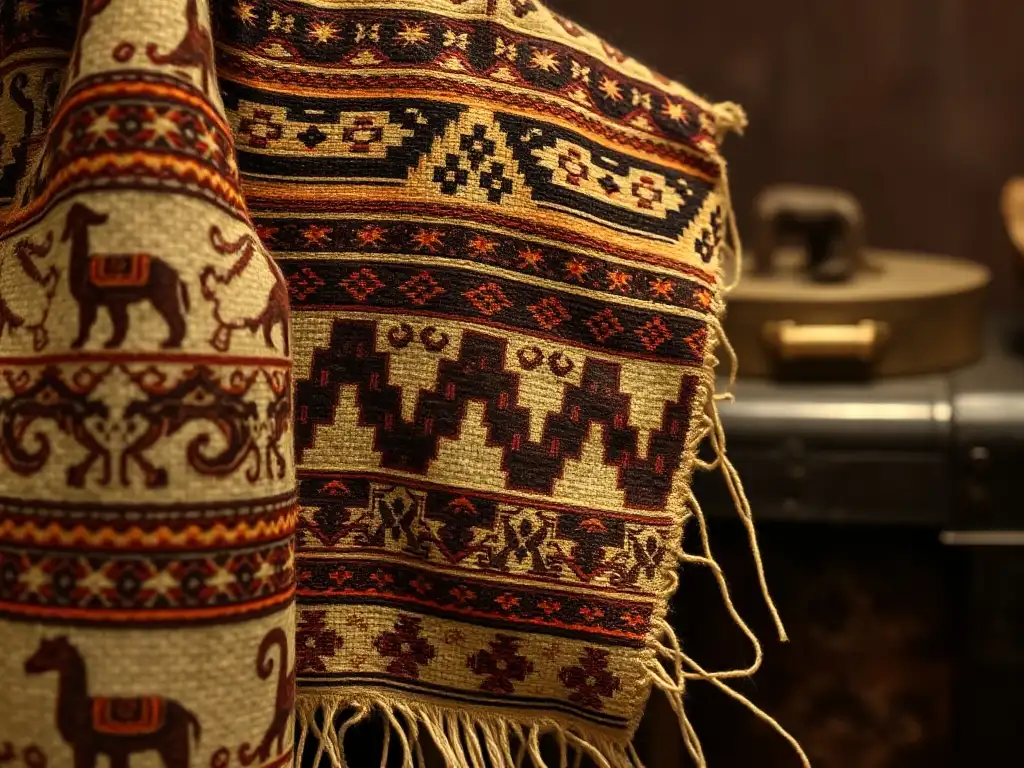
Andean textile art boasts a legacy unparalleled in its richness and complexity. For millennia, skilled artisans have transformed natural fibers like alpaca, llama, vicuña, and cotton into breathtaking tapestries, garments, and ceremonial objects. These weren't simply functional items; they were imbued with deep symbolic meaning, reflecting the intricate cosmology and social structures of the various Andean cultures.
The vibrant colors, intricate designs, and masterful techniques employed speak volumes about the sophisticated aesthetic sensibilities and technological prowess of these ancient societies. From the intricately woven textiles of the Paracas culture, known for their elaborate burial shrouds, to the finely spun garments of the Inca elite, each piece tells a story, preserving knowledge and traditions across generations. The enduring appeal of Andean textiles lies not only in their beauty but also in their ability to connect us to a vibrant past, bridging the gap between ancient artistry and contemporary appreciation.
The legacy is evident in museums worldwide showcasing these treasures, and in the continued fascination researchers and the public alike have with their intricate details and symbolic power. The study of these textiles offers invaluable insights into the social, religious, and political lives of Andean peoples.
Modern Interpretations of Ancient Andean Weaving
The enduring influence of Andean weaving is clearly visible in contemporary artistic expressions. Many modern artists draw inspiration from ancient techniques and motifs, creating new works that both honor the past and explore contemporary themes. This revival isn't just a stylistic choice; it represents a conscious effort to preserve and celebrate a rich cultural heritage.
We see this in the work of contemporary Andean artists who continue to use traditional techniques, but also incorporate modern designs and materials. This blending of old and new creates a dynamic and evolving textile tradition. Furthermore, the designs and techniques found in ancient Andean textiles have influenced fashion designers and textile artists worldwide.
The unique aesthetic qualities of Andean textiles, their vibrant colors, and intricate patterns have become highly sought-after elements in contemporary design, demonstrating the enduring appeal and relevance of this ancient art form. The use of natural dyes and traditional weaving techniques in modern interpretations ensures that the essence of Andean textile art continues to thrive and inspire.
The Continuity of Textile Traditions in Contemporary Andean Communities
Despite the passage of centuries, textile traditions in Andean communities remain remarkably vibrant. In many rural areas, weaving is not merely an art form but a vital part of daily life, passed down through generations of women. This continuity is crucial for preserving cultural identity and knowledge. The intricate techniques and symbolic designs are carefully taught and maintained within families and communities, ensuring the survival of these ancient practices.
The textiles produced today often reflect a blend of traditional and contemporary influences, showcasing both the enduring legacy of the past and the adaptability of these artistic traditions to modern contexts. This preservation of textile traditions also plays a crucial role in the economic well-being of many Andean communities, providing a source of income and promoting cultural tourism. The continued production and sale of these handwoven goods help sustain these communities and keep the ancient art alive.
The Importance of Preserving Andean Textile Heritage
Preserving Andean textile heritage is of paramount importance for several reasons. Firstly, these textiles represent invaluable historical and cultural documents, providing crucial insights into the lives, beliefs, and artistic achievements of past Andean civilizations. Their intricate designs often encode complex narratives, religious beliefs, and social structures, offering a window into the past that is unmatched by other sources.
Secondly, the preservation of these textiles supports the economic and cultural vitality of contemporary Andean communities. By protecting traditional weaving techniques and promoting the sale of authentic Andean textiles, we help sustain livelihoods and preserve cultural identity. Finally, the beauty and artistry of Andean textiles offer a source of inspiration and enrichment for people around the world.
Their vibrant colors, intricate patterns, and masterful craftsmanship continue to capture the imagination and inspire creativity. Efforts to preserve this heritage through documentation, conservation, and education are essential for ensuring that future generations can appreciate and learn from the remarkable achievements of Andean textile artists. Protecting these textiles is not merely a matter of preserving artifacts; it is about safeguarding a rich and complex cultural legacy.
Andean Textiles: A Window into Andean Cosmology
The Interwoven Relationship between Andean Spirituality and Textiles
Andean textiles weren't merely functional items; they were deeply imbued with spiritual significance, reflecting the complex cosmology of the Andean peoples. The vibrant colors, intricate designs, and the very act of weaving itself were all connected to their understanding of the universe. For example, the use of specific colors often held symbolic meaning. Red, for instance, might represent the sun's life-giving energy, while blue could signify the vastness of the sky or the depths of the ocean.
These colors weren't arbitrarily chosen; they were carefully selected to evoke specific spiritual associations within the context of a particular textile's purpose. The choice of fibers also held meaning. Alpaca wool, prized for its softness and warmth, was often associated with deities and sacred animals, while cotton, with its association with the earth and fertility, was used in contexts related to agriculture and abundance. The intricate designs, often featuring geometric patterns, zoomorphic representations, and stylized depictions of deities, further reinforced the spiritual dimension of these textiles.
These weren't simply decorative elements; they were visual representations of Andean beliefs, myths, and rituals. The very act of weaving was considered a sacred process, connecting the weaver to the spiritual realm and imbuing the textile with spiritual power. This connection is reflected in the careful and meticulous craftsmanship evident in surviving examples of Andean textiles.
Andean Weaving as a Form of Cultural Expression
Beyond their spiritual significance, Andean textiles served as powerful tools for cultural expression. They communicated social status, identity, and historical narratives through their intricate designs and the materials used in their creation. Different communities or social groups developed distinct weaving styles and patterns, acting as visual markers of their identity.
The use of specific symbols and motifs allowed for the transmission of stories, beliefs, and traditions across generations. These textiles served as visual records of historical events, important figures, and ancestral knowledge. The complexity and intricacy of the designs often reflected the weaver's skill and the social status of the individual for whom the textile was made.
Elaborate garments, adorned with rich colors and intricate patterns, were often reserved for elites, while simpler textiles were used by commoners. This system of visual communication through textiles highlights the importance of weaving as a form of artistic expression and social commentary within Andean societies. The textiles themselves were not merely passive objects; they actively participated in the construction and maintenance of Andean cultural identity.
Conclusion: The Profound Significance of Andean Textiles in Ritual and Exchange
Andean textiles played a multifaceted role in the lives of Andean peoples, serving not only as practical items of clothing and adornment but also as powerful vehicles for spiritual expression, social communication, and economic exchange. Their creation was a sacred process, their designs were imbued with symbolic meaning, and their exchange was a significant aspect of ritual and social life. The intricate relationship between Andean spirituality, cultural identity, and the production and exchange of textiles demonstrates the profound significance these woven goods held within Andean societies.
Understanding this complex interplay allows for a deeper appreciation of the rich cultural heritage of the Andes and the ingenuity of its people. The study of Andean textiles offers a unique and invaluable lens through which we can explore the cosmology, social structures, and artistic traditions of these remarkable civilizations.
The enduring legacy of Andean textiles continues to inspire and fascinate, showcasing the enduring power of art and craftsmanship to transcend time and connect us to the past. Further research into specific textile types and their associated rituals would further illuminate this fascinating aspect of Andean culture.
- Understanding Andean Textile Significance
- Woven Textiles as Ritual Objects in the Andes
- Andean Textile Exchange: Beyond Material Value
- Specific Examples of Andean Textiles in Ritual Practices
- The Enduring Legacy of Andean Textile Art
- The Importance of Preserving Andean Textile Heritage
- Andean Textiles: A Window into Andean Cosmology
- Conclusion: The Profound Significance of Andean Textiles in Ritual and Exchange
Frequently Asked Questions
What role did textiles play in Andean societies?
Textiles held immense symbolic and practical importance. They weren't just clothing; they were integral to rituals, social status, and economic exchange, reflecting Andean worldview and artistry.
How were textiles used in Andean ritual practices?
Textiles were crucial in religious ceremonies and offerings. Elaborately woven garments and tapestries were presented to deities, used in funerary rites, and incorporated into sacred spaces.
What types of textiles were commonly exchanged?
Fine cumbi cloths, spindle-spun yarn, and complex weavings were highly valued and frequently exchanged. The quality and intricacy of the textile indicated social status and the power of the giver.
The exchange of textiles fostered alliances and reciprocal relationships between individuals, communities, and even different Andean cultures. Gifts cemented bonds and demonstrated social obligation.
What can Andean textiles tell us about ancient Andean societies?
Analysis of colors, designs, and materials reveals insights into social structures, beliefs, and technological advancements. Textiles act as primary sources for understanding ancient Andean life.
Final Reflection: The Enduring Threads of Andean Tradition
The vibrant tapestry of Andean textile traditions continues to resonate today, a powerful testament to the enduring link between material culture, ritual, and social exchange. These intricate woven goods, far from being mere objects, serve as potent symbols of identity, spirituality, and community, echoing across centuries and influencing contemporary artistic and cultural expressions. Their significance transcends the purely aesthetic, revealing a deep-seated connection between the human spirit and the natural world.
The enduring legacy of Andean textiles profoundly impacts our understanding of pre-Columbian societies and their sophisticated social structures. Their intricate designs, often imbued with symbolic meaning related to cosmology, agriculture, and ancestor veneration, offer invaluable insights into a worldview vastly different from our own. The meticulous craftsmanship and the social context of their creation and exchange highlight the importance of community and reciprocity within Andean cultures. The cloth itself is a record of the community's history, its beliefs, and its aspirations.
This quote encapsulates the profound depth of meaning embedded within these seemingly simple objects.
Consider the intricate details, the vibrant colors, the stories woven into each thread. Let these textiles inspire you to reflect on the power of handcrafted objects to connect us to our past, to our communities, and to the deeper meanings embedded within the everyday. Seek out opportunities to appreciate the artistry and cultural significance of textiles from around the world, recognizing the human stories and traditions woven into their very fabric. Let the enduring legacy of Andean textiles remind you of the enduring power of human creativity and the importance of preserving cultural heritage for future generations.
Unveil the Richness of Andean Textiles in Your Life!
Thank you for exploring the fascinating world of Andean textiles and their significant role in ritual and social exchange. You've gained valuable insights into how woven goods shape cultural identities and traditions. Now, let's explore ways to further immerse yourself in this vibrant heritage!
- **Discover** authentic Andean textiles at a local artisan market or online retailer. Look for pieces that resonate with you personally.
- **Share** your newfound appreciation for Andean textiles with friends and family. Host a gathering to showcase the beauty of your acquisitions and discuss the rich history behind them.
- **Connect** with fellow textile enthusiasts online. Join a community or social media group dedicated to Andean textiles to exchange ideas and learn about new traditions and techniques.
How will you integrate the beauty and history of Andean textiles into your daily life and special occasions?