
The Science of Weaving: Andean Textile Production as a Technological Feat

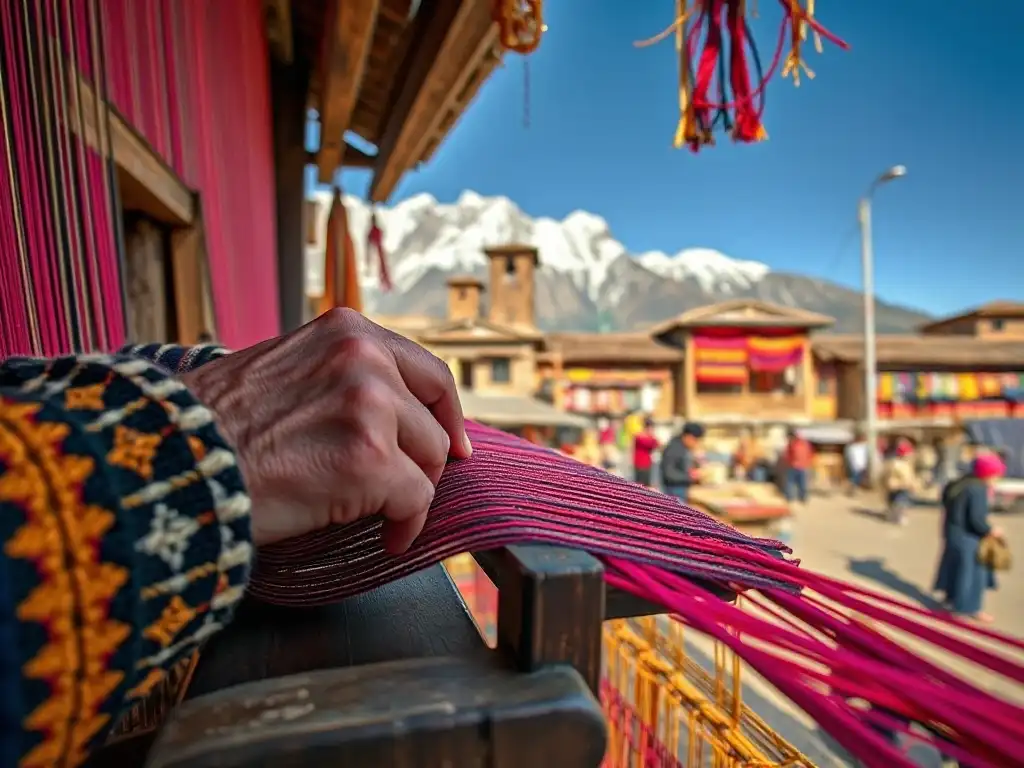
Unravel the mysteries of a lost world. For centuries, the Andes Mountains have echoed with the whispers of magnificent civilizations. Dive into the vibrant tapestry of Andean history, from the intricate artistry of the Nazca lines to the architectural marvels of Machu Picchu. But prepare to be amazed by the sheer ingenuity of Andean textile production techniques. This is more than just weaving; it's a testament to technological prowess and artistic brilliance. Discover the secrets behind these extraordinary creations—read on to explore the science behind the threads.
The Andes Mountains, a spine of colossal peaks running down the western edge of South America, nurtured some of the world's most innovative and sophisticated pre-Columbian cultures. Beyond their impressive architectural feats like Machu Picchu and the Nazca Lines, these Andean civilizations – including the Inca, Moche, Nazca, and Tiahuanaco – demonstrated remarkable technological prowess in the art of textile production.
This article delves into the ingenuity and complexity of Andean textile techniques, revealing them not merely as artistic expressions but as sophisticated technological achievements reflecting a deep understanding of materials science, engineering, and even social structures. We will explore the diverse techniques employed, the remarkable materials used, and the lasting legacy of these Andean textile traditions, showcasing how these ancient societies mastered the science of weaving to create textiles of unparalleled beauty and durability.
Understanding these "Andean textile production techniques" provides a crucial lens through which to appreciate the complexity and ingenuity of these remarkable civilizations.
Diverse Fibers and Their Unique Properties
Andean textile production was not simply about weaving; it was about mastering a diverse range of natural fibers and understanding their unique properties. The most common fibers included cotton, alpaca, llama, vicuña, and guanaco wool. Each fiber possessed distinct qualities influencing the final product’s texture, strength, and warmth. For example, vicuña wool, sourced from the elusive vicuña, was prized for its exceptional softness and fineness, reserved for the elite.
Llama and alpaca wool offered varying degrees of warmth and durability, making them suitable for different garments and purposes. Cotton, cultivated in warmer regions, provided a lighter, breathable fabric ideal for warmer climates. The careful selection and preparation of these fibers were crucial steps in the production process, laying the foundation for the creation of high-quality textiles. The Andean people's profound knowledge of these materials and their properties is a testament to their intimate connection with their environment.
Sophisticated Weaving Techniques: From Simple to Complex
The Andean weavers employed a breathtaking array of weaving techniques, ranging from simple plain weaves to incredibly intricate and complex patterns. Techniques like tapestry weaving, brocade, and sumptuary weaving allowed for the creation of richly detailed and vibrant textiles. Tapestry weaving, for instance, involved the use of multiple weft threads to create detailed images and designs within the fabric. Brocade, on the other hand, involved the use of supplementary weft threads to create raised patterns, adding texture and dimension.
These techniques required a high level of skill and precision, demonstrating the sophisticated level of craftsmanship achieved by Andean weavers. The complexity of some textiles suggests specialized workshops and a division of labor, hinting at a highly organized and structured system of production. Furthermore, the use of different weaving techniques often reflected social status and regional variations, adding another layer of complexity to the study of Andean textiles.
Dyes and Pigments: A Palette of Natural Colors
The vibrant colors found in Andean textiles were not the result of synthetic dyes, but rather from a remarkable mastery of natural pigments derived from plants, minerals, and insects. Cochineal insects, for example, provided a rich crimson hue, while various plants yielded yellows, browns, and greens. The preparation and application of these dyes were complex processes, often involving multiple steps and requiring specialized knowledge.
The durability and brilliance of these natural dyes are a testament to the Andean peoples' deep understanding of chemistry and their ability to extract and utilize these natural resources. The careful selection and combination of dyes allowed Andean weavers to create a stunning range of colors and patterns, further enhancing the aesthetic and symbolic significance of their textiles. The longevity of these colors, even after centuries, is a remarkable feat of both artistry and scientific understanding.
Andean textile production was not merely a technological achievement; it was deeply intertwined with the social and political structures of the time. The type of fiber used, the complexity of the weaving technique, and the colors employed often reflected social status and hierarchical relationships. Elaborately woven textiles, adorned with intricate designs and vibrant colors, were often reserved for the elite, while simpler textiles were worn by the common people. Textiles served as important markers of identity, indicating social standing, clan affiliation, and even religious beliefs.
The production and distribution of textiles were carefully managed, reflecting the centralized control and power structures within Andean societies. The study of Andean textiles, therefore, offers valuable insights into the social, political, and economic aspects of these ancient civilizations. The sheer scale and organization required for the production of textiles of this quality and quantity point to a highly sophisticated and well-organized society.
- Diverse Fibers and Their Unique Properties
- Sophisticated Weaving Techniques: From Simple to Complex
- Dyes and Pigments: A Palette of Natural Colors
- Andean Textile Production: A Reflection of Social Structures
- What makes Andean textile production so unique?
- What types of fibers did Andean cultures use for their textiles?
- How did Andean weavers create such vibrant and durable dyes?
- What tools and technologies did Andean weavers use?
- What is the significance of Andean textiles in understanding their culture?
Unveiling the Complexity of Andean Textile Art
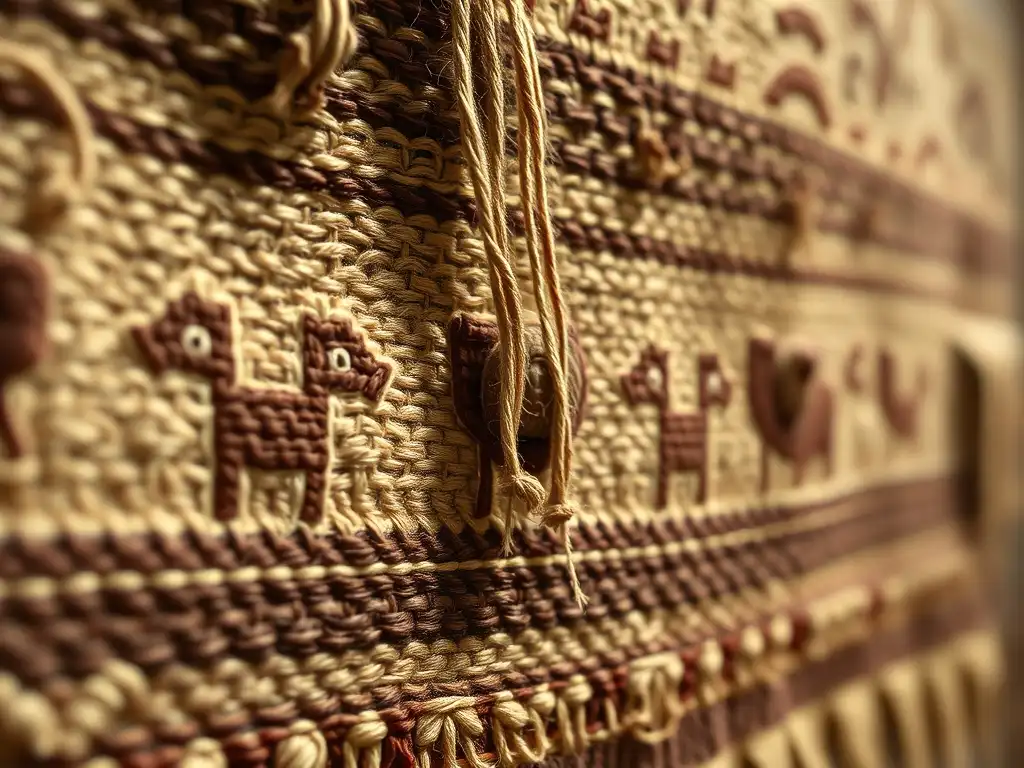
This section delves into the intricate world of Andean textile production, showcasing the remarkable artistry and technological sophistication employed by ancient Andean cultures. We'll explore the diverse techniques, materials, and symbolic meanings embedded within these extraordinary textiles, highlighting their significance as both artistic expressions and technological achievements. Understanding these techniques provides a crucial lens through which to appreciate the ingenuity and cultural depth of Andean civilizations. The mastery of Andean textile production techniques was not merely a craft; it was a testament to their advanced understanding of engineering, material science, and social organization.
A Deep Dive into Ancient Andean Weaving
Andean weaving wasn't a simple process; it was a complex interplay of skill, knowledge, and artistry. The sheer variety of techniques employed is astonishing, reflecting regional variations and evolving styles across centuries. Consider, for example, the intricate tapestry weaving of the Nazca culture, characterized by its incredibly fine threads and detailed designs.
These textiles, often depicting intricate scenes of their mythology and daily life, required an exceptional level of precision and patience. The process began with the careful selection and preparation of fibers, typically alpaca, llama, vicuña, or cotton. These fibers were then spun using hand spindles, a labor-intensive process requiring considerable skill to achieve the desired thickness and consistency.
The actual weaving process itself varied depending on the desired textile. Backstrap looms, a portable and versatile weaving tool, were commonly used, allowing for intricate patterns and designs. However, evidence also suggests the use of more complex looms, capable of producing wider and more elaborate textiles. The use of different types of knots and weaving techniques – such as plain weave, tapestry weave, and brocade – allowed weavers to create textures and patterns of remarkable complexity.
The dyes used, derived from natural sources like plants and minerals, added another layer of sophistication. The precise recipes for these dyes, often kept secret within families or communities, contributed to the unique characteristics of Andean textiles. The vibrant colors and their permanence are a testament to the advanced knowledge of Andean chemists and artisans.
The level of detail achievable in Andean weaving is breathtaking. Some textiles feature thousands of individual threads, each precisely placed to create stunningly intricate designs. This level of precision required not only exceptional skill but also a deep understanding of mathematics and geometry, suggesting a sophisticated understanding of abstract concepts. The creation of these textiles was a time-consuming process, often requiring months or even years to complete a single piece.
Beyond Decoration: The Technological Significance of Andean Textiles
While the aesthetic beauty of Andean textiles is undeniable, their significance extends far beyond mere decoration. These textiles served a multitude of crucial purposes, reflecting the advanced technological capabilities of Andean societies. Their use ranged from everyday clothing and household items to ceremonial garments and elite status markers. The durability and functionality of Andean textiles are striking.
Many examples have survived for centuries, a testament to the quality of the materials and the techniques used in their creation. Consider the resilience of alpaca wool, which provided warmth and protection in the harsh Andean climate. The careful construction of textiles ensured their longevity and adaptability to diverse environmental conditions.
Furthermore, the intricate designs and symbolic motifs woven into these textiles served as powerful communication tools. They conveyed social status, religious beliefs, and historical narratives, providing valuable insights into Andean societies. The complexity of these designs reflects a sophisticated understanding of symbolism and visual communication. Certain patterns and colors might have indicated specific clans, lineages, or religious affiliations, highlighting the social and political significance of textiles.
The use of specific weaving techniques might have also been linked to particular rituals or ceremonies, further emphasizing the profound integration of textiles into Andean life. Analyzing these patterns provides a window into the cultural complexities and social structures of these ancient civilizations. The study of Andean textile production techniques continues to reveal new insights into the ingenuity and cultural richness of these remarkable civilizations. Indeed, the legacy of Andean textile production techniques continues to inspire artisans and designers today.
Andean Textile Production Techniques: A Masterclass in Innovation
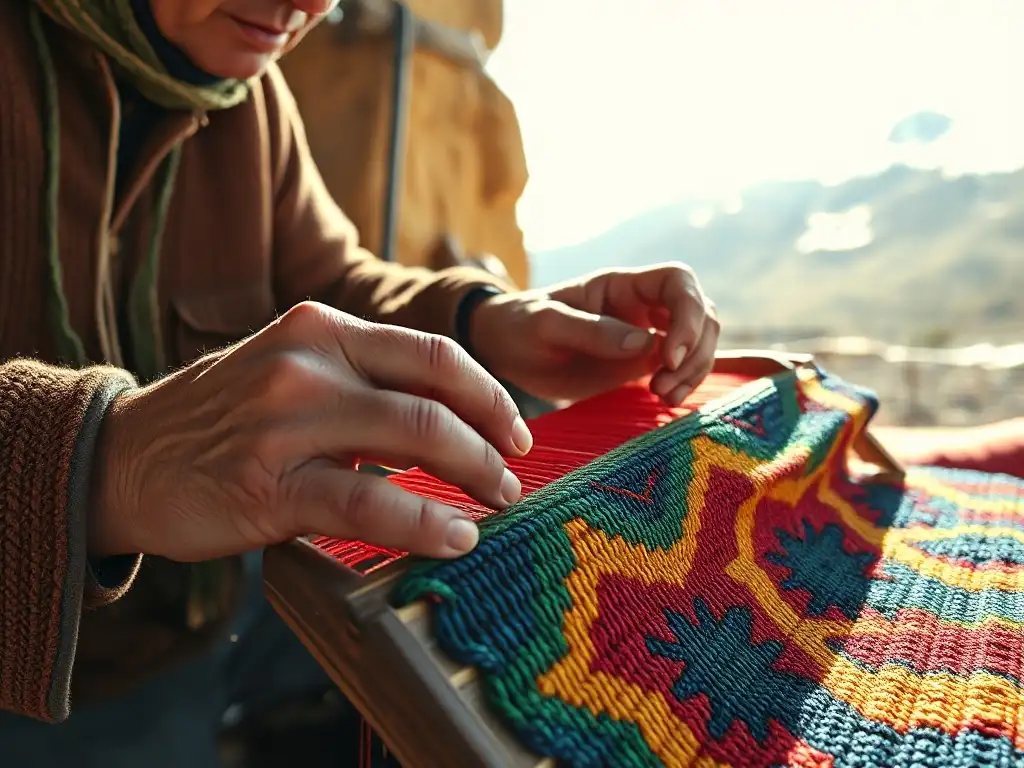
This section delves into the sophisticated techniques employed by Andean civilizations in textile production, showcasing their ingenuity and mastery of fiber manipulation. Understanding these methods reveals not only artistic skill but also a deep understanding of material science and engineering, reflecting a remarkable level of technological advancement for their time. The Andean textile production techniques were far from simple; they represented a complex interplay of knowledge, skill, and resourcefulness.
This section will explore the intricacies of this remarkable craft, examining the processes from fiber selection to the creation of intricate woven fabrics. The sheer variety and quality of surviving textiles stand as a testament to the advanced nature of Andean textile production techniques.
The Intricacies of Pre-Columbian Andean Textile Weaving
Pre-Columbian Andean weaving was a highly specialized skill, passed down through generations. The textiles weren't merely functional; they served as powerful symbols of status, identity, and religious belief. The level of detail and precision found in surviving examples, such as the Paracas textiles, is astonishing. Weavers employed a variety of techniques, including tapestry weaving, brocade, and sumptuary weaving, each demanding exceptional skill and patience.
The use of multiple colors and intricate patterns, often incorporating symbolic imagery, showcases a remarkable understanding of color theory and design principles. Furthermore, the use of different weaving structures allowed for the creation of textiles with varying textures and densities, further demonstrating the technical sophistication of Andean textile production. Consider the incredibly fine detail in some of the surviving examples; the threads are so tightly woven that the reverse side is almost a mirror image of the front, a feat of engineering and artistry.
Fiber Preparation: Transforming Raw Materials into Threads
The production of Andean textiles began long before the actual weaving process. The careful selection and processing of fibers were crucial steps, directly impacting the final product's quality and durability. The Andean region boasted a diverse range of fiber sources, each with unique properties. This diversity is a key element in understanding the sophistication of Andean textile production techniques.
The Selection and Processing of Andean Fibers
Andean civilizations utilized a variety of fibers, including cotton, wool from camelids (llamas, alpacas, and vicuñas), and other plant fibers. The selection of fiber depended on the intended use of the textile and the desired properties, such as softness, strength, and warmth. For example, vicuña wool, prized for its exceptional fineness and softness, was reserved for elite garments, while llama wool, a more readily available resource, was used for everyday clothing.
The processing of these fibers involved meticulous steps, including cleaning, carding, and combing to remove impurities and align the fibers, creating a smooth and consistent yarn. This careful preparation was essential for achieving the high-quality textiles characteristic of Andean craftsmanship. Detailed archaeological evidence reveals specialized tools and techniques used in these processes, further highlighting the advanced nature of Andean textile production techniques.
Spinning Techniques: Creating Strong and Consistent Threads
Once the fibers were prepared, the next crucial step was spinning them into yarn. Andean spinners employed a variety of spinning techniques, resulting in yarns of different thicknesses and textures. They used hand spindles, skillfully manipulating the fibers to create strong and consistent threads.
The quality of the spun yarn directly impacted the final woven textile's strength and appearance. Archaeological finds reveal a range of spindle whorls made from various materials, indicating regional variations and potential specialization in spinning techniques. The consistency of the yarn, often achieved through meticulous hand manipulation, is a testament to the skill and precision of Andean spinners.
The development of strong, even yarns was vital for creating the intricate and durable textiles for which Andean civilizations were renowned. The variations in spinning techniques also allowed for the creation of textiles with varying textures and weights, further expanding the range of possibilities in Andean textile production techniques.
Andean Looms: Ingenious Devices for Textile Creation
Andean textile production was not simply a craft; it was a sophisticated technological achievement, deeply intertwined with the social and spiritual fabric of Andean societies. Central to this achievement were the looms themselves, ingenious devices that allowed for the creation of incredibly intricate and durable textiles. These weren't standardized machines; rather, different types of looms, each adapted to specific needs and materials, were used across various Andean cultures and time periods.
The design and construction of these looms reflect a deep understanding of engineering principles and a remarkable capacity for innovation. The effectiveness of these tools allowed the Andean people to create textiles of exceptional quality and artistry, which continue to amaze and inspire us today.
The development of loom technology, in turn, facilitated the diversification and sophistication of weaving techniques, leading to the extraordinary variety of Andean textiles we see preserved in archaeological sites and museum collections. The ingenuity of these tools directly contributed to the cultural richness and technological advancement of the Andean civilizations.
The Backstrap Loom: Versatility and Portability
The backstrap loom is perhaps the most iconic and widely used loom across the Andes. Its simplicity and portability made it ideal for nomadic groups and individual artisans. The loom consists of a warp beam (where the lengthwise threads, or warp, are attached), a heddle (a device used to lift and separate the warp threads), and a backstrap (a strap that is fastened around the weaver's waist to provide tension).
The weaver controls the tension of the warp by adjusting the backstrap, allowing for precise control over the weaving process. This adaptability made the backstrap loom suitable for weaving a wide variety of textiles, from simple cloths to complex tapestries. Its portability also allowed weavers to work in various locations, integrating weaving seamlessly into their daily lives.
The backstrap loom's enduring popularity across the Andean region speaks to its versatility and effectiveness as a tool for textile production. The simplicity of its design, coupled with its adaptability, ensured its widespread adoption and continued use for centuries.
The Four-Post Loom: Larger-Scale Textile Production
In contrast to the portability of the backstrap loom, the four-post loom allowed for larger-scale textile production. This stationary loom, with its four posts providing structural support, enabled weavers to create much wider pieces of cloth. The increased size and stability of the four-post loom allowed for the creation of textiles intended for significant social and ceremonial purposes, such as large mantles, wall hangings, and other monumental textiles. The four-post loom represents a significant advancement in Andean textile technology, enabling the production of larger and more complex textiles, reflecting a growing level of societal complexity and the need for mass production for specific events or purposes. Evidence suggests that the four-post loom was particularly prevalent in settled communities, where the stationary nature of the loom was less of a constraint. The increased capacity and efficiency of the four-post loom played a crucial role in the development of Andean textile art.
Weaving Techniques: From Basic Structures to Complex Patterns
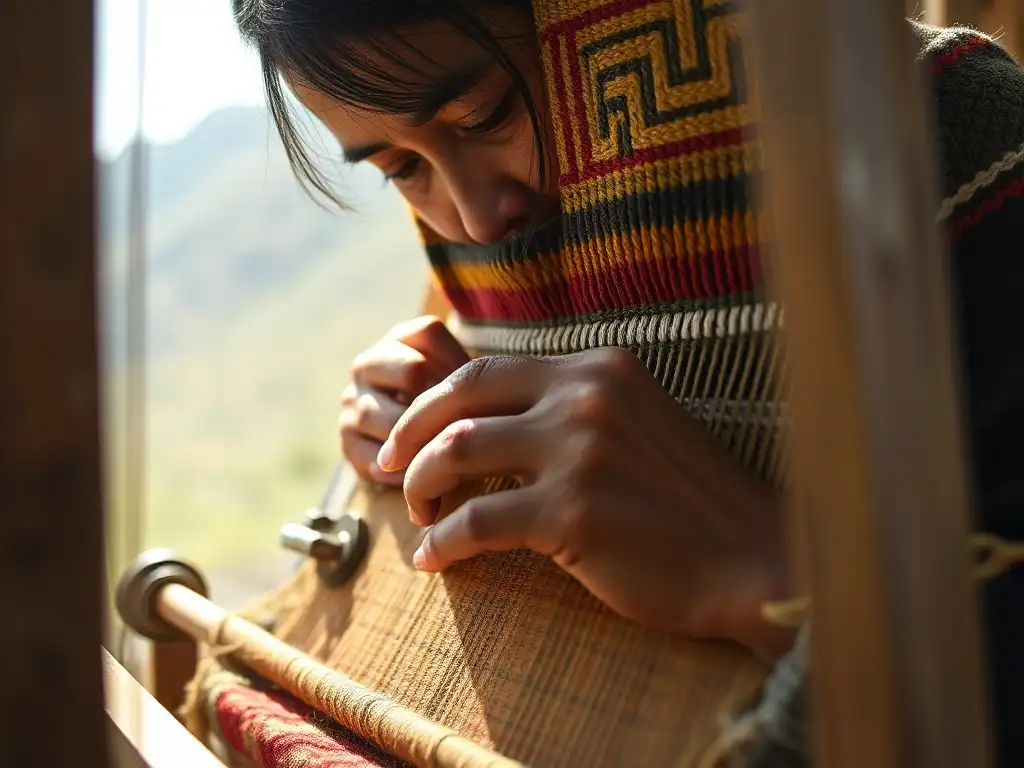
The remarkable artistry of Andean textiles is not solely attributable to the looms themselves; it also stems from the mastery of sophisticated weaving techniques. These techniques, passed down through generations, allowed Andean weavers to create textiles of unparalleled complexity and beauty. From simple plain weaves to intricate tapestry techniques, Andean weavers demonstrated an exceptional understanding of textile structure and design.
The development of these techniques over centuries showcases the ingenuity and creativity of Andean artisans. This knowledge was not simply technical but also deeply symbolic, with different weaving techniques carrying social and religious significance. The intricacy of some designs also suggests a deep understanding of mathematics and geometry, embedded within the very fabric of the textiles.
Warp and Weft: The Foundation of Andean Textiles
The foundation of any woven textile lies in the warp and weft threads. The warp threads run lengthwise, forming the foundation of the fabric, while the weft threads are interwoven horizontally across the warp to create the fabric's structure. In Andean textile production, the preparation of both warp and weft threads was a crucial initial step. This involved spinning the fibers—often alpaca, llama, vicuña, or cotton—into yarn, often using a drop spindle.
The quality of the yarn, its thickness, and its evenness directly impacted the final textile's appearance and durability. The meticulous attention paid to the preparation of the warp and weft threads highlights the dedication and skill involved in Andean textile production. Variations in the tension, thickness, and arrangement of the warp and weft threads also allowed weavers to create textural variations and subtle design elements.
Supplementary Weft Techniques: Introducing Complex Designs
Beyond the basic warp and weft structure, Andean weavers employed supplementary weft techniques to introduce complex designs and patterns into their textiles. These techniques involved adding extra weft threads that were not fully integrated into the main fabric structure. These extra weft threads were used to create intricate designs, often in contrasting colors, overlaying the basic weave. This allowed for the creation of detailed patterns and pictorial representations, showcasing the advanced understanding of textile design and color manipulation.
The use of supplementary weft techniques dramatically expanded the possibilities for artistic expression in Andean textiles. These techniques required a high level of skill and precision, demonstrating the mastery of Andean weavers. The resulting textiles are truly remarkable examples of artistic achievement.
Double Weave: Creating Reversible Textiles
Double weave is a particularly advanced technique that allowed Andean weavers to create reversible textiles, meaning that both sides of the fabric featured distinct and equally intricate designs. This technique involves using two sets of warp threads, creating two separate layers of fabric that are interwoven simultaneously. Each layer could have its own independent design, showcasing a remarkable level of planning and precision. Double weave highlights the sophisticated understanding of textile structure and design within Andean cultures.
The creation of reversible textiles demonstrates a mastery of weaving techniques beyond simple decoration; it represents a sophisticated understanding of textile engineering and artistry. This technique required significant skill and planning, making it a testament to the expertise of Andean weavers. The enduring legacy of these textiles speaks volumes about the advanced technological capabilities of the Andean civilizations.
Dyeing Methods: Achieving Vibrant and Lasting Colors
Andean textile production techniques were renowned not only for their intricate weaving but also for the breathtaking vibrancy and longevity of their colors. Achieving such remarkable results required a deep understanding of natural dyes and the processes to fix them to the fibers. The Andean peoples, across various cultures like the Inca, Moche, and Nazca, developed sophisticated methods to extract, prepare, and apply dyes, resulting in textiles that have survived for centuries, retaining much of their original brilliance.
This mastery of color was integral to the cultural and religious significance of their textiles, with specific hues carrying symbolic weight and meaning. The process was not merely functional; it was an art form in itself, passed down through generations of skilled artisans. The careful selection and combination of dyes allowed for a vast range of colors and shades, reflecting the diverse landscapes and rich cultural expressions of the Andes.
Natural Dyes from Plants, Minerals, and Animals
The Andean palette was derived from a remarkable variety of sources. Plants provided a rich spectrum of colors. For example, the cochineal insect, a small scale insect that feeds on prickly pear cacti, yielded a deep, rich crimson. This vibrant red was highly prized and used extensively in ceremonial textiles.
Different species of cacti themselves provided other shades of red, orange, and yellow. Various plants, such as the indigo plant (yielding blues) and various species of Rubia tinctorum (madder, yielding reds), were cultivated specifically for their dyeing properties. These were not simply harvested; the preparation of the dye involved detailed processes of maceration, fermentation, and sometimes even specific techniques of pestle and mortar processing to extract the maximum color potential. Minerals, too, contributed to the color range.
Certain clays offered earthy tones, while other minerals produced yellows and browns. Animal sources, such as shellfish and insects, were also used to create specific shades, demonstrating the holistic approach of Andean dye production, utilizing the resources available in their environment. The ingenuity of the Andean people in identifying and harnessing these natural resources is a testament to their scientific understanding of the natural world. The knowledge surrounding these processes was carefully guarded and passed down through generations, forming an essential part of their cultural heritage.
Mordants: Enhancing Color Fastness
The vibrant colors of Andean textiles weren't solely a result of skillful dye extraction; they also relied heavily on the use of mordants. Mordants are substances that act as a binding agent, fixing the dye to the fibers of the textile and preventing it from fading or washing away. The Andes boasted an impressive array of mordants, naturally sourced and tailored to specific dyes and fibers.
These included substances like alum (aluminum potassium sulfate), obtained from various minerals, and tannins, extracted from tree bark and other plant sources. The precise application of mordants was crucial; an incorrect amount or type could result in dull colors or even damage to the fabric. The knowledge of mordant use was a critical part of the Andean dyeing tradition, passed down through generations of skilled artisans.
The effective use of mordants ensured that the textiles not only retained their vibrancy but also their structural integrity, contributing to their remarkable durability and longevity. This sophisticated understanding of chemical processes, centuries ahead of its time, underscores the advanced nature of Andean textile production techniques and their enduring legacy. The successful application of mordants is a testament to the Andean's advanced understanding of chemistry and its role in preserving cultural artistry.
Andean Textile Patterns and Their Meanings
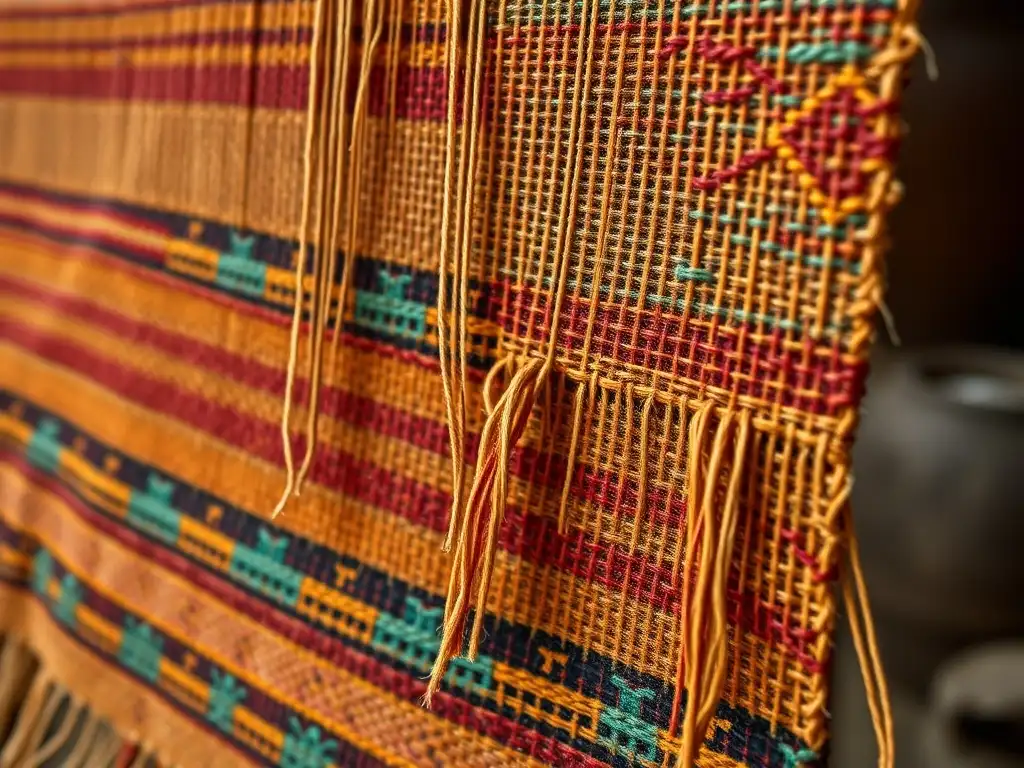
Andean textile production techniques were not merely about creating beautiful fabrics; they were a sophisticated system imbued with deep cultural and symbolic meaning. Understanding these patterns requires looking beyond the aesthetic appeal to the intricate narratives woven into the very fabric of the textiles. The choice of colors, the arrangement of motifs, and even the type of fiber used all contributed to a complex system of communication, reflecting social status, religious beliefs, and regional identities.
This section delves into the rich symbolism embedded within Andean textile patterns, exploring how these seemingly simple designs reveal a wealth of information about the societies that created them. Analyzing Andean textile production techniques through this lens provides a more complete understanding of their cultural significance. The meticulous craftsmanship involved underscores the high value placed on these textiles within their respective societies.
Beyond the Aesthetic: Symbolism in Andean Weaving
The vibrant colors and intricate designs of Andean textiles are not merely decorative. Each element holds symbolic weight, often representing specific deities, animals, plants, or abstract concepts. For example, the color red frequently symbolized blood, sacrifice, and power, while yellow represented the sun and gold.
Geometric patterns, such as chevrons and stepped triangles, could represent mountains, agricultural terraces, or celestial bodies. The use of specific animals, like the condor (representing power and altitude) or the llama (representing wealth and domesticity), further enriched the narrative embedded within the textile. The careful selection and arrangement of these symbolic elements reveal a sophisticated understanding of cosmology and the natural world.
Detailed analysis of individual textiles has revealed complex narratives depicting myths, rituals, and historical events, showcasing the advanced level of Andean textile production techniques employed to convey such intricate stories. This complex interplay of color, pattern, and symbolism demonstrates the advanced level of artistry and cultural sophistication of Andean civilizations.
Iconography in Andean Textiles: Narratives and Beliefs
Andean textile production techniques often incorporated iconographic elements that served as visual narratives, conveying stories and beliefs across generations. These narratives weren't simply decorative; they were crucial in transmitting cultural knowledge, religious beliefs, and historical accounts. The textiles acted as living archives, preserving and disseminating vital information within the community.
Representations of deities, mythical creatures, and ancestral figures were frequently woven into the fabric, reflecting the religious and spiritual beliefs of the Andean people. Scenes depicting agricultural practices, hunting expeditions, or ceremonial rituals were also common, offering insights into the daily lives and social structures of these societies. The use of specific iconography varied across different regions and time periods, reflecting the diverse cultural landscapes of the Andes.
For example, [specific examples of iconography and their meanings pending]. The level of detail and the sophistication of the narratives woven into these textiles showcase the advanced level of artistic and technical skill achieved by Andean artisans.
Regional Variations in Andean Textile Motifs
Andean textile production techniques varied significantly across different regions, resulting in a fascinating array of unique styles and motifs. The geography, climate, and cultural practices of each region influenced the types of fibers used, the dyeing techniques employed, and the patterns woven into the textiles. The coastal regions, for instance, often used cotton, while the highlands relied more heavily on alpaca and llama wool. The differences in available resources led to distinct regional styles.
Coastal textiles often featured marine motifs, while highland textiles incorporated representations of llamas, vicuñas, and mountainous landscapes. These regional variations not only highlight the adaptability of Andean textile production techniques but also demonstrate the strong sense of regional identity within the larger Andean cultural sphere. This diversity of styles and motifs underscores the complexity and richness of Andean textile traditions.
A comparative study of textiles from different Andean regions would reveal a fascinating tapestry of local traditions and artistic expressions, further enriching our understanding of Andean textile production techniques and their cultural significance. For example, the Nazca culture is known for its intricate designs and vibrant colors, while the Inca textiles are characterized by their sophisticated use of symmetry and geometric patterns. 🌎
The Lasting Legacy of Andean Textile Technology
The ingenuity of Andean textile production techniques continues to fascinate and inspire, leaving an undeniable mark on the world of textiles. The sophisticated methods employed by ancient Andean cultures, including the Incas, Moche, Nazca, and Tiahuanaco, were far more advanced than previously thought, showcasing a deep understanding of materials science, engineering, and design. Their mastery of diverse techniques, from intricate spinning and dyeing processes to complex weaving patterns, resulted in textiles of unparalleled beauty and durability.
These weren't simply garments; they were powerful symbols of status, spirituality, and social identity, imbued with rich cultural meaning. Understanding their techniques offers a window into the advanced technological capabilities and the rich cultural tapestry of these ancient societies. The legacy of these techniques is not merely historical; it continues to influence contemporary textile arts and inspires ongoing research into sustainable and innovative textile production methods.
The Enduring Influence of Andean Weaving Practices
Andean weaving practices have had a profound and lasting influence on textile traditions globally. The intricate designs, vibrant colors, and remarkable durability of Andean textiles have served as inspiration for countless artists and designers throughout history. The use of natural dyes derived from plants, insects, and minerals, for example, continues to be a source of fascination and experimentation.
The precise techniques used to create complex patterns, including tapestry weaving, brocade, and supplementary weft techniques, are still studied and emulated today. Furthermore, the cultural significance attributed to Andean textiles – their use in ceremonial contexts, as markers of social status, and as carriers of narrative – has profoundly impacted the way we understand the relationship between textiles and cultural identity. Even modern fashion designers frequently draw inspiration from the intricate designs and bold color palettes found in ancient Andean textiles, demonstrating the enduring appeal and influence of these techniques.
Modern Adaptations of Ancient Andean Textile Techniques
Modern artisans and researchers are actively exploring and adapting ancient Andean textile production techniques. This involves not only replicating historical methods but also innovating upon them, using modern technology to enhance precision and efficiency. For example, researchers are using advanced imaging techniques such as microscopy to analyze the structure of ancient Andean textiles, revealing insights into the techniques used and the materials employed. This knowledge is then applied to develop new tools and methods for contemporary textile production. Furthermore, there's a growing interest in reviving traditional dyeing practices using sustainably sourced natural dyes. This represents a significant shift towards environmentally friendly textile production, aligning with modern concerns about the sustainability of the fashion industry. The fusion of ancient knowledge with modern technology is leading to exciting new developments in textile design and production, preserving the legacy of Andean techniques while adapting them to meet the needs of the 21st century.
Preserving the Heritage of Andean Textile Production
Preserving the heritage of Andean textile production is a crucial endeavor requiring a multi-faceted approach. This includes documenting existing techniques, supporting traditional artisans, and promoting education and research. Efforts to document the knowledge of master weavers through interviews, workshops, and photographic documentation are essential for preserving this intangible cultural heritage.
Supporting traditional artisans through fair trade practices ensures the economic viability of their craft and helps prevent the loss of traditional skills. Furthermore, museums and cultural institutions play a vital role in showcasing and preserving Andean textiles, making them accessible to wider audiences. Academic research plays a significant role in uncovering new insights into ancient techniques and materials, informing both conservation efforts and contemporary textile production.
The continued promotion of Andean textile production as a significant cultural asset, both historically and contemporarily, is paramount to its survival and continued evolution. The preservation of these techniques is not only a matter of historical preservation but also a celebration of human ingenuity and a vital part of maintaining cultural diversity.
Frequently Asked Questions
What makes Andean textile production so unique?
Andean textile production was a technological marvel, utilizing sophisticated techniques like double-interlocking warp-faced weaving and complex dyeing processes unavailable elsewhere. Their mastery of fiber preparation and intricate designs also set them apart.
What types of fibers did Andean cultures use for their textiles?
Andean civilizations utilized a variety of fibers, including alpaca, llama, vicuña, and cotton. The choice of fiber depended on the desired texture, durability, and availability, reflecting a deep understanding of their properties.
How did Andean weavers create such vibrant and durable dyes?
They employed natural dyes derived from plants, insects, and minerals. The complex processes involved in preparing and applying these dyes resulted in exceptionally vibrant and long-lasting colors, resisting fading even after centuries.
What tools and technologies did Andean weavers use?
Andean weavers utilized a range of tools, including backstrap looms, spindles, and highly specialized needles. The backstrap loom, in particular, allowed for incredible flexibility and precision in weaving complex patterns.
What is the significance of Andean textiles in understanding their culture?
Andean textiles are powerful cultural indicators, reflecting social status, religious beliefs, and regional identities. The intricate designs and symbolic motifs provide invaluable insights into their worldview and societal structures.
Final Reflection: The Enduring Legacy of Andean Weaving
The intricate artistry of Andean textile production remains a testament to human ingenuity, a technological marvel that continues to inspire and amaze us today. These ancient techniques, far from being relics of the past, offer valuable lessons in sustainability, resourcefulness, and the profound connection between culture and innovation. Their enduring relevance in a world grappling with environmental challenges and a thirst for authentic craftsmanship is undeniable.
The impact of Andean weaving extends far beyond the realm of textiles; it speaks to the enduring power of cultural preservation and the importance of understanding our shared human heritage. The meticulous detail, the symbolic richness embedded in each thread, and the sophisticated understanding of natural dyes and fibers represent a profound connection to the land and a deep respect for tradition. The threads themselves are a language, a history woven into the very fabric of the culture.
This quote, though not directly from an Andean source, perfectly captures the essence of the cultural significance woven into every piece.
Consider the ingenuity of these techniques, the resourcefulness demonstrated in utilizing readily available materials, and the enduring beauty of the resulting textiles. You too can find inspiration in this legacy. Examine the ways in which sustainable practices and innovative thinking can be applied to your own life, whether it's in your chosen profession, your creative pursuits, or simply in your daily interactions with the world. Let the enduring spirit of Andean weaving inspire you to create, to innovate, and to connect with the rich tapestry of human experience.
Unveil the Richness of Andean Textiles!
Thank you for exploring the fascinating world of Andean textile production! We hope you've gained valuable insights into the intricate artistry behind these remarkable creations. Now, let's delve deeper into this rich cultural heritage.
Here are some ways to further explore the world of Andean textiles:
- Visit museums and galleries featuring Andean textiles to experience their beauty firsthand. Witness the intricate detail and vibrant colors up close.
- Participate in a weaving workshop, either online or in person, to learn traditional techniques and perhaps even create your own textile.
- Share your newfound appreciation for Andean textiles with friends and family. Discuss the artistry and history, or even host a gathering showcasing these beautiful pieces.
How will you help preserve and celebrate the artistry of Andean weaving?