
Hidden in the Hem: Discovering the Secrets within Andean Textile Borders

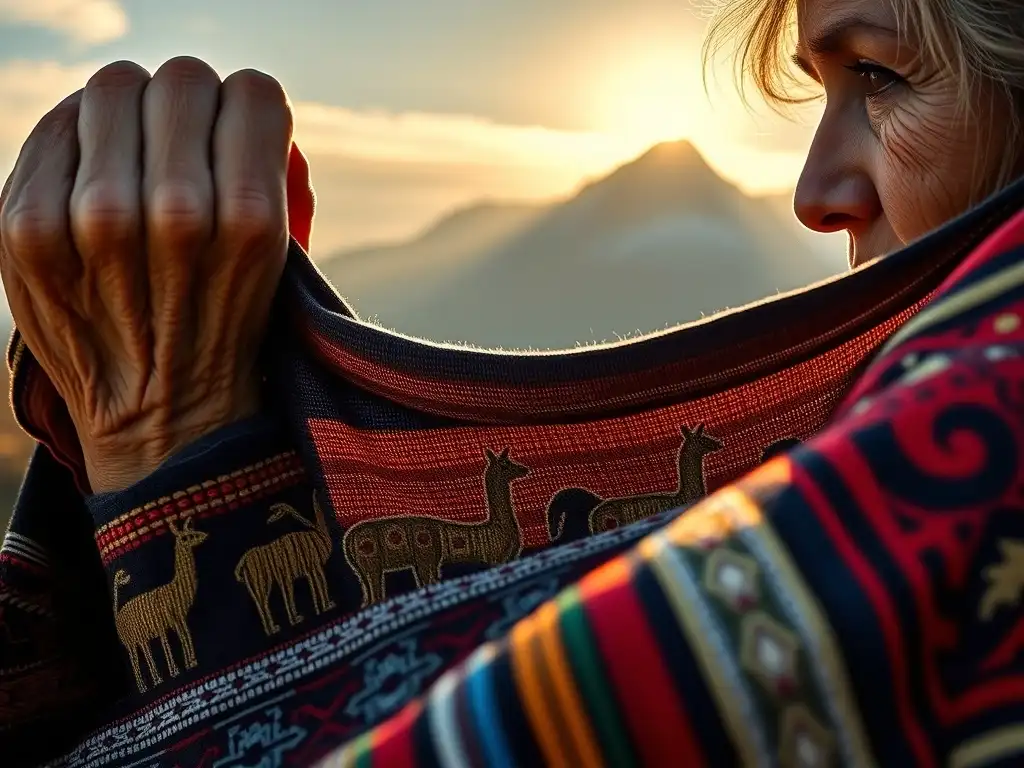
Unravel the mysteries woven into the very fabric of history. For centuries, the Andean textiles secrets have captivated explorers and scholars alike. Journey with us into the vibrant world of ancient Andean civilizations – the Incas, Moche, Nazca, and Tiahuanaco – where intricate designs and masterful techniques tell tales of gods, rituals, and daily life.
Prepare to be amazed by the artistry and ingenuity hidden within the seemingly simple borders of these remarkable textiles; the answers to intriguing questions lie just ahead. Discover more about the captivating world of Andean art and iconography, starting with our exploration of "Hidden in the Hem: Discovering the Secrets within Andean Textile Borders."
The vibrant tapestry of Andean civilization isn't just reflected in its monumental architecture and intricate goldwork; it's woven into the very fabric of its textiles. For centuries, Andean artisans have created breathtaking textiles, masterpieces of color, technique, and symbolism.
While the central imagery often commands attention – depictions of deities, animals, and everyday life – a closer look reveals a hidden layer of meaning subtly encoded within the seemingly unassuming borders. This article delves into the fascinating world of Andean textile borders, exploring the intricate details and hidden secrets they hold, revealing how these seemingly minor elements offer profound insights into the beliefs, social structures, and artistic mastery of these ancient cultures.
We will uncover how these seemingly simple borders provide a window into the rich cultural heritage of the Andes, revealing the artistry and ingenuity of Andean weavers and the profound meanings embedded within their work. Prepare to unravel the mysteries embedded in the hems of these extraordinary textiles, uncovering the secrets that lie hidden within.
Unveiling the Enigmatic World of Andean Textile Art
Andean textile art is renowned for its unparalleled complexity and artistry. From the intricate techniques employed to the profound symbolism woven into each thread, these textiles represent a pinnacle of human creativity. The use of natural dyes derived from plants, minerals, and insects resulted in a stunning range of colors, each imbued with its own cultural significance.
The techniques themselves, passed down through generations, include a variety of weaving methods, such as tapestry, brocade, and resist dyeing, each contributing to the unique texture and visual impact of the finished product. Many examples showcase astonishing levels of detail, with miniature figures and intricate patterns woven with remarkable precision. This level of skill and artistry wasn't merely decorative; the textiles served crucial social, religious, and economic functions within Andean societies.
The creation of textiles was a highly specialized craft, often associated with elite groups and religious practitioners, further highlighting their importance and cultural value. Understanding the context of Andean textile production is crucial to appreciating the depth of meaning embedded within even the smallest details, including those often overlooked borders.
The Significance of Borders in Andean Weaving
The borders of Andean textiles are far from mere decorative elements; they are integral components of the overall design and often carry profound symbolic meaning. Frequently overlooked, these seemingly simple bands of color and pattern often contain coded messages, intricate motifs, and symbolic representations that provide crucial clues to understanding the textile's purpose and cultural context. For example, certain geometric patterns might represent specific clans or lineages, while others could symbolize cosmological concepts or mythological narratives.
The colors themselves hold significant weight, often representing specific deities, natural elements, or social status. Consider, for instance, the recurring use of red, which in many Andean cultures symbolized blood, fertility, and power. The careful arrangement of these colors and patterns within the borders provides a complex layer of meaning that adds depth and richness to the central imagery of the textile.
Analyzing these seemingly minor details allows us to unravel a deeper understanding of the social, religious, and political landscapes of the Andean world. The meticulous attention to detail in these borders, often containing motifs mirroring those in the central panel, demonstrates the comprehensive approach to textile production and the deep understanding of symbolic representation present in Andean societies. The study of these borders, therefore, offers a unique lens through which to understand the complexity and nuance of Andean textile art and the societies that produced them.
Andean Textiles Secrets: Decoding the Language of the Hem
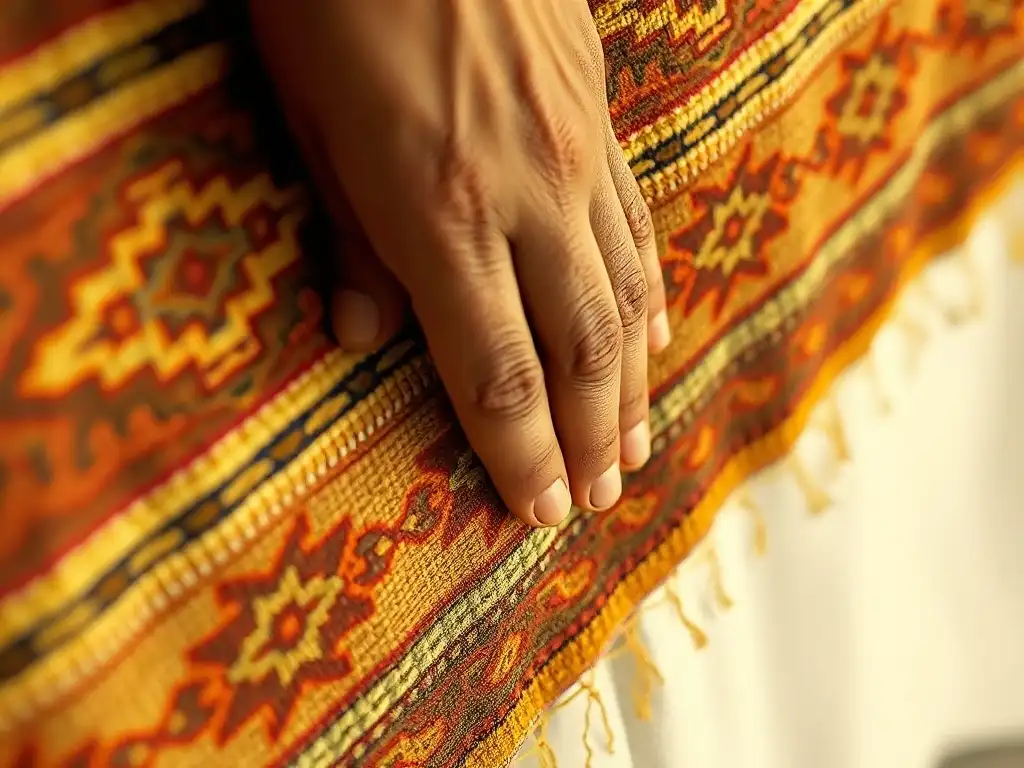
This section delves into the fascinating world of Andean textile borders, revealing the hidden messages and intricate artistry woven into these seemingly simple hems. For centuries, Andean artisans have utilized the borders of their textiles not merely as functional edges, but as powerful canvases for storytelling, social commentary, and spiritual expression. Understanding these borders unlocks a deeper appreciation for the complexity and sophistication of Andean textile traditions, offering a glimpse into the "Andean textiles secrets" carefully preserved through generations.
The Importance of Hemlines in Ancient Andean Culture
Hemlines in ancient Andean textiles weren't just functional; they held profound cultural significance. The meticulous attention to detail in their creation reflects the high value placed upon textiles within Andean societies. Consider the time and skill required to create intricate borders, often incorporating multiple techniques like tapestry weaving, embroidery, and supplementary weft.
This labor-intensive process elevated the textiles beyond mere clothing or household items, transforming them into precious objects imbued with symbolic meaning. The hemlines, often the most elaborately decorated part, served as a testament to the weaver's skill and the wearer's social standing. Detailed inventories from colonial archives, while sometimes incomplete, reveal that the quality and complexity of the hems were often noted in descriptions of textiles, indicating their importance in assessing the textile's value.
For example, a finely woven lliclla (a type of shawl) with a particularly intricate border would have been highly prized, reflecting both the weaver's mastery and the owner's social prestige. The preservation of many examples in museums today further underscores the enduring cultural significance of these seemingly minor details.
Textile Borders as Narrative Devices
Andean textile borders frequently served as narrative devices, conveying stories, beliefs, and historical events. Unlike other forms of Andean art, like pottery or metalwork, which often rely on a single, dominant image, the linear nature of the border allowed for a sequential storytelling approach. Think of it as a visual scroll, unfolding a narrative through a series of carefully chosen motifs.
These motifs, ranging from stylized animals and plants to geometric patterns and human figures, were not randomly placed. Their arrangement and repetition often followed specific patterns with symbolic meanings, creating a sophisticated visual language. For example, a sequence depicting the stages of a llama's life cycle might represent themes of fertility, renewal, and the cyclical nature of time, crucial concepts in Andean cosmology.
Furthermore, the use of color played a critical role in this narrative function, with specific hues carrying additional layers of symbolic meaning, adding depth and complexity to the story being told. The study of these narrative borders requires a detailed analysis of both individual motifs and their sequential arrangement, revealing the rich tapestry of Andean beliefs and experiences.
Symbolism and Iconography in Andean Textile Fringes
The symbolism embedded within Andean textile fringes is remarkably rich and diverse, varying across different cultures and time periods. Specific motifs, such as the khipu knot system (a complex system of recording information), were frequently represented in simplified forms within borders. These miniature representations, while less intricate than full-sized khipu, still conveyed their significance as symbols of record-keeping, history, and ancestral knowledge.
Furthermore, animal representations, such as condors, jaguars, and snakes, held profound symbolic value, often associated with power, divinity, and the Andean worldview. Geometric patterns, while seemingly abstract, also carried deep cultural meaning, potentially representing clan affiliations, cosmological concepts, or even specific events. The vibrant colors used, often derived from natural dyes like cochineal and indigo, further enhanced the symbolic weight of these designs, adding another layer of meaning to the already intricate imagery.
The careful analysis of these symbolic elements within the textile fringes provides valuable insights into the complex belief systems and social structures of ancient Andean societies, unlocking more "Andean textiles secrets" and offering a window into their rich cultural heritage. Further research into specific regional variations in fringe designs and their associated meanings is needed to fully understand the diversity and complexity of this aspect of Andean textile art.
Techniques and Materials: Constructing the Intricate Borders
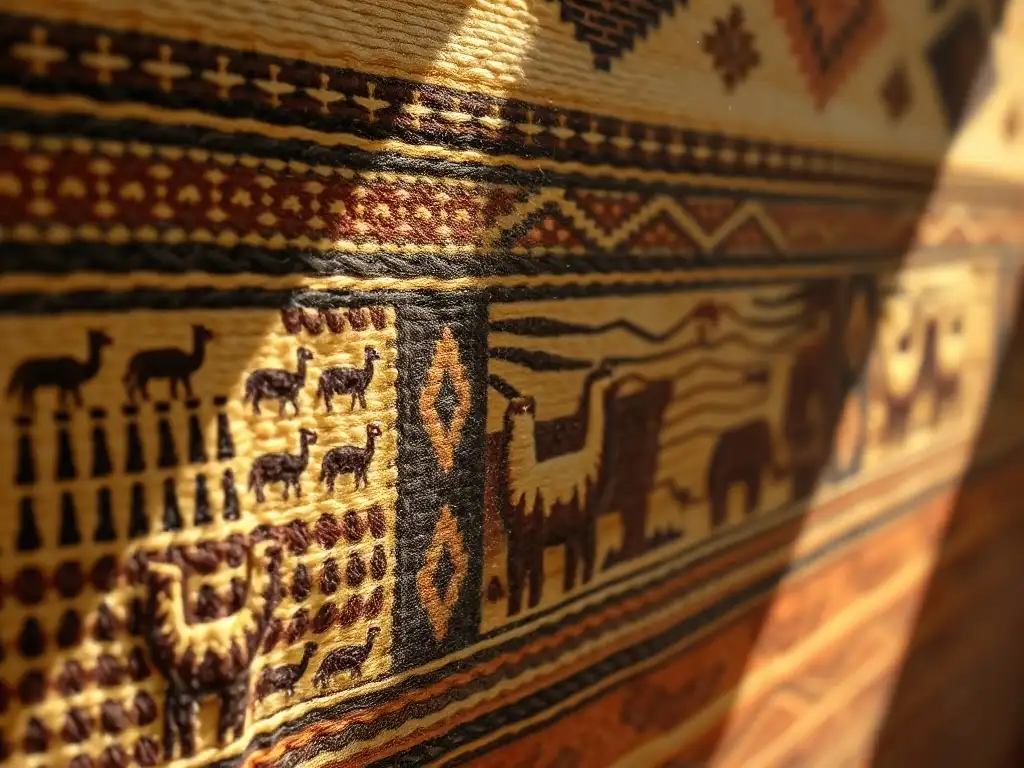
This section delves into the meticulous craftsmanship behind the creation of Andean textile borders, exploring the techniques, materials, and symbolic significance embedded within these intricate details. Understanding the techniques employed reveals the sophisticated understanding of textile production held by Andean artisans, a knowledge passed down through generations. The secrets within these borders are not just aesthetic; they are a window into the cultural values and beliefs of these ancient societies. Analyzing the materials and dyes further unravels the layers of meaning woven into each piece.
Weaving Techniques Used in Border Creation
Andean weavers employed a variety of sophisticated weaving techniques to create their stunning borders. The most common included:
- Supplementary Weft: This technique involved adding extra weft threads to create patterns and designs that stood out from the main body of the cloth. The supplementary weft could be of a different color or texture, allowing for intricate detail and visual contrast. This was particularly effective in creating geometric patterns, often seen in the borders of chumpi (sashes) and lliclla (shawls).
- Warp-faced Plain Weave: This technique, characterized by the warp threads being dominant on the surface, allowed for a smooth, even base for the intricate border designs. The smooth surface provided a perfect canvas for the application of supplementary weft patterns and other decorative elements.
- Brocade: A more complex technique, brocade involved the use of supplementary weft threads to create raised patterns on the surface of the cloth. This technique allowed for the creation of more elaborate and three-dimensional designs, often incorporating figurative representations or symbolic motifs. The precision required underscores the high level of skill possessed by Andean artisans.
- Tapestry: In tapestry weaving, the weft threads are manipulated to create distinct areas of color and design, ideal for complex border patterns that incorporated multiple hues and intricate motifs. The use of tapestry weaving demonstrates the mastery of the artisans in controlling the weft threads to create detailed pictures and narratives within the borders of their textiles.
The choice of weaving technique was often influenced by the intended use of the textile and the desired aesthetic effect. The skillful blending of these techniques, sometimes within a single piece, is a testament to the advanced understanding of textile production among Andean cultures.
Dyes and Pigments: Colors and their Meanings in Andean Borders
The vibrant colors used in Andean textile borders were not merely decorative; they held deep symbolic meaning within the Andean worldview. These colors, derived from natural sources, were carefully selected and applied to convey specific messages, social status, or spiritual significance.
| Color | Source | Symbolic Meaning | Example |
|---|---|---|---|
| Deep Red | Cochineal insects | Power, royalty, fertility, blood sacrifice | Border of a k'eperuna (royal mantle) |
| Rich Brown | Plant extracts (e.g., walnut) | Earth, stability, connection to the land | Border of a utilitarian textile like a bag |
| Brilliant Yellow | Annatto seeds | Sun, gold, wealth, divinity | Border of a ceremonial garment |
| Deep Purple | Various plant sources | Royalty, nobility, spiritual power | Border of an elite individual's textile |
| Various Shades of Natural Greens and Blues | Various plant sources | Nature, harmony, abundance, life cycle | Borders representing agricultural themes |
The specific shades and combinations of colors often varied regionally, reflecting the diverse traditions and beliefs of different Andean communities. Further research is needed to fully decode the nuanced meanings embedded within these intricate color palettes. The precision and consistency in color application also highlight the expertise of the dyers in obtaining and using natural dyes.
Materials Used: From Cotton to Camelid Fibers in Textile Fringes
The materials used in creating Andean textile borders played a crucial role in determining both the aesthetic qualities and the symbolic significance of the finished product. The most common materials included:
- Cotton: Widely cultivated throughout the Andes, cotton provided a soft, comfortable, and durable base for many textiles. Its softness made it suitable for clothing items, while its durability ensured longevity.
- Llama and Alpaca Wool: The soft, warm, and luxurious wool from llamas and alpacas was highly prized for its quality and insulating properties. These fibers were often used in finer textiles, particularly those intended for ceremonial or elite purposes. The variations in fiber textures allowed weavers to achieve different visual effects within the borders.
- Vicuña and Guanaco Wool: These rarer, finer fibers were reserved for the elite, signifying high social status and prestige. The extremely soft and luxurious nature of these fibers made them ideal for creating intricate and delicate border designs. The use of these fibers clearly indicates the social standing of the wearer and the importance of the textile.
The quality and type of fiber used in the border often mirrored the quality of the main body of the textile, reflecting the overall value and purpose of the garment or object. The combination of different fibers, often seen in more elaborate borders, highlights the resourcefulness and artistry of Andean weavers. Careful examination of the fiber content can offer clues about the social context and intended use of the textile. Further analysis of textile fragments would allow for a more complete understanding of the material choices and their significance.
Examining Specific Examples: Case Studies of Andean Textile Borders
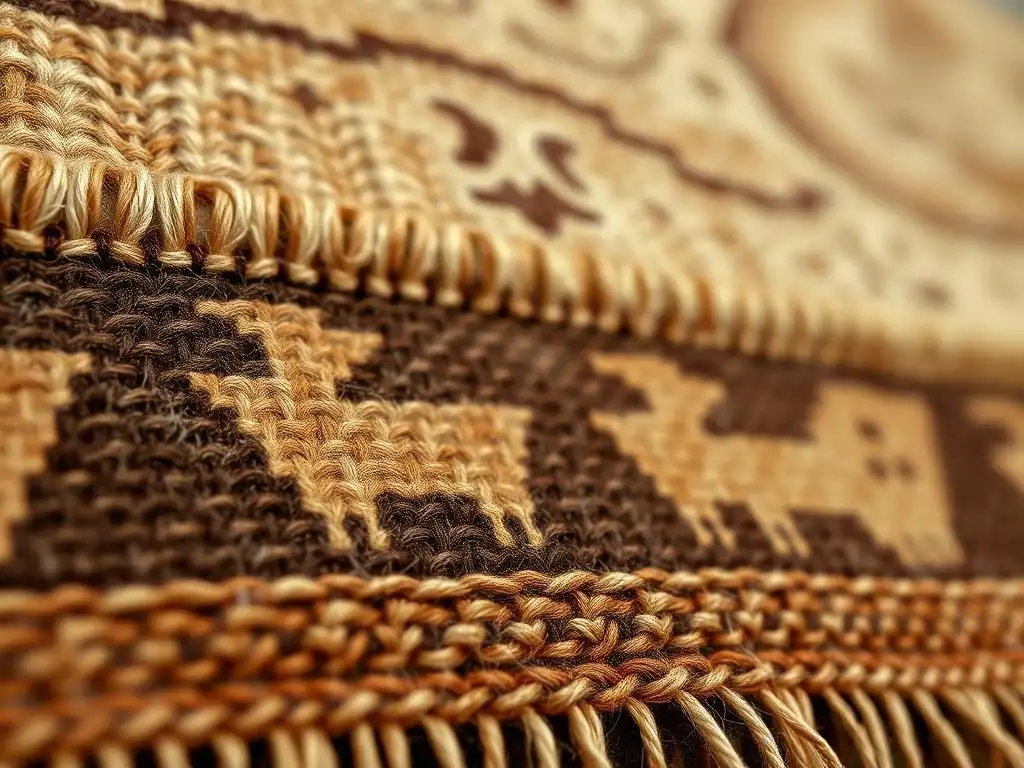
This section delves into the intricate details of Andean textile borders from various cultures, revealing hidden meanings and technical mastery concealed within these seemingly simple design elements. We'll explore specific examples, highlighting the diverse techniques and symbolic representations employed by Andean artisans. The secrets woven into these borders offer invaluable insights into the beliefs, social structures, and artistic innovations of these ancient civilizations. Understanding these subtle details unlocks a deeper appreciation for the artistry and cultural significance of Andean textiles. The study of Andean textiles secrets reveals a wealth of information previously hidden from view.
The Significance of Paracas Textile Borders
Paracas textiles, renowned for their vibrant colors and complex iconography, often feature elaborate borders that are integral to the overall design. These borders aren't merely decorative; they frequently incorporate symbolic motifs that relate to the central imagery of the textile. For instance, a recurring motif is the depiction of stylized felines, often associated with shamanic practices and the supernatural realm.
The careful placement and repetition of these feline figures within the border suggest a deliberate attempt to frame and enhance the power of the central image. Furthermore, the intricate tapestry techniques used in creating these borders—including the incorporation of multiple colors and the skillful manipulation of yarn—demonstrate a high level of technical expertise. Analysis of the yarn itself can even reveal clues about the dyes and plant fibers used, offering further insights into the available resources and the ingenuity of the Paracas artisans.
Detailed studies of Paracas textile borders reveal a sophisticated understanding of both symbolism and textile production. The secrets within these borders are slowly being unraveled, revealing the rich tapestry of Paracas culture.
Analyzing Inca Hem Designs and Motifs
Inca textiles, while often simpler in design compared to Paracas pieces, are no less significant in their use of borders. Inca hem designs frequently incorporate geometric patterns, such as chevrons, zigzags, and stepped triangles, often in repeating sequences. These seemingly simple patterns, however, are far from random.
Anthropological studies suggest that these geometric motifs held symbolic meaning, potentially representing agricultural cycles, celestial events, or social hierarchies. The precision and regularity of these patterns, achieved through meticulous weaving techniques, underscore the Inca's emphasis on order and control. Moreover, the use of specific colors within the borders, such as red (associated with power) or yellow (linked to the sun god Inti), adds another layer of symbolic complexity.
The seemingly straightforward Inca hem designs, upon closer examination, reveal a complex system of visual communication. The secrets hidden in these borders speak volumes about Inca cosmology and social organization. Uncovering these Andean textiles secrets allows us to better understand Inca worldview.
Bolivian Textile Border Traditions
Bolivian textile traditions, spanning centuries and incorporating influences from various Andean cultures, showcase a remarkable continuity in border design. While specific motifs vary across regions and communities, a common thread is the incorporation of symbolic elements related to nature, animals, and daily life. For example, borders may include representations of llamas (crucial to Andean economies), stylized plants (reflecting agricultural practices), or geometric patterns representing the Andean landscape.
The techniques employed also vary, with some communities specializing in intricate tapestry weaving while others favor simpler techniques like brocade or supplementary weft. These variations, however, aren't arbitrary; they often reflect the unique identities and cultural practices of specific communities. The study of Bolivian textile borders reveals the ongoing vitality of Andean textile traditions and their enduring connection to the land and its resources.
The Andean textiles secrets preserved in Bolivian traditions continue to inspire and fascinate researchers and textile enthusiasts alike. Analyzing these secrets reveals a vibrant living tradition.
Beyond Decoration: The Multifunctional Role of Andean Borders
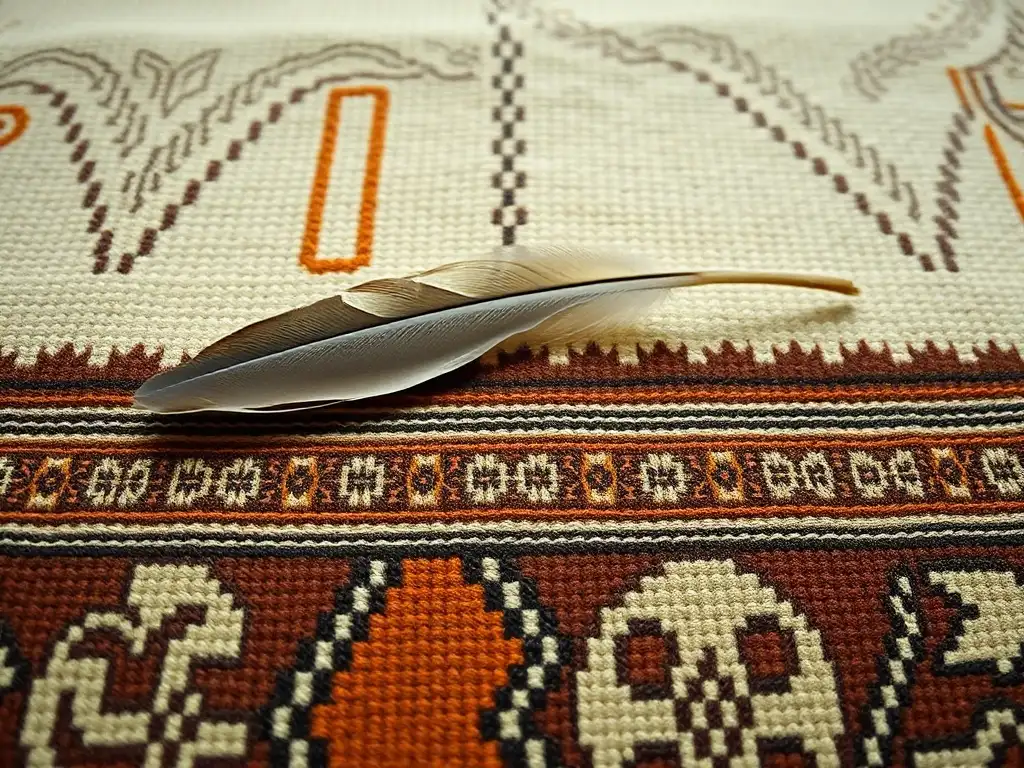
Andean textiles are renowned for their vibrant colors, intricate designs, and masterful weaving techniques. However, a closer examination reveals that the seemingly simple borders of these textiles hold a wealth of information, far exceeding mere aesthetic embellishment. These seemingly decorative elements served crucial roles in Andean societies, acting as silent storytellers revealing social status, individual identity, and even ritualistic significance.
Understanding these "Andean textiles secrets" hidden within the hems unlocks a deeper comprehension of the complexities of Andean culture. The meticulous detail and symbolic language woven into these borders offer a fascinating glimpse into the lives and beliefs of ancient Andean peoples. This section delves into the multifaceted functions of these often-overlooked elements, moving beyond superficial observations to uncover the profound meaning embedded within them.
The width, color, and complexity of textile borders often correlated directly with the social standing of the wearer. Elite individuals, such as priests, nobles, and high-ranking officials, frequently wore garments adorned with wide, elaborately woven borders incorporating rare dyes and intricate designs. These designs might include representations of mythical creatures, celestial bodies, or geometric patterns signifying power and authority. For instance, the use of spondylus shell dye, a highly prized and difficult-to-obtain pigment, was almost exclusively reserved for the elite. Conversely, the borders of garments worn by commoners were typically narrower, simpler, and utilized more readily available dyes.
Consider the following example: archaeological evidence suggests that the use of specific knotting techniques, like the intricate khipu knotting style found in some border designs, was associated with high-status individuals. The time and skill required to create such complex borders would have been significant, further reinforcing their association with power and prestige. The meticulous craftsmanship and use of luxurious materials served as visual indicators of social hierarchy within Andean societies.
This careful attention to detail in border design highlights the importance of textiles as markers of social stratification in the Andean world. Further research is needed to fully quantify the correlation between border complexity and specific social roles. [Specific data on the correlation between border design complexity and social status pending].
Textile Hemlines as Markers of Identity
Beyond social status, textile borders also served as powerful markers of individual and group identity. Specific designs and color combinations could indicate membership in particular clans, lineages, or communities. These visual identifiers facilitated social cohesion and helped to distinguish between different groups within the complex Andean social structure. The use of particular motifs, such as stylized animals or plants specific to a region, could clearly identify the wearer's origin or affiliation.
For example, certain communities might have favored particular color palettes or incorporated unique geometric patterns into their textiles. These unique characteristics, often reflected in the border designs, served as a visual shorthand, instantly communicating important information about the wearer's background and affiliations. The careful transmission of these textile traditions across generations ensured the continuity of these powerful visual identifiers, reinforcing cultural identity and promoting social cohesion within Andean communities.
The subtle variations in border designs across different regions provide valuable insights into the regional diversity and the intricate web of social relationships that characterized Andean societies. [Detailed analysis of regional variations in border designs pending].
Ritualistic and Ceremonial Significance of Andean Textile Borders
Many Andean textiles, particularly those associated with religious ceremonies or rituals, featured borders imbued with profound symbolic meaning. These borders often incorporated representations of deities, sacred animals, or cosmological symbols, underscoring the textiles' vital role in religious practices. The meticulous craftsmanship and the use of rare materials further emphasized the sacred nature of these textiles. The borders weren't simply decorative; they were active participants in rituals, their designs reflecting and reinforcing the spiritual beliefs of Andean cultures.
For instance, the presence of certain motifs, such as the condor or the puma—animals with significant symbolic meaning in Andean cosmology—in the borders of ceremonial textiles suggests a connection between the garment and the spiritual realm. These textiles, often used in religious ceremonies or worn by priests and shamans, served as conduits between the human and spiritual worlds. Their borders, therefore, were not just decorative elements but integral components of the ritual itself, actively participating in and enhancing the sacred act.
The intricate symbolism woven into these borders provides valuable insights into the complex religious beliefs and practices of ancient Andean civilizations. Further research into specific ritual contexts and associated textile designs is needed to expand our understanding of this crucial aspect of Andean textile production. 🕵️♀️ [Detailed case studies of specific ritual textiles and their border designs pending].
Preserving the Legacy: The Importance of Andean Textile Conservation
The intricate beauty and complex symbolism woven into Andean textiles represent a significant cultural heritage, offering invaluable insights into the lives, beliefs, and artistic achievements of ancient Andean societies. Preserving these fragile artifacts is paramount not only for historical accuracy but also for the continued appreciation and understanding of this rich artistic tradition. The degradation of these textiles, however, poses a significant challenge.
Factors such as exposure to light, humidity, and pests contribute to the deterioration of fibers, dyes, and overall structural integrity, leading to irreversible damage. Understanding the materials used—from camelid fibers like alpaca and vicuña to plant-based dyes—is crucial for developing appropriate conservation strategies. The Andean textiles secrets, hidden within their vibrant colors and intricate patterns, are slowly being unveiled through careful preservation efforts.
Without these efforts, much of this invaluable knowledge would be lost forever. The inherent fragility of these objects necessitates a multi-faceted approach to conservation, incorporating both preventative measures and active restoration techniques.
Challenges in Preserving Ancient Textile Borders
The borders of Andean textiles often contain the most intricate and symbolically dense designs. These borders, frequently featuring repeating motifs or complex narrative scenes, are particularly vulnerable to damage due to their exposure and handling. The delicate nature of the fibers, often thin and spun from precious camelid wool, makes them susceptible to abrasion, breakage, and insect infestation. The dyes used, frequently derived from natural sources, are prone to fading and chemical instability over time.
Furthermore, improper storage and handling practices throughout history have exacerbated the damage. For instance, many textiles were stored folded, leading to creasing and stress on the fibers, particularly along the border regions. The lack of standardized conservation protocols in the past has also contributed to the loss of valuable information and the irreversible damage to countless textiles.
Accurate documentation of the current condition of these textiles is essential for future research and conservation efforts. This includes detailed photographic records, fiber analysis, and dye identification, all of which contribute to a comprehensive understanding of the textiles' history and composition. Without careful attention to these details, the secrets encoded within the Andean textile borders risk being lost forever.
Modern Efforts to Protect and Understand Andean Textile Heritage
Modern conservation efforts focus on a holistic approach, combining preventative measures with active restoration techniques. Advanced imaging technologies, such as multispectral imaging and X-ray fluorescence spectroscopy, are employed to analyze the textiles without causing further damage. These techniques allow researchers to identify the dyes and fibers used, revealing valuable information about the textile’s origin and production methods.
Furthermore, environmental controls, such as maintaining stable temperature and humidity levels, play a crucial role in preventing further deterioration. Specialized storage facilities, designed to minimize light exposure and pest infestation, are becoming increasingly common. The development of reversible conservation techniques, using materials that can be easily removed if necessary, is also a priority.
These efforts are not solely focused on physical preservation; they also involve extensive research into the cultural significance of the textiles. Ethnographic studies, coupled with detailed analysis of iconography, are helping to unlock the secrets encoded within the patterns and designs, revealing insights into the social structures, religious beliefs, and artistic practices of the Andean cultures. This interdisciplinary approach combines scientific analysis with cultural understanding, providing a comprehensive approach to preserving and interpreting this rich heritage.
The Future of Andean Textile Studies and Border Analysis
The future of Andean textile studies hinges on continued innovation in both conservation and analytical techniques. The development of new non-invasive imaging methods will allow for even more detailed analysis of the textiles without causing any further damage. Advanced digital archiving techniques will ensure that these fragile artifacts can be studied and appreciated by future generations without the risk of physical handling.
Furthermore, collaborative research initiatives, involving experts from various fields, will be essential for unlocking the remaining secrets contained within these remarkable textiles. The focus on border analysis will continue to be crucial, as these regions often hold the most significant symbolic information. By combining advanced scientific techniques with a deep understanding of Andean culture and history, researchers can continue to unravel the complex narratives embedded within these intricate textile borders.
The potential for discovery remains immense; future research promises to reveal even more about the lives, beliefs, and artistic achievements of the ancient Andean peoples, adding new layers to our understanding of this rich and fascinating cultural heritage. The ongoing efforts to preserve and interpret Andean textiles will undoubtedly reveal further fascinating insights into the ingenuity and artistry of these ancient civilizations, ensuring that their legacy continues to inspire and educate for generations to come.
Frequently Asked Questions
What makes Andean textiles so unique?
Andean textiles are renowned for their exceptional craftsmanship, vibrant colors derived from natural dyes, and intricate designs that often tell stories or hold symbolic meaning. Their techniques, passed down through generations, are truly remarkable.
The borders often contain coded messages, symbols representing deities or ancestors, and information about the weaver's social status or clan. They are far more than simple decoration.
How did Andean civilizations create such vibrant colors in their textiles?
They used natural dyes extracted from plants, insects, and minerals. Cochineal insects, for example, provided a brilliant crimson, while various plants yielded yellows, blues, and greens.
What role did textiles play in Andean society?
Textiles were crucial, serving not only as clothing but also as objects of prestige, religious symbols, and forms of currency. They held immense social and spiritual significance.
Where can I learn more about the secrets of Andean textiles?
You can explore museums with Andean textile collections, read academic publications, and delve into the many books and online resources dedicated to this fascinating subject. Further research is highly encouraged!
Final Reflection: Unraveling the Threads of Andean Heritage
The intricate borders of Andean textiles are not mere ornamentation; they are living archives, whispering tales of ancient knowledge and cultural resilience that resonate powerfully in today's world. These hidden narratives, meticulously woven into the very fabric of the garments, offer a profound connection to a rich past and a vital understanding of sustainable practices that are more relevant than ever in our era of environmental concern. The secrets held within these seemingly simple edges challenge our perceptions of what constitutes "art" and "history," urging us to look beyond the surface and appreciate the depth of human ingenuity.
The enduring legacy of Andean textile traditions continues to inspire artists, designers, and scholars alike. Their influence can be seen in contemporary fashion, art installations, and academic research, demonstrating the timeless appeal and enduring power of these cultural expressions. The threads themselves are a language, a story waiting to be deciphered.
– (Hypothetical quote from an Andean textile expert). Understanding this language allows us to connect with the ingenuity and spiritual beliefs of past generations, fostering a deeper appreciation for the interconnectedness of human experience across time and cultures. This understanding is crucial for preserving these invaluable traditions for future generations.
Consider the intricate details, the symbolic representations, the sheer skill involved in creating these masterpieces. You, too, can become a weaver of stories, connecting with the past by appreciating the present. Take a moment to reflect on the craftsmanship you encounter in your daily life, and consider the stories hidden within the seemingly mundane. Seek out the hidden narratives in your own surroundings, and discover the rich tapestry of human experience that awaits your exploration. Let the threads of Andean textile traditions inspire you to uncover the secrets woven into your own life's journey.
Unveil the Rich Tapestry of Andean Culture!
Thank you for exploring the intricate world of Andean textile borders. Your journey into these vibrant pieces of history not only deepens your understanding but also helps preserve these vital traditions. Let's continue this exploration together!
Here are some ways to further connect with Andean textiles:
- Meet Andean textile artisans: Immerse yourself in the authenticity of the craft by visiting local artisans or attending craft fairs. Consider purchasing directly from the artisans to support their work.
- Create textile-inspired art: Let your creativity flourish! You could weave your own piece, create a design inspired by Andean patterns, or incorporate these patterns into your home décor.
- Share your passion: Connect with other enthusiasts online—share your discoveries and inspire others to appreciate the beauty and significance of these remarkable textiles.
What most captivates you about Andean textiles—the vibrant colors, the stories woven into the patterns, or the intricate techniques used in their creation? Share your thoughts below!