
Andean Textile Innovation: Unique Techniques and Materials of the Past

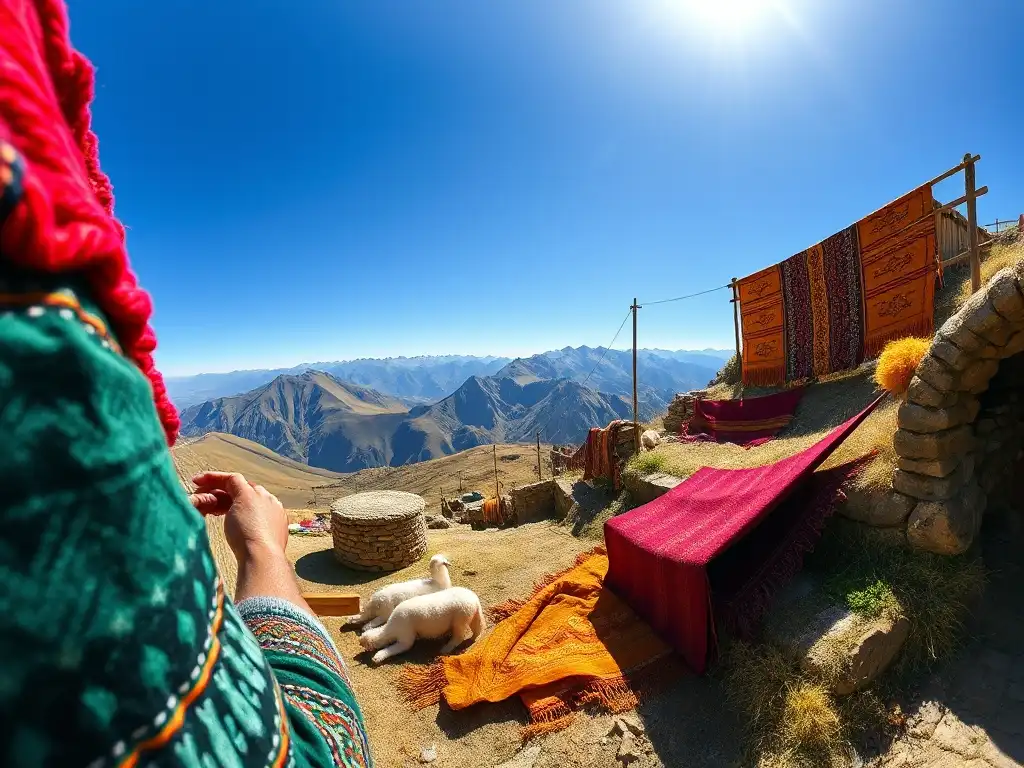
Unravel the mysteries of a lost world, where vibrant threads whispered stories across the Andes. Journey through time and discover the astonishing artistry of the ancient Andean civilizations. Prepare to be amazed by the ingenuity and complexity of Andean textile techniques, a testament to the skill and cultural richness of the Incas, Moche, Nazca, and Tiahuanaco. What secrets do these intricate weavings hold? Explore the captivating world of Andean Art and Iconography to find out.
The Andes Mountains, a spine of towering peaks running down the western coast of South America, nurtured some of the most remarkable civilizations the world has ever known. Beyond their impressive architectural feats and sophisticated social structures, these Andean cultures—including the Incas, Moche, Nazca, and Tiahuanaco—demonstrated unparalleled mastery of textile arts. This article delves into the fascinating world of Andean textile innovation, exploring the unique techniques and materials employed by these ancient artisans, revealing the ingenuity and artistry that continue to inspire awe and admiration centuries later.
We will uncover the secrets behind their remarkable achievements, highlighting the intricate processes and the enduring legacy of Andean textile production, showcasing how their techniques reflect both practical needs and profound spiritual beliefs. Understanding these "Andean textile techniques" provides a crucial lens through which to appreciate the complexity and sophistication of these ancient societies.
Introduction to Andean Textile Heritage
The history of Andean textiles is a rich tapestry woven from thousands of years of innovation and cultural exchange. Evidence suggests textile production in the Andes dates back to the early pre-ceramic periods, with increasingly sophisticated techniques and designs emerging over time. From the simple but functional textiles of early agricultural communities to the exquisitely intricate garments and ceremonial cloths of the Inca Empire, Andean textiles served a multitude of purposes.
They were not merely functional items; they held deep symbolic meaning, reflecting social status, religious beliefs, and cosmological understandings. The use of vibrant colors, intricate patterns, and diverse materials speaks volumes about the advanced technological capabilities and artistic sensibilities of Andean cultures. The survival of many examples, often found preserved in arid climates, allows us to directly examine the quality and complexity of these ancient textiles.
Archaeological discoveries continue to reveal new insights into Andean textile production, constantly expanding our understanding of these remarkable achievements. This rich heritage forms the foundation upon which we can explore the specific techniques and materials used.
Key Materials: From Alpaca to Cotton
Andean textile artisans utilized a remarkable range of natural materials, carefully selected for their specific properties. The most prominent were undoubtedly camelid fibers: alpaca, llama, and vicuña. Each fiber possessed unique characteristics: alpaca, prized for its softness and warmth; llama, for its strength and durability; and vicuña, exceptionally fine and luxurious, reserved for the elite. These fibers were supplemented by cotton, grown in the warmer coastal regions, which provided a lighter, more breathable fabric.
Other materials, such as plant fibers (like toquilla straw) and even human hair, were incorporated in specific applications. The careful selection and preparation of these materials were crucial steps in the textile production process, influencing the final quality and aesthetic appeal of the finished product. The availability of these materials varied geographically, leading to regional distinctions in textile styles and techniques.
Innovative Weaving Techniques: Backstrap Looms and Beyond
The Andean people's mastery extended beyond the choice of materials; they also developed sophisticated weaving techniques. The ubiquitous backstrap loom, a portable and versatile tool, was central to textile production across diverse Andean cultures. This simple yet effective device allowed for the creation of intricate patterns and textures. Beyond the backstrap loom, evidence suggests the use of other weaving techniques, including tapestry weaving and various forms of embroidery.
These techniques allowed for the creation of incredibly detailed designs, often incorporating symbolic motifs representing animals, deities, and cosmological concepts. The precision and skill required to execute these techniques demonstrate a high level of technical expertise and artistic vision. The complexity of some designs suggests a deep understanding of mathematical principles and geometric patterns.
Dyeing and Decoration: A Symphony of Colors
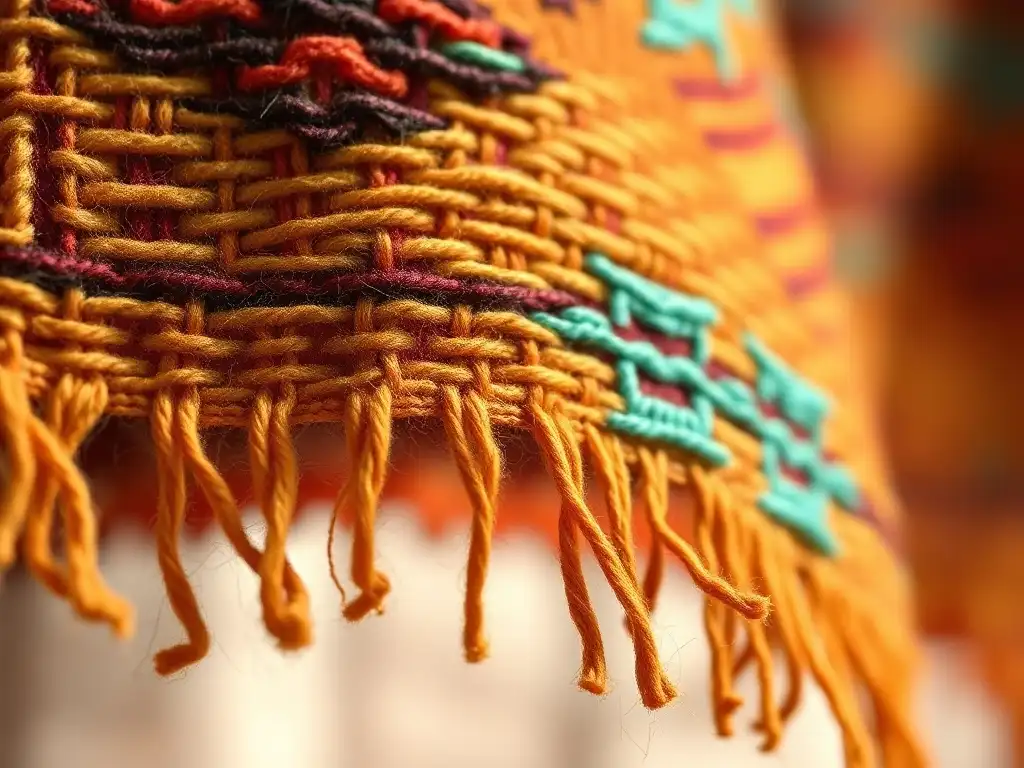
The vibrant colors that characterize Andean textiles were achieved through the use of natural dyes derived from plants, minerals, and insects. Cochineal, a scale insect, yielded a rich crimson hue; various plants provided yellows, oranges, and blues. The precise recipes and processes used to create these dyes are still being investigated, but it's clear that Andean artisans possessed an advanced understanding of color chemistry.
Beyond dyeing, textiles were often decorated with additional techniques such as resist dyeing, creating intricate patterns through the application of wax or other materials. These decorative elements further enhanced the symbolic and aesthetic value of the textiles. The careful application of color and design demonstrates not only technical skill but also a deep understanding of color symbolism within Andean cultures.
The Enduring Legacy of Andean Textile Traditions
The legacy of Andean textile traditions continues to this day. While many ancient techniques have been lost or adapted, the fundamental principles of innovation and artistic expression persist. Contemporary Andean artisans continue to produce stunning textiles, drawing inspiration from ancient designs and techniques while incorporating modern influences.
The preservation and promotion of these traditions are crucial for safeguarding a vital part of Andean cultural heritage. The study of Andean textile techniques offers a valuable window into the past, providing insights into the lives, beliefs, and artistic achievements of these remarkable civilizations. The intricate designs and masterful techniques continue to captivate and inspire, serving as a testament to the enduring legacy of Andean ingenuity.
- Introduction to Andean Textile Heritage
- Key Materials: From Alpaca to Cotton
- Innovative Weaving Techniques: Backstrap Looms and Beyond
- Dyeing and Decoration: A Symphony of Colors
- The Enduring Legacy of Andean Textile Traditions
Ancient Andean Weaving Techniques: A Legacy of Skill
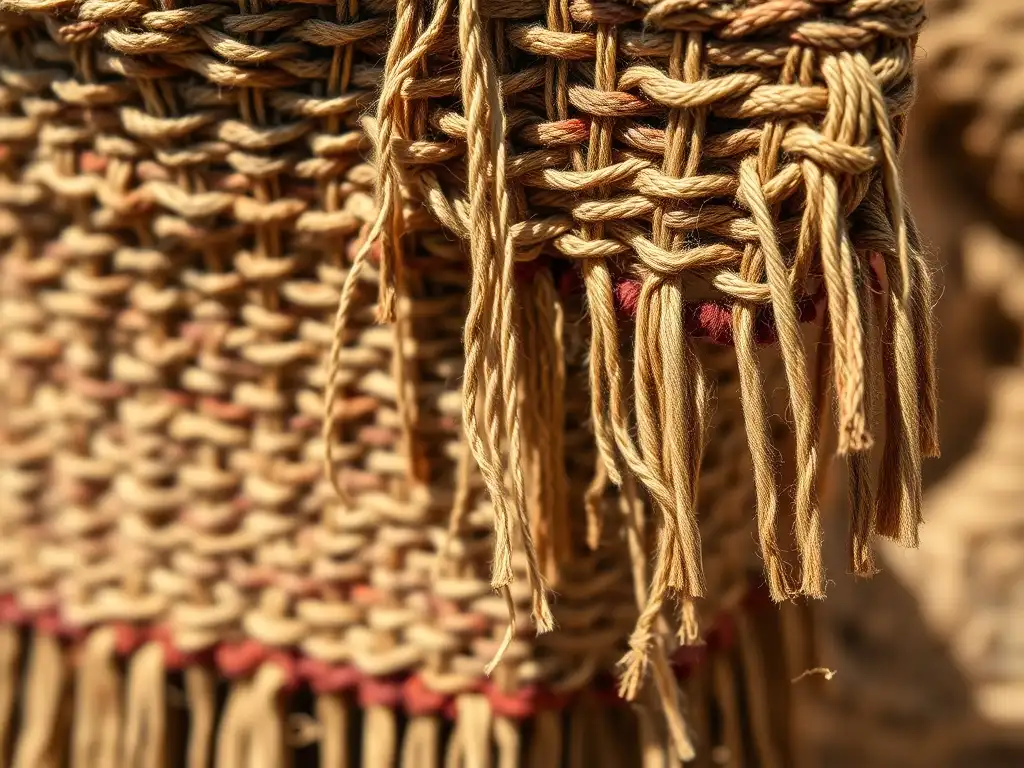
The Andes Mountains fostered a rich tapestry of cultures, each leaving behind a unique legacy. Nowhere is this more evident than in their textile traditions. Andean textile techniques represent a sophisticated understanding of fiber manipulation, demonstrating remarkable skill and artistry. These techniques, passed down through generations, resulted in textiles of unparalleled beauty and durability, reflecting both practical needs and profound spiritual beliefs.
Understanding these methods provides a deeper appreciation for the ingenuity and cultural significance of Andean civilizations. The mastery of these techniques allowed Andean artisans to create textiles that served various purposes, from everyday clothing and household items to elaborate ceremonial garments and intricate tapestries. The diversity and complexity of their textile production truly showcases the ingenuity of ancient Andean societies.
The Backstrap Loom: Foundation of Andean Textile Art
The backstrap loom is arguably the most iconic tool associated with Andean textile production. This simple yet ingenious device, consisting of a warp held taut by a backstrap and a heddle, allowed weavers to create incredibly intricate designs. Unlike later technologies, the backstrap loom is portable, allowing weavers to work virtually anywhere.
This portability was crucial in the Andean environment, where communities were often dispersed across varied terrains. The backstrap loom's versatility allowed for the creation of a wide variety of textiles, from simple cloths to complex tapestries. Evidence suggests its use dates back millennia, with examples found in archaeological sites across the Andes.
The mastery of this technique required years of practice and a deep understanding of fiber properties and weaving techniques. Master weavers could create textiles with incredibly fine details and complex patterns using this seemingly simple tool. This fundamental technique formed the basis for many more advanced Andean textile techniques.
Complex Weaving Methods: Intricate Patterns and Designs
Beyond the backstrap loom, Andean weavers employed several complex weaving methods to create intricate patterns and designs. These techniques, often combined with specialized dyes and materials, resulted in textiles of exceptional artistry. One such method was plumas, a technique involving the insertion of supplementary weft threads to create raised, feather-like patterns. Another was the use of multiple heddles, allowing for more complex weaving patterns and greater control over the finished product.
These techniques, alongside others like resist dyeing and supplementary weft techniques, allowed Andean artisans to create astonishingly detailed and vibrant textiles. Consider the intricate geometric patterns found in Paracas textiles, or the complex iconography depicted in Inca fabrics. These are not merely decorative; they often held deep symbolic meaning, communicating social status, religious beliefs, and narratives. The level of precision and intricacy achieved using these methods is truly remarkable and speaks to the advanced skills of Andean weavers.
Tapestry Techniques in Andean Textiles: Creating Detailed Imagery
Tapestry weaving, a technique where weft threads are interlocked to create a picture or design, played a significant role in Andean textile production. This method allowed for the creation of highly detailed and colorful imagery, often depicting mythological figures, animals, plants, and scenes from daily life. The precision required to execute this technique is evident in the surviving examples, which showcase remarkable attention to detail and a sophisticated understanding of color and composition.
Many examples of tapestry weaving are found in the textiles of the Nazca and Paracas cultures, demonstrating the widespread use and mastery of this technique across different Andean societies. The ability to create such detailed images on textiles adds another layer to the cultural and artistic significance of Andean weaving.
These intricate tapestries served not only as decorative items but also as powerful forms of visual communication, conveying complex narratives and beliefs across generations. The legacy of these techniques continues to inspire awe and admiration for the skill and creativity of ancient Andean artisans.
Warp-Faced Weaving: A Distinctive Andean Approach
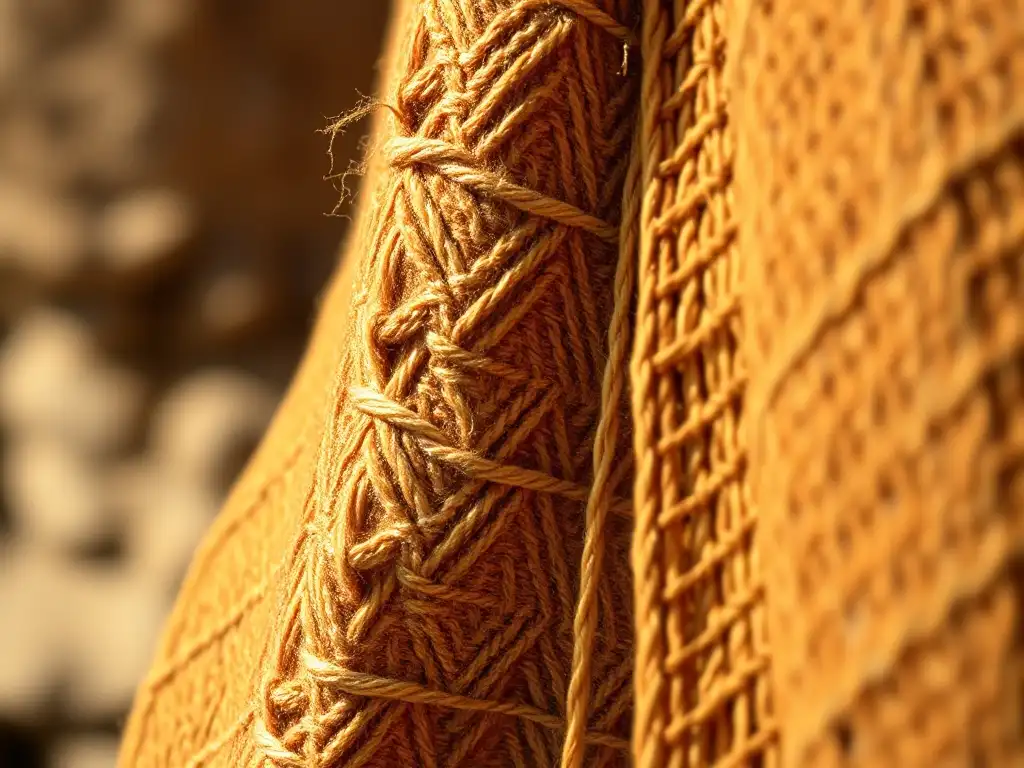
Warp-faced weaving represents a significant achievement in Andean textile innovation. Unlike many weaving techniques where the weft threads are dominant, creating a visible pattern, warp-faced weaves prioritize the warp threads. This results in a characteristically smooth, tightly woven fabric with a distinct surface texture. The warp threads, running lengthwise, are meticulously manipulated to create the visible design, often incorporating intricate patterns and complex motifs.
This technique required a high level of skill and precision, demanding a deep understanding of fiber properties and tension control. The resulting textiles were not only aesthetically pleasing but also remarkably durable, capable of withstanding the rigors of daily life in the Andean highlands. Master weavers could create incredibly fine and detailed textiles using this technique, showcasing their mastery over the process.
Examples of this technique can be found in various Andean cultures, from the pre-Inca Paracas textiles to the later Inca period, demonstrating its enduring popularity and adaptability across different periods and regions. The precise control over the warp threads allowed for the creation of textiles with both intricate patterns and a surprising strength and resilience, a testament to the ingenuity of Andean weavers. This sophisticated technique is a key element in understanding Andean textile traditions and their lasting legacy.
Supplementary Weft Techniques: Adding Texture and Depth
Supplementary weft techniques represent another fascinating aspect of Andean textile artistry. These techniques involved the addition of secondary weft threads, distinct from the main weft, to create raised patterns, intricate surface textures, and three-dimensional effects. Instead of simply interlacing with the warp threads to create a basic weave structure, supplementary weft threads were skillfully incorporated to add another layer of visual complexity.
This often involved the use of contrasting colors or different fiber types to enhance the visual impact of the design. The techniques employed varied considerably, ranging from simple supplementary weft patterns to highly complex and elaborate designs requiring exceptional skill and patience. These additions didn't compromise the structural integrity of the fabric; instead, they enhanced its aesthetic appeal and demonstrated the weavers' ability to manipulate the material with remarkable finesse.
The use of supplementary wefts allowed for the creation of textiles with a remarkable depth and richness, transforming simple fabrics into stunning works of art. Examples include the intricate tapestry weaves found in the textiles of various Andean cultures, showcasing the ingenuity and artistry of the Andean weavers in manipulating textiles to achieve remarkable visual and tactile effects. Understanding these supplementary weft techniques is crucial to appreciating the full range of Andean textile innovation and its lasting impact on the history of textile arts.
Natural Fibers and Dyes: The Materials of Andean Textile Masterpieces
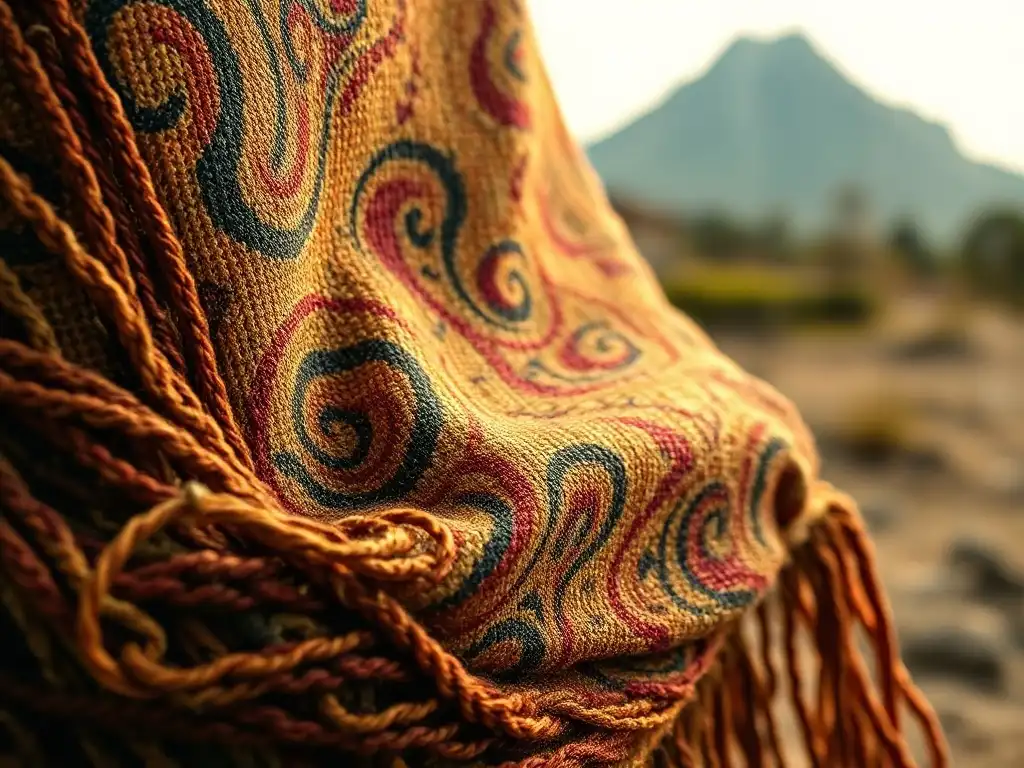
The remarkable artistry of Andean textiles is inextricably linked to the unique natural resources available to ancient Andean cultures. Masterful weaving techniques, passed down through generations, combined with the skillful use of locally sourced fibers and dyes, resulted in textiles of unparalleled beauty and durability. Understanding the materials themselves is key to appreciating the ingenuity and artistry of Andean textile production. This section will delve into the primary fibers and dyes used, highlighting their importance in the creation of these enduring masterpieces. The study of Andean textile techniques reveals a deep connection between the people and their environment.
Alpaca and Llama Wool: The Primary Fibers of Andean Textiles
Alpaca and llama wool formed the backbone of Andean textile production, prized for their softness, warmth, and exceptional strength. Alpaca fiber, particularly, is known for its luxurious softness and fine texture, resulting in textiles that are both lightweight and incredibly warm. Llama wool, while coarser, is equally durable and provided a sturdy base for many woven items. The different qualities of these fibers allowed Andean weavers to create textiles with varying textures and weights, suitable for a wide range of purposes, from fine garments for elite members of society to robust textiles used for everyday items.
The meticulous preparation of the fibers was a crucial step in the textile-making process. After shearing, the wool underwent a process of cleaning and carding to remove impurities and align the fibers, ensuring a smooth and even yarn. The specific techniques varied depending on the region and the desired outcome, demonstrating the regional variations within the broader Andean textile tradition.
The quality of the fiber directly impacted the final product, with finer fibers used for intricate designs and delicate garments. Evidence suggests that specific breeds of alpaca and llama were even selected for their superior fiber qualities, showcasing a sophisticated understanding of animal husbandry and textile production.
Cotton in Coastal Andean Regions: A Versatile Material
While alpaca and llama wool dominated the highlands, cotton played a significant role in the coastal regions of the Andes. The warm, arid climate of the coast was ideal for cotton cultivation, providing a readily available source of fiber for textiles. Coastal Andean cultures, such as the Moche and Nazca, developed sophisticated techniques for cultivating and processing cotton, creating textiles of exceptional quality. Unlike the wool from the highlands, cotton offered a lighter, more breathable fabric, well-suited to the warmer coastal climate.
Cotton's versatility allowed for a wide range of applications. It was used to create everything from simple everyday clothing to elaborate ceremonial garments and intricate tapestries. The ability to create different yarn weights and textures from cotton, combined with innovative dyeing techniques, allowed Andean artisans to produce textiles of exceptional visual complexity. The presence of cotton in coastal Andean textiles highlights the adaptability of Andean weaving traditions to the diverse environments of the region. The varied uses of cotton underscore its vital role in the economic and social life of these coastal communities.
Natural Dyes from Plants and Minerals: Vibrant Colors of the Andes
The vibrant colors found in Andean textiles were not the result of synthetic dyes but rather the skillful application of natural dyes derived from plants and minerals. This palette of colors, ranging from deep reds and purples to brilliant yellows and greens, reflects a profound understanding of the local flora and minerals and their dyeing properties. The process of creating these dyes was complex, often involving multiple steps and the careful preparation of the materials.
The most common plant-based dyes included cochineal (producing vibrant reds), various species of plants yielding yellows and greens, and indigo for blues. Mineral dyes, such as those derived from iron oxides, provided earthy tones of browns and reds. The precise recipes and techniques were often closely guarded secrets, passed down through generations within families or communities. The durability of these natural dyes is remarkable, with many ancient Andean textiles retaining their vibrant colors even after centuries.
This enduring quality speaks volumes about the mastery of the dyeing process and the exceptional quality of the materials used. The use of natural dyes further emphasizes the deep connection between the Andean people and their environment, transforming natural resources into stunning works of art. The complexity and variety in the colors achieved highlight the sophisticated understanding of chemistry and color theory possessed by Andean artisans.
The Process of Dyeing Andean Fibers: A Time-Honored Tradition
Dyeing textiles was an integral part of Andean textile production, a process imbued with both practical and symbolic significance. The vibrant hues adorning their garments and tapestries weren't merely aesthetic choices; they often held deep cultural and religious meanings, reflecting social status, ritual practices, and cosmological beliefs. The Andean people skillfully harnessed the natural world, extracting dyes from a remarkable array of plants, insects, and minerals.
The process itself was intricate and labor-intensive, passed down through generations. It began with the careful selection and preparation of the raw materials. Plant-based dyes, for example, often required meticulous harvesting at specific times of the year to ensure optimal color intensity.
Roots, barks, leaves, and flowers were then meticulously cleaned, ground, and often combined with various mordants – substances that help the dye bind to the fibers – to achieve the desired shade and permanence. These mordants, frequently sourced from natural ingredients like minerals or plant extracts, played a crucial role in the longevity and vibrancy of the dyed textiles. For instance, the use of certain clays as mordants not only improved colorfastness but also imparted a unique texture to the fabric.
Different dyeing techniques were employed depending on the desired effect and the type of fiber being dyed. Some methods involved boiling the fibers in the dye bath, while others utilized a more delicate process of soaking or painting the dye onto the fabric. The mastery of these techniques, honed over centuries, allowed Andean artisans to create an incredible range of colors, from deep, rich reds and blues to subtle earth tones and vibrant yellows.
The precise recipes and techniques were often closely guarded secrets, passed down within families or specific communities, contributing to the unique regional variations in Andean textile styles. The resulting textiles, with their breathtaking color palettes and enduring vibrancy, stand as testaments to the ingenuity and artistic prowess of Andean dyers. The enduring beauty of these dyed textiles is a powerful testament to the sophisticated knowledge and artistic skill of Andean cultures.
Their legacy continues to inspire contemporary textile artists and researchers alike. The ongoing study of these ancient dyeing techniques helps us to understand not only the technical aspects of the craft but also the rich cultural context in which it flourished.
Andean Textile Patterns and Symbolism: Communicating Through Cloth
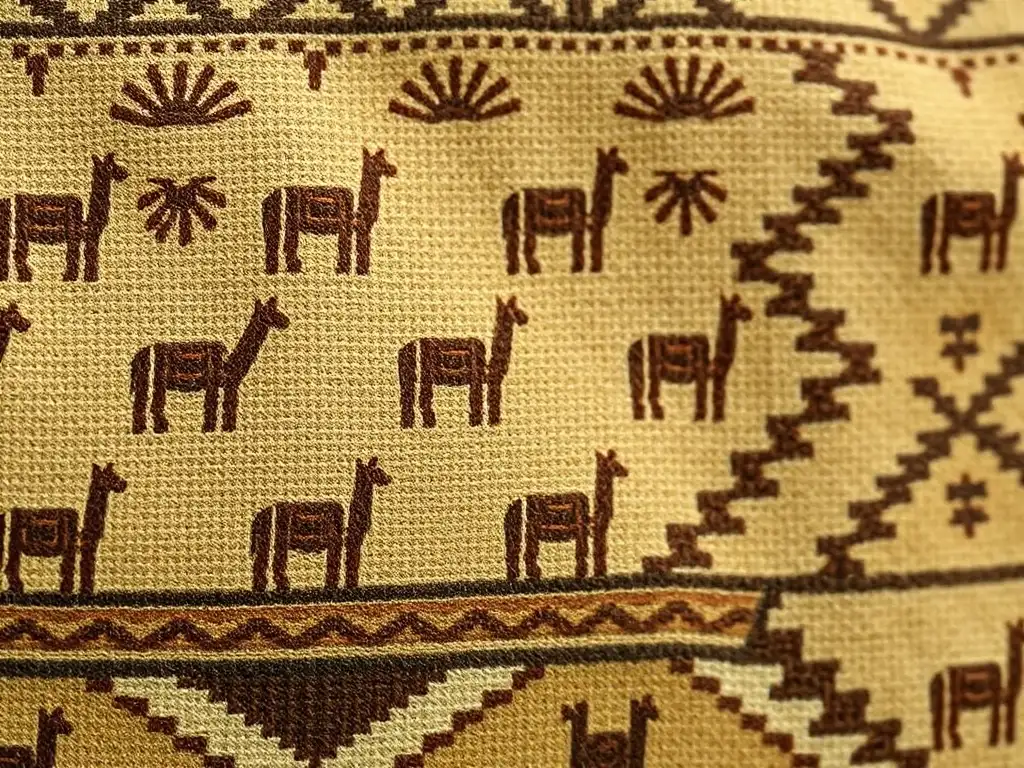
Andean textile techniques weren't merely methods of clothing production; they were sophisticated systems of communication, conveying complex narratives through intricate patterns and symbolic imagery. The vibrant colors, precise weaving techniques, and carefully chosen motifs all contributed to a rich tapestry of meaning, reflecting the social, religious, and cosmological beliefs of the Andean people. Understanding these patterns is crucial to deciphering the worldview and cultural practices of these ancient civilizations.
The very act of weaving was imbued with ritual significance, connecting the artisans to the spiritual realm and imbuing the textiles with potent symbolic power. This deep connection between the craft and the spiritual world is evident in the meticulous detail and symbolic richness embedded in every piece.
Iconography in Andean Weaving: Representing Gods and Nature
Representations of deities and natural elements are prevalent in Andean weaving. For example, depictions of the feline deity, often associated with power and fertility, appear frequently in textiles from various Andean cultures. These representations are not simply aesthetic choices; they reflect the importance of these deities in the Andean worldview.
The meticulous detail in these representations, from the precise rendering of fur patterns to the careful positioning of the figure within the overall design, highlights the sacred significance attributed to these figures. Similarly, representations of nature – such as condors, snakes, and llamas – are woven into the fabric, often conveying messages about the relationship between humans and their environment.
These representations could signify everything from successful harvests to the cyclical rhythms of nature, underscoring the Andean peoples' deep connection to the natural world. Analysis of these iconographic elements reveals a complex system of beliefs and values interwoven into the fabric of Andean society.
Geometric Motifs in Andean Textiles: Meaning and Significance
Beyond the representational imagery, geometric motifs play a crucial role in Andean textile techniques. These seemingly simple patterns often hold profound symbolic meanings, relating to cosmology, social structure, and even personal narratives. For instance, stepped patterns, frequently found in textiles from various periods and regions, are often interpreted as representations of mountains or agricultural terraces, reflecting the importance of these elements in Andean life.
Zigzags, spirals, and chevrons are other common motifs, each potentially carrying a unique symbolic load depending on their context and combination with other elements within the design. The precise arrangement and color combinations of these geometric designs further enhance their symbolic complexity, providing a nuanced and layered system of communication. Detailed studies of these geometric motifs are still ongoing, with ongoing research revealing new insights into their significance.
Regional Variations in Andean Textile Designs: Identifying Cultural Groups
The diversity of Andean textile techniques extends to regional variations in design. Different cultural groups within the Andes developed distinct stylistic preferences, allowing us to identify the origin and potential cultural affiliation of a textile based on its characteristic patterns and techniques. For example, the textiles of the Nazca culture are known for their intricate and vibrant designs, often featuring highly stylized representations of animals and plants.
In contrast, the textiles from the Tiahuanaco culture showcase a more geometric and stylized aesthetic, reflecting a distinct cultural sensibility. These regional variations are not simply aesthetic differences; they represent distinct cultural identities and traditions. By carefully studying these regional variations, researchers can gain valuable insights into the cultural diversity of the Andean world and the complex interactions between different cultural groups.
The meticulous documentation and comparative analysis of these textile designs are essential for understanding the intricate tapestry of Andean culture. This detailed analysis allows archaeologists and textile experts to trace the evolution of Andean textile traditions, helping to reconstruct the social and political landscapes of the past.
Preservation and Legacy of Andean Textile Traditions
The legacy of Andean textile techniques is not merely a collection of historical artifacts; it's a vibrant, living tradition that continues to evolve while honoring its ancient roots. Understanding the preservation efforts and the ongoing challenges is crucial to appreciating the full impact of these remarkable weaving skills. The enduring appeal of Andean textiles lies in their intricate designs, the high-quality materials used, and the deeply rooted cultural significance embedded within each piece.
These textiles are not just clothing or decorative items; they are powerful expressions of identity, spirituality, and social status, reflecting centuries of innovation and cultural transmission. Their survival through time is a testament to the resilience of Andean communities and their commitment to preserving their ancestral heritage. The intricate knowledge passed down through generations is a valuable asset, not only for the Andean people themselves, but also for the global community interested in understanding the richness of human artistic expression.
The preservation of these techniques ensures that future generations can continue to appreciate and learn from the ingenuity of their ancestors. Careful documentation, active community involvement, and supportive policies are all essential components of this ongoing process.
Modern Interpretations of Ancient Andean Textile Techniques
Contemporary artisans are not simply replicating ancient Andean textile techniques; they are actively reinterpreting and innovating upon them. This involves incorporating modern materials while maintaining the integrity of traditional designs and processes. For example, some weavers are experimenting with sustainable, locally sourced dyes, creating vibrant colors that are environmentally friendly and reflect a commitment to ethical practices.
Others are blending traditional techniques with contemporary design aesthetics, producing unique pieces that appeal to both traditional and modern sensibilities. The fusion of ancient wisdom and modern creativity results in textiles that are both aesthetically pleasing and culturally relevant. This ongoing process of adaptation ensures that Andean textile traditions remain relevant and accessible in the 21st century.
The dynamic interplay between the past and present enriches the overall artistic landscape, offering a unique perspective on the evolution of textile art. This approach allows for the preservation of traditional knowledge while fostering creativity and innovation, ensuring the continued vitality of Andean textile traditions. We see a beautiful synergy between tradition and modernity, a testament to the enduring power and adaptability of this cultural heritage.
The Importance of Preserving Andean Weaving Skills
Preserving Andean weaving skills is not merely an aesthetic endeavor; it's a crucial step in safeguarding cultural identity and promoting sustainable economic development within Andean communities. The intricate knowledge involved in these techniques represents generations of accumulated expertise, embodying a deep connection to the land and its resources. The loss of these skills would represent a significant cultural loss, severing a vital link to the past and impacting the social fabric of Andean communities.
Furthermore, the economic benefits derived from the production and sale of high-quality, handcrafted textiles are substantial, providing livelihoods for many artisans and supporting local economies. Preservation efforts, therefore, contribute to both cultural preservation and economic sustainability. Initiatives focused on training younger generations, providing access to resources, and creating markets for their products are essential for ensuring the long-term survival of these crucial skills.
Supporting these communities directly translates to preserving a vital part of global cultural heritage. The economic empowerment that comes with preserving these skills is intrinsically linked to the cultural preservation of Andean identity.
Current Challenges in Sustaining Andean Textile Practices
Despite the enduring value of Andean textile traditions, several significant challenges threaten their sustainability. Competition from mass-produced textiles often undermines the economic viability of handcrafted pieces, forcing artisans to struggle for fair prices and market access. The availability of traditional materials is also impacted by environmental changes and unsustainable practices, impacting the quality and availability of raw materials.
Furthermore, the increasing migration of younger generations to urban centers leads to a decline in the number of individuals interested in learning these intricate techniques. These challenges highlight the urgent need for supportive policies, improved market access, and educational initiatives focused on preserving and promoting Andean textile traditions. Addressing these issues requires a multifaceted approach involving governments, NGOs, and international organizations working in collaboration with Andean communities.
This collaborative effort is vital to ensure that the rich tapestry of Andean textile traditions continues to thrive for generations to come. The survival of these practices hinges on overcoming these obstacles and creating a sustainable future for Andean artisans and their invaluable skills.
Frequently Asked Questions
What makes Andean textile techniques so unique?
Andean textile techniques were incredibly sophisticated, employing a wide range of unique weaving styles, including complex tapestry, double-faced cloth, and knotting techniques like khipu. Their mastery of fiber preparation and dyeing also added to their distinctiveness.
What types of materials did Andean cultures use for textiles?
Andean civilizations utilized a variety of natural fibers, including alpaca, llama, vicuña, and cotton. The choice of fiber depended on factors like availability, climate, and the intended use of the textile. They also used plant-based dyes for vibrant colors.
The complexity and quality of textiles often indicated social standing. Elaborately woven garments, using rare fibers and intricate designs, were worn by the elite, while simpler textiles were worn by the common people. Textiles also played a role in religious ceremonies.
Were Andean textile techniques passed down through generations?
Yes, textile knowledge was meticulously passed down through generations within families and communities. This was often done through apprenticeships and oral traditions, ensuring the continuation of these ancient techniques.
How can I learn more about Andean textile techniques today?
You can explore museums with Andean textile collections, read academic publications and books, and even participate in workshops teaching traditional techniques. Many contemporary artisans continue these ancient traditions.
Final Reflection: Weaving the Past into the Future
The vibrant artistry of Andean textile techniques continues to resonate today, a testament to the ingenuity and resilience of ancient cultures. These intricate weaving methods, passed down through generations, are not merely historical artifacts; they are living traditions that offer valuable lessons in sustainability, artistry, and community building. Their enduring power lies in their ability to connect us to a rich heritage while simultaneously inspiring innovation in contemporary design.
The enduring influence of Andean textile techniques on global fashion and art is undeniable. Their unique use of natural dyes, intricate patterns, and innovative structures have captivated designers and artists for centuries, inspiring countless reinterpretations and collaborations. The profound connection between the land, the people, and the textiles themselves remains a powerful source of inspiration. The threads themselves are a story, a history woven into the very fabric of the culture.
This quote encapsulates the deep cultural significance embedded within each meticulously crafted piece.
Consider the enduring legacy of these techniques. How can we, as individuals and as a global community, learn from the sustainable practices and artistic excellence demonstrated by Andean weavers? Let the vibrant colors and intricate designs inspire you to explore your own creativity, to appreciate the artistry of handcrafted goods, and to support the preservation of traditional skills. Embrace the enduring power of these ancient techniques, and let them weave their magic into your own life.
Unveil Your Creativity with Andean Textiles!
Thank you for exploring the fascinating world of Andean textile innovation with us! You've discovered unique techniques and materials that showcase the rich cultural heritage of the Andean civilizations. Now, let's put that inspiration to work!
Here are some exciting ways to delve deeper into this vibrant craft:
- Embark on your own textile project, incorporating traditional Andean techniques and colors to create a unique piece.
- Visit a local artisan or craft fair to experience Andean textiles firsthand and support local craftspeople.
- Share your creative journey with friends and on social media, showcasing your creations and insights into the history of Andean textiles.
What new perspectives on textile art have you gained that you'd like to share with our community?