
From Mines to Masterpieces: The Journey of Metal in the Ancient Andes

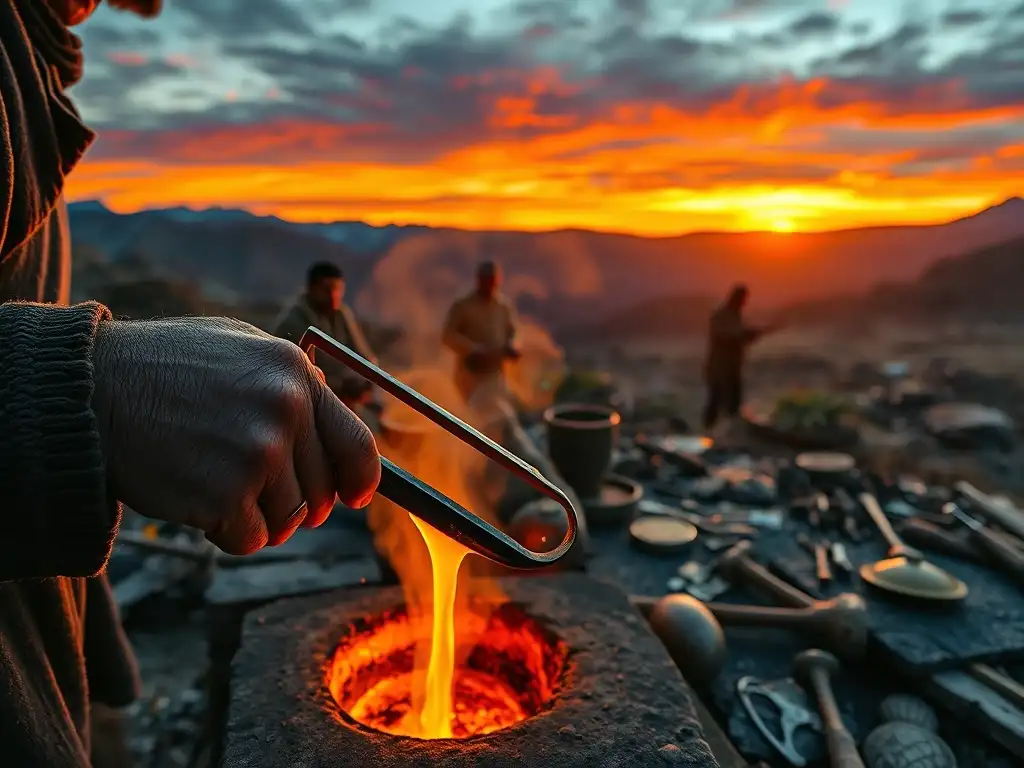
Dive into the mesmerizing world of Andean Civilizations, where lost empires whisper secrets of unparalleled artistry and ingenuity. Prepare to be captivated by the intricate artistry and breathtaking skill of ancient Andean cultures. But what truly fueled their remarkable achievements? Uncover the mysteries behind Ancient Andean metalworking techniques, a story of innovation and mastery that transformed humble ores into breathtaking masterpieces. Journey with us from the mines to the museums and discover the secrets of their legendary metalwork.
The Andes Mountains, a spine of towering peaks stretching along the western coast of South America, were not only a geographical marvel but also a treasure trove of natural resources, particularly metals. For millennia, the ancient Andean civilizations—from the early Chavín culture to the later Inca Empire—developed sophisticated techniques to extract, refine, and transform these metals into stunning artifacts, tools, and weaponry.
This article delves into the fascinating world of ancient Andean metalworking, exploring the techniques employed, the social significance of metalwork, and the enduring legacy of these remarkable craftspeople. We will examine how the manipulation of metals played a crucial role in shaping the social, political, and religious landscapes of these vibrant cultures, revealing the ingenuity and artistry of the ancient Andean metallurgists.
The journey from raw ore to exquisitely crafted masterpieces is a testament to their skill and understanding of metallurgical processes, offering invaluable insights into "Ancient Andean metalworking techniques".
Sourcing and Mining of Metals
The extraction of metals was a complex and laborious process, requiring significant knowledge of geology and mining techniques. Ancient Andean miners skillfully located and exploited ore deposits, often in challenging high-altitude environments. Evidence suggests they used a variety of methods, including open-pit mining, shaft mining, and even sophisticated techniques like underground galleries and drainage systems.
The most commonly used metals were copper, gold, silver, and bronze (an alloy of copper and tin). The specific locations of mines varied depending on the civilization and the time period, but many significant deposits were located in the Andes themselves, providing easy access to the raw materials needed for their impressive metalwork.
The scale of some mining operations is truly impressive, indicating a well-organized and highly skilled workforce dedicated to supplying the metal for the artisans. Archaeological discoveries continuously reveal more about the sophistication of these early mining practices, highlighting the significant engineering challenges overcome by the ancient Andean societies.
Metal Refining and Alloying
Once the ore was extracted, the next crucial step was refining it to obtain pure metal. Ancient Andean metallurgists employed various techniques to purify the ores. These methods often involved heating the ore in furnaces to high temperatures, a process that required considerable expertise in controlling the heat and airflow. The use of bellows to increase the intensity of the fire is well documented.
Furthermore, they demonstrated a profound understanding of alloying, combining different metals to create new materials with enhanced properties. Bronze, for example, was a significant technological achievement, resulting from the deliberate combination of copper and tin to produce a harder, more durable metal than copper alone. The precise ratios used in creating alloys were carefully controlled, reflecting a high degree of technical knowledge and a remarkable understanding of material science. The creation of these alloys represents a crucial step in the evolution of ancient Andean metalworking.
Shaping and Ornamentation: Techniques and Styles
The shaping and ornamentation of metals showcased the extraordinary skill of Andean artisans. A variety of techniques were employed, including hammering, casting, repoussé (hammering from the back to create raised designs), and soldering. Hammering was used to shape sheets of metal into various forms, while casting involved pouring molten metal into molds to create intricate objects. Repoussé allowed for the creation of detailed reliefs and three-dimensional forms.
Soldering, the joining of metal pieces using a lower-melting-point alloy, enabled the creation of complex compositions. Different cultures developed unique stylistic preferences. For example, the Moche are known for their intricate gold and silver work, often depicting scenes from mythology and daily life, while the Inca favored a more geometric and symbolic style in their metalwork. The artistry and technical skill displayed in these pieces are breathtaking, demonstrating a deep understanding of both the material properties and aesthetic principles.
Metalwork in the Andes was not merely a craft; it held profound social and religious significance. Metal objects were often associated with power, status, and divinity. Elites frequently adorned themselves with elaborate jewelry made of gold, silver, and precious stones, signifying their high social rank. Ceremonial objects, such as masks, scepters, and vessels, were often crafted from precious metals, used in rituals and religious ceremonies.
The intricate designs and symbolic imagery incorporated into these objects reveal much about the beliefs, values, and worldview of the ancient Andean cultures. The production and distribution of metal artifacts were often controlled by ruling classes, highlighting their importance in maintaining social order and religious authority. The careful craftsmanship and symbolic significance of metalwork reinforce its prominent role in Andean society.
This detailed exploration of "Ancient Andean metalworking techniques" only scratches the surface of this rich and complex subject. Further research and analysis are needed to fully understand the sophisticated artistry and technological prowess of these ancient cultures.
- Sourcing and Mining of Metals
- Metal Refining and Alloying
- Shaping and Ornamentation: Techniques and Styles
- The Social and Religious Significance of Metalwork
- What materials did Andean civilizations primarily use for metalworking?
- What were some of the most impressive achievements of Andean metalworkers?
- How did Andean metalworkers obtain the metals they used?
- What role did metalworking play in Andean society?
- Where can I learn more about Ancient Andean metalworking techniques?
The Dawn of Andean Metallurgy: Mining and Extraction
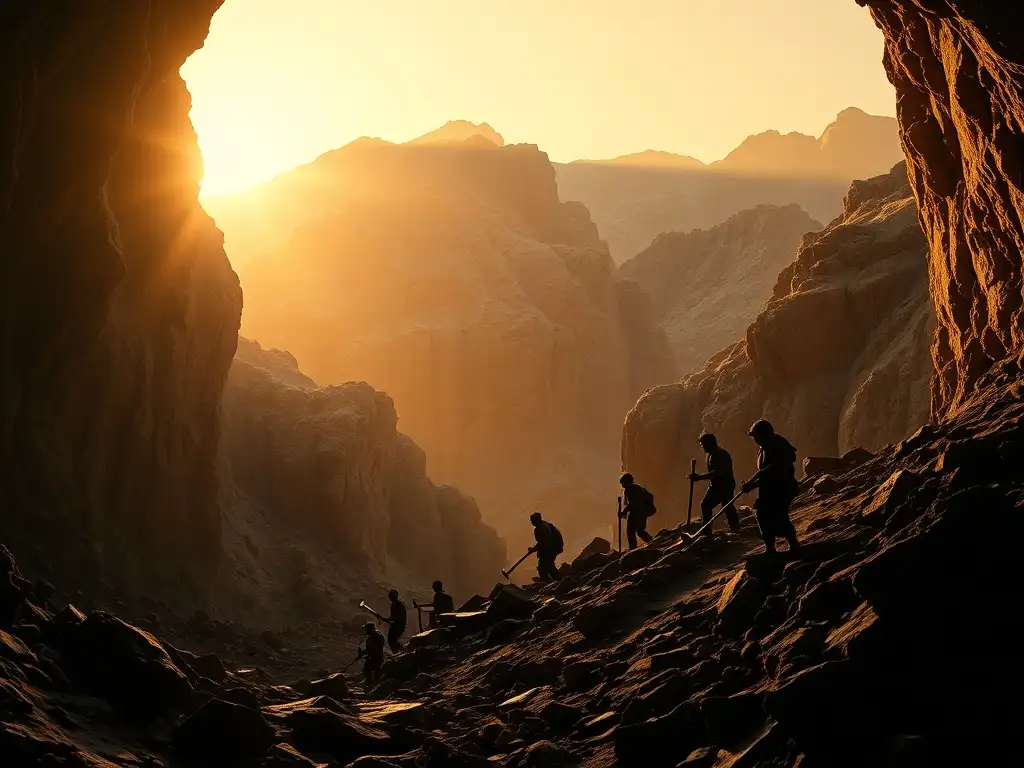
The mastery of metalworking in the Andes wasn't a sudden invention but a gradual process spanning centuries, deeply intertwined with the region's unique geology and the ingenuity of its inhabitants. Understanding the journey of metal, from raw ore to exquisite artifacts, requires exploring the initial stages: mining and extraction. Ancient Andean metalworking techniques were inextricably linked to the availability and accessibility of mineral resources. The development of sophisticated metallurgical practices was a direct consequence of the challenges and triumphs in securing these raw materials.
Andean Mineral Resources: Sources of Precious Metals
The Andes Mountains are a treasure trove of metallic ores. Vast deposits of copper, gold, and silver, among other metals, were crucial for the development of Andean metallurgy. The location of these deposits significantly influenced the settlement patterns and the rise of powerful Andean cultures. For example, the rich copper deposits of the central Andes fueled the technological advancements of the Moche civilization, while the gold-rich regions of the northern Andes played a vital role in the Inca Empire's wealth and power.
Specific locations, like [Specific mine locations pending further research], are believed to have been particularly important sources of high-quality ores. The precise methods used to locate these deposits remain a subject of ongoing research, but evidence suggests a combination of surface prospecting, knowledge of geological formations, and possibly even rudimentary geochemical analysis. This understanding of mineral distribution was a crucial aspect of Ancient Andean metalworking techniques.
Early Mining Techniques in the Andes
Early Andean mining practices were surprisingly sophisticated, considering the lack of advanced tools. Evidence suggests that open-pit mining was common, particularly for surface deposits. This involved removing the overlying rock and soil to expose the ore veins. However, as deeper deposits were exploited, more complex techniques were developed. Archaeological findings reveal the use of stone tools, such as hammers, picks, and chisels, to break apart rock and extract ores. The use of fire-setting, a technique involving heating rock to facilitate its fracturing, is also documented. This process, while labor-intensive, allowed access to deeper ore bodies. Furthermore, evidence suggests the use of wooden wedges and levers to break apart rocks, demonstrating a practical understanding of basic engineering principles. The ingenuity displayed in these early mining techniques is a testament to the resourcefulness of Andean societies. The development of efficient mining practices was fundamental to the success of Ancient Andean metalworking techniques.
The Importance of Copper, Gold, and Silver in Andean Cultures
Copper, gold, and silver held immense symbolic and practical importance in various Andean cultures. Copper, the first metal widely worked in the Andes, was used for tools, weapons, and everyday objects, showcasing its functional value. Its malleability and relative abundance made it an ideal material for early metalworking.
Gold, on the other hand, held a profound symbolic significance, often associated with divinity and power. Gold artifacts, from intricate jewelry to ceremonial objects, were used to express social status and religious beliefs, demonstrating the cultural importance of this precious metal within Ancient Andean metalworking techniques. Silver, while also valued, played a more utilitarian role compared to gold, often used in combination with copper to create alloys with enhanced properties.
The intricate interplay between the availability, technological mastery, and cultural significance of these three metals shaped the evolution of Andean metalworking for centuries. The distinct roles of each metal underscore the sophisticated understanding of materials and their applications within the context of Ancient Andean metalworking techniques. The careful selection and combination of these metals highlight the advanced capabilities of Andean metallurgists.
Shaping Metal: Ancient Andean Metalworking Techniques
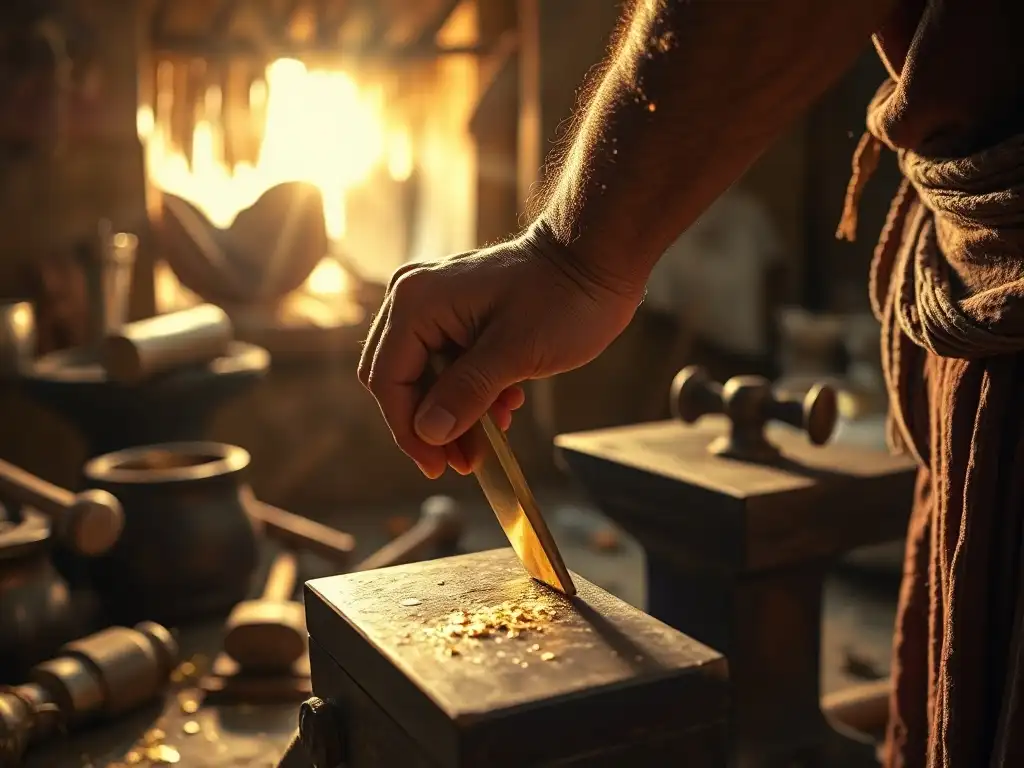
This section delves into the remarkable metalworking techniques employed by ancient Andean civilizations, showcasing their ingenuity and mastery over materials. Their skills, passed down through generations, resulted in breathtaking artifacts that continue to fascinate and inspire us today. We will explore the fundamental techniques that allowed them to transform raw materials into exquisite works of art. Understanding these "Ancient Andean metalworking techniques" provides crucial insight into their cultural sophistication and technological advancements.
Hammering and Annealing: Basic Techniques of Andean Metal Crafts
The foundation of Andean metalworking rested on two fundamental techniques: hammering and annealing. Hammering, a seemingly simple process, required considerable skill and precision. Artisans used various hammers, likely made of stone or wood, to shape the malleable metal. The process involved carefully striking the metal, gradually refining its form. This required a deep understanding of the metal's properties – its malleability, its tendency to work-harden, and its potential for fracture.
The process wasn't simply about brute force; it involved a delicate balance of strength and finesse. Imagine the skill required to create the intricate details found on many Andean artifacts, all achieved through repeated, precise hammering. The artisans likely employed different hammer sizes and shapes to achieve varying levels of detail and surface texture. Evidence suggests the use of anvils, possibly made of stone, to provide a stable surface for hammering.
Annealing, the process of heating and cooling metal, was crucial for counteracting work hardening. Work hardening, which occurs during hammering, makes the metal brittle and prone to cracking. By heating the metal to a specific temperature and then slowly cooling it, the artisans could restore its malleability, allowing them to continue shaping it without fear of breakage.
Control over the annealing process was essential for creating large, complex pieces. The precise temperatures and cooling methods used by the ancient Andeans remain a subject of ongoing research, but their mastery of this technique is undeniable. The survival of countless intricately hammered artifacts is a testament to their expertise.
The Art of Casting: Creating Intricate Forms in Ancient Andes
Casting, a more advanced technique, allowed Andean metalworkers to create intricate shapes and complex designs that would be impossible to achieve solely through hammering. This involved creating a mold, usually from clay or other readily available materials, into which molten metal was poured. Once the metal cooled and solidified, the mold was broken away, revealing the finished piece.
The creation of the mold itself was a skilled process requiring precision and artistry. The mold had to be perfectly formed to create the desired shape, and the process of pouring the molten metal demanded careful control to avoid imperfections. The Andeans likely used various alloys, combining different metals to achieve specific properties, like strength, durability, or a particular color. Evidence suggests they utilized techniques such as lost-wax casting, a sophisticated method involving a wax model that was coated in clay, melted out, and then filled with molten metal. This allowed for extremely detailed and complex castings.
Consider the intricate details found on ceremonial objects, such as the elaborate headdresses or the finely crafted figurines. These couldn't have been achieved without the mastery of lost-wax casting, showcasing a remarkable level of technological sophistication. The control over temperature, the selection of appropriate alloys, and the precision in mold making all contributed to the success of this technique. The use of casting significantly expanded the possibilities of Andean metalworking, pushing the boundaries of artistic expression.
Gilding and Plating: Adding Luster and Color to Metalwork
Beyond shaping and casting, Andean metalworkers employed techniques to enhance the visual appeal of their creations. Gilding, the application of a thin layer of gold, added a luxurious sheen and a touch of prestige to their metalwork. Plating, a similar process, involved coating the metal with another metal, such as silver or copper, to achieve different colors and textures.
These techniques likely involved various methods, possibly including hammering thin sheets of gold or other metals onto the surface of the base metal. Alternatively, they may have employed a form of electroplating, though the specifics of their processes remain unclear. The result, however, was stunning: objects with richly colored surfaces, shimmering with gold, silver, or other metals. These decorative enhancements weren't merely aesthetic; they often carried symbolic meaning, reflecting social status, religious beliefs, or political power.
The use of gilding and plating added another layer of complexity to Andean metalworking, showcasing their sophisticated understanding of materials and their ability to manipulate them to achieve desired aesthetic and symbolic effects. The survival of richly gilded and plated artifacts is a testament to the durability of these techniques and the enduring artistry of Andean metalworkers. Analyzing the chemical composition of these surfaces continues to provide valuable insights into their methods and the materials they used. Further research is needed to fully understand the nuances of these techniques and their significance within the broader context of Andean culture.
Masterpieces of Ancient Andean Metal Art
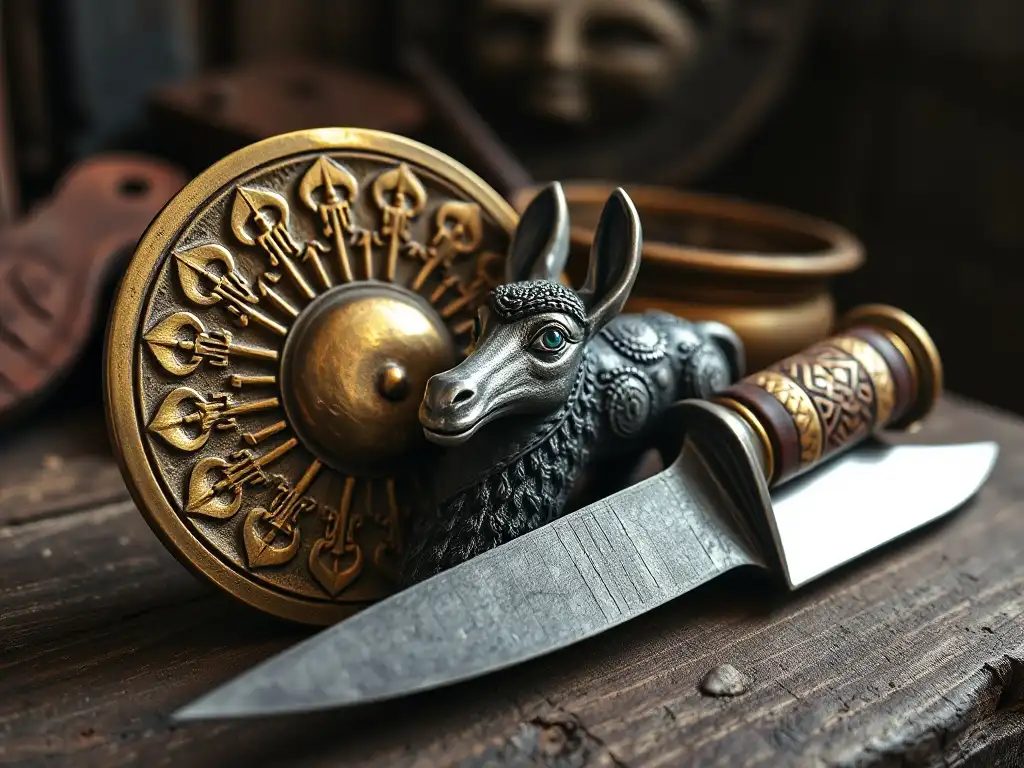
The artistry of ancient Andean metalworkers is undeniable, resulting in objects of breathtaking beauty and intricate detail. Their mastery of techniques like hammering, casting, repoussé, and soldering allowed them to create not just functional tools, but also stunning works of art reflecting their complex religious beliefs, social structures, and technological prowess. Studying these Ancient Andean metalworking techniques reveals a sophisticated understanding of metallurgy and artistic expression that continues to fascinate and inspire.
The use of gold, silver, and copper, often combined with other materials like turquoise and shell, speaks to their access to resources and their highly developed aesthetic sensibilities. The distribution of these artifacts across different cultures highlights the extensive trade networks that connected the Andean region.
Moche Gold Nose Ornaments: Depictions of Deities and Power
Moche goldwork is particularly renowned for its exquisite detail and vibrant imagery. Nose ornaments, often crafted from hammered gold sheets, are prime examples of their skill. These weren't merely decorative pieces; they were powerful symbols of status, religious authority, and connection to the supernatural. Many depict stylized deities, mythical creatures, or scenes from Moche mythology, providing invaluable insights into their cosmology and beliefs.
The process involved painstaking hammering to shape the thin gold sheets into intricate forms. Details were often achieved through repoussé, a technique where the metal is shaped from the back to create raised designs on the surface. The use of fine lines and precise details demonstrates a high level of technical skill and artistic vision.
For example, some ornaments depict the Moche Ai Apaec deity with incredible precision, capturing the details of his headdress and fangs. The vibrant imagery, often combined with the gleam of the gold itself, likely amplified their power and significance within Moche society. These weren't simply adornments; they were tangible representations of power and spiritual connection, meticulously crafted using advanced Ancient Andean metalworking techniques.
Inca Silver Figurines: Representations of Animals and Ritual
Inca metalworking, while perhaps less flamboyant than that of the Moche, displayed a remarkable mastery of silverwork. Silver figurines, often depicting animals like llamas, birds, and felines, are common finds from Inca sites. These figurines were not just decorative; they likely held significant ritualistic value. Their meticulous detail and realistic portrayal of animals suggest a deep understanding of the natural world and a reverence for its creatures.
The Inca utilized a combination of techniques, including casting and hammering, to create these silver figurines. Casting involved creating a mold and pouring molten silver into it, allowing for the production of complex shapes. Hammering was then used to refine the details and achieve a smooth, polished finish.
The choice of silver itself is significant, as it was associated with the moon and held special religious importance within Inca cosmology. The figurines’ presence in contexts associated with ritual suggests their role in ceremonies and offerings, reinforcing their importance in Inca religious practices and showcasing the sophisticated Ancient Andean metalworking techniques of the time. Analysis of these figurines, often found alongside other ceremonial objects, continues to illuminate Inca religious practices.
Tiahuanaco Copper Axes: Functional Tools and Status Symbols
While gold and silver were prized for their aesthetic value, copper played a crucial role as a functional metal in Tiahuanaco society. Copper axes, although practical tools, also served as status symbols, reflecting the social hierarchy and power dynamics within the society. The size, decoration, and quality of the axe often indicated the social standing of its owner.
The Tiahuanaco people demonstrated considerable skill in copper smelting and casting. They created axes with sharp, durable blades, suitable for both woodworking and warfare. However, some axes were elaborately decorated, showcasing advanced metalworking techniques. These embellishments, often involving intricate designs hammered or inlaid into the metal, transformed these functional tools into objects of prestige and power.
The presence of these decorated axes in elite tombs underscores their significance as markers of social status. Furthermore, the consistent quality and design across various axes suggests a degree of centralized production or specialized workshops, highlighting the organized nature of Tiahuanaco society and its mastery of Ancient Andean metalworking techniques. The study of these axes reveals not only their practical uses but also their role in shaping social identities and power structures within the Tiahuanaco civilization.
The Symbolism and Significance of Metal in Andean Society
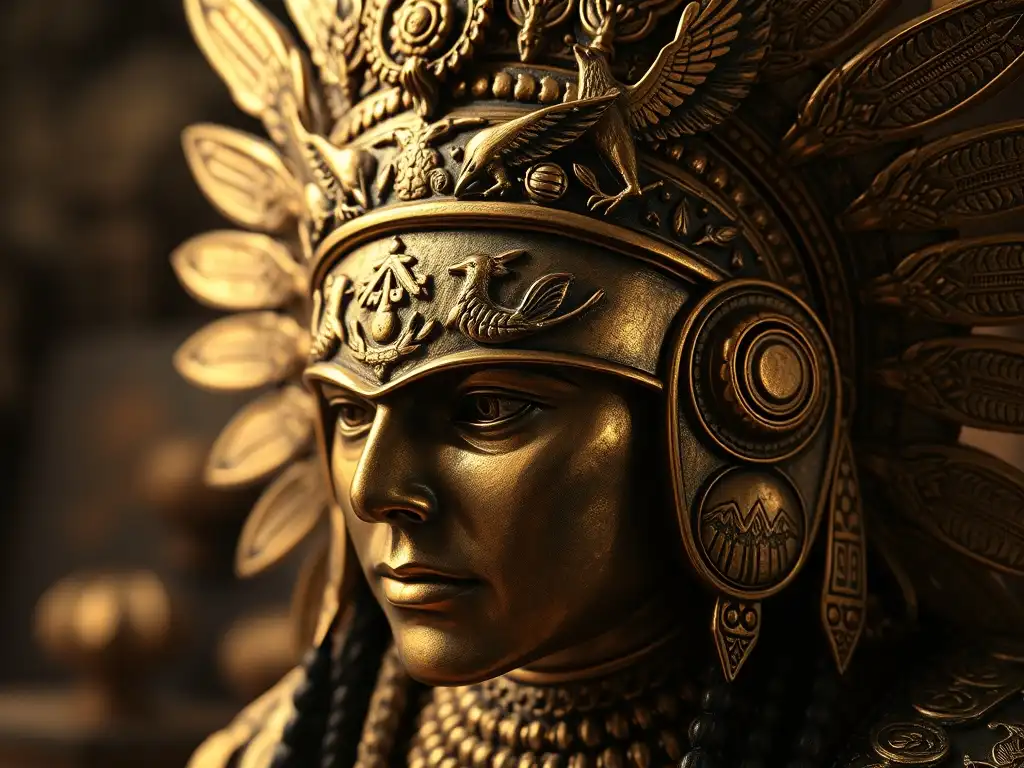
The mastery of metalworking in the Andes wasn't merely a technological achievement; it was deeply intertwined with the social, religious, and economic fabric of Andean societies. The scarcity of metals like gold, silver, and copper, coupled with the complex techniques required to work them, imbued these materials with profound symbolic meaning, shaping social hierarchies and religious practices. Understanding the symbolism of metal is crucial to appreciating the artistry and sophistication of Ancient Andean metalworking techniques.
The careful selection of metals, their forms, and the intricate details of their decoration all spoke volumes about the power structures and beliefs of the time. This section will explore the multifaceted role of metal in Andean culture, delving into its significance as a symbol of power, its importance in religious rituals, and its role in the wider economy.
Metal as a Symbol of Power and Prestige
Gold, in particular, held immense symbolic value in many Andean cultures. Its radiant color and malleability made it ideal for crafting objects associated with divinity and power. Rulers and elites often adorned themselves with elaborate gold ornaments, signifying their high social status and divine connection.
The intricate craftsmanship of these objects – often depicting deities, mythical creatures, or scenes from mythology – further reinforced their status as symbols of power and prestige. For example, the Moche culture is renowned for its exquisite gold masks and jewelry, showcasing the sophisticated techniques used to create remarkably lifelike representations. These weren't simply decorative items; they were powerful symbols of authority and legitimacy, worn by rulers to solidify their position within society.
The quantity and quality of gold possessed were directly correlated with an individual's social standing, creating a hierarchy cemented by access to and control over this precious metal. Silver, while less rare than gold, also held significant symbolic weight, often associated with the moon and fertility, and used in ritual objects and adornments for high-ranking individuals.
Metal Objects in Religious and Ritual Contexts
Beyond its association with power, metal played a pivotal role in Andean religious practices. Metal objects, particularly those made of gold and silver, frequently served as offerings to deities or were used in rituals intended to ensure bountiful harvests, appease the gods, or honor ancestors. The intricate designs and symbolism embedded in these objects reveal much about Andean cosmology and religious beliefs.
For instance, the Nazca culture’s use of gold and copper in their funerary practices suggests a belief in the metal’s ability to facilitate a journey to the afterlife. Many artifacts unearthed from tombs include intricately crafted gold and copper ornaments, suggesting a connection between the precious metals and the spiritual world. Furthermore, the use of specific metals in particular rituals points towards a complex system of religious beliefs where different metals held different spiritual significance.
[Specific examples of rituals and their associated metal objects pending]. The sheer number of metal artifacts found in archaeological contexts underscores the central role metal played in Andean religious life.
The Role of Metal in Trade and Economy
The production and trade of metal objects significantly impacted the Andean economy. Access to metal resources and the expertise to work them created economic power imbalances between different regions and groups. Control over mines and the workshops where metal was processed became a source of wealth and influence.
The intricate techniques of Ancient Andean metalworking techniques, passed down through generations, were highly valued, and skilled artisans held respected positions within their communities. Trade networks extended across vast distances, facilitating the exchange of metal objects and raw materials. The presence of metal artifacts from distant regions in archaeological sites shows the extensive reach of these trade routes and the importance of metal in the broader Andean economy.
The value of metal objects also played a role in political alliances and diplomatic exchanges, with gifts of precious metal items strengthening ties between different groups. [Data on specific trade routes and the volume of metal traded pending]. The economic impact of metalworking was far-reaching, shaping social structures and influencing the political landscape of the Andes.
Evolution of Metalworking in the Ancient Andes
The mastery of metalworking in the Andes wasn't a sudden event, but a gradual evolution spanning centuries, reflecting both technological innovation and cultural exchange. The earliest evidence suggests that gold, silver, and copper were initially worked using cold hammering techniques, shaping the metal through repeated blows. This early period, predating widespread smelting, resulted in relatively simple artifacts, often characterized by their hammered textures and less refined forms.
The transition to more sophisticated techniques, including casting and alloying, marked a significant leap forward, enabling the creation of more complex and intricate objects. This advancement wasn't uniform across all Andean cultures; instead, it unfolded at different paces and in diverse ways, leading to the remarkable regional variations we observe today.
Understanding this evolutionary trajectory is key to appreciating the ingenuity and skill of ancient Andean metalworkers and their profound impact on the region's art and culture. The development of advanced metalworking techniques, such as lost-wax casting, allowed for the creation of incredibly detailed and lifelike figures, intricate jewelry, and ceremonial objects, showcasing the sophisticated understanding of metallurgy achieved by these ancient societies.
Regional Variations in Metalworking Styles
Ancient Andean metalworking wasn't a monolithic practice; instead, distinct regional styles emerged, reflecting unique cultural traditions and access to resources. The Moche culture, for example, is renowned for its incredibly realistic depictions of humans and animals in gold and silver. Their mastery of lost-wax casting allowed them to create intricate details, capturing the textures of skin and fur with remarkable accuracy.
In contrast, the Nazca were known for their delicate gold sheets and intricate designs, often incorporating geometric patterns and stylized representations of animals. Their techniques involved hammering and repoussé, shaping the metal from the back to create raised designs on the surface. The Tiahuanaco culture, on the other hand, favored a more monumental style, creating large, imposing objects from copper and bronze alloys.
These variations highlight the rich tapestry of artistic expression within the Andes, with each culture leaving its unique mark on the history of ancient Andean metalworking techniques. The availability of specific ores also influenced the styles; for example, regions rich in copper produced more copper-based artifacts, while those with abundant gold deposits saw a flourishing of goldsmithing.
Technological Advancements Over Time
The evolution of ancient Andean metalworking techniques involved a series of significant technological advancements. The initial cold hammering techniques eventually gave way to smelting, allowing for the controlled melting and casting of metals. This innovation dramatically expanded the possibilities for creating more complex forms and larger objects. The development of lost-wax casting, a particularly sophisticated technique, allowed for the creation of incredibly detailed three-dimensional objects.
This involved creating a wax model, covering it in clay, melting out the wax, and then pouring molten metal into the resulting mold. The precise control required for this process demonstrates a high level of metallurgical knowledge. Furthermore, the Andean metalworkers mastered alloying, combining different metals to create new materials with improved properties.
For instance, combining copper with tin created bronze, a harder and more durable material than pure copper, enabling the creation of stronger and more resilient tools and weapons. These advancements weren't isolated events; they built upon each other, reflecting a continuous process of experimentation and refinement. The use of sophisticated tools, like crucibles and bellows, further enhanced their ability to precisely control the smelting and casting processes.
The Legacy of Ancient Andean Metalworking
The legacy of ancient Andean metalworking techniques is profound and far-reaching. The exquisite artistry and technological sophistication demonstrated by these ancient cultures continue to inspire awe and admiration. The objects they created – from intricate jewelry to monumental sculptures – remain iconic representations of Andean civilization. These artifacts not only provide invaluable insights into their culture, beliefs, and social structures but also serve as testaments to their remarkable ingenuity and skill.
The knowledge and techniques developed by these ancient metalworkers were passed down through generations, influencing later artistic traditions in the Andes. Moreover, the study of ancient Andean metalworking techniques continues to inform modern materials science and art conservation efforts. Analyzing the composition and manufacturing processes of ancient artifacts allows researchers to understand the materials used, the techniques employed, and the level of expertise achieved by these ancient artisans.
The legacy of these techniques continues to resonate today, shaping our understanding of ancient Andean societies and inspiring new generations of artists and scientists alike. The intricate details, masterful craftsmanship, and sheer artistry of these pieces continue to captivate and inspire, preserving the rich cultural heritage of the Andes for posterity. 🇿🇦
Frequently Asked Questions
What materials did Andean civilizations primarily use for metalworking?
Andean metalworkers primarily used gold, silver, copper, and bronze, often combining them in alloys to create unique colors and properties. They sourced these metals from various mines throughout the Andes Mountains.
What were some of the most impressive achievements of Andean metalworkers?
Andean metalworking produced exceptionally intricate and detailed objects, including jewelry, tools, weapons, and ceremonial items. Their mastery of techniques like lost-wax casting and hammering is truly remarkable.
How did Andean metalworkers obtain the metals they used?
The Andean civilizations developed sophisticated mining techniques to extract ores from mountain deposits. They then processed the ores through various stages to obtain pure metals for their craft.
What role did metalworking play in Andean society?
Metalworking held significant social and religious importance. Elaborate metal objects were used in rituals, adorned royalty, and served as symbols of power and prestige within Andean societies.
Where can I learn more about Ancient Andean metalworking techniques?
You can explore museums showcasing Andean artifacts, academic journals focusing on archaeology and metallurgy, and reputable websites like this one dedicated to Ancient Andean civilizations to further your knowledge.
Final Reflection: The Enduring Legacy of Andean Metalworking
The intricate artistry of ancient Andean metalworking isn't just a relic of the past; it's a testament to human ingenuity that continues to inspire awe and innovation today. The techniques developed millennia ago, from the precise hammering of gold to the sophisticated alloying of copper and tin, represent a level of technological and artistic mastery that remains unparalleled in its context. This sophisticated understanding of metallurgy allowed for the creation of objects that were not only functional but also deeply symbolic, reflecting the complex social and religious beliefs of the Andean cultures.
The enduring power of these ancient techniques lies not only in their technical brilliance but also in their profound cultural impact. The objects crafted—from ceremonial adornments to intricate tools—continue to shape our understanding of Andean civilizations, offering invaluable insights into their beliefs, social structures, and artistic sensibilities. The metalworker was not merely a craftsman; he was a shaman, a priest, a conduit between the earthly and spiritual realms.
This quote, while hypothetical, captures the essence of the deeply spiritual connection inherent in Andean metalworking, a connection that resonates even today as we marvel at the surviving artifacts.
Consider the implications of this legacy. You, the reader, now possess a deeper understanding of the ingenuity and artistry of ancient Andean cultures. Take a moment to reflect on the human capacity for innovation and the enduring power of craftsmanship. Let the intricate details of hammered gold and the precise alloys inspire you to appreciate the artistry and skill present in all forms of creation, past and present. Seek out opportunities to connect with your own creative potential, inspired by the enduring legacy of the Andean metalworkers.
Unveil the Treasures of the Ancient Andes!
Thank you for exploring the fascinating role of metal in the Ancient Andes! We hope you gained insights into how these materials transformed not only objects but entire civilizations. To further explore this rich heritage, consider these suggestions:
- Visit a local museum or explore a virtual exhibit focusing on Andean metallurgy or ancient civilizations to immerse yourself in the historical artifacts.
- Share this article with friends and family who might appreciate learning about the evolution of metalworking in the Andes. Let's spread the word!
- Learn about ancient Andean crafting techniques by researching DIY projects or traditional crafts. This hands-on approach offers a unique appreciation for the artistry involved.
What aspect of Andean craftsmanship most captivates you, and how would you like to delve deeper into it?