
Interwoven Worlds: The Spiritual and Cosmic Meanings in Andean Textiles

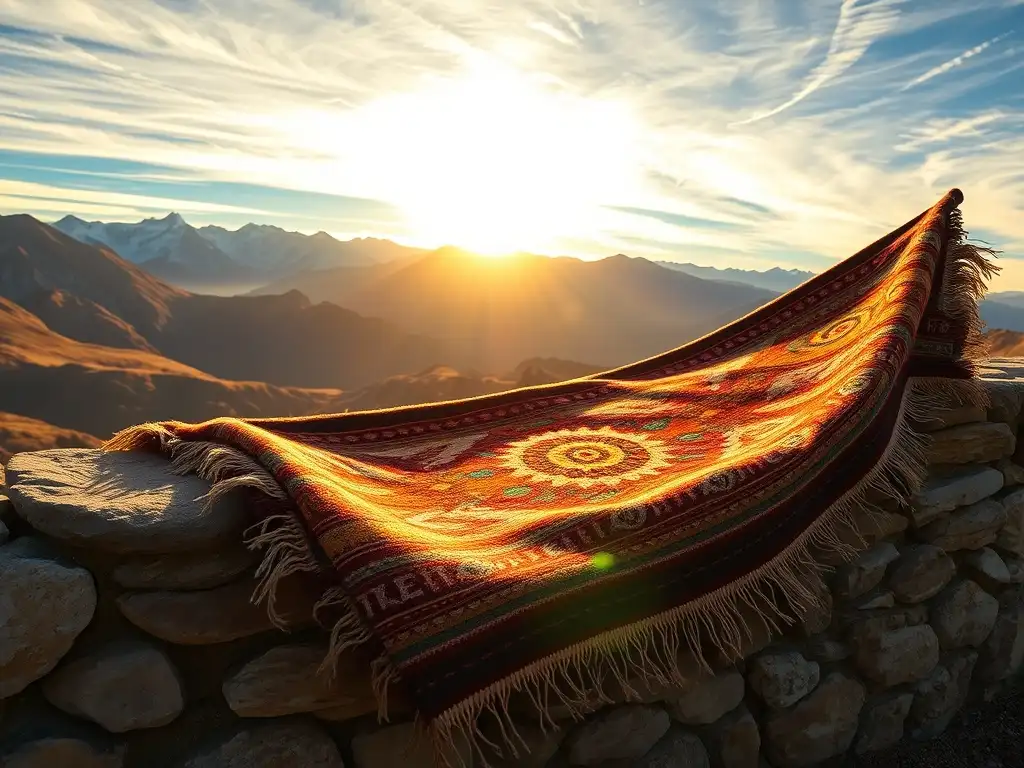
Unravel the mysteries woven into the very fabric of history. For centuries, the Andean civilizations have captivated the world with their breathtaking artistry and profound spirituality. But have you ever considered the deeper meaning embedded within their intricate textiles? Journey with us as we explore the Andean textiles spiritual meaning, revealing the cosmic symbolism and ancient beliefs hidden within each thread. Prepare to be amazed by the secrets these vibrant tapestries hold.
The Andes Mountains, a spine of towering peaks piercing the South American sky, cradled civilizations that wove not just cloth, but intricate tapestries of meaning. For the Incas, Moche, Nazca, and other Andean cultures, textiles were far more than mere clothing or household items; they were powerful conduits to the spiritual world, vibrant expressions of cosmic order, and tangible representations of their profound connection to the earth and the heavens.
This exploration delves into the rich symbolism embedded within Andean textiles, uncovering the complex spiritual and cosmological beliefs woven into every thread and pattern. We'll examine how these intricate creations served as potent tools for communication, ritual, and social status, revealing the profound ways in which these ancient peoples expressed their worldview through the art of weaving.
Understanding the spiritual meaning behind Andean textiles offers a captivating glimpse into the heart and soul of these remarkable civilizations, enriching our appreciation for their ingenuity and spiritual depth. Prepare to unravel the mysteries encoded within these breathtaking works of art, revealing the stories they tell of a world deeply connected to the cosmos.
Introduction to the Symbolic World of Andean Weaving
Andean weaving wasn't simply a craft; it was a sacred practice deeply intertwined with the spiritual and cosmological beliefs of the Andean peoples. The act of weaving itself was imbued with symbolic significance, mirroring the creation of the universe and the cyclical nature of life and death. The choice of materials – from the carefully selected alpaca or llama wool to the vibrant, naturally sourced dyes – held profound meaning, reflecting the connection between the human world and the natural environment.
Each color, pattern, and motif carried specific symbolic weight, often representing deities, animals, celestial bodies, or significant events within their rich mythology. For example, the color red frequently symbolized blood, sacrifice, and the sun, while yellow represented gold, royalty, and the power of the Inca emperors. The intricate designs, often geometric or zoomorphic, were not random; they were carefully planned and executed, conveying complex narratives and spiritual messages.
These textiles weren't just worn; they were actively participated in rituals, ceremonies, and daily life, acting as tangible links between the human and divine realms. The creation and use of these textiles were integral parts of the Andean worldview, illustrating a profound understanding of the interconnectedness of all things.
Decoding the Motifs: Animals, Plants, and Celestial Bodies
The motifs found in Andean textiles are incredibly diverse, each carrying a specific symbolic meaning. Animals, particularly camelids like llamas and alpacas, represented wealth, status, and connection to the land. Predatory animals like jaguars or condors often symbolized power, strength, and shamanic abilities.
Plants, such as corn and coca, represented fertility, abundance, and life itself. Celestial bodies, like the sun, moon, and stars, symbolized cosmic forces, deities, and the cyclical nature of time. These motifs were often combined in complex compositions, creating rich narratives that spoke to the interconnectedness of the natural and spiritual worlds.
For instance, a textile depicting a llama grazing under a sun disc might symbolize the prosperity and fertility brought about by the sun's life-giving energy. The precise arrangement and combination of these motifs varied across different cultures and time periods, reflecting the unique beliefs and traditions of each group. Detailed studies of these motifs reveal a sophisticated understanding of the Andean worldview and their intricate relationship with the cosmos.
Andean textiles played a crucial role in various rituals and ceremonies. They were used as offerings to deities, worn by priests and shamans during religious performances, and used to adorn sacred spaces. Specific textile types and patterns were associated with particular deities or rituals, further highlighting their spiritual significance. Moreover, textiles served as important social markers, indicating an individual's status, lineage, and role within the community.
Elaborately woven garments, adorned with precious metals and intricate designs, were worn by elites and royalty, signifying their power and authority. Simpler textiles were worn by commoners, reflecting their place within the social hierarchy. The quality, design, and materials used in a textile directly correlated to the wearer's social standing, making textiles powerful indicators of social stratification within Andean societies. The careful study of these textiles provides invaluable insights into the social structures and power dynamics within these ancient civilizations.
The Legacy of Andean Textiles: A Continuing Inspiration
The legacy of Andean textiles continues to resonate today, inspiring artists, designers, and researchers alike. Their intricate designs, vibrant colors, and profound symbolism continue to captivate and amaze. These textiles serve as a testament to the ingenuity, artistry, and spiritual depth of the Andean civilizations. Their enduring appeal highlights the timeless power of art to transcend time and connect us to the rich cultural heritage of the past.
The study of Andean textiles offers not only a glimpse into the past but also a profound appreciation for the enduring connection between humans, nature, and the cosmos. Their story is a testament to the enduring power of human creativity and the spiritual significance woven into the fabric of Andean life. The intricate details and symbolic richness of these textiles continue to inspire and provoke wonder, reminding us of the enduring power of human creativity and spiritual expression.
- Introduction to the Symbolic World of Andean Weaving
- Decoding the Motifs: Animals, Plants, and Celestial Bodies
- Textiles as Ritual Objects and Social Markers
- The Legacy of Andean Textiles: A Continuing Inspiration
The Spiritual Significance of Andean Textiles
Andean textiles weren't merely clothing or decorative items; they were imbued with profound spiritual and cosmic meaning, deeply interwoven with the daily lives and beliefs of the Andean people. Their creation, use, and even disposal held significant spiritual weight, reflecting a worldview intimately connected with the natural world and the celestial realm. Understanding the spiritual significance of these textiles requires appreciating the intricate relationship between the Andean worldview and the very fabric of their lives – literally.
The intricate designs, vibrant colors, and the materials themselves all contributed to the textiles' sacred power. This section will explore the multifaceted spiritual dimensions of Andean textiles, examining their use as sacred objects, the spiritual practice of weaving itself, and their crucial role in rituals and ceremonies. The keyword "Andean textiles spiritual meaning" is central to this exploration.
Andean Textiles as Sacred Objects
Andean textiles frequently served as sacred objects, acting as conduits between the human and spiritual realms. Their power stemmed not just from their aesthetic beauty but from the symbolic language embedded within their designs. Geometric patterns, depictions of animals (like the puma, condor, and serpent), and representations of celestial bodies (sun, moon, stars) all held specific meanings, often related to Andean cosmology, mythology, and ancestor veneration.
For example, the khipu, a complex system of knotted cords, served as a record-keeping device but also held ritual significance, representing the interconnectedness of the cosmos and the human world. These were not simply functional items; they were powerful objects imbued with spiritual energy. The meticulous craftsmanship involved in their creation further enhanced their sacred status, reflecting the weaver's devotion and connection to the spiritual realm.
Even the materials themselves – alpaca wool, cotton, and various dyes – held symbolic value, often sourced from specific locations or harvested at particular times of the year to maximize their spiritual potency. The use of these materials and the techniques employed reflect a deep understanding and respect for the natural world, reinforcing the sacred nature of the textiles themselves.
The meticulous detail in Andean textile designs is astonishing. Consider the intricate geometric patterns found on many textiles. These weren't merely decorative; they often represented specific deities, celestial events, or ancestral lineages. The repetition of certain motifs, like stepped pyramids or zigzags, could symbolize the mountains, the Andean landscape, or the connection between the earthly and celestial realms. This deeply symbolic nature elevated these textiles beyond mere clothing into sacred objects worthy of reverence and respect.
Weaving as a Spiritual Practice in Andean Culture
The act of weaving itself was considered a sacred practice, connecting the weaver to the spiritual world. Weaving was not simply a craft; it was a form of prayer, a meditative process that allowed the weaver to commune with the divine. The rhythmic movements of the loom, the careful selection of colors and materials, and the meticulous execution of the designs all contributed to a spiritual experience. The creation of textiles was often accompanied by prayers, rituals, and offerings, ensuring the spiritual integrity of the process.
The weaver's skill and expertise were seen as gifts from the gods, further enhancing the spiritual power of the textiles they produced. This spiritual dimension of weaving is reflected in the high level of skill and artistry demonstrated in surviving Andean textiles. The dedication and precision involved point towards a deep-seated spiritual connection between the weaver and their craft.
Furthermore, the choice of colors held significant spiritual meaning. Certain colors were associated with specific deities or events. For example, red might represent the sun or blood, while yellow could signify maize or gold. The careful selection and arrangement of these colors further enhanced the spiritual power of the textile, transforming it into a powerful symbol of Andean cosmology and spiritual beliefs. The precise arrangement of colors and patterns was not arbitrary; they followed established codes and traditions, reflecting a deep understanding of Andean spiritual principles.
The Role of Andean Textiles in Rituals and Ceremonies
Andean textiles played a crucial role in various rituals and ceremonies. They were used to adorn deities, decorate temples, and clothe participants in religious events. Textiles served as offerings to the gods, demonstrating the respect and reverence held for these sacred beings. The use of textiles in rituals and ceremonies reinforced their spiritual significance and elevated their status beyond that of mere clothing. Their presence in these sacred events further solidified their role as conduits to the spiritual world. The vibrant colors and intricate designs would have added to the overall atmosphere of the ceremony, enhancing its spiritual impact.
For example, during important ceremonies, individuals would wear specific textiles that reflected their social status or their role within the community. The textiles themselves acted as powerful symbols, conveying information about the wearer's identity and their relationship to the spiritual realm. The use of textiles in rituals and ceremonies helped to maintain social order and reinforce the spiritual beliefs of the Andean people.
The survival of many examples of these textiles is a testament to their importance and their enduring spiritual significance. The meticulous craftsmanship and symbolic imagery found in these textiles offer a glimpse into the rich spiritual life of the Andean civilizations. Analyzing these textiles provides invaluable insights into their worldview, beliefs, and practices.
Cosmic Representations in Andean Textile Art
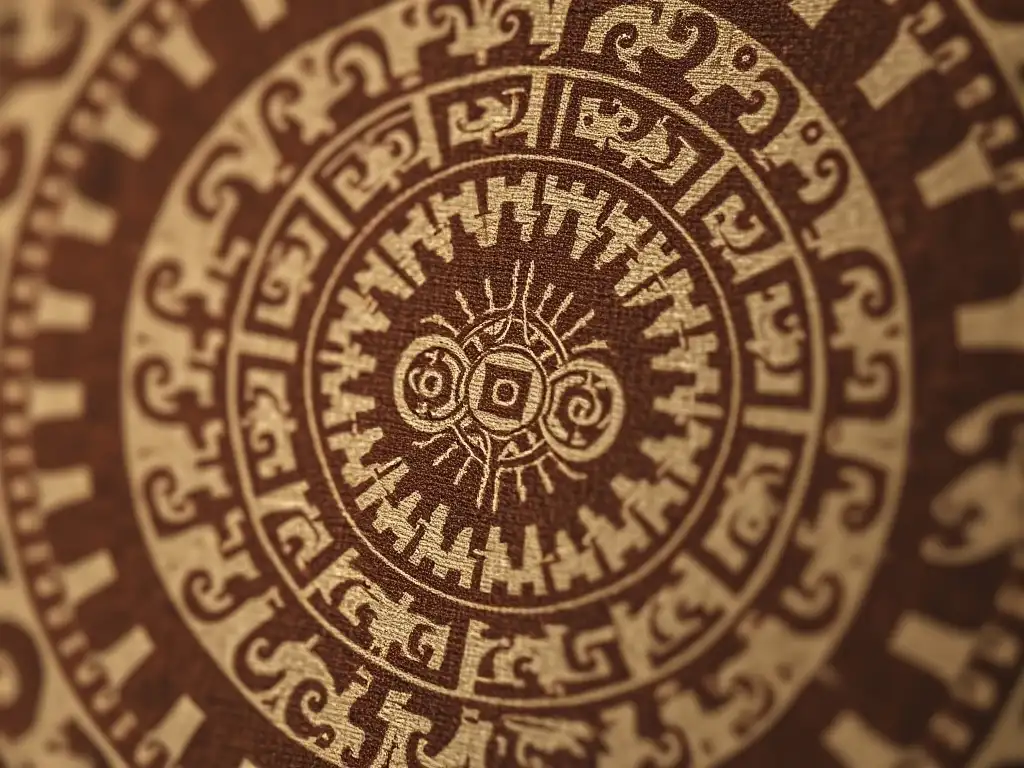
Andean textiles weren't simply clothing or decorative items; they were powerful mediums for representing the Andean worldview, deeply intertwined with cosmology and spirituality. The intricate designs woven into these fabrics served as visual narratives, communicating complex beliefs about the cosmos, the relationship between humanity and the divine, and the cyclical nature of life and death. Understanding these representations requires appreciating the profound spiritual significance woven into every thread.
The vibrant colors, intricate patterns, and symbolic motifs all contribute to a rich tapestry of meaning, reflecting the Andean people's profound connection to the celestial realm. Analysis of surviving textiles reveals a sophisticated system of visual language, where seemingly abstract designs hold layers of symbolic meaning, revealing a deep understanding of astronomy and cosmology.
The meticulous craftsmanship involved underscores the sacred nature of these textiles and the high regard in which they were held. This section will explore the various ways the Andean cosmos was depicted in textile art.
Depictions of the Andean Cosmos in Textile Patterns
The Andean cosmos, as represented in textiles, was not a static entity but a dynamic, interconnected system. The celestial bodies – the sun, moon, and stars – were frequently depicted, often in stylized forms that are instantly recognizable to those familiar with Andean iconography. For example, the sun is often represented by a circular motif, sometimes with radiating lines symbolizing its power and life-giving energy.
The moon, frequently depicted as a crescent or a full disc, represents cyclical processes, such as the changing seasons and the rhythm of life and death. Stars, often rendered as small dots or geometric shapes, represent the celestial expanse and the vastness of the cosmos. These celestial bodies are frequently interwoven with terrestrial elements, emphasizing the interconnectedness of the earthly and heavenly realms.
Analysis of textiles from various Andean cultures reveals fascinating variations in the depiction of the cosmos, reflecting regional differences in beliefs and artistic styles. For instance, the Nazca culture's textiles often feature intricate representations of constellations, suggesting a highly developed astronomical knowledge. The Moche textiles, on the other hand, might emphasize the sun god in more prominent ways, highlighting the importance of solar worship in their culture.
The integration of these cosmic elements into everyday textiles suggests that the Andean people were constantly reminded of their place within the larger cosmic order. The act of wearing these garments was not merely a matter of practicality but a ritualistic affirmation of their connection to the divine. The use of specific colors also contributed to the symbolic meaning. For example, certain shades of red might represent the sun's power, while blues could symbolize the sky or water.
The Meaning of Geometric Shapes and Motifs in Andean Weaving
Beyond the explicit depiction of celestial bodies, Andean textile artists employed a wide range of geometric shapes and motifs to convey deeper cosmological meanings. These seemingly simple forms often held complex symbolic significance, reflecting the Andean understanding of the interconnectedness of all things. Squares and rectangles often represented the earth, symbolizing stability and groundedness.
Triangles, on the other hand, could represent mountains, a powerful symbol in the Andean worldview, connecting the earthly realm to the celestial. Spirals, frequently found in Andean textiles, symbolize cyclical processes, the continuous flow of energy, and the interconnectedness of life and death. Zigzags often represent lightning or the movement of water, signifying the powerful forces of nature.
Consider the intricate patterns found on Paracas textiles. The complex interplay of geometric shapes and lines creates a visual language that speaks volumes about the Andean people's understanding of the cosmos. Researchers have identified specific motifs that represent specific deities or natural phenomena.
The precise meaning of these motifs, however, remains a subject of ongoing scholarly debate, highlighting the rich complexity of Andean textile art. Further research is needed to fully decipher the meaning of all the geometric forms and motifs found in Andean textiles. The subtle variations in design and color across different regions and time periods further complicate the task, emphasizing the need for a nuanced approach to interpreting these intricate works.
Andean Textile Iconography: Connecting Earth and Sky
Andean textile iconography is characterized by its ability to seamlessly blend terrestrial and celestial elements. This demonstrates a holistic worldview that doesn't separate the earthly from the divine but rather sees them as inextricably linked. The depiction of mountains, for instance, frequently connects the earthly realm to the heavens. Mountains were considered sacred spaces, often seen as pathways between the human world and the spirit world.
Their depiction in textiles reinforces their importance as mediators between the earthly and celestial realms. Similarly, the representation of animals, both real and mythical, often holds symbolic meaning related to cosmic forces. Condors, for example, associated with the sun and the upper world, often appear in Andean textiles, symbolizing power, strength, and connection to the divine. Llamas and alpacas, representing earthly abundance and fertility, are also frequently depicted, showing the balance between the earthly and celestial realms.
The use of specific colors also contributes to this integration. The vibrant colors used in Andean textiles are not simply decorative; they often have symbolic meanings that reinforce the connection between earth and sky. Certain colors are associated with specific deities or natural elements, further enhancing the complex symbolic language of these textiles.
The careful selection and arrangement of colors in Andean textile designs underscore the importance of this symbolic system and its role in representing the Andean worldview. Further research is needed to fully understand the nuances of color symbolism in Andean textile art, as new discoveries continually enrich our understanding of this rich cultural heritage. The enduring legacy of Andean textiles stands as a testament to the enduring power of art to express profound spiritual and cosmological beliefs.
The Andean Weaver's Connection to the Universe
The creation of Andean textiles wasn't merely a craft; it was a profoundly spiritual act, deeply connecting the weaver to the cosmos and the ancestral world. The act of weaving itself was seen as a sacred ritual, mirroring the creation of the universe. The threads, meticulously spun and dyed, represented the interconnectedness of all things – the earth, the sky, and the spirit world.
This belief system permeated every aspect of textile production, from the sourcing of materials to the intricate designs woven into the fabric. Understanding this connection is key to appreciating the true depth and significance of Andean textiles. The spiritual significance wasn't limited to the finished product; the entire process was imbued with sacred meaning.
The Weaver as a Conduit to the Spiritual Realm
Andean weavers weren't simply artisans; they were considered intermediaries between the human and spiritual realms. They were believed to possess a unique ability to channel spiritual energies into their work, imbuing the textiles with potent magical properties. This belief is supported by archaeological evidence showcasing textiles used in rituals and ceremonies, suggesting their role in connecting the living with the deceased and the divine. The intricate designs, often incorporating symbolic representations of deities, celestial bodies, and mythological creatures, further emphasize this spiritual connection.
The weaver, through their skill and devotion, acted as a conduit, transforming raw materials into objects of immense spiritual power. This wasn't a passive process; it demanded intense concentration, precise technique, and a deep understanding of Andean cosmology. The weaver's state of mind during the creation process was believed to directly influence the textile's spiritual potency.
The Importance of Natural Materials in Andean Textile Spirituality
The materials used in Andean textiles held immense spiritual significance. The choice of fibers—alpaca, llama, vicuña, cotton—wasn't arbitrary. Each fiber possessed unique properties and associations within the Andean worldview. Alpaca wool, for example, was often associated with softness and gentleness, while llama wool represented strength and resilience.
The dyes, derived from natural sources like plants, insects, and minerals, also carried symbolic weight. The vibrant colors weren't just aesthetically pleasing; they represented specific energies and cosmic forces. The process of acquiring these materials often involved rituals and prayers, further emphasizing their spiritual importance.
For instance, the meticulous shearing of the animals was a carefully orchestrated event, often involving communal participation and offerings to the spirits. This holistic approach ensured that the resulting textiles were imbued with the spiritual essence of the natural world. The use of natural, locally sourced materials also reflects a deep respect for the environment and its interconnectedness with the spiritual realm.
Andean Textile Colors and Their Symbolic Meanings
Color played a crucial role in Andean textile spirituality, with each hue carrying specific symbolic meaning. Red, for instance, often represented blood, fertility, and the earth's life-giving energy. Yellow was associated with the sun, gold, and power.
White symbolized purity, while black represented the underworld and mystery. The skillful combination of these colors created complex narratives, conveying stories of creation, mythology, and spiritual journeys. The specific color palettes used varied across different Andean cultures and time periods, reflecting regional variations in beliefs and traditions.
Detailed analysis of surviving textiles reveals sophisticated systems of color symbolism, providing valuable insights into the Andean worldview. The careful selection and placement of colors weren't merely decorative; they were integral to the spiritual power and meaning embedded within each textile. Understanding these color codes allows us to decipher the deeper layers of meaning woven into these remarkable artifacts, shedding light on the rich tapestry of Andean spirituality.
Analyzing the Andean Textile's Deep Spiritual Meaning
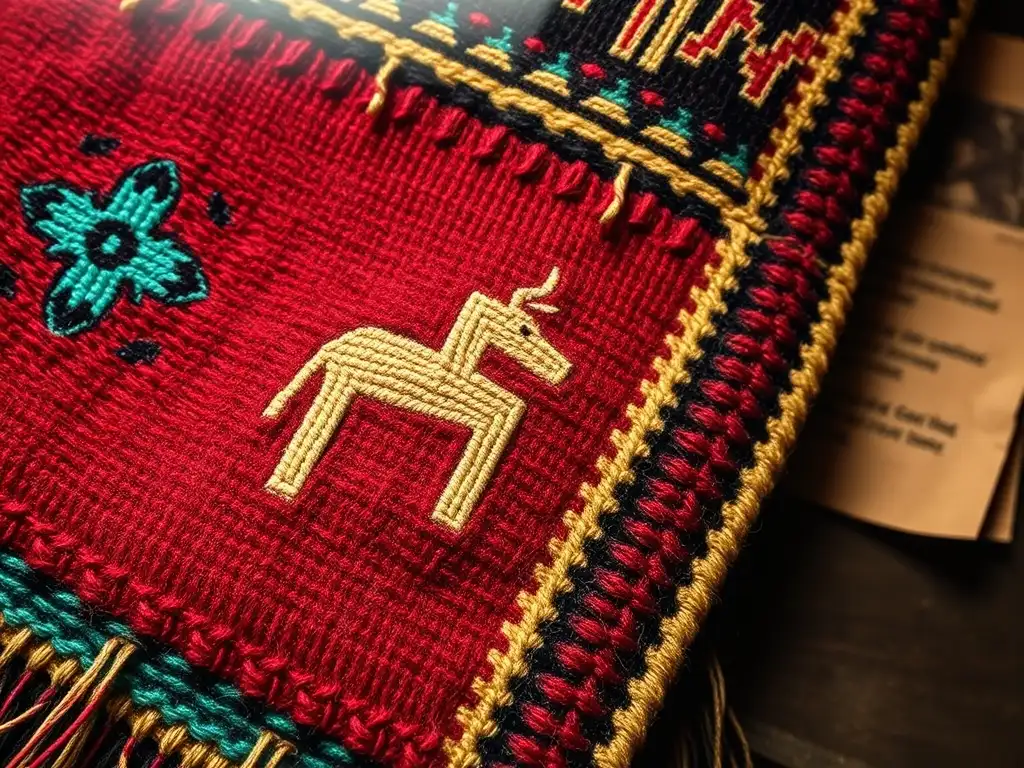
The vibrant colors, intricate designs, and complex weaving techniques of Andean textiles are not merely aesthetic achievements; they represent a profound connection to the spiritual world and the cosmos. For Andean cultures, textiles were far more than clothing or decorative items; they were powerful mediums for expressing beliefs, communicating with the divine, and ensuring the continuity of life. Understanding the spiritual significance woven into these artifacts requires examining their role in rituals, ceremonies, and daily life, recognizing the symbolism embedded within their designs and materials.
The very act of weaving was itself a sacred practice, connecting the weaver to the ancestral spirits and the forces of nature. The choice of colors, fibers (like alpaca or llama wool), and motifs all held specific meanings, often linked to specific deities, agricultural cycles, or cosmological concepts.
This deep spiritual imbuement is a key element in appreciating the true artistry and cultural significance of Andean textiles and understanding why they continue to hold such power and fascination today. The analysis of these textiles provides invaluable insights into the worldview and spiritual practices of these ancient Andean societies, revealing a rich tapestry of beliefs and traditions.
The Interplay of Spirituality and Functionality in Andean Textiles
Andean textiles weren't simply decorative; they served crucial roles in daily life, seamlessly integrating spiritual meaning into practical functions. For instance, the lliclla, a shawl-like garment, was worn by both men and women and its elaborate designs often reflected the wearer's social status and spiritual affiliations. A richly decorated lliclla might depict celestial bodies, mythical creatures, or agricultural symbols, conveying the wearer's connection to the cosmos and the land.
Similarly, unku (a type of woven belt) served not just as a functional garment but also as a carrier of powerful symbolic meanings. These belts, often adorned with intricate patterns, were believed to protect the wearer from harm and connect them to the spiritual realm. Even seemingly simple items like bags and pouches for carrying everyday objects were often decorated with protective or auspicious motifs, underscoring the pervasive integration of spirituality into all aspects of Andean life.
The meticulous craftsmanship invested in even the most utilitarian textiles reflects the profound respect and spiritual reverence for the materials and the process of creation. The functionality of the textiles never overshadowed their spiritual significance; instead, the two were inextricably intertwined, reflecting a holistic worldview where the sacred and the mundane were seamlessly connected.
Examples of Textiles with Strong Spiritual Connotations: Unku, Lliclla, and Aqsu
Several types of Andean textiles stand out for their potent spiritual connotations. The unku, as mentioned earlier, served as more than just a belt; its intricate designs often incorporated symbols associated with fertility, protection, and ancestor veneration. For example, geometric patterns could represent the earth's energies or celestial alignments, while zoomorphic motifs might depict powerful animals like the puma or condor, symbolizing strength and spiritual power.
The lliclla, a large rectangular cloth, served as both a garment and a ritual object. Its designs often reflected the wearer's social standing and spiritual beliefs, with intricate weaving techniques and symbolic imagery indicating high status and connection to the divine. Furthermore, the aqsu, a type of woven bag, was often used to carry sacred objects during rituals.
The textiles used for the aqsu were often of the highest quality, reflecting the importance of the objects they contained and highlighting the spiritual significance of the textiles themselves. These examples highlight the diverse ways in which Andean textiles were imbued with spiritual meaning, revealing the rich symbolism and complex beliefs that informed their creation and use. The careful examination of these textiles reveals a sophisticated system of visual communication, where every thread and every motif carries a layer of spiritual significance.
How Andean Textile Traditions Continue to Convey Spiritual Beliefs
Despite the passage of centuries, Andean textile traditions continue to resonate with spiritual meaning. Contemporary artisans often draw upon ancient techniques and motifs, perpetuating the rich symbolism embedded in these textiles. While the context may have shifted, the underlying spiritual beliefs remain a powerful force shaping the creation and interpretation of these textiles.
The continued use of traditional dyes, fibers, and weaving techniques ensures that the connection to ancestral knowledge and spiritual practices persists. Many contemporary Andean communities continue to weave textiles for ceremonial purposes, reinforcing the enduring link between textiles and spiritual life. The persistence of these traditions testifies to the enduring power of Andean spirituality and its profound influence on the art and culture of the region.
The continued creation and appreciation of Andean textiles serves as a testament to the enduring legacy of these ancient cultures and their deeply spiritual worldview. The study of contemporary Andean textiles offers valuable insights into the ways in which ancient spiritual beliefs adapt and evolve within changing social and historical contexts, enriching our understanding of the complex relationship between tradition and modernity in Andean culture. The vibrant continuation of these traditions demonstrates the enduring power of Andean textiles spiritual meaning.
The Enduring Legacy of Andean Textile Spirituality
Andean textiles are far more than just clothing; they are tangible expressions of a deeply spiritual worldview. For centuries, the Andean peoples—including the Inca, Moche, Nazca, and Tiahuanaco—woven intricate narratives into their fabrics, reflecting their cosmology, social structures, and relationship with the natural world. The vibrant colors, complex patterns, and symbolic motifs all hold profound spiritual significance, connecting the wearer to the ancestral past and the cosmic order. Understanding this spiritual dimension is crucial to appreciating the artistry and cultural importance of Andean textiles.
The enduring legacy of this textile spirituality continues to resonate today, inspiring contemporary artists and influencing our understanding of ancient Andean societies. The intricate designs weren't merely decorative; they were powerful tools for communication, ritual, and social identity, acting as a visual language that transcended spoken words. The threads themselves were imbued with meaning, literally connecting the past, present, and future.
Andean Textile Art and its Influence on Contemporary Art
The spiritual power embedded within Andean textiles continues to inspire contemporary artists. Many contemporary Andean and international artists draw inspiration from the ancient techniques and symbolism, reinterpreting traditional motifs and incorporating them into modern art forms. This revival not only celebrates the rich legacy of Andean textile art but also ensures its continued relevance in the 21st century.
For example, we see a resurgence in the use of natural dyes and traditional weaving techniques, a conscious effort to reconnect with the ancestral practices and the spiritual significance they carry. The use of camelid fibers (alpaca, llama, vicuña) also plays a crucial role, as these fibers hold a special place in Andean spiritual traditions. The resulting artworks often combine traditional Andean aesthetics with contemporary artistic expressions, creating hybrid forms that bridge the gap between past and present.
This blending of ancient and modern aesthetics fosters a deeper appreciation for the artistic and spiritual legacy of Andean textiles. We can observe this influence across various art forms, from painting and sculpture to fashion and installations.
Preserving and Understanding the Spiritual Legacy of Andean Weaving
Preserving the spiritual legacy of Andean weaving requires a multi-faceted approach. Firstly, it involves documenting and studying existing textiles, meticulously analyzing their designs and identifying the symbolic meanings encoded within them. This requires collaboration between textile experts, anthropologists, and archaeologists.
Secondly, supporting and promoting traditional weaving communities is essential. This includes providing access to resources, fair trade opportunities, and education programs that empower weavers to continue their craft and share their knowledge with future generations. Thirdly, raising awareness about the spiritual and cultural importance of Andean textiles is vital.
Museums, educational institutions, and cultural organizations play a crucial role in disseminating this knowledge to broader audiences, fostering a greater appreciation for this rich artistic heritage. The loss of these traditional techniques would represent not only the loss of artistic skill, but also the erosion of a profound cultural and spiritual heritage. Therefore, active preservation efforts are not merely about preserving artifacts, but safeguarding a vibrant and dynamic cultural identity.
The Importance of Cultural Heritage and the Preservation of Andean Textiles
The preservation of Andean textiles is paramount for maintaining cultural heritage. These textiles are not merely aesthetic objects; they are living testaments to the resilience and ingenuity of Andean cultures. Their preservation is crucial for understanding the complexities of Andean societies, their belief systems, and their relationship with the environment.
Protecting these textiles also involves combating illicit trafficking and ensuring their ethical acquisition and repatriation when necessary. Furthermore, sustainable practices in the production of Andean textiles need to be encouraged to ensure the long-term viability of traditional weaving communities and their unique artistic contributions. The importance of Andean textiles extends beyond their artistic merit; they represent a vital link to the past, a source of cultural pride, and a powerful symbol of identity for Andean communities.
Their continued existence is essential for safeguarding a rich and multifaceted cultural heritage for future generations. The preservation efforts must be comprehensive, encompassing not only the physical textiles but also the knowledge, skills, and spiritual beliefs that are inextricably linked to their creation. This holistic approach is crucial to ensure the enduring legacy of Andean textile art and its spiritual significance.
Frequently Asked Questions
What is the significance of Andean textiles?
Andean textiles held immense spiritual and symbolic meaning. They were not merely clothing but represented cosmic order, social status, and ancestral lineage, deeply interwoven with daily life and religious practices.
How did Andean textile designs reflect spirituality?
Designs often depicted mythological beings, celestial bodies, and sacred landscapes. These visual representations connected the wearer to the spiritual world and the cosmos, reinforcing their belief system.
What materials were commonly used in Andean textiles?
Alpaca and llama wool were primarily used, prized for their softness and warmth. Cotton was also important, especially in warmer coastal regions. Natural dyes from plants and minerals created vibrant, long-lasting colors.
What role did textiles play in Andean rituals and ceremonies?
Textiles were essential components of many rituals, used as offerings to deities, worn by priests and shamans, and displayed during important ceremonies. They were powerful symbols connecting the living and the dead.
How can we understand the spiritual meaning behind specific Andean textile motifs?
Interpreting specific motifs requires careful study of iconography and cultural context. Scholars analyze recurring patterns and symbols to understand their relationship to Andean cosmology and mythology. Further research is ongoing to uncover more nuanced meanings.
Final Reflection: Weaving the Threads of Meaning
The vibrant tapestry of Andean textiles continues to resonate today, a powerful testament to the enduring connection between humanity, spirituality, and the cosmos. These aren't simply garments; they are living narratives, imbued with ancient wisdom and a profound understanding of the interconnectedness of all things. Their intricate designs and symbolic language offer a timeless message that transcends geographical boundaries and speaks directly to our shared human experience.
The enduring influence of Andean textile traditions on our understanding of spirituality and cosmology is undeniable. These textiles serve as a tangible link to a worldview that deeply values the natural world and the spiritual forces that inhabit it. They remind us that our existence is not isolated but intricately woven into a larger cosmic fabric. The threads themselves are a metaphor for life, the warp and weft representing the intertwining of the earthly and the spiritual realms.
This perspective offers a refreshing counterpoint to the often-fragmented and materialistic worldview of modern society.
Consider the intricate designs, the vibrant colors, the meticulous craftsmanship – each element speaks volumes about the beliefs and values of the Andean people. You, too, can find inspiration in this rich legacy. Take a moment to reflect on the connections in your own life – the threads that bind you to your community, your heritage, and the natural world. Embrace the opportunity to weave your own story, to create your own vibrant tapestry of meaning, drawing strength and inspiration from the enduring wisdom of the Andean people and their magnificent textiles.
Unveil the Transformative Power of Andean Textiles!
Thank you for exploring the rich tapestry of Andean textiles and their profound spiritual and cosmic significance. Your interest is a crucial step towards appreciating the intricate relationship between these fabrics, culture, spirituality, and the universe. Let's delve deeper into how you can engage with this vibrant heritage.
- Connect with a local artisan or textile maker to learn about their craft and the stories embedded in their creations. Understanding their techniques and the cultural context will enrich your appreciation.
- Share your newfound knowledge! Discuss the significance of Andean patterns and symbols with friends and family, sparking conversations about the cultural heritage and artistry involved.
- Expand your understanding by reading books or watching documentaries that explore the spiritual dimensions of Andean civilizations. Numerous resources are available to deepen your knowledge and appreciation.
What aspects of the connection between Andean textiles and spirituality resonate most with you?