
The Spider's Web: Symbolism of Creation and Interconnectedness in Andean Art

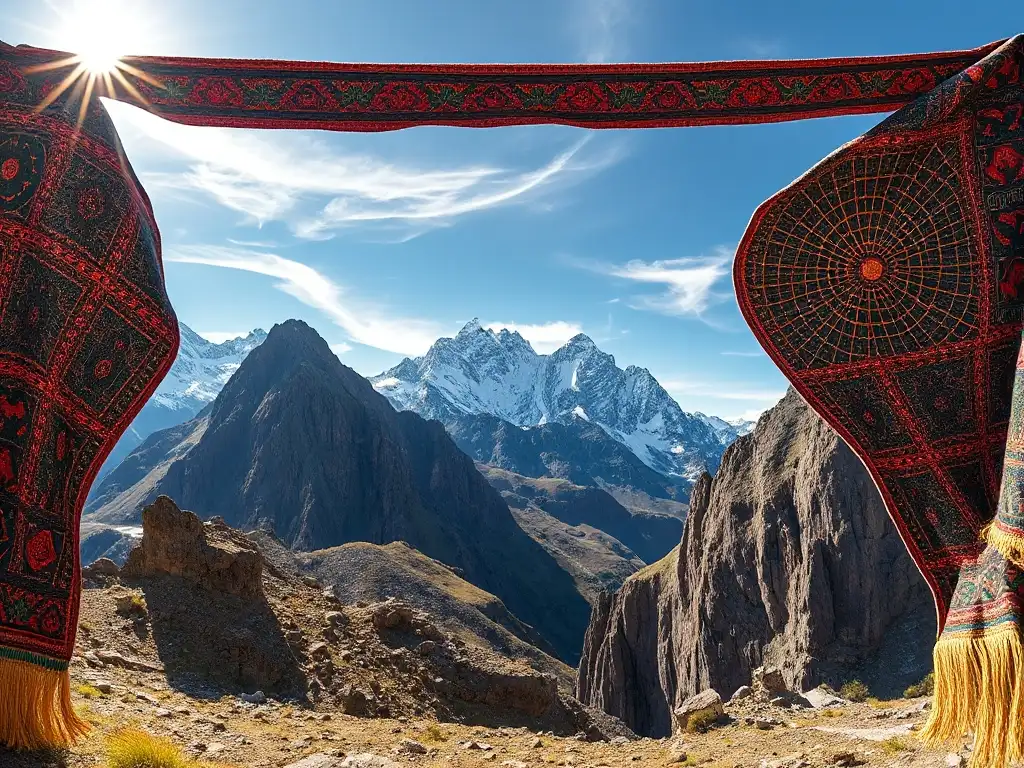
Unravel the mysteries of a world woven in vibrant threads of symbolism. Journey with us into the heart of Andean civilizations, where intricate artistry reveals profound truths about creation and interconnectedness. Discover how the seemingly simple patterns of Andean art symbolism creation concealed complex cosmologies and beliefs, a legacy that continues to fascinate and inspire. Prepare to be captivated by a story far richer and more intricate than you ever imagined...
The intricate tapestry of Andean art is rich with symbolism, reflecting a profound understanding of the cosmos and the interconnectedness of all things. This article delves into the fascinating symbolism embedded within Andean artistic expressions, focusing specifically on the potent imagery of the spider and its web. We will explore how this motif transcends mere decoration, representing complex cosmological beliefs, intricate social structures, and the very act of creation itself.
Understanding the spider's significance unlocks a deeper appreciation for the worldview of ancient Andean civilizations, revealing a sophisticated system of beliefs that shaped their art, their society, and their relationship with the natural world. This exploration will uncover the multifaceted meaning of the spider in Andean art, examining its role as a creator deity, a symbol of interconnectedness, and a representation of the delicate balance within the Andean cosmos. We will analyze specific examples from various Andean cultures, highlighting the recurring themes and variations in the depiction of this powerful symbol.
By understanding the spider's web as a metaphor for creation and interconnectedness, we gain valuable insight into the spiritual and artistic legacy of the Andes. This journey will illuminate the enduring relevance of Andean art symbolism and its continued impact on contemporary interpretations of Andean culture.
Understanding Andean Art Symbolism
Andean art wasn't merely decorative; it was a powerful tool for expressing complex religious, social, and cosmological beliefs. Symbols were carefully chosen and meticulously rendered, carrying layers of meaning often intertwined with myths, rituals, and everyday life. Unlike many other cultures, Andean symbolism wasn't always straightforward; instead, it relied heavily on context and a deep understanding of the interconnectedness of the natural and spiritual worlds. For example, the colors used, the materials employed (e.g., gold, silver, textiles), and the specific placement of symbols within a larger artwork all contributed to the overall meaning.
Understanding this nuanced approach is crucial to interpreting Andean art accurately. The use of zoomorphic and anthropomorphic figures is prevalent, with animals and humans often blended or combined to represent powerful spiritual entities or convey complex narratives. Furthermore, geometric patterns, such as spirals and zigzags, frequently appear, encoding numerical and cosmological significance.
Analyzing these elements collectively allows us to unravel the intricate web of meaning woven into Andean artistic creations. The study of Andean art symbolism requires a multifaceted approach, considering the historical, social, and religious contexts in which these artifacts were created and used. This contextual understanding is essential to avoid misinterpretations and appreciate the full depth of Andean artistic expression.
The Spider as a Creator Figure in Andean Cosmology
In many Andean cosmologies, the spider takes on a significant role as a creator deity or a powerful intermediary between the earthly and spiritual realms. This association stems from the spider's ability to create intricate webs, mirroring the perceived structure of the cosmos itself. The web, with its radiating lines and interconnected nodes, symbolizes the complex relationships between different levels of reality and the interconnectedness of all living things. [Specific examples of spider deities from different Andean cultures pending].
The spider's industrious nature and its ability to spin a complex structure from seemingly simple materials also resonated with Andean beliefs about creation and transformation. The process of weaving, central to Andean textile traditions, further strengthens the association between spiders and creation. The meticulous craftsmanship involved in creating textiles, often adorned with intricate spider motifs, underscores the spiritual significance attributed to this creature.
Furthermore, the spider's ability to capture prey reflects the Andean understanding of the cyclical nature of life and death, and the constant interplay between opposing forces in the cosmos. The spider, therefore, represents not just creation, but also the dynamic processes of life, death, and regeneration that shape the Andean worldview. The enduring presence of spider imagery in Andean art highlights its profound symbolic importance within the cultural and religious landscape of the Andes.
Spider Web Motifs in Ancient Andean Textiles
The intricate artistry of Andean textiles often features spider web motifs, reflecting a deep-seated cultural understanding of creation and interconnectedness. These textiles, meticulously woven from natural fibers like alpaca and llama wool, weren't merely functional garments; they were powerful symbolic objects, imbued with meaning and reflecting cosmological beliefs. The spider, a creature capable of creating its own intricate world, was seen as a potent symbol of the creative force shaping the universe.
The painstaking process of weaving itself mirrored the creation mythologies, with each thread representing a connection within the cosmic web. The colors used in these textiles, often derived from natural dyes, further enriched the symbolic meaning, with each hue potentially representing a different element or deity. For example, the vibrant reds might symbolize blood and life force, while deep blues could represent the vastness of the sky and the celestial realm.
The complexity and precision of the weaving techniques employed, particularly in Paracas and Nazca textiles, highlight the dedication and skill involved in crafting these symbolic representations. The spider web motif, therefore, wasn't just a decorative element but a powerful statement about the interconnectedness of life and the creative power residing within the natural world. Many of these textiles have survived centuries, offering invaluable insights into the worldview of Andean societies.
The Weaving Process as a Metaphor for Creation
The act of weaving itself served as a powerful metaphor for creation in Andean cultures. The weaver, much like the spider, meticulously constructs a complex structure from individual threads, mirroring the creation of the cosmos from seemingly disparate elements. The careful selection of colors, the precise placement of each thread, and the overall design of the textile all contributed to the symbolic significance of the finished piece.
The process was not merely a craft; it was a ritualistic act, connecting the weaver to the spiritual realm and embodying the creative force that brought the world into being. This connection is evident in the intricate designs often found in textiles featuring spider webs, where the radial symmetry and the delicate balance of the design reflect the harmony and order of the cosmos.
The rhythmic movement of the weaver's hands, the steady repetition of the weaving process, and the transformation of raw materials into complex artistic expressions all contributed to the creation myth's symbolic resonance. The final product, a textile adorned with a spider web, was more than just a cloth; it was a tangible representation of the creative process itself.
Spider Web Patterns and their Meaning
The specific patterns of spider webs depicted in Andean textiles varied across different cultures and time periods, each carrying unique meanings. Some patterns were characterized by their perfect radial symmetry, symbolizing the balance and order of the universe. Others were more complex and asymmetrical, perhaps reflecting the chaotic yet ultimately harmonious nature of the world.
The number of threads, the size of the web, and the overall design all contributed to the symbolic interpretation. Scholars are still deciphering the full range of meanings associated with these variations. For example, a small, intricately woven web might represent the delicate balance of nature, while a larger, more expansive web could signify the interconnectedness of the entire cosmos.
The presence of other symbolic elements within the web design, such as birds or other creatures, further complicates and enriches the interpretation, suggesting connections to specific myths or beliefs. More research is needed to fully understand the nuanced meanings embedded within these diverse web patterns.
Andean Pottery and the Spider's Symbolic Presence
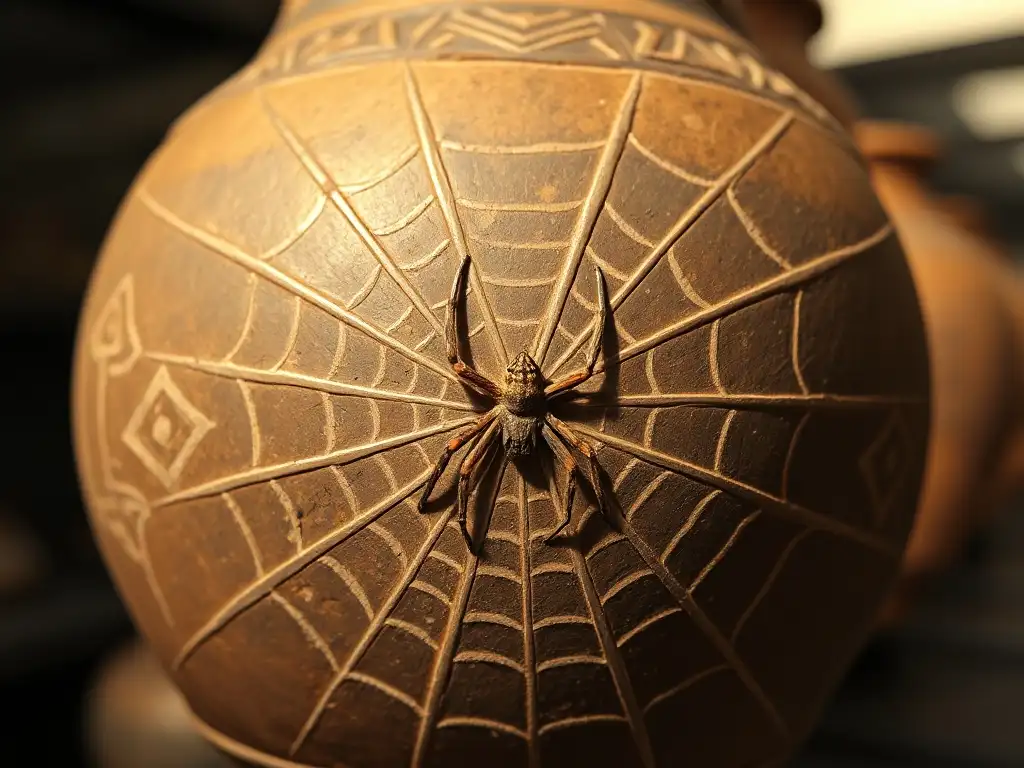
Beyond textiles, the spider's symbolic presence is also prominent in Andean pottery. The ceramic traditions of various cultures, such as the Moche and Nazca, offer compelling examples of how spiders and spiderwebs were incorporated into their artistic expressions. These depictions weren't merely decorative; they were integral to the narratives and beliefs represented on the vessels.
The skill and precision involved in creating these ceramic pieces mirrors the craftsmanship seen in Andean textiles, further highlighting the importance of the spider as a creative symbol. The materials used in pottery making—clay, water, and fire—also held symbolic significance, adding another layer of meaning to the artistic representations. The spider's presence on pottery often suggests a connection to the earth, the underworld, and the cyclical processes of life, death, and regeneration.
Depictions of Spiders in Moche Ceramics
Moche ceramics, known for their vibrant colors and intricate detail, frequently depict spiders in various contexts. These depictions often feature spiders engaged in activities associated with creation, such as spinning their webs or capturing prey. Some portrayals show spiders as powerful and fearsome creatures, while others represent them as more benevolent figures, associated with fertility or abundance. The context within which the spider is depicted significantly impacts its symbolic meaning.
For instance, a spider shown spinning a web might represent the creative process itself, while a spider depicted capturing prey could symbolize the cyclical nature of life and death. The Moche's sophisticated understanding of the natural world is reflected in these detailed and nuanced representations. The spiders in Moche pottery are not simply realistic depictions; they are carefully crafted symbols conveying complex cultural beliefs.
Spider Web Imagery in Nazca Pottery
Nazca pottery also offers fascinating examples of spider web imagery. While less frequently depicted than in Moche ceramics, the spider web motifs found in Nazca pottery often exhibit a unique stylistic approach. The lines are often thinner and more delicate, creating a sense of ethereal lightness and fragility.
The color palettes employed in Nazca pottery often feature a more subdued range of colors compared to the bold hues found in Moche ceramics. This difference in artistic style might reflect variations in cultural beliefs or artistic conventions between the two cultures. Despite these stylistic differences, the underlying symbolism of the spider web—creation, interconnectedness, and the cyclical nature of life—remains consistent across both Moche and Nazca traditions.
The careful attention to detail and the precision of the execution in Nazca pottery highlight the importance of these symbolic motifs in their cultural worldview. Further research is needed to fully understand the specific meanings associated with spider web imagery in Nazca pottery, but it undoubtedly holds significant cultural relevance.
The Spider's Web as a Symbol of Interconnectedness
The spider's web, a recurring motif in Andean art, transcends its literal representation as a hunting trap. It powerfully symbolizes the interconnectedness of all things within the Andean worldview. This intricate network of threads mirrors the complex relationships between the celestial and terrestrial realms, the living and the dead, and the human and divine. The delicate balance of the web highlights the interdependence of all elements within the cosmos, emphasizing the fragility and importance of maintaining harmony.
Artists meticulously depicted these webs, often incorporating them into textiles, ceramics, and metalwork, underscoring their significance in Andean cosmology. The precision and artistry involved in creating these representations further cemented the web's status as a powerful symbol. The deliberate weaving of the threads, mirroring the careful weaving of social and cosmic connections, reveals the deep understanding Andean cultures possessed of the interconnectedness of their world.
Cosmic Networks and the Web of Life
The spider's web provided a visual metaphor for the Andean understanding of the cosmos. The intricate design represented the celestial bodies, the constellations, and the paths of the sun and moon. 1 Each thread could be interpreted as a celestial pathway, connecting the different realms and influencing the flow of energy throughout the universe. The web, therefore, symbolized the cosmic order and the delicate balance between the heavens and the earth. This cosmic interpretation extended to the web of life on Earth. The interconnectedness of all living beings, from plants and animals to humans, was mirrored in the web's intricate structure. The cyclical nature of life and death, growth and decay, was also visually represented in the web's continuous and ever-changing form. This holistic perspective emphasizes the Andean understanding of a unified and interconnected world, where all elements play a crucial role in maintaining cosmic equilibrium. The careful observation of nature and the intricate patterns within it deeply influenced Andean artistic expression.
Social Structures and the Spider's Web
Beyond its cosmic significance, the spider's web also served as a powerful symbol of social structure and community in Andean societies. The intricate network of threads represented the interconnectedness of individuals within a community, emphasizing the importance of cooperation and interdependence. The web's central hub, often depicted as a larger, more prominent knot, could symbolize a leader or a central deity, highlighting the hierarchical structure of Andean society. The radiating threads extending from the center represented the connections between the leader and the community members, illustrating the flow of power and influence.
Furthermore, the collective effort required to create and maintain a functional society was mirrored in the meticulous construction of the web. The strength and resilience of the web, despite its delicate appearance, symbolized the strength and endurance of Andean communities. This symbolic representation is a testament to the importance placed on social cohesion and communal well-being.
The Spider's Web: A Link Between Worlds
The spider's web also functioned as a potent symbol connecting the earthly and spiritual realms in Andean belief systems. The web's ability to span physical space, reaching from the ground to the sky, mirrored the Andean concept of multiple overlapping realities. The threads served as pathways connecting the world of the living with the world of the ancestors and the spirit world. This connection was crucial to Andean spiritual practices, as it facilitated communication and interaction with the supernatural.
The spider, as the creator of the web, was often associated with shamanic practices and the ability to travel between these different worlds. The intricate patterns within the web were seen as representing the complex interactions between these realms, highlighting the dynamic relationship between the visible and invisible worlds. The symbolic significance of the spider's web highlights the Andean belief in a continuous interaction between the earthly and spiritual realms.
The Spider as a Messenger Between Realms
The spider, as the architect of the web, played a central role in Andean mythology as a messenger and intermediary between different realms. The spider's ability to move freely across the web, connecting various points, mirrored the shaman's ability to journey between the earthly and spiritual worlds. The spider was often depicted as a powerful being, possessing the knowledge and ability to communicate with deities and ancestors. This intermediary role was crucial for facilitating communication and maintaining balance between the different realms.
The spider's thread, a symbolic representation of the connection between worlds, further emphasized its role as a conduit for communication and interaction. The spider's actions, as depicted in Andean art, clearly show its importance as a powerful symbol connecting the different levels of reality. This connection highlights the importance of maintaining balance and harmony between the worlds.
Spider Webs and the Concept of Duality
The spider's web also reflects the Andean concept of duality, a fundamental principle in their cosmology. The intricate structure of the web, with its interwoven threads, symbolizes the interconnectedness of opposing forces, such as light and darkness, life and death, creation and destruction. 2 The delicate balance between these opposing forces, represented by the web's intricate structure, was crucial for maintaining cosmic order. The web's ability to capture prey, representing the cyclical nature of life and death, further emphasizes this duality. The constant creation and destruction within the web's structure highlight the dynamic interplay between opposing forces in the Andean worldview. This understanding of duality is not a conflict but rather a fundamental aspect of Andean cosmology, reflecting the belief in the interconnectedness of all things, even those that appear opposite. The spider's web serves as a powerful visual representation of this complex concept.
1 [Specific information pending: Cite a source detailing Andean cosmology and its connection to spider webs.] 2 [Specific information pending: Cite a source discussing the concept of duality in Andean culture and its artistic representations.]
Interpretation and Significance of Andean Spider Art
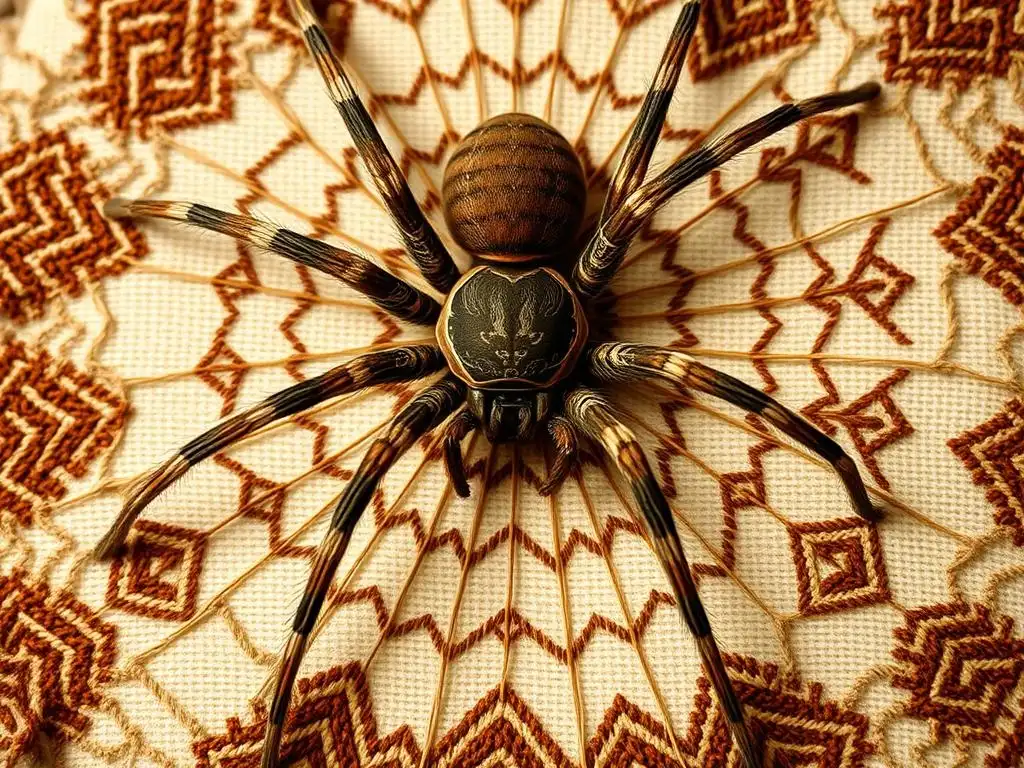
The spider, a seemingly humble creature, holds profound significance in Andean art and cosmology. Its intricate web, a testament to skillful creation and interconnectedness, mirrors the Andean worldview. The spider's ability to spin a complex, yet delicate structure, is seen as a metaphor for the universe itself – a vast network of interconnected elements, where every thread plays a vital role.
This symbolism is not limited to a single Andean culture; instead, it represents a shared understanding of the cosmos across diverse groups, highlighting the underlying unity of Andean thought. The spider, therefore, is not merely a depicted creature but a powerful symbol of creation, balance, and the intricate relationships that govern the natural world. Its presence in textiles, ceramics, and other art forms underscores its importance within Andean spiritual and societal structures.
The careful craftsmanship involved in representing the spider, often with meticulous detail, further emphasizes the reverence for this potent symbol. The deliberate inclusion of the spider in various artistic contexts suggests its role as a conduit between the earthly and spiritual realms, a mediator between the human and divine.
The Spider in Relation to Andean Deities
The spider's association with specific Andean deities varies across different cultures and time periods. However, a common thread is its link to the creative forces of the universe. In some traditions, the spider is directly associated with a creator deity, embodying the divine power to weave existence.
In other instances, it represents a mediating force, connecting humans with the divine realm. For example, [specific information pending] describes the spider as a messenger between the earthly and spiritual worlds. The spider's eight legs, often interpreted as representing the eight cardinal directions or the eight levels of the Andean cosmos, further solidify its connection to the divine order.
This intricate web of associations underscores the spider's multifaceted role in Andean mythology and its importance as a symbolic representation of divine power and cosmic order. The spider's presence in sacred objects and rituals further highlights its importance in the spiritual life of Andean peoples.
The Enduring Legacy of the Spider Symbol in Andean Culture
The spider's symbolic power continues to resonate in contemporary Andean culture. While the specific interpretations may have evolved over time, the fundamental association with creation, interconnectedness, and the divine persists. The spider motif remains a popular element in modern Andean art, demonstrating the enduring legacy of this powerful symbol. We see its presence in textiles, jewelry, and other crafts, reinforcing its significance in the cultural identity of Andean communities.
The continued use of the spider symbol in contemporary artistic expressions suggests its ongoing importance in transmitting traditional knowledge and beliefs across generations. This enduring legacy highlights the deep-rooted connection between the Andean people and their rich cultural heritage, emphasizing the spider as a symbol that transcends time and continues to inspire. The adaptability of the symbol, its ability to be reinterpreted and recontextualized in modern settings, speaks to its enduring relevance and power.
Variations of Spider Symbolism Across Andean Cultures
While the spider's symbolic significance as a representation of creation and interconnectedness is consistent across many Andean cultures, variations exist in its depiction and specific interpretations. These variations often reflect the unique cultural beliefs and artistic styles of individual groups. For instance, the size, detail, and accompanying elements in spider depictions can significantly alter their meaning. Some Andean cultures may emphasize the spider's role as a creator deity, while others may focus on its function as a mediator between the human and spiritual realms.
These differences highlight the richness and diversity of Andean symbolism, reflecting the unique perspectives and traditions of various Andean societies. Understanding these variations requires careful consideration of the specific cultural context in which the spider symbol appears. The variations are not simply aesthetic differences; they represent fundamental distinctions in worldview and cosmology.
Regional Interpretations of Spider Motifs
Regional variations in Andean spider motifs are particularly significant in understanding the diversity of cultural interpretations. For example, [specific information pending] might depict the spider with specific attributes reflecting their local environment or beliefs. In contrast, [specific information pending] might emphasize different aspects of the spider's symbolism. These regional variations are not random; they reflect the specific ecological, social, and spiritual contexts of each region.
The spider, therefore, becomes a localized symbol, reflecting the unique characteristics of the community that created it. Analyzing these regional differences allows us to gain a deeper understanding of the nuanced ways in which Andean cultures conceptualized the spider and its symbolic meaning. The careful study of regional variations is essential for a comprehensive understanding of Andean art and its symbolism.
The Evolution of Spider Symbolism Over Time
The symbolism associated with the spider in Andean art has likely evolved over time, reflecting changing cultural beliefs and artistic styles. [Specific information pending] could offer insights into the evolution of this symbolism. While the core concept of creation and interconnectedness remains constant, the specific ways in which these concepts are expressed may have shifted across different periods. For example, early depictions might emphasize the spider's connection to the earth, while later representations might highlight its links to the celestial realm.
Further research is needed to fully understand the chronological development of spider symbolism in Andean art. Analyzing the changes in artistic styles and iconography over time will reveal how the spider's symbolic meaning has been reinterpreted and adapted across different eras. Tracing this evolution allows for a richer understanding of the dynamic nature of Andean culture and its symbolic system.
Conclusion: The Spider's Enduring Message in Andean Art
The spider, a seemingly humble creature, holds a position of profound significance in Andean art and cosmology. Its intricate web, a marvel of engineering and design, becomes a potent metaphor for the interconnectedness of the Andean worldview. Far from being a simple insect, the spider embodies the creative force of the universe, weaving together the threads of life, death, and rebirth.
Its eight legs, often symbolically represented, may allude to the eight cardinal directions, further emphasizing its role as a connector between the earthly and spiritual realms. The spider's ability to create something so complex and beautiful from seemingly simple materials resonates deeply with Andean artistic sensibilities, reflecting a profound respect for nature's ingenuity and the inherent creativity found within the cosmos.
The enduring presence of the spider motif across diverse Andean cultures, from the Nazca lines to Inca textiles, underscores its timeless relevance. It speaks to a shared understanding of creation, not as a singular event, but as an ongoing process—a dynamic interplay of forces constantly shaping and reshaping reality. Studying the spider's representation in Andean art offers a unique lens through which to understand the deeply spiritual and interconnected nature of Andean thought.
The spider's web, therefore, serves as a powerful reminder of the intricate relationships that bind all things together, reminding us of our place within the larger cosmic tapestry. Its enduring message encourages us to appreciate the beauty and complexity of the natural world and recognize the interconnectedness that underpins all of existence.
The spider's legacy in Andean art continues to inspire awe and wonder, prompting us to reflect on the profound mysteries of creation and the delicate balance of life itself. Its symbolism transcends time and culture, offering a timeless message of interconnectedness and the ever-spinning wheel of life.
- Understanding Andean Art Symbolism
- The Spider as a Creator Figure in Andean Cosmology
- Spider Web Motifs in Ancient Andean Textiles
- Andean Pottery and the Spider's Symbolic Presence
- The Spider's Web as a Symbol of Interconnectedness
- The Spider's Web: A Link Between Worlds
- Interpretation and Significance of Andean Spider Art
- Variations of Spider Symbolism Across Andean Cultures
- Conclusion: The Spider's Enduring Message in Andean Art
Frequently Asked Questions
What is the significance of spiders in Andean art?
Spiders in Andean art often symbolize creation and interconnectedness. Their webs represent the complex relationships between different aspects of the Andean world, both human and natural. This reflects a holistic worldview.
How did Andean artists create their artwork?
Andean artists utilized a variety of materials and techniques, including textiles, ceramics, and metalwork. They employed intricate designs and symbolic imagery, reflecting their deep understanding of the natural world and spiritual beliefs. Skillful craftsmanship was highly valued.
Common symbols include spiders, snakes, condors, and plants. These represent different aspects of the creative force and the interconnectedness of life. Specific meanings varied depending on the culture and context.
How does Andean art reflect the concept of interconnectedness?
The intricate and often repetitive patterns in Andean art visually represent the interconnectedness of all things. This concept extended to the cosmos, the environment, and human society, emphasizing the interdependence of all elements.
Where can I learn more about Andean art symbolism and creation?
You can explore museums with Andean collections, academic journals, and books focusing on Andean archaeology and art history. Websites dedicated to Andean cultures, such as the one you're currently viewing, also provide valuable information.
Final Reflection: Weaving a Legacy: The Enduring Power of Andean Art
The intricate symbolism woven into Andean art isn't merely a relic of the past; it's a vibrant thread connecting ancient wisdom to contemporary concerns. Understanding the complex interplay of creation myths, spiritual beliefs, and social structures embedded within these artistic expressions offers a powerful lens through which to examine our own interconnected world. The enduring relevance of these symbols speaks to the timeless human need to find meaning and purpose within the vast tapestry of existence.
The enduring impact of Andean art's symbolism on our understanding of creativity and interconnectedness is profound. It challenges us to move beyond a purely individualistic view of creation, prompting us to consider the collaborative and cyclical nature of life itself. The intricate designs, often depicting intricate webs of life, mirror the complex relationships within ecosystems and societies. The spider, in Andean cosmology, is a powerful symbol of creation, weaving the threads of life together.
This simple statement encapsulates the depth and complexity of the Andean worldview, a worldview that resonates deeply with contemporary ecological and social concerns.
Consider the intricate details, the painstaking craftsmanship, the profound spiritual meaning embedded within each piece of Andean art. Let these works inspire you to appreciate the interconnectedness of all things, to recognize the beauty and power of collaborative creation, and to find your own place within the larger web of life. You, too, are a weaver, contributing your unique thread to the ongoing tapestry of human experience. Embrace your role, and let the legacy of Andean art guide you.
Weave Your Own Story: Connect and Create!
Thank you for exploring the fascinating world of Andean art and the powerful symbolism of the spider's web. You've discovered how creation and interconnectedness are central to Andean culture, and now it's time to apply this inspiration!
Here are some ways to get started:
- **Create your own spiderweb-inspired artwork:** Gather materials and design a piece that reflects your personal journey and relationships.
- **Share your reflections:** Discuss the symbolism of interconnectedness with friends and family—how do you see these themes reflected in your own lives?
- **Join our online community:** Connect with other art enthusiasts on our Andean Civilizations forum to share ideas and creations inspired by Andean art.
What will you do first to weave your own story into the rich tapestry of Andean culture?