
The Universal Language: Exploring the Shared Symbolism in Andean Art

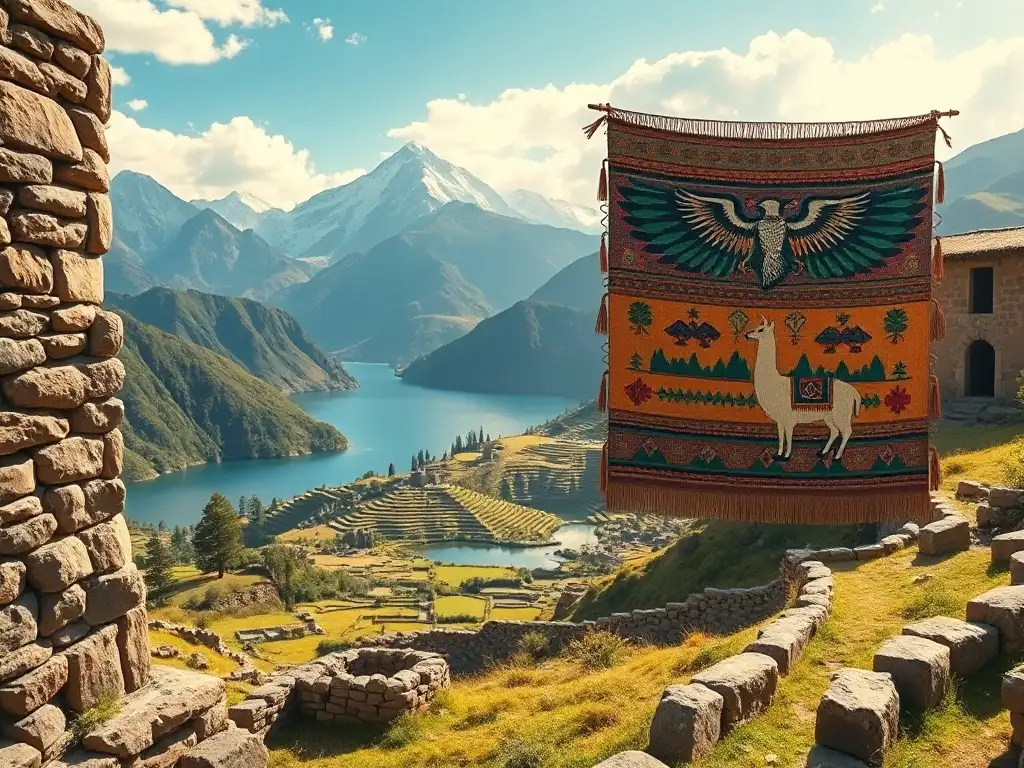
Unravel the mysteries woven into the vibrant tapestries of the Andes! Prepare to journey through millennia of human ingenuity and artistry as we delve into the captivating world of Andean civilizations. From the intricate designs of Nazca lines to the majestic architecture of Machu Picchu, Andean art symbolism holds the key to understanding a complex and fascinating culture. What secrets do these ancient symbols conceal? Discover the answers within, and unlock the universal language spoken through the enduring legacy of Andean art.
- The Universal Language: Exploring Andean Art Symbolism
- Common Symbols in Andean Iconography
- Interpreting Andean Art: Beyond the Surface
- Regional Variations in Andean Art Symbolism
- The Legacy of Andean Art Symbolism
- Frequently Asked Questions
- Final Reflection: Echoes Across the Andes: A Legacy of Shared Meaning
- Unleash the Power of Andean Symbolism!
The Universal Language: Exploring Andean Art Symbolism
The Andes Mountains, a colossal spine running down the western coast of South America, nurtured a vibrant tapestry of ancient cultures. For millennia, civilizations like the Incas, Moche, Nazca, and Tiahuanaco flourished in this challenging yet fertile landscape, each leaving behind a legacy of breathtaking artistry. While distinct in their societal structures and technological advancements, these Andean cultures shared a surprising commonality: a rich and complex system of symbolism woven into their art.
This article delves into the fascinating world of Andean art symbolism, exploring the recurring motifs, their potential meanings, and the enduring legacy of this "universal language" that transcended geographical boundaries and cultural differences. We will examine how the interpretation of these symbols allows us to better understand the beliefs, values, and worldview of these remarkable ancient societies, enriching our appreciation of their artistic and cultural achievements.
Understanding the pervasive symbolism in Andean art provides a crucial key to unlocking a deeper understanding of these captivating civilizations, revealing the interconnectedness of their beliefs and artistic expressions. This exploration of Andean art symbolism will unveil the profound power of visual communication in shaping Andean societies and their enduring impact on our understanding of the past.
Understanding the Roots of Andean Art Symbolism
The interpretation of Andean art symbolism is a complex and ongoing process, often debated by scholars. However, several key factors contribute to our understanding. Firstly, the Andean worldview was deeply intertwined with the natural world. Mountains, rivers, celestial bodies, and animals held profound spiritual significance, frequently represented in art through stylized forms and recurring motifs. Secondly, the function of the artwork itself must be considered. Ceremonial objects, textiles, pottery, and architecture all served different purposes, influencing the types of symbols employed. For example, symbols on funerary textiles might relate to the afterlife, while those on ceremonial vessels might represent deities or ritual practices. Finally, the specific cultural context is essential. While shared symbols exist across different Andean cultures, their precise meaning might vary based on the specific civilization and historical period. This necessitates a nuanced approach to analysis, considering both the broader Andean context and the specific cultural nuances. The lack of a written language for many Andean groups further complicates the process, relying heavily on comparative analysis, archaeological context, and ethnohistorical accounts. 1
Example: The Significance of the Condor
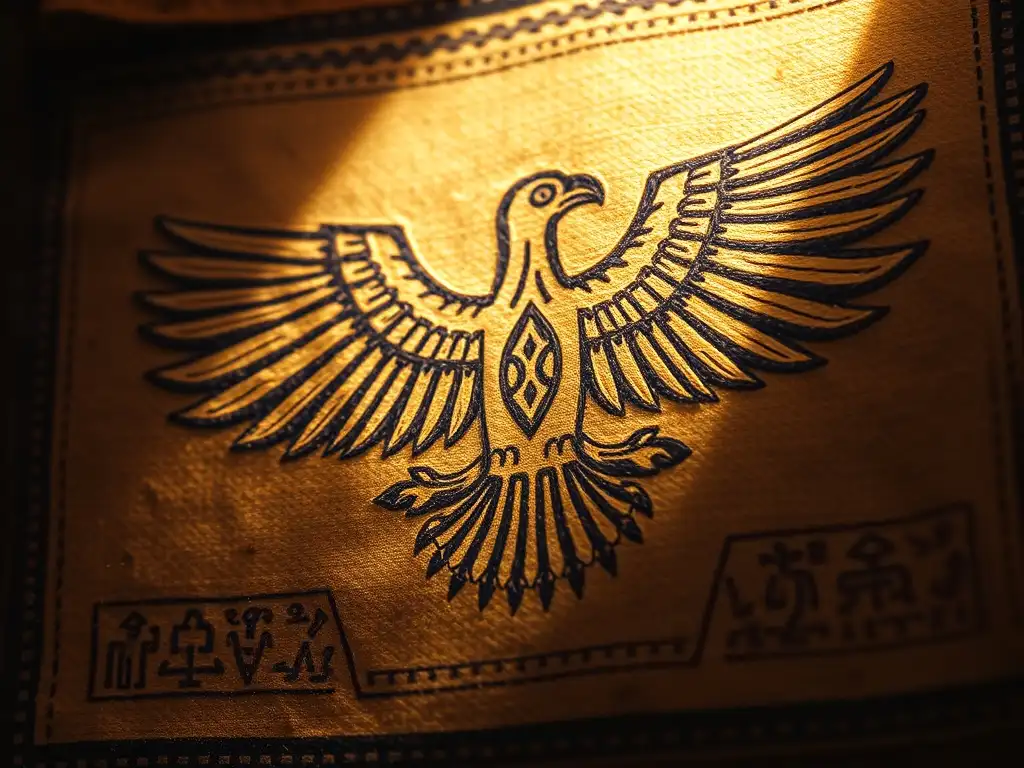
The condor, a majestic bird of the Andes, frequently appears in Andean art. Its representation often varies across cultures, but generally symbolizes power, strength, and connection to the spiritual realm. In some contexts, it might represent a specific deity or shamanic power. In others, it might symbolize the sun or the high altitude of the Andes.
Despite the diversity of Andean cultures, several motifs appear consistently across different civilizations and time periods. These recurring symbols suggest a shared understanding of certain concepts and beliefs. For instance, the use of geometric patterns, such as stepped pyramids and spirals, is widespread.
These may represent the Andean understanding of the cosmos, the cyclical nature of life, or the interconnectedness of the different levels of existence. Furthermore, zoomorphic representations, particularly of felines (like pumas and jaguars) and birds (like condors and hummingbirds), are frequently encountered, often carrying symbolic weight related to power, fertility, and shamanism. Anthropomorphic figures, often depicted in stylized forms, also appear frequently, potentially representing deities, ancestors, or important figures within Andean societies.
| Motif | Potential Meaning(s) | Cultures Where Found |
|---|---|---|
| Stepped Pyramid | Cosmos, Hierarchy, Social Structure, Fertility | Inca, Moche, Nazca, Tiahuanaco |
| Spiral | Cyclical Time, Cosmic Energy, Fertility | Inca, Moche, Nazca |
| Puma | Power, Strength, Hunting, Underworld, Shamanism | Inca, Moche, Nazca, Tiahuanaco |
| Condor | Power, Strength, Altitude, Spiritual Realm | Inca, Moche, Nazca, Tiahuanaco |
| Geometric Patterns | Cosmic Order, Social Organization, Ritual Significance | Inca, Moche, Nazca, Tiahuanaco, and many others |
The study of these shared motifs is crucial for understanding the interconnectedness of Andean cultures and their shared symbolic language. Further research and analysis are necessary to fully unravel the complexities of this fascinating field, promising to unveil deeper insights into the beliefs, values, and worldview of these ancient Andean civilizations.
The ongoing discovery of new artifacts and the application of new technologies continue to enhance our understanding of Andean art symbolism, enriching our appreciation for these incredible cultural achievements. The exploration of Andean art symbolism is not just an academic pursuit; it is a journey into the heart of a vibrant and enduring cultural legacy.
1 Further research is needed to provide more specific examples and refine these interpretations.
Common Symbols in Andean Iconography
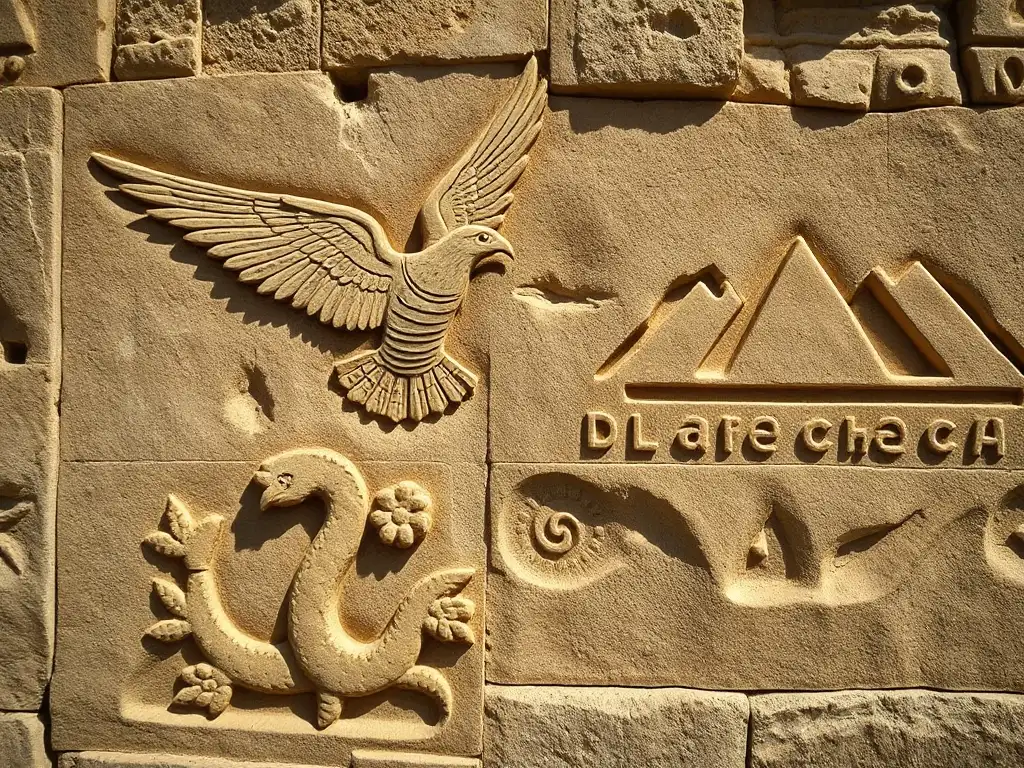
This section delves into the recurring motifs and their interpretations within the diverse artistic expressions of the Andean cultures. Understanding these shared symbols provides crucial insight into the beliefs, values, and worldview of these ancient societies. The prevalence of certain symbols across different Andean civilizations – from the Incas to the Moche and Nazca – suggests a complex network of shared cultural understanding and potentially, ancient pan-Andean traditions.
Analyzing these common threads helps us decipher the rich tapestry of Andean art symbolism. We will explore some of the most prominent examples, focusing on their representations and meanings across different cultural contexts. The consistent appearance of these symbols demonstrates their deep-seated significance within Andean cosmology and societal structures.
The Significance of the Sun in Andean Art
The sun, or inti in Quechua, held paramount importance in Andean cosmology. Far from simply a celestial body, the sun was revered as a deity, a life-giving force, and the source of all energy. Its representation in Andean art is ubiquitous, often depicted as a radiant disc, sometimes with human features or surrounded by stylized rays. The sun's symbolism is deeply intertwined with concepts of power, royalty, and agricultural cycles.
For example, the Inca emperors were considered children of the sun, their legitimacy directly linked to the celestial body's divine power. This is vividly portrayed in numerous artifacts, including gold and silver sun discs found in royal tombs, emphasizing the close relationship between the ruling class and the sun deity. Furthermore, the sun's annual journey across the sky was closely observed and celebrated through elaborate rituals, influencing the agricultural calendar and shaping the lives of Andean communities.
The intricate astronomical knowledge reflected in Andean art, particularly in the positioning and design of sun-related imagery, underscores the sun's central role in their worldview. The careful observation of the sun's movements speaks to the sophisticated understanding of astronomy within Andean societies.
The Andean Serpent: Representation and Meaning
The serpent, a potent symbol across numerous cultures worldwide, takes on unique meanings within the Andean context. While sometimes associated with chaos or the underworld, Andean serpents often represent fertility, water, and the earth's life-giving forces. Their depiction varies across different Andean civilizations, with some showing feathered serpents, others emphasizing their sinuous bodies and intricate scales.
The Moche, for example, frequently depicted serpents in their ceramics, often intertwined with other symbols, highlighting the serpent's role in their creation myths and agricultural practices. The intricate detail and vibrant colors in these depictions showcase the artistic skill and profound reverence for this symbol. The serpent's association with water sources is particularly significant in the arid Andean landscape, emphasizing its role in providing sustenance and life.
Understanding the context of the serpent's depiction – whether entwined with vegetation, emerging from a mountain, or associated with other deities – is crucial for deciphering its precise meaning within a particular piece of Andean art. Further research into regional variations in serpent imagery is needed to fully understand the nuanced symbolism across different Andean cultures.
The Condor: A Symbol of Power and Spirituality
The condor, a majestic bird of the Andes, is another prominent symbol in Andean art and iconography. Its powerful presence and ability to soar high above the mountains associated it with power, spirituality, and the intermediary between the earthly and celestial realms. Depictions of condors frequently appear in textiles, ceramics, and metalwork, often portrayed in flight or perched atop mountains, symbolizing their connection to the heavens.
The Inca, for instance, associated the condor with the sun god, Inti, further reinforcing its association with power and divinity. The condor’s sharp vision and ability to survey vast landscapes also linked it to concepts of observation, protection, and foresight. Interestingly, the condor's symbolic meaning could also vary regionally, with some interpretations emphasizing its role as a messenger or a guardian spirit.
The variation in representation across different Andean cultures provides further evidence of the multifaceted nature of Andean art symbolism. Detailed analysis of individual pieces of Andean art, paying close attention to context and associated symbols, is essential for a complete understanding of the multifaceted nature of the condor's representation. More research is needed to fully explore the regional variations in condor symbolism.
The Jaguar: Its Role in Andean Belief Systems
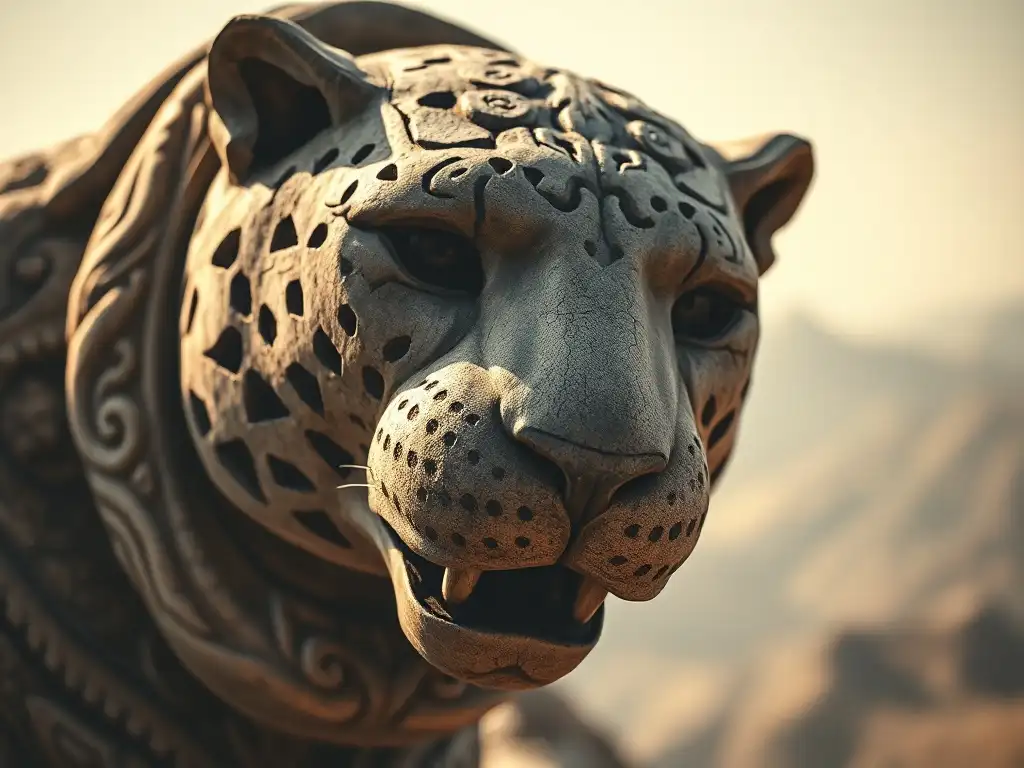
The jaguar, a powerful and elusive predator, held a significant place in the belief systems of several Andean cultures. Its presence in art isn't merely decorative; it speaks volumes about the spiritual and cosmological views of these societies. For example, in Moche iconography, the jaguar frequently appears alongside deities and in scenes depicting ritual sacrifices, suggesting its association with power, shamanism, and the underworld.
The feline's spotted coat, reminiscent of the night sky, further reinforces this connection to the celestial realm and the unseen forces that governed the lives of the Moche people. This symbolism is not limited to the Moche; evidence suggests similar reverence for the jaguar in other Andean cultures, albeit with variations in its representation and specific attributes. In some cases, the jaguar embodies a duality, representing both predatory power and fertility, a potent combination reflecting the cyclical nature of life and death so prominent in Andean cosmologies.
The fierce gaze and sharp claws often depicted in Andean art underscore the jaguar’s role as a powerful force, capable of both destruction and creation. Scholars continue to debate the nuances of jaguar symbolism across different Andean cultures, but the recurring motif undeniably signifies a potent and deeply respected figure in the Andean worldview. Further research into specific regional variations could provide a more complete understanding of this fascinating symbol.
Geometric Patterns and Their Symbolic Significance
Geometric patterns are ubiquitous in Andean art, appearing on textiles, ceramics, and architecture across various cultures and time periods. These aren't simply aesthetic choices; they carry complex symbolic meanings related to cosmology, social organization, and spiritual beliefs. The intricate designs, often involving repetitive motifs such as triangles, squares, zigzags, and spirals, frequently represent the Andean understanding of the universe and its interconnectedness. For example, stepped pyramids, a hallmark of Andean architecture, can be interpreted as a visual representation of the cosmos, with each level symbolizing a different realm or plane of existence.
Similarly, the repetitive patterns found on textiles might represent the cyclical nature of agriculture, emphasizing the importance of the agricultural calendar and the harmony between humans and nature. The use of specific colors within these geometric patterns also holds symbolic weight, often representing different deities, elements, or social statuses. For instance, red might symbolize blood, fertility, and power, while blue might represent water, the sky, and the celestial realm.
Understanding the specific meanings of these colors and patterns requires a careful analysis of the context in which they appear, considering the cultural background and the specific artistic style of the region and time period. The complexity and diversity of these geometric patterns highlight the sophisticated understanding of symbolism within Andean cultures, demonstrating a rich and nuanced worldview expressed through intricate visual language. A deeper exploration of the mathematical principles underlying these designs could reveal further insights into their symbolic meaning and the advanced knowledge of Andean artists and mathematicians.
Interpreting Andean Art: Beyond the Surface
This section delves into the nuanced world of Andean art symbolism, moving beyond superficial interpretations to uncover the deeper meanings embedded within these captivating artifacts. Understanding Andean art requires a multifaceted approach, considering not only the imagery itself but also the materials used, the context of discovery, and the cultural beliefs of the creators. The seemingly simple designs often hold complex layers of meaning, reflecting cosmological beliefs, social structures, and daily life in these ancient societies.
By examining these elements, we can gain a richer appreciation for the ingenuity and sophistication of Andean artistic expression. This exploration will focus on Andean art symbolism specifically, providing detailed examples to illustrate the points discussed.
The Use of Color in Andean Symbolism
Color played a pivotal role in Andean art, imbued with symbolic significance far beyond mere aesthetic preference. Different colors represented specific deities, concepts, and social standings. For instance, red, often derived from cinnabar or ochre, was frequently associated with blood, sacrifice, and the powerful Andean sun god, Inti. This is evident in numerous textiles and ceramics where red pigments dominate, signifying both power and fertility.
Conversely, yellow, often achieved with various clays or minerals, represented gold, the sun's radiance, and divine authority. The Inca elite, for example, were closely linked to the sun, and yellow features prominently in their royal attire and ceremonial objects. It's important to note that the intensity and shade of the color could also alter its meaning. A deep, rich red might represent a more powerful or aggressive force, while a lighter shade could suggest a more nurturing or gentler aspect.
The use of other colors was equally nuanced. Green, potentially from malachite or other minerals, was often linked to growth, vegetation, and the earth. Blue, achieved through various techniques, could represent the sky, water, and the supernatural realm. The precise meaning, however, depended heavily on the specific context in which the color appeared within the artwork. Further research is needed to fully understand the subtle variations in color meaning across different Andean cultures and time periods. [Specific information pending on regional variations in color symbolism].
Materials and Their Symbolic Value in Art
The materials employed in Andean art were not merely functional; they too carried significant symbolic weight. Gold, for example, was not just a valuable metal; it represented the sun's power, divinity, and the elite's connection to the cosmic realm. The intricate goldwork of the Moche and Inca civilizations, often depicting deities and mythical creatures, underscores this connection. Similarly, silver, often associated with the moon and water, held a different, yet equally important, symbolic value.
Textiles, often made from alpaca or llama wool, were also highly symbolic. The intricate weaving techniques, the use of specific colors and patterns, and the very act of weaving itself held deep significance, often reflecting social status, clan affiliations, and even cosmological beliefs. Specific patterns and motifs, such as stepped frets or geometric designs, were frequently linked to specific deities or events. Further research into the specific iconography of textiles is needed to fully unlock their symbolic meanings.
Stone, another common material, also carried symbolic weight. The choice of stone—obsidian, granite, basalt—could indicate the intended use of the object and its symbolic meaning. The intricate carvings on stone sculptures and monuments often depicted deities, rulers, and scenes from mythology, providing further insights into Andean cosmology and beliefs. The careful selection and craftsmanship involved in working with these materials highlight the deep spiritual significance attached to the process of creation itself.
Contextual Analysis: The Importance of Archaeological Findings
The interpretation of Andean art symbolism is greatly enhanced by contextual analysis. Archaeological findings, such as the location of artifacts, their association with other objects, and the surrounding environment, provide crucial clues to their meaning. For example, a ceramic vessel found within a burial context might have a different meaning than one found in a domestic setting. The presence of other objects, such as tools or ornaments, can also help to understand the function and significance of the artwork.
Moreover, the careful study of burial sites, temples, and other ceremonial structures provides invaluable insights into the beliefs and practices of the Andean people. The arrangement of artifacts within these spaces, the presence of specific symbols and motifs, and the overall architecture of the site can all contribute to a deeper understanding of the symbolic meanings embedded within the artwork. For instance, the location of specific artifacts within a temple complex might suggest their role in rituals or ceremonies.
Finally, the study of Andean texts, such as the quipus (knotted strings used for record-keeping), provides additional context for interpreting symbolic imagery. While the precise meaning of many quipu knots remains debated, their presence alongside other artifacts can shed light on the cultural significance of specific symbols and motifs. The integration of archaeological findings with art historical analysis is crucial for a comprehensive understanding of Andean art symbolism. A multidisciplinary approach is therefore essential for unlocking the rich tapestry of meaning woven into these remarkable works of art.
Regional Variations in Andean Art Symbolism
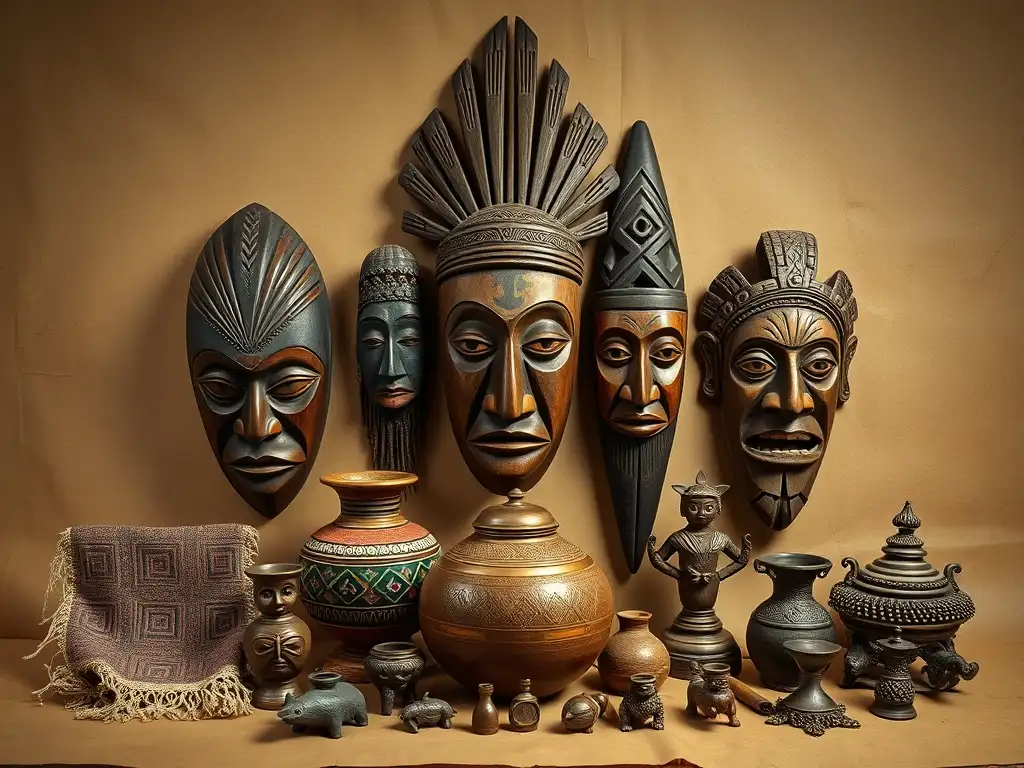
The diverse geography and independent development of various Andean cultures resulted in a rich tapestry of artistic expressions, each with its unique symbolic language. While overarching themes like fertility, power, and the cosmos resonate across different groups, the specific manifestations and interpretations of these symbols vary considerably. Understanding these regional variations is crucial to appreciating the complexity and nuance of Andean art symbolism. Analyzing the distinct iconography of cultures like the Moche, Nazca, and Tiahuanaco reveals fascinating insights into their worldviews and societal structures. This section will explore some key regional differences, focusing on how specific symbols were employed and interpreted within their respective cultural contexts. The pervasive influence of Andean geography—from the arid coastal deserts to the high-altitude Andes—also shaped the development of unique artistic styles and symbolic systems. This interplay between environment and cultural expression is a critical aspect of understanding the regional diversity of Andean art symbolism.
Exploring the Unique Symbolism of the Moche Culture
The Moche civilization (c. 100-800 CE), known for its sophisticated metalwork, pottery, and monumental architecture, developed a vibrant and distinctive symbolic system. Their pottery, particularly, offers a rich window into their beliefs and practices. Common motifs include anthropomorphic and zoomorphic figures, often depicted in highly stylized and dynamic poses. These representations frequently feature elaborate headdresses, jewelry, and other adornments, which are not merely decorative but hold significant symbolic meaning. For example, the depiction of specific birds or felines might symbolize deities, ancestors, or shamanistic powers.
The Moche also frequently depicted scenes of warfare, sacrifice, and ritual feasts on their pottery. These scenes are not simply representations of events but also encode complex social hierarchies and beliefs about the cosmos. The portrayal of human sacrifice, for instance, suggests a complex interaction between the earthly and spiritual realms.
The detailed and expressive nature of Moche pottery allows for a rich interpretation of their symbolic world, highlighting the power dynamics within their society and their understanding of the relationship between humans and the supernatural. Further research is needed to fully decode the nuances of their symbolic language, particularly concerning less common motifs and their contextual significance.
Furthermore, the Moche's mastery of metalworking produced intricate gold and silver objects, often adorned with symbolic imagery. These pieces, while less numerous than their pottery, offer valuable insights into elite culture and the power structures within Moche society. The use of precious metals itself held symbolic weight, representing wealth, power, and connection to the divine.
The Nazca Lines: A Form of Symbolic Expression
The Nazca Lines, a vast collection of geoglyphs etched into the desert surface of southern Peru, represent a unique and enigmatic form of Andean art symbolism. These massive figures, ranging from simple lines and geometric shapes to intricate representations of animals and plants, have captivated researchers and the public alike for decades. While their exact purpose remains a subject of debate, it's widely accepted that they served a symbolic function, possibly related to ritual practices, astronomical observations, or a combination of both.
The sheer scale and precision of the Nazca Lines are remarkable. Their creation required sophisticated planning and a deep understanding of the landscape. The symbols themselves, while stylized, often depict creatures and plants found in the surrounding environment, suggesting a close relationship between the Nazca people and their natural world. The precise meaning of individual figures remains a subject of ongoing research and interpretation, with various theories proposing connections to water sources, fertility rites, and celestial events.
The complexity of the lines, their arrangement, and the scale of the undertaking point towards a highly organized society with a sophisticated understanding of geometry and spatial relationships. The lines' endurance over centuries underscores their importance within Nazca culture and their enduring power as a symbol of Andean ingenuity and artistic expression. The Nazca Lines are a compelling example of how Andean art symbolism could manifest on a monumental scale, transcending the limitations of traditional mediums.
Tiahuanaco Iconography: A Closer Look
The Tiahuanaco culture (c. 500-1000 CE), centered around the Tiwanaku site on the shores of Lake Titicaca, developed a complex and distinctive iconographic system. Their art, featuring intricate stone carvings, ceramics, and textiles, is characterized by stylized figures, geometric patterns, and recurring motifs, which are often interpreted as representing deities, ritual objects, and cosmological concepts. The iconic "Gate of the Sun," for example, is laden with symbolic imagery, including a central figure often interpreted as a deity and surrounding figures that may represent other supernatural beings or cosmological elements.
The use of repeated motifs, such as stepped pyramids, feline figures, and stylized human faces, suggests a structured and hierarchical worldview. These motifs appear across various media and contexts, reinforcing their symbolic significance within Tiahuanaco society. The precise meaning of these symbols remains a subject of ongoing scholarly debate, but their consistent presence in Tiahuanaco art suggests their importance in religious beliefs and social practices. The intricate carvings and the carefully planned layout of the Tiwanaku site itself contribute to a comprehensive understanding of Tiahuanaco symbolism.
Further research is needed to fully comprehend the complex interplay of these symbols and their significance within the broader context of Tiahuanaco culture and its relationship to other Andean civilizations. The influence of Tiahuanaco iconography extended far beyond its immediate region, impacting subsequent Andean cultures and highlighting its profound influence on the development of Andean art symbolism. The study of Tiahuanaco art provides crucial insights into the diverse and interconnected nature of Andean cultural traditions.
Inca Art: Integrating and Adapting Symbolism
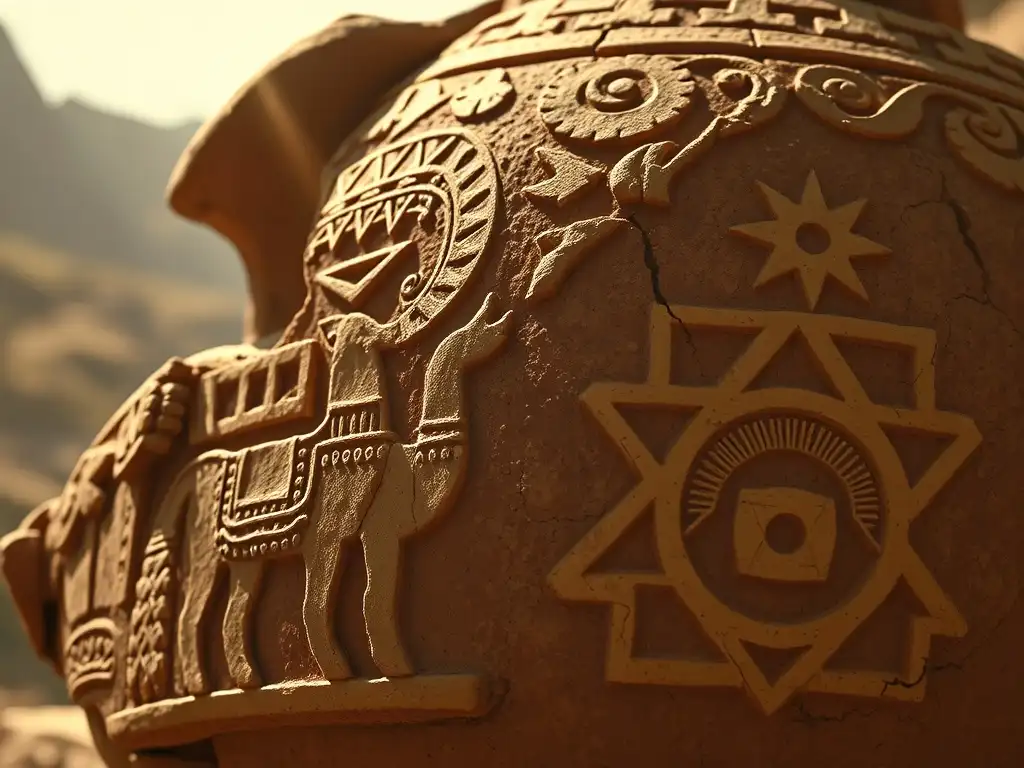
Inca art, while possessing a unique style, didn't emerge in a vacuum. It actively integrated and adapted pre-existing Andean symbolism, forging a complex tapestry of meaning reflecting their vast empire's diverse cultural landscape. The Incas, masterful administrators, understood the power of symbolism to unify their subjects and legitimize their rule. They skillfully incorporated motifs from conquered regions, subtly altering their meaning to fit their imperial ideology. This wasn't simply appropriation; it was a sophisticated strategy of cultural integration, demonstrating Inca power and simultaneously acknowledging the rich heritage of the conquered territories.
One key example is the Inca use of the chakana, a stepped cross. While present in earlier Andean cultures, particularly the Tiahuanaco, the Incas elevated its significance. The chakana became a potent symbol of the Inca worldview, representing the four quarters of the world, the sacred mountains, and the connection between the earthly and celestial realms. Its widespread use in Inca textiles, ceramics, and stonework reinforced the empire's ideology of cosmic order and imperial control. This strategic deployment of a pre-existing symbol speaks volumes about the Inca's understanding and manipulation of Andean artistic traditions.
The Inca also skillfully adapted existing animal symbolism. While earlier cultures had their own distinct animal representations, the Inca frequently utilized these, imbuing them with new meanings. For instance, the puma, already a powerful symbol in many Andean societies, was adopted and recontextualized within the Inca imperial narrative.
It became associated with royal power, strength, and the Inca's own connection to the Andean landscape, reflecting the empire's ambition and its self-image as a powerful force rooted in the land. The integration of such potent animal imagery ensured that the Inca's message resonated with a diverse population, while simultaneously reinforcing their own claims to legitimacy and power.
Furthermore, the Inca’s mastery of metallurgy allowed them to create intricate and visually stunning objects laden with symbolic meaning. Gold and silver, scarce and precious metals, were reserved for elite contexts and carried profound symbolic weight, associated with the sun, the divine, and royal power. The symbolic use of these metals, combined with sophisticated craftsmanship, further emphasized the Inca’s imperial authority and the sacred nature of their rule.
The intricate designs on these objects, often incorporating other symbolic motifs, created a powerful visual language that communicated the Inca's ideology effectively across vast geographical distances. This demonstrates the Inca's unique ability to combine sophisticated technology with existing artistic traditions to create a new and powerful imperial symbolism. The careful orchestration of these elements in Inca art reflects a sophisticated understanding of the power of symbolism to control and unify a vast and diverse empire.
Moche Art: A Narrative of Power and Fertility
Moche art, flourishing along the northern coast of Peru, is renowned for its vivid depictions of ritual, warfare, and daily life. Its symbolism is deeply intertwined with the Moche's complex social and religious beliefs, vividly expressing themes of power, fertility, and the supernatural world. Unlike the later Inca empire's focus on unifying symbolism, Moche art often conveyed more localized and specific narratives. This regional variation in Andean art symbolism highlights the diverse artistic and ideological expressions across the Andean region.
The Moche's ceramic art is particularly revealing. Their elaborate vessels, often depicting scenes of ritual sacrifice, warfare, and erotic encounters, provide invaluable insights into their worldview. The recurring imagery of powerful figures, often adorned with elaborate headdresses and regalia, emphasizes the importance of social hierarchy and the authority of the elite. These depictions frequently incorporate symbolic elements, such as stylized animals and supernatural beings, which further enhance the narrative complexity of these artistic creations. The meticulous detail and realism of Moche ceramics underscore their symbolic significance and the importance of visual communication within their society.
Furthermore, the Moche's preoccupation with fertility is prominently displayed in their art. Depictions of agricultural activities, along with representations of deities associated with fertility and abundance, highlight the crucial role of agriculture in their society. The intricate representations of maize, beans, and other crops, often intertwined with symbolic motifs, emphasize the importance of agricultural productivity and the Moche's close relationship with the natural world. This focus on fertility, prominently featured in their art, is a significant aspect of their worldview, reflecting the crucial role of agriculture in shaping their culture and society.
Moreover, the Moche's use of color in their art is highly significant. Vibrant hues and contrasting shades are not merely aesthetic choices; they contribute to the symbolic meaning of their works. The use of specific colors in representing particular deities or events suggests a sophisticated understanding of color symbolism, further enriching the narrative and symbolic complexity of their art.
The skillful use of color, combined with intricate detail and realistic depictions, demonstrates the Moche's artistic mastery and their ability to use visual elements to convey complex religious and social meanings. The detailed and often graphic nature of Moche art stands in stark contrast to the more formalized and codified symbolism seen in later Andean cultures, underscoring the regional diversity in artistic expression and symbolic interpretation.
Nazca Art: A Celestial Tapestry
The Nazca culture, known for its enigmatic geoglyphs, also left a rich legacy in pottery and textiles. Their art reflects a strong connection to the natural world and a profound interest in celestial phenomena. The Nazca lines, vast earthworks visible only from the air, are perhaps their most famous contribution, but their pottery reveals a sophisticated and symbolic artistic tradition. The contrast between the monumental scale of the geoglyphs and the intimate scale of their pottery highlights the diversity of expression within their artistic output, showcasing a range of symbolic forms and functions.
Nazca pottery is characterized by its highly stylized figures and intricate designs. Unlike the narrative focus of Moche art, Nazca pottery often features abstract designs and geometric patterns, suggesting a focus on symbolic representation rather than detailed storytelling. The recurring use of specific motifs, such as stylized animals, plants, and geometric shapes, points to a symbolic language embedded within their artistic creations. The precise execution and repetitive nature of these designs indicate a level of standardization and ritual significance, hinting at a codified system of symbolic representation.
The vibrant colors used in Nazca pottery further add to their symbolic significance. The use of specific colors, often in complex combinations, likely held special meaning within their culture. While the precise meaning of these colors remains partially elusive, the careful selection and application of pigments point to a deliberate and symbolic use of color, enriching the overall symbolic impact of their artistic creations. The enduring mystery surrounding the Nazca lines and the symbolic meanings embedded in their pottery only enhances the allure and intrigue of their artistic legacy.
Furthermore, the recurring theme of stylized animals and mythical creatures in Nazca pottery suggests a close connection to the natural world and a rich mythological system. These representations, often rendered in a highly abstract style, may have served to represent deities, shamans, or other important figures within their society. The unique style and symbolic complexity of Nazca art offer a fascinating glimpse into their worldview and their sophisticated understanding of symbolic representation, showcasing a distinct regional variation within the broader context of Andean art symbolism. Their artistic legacy continues to fascinate and inspire, prompting ongoing research and interpretation.
The Legacy of Andean Art Symbolism
The enduring power of Andean art symbolism is undeniable. These ancient motifs, meticulously crafted into textiles, ceramics, and metalwork, haven't merely faded into the past; they continue to resonate deeply within contemporary Andean cultures and beyond. Understanding this legacy requires acknowledging the intricate web of beliefs, rituals, and social structures that gave rise to these symbolic representations. The vibrant colors, intricate patterns, and carefully chosen imagery weren't simply decorative; they conveyed complex narratives, social hierarchies, and spiritual beliefs.
Analyzing these elements provides a unique window into the minds and societies that created them. The persistence of these symbols speaks volumes about the enduring cultural memory and the profound connection between the past and present in the Andean region. This section will explore how these ancient symbols continue to inform and inspire modern Andean life.
How Ancient Symbols Continue to Influence Andean Culture Today
Andean art symbolism is far from a relic of the past; it's a living tradition. Many traditional crafts, especially textile production, actively incorporate ancient symbols. For example, the chakana, the Andean cross representing the four cardinal directions and the cosmos, remains a powerful and ubiquitous symbol, appearing in contemporary weavings, jewelry, and even tattoos. Similarly, representations of animals like the condor (representing power and the heights) and the puma (representing strength and the earth) continue to be incorporated into modern artwork and decorative items.
These aren't mere aesthetic choices; they are conscious acts of cultural affirmation, connecting contemporary Andean communities to their rich heritage. The use of these symbols serves as a powerful reminder of ancestral wisdom and identity. Moreover, the persistence of these symbols demonstrates the remarkable resilience of Andean cultural traditions in the face of colonization and globalization.
The continued use of these symbols also plays a vital role in tourism and cultural exchange. The readily identifiable nature of Andean iconography makes it a powerful tool for marketing and promoting Andean heritage worldwide. The economic benefits derived from this increased awareness, in turn, helps to support the continued preservation of these traditions. This positive feedback loop demonstrates the symbiotic relationship between the preservation of Andean art symbolism and its economic viability. However, it's crucial to ensure that the commercialization of these symbols doesn't lead to cultural appropriation or the dilution of their original meaning.
Preserving and Promoting the Understanding of Andean Art
Preserving and promoting the understanding of Andean art symbolism requires a multifaceted approach. Firstly, comprehensive documentation and cataloging of existing artifacts and art forms are crucial. This includes detailed photographic records, meticulous descriptions, and contextual information about the symbols' historical and cultural significance. This work is essential for future research and education. Secondly, active collaboration with indigenous communities is paramount.
Their expertise and traditional knowledge are invaluable in interpreting and preserving the meaning and significance of these symbols. Their participation in research and educational initiatives ensures authenticity and respect for their cultural heritage. Furthermore, educational programs, museums, and public awareness campaigns can play a key role in disseminating knowledge about Andean art symbolism to a wider audience. These initiatives should emphasize the historical context, cultural significance, and continuing relevance of these symbols.
Furthermore, digital technologies offer new opportunities for preservation and access. High-resolution digital imaging and 3D modeling allow for the creation of accessible archives of Andean artifacts, making them available to researchers and the public worldwide. Online databases and virtual museums can expand access to this rich cultural heritage beyond geographical limitations.
However, careful consideration must be given to ethical issues related to digital representation and access, ensuring that indigenous communities have control over the use and dissemination of their cultural heritage. The challenge lies in balancing the benefits of increased access with the need to protect the integrity and authenticity of these invaluable cultural resources.
Andean Art's Influence on Modern Textile Design
The influence of Andean art symbolism on contemporary textile design is undeniable. The vibrant colors, intricate patterns, and symbolic motifs found in ancient Andean textiles continue to inspire designers worldwide. The geometric precision, the use of natural dyes, and the symbolic richness of these ancient textiles have become a source of inspiration for contemporary fashion and interior design.
Designers are increasingly incorporating Andean patterns and motifs into their work, often paying homage to the ancient techniques and cultural significance of these designs. This renewed interest not only celebrates the aesthetic beauty of Andean art but also contributes to the economic empowerment of Andean communities. The demand for authentic Andean textiles and designs helps sustain traditional weaving practices and supports the livelihoods of artisans who continue to practice these ancient crafts.
However, it is crucial to approach this influence with sensitivity and respect. The appropriation of Andean art without proper acknowledgment or compensation to the communities that created it is ethically problematic. Authentic collaboration and fair trade practices are essential to ensure that the economic benefits of this renewed interest in Andean art are shared equitably.
Responsible design involves researching and understanding the cultural context of the symbols being used, ensuring accurate representation, and giving credit where it’s due. The goal should be to celebrate and honor Andean artistry, rather than simply exploiting it for commercial gain. By promoting ethical and sustainable practices, we can ensure that the influence of Andean art on modern textile design is a positive and mutually beneficial relationship.
Ongoing Research and New Interpretations in Andean Art
The study of Andean art symbolism is a dynamic and ever-evolving field. New archaeological discoveries, advanced analytical techniques, and interdisciplinary collaborations constantly refine our understanding of these intricate visual languages. For instance, recent excavations in the Nazca region have unearthed previously unknown ceramic fragments depicting unique iconographic motifs, prompting researchers to reconsider existing interpretations of Nazca cosmology.
These findings challenge earlier assumptions about the solely religious function of certain symbols and suggest a more complex interplay between ritual practices and daily life. The application of advanced imaging techniques, such as multispectral imaging, is also revolutionizing the field, revealing hidden details in textiles and murals that were previously invisible to the naked eye. This allows for a more nuanced analysis of the subtle variations in iconography and the identification of previously overlooked symbolic elements.
Furthermore, the incorporation of anthropological perspectives, particularly those focused on indigenous knowledge and oral traditions, is enriching the interpretive process. Collaborations between archaeologists, art historians, and ethnohistorians are leading to more holistic and culturally sensitive readings of Andean art. This interdisciplinary approach acknowledges the limitations of interpreting ancient symbols solely through a Western lens, acknowledging the richness and complexity of indigenous perspectives.
For example, working with local communities and descendants of Andean cultures allows researchers to gain insights into the continuing relevance of certain symbols within contemporary Andean societies, offering valuable context for understanding their historical significance. This collaborative approach underscores the importance of respectful engagement with living cultures and fosters a more nuanced understanding of the enduring legacy of Andean art symbolism. The ongoing research highlights the importance of continuous investigation and the need for a multi-faceted approach to interpret the rich tapestry of Andean visual culture.
Each new discovery pushes the boundaries of our understanding, revealing the enduring power and complexity of Andean art symbolism. The vibrant field of Andean art studies continues to thrive, promising further exciting developments in the years to come.
Frequently Asked Questions
What is the main focus of Andean art symbolism?
Andean art symbolism is incredibly diverse, but often centers around shared beliefs about nature, cosmology, and social structures. Many symbols represent fertility, power, and the relationship between humans and the divine.
How did the Incas use symbolism in their art?
Inca art used symbolism to express royal power and legitimacy, often featuring geometric patterns and representations of animals and deities. Their art served to reinforce their political and religious authority.
Are there common symbols across different Andean cultures?
Yes, certain motifs appear across various Andean cultures, such as birds, snakes, and feline figures, suggesting shared cultural roots or interactions. However, the meaning and representation of these symbols could vary between cultures.
What materials were commonly used in Andean art featuring symbolism?
Andean artists utilized a variety of materials, including textiles, ceramics, gold, silver, and stone. The choice of material often influenced the symbolic meaning and the intended audience of the artwork.
How can I learn more about the symbolism in Andean art?
Further research can be done through museum exhibits, academic publications, and archaeological sites. Many books and online resources offer in-depth analyses of specific Andean cultures and their artistic traditions.
The vibrant tapestry of Andean art, rich with symbolic language, continues to resonate powerfully in the 21st century. Its enduring influence transcends geographical boundaries, reminding us of the interconnectedness of human experience and the timeless power of artistic expression. Understanding this symbolism isn't simply an academic exercise; it's a key to unlocking a deeper appreciation for a culture that has shaped the world.
The enduring legacy of Andean art lies not just in its aesthetic beauty, but in its capacity to communicate profound truths about life, death, and the cosmos. These symbols, passed down through generations, speak to universal themes of fertility, spirituality, and the cyclical nature of existence. They offer a powerful counterpoint to the often fragmented and individualistic narratives of our modern world. Art washes away from the soul the dust of everyday life.
- Pablo Picasso. This quote, while not directly about Andean art, perfectly captures the cleansing and enriching power of engaging with its symbolic language.
Consider the intricate details, the vibrant colors, the carefully chosen forms within Andean art. Let these visual narratives inspire you to seek deeper meaning in the world around you. Take a moment to reflect on the symbols that resonate with you personally – what stories do they tell? What connections do you find between these ancient expressions and your own life? By engaging with the universal language of Andean art, we can foster a richer understanding of ourselves and our place within the broader human story.
Unleash the Power of Andean Symbolism!
Thank you for exploring the fascinating world of Andean art and its rich symbolism! We hope you've gained valuable insights and are inspired to learn more about this vibrant culture. Now, it's time to put your knowledge into practice!
Here are a few suggestions to deepen your understanding:
- Participate in a Hands-on Workshop: Learn traditional Andean art techniques directly from local artisans. This immersive experience will provide invaluable insights.
- Continue Your Exploration: Discover more fascinating articles about Andean civilizations on our website and share your newfound knowledge with friends and family.
- Share Your Artistic Journey: Post a picture of your favorite piece of Andean-inspired art on social media and tag us! You might even be featured on our page.
What Andean symbol resonates most with you, and how do you interpret its reflection of the culture's values?