
Textile Trade Routes: How Woven Goods Connected the Ancient Andean World

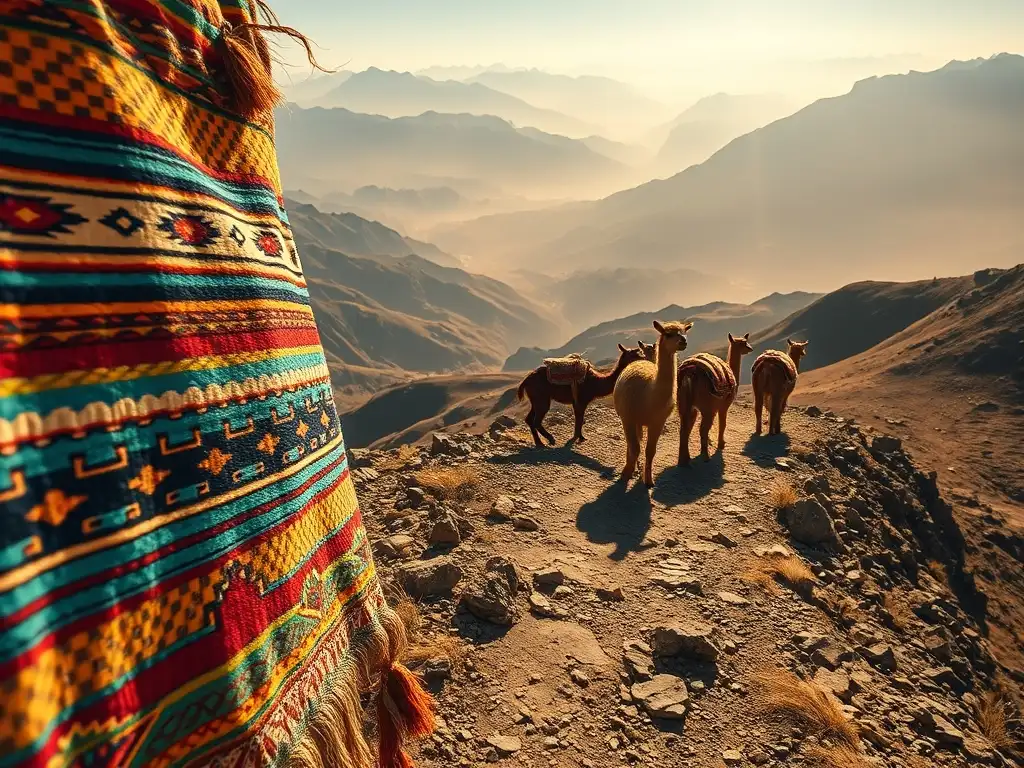
Unravel the mysteries of a lost world woven in threads of gold and alpaca! Journey with us through the vibrant tapestry of Andean history, where intricate textiles weren't just clothing, but powerful symbols of status and connection. Discover the secrets behind the Andean textile trade routes, a complex network that linked empires and shaped civilizations across the Andes Mountains. Prepare to be amazed by the ingenuity and artistry of these ancient cultures – their stories are waiting to be uncovered.
- Andean Textile Trade Routes: Connecting Ancient Worlds Through Woven Goods
- The Significance of Textiles in the Ancient Andes
- Pre-Incan Trade Networks and Textile Exchange
- The Inca Empire and the Expansion of Textile Trade Routes
-
Key Textile Trade Hubs in the Andean Region
- Coastal Trading Centers and their Role in Textile Distribution
- Highland Textile Production Centers and their Local Networks
- Connecting the Coast and Highlands through Textile Exchange
- Pachacamac: A Coastal Hub for Textile Exchange
- Cusco: The Imperial Center and its Textile Network
- Tiahuanaco: A Highland Hub and its Influence
- The Impact of Trade on Andean Textile Art
-
Analyzing the Evidence: Archaeological Findings and Textile Trade
- Textile Fragments and their Significance in Reconstructing Trade Routes
- Archaeological Discoveries of Trade Goods Associated with Textiles
- The Use of Radiocarbon Dating to Trace the Movement of Textiles
- The Discovery of Cotton Textiles in Highland Sites
- Tracing Llama and Alpaca Fiber Trade Routes
- The Role of Coastal Sites in Textile Production and Distribution
- The Legacy of Andean Textile Trade
-
Frequently Asked Questions
- What role did textiles play in ancient Andean societies?
- How did the Andean textile trade routes function?
- What kind of textiles were traded along these routes?
- How did the Andean textile trade impact the development of these civilizations?
- What evidence exists to support the existence and extent of these trade routes?
- Final Reflection: The Enduring Threads of Andean Exchange
- Uncover the Threads of Connection!
Andean Textile Trade Routes: Connecting Ancient Worlds Through Woven Goods
The vibrant tapestry of Andean civilization wasn't just woven on looms; it was woven into the very fabric of its extensive trade networks. This article delves into the intricate system of Andean textile trade routes, exploring how the exchange of woven goods shaped social structures, economic power, and cultural exchange across vast distances and diverse Andean societies.
From the intricate textiles of the Nazca to the luxurious fabrics of the Inca, these routes represent a compelling narrative of ingenuity, resourcefulness, and the profound impact of textile production on the development of ancient Andean societies. We will examine the geographical extent of these trade networks, the types of textiles exchanged, and the social and economic implications of this vibrant commercial activity, revealing how textiles served as more than just clothing—they were powerful symbols of status, identity, and connectivity.
Understanding these trade routes provides crucial insight into the interconnectedness of the Andean world and the sophisticated systems that underpinned its remarkable cultural achievements.
The Geographic Reach of Andean Textile Trade
The Andean textile trade wasn't confined to localized exchanges. Evidence suggests a complex network spanning hundreds of miles, connecting coastal communities with those in the highlands. The varied terrains – from arid deserts to towering mountains – presented significant logistical challenges, demanding innovative solutions for transport. Llamas, alpacas, and human porters were crucial to this intricate system, traversing treacherous paths to carry precious textiles across diverse ecological zones.
Archaeological findings, such as the discovery of similar textile styles in geographically distant sites, strongly support the existence of these extensive trade routes. The sheer volume and variety of traded textiles points to sophisticated organizational structures and well-established trade partnerships between different Andean cultures. Furthermore, the presence of exotic materials in textiles found in remote locations indicates the far-reaching nature of these exchange networks.
Types of Textiles Traded and Their Significance
The Andean textile trade wasn't just about quantity; it was about quality and symbolic value. A wide range of textiles were exchanged, each carrying specific cultural meaning and economic worth. Fine cotton textiles from the coastal regions, renowned for their softness and durability, were highly prized. Similarly, the wool from the alpaca and llama, sourced from the highlands, was used to create luxurious garments and ceremonial textiles.
The complex weaving techniques, intricate designs, and use of vibrant dyes further enhanced the value of these goods. Certain textile patterns and motifs held significant symbolic meaning, representing specific clans, deities, or social status. The exchange of these textiles, therefore, facilitated not only economic transactions but also the transmission of cultural ideas and beliefs across different Andean communities. For instance, the presence of specific iconography in textiles found in distant locations suggests the spread of religious beliefs or shared cultural identities.
The Andean textile trade had a profound impact on the social and economic structures of Andean societies. Control over textile production and trade routes often translated into political power and economic dominance. Elite classes frequently commissioned the creation of elaborate textiles, showcasing their wealth and social standing.
The production of textiles also provided employment for a large segment of the population, shaping social hierarchies and economic relationships. Specialized artisans and weavers held positions of prestige within their communities, contributing to the overall societal fabric. The exchange of textiles fostered alliances and diplomatic relations between different groups, demonstrating the significant social and political implications of this trade.
The control and distribution of these valuable commodities played a pivotal role in the political and social dynamics of the ancient Andean world. Moreover, the economic prosperity generated by textile trade likely fuelled the development of other aspects of Andean civilization, such as urban centers and monumental architecture.
Technological Innovations in Andean Textile Production and Trade
The success of the extensive Andean textile trade relied heavily on technological advancements in textile production and transportation. The development of sophisticated weaving techniques, such as backstrap weaving and the use of specialized tools, allowed for the creation of high-quality textiles that were in high demand. Innovations in dyeing techniques enabled the production of a wide array of vibrant colors, adding to the aesthetic appeal and value of the textiles.
The efficient organization of textile production, involving specialized workshops and labor divisions, facilitated large-scale textile manufacturing to meet the demands of the trade routes. Furthermore, the development of efficient transport systems, including animal-based transportation and improved pathways, was crucial in overcoming the geographical challenges posed by the Andean landscape. These technological advancements not only boosted textile production but also contributed significantly to the efficiency and reach of the Andean textile trade networks.
The Significance of Textiles in the Ancient Andes
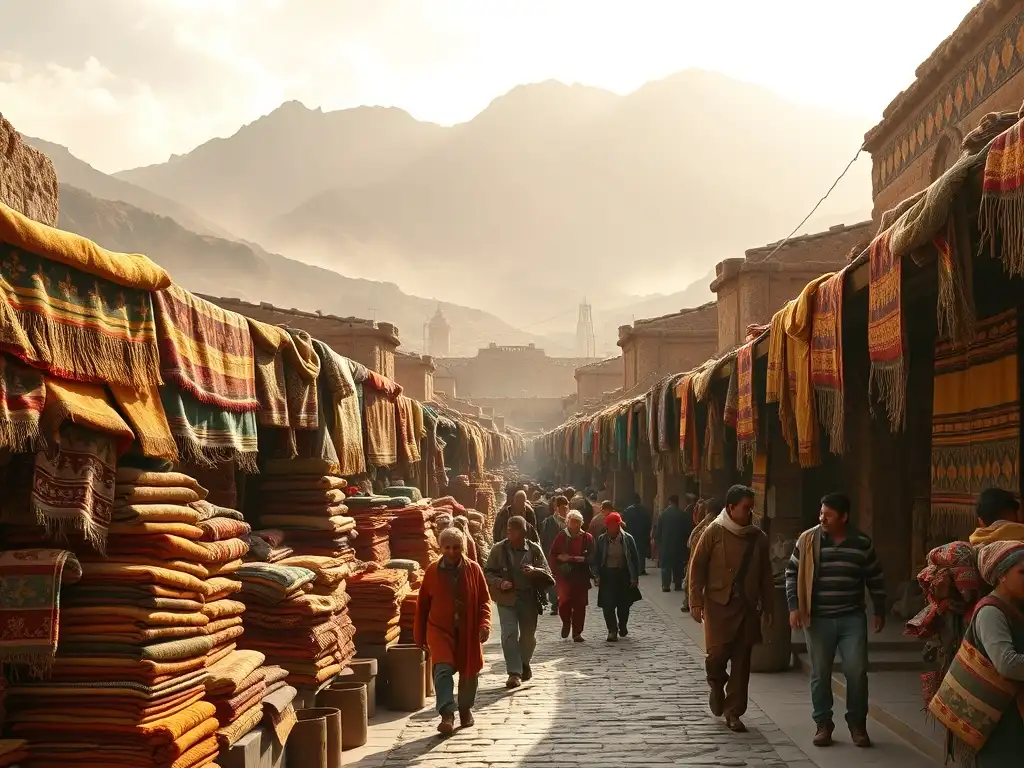
The Andean textile trade routes weren't simply pathways for the movement of goods; they were arteries pulsating with the lifeblood of Andean societies. Understanding the significance of textiles within these ancient cultures is crucial to grasping the complexity of their economic, social, and spiritual lives. Textiles weren't merely utilitarian objects; they were deeply embedded in the fabric of Andean existence, representing power, status, spirituality, and even currency.
The intricate weaving techniques, the vibrant colors derived from natural dyes, and the symbolic imagery woven into the fabrics all speak volumes about the sophisticated artistry and worldview of these civilizations. Analyzing Andean textile trade routes requires acknowledging the profound value placed on these woven goods.
Beyond Clothing: The Multifaceted Role of Andean Textiles
Andean textiles served far more purposes than simply providing warmth and covering the body. They were integral to everyday life, fulfilling a multitude of functions. From carrying burdens on their backs using chumpi (carrying straps) to creating intricate tapestries that adorned homes and temples, textiles played a vital role.
Consider the llantas, woven bags used for transporting goods across the challenging Andean terrain – these weren't just containers; they were essential tools for trade and survival, reflecting the ingenuity of Andean artisans. Furthermore, textiles were used in construction, forming ropes and cords for building structures and securing materials. The versatility and importance of textiles in the daily lives of Andean people demonstrate their integral place within the broader economic and social landscape.
Even seemingly simple items like belts and headbands held symbolic meaning and were meticulously crafted, showcasing the value placed on even the smallest textile artifacts. The sheer variety of applications underscores the multifaceted nature of Andean textiles, far exceeding their basic function as clothing.
Textiles as Currency and Status Symbols in Andean Societies
The economic significance of Andean textiles is undeniable. Woven goods acted as a form of currency, facilitating trade and exchange across vast distances. The quality, intricacy, and materials used in a textile directly correlated to its value.
Rare dyes, such as the vibrant purples derived from shellfish, significantly increased a textile's worth, reflecting the time, skill, and resources invested in its creation. Fine textiles, often adorned with intricate designs and symbolic motifs, served as status symbols, signaling wealth and social standing within Andean communities. Elites frequently wore garments made from the finest materials, showcasing their power and prestige.
The use of textiles as currency and status symbols is evidenced by archaeological finds revealing elaborate burial sites containing quantities of high-quality textiles, reflecting the importance of these items in the afterlife and their connection to social hierarchy. The intricate designs and the materials themselves offered a visual language of status and power, communicating social standing with immediate clarity.
The Spiritual and Ritual Importance of Woven Materials
Beyond their practical and economic roles, Andean textiles held profound spiritual and ritual significance. Many textiles incorporated symbolic designs that represented deities, ancestors, or natural phenomena. These motifs weren't merely decorative; they were imbued with spiritual power, believed to protect the wearer or connect them to the supernatural realm.
Textiles were frequently used in ceremonies and rituals, serving as offerings to deities or adorning sacred objects. The use of specific colors, patterns, and materials in ritual textiles further emphasizes the deep connection between the woven arts and Andean spiritual beliefs. The careful preservation of ritual textiles in archaeological contexts suggests their enduring importance even beyond their functional life.
The intricate weaving process itself may have been considered a sacred act, reflecting a profound connection between the artisan, the material, and the spiritual world. The spiritual significance of textiles offers a crucial insight into the worldview and religious practices of the ancient Andean civilizations, highlighting the interwoven nature of their spiritual and material culture.
Pre-Incan Trade Networks and Textile Exchange
The vibrant tapestry of Andean textile production wasn't solely an Incan achievement. Long before the Inca Empire rose to prominence, sophisticated trade networks facilitated the exchange of textiles across vast distances, connecting diverse Andean cultures and shaping their identities. Understanding these pre-Incan trade routes is crucial to appreciating the full scope of Andean textile history and the "Andean textile trade routes" themselves.
The intricate designs and specialized techniques found in textiles from various regions provide compelling evidence of this extensive exchange, highlighting the economic and social importance of woven goods long before the Inca. Analyzing these earlier systems allows us to understand the evolutionary trajectory of Andean textile trade, revealing the building blocks upon which the Inca later constructed their impressive empire-wide system. The sheer diversity of pre-Incan textile styles and technologies underscores the richness and complexity of these early trade relationships.
Early Evidence of Textile Production and Barter Systems
Archaeological evidence points to the early development of textile production and barter systems in various Andean regions dating back millennia. Excavations at sites like Paracas (around 700 BCE – 100 CE) have yielded exquisite examples of intricate textiles, indicating a high level of skill and specialization. These textiles, often adorned with complex iconography and vibrant colors, were not simply utilitarian items; they held significant ritual and social value.
The presence of similar textile motifs and techniques across geographically distant sites suggests the existence of established trade routes, facilitating the exchange of both finished textiles and raw materials. While direct evidence of bartering is often difficult to pinpoint, the distribution of specific textile styles and the presence of exotic materials in distant locations strongly imply the existence of sophisticated exchange networks.
Furthermore, the discovery of specialized tools used in textile production, such as spindles and looms, in diverse locations further supports the idea of widespread textile manufacturing and trade. The scale of production and the sophistication of the techniques point to a level of organization and interaction that extended beyond localized communities.
Regional Variations in Textile Styles and Techniques
Despite the evidence of extensive trade, significant regional variations in textile styles and techniques persisted throughout the pre-Incan period. The unique characteristics of each region's textiles reflected the availability of local resources, specific cultural traditions, and distinct aesthetic preferences. For example, the coastal regions, like Paracas and Nazca, were renowned for their finely spun cotton textiles, often featuring intricate embroidery and elaborate designs.
In contrast, the highland regions, with their access to alpaca and llama fibers, developed distinct weaving techniques and styles, characterized by heavier fabrics and geometric patterns. These regional differences, while coexisting with trade and exchange, highlight the persistence of local identities and the adaptive nature of Andean textile production.
The interaction between these regional styles, evidenced by the blending of techniques and motifs in some artifacts, further underscores the dynamic nature of the "Andean textile trade routes" and the cultural exchange they fostered. This fascinating interplay between local traditions and external influences is a key element in understanding the evolution of Andean textile art.
The Role of Camelids in Supplying Fibers for Andean Weaving
Camelids—llamas, alpacas, and vicuñas—played a crucial role in the Andean textile economy, providing the primary fibers for weaving. The different qualities of their fleece—alpaca known for its softness, llama for its strength, and vicuña for its exceptional fineness—led to a variety of textile types tailored to specific purposes. The management and herding of these animals, often controlled by specific communities, created a complex network of resource control and exchange.
The availability of camelid fibers directly influenced textile production and trade. Access to high-quality vicuña fiber, for example, was often restricted to elite groups, reflecting its rarity and value. The trade in camelid fibers, whether as raw material or as finished textiles, contributed significantly to the economic and social structures of the pre-Incan Andean world.
Understanding the role of camelids is essential to fully grasp the complexities of the "Andean textile trade routes," as the control and distribution of these vital resources shaped both economic and social power dynamics. The ecological factors influencing camelid populations also impacted textile production and trade, creating a dynamic interplay between environmental conditions and economic activity. 🦙
The Influence of the Moche and Nazca Cultures on Textile Trade
The Moche and Nazca cultures, flourishing on the northern and southern coasts of Peru respectively, significantly impacted Andean textile trade routes, albeit in distinct ways. Their contributions weren't solely about the volume of textiles produced, but also the innovative techniques and artistic styles that shaped demand and influenced subsequent textile traditions across the region. The Moche, known for their elaborate metalwork and sophisticated irrigation systems, also displayed remarkable textile skills.
Their textiles, often discovered in elite tombs, featured vibrant colors achieved through natural dyes derived from local plants and minerals. Intricate designs, frequently depicting mythological beings, warriors, and scenes of daily life, showcased their advanced weaving techniques, including tapestry and brocade.
These high-quality textiles, imbued with symbolic meaning and prestige, likely circulated along established trade routes, reaching distant communities and influencing their own textile production. The Moche's influence can be seen in the adoption of certain motifs and techniques by later cultures.
The Nazca, renowned for their enigmatic geoglyphs, also made substantial contributions to the Andean textile tradition. Their textiles, often simpler in design compared to the Moche's, displayed a mastery of different weaving techniques, particularly those involving intricate patterns and the use of multiple colors. The Nazca's textiles, featuring geometric designs, stylized animals, and occasionally human figures, are notable for their exceptional fineness and durability.
Archaeological evidence suggests that Nazca textiles were traded extensively, not only along the coast but also potentially inland, contributing to the broader network of textile exchange. The characteristic Nazca style, with its unique color palettes and patterns, served as a recognizable marker in the trade system, helping to identify goods originating from this region. Their influence is evident in the textiles of later cultures, particularly in the use of specific dyes and decorative elements.
The unique characteristics of both Moche and Nazca textiles, their quality, and the demand for them contributed significantly to the development and expansion of Andean textile trade routes, creating a vibrant exchange of goods, ideas, and artistic influences across the region. The enduring legacy of their textile artistry is still visible today in the diverse weaving traditions of the Andes.
The Inca Empire and the Expansion of Textile Trade Routes
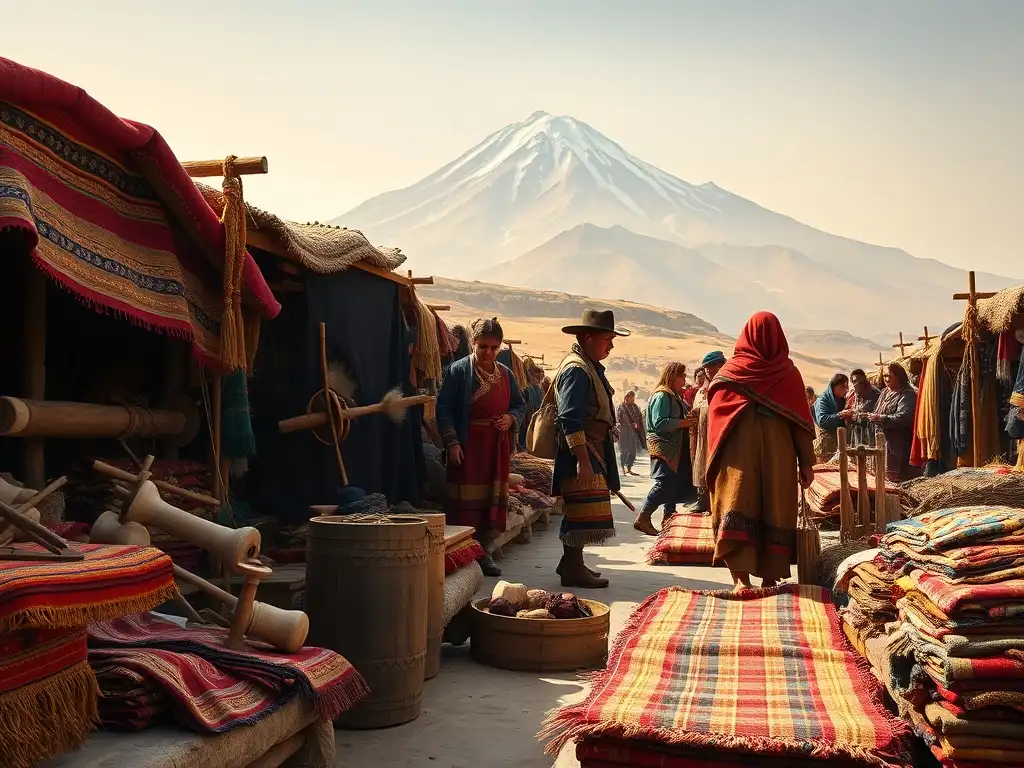
The Inca Empire, at its zenith, dramatically reshaped Andean textile trade routes. Prior to Inca dominance, textile production and exchange were largely localized, with regional styles and techniques reflecting specific cultural identities. The Inca, however, implemented a highly centralized system that standardized certain aspects of textile production while simultaneously leveraging existing networks for broader distribution.
This resulted in a significant expansion of textile trade, with goods moving across vast distances within the empire and, to a lesser extent, beyond its borders. The impact of this reorganization on Andean textile trade routes is significant and warrants detailed examination. Understanding the Inca’s approach reveals much about their economic strategies and imperial control.
Inca Control over Textile Production and Distribution
Inca control over textile production and distribution wasn't solely about economic gain; it was a key element of their imperial power structure. The mita system, a form of mandatory labor service, was crucial in this process. Communities were assigned quotas of textiles, with skilled artisans often conscripted to work in imperial workshops ( yáca).
These workshops produced high-quality textiles for the elite, showcasing Inca power and prestige. Simultaneously, the mita system ensured a steady supply of textiles from across the empire. This wasn't simply about quantity; the Inca also standardized certain aspects of textile production, such as yarn quality and dye recipes, leading to a degree of uniformity in imperial textiles.
This standardization, however, didn't completely eliminate regional variations; local styles and techniques persisted, particularly in textiles intended for local consumption or exchange within smaller communities. The Inca cleverly balanced centralized control with a degree of regional autonomy, allowing for a diverse yet ultimately unified textile production system. This careful management facilitated the efficient movement of textiles along established and newly constructed trade routes.
The Inca state also controlled the distribution of textiles. Textiles were used as payment for taxes, as tribute, and as gifts to solidify alliances. Royal officials managed the flow of textiles through a complex network of warehouses and storage facilities, ensuring that the empire's needs were met and that surplus textiles could be strategically deployed.
The sheer volume of textiles moving through this system speaks volumes about the Inca’s sophisticated logistical capabilities and their understanding of the vital role textiles played in their economy and society. Data on the precise quantities of textiles exchanged is unfortunately scarce, but archaeological findings consistently support the scale of Inca textile production and distribution.
The Qhapaq Ñan: Imperial Roads Facilitating Textile Movement
The Qhapaq Ñan, the vast Inca road system, played a pivotal role in expanding and facilitating Andean textile trade routes. This network of roads, spanning thousands of kilometers, connected distant parts of the empire, enabling the efficient movement of goods, including textiles. The Qhapaq Ñan wasn't just a series of trails; it was a sophisticated infrastructure project, featuring bridges, resting places, and strategically located storage facilities.
These features significantly reduced the time and effort required to transport textiles, allowing for faster and more reliable trade. The roads themselves were carefully engineered to traverse diverse terrain, demonstrating the Inca's advanced engineering capabilities.
The impact of the Qhapaq Ñan on the expansion of textile trade cannot be overstated; it transformed the movement of textiles from a localized affair to a large-scale, empire-wide operation. The construction and maintenance of the road system, another aspect of the mita system, directly contributed to the economic vitality of the empire, particularly regarding textile trade.
The Qhapaq Ñan also served as a conduit for cultural exchange. As textiles traveled along the roads, so did ideas and techniques. While the Inca imposed standardization in certain aspects of production, the movement of goods along the Qhapaq Ñan fostered cross-cultural interaction, influencing local textile styles and techniques. This exchange enriched the diversity of Andean textiles, demonstrating the complex interplay between imperial control and regional autonomy. Further research into the specific routes and the types of textiles transported along them is needed to fully appreciate the extent of this cultural exchange.
Textile Tribute and the Inca Economy
Textile tribute formed a crucial component of the Inca economy. Communities were required to provide a certain quota of textiles to the Inca state as a form of tax. The type and quantity of textiles demanded varied depending on the community's resources and capabilities.
This system ensured a continuous flow of textiles into the imperial coffers, providing resources for the state's needs and bolstering the Inca economy. These textiles were used not only for the emperor and the elite but also for the maintenance of the army, the administration, and public works projects. The tribute system was a powerful tool for economic control, consolidating the Inca's power and ensuring the empire’s economic stability.
While the exact amounts of textile tribute are difficult to quantify precisely, it’s clear that it constituted a significant part of the Inca economy, demonstrating the central role of textiles in their societal and economic structures. The system was highly effective in collecting vast quantities of textiles from across the diverse regions of the empire, showcasing the Inca’s administrative and logistical prowess. Analyzing surviving records of tribute payments, albeit fragmentary, helps us understand the scale of this economic system and its impact on Andean textile trade routes.
The Importance of Cumbi and Awaska Cloth in Inca Society
Cumbi and awaska were not merely textiles; they were integral to the social fabric and economic power of the Inca Empire. These luxurious fabrics, crafted from the finest vicuña and alpaca fibers respectively, held significant symbolic weight and were deeply entwined with Inca social hierarchies and religious practices. The production and distribution of these cloths were carefully controlled by the state, reflecting the Inca's centralized and highly organized system of governance.
Access to cumbi and awaska served as a clear marker of social status, with the elite and the ruling class enjoying preferential access to these prized materials. Commoners, on the other hand, wore simpler garments made from llama or alpaca wool.
The vibrant colors and intricate designs woven into cumbi and awaska were not arbitrary. They conveyed complex meanings related to Inca cosmology, religion, and social status. Specific colors were associated with particular deities or events, and intricate patterns could represent clan affiliations, social rank, or even historical narratives.
The skilled artisans who produced these textiles were highly respected members of society, their work reflecting both artistic mastery and spiritual significance. The creation of these cloths was not merely a craft; it was a sacred act, imbued with ritual and tradition. The production process itself, from shearing the animals to the final weaving, was likely overseen by individuals with specific knowledge and social standing.
The control over the production and distribution of cumbi and awaska strengthened the Inca Empire's economic and political power. The state monopolized the finest fibers and controlled the workshops where these luxurious textiles were produced. This ensured that the Inca elite retained control over the most valuable goods, further solidifying their position at the apex of the social hierarchy.
The trade of these textiles, both within the empire and potentially beyond its borders, generated significant wealth and strengthened the Inca's influence throughout their vast territory. The strategic placement of workshops and the rigorous control over the supply chain further emphasized the importance of cumbi and awaska to the Inca's imperial project.
Their use in ceremonial robes and other important objects served as a constant reminder of Inca power and authority. The sophisticated organization of textile production and distribution showcases the Inca's remarkable administrative capabilities and their ability to integrate economic control into their broader political strategy.
Key Textile Trade Hubs in the Andean Region
The vibrant tapestry of Andean textile production wasn't solely a localized phenomenon; it thrived on a complex network of trade routes connecting diverse regions. Understanding these routes requires identifying the key hubs – the geographic locations that served as crucial nodes in the distribution of textiles, both within and between ecological zones. These hubs weren't simply marketplaces; they were centers of production, storage, and redistribution, reflecting the intricate socio-political organization of Andean societies.
The strategic placement of these hubs, often situated along major river valleys or near significant mountain passes, facilitated the movement of goods and the exchange of ideas. The analysis of Andean textile trade routes reveals a sophisticated system that supported the vast and diverse textile industry. Analyzing the specific locations and their roles illuminates the economic and social structures of these ancient civilizations.
Coastal Trading Centers and their Role in Textile Distribution
Coastal settlements, particularly those along the Peruvian coast, played a pivotal role in the Andean textile trade. Cities like Moche and Chan Chan served as major distribution points for textiles produced in the highlands and valleys. These coastal centers, with their access to maritime trade networks, facilitated the exchange of textiles not only within the Andean region but potentially beyond, though evidence for extensive overseas trade remains a subject of ongoing research. The coastal elite frequently wore fine textiles, indicating a high demand and potentially a higher price point for these imported goods.
The sheer volume of textiles found in coastal archaeological sites underscores their importance. Archaeologists have unearthed vast quantities of textiles, ranging from simple utilitarian cloths to highly elaborate ceremonial garments. The diversity of fibers, weaving techniques, and decorative motifs suggests a robust exchange network involving multiple production centers. Further research is needed to determine the specific routes and mechanisms used for coastal textile distribution, but the sheer scale of the trade is evident. For example, analysis of [specific textile type pending] found in Chan Chan reveals connections to highland production centers, suggesting a well-established trade route.
Highland Textile Production Centers and their Local Networks
While coastal cities acted as major distribution points, the highlands were the primary source of many high-quality textiles. Areas like Cusco, the Inca capital, and other significant highland settlements, housed skilled weavers who produced textiles using fine alpaca and llama wool. These textiles were not only used locally but also formed a significant portion of the goods exchanged throughout the Andean region. The complex social organization of the Andes played a crucial role in the production and distribution of these goods. Textiles often served as tribute, signifying allegiance and economic power.
The local networks within the highlands themselves were equally important. Smaller villages and communities specialized in producing specific types of textiles, often using local techniques and materials. These goods were then traded within the regional networks, eventually finding their way into the larger trade routes leading to the coast and other regions.
The sheer variety of textiles discovered in highland sites—from everyday garments to intricately woven ceremonial items—indicates a thriving system of local exchange and specialization. Further research into [specific highland community pending] could provide more detailed insights into these local networks and their contribution to the broader Andean textile trade.
Connecting the Coast and Highlands through Textile Exchange
The most significant aspect of the Andean textile trade was the intricate connection between the coastal and highland regions. This exchange wasn't simply a matter of transporting goods; it involved a complex interplay of economic, social, and political factors. The movement of textiles along these routes facilitated the distribution of resources and the spread of cultural ideas. The exchange of textiles contributed significantly to the cultural exchange between these diverse regions. The presence of coastal motifs in highland textiles and vice versa provides compelling evidence of this cultural exchange facilitated by trade.
This exchange was not unidirectional. Coastal communities provided access to maritime resources and potentially other goods that were exchanged for highland textiles. The precise nature of these exchanges is still under investigation, but the archaeological evidence suggests a dynamic and mutually beneficial relationship. The routes themselves likely varied over time, adapting to changing political landscapes and economic conditions.
[Specific details on trade routes pending] further research into the logistics of transport—whether through pack animals, human porters, or a combination of both—would significantly enhance our understanding of this crucial aspect of Andean textile trade. The integration of coastal and highland economies, facilitated by textile trade, showcases the sophisticated economic and social structures of the Andean civilizations. The Andean textile trade routes were more than just paths; they were arteries that pulsated with economic activity, cultural exchange, and social integration.
Pachacamac: A Coastal Hub for Textile Exchange
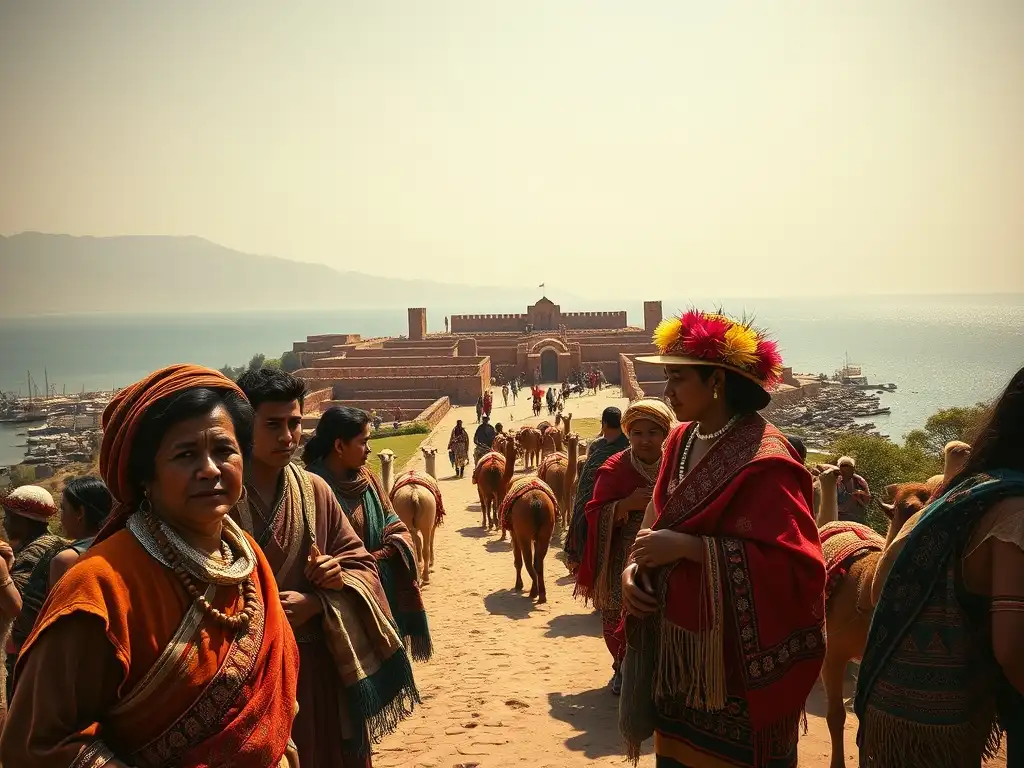
Pachacamac, located on the central coast of Peru, served as a crucial node in the Andean textile trade network. Its significance stemmed not only from its prominent religious role—the site housed a powerful oracle and temple complex attracting pilgrims from across the region—but also from its strategic coastal location. This facilitated easy access to maritime trade routes, connecting Pachacamac to both northern and southern Andean communities, as well as potentially to far-flung destinations across the Pacific. The movement of textiles was intrinsically linked to the pilgrimage system.
Pilgrims, often bringing offerings of fine textiles as expressions of devotion, inadvertently contributed to the circulation of goods and the dissemination of weaving techniques. Archaeological evidence suggests the presence of diverse textile styles at Pachacamac, reflecting the influx of goods from various Andean regions. The textiles found there show a blend of coastal and highland styles, indicating a vibrant exchange of both raw materials and finished products. This exchange wasn't limited to finished textiles; the movement of specialized dyes, like the prized purple dye derived from the Murex snail, also played a crucial role in connecting distant communities.
The presence of workshops and specialized artisans at Pachacamac further supports its function as a significant center for textile production and distribution within the broader Andean textile trade routes. The concentration of skilled weavers facilitated the creation of high-quality textiles intended for both local consumption and long-distance trade. The economic prosperity fueled by this trade likely contributed to the city's overall growth and influence within the Andean world. The vibrant exchange of not just textiles but also ideas and techniques undoubtedly enriched the cultural tapestry of the region.
Cusco: The Imperial Center and its Textile Network
Cusco, the Inca capital, held a unique position within the Andean textile trade routes. Unlike other hubs that primarily facilitated the exchange of goods, Cusco served as both a significant production center and a crucial distribution point for textiles within the vast Inca Empire. The Inca state controlled textile production, organizing workshops and employing skilled artisans to create elaborate textiles for the imperial court, religious ceremonies, and the elite. These workshops, often located near sources of raw materials, produced a wide range of textiles, from simple garments for everyday use to richly adorned garments for the elite and ceremonial purposes.
The Inca road system, a marvel of engineering, played a crucial role in facilitating the efficient movement of textiles throughout the empire. This network of roads connected Cusco to distant provinces, allowing for the swift transportation of both raw materials and finished products. The standardization of textile production under Inca rule, while potentially suppressing local styles, ensured a consistent supply of high-quality textiles across the empire.
This standardization also facilitated trade and ensured that textiles produced in different regions could be easily identified and exchanged. The use of specific colors, patterns, and materials in Inca textiles often signified status, regional origin, or religious significance, adding another layer of complexity to their exchange. The control exercised by the Inca state over textile production and distribution solidified Cusco's position as the central hub of the imperial textile network, impacting the entire Andean textile trade.
Tiahuanaco: A Highland Hub and its Influence
Tiahuanaco, a pre-Inca city located on the shores of Lake Titicaca in the Bolivian Altiplano, represents a significant yet distinct hub within the Andean textile trade routes. Its influence extended far beyond its immediate geographic area, shaping textile production and design across a wide swathe of the Andes. Unlike Cusco's imperial control, Tiahuanaco's impact was primarily cultural and stylistic. The city's distinctive textile traditions, characterized by sophisticated weaving techniques and intricate designs, spread through trade and cultural exchange.
The unique stylistic elements found in Tiahuanaco textiles, such as geometric patterns and the use of specific color palettes, are evident in textiles found in geographically distant locations. This suggests extensive trade networks connecting Tiahuanaco to other Andean communities. The city's location in the highlands also played a crucial role in its influence. Tiahuanaco controlled access to important resources like alpaca and llama wool, essential for textile production.
Control over these resources gave the city considerable leverage in the regional textile trade. Archaeological evidence suggests that Tiahuanaco's influence extended across both the north and south Andean regions. The city's prominent role in shaping textile production and design speaks to its significant cultural and economic influence within the broader Andean world, even before the rise of the Inca Empire. The unique blend of cultural exchange and resource control firmly established Tiahuanaco as a crucial center in the complex network of Andean textile trade routes.
The Impact of Trade on Andean Textile Art

The vibrant tapestry of Andean textile art wasn't woven in isolation. The intricate designs, diverse materials, and sophisticated techniques were profoundly shaped by extensive trade networks that crisscrossed the Andes Mountains for centuries. Understanding the impact of trade on Andean textile production requires examining its influence on artistic expression, technological innovation, and the very evolution of textile design itself.
The scale of this exchange is evidenced by the discovery of textiles from distant regions in archaeological sites throughout the Andes, suggesting a robust and far-reaching system of exchange that connected disparate communities and cultures. These trade routes weren't just conduits for goods; they were pathways for the transmission of ideas, techniques, and artistic styles, enriching the textile traditions of each participating culture.
The flourishing of Andean textile art is inextricably linked to the dynamism of its trade networks, showcasing the interconnectedness of the ancient Andean world. The keyword "Andean textile trade routes" is central to comprehending this rich history.
The Spread of Motifs and Iconography through Trade
The exchange of textiles facilitated the dissemination of symbolic motifs and iconography across vast distances. For example, certain bird and feline representations, initially prevalent in the coastal regions, are later found incorporated into the textile traditions of highland communities. This suggests a process of cultural exchange and adaptation, where motifs were reinterpreted and integrated into the existing visual language of different Andean cultures.
The trade routes acted as vectors for the transmission of these visual narratives, enriching the symbolic vocabulary of Andean textile art. This wasn't a simple copying process; rather, it was a dynamic interaction, resulting in the creation of hybrid styles that reflected the unique blend of cultural influences. The process can be visualized as a network, with each node representing a distinct community, and the connections representing the flow of motifs and ideas through textile trade.
Archaeological evidence supports this model, revealing the gradual spread of certain iconic designs across different regions over time. The intricate designs found on textiles, therefore, are not simply aesthetic embellishments, but rather visual records of cultural exchange and connectivity.
Technological Innovations in Weaving due to Intercultural Exchange
Trade wasn't just about the movement of finished goods; it also facilitated the exchange of weaving technologies and techniques. The interaction between different Andean communities led to the diffusion of innovative weaving methods, resulting in a continuous evolution of textile production. For instance, the introduction of new dyes or specialized tools from one region could significantly impact the textile production of another.
The development of more complex weaving structures, such as the intricate tapestry techniques found in Paracas textiles, might have been influenced by the cross-cultural exchange of knowledge and techniques facilitated by trade. Furthermore, the availability of new fibers through trade expanded the range of materials available to Andean weavers, allowing for the creation of textiles with diverse textures and qualities.
This constant exchange and adaptation of techniques demonstrates the dynamic nature of Andean textile production and its close relationship with the broader trade networks of the Andes. The evidence suggests that innovation in Andean textile technology wasn’t solely the product of internal development, but was significantly accelerated by the intercultural exchange facilitated by trade routes.
The Evolution of Textile Design and Materials across Regions
The impact of trade on Andean textile art is also evident in the evolution of design and material choices across different regions. While each region maintained its unique stylistic features, the exchange of goods and ideas led to a gradual blending of styles and the adoption of new materials. The availability of exotic fibers, such as cotton from the coastal regions or alpaca wool from the highlands, through trade networks expanded the palette of materials available to Andean weavers.
This led to the creation of textiles with diverse textures and properties, further enriching the aesthetic diversity of Andean textile art. The analysis of textile samples from different archaeological sites reveals a gradual evolution in design elements, suggesting a continuous process of adaptation and innovation driven by the interactions between different Andean cultures.
The intricate interplay between local traditions and external influences is a defining characteristic of Andean textile art, showcasing the dynamic nature of its development and the crucial role played by trade in shaping its evolution. The study of these changes provides valuable insights into the complex social and economic interactions that shaped the Andean world.
The Spread of the Step Fret Motif Through Trade
The step fret motif, a geometric design characterized by interlocking stepped lines, is a striking example of how textile trade shaped Andean artistic expression. While its origins remain debated amongst scholars, its widespread presence across diverse Andean cultures strongly suggests its dissemination through extensive trade networks. The motif isn't simply replicated identically across all regions; rather, it demonstrates fascinating adaptations and stylistic variations reflecting the unique artistic sensibilities of each culture that adopted it. For instance, the Paracas culture incorporated the step fret into their elaborate textiles with vibrant colors and intricate details, while the Nazca people often integrated it into their iconic polychrome ceramics alongside textile designs.
This demonstrates a fluidity of artistic exchange, where a fundamental design element transcended material boundaries and cultural contexts. The variations observed in the motif's execution, however, serve as a crucial reminder that trade didn't lead to homogenization; instead, it fostered a dynamic interplay between different artistic traditions. The step fret's journey through the Andean world is a testament to the rich, interconnected nature of Andean textile production and the enduring power of artistic exchange facilitated by trade. The consistent presence of this motif, yet with its regional adaptations, underscores the complex relationship between cultural diffusion and creative autonomy within the Andean textile tradition.
Further research into the specific contexts of its appearance in different regions could shed even more light on the intricate patterns of trade and cultural interaction that shaped Andean societies. The subtle shifts in color palettes, the variations in the motif's scale and integration into larger designs, and the materials used all contribute to a nuanced understanding of the dynamic cultural exchange that characterized Andean textile production. Analyzing these variations, therefore, allows us to reconstruct the routes and the patterns of trade that connected these diverse Andean communities. The step fret motif acts as a visual thread weaving together the tapestry of Andean history and artistic innovation.
Analyzing the Evidence: Archaeological Findings and Textile Trade
This section delves into the archaeological evidence supporting the existence and extent of Andean textile trade routes. By examining textile fragments, associated trade goods, and applying dating techniques, we can paint a more complete picture of this vital aspect of Andean civilization. The sheer volume and diversity of textiles discovered across vast geographical areas strongly suggest a complex network of exchange, far exceeding simple local production and consumption.
Understanding these routes is key to appreciating the interconnectedness of Andean societies and the sophisticated systems they developed for managing resources and maintaining social relationships. The analysis of Andean textile trade routes reveals a dynamic system influenced by environmental factors, political power structures, and evolving social practices.
Textile Fragments and their Significance in Reconstructing Trade Routes
Textile fragments, often seemingly insignificant pieces of cloth, are invaluable tools for reconstructing ancient trade routes. Their discovery in unexpected locations, far from the presumed centers of production, provides direct evidence of long-distance exchange. For instance, the discovery of fine alpaca wool textiles in coastal regions, where alpacas were not raised, indicates a significant trade network bringing high-value goods from the highlands to the coast.
The analysis of fiber types, dyes, and weaving techniques helps pinpoint the textiles' origins and trace their journey. Furthermore, the presence of specific stylistic elements or motifs in textiles found at distant sites can link them to particular workshops or regions, revealing specific trade pathways. This meticulous work of comparing and contrasting textile fragments from different sites allows archaeologists to map out these ancient trade routes with remarkable precision.
Even small differences in color palettes, weaving styles, or the presence of specific decorative elements, allow researchers to identify regional variations and track the movement of goods. The meticulous recording and cataloging of these fragments are crucial for this research, forming a vast database that helps build a comprehensive understanding of Andean textile trade.
Archaeological Discoveries of Trade Goods Associated with Textiles
The discovery of textiles alongside other trade goods provides further insight into the nature and scale of Andean textile trade routes. Often, textiles are found buried with elite individuals, indicating their high social value and role in status display. The presence of textiles in tombs alongside exotic goods such as metalwork, ceramics, or shell ornaments, suggests that textiles were part of broader exchange networks involving multiple valuable commodities.
For example, the finding of textiles from the highlands alongside coastal shell beads in a coastal burial site provides strong evidence of reciprocal exchange between different regions. The careful analysis of these associated goods helps contextualize the textiles, indicating their economic value and role in wider social interactions. The presence of specific types of containers, such as specialized storage vessels, alongside textiles, could even suggest organized trade caravans or established trading posts.
These discoveries illuminate the intricate web of relationships that facilitated the movement of textiles across the Andes. This interregional exchange wasn't merely a matter of goods; it involved the dissemination of ideas, technologies, and cultural practices.
The Use of Radiocarbon Dating to Trace the Movement of Textiles
Radiocarbon dating plays a crucial role in establishing the chronology of Andean textile trade routes. By dating the organic materials within textiles – such as the fibers themselves or associated organic dyes – researchers can determine the age of the textiles and place them within a broader chronological framework. This allows researchers to track the evolution of textile production techniques and styles over time, and understand how trade routes may have shifted or expanded.
The dating of textiles found at different sites along a suspected trade route can reveal the speed and extent of the exchange. For example, if textiles of similar age and style are found in widely separated locations, it suggests a rapid and widespread exchange network. Conversely, significant differences in age might indicate a slower, more sporadic exchange, or even different phases of trade activity along a single route.
While radiocarbon dating is not always precise, and results need careful interpretation, it remains a vital tool for clarifying the timeline of Andean textile trade and understanding the dynamics of these ancient commercial networks. The combination of radiocarbon dating with other analytical techniques, such as stylistic analysis and fiber identification, allows for a more nuanced and comprehensive understanding of the complexities of Andean textile trade routes.
The Discovery of Cotton Textiles in Highland Sites
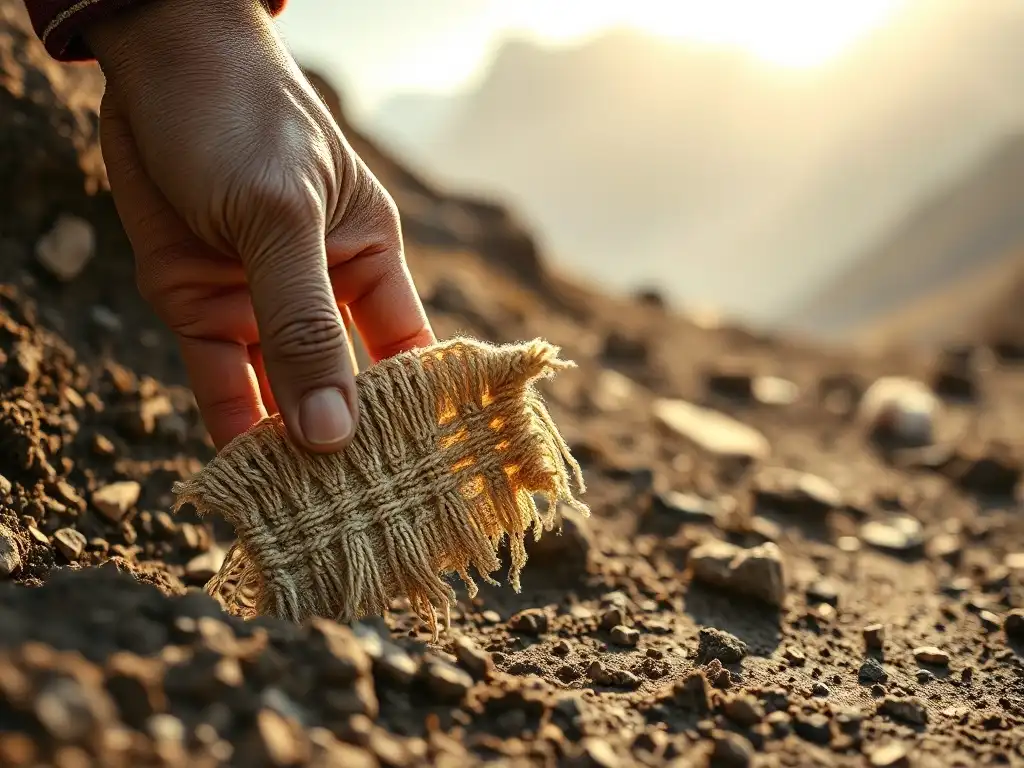
The discovery of cotton textiles in highland Andean sites presents a compelling narrative of extensive trade networks. Cotton, a plant requiring warmer, lower-altitude climates, was not cultivated in the high-altitude regions where many significant archaeological sites are located. The presence of exquisitely crafted cotton garments, textiles, and fragments in these locations, therefore, points to a robust system of exchange that connected coastal and lowland producers with highland populations.
Archaeological excavations at sites like [Specific Highland Site Name pending] have unearthed numerous examples of finely spun cotton cloth, often intricately woven with other fibers like llama or alpaca wool, demonstrating sophisticated textile production techniques and a high level of intercultural interaction. The quality of the cotton textiles found in these highland contexts suggests that they were not simply everyday items but potentially held significant symbolic or ritual value, further emphasizing their importance within the Andean social structure. The presence of these luxury goods in highland settlements highlights the power and reach of the trade networks that facilitated their movement.
Analysis of dye residues on these textiles can also provide insights into the origins of the raw materials and the trade routes themselves, connecting specific dyes to particular geographical regions. Further research into the isotopic composition of the cotton fibers themselves could pinpoint the exact growing regions with even greater precision, offering a powerful tool for reconstructing the intricate network of Andean textile trade. The sheer volume of cotton textiles discovered in these unexpected locations underscores the scale and significance of this inter-regional exchange.
Tracing Llama and Alpaca Fiber Trade Routes
The distribution of llama and alpaca fiber across the Andes presents a different, yet equally compelling, picture of trade routes. Unlike cotton, these camelids were raised in the highlands. However, the quality and type of wool varied significantly across different ecological zones, leading to specialized production and exchange. High-quality, fine alpaca fiber, for instance, was likely highly valued and traded over long distances, whereas coarser llama wool might have been exchanged more locally.
Archaeological evidence suggests that specific regions became renowned for producing particular types of wool, creating a system of specialized production and trade. The discovery of intricate textiles made from different types of Andean camelid fibers in various archaeological sites enables researchers to reconstruct these trade networks. For example, the presence of fine alpaca wool in coastal sites demonstrates the movement of high-value goods from the highlands to the coast.
The analysis of textile fragments, including their weave structures and the types of dyes used, helps to differentiate between local and imported materials, providing crucial information about the flow of goods and the extent of the trade networks. Furthermore, the identification of specific stylistic elements in textiles from different regions can help trace the movement of specific weaving traditions and techniques, providing further evidence of trade and cultural exchange. The study of these fibers, therefore, offers a valuable lens through which to understand the complexities of the Andean textile trade system.
The Role of Coastal Sites in Textile Production and Distribution
Coastal regions of the Andes played a pivotal role in the production and distribution of textiles, particularly those using cotton. The warm, coastal climate provided ideal conditions for cotton cultivation, making these areas crucial sources of this valuable fiber. Archaeological evidence from sites along the Peruvian coast, such as [Specific Coastal Site Name pending], reveals extensive evidence of cotton cultivation, processing, and textile production. These sites often contain large quantities of cotton remains, along with tools and structures associated with textile manufacturing, such as spindle whorls, looms, and weaving workshops.
The presence of specialized workshops suggests a high level of organization and potentially a system of specialized labor in textile production. Coastal sites also served as important hubs for the distribution of textiles, both locally and to other regions. Their proximity to maritime trade routes suggests that textiles were also transported by sea, reaching distant communities along the coast and potentially even beyond.
The analysis of coastal textile finds, including their stylistic features and the types of dyes employed, can help researchers to identify specific production centers and trace the movement of textiles along coastal trade routes. The combination of agricultural production, specialized workshops, and access to maritime trade routes made coastal sites vital nodes in the broader Andean textile trade network. Further investigation into these sites would greatly enhance our understanding of the coastal contribution to this complex system.
The Legacy of Andean Textile Trade
The intricate textiles of the Andes weren't merely decorative; they were integral to the complex social, economic, and political fabric of these ancient societies. Understanding the Andean textile trade routes reveals a sophisticated system of exchange that connected diverse communities across vast distances, fostering cultural interaction and economic prosperity. This wasn't a haphazard system but a carefully managed network, facilitated by well-established pathways and sophisticated logistical strategies.
The sheer volume and variety of textiles traded, from simple everyday garments to elaborate ceremonial cloths, underscore the significance of this trade within the Andean world. The presence of specific textile motifs or techniques in geographically distant locations provides compelling evidence of these extensive trade networks. For example, the discovery of similar textile patterns in both coastal and highland sites suggests a continuous exchange of goods and ideas.
This exchange wasn't limited to finished products; raw materials like alpaca and llama wool, cotton, and dyes also traveled these routes, feeding the textile production centers across the region. Analyzing the distribution of these materials offers valuable insights into the economic power dynamics and regional specialization within the Andean textile industry.
The Enduring Influence of Ancient Andean Weaving Techniques
Ancient Andean weaving techniques continue to inspire awe and admiration. The mastery of intricate designs, the use of vibrant natural dyes, and the innovative techniques employed in creating these textiles represent a pinnacle of human ingenuity. Many techniques, such as the backstrap loom, remain in use today, demonstrating the enduring legacy of these ancient practices.
The continuity of these techniques is a powerful testament to the cultural resilience of Andean communities. For instance, the khipu, a complex system of knotted cords used for record-keeping, also showcases the advanced numerical and organizational skills of the Andean people, reflected in the meticulous organization of their textile production and trade. The intricate designs often incorporated symbolic elements, communicating social status, religious beliefs, and historical events.
These symbolic representations were not simply decorative; they conveyed complex messages, demonstrating the importance of textiles as communicative tools. The meticulous craftsmanship and the enduring symbolism embedded in these textiles highlight the profound cultural significance of weaving within Andean societies. The intricate designs and the high quality of the materials used clearly indicate the value placed on these textiles, both as commodities and as cultural expressions.
The Contemporary Relevance of Understanding Andean Trade Networks
Understanding the ancient Andean textile trade routes is not simply a historical exercise; it holds significant contemporary relevance. By studying these ancient networks, we can gain valuable insights into the principles of sustainable resource management, efficient logistics, and effective cross-cultural communication. The study of ancient trade routes offers valuable lessons for modern-day supply chain management.
Analyzing the strategies employed by ancient Andean traders can inform contemporary approaches to global trade. For example, the resilience of Andean communities in the face of environmental challenges and the adaptability of their trade networks provide valuable lessons for navigating the complexities of climate change and global supply chain disruptions. Furthermore, understanding the cultural exchange facilitated by these trade routes enhances our appreciation for the interconnectedness of human societies and promotes intercultural dialogue.
The enduring legacy of Andean textile traditions underscores the importance of preserving cultural heritage and supporting indigenous communities that continue these ancient practices. The insights gained from studying these trade routes can inform contemporary efforts to promote sustainable development and cultural preservation in the Andes region.
Contemporary Weaving in Chinchero, Peru
Chinchero, a village nestled in the Sacred Valley of Peru, serves as a vibrant example of the ongoing tradition of Andean weaving. Here, generations of artisans continue to practice ancient techniques, creating stunning textiles that embody both tradition and innovation. The community actively participates in the production and sale of their textiles, ensuring the economic viability of this craft and preserving their cultural heritage.
The deep-rooted knowledge of natural dyes, intricate patterns, and traditional weaving techniques are passed down through families, ensuring the continuity of this valuable craft. Chinchero's textiles are not only beautiful works of art; they also represent a powerful connection to the past and a testament to the enduring spirit of Andean culture. The vibrant colors and intricate designs of Chinchero textiles reflect a rich tapestry of cultural heritage.
The community's commitment to preserving their traditional weaving practices serves as an inspiring example of cultural preservation and economic empowerment. Analyzing the economic impact of this thriving textile industry in Chinchero provides a valuable case study for sustainable development initiatives within Andean communities. The unique blend of tradition and innovation in Chinchero's textile production demonstrates the ongoing relevance of ancient Andean weaving techniques in the contemporary world.
Preserving the Knowledge of Andean Textile Heritage
The intricate artistry and cultural significance embedded within Andean textiles demand meticulous preservation efforts. The fragility of the materials, coupled with the passage of time and exposure to the elements, necessitates careful handling and storage techniques. Museums and cultural institutions play a crucial role, employing specialized climate-controlled environments to minimize deterioration. This includes maintaining stable temperature and humidity levels to prevent damage from moisture or dryness, as well as protecting against light exposure, which can cause fading and weakening of the fibers. Many institutions also utilize archival-quality materials for storage and handling, ensuring minimal contact with potentially harmful substances.
Beyond physical preservation, safeguarding the knowledge associated with Andean textile production is paramount. This involves documenting traditional techniques, patterns, and symbolism. Ethnographic research, involving interviews with descendants of Andean textile artisans, plays a vital role in understanding the cultural context and meaning behind these intricate works. This oral history, often passed down through generations, is invaluable for interpreting the symbolism woven into the textiles and understanding the evolution of weaving techniques.
Detailed photographic records and meticulous cataloging of existing textiles are also essential for future research and analysis. These efforts not only safeguard the physical artifacts but also preserve the intangible cultural heritage associated with Andean textile traditions. Furthermore, educational initiatives, workshops, and apprenticeships help transmit this knowledge to new generations, ensuring the continuity of these ancient craft traditions for years to come. The collaborative efforts of researchers, artisans, and institutions are crucial for effectively preserving and promoting this rich heritage.
Without these dedicated efforts, the knowledge and skills associated with Andean textile production risk being lost forever. The challenge lies in balancing the need for preservation with the desire to make these treasures accessible to the public for appreciation and educational purposes. Finding this balance is key to ensuring that the legacy of Andean textile heritage continues to thrive.
Frequently Asked Questions
What role did textiles play in ancient Andean societies?
Textiles were incredibly important, serving not only as clothing and shelter but also as symbols of status, power, and religious beliefs. Their production and trade shaped social structures and economies.
How did the Andean textile trade routes function?
Trade routes were a complex network, utilizing both land and water routes. Goods moved along established trails, often facilitated by specialized traders and llama caravans, connecting distant communities.
What kind of textiles were traded along these routes?
A wide variety of textiles were exchanged, including fine cotton and wool fabrics, elaborate tapestries, and specialized garments for different social classes and ceremonies. The quality and design often indicated their origin and value.
How did the Andean textile trade impact the development of these civilizations?
The trade fostered cultural exchange and technological innovation. It also stimulated economic growth and created complex social hierarchies based on the production and control of these valuable goods.
What evidence exists to support the existence and extent of these trade routes?
Archaeological discoveries such as textile fragments found in distant locations, depictions of trade in art, and ethnographic accounts provide strong evidence for the extensive nature of the Andean textile trade routes.
Final Reflection: The Enduring Threads of Andean Exchange
The intricate tapestry of Andean textile trade routes continues to resonate today, a powerful testament to the ingenuity and interconnectedness of ancient civilizations. These weren't simply transactions; they were the lifeblood of a vast network, shaping social structures, artistic expression, and even political power dynamics across the Andes. Understanding these ancient pathways offers a crucial lens through which to view modern globalization and the enduring power of cultural exchange.
The impact of Andean textile traditions extends far beyond the archaeological record; their influence permeates contemporary Andean art, fashion, and cultural identity. The vibrant colors, intricate designs, and sophisticated techniques continue to inspire and captivate. As the renowned anthropologist, John Murra, once stated, The vertical archipelago...was a system of ecological niches, each with its own specialized products, which were exchanged through a complex network of reciprocal obligations.
This quote beautifully encapsulates the intricate web of relationships fostered by the textile trade, a system that transcended mere economic exchange and built strong social bonds.
Consider the enduring legacy of these ancient routes. You, the reader, are now part of a globalized world, connected through digital networks and instantaneous communication. Yet, the fundamental principles of exchange—the sharing of ideas, goods, and cultures—remain the same. Take a moment to reflect on the connections in your own life, the threads that bind you to others across geographical and cultural boundaries. What stories do your own connections tell? What can we learn from the enduring power of exchange, past and present, to build a more interconnected and understanding future?
Uncover the Threads of Connection!
Thank you for exploring the fascinating world of ancient Andean textile trade routes! We hope you've discovered how woven goods provided not only material wealth but also fostered strong cultural connections between Andean civilizations. Now, let's bring that knowledge to life!
Here are some ways to further engage with this rich history:
- **Explore local textiles:** Visit a museum or local artisan market to see how Andean weaving techniques are preserved and celebrated today. You might be surprised by the vibrant colors and intricate designs still used.
- **Participate in a weaving workshop:** Hands-on experience in a weaving or craft workshop offers a unique opportunity to appreciate the artistry and skills passed down through generations of Andean artisans.
- **Share your discoveries:** Discuss the cultural impact of textiles with friends, family, or on social media. Inspire others to appreciate this rich heritage and the stories woven into each piece.
What historical connections have inspired you to learn more about cultural exchange in your own community?