
Unearthing the Secrets of Andean Metal Mastery: Techniques of the Ancients

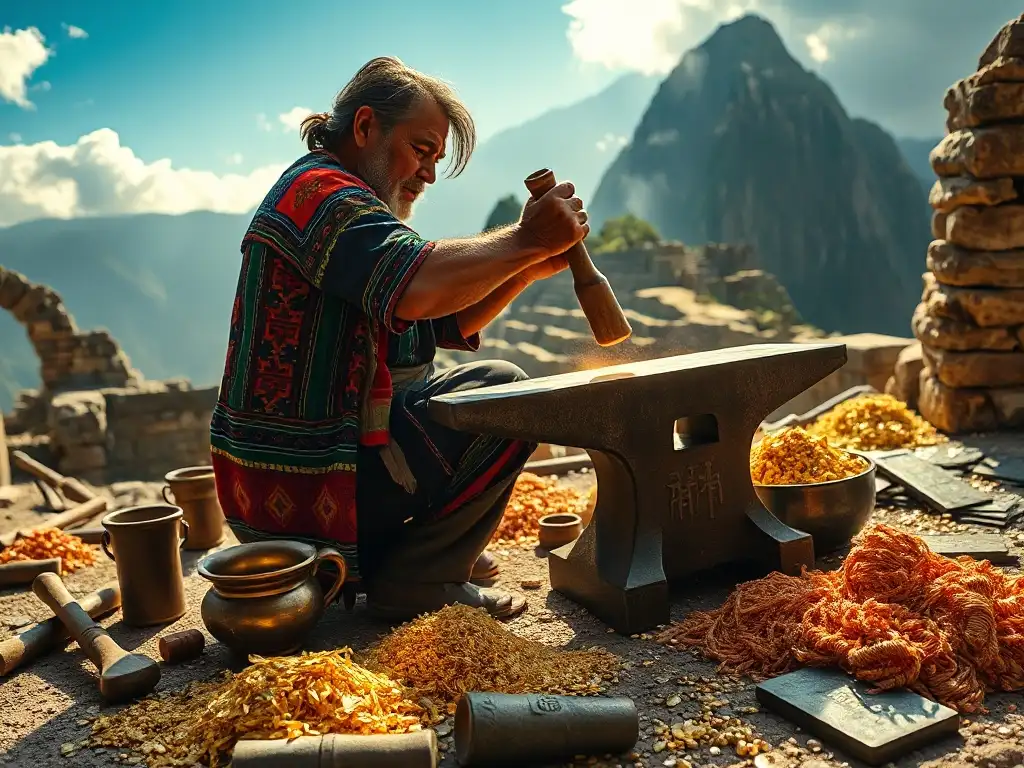
Step into a world lost to time, yet echoing with the skill of master artisans. Prepare to be captivated by the ingenuity of the ancient Andean civilizations, whose legacy extends far beyond majestic cities. Discover the secrets behind their breathtaking artistry, particularly their mastery of Andean metalworking techniques, a testament to their unparalleled technological prowess. Uncover the mysteries surrounding their innovative processes and the intricate stories whispered within their metallic masterpieces—a journey into the heart of Andean Art and Iconography awaits.
The Andes Mountains, a majestic spine running down the west coast of South America, are not only a breathtaking natural wonder but also the cradle of sophisticated ancient civilizations. For centuries, these cultures—including the Incas, Moche, Nazca, and Tiahuanaco—demonstrated remarkable ingenuity and artistry, particularly in their mastery of metalworking.
This article delves into the fascinating world of Andean metalworking techniques, exploring the processes, materials, and artistry that produced some of the most exquisite and enduring artifacts of the pre-Columbian Americas. We will uncover the secrets behind their remarkable achievements, examining the innovative techniques that allowed them to shape gold, silver, copper, and bronze into objects of both practical and ceremonial significance.
From intricate jewelry to imposing ceremonial objects, Andean metalwork provides invaluable insights into the social structures, religious beliefs, and technological capabilities of these fascinating cultures. Understanding these techniques is key to appreciating the full complexity and artistry of Andean civilizations.
The Materials of Andean Metalworking
Andean metalworkers had access to a variety of ores, primarily gold, silver, copper, and tin. Gold, highly prized for its beauty and malleability, was often used in its pure form or alloyed with other metals to enhance its durability. Silver, another readily available metal, was used extensively, sometimes in conjunction with gold to create stunning bicolor pieces.
Copper, a more common metal, was often used in its pure form or alloyed with tin to create bronze, a stronger and more durable material ideal for tools and weapons. The sourcing of these ores varied geographically, with different regions specializing in the extraction of specific metals. The precise locations of many mines remain a subject of ongoing archaeological research, but evidence suggests extensive trade networks facilitated the distribution of these valuable resources across the Andes.
The quality and purity of the ores significantly impacted the final product, with skilled metalworkers demonstrating a keen understanding of metallurgical properties. This understanding allowed them to manipulate the properties of the metals to achieve specific aesthetic and functional outcomes.
Lost-Wax Casting: A Cornerstone of Andean Metalworking
Click to expand for details on Lost-Wax Casting
The lost-wax casting technique, also known as *cire perdue*, was a crucial method employed by Andean metalworkers. This intricate process involved creating a wax model of the desired object, covering it in clay, and then melting out the wax to leave a mold. Molten metal was then poured into the mold, solidifying to form the final piece. The complexity of the objects produced using this method testifies to the advanced skills and precision of Andean artisans. Archaeological finds reveal incredibly detailed figurines, intricate jewelry, and elaborate ceremonial objects, all showcasing the mastery of this technique. The process required considerable skill and patience, highlighting the specialized nature of metalworking within Andean societies. Variations in the lost-wax technique, including the use of different types of clay and investment materials, likely existed across different regions and time periods. Further research continues to illuminate the nuances of this pivotal metalworking technique.
Hammering and Repoussé: Shaping Metal with Precision
Hammering and repoussé were fundamental techniques used to shape metal sheets into various forms. Hammering involved repeatedly striking the metal with a hammer to flatten, shape, and refine it. Repoussé, a more advanced technique, involved shaping the metal from the back, creating raised designs on the surface. The artisans often used carefully selected stones or other materials as anvils, demonstrating a sophisticated understanding of the properties of different materials and their impact on the metalworking process.
This combination of hammering and repoussé allowed for the creation of intricate designs and three-dimensional forms, often seen in the highly detailed surface decoration of Andean metalwork. The skill involved in these techniques is undeniable, requiring years of practice to achieve the level of precision evident in surviving artifacts. The tools used—hammers, punches, and various shaping instruments—were carefully crafted to meet the specific demands of the metalworking process.
Alloying and Surface Decoration: Enhancing the Aesthetics of Metalwork
Andean metalworkers were adept at alloying metals to achieve desired properties and colors. The precise ratios of different metals in alloys were carefully controlled to achieve specific results, whether it was increasing the durability of an object or creating unique visual effects. Surface decoration techniques, such as inlaying, plating, and the application of various patinas, further enhanced the aesthetic appeal of their creations.
Inlay involved embedding contrasting metals or materials into the surface of the object, creating intricate designs. Plating involved covering the surface with a thin layer of a different metal, often gold or silver, to add brilliance and value. The application of patinas, through chemical processes, produced a range of colors and textures, adding depth and complexity to the finished pieces.
These techniques reveal not only technical skill but also a deep understanding of the chemical properties of metals and their interaction with other materials. The artistry displayed in these decorative techniques is a testament to the high level of sophistication reached by Andean metalworkers.
The production and use of metal objects were deeply intertwined with the social and ritual practices of Andean societies. Highly skilled metalworkers often held prestigious positions within their communities, reflecting the value placed on their craft. Metal artifacts, particularly those made of gold and silver, frequently served as markers of status and power, used in ceremonial contexts and as offerings to deities.
The intricate designs and iconography found on many metal objects often held symbolic meanings related to religious beliefs, cosmology, and social hierarchy. The discovery of metal objects in tombs and other sacred sites further underlines their importance in funerary rites and religious ceremonies.
Studying the context of these discoveries provides crucial insights into the social and ritual significance of Andean metalwork, enriching our understanding of these ancient societies. The careful craftsmanship and symbolic richness of these objects demonstrate the profound integration of metalworking into the fabric of Andean life.
- The Materials of Andean Metalworking
- Lost-Wax Casting: A Cornerstone of Andean Metalworking
- Hammering and Repoussé: Shaping Metal with Precision
- Alloying and Surface Decoration: Enhancing the Aesthetics of Metalwork
- The Social and Ritual Significance of Andean Metalwork
- What unique metalworking techniques did Andean civilizations employ?
- What metals did Andean civilizations primarily work with?
- How did Andean metalworking contribute to their culture and society?
- What is the significance of tumbaga in Andean metalworking?
- Where can I learn more about Andean metalworking techniques?
Introduction to Andean Metalworking: A Legacy of Innovation
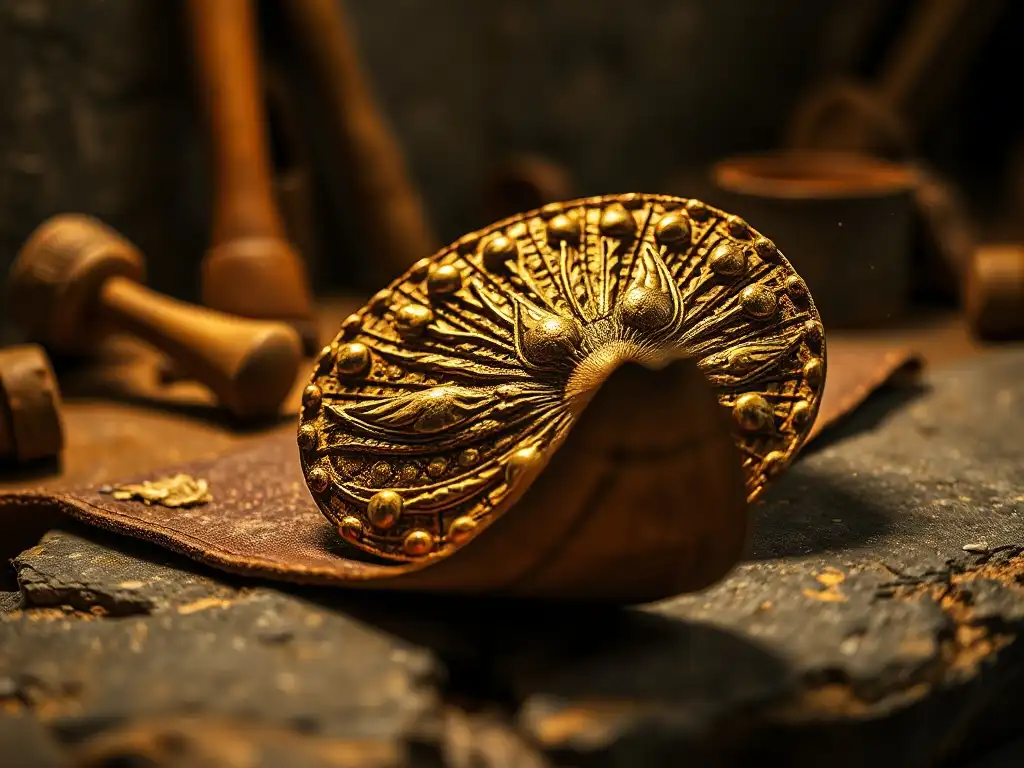
This section delves into the fascinating world of Andean metalworking, exploring the techniques and artistry that defined this remarkable aspect of ancient Andean civilizations. From the earliest experiments with malleable metals to the sophisticated techniques employed during the Inca Empire, Andean metalworkers displayed an unparalleled mastery of their craft, leaving behind a legacy of breathtaking artifacts. Understanding these techniques provides crucial insight into the social structures, religious beliefs, and technological advancements of these cultures.
The ingenuity and skill involved in Andean metalworking techniques represent a significant achievement in human history, showcasing both artistic expression and advanced metallurgical knowledge. We will explore the materials, processes, and societal impact of this remarkable tradition, focusing on the ingenuity and skill of the Andean metalworkers. This analysis will highlight the evolution of Andean metalworking techniques, from their humble beginnings to the remarkable achievements of the later empires.
The Significance of Metal in Andean Civilizations
Metal held profound symbolic and practical significance in Andean societies. Far from being merely utilitarian, metals like gold, silver, and copper were imbued with spiritual meaning, often associated with deities and the supernatural. Gold, in particular, was considered a sacred substance, linked to the sun and its life-giving power. The acquisition and control of metal resources frequently played a pivotal role in the rise and fall of Andean empires.
For example, the Inca's vast metalwork production was directly tied to their control over mines and skilled artisans. The elaborate metalwork objects—from intricate jewelry to ceremonial tools—served as symbols of power, prestige, and religious authority, reflecting the hierarchical structures of Andean societies. The sheer quantity and quality of surviving metal artifacts underscore the importance of metalworking in the Andean world.
Detailed analysis of these objects reveals not only technical prowess but also a deep understanding of the symbolic power of metal. The use of gold, silver and copper was not arbitrary; it was carefully considered and strategically employed to convey specific messages and reinforce social hierarchies. Even the techniques themselves—hammering, casting, soldering—held symbolic meaning, often reflecting the cosmological beliefs of the time.
Early Metalworking in the Andes: Origins and Development
The origins of Andean metalworking are complex and still under investigation. While the exact timeline remains debated, evidence suggests that metalworking emerged in the central Andes around 2000 BCE, initially focusing on the use of copper. Early Andean metalworkers employed techniques like hammering and annealing to shape copper into simple tools and ornaments. The development of alloys, particularly bronze (an alloy of copper and tin), marked a significant technological leap, allowing for the creation of stronger, more durable objects.
The discovery of tin sources and the mastery of alloying techniques was a crucial step in the evolution of Andean metalworking. This period witnessed a gradual increase in the complexity of metalwork, with the emergence of more sophisticated techniques such as lost-wax casting. The development of casting allowed for the creation of more intricate and detailed pieces, expanding the possibilities of metalwork dramatically. Early examples of Andean metalwork, while simpler than later pieces, demonstrate a remarkable understanding of metallurgy and a growing artistic sensibility.
The transition from simple hammering to more complex casting techniques reflects a continuous process of innovation and refinement. Further research is needed to fully understand the regional variations in the development of early Andean metalworking techniques, as evidence suggests different approaches and timelines across various Andean regions. The development of specific techniques differed based on factors like access to resources and cultural exchange.
Core Andean Metalworking Techniques
This section delves into the sophisticated metallurgical practices employed by ancient Andean civilizations, showcasing their remarkable ingenuity and mastery over metal. These techniques, passed down through generations, allowed them to create stunning artifacts that continue to fascinate and inspire us today. Understanding these methods provides crucial insight into the complexity of Andean societies and their advanced technological capabilities. The study of Andean metalworking techniques reveals a deep understanding of material science and engineering far exceeding previous assumptions.
Smelting and Extraction of Metals in Ancient Andes
Andean metalworkers possessed a profound knowledge of smelting and extracting metals from their ores. Their processes, while differing slightly between cultures and time periods, were remarkably effective. The most commonly used metals were gold, silver, copper, and tin, with alloys like bronze (copper and tin) being frequently employed for tools and weaponry.
The extraction process often began with the identification and mining of ore-bearing veins. Evidence suggests that sophisticated mining techniques were used, including the construction of extensive underground tunnels and shafts. Once extracted, the ores were carefully processed. This involved crushing and grinding the ore to increase the surface area for efficient smelting.
Smelting itself was typically carried out in simple furnaces, often built of clay or stone. The furnaces were fueled with charcoal, generating the high temperatures needed to melt the metals. The precise control of temperature and airflow was crucial to successful smelting.
The molten metal was then carefully poured into molds, creating ingots or castings that could be further worked. The efficiency of their smelting techniques is evidenced by the large quantities of refined metal found in archaeological sites. For instance, the quantity of gold artifacts recovered from the Moche culture illustrates a mastery of smelting and extraction on an impressive scale.
The process wasn't without challenges; controlling the temperature and preventing oxidation were significant hurdles. Yet, the quality of the resulting metals speaks to their success. Further research is needed to fully understand the nuances of their techniques, particularly the precise composition of their fuels and the methods used to purify the metals.
Hammering and Shaping Techniques: Cold Working of Metals
Beyond smelting, Andean metalworkers were masters of cold working techniques – shaping metal without the use of heat. This involved a variety of methods, including hammering, repoussé, and chasing. Hammering, a fundamental technique, was used to shape sheets of metal, create intricate forms, and refine the surface texture. The artisans employed different types of hammers and anvils, adapting their tools to the specific metal and desired outcome.
Repoussé, a technique where the metal is shaped from the back, allowed for the creation of highly detailed relief designs. The artisan would hammer the metal from the reverse side, pushing it outward to create a raised design on the front. Chasing, a complementary technique, involved smoothing and refining the surface of the repoussé work using specialized tools. This meticulous process produced incredibly fine details and a high degree of polish.
The skill involved in cold working is remarkable. The ability to manipulate metals without breaking or fracturing them required a deep understanding of the material's properties and a great deal of experience. The precision and artistry displayed in Andean metalwork, especially in the creation of intricate jewelry and ceremonial objects, are testaments to their mastery of these techniques.
Analysis of surviving artifacts reveals the use of various hammering techniques, from simple pounding to more nuanced methods employing different hammer weights and angles to achieve specific effects. The development of these techniques over time, and their adaptation to different metals and alloys, remains an area of active research.
Annealing: Softening Metals for Complex Designs
To facilitate the intricate designs and complex shapes characteristic of Andean metalwork, the artisans employed annealing – a heat-treatment process that softens the metal, making it more malleable. After hammering or shaping, the metal would often become work-hardened, making it brittle and difficult to further manipulate. Annealing reversed this process, restoring the metal's ductility and allowing for continued shaping.
The annealing process likely involved heating the metal to a specific temperature, followed by slow cooling. This precise control of temperature was essential to avoid damaging the metal. Archaeological evidence suggests the use of various methods for heating, potentially including open fires or specially constructed furnaces.
The exact temperatures and durations used for annealing varied depending on the type of metal and the desired result. The understanding of annealing showcases the advanced metallurgical knowledge of Andean civilizations. Their ability to control the properties of metals through heat treatment allowed them to create objects of extraordinary complexity and beauty.
Further studies focusing on the chemical analysis of annealed artifacts and the reconstruction of ancient annealing processes are essential to fully comprehend this crucial aspect of Andean metalworking. The precise methods and temperatures used for different alloys, and the impact of variations in these parameters on the final product, are still subjects of ongoing investigation.
Casting Methods: Creating Intricate Metal Objects
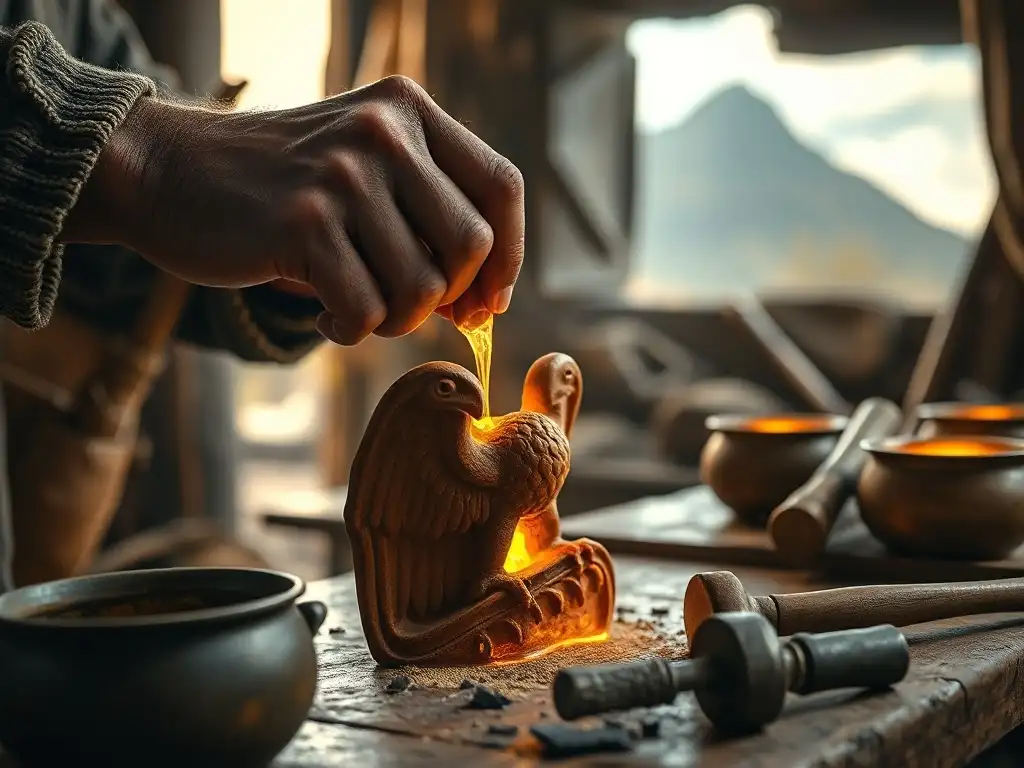
Andean metalworkers displayed remarkable skill in casting, a technique crucial for creating intricate objects. They didn't possess the sophisticated furnaces of later eras; instead, they employed ingenious methods using readily available materials. The lost-wax casting process, for example, was highly developed. This involved creating a model of the desired object in wax, covering it in clay, and then heating the mold to melt out the wax.
Molten metal, often copper, bronze, or gold alloys, was then poured into the resulting cavity. Once cooled and solidified, the clay mold was broken away, revealing the finished metal piece. The precision required to create intricate designs, often depicting deities, animals, or everyday objects, testifies to the advanced metallurgical knowledge of Andean artisans. Evidence suggests that different types of clay and varying heating techniques were used to achieve different finishes and levels of detail.
Some molds show evidence of multiple castings, suggesting a process of refinement and reuse. The mastery of lost-wax casting allowed for the production of everything from small, delicate jewelry to larger ceremonial objects. Variations on the lost-wax technique, possibly involving the use of pre-formed metal components, have also been observed, hinting at the adaptability and innovation within Andean metalworking traditions. The discovery of numerous molds and castings at archaeological sites across the Andes provides ample evidence of the widespread use and importance of this technique.
Gilding and Plating Techniques: Adding Precious Finishes
Beyond the skill of casting and shaping base metals, Andean artisans excelled in enhancing their creations through gilding and plating. Gilding, the application of a thin layer of gold, elevated the perceived value and aesthetic appeal of objects. The techniques employed varied, but evidence suggests the use of mercury amalgamation. This involved mixing finely ground gold with mercury to create an amalgam that could be applied to the surface of an object. The mercury would then be driven off through heating, leaving behind a thin, durable layer of gold.
This process allowed for the creation of richly gilded objects, often with intricate detailing. Plating, on the other hand, involved covering a base metal, such as copper or silver, with a layer of a more precious metal. This could be achieved through various methods, including electroplating (although the precise techniques used remain a subject of ongoing research), or possibly through a process of careful hammering and adhesion. The combination of casting, hammering, and plating allowed Andean metalworkers to create objects of stunning visual impact and symbolic significance.
For instance, many ceremonial objects were crafted from copper or bronze and then lavishly gilded or plated with gold or silver to emphasize their sacred nature. The ability to apply such precious finishes not only enhanced the artistic merit but also reinforced the social and political power associated with the objects. The careful application of these finishes, often showcasing intricate patterns and designs, demonstrates a high level of artistic skill and technical proficiency. The survival of numerous gilded and plated artifacts provides tangible evidence of the sophistication of these techniques.
Specialized Andean Metalworking Practices
The Andean region boasts a remarkable history of metalworking, showcasing sophisticated techniques and artistic flair. Their mastery wasn't limited to a single method; rather, it involved a complex interplay of diverse approaches, reflecting both regional variations and technological advancements across centuries. Understanding these techniques provides crucial insight into the ingenuity and cultural significance of Andean metal artifacts.
This section will delve into some of the specialized practices that defined Andean metalworking, highlighting the artistry and technological prowess of these ancient cultures. The advanced nature of Andean metalworking techniques, especially considering the available resources, remains a testament to their skills and knowledge.
Tumbaga: The Art of Alloy Creation
Tumbaga, a gold-copper alloy, stands as a hallmark of Andean metalworking. This wasn't simply a matter of mixing metals; the precise proportions of gold and copper were carefully controlled to achieve specific colors and workability. The resulting alloy, often exhibiting hues ranging from pale yellow to deep orange-red, allowed for intricate designs and durable artifacts.
The creation of tumbaga required a sophisticated understanding of metallurgy, including precise temperature control during the smelting process. Analysis of ancient tumbaga artifacts reveals a remarkable consistency in alloy composition across vast geographical areas and time periods, suggesting the existence of standardized techniques and perhaps even specialized workshops dedicated to tumbaga production. The Andean artisans' ability to consistently produce this alloy speaks to their deep understanding of material properties and their commitment to quality.
The widespread use of tumbaga in various forms of Andean art further highlights its cultural and symbolic importance. This wasn't merely a functional material; it held significant ritual and aesthetic value.
The Lost-Wax Casting Method in Andean Metalwork
The lost-wax casting method, a sophisticated technique involving the creation of a wax model that is encased in clay, then melted out, leaving a mold for molten metal, was widely employed in Andean metalworking. This method allowed for the production of complex and detailed three-dimensional objects, from small figurines to large ceremonial vessels. The precision required for this process is astounding, especially considering the lack of modern tools.
Evidence suggests that the Andean metalworkers utilized a variety of waxes, possibly derived from different plant sources, each with unique properties influencing the final cast. Furthermore, the use of different clay types and the intricate construction of the molds themselves demonstrate a high level of technical skill and knowledge passed down through generations.
The intricate details often found in lost-wax castings, like the delicate features of human or animal figures, are a testament to the artisans' mastery of this challenging technique. The prevalence of this technique across various Andean cultures further underscores its importance in their artistic and technological traditions.
Repoussé and Chasing: Detailed Surface Decoration
Beyond casting, Andean metalworkers employed repoussé and chasing techniques to embellish their creations with intricate surface decorations. Repoussé involves hammering from the back of a metal sheet to create raised designs, while chasing refines these designs by smoothing and detailing the surface from the front. These techniques, often used in conjunction, allowed for the creation of stunningly detailed imagery, including depictions of mythical beings, deities, and scenes from daily life.
The skill involved in controlling the hammer blows and achieving precise shapes is remarkable. The tools used, likely consisting of various hammers and punches made from stone or metal, would have required considerable expertise to wield effectively. Many surviving artifacts showcase the high level of skill achieved, with incredibly fine details and a sense of three-dimensionality achieved through a masterful combination of repoussé and chasing.
The artistry displayed in these pieces is a strong testament to the advanced metalworking techniques employed by Andean civilizations, emphasizing the cultural significance placed on metalwork beyond its mere utilitarian function. Analysis of these techniques provides invaluable insights into the artistic sensibilities and technological capabilities of Andean societies.
Wire Drawing and Filigree: Creating Delicate Metalwork
Andean metalworkers achieved remarkable feats in creating intricate and delicate metalwork, particularly through the mastery of wire drawing and filigree techniques. Wire drawing involved pulling a metal rod through progressively smaller dies to create thin, pliable wires. This process, demanding considerable skill and precision, required carefully crafted dies, often made from hard stones like obsidian or even harder materials, depending on the metal being worked.
The resulting wires, often of gold, silver, or copper, were then used to fashion incredibly detailed filigree, a technique of creating intricate designs by soldering together tiny pieces of wire. This process was not simply a matter of technical skill; it required an artistic vision and painstaking patience. Consider the intricate details of pre-Columbian gold jewelry, with its delicate chains, intricate weaves, and tiny granules, all meticulously created using this method.
The thinness and uniformity of the wires in many pieces suggest highly advanced techniques and tools, hinting at a sophisticated understanding of metallurgy and engineering principles. The ability to create such fine wires allowed Andean artisans to express a level of artistry unseen in many other contemporaneous cultures, demonstrating a high degree of both technical ability and artistic vision. The process was likely passed down through generations, with apprentices learning the intricacies of wire drawing and filigree through years of dedicated practice.
The Use of Molds and Dies in Metal Production
The creation of complex forms in Andean metalworking relied heavily on the use of molds and dies. These were not simple, crude instruments; rather, they represented a sophisticated understanding of casting and stamping techniques. Molds, often crafted from clay or stone, allowed for the creation of intricate shapes, from small figurines to larger ceremonial objects. The precision required to create molds capable of producing consistently high-quality castings is a testament to the skill of Andean artisans. These weren't just simple impressions; they often involved multiple pieces assembled to create complex three-dimensional forms.
The use of lost-wax casting, a technique where a wax model is covered in clay, fired, and the wax melted out before molten metal is poured in, is well-documented in Andean metalworking. This process allowed for the creation of incredibly detailed and lifelike objects. Dies, on the other hand, were used for stamping or repoussé techniques, where metal sheets were shaped by hammering them into engraved dies. This process allowed for mass production of standardized items, such as small decorative elements or components for larger pieces.
The creation of these dies required considerable skill in carving and engineering, ensuring the even distribution of force during the stamping process. The existence of numerous identical or near-identical artifacts discovered across different Andean sites indicates the widespread use and effectiveness of mold and die technology. The quality of the resulting pieces, with their sharp lines and consistent forms, further underscores the advanced level of Andean metalworking techniques. The use of molds and dies represents a significant advancement in metal production, allowing for both artistic expression and the creation of standardized components for larger projects.
Materials Used in Andean Metalwork
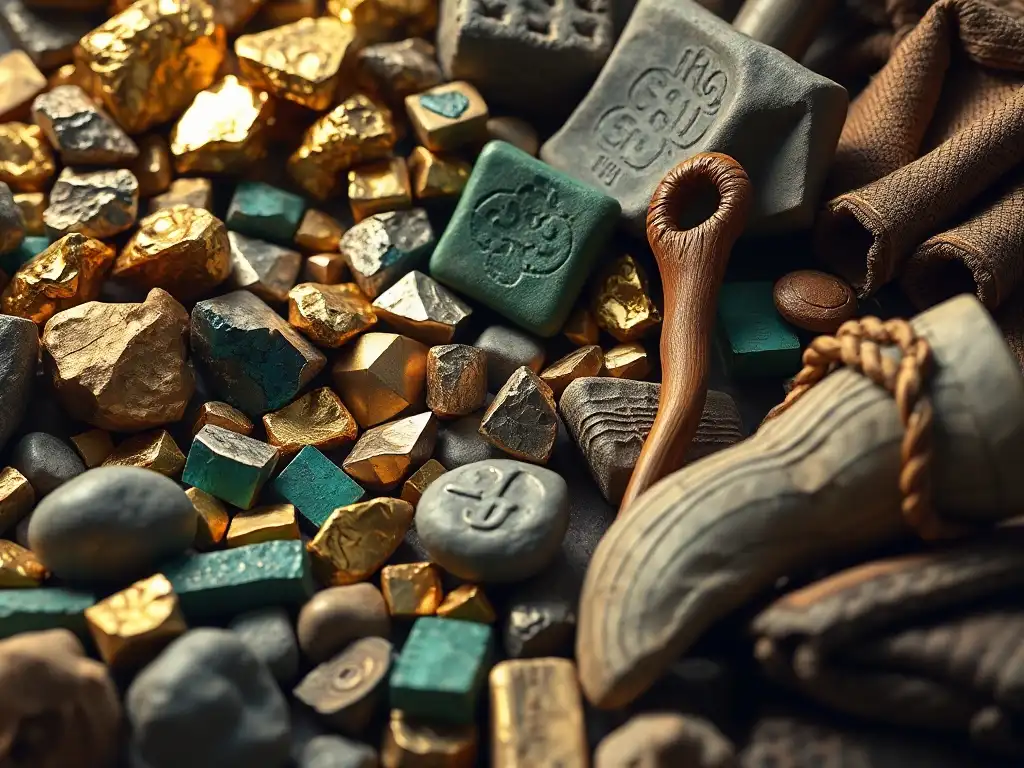
The mastery of Andean metalworking is a testament to the ingenuity and skill of ancient artisans. Their techniques, refined over centuries, allowed them to transform raw materials into breathtaking objects of adornment, ritual, and power. Understanding the materials themselves is key to appreciating the complexity and artistry of Andean metalwork.
The most prominent metals utilized were gold, silver, and copper, each imbued with symbolic meaning and contributing unique properties to the final product. The availability and distribution of these ores across the Andes also significantly impacted the regional styles and techniques of metalworking. This section will delve into the significance and use of each of these crucial metals.
Gold: The Sacred Metal of the Andes
Gold, to the Andean civilizations, was more than just a precious metal; it was a sacred substance, inextricably linked to the sun god, Inti. Its brilliance and malleability made it ideal for crafting intricate ornaments, religious iconography, and prestigious objects reserved for the elite. Andean goldsmiths developed sophisticated techniques to work with this precious metal, including hammering, annealing (heating and cooling to soften the metal), and the lost-wax casting method, which allowed for the creation of incredibly detailed and complex forms.
The sheer volume of gold artifacts unearthed from sites across the Andes underscores its importance in their society. The intricate details found in gold objects, such as the miniature figures adorning ceremonial vessels or the finely woven gold sheets used in clothing and headdresses, demonstrate a level of technical expertise that remains impressive today. For example, the intricate filigree work found in many Moche and Inca gold pieces showcases the artisans' remarkable skill in manipulating thin gold wires into delicate patterns and forms.
The use of gold also varied regionally, with some cultures, like the Nazca, favoring sheet gold for their elaborate textiles and masks, while others, like the Inca, employed a wider range of techniques to create diverse objects. The enduring legacy of Andean goldwork is a testament to the enduring power of this sacred metal.
Silver: A Symbol of Power and Status
While gold held a sacred significance, silver held a distinct position as a symbol of power and status within Andean society. Less abundant than gold, silver was often used in conjunction with other metals, such as copper, to create alloys or to inlay details into objects. Silver's reflective quality also made it suitable for creating mirrors, which held ritual and shamanistic importance in several Andean cultures.
The techniques used to work with silver were similar to those used for gold, but the different properties of the metal required adjustments in the processes. The production of silver objects, like gold, was not evenly distributed across Andean cultures. For example, the Tiahuanaco culture seems to have produced less silver compared to the Inca or Moche who were known for their impressive silverwork.
While specific data on the exact quantities of silver used is still being compiled, archaeological finds consistently demonstrate its presence in important ceremonial items, indicating its significant role in the social hierarchy. The presence of silver in grave goods, for instance, often points to the high status of the deceased. The combination of silver with other metals, like copper, often created visually stunning and durable pieces, demonstrating the Andean artisans' understanding of metallurgy and material science.
Copper: The Foundation of Andean Metallurgy
Copper played a foundational role in Andean metallurgy, predating the widespread use of gold and silver. Its relative abundance made it accessible for a wider range of applications, from everyday tools and weapons to ceremonial objects. Copper’s malleability and relative ease of working made it the perfect material for early experimentation in metalworking techniques. The development of copper metallurgy laid the groundwork for later advances in the working of gold and silver.
Andean metallurgists learned to alloy copper with other metals, such as tin and arsenic, to create bronze, a harder and more durable material. The creation of bronze significantly expanded the possibilities of Andean metalworking, leading to the production of more sophisticated tools, weapons, and decorative items. Archaeological evidence suggests that copper mining and smelting were widespread throughout the Andes, with different regions developing their own distinctive styles and techniques. The widespread use of copper tools, such as axes, chisels, and knives, highlights its importance in daily life.
Furthermore, the use of copper in ceremonial objects, though perhaps less visually striking than gold or silver, underlines its enduring importance in Andean society. The development of advanced copper-alloy techniques was a crucial step in the evolution of Andean metalworking, paving the way for the exquisite gold and silver work that would follow. Understanding the role of copper is essential to fully appreciating the overall trajectory of Andean metalworking achievements.
Alloys and Their Significance in Andean Art
The mastery of Andean metalworking wasn't solely about shaping base metals; it was about the sophisticated manipulation of alloys to achieve specific aesthetic and functional properties. The Andean artisans weren't simply melting metals together; they understood the complex interplay of different metallic components and how varying ratios yielded unique characteristics. This understanding allowed them to create objects of exceptional beauty and durability, pushing the boundaries of what was technically achievable with the available resources. The most commonly used alloys involved gold, silver, copper, and tin, often in complex combinations.
For instance, tumbaga, a gold-copper alloy, was particularly prized for its distinctive color, ranging from a pale yellow-gold to a deep reddish hue, depending on the proportion of gold to copper. The artisans' ability to precisely control the alloy composition allowed them to create a spectrum of colors and textures, enhancing the visual appeal of their creations and imbuing them with symbolic significance. Certain alloys might have been associated with specific deities or social status, reflecting a deep connection between metallurgical practices and the Andean worldview.
Further research is needed to fully understand the symbolic associations of specific alloy compositions, but existing evidence strongly suggests a nuanced system of meaning embedded within the materiality of the artifacts themselves. The creation of these alloys required specialized knowledge and precise control over the smelting process, reflecting the advanced metallurgical skills of Andean societies. The durability of tumbaga, for example, contributed to the survival of many artifacts, allowing us to appreciate the artistry of these ancient craftspeople today.
The Sourcing of Metals in the Ancient Andes
The procurement of metals played a crucial role in the flourishing of Andean metalworking. The geographical distribution of metallic ores significantly influenced the development and regional variations in Andean metalworking techniques. The Andes Mountains are rich in various metals, but their accessibility varied greatly depending on location and altitude. Gold, for example, was often found in alluvial deposits in riverbeds, making it relatively accessible in certain regions.
Silver, on the other hand, typically occurred in veins within the mountains, requiring more sophisticated mining techniques to extract. Copper was sourced from various locations throughout the Andes, often in the form of sulfides that needed to be processed before they could be used in metalworking. The transportation of these metals across significant distances is evidence of well-established trade networks that connected different Andean communities. The exchange of raw materials and finished products facilitated the dissemination of metallurgical knowledge and contributed to the standardization of certain techniques across vast geographical areas.
The logistics involved in sourcing and transporting these materials were complex, requiring considerable organizational skills and infrastructure. Archaeological evidence suggests the existence of specialized mining communities and extensive trail systems used for transporting ores and finished metalwork. The sourcing of metals and the development of trade networks were therefore essential factors in the overall success and widespread impact of Andean metalworking. Further research into ancient mining practices and trade routes can provide deeper insights into the complex economic and social systems that supported this remarkable craft.
Andean Metalwork: Purpose and Function
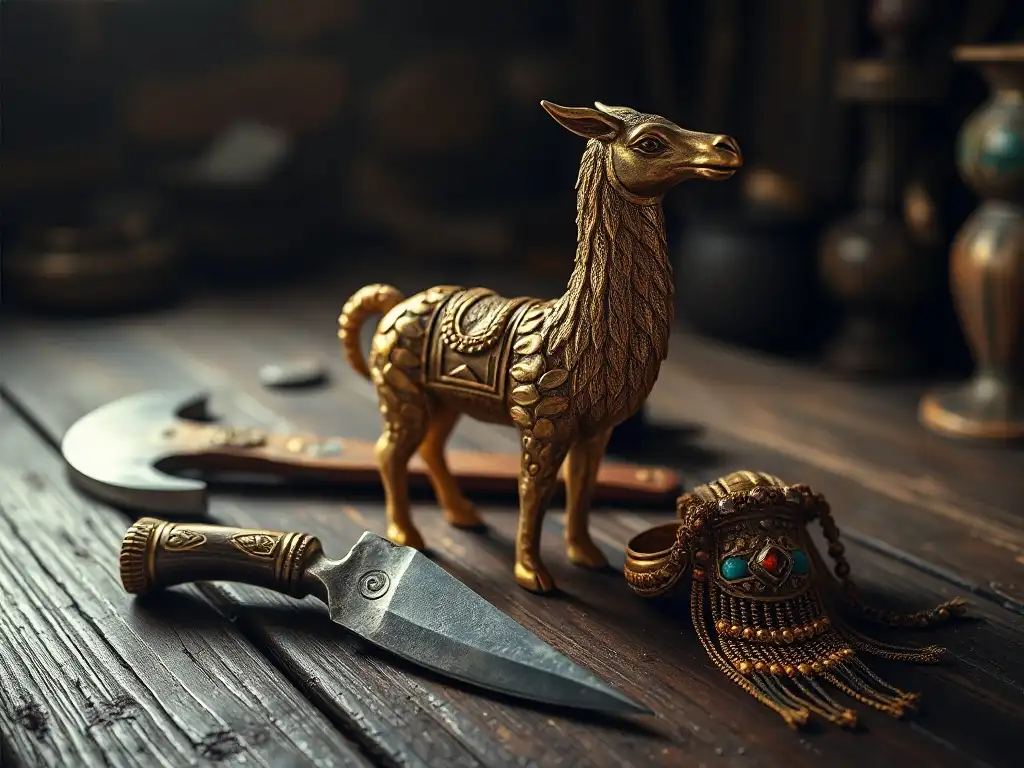
The study of Andean metalworking techniques reveals not only sophisticated metallurgical skills but also a deep understanding of the social and religious significance of metal objects. The creation and use of metal artifacts were far from mere decorative exercises; they were deeply intertwined with the cosmology, power structures, and daily lives of Andean societies. Analyzing the purpose and function of these objects provides crucial insights into the worldview and societal organization of these ancient cultures.
The sheer variety of metal objects discovered – from intricate jewelry to massive ceremonial objects – underscores the multifaceted role of metal in Andean cultures. The distribution of these objects, both geographically and socially, further illuminates their significance and use. Understanding the functional diversity of Andean metalwork is key to comprehending the artistry and the ingenuity of these civilizations.
Metal Objects as Ritual and Religious Artifacts
Many Andean metal objects served crucial roles in religious ceremonies and rituals. The Moche culture, for example, is renowned for its elaborate gold and silver artifacts depicting deities, mythical creatures, and scenes of sacrifice. These objects were likely used in temple rituals, possibly as offerings to the gods or as representations of sacred power.
The careful craftsmanship and symbolic imagery embedded within these pieces suggest a profound connection between metalworking and religious practices. Furthermore, the discovery of metal objects in tombs and burial sites reinforces their importance in funerary rites and beliefs about the afterlife. Analysis of the chemical composition of some artifacts suggests that certain alloys were specifically chosen for their symbolic value or perceived magical properties, further illustrating the intricate relationship between metalworking and the spiritual world.
The use of specific metals, like gold, often associated with the sun and divine power, highlights the symbolic significance of material choices in Andean religious practices. Detailed studies of these artifacts continue to reveal the complex religious beliefs and practices of these ancient cultures. For example, the presence of specific alloys in ritual objects might indicate a connection to specific deities or ceremonies.
Beyond their religious significance, Andean metal objects also served as powerful symbols of social status and political authority. Elaborate headdresses, ceremonial staffs, and weaponry crafted from precious metals were reserved for the elite members of society, signifying their power and prestige. The Inca Empire, in particular, used gold and silver to consolidate its power, creating impressive displays of wealth and authority.
The sheer scale of some Inca metalwork projects, such as the massive gold and silver objects found in the royal tombs, underscores the immense resources and labor power controlled by the Inca elite. The intricate designs and sophisticated techniques employed in the creation of these objects further reinforced the authority of the ruling class. The use of specific iconography, such as royal insignia or representations of power animals, also served to solidify the ruler's legitimacy and authority.
Detailed records, where available, of the distribution and use of these metal objects can offer further insights into the complex social hierarchies of Andean societies. The study of these artifacts provides valuable evidence for understanding the social dynamics and political structures of these ancient civilizations.
Jewelry and Personal Adornment in Andean Culture
While large-scale metalwork projects showcased the power of elites, personal adornment using metal jewelry played a significant role in Andean culture across different social strata. From simple pendants and earrings to complex necklaces and headdresses, metal jewelry served a variety of purposes, including social signaling, religious expression, and personal decoration. The styles and materials used in jewelry varied across different regions and time periods, reflecting regional variations in aesthetic preferences and access to resources.
The use of turquoise, jade, and other precious stones in combination with gold and silver further enhanced the aesthetic and symbolic value of these pieces. The intricate techniques employed in creating these ornaments, such as filigree, repoussé, and casting, demonstrate the high level of skill and artistry achieved by Andean metalworkers. The survival of numerous examples of Andean jewelry offers a fascinating window into the daily lives and aesthetic sensibilities of the people who created and wore them.
The variety of forms and styles, from simple utilitarian pieces to elaborately decorated items, reveals the diverse range of social and personal meanings associated with metal jewelry in Andean cultures. Analysis of the materials and techniques employed in jewelry making can provide valuable insights into trade networks, artistic styles, and social practices within these ancient societies.
Metal Tools and Weapons: Functionality and Craftsmanship
Andean metalworking wasn't solely focused on ornamentation; it played a crucial role in creating practical tools and weapons that shaped daily life and warfare. The craftsmanship evident in these objects reveals a sophisticated understanding of metallurgy and engineering. Consider the intricate design of copper axes, for example. These weren't merely crude chopping tools; many were meticulously crafted with carefully shaped blades and often featured decorative elements, showcasing the artisans' skill in combining functionality with artistry. The effectiveness of these tools in clearing forests, constructing buildings, and processing agricultural products significantly impacted the development of Andean societies.
Furthermore, the creation of metal weapons, such as spears, knives, and mace heads, dramatically altered warfare strategies. The introduction of bronze and later alloys like tumbaga (a gold-copper alloy) allowed for the production of stronger, more durable weapons, providing a significant advantage in conflict. The quality of the metalwork itself – the sharpness of a blade, the balance of a spear – directly influenced a warrior's effectiveness on the battlefield.
The survival and expansion of many Andean cultures were directly linked to their ability to produce superior metal weaponry. Archaeological evidence consistently demonstrates the strategic importance of metal tools and weapons in Andean societies, impacting everything from agricultural production to military dominance. The precise techniques used in shaping, hardening, and decorating these implements remain a subject of ongoing research, with new discoveries regularly enhancing our understanding of Andean metallurgical prowess.
The Role of Andean Metalwork in Trade and Exchange
Andean metalwork served as a powerful instrument in trade networks that extended across vast distances. The prestige associated with certain metals, particularly gold and silver, made them highly valued commodities in exchange systems. Elaborately crafted metal objects, such as ceremonial vessels, ornaments, and weapons, functioned as both currency and symbols of power and status. The distribution of these items across different regions provides compelling evidence of extensive trade routes and complex social interactions between Andean communities.
Different regions specialized in the production of specific metal goods, leading to a thriving inter-regional exchange system. For example, some areas might have excelled in goldsmithing, while others specialized in the production of copper tools. This specialization fueled trade and created economic interdependence between various Andean societies.
The control and distribution of metals were often closely tied to political power. Elites and ruling classes frequently controlled access to valuable metals and the skilled artisans who worked with them. This control allowed them to consolidate power, reward allies, and exert influence over other groups. The exchange of metal artifacts served as a powerful diplomatic tool, strengthening alliances and fostering relationships between different Andean states.
The presence of similar metalworking styles and techniques in geographically distant regions further underscores the extent and significance of these trade networks. The study of Andean metalwork, therefore, offers invaluable insights into the economic, political, and social dynamics of these ancient civilizations. Analyzing the distribution patterns of metal objects allows researchers to reconstruct trade routes, identify economic centers, and understand the complex interplay of power and exchange in the Andean world.
Regional Variations in Andean Metalworking
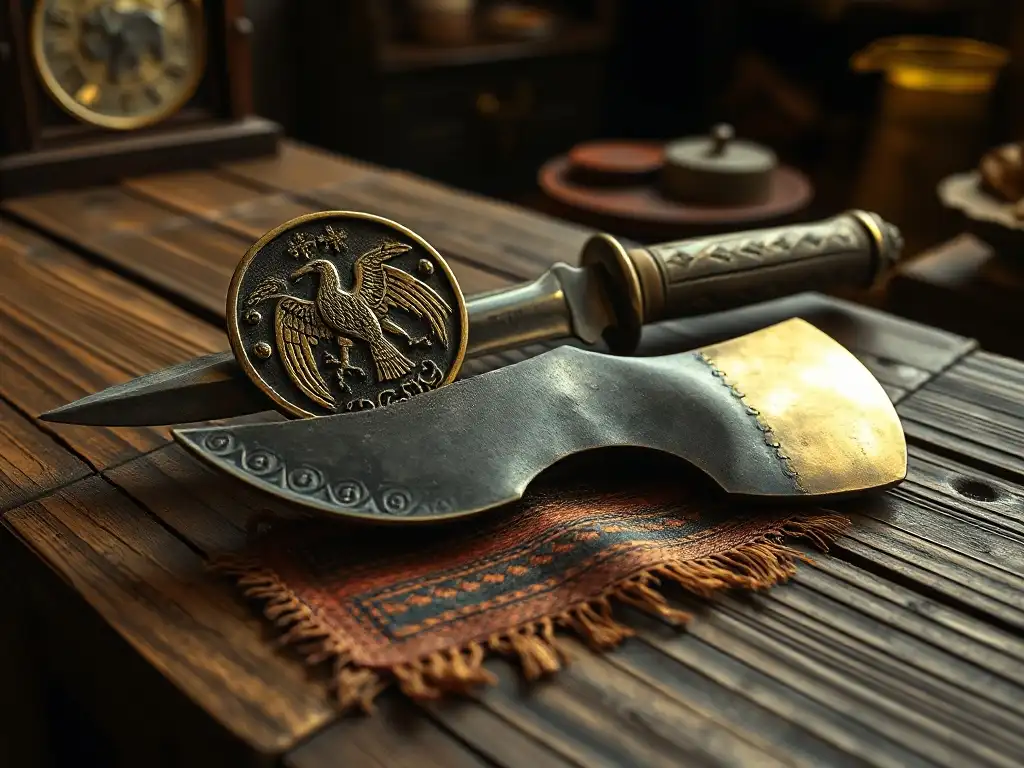
The Andes Mountains, a vast and diverse geographical region, fostered the development of distinct metalworking traditions among its ancient inhabitants. While sharing some common techniques, such as hammering, annealing, and alloying, each culture imprinted its unique aesthetic preferences and technological innovations on its metal artifacts. This section will explore the regional variations in Andean metalworking, focusing on the Moche, Inca, and Tiahuanaco cultures, highlighting their unique approaches to this sophisticated craft.
Understanding these differences provides crucial insights into the social, political, and economic structures of these powerful Andean civilizations. The mastery of Andean metalworking techniques demonstrates a sophisticated understanding of metallurgy and artistry.
Moche Metalwork: Distinctive Styles and Techniques
Moche metalworkers, flourishing on the northern coast of Peru (circa 100-800 CE), are renowned for their incredibly detailed and lifelike representations in gold, silver, copper, and their alloys. Their distinctive style is characterized by a high level of realism and a focus on depicting scenes of daily life, warfare, and religious rituals. They were masters of lost-wax casting, a complex technique requiring great skill and precision. This process allowed them to create intricate three-dimensional figures, often with moving parts, demonstrating an advanced understanding of metallurgy and engineering.
The Moche also employed techniques such as repoussé and chasing, shaping thin sheets of metal from the back to create raised relief designs. Their mastery of these techniques is evident in the stunning detail of their artifacts, including elaborate headdresses, ceremonial vessels, and finely crafted jewelry. The use of alloys, particularly the combination of copper and arsenic to create bronze, allowed them to achieve a greater range of colors and textures, enhancing the aesthetic appeal of their work.
The Moche's sophisticated metalworking techniques, combined with their artistic talent, resulted in some of the most impressive and visually stunning artifacts of the ancient Andes. For example, their gold and silver masks, often depicting powerful figures, showcase their technical proficiency and artistic vision.
Inca Metalworking: Imperial Standards and Production
The Inca Empire (1438-1533 CE), spanning a vast territory across the Andes, established standardized metalworking practices across its dominion. Inca metalworking differed from earlier traditions by emphasizing large-scale production and the use of gold and silver primarily for royal and religious purposes. While they continued to utilize techniques like lost-wax casting and hammering, the Inca also developed advanced techniques for the shearing and plating of metals, allowing them to create large, ornate objects.
The Inca state controlled the production of metal objects, establishing workshops and employing skilled artisans. This centralized production system ensured a consistent style and quality across the empire, reflecting the Inca's imperial power and control. Their metalwork often featured decorative motifs associated with Inca iconography, such as the chakana (Andean cross) and depictions of llamas and other animals significant to their culture.
While individual artistic expression might have been somewhat suppressed under this system, the Inca's metalwork displays a remarkable level of technical skill and consistent aesthetic standards, reflecting the centralized nature of their empire. The sheer volume of Inca gold and silver artifacts unearthed also points to a highly organized and efficient system of resource management and metal production.
Tiahuanaco Metalwork: Iconography and Craftsmanship
The Tiahuanaco culture (circa 500-1000 CE), centered around Lake Titicaca in the Bolivian Andes, developed a distinct style of metalworking characterized by its unique iconography and sophisticated craftsmanship. While their metalwork was less abundant than that of the Moche or Inca, their artifacts stand out for their intricate designs and the use of symbolic imagery reflecting their religious beliefs. Tiahuanaco metalworkers were skilled in a variety of techniques, including hammering, casting, and inlay work.
Their artifacts often feature stylized representations of deities, mythical creatures, and geometric patterns, reflecting the complex cosmology of their culture. The use of gold, silver, and copper, often combined in intricate inlay work, created visually striking pieces. Unlike the Moche's realism, Tiahuanaco metalwork is characterized by a more abstract and symbolic style.
The limited number of surviving artifacts, however, makes it more challenging to fully understand the extent of their metalworking techniques and their overall production scale. Further research and archaeological discoveries are needed to provide a more complete picture of Tiahuanaco metalworking practices and their place within the broader context of Andean metalworking traditions. The surviving pieces, however, clearly point to a high level of skill and a distinctive artistic vision.
Chimú Metalwork: Mass Production and Innovation
The Chimú, a powerful pre-Inca civilization flourishing along the northern coast of Peru from roughly 900 to 1470 CE, demonstrated remarkable advancements in Andean metalworking techniques. Unlike some of their predecessors who focused on highly individualized pieces, the Chimú mastered techniques enabling mass production of metal objects. This wasn't simply replication; it involved innovative approaches to design and manufacturing that allowed for the creation of large quantities of standardized items while still maintaining a high degree of craftsmanship. Their expertise is evident in the sheer volume of artifacts unearthed from Chimú sites, ranging from ceremonial objects to everyday tools.
One key innovation was their use of molds, allowing for the efficient casting of multiple identical pieces. This technique, while utilized by earlier Andean cultures, was significantly refined by the Chimú, leading to a higher degree of precision and a faster production rate. They employed various mold types, including those made from clay and lost-wax casting, which enabled intricate designs and details to be replicated consistently.
The scale of their production suggests a highly organized system of labor, possibly involving specialized workshops and a division of tasks among artisans. This mass production capacity allowed for the widespread distribution of metal goods within the Chimú empire, solidifying their economic and political power. Examples of mass-produced Chimú metalwork include tumi (ceremonial knives) and various types of ornaments.
The standardization, however, didn't negate artistry; even mass-produced items often display a high level of decorative detail and refinement, showcasing the skill of Chimú metalworkers. The intricate designs, often featuring recurring motifs like stylized animals and geometric patterns, reflect the sophisticated aesthetic sensibilities of the culture.
Furthermore, Chimú metalworkers displayed a mastery of alloying techniques, combining different metals to achieve desired properties. They skillfully blended gold, silver, copper, and other metals to create alloys with varying colors, durability, and malleability, significantly expanding their artistic and functional possibilities. This ability to manipulate the properties of metals allowed for the creation of more complex and durable objects, reflecting a deep understanding of metallurgical processes. The Chimú's technological prowess in metalworking significantly contributed to their societal structure and cultural identity, leaving behind a legacy of impressive and abundant metal artifacts.
Sican Metalwork: Elaborate Funerary Objects
The Sican culture (750-1350 CE), inhabiting the Lambayeque region of northern Peru, is renowned for its exquisite metalwork, particularly its elaborate funerary objects. Sican artisans were masters of lost-wax casting, producing highly detailed and intricately decorated pieces that reflect their sophisticated understanding of metallurgy and their elaborate religious beliefs. Unlike the Chimú, who focused on mass production, Sican metalworking prioritized the creation of unique and highly ornate items intended for use in elite burials. These objects, often buried with high-ranking individuals, reflect the Sican belief system and their reverence for their ancestors.
The most striking examples of Sican metalwork are the elaborate headdresses, masks, and ornaments that adorned the deceased. These pieces frequently feature intricate representations of deities, mythical creatures, and symbolic motifs, crafted with remarkable precision. The use of gold, silver, and copper, often combined in intricate designs, demonstrates the Sican’s skillful manipulation of these materials. The technique of repoussé, where metal is hammered from the back to create raised designs on the surface, was employed to create stunning three-dimensional effects. This technique, combined with the lost-wax casting, allowed for the creation of incredibly detailed and visually stunning objects.
Beyond their aesthetic appeal, these objects served a crucial symbolic function in Sican funerary rituals. The elaborate metalwork adorned the deceased, signifying their status and connection to the spiritual world. The detailed depictions of deities and mythical beings suggest a belief in an afterlife and the importance of these individuals' continued connection to the Sican pantheon.
The sheer quantity and quality of the Sican metalwork found in tombs underscore the immense importance placed on death rituals and the belief in the power of these objects to facilitate a successful transition to the afterlife. The discovery of these elaborate funerary objects continues to illuminate our understanding of Sican society, religion, and their remarkable achievements in Andean metalworking techniques. The intricate detail and masterful craftsmanship displayed in these pieces stand as a testament to the skill and artistry of Sican artisans.
The Enduring Legacy of Andean Metalworking Techniques
The mastery of Andean metalworking, a testament to the ingenuity and artistic vision of ancient civilizations, continues to resonate profoundly in contemporary society. Its influence extends far beyond mere historical significance; it serves as a source of inspiration for modern artisans and a window into a rich cultural past. The techniques developed centuries ago, often employing remarkably sophisticated methods, remain a subject of intense study and admiration.
Understanding these techniques provides invaluable insights into the social structures, religious beliefs, and technological capabilities of these ancient societies. The sheer artistry and technical skill involved in creating these artifacts are breathtaking, showcasing a deep understanding of metallurgy that was unparalleled in its time. This legacy is not just about preserving historical objects; it's about understanding the innovative spirit and craftsmanship that characterized Andean societies.
Influence of Andean Metalwork on Later Cultures
The impact of Andean metalworking techniques extended far beyond the Andes themselves. The exquisite craftsmanship and innovative techniques employed by Andean artisans significantly influenced the development of metalworking in other parts of the Americas and even beyond. For instance, the sophisticated lost-wax casting methods used to create intricate gold and silver objects were adopted and adapted by later cultures. The intricate designs and motifs found on Andean artifacts, often depicting deities, animals, and symbolic imagery, also inspired subsequent artistic movements.
The stylistic influence is evident in the jewelry, tools, and ceremonial objects created by later cultures, highlighting the enduring legacy of Andean metalworking traditions. The spread of these techniques, possibly through trade routes or cultural exchange, demonstrates a remarkable level of interconnectivity between different societies. Further research is needed to fully understand the extent of this cultural diffusion and the specific pathways through which these techniques were transmitted.
Preservation and Study of Andean Metal Artifacts
The preservation of Andean metal artifacts presents unique challenges due to the inherent properties of the metals themselves and the environmental conditions in which they were found. Corrosion, oxidation, and looting pose significant threats to the integrity of these invaluable historical objects. Careful excavation techniques, employing specialized tools and environmental controls, are crucial for minimizing damage during recovery.
Once recovered, artifacts undergo meticulous cleaning and conservation processes to stabilize their condition and prevent further deterioration. Advanced techniques like X-ray fluorescence spectroscopy (XRF) and electron microscopy are used to analyze the composition of the alloys and understand the manufacturing processes employed. These studies not only contribute to our understanding of Andean metalworking techniques but also provide insights into the sources of raw materials and the trade networks that facilitated their acquisition.
The ongoing efforts in preservation and study are essential for ensuring that these remarkable artifacts remain available for future generations to appreciate and learn from. Detailed records of the conservation processes are meticulously maintained to ensure the long-term preservation of these invaluable pieces of history.
The Relevance of Ancient Techniques in Modern Metalworking
The techniques developed by Andean artisans continue to fascinate and inspire modern metalworkers. The intricate lost-wax casting method, for example, remains a highly valued technique in contemporary jewelry making and sculpture. The precise hammering and repoussé techniques used to create intricate details on gold and silver sheets continue to be employed by skilled artisans today.
Modern metalworkers draw inspiration from the artistic designs and symbolic imagery found on ancient Andean artifacts, adapting them to contemporary aesthetics. The study of ancient Andean metalworking offers valuable insights into material properties, alloying techniques, and finishing processes, which can inform and improve modern metalworking practices.
Furthermore, the sustainability and resourcefulness demonstrated by ancient Andean metallurgists, who often recycled materials and adapted their techniques to available resources, serves as a model for environmentally conscious metalworking practices today. Understanding these ancient techniques not only allows us to appreciate the artistry of the past but also provides valuable lessons for the future of metalworking.
Future Research and Discoveries
The study of Andean metalworking techniques is far from complete. Much remains to be unearthed, both literally and figuratively. Future research holds immense potential to refine our understanding of these sophisticated ancient practices.
Archaeological excavations continue to yield new artifacts, offering fresh insights into lost techniques and the evolution of metalworking across different Andean cultures. High-resolution imaging techniques, like X-ray fluorescence spectroscopy (XRF) and scanning electron microscopy (SEM), are providing unprecedented detail on the composition of alloys and the intricate processes involved in shaping and decorating metal objects. These non-destructive methods allow researchers to analyze artifacts without causing damage, preserving them for future generations while simultaneously unlocking their secrets.
Furthermore, a deeper understanding of the social and economic contexts surrounding metalworking is crucial. Future studies should focus on expanding our knowledge of the workshops, the division of labor, and the trade networks that facilitated the movement of raw materials and finished goods across vast distances. By analyzing the distribution patterns of metal artifacts and their stylistic variations, researchers can gain a more comprehensive picture of the social structures and power dynamics that shaped Andean metalworking traditions.
Ethnoarchaeological studies, comparing ancient techniques with those of contemporary Andean metalworkers, can also offer valuable insights into the continuity and change in these practices over time. The potential for new discoveries and a more nuanced understanding of Andean metalworking is immense, promising to enrich our appreciation of this remarkable aspect of Andean heritage. The collaborative efforts of archaeologists, metallurgists, and other specialists will be key to unlocking the remaining mysteries of this fascinating field.
The possibilities for uncovering new techniques, understanding the social implications of metal production, and tracing the evolution of this art form across different cultures are truly exciting. Each new discovery promises to further illuminate the remarkable ingenuity and skill of Andean metalworkers.
Frequently Asked Questions
What unique metalworking techniques did Andean civilizations employ?
Andean metalworkers were masters of lost-wax casting, a process involving creating a wax model, covering it in clay, melting out the wax, and pouring molten metal into the mold. They also excelled in hammering and repoussé, shaping metal sheets with tools.
What metals did Andean civilizations primarily work with?
The most common metals were gold, silver, copper, and bronze, often combined to create alloys like tumbaga (gold-copper alloy). Their skill lay in both sourcing and manipulating these materials.
How did Andean metalworking contribute to their culture and society?
Metalworking was crucial to religious practices, creating ornate objects for rituals and ceremonies. Elite status was often symbolized by metalwork, and it played a vital role in trade and exchange networks.
What is the significance of tumbaga in Andean metalworking?
Tumbaga, a gold-copper alloy, allowed Andean artisans to create objects with a range of colors and textures. Its malleability and durability made it ideal for diverse applications.
Where can I learn more about Andean metalworking techniques?
Numerous museums and academic institutions house collections of Andean metalwork. You can also find detailed information in books and scholarly articles focusing on Andean archaeology and metallurgy.
Final Reflection: The Enduring Legacy of Andean Metalworking
The intricate artistry of Andean metalworking, once a mystery confined to archaeological sites, now stands as a testament to the ingenuity and cultural depth of ancient civilizations. This sophisticated craft, far from being a relic of the past, continues to inspire awe and inform contemporary artistic practices, reminding us of the enduring power of human creativity.
The techniques employed by Andean masters – the lost-wax casting, the precise hammering, the masterful alloying – weren't simply methods of production; they were expressions of a worldview, a deep connection to the earth and its resources. The metal itself became a conduit for spiritual expression, a tangible link between the human and divine realms.
This profound understanding of material and its symbolic weight resonates even today, influencing contemporary artists and inspiring new explorations in material science and design. The legacy of these ancient artisans continues to shape our understanding of art, technology, and the enduring human spirit.
Consider the implications of this ancient knowledge. What can we learn from the dedication and skill of these master craftspeople? How can we apply their innovative spirit to the challenges of our own time? I urge you to reflect on the enduring power of human ingenuity, to appreciate the artistry of the past, and to seek inspiration in the remarkable achievements of the Andean metalworkers. Let their legacy inspire you to create, innovate, and connect with the rich tapestry of human history.
Unleash Your Inner Artisan: Embrace Ancient Andean Techniques!
Thank you for exploring the intricate world of Andean metalworking with us! Your interest in these fascinating techniques demonstrates a genuine appreciation for the artistry and skill of ancient civilizations. Now, let's turn that enthusiasm into action!
Here's how you can delve deeper into this enriching journey:
- Create a piece of art inspired by ancient Andean metalworking techniques. You might craft your own jewelry, sculpture, or other artwork using modern materials and tools, while still honoring the traditions of the Andes.
- Take a class or workshop to learn practical skills and connect with the rich history of Andean craftsmanship. Many local art centers and online platforms offer courses in metalworking and related techniques.
- Share your newfound knowledge! Discuss these techniques with friends, family, or online communities to inspire a broader appreciation for Andean art and its enduring legacy.
Have you considered how the ingenuity of ancient Andean metalworkers can inspire your own creative expression?