
Feathered Finery: Symbolism of Birds and Feathers in Andean Art

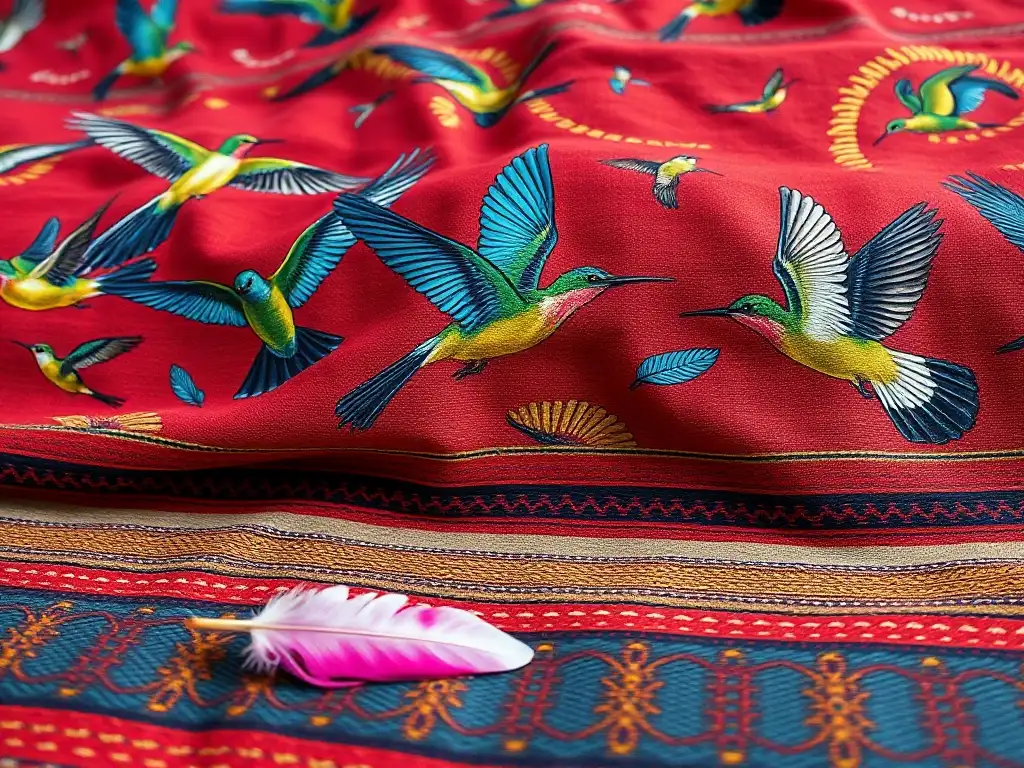
Step into a world lost to time, yet vibrant in its legacy. Imagine a civilization where the flight of birds held profound spiritual meaning, where feathers weren't mere adornment, but powerful symbols woven into the very fabric of society. Uncover the secrets hidden within the breathtaking artistry of the Andes, and delve into the captivating world of Andean bird feather symbolism. Prepare to be amazed by the intricate details and profound significance of these feathered wonders – a story waiting to take flight.
- Feathered Finery: Unveiling Andean Bird Feather Symbolism in Art
- The Significance of Birds in Andean Cosmology
- Feathers as a Medium of Expression in Andean Art
- Specific Birds and Their Symbolic Meanings
- Regional Variations in Feather Symbolism
- The Craft of Featherwork in Andean Cultures
- Andean Bird Feather Symbolism: A Legacy of Meaning
- Frequently Asked Questions
- Final Reflection: The Enduring Flight of Andean Avian Symbolism
- Unveil the Meaning Behind Andean Art!
Feathered Finery: Unveiling Andean Bird Feather Symbolism in Art
The vibrant tapestry of Andean art is richly interwoven with the symbolism of birds and feathers. From the soaring condors dominating Nazca lines to the intricate featherwork adorning Inca regalia, avian imagery held profound spiritual and social significance across various Andean cultures. This exploration delves into the diverse meanings attributed to birds and their feathers, revealing how these elements served as powerful symbols of power, divinity, and social status within the complex societies of the Andes.
We will examine specific examples across different cultures, highlighting the nuanced interpretations that shifted across time and geography, showcasing the depth and complexity of Andean artistic expression and its connection to the natural world. Understanding this symbolism unlocks a deeper appreciation for the artistry and worldview of these remarkable civilizations.
The rich tapestry of Andean belief systems, deeply intertwined with nature, is profoundly reflected in the meticulous craftsmanship and symbolic representations found in their artwork. This article will explore the multifaceted role of birds and feathers in Andean art, revealing the intricate relationship between the human world and the spiritual realm as portrayed by these ancient Andean peoples.
The Condor: Apex Predator and Symbol of Power
The majestic Andean condor, with its impressive wingspan and soaring flight, frequently features prominently in Andean art. Its representation varied across different cultures, but consistently conveyed themes of power, strength, and connection to the high Andes. In Inca iconography, the condor often symbolized the Sapa Inca, the emperor, representing his divine authority and dominion over the land. Depictions frequently show condors with human-like features, further emphasizing this connection between earthly and spiritual power.
The intricate detail and size dedicated to condor depictions in textiles, ceramics, and metalwork underline their importance within the cultural context. Even smaller artifacts, such as carved bone or stone pendants, often featured stylized condor imagery, suggesting widespread reverence for this powerful bird across all social strata. The condor's symbolic significance extended beyond the realm of the ruler, however, also representing strength, courage, and the ability to transcend earthly limitations.
Hummingbirds: Delicate Symbols of Fertility and Renewal
In stark contrast to the imposing condor, the hummingbird, with its vibrant plumage and swift movements, represents a different aspect of the Andean worldview. Often associated with fertility, renewal, and the ephemeral beauty of life, hummingbirds are frequently depicted in textiles and pottery. Their intricate patterns and iridescent colors were meticulously recreated by Andean artisans, reflecting a deep appreciation for the natural world and its delicate balance. The hummingbird's ability to hover and seemingly defy gravity added to its symbolic significance, linking it to the spiritual realm and the power of transformation.
Specific species of hummingbirds may have carried different connotations, depending on regional beliefs and practices. Further research is needed to fully understand the nuances of hummingbird symbolism across different Andean cultures, but existing evidence points towards a consistent association with positive and life-affirming concepts. [Specific information pending on regional variations in hummingbird symbolism].
Other Avian Representations and their Meanings
Beyond condors and hummingbirds, a wide range of birds found their way into Andean art, each carrying its own unique symbolic weight. Smaller birds, such as sparrows or finches, might represent aspects of daily life or domesticity, while raptors other than condors could represent different facets of power or control. The specific meaning of each bird often depended on the cultural context and artistic style. For example, the use of specific feathers in adornment and ritual objects further enhanced the symbolic power of the overall piece. The careful selection and arrangement of feathers indicate a deep understanding of their symbolic value and a sophisticated system of communication through artistic expression. Detailed studies of specific artifacts are needed to fully unravel the complex web of meanings associated with each avian representation. This area of research offers a rich potential for understanding the intricate relationship between the Andean people and their environment.
Further Research Areas
Further research is needed to more fully explore the following areas:
- Regional variations in avian symbolism across different Andean cultures.
- The specific symbolic meanings of different bird species beyond the condor and hummingbird.
- The role of feathers in ritual practices and ceremonies.
- The impact of Spanish colonization on Andean bird symbolism.
The Significance of Birds in Andean Cosmology
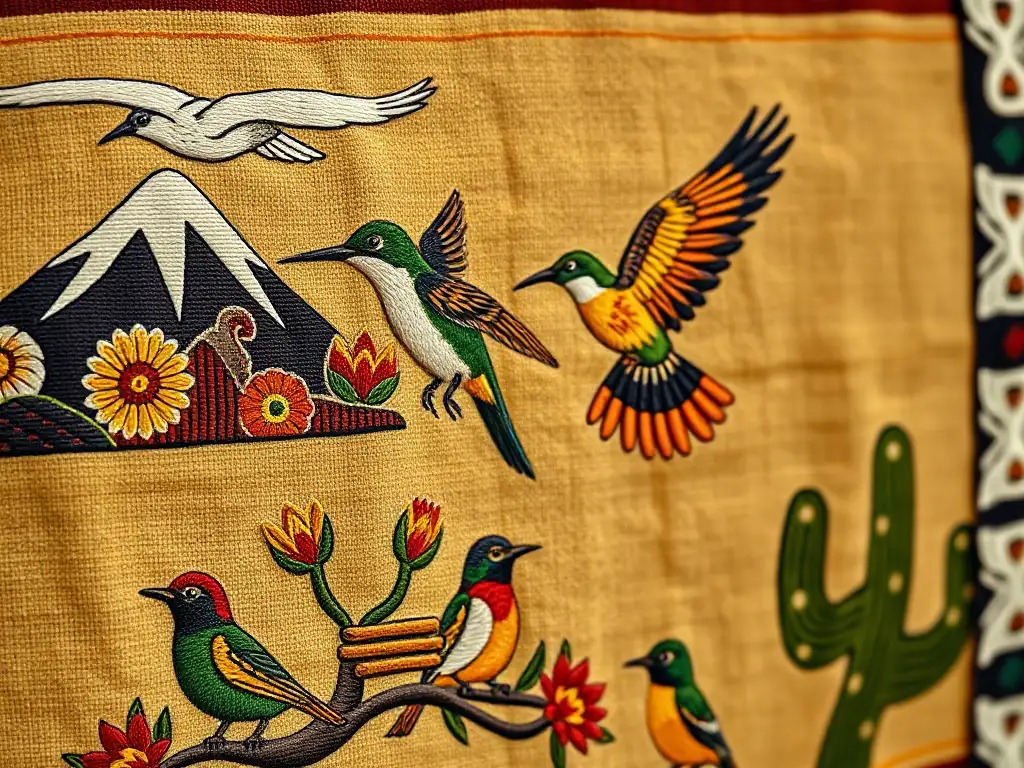
The Andean worldview deeply integrated the natural world into its spiritual fabric. Mountains, rivers, and celestial bodies held profound significance, and within this tapestry of sacred elements, birds occupied a particularly prominent role. Far from being mere creatures of the air, birds in Andean cosmology represented powerful forces, acting as intermediaries between the earthly and spiritual realms, embodying ancestral spirits, and even influencing weather patterns. Understanding the symbolism of birds and feathers in Andean art requires acknowledging this fundamental cosmological perspective.
The pervasive presence of avian imagery in Andean textiles, ceramics, and goldwork underscores the importance of these creatures in the daily lives and spiritual beliefs of Andean peoples. This section delves into the nuanced symbolism associated with birds, highlighting their multifaceted roles within the complex Andean belief system. The meticulous detail and artistry employed in depicting these birds further emphasizes their profound significance.
Birds as Intermediaries Between Worlds
Andean cosmologies often depict a layered universe, with the earthly realm situated between the upper (hanan pacha) and lower (urin pacha) worlds. Birds, with their ability to traverse these realms effortlessly, were viewed as potent intermediaries. Condors, for instance, with their soaring flights reaching breathtaking heights, were considered messengers to the gods, carrying prayers and offerings to the celestial sphere.
Conversely, smaller birds, such as hummingbirds, were associated with the lower world, their quick movements and vibrant colors reflecting the energy and dynamism of the earth's life force. This duality is reflected in the Andean art, where condors are often depicted in majestic poses, contrasted with hummingbirds portrayed in intricate detail, showcasing their vibrant plumage.
The symbolic representation of these birds in Andean art, particularly in textiles and pottery, often served to connect the living with the spiritual, enabling communication between the different planes of existence. The artist's skill in capturing the essence of these birds visually reinforces the spiritual power they embodied.
Avian Spirits as Ancestral Guides
Beyond their role as intermediaries, birds frequently represented ancestral spirits in Andean belief systems. The transformation of deceased individuals into avian forms was a common theme, with particular species associated with specific ancestral lineages or deities. For example, certain bird species might be linked to particular clans or families, their imagery appearing on textiles or other artifacts to symbolize family history and lineage.
The careful selection of bird species in these artistic representations was not arbitrary; it reflected the complex web of kinship ties and ancestral veneration that underpinned Andean society. This deep connection between birds and ancestors is vividly expressed in the intricate detail and emotional resonance often found in Andean art depicting avian figures.
The use of feathers in ceremonial headdresses and adornments further emphasizes this connection, signifying the spiritual presence of ancestors in the lives of the living. The meticulous craftsmanship involved in creating these artifacts underscores the reverence for ancestors and the importance of maintaining these spiritual connections.
The Connection Between Birds and Weather Patterns
The Andean climate, characterized by its dramatic shifts and unpredictable weather patterns, profoundly influenced the lives and spiritual practices of Andean peoples. Birds, with their sensitivity to atmospheric changes, were often seen as indicators of forthcoming weather events. Certain bird behaviors, migrations, or calls were interpreted as omens, predicting rain, drought, or other climatic shifts.
This close observation of avian behavior is reflected in Andean art, where specific bird species are often depicted in ways that highlight their connection to weather phenomena. For example, the presence of certain birds in a textile design might symbolize a successful harvest, while others could signify the approach of a harsh winter. This insightful observation of nature and its integration into the artistic realm provides further evidence of the profound connection between Andean peoples and their environment, underscoring the holistic perspective of their worldview.
The detailed observations of bird behavior and their incorporation into artistic representations reveal the sophisticated understanding of meteorology within Andean society. The ability to predict weather patterns was crucial for survival, and the symbolic use of birds in art served both practical and spiritual purposes. The enduring legacy of Andean art provides valuable insights into the practical and spiritual significance of birds in the Andean worldview.
Feathers as a Medium of Expression in Andean Art

The vibrant tapestry of Andean art is richly interwoven with the symbolism of birds and feathers. Far from mere decoration, feathers held profound spiritual and social significance for various Andean cultures, including the Inca, Moche, Nazca, and Tiahuanaco. Their use transcended practical applications, becoming potent symbols embedded within ritual practices, social hierarchies, and artistic expression.
Analyzing Andean bird feather symbolism reveals a complex system of beliefs and values that shaped the aesthetic and spiritual landscape of these ancient societies. The meticulous craftsmanship and symbolic weight bestowed upon these feathered artifacts underscore their importance as powerful cultural markers. This section delves into specific examples to illuminate the multifaceted role of feathers in Andean art.
The Use of Feathers in Ritual Attire and Textiles
Feathers weren't simply decorative elements; they were integral components of ritual attire and textiles. The meticulous arrangement of feathers on clothing, often incorporating diverse species and colors, indicated the wearer's status, role, and connection to the spiritual realm. For example, the Inca elite frequently adorned themselves with garments embellished with brightly colored parrot, hummingbird, and condor feathers.
These magnificent displays of feathered finery served to visually communicate their power and divine connection. The intricate weaving techniques employed in integrating feathers into textiles demonstrate a level of artistry rarely seen elsewhere. The process involved carefully attaching individual feathers to the fabric, often using techniques that ensured durability and maintained the vibrancy of the colors.
The significance extends beyond the Inca. Moche textiles, known for their vibrant imagery and intricate detail, frequently incorporated feathers into their designs. The precise arrangement of feathers in these textiles suggests a deeply symbolic meaning, potentially representing deities, mythical creatures, or specific rituals. Further research is needed to fully decipher the meaning behind the specific arrangements and types of feathers used in various Moche textiles. [Specific information pending on Moche feather symbolism in textiles]. This lack of readily available data highlights the need for continued study of Andean art and iconography.
Feathered headdresses occupied a prominent position within the Andean social hierarchy. The type of feathers used, the complexity of the headdress's construction, and the overall grandeur of the piece directly correlated to the wearer's social standing. Elaborate headdresses, often made from the feathers of rare birds like the Andean condor ( Vultur gryphus), were reserved for elite members of society, such as rulers, priests, and high-ranking officials.
The condor, a majestic and powerful bird, symbolized strength, power, and connection to the gods. Thus, wearing a condor feather headdress served as a powerful visual affirmation of one's elevated status and authority.
The use of specific feathers also held symbolic meaning. For instance, hummingbird feathers, known for their iridescent colors, were likely associated with agility, speed, and perhaps even shamanic abilities. The meticulous craftsmanship involved in creating these headdresses, often requiring years of work by skilled artisans, further underscores their symbolic and social importance. The headdresses weren't simply worn; they were carefully stored and maintained, reflecting their value as sacred objects. Detailed inventories from Inca palaces confirm the meticulous record-keeping surrounding these prestigious items. The meticulous nature of their construction and preservation underscores their importance as symbols of power and prestige.
The Role of Feathers in Shamanic Practices
Feathers played a crucial role in shamanic practices across various Andean cultures. Shamans, believed to possess the ability to communicate with the spirit world, often incorporated feathers into their rituals and attire. The use of feathers in these contexts likely stemmed from the belief that feathers possessed magical properties, facilitating communication with spirits and the divine realm. The specific types of feathers used likely held unique symbolic meanings, reflecting the nature of the ritual or the spirits being contacted.
For example, certain bird species might have been associated with specific deities or natural forces. The vibrant colors and textures of feathers may have also been seen as enhancing the shaman's ability to alter consciousness and enter trance states. The use of feathers in shamanic practices provides further evidence of the deep spiritual significance attached to these objects. [Additional information pending on specific shamanic rituals involving feathers in different Andean cultures].
Further research into archaeological sites and iconographic representations is needed to fully understand the nuanced role of feathers in these practices. The study of Andean bird feather symbolism within a shamanic context offers a rich avenue for future research. 🪶
Specific Birds and Their Symbolic Meanings
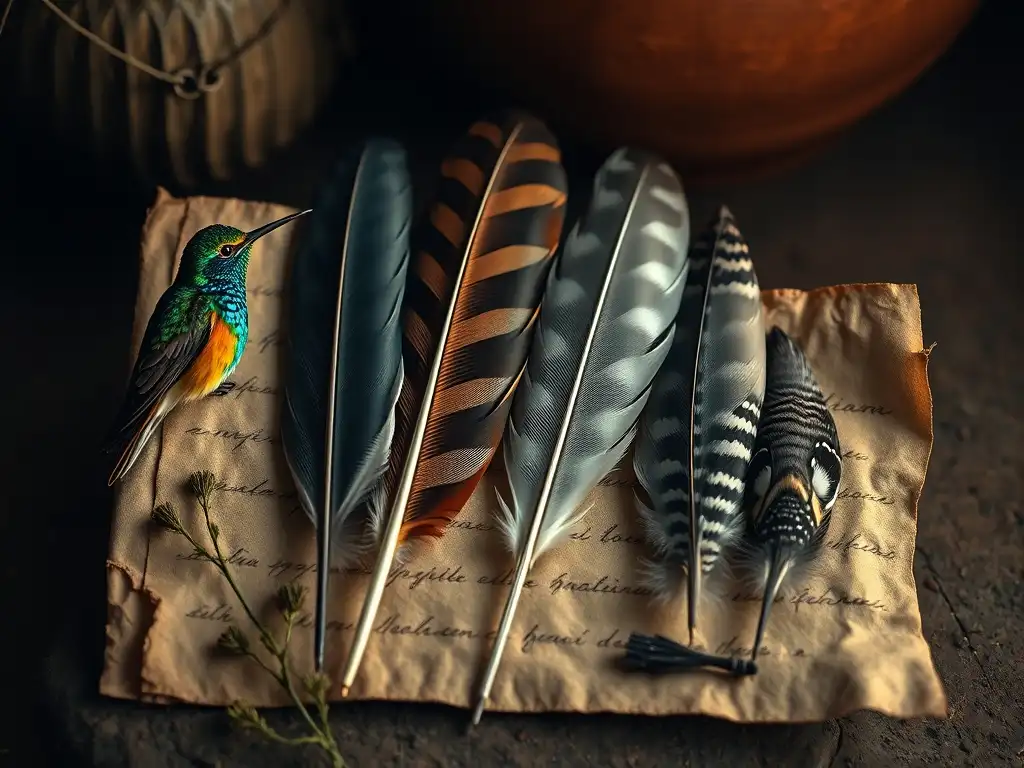
This section delves into the specific symbolism associated with individual bird species prominent in Andean art and iconography. Understanding the nuances of these representations offers a deeper appreciation for the rich tapestry of Andean beliefs and worldview. The careful selection and depiction of birds weren't arbitrary; they conveyed powerful messages about social structures, cosmology, and the relationship between the human and spiritual realms.
The use of feathers themselves, often meticulously crafted and arranged, further amplified the symbolic weight of these avian representations. The study of Andean bird feather symbolism reveals intricate details about their sophisticated understanding of the natural world.
The Condor: A Symbol of Strength and Spiritual Ascent
The condor, Vultur gryphus, reigns supreme in the Andean pantheon of avian symbolism. Its majestic presence, soaring effortlessly through the high altitudes of the Andes, immediately connects it to power, strength, and the spiritual realm. In Andean cosmology, the condor often represents the intermediary between the earthly and celestial worlds, a messenger of the gods. Its ability to fly to such great heights symbolizes the aspiration for spiritual ascension and connection with the divine.
Depictions of condors in Andean art frequently show them in dynamic poses, wings outstretched, emphasizing their power and dominance. They are often associated with rulers and elites, reinforcing their authority and connection to the supernatural. The use of vibrant colors, particularly in textiles and ceramics, further highlights the condor's sacred status.
For example, the use of deep reds and blacks in condor imagery might symbolize the power of the sun and the earth, respectively. The intricate details in the depiction, such as the sharp talons and piercing gaze, underscore the condor's formidable nature and its role as a powerful symbol. Furthermore, the condor's association with storms and powerful winds might also signify the unpredictable forces of nature and the power of the elements.
The Hummingbird: Representing Vitality and Transformation
In stark contrast to the condor's powerful presence, the hummingbird, with its diminutive size and dazzling agility, embodies vitality, transformation, and the ephemeral beauty of life. Its rapid wingbeats and ability to hover effortlessly represent the constant flux and change inherent in the Andean worldview. The hummingbird's association with flowers and nectar links it to fertility, abundance, and the cyclical nature of life and death.
The hummingbird's vibrant plumage, often represented with bright, jewel-toned colors in Andean art, further emphasizes its connection to beauty and the spiritual world. Its small size, however, doesn't diminish its symbolic importance. Instead, it highlights the idea that even the smallest creature can possess great power and significance.
The hummingbird's capacity for rapid movement also symbolizes the swiftness of time and the importance of seizing opportunities. In some contexts, the hummingbird might also represent the soul or spirit, flitting between the living and the dead. The detailed depictions of hummingbirds in Andean textiles and pottery often show the intricate details of their feathers, further emphasizing their delicate beauty and spiritual significance.
The Owl: Embodiment of Knowledge and Prophecy
Unlike the condor and hummingbird, the owl, a creature of the night, holds a more ambiguous position in Andean symbolism. While often associated with wisdom, knowledge, and prophecy, the owl also carries connotations of mystery, darkness, and the unseen world. Its nocturnal habits and piercing gaze connect it to the realm of spirits and the unknown.
The owl's representation in Andean art varies depending on the specific context. In some instances, it is depicted as a wise and benevolent figure, symbolizing insight and understanding. In other contexts, however, the owl might represent ominous forces, foretelling misfortune or acting as a messenger of death. The use of dark colors, such as black and deep browns, in owl imagery often underscores its association with the night and the supernatural.
The owl's large eyes, frequently emphasized in Andean art, highlight its ability to see beyond the veil of the ordinary, perceiving both the visible and the invisible worlds. The interpretation of the owl's symbolism therefore requires careful consideration of the broader context in which it appears. Further research is needed to fully understand the nuanced symbolism of the owl across different Andean cultures.
The Parrot: Depicting Communication and Sacred Speech
Parrots, with their vibrant plumage and remarkable ability to mimic human speech, held a significant place in Andean symbolism, often representing communication and sacred speech. Their capacity to imitate sounds was seen as a connection to the divine, a conduit between the earthly and spiritual realms.
In many Andean cultures, the ability to communicate effectively was highly valued, and the parrot, with its uncanny vocalizations, became a powerful symbol of this ability. Depictions of parrots in Andean art frequently appear alongside figures of authority or in scenes depicting important rituals and ceremonies, suggesting a connection to leadership and sacred pronouncements.
The vibrant colors of parrots, often featuring striking reds, greens, and blues, further enhanced their symbolic significance. These colors were themselves imbued with meaning within Andean cosmology, often associated with specific deities or natural forces. Therefore, the parrot's colorful appearance served to amplify its symbolic message, making it a particularly potent visual representation of communication and sacred discourse.
For example, a red parrot might be associated with the sun god, Inti, while a green parrot might represent the fertility of the land. The specific color variations and contextual placement of parrots within a given artwork provided nuanced interpretations of their meaning. Careful examination of these details reveals the depth and complexity of the symbolism associated with this remarkable bird.
The detailed rendering of parrots in Andean textiles and ceramics also speaks to their importance. Artists meticulously depicted the parrot's plumage, capturing the intricate patterns and iridescent hues with remarkable skill. This level of detail suggests that these weren't simply decorative elements but rather carefully considered symbolic representations imbued with deep cultural significance.
The precision and artistry involved in creating these images underscore the cultural veneration accorded to this bird and its symbolic representation of communication and sacred speech within Andean society. Scholars continue to uncover new information about the symbolic usage of parrots through detailed analysis of surviving Andean artifacts, revealing ever more subtle layers of meaning.
Regional Variations in Feather Symbolism
The symbolism associated with birds and feathers in Andean art wasn't monolithic. Different cultures across the Andes imbued these motifs with unique meanings, reflecting their diverse cosmologies and social structures. While certain bird species held consistent significance across various groups (e.g., the condor's association with power), the specific artistic representations and their contextual interpretations varied greatly.
Examining these regional differences offers a richer understanding of Andean worldview and artistic expression. This section will delve into the nuances of feather symbolism in three prominent Andean cultures: the Chimú, Paracas, and Inca. Understanding these variations helps to fully appreciate the complexity of "Andean bird feather symbolism."
Chimú Art: Elaborate Featherwork and Royal Status
Chimú artisans, known for their mastery of metalwork and ceramics, also excelled in featherwork. Their elaborate headdresses, garments, and ceremonial objects, often incorporating feathers from exotic birds, clearly indicated social status. The vibrant hues and intricate arrangements of feathers served as powerful visual markers of royal authority and divinity. The use of specific bird feathers, like those of the hummingbird (known for its agility and speed, often symbolizing swiftness and grace) or the scarlet macaw (associated with power and exotic beauty), further enhanced the symbolic weight of these artifacts.
For instance, the headdresses discovered in Chimú royal tombs often featured an abundance of brightly colored feathers meticulously arranged to create intricate patterns and represent specific deities or celestial bodies. The time and skill invested in crafting these pieces underscore their importance as symbols of power and legitimacy. The feathers weren't merely decorative; they were integral to the performance of royal ritual and the assertion of Chimú imperial dominance.
Furthermore, the restricted access to certain rare and exotic bird feathers reinforced the exclusivity of royal status within Chimú society. The meticulous craftsmanship and the use of rare feathers in Chimú art highlight the deep connection between bird feather symbolism and the elite's power structure.
Paracas Textiles: Feathered Motifs and Funerary Rites
The Paracas culture, preceding the Nazca, left behind a remarkable legacy of intricate textiles. Feathered motifs are prevalent in their stunning funerary bundles, often woven into complex narratives that depict mythological scenes and shamanistic practices. Unlike the Chimú's focus on royal display, Paracas feather symbolism is deeply intertwined with death, the afterlife, and the shaman's journey between worlds. The vibrant colors and dynamic compositions of these textiles suggest a symbolic connection between the flight of birds and the soul's journey.
The representation of birds in Paracas textiles often includes stylized depictions of condors, hummingbirds, and other significant avian species, frequently combined with other symbolic motifs such as feline figures, serpents, and geometric patterns. The arrangement of these elements within the larger textile compositions suggests a complex system of beliefs surrounding the relationship between the earthly and spiritual realms. The presence of feathers in Paracas funerary bundles suggests a belief in their power to facilitate the deceased's transition to the afterlife or their continued connection to the living world.
Analysis of these textiles provides valuable insights into Paracas cosmology and their understanding of the world beyond death. The careful placement of feathers within the intricate designs of the textiles showcases the importance of Andean bird feather symbolism within the context of Paracas funerary rites.
Inca art, characterized by its grandeur and standardization, also incorporated feathers extensively. However, unlike the Chimú, Inca featherwork served a more centralized, imperial purpose. Feathered tunics ( unku) were important symbols of power and authority, reserved for the Inca ruler and high-ranking officials. The use of specific feathers, often those of rare or sacred birds, further reinforced this hierarchical structure. The meticulous organization and controlled distribution of these feathers reflect the Inca's highly structured state and their emphasis on centralized control.
The Inca's unku were not simply garments; they were powerful symbols of imperial authority. The vibrant colors and intricate patterns of the feathers used in their construction served to visually reinforce the Inca ruler's divine legitimacy and his connection to the gods. The restricted access to certain types of feathers, coupled with the highly skilled labor required to create these tunics, contributed to their status as symbols of power and privilege.
Moreover, the standardization of Inca art, including the use of feathers, reflects the empire's centralized administrative system and its effective control over resources. The systematic use of feathers in Inca art provides a powerful illustration of the connection between Andean bird feather symbolism and the Inca state's authority. The Inca's use of feathers highlights the political and religious significance of "Andean bird feather symbolism" within their empire.
Wari: Avian Deities in Ceramic and Textile Designs
The Wari civilization, flourishing in the central Andes from roughly 600 to 1000 CE, showcased a complex and fascinating relationship with birds, reflected prominently in their ceramic and textile art. Unlike the Inca emphasis on specific bird species, Wari art often depicts stylized, almost mythical avian figures integrated into broader religious narratives. These weren't simply realistic depictions; instead, they served as potent symbols within a pantheon of deities and supernatural forces.
The use of feathers in Wari art, while not as prevalent as in later Andean cultures, was still significant. Feathers often adorned the headdresses and costumes of the avian deities depicted on pottery. The colors and types of feathers used likely held specific symbolic meanings, though the exact interpretations remain a subject of ongoing scholarly debate.
For example, the vibrant red feathers of the Andean cock-of-the-rock might have signified power and royalty, while the iridescent hues of hummingbirds could have represented agility and spiritual connection. Unfortunately, the fragility of organic materials means that many of these details are lost to time. Scholars must rely on careful analysis of surviving ceramic and textile fragments to piece together the complete picture.
Detailed studies of Wari ceramics reveal recurring motifs of anthropomorphic birds—birds with human-like characteristics—often engaged in ritualistic actions or holding symbolic objects. These avian deities frequently appear alongside other mythological beings, suggesting a complex cosmology where birds played a pivotal role. The textiles, while less abundant due to their perishable nature, offer glimpses into the significance of feathers in Wari society.
Surviving fragments of woven textiles show intricate designs incorporating stylized bird feathers, further emphasizing their importance in the culture’s worldview. The intricate weaving techniques, employing various colors and textures, suggest a high level of skill and the significant social status of those who created these artifacts. Further research into the specific dyes and materials used could shed light on the symbolic meaning associated with different color palettes.
The study of Wari avian imagery offers a window into the beliefs and practices of this powerful Andean culture. By examining the artistic representations of birds and their feathers, we gain valuable insights into their religious beliefs, social structures, and the complex symbolic language embedded within their art. While much remains to be uncovered, ongoing archaeological investigations and analyses of existing artifacts continue to deepen our understanding of the role of Andean bird feather symbolism within the Wari civilization. The meticulous preservation and study of these fragile pieces are crucial for understanding the nuances of Andean art and culture.
The Craft of Featherwork in Andean Cultures
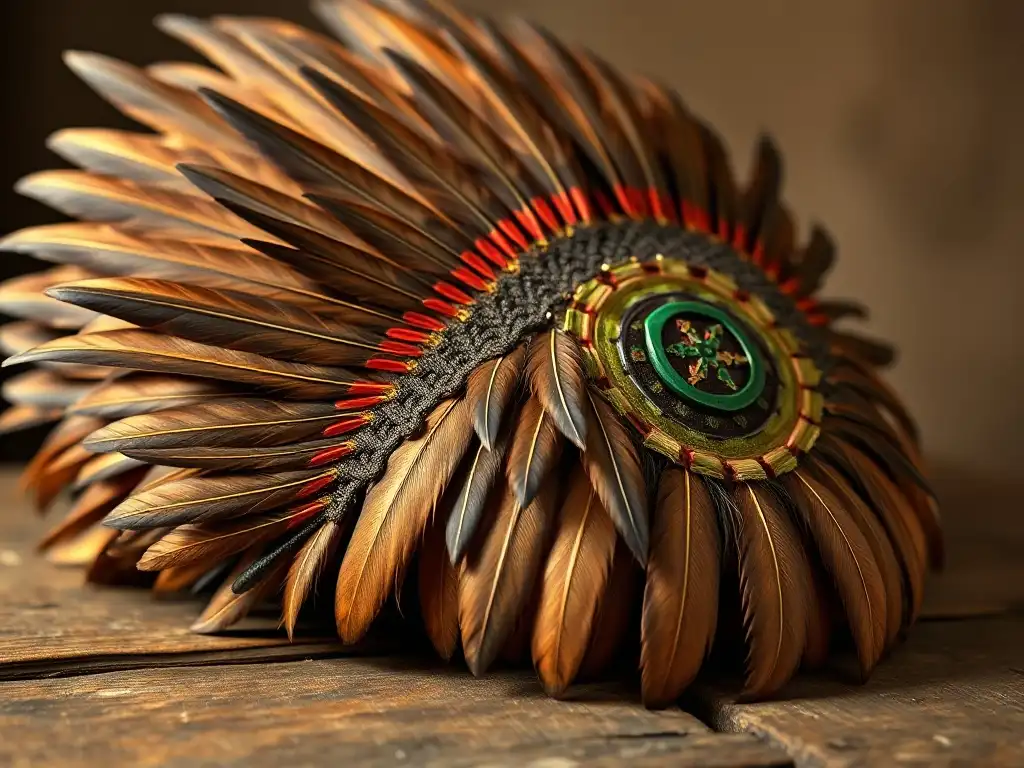
The intricate and vibrant artistry of Andean featherwork stands as a testament to the sophisticated techniques and deep symbolic meaning attributed to birds and feathers in these ancient societies. From the elaborate headdresses of Inca royalty to the smaller, yet equally impressive, artifacts of earlier cultures like the Moche and Nazca, feathers were not merely decorative elements; they held profound religious, social, and political significance, reflecting the intricate worldview of Andean civilizations.
Understanding the craft itself is crucial to appreciating the artistry and the power of the symbolism embedded within these objects. The meticulous process, from feather sourcing to the final creation, showcases the level of skill and dedication involved in producing these stunning works of art.
This mastery of featherwork further emphasizes the importance of birds and feathers within Andean cosmology. The sheer variety of techniques employed, the dedication to sourcing specific feathers, and the ongoing efforts to conserve these fragile artifacts all contribute to a deeper understanding of "Andean bird feather symbolism".
Techniques of Feather Weaving and Mosaic
Andean artisans developed remarkably sophisticated techniques for working with feathers. Feather weaving, for instance, involved meticulously attaching individual feathers to a woven base, often textiles like cotton or wool. This required incredible dexterity and patience, as each feather had to be carefully positioned and secured. The resulting textiles could be incredibly intricate, with complex patterns and designs that conveyed specific meanings. Different types of weaving techniques were employed, depending on the desired effect and the type of feather being used.
Another significant technique was feather mosaic. In this process, small, carefully trimmed feathers were arranged to create intricate images and patterns. This method allowed for a level of detail and precision that was unparalleled in other art forms of the time.
Examples of feather mosaic can be seen in the exquisitely detailed depictions of birds, animals, and mythical figures found on ceremonial garments and objects. The precision involved in creating these mosaics highlights the high value placed on these artifacts and underscores the skill of the artisans who produced them. The vibrant colors and intricate designs were not merely aesthetic choices; they carried profound symbolic weight, deeply connected to Andean beliefs and practices.
Sourcing and Preparation of Feathers
The sourcing and preparation of feathers were crucial steps in the featherwork process. Artisans carefully selected feathers from a variety of bird species, each possessing unique qualities. Some feathers were valued for their vibrant colors, others for their texture or size. The availability of certain bird species and their associated feathers likely influenced the choice of motifs and patterns in the final artwork. For example, the bright plumage of hummingbirds was highly prized, reflecting their sacred status in Andean cosmology.
The preparation of feathers involved a complex process of cleaning, sorting, and sometimes even dyeing or modifying to achieve specific colors or effects. This process ensured that the feathers were in optimal condition for use in weaving or mosaic.
The careful preparation of feathers reflects the respect and reverence given to the birds themselves, further highlighting the symbolic importance of these materials in Andean culture. Archaeological evidence suggests extensive trade networks existed to acquire rare and highly valued feathers from distant regions, underscoring the importance of these materials in Andean society and the far-reaching impact of "Andean bird feather symbolism".
Conservation of Ancient Feather Artifacts
The conservation of ancient Andean feather artifacts presents unique challenges. Feathers are delicate and susceptible to damage from light, humidity, and pests. The materials used in the creation of these artifacts, such as pigments and adhesives, can also degrade over time, requiring specialized techniques for preservation. Modern conservation efforts often involve careful cleaning, stabilization, and storage in controlled environments to protect these fragile pieces of history.
Scientists and conservators employ a variety of techniques to preserve feather artifacts, from meticulous cleaning using specialized tools to the use of advanced imaging technologies to assess the condition of the artifacts without causing further damage. The ongoing research into the materials and techniques used in ancient Andean featherwork is crucial for developing effective conservation strategies.
Protecting these precious objects ensures that future generations can appreciate the artistry and symbolic meaning of "Andean bird feather symbolism", preserving a vital part of Andean cultural heritage for years to come. The challenges of conservation highlight the importance of continued research and investment in preserving these irreplaceable artifacts.
Andean Bird Feather Symbolism: A Legacy of Meaning
This section delves into the profound significance of bird feathers and avian imagery within the rich tapestry of Andean art and culture. Understanding this symbolism provides a crucial lens through which to interpret the beliefs, values, and worldview of these ancient civilizations. From the intricate textiles of the Nazca to the elaborate headdresses of the Inca, feathers weren't merely decorative elements; they were potent symbols imbued with deep spiritual and social meaning.
The careful study of Andean bird feather symbolism reveals a complex system of representation, reflecting a deep connection between the human and natural worlds. This section will explore the enduring legacy of this symbolism, examining its continuity across time and its continued relevance in contemporary Andean societies.
The Continuity of Avian Symbolism in Modern Andean Culture
The symbolic power of birds and feathers in Andean cultures hasn't faded with time. While the specific interpretations might have evolved, the fundamental connection between avian imagery and spiritual, social, and even political power remains. Contemporary Andean communities continue to incorporate feathers into their traditions, albeit often in adapted forms. For example, certain bird species, like the condor, still hold immense symbolic weight, representing power, freedom, and connection to the Andean highlands. Their feathers might be incorporated into ceremonial attire or used in specific rituals, carrying forward the ancient traditions.
The use of feathers in modern Andean textiles, though often employing commercially available materials rather than ethically sourced ones, continues to reflect a deep-rooted cultural heritage. Patterns and motifs inspired by ancient Andean designs frequently include stylized birds and feathers, subtly maintaining the visual language of the past. This enduring presence demonstrates the resilience and adaptability of Andean cultural traditions, even in the face of significant societal changes.
Further research is needed to fully document the specific practices and beliefs surrounding feather use in contemporary Andean communities, particularly in relation to specific ethnic groups and geographical locations. [Specific information pending: detailed case studies on contemporary Andean feather use].
Interpreting Andean Belief Systems Through Feather Art
Andean bird feather symbolism offers invaluable insights into the intricate belief systems of these ancient societies. The choice of specific bird species and the manner in which their feathers were used in art and artifacts reveal much about the values and worldview of the creators. For example, the condor, with its majestic presence and high-altitude flight, frequently symbolized power, royalty, and connection to the gods. Hummingbirds, with their vibrant colors and seemingly magical flight, often represented fertility, grace, and the spirit world.
Analyzing the placement of feathers on textiles, headdresses, and other artifacts provides additional layers of meaning. The careful arrangement of feathers often followed specific patterns or codes, revealing complex narratives or hierarchical structures. The use of different feather colors also carried symbolic weight, with certain colors associated with specific deities, events, or social statuses.
This careful use of color and placement showcases the sophisticated understanding of symbolism within Andean cultures. [Specific information pending: a detailed analysis of color symbolism in Andean feather art]. A deeper investigation into the iconography of specific artifacts, combined with ethno-historical research, could illuminate further the nuances of this complex system of representation.
The Need for Ethical Engagement with Andean Cultural Heritage
The enduring legacy of Andean bird feather symbolism necessitates a responsible and ethical approach to its study and preservation. The unregulated collection and commercialization of feathers, particularly from endangered species, pose a significant threat to both biodiversity and cultural heritage. Many traditional Andean practices involving feathers are intimately linked with the well-being of the ecosystem and the spiritual health of the community. Therefore, any engagement with Andean feather symbolism must prioritize the ethical sourcing of materials and respect for indigenous knowledge and practices.
This requires a multi-pronged approach involving researchers, collectors, museums, and governmental agencies. Stricter regulations on the trade of feathers and improved enforcement are crucial. Additionally, collaboration with Andean communities is paramount to ensure that research and preservation efforts are conducted in a respectful and culturally sensitive manner.
[Specific information pending: details on existing legislation and initiatives regarding the ethical handling of Andean cultural artifacts]. Support for community-based initiatives aimed at protecting both avian species and traditional practices is essential for ensuring the long-term sustainability of Andean cultural heritage. The continued appreciation and understanding of Andean bird feather symbolism must be inextricably linked with the ethical treatment of both the natural and cultural landscapes from which it emerges.
Frequently Asked Questions
What is the significance of birds in Andean cultures?
Birds held deep symbolic meaning in Andean cultures. They were often associated with divinities, power, and the cosmos, representing concepts like the sun, the afterlife, and shamanic journeys. Their presence in art reflects their importance.
How were feathers used in Andean art and adornment?
Feathers were highly valued and used extensively in ceremonial attire, headdresses, and textiles. The vibrant colors and rarity of certain feathers enhanced their status as symbols of power and prestige. Only elite individuals could wear the most elaborate featherwork.
What specific birds held particular symbolic importance?
Different bird species carried unique meanings. For example, the condor was often linked to royalty and power, while hummingbirds symbolized speed, agility, and the connection between the earthly and spiritual realms. Eagles represented strength and courage.
How did feather symbolism relate to Andean religious beliefs?
Feathers were integral to Andean religious practices. They were used in rituals and offerings, and their presence in burial sites suggests their continued significance in the afterlife. Specific feathers were linked to particular deities or spiritual forces.
Where can I learn more about Andean bird feather symbolism?
To further your understanding of Andean bird feather symbolism, explore museums and academic resources specializing in Andean art and archaeology. Many books and scholarly articles delve into this fascinating topic, offering deeper insights into its rich history and cultural context.
Final Reflection: The Enduring Flight of Andean Avian Symbolism
The vibrant artistry of Andean cultures, as expressed through the intricate use of bird feathers and imagery, remains a powerful testament to the enduring connection between humanity and the natural world. This connection, far from being a relic of the past, continues to resonate deeply within contemporary Andean societies and offers valuable insights into our own relationship with the environment and spirituality.
The symbolism woven into these feathered masterpieces speaks volumes about the Andean worldview, a perspective that deeply respects the interconnectedness of all living things. The meticulous craftsmanship and the profound meaning embedded in each feather highlight the reverence for nature's artistry. The bird is not an isolated being, but a part of a larger cosmic order.
This sentiment, though not a direct quote from an Andean source, encapsulates the essence of the deeply spiritual relationship between Andean people and the avian world, a relationship reflected in their art and continues to inform their cultural identity. The enduring power of these symbols reminds us of the importance of understanding and respecting diverse cultural perspectives.
Consider the intricate details, the vibrant colors, the sheer artistry involved in creating these pieces. Now, consider how this same attention to detail, this same reverence for the natural world, can be applied to our own lives. Let the legacy of Andean feathered finery inspire you to cultivate a deeper appreciation for the beauty and interconnectedness of life around you. Embrace the symbolism of flight – the soaring spirit, the freedom of expression, the reaching for higher meaning – and let it guide you towards a more mindful and meaningful existence.
Unveil the Meaning Behind Andean Art!
Thank you for exploring the captivating world of bird and feather symbolism in Andean art! Understanding these intricate designs deepens your appreciation of the culture and reveals the profound messages they convey. Let's delve further into this vibrant tradition.
Here are some ways you can continue your exploration:
- Visit local art galleries or museums featuring Andean art to experience these symbols firsthand.
- Share your knowledge with friends and family, or spark conversations about Andean culture on social media.
- Create your own artwork inspired by Andean birds and feathers—you might surprise yourself with your creativity!
We encourage you to share your discoveries with us: Which bird or feather symbol resonates most with you, and what do you believe makes it so significant?