
The Artist's Intent: Understanding the Purpose Behind Andean Symbols


Step into a world lost to time, yet echoing with vibrant life. Imagine deciphering the secrets whispered by ancient stones, intricate textiles, and awe-inspiring architecture. This is the realm of the Andean civilizations – Incas, Moche, Nazca, and more – and their captivating artistry. Unravel the mysteries behind the enigmatic Andean symbols meaning, and discover the profound intentions behind their creation. Prepare to be amazed by the ingenuity and spiritual depth of a culture that continues to inspire wonder.
The vibrant tapestry of Andean art, spanning millennia and encompassing diverse cultures like the Inca, Moche, Nazca, and Tiahuanaco, is far more than mere aesthetic decoration. Each intricate motif, each carefully placed symbol, held profound meaning within the complex belief systems and social structures of these ancient societies. Understanding the purpose behind these Andean symbols—their intended message and impact on the viewer—is crucial to unlocking a deeper appreciation of their artistry and the civilizations that created them.
This exploration delves into the rich symbolism embedded within Andean art, examining not only what the symbols represent but also why they were created and how they functioned within their cultural contexts. We will uncover the layers of meaning encoded in these captivating images, revealing the sophisticated thought processes and worldview of the Andean peoples.
This journey into the heart of Andean iconography will illuminate the powerful connection between art, religion, and daily life in these remarkable civilizations. Prepare to decipher the secrets hidden within the seemingly simple lines and forms, unlocking a deeper understanding of the "Andean symbols meaning."
Decoding Andean Art: Beyond Decoration
Andean art wasn't simply about creating beautiful objects; it served vital social, religious, and political functions. Consider, for example, the intricate textiles of the Paracas culture. These weren't merely garments; they were powerful statements of status, identity, and spiritual belief. The vibrant colors, complex designs featuring stylized animals and mythical creatures, and the meticulous weaving techniques all conveyed specific messages.
Similarly, the pottery of the Moche culture, renowned for its realistic depictions of scenes from daily life and mythology, wasn't just about creating functional vessels. These ceramics served as powerful narrative tools, illustrating stories, beliefs, and social hierarchies. The intricate details, often including depictions of deities, ceremonies, and battles, served to reinforce social norms and transmit cultural knowledge across generations. Understanding the context in which these artifacts were created—their use, their location, and the societal structures that produced them—is fundamental to deciphering their symbolic language.
The use of specific colors, for example, often held significant meaning, with certain hues associated with particular deities or events. Analyzing these color palettes alongside the imagery itself provides crucial clues to understanding the artist's intent. We can also consider the materials used—gold, silver, feathers, textiles—as symbols of power, status, and spiritual significance. The careful selection of materials further emphasizes the deliberate and meaningful nature of Andean art.
The Significance of Andean Iconography
The iconography of the Andes is remarkably diverse, yet certain motifs recur across different cultures and time periods, suggesting a shared symbolic language. The recurring presence of certain animals, such as the condor, puma, and serpent, points to their deep significance within Andean cosmology. These animals were often linked to specific deities or represented powerful forces of nature. For instance, the condor, a majestic bird of prey, symbolized power and authority, often associated with the sun god.
The puma, a powerful feline, represented strength and leadership, while the serpent symbolized fertility and the underworld. Beyond animals, geometric patterns like spirals, zigzags, and stepped pyramids also carried symbolic weight, often representing celestial bodies, agricultural cycles, or the structure of the cosmos. Furthermore, anthropomorphic figures, often depicted in highly stylized forms, frequently represent deities or ancestors, highlighting the importance of ancestral veneration and religious beliefs in Andean societies. The interpretation of these symbols, however, requires careful consideration of the specific cultural context.
What a particular symbol means within one culture might differ slightly, or even significantly, in another. Therefore, a nuanced approach, sensitive to the cultural diversity of the Andes, is necessary for accurate interpretation. Detailed studies of individual cultures, alongside comparative analyses across different Andean societies, offer a richer understanding of the multifaceted nature of Andean symbolism. Careful attention to the stylistic variations and the specific contexts of discovery allows for a more refined interpretation of the "Andean symbols meaning."
Andean Symbols Meaning: Unveiling Ancient Messages
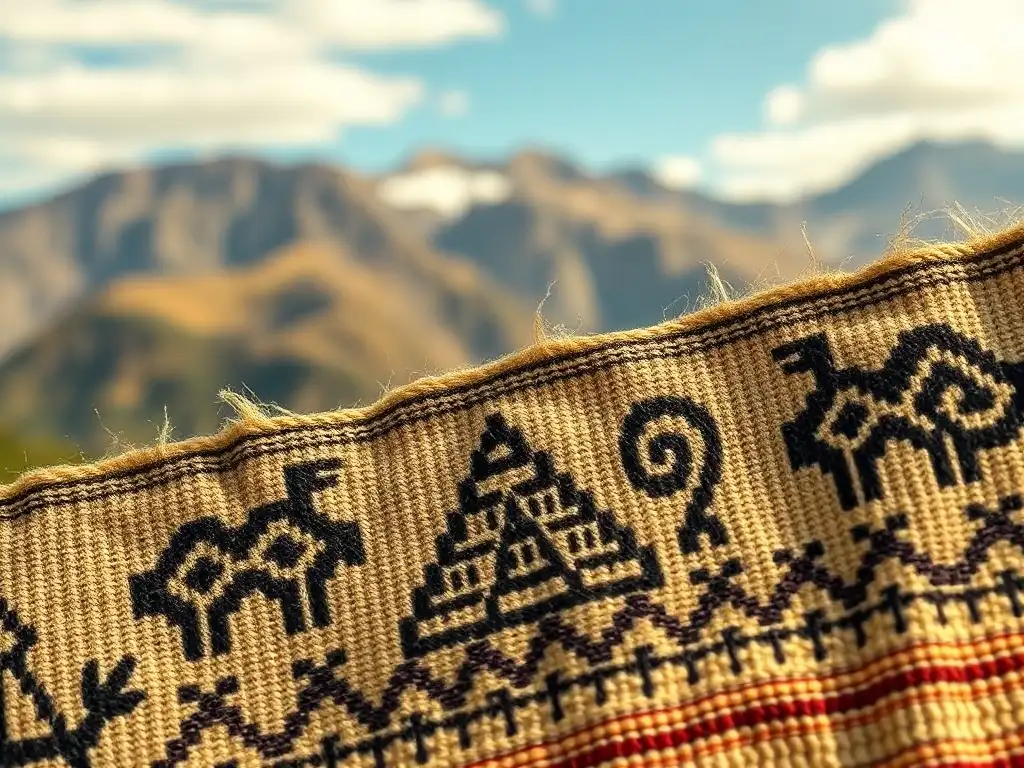
This section delves into the fascinating world of Andean symbols, exploring their multifaceted meanings and the cultural context that shaped their creation and use. Understanding Andean symbols meaning requires moving beyond simple interpretations and delving into the rich tapestry of Andean beliefs, rituals, and social structures. We will explore how these symbols served as powerful tools for communication, conveying complex ideas about cosmology, power, and social order.
The significance of these symbols is not static; their meaning often varied depending on the specific context, the artistic style, and the cultural group involved. This nuanced understanding is crucial for appreciating the artistry and cultural depth of Andean civilizations.
The Role of Symbols in Andean Culture
Andean culture placed immense value on visual communication. Symbols weren't merely decorative elements; they were integral to daily life, religious practices, and social organization. For example, the intricate designs woven into textiles often conveyed genealogical information, social status, and even historical narratives.
Similarly, pottery and metalwork frequently incorporated symbolic imagery that reflected the beliefs and values of the society that produced them. The use of symbols allowed for a complex system of communication that transcended spoken language, making information accessible across geographical boundaries and social strata. This visual language served as a powerful means of transmitting knowledge, maintaining social cohesion, and expressing spiritual beliefs across generations.
The persistence of certain motifs across different Andean cultures suggests a shared understanding of their significance, highlighting the interconnectedness of these societies. Consider the widespread use of feline imagery, interpreted by some scholars as representations of power and shamanistic abilities, found in various Andean artistic expressions, spanning centuries and diverse cultural groups. This consistency underscores the enduring importance of these visual communications.
Sacred Andean Symbols and Their Interpretations
Interpreting sacred Andean symbols requires a cautious and nuanced approach, recognizing the limitations of our modern understanding. Many interpretations are based on scholarly analysis of archaeological evidence, ethnohistorical accounts, and comparative studies with related cultures. However, definitive meanings often remain elusive due to the lack of written records from many Andean cultures.
One example is the recurring motif of the khipu, a complex system of knotted strings used for record-keeping. While scholars have made significant progress in deciphering some of the information encoded within khipu, much remains unknown. Similarly, the meaning of many zoomorphic representations, such as condors, jaguars, and snakes, remains a subject of ongoing debate, with interpretations varying based on the specific context and cultural group.
These ambiguities highlight the importance of considering multiple perspectives and avoiding simplistic or reductionist interpretations of Andean symbolism. The process of understanding these symbols is an ongoing scholarly endeavor, requiring interdisciplinary collaboration and a deep respect for the complexity of Andean cultures.
Common Motifs in Andean Art: Animal Representations
Animal representations are ubiquitous in Andean art, serving as potent symbols with diverse meanings. The condor, for instance, often symbolized power, royalty, and connection to the upper world. Its soaring flight and sharp vision made it a fitting representation of divine power and shamanistic abilities. In contrast, the serpent, frequently associated with the underworld and fertility, represented both life-giving and destructive forces.
Camelids, such as llamas and alpacas, held significant economic and symbolic importance, representing wealth, status, and the interconnectedness of humans and the Andean landscape. The specific meaning of each animal, however, varied across different Andean cultures and artistic contexts. A detailed analysis of the style, pose, and associated elements within the artwork is crucial for a more accurate interpretation.
For example, a jaguar depicted in a ferocious pose might symbolize power and aggression, while a jaguar depicted alongside agricultural symbols could represent fertility and abundance. This rich diversity of animal representations underscores the complexity and depth of Andean symbolism, highlighting the importance of considering context and cultural specificity when interpreting these powerful visual communications. Further research is needed to fully understand the subtle nuances in the representation of these animals and their evolving symbolic meaning across different periods and regions.
Geometric Patterns and Their Symbolic Value
Geometric patterns, far from being mere decorative elements in Andean art, held profound symbolic meaning for the cultures that created them. These intricate designs, often woven into textiles, carved into pottery, or painted onto walls, represented a complex cosmology and worldview. The precision and repetition found in many of these patterns suggest a deep connection to the cyclical nature of life, death, and rebirth, mirroring the Andean understanding of the agricultural cycles dependent on the sun and rain. For example, the frequent use of stepped trapezoids, reminiscent of Andean terraces, likely symbolized the relationship between human labor and the bounty of the earth.
The careful arrangement of these shapes, often in symmetrical or mirrored designs, could represent balance and harmony within the cosmos. Furthermore, specific geometric forms, like spirals or concentric circles, were likely associated with specific deities or celestial bodies, reflecting the Andean people's close observation of the natural world and their belief in its divine order. The meticulous execution of these patterns speaks to the significant cultural and spiritual value placed upon them, highlighting their importance beyond mere aesthetic appeal. Variations in the size, color, and arrangement of these geometric forms likely carried nuanced meanings, adding layers of complexity to their interpretation.
Researchers continue to decipher the full range of meaning encoded within these seemingly simple designs, uncovering new insights into Andean thought and belief systems with each new discovery. The study of geometric patterns provides a powerful window into the sophisticated intellectual and spiritual life of these ancient societies. Analyzing the context in which these patterns appear—whether on funerary textiles, ceremonial vessels, or everyday objects—is crucial for understanding their intended meaning and the role they played in Andean society.
The Purpose of Andean Symbols: Communicating Beliefs and Values
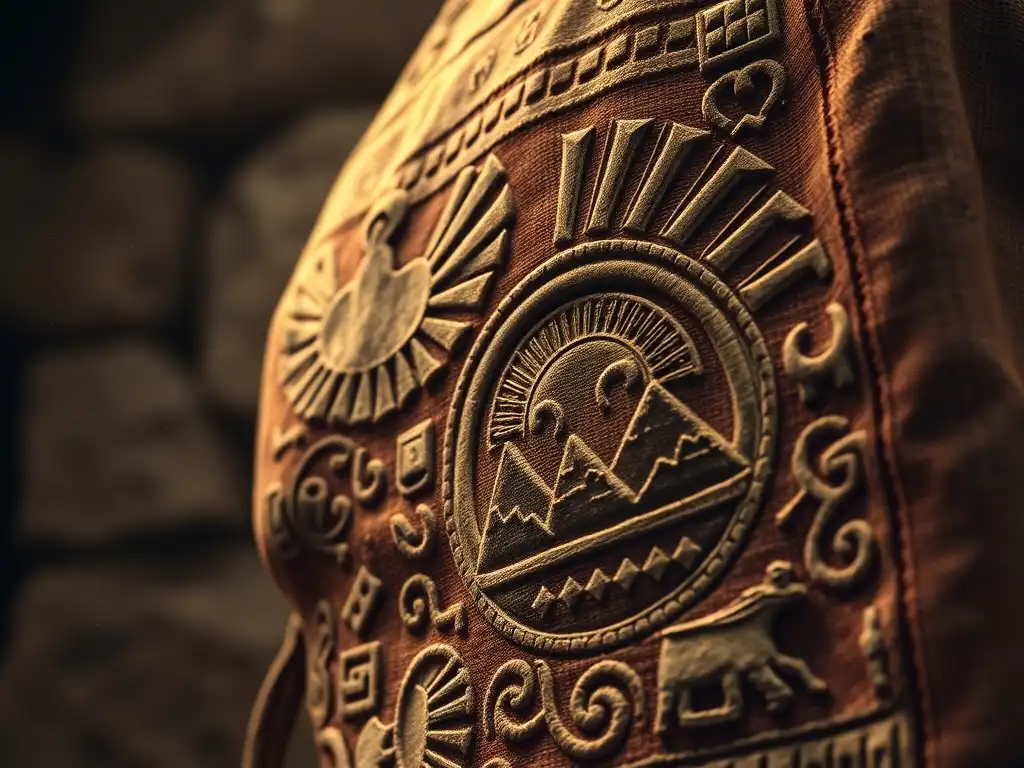
Andean symbols weren't merely decorative elements; they served crucial purposes in the lives of ancient Andean societies. Understanding their meaning requires moving beyond superficial aesthetics and delving into the complex web of beliefs, values, and social structures that shaped their creation and use. These symbols acted as powerful tools for communication, conveying intricate narratives, religious beliefs, and social hierarchies across generations and diverse communities. Their enduring presence in textiles, ceramics, and architecture testifies to their significance in shaping Andean identity and worldview. The study of Andean symbols meaning reveals a sophisticated system of visual communication, far more nuanced than initially apparent. Analyzing the context in which these symbols appear—whether on a ceremonial vessel, a woven textile, or a monumental structure—is key to unlocking their deeper meaning. The diversity of styles across different Andean cultures, from the Nazca lines to Inca khipus, further underscores the multifaceted nature of their symbolic language.
Andean Symbols as a Form of Writing
While not a fully developed alphabet in the conventional sense, many Andean symbols functioned as a form of visual communication, conveying information and narratives. The most well-known example is the khipu, complex knotted cords used by the Inca to record historical events, census data, and even possibly narratives. Each knot, its placement, and the color of the cord held specific meaning, creating a system of recording information that was both sophisticated and remarkably efficient. Archaeological discoveries continue to reveal the intricacies of the khipu system, although much remains to be deciphered.
Beyond the khipu, other Andean cultures employed symbolic systems in their artwork. For instance, the intricate designs on Moche pottery often depict mythological scenes, historical events, or social customs. Interpreting these visual narratives requires careful attention to detail and a deep understanding of the specific cultural context.
The repeated use of certain motifs across different artifacts suggests a shared understanding of their meaning within the community. Further research is needed to fully understand the extent to which Andean symbols constituted a true written language, but their communicative power is undeniable. The ongoing efforts to decipher khipu and analyze other symbolic systems demonstrate the continued fascination with and importance of understanding this unique form of Andean communication.
Ritualistic Use of Andean Symbols
Many Andean symbols held profound religious significance, appearing prominently in ritual contexts. For example, the recurring motif of the feline, often depicted in Nazca ceramics and textiles, is believed to represent a powerful deity or shamanistic figure. The condor, another frequently depicted animal, symbolized power, strength, and the connection between the earthly and spiritual realms. These symbols were not simply decorative; they were active participants in rituals, believed to possess the power to connect the living with the supernatural world.
The use of specific colors also held ritualistic significance. For instance, red often represented blood, sacrifice, and fertility, while yellow symbolized the sun and its life-giving power. The careful arrangement and combination of symbols and colors in ceremonial objects suggests a complex understanding of their ritual efficacy. Analysis of ritual sites and offerings reveals further evidence of the symbolic language's use in religious practices.
The intricate patterns found on textiles and pottery suggest a carefully orchestrated system of symbolic representation, designed to evoke specific religious experiences and enhance the efficacy of ritual actions. The vibrant colors and dynamic compositions of these objects underscore their importance in Andean religious life. The combination of animal figures, geometric patterns, and symbolic colors demonstrates the sophisticated level of ritual symbolism in Andean cultures. 🌎
Andean symbols also played a vital role in conveying social status and hierarchy. In Inca society, for example, the use of specific colors and designs on clothing and ornaments denoted social rank. Elite members of society enjoyed access to finer materials and more elaborate designs, clearly distinguishing them from commoners. Similarly, the representation of specific animals or deities on textiles or ceramics could also indicate social standing.
The intricate craftsmanship and use of precious materials further emphasized the wearer's or owner's elevated position within the social structure. The careful control and distribution of these symbols by the ruling elite served to reinforce and maintain the social order. Analysis of burial sites reveals further evidence of the association between specific symbols and social status. The presence of certain artifacts in elite tombs, adorned with particular symbols, demonstrates the symbolic reinforcement of power and privilege.
This system of visual communication was not static; it evolved over time, reflecting changes in social structures and political power dynamics. The study of Andean symbols meaning in relation to social hierarchy provides valuable insights into the complexities of Andean societies and their systems of power. The meticulous detail and careful execution of these symbols demonstrate the importance of social messaging in Andean culture. 👑
Exploring Specific Andean Symbols and Their Meanings
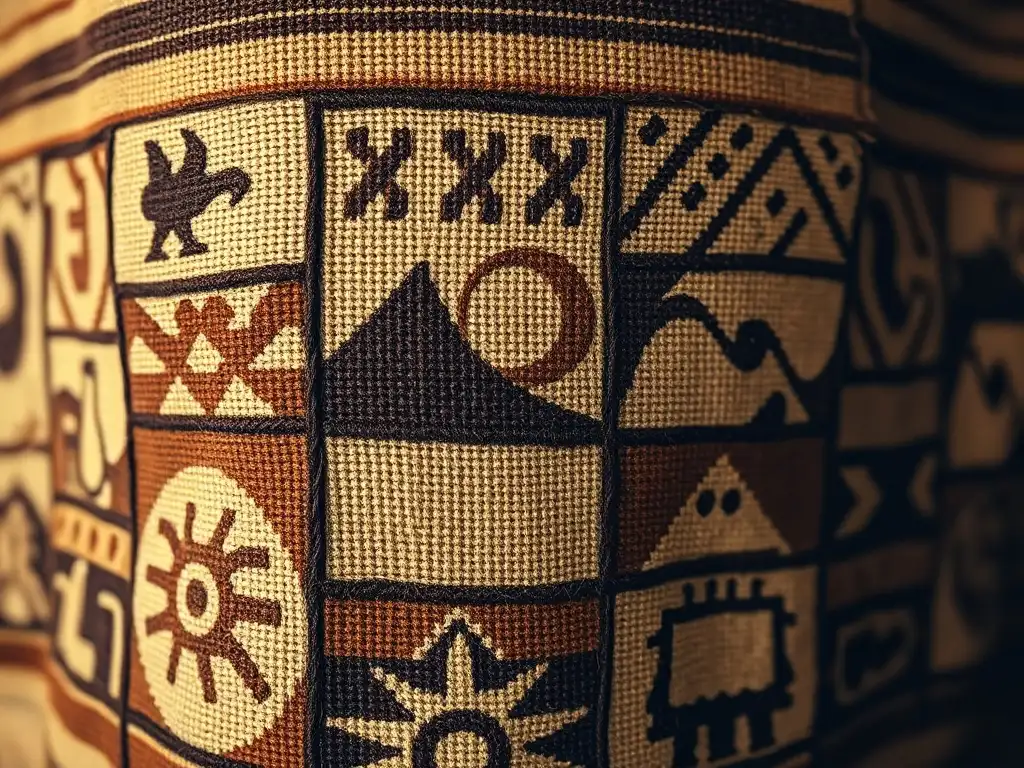
This section delves into the rich tapestry of Andean symbolism, examining specific motifs and their multifaceted meanings within the context of ancient Andean cultures. Understanding these symbols provides crucial insight into the worldview, beliefs, and social structures of these fascinating civilizations. We will explore the deeper meanings behind these iconic representations, moving beyond simple descriptions to analyze their cultural significance and artistic execution. This exploration will illuminate the profound connection between Andean art and the spiritual and cosmological beliefs of its creators. The study of Andean symbols meaning is key to unlocking a deeper understanding of their complex societies.
The Andean Cross (Chakana): A Symbol of Cosmic Order
The Chakana, also known as the Inca cross, is arguably the most recognizable Andean symbol. Far from being a simple religious icon, it represents a complex cosmology reflecting the Andean worldview. Its four arms symbolize the four cardinal directions – North, South, East, and West – connecting the earthly plane with the celestial realms. The central square often represents the intersection of these directions, the axis mundi, or the center of the world, a sacred space connecting the heavens, the earth, and the underworld.
The three steps of the Chakana often hold further symbolic weight. Some interpretations suggest they represent the three levels of reality: the Hanan Pacha (upper world, the heavens), the Kay Pacha (middle world, the earthly realm), and the Ukhu Pacha (lower world, the underworld). Other scholars propose that they signify the three stages of life: birth, life, and death; or the three states of being: physical, mental, and spiritual.
The intricate interplay of these interpretations highlights the multifaceted nature of the Chakana and its capacity to resonate with diverse aspects of Andean life and belief. The complexity of the Chakana's symbolism emphasizes its enduring power and relevance in understanding Andean symbols meaning.
The Chakana wasn't merely a decorative element; it featured prominently in textiles, ceramics, and stonework, demonstrating its deep cultural significance. Its presence in various contexts reinforces its role as a powerful symbol of cosmic balance and interconnectedness, a cornerstone of Andean cosmology. The meticulous craftsmanship evident in Chakana depictions underscores the reverence and respect accorded to this potent symbol.
The Serpent: Representation of Duality and Transformation
The serpent, a prevalent motif in Andean art, holds significant symbolic weight, often representing duality and transformation. This isn't necessarily a symbol of evil, as in some Western cultures. Instead, the Andean serpent embodies the opposing forces of nature – life and death, creation and destruction, fertility and drought – recognizing their interconnectedness and cyclical nature.
The serpent's ability to shed its skin symbolizes renewal and regeneration, reflecting the cyclical nature of Andean cosmology and the importance of rebirth and transformation within their worldview. This is further emphasized by the serpent's association with water sources, often depicted near springs or rivers, which are crucial for life and sustenance. The serpent, therefore, is not just a symbol of duality but also of the continuous cycle of life, death, and regeneration. Understanding the Andean serpent's symbolism significantly contributes to our understanding of Andean symbols meaning related to cyclical processes and the interconnectedness of life.
Different types of serpents might hold specific meanings within different Andean cultures. For example, [specific information pending] regarding regional variations in serpent iconography and their associated symbolism. This highlights the need for further research into the nuances of Andean symbolism across diverse regions and time periods.
The Condor: Symbol of Power and Spirituality
The condor, a majestic bird of the Andes, represents power, spirituality, and the connection between the earthly and celestial realms. Its ability to soar to great heights symbolized the connection to the heavens and the spiritual world, making it a powerful symbol for Andean shamans and rulers. The condor's keen eyesight was associated with wisdom and foresight, while its strength and dominance over the landscape reflected power and authority.
The condor's imagery frequently appears in Andean art, often depicted in ceremonial contexts or associated with elite figures. Its presence on textiles, ceramics, and gold artifacts underscores its importance as a symbol of power, prestige, and spiritual authority. The condor’s depiction often involves meticulous detail, highlighting the artist's skill and the reverence for this powerful creature.
Furthermore, the condor's association with the sun and the sky further solidifies its status as a celestial being, a potent symbol within the Andean belief system. Analyzing the condor's symbolic role contributes significantly to our understanding of Andean symbols meaning related to power structures and spiritual beliefs. The detailed representations of condors provide valuable clues to understanding the Andean worldview and their social hierarchy.
The Puma: Symbol of Strength and Territory
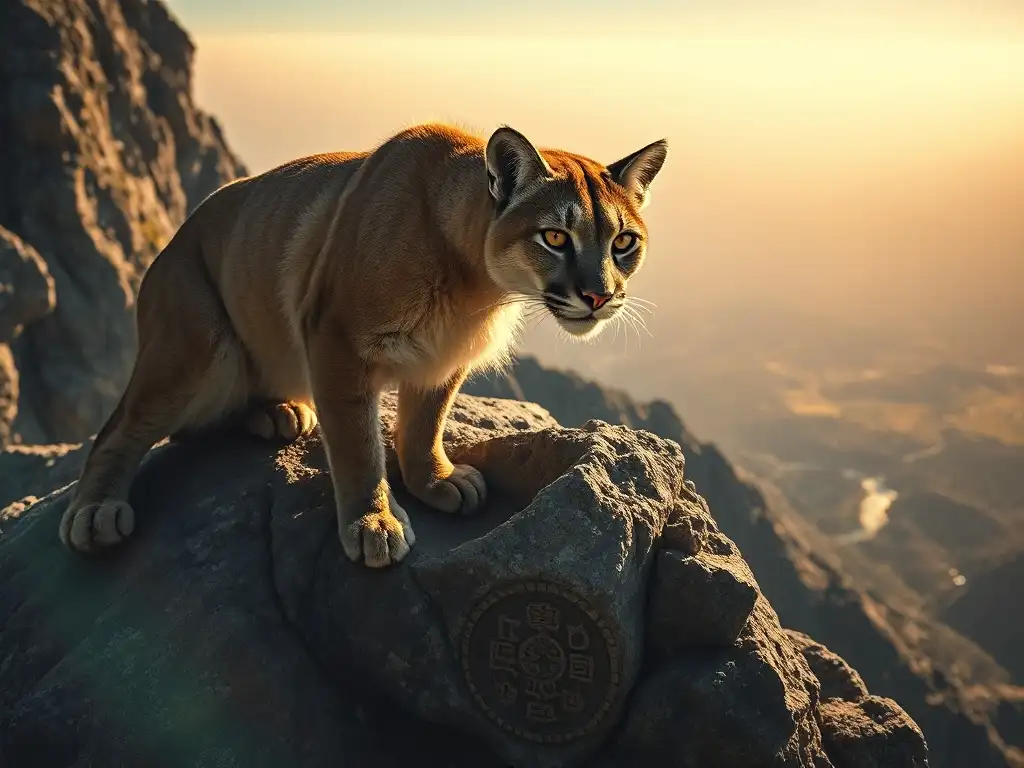
The puma, or puma concolor, held immense significance across various Andean cultures. Far more than just a powerful predator, the puma represented strength, power, and territorial dominance. Its agility and stealth were admired, reflecting the desired qualities of a successful leader or warrior.
Depictions of pumas in Andean art often feature the creature in dynamic poses, emphasizing its physical prowess and predatory nature. For example, the Moche culture, known for their intricate ceramics, frequently portrayed pumas in scenes of hunting or ritual sacrifice, highlighting their connection to both the earthly and spiritual realms. The puma's association with the mountains, a crucial element in Andean cosmology, further solidified its status as a symbol of untamed power and connection to the natural world.
In some cases, elite individuals may have even identified with the puma, adopting its attributes as a means of asserting their authority and power within their communities. The majestic feline's presence in Andean art, therefore, speaks volumes about the values and beliefs of the societies that created it; a testament to the enduring power of this iconic Andean symbol. The puma's continued relevance in modern Andean culture underscores its lasting significance as a symbol of national pride and cultural heritage.
The Sun: Symbol of Life and Energy
The sun, inti in Quechua, was undeniably the most important celestial body in the Andean worldview. It represented the source of all life, energy, and growth. Its daily journey across the sky was seen as a cyclical process of creation and renewal, mirroring the agricultural cycles crucial to Andean survival. The Inca, in particular, developed an elaborate sun cult centered around the worship of Inti, with the Sapa Inca, the emperor, claiming direct descent from the sun god. This connection solidified the sun's position as the ultimate source of authority and legitimacy. The sun's power was also linked to gold, the precious metal often associated with the sun's brilliance and warmth. Inca goldwork often featured intricate depictions of the sun, emphasizing its importance in their religious and political systems. Beyond the Inca, other Andean cultures, such as the Nazca, also revered the sun, as evidenced by their geoglyphs and other artistic representations. The sun's symbolism extended beyond mere religious veneration; it represented the vitality of the land, the prosperity of the community, and the very essence of life itself. Understanding the profound significance of the sun in Andean cultures provides a crucial key to unlocking the deeper meanings embedded within their art and religious practices. The sun, therefore, remains a powerful and enduring symbol representing life, energy, and the cyclical nature of existence in the Andes. ☀️
Andean Symbolism Across Different Civilizations
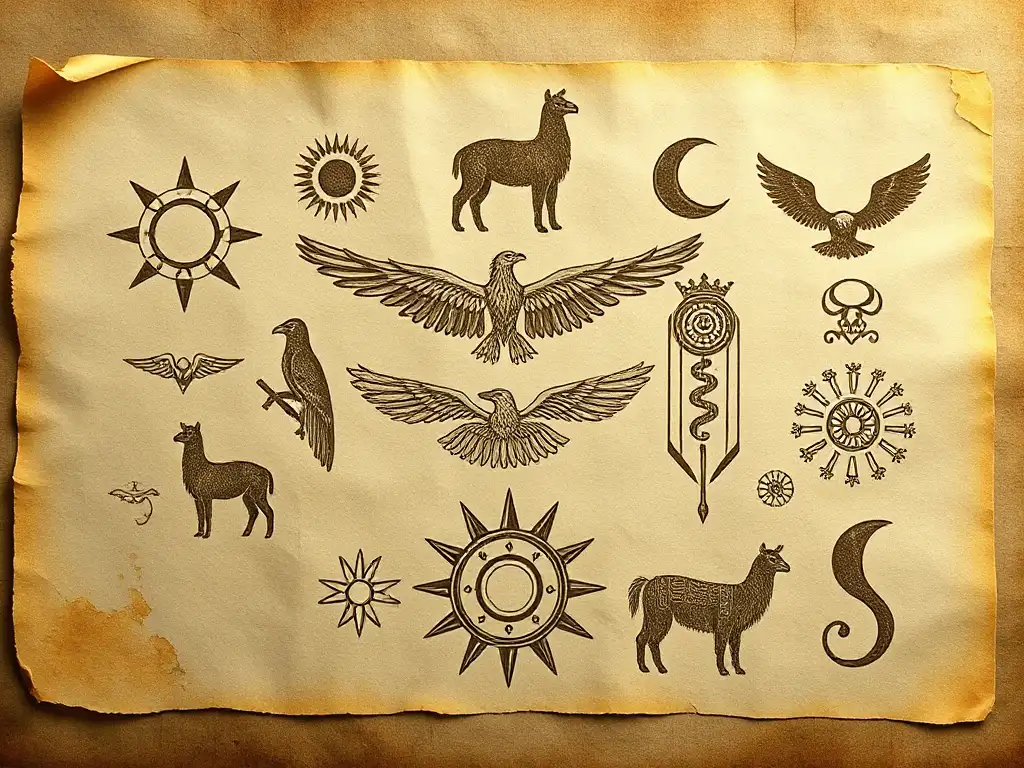
The vibrant tapestry of Andean art is interwoven with a complex system of symbols, each carrying profound meaning and reflecting the unique worldview of the civilization that created it. Understanding these symbols requires moving beyond a simple cataloging of imagery and delving into the socio-political, religious, and cosmological beliefs that shaped their creation. The interpretation of Andean symbols is not static; it's a dynamic process influenced by the context of discovery, the specific artistic style, and the ongoing scholarly debate surrounding their significance.
This intricate system of representation offers a captivating window into the minds and societies of these ancient cultures. The Andean symbols meaning is far from monolithic, varying across time and geographical location.
The Evolution of Symbols Through Time
Tracing the evolution of Andean symbols reveals fascinating shifts in meaning and representation. For instance, the recurring motif of the feline, present in both Moche and Inca art, undergoes a transformation. Early Moche depictions often portray jaguars as fierce, powerful deities associated with warfare and hunting.
In contrast, later Inca representations of felines, while still possessing a sense of authority, may also incorporate elements of grace and guardianship, reflecting the evolving religious and political landscape. This evolution isn't a simple linear progression; rather, it's a complex interplay of continuity and change, with older symbols being reinterpreted and adapted to fit new contexts. Further research is needed to fully understand the subtle nuances in the evolution of specific symbols, particularly considering the limited surviving artifacts and the challenges of deciphering their meanings without a written language.
More detailed analysis of stylistic changes within specific motifs could reveal more about temporal shifts in Andean belief systems. For example, a quantitative study comparing the depiction frequency of specific symbols across different time periods could offer valuable insights.
Variations in Symbolic Interpretation
The interpretation of Andean symbols is further complicated by regional and cultural variations. While certain motifs, such as the condor or the serpent, appear across multiple Andean civilizations, their specific meanings could differ significantly. What might represent a deity of the sky in one culture could symbolize fertility or ancestral power in another.
This variation highlights the importance of considering the specific cultural context when analyzing any given symbol. For example, the meaning of a specific type of knot, a common element in Andean textiles, could vary depending on the region where it was produced and the specific community that created it. Even within a single civilization, variations in symbolic interpretation can be present.
The Inca Empire, for example, spanned a vast territory and encompassed diverse ethnic groups, each with its own traditions and beliefs. This diversity is reflected in the subtle variations in the way symbols were employed in different regions of the empire. The ongoing research into Andean iconography constantly reveals new layers of complexity and nuance.
Comparing Moche, Nazca, and Inca Symbolism
A comparative analysis of Moche, Nazca, and Inca symbolism reveals both striking similarities and intriguing differences. All three civilizations employed anthropomorphic and zoomorphic representations, frequently depicting deities, mythical creatures, and animals with symbolic significance. However, the stylistic choices and the specific iconography varied substantially. The Moche, known for their elaborate ceramics, often depicted scenes of ritual sacrifice and warfare, with symbols emphasizing power, fertility, and the forces of nature.
The Nazca, renowned for their geoglyphs and textiles, utilized a more abstract style, with intricate geometric patterns and stylized representations of animals and plants. Their symbols often seem linked to astronomical observations and agricultural cycles. The Inca, with their vast empire, integrated elements from various conquered cultures, resulting in a more syncretic system of symbols. Their iconography frequently combined elements of earlier traditions with new imperial motifs, highlighting the empire's ambition to unify disparate groups under a single rule.
A detailed comparative study, using a large dataset of artifacts, would help to further illuminate these complex relationships and shed more light on the cultural exchange and adaptation of symbols across these Andean civilizations. The use of digital tools and advanced image analysis could significantly enhance the accuracy and efficiency of such a study. Analyzing the distribution patterns of specific symbols across different sites could reveal significant information about trade routes and cultural interactions.
The Enduring Legacy of Andean Symbols
The vibrant tapestry of Andean culture is richly interwoven with a complex system of symbols. These symbols, far from being mere decorations, served as powerful tools for communication, storytelling, and the expression of religious and social beliefs. Their enduring legacy is evident in the surviving textiles, ceramics, and architecture, offering a glimpse into the worldview of these ancient civilizations.
Understanding the meaning behind these Andean symbols provides a key to unlocking a deeper appreciation of their artistry and societal structures. The intricate designs, often incorporating animals, plants, and geometric patterns, weren't randomly chosen; they conveyed specific messages and held profound significance for their creators. The persistence of these motifs throughout different Andean cultures, despite geographical and temporal variations, highlights their enduring importance and the shared cultural heritage across various Andean societies.
Studying these symbols allows us to trace the evolution of beliefs and artistic practices across centuries, revealing fascinating insights into the continuity and change within Andean civilizations. Analyzing the symbolic language embedded in Andean art helps us move beyond a purely aesthetic appreciation and engage with the deeper cultural and spiritual meanings encoded within these artifacts.
Modern Interpretations of Ancient Symbols
Modern interpretations of Andean symbols often draw upon a combination of archaeological findings, ethnohistorical accounts, and contemporary Andean perspectives. However, it's crucial to approach these interpretations with caution, acknowledging the potential for misinterpretations and the limitations of our understanding. For example, the recurring motif of the feline, often interpreted as a symbol of power and divinity, may have held different connotations depending on the specific context and the cultural group in question.
Similarly, the use of geometric patterns, which frequently appear in textiles and ceramics, may have represented clan affiliations, cosmological beliefs, or even agricultural cycles. The challenge lies in disentangling the multiple layers of meaning embedded within these symbols, recognizing that their significance may have evolved over time and varied across different regions and social groups. Contemporary Andean communities continue to utilize many of these ancient symbols, often imbuing them with new meanings and interpretations relevant to their current lives and traditions.
This vibrant continuity underscores the enduring power and adaptability of Andean symbolic systems. Careful consideration of these modern interpretations, alongside historical evidence, is crucial for a nuanced understanding of Andean symbols meaning.
Preserving the Meaning of Andean Art
The preservation of Andean art and its inherent symbolic language is crucial for safeguarding cultural heritage and promoting a deeper understanding of these civilizations. This involves not only the physical preservation of artifacts through careful conservation techniques but also the intellectual preservation of their meaning through meticulous research and scholarly interpretation. Efforts to document and categorize the various Andean symbols, along with their associated contexts, are vital for future generations.
This includes creating comprehensive databases, developing educational resources, and fostering collaboration between archaeologists, anthropologists, and Andean communities themselves. The active involvement of descendant communities in the interpretation and preservation of their ancestral heritage is paramount, ensuring that the meaning of these symbols remains relevant and accessible. Moreover, ethical considerations are crucial.
The exploitation or misappropriation of Andean symbols for commercial purposes must be avoided, respecting their cultural significance and the rights of the communities that hold them dear. Protecting these invaluable cultural assets requires a multi-pronged approach that combines scientific rigor with cultural sensitivity and respect.
The Importance of Context in Understanding Andean Symbols
Understanding the meaning of Andean symbols necessitates a thorough consideration of their context. Isolated symbols, removed from their original setting, can be easily misinterpreted. The significance of a particular motif often depends on its placement within a larger design, the type of artifact it adorns, and the cultural and historical context in which it was created. For instance, a particular bird depicted on a textile might represent fertility in one context but a deity in another.
Similarly, a geometric pattern might signify a clan affiliation when found on a piece of pottery but represent a cosmological concept when found on a wall carving. Archaeological excavations, therefore, play a vital role in providing the contextual information necessary for accurate interpretation. Detailed analysis of the surrounding artifacts, the location of the find, and associated burial practices can offer valuable clues about the intended meaning of the symbols.
Moreover, considering the social and political structures of the Andean societies that produced these artifacts is essential for understanding the power dynamics and social hierarchies reflected in the use of specific symbols. A holistic approach, combining archaeological data, ethnographic studies, and a deep respect for Andean cultural heritage, is crucial for accurately deciphering the rich symbolic language of these remarkable civilizations. Only through careful contextualization can we truly appreciate the depth and complexity of Andean symbols meaning.
Frequently Asked Questions
What is the main purpose of this article?
This article explores the meaning and significance of Andean symbols, examining the artist's intent behind their creation and use within different ancient Andean cultures. It aims to provide a deeper understanding of the cultural context surrounding these symbols.
Why are Andean symbols important?
Andean symbols were crucial for communication, storytelling, and religious expression. They served as a visual language, conveying complex ideas about cosmology, social structures, and daily life. Their study provides valuable insights into Andean societies.
Which Andean cultures are discussed?
While the article covers Andean symbols broadly, it focuses on the artistic traditions and symbolic language used by several major cultures including the Incas, Moche, Nazca, and Tiahuanaco. The interpretations may vary slightly between these cultures.
What types of Andean symbols are covered?
The article examines a wide range of Andean symbols, including zoomorphic and anthropomorphic figures, geometric designs, and stylized representations of natural elements like the sun, moon, and mountains. Specific examples will be analyzed to illustrate their meaning.
Where can I find more information about Andean symbols and their meaning?
This article provides a starting point; for further research, explore academic journals, museum collections, and books specializing in Andean archaeology and iconography. You can also search for specific symbols using keywords like "Andean symbols meaning".
Final Reflection: Weaving the Threads of Andean Legacy
The intricate tapestry of Andean symbols continues to resonate deeply within contemporary society, reminding us of the enduring power of cultural expression and the importance of understanding diverse perspectives. These symbols, far from being mere decorations, are potent vehicles for storytelling, transmitting knowledge across generations and offering profound insights into the Andean worldview. Their continued presence in art, fashion, and even modern activism underscores their lasting relevance.
The exploration of Andean symbols has profoundly impacted my own understanding of cultural preservation and the interconnectedness of human experience. Their rich symbolism, often imbued with spiritual and cosmological significance, challenges simplistic interpretations and demands a deeper engagement with the historical and cultural context. The past is never dead. It's not even past.
– William Faulkner. This quote perfectly encapsulates the enduring power of these symbols, their continued presence a testament to the enduring legacy of Andean civilizations. Their meanings are not static; they evolve and adapt, reflecting the ongoing dialogue between past and present.
Consider the stories woven into each intricate design, the beliefs embedded within each carefully chosen motif. You, the reader, are now equipped to decipher these visual narratives, to appreciate the artistry and the profound wisdom they convey. Take the time to look beyond the surface, to explore the deeper meanings embedded within these ancient symbols. Let them inspire you to seek out the stories behind the objects you encounter, to appreciate the rich tapestry of human expression, and to actively participate in the preservation of cultural heritage for future generations.
Unveil the Rich Tapestry of Andean Symbols!
Thank you for exploring the captivating world of Andean symbols with us! Your interest shows a desire to understand these vibrant cultural expressions more deeply. Now, let's put that knowledge into practice.
Here are some ways to further connect with Andean culture:
- Deepen your understanding: Choose an Andean symbol that resonates with you and research its history and meaning. Share your discoveries with friends or on social media!
- Create your own art: Incorporate these symbols into your creative projects—whether you're drawing, painting, or crafting—to express their personal significance.
- Join the conversation: Share your insights and experiences with Andean symbols by engaging with our community in the comments below or on social media.
Which Andean symbol resonates most with you, and how will you integrate its meaning into your life?