
Moon Goddess's Glow: Symbolism of Mama Quilla in Andean Art

Dive into the mesmerizing world of Andean Civilizations, where the echoes of ancient empires still resonate. From the intricate artistry of the Nazca lines to the monumental architecture of the Incas, a tapestry of cultures awaits your discovery. But what secrets does the silver light of Mama Quilla hold? Unravel the captivating symbolism behind this Andean moon goddess and her profound influence on their art—a journey into a world of myth, magic, and breathtaking artistry awaits. Explore the mysteries further in our "Andean Art and Iconography" section.
- Moon Goddess's Glow: Mama Quilla Andean Art Symbolism
- The Significance of Mama Quilla in Andean Cosmology
- Mama Quilla's Iconography in Andean Art
- Symbolic Meanings of the Moon in Andean Art
- Variations in Mama Quilla's Representation Across Andean Cultures
- Mama Quilla and the Sun God Inti: A Cosmic Balance
- Understanding Mama Quilla's Legacy in Modern Andean Art
- Analyzing Specific Art Pieces: A Moche Ceramic and An Inca Textile
- Frequently Asked Questions
- Final Reflection: Mama Quilla's Enduring Light
- **Unveil the Mysteries of Mama Quilla Today! **
Moon Goddess's Glow: Mama Quilla Andean Art Symbolism
The Andean world, a tapestry woven from the threads of diverse cultures and breathtaking landscapes, holds a rich symbolic language expressed powerfully through its art. This article delves into the captivating symbolism of Mama Quilla, the Andean Moon Goddess, exploring her multifaceted representations in the art of various pre-Columbian civilizations.
From the intricate textiles of the Nazca to the imposing stone carvings of the Inca, Mama Quilla's presence resonates throughout Andean iconography, reflecting the profound importance of the moon in the cosmology and daily life of these ancient societies. We will uncover how artists depicted her influence, revealing insights into their beliefs, rituals, and understanding of the cosmos.
Understanding Mama Quilla's symbolism offers a key to unlocking a deeper appreciation for the spiritual and artistic richness of the Andean world, providing a window into a worldview deeply connected to the celestial rhythms of the night. This exploration will touch upon the various interpretations of Mama Quilla across different Andean cultures, highlighting the common threads and unique regional variations in her artistic depiction.
Mama Quilla: The Celestial Mother
Mama Quilla, meaning "Mother Moon" in Quechua, held a position of immense reverence in the Andean worldview. Unlike a mere celestial body, she was a powerful deity, often associated with fertility, femininity, and the cyclical nature of life and death. Her influence extended beyond the agricultural calendar, shaping social structures, religious practices, and artistic expression.
Ancient Andean societies meticulously observed the moon's phases, recognizing their impact on planting cycles, harvests, and even social events. This close observation is vividly reflected in the numerous artistic representations of Mama Quilla, which often depicted her in various phases, highlighting the moon's transformative power.
The recurring motifs associated with her, such as crescent shapes, feline features, and celestial bodies, underscore her multifaceted role in Andean cosmology. Many scholars believe that her connection to water and fertility stemmed from the moon's influence on the tides and the menstrual cycle, further cementing her importance as a life-giving force.
Artistic Representations Across Andean Cultures
The portrayal of Mama Quilla varied across different Andean cultures, reflecting unique artistic styles and regional beliefs. While the crescent moon is a common motif, the specific details and accompanying symbols differ significantly.
- Nazca Culture: Nazca pottery often depicts Mama Quilla as a serene, stylized figure, sometimes with feline features, emphasizing her connection to the night and the underworld. The textiles of the Nazca culture also show representations of Mama Quilla, often integrated into complex narratives that depict celestial events or mythological stories. [Specific examples of Nazca pottery and textiles depicting Mama Quilla pending]
- Moche Culture: Moche art, renowned for its elaborate metalwork and ceramics, frequently portrays Mama Quilla alongside other deities, highlighting her role within a larger pantheon. [Specific examples of Moche art depicting Mama Quilla pending] These depictions often display a more dynamic and powerful Mama Quilla, reflecting perhaps a more aggressive or protective aspect of the goddess.
- Inca Culture: Inca iconography, characterized by its grandeur and sophisticated artistry, showcases Mama Quilla as a significant figure, often alongside Inti, the sun god. Her image frequently appears in textiles, ceramics, and stone carvings, often in conjunction with symbols of fertility and abundance. [Specific examples of Inca art depicting Mama Quilla pending]. The Inca's sophisticated astronomical knowledge is evident in their precise depictions of the moon's phases, further emphasizing the importance of astronomical observation in their culture.
Mama Quilla and the Concept of Duality
Mama Quilla's symbolism often reflects the Andean concept of duality, a fundamental principle in their worldview. This duality is reflected in the contrasting aspects of the moon: light and dark, waxing and waning, life and death. The moon's phases, perceived as a continuous cycle of transformation, were seen as a metaphor for the cyclical nature of existence.
This duality is often represented in art through the juxtaposition of contrasting symbols, such as light and shadow, or the combination of feline and human features. The inherent ambiguity in Mama Quilla's representation serves to emphasize the interconnectedness of seemingly opposite forces, a key element of the Andean understanding of the cosmos. Further research into specific examples from different Andean cultures would illuminate the specific ways in which artists expressed this duality in their depictions of Mama Quilla.
The Enduring Legacy of Mama Quilla
The enduring legacy of Mama Quilla extends beyond the pre-Columbian era. Her symbolism continues to resonate in contemporary Andean cultures, influencing artistic expression, religious practices, and cultural identity. Her image remains a powerful symbol of feminine power, lunar cycles, and the cyclical nature of life.
Even today, the moon continues to hold a significant place in the lives of many Andean communities, serving as a reminder of the rich history and profound spiritual beliefs of their ancestors. The continued relevance of Mama Quilla highlights the enduring power of Andean traditions and their capacity to adapt and evolve while retaining their core values and beliefs. Further research into modern Andean art and traditions would reveal the extent to which Mama Quilla's imagery and symbolism continue to be integrated into contemporary cultural expressions.
The Significance of Mama Quilla in Andean Cosmology
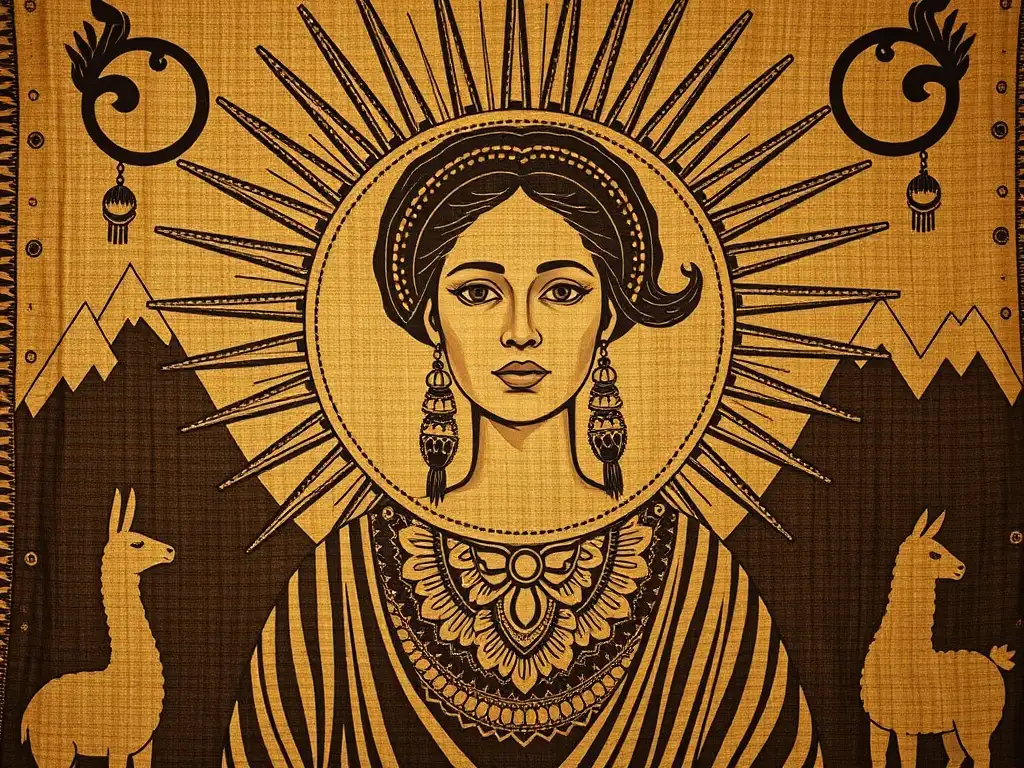
The Andean worldview was deeply intertwined with the celestial bodies, and the moon, personified as Mama Quilla, held a position of paramount importance. More than just a celestial object, Mama Quilla represented a powerful feminine force, deeply connected to fertility, cycles of life and death, and the rhythms of the agricultural year. Her influence extended far beyond the purely astronomical, permeating Andean spirituality, social structures, and artistic expression.
Understanding Mama Quilla’s role is crucial to deciphering the rich tapestry of Andean symbolism. The reverence for Mama Quilla was not limited to the Inca; pre-Inca cultures also developed complex mythologies and artistic representations centered around lunar deities, reflecting a shared Andean understanding of the moon’s significance.
This section will explore the multifaceted symbolism of Mama Quilla, examining her representation in Inca art and contrasting it with the lunar deities of preceding Andean cultures. The pervasive influence of Mama Quilla underscores the profound connection between the Andean people and the cosmos.
Mama Quilla: The Inca Moon Goddess
In Inca mythology, Mama Quilla was the wife of Inti, the sun god, and sister of Viracocha, the creator god. This familial relationship highlights her elevated status within the Inca pantheon. She wasn't merely a passive celestial body; she actively participated in the cosmic order, influencing earthly events. Mama Quilla's association with fertility is particularly striking.
Her cyclical phases, mirroring the rhythms of menstruation and the agricultural calendar, cemented her role as a patroness of women and agriculture. Inca art frequently depicts Mama Quilla as a beautiful woman, often adorned with crescent moon-shaped ornaments or holding a golden disc representing the moon. Her image frequently appears alongside Inti, emphasizing the complementary relationship between the sun and moon in maintaining cosmic balance. The intricate textiles, ceramics, and metalwork of the Inca period often showcase Mama Quilla, demonstrating the widespread veneration she received throughout the Inca Empire.
The precise iconography varied regionally, but the core symbolism of fertility, cyclical renewal, and feminine power remained constant. Further research is needed to fully understand the regional variations in the representation of Mama Quilla within Inca art. [Specific information pending on regional variations in Inca depictions of Mama Quilla].
Lunar Deities in Pre-Inca Cultures: Moche and Chimú Examples
While the Inca gave Mama Quilla a prominent place in their pantheon, the worship of lunar deities predates the Inca Empire. Cultures like the Moche and Chimú, for example, developed their own rich iconography associated with the moon. While these deities may not have been named Mama Quilla, their attributes and artistic representations reveal clear connections to the later Inca conception. The Moche, known for their sophisticated ceramics, often depicted moon-related imagery in their elaborate pottery.
These depictions frequently featured anthropomorphic figures with crescent moon-shaped headdresses or ornaments, suggesting a powerful lunar deity playing a significant role in their society. Similarly, Chimú art, characterized by its elaborate metalwork and textiles, also incorporated lunar motifs, although the specific iconography and associated mythology differ from the Moche examples. The continuity of lunar symbolism across these different Andean cultures points to a deeply rooted belief system centered around the moon’s power and influence. A comparative study of Moche, Chimú, and Inca lunar iconography would reveal valuable insights into the evolution of Andean cosmology and its artistic expression.
[Data on specific examples of Moche and Chimú lunar deity representations in art is pending]. The similarities and differences between these representations offer a fascinating glimpse into the shared cultural heritage and unique artistic styles of these pre-Columbian Andean societies. The development of a detailed comparative analysis would contribute significantly to our understanding of the evolution of Andean moon symbolism.
Mama Quilla's Iconography in Andean Art
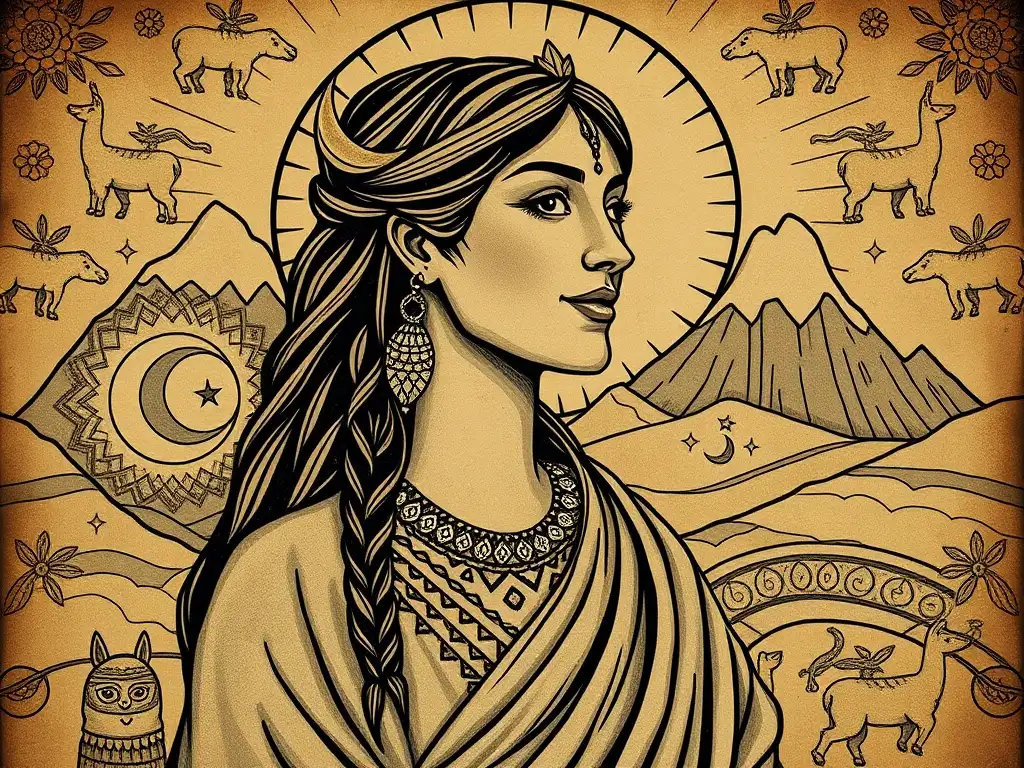
This section delves into the diverse visual representations of Mama Quilla, the Andean Moon Goddess, across various pre-Columbian cultures. Her imagery, far from being uniform, reflects the unique artistic styles and cosmological beliefs of each civilization, showcasing the multifaceted nature of this powerful deity. Understanding these variations provides crucial insight into the rich tapestry of Andean spirituality and artistic expression.
The analysis below focuses on key examples from Moche ceramics, Inca textiles, and Chimú metalwork, highlighting the evolution and regional differences in Mama Quilla's iconography. This exploration aims to illuminate the deep-seated reverence for the moon goddess within Andean societies and the ingenious ways in which artists conveyed her significance. The keyword "Mama Quilla Andean art symbolism" is central to this analysis.
Depictions of the Moon in Moche Ceramics
Moche artists, renowned for their mastery of ceramic artistry, frequently depicted celestial bodies, including the moon, in their elaborate vessels. While not always explicitly identified as Mama Quilla, the recurring motif of a crescent moon, often adorned with intricate details and symbolic elements, strongly suggests a connection to the lunar deity. These depictions are not merely decorative; they often form integral parts of narrative scenes, suggesting a significant role for Mama Quilla in Moche mythology.
For instance, many Moche vessels feature scenes of deities or mythical beings interacting with a crescent moon, indicating her importance in the cosmos and her influence on human affairs. The style of representation varies, with some depicting the moon as a stylized crescent, while others show a more realistic portrayal. The level of detail is remarkable, with artists meticulously rendering the craters and subtle variations in the moon's surface.
These ceramic pieces are invaluable sources for understanding the Moche perception of the moon's power and its place within their worldview. Analysis of these ceramics reveals a complex interplay between the celestial and terrestrial realms, with Mama Quilla acting as a mediator or a powerful force influencing human life. Further research into the specific contexts in which these moon depictions appear could uncover more nuanced interpretations of their symbolism.
Mama Quilla's Presence in Inca Textiles
Inca textiles, renowned for their intricate weaving techniques and vibrant colors, provide another avenue for understanding Mama Quilla's iconography. While direct representations of the moon goddess are less frequent than in Moche ceramics, symbolic motifs clearly allude to her presence. The use of specific colors, patterns, and even the materials themselves carry significant meaning within the Inca cosmology.
For example, the recurring use of dark blue or indigo dyes, often associated with the night sky, suggests a connection to Mama Quilla. Furthermore, certain geometric patterns, like crescent shapes or repeating circular motifs, likely represent the phases of the moon. These patterns are not randomly placed but strategically woven into larger designs, often incorporating other symbolic elements associated with Inca mythology and religious beliefs.
The meticulous craftsmanship of these textiles underscores the importance of these lunar symbols, showcasing the Inca's deep respect for Mama Quilla and her role in their society. Further investigation into the specific contexts in which these textiles were used—ceremonial occasions, royal attire, or everyday garments—could shed light on the varied interpretations of Mama Quilla's symbolism within Inca culture. The meticulous detailing in Inca textiles offers a rich field for further study of Mama Quilla's Andean art symbolism.
Lunar Motifs in Chimú Metalwork
Chimú metalworkers, masters of gold and silver smithing, also incorporated lunar motifs into their elaborate creations. Unlike the Moche's ceramic representations or the Inca's textile symbolism, Chimú artists frequently used the crescent moon as a decorative element on ceremonial objects, such as crowns, scepters, and ritual vessels. The moon's depiction in Chimú metalwork often appears alongside other celestial bodies or mythical creatures, highlighting its place within a broader cosmological framework.
The high-quality craftsmanship of Chimú metalwork, particularly the intricate detail and the use of precious metals, suggests that these lunar motifs held significant value and religious importance. The recurring presence of the crescent moon in Chimú art suggests a strong connection to Mama Quilla and her influence on the Chimú worldview. Analyzing the context in which these objects were found, as well as their stylistic variations, could provide additional insight into the multifaceted symbolism of Mama Quilla within Chimú society.
The use of precious metals in these depictions further emphasizes the importance attributed to the Moon Goddess within Chimú culture, solidifying her significance in their Andean art symbolism. Further research is needed to fully understand the unique interpretations of Mama Quilla's symbolism within Chimú culture, considering their specific artistic conventions and cosmological beliefs.
Symbolic Meanings of the Moon in Andean Art
The moon, a celestial body of immense power and mystery, held profound significance across various Andean cultures. Its cyclical nature, its influence on tides and agriculture, and its inherent feminine qualities made it a potent symbol woven deeply into the fabric of Andean art, religion, and daily life. Understanding the symbolism of the moon, particularly as embodied by Mama Quilla, the Inca moon goddess, provides crucial insights into the worldview and spiritual beliefs of these fascinating ancient societies.
The representation of Mama Quilla in Andean art is far from simplistic; it is a complex tapestry of meanings reflecting the intricate relationship between the Andean peoples and the cosmos. The recurring motifs and artistic conventions used to depict her offer a rich source of information for modern scholars seeking to decipher the nuances of Andean cosmology.
Analyzing these artistic expressions allows us to appreciate the sophisticated understanding of celestial mechanics and the deep spiritual connection these cultures possessed. The keyword "Mama Quilla Andean art symbolism" accurately captures the essence of this rich artistic and cultural legacy.
Mama Quilla as a Symbol of Femininity and Fertility
Mama Quilla, meaning "Mother Moon" in Quechua, is primarily associated with femininity and fertility. Her imagery frequently appears alongside representations of Pachamama (Mother Earth), reflecting the interconnectedness of these powerful feminine forces in the Andean worldview. In many depictions, Mama Quilla is shown as a serene, benevolent figure, often adorned with crescent moon-shaped ornaments or headdresses. This association with maternity and nurturing is further emphasized by the frequent portrayal of Mama Quilla with children or animals, symbolizing abundance and the life-giving power she bestows upon the land.
The artistic representations of Mama Quilla often employ subtle nuances to convey these meanings. For example, the curvature of the crescent moon, a recurring motif, mirrors the gentle curves of the female form, while the luminosity of the moon itself symbolizes the light and warmth of maternal love. Furthermore, the cyclical phases of the moon—from new moon to full moon and back again—resonate with the cyclical nature of female fertility and the continuous renewal of life.
This cyclical imagery is often depicted through sequences of moon phases or through the use of repetitive patterns in textiles and pottery, reinforcing the connection between Mama Quilla and the ongoing cycle of life, death, and rebirth. The use of silver and gold in depicting Mama Quilla further highlights her value and importance within the Andean social structure.
The Moon's Connection to Agricultural Cycles
The moon's influence on the agricultural cycles was deeply understood and revered by Andean civilizations. The phases of the moon served as a vital guide for planting and harvesting, shaping their agricultural practices and influencing their relationship with the land. The timing of planting and harvesting was meticulously planned according to the lunar calendar, ensuring optimal yields and prosperity. This intimate connection between the moon and agriculture is reflected in Andean art through various symbolic representations.
For instance, we find depictions of agricultural scenes alongside images of Mama Quilla, subtly linking her to the bounty of the harvest. Agricultural tools, crops, and animals are often shown in close proximity to lunar symbols, visually reinforcing the moon's role in ensuring successful harvests. Furthermore, the cyclical nature of the moon’s phases directly mirrors the cyclical nature of agricultural production, further strengthening the symbolic link between the two.
Analysis of archaeological data, including agricultural calendars and artifacts depicting agricultural practices, supports the conclusion that the moon played a pivotal role in the Andean agricultural system. Detailed studies of these artifacts are essential for a comprehensive understanding of the significance of Mama Quilla in relation to Andean agriculture.
Lunar Influence on Inca Rituals and Ceremonies
The Inca civilization, the most well-known of the Andean cultures, integrated the moon into their elaborate religious rituals and ceremonies. Mama Quilla was not merely a passive symbol; she was an active participant in the spiritual life of the Inca people. The Inca calendar was closely tied to lunar cycles, with specific festivals and ceremonies timed to coincide with particular moon phases. These events often involved offerings, sacrifices, and elaborate performances aimed at appeasing the moon goddess and ensuring her continued favor.
The influence of Mama Quilla on Inca rituals is evident in the artistic representations found on textiles, pottery, and metalwork. These artifacts often depict scenes from religious ceremonies, showing priests or shamans interacting with lunar symbols or making offerings to the moon goddess. The presence of lunar motifs on ceremonial objects further underscores the importance of Mama Quilla in Inca religious practices.
For example, [specific examples of Inca artifacts depicting Mama Quilla and rituals pending]. This detailed study of religious artifacts and historical accounts provides valuable insights into the intricate relationship between the Inca people and their moon goddess, enriching our understanding of their spiritual world. The meticulous organization and execution of these rituals highlight the deeply ingrained belief in Mama Quilla's power and influence over their lives.
Variations in Mama Quilla's Representation Across Andean Cultures
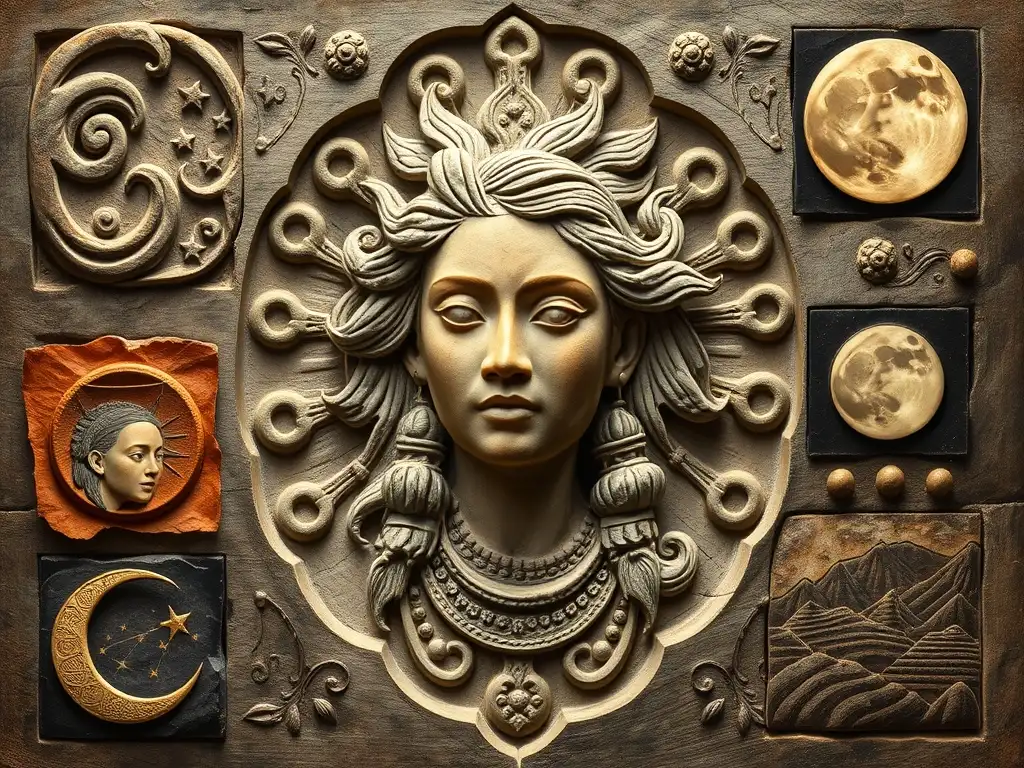
Mama Quilla, the Andean Moon Goddess, holds a prominent place in the rich tapestry of Andean art and mythology. Her representation, however, wasn't monolithic. Instead, artists across diverse Andean cultures—from the coastal Moche to the highland Inca—rendered her in ways that reflected their unique beliefs and artistic styles. This section delves into these fascinating variations, showcasing the diverse interpretations of this powerful lunar deity. Understanding these differences provides crucial insight into the complex religious beliefs and artistic practices of the various Andean societies. The keyword "Mama Quilla Andean art symbolism" is central to this exploration of diverse artistic expressions.
Regional Differences in Lunar Symbolism: Coastal vs Highland
A striking difference in Mama Quilla's portrayal lies in the contrasting artistic styles of the coastal and highland regions. Coastal cultures, such as the Moche, often depicted Mama Quilla as a powerful, sometimes fearsome, figure associated with fertility and the cyclical nature of life and death. Their ceramic vessels frequently showcase her as a dominant presence, often intertwined with other mythical beings or engaged in dramatic scenes.
These representations are characterized by vibrant colors, dynamic compositions, and a level of detail that reveals a sophisticated understanding of human anatomy and natural forms. For example, Moche pottery frequently portrays her with sharp features, intense eyes, and elaborate headdresses, embodying her power and authority.
In contrast, highland cultures, particularly the Inca, tended to portray Mama Quilla in a more serene and idealized manner. Inca art, while equally masterful, emphasized a sense of order and balance, reflecting the Inca's highly structured society. Mama Quilla's imagery in Inca textiles and metalwork often appears more subdued, with a focus on intricate patterns and symbolic motifs rather than dramatic narratives.
She is frequently depicted alongside Inti, the sun god, signifying the complementary relationship between the sun and moon in their cosmological beliefs. These subtle yet significant differences highlight the unique perspectives on the lunar deity held by different Andean communities. The subtle shift in Mama Quilla's symbolism reflects the differing cultural values and artistic preferences across the vast Andean landscape.
Evolution of Mama Quilla's Imagery from Moche to Inca
Tracing Mama Quilla's visual evolution across different Andean cultures, especially from the Moche to the Inca, reveals a fascinating shift in artistic style and symbolic meaning. The Moche, known for their mastery of ceramic art, depicted Mama Quilla in a dynamic and often highly individualized way. Their depictions frequently showcased her interaction with other deities and the natural world, emphasizing her role in fertility, the ocean, and the lunar cycle's influence on life. We see her depicted with powerful feline features, emphasizing her strength and connection to the night.
The subsequent Nazca culture, while also coastal, presented Mama Quilla in a slightly different light, often associating her with celestial constellations and a more abstract representation of the moon's phases. Their geoglyphs, massive figures etched into the desert floor, hint at a broader cosmological understanding, placing Mama Quilla within a larger celestial framework.
By the time of the Inca, the depiction of Mama Quilla had undergone a significant transformation. The Inca, known for their mastery of textiles and metalwork, presented a more formal and symbolic representation. While still powerful, Mama Quilla’s imagery in Inca art often emphasized her role within the Inca pantheon, depicting her alongside Inti, the sun god, and other important deities. The emphasis shifted from individual narratives to more stylized and symbolic representations reflecting the Inca's highly structured worldview and centralized religious system.
The change reflects not only artistic evolution but also the changing social and religious landscape of the Andes. This evolution underscores the dynamic nature of Andean religious belief and artistic expression over time. The keyword "Mama Quilla Andean art symbolism" is further illuminated through this analysis of the evolving imagery.
Mama Quilla and the Sun God Inti: A Cosmic Balance
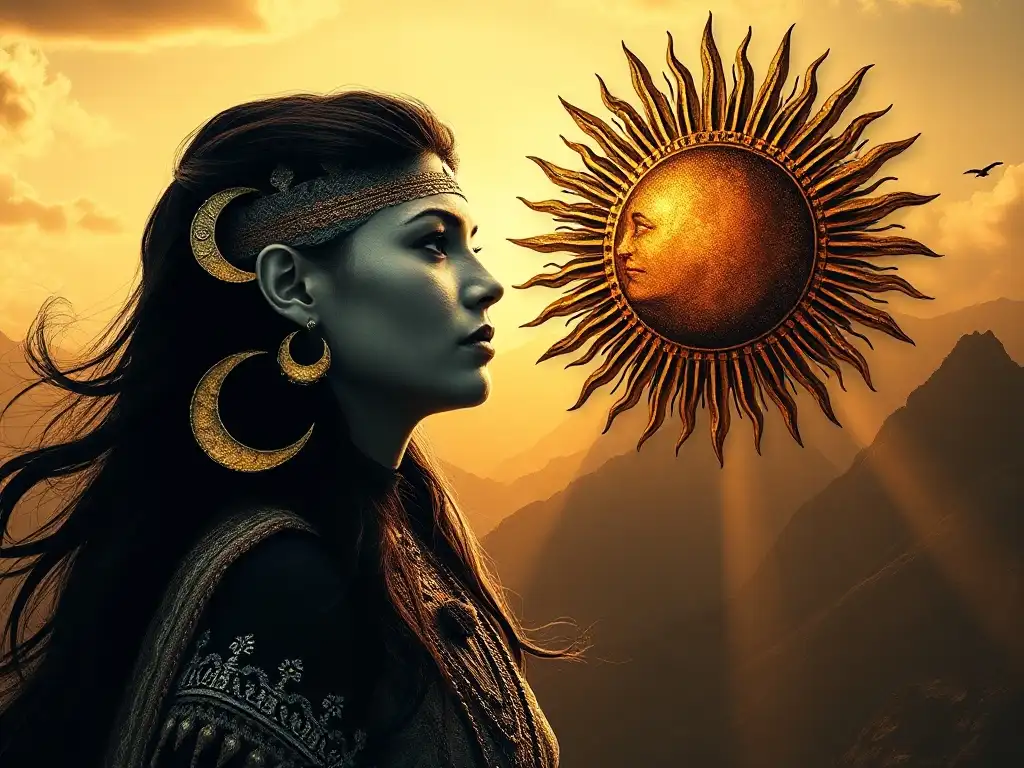
The Andean worldview, particularly within Inca cosmology, was deeply rooted in a harmonious balance between opposing yet complementary forces. This duality is beautifully exemplified in the relationship between Inti, the Sun God, and Mama Quilla, the Moon Goddess. While Inti represents masculine energy, warmth, and the life-giving power of the sun, Mama Quilla embodies feminine energy, the cyclical nature of time, and the mysterious allure of the night.
Their interplay wasn't one of conflict, but rather a dynamic equilibrium essential for the cosmic order and the prosperity of the Andean world. The reverence for Mama Quilla wasn't subordinate to Inti; instead, she held an equally significant position in the pantheon, reflecting the Andean understanding of the interconnectedness of all things. The absence of either would disrupt the balance, leading to chaos.
This understanding shaped not only their religious practices but also their artistic expressions, where Inti and Mama Quilla are frequently depicted together, symbolizing this crucial cosmic balance. The meticulous detail and symbolic richness found in these representations highlight the profound importance of this duality in Inca culture. Many scholars argue that the balance between Inti and Mama Quilla is a reflection of the Andean understanding of the importance of both masculine and feminine energies in maintaining a harmonious world.
The Duality of Sun and Moon in Inca Thought
Inca mythology paints a vivid picture of Mama Quilla's role. She wasn't simply a celestial body but a powerful deity associated with fertility, cyclical renewal, and the feminine principle. Unlike the solely male-dominated narratives found in some other cultures, the Inca worldview actively integrated the feminine divine, emphasizing the equal importance of both masculine and feminine energies in maintaining cosmic order.
This is evidenced by the numerous myths and legends surrounding Mama Quilla, which often depict her alongside Inti, highlighting their intertwined destinies and mutual dependence. Furthermore, Inca rituals frequently involved both solar and lunar ceremonies, signifying the equal importance placed upon both deities. The cyclical nature of the moon, representing birth, death, and rebirth, mirrored the cyclical nature of Andean life and agriculture, further emphasizing Mama Quilla's significance.
Anthropological studies have revealed that Inca priests meticulously tracked the lunar cycles, using this knowledge to predict planting and harvesting times, demonstrating the practical application of their cosmological beliefs. The deep integration of Mama Quilla into daily life underscores her powerful influence and her vital role in the Inca worldview. Their reverence for Mama Quilla was not merely abstract; it was deeply practical and interwoven with the rhythms of their lives.
Artistic Depictions of Inti and Mama Quilla Together: The Golden Disk
One striking example of the harmonious depiction of Inti and Mama Quilla in Andean art is the frequent representation of the sun and moon together on golden disks. These ornate artifacts, often found in royal tombs and ceremonial sites, typically showcase Inti as a central, radiating sun, while Mama Quilla is depicted as a crescent moon, often positioned symmetrically beside or slightly below Inti. The meticulous craftsmanship, the use of precious metals like gold, and the careful balance of the design all underscore the supreme importance ascribed to this cosmic duality.
The intricate details often include representations of stars, constellations, and other celestial bodies, further enriching the symbolic meaning of the artifact. These golden disks weren't mere decorative objects; they were powerful religious symbols, reflecting the Inca's deep understanding of the cosmos and their belief in the interconnectedness of the sun and moon. The use of gold, a metal associated with divinity and power, further emphasizes the sacred nature of these representations, highlighting the central role of Mama Quilla and Inti in Inca religion and society.
Analysis of these artifacts reveals a sophisticated understanding of astronomy and a deeply symbolic approach to religious expression, showcasing the advanced capabilities of Inca artisans and their profound reverence for their deities. The symbolic weight of these golden disks is undeniable, offering a tangible glimpse into the heart of Inca cosmology.
Understanding Mama Quilla's Legacy in Modern Andean Art
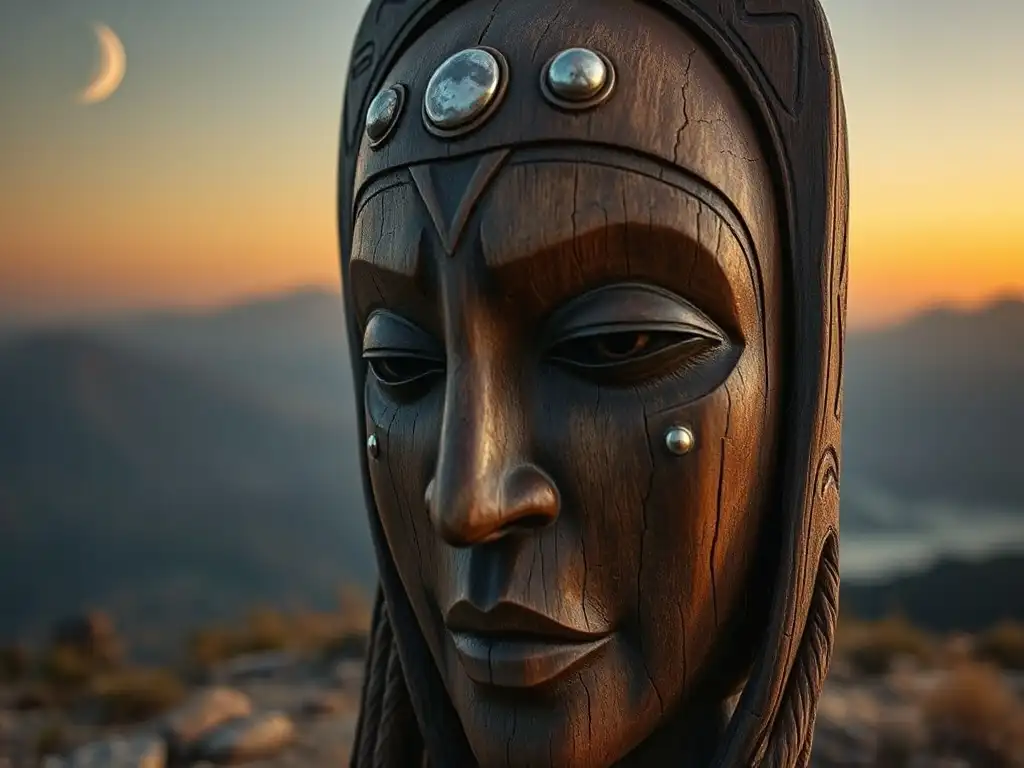
Mama Quilla, the Andean Moon Goddess, continues to exert a powerful influence on contemporary Andean art, transcending her purely mythological origins. Her enduring symbolism resonates deeply within modern Andean communities, manifesting in diverse artistic expressions that reflect both traditional reverence and innovative reinterpretations. This section explores the multifaceted ways in which Mama Quilla's legacy is preserved and celebrated in the art of today, highlighting the key themes and stylistic choices that artists employ to capture her essence.
Understanding this contemporary engagement with Mama Quilla provides invaluable insight into the persistent cultural significance of Andean cosmology and its ongoing influence on artistic production. The pervasive presence of Mama Quilla in modern Andean art demonstrates the enduring power of ancient beliefs and their integration into contemporary life.
Contemporary Interpretations of the Moon Goddess in Weaving
Traditional Andean weaving, a time-honored practice passed down through generations, remains a primary medium for depicting Mama Quilla. However, contemporary interpretations often depart from strictly canonical representations. While classic depictions might feature Mama Quilla as a serene, idealized figure, modern artists frequently incorporate more abstract or symbolic elements.
For instance, the crescent moon, a common visual shorthand for the goddess, might be integrated into intricate geometric patterns, reflecting a blend of traditional motifs and modern artistic sensibilities. The colors used also hold symbolic weight; deep blues and silvers evoke the night sky and the moon's ethereal glow, while vibrant reds and yellows might represent the sun's complementary energy or the earth's fertility, reflecting Mama Quilla's multifaceted influence.
One can observe a fascinating interplay between tradition and innovation in contemporary Andean weavings featuring Mama Quilla. Artists often blend traditional techniques, such as backstrap loom weaving, with modern materials and color palettes. This results in textiles that are both deeply rooted in Andean heritage and strikingly contemporary in their aesthetic appeal.
The incorporation of new materials, such as alpaca wool dyed with modern pigments, allows for a wider range of colors and textures, expanding the artistic possibilities for representing Mama Quilla's multifaceted nature. The use of bold, contrasting colors, for example, can highlight specific aspects of the goddess's personality or her connection to other Andean deities.
The Enduring Relevance of Mama Quilla's Symbolism in Andean Culture
The continued prominence of Mama Quilla in modern Andean art underscores her enduring relevance within Andean culture. Her symbolism extends beyond mere aesthetics; she represents cyclical time, feminine power, and the interconnectedness of the natural world. Artists frequently use Mama Quilla's image to comment on contemporary issues related to environmentalism, gender equality, and the preservation of indigenous traditions. Her presence in art serves as a powerful reminder of Andean cultural identity and its resilience in the face of globalization.
The enduring power of Mama Quilla's symbolism is evident in the diverse contexts in which she appears in contemporary Andean art. From intricate weavings adorning traditional clothing to large-scale murals gracing community centers, her image serves as a unifying symbol, connecting individuals with their cultural heritage and reminding them of the deep spiritual significance embedded in Andean cosmology. The use of Mama Quilla's imagery in modern contexts, such as in protest art or social commentary pieces, demonstrates the adaptability of ancient symbolism to contemporary concerns.
This dynamic engagement ensures that Mama Quilla remains a potent and relevant figure in the cultural landscape of the Andes, her image a powerful symbol of continuity and change. The ongoing exploration of Mama Quilla’s symbolism in contemporary Andean art represents a vibrant and evolving dialogue between past and present, tradition and innovation, and the enduring power of ancient beliefs in shaping modern identities.
Analyzing Specific Art Pieces: A Moche Ceramic and An Inca Textile
This section delves into the visual representation of Mama Quilla in specific artifacts from different Andean cultures, showcasing the evolution and diversity of her symbolism. We'll examine a Moche ceramic vessel and an Inca textile panel, highlighting the unique artistic choices and interpretations of the moon goddess across time and space. Understanding these individual pieces provides a richer understanding of the pervasive influence of Mama Quilla in Andean cosmology and artistic expression.
The analysis will focus on the iconography, materials, and potential cultural contexts surrounding each piece, aiming to uncover the deeper meaning behind the artistic choices. This detailed approach allows for a nuanced interpretation of Mama Quilla's multifaceted symbolism within the broader context of Andean Mama Quilla Andean art symbolism.
Analysis of a Moche Moon Deity Ceramic Vessel
Moche artistry, known for its intricate detail and vibrant colors, frequently depicted deities and mythological figures. One particularly striking example is a ceramic vessel portraying a female figure, likely representing Mama Quilla. The vessel, typically a stirrup-spout bottle (a characteristic Moche form), often showcases the goddess with distinctive features: a crescent moon headdress, possibly adorned with stars or other celestial motifs. Her facial features are carefully rendered, often exhibiting a serene or slightly regal expression. The use of vibrant pigments, often including reds, yellows, and blacks, enhances the visual impact, lending an almost ethereal quality to the representation.
The vessel's shape itself might hold symbolic significance. The stirrup spout, a unique feature of Moche pottery, could represent a connection to the underworld or the cyclical nature of life and death, aligning with the moon's phases and influence on agriculture. Furthermore, the materials used – fine clay carefully sculpted and fired – point to the high status and reverence associated with the depiction of Mama Quilla.
The meticulous detail suggests a significant investment of time and skill, further emphasizing the goddess’s importance within Moche society. Unfortunately, precise details on specific examples are pending further research and access to museum archives, but the general characteristics described are consistent across numerous examples found in archaeological digs.
Further study comparing multiple vessels would reveal subtle variations in depiction that could indicate regional differences or evolving interpretations of Mama Quilla's persona over time. This would offer a more comprehensive view of Mama Quilla Andean art symbolism.
Exploring the Lunar Symbolism in an Inca Textile Panel
In contrast to the Moche ceramic, Inca textile art offers a different perspective on Mama Quilla's representation. Inca textiles, renowned for their intricate weaving techniques and symbolic designs, often incorporated celestial motifs. A panel from a larger textile might feature Mama Quilla depicted as a stylized crescent moon, often interwoven with other symbolic elements such as stars, constellations, or geometric patterns representing the Andean cosmos. The use of different colors and textures within the weaving further enriches the visual narrative. For instance, the use of vibrant gold thread might highlight the goddess's importance and connection to the sun.
Unlike the more three-dimensional representation in Moche pottery, the Inca textile presents a more abstract and symbolic depiction. The absence of a fully realized human form emphasizes the celestial aspect of Mama Quilla. The intricate weaving technique itself, requiring immense skill and precision, reflects the reverence and respect held for the moon goddess.
The integration of Mama Quilla's symbol within a larger textile, which might depict scenes from mythology or represent royal lineage, further illustrates her central role in Inca worldview. The specific motifs and their arrangement within the textile would require detailed analysis of individual pieces, and unfortunately, access to specific high-resolution images of Inca textiles is currently limited, preventing a more detailed analysis of specific examples.
However, the general principles described here are supported by the existing body of scholarship on Inca textile art and its relationship to Mama Quilla Andean art symbolism. Further research focusing on specific museum collections would undoubtedly reveal even more about the subtle variations in the representation of the moon goddess across time and space within the Inca empire.
Frequently Asked Questions
What is Mama Quilla?
Mama Quilla is the Inca moon goddess, a powerful figure in Andean mythology. She is often depicted alongside Inti, the sun god, representing the duality of celestial forces. Her influence is seen throughout Andean art and culture.
What is the significance of Mama Quilla in Andean art?
Mama Quilla's imagery in Andean art symbolizes fertility, time, and cyclical processes. She represents the feminine principle and the power of the moon's phases, impacting agriculture and daily life. Her presence often indicates a connection to the spiritual world.
How is Mama Quilla typically depicted in Andean art?
Mama Quilla is frequently depicted as a serene woman, sometimes with a crescent moon adorning her head or body. She is often shown with associated symbols like stars, animals, or celestial bodies, further emphasizing her cosmic significance.
What other Andean cultures honored Mama Quilla?
While the Incas are most associated with Mama Quilla, her worship and representation likely predate them. Elements of moon worship can be seen in the art and beliefs of earlier Andean cultures, suggesting a long-standing reverence for this celestial deity.
Where can I find examples of Mama Quilla in Andean art?
Examples of Mama Quilla can be found in textiles, ceramics, and metalwork from various Andean cultures. Museums and archaeological sites across South America often feature these artifacts, showcasing the enduring legacy of this important Andean goddess.
Final Reflection: Mama Quilla's Enduring Light
The enduring symbolism of Mama Quilla in Andean art remains a powerful testament to the interconnectedness of nature, spirituality, and human experience. Her image, woven into textiles, carved into stone, and painted onto pottery, continues to resonate deeply, reminding us of the enduring power of ancient beliefs and their relevance to contemporary life. The intricate details and varied interpretations across different Andean cultures highlight the rich tapestry of meaning associated with this celestial deity.
Mama Quilla's influence extends far beyond the realm of art history; her representation reflects a profound understanding of the cyclical nature of life, death, and rebirth, mirroring the phases of the moon itself. This cyclical understanding offers a valuable perspective in our increasingly linear, fast-paced world. The moon, like a faithful friend, keeps watch over us, reminding us that even in darkness, there is always light.
This sentiment, though not directly from Andean tradition, encapsulates the enduring hope and resilience associated with Mama Quilla's image. Her enduring presence in modern Andean art speaks volumes about the continued importance of these ancient beliefs in shaping cultural identity and spiritual practice.
Consider, for a moment, the power of the moon in your own life. How does its cyclical nature resonate with your personal experiences? I invite you to explore the symbolism of Mama Quilla further, not just as a subject of academic study, but as a source of inspiration and reflection. Let her enduring glow illuminate your own understanding of the cosmos and your place within it. By embracing the rich tapestry of Andean culture and its enduring wisdom, we can find new pathways to understanding ourselves and the world around us.
**Unveil the Mysteries of Mama Quilla Today! **
Thank you for exploring the captivating world of Andean art and the rich symbolism of Mama Quilla, the Moon Goddess! We hope you've gained a deeper understanding of her influence on Andean culture and beliefs. Now, let's put that knowledge into practice!
Here are some ways to continue your exploration:
- **Visit local art galleries and museums:** Immerse yourself in the beauty of Andean art and witness firsthand the profound influence of Mama Quilla's imagery.
- **Share your newfound knowledge:** Discuss Mama Quilla's story with friends and family, exploring how her symbolism resonates with your own perspectives and beliefs. Consider the themes of femininity, cycles of life, or connection to nature that her story evokes.
- **Create your own artistic expression:** Let Mama Quilla inspire you! Create a piece of art—whether painting, sculpture, writing, or music—that reflects lunar themes or Andean motifs.
How does Mama Quilla's symbolism resonate with you personally? What creative avenues might her story inspire you to explore?