
The Impact of Conquest: How Spanish Colonization Affected Andean Textile Art

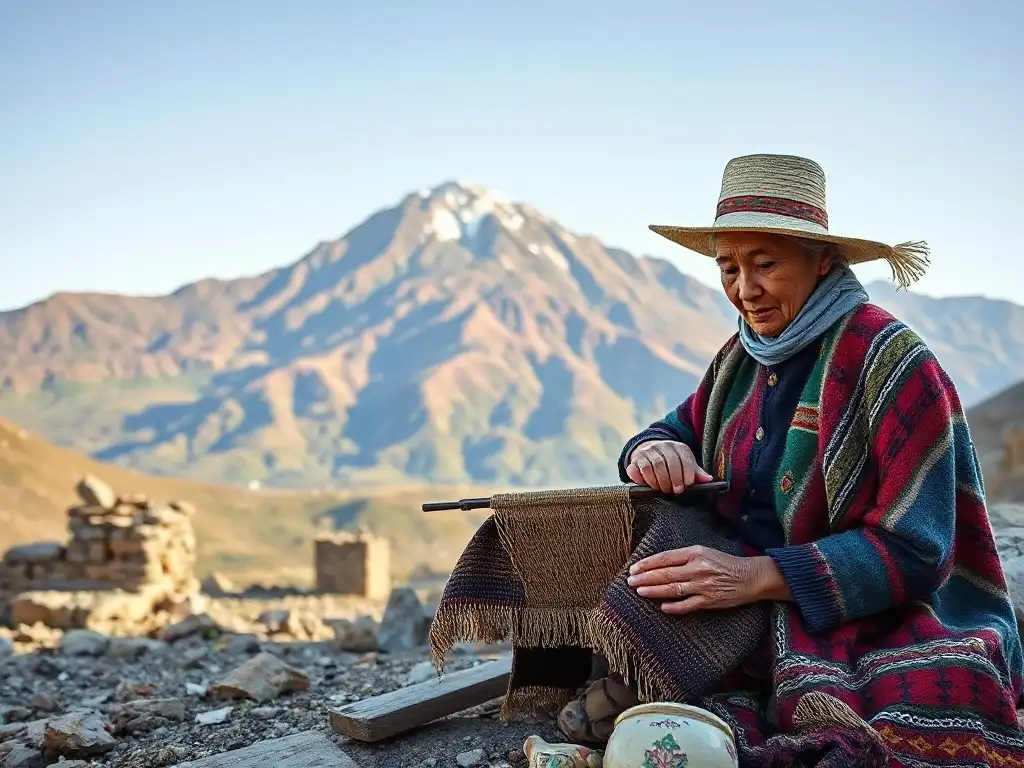
Unravel the mysteries woven into the very fabric of the Andes! For centuries, the vibrant threads of Andean textile art told stories of power, spirituality, and daily life. But what happened when the Spanish Conquest arrived? Discover how this pivotal moment irrevocably altered the landscape of Andean textile art, a transformation as intricate and captivating as the textiles themselves. Journey with us to explore the fascinating legacy of "Andean textile art Spanish conquest" and uncover the enduring impact of this dramatic historical shift.
The vibrant tapestry of Andean textile art, a testament to millennia of cultural evolution and ingenuity, underwent a profound transformation upon the arrival of the Spanish conquistadors in the 16th century. This article delves into the significant impact of Spanish colonization on this intricate art form, exploring how the conquest disrupted traditional practices, introduced new materials and techniques, and ultimately reshaped the aesthetic and symbolic meaning embedded within Andean textiles. We will examine the multifaceted effects of colonization, from the suppression of indigenous artistry to the surprising instances of cultural fusion and adaptation that emerged in the wake of conquest.
Understanding this historical context is crucial for appreciating the complexity and resilience of Andean textile art as it exists today. The keyword "Andean textile art Spanish conquest" will be explored throughout this analysis, highlighting the dramatic shifts and lasting legacies of this pivotal period.
The Suppression of Indigenous Traditions
The Spanish conquest initiated a systematic dismantling of the Inca Empire and its intricate social structures. This included the suppression of indigenous artistic practices, viewed by the colonizers as pagan and barbaric. Many traditional textile production centers were destroyed, and the skilled artisans who had passed down their craft for generations were often forced into labor, their expertise exploited for the benefit of the Spanish crown.
The vibrant colors and complex designs that characterized pre-Columbian Andean textiles, often imbued with deep spiritual and symbolic meaning, were gradually replaced by simpler, more utilitarian styles favored by the colonizers. This period witnessed a significant decline in the production of high-quality textiles intended for ceremonial or elite purposes.
The intricate weaving techniques, passed down through generations, were actively discouraged, leading to a loss of knowledge and a simplification of design. The social and economic disruption caused by the conquest directly contributed to this decline, forcing many weavers to abandon their traditional practices in favor of more immediate survival needs.
The Introduction of New Materials and Techniques
Despite the suppression of indigenous traditions, the Spanish conquest also introduced new materials and techniques into Andean textile production. The arrival of European sheep brought with it the use of wool, a fiber previously unknown in the Andes. This addition to the existing palette of cotton, alpaca, and vicuña fibers broadened the possibilities for textile creation. However, the introduction of wool was not without its consequences.
While it offered new textural possibilities, it also sometimes led to a shift away from the fine, intricate weaving techniques favored by indigenous artisans. The Spanish also introduced new dyeing techniques, using plant-based dyes imported from Europe, alongside the existing palette of Andean dyes derived from native plants and minerals. The interplay between these new and old techniques resulted in a fascinating blend of styles and aesthetic influences. This fusion, however, often came at the cost of the continuity of pre-Columbian styles.
The Emergence of Hybrid Styles and Cultural Adaptation
Despite the initial suppression, Andean textile art did not disappear entirely. Indigenous artisans demonstrated remarkable resilience and adaptability, subtly incorporating elements of Spanish culture into their work. This resulted in the emergence of hybrid styles, where traditional Andean designs were blended with new European motifs. In some cases, religious imagery from Catholicism was incorporated into traditional textile patterns, creating a unique visual language that reflected the complex cultural interactions of the colonial period.
This blending of styles served as a form of cultural resistance, a way for indigenous communities to preserve aspects of their heritage while navigating the realities of colonial life. The process was not always harmonious, and the resulting textiles often reflect the tension between imposed and indigenous cultural expressions. The persistence of traditional Andean symbols within these hybrid styles serves as a powerful testament to the enduring strength of indigenous artistic traditions.
The Lasting Legacy of Colonial Impact on Andean Textile Art
The impact of the Spanish conquest on Andean textile art is a complex and multifaceted story, one marked by both destruction and adaptation. While the conquest led to a significant disruption of traditional practices and a decline in the production of certain types of textiles, it also resulted in the emergence of new styles and techniques.
The legacy of this period continues to shape Andean textile art today, influencing both the materials used and the designs created. The intricate interplay between indigenous traditions and colonial influences has created a rich and diverse tapestry of artistic expression that reflects the enduring strength and adaptability of Andean culture.
The study of Andean textile art, therefore, requires a careful consideration of its historical context, acknowledging both the destructive and creative forces that have shaped its evolution. The legacy of the Spanish conquest remains a crucial element in understanding the complexities and beauty of Andean textile art.
- The Suppression of Indigenous Traditions
- The Introduction of New Materials and Techniques
- The Emergence of Hybrid Styles and Cultural Adaptation
- The Lasting Legacy of Colonial Impact on Andean Textile Art
- What is the main focus of this article?
- How did the Spanish conquest influence Andean textile production?
- Did the Spanish completely eradicate Andean textile traditions?
- What specific changes occurred in Andean textile designs after the conquest?
- Where can I learn more about the specific Andean cultures affected by the Spanish conquest?
Andean Textile Art Before the Spanish Conquest: A Rich Tradition
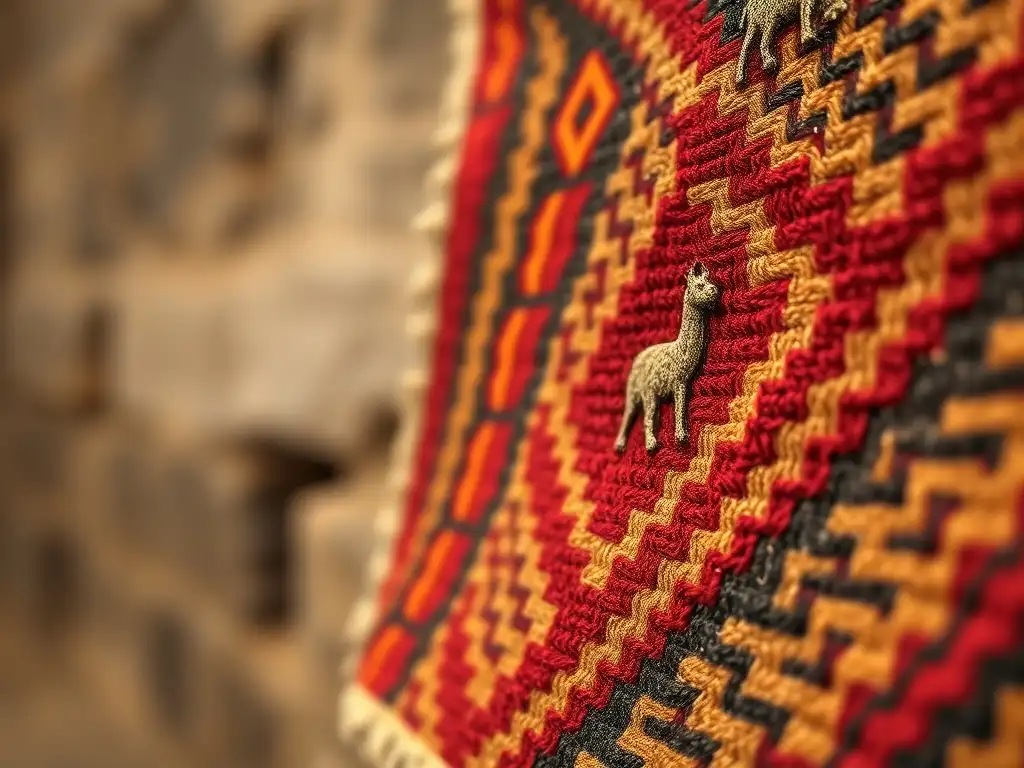
The arrival of the Spanish in the 16th century dramatically altered the course of Andean textile art, but to understand the full impact of the conquest, we must first appreciate the vibrant and sophisticated tradition that preceded it. For centuries, Andean cultures—including the Inca, Wari, Tiwanaku, and numerous other regional groups—developed highly advanced textile techniques and imbued their creations with deep symbolic meaning. The artistry wasn't merely decorative; it was integral to social structures, religious practices, and daily life.
Understanding this pre-conquest context is crucial to grasping the magnitude of the changes wrought by Spanish colonization. The legacy of pre-Columbian Andean textile art continues to inspire and amaze, a testament to the ingenuity and artistic vision of these ancient cultures. The keyword phrase "Andean textile art Spanish conquest" highlights the dramatic shift, but the pre-conquest richness deserves equal attention.
Pre-Columbian Textile Techniques and Materials
Andean weavers demonstrated remarkable mastery over a wide array of techniques. They skillfully employed techniques such as warp-faced plain weave, tapestry weave, brocade, and double-cloth weaving, creating textiles of unparalleled complexity and beauty. The sheer variety of techniques employed speaks volumes about the level of sophistication achieved.
Their expertise extended to the materials themselves. The Andes provided a diverse palette of natural fibers, including:
- Llama and alpaca wool: Known for their softness, warmth, and durability, these fibers were carefully selected and processed to create yarns of varying thicknesses and textures.
- Cotton: Grown in the warmer coastal regions, cotton provided a lighter and more breathable alternative to wool.
- Vicuña and guanaco wool: These rarer fibers, prized for their exceptional fineness and softness, were reserved for elite members of society.
The processing of these fibers involved intricate steps, including shearing, washing, carding, spinning, and dyeing. Natural dyes, derived from plants, insects, and minerals, produced a stunning array of colors, ranging from deep reds and rich browns to vibrant yellows and greens. The precise recipes for these dyes were often closely guarded secrets, passed down through generations of weavers. The careful selection and preparation of materials were essential to the overall quality and symbolic significance of the finished textile.
Symbolic Representation in Pre-Hispanic Andean Textiles
Andean textiles were not simply utilitarian objects; they were powerful vehicles for conveying symbolic meaning. Complex designs, often incorporating geometric patterns, stylized animals, and anthropomorphic figures, communicated social status, religious beliefs, and cosmological concepts. For example, certain motifs might represent deities, ancestors, or specific events of ritual significance.
Consider the intricate iconography found on Paracas textiles (circa 200 BCE – 200 CE). These textiles, renowned for their vibrant colors and elaborate designs, often depict scenes of ritual ceremonies, mythical creatures, and shamanistic practices. The motifs were not randomly arranged; their placement and relationships communicated complex narratives.
| Motif | Possible Interpretation |
|---|---|
| Concentric circles | Cyclical nature of life, cosmic order |
| Stylized birds | Messengers of the gods, connection to the spirit world |
| Human figures | Ancestors, deities, shamanistic figures |
The precise meaning of many symbols remains a subject of ongoing research, but it's clear that Andean textiles served as a powerful form of visual communication, reflecting the rich cosmology and social structures of the various Andean cultures. The subtle nuances in design and color choices conveyed layers of meaning, making each textile a unique and valuable artifact.
Weaving in Andean societies was not just a craft; it was a highly valued skill, often associated with ritual and social status. In many cultures, women played a dominant role in textile production, although men also participated in certain aspects of the process. The creation of textiles was often accompanied by rituals and ceremonies, ensuring the successful completion of the task and imbuing the finished product with spiritual power.
Textiles served a wide range of social and ritual functions:
- Clothing: Textiles were used to create garments that denoted social status, occupation, and ethnic identity. Elaborate textiles worn by elites communicated their power and prestige.
- Religious objects: Textiles were used to create ceremonial garments, ritual banners, and offerings for deities.
- Burial goods: Textiles were frequently included in burials, providing the deceased with necessary items for the afterlife.
- Trade and exchange: High-quality textiles served as valuable commodities, facilitating trade and exchange networks across the Andes.
The social and ritual significance of Andean weaving ensured its survival and evolution for centuries. The intricate techniques, symbolic designs, and social context of Andean textiles combined to create a rich and complex artistic tradition. The Spanish conquest, unfortunately, profoundly impacted this intricate system, leading to significant changes in both technique and meaning.
The Arrival of the Spanish and its Initial Impact on Andean Art
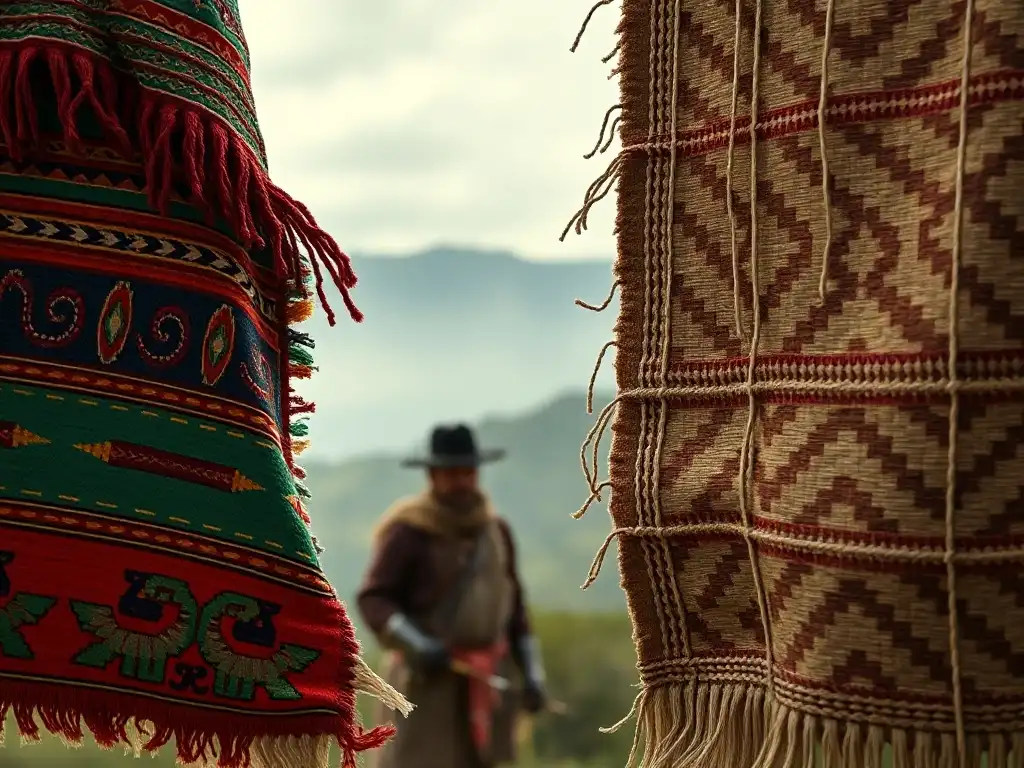
The Spanish conquest of the Andes in the 16th century irrevocably altered the trajectory of Andean textile art. While the intricate weaving techniques and symbolic designs of pre-Columbian cultures had flourished for millennia, the arrival of the Spanish marked a turning point, leading to a complex interplay of cultural exchange, suppression, and adaptation. Understanding this impact requires examining the immediate consequences of the conquest, the introduction of new materials and styles, and the disruption of established production systems. The keyword phrase "Andean textile art Spanish conquest" encapsulates this transformative period.
Early Encounters and the Introduction of European Materials
The initial contact between Spanish conquistadors and Andean communities was often characterized by violence and upheaval. However, alongside the destruction, a subtle exchange of goods and materials began. European textiles, including silks, velvets, and linens, unknown in the Andes before the conquest, started to appear.
These luxurious fabrics, initially accessible only to the elite, gradually influenced Andean textile production. Initially, Andean artisans likely incorporated these new materials into existing designs, creating hybrid textiles that reflected both Andean traditions and European influences. This early period saw a fascinating blending, a tentative fusion rather than a complete replacement of established techniques.
For example, we can imagine Andean weavers using their mastery of techniques like ichu weaving to incorporate strands of imported silk, resulting in textiles of unprecedented richness and texture. The impact was gradual, with the full consequences unfolding over generations. Unfortunately, detailed records of these early hybrid textiles are scarce, making further research crucial to fully understand this transitional phase in Andean textile art.
The Imposition of New Artistic Styles and Motifs
As Spanish colonial rule solidified, the influence on Andean textile art shifted from subtle integration to overt imposition. The Spanish Crown actively promoted the adoption of European artistic styles and religious motifs. Religious imagery, such as depictions of saints and biblical scenes, became increasingly common in Andean textiles, often replacing or overlaying traditional Andean designs.
This wasn't a simple replacement; instead, we see a fascinating negotiation of visual languages. Andean artisans, while compelled to incorporate new motifs, often subtly integrated their own symbolic elements into the imposed designs. For instance, a seemingly straightforward depiction of the Virgin Mary might subtly incorporate traditional Andean geometric patterns or color schemes, demonstrating a resistance through subtle visual strategies.
This period showcases the resilience of Andean artistic traditions, even under the pressure of colonial rule. Further research into the iconography of colonial-era Andean textiles is needed to better understand the complex interplay between imposed and indigenous symbolism. This process reveals the artistry of Andean weavers who, even under duress, retained their identity through their craft.
Disruption of Traditional Andean Production Systems
The Spanish conquest profoundly disrupted the traditional production systems that had supported Andean textile art for centuries. The mita system, a form of forced labor, was exploited to produce textiles for the Spanish Crown and colonial elite. This resulted in a shift away from the production of textiles for local communities and the creation of items for personal adornment or ritual use.
The demand for textiles shifted dramatically, focusing on the production of goods for the colonial market, often in styles dictated by Spanish preferences. This led to a decline in the production of certain types of textiles, particularly those with complex designs and intricate techniques that were not profitable under the colonial system. The resulting economic and social changes had a devastating impact on the diversity and complexity of Andean textile art.
We can hypothesize that certain traditional weaving techniques and designs may have been lost or significantly altered during this period due to the prioritization of profitable, European-influenced production. Further investigation into colonial records and surviving textiles is essential to fully comprehend the extent of this disruption and its long-term impact on Andean textile traditions. The loss of traditional systems represents a significant aspect of the impact of the Spanish conquest on Andean textile art.
Transformations in Andean Textile Art During Colonial Times
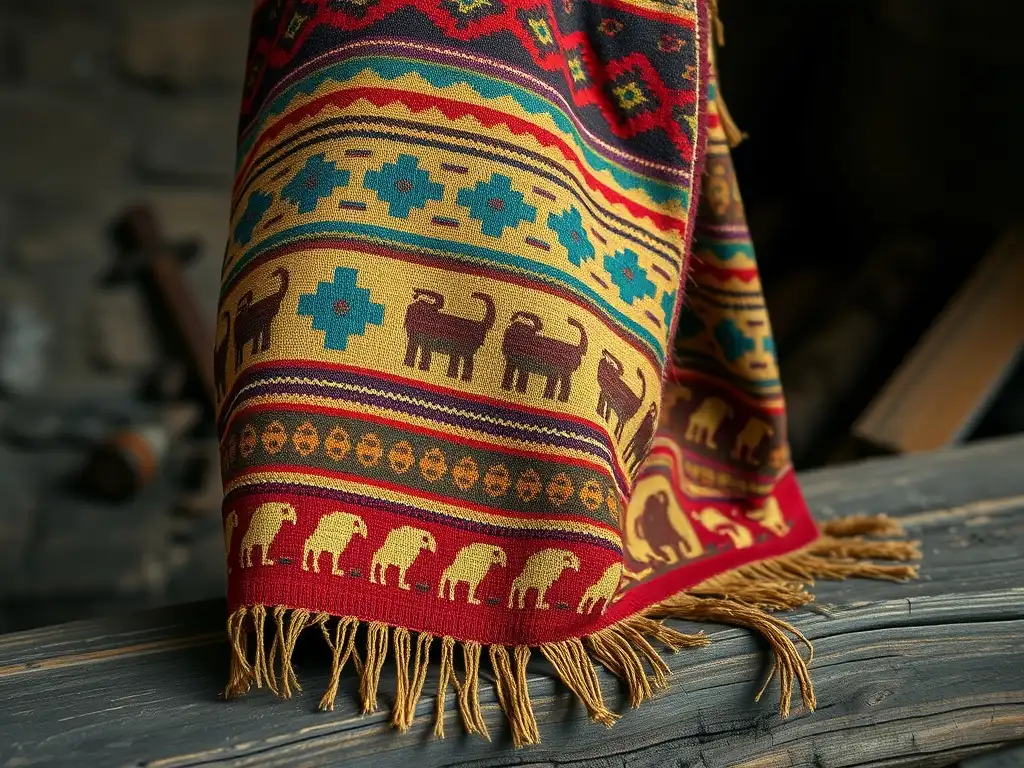
The Spanish conquest of the Andes dramatically altered the landscape of Andean textile art, leaving an indelible mark on its techniques, motifs, and social significance. While the arrival of the Spanish initially disrupted established production and distribution networks, it also triggered a fascinating process of cultural exchange and adaptation. The vibrant tapestry of pre-Columbian Andean textile art was irrevocably changed, resulting in a hybrid artistic tradition that reflected both the indigenous heritage and the imposed European influences.
This section will explore the key transformations that occurred, focusing on the interplay between indigenous and colonial aesthetics. Understanding this period is crucial for appreciating the complexity and resilience of Andean textile art, and its ongoing relevance today.
The impact of the Spanish conquest on Andean textile art is a multifaceted story, one that showcases both destruction and creative adaptation in the face of immense social and political upheaval. The keyword "Andean textile art Spanish conquest" perfectly encapsulates this complex historical process.
The Incorporation of European Techniques in Andean Weaving
Prior to the conquest, Andean weavers possessed sophisticated techniques, including intricate backstrap loom weaving, complex dyeing processes using natural pigments, and mastery of various textile structures like tapestry and brocade. The Spanish introduction of new technologies, albeit gradual, significantly impacted Andean weaving practices. The arrival of the vertical loom, for example, though initially adopted by the Spanish for their own textile production, eventually influenced Andean weavers.
This new loom facilitated larger-scale production and potentially different textile designs. However, the adoption wasn't a wholesale replacement. Indigenous weavers cleverly integrated elements of the vertical loom into their existing practices, adapting it to their needs and continuing to prioritize their traditional techniques.
This selective borrowing highlights the agency of Andean artisans who resisted complete cultural assimilation. The integration of new technologies didn't erase existing knowledge; instead, it enriched and expanded the existing repertoire of Andean weaving techniques. This careful blending of the old and the new is a hallmark of Andean textile art's resilience during this period of intense cultural transformation.
Hybridity in Colonial Andean Textiles: Blending Traditions
The most striking aspect of colonial Andean textiles is the emergence of a hybrid aesthetic. Pre-Columbian motifs, often imbued with deep spiritual and social meanings, continued to be used, but were frequently modified or combined with European design elements. For example, traditional Andean geometric patterns might be incorporated into garments with European-style silhouettes, or indigenous iconography might be subtly integrated into textiles intended for the colonial market.
This blending was not simply a superficial overlay; it often resulted in new and unique artistic expressions. Consider the use of vibrant Andean dyes alongside European-introduced wools and silks. The resulting textiles are a testament to the adaptability and creativity of Andean weavers, who cleverly negotiated the boundaries of cultural exchange.
The textiles themselves became sites of cultural negotiation, where indigenous identities were subtly, yet powerfully, asserted within a colonial context. This fascinating hybridity is a key element of understanding the lasting impact of the Spanish conquest on Andean textile art.
The Evolution of Andean Textile Motifs Under Spanish Influence
The introduction of Christianity significantly influenced the motifs depicted in Andean textiles. While pre-Columbian textiles often featured representations of deities, mythical creatures, and celestial bodies, colonial textiles increasingly incorporated Christian imagery, such as crosses, saints, and biblical scenes. However, the integration of these new motifs was often far from straightforward.
Indigenous artists frequently adapted Christian iconography, reinterpreting it through the lens of their own cultural beliefs and artistic conventions. For instance, a cross might be incorporated into a traditional geometric pattern, or a saint might be depicted with features and attire that blend indigenous and European styles. This process of adaptation, often subtle and nuanced, underscores the agency and resistance of Andean artisans who found ways to maintain their cultural identity even within the confines of colonial rule.
The evolution of Andean textile motifs reflects a complex interplay between imposed religious symbols and the enduring power of indigenous artistic traditions. This subtle negotiation between imposed religious imagery and the persistence of indigenous aesthetics is a key characteristic of colonial Andean textile art.
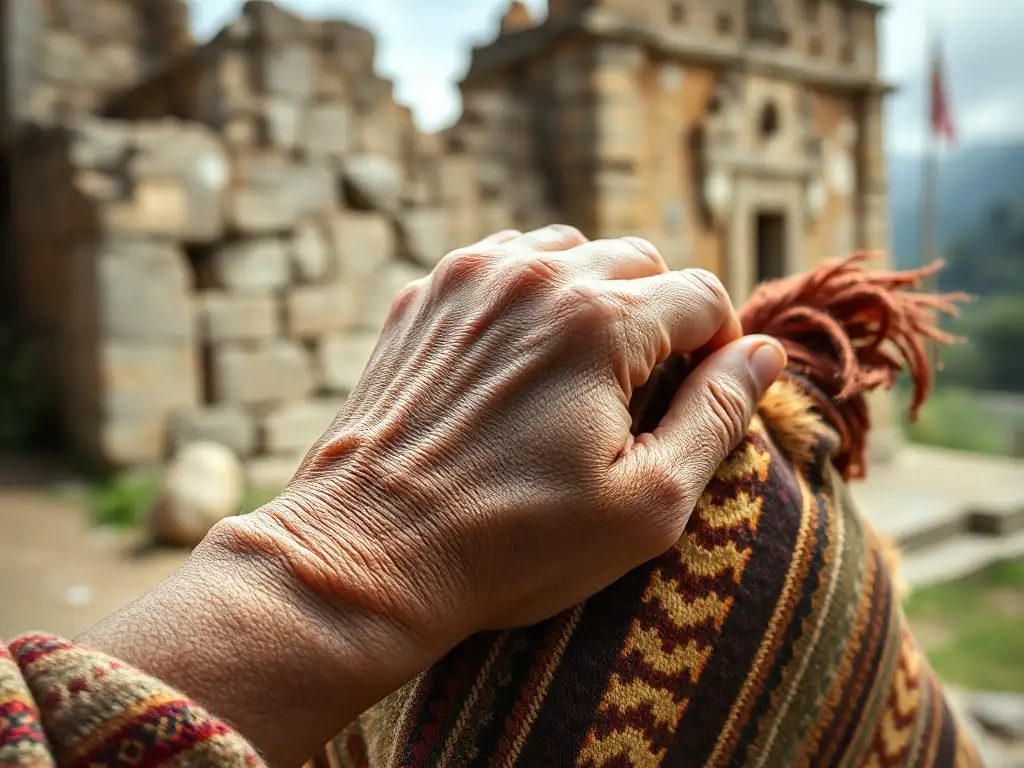
The Spanish conquest profoundly reshaped the economic and social landscape of the Andes, dramatically impacting the lives and livelihoods of Andean weavers. Prior to the arrival of the Europeans, textile production held a central position in Andean societies. Textiles weren't merely clothing; they were integral to social status, religious practices, and economic exchange. The intricate designs and techniques represented centuries of accumulated knowledge and skill, passed down through generations.
The conquest, however, brought about a devastating disruption of this established order, leading to significant economic and social consequences for Andean weavers. The shift from a largely self-sufficient system to one dominated by colonial exploitation had far-reaching effects on the production, distribution, and significance of Andean textile art. The impact of this change reverberates even today, shaping the understanding and appreciation of this rich cultural heritage. Analyzing the effects reveals a complex picture of loss, adaptation, and resilience.
Forced Labor and its Effect on Textile Production
The Spanish encomienda system, a form of forced labor, drastically altered textile production. Indigenous weavers were compelled to work for Spanish landowners, often under brutal conditions, producing textiles for the colonial market. This system prioritized the demands of the colonizers, leading to a shift in textile production away from traditional Andean designs and techniques towards European styles and preferences.
The quality of the textiles often suffered due to the rushed production and the lack of control weavers had over their work. Many weavers were forced to abandon their traditional methods and instead focus on creating simpler textiles to meet the demands of the Spanish market. This led to a decline in the quality and complexity of Andean textile art, a visible shift away from the intricate designs and sophisticated techniques that characterized pre-colonial production.
Furthermore, the forced labor system disrupted the traditional social structures surrounding textile production, impacting the intricate social networks and knowledge transfer mechanisms that had previously sustained the craft. The sheer volume of work demanded often left weavers exhausted and with little time to maintain and pass down their traditional knowledge. The impact of this forced labor is evident in the surviving textiles from the colonial period, often showcasing a marked difference in quality, design, and complexity compared to pre-conquest examples.
The Commercialization of Andean Textiles
The Spanish conquest led to the commercialization of Andean textiles on an unprecedented scale. Previously, textiles were largely produced for local use and exchange within Andean communities. The arrival of the Spanish introduced a new market dynamic, with textiles now being produced for export to Europe and other parts of the colonial empire.
While this created new economic opportunities for some, it also led to a shift in the focus of textile production away from the needs of Andean communities. The demand for specific types of textiles dictated by European tastes and preferences resulted in the decline of certain traditional designs and techniques. Furthermore, the introduction of new materials, such as European dyes and fibers, further altered the character of Andean textile art.
The commercialization process often resulted in the exploitation of Andean weavers, who were paid meager wages for their labor, forcing them to produce textiles at an unsustainable pace. This commercialization, while initially introducing new markets, ultimately contributed to the erosion of the cultural significance of textile production within Andean communities. The shift towards mass production meant that the intricate symbolism and craftsmanship that once characterized Andean textiles were often sacrificed for efficiency and profit.
The Loss of Traditional Knowledge and Skills
The Spanish conquest also led to a significant loss of traditional knowledge and skills related to Andean textile art. The suppression of indigenous cultures and the disruption of traditional social structures resulted in a decline in the transmission of knowledge from one generation to the next. Many traditional techniques and designs were lost or forgotten, as younger generations were forced to adapt to the demands of the colonial economy.
The deliberate destruction of indigenous religious and cultural practices further contributed to the loss of traditional knowledge, as textile production was often intertwined with spiritual and ceremonial practices. The disruption of these practices inevitably impacted the production and meaning of textiles. This loss of traditional knowledge represents an irreplaceable loss of cultural heritage.
Efforts to revive and preserve traditional Andean textile techniques are ongoing, but the impact of the Spanish conquest continues to be felt in the limited knowledge and skills available today. The preservation and revitalization of this knowledge are crucial for understanding and appreciating the full richness and complexity of Andean textile art. The challenge lies in piecing together fragmented knowledge and techniques, often relying on surviving textiles and the oral traditions of remaining communities.
The Resilience of Andean Textile Art: Preservation and Adaptation
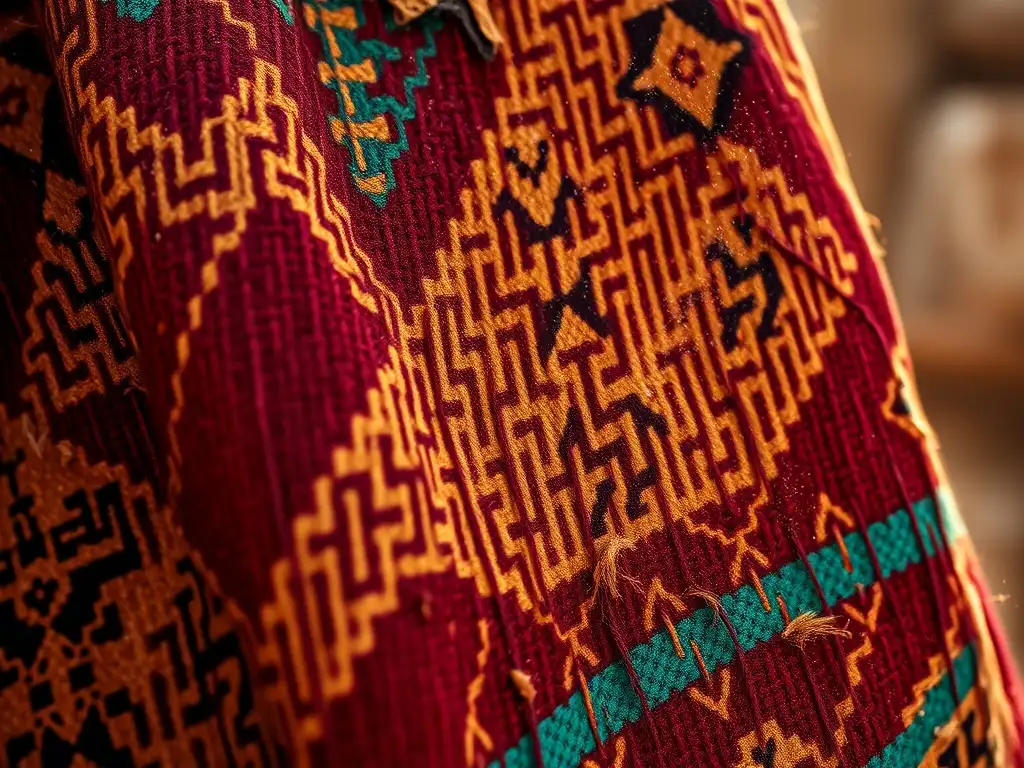
The Spanish conquest of the Andes in the 16th century drastically altered the social, political, and economic landscape of the region. While the impact on Andean textile art was undeniably profound, it wasn't solely one of destruction. Instead, a complex interplay of suppression, adaptation, and ultimately, resilience shaped the evolution of this vital art form.
The arrival of the Spanish led to significant changes in the raw materials available, the demand for certain types of textiles, and the very social structures that supported textile production. Yet, despite these challenges, Andean textile traditions demonstrated remarkable tenacity, preserving core elements while incorporating new influences. This section explores the multifaceted ways in which Andean textile art survived and adapted in the face of colonization.
Survival of Indigenous Techniques and Motifs
Despite the efforts of the Spanish crown to suppress indigenous culture, many traditional Andean textile techniques managed to persist. Weaving, spinning, dyeing—these fundamental skills, passed down through generations, proved remarkably resistant to eradication. The intricate tapestry techniques, the use of natural dyes derived from plants and insects, and the complex symbolic language woven into the textiles all continued, often subtly integrated into the new demands of the colonial economy.
For example, the khipu, a system of knotted cords used for record-keeping by the Inca, while largely abandoned in its original function, saw its knotting techniques subtly incorporated into decorative elements on textiles. This wasn’t passive survival; it was a strategic adaptation, a quiet preservation of cultural identity.
The continued use of traditional motifs, such as geometric patterns representing Andean cosmology, served as a powerful, albeit often covert, assertion of indigenous identity in a world increasingly dominated by European aesthetics. Detailed studies of surviving textiles from the colonial period reveal a fascinating blend of old and new, a testament to the ingenuity and determination of Andean artisans.
The Ongoing Significance of Andean Textiles in Contemporary Culture
The impact of the Spanish conquest on Andean textile art extends far beyond the colonial period. The enduring legacy of these traditions is evident in the continued significance of textiles in contemporary Andean culture. Textiles remain central to many aspects of life, from everyday clothing and household items to ceremonial garments and ritual objects.
The vibrant colors, intricate designs, and symbolic meanings embedded within these textiles continue to communicate vital aspects of Andean identity and cultural memory. Moreover, the economic importance of textile production remains significant in many Andean communities, offering livelihoods and supporting the preservation of ancestral knowledge. This continuity, spanning centuries, underscores the remarkable resilience of Andean textile traditions and their continued relevance in the modern world.
The deep-rooted connection between Andean people and their textiles is a testament to the power of cultural heritage to endure even in the face of profound societal shifts. The study of contemporary Andean textile art offers valuable insights into the ongoing processes of cultural transmission and adaptation.
Contemporary Andean Textile Art: A Form of Cultural Resistance
Contemporary Andean textile art serves not only as a continuation of ancient traditions but also as a powerful form of cultural resistance. Many contemporary Andean artists utilize their work to reclaim, reinterpret, and revitalize their heritage. By weaving together traditional techniques with modern sensibilities, they create textiles that challenge colonial narratives and celebrate indigenous identities.
This is evident in the incorporation of contemporary social and political themes into traditional designs, creating a dialogue between the past and the present. The use of textiles as a medium for social commentary and political activism is a significant aspect of contemporary Andean art. The designs themselves, often incorporating symbols of resistance and resilience, become powerful statements of cultural pride and a refusal to be erased by history.
This active engagement with textile art as a means of cultural preservation and resistance highlights the enduring strength and adaptability of Andean traditions in the face of ongoing challenges. The vibrant tapestry of contemporary Andean textile art is a dynamic testament to the enduring spirit of a culture that refuses to be silenced.
Andean Textile Art After the Colonial Era: A Legacy of Change
The Spanish conquest irrevocably altered Andean textile art, leaving a complex legacy of both destruction and adaptation. While much traditional knowledge and artistry were suppressed or lost, the impact wasn't solely negative. The introduction of new fibers, dyes, and weaving techniques, alongside the unavoidable cultural exchange, resulted in a fascinating evolution of Andean textile traditions.
The vibrant colors and intricate designs characteristic of pre-Columbian textiles continued, but they were often blended with new stylistic elements reflecting the colonial era. This fusion created a unique and enduring form of Andean textile art, a testament to the resilience and adaptability of Andean cultures. Understanding this post-conquest evolution requires examining both the losses and the innovations that shaped the art form.
The survival of Andean textile art itself, despite the pressures of colonization, stands as a powerful symbol of cultural persistence. Analyzing the changes allows us to appreciate the complex interplay between indigenous traditions and imposed colonial influences. Understanding this dynamic is crucial to fully appreciating the richness and complexity of Andean textile art today.
Examples of Specific Textile Pieces Showing Colonial Influence
Several surviving textile pieces vividly illustrate the blending of pre-Columbian and colonial aesthetics. For example, certain llicllas (shawls) from the colonial period display traditional Andean geometric patterns alongside newly introduced floral motifs, likely influenced by European textile designs. The use of vibrant, imported dyes like cochineal (a deep red) – alongside traditional Andean pigments – also marked a significant change.
These pieces often demonstrate a fascinating juxtaposition: the familiar Andean techniques of tapestry weaving and backstrap loom are employed, yet the designs incorporate elements clearly reflecting European tastes. Detailed analysis of these textiles reveals subtle shifts in color palettes, weaving structures, and iconography, highlighting the ongoing negotiation between indigenous artistic expression and the dominant colonial culture. Further research is needed to fully catalog and analyze the specific changes in various regional styles.
[Specific examples of textile pieces and their museum locations pending]. The study of these artifacts provides invaluable insights into the creative responses of Andean weavers to the challenges and opportunities presented by colonization.
The Reinterpretation of Colonial Motifs in Modern Weaving
The influence of the colonial period continues to resonate in contemporary Andean textile art. Modern weavers often reinterpret and reimagine colonial motifs, imbuing them with new meanings and significance. This process involves reclaiming and transforming elements previously associated with colonial power, turning them into symbols of Andean cultural resistance and identity.
For example, certain floral patterns introduced during the colonial era are now integrated into designs that also incorporate traditional Andean symbols, creating a hybrid aesthetic that blends past and present. This conscious reappropriation reflects a dynamic process of cultural negotiation and revitalization. The use of traditional techniques alongside contemporary interpretations showcases the enduring power and adaptability of Andean textile traditions.
Modern Andean weavers are not merely preserving their heritage; they are actively shaping its future, demonstrating the enduring vitality of their artistic traditions. The reinterpretation of colonial motifs provides a powerful example of how Andean textile art has not only survived but thrived in the face of historical challenges.
The Future of Andean Textile Art: Preserving the Past, Embracing the Future
The future of Andean textile art hinges on a delicate balance between preserving traditional techniques and embracing innovation. Efforts to document and protect traditional weaving knowledge are crucial, as are initiatives to support contemporary Andean artists. These initiatives are vital for maintaining the cultural integrity of the art form while allowing for its continued evolution.
The challenges include balancing the demands of the global market with the preservation of traditional practices. Sustainable practices in sourcing dyes and fibers are also essential for the long-term health of the art form and the environment. Promoting Andean textile art through museums, exhibitions, and educational programs is vital to ensure its continued appreciation and understanding worldwide.
The preservation of Andean textile art is not just about preserving objects; it is about preserving a living cultural heritage, a rich tapestry woven from generations of creativity and resilience. The future of Andean textile art depends on collaborative efforts to support the artists, protect the traditions, and ensure that this vibrant art form continues to flourish for generations to come.
Frequently Asked Questions
What is the main focus of this article?
This article examines the impact of the Spanish conquest on the textile art of the Andean civilizations. It explores how colonization affected traditional techniques, designs, and the overall significance of textiles in Andean societies.
How did the Spanish conquest influence Andean textile production?
The Spanish conquest led to a decline in traditional Andean textile production. The introduction of new materials, like European wool, and the disruption of existing social structures significantly altered the art form.
Did the Spanish completely eradicate Andean textile traditions?
No, while the conquest significantly impacted Andean textile art, it did not lead to complete eradication. Indigenous techniques and designs persisted, often adapting and incorporating new elements.
What specific changes occurred in Andean textile designs after the conquest?
Post-conquest Andean textiles often incorporated European motifs and patterns, alongside traditional designs. This blending resulted in a new hybrid style reflecting the cultural collision.
Where can I learn more about the specific Andean cultures affected by the Spanish conquest?
The article explores the impact across various Andean civilizations, including the Incas, Moche, Nazca, and Tiahuanaco. Further research into these specific cultures will provide a deeper understanding of their unique textile traditions.
Final Reflection: A Tapestry Woven in Threads of Resistance and Resilience
The legacy of Spanish colonization on Andean textile art remains profoundly visible today, a stark reminder of both cultural destruction and enduring creativity. The vibrant artistry that flourished for millennia in the Andes was irrevocably altered, yet its spirit, its inherent power to narrate and resist, persevered in unexpected and breathtaking ways. The intricate designs, once imbued solely with indigenous meaning, now carry the weight of history, a silent testament to the complexities of cultural exchange and the enduring strength of the human spirit.
The impact of the conquest wasn't merely the suppression of traditional techniques; it was a profound shift in the very meaning and purpose of textile production. The textiles, once primarily used for ceremonial and everyday life, became entangled with the economic and political machinations of the colonial regime. Yet, within this imposed system, Andean artisans found ways to subtly maintain their cultural identity, weaving coded messages and symbolic representations into their work. The threads themselves became a language of resistance, a way to preserve cultural memory in the face of oppression.
This quiet rebellion, woven into the very fabric of their art, is a powerful testament to the enduring spirit of the Andean people.
Consider, for a moment, the intricate details of a pre-Columbian textile compared to one created during the colonial period. What stories do these differences tell? What can we learn from the subtle shifts in design, color, and technique? I urge you to engage with Andean textile art not just as beautiful artifacts, but as living documents that speak volumes about resilience, adaptation, and the enduring power of cultural heritage. By understanding this history, we can better appreciate the richness and complexity of Andean culture and its ongoing contribution to the global tapestry of art and human expression.
**Unveil the Legacy: Explore Andean Textile Art Today! **
Thank you for exploring the fascinating world of Andean textile art and its evolution through Spanish colonization. Your interest deepens your understanding of history and celebrates the enduring cultural heritage. Now, let's connect even more deeply with this vibrant art form!
Here are some enriching ways to engage further:
- **Visit a museum or gallery** featuring Andean textiles to experience their beauty up close.
- **Connect with artisans** by participating in workshops or classes that teach traditional weaving techniques. This offers a unique cultural experience and the chance to develop your own skills.
- Share your newfound appreciation! **Discuss this article** with friends, family, or on social media to raise awareness of the lasting impact of colonization on art and culture.
What aspect of Andean textile art most captivates you, and how do you see its future unfolding within contemporary society?