
Unraveling the Threads: Ancient Andean Textile Techniques Revealed

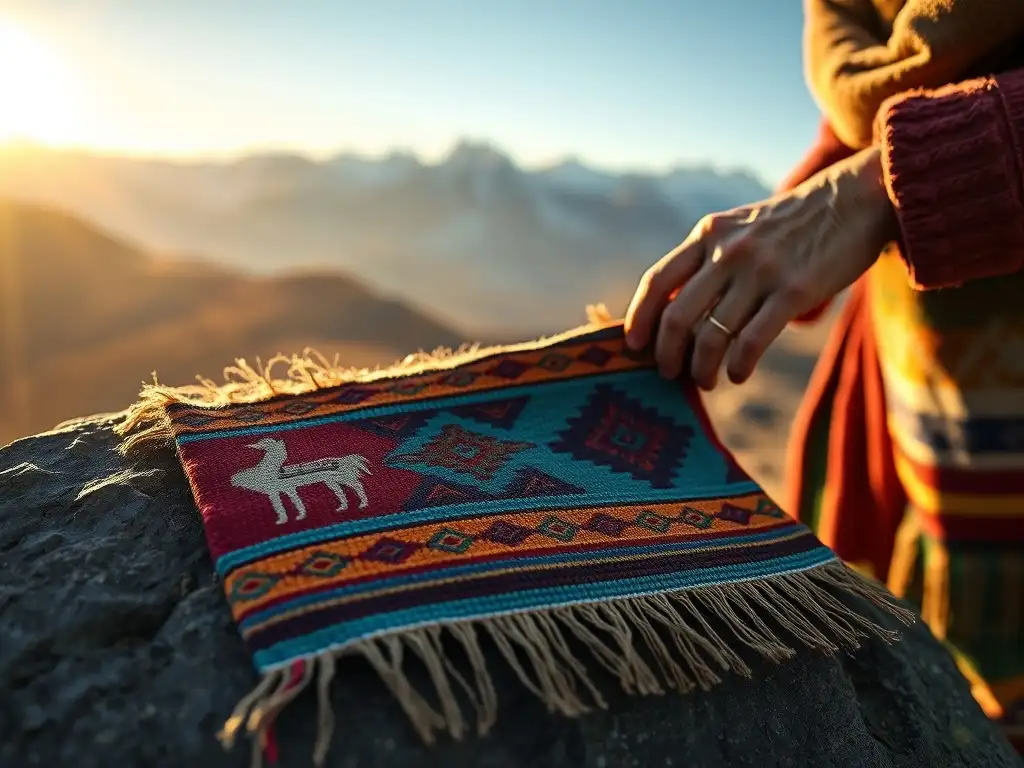
Step into a world lost to time, yet woven into the very fabric of history. Imagine the intricate artistry, the breathtaking skill, and the profound symbolism embedded within Ancient Andean textile techniques. This website delves into the captivating world of Andean civilizations, revealing the secrets behind their remarkable achievements. Prepare to be amazed as we unravel the threads of their legacy, exploring the breathtaking artistry and ingenuity of the Incas, Moche, Nazca, and Tiahuanaco. Are you ready to discover the stories whispered by these ancient textiles?
The intricate and vibrant textiles of the ancient Andean civilizations are more than just beautiful fabrics; they are powerful expressions of cultural identity, social status, and spiritual beliefs. From the towering heights of the Andes Mountains to the arid coastal deserts, these ancient peoples developed sophisticated textile techniques that continue to amaze and inspire us today.
This article delves into the fascinating world of Ancient Andean textile techniques, exploring the diverse methods employed by cultures such as the Inca, Moche, Nazca, and Tiahuanaco, and revealing the profound significance these textiles held within their societies. We will uncover the secrets behind their remarkable craftsmanship, examining the materials used, the tools employed, and the symbolic meanings woven into each thread.
Understanding these ancient techniques provides a deeper appreciation for the ingenuity and artistry of these remarkable civilizations and their enduring legacy. Prepare to be amazed by the complexity and beauty of Ancient Andean textile art, and the stories woven within each fiber.
The Significance of Textiles in Ancient Andean Culture
Textiles were not merely functional items in ancient Andean societies; they held immense cultural, social, and spiritual significance. Clothing, tapestries, and other textile objects served as powerful indicators of social status, reflecting an individual's position within the complex social hierarchy. Elaborate garments adorned with intricate designs and precious materials indicated high rank and power, while simpler textiles were worn by the common people. Furthermore, textiles played a crucial role in religious ceremonies and rituals.
Textile offerings were made to deities, and certain designs and colors held specific symbolic meanings related to the Andean worldview. For example, specific colors were associated with particular deities or events, while intricate patterns could represent celestial bodies, mythical creatures, or agricultural cycles. The creation and use of textiles were deeply intertwined with the spiritual life of these societies, making them integral components of their worldview.
The remarkable preservation of many textile artifacts provides invaluable insights into the beliefs and practices of these ancient cultures. Detailed analysis of these textiles has revealed complex iconography and symbolic systems that continue to be deciphered by researchers today. The sheer artistry and technical skill evident in these textiles stand as a testament to the profound importance textiles held within Ancient Andean societies.
Pre-Columbian Textile Production: An Overview
Ancient Andean textile production was a complex and sophisticated process, varying across different cultures and time periods. The process began with the sourcing of raw materials, primarily camelid fibers such as alpaca and llama wool, as well as cotton. These fibers were carefully selected, cleaned, and spun into thread using hand spindles, a technology that was refined over centuries. The spinning process itself was a highly skilled craft, resulting in threads of varying thicknesses and textures depending on the intended use. A wide array of dyeing techniques were employed, using natural pigments derived from plants, minerals, and insects.
These dyes produced a stunning range of colors, from vibrant reds and yellows to deep blues and greens. The dyeing process could be elaborate, involving multiple steps and the use of mordants to fix the colors. Once the threads were dyed, they were woven on various types of looms, ranging from simple backstrap looms to more complex types. The weaving techniques were equally diverse, employing a variety of intricate patterns and techniques such as tapestry weaving, brocade, and embroidery. The finished textiles were then often embellished with additional decorative elements, such as feathers, beads, and shells.
The level of skill and artistry involved in these processes is remarkable, particularly considering the tools and technologies available to these ancient peoples. The diversity of techniques and the high quality of the finished products reflect the advanced level of textile production in pre-Columbian Andean societies. Archaeological evidence shows a continuous development and refinement of these techniques over centuries, reflecting the importance of textiles within their cultures. Each culture developed its unique style and techniques, resulting in a rich diversity of textile traditions across the Andes.
- The Significance of Textiles in Ancient Andean Culture
- Pre-Columbian Textile Production: An Overview
- The Warp-Faced Weave: Fundamentals and Variations
- The Weft-Faced Weave: Techniques and Applications
- Tapestry Weaving: Creating Intricate Designs
- Supplementary Weft Techniques: Adding Texture and Complexity
- The Art of Embroidery in Andean Textiles
- Gauze Weaving and its Delicate Nature
- Andean Textile Knitting and Looping Techniques
Understanding the Materials Used in Ancient Andean Weaving
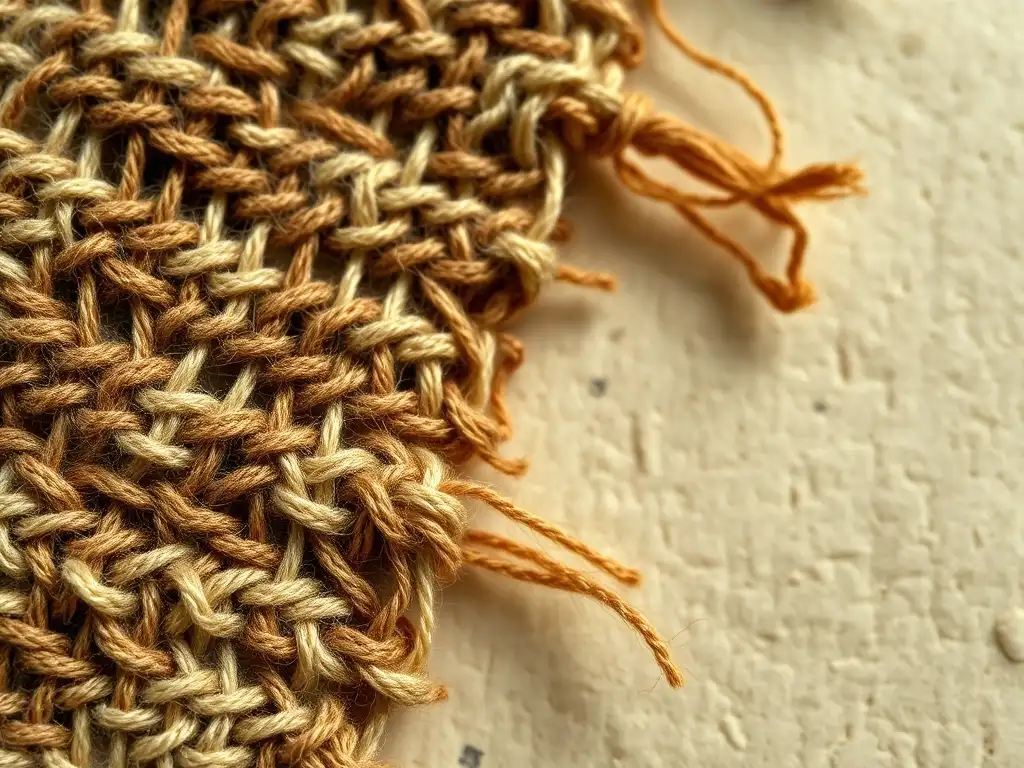
The remarkable artistry of Ancient Andean textiles is inextricably linked to the unique materials employed. Mastering the properties of these materials was crucial to the creation of the incredibly durable and visually stunning fabrics that have survived for centuries. Understanding these materials provides key insight into the ingenuity and resourcefulness of Andean weavers. This section will delve into the fibers, dyes, and preparatory processes that formed the foundation of Ancient Andean textile techniques.
Andean Fibers: Alpaca, Llama, and Vicuña
The Andean highlands provided a rich source of fiber, primarily from three camelid species: alpaca, llama, and vicuña. Each offered distinct qualities prized by weavers. Alpaca fiber, known for its softness and warmth, was highly valued, and its fine texture allowed for intricate weaving. Llama fiber, coarser and stronger, was often used for structural elements in garments or for creating durable textiles intended for practical use.
Vicuña fiber, the finest and rarest, was reserved for the elite, symbolizing status and power. The incredibly soft and luxurious nature of vicuña wool made it ideal for creating richly textured and delicate garments. The careful selection of fiber based on its characteristics—softness, strength, and color—demonstrates a sophisticated understanding of material science.
The careful management and herding of these animals were integral to the Andean economy and culture. The fibers were obtained through shearing, a process likely refined over generations, ensuring minimal harm to the animals while maximizing the yield of high-quality fiber.
The different qualities of fiber from each species allowed Andean weavers to achieve a wide range of textures and effects within a single textile, showcasing their mastery of material manipulation. The use of these fibers also reflects the deep connection between the Andean people and their environment, leveraging the natural resources available to them in a sustainable and innovative way.
Natural Dyes and Pigments: Sources and Processes
The vibrant colors of Ancient Andean textiles are a testament to the sophisticated knowledge of natural dyes and pigments. These were derived from a variety of plant, insect, and mineral sources, each offering a unique hue and level of permanence. Cochineal insects, for example, provided a range of brilliant reds and purples, while plants like indigo yielded deep blues. Mineral pigments, such as those derived from ochre, provided earthy tones and browns.
The dyeing process itself was a complex and time-consuming undertaking. Fibers were often prepared with mordants—substances that help the dye bind to the fiber—before being immersed in dye baths. These mordants, often derived from plants or minerals, played a crucial role in determining the vibrancy and longevity of the color.
The precise recipes and processes for dyeing varied regionally and across different time periods, reflecting the diverse ecological contexts and cultural traditions of the Andean world. The meticulous nature of the dyeing process, coupled with the careful selection of dye sources, points to a deep understanding of both chemistry and artistry. The astonishing preservation of color in many ancient textiles highlights the effectiveness of these traditional techniques.
Preparing the Fibers for Weaving
Before the fibers could be woven, they underwent a series of essential preparatory steps. These processes, passed down through generations, ensured the fibers were ready for the intricate weaving techniques to follow. The steps involved cleaning, carding, spinning, and plying. First, the fibers were meticulously cleaned to remove any debris or impurities.
This might have involved washing, combing, or other techniques adapted to the specific type of fiber. Next, the cleaned fibers were carded to align the fibers and create a smooth, even strand. This process involved using tools like combs or hand-held implements to disentangle and straighten the fibers.
Following carding, the fibers were spun into yarn using a spindle whorl, a simple yet effective tool that allowed the weaver to twist the fibers together, creating a strong and consistent thread. The final stage before weaving was often plying, which involved twisting together two or more spun yarns to create a stronger and more durable thread. The quality and evenness of the spun yarn were crucial to the success of the weaving process, and the skill required to achieve this is evident in the quality of the finished textiles.
The meticulousness of these preparatory steps highlights the dedication and skill involved in every stage of Ancient Andean textile production. The enduring quality of these ancient textiles is a testament to the expertise of the Andean weavers and their mastery of these fundamental preparatory techniques.
Exploring Key Ancient Andean Textile Techniques
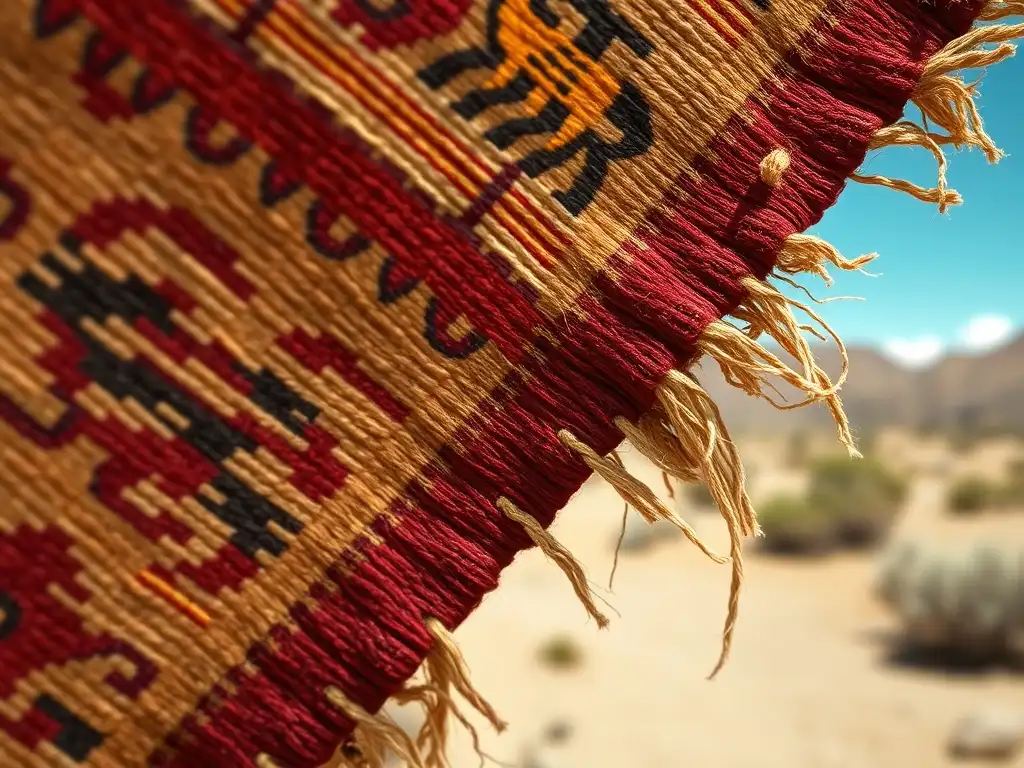
This section delves into the intricate world of ancient Andean textile techniques, showcasing the mastery and innovation of pre-Columbian artisans. Their skills, passed down through generations, resulted in textiles of unparalleled beauty and complexity, reflecting not only artistic talent but also deep social and spiritual significance. Understanding these techniques offers a crucial lens through which to appreciate the rich tapestry of Andean culture. We will examine some of the most prevalent methods, exploring their variations and the unique qualities they imparted to the finished products. The study of Ancient Andean textile techniques reveals much about their society and worldview.
The Warp-Faced Weave: Fundamentals and Variations
The warp-faced weave, a fundamental technique in Andean textile production, emphasizes the warp threads, creating a strong, durable fabric with a distinct surface texture. This technique involved stretching the warp threads (the lengthwise threads) tightly on a loom, then interweaving the weft threads (the crosswise threads) in a way that the warp threads are predominantly visible on the surface. The result is a fabric that is often dense and resistant to wear, ideal for garments intended for daily use or ceremonial purposes.
Variations in warp-faced weaves were achieved through different types of weaves and the manipulation of yarn thickness and color. For example, some textiles employed a simple tabby weave, creating a plain, even surface. Others used more complex techniques, such as twill weaves, to create diagonal patterns or ribbed textures.
The skillful integration of different colored yarns allowed artisans to create intricate geometric designs and symbolic motifs within the warp-faced structure. This meticulous control over yarn placement demonstrates an advanced understanding of textile production and a keen eye for detail. The durability of these textiles is a testament to the practicality and skill of their creation.
The Weft-Faced Weave: Techniques and Applications
In contrast to the warp-faced weave, the weft-faced weave prioritizes the weft threads, resulting in a softer, more pliable fabric with a distinct surface character. This technique involved a more elaborate interweaving process, where the weft threads were strategically placed to dominate the fabric's surface. This allowed for a greater range of decorative possibilities, enabling the creation of complex patterns and intricate designs.
The weft-faced weave was frequently employed in the creation of finer textiles, such as mantles and tunics intended for elite members of Andean society. The softness and drape of the fabric made it ideal for ceremonial garments and luxurious clothing. Furthermore, the ability to manipulate the weft threads allowed artisans to incorporate supplementary weft techniques, creating raised patterns or embroidered details. These additions enhanced the visual richness of the textiles and added another layer of symbolic meaning. The diversity of applications for the weft-faced weave reflects its versatility and adaptability.
Tapestry Weaving: Creating Intricate Designs
Tapestry weaving represents the pinnacle of ancient Andean textile artistry, allowing for the creation of extraordinarily detailed and vibrant designs. Unlike other weaving techniques where the pattern is created through the manipulation of differently colored yarns, tapestry weaving involves inserting weft threads of various colors into the warp threads without carrying the color across the entire width of the fabric. This process requires immense patience and precision, as each weft thread is carefully positioned to create the desired image.
The resulting textiles are characterized by their highly detailed imagery, often depicting mythological figures, animals, and scenes from daily life. The use of multiple colors and the skillful manipulation of the weft threads allowed artisans to create incredibly realistic representations. Tapestry weaving was frequently used to produce ceremonial textiles, such as banners and wall hangings, which served as powerful visual statements of social status and religious beliefs.
The complexity and artistry of these textiles stand as a testament to the sophisticated skills and deep cultural understanding of ancient Andean weavers. The mastery of ancient Andean textile techniques, like tapestry weaving, highlights their advanced technology and artistic achievements.
Supplementary Weft Techniques: Adding Texture and Complexity
Beyond the basic warp and weft structures, Andean weavers employed a range of supplementary weft techniques to enrich their textiles with texture and visual interest. These techniques involved adding extra weft threads to create patterns, designs, or simply add depth to the fabric. One common method was the use of floats, where weft threads are passed over several warp threads before being woven back into the fabric. This created raised areas, often used to form decorative motifs or to give a three-dimensional effect.
The length and placement of these floats could be carefully controlled to generate a wide variety of textures, ranging from subtle ripples to bold, prominent patterns. Another technique involved the use of supplementary weft patterning, where additional weft threads in contrasting colors were introduced to create intricate designs overlaid upon the main fabric structure. This allowed for complex geometric patterns, figurative representations, and even narrative scenes to be woven into the textile. These supplementary weft threads were often finer than the main weft, making the patterns more delicate and intricate.
The skill required to manage these multiple threads simultaneously, while maintaining the evenness and integrity of the overall fabric, showcases the advanced technical proficiency of Andean weavers. The careful control over tension and placement of these supplementary wefts contributed to the remarkable durability and aesthetic appeal of many surviving examples of Andean textiles. Detailed analysis of these techniques reveals a deep understanding of textile structure and a mastery of complex weaving operations.
The Art of Embroidery in Andean Textiles
Embroidery, while not strictly a weaving technique, played a significant role in enhancing Andean textiles. It was used to add details, embellishments, and elaborate decorations to already completed woven fabrics. Instead of integrating the decorative elements within the weaving process, embroidery involved stitching threads onto the surface of the fabric, creating raised designs. Andean embroiderers employed a variety of stitches, ranging from simple running stitches to more complex techniques like satin stitch and couching.
The stitches themselves often formed part of the design, adding texture and visual interest. The choice of thread colors and materials, often including precious metals like gold and silver, further emphasized the symbolic and ritual importance of the embroidered textiles. Many examples of embroidered textiles have survived, showcasing remarkable artistry and technical skill. The precision and detail in some of the surviving pieces, particularly those featuring intricate figurative representations, are simply astonishing.
The use of embroidery allowed Andean artisans to add a layer of complexity and personalization to their textiles, transforming functional garments and household items into works of art. The combination of weaving and embroidery techniques demonstrates a sophisticated understanding of textile production and the ability to seamlessly integrate different approaches to create visually stunning and functionally durable pieces. Careful examination reveals how embroidery was strategically employed to enhance the woven base, often complementing the existing patterns or adding entirely new decorative elements.
Gauze Weaving and its Delicate Nature
Gauze weaving, a technique that produces a lightweight, openwork fabric, represents another sophisticated aspect of Andean textile production. Unlike plain weave, where warp and weft threads intersect at right angles, gauze weaving involves twisting the warp threads around each other before interlacing them with the weft. This creates a characteristic open structure with small, diamond-shaped openings. The resulting fabric is exceptionally light and airy, yet surprisingly strong, particularly when fine, strong fibers like cotton or camelid wool were used.
The mastery of gauze weaving in the Andes demonstrates a high level of technical expertise, demanding precision and control to achieve the intricate twisting and interlacing of the threads. The complexity of the technique is further enhanced by the incorporation of supplementary weft threads, which were used to create patterns and decorative elements within the open structure of the gauze. These patterns, often geometric or figurative, add another layer of visual complexity to the already delicate fabric. The open weave of gauze textiles also allowed for the creation of garments that were both beautiful and functional, particularly suitable for warmer climates.
The sheer nature of the fabric allowed for breathability, while the strength of the weave ensured durability. Many surviving examples of Andean gauze textiles demonstrate the exquisite craftsmanship and technical proficiency of the weavers who created them. The delicate nature of these fabrics, however, makes their preservation challenging, underscoring the importance of careful conservation efforts to protect this unique aspect of Andean textile heritage.
Andean Textile Knitting and Looping Techniques
Andean knitting and looping techniques represent a fascinating chapter in the history of textile production. Unlike the knitting we might be familiar with today, which often utilizes needles, Andean knitters employed a variety of methods, many of which remain shrouded in some mystery. Archaeological finds, however, offer valuable clues into their sophisticated approaches.
One common method involved using a single needle or a series of simple tools to create intricate looped structures. These techniques allowed for the creation of both flat and tubular fabrics, demonstrating a high level of skill and understanding of textile manipulation. The precision and consistency seen in surviving examples suggest a long tradition of knowledge transfer and apprenticeship within Andean communities.
The ability to create such complex textiles with relatively simple tools speaks volumes about the ingenuity and resourcefulness of the ancient Andean textile artisans. These techniques weren't just about functionality; they were integral to the creation of visually stunning and culturally significant garments and objects.
The diversity of knitted and looped fabrics discovered in Andean archaeological sites highlights the adaptability of these techniques. Different regions and cultures experimented with variations, leading to a rich tapestry of styles and designs. For instance, some communities favored finer, more delicate knit fabrics, while others focused on creating thicker, more durable materials for everyday use.
This adaptability is a testament to the deep understanding of the properties of different fibers and the ability to manipulate them to achieve specific aesthetic and functional goals. The use of various natural dyes further enhanced the visual appeal and symbolic meaning of these textiles, creating vibrant and enduring works of art that continue to inspire awe and admiration today. The creation of textiles was not merely a craft; it was an art form intricately woven into the social fabric of Andean societies.
Careful study of surviving textiles reveals subtle variations in knitting and looping techniques, hinting at regional styles and specialized knowledge. For example, the density of stitches, the type of loop used, and the overall structure of the fabric can often be used to identify the origin or purpose of a particular textile. This level of detail demonstrates the sophisticated understanding of textile production that existed within Andean communities.
Researchers continue to analyze these subtle variations to gain a deeper understanding of the cultural and technological exchange between different Andean groups. The study of ancient Andean knitting and looping techniques provides a window into the lives, beliefs, and artistic achievements of these remarkable civilizations. It showcases not only their technical skills but also their deep connection to the natural world and the symbolic power they imbued in their textiles.
Specific Techniques of Andean Cultures
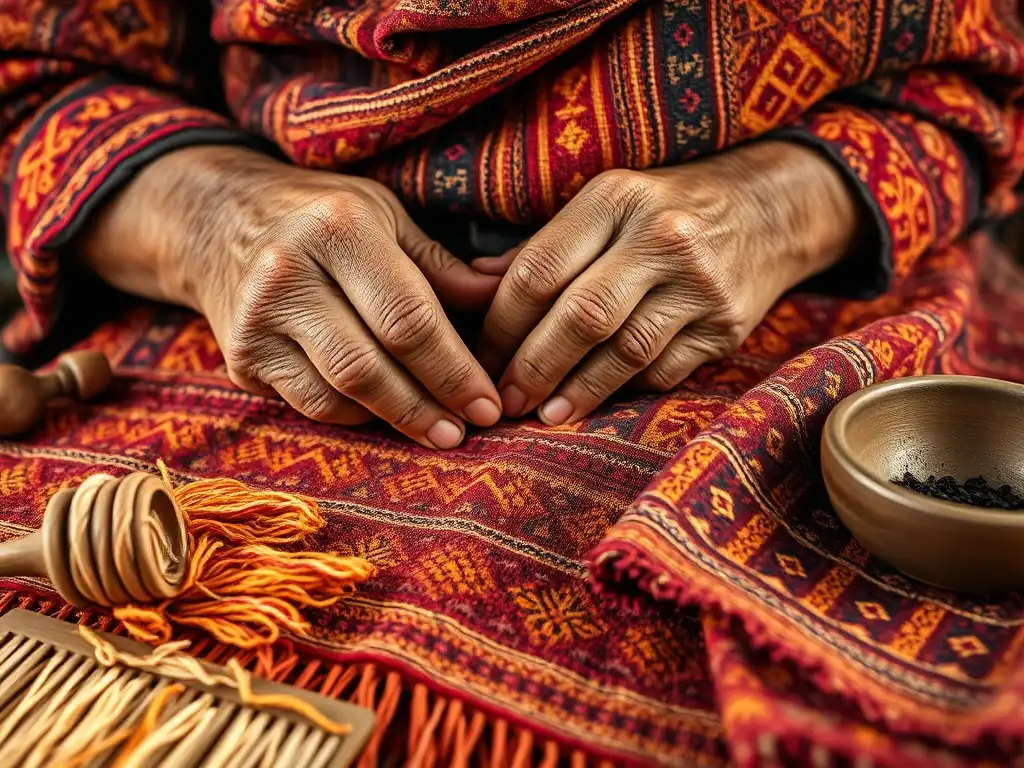
This section delves into the unique textile techniques employed by various ancient Andean cultures, highlighting their distinct styles and the ingenuity behind their craftsmanship. Understanding these techniques provides crucial insight into the social structures, beliefs, and artistic expressions of these remarkable civilizations. The mastery of these skills not only allowed for the creation of beautiful and durable textiles but also served practical purposes, reflecting the intricate relationship between Andean societies and their environment. We will explore the intricacies of Inca, Moche, and Nazca textile production, focusing on their specialized techniques and the symbolic meanings embedded within their creations.
Inca Textile Weaving Expertise
Inca textile production reached unparalleled heights of sophistication. Their mastery of weaving techniques, combined with the use of high-quality fibers like alpaca and vicuña wool, resulted in textiles of exceptional fineness and durability. The Inca utilized a variety of weaving techniques, including:
- Supplementary weft techniques: These techniques allowed for the creation of intricate patterns and designs by adding extra weft threads to the basic weave structure. This permitted the incorporation of complex motifs and symbolic representations.
- Warp-faced plain weave: This technique resulted in a durable and smooth fabric, ideal for clothing and other utilitarian items. The control over the warp threads allowed for subtle variations in texture and color.
- Double cloth weaving: This complex technique involved creating two layers of fabric simultaneously, often with different patterns and colors on each side. This allowed for greater complexity and three-dimensional effects.
- Tapestry weaving: Inca artisans skillfully employed tapestry weaving to create intricate pictorial representations. This involved weaving colored threads directly into the warp, creating highly detailed images.
The Inca's expertise extended beyond the technical aspects of weaving. They developed a sophisticated system of textile production, with specialized workshops and a hierarchical organization of weavers. The textiles themselves were often imbued with symbolic meaning, reflecting social status, religious beliefs, and political power. The use of specific colors and designs conveyed distinct messages, underscoring the importance of textiles within Inca society. For example, the use of purple dye, derived from a rare mollusk, signified royal status and power.
Moche Textile Techniques and Iconography
The Moche civilization, flourishing on the northern coast of Peru between 100 and 800 CE, also demonstrated remarkable skill in textile production. While their techniques differed from those of the Inca, their artistry was equally impressive. Moche textiles are characterized by their vibrant colors and bold designs, often depicting mythological creatures, deities, and scenes from daily life. Their techniques included:
- Warp-faced plain weave: Similar to the Inca, the Moche utilized warp-faced plain weave for a variety of textiles. However, their designs were often simpler and more geometric, reflecting a distinct aesthetic style.
- Embroidery: The Moche frequently employed embroidery to add intricate details and embellishments to their woven fabrics. This technique allowed for the creation of highly detailed images and patterns.
- Dyeing techniques: The Moche were skilled in the use of natural dyes derived from plants and minerals. Their vibrant colors, which have remarkably survived the passage of time, are a testament to their advanced knowledge of dyeing processes.
The iconography of Moche textiles is particularly noteworthy. Frequently depicted are scenes of warfare, hunting, and ritual activities. These images offer invaluable insights into the Moche worldview, religious beliefs, and social structures. The intricate details and bold colors of Moche textiles serve as powerful visual narratives, showcasing their unique cultural identity. Further research into the specific pigments used would provide even more insight into their production processes.
Nazca Textile Art and its Geometric Patterns
The Nazca culture, known for its enigmatic geoglyphs, also produced sophisticated textiles characterized by their geometric patterns and intricate designs. Their textile techniques, while sharing some similarities with other Andean cultures, possessed distinct characteristics:
- Gauze weaving: The Nazca frequently employed gauze weaving, a technique that created lightweight and breathable fabrics. This technique involved interlacing warp and weft threads in a loose, open weave.
- Brocading: This advanced technique allowed for the incorporation of complex patterns and designs into the fabric. The Nazca expertly used brocading to create intricate geometric motifs.
- Color combinations: The Nazca displayed a remarkable sensitivity to color, utilizing a range of hues and shades in their textiles. Their color combinations were often bold and striking, creating visually arresting effects.
The geometric patterns found in Nazca textiles are highly stylized and often incorporate symbolic motifs. While the precise meaning of these designs remains a subject of ongoing research, they are believed to have held significant religious and social importance. The precision and complexity of the patterns suggest a high level of technical skill and artistic sophistication. Further analysis of the textiles' composition and the types of fibers used would aid in understanding the materials and techniques employed by Nazca artisans. The enduring legacy of Nazca textiles underscores the enduring artistry and ingenuity of this remarkable civilization.
Tiahuanaco Textile Traditions and Symbolism
The Tiahuanaco culture, flourishing in the Andean highlands from roughly 300 CE to 1000 CE, left behind a legacy of sophisticated textile production that reflects their complex worldview. Unlike the later Inca textiles which often featured vibrant colors, Tiahuanaco textiles are characterized by a more subdued palette, predominantly using natural dyes derived from plants and minerals found in the region.
These colors, often browns, creams, reds, and blacks, were carefully chosen and combined to create intricate designs. The limited color palette, however, does not diminish the artistry; rather, it highlights the skill of the weavers in achieving depth and complexity through subtle variations in shade and texture.
One of the most striking aspects of Tiahuanaco textiles is their symbolic language. Geometric patterns, such as stepped frets, zigzags, and crosses, frequently appear. These weren't mere decorative elements; scholars believe they encoded complex religious and cosmological beliefs.
The stepped fret, for example, is often interpreted as representing the tiered architecture characteristic of Tiahuanaco monumental sites, reflecting their understanding of the cosmos and the connection between the earthly and spiritual realms. The cross motif, while seemingly simple, could represent a variety of concepts, from the four cardinal directions to the union of opposing forces. Further research is needed to fully understand the nuanced meanings embedded in these designs, but ongoing analyses of surviving fragments are gradually revealing more about the Tiahuanaco worldview.
The techniques employed by Tiahuanaco weavers were equally remarkable. Evidence suggests a mastery of both warp and weft techniques, including intricate tapestry weaving and the use of supplementary weft techniques to create complex patterns. The precision and consistency in the weaving demonstrate a high level of skill and specialized training, likely passed down through generations within specific artisan communities.
The survival of fragments, often in remarkably good condition considering their age, speaks to the quality of the materials and the expertise of the craftspeople. These fragments, painstakingly pieced together by archaeologists and textile conservators, continue to provide invaluable insights into Tiahuanaco technology and artistic expression. Analyzing the fiber types used—such as alpaca, llama, and possibly vicuña—also offers clues about the economic organization and access to resources within the Tiahuanaco society.
The careful consideration of fiber choice, color selection, and weaving techniques combined to produce textiles that were not only functional but also deeply symbolic and aesthetically pleasing. The enduring legacy of Tiahuanaco textiles serves as a powerful testament to the ingenuity and cultural sophistication of this ancient Andean civilization.
The Tools and Technology Behind Andean Textiles
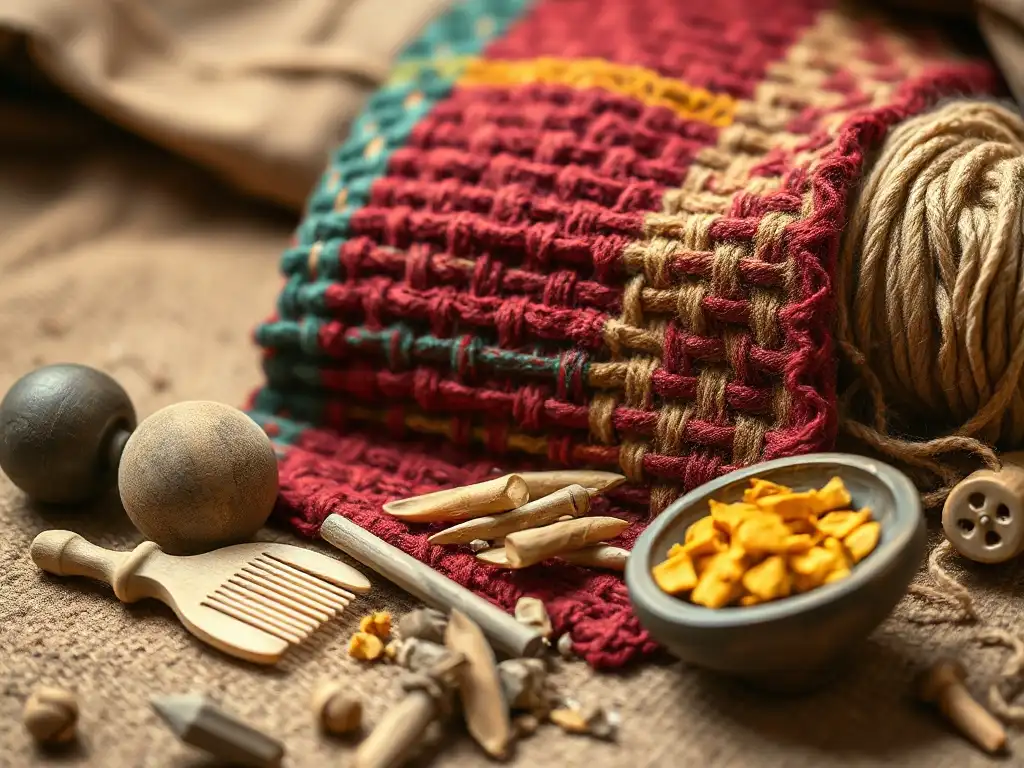
The mastery of ancient Andean textile techniques wasn't solely about artistic skill; it was deeply intertwined with the innovative tools and technologies employed. These tools, often simple yet incredibly effective, allowed Andean weavers to create textiles of unparalleled complexity and beauty. Understanding these technologies provides crucial insight into the ingenuity and resourcefulness of these ancient cultures, enriching our appreciation of their artistic achievements and revealing much about their daily lives.
The sophistication of their weaving techniques, combined with the quality of the resulting textiles, speaks volumes about their advanced understanding of material science and engineering. This section will delve into the essential tools that facilitated the creation of these remarkable textiles, highlighting their impact on the overall aesthetic and functionality of the finished products.
The Backstrap Loom: A Fundamental Andean Tool
The backstrap loom is arguably the most iconic tool associated with ancient Andean textile production. This portable loom, requiring minimal setup, allowed weavers to work virtually anywhere – in homes, fields, or even while traveling. Its simplicity belies its versatility; the backstrap loom facilitated the creation of a wide array of textile types, from simple cloths to intricately patterned garments and ceremonial tapestries.
The loom's operation relies on a simple yet ingenious mechanism: one end of the warp threads is secured to a fixed point (often a post or tree), while the other is attached to a belt worn around the weaver's waist. By leaning back and forth, the weaver controls the tension of the warp, creating the shed through which the weft is passed.
This seemingly straightforward process allowed for remarkable control and precision. Different types of backstrap looms existed, varying in size and complexity based on the specific needs and preferences of the weaver and the type of textile being produced. The ability to adjust tension and shed size allowed weavers to create a diverse range of textures and patterns, demonstrating a sophisticated understanding of textile mechanics.
The backstrap loom's portability also played a significant role in the widespread adoption of weaving across diverse Andean communities, fostering a rich tapestry of regional styles and techniques. Evidence suggests that variations of the backstrap loom were used for millennia across numerous Andean cultures, highlighting its enduring significance as a cornerstone of Andean textile production. The persistence of this tool underscores its efficiency and adaptability, contributing significantly to the cultural continuity and artistic expression of the Andes.
Other Weaving Tools and Implements
Beyond the backstrap loom, a range of other tools and implements were crucial to the ancient Andean weaving process. These tools, often made from readily available materials like wood, bone, and stone, demonstrate the resourcefulness of Andean artisans. For example, spindles were used to spin the yarn from fibers like alpaca, llama, and cotton. These spindles, often weighted to aid in the spinning process, were essential in preparing the raw materials for weaving. The design and materials of the spindles varied across different regions and time periods, reflecting the diverse cultural practices and available resources.
In addition to spindles, weaving combs were used to ensure the evenness of the weft during the weaving process. These combs, often made from wood or bone, helped to pack the weft threads tightly, creating a dense and durable fabric. The craftsmanship of these combs often reflected the skill and artistry of the weaver, showcasing intricate carvings and designs. Furthermore, shears or knives, crafted from obsidian or other sharp materials, were used for precise cutting of the yarn and fabric. These tools allowed for intricate detailing and ensured the creation of clean, finished edges.
The following table summarizes some of the key tools and their functions:
| Tool | Material | Function | Significance |
|---|---|---|---|
| Backstrap Loom | Wood, String | Primary weaving tool | Portability, versatility, widespread adoption |
| Spindle | Wood, Bone, Clay | Yarn spinning | Essential for preparing weaving materials |
| Weaving Comb | Wood, Bone | Evens weft threads during weaving | Creates dense, durable fabrics |
| Shears/Knives | Obsidian, Stone | Cutting yarn and fabric | Precise detailing, clean finished edges |
| Needle | Bone, Wood | Embroidering and mending | Adds detail and enhances the textile's longevity |
The combined use of these tools, alongside the inherent skill and artistry of the weavers, resulted in the creation of remarkably intricate and beautiful textiles, a testament to the advanced technologies and deep cultural significance of ancient Andean weaving traditions. The study of these tools provides a deeper understanding of the ingenuity and resourcefulness of these ancient cultures and their profound connection to the materials and technologies that shaped their artistic expression.
Preserving and Studying Ancient Andean Textiles
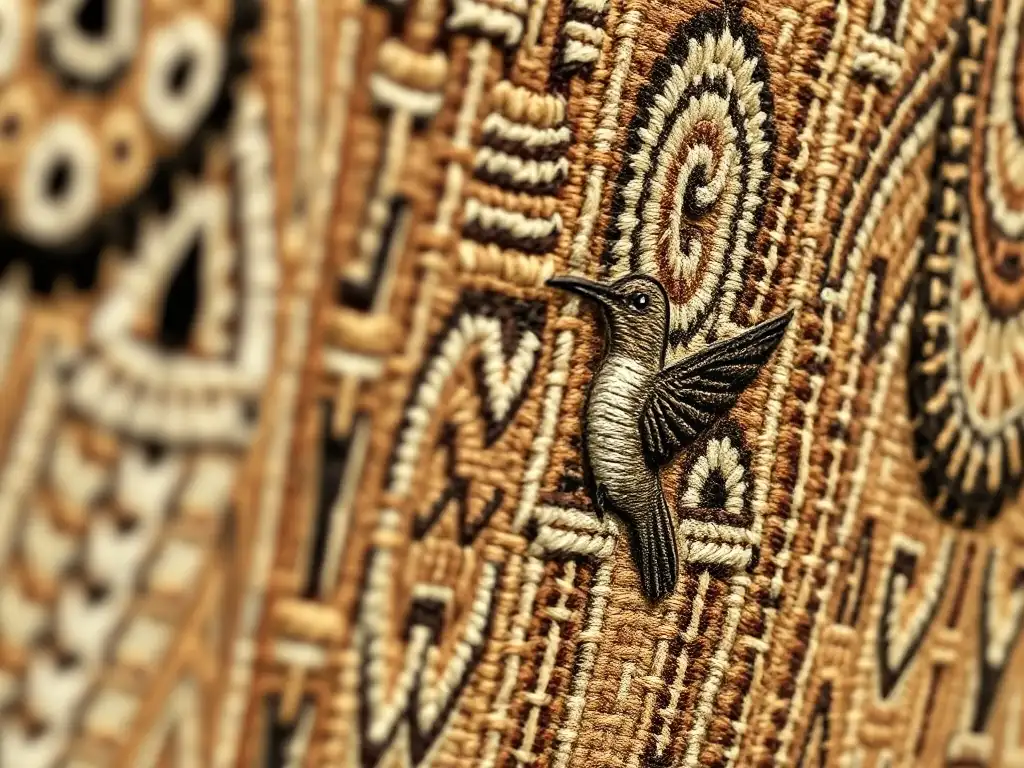
The study of Ancient Andean textile techniques requires a delicate balance between preservation and analysis. These fragile artifacts, often thousands of years old, offer invaluable insights into the lives, beliefs, and artistic skills of past Andean cultures. However, their very age makes them susceptible to deterioration, necessitating careful conservation efforts and advanced analytical techniques.
The survival of these textiles depends on the meticulous work of conservators and researchers alike. Understanding the materials and techniques used in their creation is crucial to ensuring their longevity for future generations to appreciate and learn from. The challenge lies in finding the right balance – enough analysis to unlock their secrets without causing further damage.
Conservation Efforts for Andean Textile Artifacts
Conserving Ancient Andean textiles is a complex process requiring specialized knowledge and expertise. The primary goal is to stabilize the artifacts, preventing further deterioration caused by factors such as light exposure, humidity fluctuations, and insect infestations. Conservators meticulously clean textiles, removing dirt and debris accumulated over centuries. They also employ techniques to repair damaged areas, carefully mending tears and holes using materials that are compatible with the original fibers.
This often involves using traditional Andean techniques, ensuring that repairs are as minimally invasive as possible and preserve the integrity of the original artwork. For example, the use of natural dyes and fibers mirrors the original methods, minimizing any chemical interference with the artifact's composition. Detailed records are kept of every step in the conservation process, creating a comprehensive history of the artifact's treatment. This documentation is vital for future researchers and conservators, ensuring consistent and informed care.
Furthermore, climate-controlled storage environments are crucial, maintaining stable temperature and humidity levels to slow down deterioration. The implementation of these conservation protocols is essential for ensuring the long-term survival of these priceless pieces of Andean heritage. Without these efforts, much of our understanding of Ancient Andean textile techniques would be lost forever.
Archaeological Discoveries and Textile Analysis
Archaeological excavations continue to unearth remarkable examples of Ancient Andean textiles, providing a wealth of information about their production and use. These discoveries often occur in burial sites, where textiles were frequently included as grave goods, offering a unique glimpse into funerary practices and beliefs. The analysis of these textiles goes beyond mere visual inspection.
Scientists employ advanced techniques such as microscopy and spectroscopy to identify the fibers used, the dyes employed, and the weaving techniques implemented. For instance, microscopic analysis can reveal the type of fiber (e.g., alpaca, llama, cotton) and its spin, providing insights into the level of craftsmanship and the economic status of the individuals who owned the textiles. Similarly, spectroscopy can identify the chemical composition of dyes, indicating the sources of the pigments and the sophistication of the dyeing processes.
These analytical methods, combined with careful documentation of the archaeological context, allow researchers to reconstruct the manufacturing processes and understand the social and cultural significance of these textiles within their respective societies. The meticulous study of these artifacts helps us to unravel the secrets of Ancient Andean textile techniques, enriching our understanding of these remarkable civilizations. The ongoing work of archaeologists and textile analysts is crucial to uncovering further details on the production and use of these fascinating artifacts, leading to a more complete understanding of Ancient Andean cultures.
The Legacy of Ancient Andean Textile Art
The legacy of Ancient Andean textile techniques extends far beyond the artifacts themselves. These sophisticated methods, developed over millennia, continue to resonate in contemporary Andean societies, shaping artistic expression, cultural identity, and even economic practices. The intricate weaving techniques, vibrant dyes derived from natural sources, and symbolic iconography woven into the textiles all contribute to a rich tapestry of cultural heritage that remains strikingly relevant today.
Understanding these ancient techniques provides a crucial lens through which to appreciate the enduring power of Andean artistry and its continued evolution. The mastery of these ancient skills speaks to the ingenuity and resilience of Andean cultures, a testament to their ability to adapt and innovate while preserving their unique traditions.
Their influence can be seen in everything from the textiles produced for both local and international markets to the preservation of traditional knowledge through community-based workshops and educational initiatives. The legacy is not merely a historical relic; it's a living, breathing testament to the enduring spirit of Andean culture.
Influence on Contemporary Andean Weaving
Contemporary Andean weaving retains a strong connection to ancient techniques. While modern tools and materials might be incorporated, the fundamental principles and aesthetics remain remarkably consistent. The backstrap loom, a hallmark of pre-Columbian weaving, continues to be widely used, demonstrating the enduring practicality and artistry of this ancient technology. Many contemporary weavers utilize the same natural dyes—derived from plants, insects, and minerals—as their ancestors, creating the same vibrant and enduring colors.
Furthermore, traditional designs and motifs, imbued with deep cultural significance, persist in modern textiles. For example, the iconic khipu knot system, used by the Inca for record-keeping, still inspires contemporary textile designs, albeit often in adapted forms. This continuity is not simply a matter of tradition; it represents a conscious effort to preserve and celebrate Andean heritage. The skill of weaving is often passed down through generations, ensuring the continued vitality of these ancient techniques.
This transmission of knowledge is crucial for the economic sustainability of many Andean communities, as textile production remains a significant source of income. The vibrant hues and intricate patterns of modern Andean textiles are a direct testament to the enduring influence of these ancient traditions. The techniques have adapted and evolved, yet the spirit of innovation and the deep connection to ancestral knowledge remain central to the craft.
The Enduring Importance of Textile in Andean Identity
Textiles in Andean societies are far more than just clothing or decorative items; they are integral components of cultural identity, social status, and spiritual belief. From the intricate weavings adorning ceremonial garments to the everyday textiles used in daily life, these artifacts carry profound symbolic meaning. The colors, patterns, and materials used in a textile often communicate social standing, regional affiliation, or even personal narratives. For example, certain designs might be associated with specific deities or ancestral lineages, reflecting a deep connection to the spiritual world.
The creation and use of textiles are also deeply intertwined with social rituals and ceremonies. Traditional clothing, often meticulously handcrafted, plays a vital role in festive occasions and religious celebrations, reinforcing community bonds and cultural continuity. The intricate weaving processes themselves are often imbued with spiritual significance, seen as a form of communication with the ancestors and the divine. This profound connection between textiles and Andean identity makes the preservation of ancient weaving techniques not just a matter of artistic preservation, but a crucial element in maintaining the cultural integrity of Andean communities.
The ongoing practice of these techniques ensures the continuity of a rich cultural heritage that is central to the collective identity of Andean peoples. The vibrancy and complexity of Andean textile traditions are a powerful symbol of their resilience and cultural richness. The legacy continues to thrive, demonstrating the enduring power of cultural heritage in shaping identity and community.
Frequently Asked Questions
What makes Ancient Andean textiles so unique?
Ancient Andean textiles are renowned for their exceptional craftsmanship, vibrant colors derived from natural dyes, and intricate designs reflecting complex social and religious beliefs. The techniques employed were incredibly advanced for their time.
What were some common materials used in Ancient Andean textile production?
The most common materials included alpaca, llama, vicuña, and cotton. The choice of fiber often depended on the altitude and the intended use of the textile. Wool from these animals provided warmth and durability.
How did Andean weavers create such intricate patterns?
Andean weavers employed a variety of techniques, including backstrap loom weaving, spinning, plied yarns, and complex dyeing processes. These methods allowed for the creation of incredibly detailed and symbolic designs.
What role did textiles play in Andean society?
Textiles held significant social, religious, and economic importance. They were used for clothing, ceremonial objects, and trade, reflecting status, identity, and spiritual beliefs. Fine textiles were often used as gifts or offerings.
Where can I learn more about Ancient Andean textile techniques?
You can explore museums with Andean textile collections, research academic journals and books, or visit sites dedicated to Andean culture and history. Many online resources also showcase the remarkable artistry of these ancient techniques.
Final Reflection: Weaving the Past into the Present
The intricate artistry of ancient Andean textile techniques continues to resonate today, a testament to the ingenuity and cultural depth of a civilization that mastered fiber and design with unparalleled skill. These techniques, far from being relics of a bygone era, offer valuable lessons in sustainability, artistry, and the enduring power of human creativity. Their survival, often against the odds of conquest and cultural upheaval, speaks volumes about the importance of preserving cultural heritage.
The enduring legacy of Andean textiles is not merely aesthetic; it's a powerful narrative woven into the very fabric of South American identity. These techniques, passed down through generations, represent a profound connection to the land, a deep understanding of natural resources, and a sophisticated social structure reflected in the complexity of their designs. The textiles are not just cloth; they are living history, telling stories of beliefs, rituals, and social structures.
This quote encapsulates the profound significance of these ancient crafts, reminding us that understanding them unlocks a deeper understanding of the human spirit.
Consider the meticulous detail, the innovative use of natural dyes, the symbolic richness encoded within each pattern. These are not just technical skills; they are expressions of a worldview, a philosophy of life intertwined with the natural world. You, the reader, are now invited to reflect on the ways in which ancient wisdom can inform your own life.
Perhaps it's a renewed appreciation for craftsmanship, a deeper understanding of sustainability, or simply a heightened awareness of the stories embedded within the objects we encounter daily. Let the threads of Andean artistry inspire you to connect with your own heritage, to value the skills of your hands, and to appreciate the enduring power of human creativity.
Embrace the Artistry: Dive into Andean Textiles Today!
Thank you for exploring the fascinating world of ancient Andean textile techniques with us! You've gained insights into the rich artistry and cultural significance of these exquisite fabrics. Now, let's put that knowledge into action!
Here are some ways you can continue your journey into this vibrant tradition:
- Visit a local artisan or craft fair. Witnessing the beauty of textile art firsthand and supporting the artisans helps keep these ancient traditions alive.
- Share your newfound appreciation with friends and family, or post about it on social media. Inspire others to discover the art of Andean textiles.
- Take a weaving or dyeing workshop or class. Creating your own piece inspired by these traditional methods is a wonderful way to connect with the craft.
What aspect of Andean textile art most captivates you—its stunning beauty, its historical importance, or the intricate techniques involved? We'd love to hear your thoughts!