
The Sun's Embrace: The Symbolic Significance of Gold in Andean Cosmology

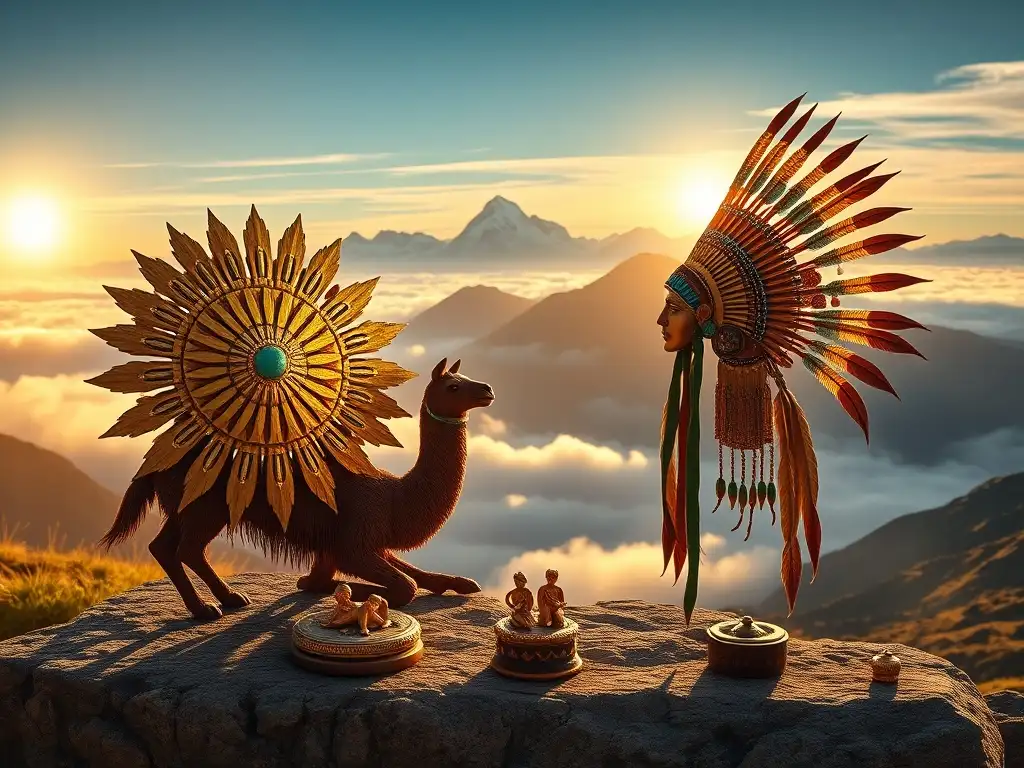
Step into a world lost to time, yet echoing with vibrant life. Imagine a civilization where gold wasn't merely precious metal, but a conduit to the divine, a language spoken through intricate artistry. Unravel the mysteries of Andean gold symbolism meaning, a captivating journey into the heart of Inca, Moche, and other ancient Andean cultures. Their masterful craftsmanship holds secrets waiting to be discovered – secrets woven into each glittering thread of their iconic goldwork. Dare to delve deeper into the Sun's Embrace?
The shimmering allure of gold captivated the ancient Andean civilizations, far beyond its inherent value. For the Incas, Moche, Nazca, and other cultures across the Andes, gold held profound cosmological significance, deeply interwoven with their beliefs about the sun, the cosmos, and the very essence of life itself. This article delves into the rich symbolism of gold in Andean cosmology, exploring how its properties and appearance mirrored their understanding of the divine and the natural world.
We will examine how gold's association with the sun, its malleability, and its rarity contributed to its sacred status, influencing their art, rituals, and social structures. Understanding this symbolism provides crucial insight into the Andean worldview and the sophisticated artistry that arose from it. This exploration will uncover how the "Andean gold symbolism meaning" extended far beyond mere ornamentation, reflecting a complex and deeply spiritual relationship with the environment and the divine.
Gold as a Manifestation of the Sun
The Andean peoples viewed gold as a solidified representation of the sun, Inti, the most revered deity in their pantheon. The sun's life-giving power, its radiant brilliance, and its cyclical journey across the sky were all mirrored in gold's properties. Its dazzling shine evoked the sun's intense light, while its malleability, allowing it to be shaped and molded, reflected the sun's dynamic and transformative nature.
The Incas, in particular, meticulously crafted intricate gold objects, often depicting the sun's rays or the sun god himself, to directly embody this celestial connection. These artifacts were not merely decorative; they were powerful symbols used in rituals and ceremonies intended to honor Inti and ensure the continuity of life and prosperity.
The sheer quantity of gold used in these creations further emphasized its sacred importance. Consider, for example, the immense gold ornaments found in royal tombs – a testament to the sun's central role in their cosmology and the ruler's connection to the divine.
Gold and the Andean Underworld
While strongly associated with the sun and the celestial realm, gold also held a connection to the Andean underworld, the realm of spirits and ancestors. This duality reflects the cyclical nature of Andean cosmology, where life, death, and rebirth were inextricably linked. The malleability of gold, its ability to be transformed, may have symbolized the transformative journey of the soul between these two realms. Furthermore, the discovery of gold in subterranean locations might have reinforced its association with the underworld, linking it to the earth's hidden riches and the power of the ancestors.
[Specific examples of gold artifacts from underworld contexts pending]. The intricate designs found on some gold objects, often depicting mythical beings or scenes from the underworld, further support this interpretation. This dual symbolism underscores the complex and nuanced understanding of the cosmos held by the Andean peoples.
The control and use of gold were intrinsically linked to power and social status within Andean societies. Gold objects were often reserved for the elite, serving as markers of royal authority and divine connection. The intricate craftsmanship of these pieces, demanding significant skill and resources, further reinforced their exclusivity. The use of gold in royal regalia, ceremonial objects, and burial practices highlighted the ruler's sacred role as intermediary between the human and divine realms.
[Specific data on the distribution of gold artifacts according to social class pending]. The sheer volume of gold used in royal burials, for example, underscores the belief in the ruler's continued power and influence even in the afterlife. The symbolic weight of gold, therefore, extended beyond its material value, shaping social hierarchies and reinforcing political authority.
The Legacy of Andean Gold Symbolism
The enduring legacy of Andean gold symbolism continues to fascinate and inspire. The intricate artistry and profound cosmological meaning embedded within these artifacts offer invaluable insights into the beliefs and worldview of these ancient civilizations. The enduring appeal of Andean gold lies not only in its aesthetic beauty but also in its capacity to connect us to a rich and complex past.
The study of Andean gold, therefore, is not merely the study of a material object, but a journey into the heart of a vibrant and sophisticated culture. The understanding of the "Andean gold symbolism meaning" continues to be a focus of ongoing research, enriching our appreciation for the ingenuity and spiritual depth of the Andean peoples. The work of archaeologists and art historians continues to unveil new facets of this compelling narrative, revealing more about the intricate relationship between gold, cosmology, and Andean society.
- Gold as a Manifestation of the Sun
- Gold and the Andean Underworld
- Gold, Power, and Social Status
- The Legacy of Andean Gold Symbolism
Andean Gold: More Than Just a Precious Metal
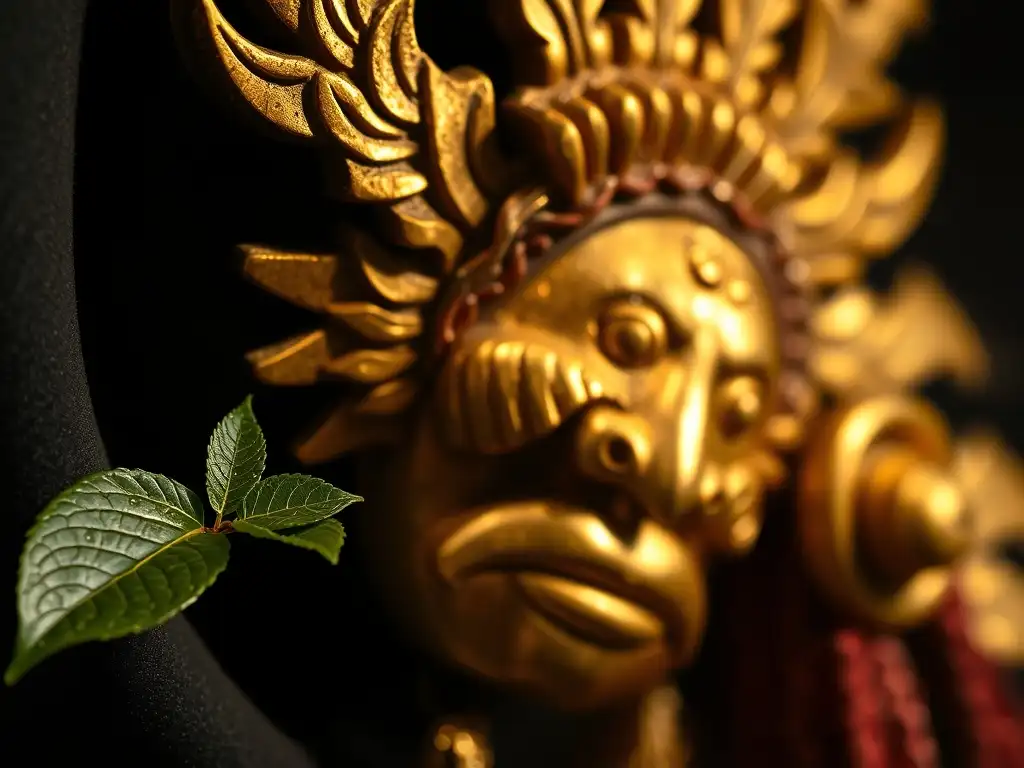
The shimmering allure of gold captivated the ancient Andean civilizations, far surpassing its mere monetary value. For the Incas, Moche, Nazca, and Tiahuanaco, among others, gold held profound symbolic significance, deeply intertwined with their cosmology, religious beliefs, and social structures. Understanding the Andean gold symbolism meaning requires appreciating its role not just as a precious metal, but as a powerful conduit to the divine, a representation of the sun's life-giving energy, and a marker of royal power and prestige.
This section delves into the multifaceted meanings associated with gold within the rich tapestry of Andean cultures. The sheer volume of gold artifacts unearthed—from intricate jewelry and masks to monumental sculptures—testifies to its immense cultural importance. The meticulous craftsmanship and symbolic representations embedded within these objects reveal a sophisticated understanding of metallurgy and a profound connection between the material world and the spiritual realm.
Analyzing these artifacts provides invaluable insights into the beliefs, values, and social structures of these remarkable civilizations. The widespread use of gold across different Andean cultures, despite geographical and chronological variations, underscores its universal symbolic power.
The Allure of Gold in Ancient Andean Cultures
The attraction to gold wasn't simply aesthetic; it was deeply rooted in the Andean worldview. The metal's inherent properties—its brilliance, malleability, and resistance to corrosion—mirrored qualities attributed to the sun, a central deity in Andean cosmology. The sun's life-giving power, its radiant energy, and its seemingly immortal nature were all embodied in gold.
This association is evident in numerous artifacts, particularly those associated with royal burials and religious ceremonies. For example, the elaborate gold ornaments found in the tombs of Moche elites often depicted solar motifs, emphasizing the connection between the ruler and the celestial sphere. The Inca, similarly, valued gold as a symbol of the sun god Inti, using it to create intricate objects for religious rituals and to adorn their rulers, thus reinforcing their divine authority.
The sheer quantity of gold used in royal contexts underscores its power as a symbol of kingship and divine right to rule. The meticulous craftsmanship further emphasized this association, with intricate details and symbolic representations carefully worked into each piece. This wasn't simply about displaying wealth; it was about embodying and projecting divine power.
Gold's Unique Properties and its Connection to the Divine
Gold's unique properties played a crucial role in its symbolic significance. Its lustrous brilliance evoked the sun's radiant light, while its malleability allowed artisans to shape it into intricate forms, reflecting the dynamism and transformative power of the cosmos. The fact that gold resists corrosion—unlike other metals—further reinforced its association with immortality and eternity. This resistance to decay mirrored the enduring nature of the sun and the divine realm.
The Andean worldview saw the world as interconnected, with the earthly and spiritual realms constantly interacting. Gold, therefore, acted as a tangible link between these worlds, facilitating communication with the deities and reinforcing the power of the rulers who mediated this connection. The use of gold in religious rituals and ceremonies—such as offerings to mountain spirits or during solar festivals—underscored its role as a sacred substance, capable of bridging the gap between the human and divine spheres. Analyzing the specific iconography and motifs found on gold artifacts offers further insights into the complex religious beliefs and practices of these cultures.
The intricate details and symbolic representations provide invaluable clues to deciphering the intricate relationship between Andean societies and their spiritual world. The careful placement of gold objects within tombs and ceremonial contexts further highlights their significance as mediators between the living and the dead. The enduring allure of Andean gold thus extends beyond its material properties, revealing a deep-seated spiritual and cosmological meaning that continues to fascinate and inspire.
The Sun and Gold: A Sacred Relationship
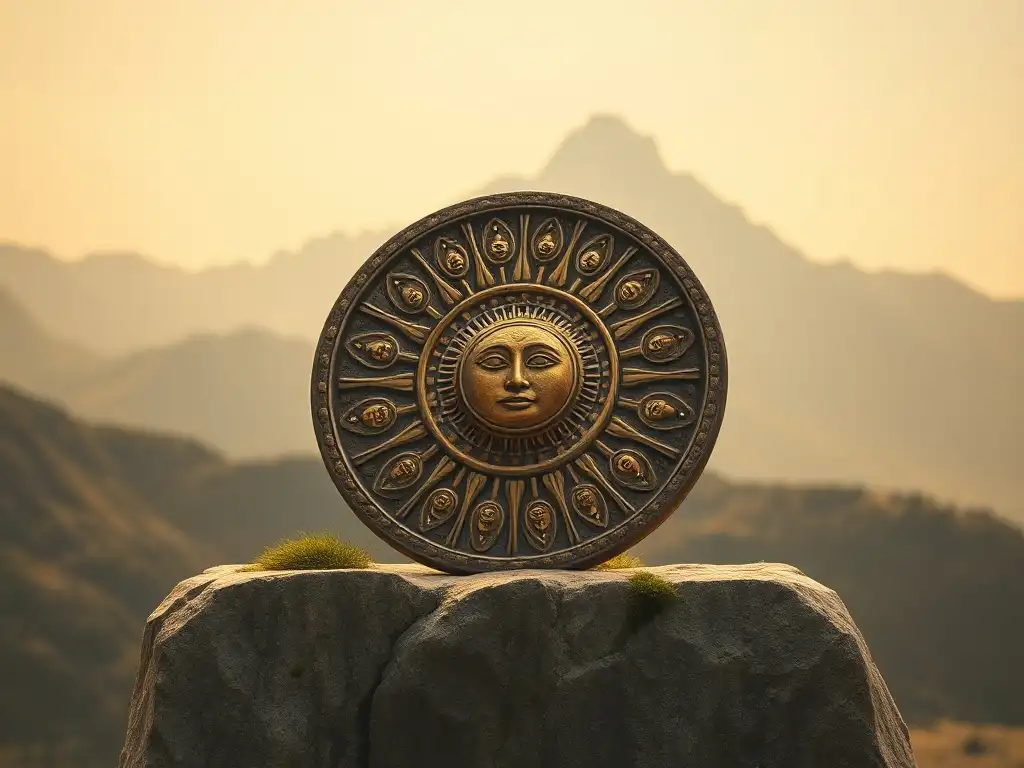
The Andean worldview deeply intertwined the sun, Inti, with gold, creating a powerful symbolic association that permeated their cosmology, religion, and daily life. This wasn't merely an aesthetic preference; gold's inherent properties—its brilliance, its resistance to tarnish, its malleability—mirrored the sun's qualities in the Andean mind, solidifying its sacred status. The radiant glow of gold evoked the sun's life-giving energy, while its enduring nature symbolized the sun's eternal presence.
This section will explore this profound connection, examining how Andean cultures viewed gold as a tangible representation of the divine solar power. The sheer quantity of gold artifacts unearthed from Andean sites underscores the immense importance placed upon this precious metal. Its symbolic weight within Andean gold symbolism meaning is undeniable.
Inti, the Sun God, and Gold's Divine Association
Inti, the Inca sun god, held paramount importance in the Andean pantheon. He was the source of life, fertility, and prosperity. His influence extended to every aspect of Andean society, from agricultural cycles to political power. Gold, with its dazzling luminosity, became naturally associated with Inti's divine essence. The Inca emperors, considered descendants of the sun god, wore elaborate golden ornaments and jewelry, emphasizing their divine lineage and authority.
These weren't merely decorative pieces; they were powerful symbols of sacred power, connecting the ruler to the cosmic order. Furthermore, Inti's temples and palaces often featured extensive gold decorations, further reinforcing the sacred link between the deity and the metal. The precise rituals and ceremonies involving gold and Inti remain partially obscured by time, yet the surviving artifacts undeniably speak to this strong, symbolic bond. Understanding this relationship is key to deciphering the Andean gold symbolism meaning.
Gold as a Manifestation of Solar Power
Beyond representing Inti himself, gold also symbolized the sun's power and energy. The sun's life-giving rays were seen as the source of all creation, and gold, with its radiant brilliance, was perceived as a physical embodiment of this vital force. This is reflected in the use of gold in various ritual objects, such as ceremonial vessels and masks. These objects weren't simply containers; they were conduits for the sun's energy, used in ceremonies to invoke its power for healing, abundance, or protection.
The intricate craftsmanship of these golden artifacts further enhanced their symbolic significance, demonstrating the dedication and reverence with which Andean artisans approached their work. Consider, for instance, the intricate details found in Moche goldwork – their mastery of the material reflects the profound respect for the power it represented. The sheer artistry involved reinforces the Andean gold symbolism meaning, transforming simple metal into sacred objects.
The Symbolic Color of Gold and its Solar Connection
The color yellow, intrinsically linked to gold, further strengthens the sun's association with the metal. Yellow was a dominant color in Andean textiles, pottery, and architecture, often representing the sun's rays and the fertile earth. The use of yellow pigments, often derived from minerals, alongside gold ornaments, created a visual synergy that amplified the sun's symbolic presence.
This color association was not arbitrary; it was deeply rooted in the Andean understanding of the cosmos and the importance of the sun's influence. The use of gold, therefore, wasn't simply a matter of aesthetic preference but a deliberate choice, imbued with profound religious and cosmological significance.
The consistent use of yellow and gold throughout Andean art and artifacts underscores the enduring power of this symbolism and its crucial role in understanding the Andean gold symbolism meaning. The careful placement and use of gold within these broader color schemes further highlight its symbolic importance.
Gold in Andean Rituals and Ceremonies
The shimmering allure of gold held far more than aesthetic value for Andean civilizations; it was deeply intertwined with their spiritual beliefs and cosmological understanding. The precious metal, often associated with the sun's radiant energy and the power of the deities, played a pivotal role in numerous rituals and ceremonies, solidifying its position as a sacred material. Understanding the use of gold in Andean rituals unveils a fascinating glimpse into their complex religious practices and worldview. The significance of Andean gold symbolism meaning extended far beyond mere ornamentation; it was an active participant in their spiritual world.
Gold Offerings to the Gods
Gold's inherent value and its association with the sun made it an ideal offering to the Andean pantheon. These weren't simply gifts; they were potent acts of veneration, designed to appease deities, ensure bountiful harvests, or solicit divine intervention. Archaeological discoveries frequently uncover elaborate gold objects—from miniature figurines representing deities to intricately crafted vessels containing offerings—buried within sacred sites or placed within tombs.
The meticulous craftsmanship and the sheer quantity of gold used in these offerings emphasize the immense spiritual significance placed upon them. For example, the discovery of [specific example of a significant gold offering and its location pending] provides compelling evidence of the scale and importance of these ritualistic gifts.
The meticulous detail in these pieces speaks to the immense value placed on the offering, signifying a profound connection between the earthly and divine realms. The act of offering gold wasn't merely a material transaction; it was a symbolic act of transferring power and ensuring the continuity of life and prosperity.
Gold Adornments and Their Ritualistic Significance
Beyond offerings, gold adorned the bodies of both the living and the dead. Elaborate gold jewelry—earrings, necklaces, bracelets, and headdresses—served as more than mere adornments; they were powerful symbols of status, authority, and connection to the divine. The intricate designs often incorporated religious motifs, further reinforcing their sacred nature.
The use of gold in these adornments was not arbitrary; the specific pieces and their designs likely held specific meanings, reflecting the wearer's social standing, their connection to particular deities, or their role within the community. For instance, certain types of gold headdresses might have been reserved for priests or rulers, while other pieces might have been used in specific ceremonies or rituals.
The careful selection and placement of these ornaments underscore their vital role in Andean religious and social life. Further research into specific iconography and styles of gold adornment [specific research needs pending] is needed to fully understand the nuances of their symbolic meanings.
Gold Masks and Their Role in Sacred Rites
Gold masks represent perhaps the most potent expression of Andean gold symbolism meaning. These meticulously crafted artifacts, often depicting deities or ancestors, served as intermediaries between the human and spiritual worlds. They were not merely representations; they were believed to embody the essence of the divine or ancestral spirits.
Used in funerary rites, religious ceremonies, and possibly even in shamanistic practices, these masks facilitated communication with the supernatural realm. The use of gold, with its solar connotations, further amplified the masks' power and sacredness. The craftsmanship of these masks is breathtaking, and the materials used, including [specific materials used in gold masks pending], suggest a significant investment of resources and time, underscoring the importance of these artifacts.
The careful placement of these masks within tombs, for example, suggests a belief in their continued power and influence even in the afterlife. The study of these masks continues to reveal new insights into Andean cosmology and religious practices, further highlighting the central role of gold in their spiritual life. The presence of these masks in archaeological contexts offers invaluable data for understanding the Andean worldview and their complex relationship with the divine.
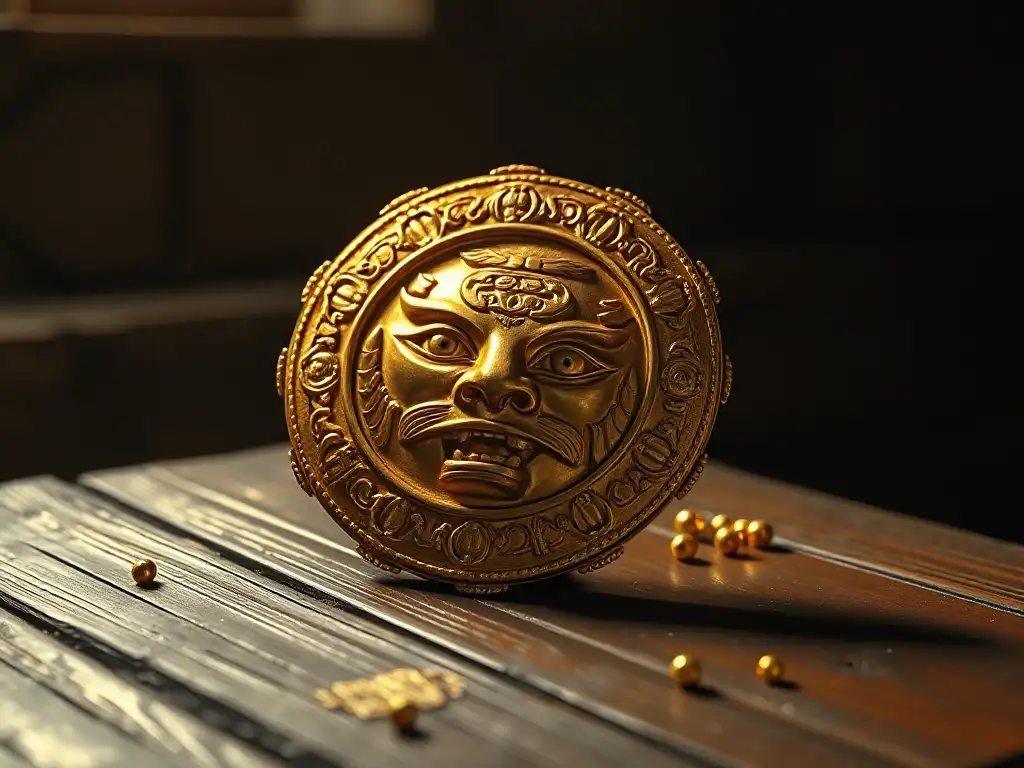
Gold, in the Andean world, transcended its material value to become a potent symbol deeply interwoven with social stratification and the exercise of power. Its lustrous brilliance mirrored the perceived power of the elite, solidifying their status and reinforcing their control over the populace. The meticulous craftsmanship lavished upon gold artifacts further emphasized their sacred and political significance, creating objects that were not merely decorative but powerful emblems of authority and divine connection.
Understanding the role of gold in Andean society requires examining its use within the hierarchical structure and recognizing the symbolic weight it carried. The sheer quantity of gold objects discovered in elite tombs and ceremonial centers underscores its importance in reinforcing social inequalities and the power dynamics of the time.
The scarcity of gold, coupled with the complex metallurgical techniques required to work it, ensured that its possession remained a privilege of the powerful, further highlighting its symbolic association with power. Analyzing the distribution of gold artifacts across different social strata provides crucial insight into the complex interplay between material wealth, social status, and political control in ancient Andean societies.
The Inca emperors, for example, were closely associated with the sun god Inti, and gold, with its radiant glow, became a powerful visual representation of this divine connection. Royal regalia, including intricately crafted crowns, ornaments, and ceremonial vessels, were often made of gold, visually solidifying the Inca ruler's position as a divine intermediary between the celestial and terrestrial realms.
The use of gold in royal contexts served to legitimize the Inca's rule, highlighting their divine right to govern and reinforcing their authority among their subjects. The sheer volume of gold used in royal burials, like those found in the royal tombs of Pachacamac, emphasizes the profound importance of gold in signifying royal power and the continuity of Inca lineage.
The more gold, the more powerful the ruler, a message clearly conveyed through the lavish displays of royal wealth. Furthermore, the intricate designs and motifs incorporated into these gold objects often depicted Inca mythology and cosmology, further emphasizing the connection between the ruler and the sacred.
Gold and Its Association with High-Status Individuals
Beyond the royal court, gold also played a significant role in signifying high social status among the Andean elite. Members of the priestly class, nobles, and other influential individuals were often adorned with gold jewelry and ornaments, demonstrating their elevated position within society. The style and intricacy of the goldwork could further indicate an individual's specific rank or social standing.
Detailed analysis of funerary contexts, where gold artifacts are found alongside the remains of high-status individuals, provides invaluable information on the distribution of wealth and the social hierarchies within Andean communities. For instance, the presence of gold masks, intricate ear ornaments, and finely crafted breastplates often signaled the deceased's position of power and influence during their lifetime.
The stylistic variations in goldwork across different regions and time periods also provide insights into the nuances of social differentiation within Andean societies. Each style carried a specific meaning, reflecting the cultural and political context in which it was created.
The Control of Gold Resources and Political Power
The control over gold mines and the production of gold artifacts was intrinsically linked to political power in the Andes. The Inca empire, with its highly centralized administrative system, effectively controlled access to gold resources, using it to consolidate its power and reward loyal allies. The distribution of gold objects, carefully orchestrated by the Inca state, served as a mechanism for reinforcing political control and maintaining social order.
This control extended to all aspects of gold production, from mining and smelting to the crafting of finished products. This meant that the Inca state not only controlled the supply of gold but also the imagery and symbolism associated with it. The strategic allocation of gold artifacts, and the associated labor and skill involved in its creation, played a vital role in maintaining social order and reinforcing Inca supremacy.
The absence of significant gold hoards outside of elite contexts further supports the hypothesis that the Inca state exerted a tight control over the production and distribution of this precious metal, effectively using it as a tool to manage power and maintain social hierarchies. The scarcity of gold itself, coupled with the state's control over its production, transformed it into an even more potent symbol of power and prestige within Andean society.
Andean Gold Symbolism Meaning: Exploring Deeper
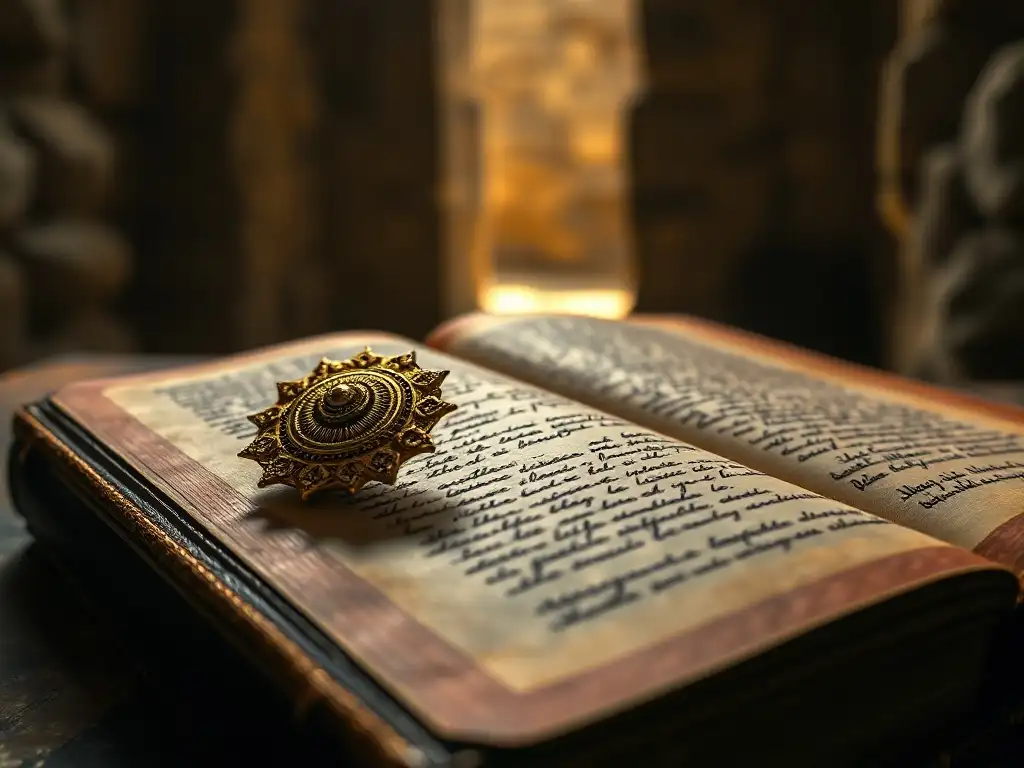
The phrase "Andean gold symbolism meaning" encapsulates a rich tapestry of beliefs and practices woven into the very fabric of ancient Andean societies. Gold, far from being a mere precious metal, held profound cosmological significance, representing the sun's radiant power, divine authority, and the interconnectedness of the cosmos. Its use extended beyond mere adornment; it was a powerful medium for expressing spiritual concepts and reinforcing social structures.
This section delves into the multifaceted meanings embedded within Andean goldwork, revealing the intricate relationship between material culture and spiritual worldview. Understanding this symbolism offers a crucial key to unlocking a deeper appreciation of Andean civilization's sophisticated artistry and cosmology.
The Metaphorical Use of Gold in Andean Worldview
The Andean worldview was deeply intertwined with nature, viewing the cosmos as a dynamic and interconnected system. Gold, with its brilliance and malleability, served as a perfect metaphor for this dynamic energy. Its association with the sun, inti, the most powerful deity in the Inca pantheon, cemented its sacred status.
Gold's ability to reflect light mirrored the sun's life-giving properties, its warmth sustaining all life on Earth. Furthermore, gold's malleability, its capacity to be shaped and transformed, symbolized the continuous cycle of creation and destruction inherent in the Andean cosmological understanding. Artisans didn't simply work with gold; they actively participated in a sacred process, channeling cosmic energy into tangible forms.
This transformative act imbued the finished artifacts with spiritual power, making them more than mere decorative objects; they were vessels of cosmic energy, imbued with the spirit of the sun. The intricate details and meticulous craftsmanship further emphasized this connection, demonstrating the reverence and spiritual devotion invested in each piece. Specific motifs, such as the depiction of inti himself or other celestial bodies, served to reinforce this connection, explicitly linking the gold object to the divine realm.
Consider, for example, the intricate gold masks found in various Andean sites. These weren't simply decorative items; they were believed to facilitate communication with the spirit world, acting as intermediaries between the living and the deceased. The gleaming gold reflected the life force, ensuring the continued vitality of the deceased in the afterlife. This belief system fundamentally shaped the creation and use of gold objects, transforming them into powerful symbols of cosmic energy and spiritual connection.
Gold as a Representation of Cosmic Energy
The shimmering brilliance of gold resonated deeply with the Andean concept of kawsay, often translated as "life force" or "vital energy." The sun's energy, the lifeblood of the Andean world, was directly associated with gold's radiant glow. This association is evident in the widespread use of gold in religious ceremonies and rituals. Gold objects were often incorporated into offerings to appease deities and ensure bountiful harvests.
They were also used to adorn mummies, ensuring the deceased's continued access to kawsay in the afterlife. The use of gold wasn't simply about aesthetic appeal; it was a powerful act of channeling and manipulating cosmic energy. By working with gold, Andean artisans believed they were actively participating in the flow of kawsay, imbuing their creations with the vital energy of the cosmos.
The precise techniques employed in Andean goldsmithing further underscore this connection. The sophisticated methods of hammering, casting, and soldering, often involving intricate designs and delicate details, demonstrate a high level of skill and precision. These techniques weren't merely technical achievements; they were expressions of a deep understanding of the relationship between human craftsmanship and cosmic energy.
The meticulous attention to detail, the perfect symmetry, and the dazzling brilliance of the finished pieces all contributed to their sacred power. The creation of each gold artifact represented a sacred act, a channel through which the cosmic energy could flow and manifest itself in the material world.
Gold and the Concept of Yanantin and Masintin
The Andean worldview embraced the concept of yanantin, a duality that encompasses complementary opposites, such as light and darkness, male and female, and life and death. Gold, in its radiant brilliance, represented the positive aspect of this duality, while other materials, such as silver or obsidian, could represent the negative or complementary aspects. The interplay between these opposing forces was considered essential for maintaining cosmic balance.
Masintin, the principle of reciprocity and balance, was crucial to Andean cosmology. The use of gold alongside other materials in jewelry and artifacts reflects this principle, suggesting a conscious effort to achieve harmony between opposing forces.
The use of gold wasn't solely restricted to the elite. While elaborate gold ornaments were certainly associated with high status and power, the metal's symbolic significance permeated all levels of Andean society. Even smaller, simpler gold objects held spiritual importance, reflecting the widespread belief in the inherent power of the metal.
This widespread use underscores the deep-seated cultural significance of gold within the Andean worldview, highlighting its pervasive role in daily life and spiritual practice. The careful consideration of yanantin and masintin in the creation and use of gold artifacts showcases the sophistication and complexity of the Andean cosmological system and its profound influence on artistic expression. The meaning of Andean gold wasn't simply a matter of material value; it was a complex interplay of spiritual beliefs, social structures, and artistic expression, reflecting a rich and nuanced worldview.
Gold Artifacts and Their Symbolic Storytelling
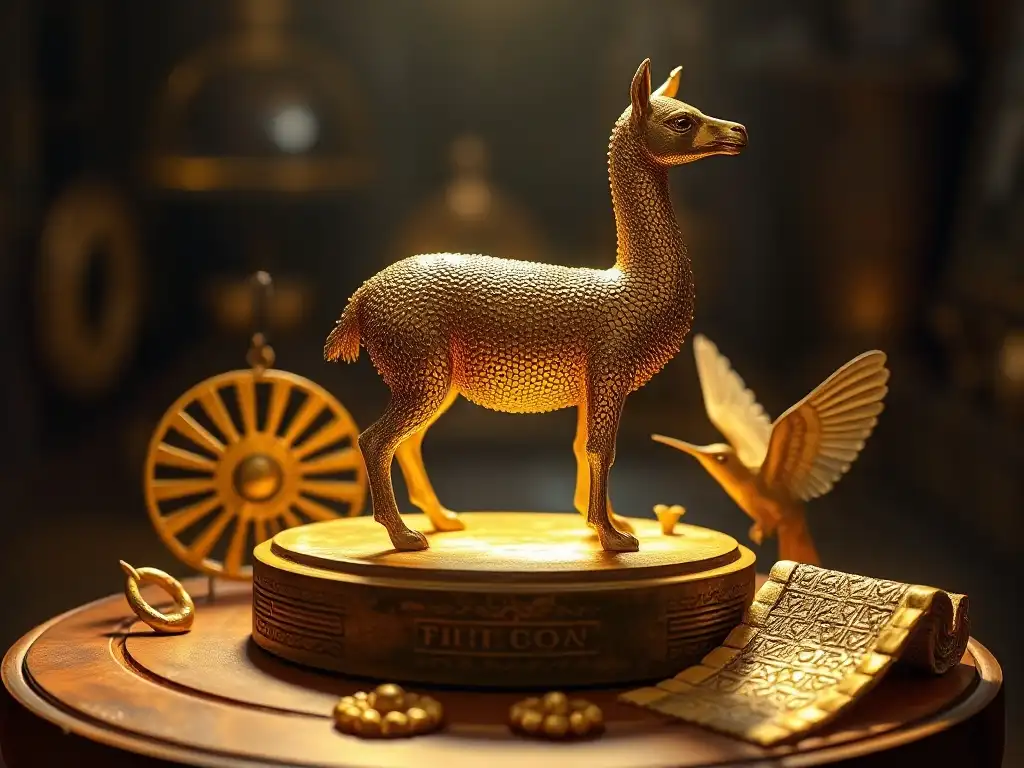
The allure of gold in Andean civilizations transcended mere material value; it became a potent symbol deeply embedded within their cosmology and worldview. The Andean gold symbolism meaning extended far beyond simple adornment, representing the sun's radiant energy, divine power, and the cyclical nature of life and death. Masterful craftsmanship transformed malleable gold into intricate narratives, each artifact whispering tales of their creators' beliefs and aspirations.
Analyzing these artifacts provides invaluable insight into the complex spiritual and social structures of these ancient societies. The sheer quantity and diversity of gold objects unearthed across various Andean cultures – from the Incas to the Moche and Nazca – underscore the metal's pivotal role in their societies.
The meticulous detail and artistry involved in their creation further highlight the profound respect and reverence held for this precious metal. Understanding the Andean gold symbolism meaning requires examining the specific contexts in which these artifacts were created and utilized.
Gold Tumis as Vessels of Cultural Narrative
The tumi, a ceremonial knife with a characteristic crescent-shaped blade, stands as a prime example of Andean goldwork's symbolic power. While often crafted from other materials like copper and silver, gold tumis held a uniquely elevated status, often associated with elite individuals and ritual practices. The intricate iconography adorning these ceremonial knives – often depicting deities, mythical creatures, or scenes from Andean mythology – served as visual narratives, encapsulating cosmological beliefs and social hierarchies.
For instance, some tumis depict the powerful feline deity, often associated with warfare and leadership, reflecting the importance of military prowess in Andean societies. Others feature intricate depictions of agricultural scenes, emphasizing the vital role of agriculture in their subsistence and spiritual life.
The precise Andean gold symbolism meaning displayed on each tumi is nuanced and depends heavily on the specific imagery and context of discovery. Further research, including analysis of associated grave goods, is needed to fully understand the complete range of meanings embedded within each individual piece.
Examples of Goldwork and their Iconographic Meaning
The range of Andean goldwork is astonishing in its diversity. Beyond the tumis, numerous other artifacts reveal rich layers of symbolic meaning. Consider the following examples:
- Masks: Gold masks, often found in elite burials, frequently depicted deities or ancestors, highlighting the belief in an afterlife and the enduring connection between the living and the spiritual world. The use of gold emphasized their divine status and power.
- Figurines: Small gold figurines, often representing humans, animals, or mythical beings, provide insight into daily life, religious beliefs, and social structures. The postures and adornments of these figurines often convey specific meanings related to social status, ritual practices, or mythical narratives.
- Jewelry: Elaborate necklaces, earrings, and headdresses, often incorporating gold alongside other precious materials like turquoise and feathers, served as markers of social status and spiritual power. The use of specific motifs and materials within these pieces provided clues to the wearer's identity and position within society.
| Artifact Type | Common Iconography | Symbolic Meaning |
|---|---|---|
| Gold Masks | Deities, Ancestors, Supernatural Beings | Connection to the afterlife, divine power |
| Gold Figurines | Humans, Animals, Mythical Creatures | Social status, ritual practices, mythological stories |
| Gold Jewelry | Geometric patterns, animals, plants, deities | Social status, spiritual power, fertility, abundance |
| Gold Spindle Whorls | Geometric designs, stylized animals | Weaving, creation, the feminine principle |
The meticulous detail and artistry of these objects underscore the profound significance of gold in Andean cosmology. The Andean gold symbolism meaning is not static; it’s a dynamic system of representations that evolved across different cultures and time periods.
Breastplates, Ear Spools, and Figurines and their Significance
Breastplates, ear spools, and figurines represent a further facet of Andean gold symbolism meaning. The breastplates, often worn by elite members of society, frequently feature intricate designs reflecting cosmological concepts and social hierarchies. The repetitive patterns and motifs, often including stylized animals and celestial bodies, may represent cyclical processes of nature or the interconnectedness of the cosmos. Ear spools, similarly, served as indicators of social status and possibly held ritual significance. Their size and design varied significantly across different cultures and periods.
Gold figurines, particularly those depicting humans or deities, often held a prominent role in ritual practices. Their depiction in specific poses or with particular attributes could reveal information about specific ceremonies, myths, and beliefs. The use of gold in these artifacts emphasized their sacred nature and connection to the spiritual realm. The detailed craftsmanship and the choice of materials used further highlight the importance of these objects within Andean society.
Further study, integrating archaeological findings with ethnohistorical accounts, is required to fully decipher the nuances of their symbolic meanings. The richness and complexity of Andean goldwork continue to fascinate and inspire researchers today, offering a window into the rich tapestry of Andean beliefs and practices. The continued exploration of these artifacts promises to further illuminate the profound Andean gold symbolism meaning.
The Legacy of Andean Gold Symbolism
The shimmering allure of gold held profound significance for the ancient Andean civilizations, far exceeding its mere material value. For them, gold wasn't simply a precious metal; it was a tangible representation of the sun's life-giving power, a conduit to the divine, and a symbol of power and prestige. This deep-seated reverence for gold is reflected in the intricate artistry and symbolic representations found in their metalwork, a testament to their sophisticated understanding of metallurgy and cosmology.
The Andean gold symbolism meaning transcended the aesthetic; it was intrinsically linked to their worldview and spiritual beliefs. Understanding this connection is crucial to appreciating the artistry and cultural depth of Andean civilizations. Analysis of surviving artifacts reveals a complex system of symbolic representation, varying across different cultures and time periods, yet consistently emphasizing the sun's crucial role in their lives.
The Enduring Influence of Gold in Andean Cultures
The influence of gold in Andean cultures extended far beyond the realm of religious iconography. Gold objects served as markers of social status, signifying wealth and power within the hierarchical structures of societies like the Inca Empire. Elaborate gold ornaments, such as intricately crafted earrings, necklaces, and headdresses, were worn by elites and royalty, visually proclaiming their elevated position within the community.
Moreover, gold was integrated into ceremonial objects used in rituals and offerings, further reinforcing its sacred connection to the divine. The use of gold in these contexts wasn't merely decorative; it was a powerful statement that linked the wearer or the ritual to the sun's power and the cosmos. Archaeological evidence, such as the discovery of royal tombs filled with golden artifacts, consistently supports this interpretation.
The sheer quantity and quality of these objects underscore the immense value placed upon gold and its symbolic potency. Even tools and everyday objects were sometimes crafted from gold, demonstrating the pervasiveness of its symbolic meaning within Andean society.
Modern Interpretations of Andean Gold Symbolism
Today, the Andean gold symbolism meaning continues to fascinate and inspire. Scholars and researchers continue to delve into the intricate details of Andean goldwork, seeking to unravel the complexities of its symbolic language. Modern interpretations often emphasize the connection between gold's brilliance and the sun's radiant energy, associating it with life, fertility, and cosmic power.
The intricate designs and motifs found on many gold artifacts—such as depictions of animals, deities, and celestial bodies—are carefully analyzed to decipher their deeper meanings and connections to Andean mythology and cosmology. The enduring appeal of Andean gold also extends to the realm of art and design, with contemporary artists drawing inspiration from its rich symbolic heritage.
This renewed interest reflects a growing appreciation for the cultural significance of Andean gold, highlighting its enduring legacy and the profound insights it offers into the beliefs and practices of these ancient civilizations. The vibrant colors and complex patterns, often reflecting the natural world, continue to capture the imagination, demonstrating the enduring power of Andean aesthetic traditions.
Preserving the Sacred Meaning of Andean Gold
The preservation of Andean gold artifacts presents unique challenges. The inherent value of gold makes it a target for looting and illicit trafficking, threatening the integrity of archaeological sites and the loss of invaluable historical information. Moreover, the delicate nature of many gold objects requires specialized conservation techniques to prevent deterioration and damage.
Efforts to preserve the sacred meaning of Andean gold involve a multi-faceted approach, encompassing strict regulations against looting and illegal trade, collaborative research between archaeologists and conservators, and the development of educational programs to raise public awareness about the cultural and historical significance of these artifacts. Furthermore, ethical considerations surrounding the display and interpretation of Andean gold artifacts in museums and other public institutions are paramount, ensuring that these objects are presented in a way that respects their cultural heritage and avoids any misrepresentation of their symbolic meaning.
The ongoing commitment to the preservation of Andean gold is vital for safeguarding a crucial part of humanity's cultural heritage and ensuring that the rich symbolic legacy of these ancient civilizations continues to inspire and educate future generations. This requires a collaborative effort involving governments, institutions, and communities to protect and celebrate this precious cultural heritage.
Frequently Asked Questions
What was the significance of gold in Andean cultures?
Gold held immense religious and symbolic importance in Andean civilizations. It was associated with the sun, divinity, and the spiritual realm, representing power, wealth, and immortality. It was believed to possess magical properties.
How did the Andean people use gold?
Andean cultures crafted gold into ornate objects for religious ceremonies, including masks, jewelry, and vessels. These were used in rituals and to adorn important figures, reflecting their status and connection to the divine.
What specific symbols were often depicted in Andean gold work?
Common motifs included the sun, condor, puma, and serpent, all powerful symbols in Andean cosmology. These represented deities, natural forces, and key aspects of their worldview.
What is the connection between gold and the sun in Andean symbolism?
Gold's radiant nature made it a perfect representation of the sun, a crucial deity. The sun was seen as a source of life, power, and fertility, and gold mirrored these attributes, representing the sun's energy and influence.
Where can I learn more about Andean gold and its symbolism?
You can explore museums showcasing Andean artifacts, consult scholarly articles and books on Andean civilizations, and visit websites like Andean Civilizations for in-depth information on the meaning and significance of Andean gold.
Final Reflection: The Enduring Glow of Andean Gold
The symbolic power of gold in Andean cosmology remains profoundly relevant today, a testament to the enduring human fascination with the sun and its earthly reflections. Its shimmering presence continues to captivate, reminding us of the intricate relationship between humanity and the natural world, a connection often lost in our modern, technologically driven society. The enduring allure of gold transcends mere material value; it speaks to deeper spiritual and cultural meanings that resonate across time.
The legacy of Andean gold continues to shape our understanding of pre-Columbian civilizations and their sophisticated worldview. Its artistry, meticulously crafted into intricate objects of worship and adornment, speaks volumes about their deep reverence for the cosmos. The sun, the source of life and power, found its earthly embodiment in gold, a material that mirrored its brilliance and immortality. Gold was not merely a precious metal; it was a conduit to the divine, a tangible representation of the sun's life-giving energy.
This understanding allows us to appreciate the profound spiritual significance embedded within these artifacts, far beyond their monetary worth.
Consider the enduring power of symbolism in your own life. How do you connect with the natural world? What symbols resonate deeply within you, carrying meaning beyond their literal form? Let the legacy of Andean gold inspire you to seek deeper meaning in the world around you, to appreciate the beauty and power of symbolism, and to find your own unique connection to the sun's embrace. The shimmering legacy of Andean gold awaits your exploration, inviting you to uncover its timeless wisdom and apply its lessons to your own journey.
**Unveil the Golden Wisdom of Andean Culture! **
Thank you for exploring the rich tapestry of Andean cosmology and discovering the profound significance of gold within this vibrant culture. You've gained insights that deepen your understanding and connect you to a timeless legacy. Now, let's put that knowledge into action!
Here are a few engaging ways to continue your exploration:
- **Immerse Yourself:** Visit a museum featuring Andean artifacts or explore an online exhibition to witness the artistry and beauty of their goldwork up close.
- **Join the Conversation:** Share this article with friends and family, or spark a discussion on social media about the cultural significance of the Andean civilizations.
- **Seek Out Further Knowledge:** Delve deeper into Andean history and cosmology through books, documentaries, or online resources to continue your journey of discovery.
What aspect of Andean culture resonates most with you, and how will you integrate that inspiration into your life?